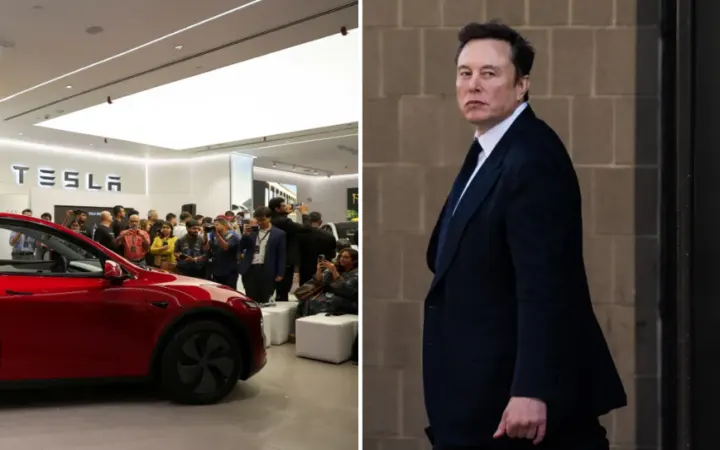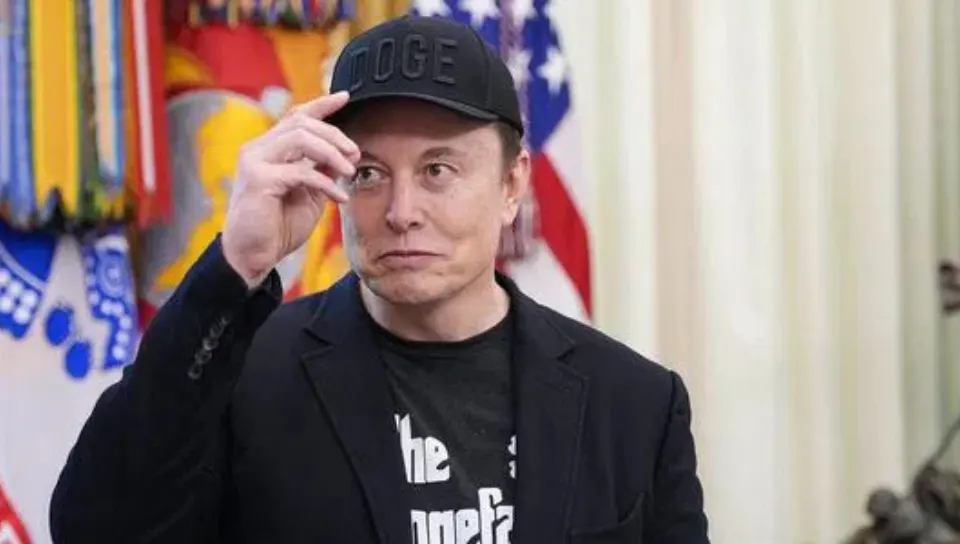
Multiple reports on August 20, 2025, said the Musk political strategy has shifted, with Elon Musk pausing his plan to launch a new party widely called the America Party. He is working to keep close ties with Vice President JD Vance while weighing the risks of splitting the right.
MUSK MOVES: Elon Musk Pauses Plan for a New Political Party, Keeps Lines Open with Vice President JD Vance
On Wednesday, August 20, 2025, multiple reports indicated that billionaire entrepreneur Elon Musk has paused his plan to launch a new political organization, widely discussed as the “America Party”while working to maintain close ties with Vice President JD Vance. People familiar with the discussions say Musk is weighing the risks of fragmentation on the political right against his interest in shaping policy on technology, industry, and efficiency in government. The decision follows weeks of speculation after Musk aired the third‑party concept in July amid a public rift with the White House over policy direction.
The pause does not necessarily end Musk’s political ambitions. Advisers describe a strategy shift from creating a formal party now to building influence through relationships, policy ideas, and targeted support for candidates and causes, moves that keep options open for 2028 while reducing blowback in the present. The immediate priority, they say, is business focus and a constructive channel to the administration through Vance.
The move lands at the intersection of politics, markets, and technologyand could recalibrate how one of the world’s most visible CEOs participates in U.S. public life.
Why Musk Floated a Third Party, and the Musk Political Strategy Now
Musk’s third‑party flirtation emerged after months of tension over policy choices with direct impact on his companies, from electric vehicles and autonomy to industrial policy and the structure of federal programs. Supporters framed the America Party idea as a way to advance a tech‑forward, cost‑cutting platform; critics saw a recipe for splintering the right and complicating the administration’s 2025 agenda.
By August, the calculation shifted. Launching a new party would demand ballot access infrastructure, fundraising rules, and a permanent political apparatus, all of which risked alienating allies and diluting influence inside the governing coalition. A pause keeps the leverage without the overhead: Musk can advise, convene, and fund without forcing a choose‑sides moment for legislators and voters aligned with the Vice President.
In other words: influence now, optionality later.
The Vance Factor: Why Keeping Close Matters
JD Vance has become a central node in Republican policy debates on industry, innovation, and workforce. Maintaining a warm channel with the Vice President allows Musk to pitch priorities, domestic manufacturing, AI safety, space leadership, and permitting reformwithout the optics of a public party split. It also preserves the possibility of alignment in 2028, should the party look for a standard‑bearer steeped in industrial policy and tech.
For Vance, the message has been unity first. He gains little from a parallel party orbiting the same voters and donors, and much from a high‑profile executive allied with his reindustrialization pitch. For Musk, the advantage is clear: a seat at the table on debates over EV incentives, charging networks, autonomous vehicles, and the broader technology stack that underwrites American competitiveness.
The result is a modus vivendi: less party‑building, more policy input.
What a Musk Party Would Have Faced: The Ballot Math
Building a new party in America isn’t only about ideas; it’s about ballot access in 50 jurisdictions, complying with filing deadlines, and navigating a patchwork of signature counts and verification rules. Add campaign‑finance guardrails, debate thresholds, and the challenge of constructing a national volunteer networkall from scratch, and even a well‑resourced third party faces months of operational drag.
That machinery would also collide with an unforgiving calendar: the 2026 midterm cycle is already in motion, and the 2028 field will harden faster than most voters realize. Against that backdrop, a pause looks less like retreat and more like resource triagea choice to convert time and capital into influence rather than infrastructure.
For now, the faster route to outcomes runs through existing institutions.
Markets Watch: Investor Read‑Through and Brand Risk
Every Musk political headline has a market echo. Investors who cheered a de‑escalation from party politics argue that less political volatility means more management focus on execution at his companies. Skeptics counter that the policy environmentfrom EV credits to antitrust and AI rules, remains in flux and that brand perceptions, especially among EV adopters, are shaped by more than one week’s news cycle.
In autos, sentiment has hinged on whether political crosswinds depress EV demand or slow public‑charging build‑outs. In space, watch for contract cadence and regulatory clarity on launch licensing. In social media and AI, the open questions center on content standards, privacy, and compute access. The party pause doesn’t settle those debates, but it does remove one immediate source of uncertainty that had become a headline‑to‑ticker feedback loop.
Still, short‑term relief doesn’t erase longer‑term questions about growth, competition, and regulatory exposure.
Policy Priorities Without a Party: What Musk Will Push For
Party or not, expect Musk to keep advocating a slate of policy priorities he has telegraphed for years. On the technology side: faster permitting for factories and launch sites; a permissive but safety‑conscious framework for autonomous vehicles; agile AI rules that preserve open innovation while addressing catastrophic risks. On the industrial side: domestic supply chains for batteries and critical minerals, stronger grid planning to support electrification, and procurement reforms that reward speed and cost discipline.
On governance, he has signaled an appetite for efficiency drives that compress timelines, collapse duplicative processes, and publish transparent metrics on program performance, ideas that resonate with Vance’s emphasis on competence and delivery.
That agenda gives both camps something to point to if relations thaw further in the months ahead.
Inside the GOP: Unity, Splinters, and the ‘America Party’ Idea
Republican leaders have sent mixed signals about third‑party ventures. Strategists wary of vote‑splitting argue that a bespoke Musk vehicle would distract from governing and complicate coalition math in tight races. Others see potential upside: a parallel structure could attract independents and tech‑minded moderates without forcing legacy brands to shift lanes. For now, the unity camp appears ascendant, and the party‑pause headline will be read as a victory for that view.
The bigger question is whether the America Party becomes a pressure valvea dormant option that can be revived later, or fades as a cautionary tale about the difficulties of building outside the two‑party frame. Either way, the conversation has surfaced a policy space where industrial pragmatism and tech acceleration meet, terrain that Vance and Musk both cultivate.
Until then, attention shifts to policy wins deliverable without a new party banner.
2028 on the Horizon: Speculation and Scenarios
Because politics abhors a vacuum, the pause immediately fed 2028 speculation. One scenario: Musk channels resources into policy shops, candidate recruitment, and issue campaigns that align with Vance’s program, keeping a third‑party option in the drawer. Another: the relationship frays again, reviving the America Party as a negotiating chip, or a genuine vehicle if donor interest materializes.
There is also a status‑quo path: no party, continued business focus, and project‑by‑project collaboration with willing partners in both parties on space, AI, and industrial policy. That route minimizes drama and maximizes execution, an outcome markets generally prefer.
Any of these paths could evolve quickly if the political weather changes.
How a Party Pause Lands with the Public
Public reaction has split along familiar lines. Admirers welcome the de‑escalation as a sign that governance, not spectacle, will take precedence. Critics call it a trial balloon followed by a tactical retreat. Among independents, the response has been more pragmatic: if the pause yields clear policy wins and less performative conflict, it will be judged useful; if it produces drift, the appetite for a disruptive alternative could return.
In the broader culture, the episode spotlights an old question with a modern twist: how should prominent business leaders engage in politics without overshadowing elected officials? The answer may be issue‑specific campaigns that avoid the party‑building trap while still translating private‑sector lessons into public‑sector outcomes.
That’s the scorecard most voters keep, even if they never say it out loud.
Business First: What ‘Refocus’ Means for Musk Companies
If the next stretch is about operational focus, here’s what to watch. In automotive: product refresh cycles, software monetization, and the pace of driver‑assist advances. In energy: grid‑scale storage deployments and the economics of virtual power plants. In space: cadence of launches, reliability stats, and revenue milestones for satellite services. In AI and social: platform stability, ad and subscription mix, and progress on trust and safety tooling that can survive regulatory scrutiny.
Each of these fronts has its own KPIs. None require founding a political party to move; all benefit from predictable policy lanes that allies like Vance can help to clarify from inside the administration.
For shareholders and employees alike, that emphasis may be the headline that matters.
Risks That Remain: Policy, Personality, and the News Cycle
Press pause on a party and the risks don’t disappear. Musk’s public persona guarantees that any renewed clash with policymakers will detonate across feeds. Regulatory timelines on autonomy, AI, and infrastructure are uncertain. And politics is politics: coalition partners celebrate today and spar tomorrow. The bet behind the pause is that alignment with Vance reduces misfires and increases the chances that disagreements can be handled in private rather than on stage.
There is also the risk of drift. Without a party framework, initiatives live or die by follow‑throughbuilding policy outlines into pilot projects, pilots into programs, and programs into measurable results. That is slower, quieter work than a splashy launch, but ultimately the only metric that matters in the long run.
That’s the practical test of the new posture.
What to Watch Next: Signs the Pause Is Working
Three signals will show whether this strategy delivers. First, look for visible policy wins that track Musk’s wish list, faster permits, pragmatic EV infrastructure decisions, and clear timetables on autonomy pilots. Second, monitor the tone between Musk and senior officials: fewer public spats suggest that relationship channels are productive. Third, watch the 2026 cycle for where Musk invests attention and resources, issue campaigns vs. candidate slates vs. think‑tank work.
On the politics beat, eyes will be on Vance as he navigates unity appeals with the governing realities of a diverse coalition. On the business beat, the checklist remains the same: product, profitability, and performance.
Final Take: Party on Hold, Influence in Play
Musk isn’t abandoning politics; he’s changing vehicles. Instead of a new party, the emphasis shifts to relationships, policy coalitions, and deliverables that move faster than ballot access fights. The Vance connection remains the hinge: it offers a path to shape policy without fracturing the coalition that currently governs, while preserving the option to scale up political ambitions later if the landscape demands it.
For markets, the message is focus. For allies, it’s unity with room for hard debates. For critics, it is a reminder that influence doesn’t always wear a party label. However this chapter ends, the next few months will test whether a lower‑drama approach can yield higher‑impact results where it counts: in factories, on launch pads, across charging networks, and inside the rules that shape the country’s technological future.
Source: KSL (Wall Street Journal report)