The No Kids as Bait Act Aims to Protect Children
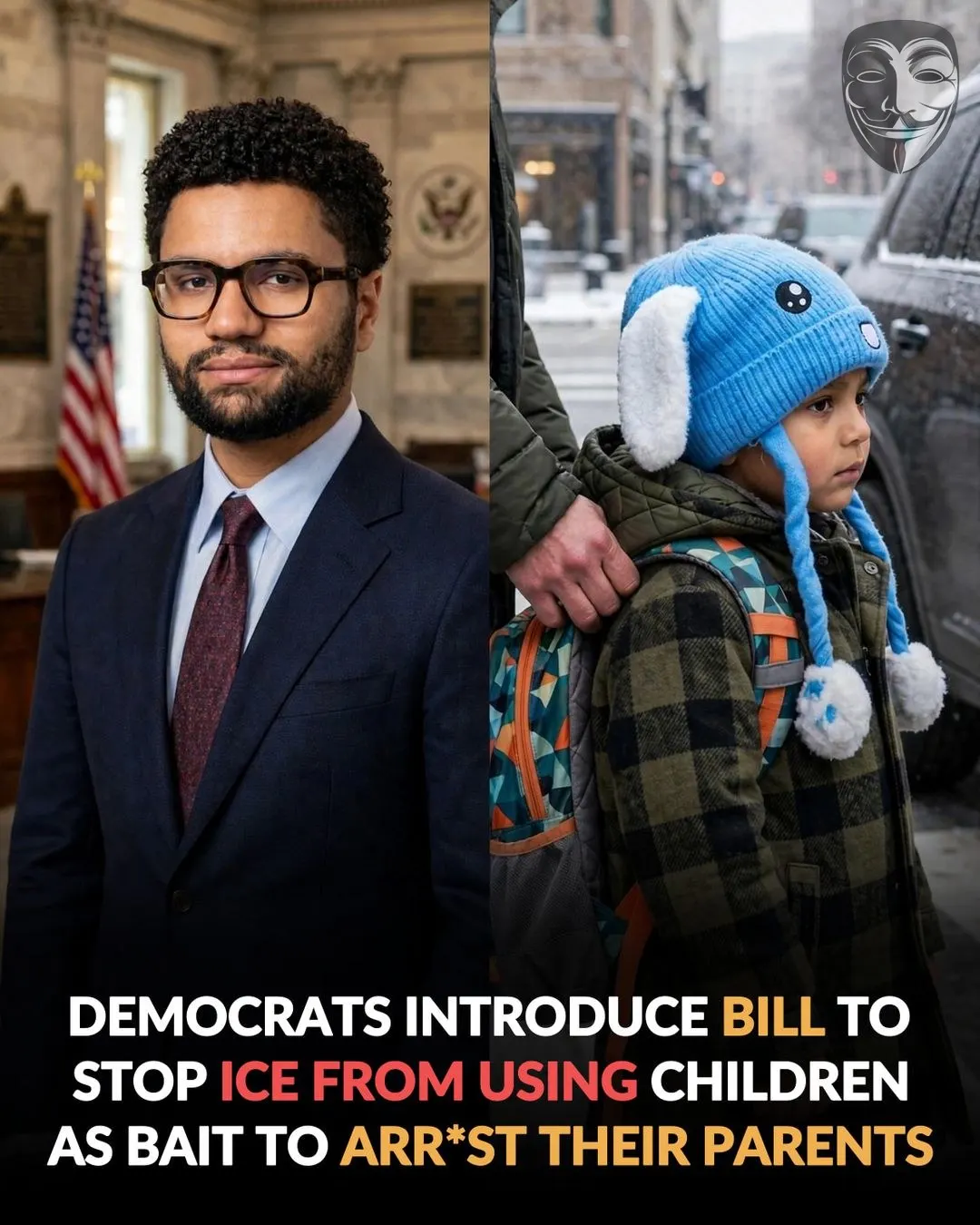
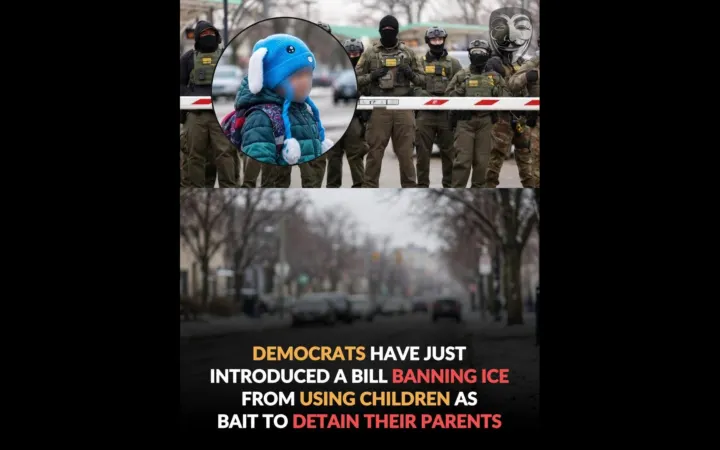
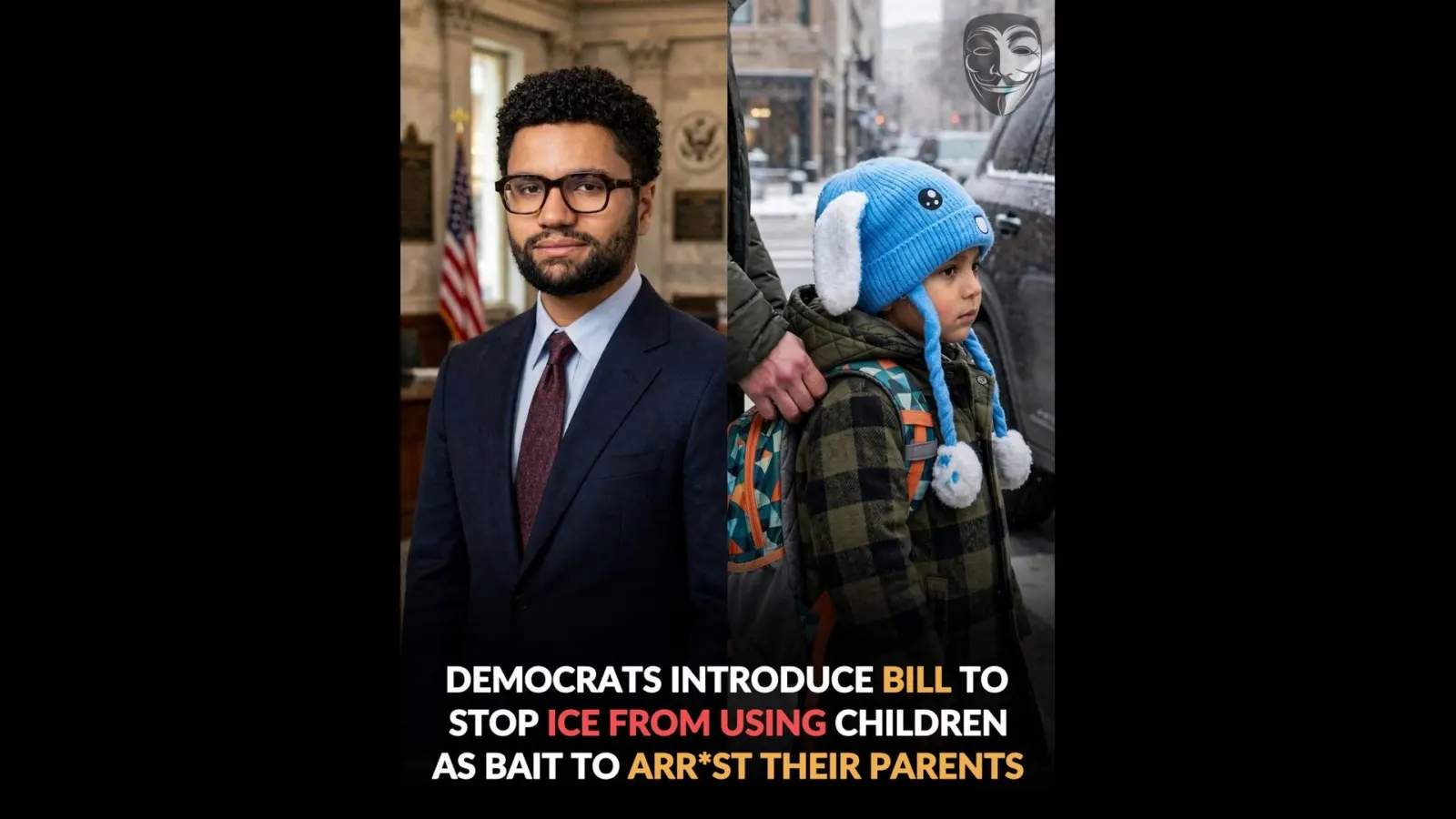
The No Kids as Bait Act would make it illegal for federal immigration officers to detain children as a way to find and arrest their parents. Congressman Maxwell Frost, a Florida Democrat, introduced the bill on November 12, 2026, and it was formally filed as H.R. 11016 with 27 House Democrats as cosponsors. The measure responds to cases in which agents detained children or questioned them to draw out family members. Frost has called the practice despicable and said children should never be used as a tool against their own parents.
The bill would also stop immigration officers from using children as interpreters when they question parents, and it would require written records within 72 hours whenever a child is detained. It would limit how health and homeland security agencies share information about unaccompanied minors, and it would require inspectors general to report to Congress every 180 days. In the slides ahead we explain each part of the bill and what happens next. See also a bill that would let wrongfully detained citizens sue ICE and the story of Maria Flores Garcia coming home after ICE released her.
References:
Florida Sun Review: Maxwell Frost Introduces No Kids as Bait Act
AInvest: The 180 Million Gap in the No Kids as Bait Bill
QuiverQuant: Representative Maxwell Frost introduces H R 11016 No Kids as Bait Act
ELR News: Frost Says ICE Has Been Using Children as Bait
Who Is Maxwell Frost?

Maxwell Frost is a Democratic congressman from Florida who won his House seat as one of the youngest members of Congress. He represents Orlando and has built his name on issues that matter to voters, including gun safety and housing. Frost introduced this bill after hearing reports that immigration agents detained children or questioned them to reach their parents. He said the practice should be illegal in the United States. Learn more about House Democrats in our story on Hakeem Jeffries and the coming House session and our report on the fight over a bill to stop presidential self pardons.
What the No Kids as Bait Act Would Ban
The No Kids as Bait Act would bar the Department of Homeland Security from taking children into custody to locate or arrest their parents, stepparents, legal guardians or adult relatives. It would draw a clear line that agents may not cross, even when they believe a child could lead them to a parent. The rule would cover children of all ages and would apply in homes, schools and other places where families live. Read about another House bill aimed at ICE and wrongful detention and a plan to seal the border under the No Invasion Act.
H.R. 11016 and Its 27 Cosponsors
The bill was filed as H.R. 11016 and cosponsored by 27 House Democrats. That number shows the idea has backing inside the party, though a bill still needs far more support to pass the House. After it was introduced, the measure was referred to the Committees on the Judiciary and Homeland Security. Those two panels handle immigration law and the agencies that enforce it. Their review is the next step before any vote. Follow the House in our story on Hakeem Jeffries and the January session and our report on the petition to force a vote on the Epstein files.
The No Kids as Bait Act and Child Interpreters

One part of the bill would stop ICE from using children as interpreters during enforcement interviews of their parents. A child who translates for a parent faces pressure no child should carry, and the words they choose can shape what happens to their family. Adult interpreters exist for this work, and the bill says agencies should use them instead. The rule would protect children from being pulled into talks they do not understand. See how families are affected in our story on Maria Flores Garcia coming home after her release and our report on crowd control weapons at immigration protests.
The 72 Hour Rule for Detained Children

The bill would require written documentation within 72 hours whenever a child is detained. That paper trail would record who took the child, where the child was held and why. Records like these make it harder for mistakes to stay hidden and give families and lawyers something solid to point to. The rule would also give Congress a way to check whether agencies followed the law. Read about a bill that would let wrongfully detained citizens sue ICE for at least 500,000 dollars and the rule that senators will go without pay in a shutdown.
How the No Kids as Bait Act Limits Information Sharing

The bill would also restrict information sharing between the Department of Health and Human Services and the Department of Homeland Security in cases involving unaccompanied minors. Health officials care for children arriving alone, and the bill would keep their records from being used to track down family members. That wall matters, since families may avoid care if they fear arrest. The bill aims to keep care and enforcement apart. Learn more in our report on the House probe into the Trump family and top staff and our story on crowd control weapons at immigration protests.
What Frost Told ELR News

Frost told ELR News that ICE has been using children as bait, either by detaining children or by asking them questions to lure out the family and then detain those people. His words were blunt. He said the practice should be illegal in the United States and called it a despicable act to use children as a tool of detention against their own parents. The quote gives the bill its name and its moral case. Read about House Democrats in our story on Hakeem Jeffries and the coming House session and our report on warnings about Trump and Russia.
Why Child Welfare Advocates Back the Measure

Child welfare advocates have backed the bill, and their support gives it weight beyond party politics. People who work with children every day know how fear shapes a child, and they know that a child questioned by officers may say anything to make the moment end. Advocates say the law should shield children from that pressure, not expose them to it. Their backing also helps the public see the bill as a child safety measure. See our story on Maria Flores Garcia coming home after her release and our report on Florida turning inspection stations into immigration checkpoints.
The No Kids as Bait Act Moves Through Two Committees
The bill was referred to the Committees on the Judiciary and Homeland Security after its introduction. Those panels must study the bill, hold hearings if they choose and decide whether to send it to the full House. Most bills never leave committee, so this stage is where many good ideas stall. Supporters hope the committees will take the bill seriously and give it a hearing. Follow the process in our report on the petition to force a vote on the Epstein files and our story on plans to impeach Trump in January 2027.
What Happens Without a Vote
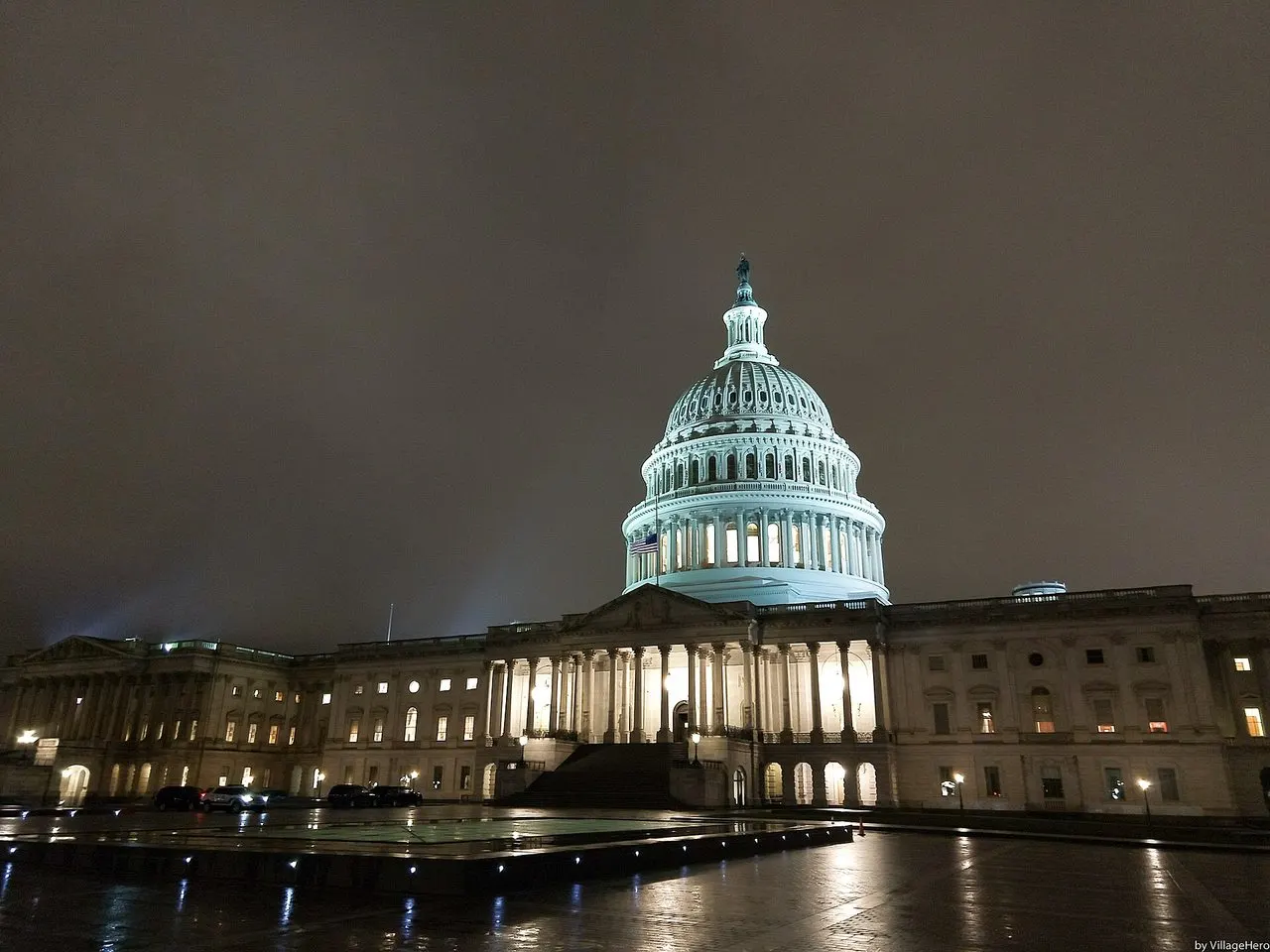
For now the bill remains proposed legislation with no vote scheduled in the Republican controlled Congress. A bill without a vote cannot become law, no matter how many people support it. Frost said he hopes the measure draws bipartisan support, which would give it a better chance of moving forward. Until then, the bill serves as a public statement of what its backers believe the law should say. Read about a plan to seal the border under the No Invasion Act and the rule that senators will go without pay in a shutdown.
A Florida Voice in Congress

Frost represents Orlando, Florida, a city known for its lakes, theme parks and fast growing neighborhoods. His district sits in the middle of a state where immigration policy touches many families. Florida has also been at the center of recent enforcement debates, from new detention sites to roadside checkpoints. That home state backdrop helps explain why Frost chose this fight. Learn more in our report on Florida opening a new immigration detention site and our story on Florida turning inspection stations into checkpoints.
The No Kids as Bait Act and Families

At its core, the bill is about families staying together and children staying out of enforcement. When officers detain a child to reach a parent, the child pays the price for a choice the adults made. Parents live with the fear that a knock at the door could split their home apart. The bill would take that tactic off the table and tell agencies to find another way. See how enforcement reaches families in our report on crowd control weapons at immigration protests and our story on Trump patrolling D.C. with police and troops.
The Inspectors General Would Report Every 180 Days

The bill would require the inspectors general of Health and Human Services and Homeland Security to report publicly to Congress every 180 days on compliance. Those reports would show whether agencies followed the new rules or broke them. Public reporting matters because it lets voters and lawmakers see what is really happening. Without it, a ban on paper could be ignored in practice. Read about oversight in our report on the House probe into the Trump family and top staff and our story on the petition to force a vote on the Epstein files.
What Bipartisan Support Would Take

Frost said he hopes the bill draws bipartisan support, and that hope is the key to its future. A bill backed by both parties can move through committees and reach a vote, while a bill backed by one party often waits. To win Republican votes, supporters must show the measure protects children without blocking lawful enforcement. That case may take time to make. See how parties work together in our report on the fight over a bill to stop presidential self pardons and our story on Hakeem Jeffries and the speaker nomination vote.
How the Bill Fits a Bigger Immigration Debate
This bill lands in the middle of a wide national debate over immigration enforcement. Other recent measures would punish wrongful detention, limit crowd control weapons at protests and change how the border is sealed for future presidents. Each one reflects a different view of how much power enforcement agencies should hold. This bill adds a narrower point, that children should never be used as leverage. Read about Senate Republicans backing National Guard deployments in Democratic led cities and warnings about Trump and Russia.
What Do You Think Should Happen Next?

The bill now waits in committee, and its future depends on whether lawmakers from both parties decide that protecting children matters more than the politics around immigration. Frost and his cosponsors have made their case, and child welfare advocates have added theirs. Now the question turns to you. Should Congress pass this bill, change it or leave the law as it is? Share your thoughts in the comments below. You may also like our story on plans to impeach Trump in January 2027 and our report on Mamdani keeping his promises on rent and childcare.