Mayan Beekeepers Beat Monsanto in Mexico’s Supreme Court
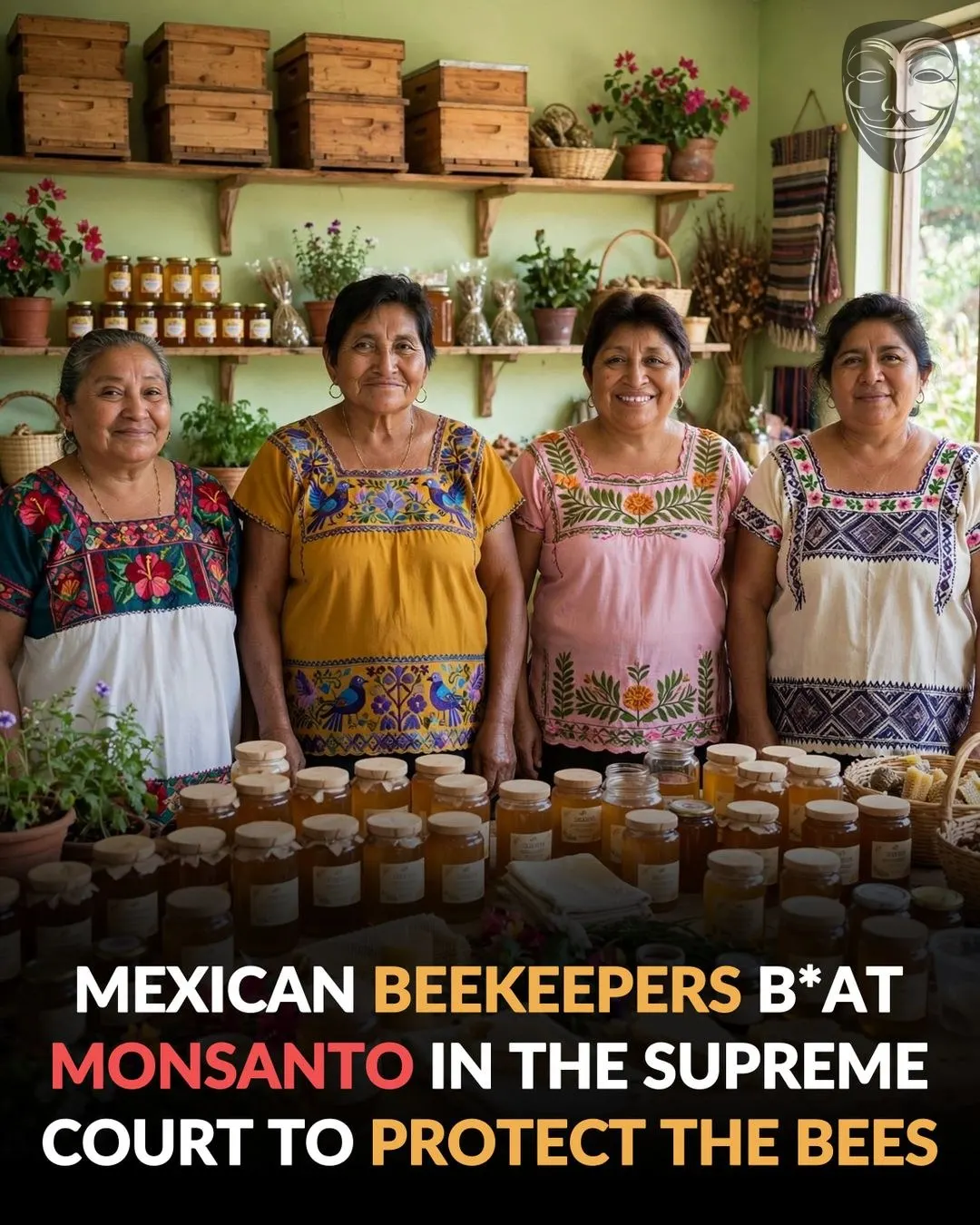
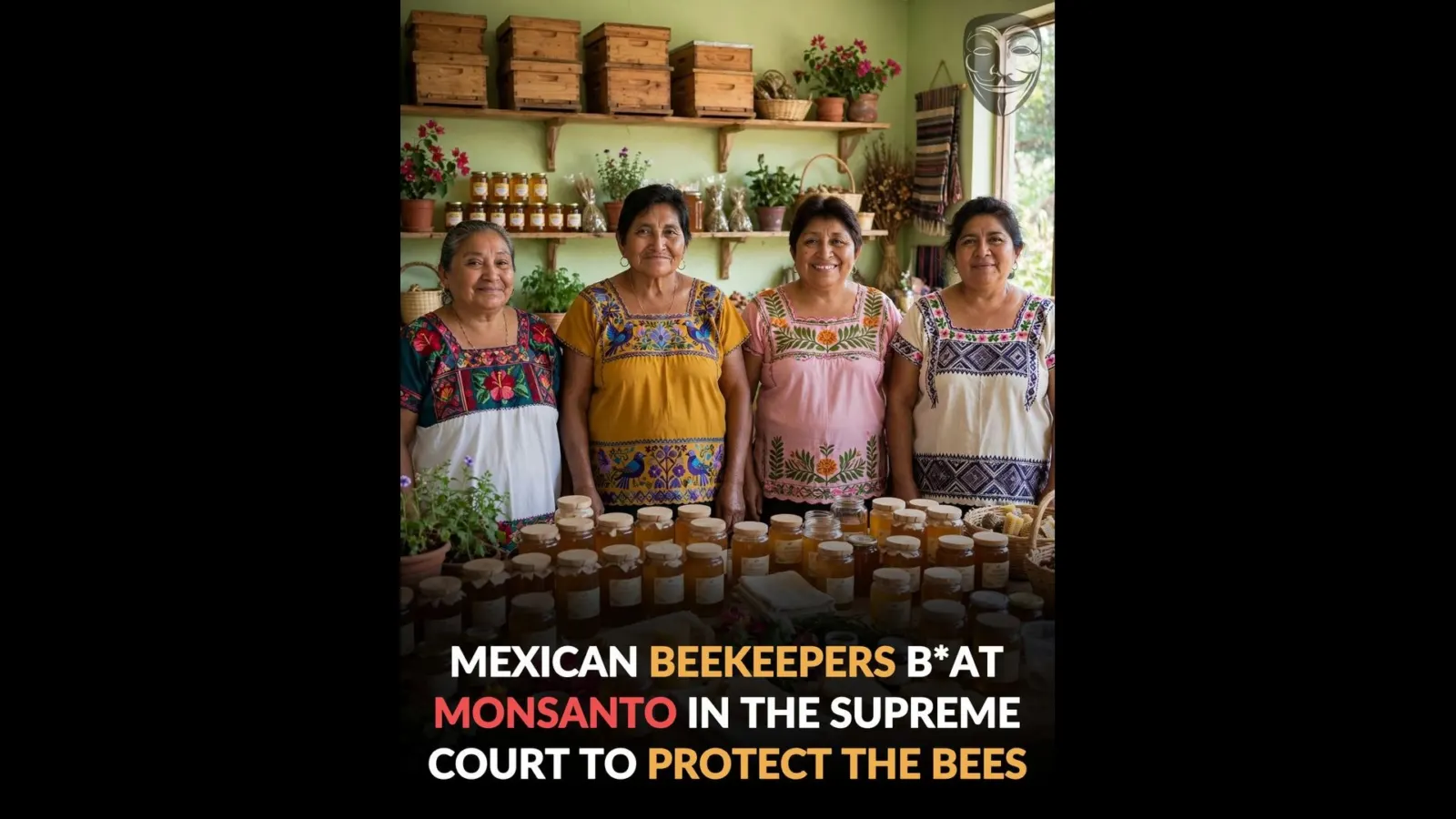
Mayan beekeepers in Mexico took on one of the largest farm companies in the world and won. In 2012, the government gave Monsanto permits to plant genetically modified soybeans across the Yucatan Peninsula, without first asking the Indigenous Mayan communities who had kept bees there for generations. The beekeepers feared the crops and the sprays that came with them would harm their bees, their forests and the honey that thousands of families depend on. They chose to fight back in court, and their case reached the highest court in the land.
Led by beekeeper Leydy Pech, the communities argued that the government had broken their right to be consulted first. In November 2015, Mexico’s Supreme Court agreed with them and upheld the suspension of the permits. Monsanto’s permits were later revoked, and Pech went on to win the Goldman Environmental Prize in 2020. In the slides ahead, we tell the story of the bees, the forest and the people who refused to give up. Read about other people who stood up for their land in our story on Indigenous leadership and about how the courts shape big fights.
References:
Goldman Environmental Prize: Leydy Pech, Mayan Beekeeper and Environmental Defender
Atlas Obscura: The Keeper of Sacred Bees Who Took on a Giant
Living on Earth: A Mayan Bee Guardian
One Earth: Environmental Hero Leydy Pech
The Permits That Started the Fight in 2012
In 2012, Mexico’s government gave Monsanto permits to plant genetically modified soybeans in the Yucatan Peninsula. The decision was made without first asking the Indigenous Mayan communities who live and work on that land. For the families there, the news came as a shock, because their lives revolve around bees, honey and the forest. They worried that huge new soybean fields would change the land they had cared for all their lives. Read about another person who fought back in our story on a woman who escaped her attacker and a town that packed a hall to be heard.
A Land of Bees, Forests and Honey
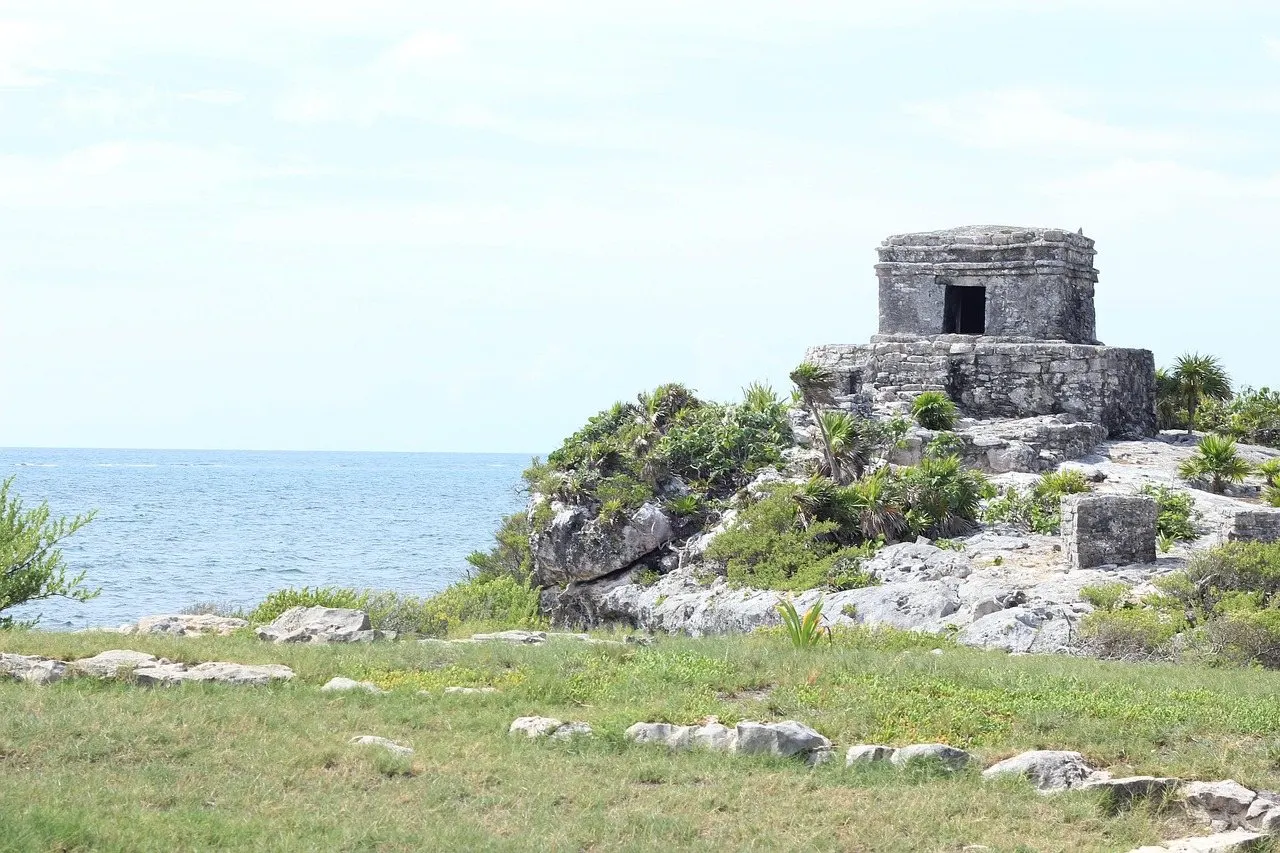
The Yucatan Peninsula is a flat land of green forest, clear cenotes and warm sun, and it is home to Mayan communities who have kept bees there for generations. Honey from this region supports thousands of families, and the bees feed on flowers that grow wild in the forest. For many families, a good honey harvest means school fees, food on the table and a roof kept in repair. Learn about a vow that lasted 52 years in our story on a man who kept his arm raised for peace and about leaders who fight for their land and water.
Leydy Pech Led the Mayan Beekeepers to Court
Leydy Pech is a Mayan beekeeper from the Yucatan Peninsula who became the face of the fight against the soybean permits. She keeps bees the way her family has done for years, and she knows every flower and every season in her forest. When the permits arrived, she helped bring her neighbors together and took the case to court. In 2020 she won the Goldman Environmental Prize. Read about another woman who stood up in our story on Sophie Cunningham and about a family that came home after a long fight.
Why Soybean Fields Worried the Villages
The beekeepers feared that large soybean farms would bring heavy pesticide use and big changes to the forest around their hives. Bees are small and fragile, and the sprays used on industrial crops can poison them or drive them away from the flowers they need. If the bees died off, the honey would go with them, and with it the income of thousands of families. See how other rulings reached the top court in our report on the Supreme Court tariffs case and read why one leader ordered the truth to be recorded.
The Right to Be Consulted First
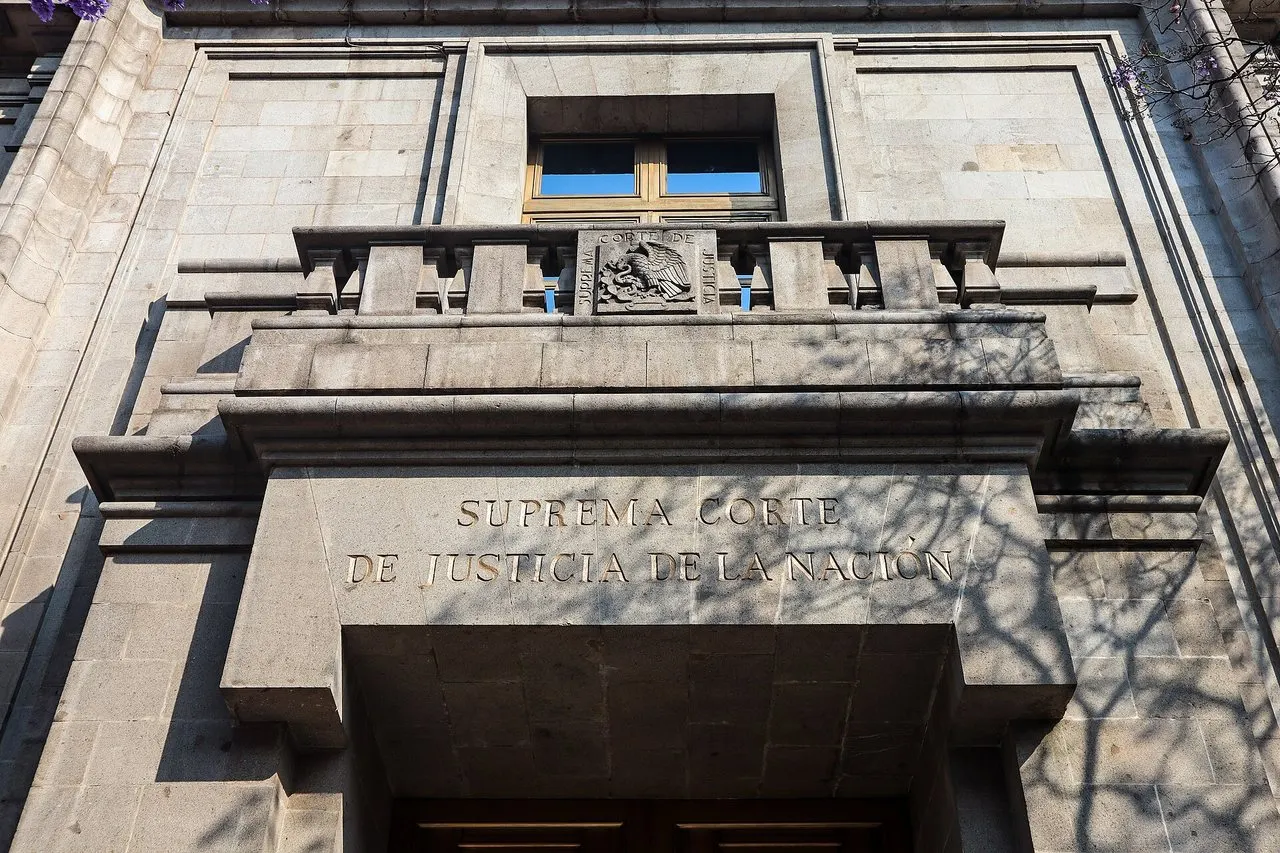
At the heart of the case was a simple idea. Indigenous communities have the right to be consulted before the government makes a decision that could harm their land, their water or their way of life. The beekeepers said this right had been ignored when the soybean permits were granted in 2012. They asked only to be heard before decisions that would touch their bees, their forests and their honey. Read about how courts weigh big questions in our story on Supreme Court term limits and about a world court ruling on a persecuted people.
The Mayan Beekeepers Refused to Stay Silent
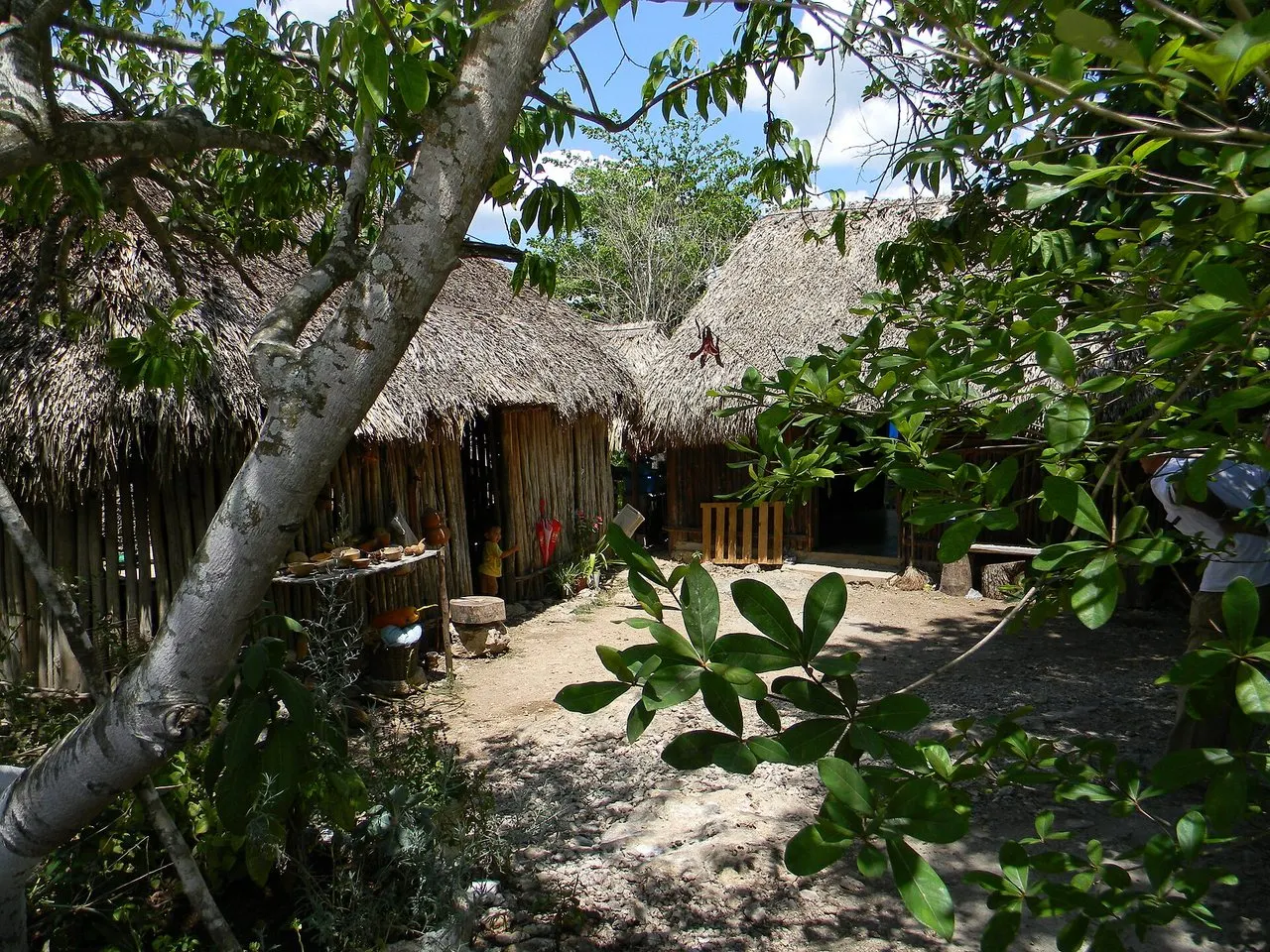
Instead of accepting the permits, the beekeepers and community groups joined together and challenged the decision in court. Neighbors met in village halls, shared what they knew about the bees, and stood by each other through long months of hearings. Their unity became their strength, and their voices grew harder to ignore. Learn about other people who refused to back down in our story on a family that fought to come home and three brothers who stood by their mom.
Honey, the Heart of Every Family
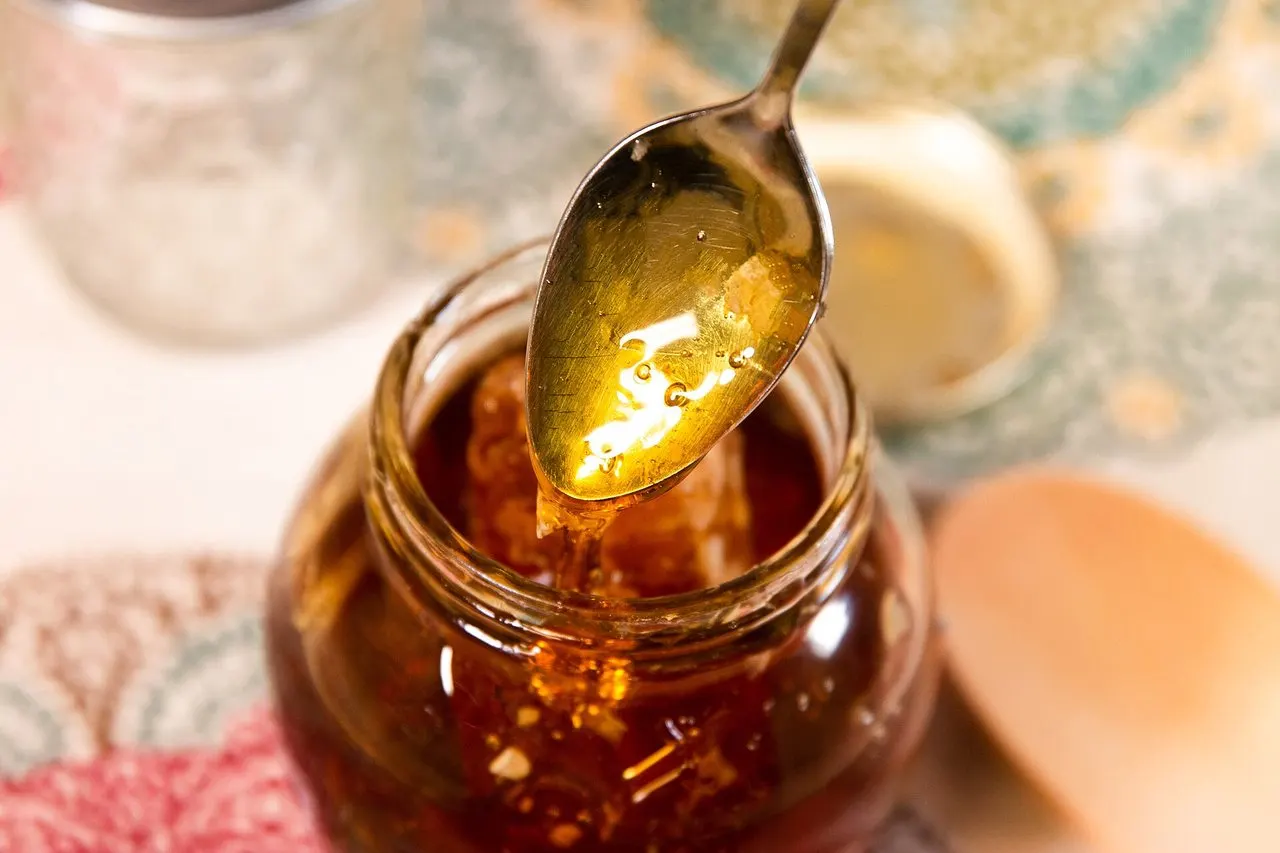
In the Yucatan, honey is more than a sweet food. It is the main income for many Mayan families, and a good harvest can carry a household through the year. The honey is sold in jars at markets and to buyers far away, and its flavor comes from the wild flowers of the forest. When the bees are healthy, the families are healthy too. Read about a deal that could give one side more time in our story on the Iran talks and about a debate on who gets a fair chance.
Bees at Work in the Flowers
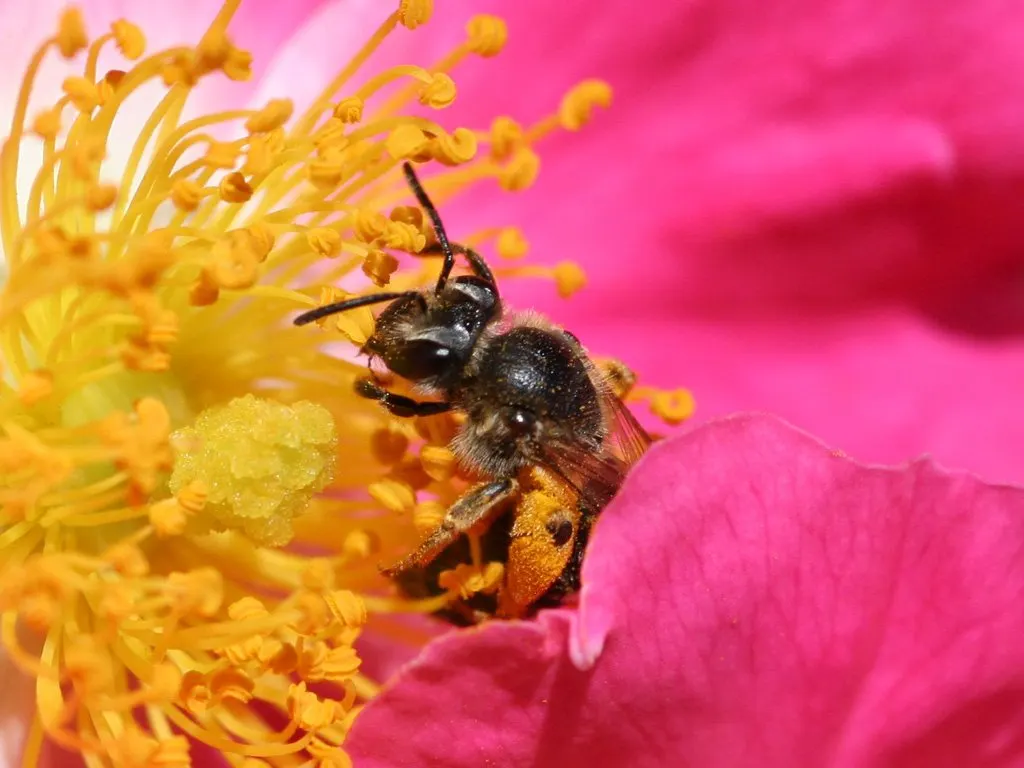
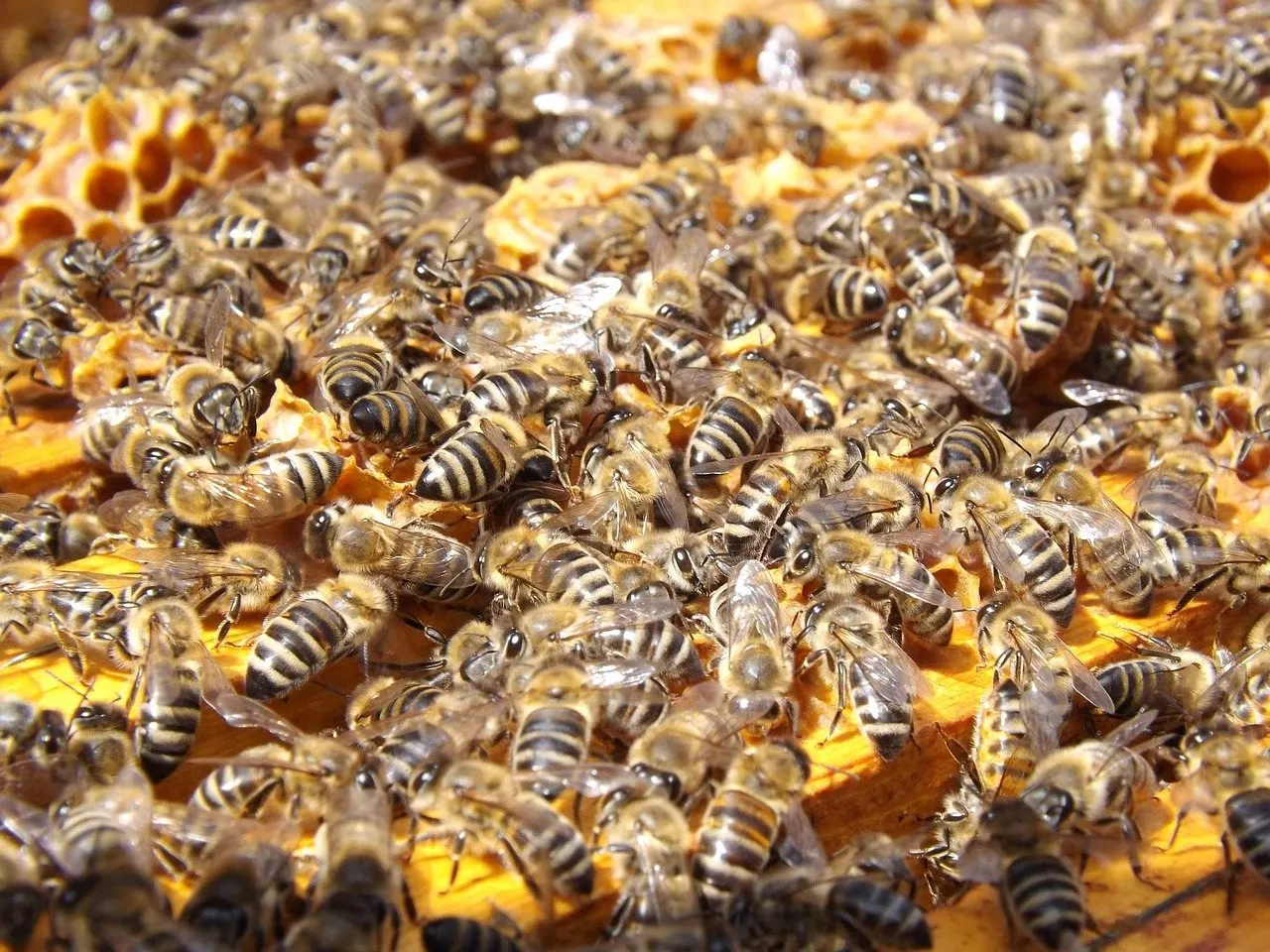
A honey bee spends its short life moving from flower to flower, gathering nectar and pollen while it pollinates the plants around it. One colony can visit millions of flowers in a season, and that quiet work helps forests, farms and gardens grow. Without bees, many plants would struggle to make seeds and fruit. The Mayan beekeepers understand this balance well, because they watch it every day in their hives and fields. See how a big shift is coming in our story on the world’s largest faith by 2035 and read about a court ruling that protected a whole people.
A Culture Rooted in the Land
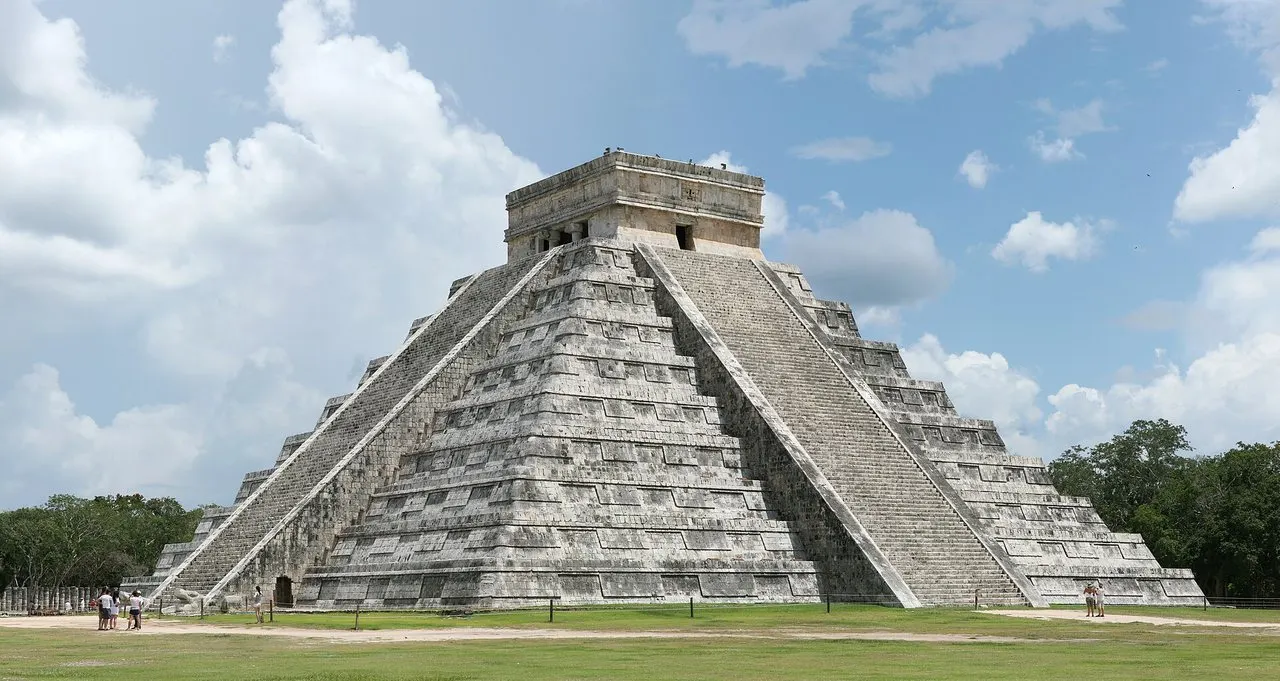
The Maya have lived in the Yucatan for thousands of years, and their culture is tied to the land in deep ways. Great stone cities like Chichen Itza still stand as proof of their skill, and their knowledge of plants and bees lives on today. Beekeeping is part of that old knowledge. Protecting the bees means protecting a living tradition. Learn about other old traditions that endure in our story on older leaders and new voices and about a community that stood together in a packed hall.
The Forest the Mayan Beekeepers Protect
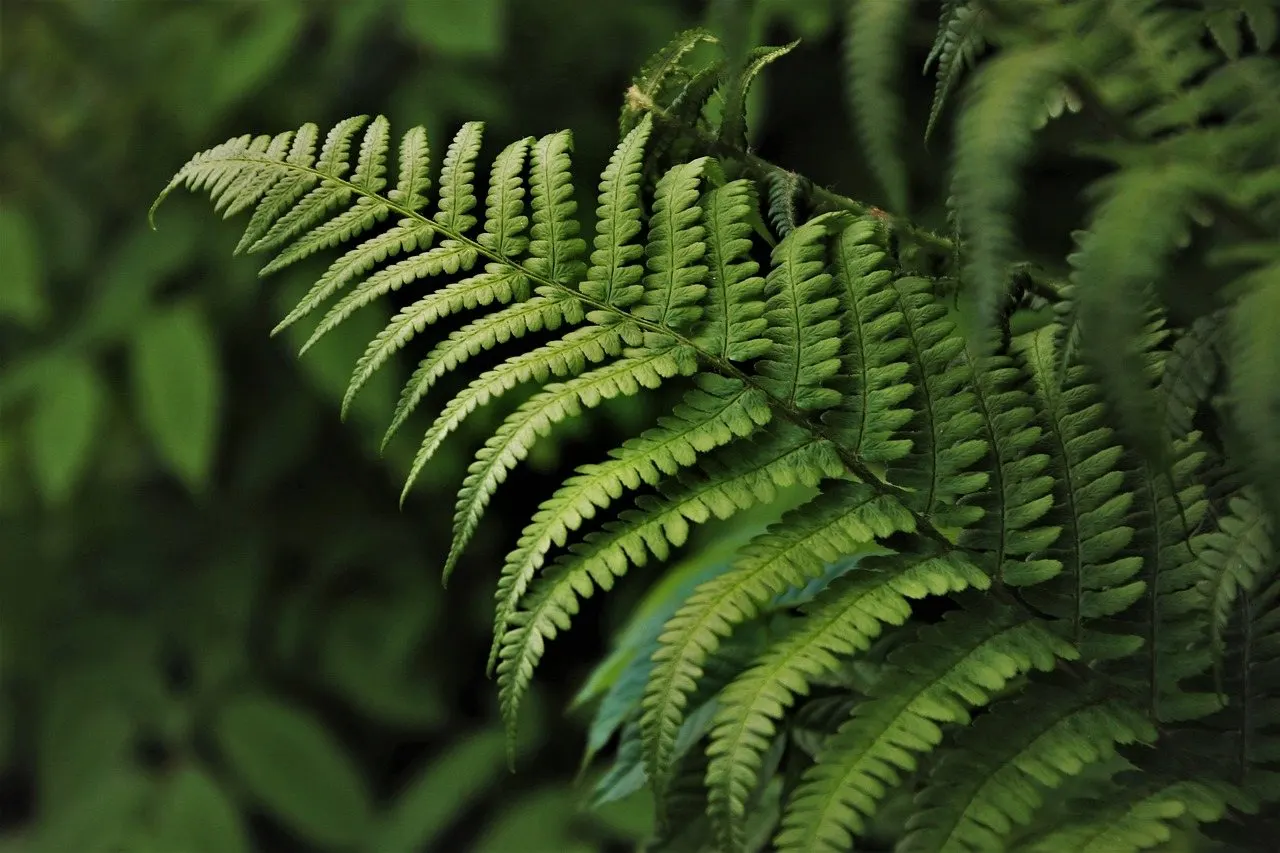
The forests of the Yucatan give the bees their food, and the bees give the forest its future. When bees pollinate wild flowers, new plants grow, and those plants feed birds, animals and people. If the forest is cleared for huge farms, that chain breaks, and the whole web of life grows weaker. They were not only defending their honey. They were defending the forest that has fed their families for generations. Read about people who guard land and water in our story on Indigenous leadership and about a border that held firm for a whole day.
A World Prize for a Quiet Hero

In 2020, Leydy Pech received the Goldman Environmental Prize, one of the highest honors for people who defend nature. The prize is given each year to grassroots heroes from around the world, and it brought her story to a global audience. Pech accepted it not for herself alone, but for all the beekeepers and families who stood with her. Her win showed the world that a small community can beat a giant company. See how other honors are celebrated in our story on Sophie Cunningham and her fans and read about a leader who warned his rivals to get ready.
A Day in the Life of the Mayan Beekeepers
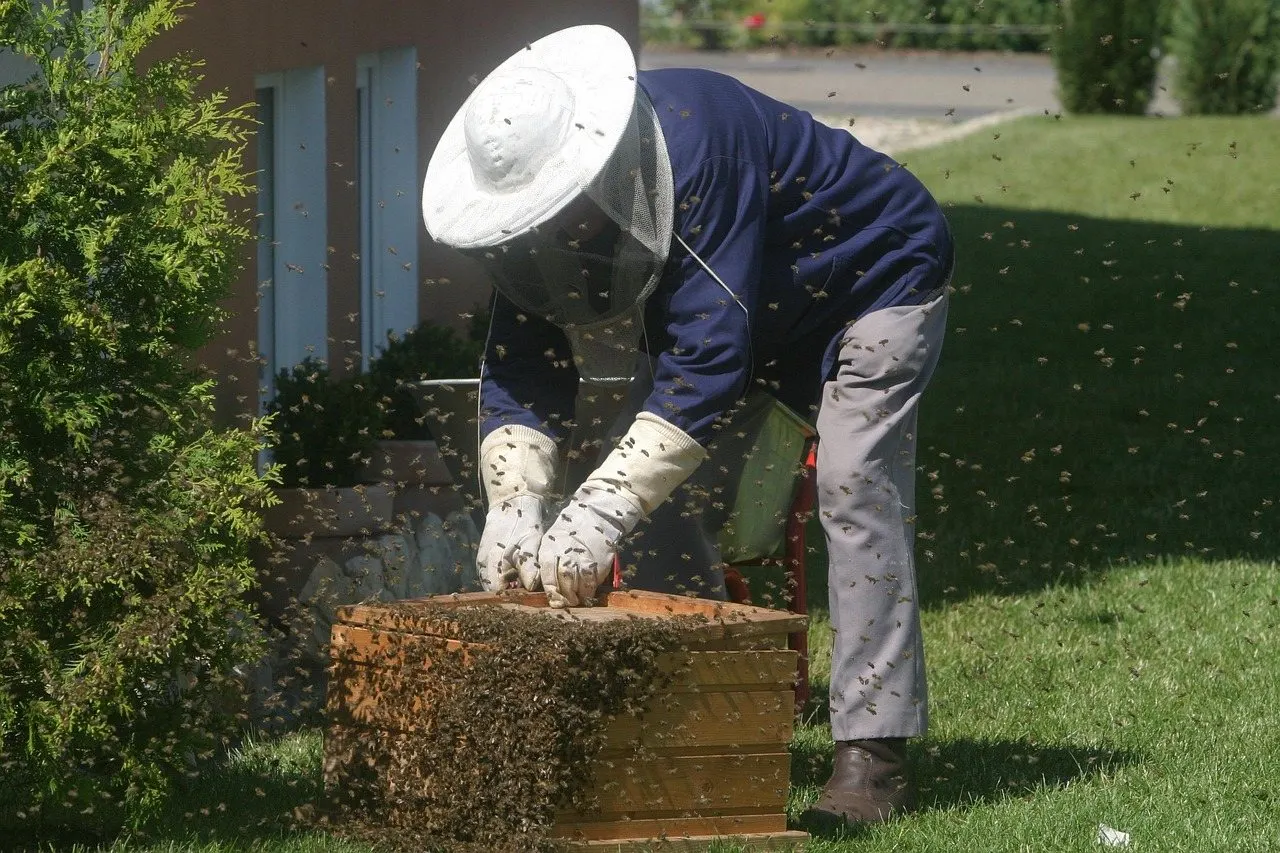
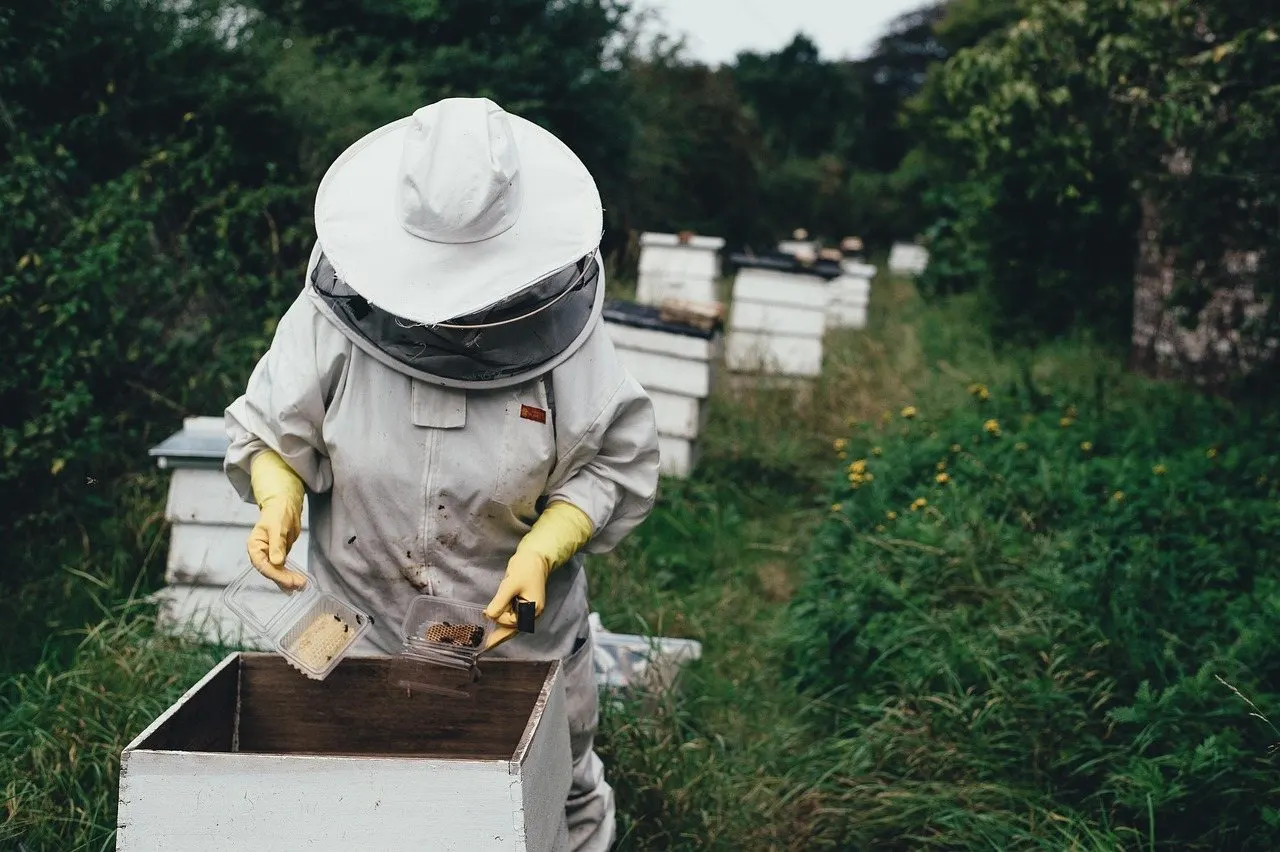
A beekeeper’s day starts early, before the heat builds up. Dressed in a veil and light suit, the keeper opens the hives, checks the combs, and looks for signs of a strong and healthy colony. The keeper listens for the hum of the hive, watches the bees come and go, and takes only what the colony can spare. It is patient work, learned over years. Learn about other kinds of daily work in our story on a job change that went wrong and about a couple who welcomed twins on their birthday.
When the Harvest Came to the Peninsula
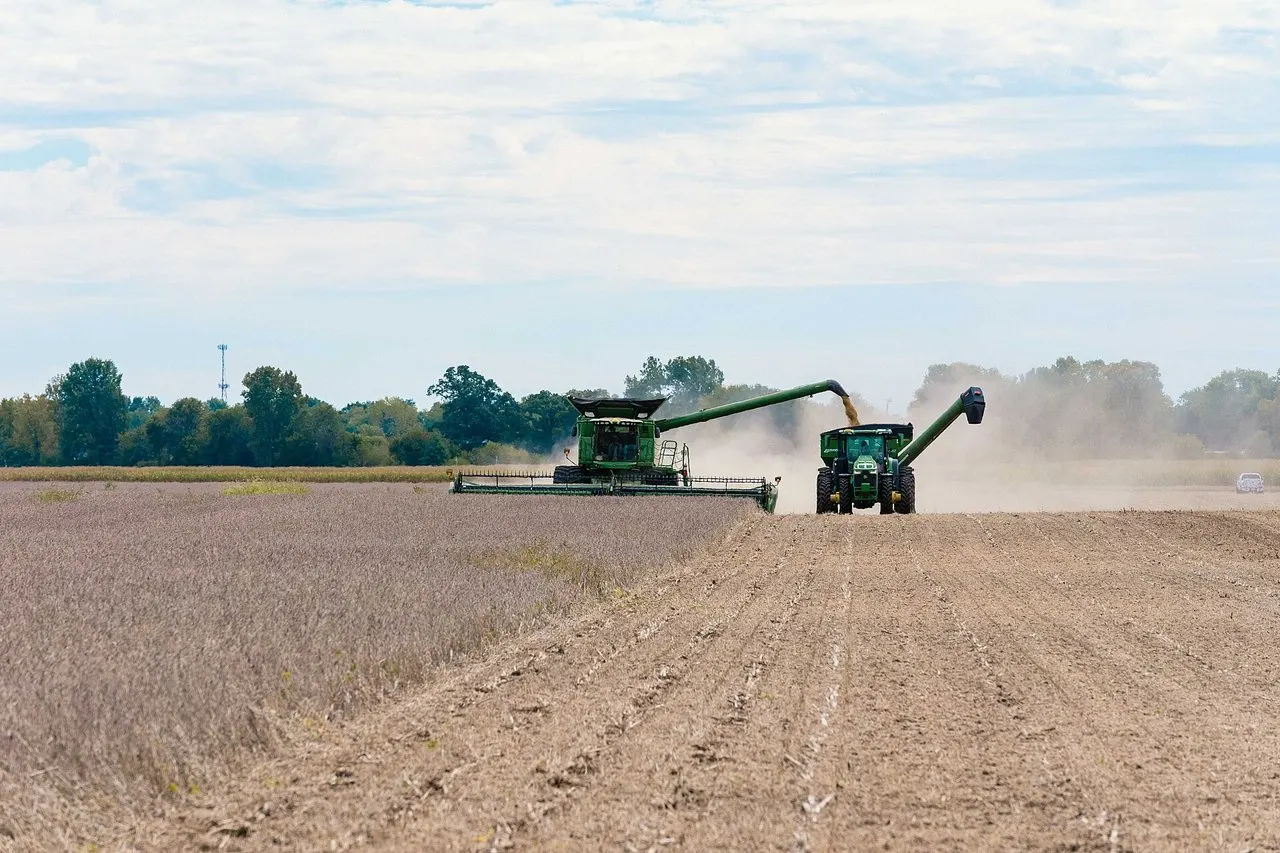
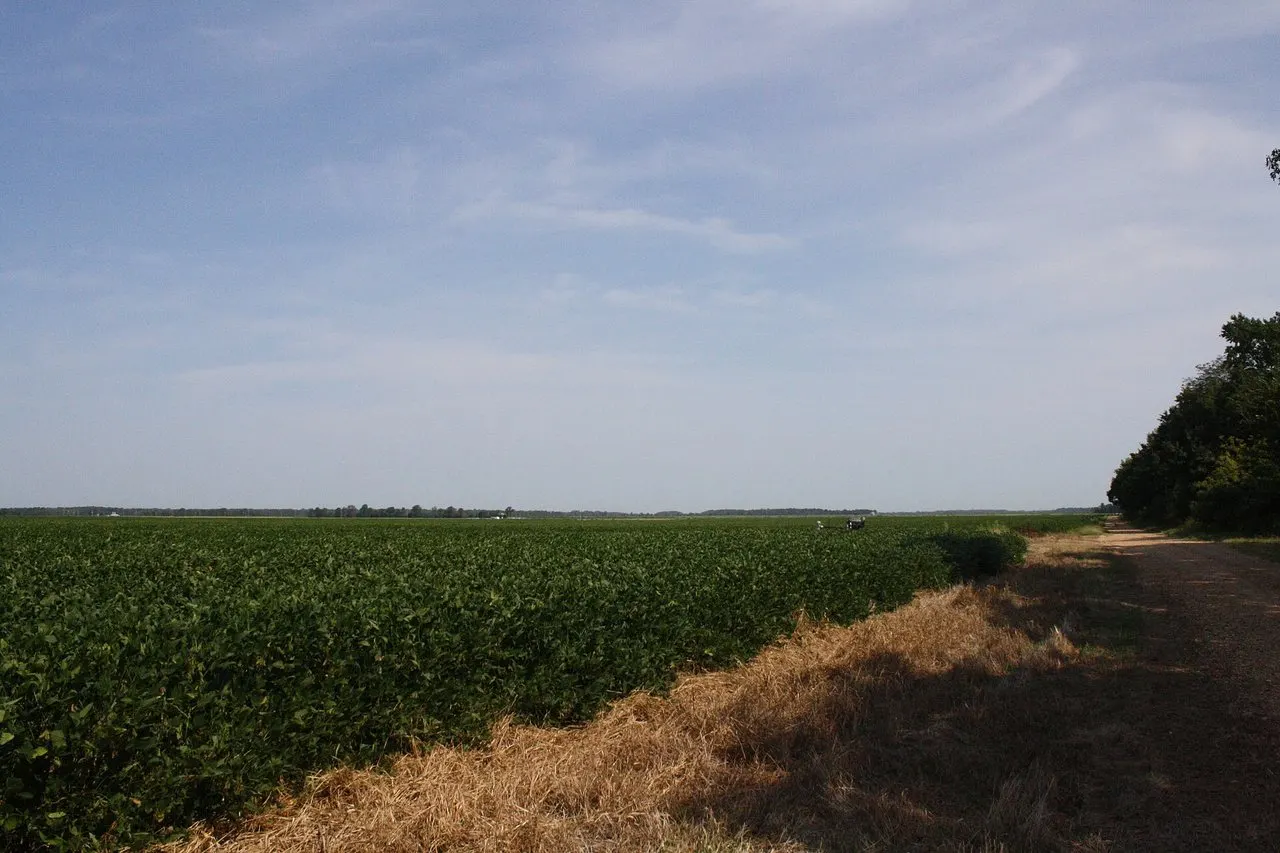
Soybeans are grown on a huge scale around the world, and the harvest is done by big machines that cut the plants and gather the beans in a single pass. In the Yucatan, the arrival of large soybean fields meant a new kind of farming, very different from village life. That clash of two ways of farming was at the heart of the fight. Read about how big decisions reach the courts in our report on the tariffs case at the Supreme Court and about a deal that could give one side more time.
How the Mayan Beekeepers Sell Their Honey
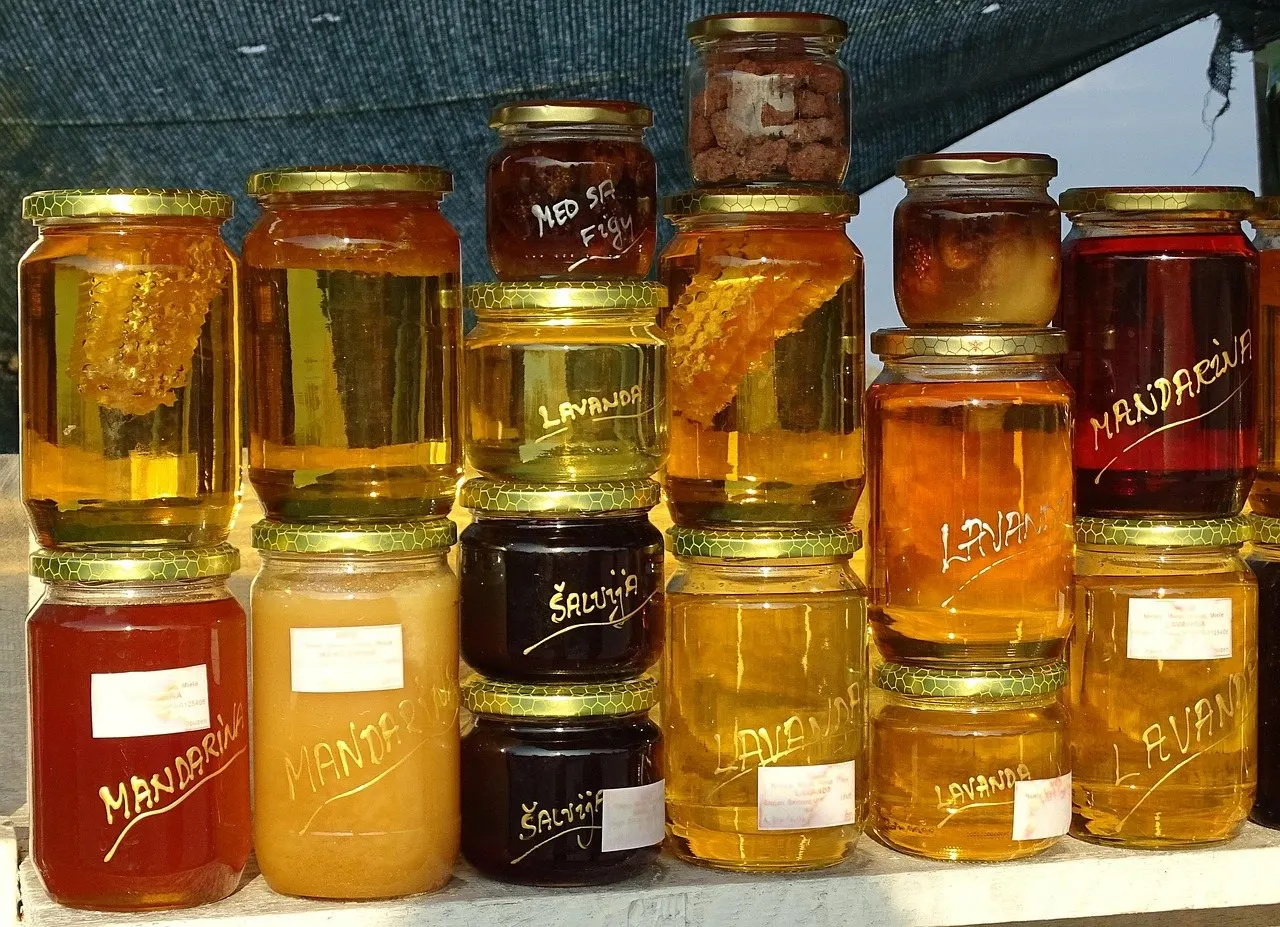
Once the honey is taken from the hive, it is strained, poured into jars and sealed for market. Some jars are sold in local markets, where buyers know the beekeepers by name and trust the quality of their honey. Other jars travel farther, to shops and buyers in other parts of Mexico and beyond. Every jar sold helps a family pay for food, school and medicine. The honey trade keeps the villages alive. Learn about other people building a living in our story on a giveaway that went nationwide and about a family that found its way home.
Small Wings, a Huge Job
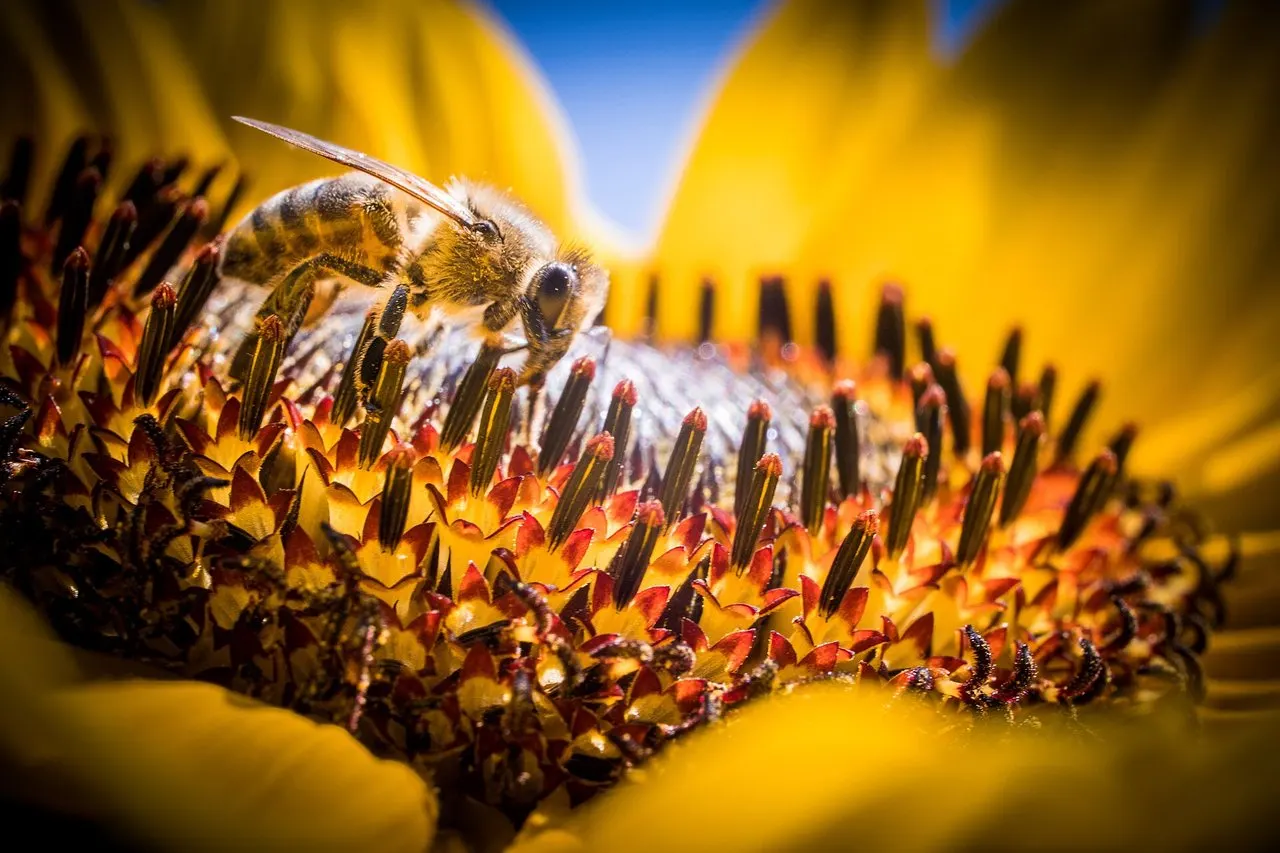
A single honey bee is tiny, but a colony can hold tens of thousands of workers, and together they do work that no machine can copy. Bees pollinate about one in three bites of food that people eat, from fruits and nuts to coffee and vegetables. When bee numbers fall, farmers feel it in smaller harvests and higher prices. Protecting bees is not a hobby. It is a job that feeds the world. Read about how the courts handle big cases in our story on Supreme Court term limits and about a world court ruling for justice.
A Win That Inspired Mayan Beekeepers Everywhere
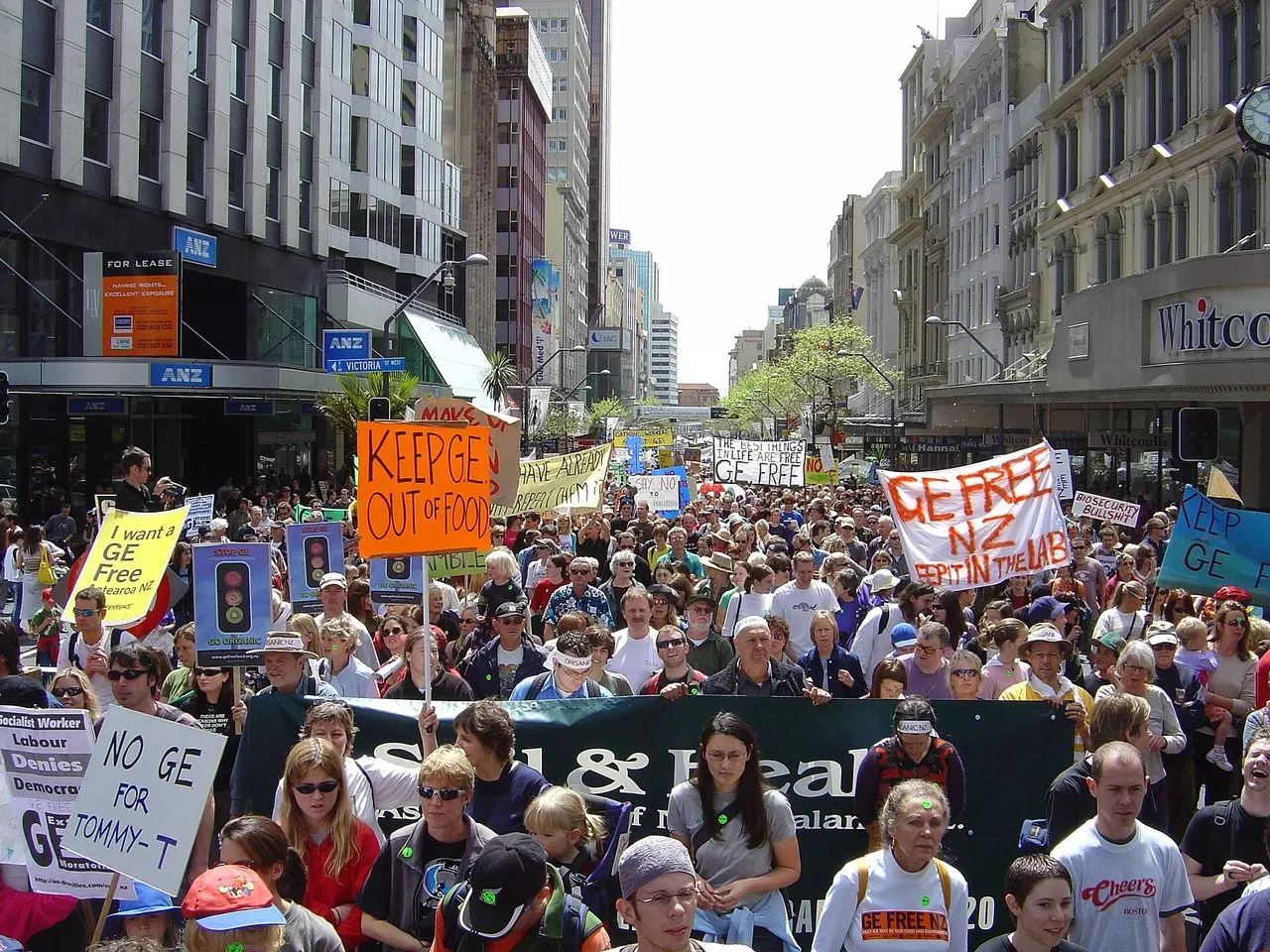
News of the court win spread far beyond the Yucatan. Other Indigenous groups and farming communities saw that a small group of beekeepers could stand up to a global company and win in the highest court. The ruling became a guide for other cases, showing that the right to be consulted must be honored before big projects move ahead. For many, it was proof that ordinary people can change the law. See how other fights reached the top in our report on the tariffs case and about a reporter who stood her ground.
What Would You Do to Protect the Bees?
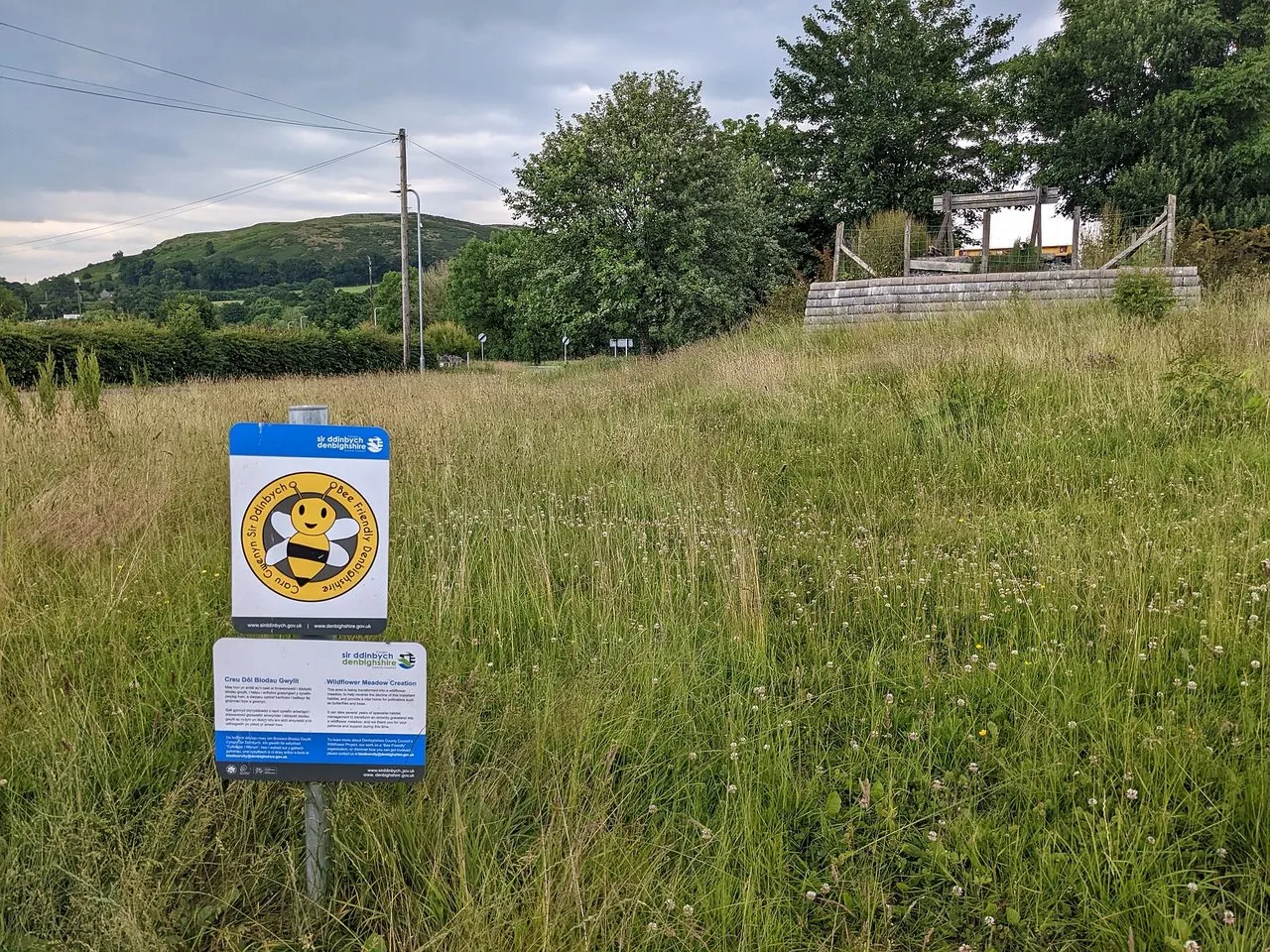
The beekeepers won their case, but the bees still need friends. You can plant wildflowers, buy honey from local beekeepers, and support groups that protect bees. Small choices add up when thousands of people make them together. If you had the chance to stand up for the bees in your own town, what would you do first? Share your ideas in the comments below. Read about a vow that lasted 52 years in our story on a man who kept his arm raised for peace and about a leader who asked the world to listen.