Muslim Population Growth Will Reshape the World by 2035
Muslim population growth is set to pass a historic mark, as Pew Research Center says Muslims will become the world’s largest belief-based group by 2035. By then, the global Muslim population is projected to reach about 2.57 billion, just ahead of about 2.52 billion Christians. The new projections were released on November 18, 2026, and they look ahead more than four decades. They show a steady shift that has been building for years, driven by age and family size rather than by any single event.
In the slides ahead, we look at the numbers behind the change, the young age of the Muslim population, and what the world could look like by 2070, when Pew projects more than 3.6 billion Muslims. It is a story about families and time, and it is worth reading slowly and with care. For a wider view of how faith shapes daily life, read our reflection on faith and patience in hard times and our report on a major world deal that reshaped the map.
References:
Pew Research Center: The Future of World Religions Population Growth Projections 2020 2070
Religion News Service: Muslims projected to become worlds largest faith group by 2035 Pew says
Glasgow Times: Muslims projected to outnumber Christians by 2035 as worlds largest belief group
Christian Today: Muslims projected to outnumber Christians worldwide by 2035
Pew Released the New Projections on November 18, 2026
Pew Research Center released the new projections on November 18, 2026, and the date matters because it marks the latest look at how the world’s faiths are changing. Pew has studied world religions for many years, and its reports are read by scholars, journalists and faith leaders. The center builds its work from census data, surveys and birth records from many countries. That careful method is why its numbers are trusted around the world. Read our piece on why so many data centers are being built and our story about a song that greeted a world leader.
Muslim Population Growth Will Reach 2.57 Billion by 2035

By 2035, the global Muslim population is projected to reach about 2.57 billion people, a hard number to picture. It means that nearly one in three people on Earth could be Muslim within a decade. Growth at this scale comes from millions of ordinary families, not from one place or one event. The figure sits just ahead of the Christian total, which makes 2035 a close and historic crossing point. For more on big world changes, read our report on a deal worth billions for American jobs and our story about new hope for people who cannot see.
Christians Will Number About 2.52 Billion in 2035

Pew projects about 2.52 billion Christians in 2035, just behind the Muslim total. Christians have been the world’s largest faith group for a long time, so the change is a real turning point in religious history. The gap between the two groups is small, only about 50 million people, which shows how close the two totals will be. Both groups will still number in the billions, and both will shape culture, charity and daily life in every region. Read our story about a tech founder and his large family and our report on police patrols in the capital.
Muslim Population Growth Is Driven by a Young Population
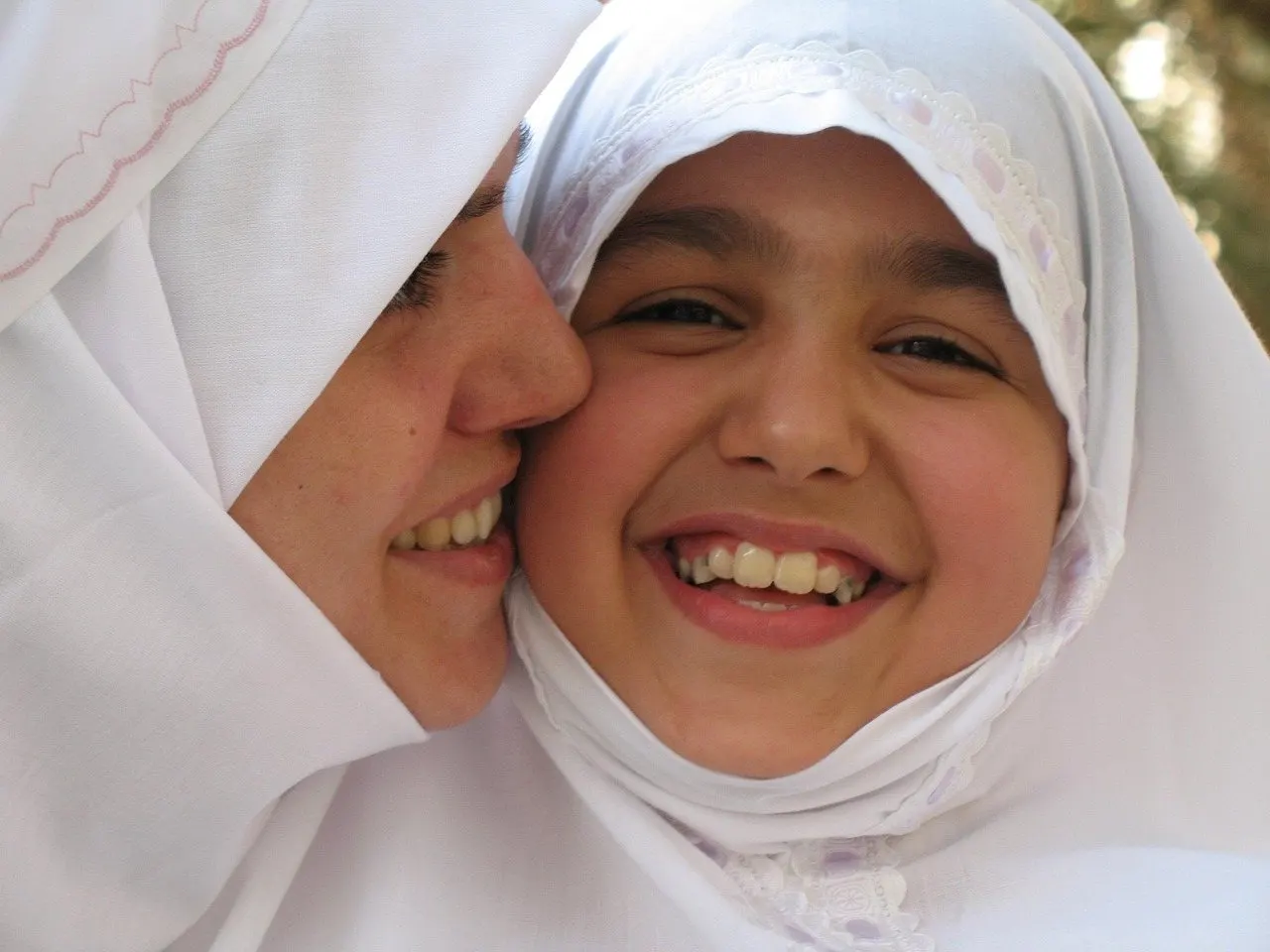
The growth is driven mainly by a younger population, and that simple fact explains most of the change. When a group has many young people, more of them reach the age to start families in the years ahead. The growth follows that pattern, with youth at its heart. A young population also brings energy to schools, workplaces and towns, and it shapes what a community needs. To read about change in America, see our piece on the debate over voter ID and our report on the race back to the Moon.
The Median Age Is Only 24

The median age of the world’s Muslims is 24, which means half of the population is younger than 24 and half is older. That is far younger than the median age of many other large faith groups. A median age of 24 points to many school years, first jobs and young families still to come. It also means that classrooms and clinics in many countries will serve large numbers of young Muslims. Read about other long lives and big changes in our story on an actor and his family and our report on a singer who lost 200 pounds.
Higher Fertility Rates Shape the Future
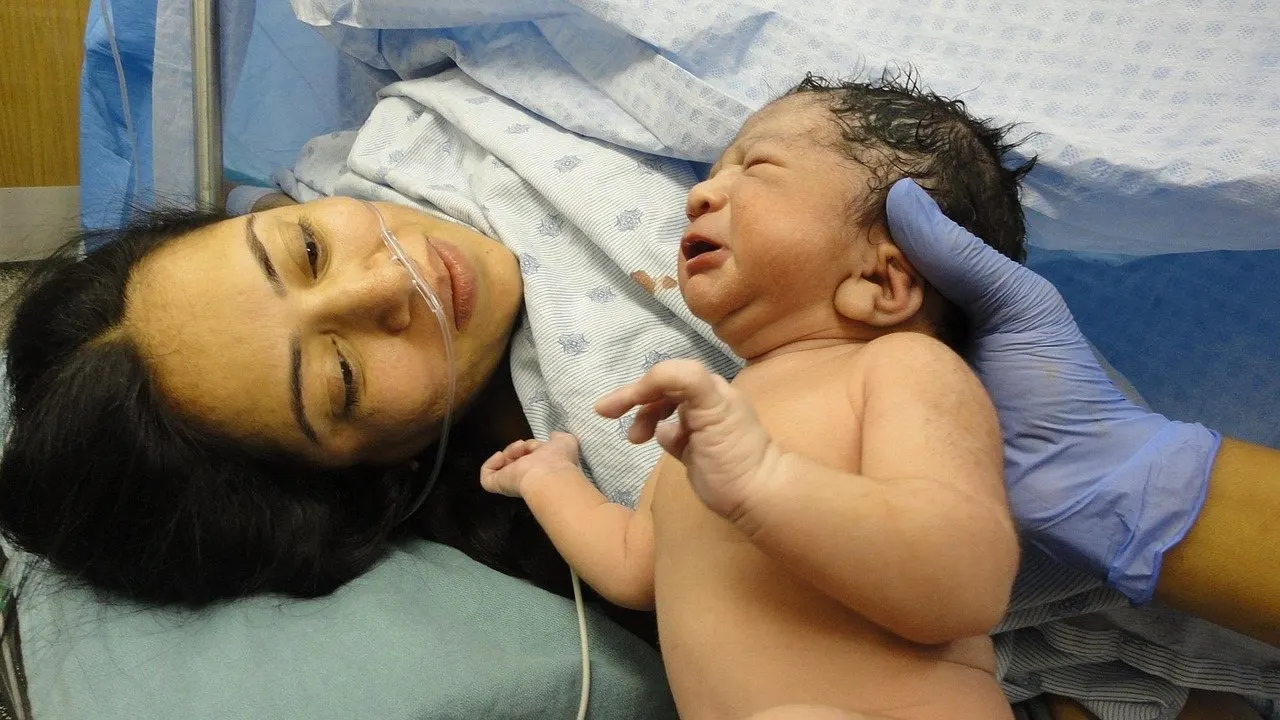
Higher fertility rates are the second big driver of the change. In simple terms, Muslim families on average have more children than families in many other groups. Over time, even a small gap in birth rates adds up to millions more people. This is a slow and steady force, not a sudden jump, and it works together with the young age of the population. For a gentle look at faith in daily life, read our reflection on trusting God with the outcome and our piece on why data centers are rising so fast.
Muslim Population Growth Points to 3.6 Billion by 2070
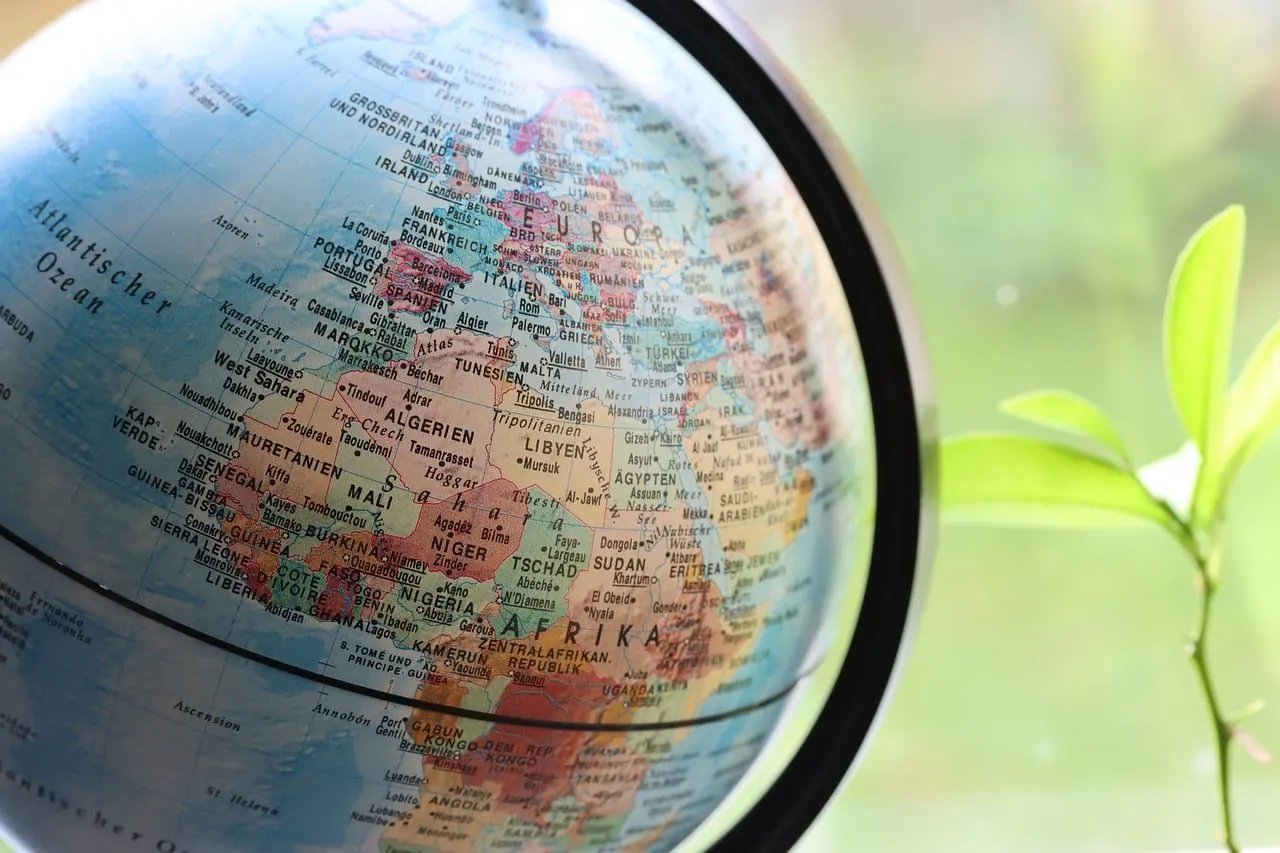
If recent trends continue, Pew projects more than 3.6 billion Muslims worldwide by 2070. That is a huge number, equal to about one in three people on the planet. Growth on this scale would reshape cities, schools and houses of worship across many continents. The year 2070 may sound far away, but babies born today will be in their forties by then. Read our report on a historic Arctic deal approved 109 to 0 and our story about a welcome song for a visiting leader.
Muslim Population Growth Will Reach 36 Percent by 2070
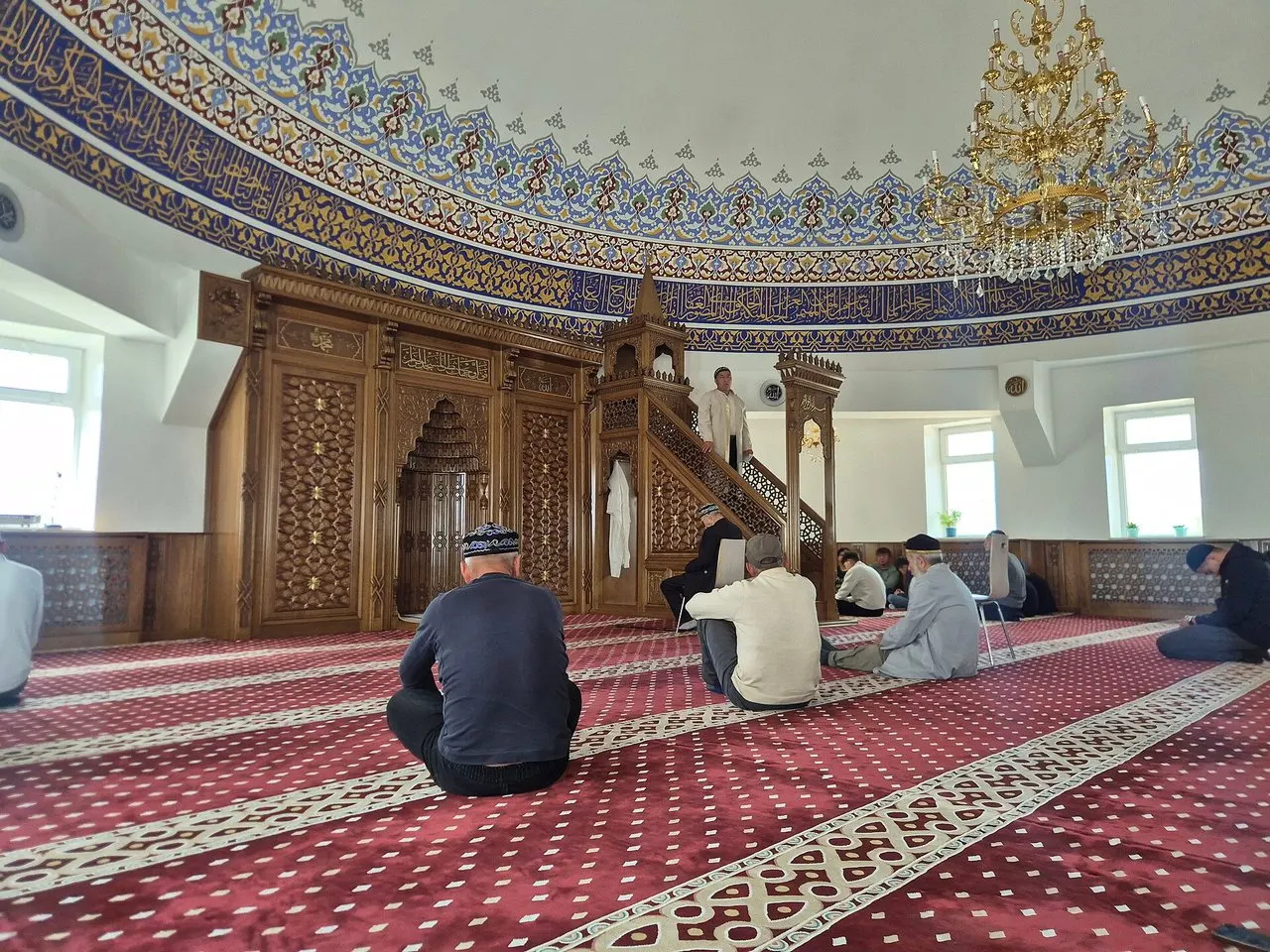
By 2070, Muslims would make up about 36 percent of the global population, Pew says. That share means more than one in three people in the world would be Muslim. Such a share changes how we think about the world’s faiths, because no single group would hold so large a part of humanity before. Growth to this level would be felt in daily life, from food and dress to holidays and schools. Read our report on a package worth billions from the Philippines and our story about a founder who plans to share his fortune.
Christians Will Number Just Under 3 Billion by 2070
Christians would number just under 3 billion by 2070, Pew projects, which is still a vast total. The Christian share of the world would be smaller than it is today, even as the number of Christians keeps growing. That is the heart of the story: both groups grow in number, but one grows faster. Churches, schools and charities will keep serving huge numbers of people in every part of the world. Read our story about a device that may help blind people see and our report on patrols and safety in the capital.
How Pew Built the Projections
Pew’s projections take into account several demographic factors, and the method is open for anyone to read. The team starts with census counts and surveys from countries around the world, then builds the future year by year. It is counted the same careful way as the growth of every other group. That even method is why scholars trust the figures, even when the results surprise them. Read our piece on the fight over voter ID and mail voting and our story on an actor now living with full-time care.
Muslim Population Growth Rests on Four Big Factors
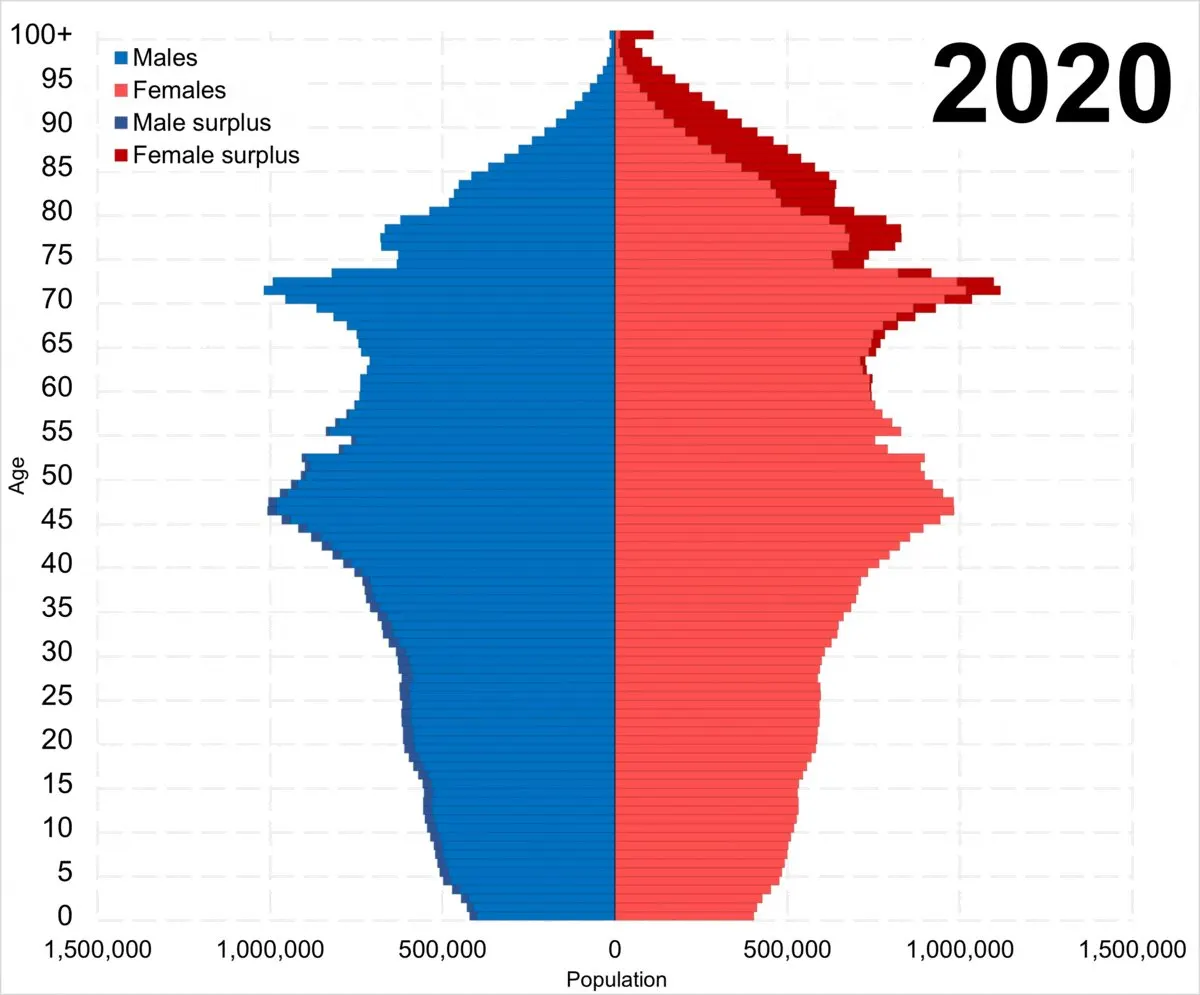
Pew looks at fertility rates, age distribution, mortality, migration and religious switching, and each factor pulls the numbers in its own way. Fertility adds births, age shapes how many parents there are, and mortality counts the lives that end. Migration moves people across borders, while switching counts those who leave or join a group. The growth comes from all five working at once, not from any one alone. Read our report on America’s return to the Moon and our story on a singer’s weight loss journey.
Religious Switching Also Shapes the Numbers
Religious switching means people leave or join a religious group during their lives, and Pew counts those moves in its work. Some people raised in one faith later choose another, while others leave faith behind. These moves are smaller than births and deaths in the global totals, but they still shape the final numbers. The pattern differs by country, and it can shift over time as societies change. For more on faith and change, read our reflection on letting go and trusting God and our story about a song about a wayward son.
What Muslim Population Growth Means for Mosques and Towns

A larger Muslim population will shape towns and cities in plain and practical ways. More families means more need for schools, clinics, shops and places of worship. That growth will also bring more voices to public life, from local councils to national debates. Mosques already anchor many neighborhoods, and their role may grow as the community grows. Read our report on a deal that reshapes Arctic security and our story about jets, defense deals and American jobs.
Young Families and the Future of Faith
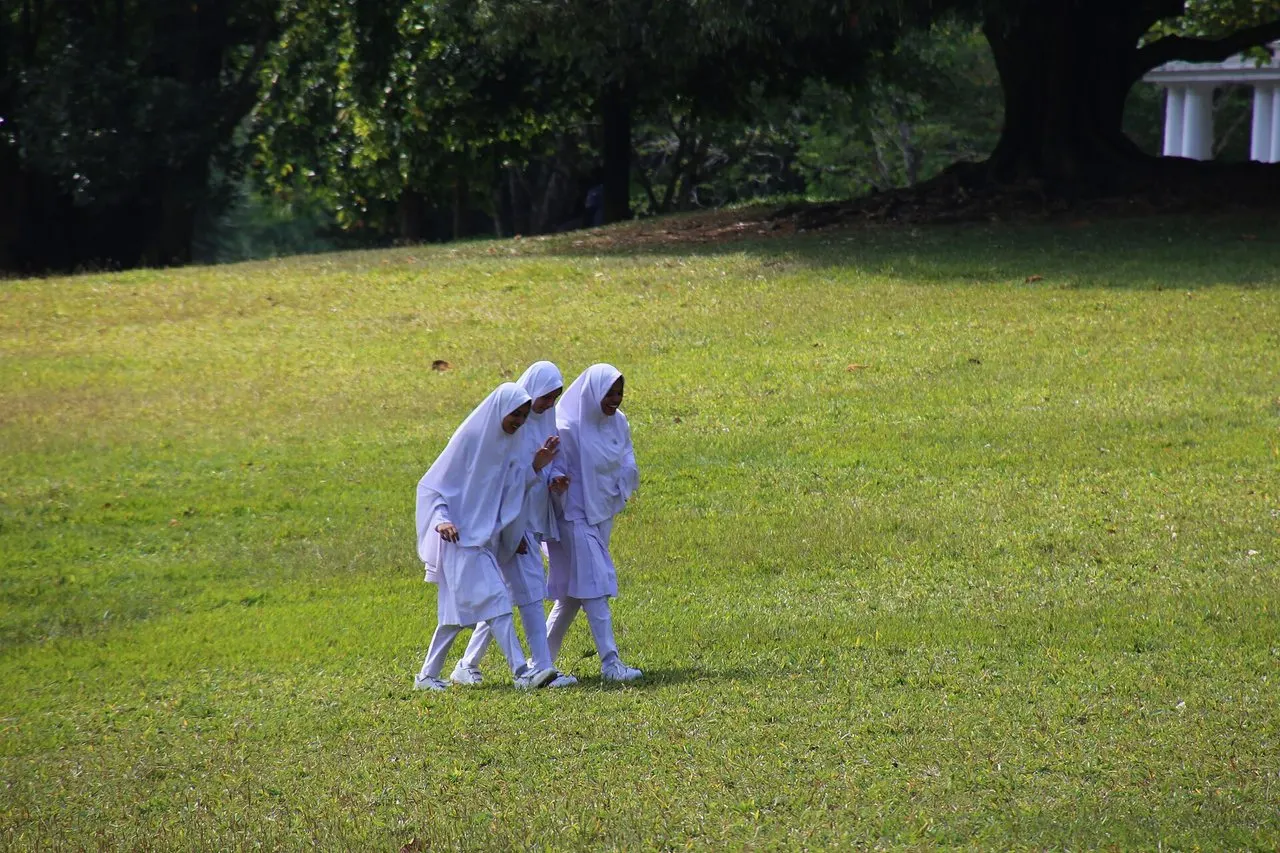
Schools will feel the change first, because a young population means many children. Muslim school children in many countries already fill busy classrooms, and their numbers are set to rise. Teachers, books and school places will need to keep pace with that growth. It is, at its heart, a story about children and the future they will build. Read our piece on the rise of AI data centers and our story about a brain device moving toward human trials.
Other Faiths Are Changing Too

The world’s other faiths are changing too, and Pew tracks them all with the same method. Some groups are growing in number while their share of the world falls, and others are holding steady in their home regions. The full picture is richer than any single headline, and it rewards a slow read. Each faith has its own story of youth, age and family size, and each one matters. Read our story about a founder and his many children and our piece on the push for voter ID.
Why 2035 Is a Turning Point for the World’s Faiths
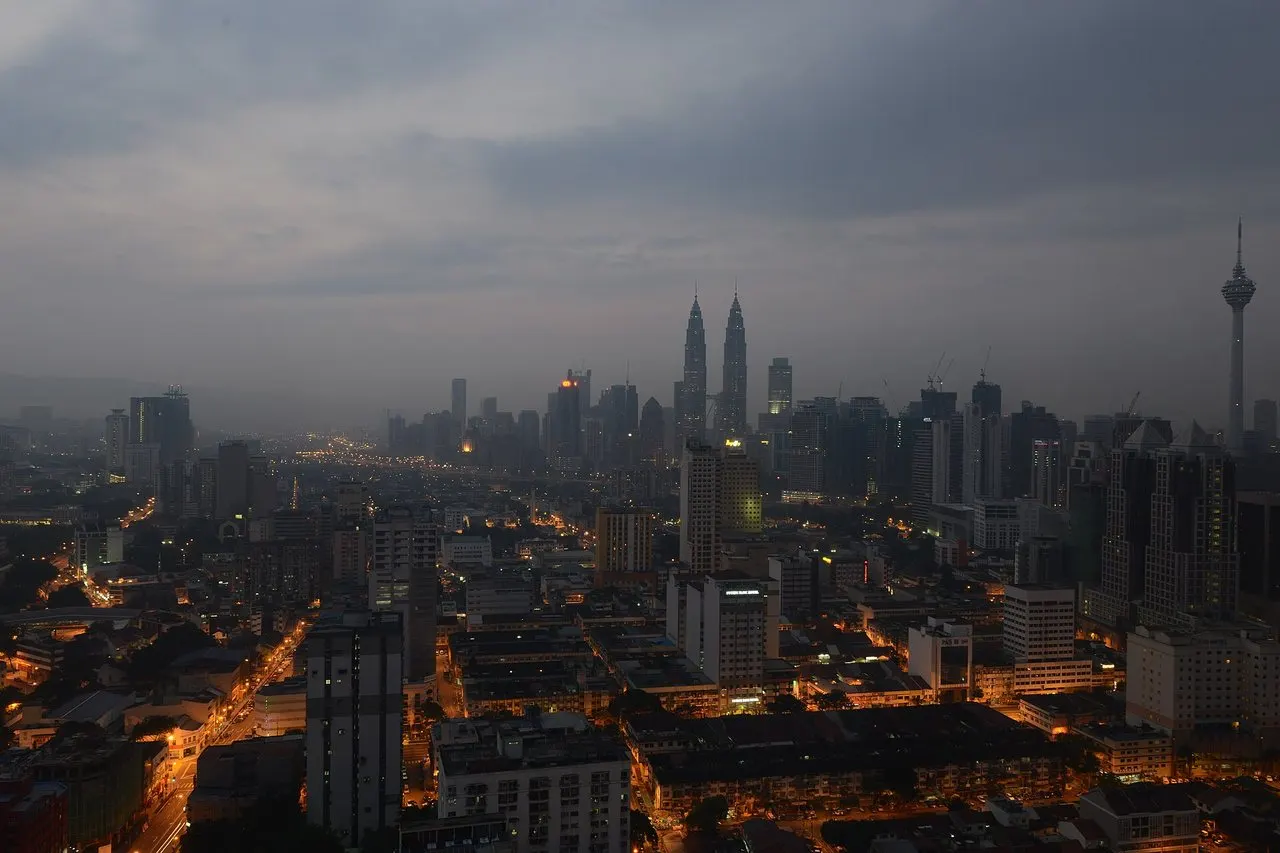
The year 2035 is close, less than a decade away, and that is what makes this projection feel real. It is not a far-off guess about a distant century, but a change that today’s young adults will live to see. The total will cross its historic mark while many of us are still raising families and building careers. That nearness is why the report has drawn so much attention. Read our report on federal patrols after the capital crackdown and our story about astronauts heading back to the Moon.
What Do These Projections Mean to You?
What do these projections mean to you, and how do you see your own community changing in the years ahead? The numbers tell a big story, but real life is lived street by street and family by family. This shift will touch daily life in ways both large and small, and your view matters. Share your thoughts in the comments below, and keep the talk kind. Read our story on an actor’s health update and our report on a singer who jokes about a football contract.