Two Americas, One Word, Two Very Different Maps
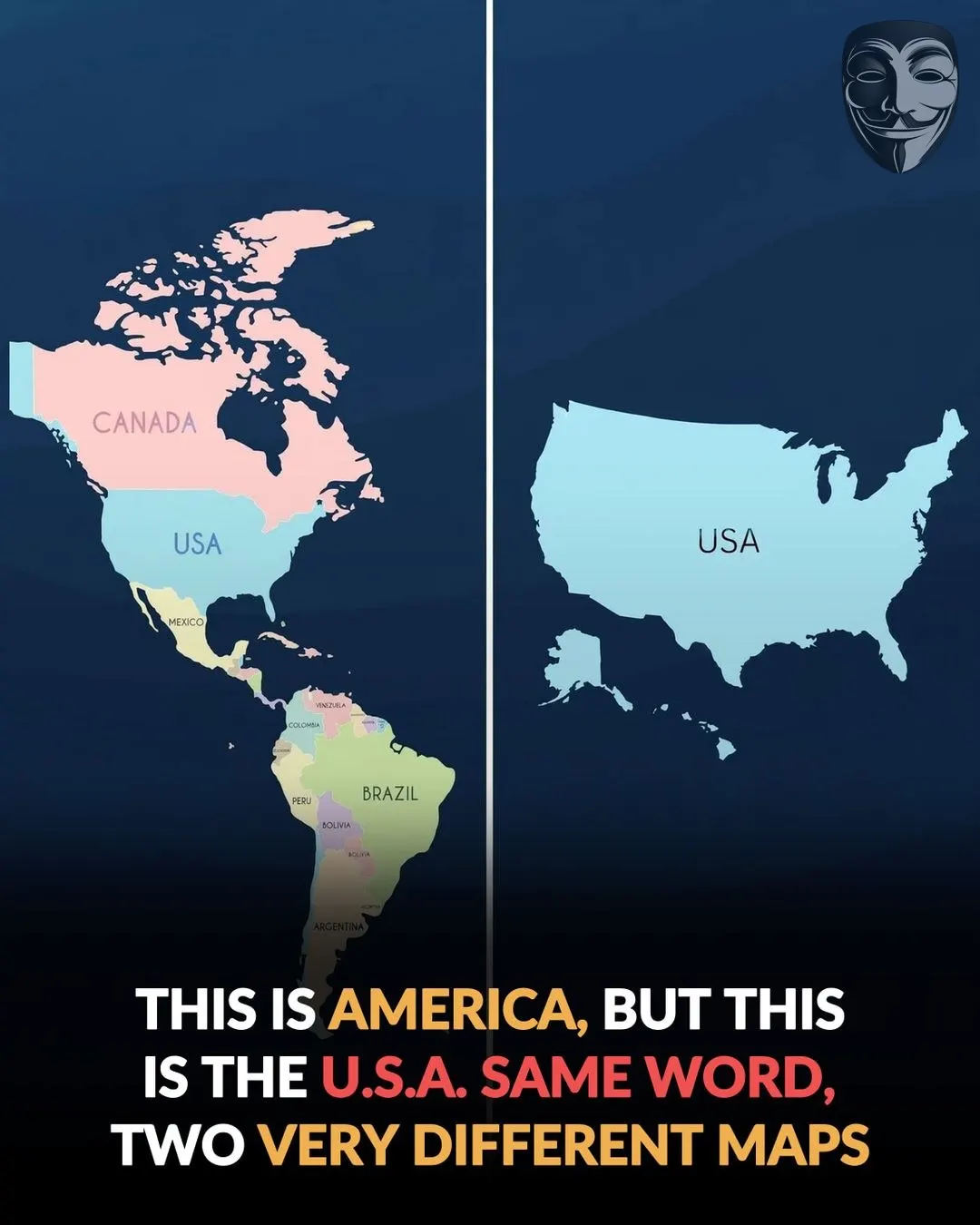
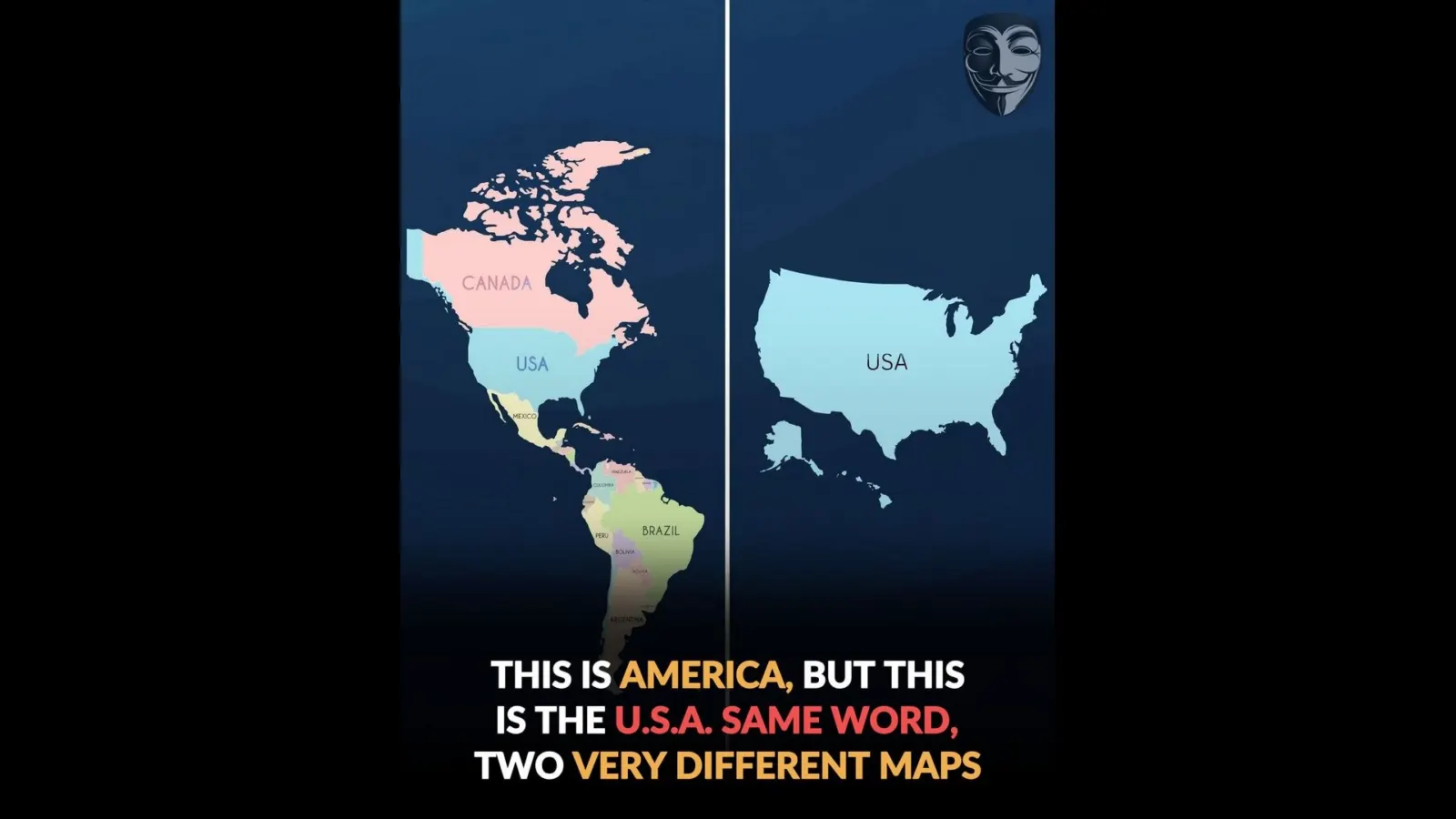
The two Americas share a single word, but they do not share a single map. In English, most people say America and mean the United States, a country of 50 states and Washington, D.C., with about 340 million people. Yet the word began as the name of a whole continent, and in Spanish and Portuguese, America still means all of it. That one word can point to a country or to a region of 35 countries and more than a billion people. The next time you hear it, it is worth asking which map the speaker has in mind.
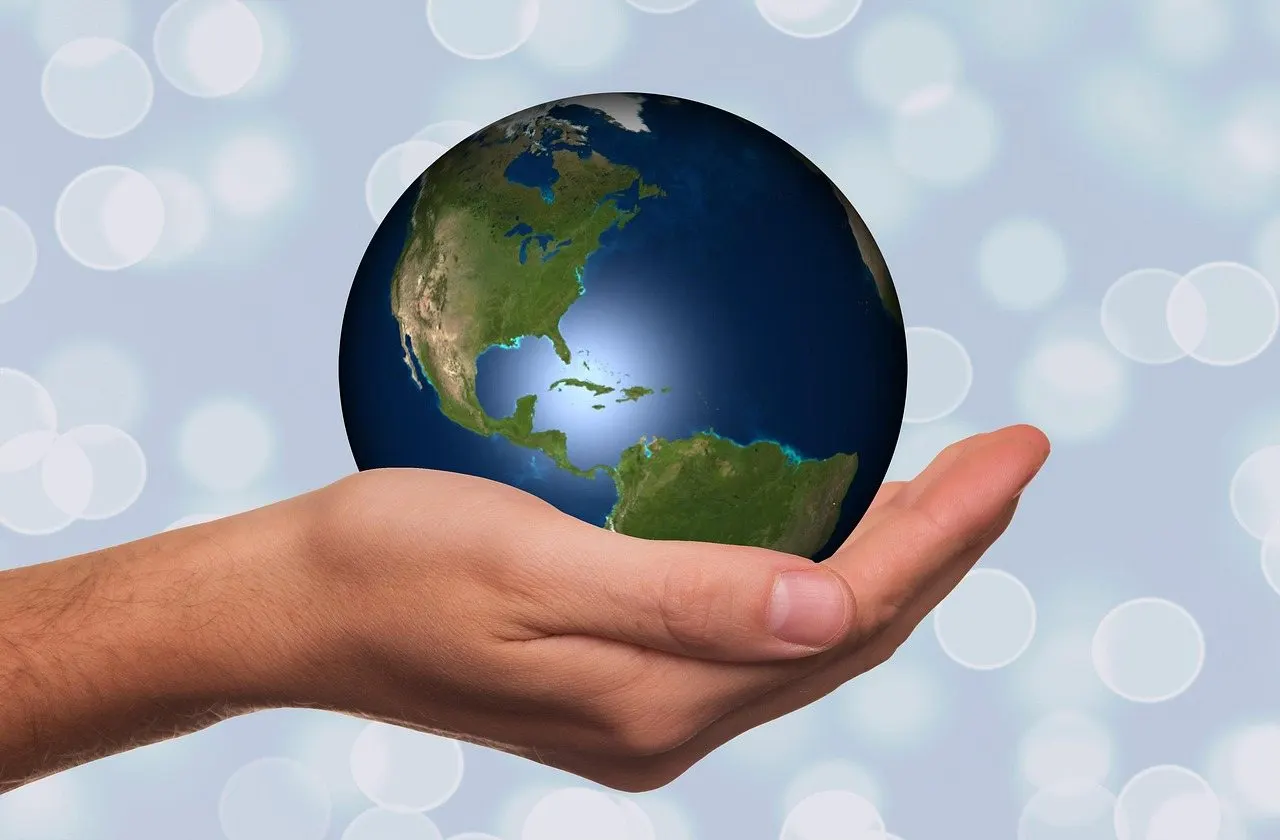
The Americas stretch from the Arctic ice of Canada and Greenland down through Mexico, Central America and the Caribbean to the southern tip of Argentina and Chile. More than a billion people live across those 35 countries, speaking Spanish, Portuguese, English, French, Dutch and hundreds of Indigenous languages. For hundreds of millions of people in Mexico, Brazil, Peru, Colombia and beyond, America means that whole region, and they are Americans too. Read how America voted at the United Nations and the story of Indigenous leadership across the Americas to see the word in world affairs.
References:
Wikipedia: Americas
Our History: Who gets to be American? Geography, history, and the US claim to the name America
Britannica: Americas | Map, Regions, & Hemispheres
EBSCO: Americas | History | Research Starters
The United States: 50 States and One Flag
The first map is the United States, a country of 50 states and Washington, D.C., with about 340 million people. It stretches from the Atlantic coast to the Pacific, from Alaska in the far north to Hawaii in the middle of the ocean. One flag, one federal government and one set of national laws bind those states together. When people in English say America, this is almost always the country they mean. Our story on the American people and their voice in politics and the debate over the flag show how much the name matters at home.
The Americas: 35 Countries on One Map
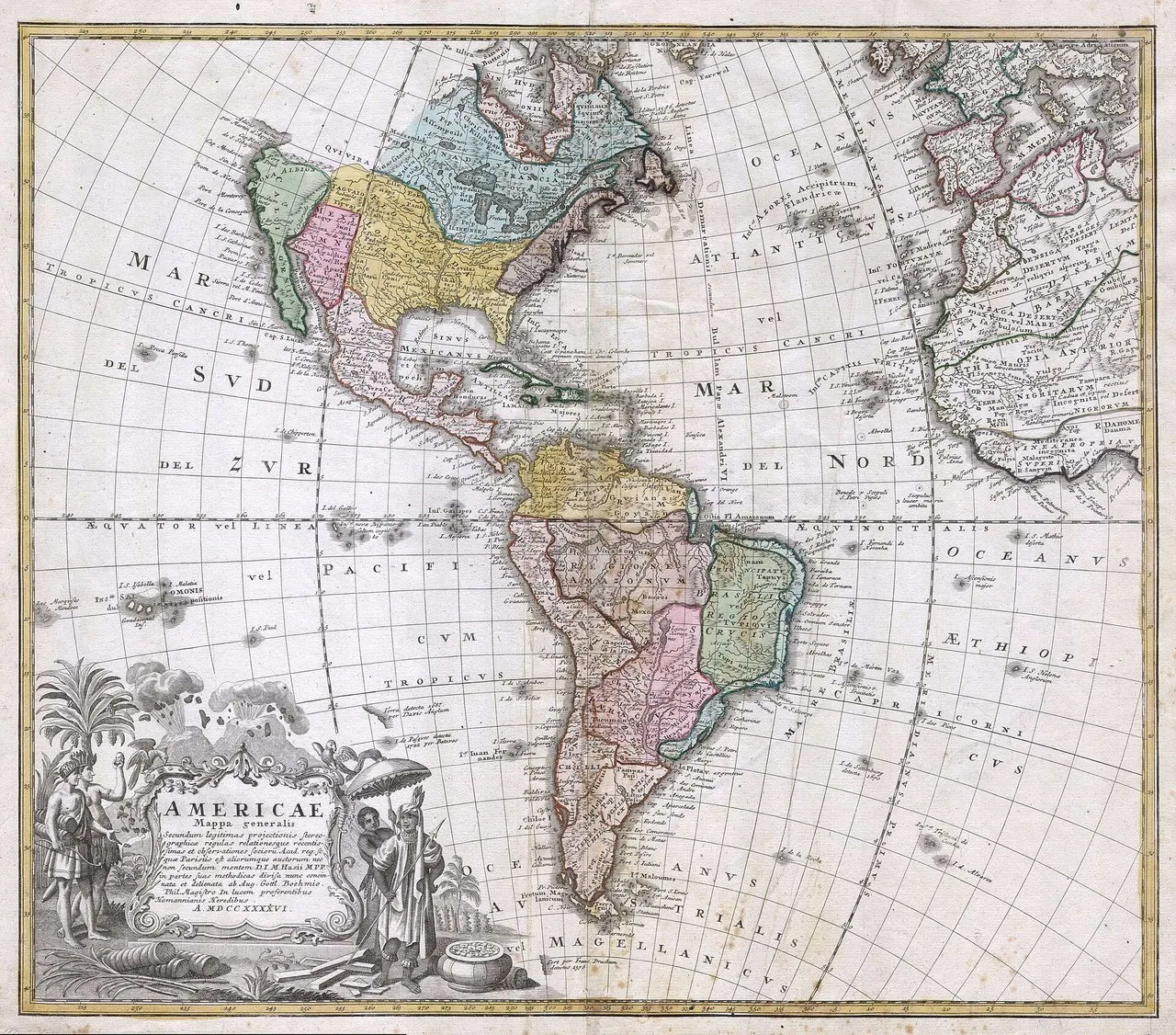
The second map is far bigger. The Americas hold 35 countries, from Canada in the far north to Argentina and Chile in the far south. They cover two continents, North America and South America, plus Central America and the Caribbean islands in between. More than a billion people live there, in cities, farms, deserts, rainforests and mountain towns. That scale is hard to picture on one page. See how leaders from three powers met in our report on the Shenzhen summit and the follow-up from that meeting for a sense of how big this region is in world affairs.
How the Two Americas Got One Name
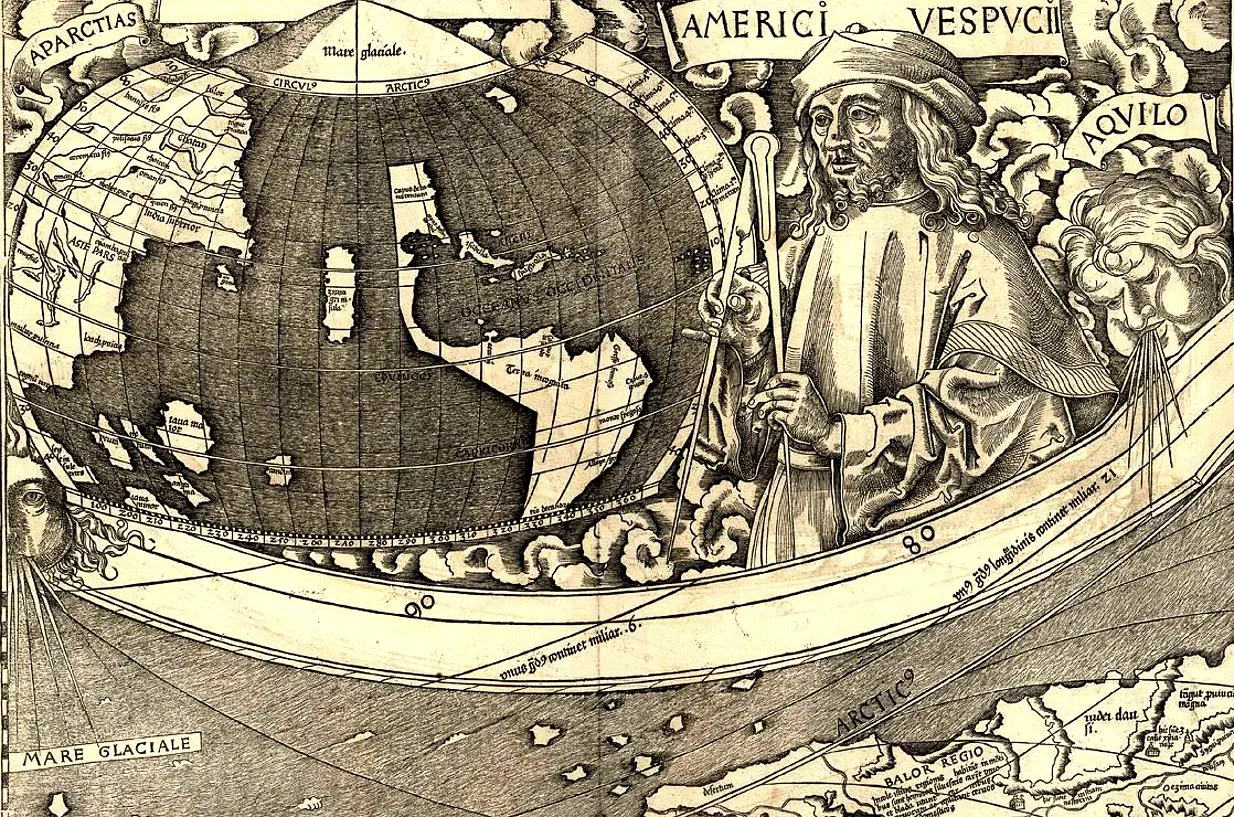
The name America comes from the explorer Amerigo Vespucci, whose voyages helped Europeans understand that the lands across the Atlantic were not Asia but a new continent. Early mapmakers used a Latin form of his first name, America, to label the new land. Over time the name stuck to the whole landmass, north and south. It is a rare case of a whole continent named after one person. Read about Indigenous leadership across the Americas and a teenager who moved across the world to start over for more on how people and names travel.
In Spanish, America Means the Whole Continent
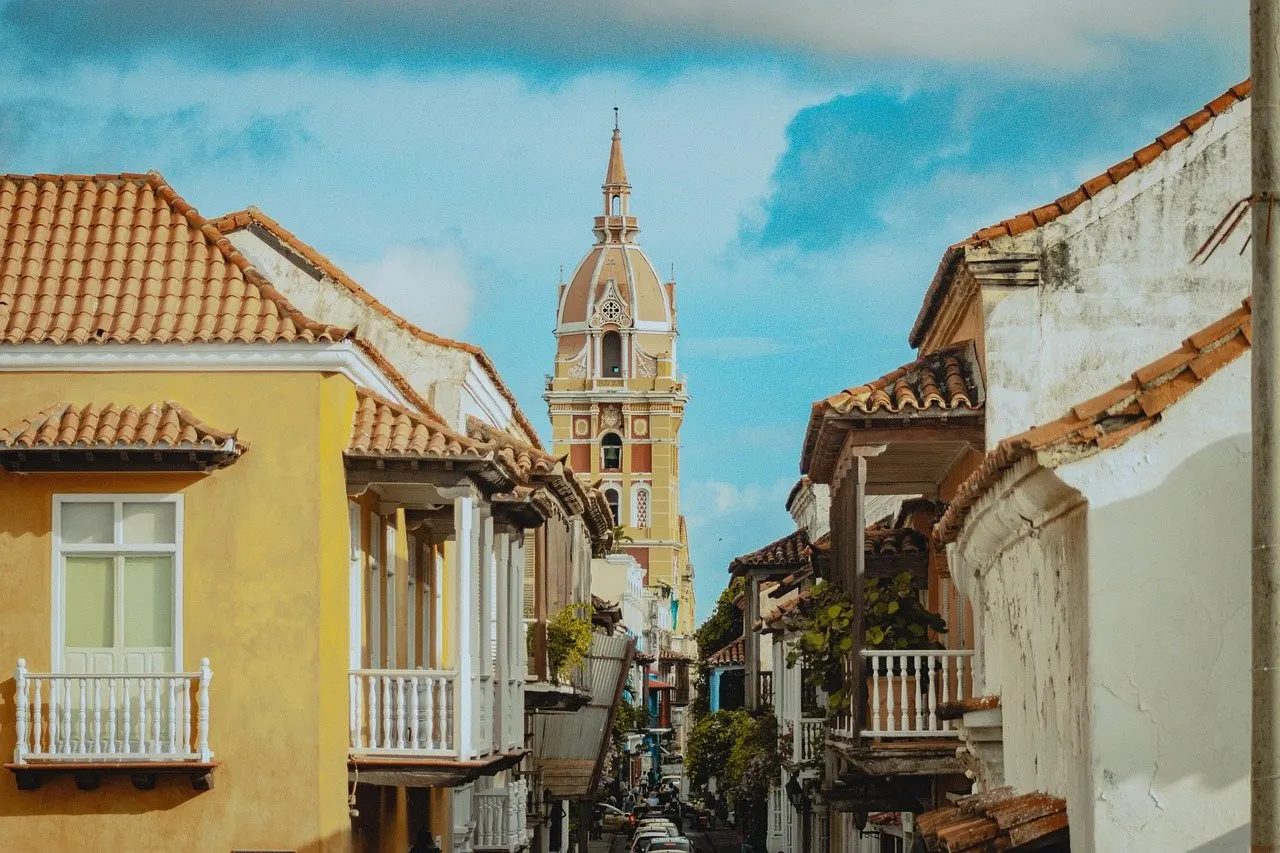
In Spanish and Portuguese, America still means the whole continent. A person in Mexico City, Lima or São Paulo who says América is talking about all of it, from Alaska to Patagonia, not just one country. That is why people across Latin America often call themselves americanos, and why they may smile when an English speaker uses the word for one country alone. Language shapes how we see the map. Our stories on a major deal with the Philippines and islands in the Pacific that caught American attention show how far the word travels.
Canada and Greenland at the Top of the Map
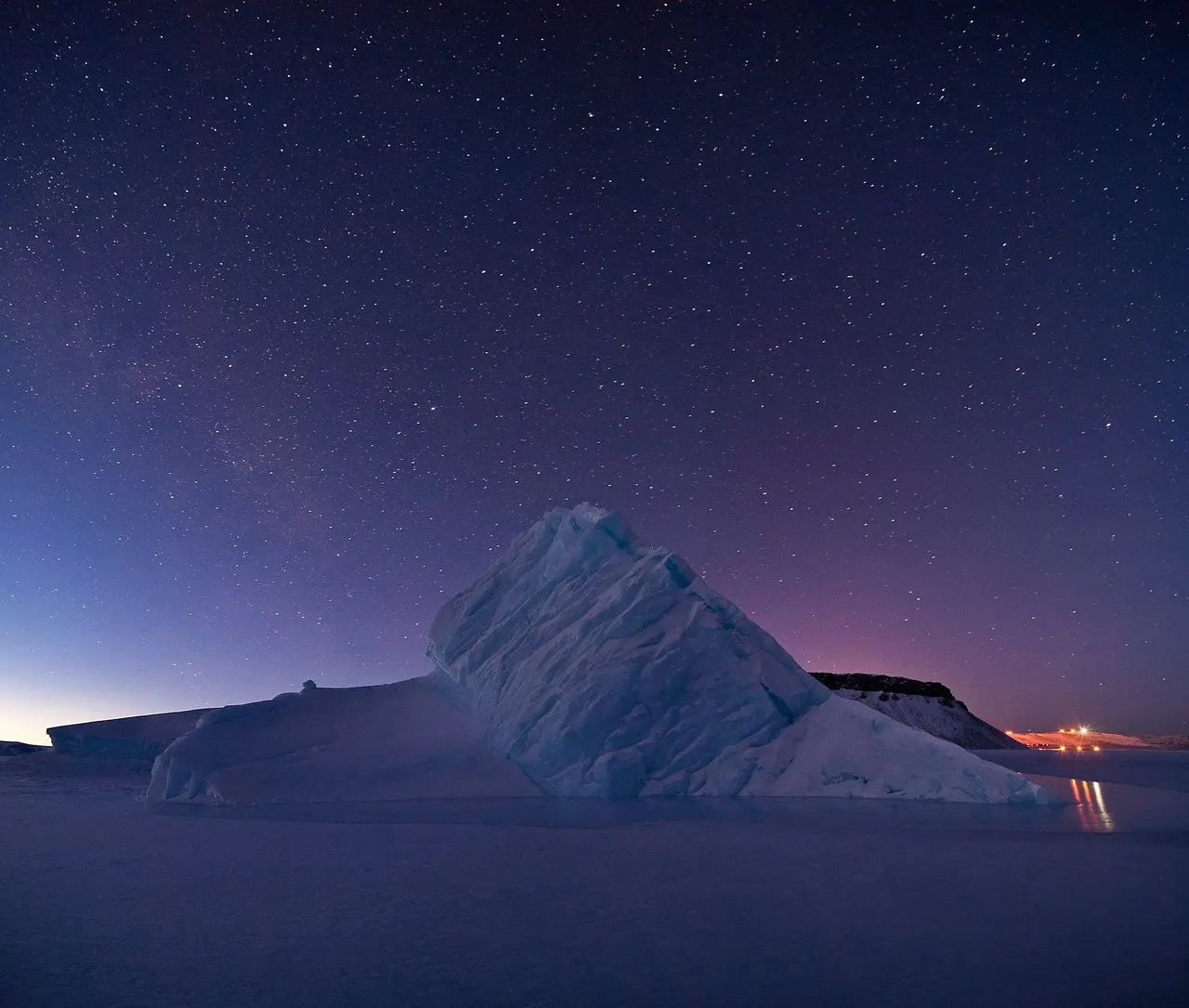
At the top of the map sit Canada and Greenland, the great northern lands of the Americas. Canada is the second largest country on Earth, stretching from the Atlantic to the Pacific and up into the Arctic. Greenland, a vast island covered in ice, sits just to its northeast. Both are part of the Americas, even though they feel far from the tropics. Their cold coasts remind us how wide the region runs. Read about the Arctic deal over Greenland and a teenager who made a new life in Canada to see the north in the news.
Mexico: Where North America Meets Latin America
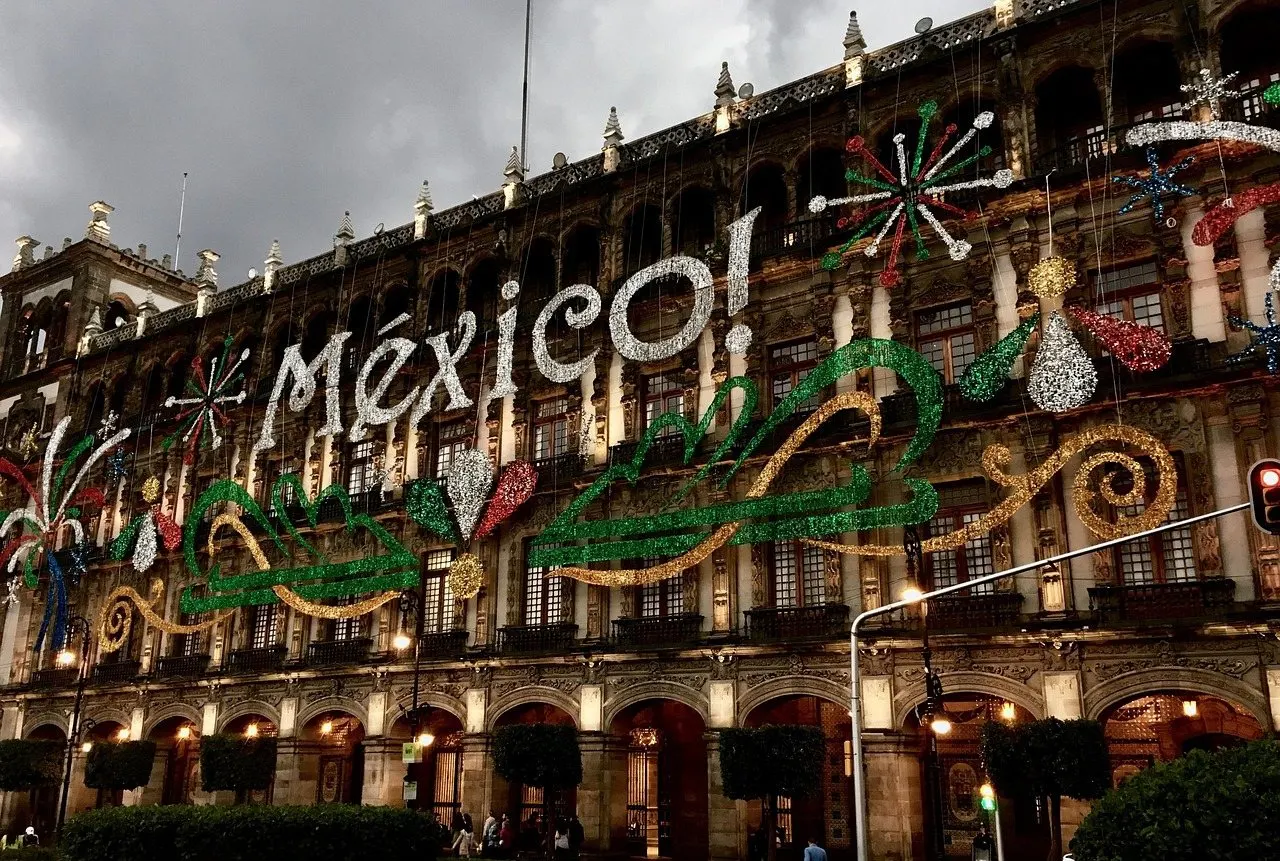
Mexico sits where North America meets Latin America, a bridge between two worlds. It shares a long border with the United States and a shorter one with Guatemala and Belize. More than 120 million people live there, and Spanish is the language of daily life, though dozens of Indigenous languages are spoken too. For many Mexicans, America means the whole continent, and they are Americans in that wider sense. Our report on a major deal with the Philippines and a bill about children and immigration touch on how borders shape lives.
Central America: A Narrow Bridge Between Two Seas
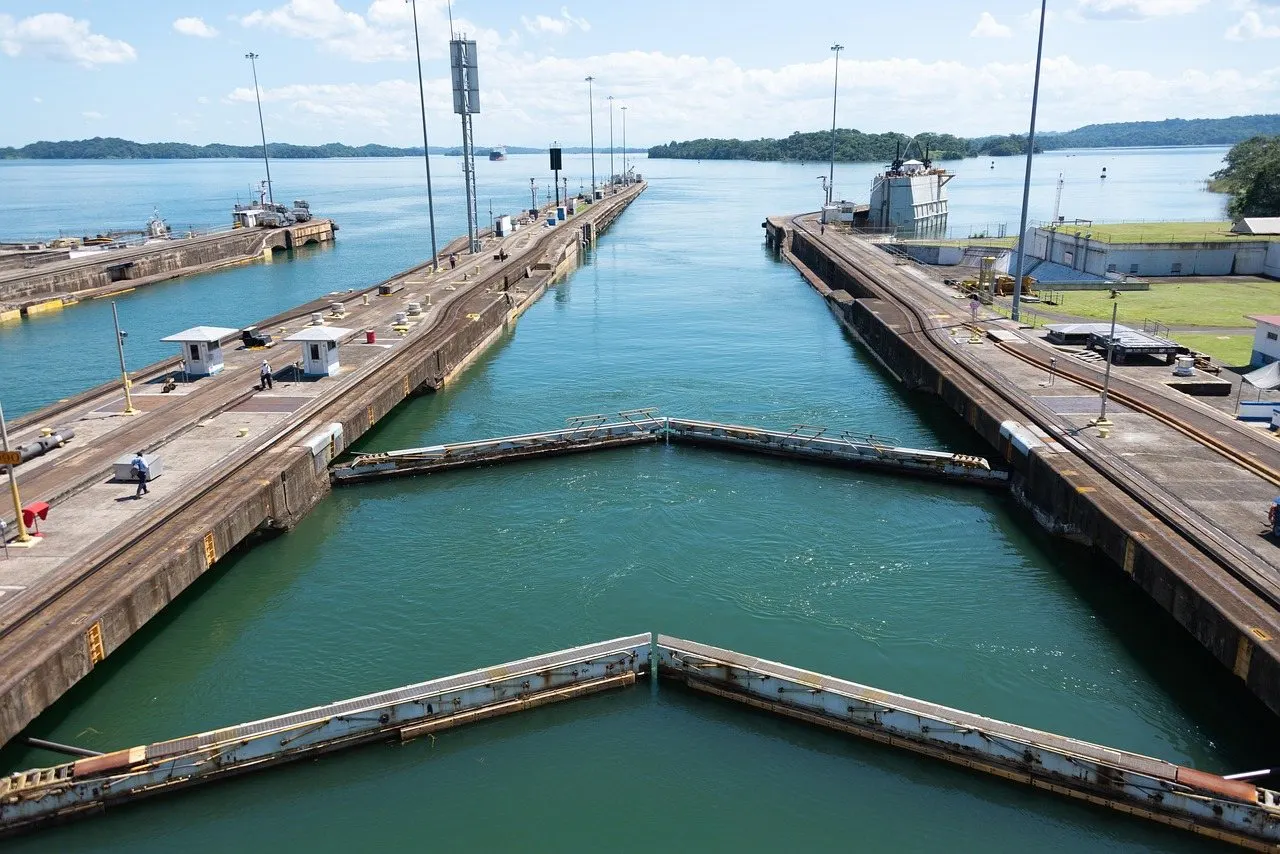
Central America is the narrow strip of land that links Mexico to South America. Seven small countries sit there, Belize, Guatemala, Honduras, El Salvador, Nicaragua, Costa Rica and Panama, between the Pacific Ocean and the Caribbean Sea. The Panama Canal cuts through the strip, letting ships pass from one ocean to the other. Though the countries are small, their cultures are rich and distinct. See islands in the Pacific that drew American interest and the fight over a bill about families for more on the region.
The Caribbean Islands of the Two Americas
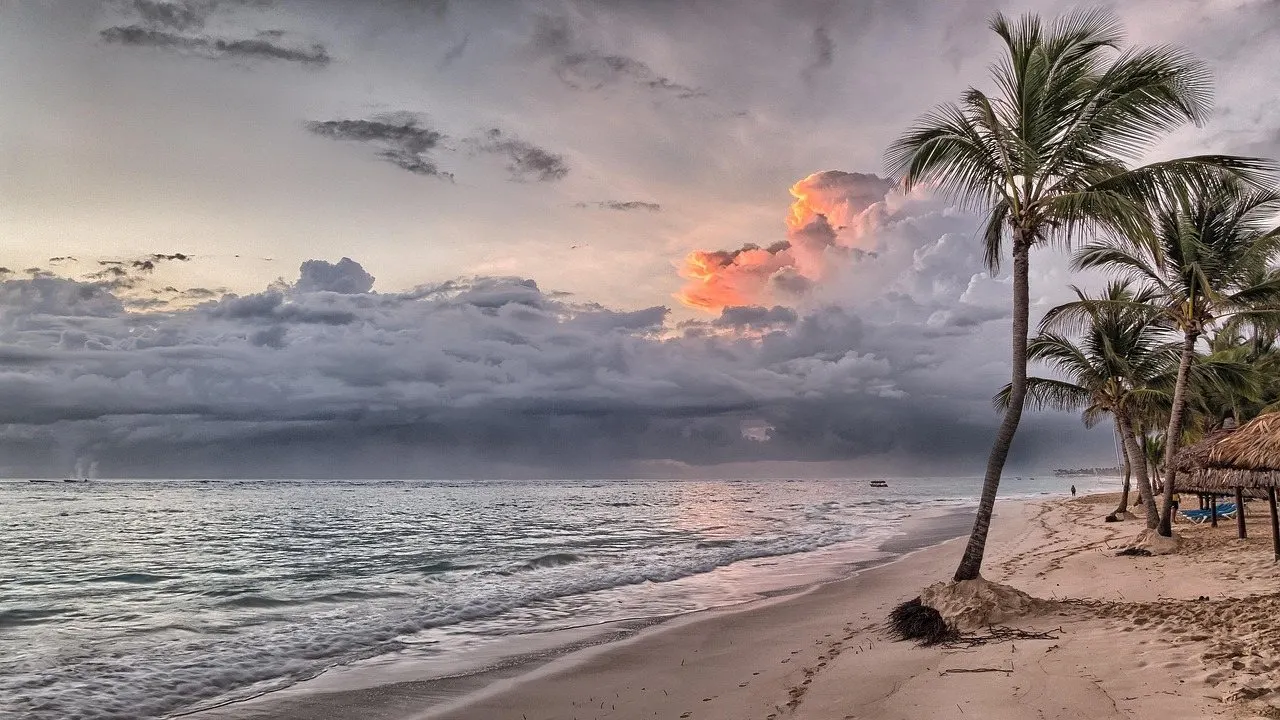
The Caribbean is a sea full of islands, from large ones like Cuba, Hispaniola and Jamaica to tiny islands you can walk across in an afternoon. The islands sit between North and South America, and their people speak Spanish, English, French, Dutch and Creole languages. Music, food and history mix there in ways found nowhere else. Though small on the map, the islands are a full part of the Americas. Our stories on a deal with the Philippines and islands in the Pacific show how island nations shape world news.
Brazil, the Largest Country in the Two Americas
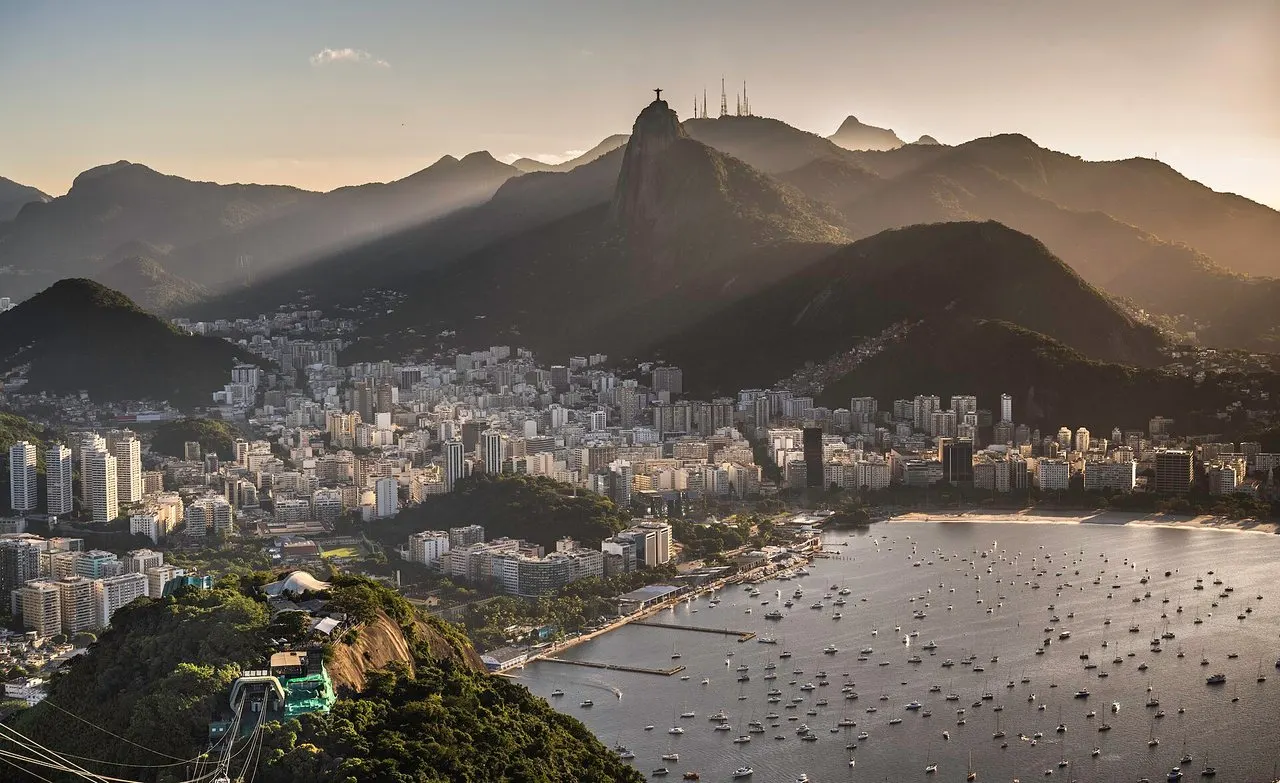
Brazil is the largest country in the Americas and the fifth largest in the world. It covers nearly half of South America, and Portuguese is its official language, a legacy of its colonial past. The Amazon rainforest, the great river and the cities of São Paulo and Rio de Janeiro all sit inside its borders. Brazil alone has more than 200 million people. It is a reminder that the Americas hold far more than one country. Read about how friendship survives political divides and a gift that wiped out medical debt for more stories from the region.
Peru and Colombia in the Andes
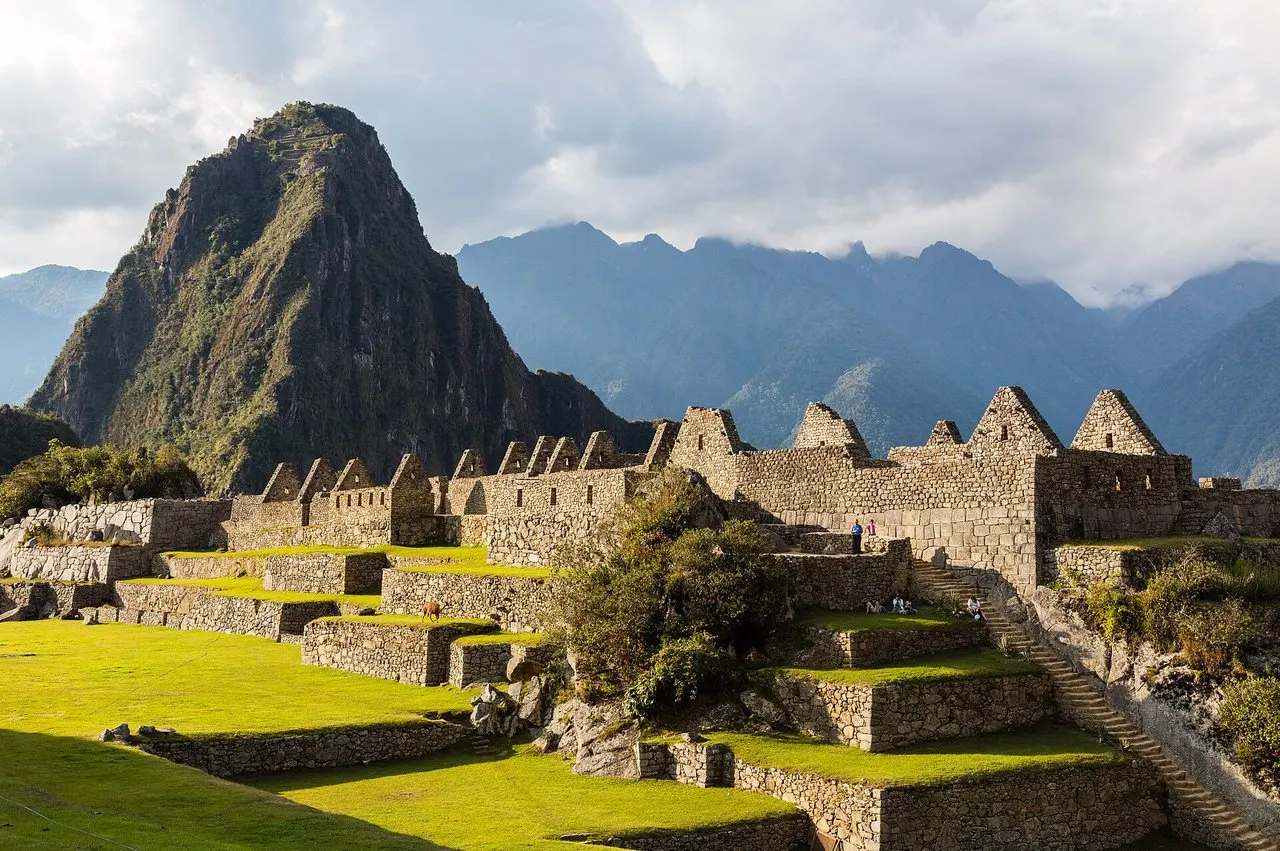
Peru and Colombia sit on the western side of South America, where the Andes mountains rise high above the Pacific coast. Peru is home to Machu Picchu, the stone city of the Inca, and to Lima, a capital on the sea. Colombia reaches from the Caribbean to the Pacific, with coffee farms in its green hills. Both countries speak Spanish and hold deep Indigenous roots. Their mountains and coasts show the range of the Americas. See how politics divides friends and a gift that cleared medical debt for more American stories.
Argentina and Chile at the Southern Tip
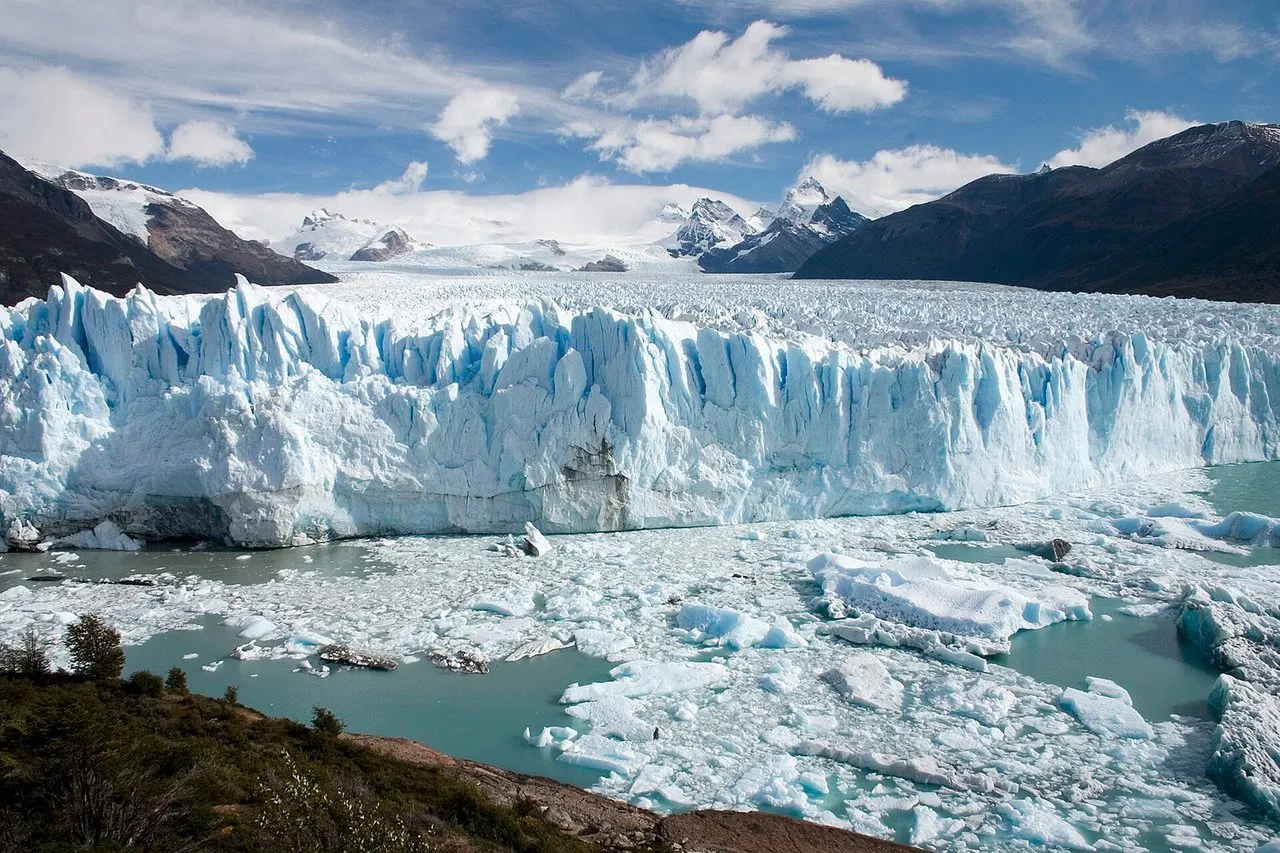
Argentina and Chile run down the southern tip of the Americas, a long thin strip of land between the Andes and the Atlantic. Argentina is wide, with the pampas grasslands and the city of Buenos Aires. Chile is narrow, squeezed between the mountains and the sea, stretching more than 4,000 kilometers from north to south. Both end in Patagonia, where wind sweeps across open land. Their far south feels like the edge of the world. Read about a call about measles and public health and a big spender in American politics for more news from the Americas.
More Than a Billion People in the Two Americas
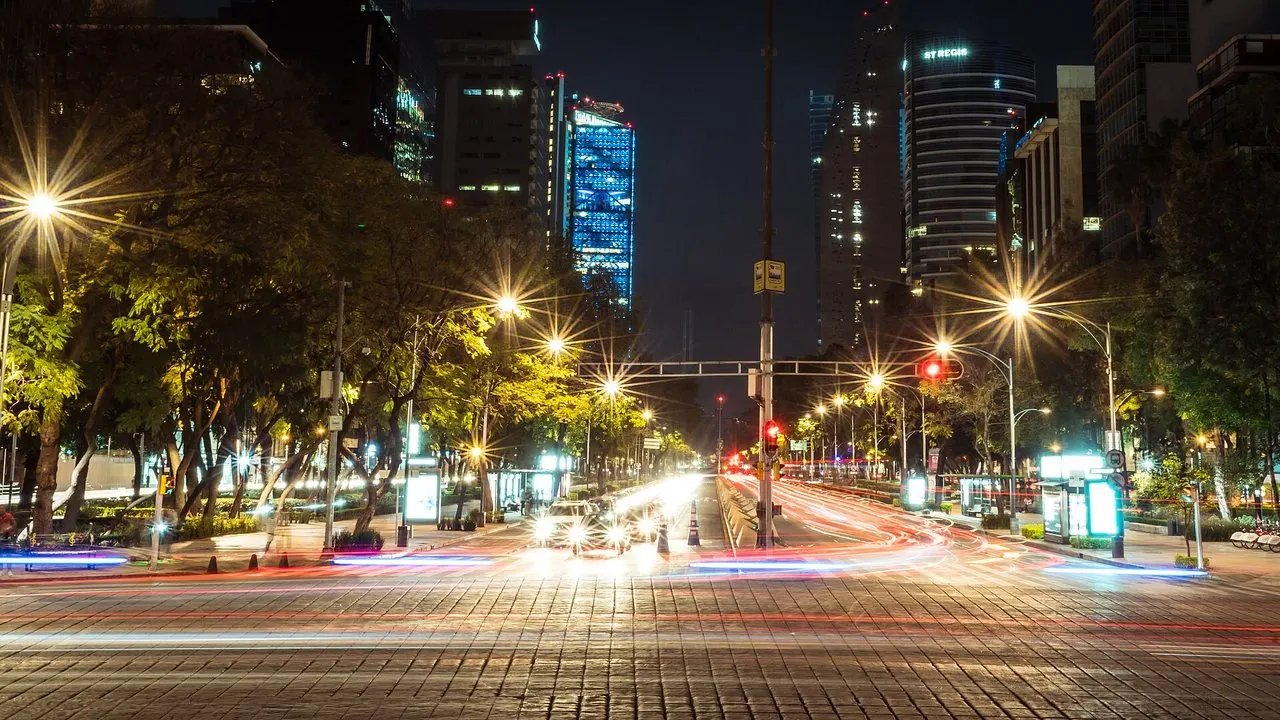
More than a billion people live in the Americas, spread across 35 countries and two continents. They live in huge cities like Mexico City, São Paulo and New York, and in small towns in the Andes, the Amazon and the Arctic. They farm, fish, build, teach and trade. Their daily lives look very different from one place to another, yet they share one word for home. That is why the name matters so much. Our stories on a gift that wiped out medical debt and a measles warning for the nation show how much Americans share.
Spanish and Portuguese, the Languages of the South
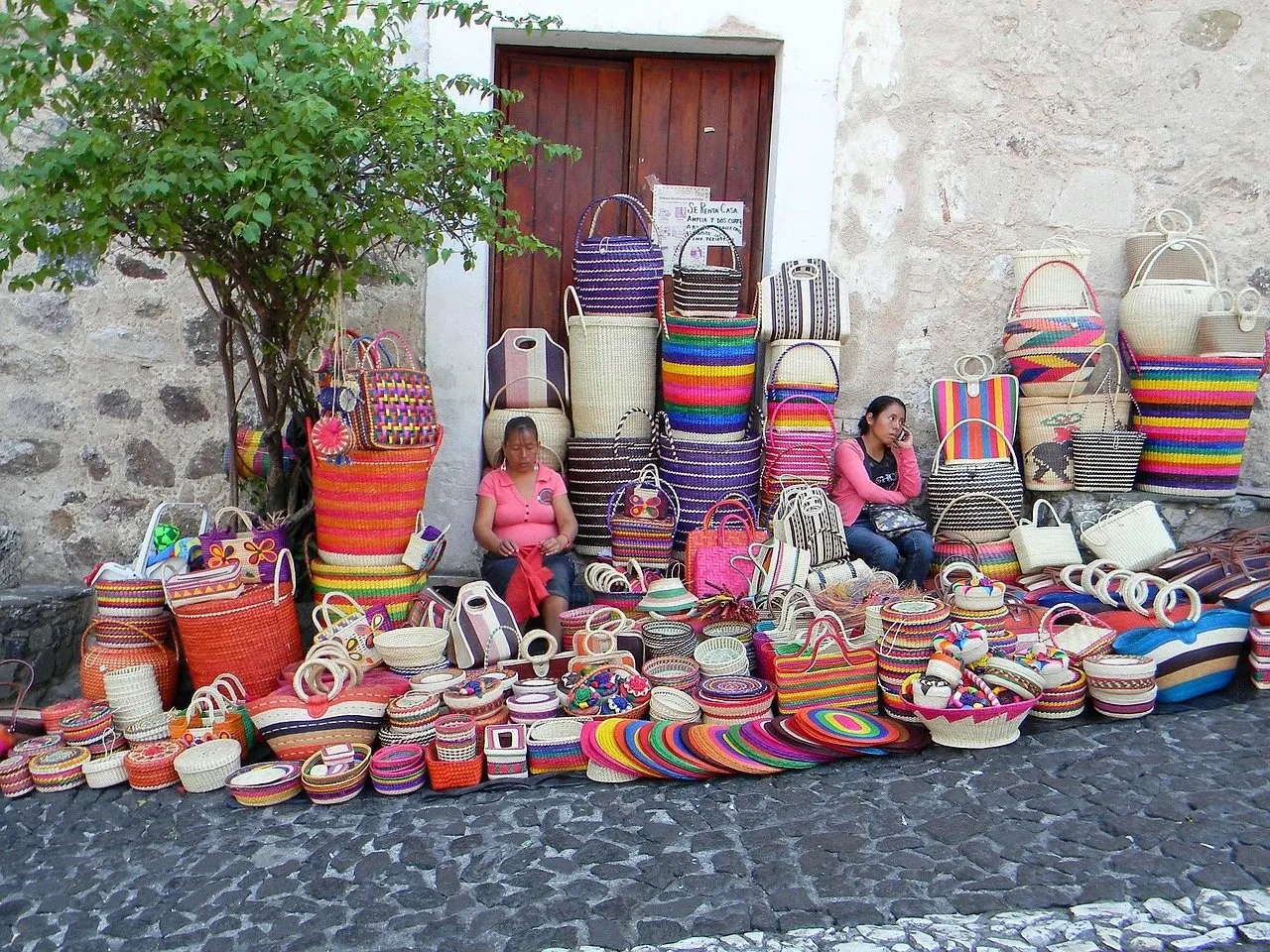
Spanish and Portuguese are the most spoken languages of the Americas. Spanish is heard from Mexico to Argentina, in the former colonies of Spain across the region. Portuguese is the language of Brazil, the largest country in the south. Together they are the mother tongues of hundreds of millions of people. They shape music, books, news and daily talk across the continent. Their spread is a legacy of the colonial age. See the fight over a bill about children and how politics tests friendships for more on life in the Americas.
English, French and Dutch in the Two Americas
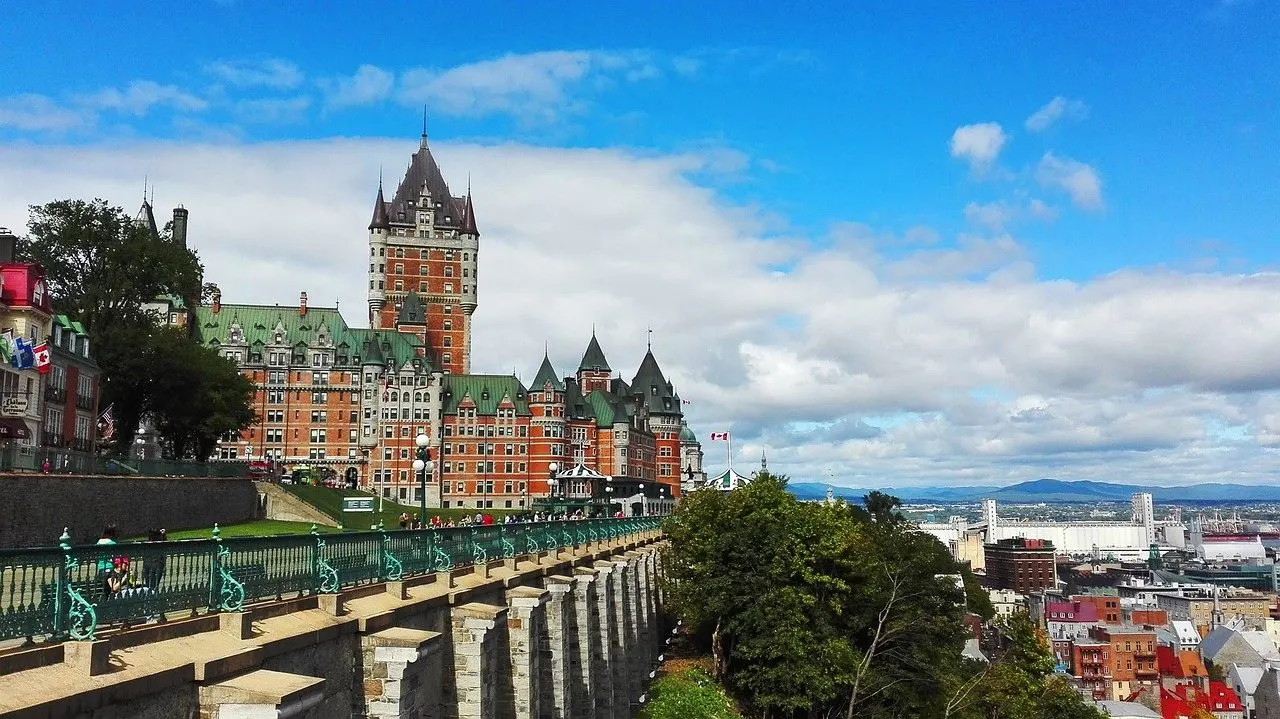
English, French and Dutch are also spoken across the Americas, each with its own history. English is the main language of the United States and Canada, and it is heard across the Caribbean. French is spoken in Quebec, in Haiti and in French Guiana. Dutch is heard in Suriname and on Caribbean islands like Aruba and Curaçao. These languages came with settlers and traders centuries ago. Their mix shows how many peoples built the region. Read about a teenager who started over in Canada and a big spender in American politics for more.
Indigenous Languages of the Two Americas
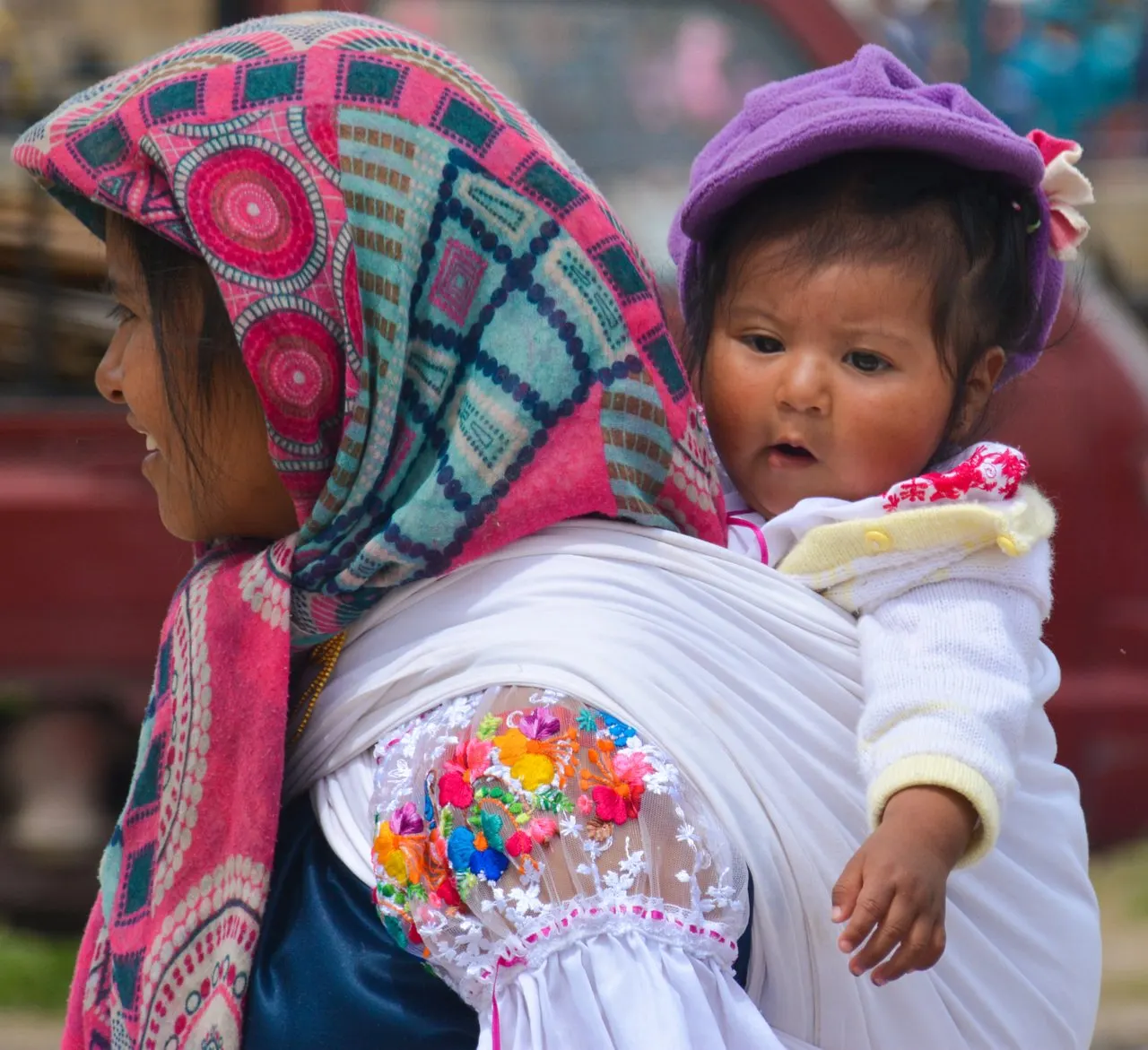
Hundreds of Indigenous languages are still spoken across the Americas, from Inuktitut in the Arctic to Quechua in the Andes and Guaraní in Paraguay. These languages carry stories, songs and knowledge that are far older than the name America itself. Many are spoken by small communities, and some are at risk as younger people switch to Spanish, English or Portuguese. Keeping them alive matters to the people who speak them. Our report on Indigenous leadership in the Americas and how America voted at the United Nations show why their voices count.
Why English Speakers Say America and Mean the U.S.
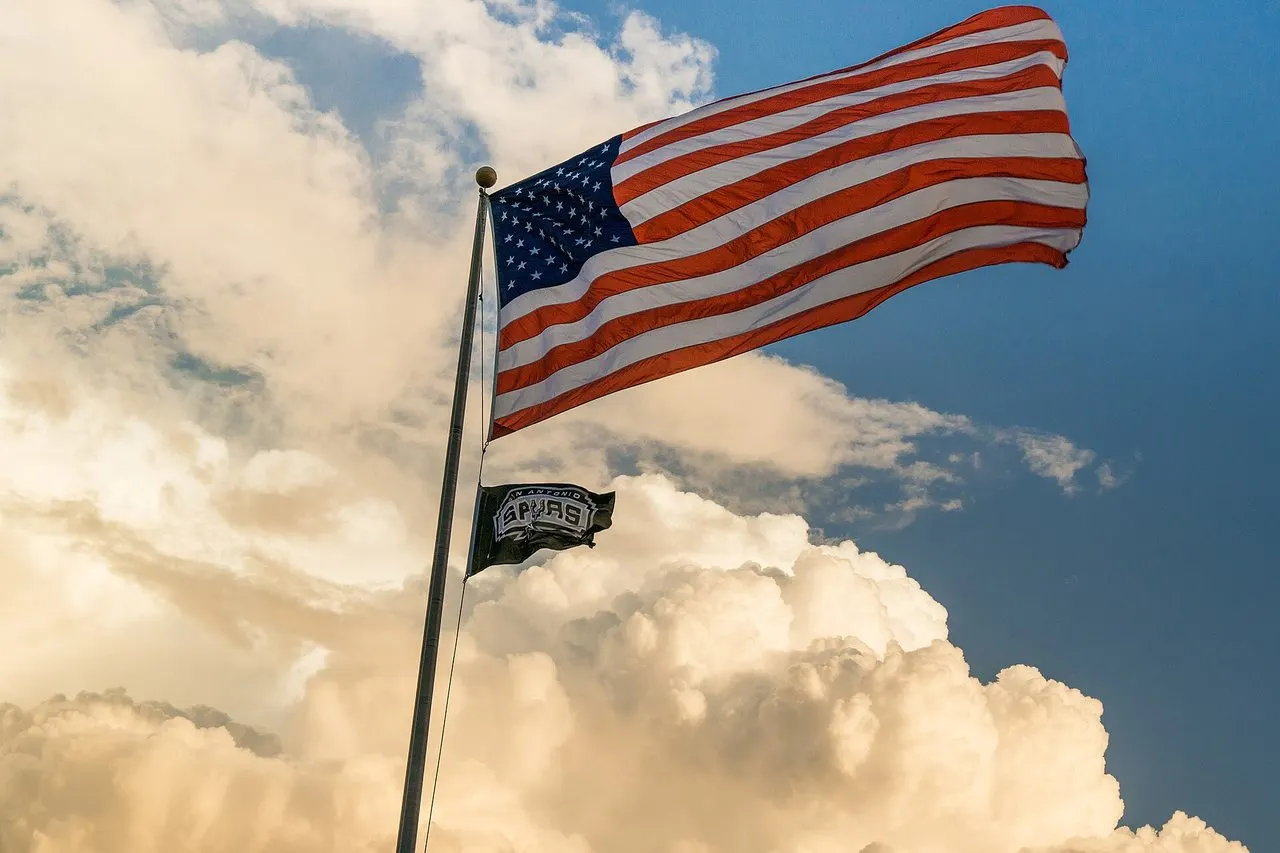
In English, America has come to mean the United States, and the habit is so strong that most English speakers never stop to think about it. The country took the name early, and its size and power made the short form stick. Newspapers, songs and speeches all use it that way. Yet the wider meaning never went away, and in much of the world it is still the first meaning. Two maps live inside one word. See the American people and their voice and the debate over the flag for more on the name at home.
Which Map Do You Have in Mind?
So the next time you hear America, pause and ask which map the speaker has in mind. Is it the country of 50 states and Washington, D.C., with about 340 million people, or is it the whole region of 35 countries and more than a billion people? The answer changes the story, and it changes who counts as American. Both maps are real, and both are worth knowing. What do you think? Tell us in the comments which map you picture first. Read how America voted at the United Nations and our report on the Shenzhen summit for more.