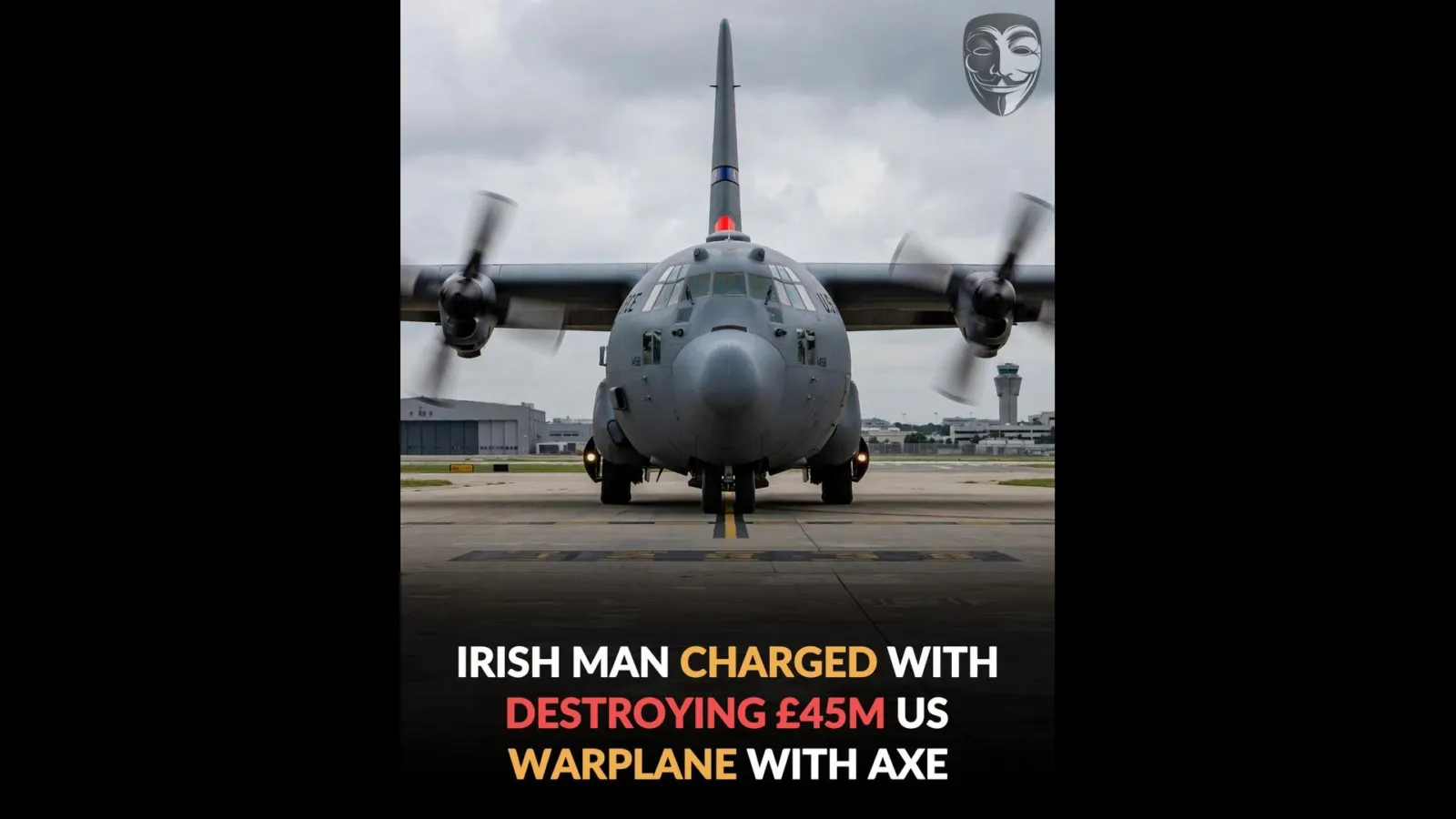
The Shannon Warplane Protest That Grounded a $60M Plane

The Shannon warplane protest began on April 11, when Daithí Ó Corráin, 48, is accused of sneaking onto the tarmac at Shannon Airport and barricading himself inside a US Air National Guard C-130 Hercules. Prosecutors say he cut wires and hydraulic lines, broke every gauge in the cockpit and poured ball bearings into the fuel tanks. The damage left the $60m plane unable to fly again, and the case has now reached a court in New York. We look at what happened that day and why it matters, starting with a 52-year protest for peace.
The Shannon warplane protest is described by supporters as the act of a peace activist who says he was protesting against US military action in the Middle East. Prosecutors in New York have charged Ó Corráin, also known as David Curran, with destruction of government property, which carries up to ten years in prison. They say he planned the act for months, and Irish police arrested him at the scene. Shannon Airport has been a stop for US troops and equipment, and a site of frequent anti-war protests and monthly peace vigils. See the search for a peace deal.
References:
Manufacturing Net: Man Indicted for Destroying $60M U.S. Military Plane With Ax, Ball Bearings
Aero News: Man Charged With Destroying National Guard C-130 At Irish Airport
Aviation Pros: Feds Accuse Irish Activist of Totaling US Warplane That Stopped To Refuel in Ireland
Europe Says: Man charged for allegedly destroying US military plane parked in Irish airport: Feds
A Quiet Morning Turns Into a Security Scare at Shannon
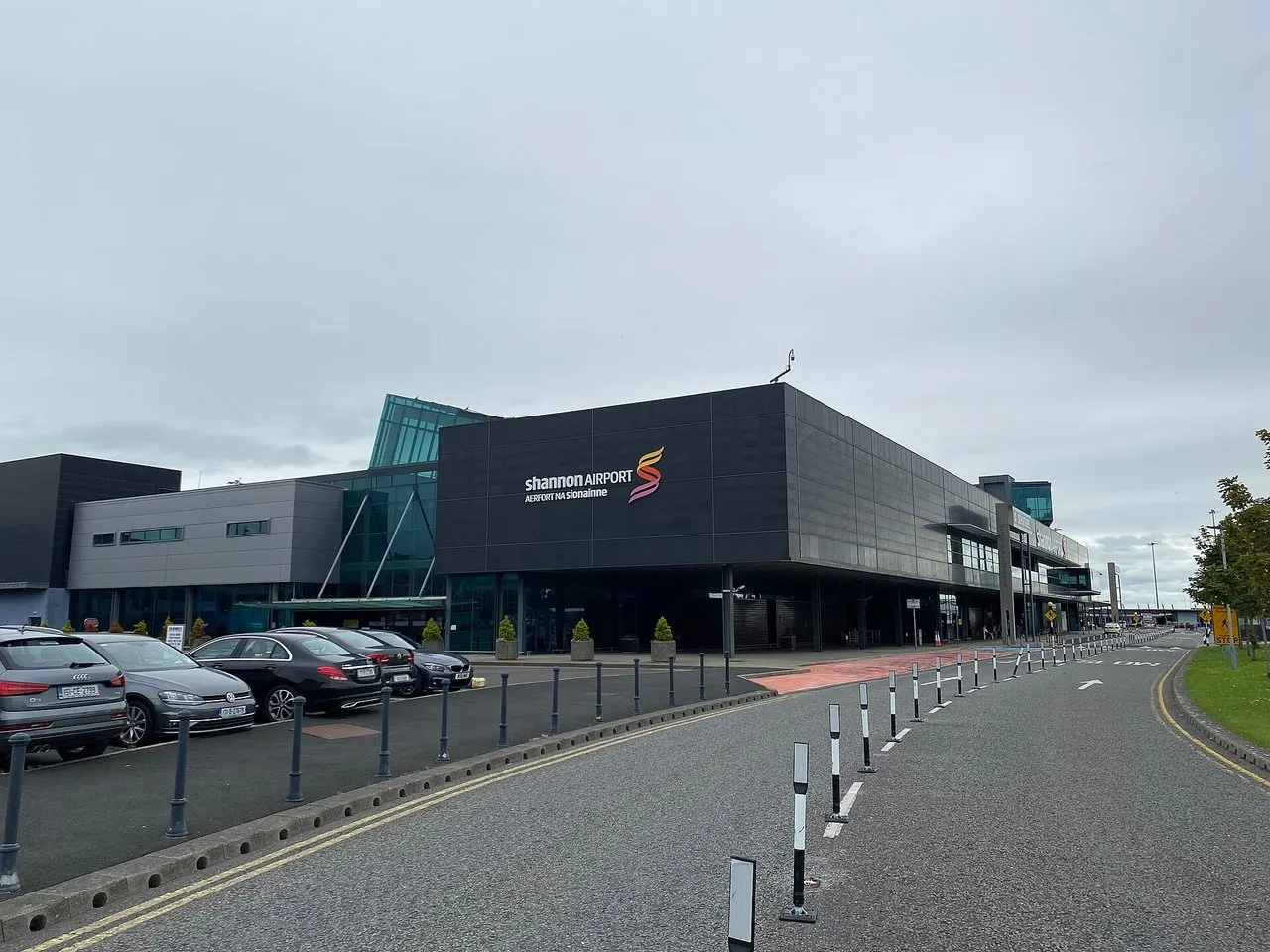
Shannon Airport sits in County Clare on the west coast of Ireland, and on April 11 it became the scene of an extraordinary security scare. Prosecutors say Ó Corráin slipped onto the tarmac, reached the parked Hercules and barricaded himself inside before anyone could stop him. Airports are built around fences, gates and patrols, yet a single determined person still found a way through. Irish police moved in quickly to deal with the man inside the plane. Read about the flight chaos that grounded planes and the plan to patrol Washington with police and troops.
Inside the C-130 at the Heart of the Shannon Warplane Protest
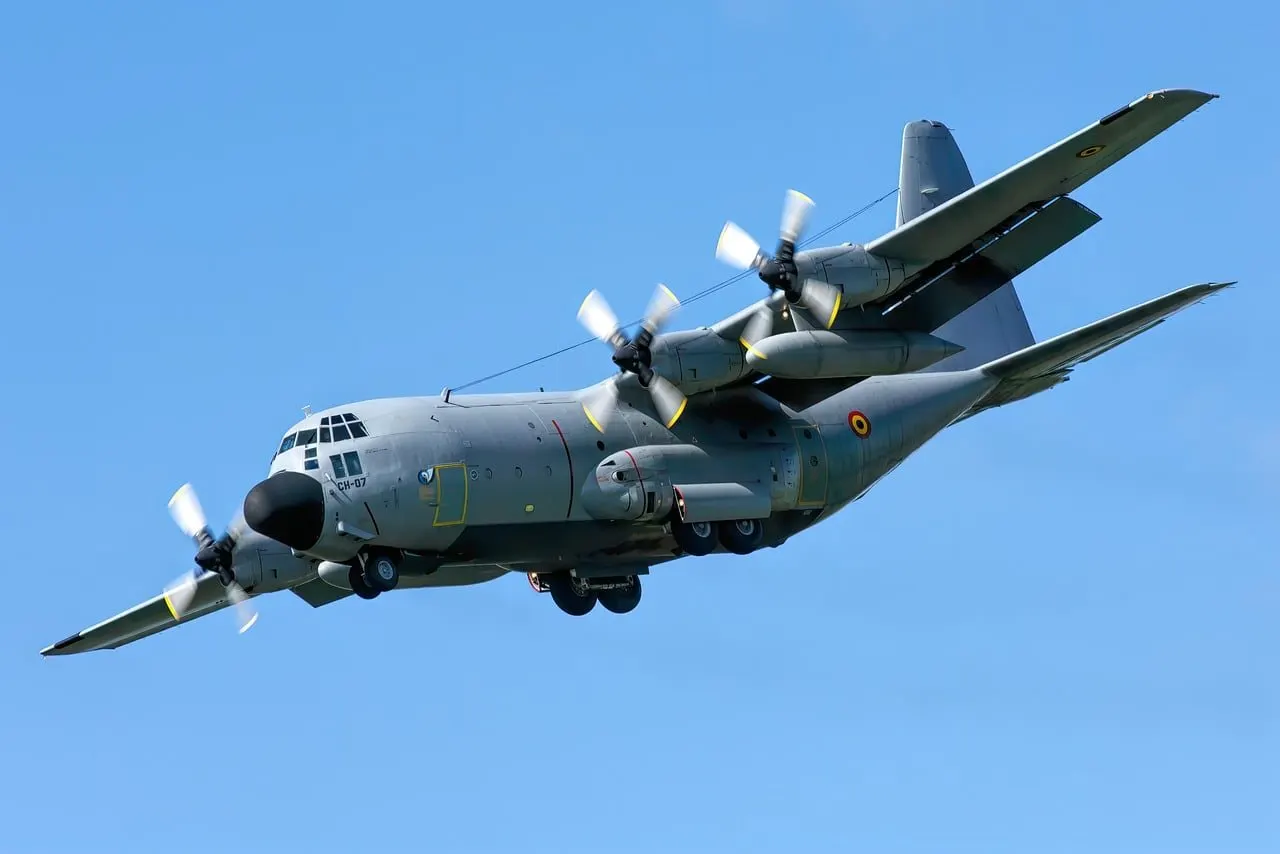
The aircraft at the center of the case is a C-130 Hercules, a workhorse of the US Air National Guard. The US Air Force calls the Hercules the prime transport for airdropping troops and equipment, a role it has filled for decades. This plane was en route to another country on a US military assignment when it stopped at Shannon to refuel. It was meant to carry on, but it never left the ground again. See an air traffic control system that is 50 years old and the federal crime crackdown that followed.
An Axe, Cut Wires and Ball Bearings

The damage described by prosecutors was methodical and spread through the whole aircraft. Ó Corráin is accused of cutting wires and hydraulic lines, smashing every gauge in the cockpit and damaging the outside of the plane with an axe. He is also accused of pouring ball bearings into the fuel tanks, where they can wreck engines and fuel systems. Each act on its own would ground a plane, and together they left the Hercules in ruins. Read about a party that turned violent and a border that held when thousands tried to cross in one day.
How the Shannon Warplane Protest Left the Plane Unable to Fly
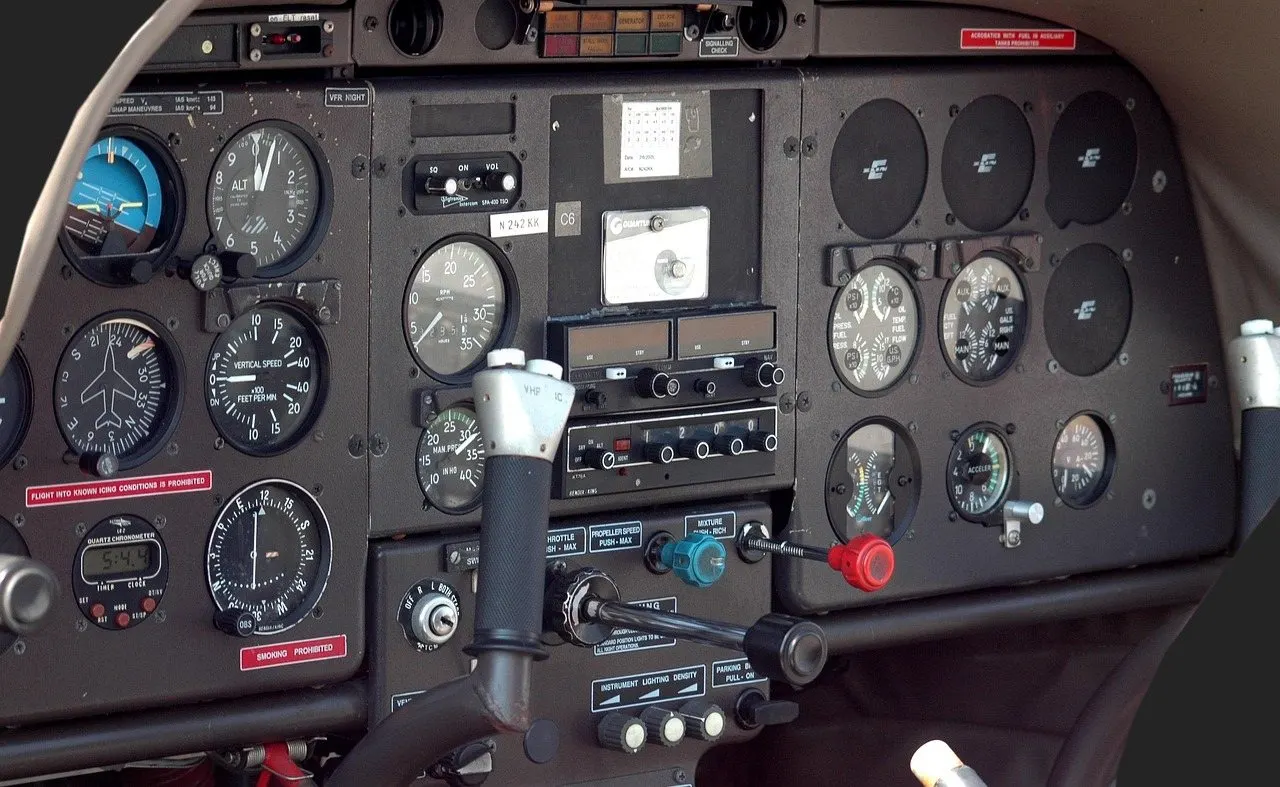
The indictment is blunt about the result. It states that the damage rendered the aircraft inoperable, and the plane, worth about $60m, will not return to active flight status. A military plane is a web of wires, pipes, gauges and fuel lines, and once those are cut and smashed, repair can cost more than the plane is worth. For the Air National Guard, the loss is not just money but a transport plane taken out of service for good. See the ground stop that stranded travelers and the plan to cap Supreme Court justices at 18 years.
Arrested at the Scene by Irish Police
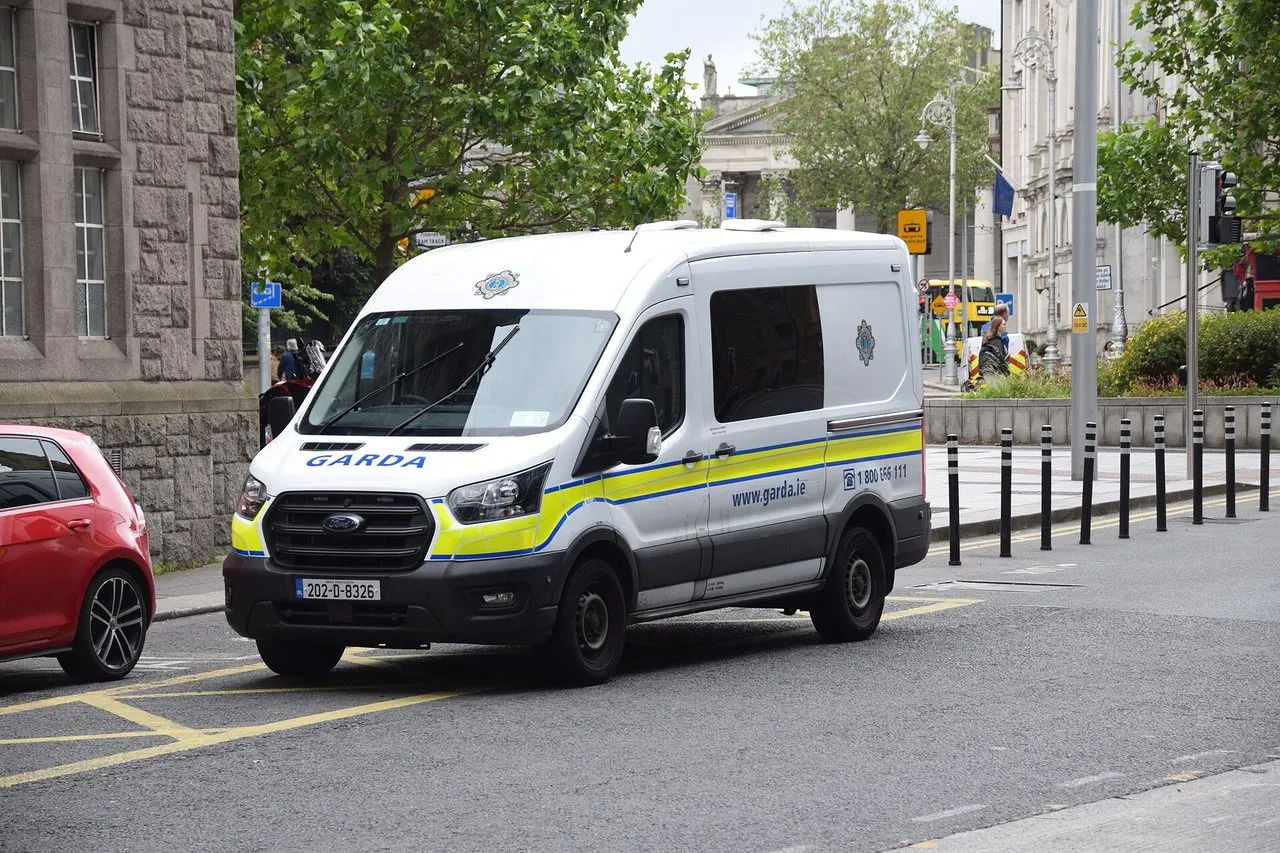
The incident ended where it began, on the tarmac at Shannon, when Irish police arrested Ó Corráin at the scene. Officers had to enter a military aircraft, deal with a man barricaded inside and make sure no one else was hurt. Arrests at airports are rare, and arrests inside a foreign military plane are rarer still. The Irish police, known as the Garda, took him into custody, and the case then passed into the hands of prosecutors in two countries. Read about a crackdown that put troops on city streets and the planned National Guard deployment to Chicago.
Charges Filed After the Shannon Warplane Protest
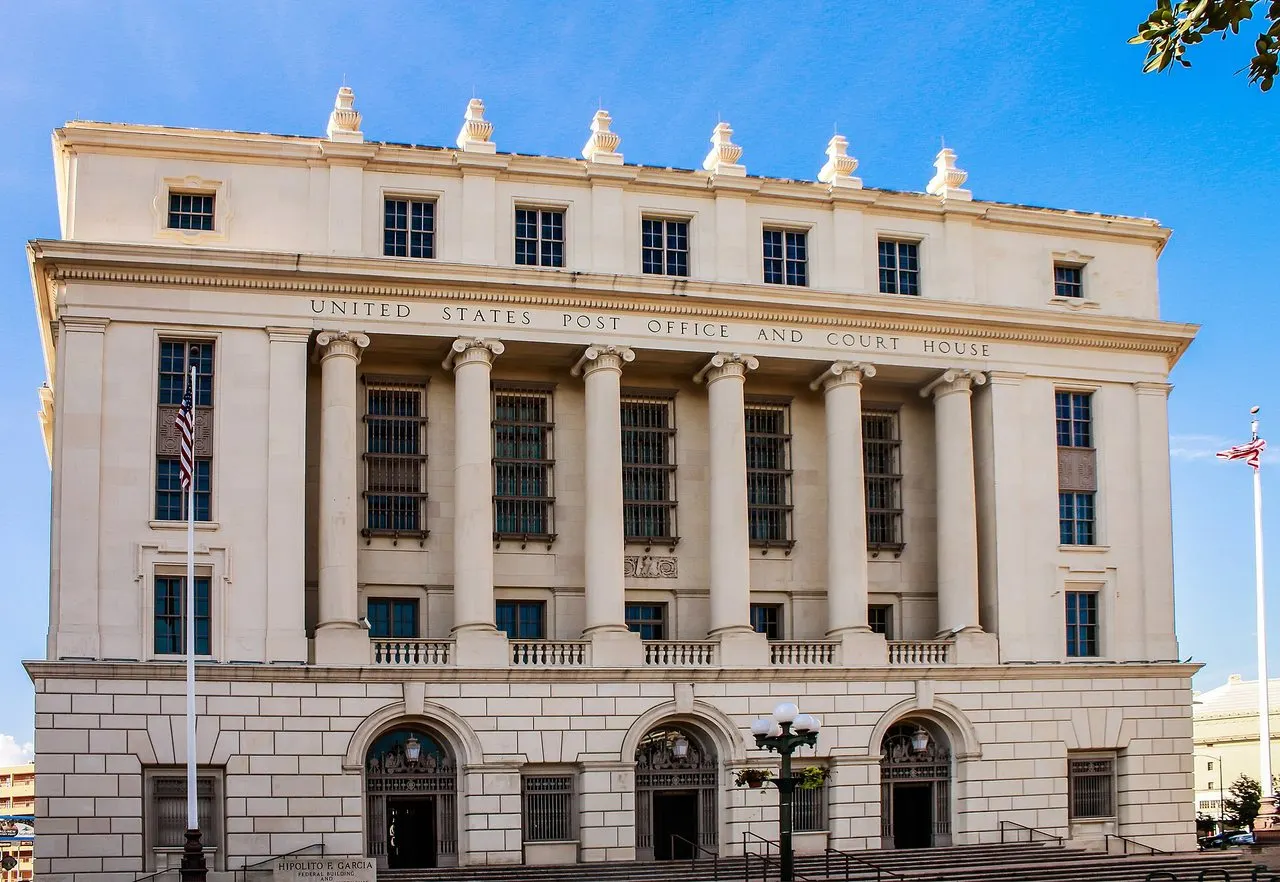
US prosecutors in New York have charged Ó Corráin with destruction of government property, a federal charge that carries a maximum prison sentence of ten years. The charge was brought in New York even though the act took place in Ireland, because the aircraft belonged to the US government and was on a US military assignment. Court filings about the case were unsealed by prosecutors on Tuesday, and the indictment sets out the damage in plain terms. The legal road ahead will be long. See the debate over term limits for justices and the court fight over tariffs.
Months of Planning, Prosecutors Say

Prosecutors say this was not a spur of the moment act. Court filings unsealed on Tuesday say Ó Corráin researched and planned the April 2026 attack for months before he reached the tarmac at Shannon. Planning changes how a case is seen, because it suggests intent and purpose rather than impulse. It also raises questions about what he studied and how he chose the plane. Those answers may come out as the case moves through the courts. Read about a reporter pressed about who she works for and residents who forced a recall of their mayor.
Supporters Call the Shannon Warplane Protest a Stand for Peace
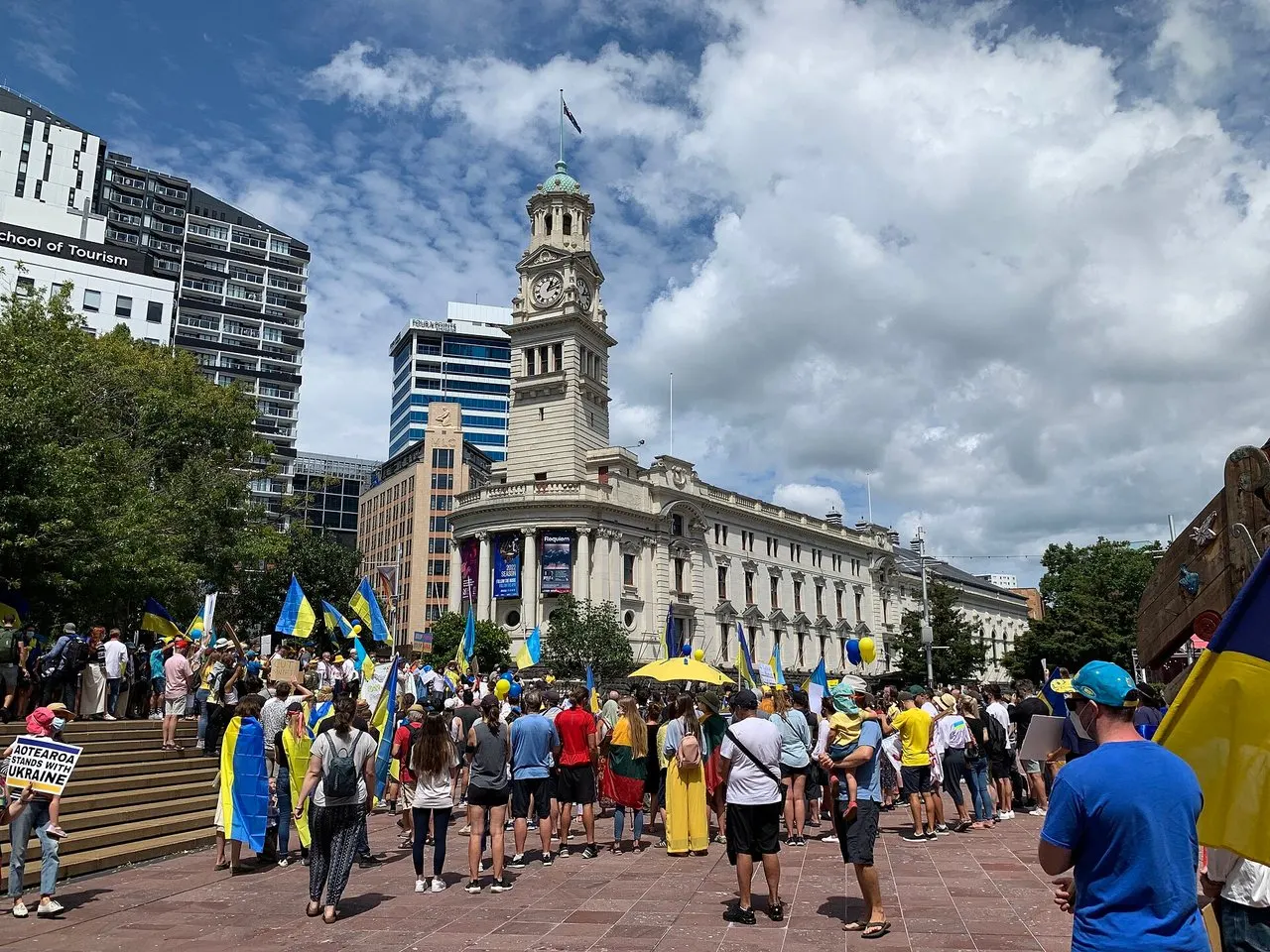
Supporters describe Ó Corráin as an independent peace activist, and they say the act was a protest against US military action in the Middle East. In their telling, he is not a vandal but a man who took a stand against war, using his own body and a simple tool to stop a warplane. Peace activism has a long history in Ireland, and Shannon Airport has heard its message for years. Whether a court agrees with that framing is another matter. See another long protest for peace and talks about ending the war in Ukraine.
Planes on the Tarmac at Night
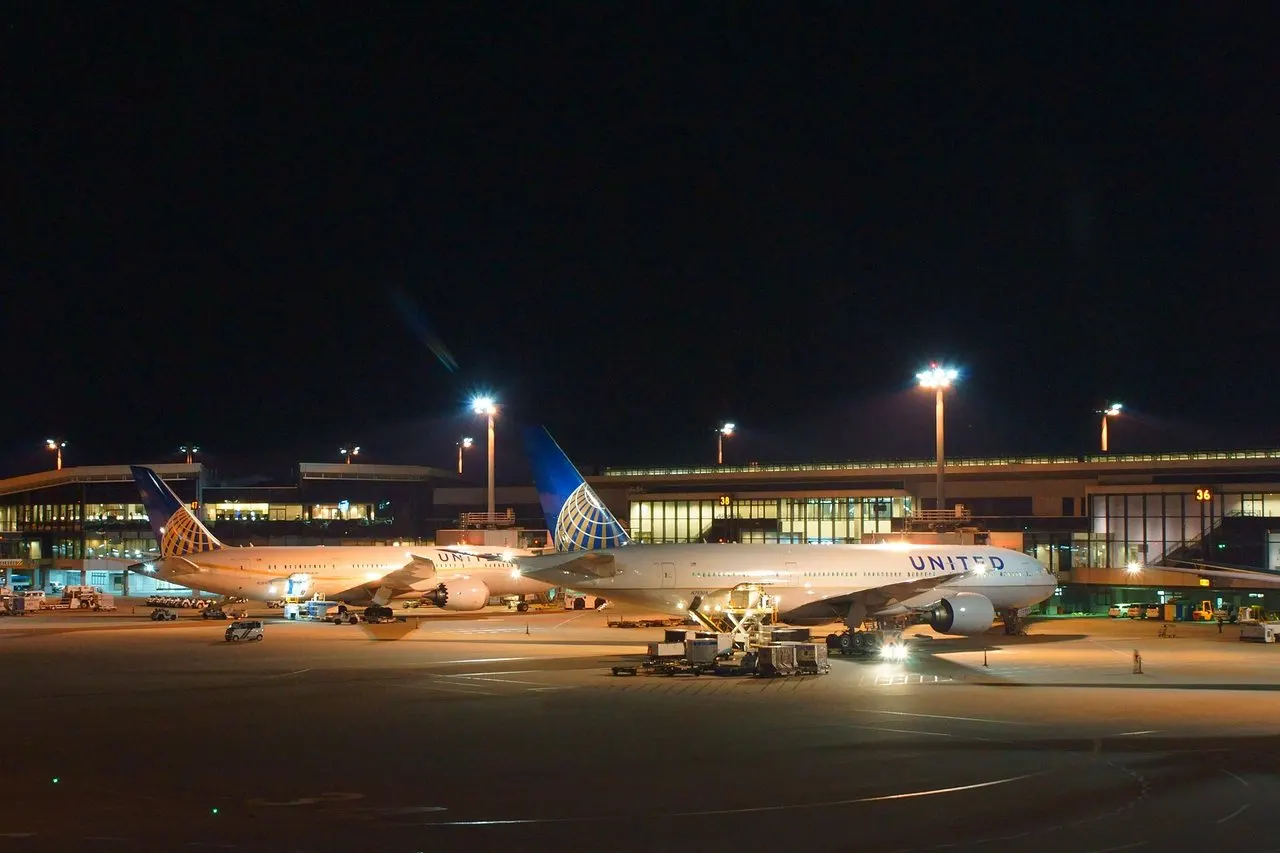
Shannon Airport serves as a key hub for US troops and military equipment, and planes stop there to refuel on their way around the world. The Hercules was one of many military aircraft that pass through the airport each year, landing, taking on fuel and leaving again within hours. For most travelers, the military side of Shannon is invisible, just a distant plane on the tarmac at night. For protesters, it is the reason the airport matters. Read about the debate over sending the Guard into cities and the plan to send the Guard into cities.
The Shannon Warplane Protest Fits a Long Pattern of Vigils

Shannon Airport has been the site of frequent anti-war protests and monthly peace vigils opposing American aggression in the Middle East. Small groups gather with candles and signs, month after month, to say that Ireland should not help wars it does not support. The vigils are quiet and orderly, and they have gone on for years without incident. The events of April 11 broke that pattern in the most dramatic way, turning a place of peaceful protest into the scene of a criminal case. See a protest for peace that lasted 52 years and Guard deployments in American cities.
What a Military Transport Plane Really Does
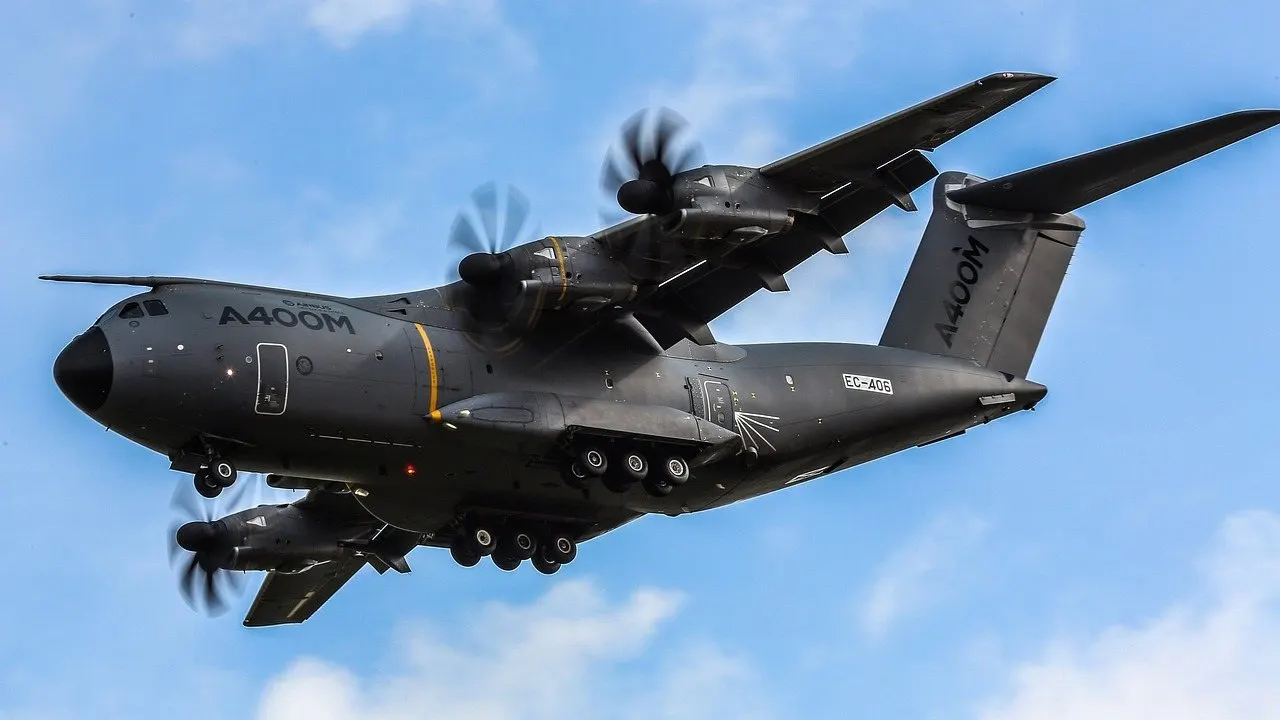
The C-130 Hercules is one of the most widely used military transport planes in the world, and the US Air Force calls it the prime transport for airdropping troops. It can land on short, rough runways, carry heavy loads and fly long distances, which is why air forces in dozens of countries rely on it. The plane in this case was doing exactly that kind of work, moving people and gear between assignments. Losing one is a blow to any air force. Read about a wider federal crime crackdown and the day 10,000 people reached the Polish border.
Repair Crews Face a Plane That Will Never Fly Again
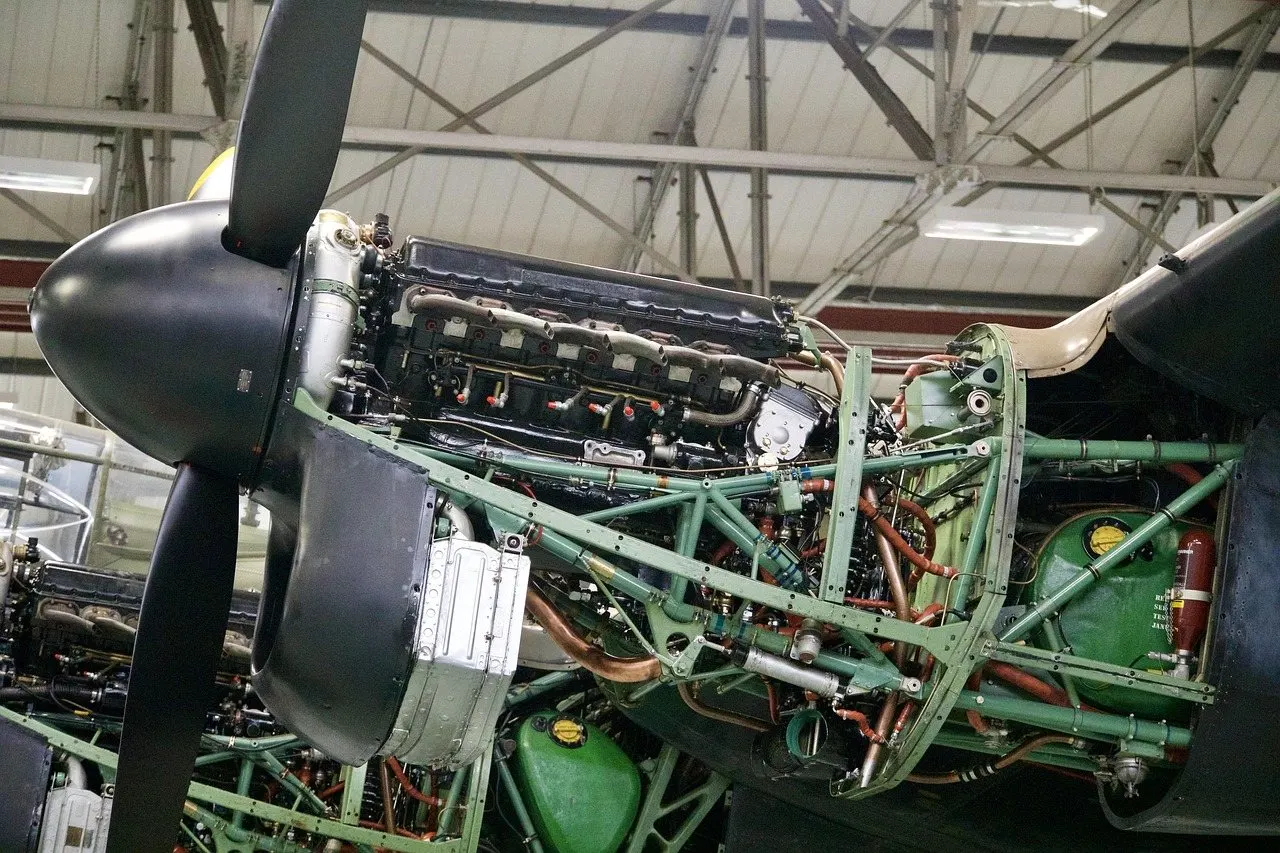
Prosecutors say the Hercules will not return to active flight status, which means a plane damaged beyond sensible repair. Cut wires can be replaced and smashed gauges can be swapped, but ball bearings in a fuel tank can destroy engines and poison the whole fuel system. Mechanics would have to strip the plane down and test every line, a job that can cost more than a new plane. In the end, the Air National Guard is expected to write it off. See a plan to limit how long justices serve and a case that began at a release party.
What Ten Years in Prison Would Mean
Destruction of government property is a serious federal charge in the United States, and in this case it carries a maximum prison sentence of ten years. A maximum is not a promise, and judges weigh many things when they pass sentence, from the value of the damage to the intent behind it. The case will move through the usual steps of a federal prosecution, with hearings, evidence and arguments from both sides. For Ó Corráin, the stakes are high. Read about the Supreme Court case on tariffs and a celebration that turned violent after a prison release.
Ireland, Neutrality and a Small County Clare Airport

Ireland has a long tradition of military neutrality, and it is not a member of any military alliance. That tradition is a source of pride for many Irish people, and it is why Shannon Airport stirs such strong feelings. The airport sits in County Clare on the west coast, yet it handles some of the busiest military traffic in Europe. For protesters, US warplanes on Irish soil clash with the idea of neutrality, while for others the stopovers are a fact of modern life. See who can sign a peace deal and a guarded border that no one crossed.
Protests at Airports Are Nothing New

Airports have long been stages for protest, because they are public places where the world passes through. Demonstrators have gathered at terminals to oppose wars, deportations and climate policy, knowing that cameras and travelers will see them. Most airport protests are peaceful, and most end with speeches, arrests or a quiet walk home. The Shannon case is unusual because the protest moved from the terminal to the tarmac, and from words to damage worth $60m. That step is what turned a protest into a prosecution. Read about troops patrolling the capital and the tense exchange between officials and reporters.
Why the World Is Watching This Case

The case has drawn attention well beyond Ireland, because it touches on war, protest, neutrality and the law all at once. News outlets in several countries have covered the charges, and the story has spread online, where people argue about whether the accused man is a criminal or a hero. The court filings give only the facts of the damage, not the motive, and that gap is where the debate lives. As the case moves forward, each hearing will add a new piece to the picture. See the crackdown on crime in the capital and troops sent into cities.
What Do You Think of the Shannon Warplane Protest?

Ó Corráin says he acted against US military action in the Middle East, while prosecutors say he destroyed a $60m aircraft owned by the US government. Between those views sits a court case that will decide what the law makes of it. Do you think his act was a brave stand for peace, or a crime that deserves ten years? Would you have done the same, or would you have found another way to be heard? Share your thoughts in the comments below. Read about a governor pushing back and a town that voted to recall its mayor.