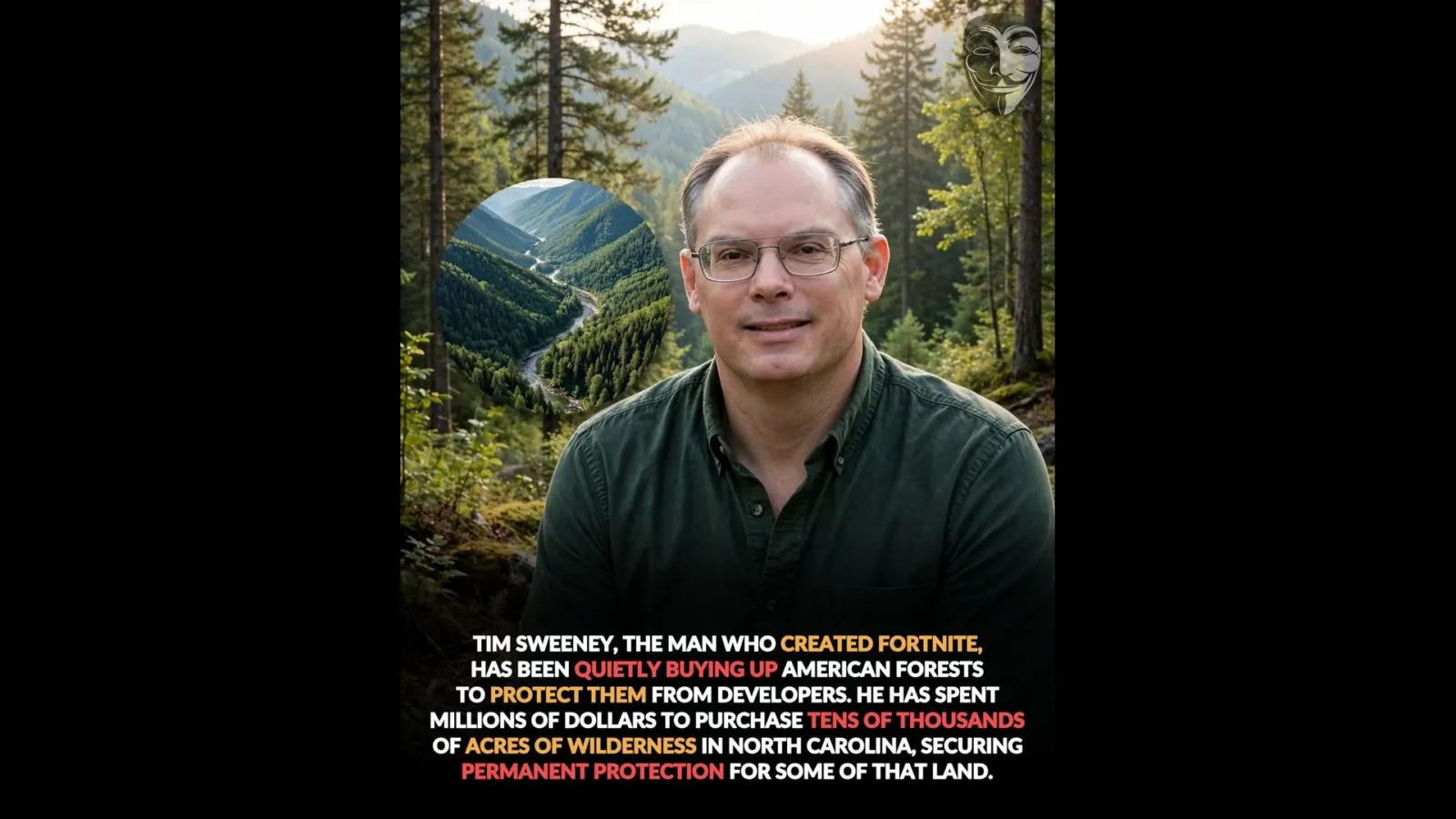
Tim Sweeney Forests: A Fortnite Creator Saving Wild Land
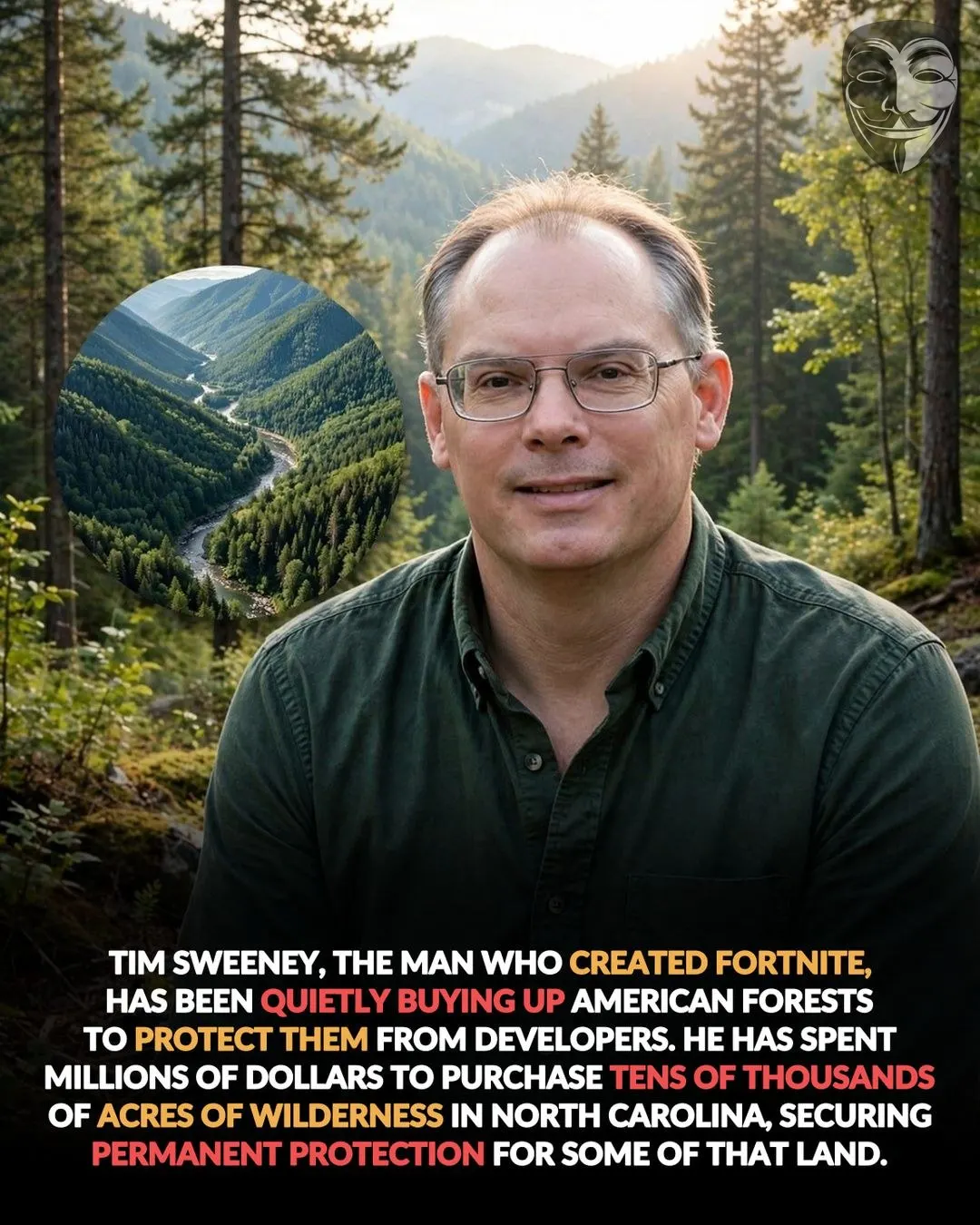
Tim Sweeney forests are at the heart of a quiet story about land, money and care. Sweeney is the founder of Epic Games and the man behind Fortnite, and he has spent millions of dollars buying tens of thousands of acres of wilderness in North Carolina to keep it safe from developers. Since the property crash in 2008, he has quietly bought about 54,000 acres across 15 counties, reaching threatened land before bulldozers could. That steady work has turned a game maker into one of the most surprising land protectors in the state.
One of those places is Box Creek Wilderness, about 7,000 acres in the Blue Ridge foothills that he bought for around 15 million dollars and protected with a permanent conservation easement held by the U.S. Fish and Wildlife Service. About 6,000 acres he once bought from a timber company are now part of Bobs Creek State Natural Area, and he has also donated 7,500 acres in the Roan Highlands to a land trust. Also see Indigenous land defenders and a tiny shelter built by hand.
References:
Source: Gadget Review: The Fortnite Billionaire Quietly Buying Up North Carolina’s Forests
Source: Engineerine: Why Fortnite Creator Tim Sweeney Quietly Bought 50,000 Acres of U.S. Forest to Stop Developers
Source: Wide Open Spaces: Tim Sweeney, The Founder Behind Fortnite, Is Buying Up Thousands Of Acres In North Carolina To Protect It
Source: We Got This Covered: Fortnite billionaire quietly buys 40,000 acres of U.S. wilderness before developers can touch it. His plan leaves everyone stunned
Tim Sweeney Forests Begin With the Man Behind Fortnite

Tim Sweeney is best known as the founder of Epic Games, the company behind Fortnite, one of the most played games in the world. Fortnite grew into a huge online world where millions of players build, play and meet friends, and it made Sweeney a very wealthy man. Yet away from screens and stages, he has spent years doing something very different and very quiet. Also see the return of the milkman and Ava, a rare golden tiger.
About 54,000 Acres Across 15 Counties
The scale of the buying is hard to picture. Since the property crash in 2008, Sweeney has quietly bought about 54,000 acres across 15 counties in North Carolina. That is tens of thousands of acres of hills, woods, streams and open ground, bought piece by piece over many years. He moved when land was at risk, reaching threatened places before developers could buy them and change them forever. Also see a miniature pancreas made from living cells and Sweden ban on lab tests on great apes.
The Property Crash in 2008 Opened a Door
The year 2008 matters to this story because the property crash changed what land cost and who could buy it. When prices fell, large tracts of wild land came up for sale, and buyers with ready money could move fast. Sweeney did that, but his goal was not profit from building homes or shops. He wanted the land to stay as it was, with trees standing and streams running clear. That choice set him apart from many buyers who saw cheap land as a chance to build. Also see Elon Musk early years in Canada and GTA 6 launch scenes.
Tim Sweeney Forests Include Box Creek Wilderness
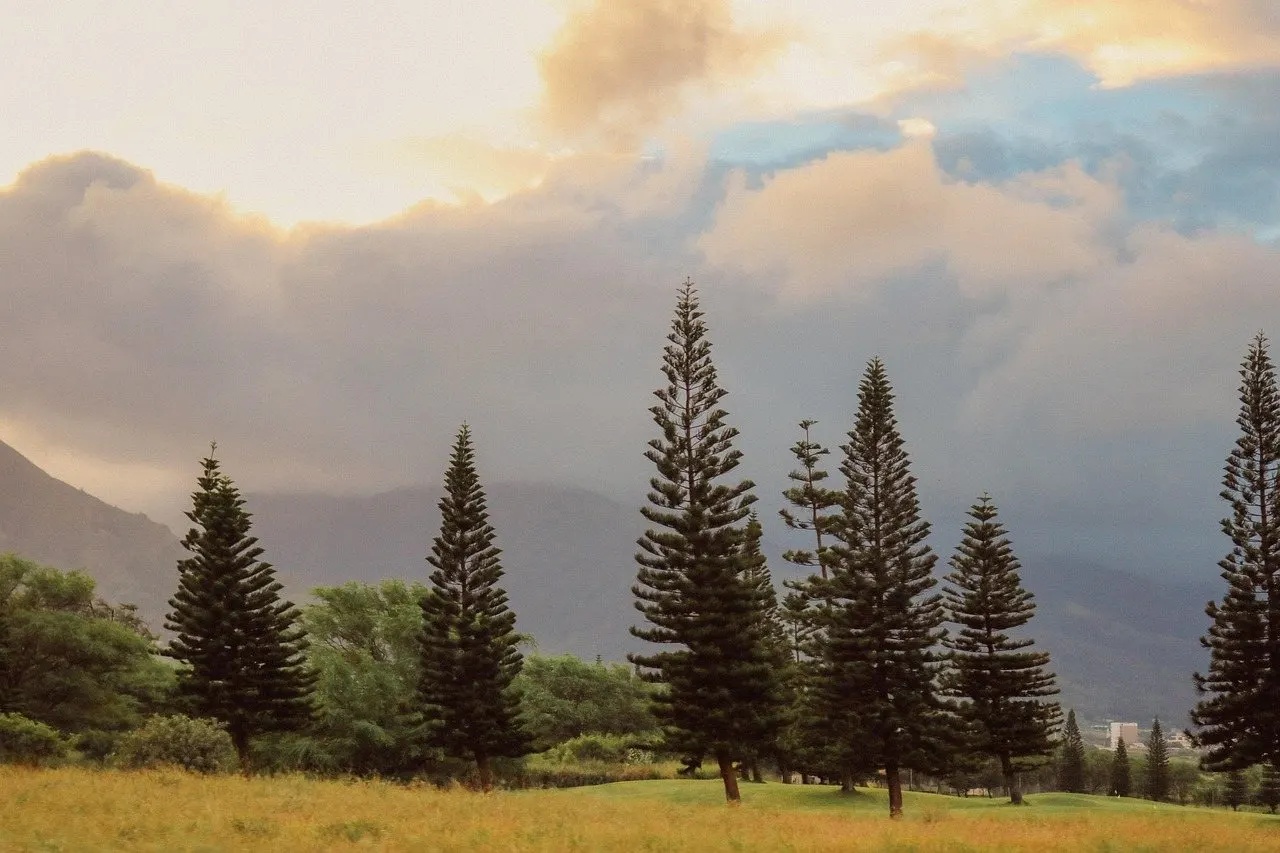
Box Creek Wilderness is one of the best known places in this story, and it shows how the plan works in practice. It covers about 7,000 acres in the Blue Ridge foothills, a quiet stretch of hills and woods in North Carolina. Sweeney bought it for around 15 million dollars, a large sum for land that would not be built on. He still owns the land today, but a permanent conservation easement protects it, so its wild character is meant to last. Also see babies born with measles in the United States and Trump trip to China.
How a Conservation Easement Protects the Land
A conservation easement is a legal promise tied to the land itself, and it is the key tool used at Box Creek. In simple terms, it limits what future owners can do, even if the land changes hands. At Box Creek, the easement is held by the U.S. Fish and Wildlife Service, a federal agency that works to protect wildlife and wild places. That means the protection does not depend on one person staying in charge. Also see a joke about short men with big muscles and Mister Ernie, a senior dachshund.
The Blue Ridge Foothills Hold the Story
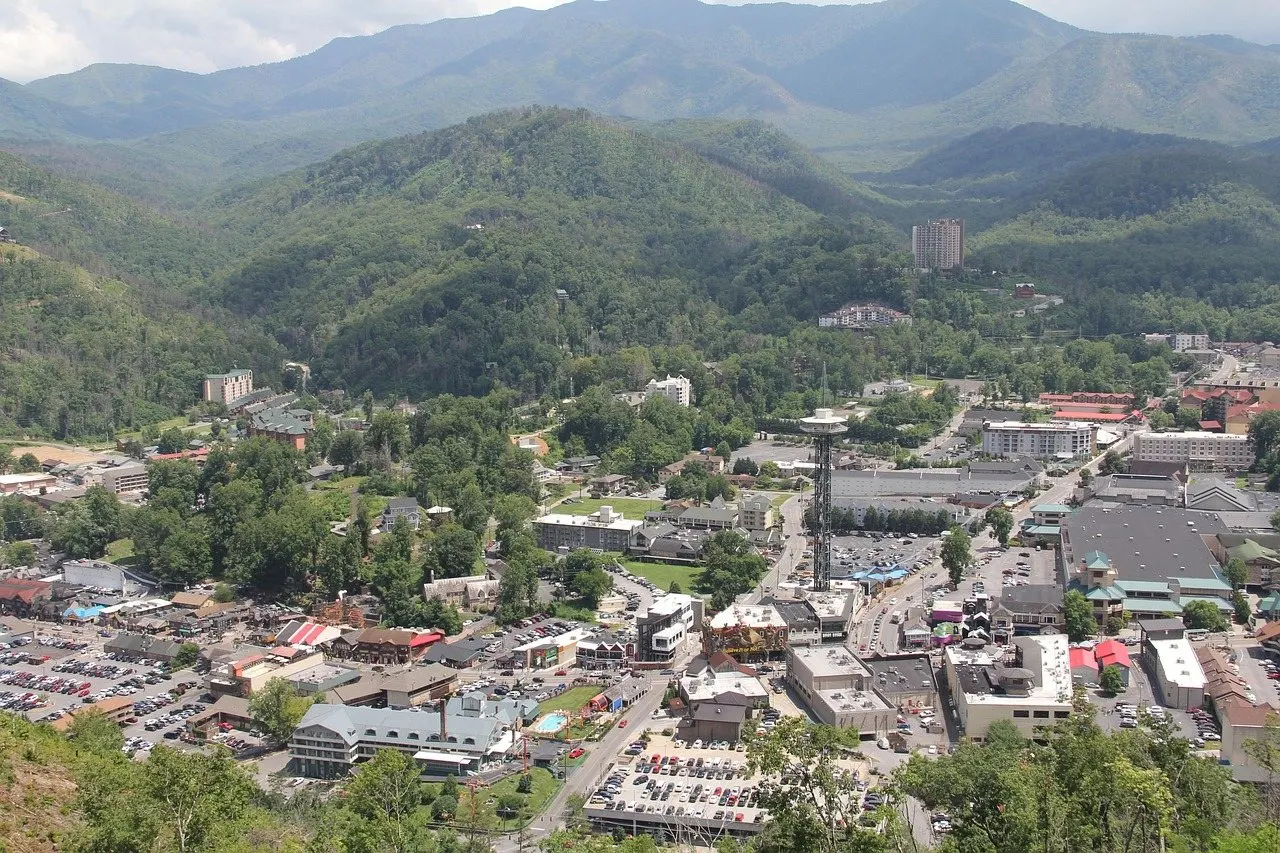
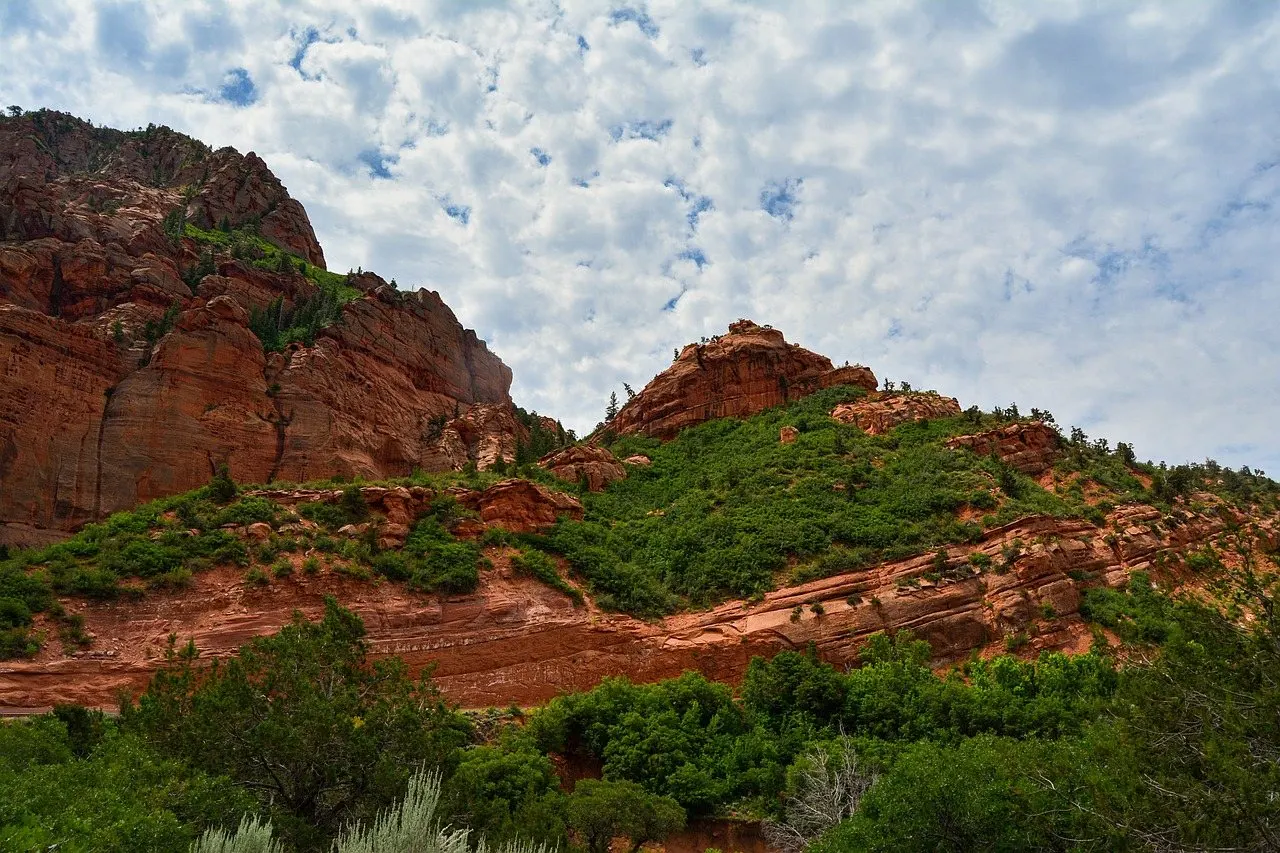
The Blue Ridge foothills are a gentle, green part of North Carolina, where ridges roll into valleys and forests cover the slopes. These foothills sit below higher mountain peaks, and they hold streams, old trees and quiet paths that wildlife use every day. When land here is cleared for building, the change is hard to undo, because soil, shade and water all shift at once. Keeping a large block like Box Creek whole matters, because animals and plants need connected ground, not small cut up pieces. Also see Indigenous land defenders and the return of the milkman.
From Timber Land to Bobs Creek State Natural Area
Not all of the land Sweeney bought stayed in his hands. About 6,000 acres he once bought from a timber company are now part of Bobs Creek State Natural Area. A state natural area is public protected land, set aside because it holds rare plants, animals or natural features worth keeping. That change took work with conservation groups and the state, turning private purchases into places the public can value and protect. Also see a tiny shelter built by hand and Ava, a rare golden tiger.
Tim Sweeney Forests Grow Through a Gift to a Land Trust
Tim Sweeney forests also include land he has given away, not just land he still owns. He has donated 7,500 acres in the Roan Highlands to a land trust, a group that holds and cares for land for the public good. Land trusts often manage trails, watch over wildlife and keep the land open for careful use. Also see a miniature pancreas made from living cells and Elon Musk early years in Canada.
The Roan Highlands Get 7,500 Protected Acres
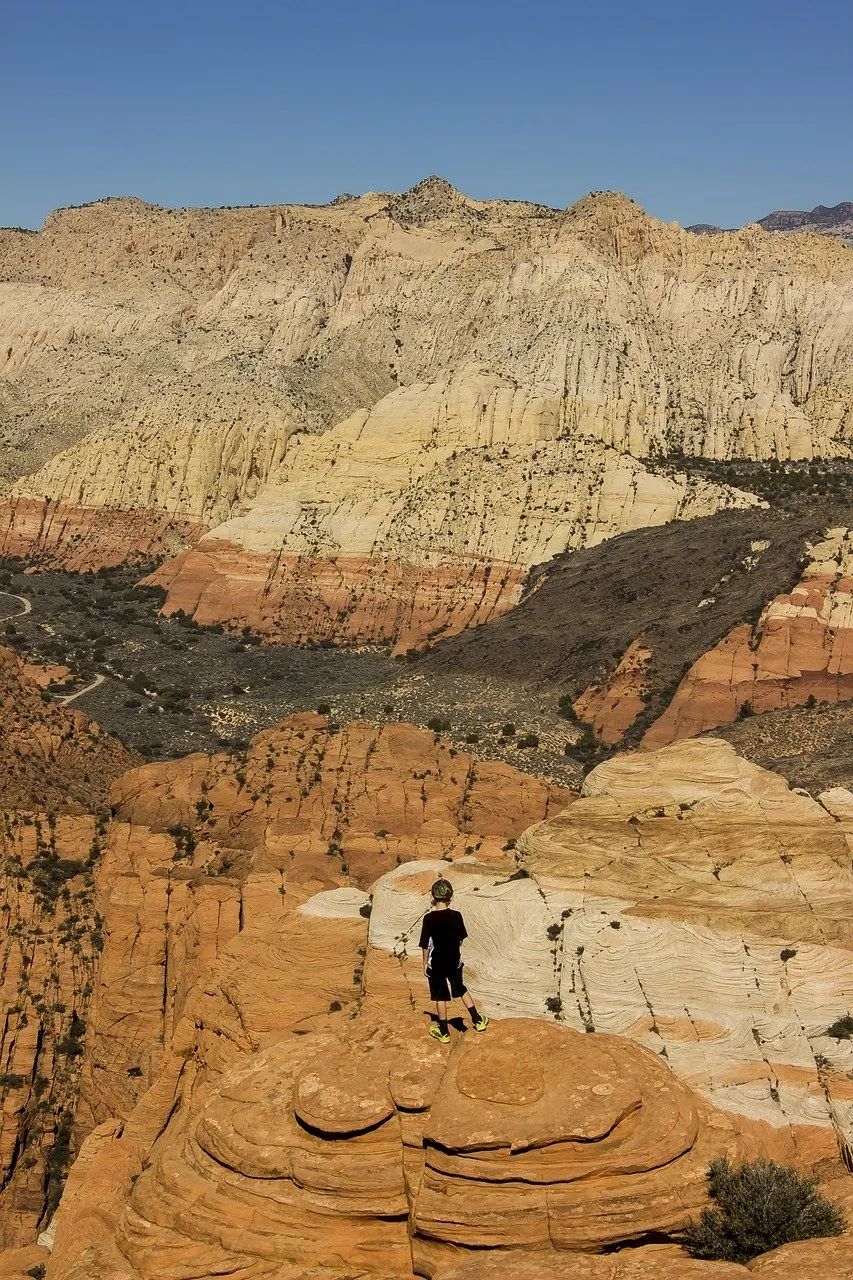
The Roan Highlands are known for open grassy balds, cool mountain air and wide views across the ridges. They are a place where hikers, birds and wildflowers share high ground that feels far from towns and roads. Protecting 7,500 acres there helps keep that high country connected, so wildlife can move and plants can spread as the seasons change. A donation like this does not make headlines every day, but its effect can last for generations of walkers and wildlife. Also see Sweden ban on lab tests on great apes and GTA 6 launch scenes.
Tim Sweeney Forests Are Saved With Help From Others
Working with others is a big part of this story. Sweeney has worked with conservation groups and the state to turn some of the land he bought into public protected areas. That kind of work takes time, trust and careful paperwork, because each place has its own owner, history and natural value. Groups that know the land can say which acres matter most, and the state can help make the protection official. Also see babies born with measles in the United States and a joke about short men with big muscles.
Why Buying Forest Beats Building on It
Why buy forest at all, when the money could build so much else? For Sweeney, the answer seems to be the forest itself. Wild land cleans water, holds soil, stores carbon and gives homes to birds, deer, bears and countless smaller creatures. Once a forest is cleared for houses or roads, the old trees, the quiet and the web of life are very hard to bring back. Also see Trump trip to China and Mister Ernie, a senior dachshund.
How Big Is the Land Really
The number 50,000 acres appears in the hook for this story, while the post itself puts the total at about 54,000 acres. Headlines about the story use round numbers too, which is common when a total keeps growing over many years. What matters most is the order of size, which is tens of thousands of acres, not a small garden or a single wood. Also see Indigenous land defenders and a miniature pancreas made from living cells.
Tim Sweeney Forests Link a Game World to a Real One
Fortnite may seem far from forests, but the link is the person behind both. Sweeney built a game world where players explore, build and survive, and he used the success of that world to protect a real one. Many people know him only as a game maker, yet his land work has gone on quietly for years, with little fanfare. That quiet style fits the story, because the land itself is quiet too. Also see a tiny shelter built by hand and Sweden ban on lab tests on great apes.
From Timber Company Land to a Natural Area
A timber company once owned some of this land, which tells us how it was used before. Timber land is often cut, replanted and cut again, and it can still hold wildlife between harvests. When about 6,000 of those acres became part of Bobs Creek State Natural Area, the future of that ground changed. Instead of another round of cutting and selling, the land gained a new role as a protected natural area. Also see the return of the milkman and Elon Musk early years in Canada.
Tim Sweeney Forests Help People and Wildlife Alike
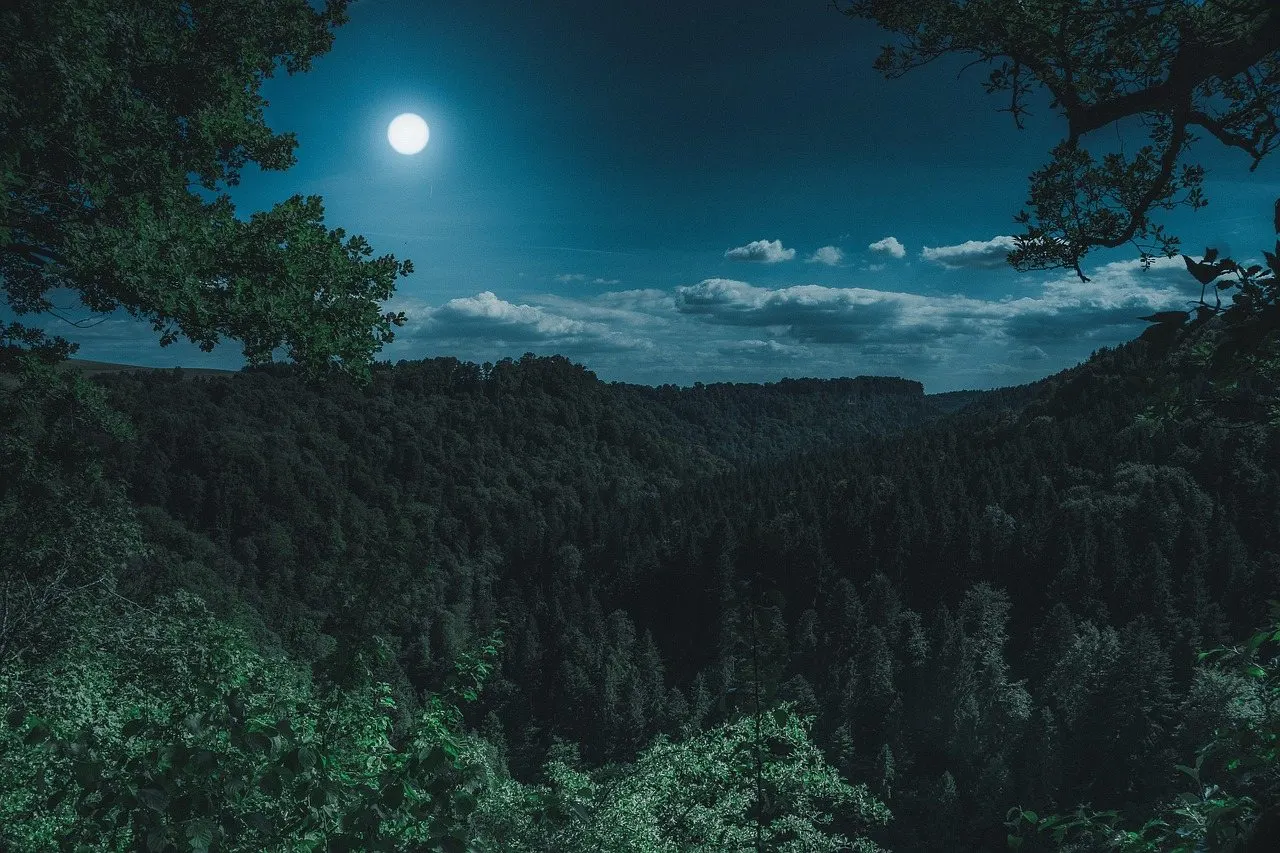
For people who live near these forests, protected land can mean clean streams, cooler summers and places to walk, fish and learn. For wildlife, it can mean safe ground to feed, breed and shelter through hard winters. For the wider state, it can mean fewer floods, healthier soil and a landscape that still looks like North Carolina. These benefits are easy to miss day by day, but they add up over years, and they are the quiet payoff of keeping land wild. Also see Ava, a rare golden tiger and GTA 6 launch scenes.
What This Story Says About Saving Land
This story also raises a wider question about who protects land in America. Governments and charities do much of the work, but private buyers can move fast when land is at risk. That speed can save a forest, yet it also puts a lot of power in one pair of hands. The use of easements, gifts to land trusts and transfers to the state helps answer that worry, because it shares the care with public bodies. Also see babies born with measles in the United States and Mister Ernie, a senior dachshund.
What Wild Place Would You Protect
If you could protect one wild place near your home, which place would you choose, and why does it matter to you? Would you save a wood, a river, a hill or a meadow, and what would you want people to enjoy there in fifty years? Share your answer in the comments below, tell us about the wild place you love, and keep reading to find more stories about people who protect land. Also see Trump trip to China and a joke about short men with big muscles.