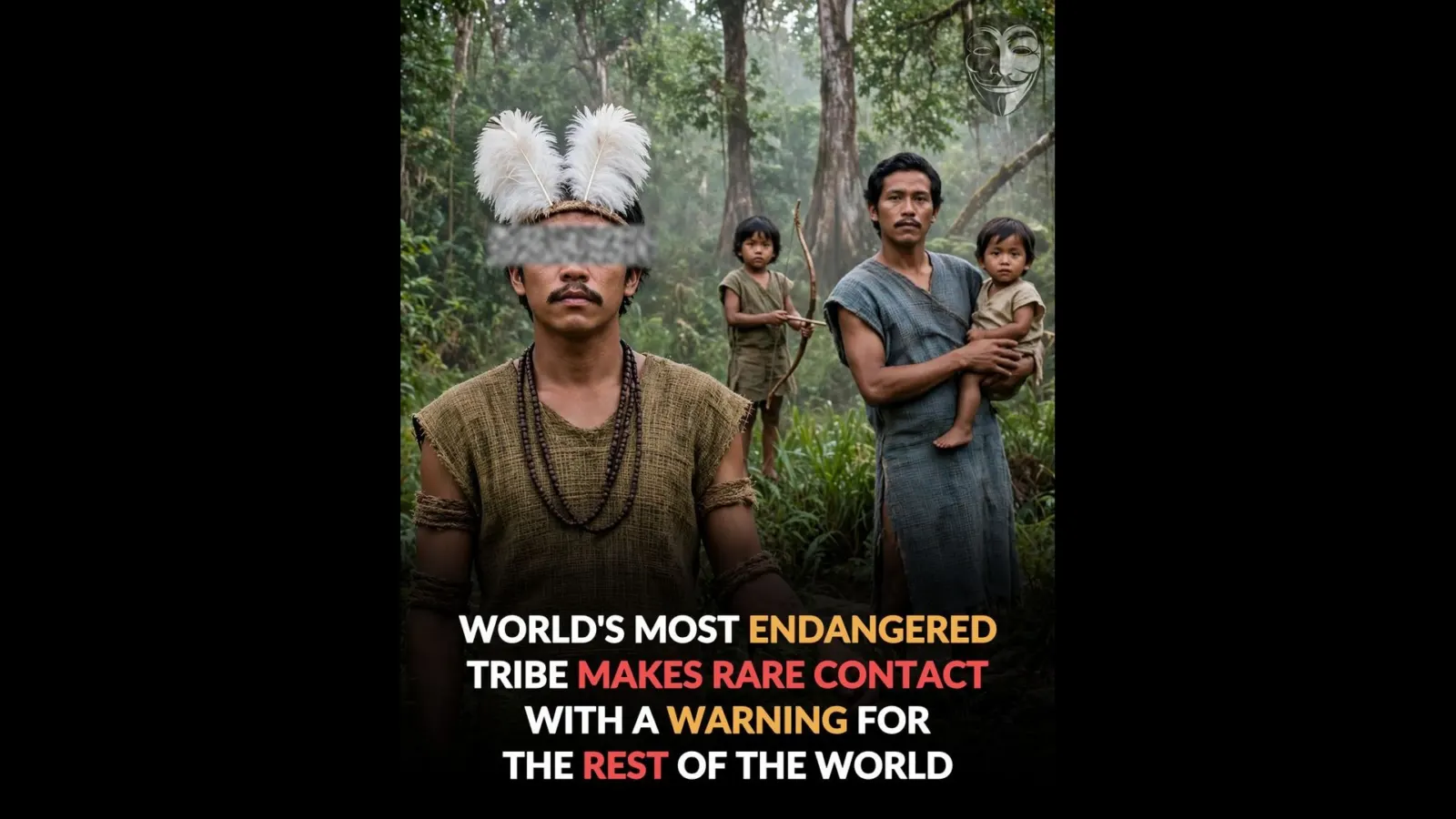
The Awá Tribe Walked Out of the Rainforest to Ask for Help
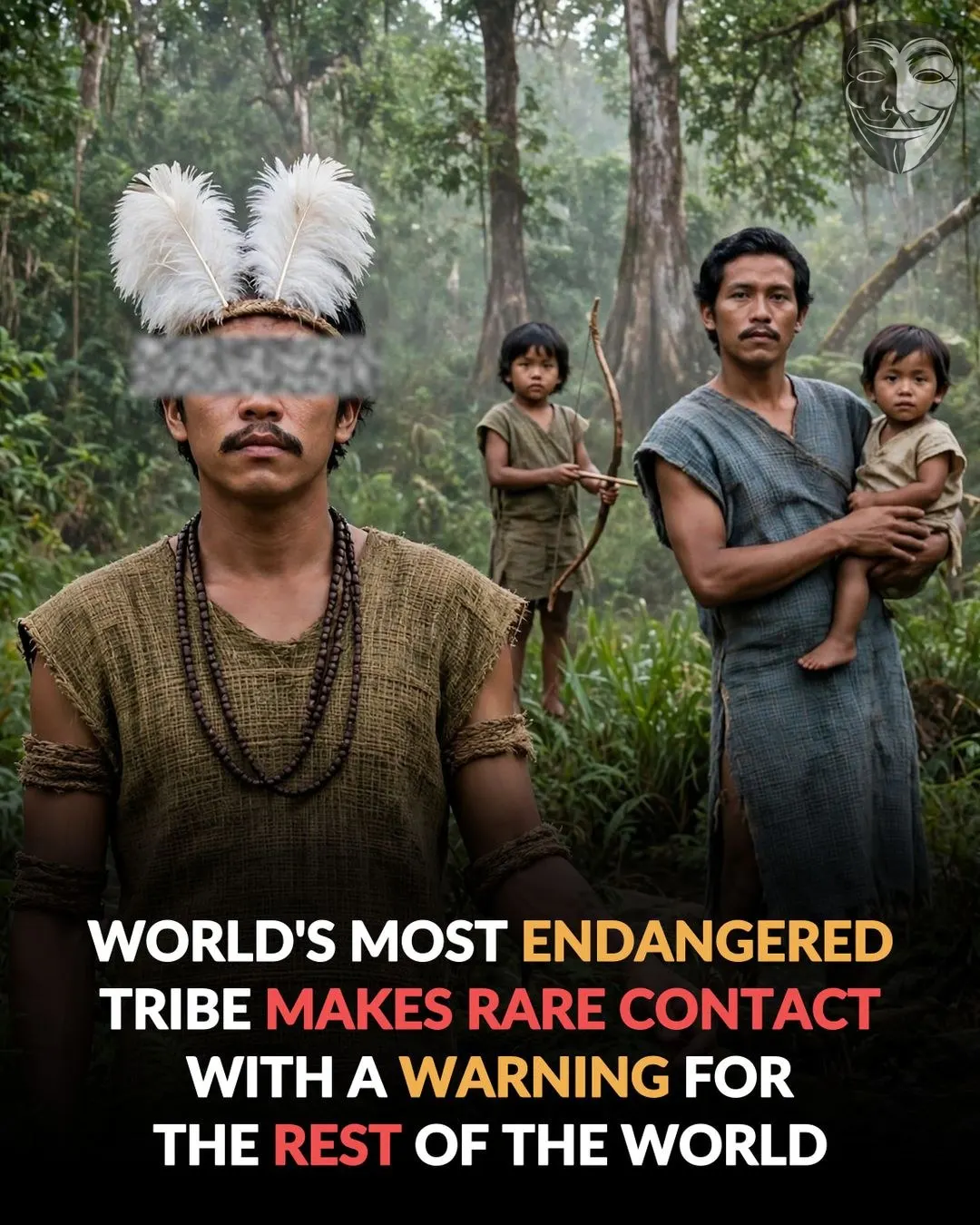
The Awá tribe walked out of the Amazon rainforest on Monday, November 16, and asked outsiders for help. Around 20 members of the group approached a government outpost near the Guajajara village of Tawari in the Brazilian state of Maranhão. The group included men, women and children, and some carried bows and arrows and wore feather headdresses. They asked for yams, a staple food, and then returned to the forest. The visit was brief, but it carried a message that reached far beyond the trees.
Survival International called the meeting historic, saying the Awá have not approached outsiders in this way for decades. Brazil’s Indigenous affairs agency FUNAI has sent teams and health workers to the area and put an emergency plan in place to keep outsiders away. Experts say the visit is a warning sign, because logging, fires and land grabs are shrinking the forest the Awá depend on for everything. For more on people who defend land and water, read our story on Indigenous leadership in 2026 and our report on how friendship and politics divide friends.
References:
Source: Smithsonian Magazine: An Isolated Group of Amazonian Hunter-Gatherers Made a Rare Request for Help From Outsiders, Raising Concerns About Forest Degradation
Source: Gizmodo: Uncontacted People Walked Out of the Amazon to Ask for Food. It’s a Bad Sign
Source: New York Post: World’s most endangered tribe looks for help as they make rare contact with workers in troubling sign
Source: IFLScience: An Isolated Tribe Has Made Contact In The Brazilian Amazon, Marking A Historic Moment That Demands Action
Around 20 Awá People Emerged From the Forest
On Monday, November 16, around 20 members of the Awá people walked out of the rainforest in Brazil’s Maranhão state. They made their way to a government outpost near the Guajajara village of Tawari, a place where officials watch over the edge of their territory. The group stayed only a short time. They asked for yams and then turned back toward the trees. It was a rare moment of contact, and it left officials with questions about why the group had come out now. Read about the leaders who defend Indigenous land and the two Americas that share one name.
Who the Awá Tribe Are and How They Live
The Awá are one of the world’s most endangered Indigenous peoples, and they have largely avoided contact with the outside world for decades. They live deep in the Amazon rainforest, where they hunt, gather and move through the forest in small family groups. Their home is the forest itself, and it gives them food, shelter and medicine. That way of life depends on the trees staying standing. When the forest shrinks, their world shrinks with it. Learn about the dragonflies that spend winter under the ice and how babies born in the United States face measles.
Bows, Arrows and Feather Headdresses
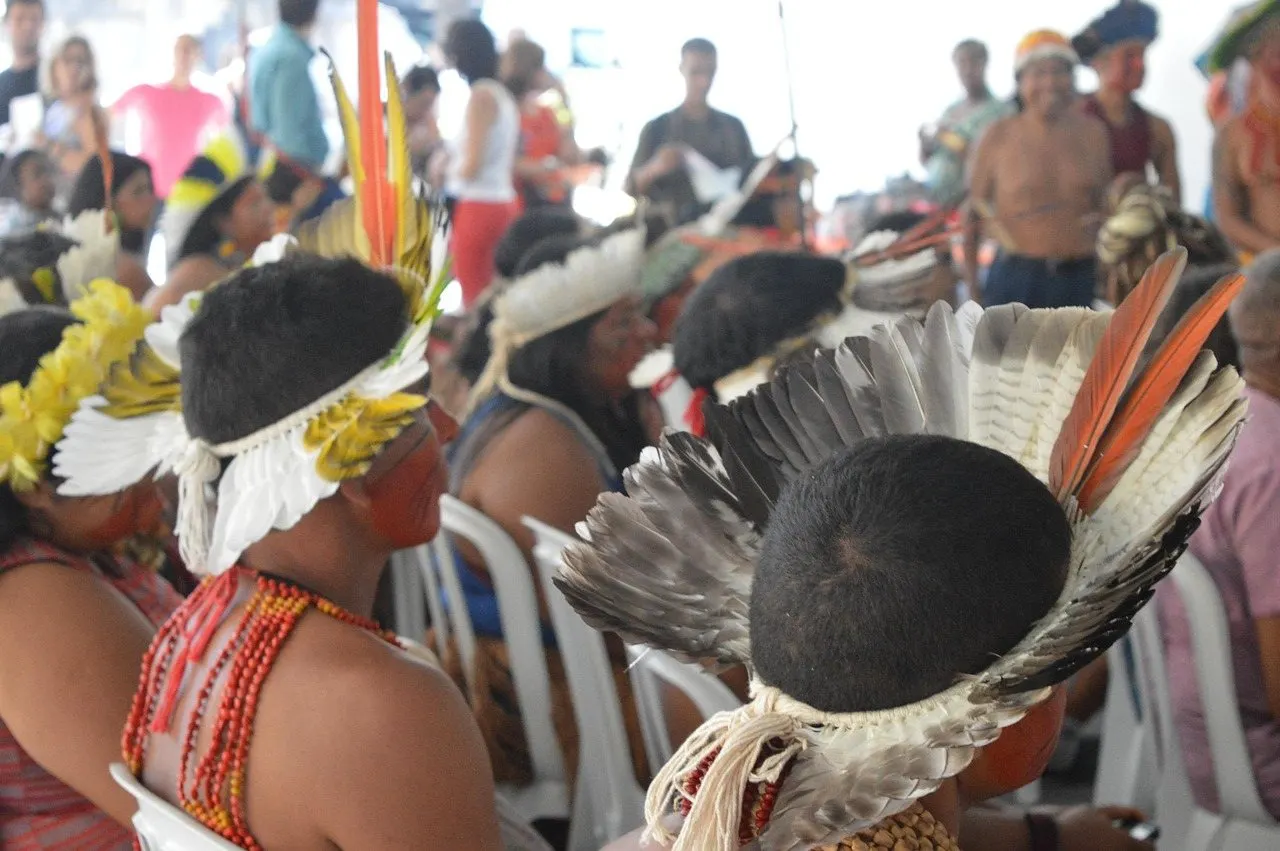
Some of the visitors carried bows and arrows, and some wore feather headdresses. These are not costumes. They are part of a way of life that has been passed down through generations in the forest. Bows are tools for hunting, and feathers carry meaning in ceremonies and daily dress. The sight of them at a government outpost showed that the group came as themselves, not dressed for outsiders. It was a reminder that their culture is alive and strong. See the jaguar that keeps returning to Arizona and the rare golden tiger named Ava.
The Village of Tawari and the Outpost
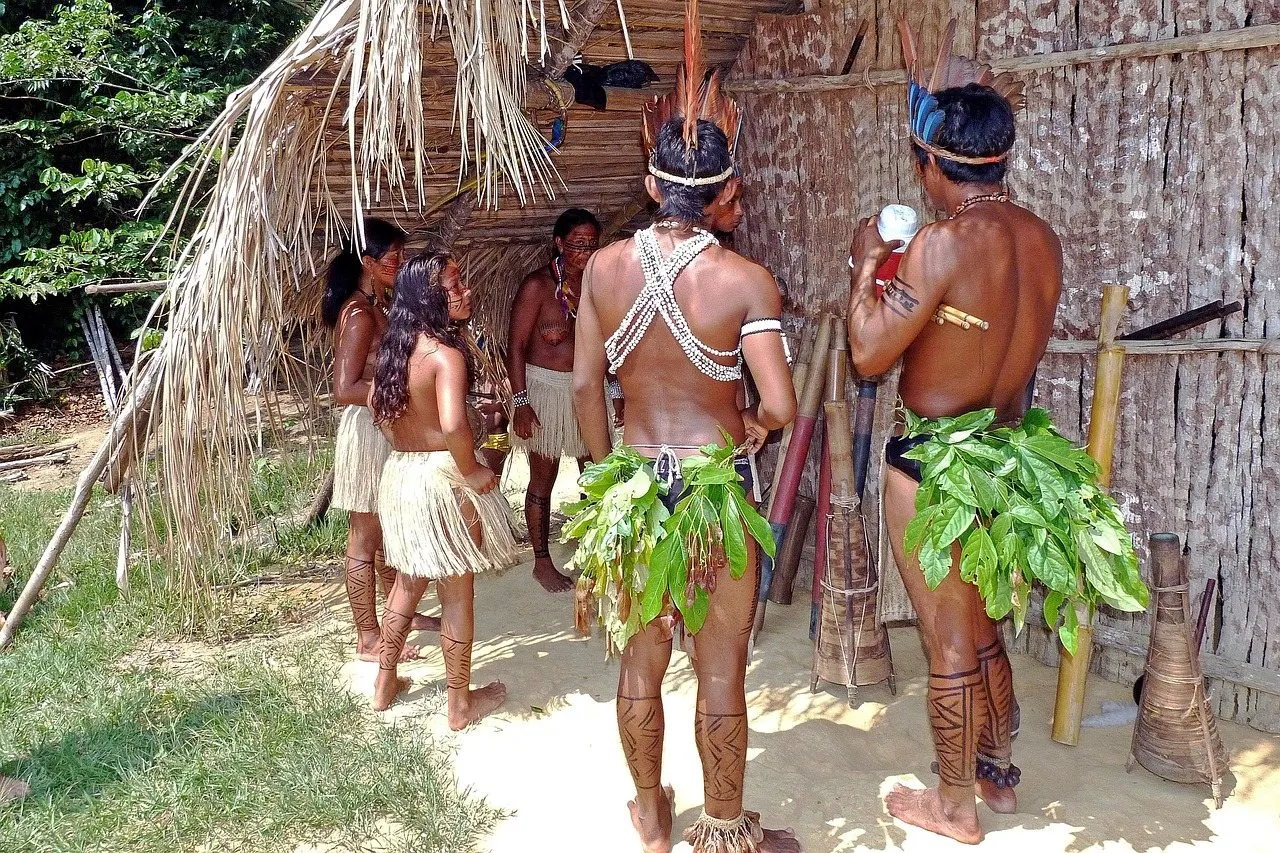
The group approached a government outpost near the Guajajara village of Tawari. The Guajajara are neighbours of the Awá, and the outpost is a point of contact between the forest and the state. Officials there work to watch the borders of Indigenous land and to keep strangers out. The Awá tribe chose this place to make their request, which suggests they knew where help could be found. They did not wander in by chance. Read about the leaders who defend Indigenous land and the boy whose honour walk touched many hearts.
The Awá Tribe and the FUNAI Response

Brazil’s Indigenous affairs agency FUNAI has sent teams and health workers to the area. Their job is to look after the health of the group and to watch for signs of illness after contact. FUNAI put an emergency plan in place to keep outsiders away from the area. That step matters, because strangers can bring diseases that the Awá have little protection against. The teams will stay alert while the group remains near the edge of the forest. Learn how measles is reaching newborns in the United States and about the bill to protect children from being used as bait.
They Asked for Yams and Then Went Home
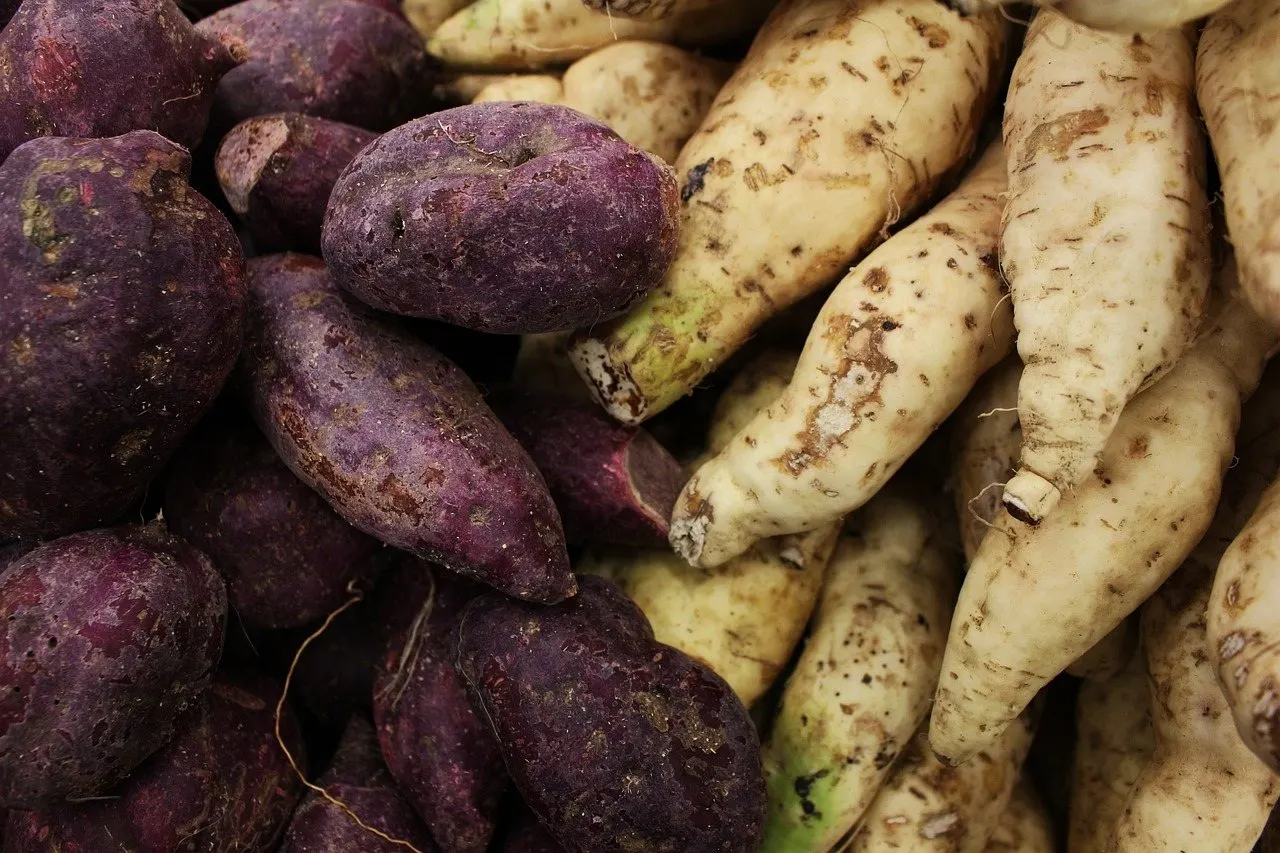
The group asked for yams before returning to the forest. Yams are a starchy root that grows in the region, and they are a simple, filling food. The request was small and clear, and it tells us something about the visit. The group did not ask for money, tools or medicine. They asked for food, which suggests that finding enough to eat in the forest has become harder. That is a quiet signal of pressure on their home. Read about the milkman making a comeback in small towns and how Gen Z wishes for cash when banking goes down.
Illegal Logging Is Eating the Awá Tribe Forest
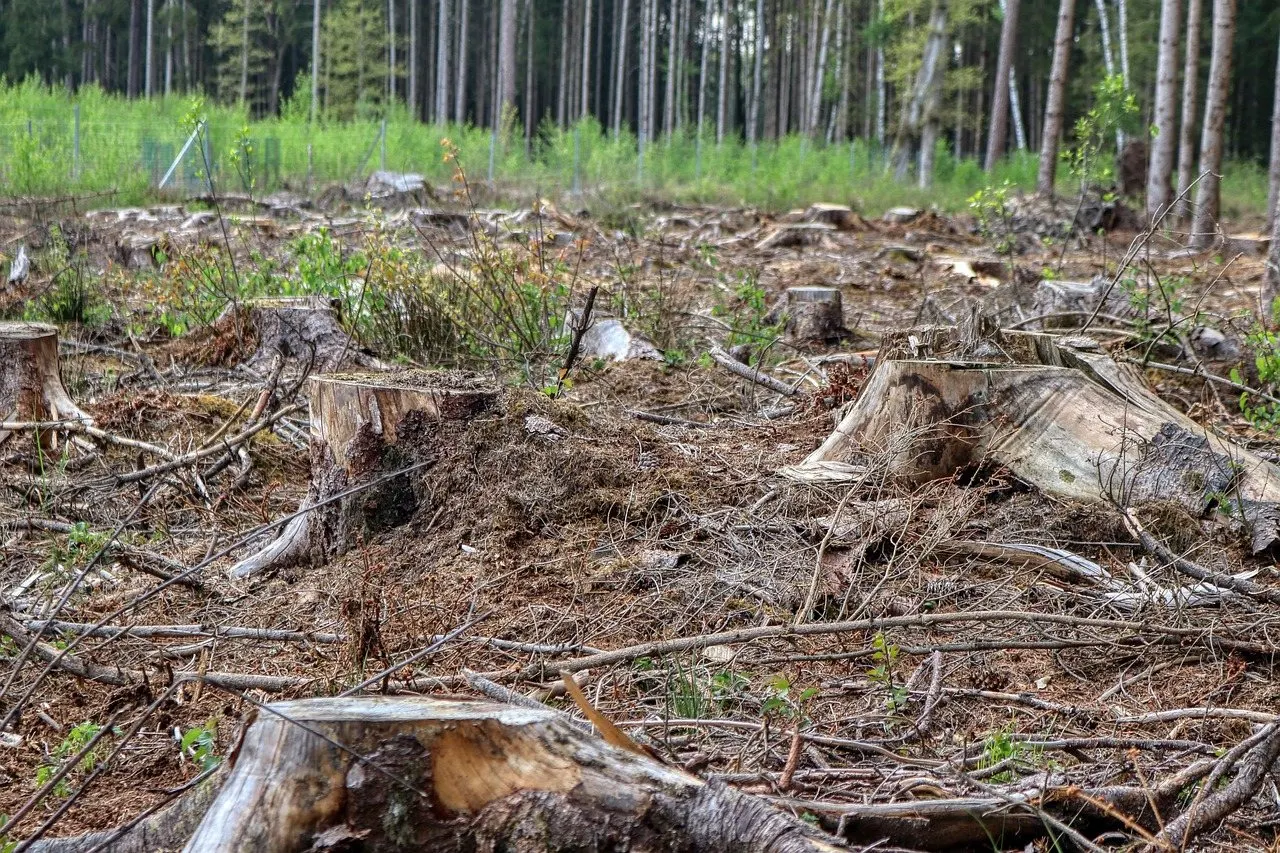
Experts say illegal logging is one of the forces shrinking the forest the Awá tribe depends on for everything. Loggers cut roads into remote areas and take out valuable trees, and each road opens the forest to more damage. The trees that fall are not just wood. They are shelter, food and medicine for the people who live among them. When the canopy thins, animals leave and streams dry up. The forest becomes weaker with every cut. See the jaguar that keeps returning to Arizona and the dragonflies that spend winter under the ice.
Fires Are Burning the Forest They Call Home
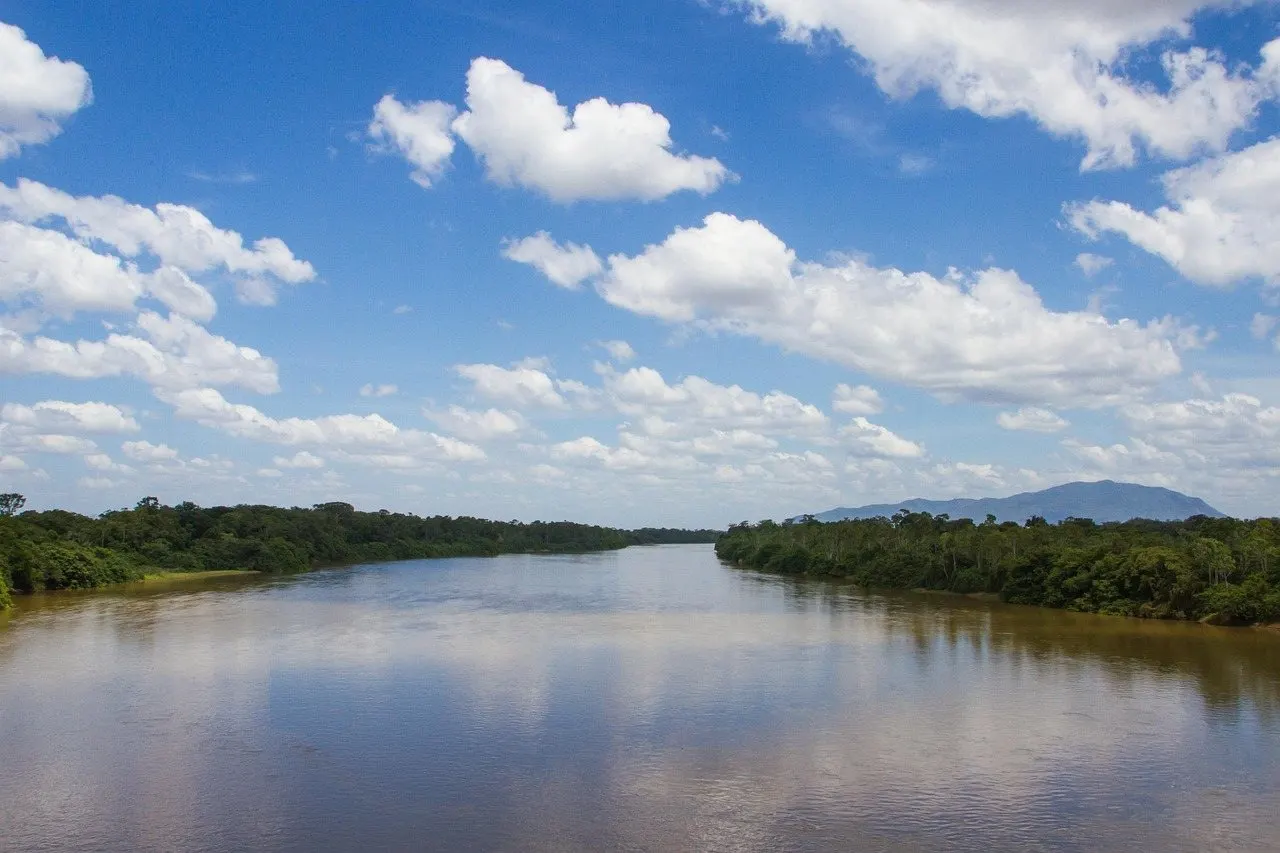
Fires are another threat to the forest, and they spread fast in dry seasons. Some start as land clearing fires that escape control, and some are set on purpose to open ground for farming and grazing. A burned forest loses its animals, its fruit trees and its clean water. For the Awá tribe, fire means losing the pantry and the pharmacy at once. The smoke also harms the lungs of people who live close to the flames. Read about the spacecraft that reached one light day from Earth and the warning Hillary Clinton gave before the summit.
Land Grabs Turn Forest Into Pasture
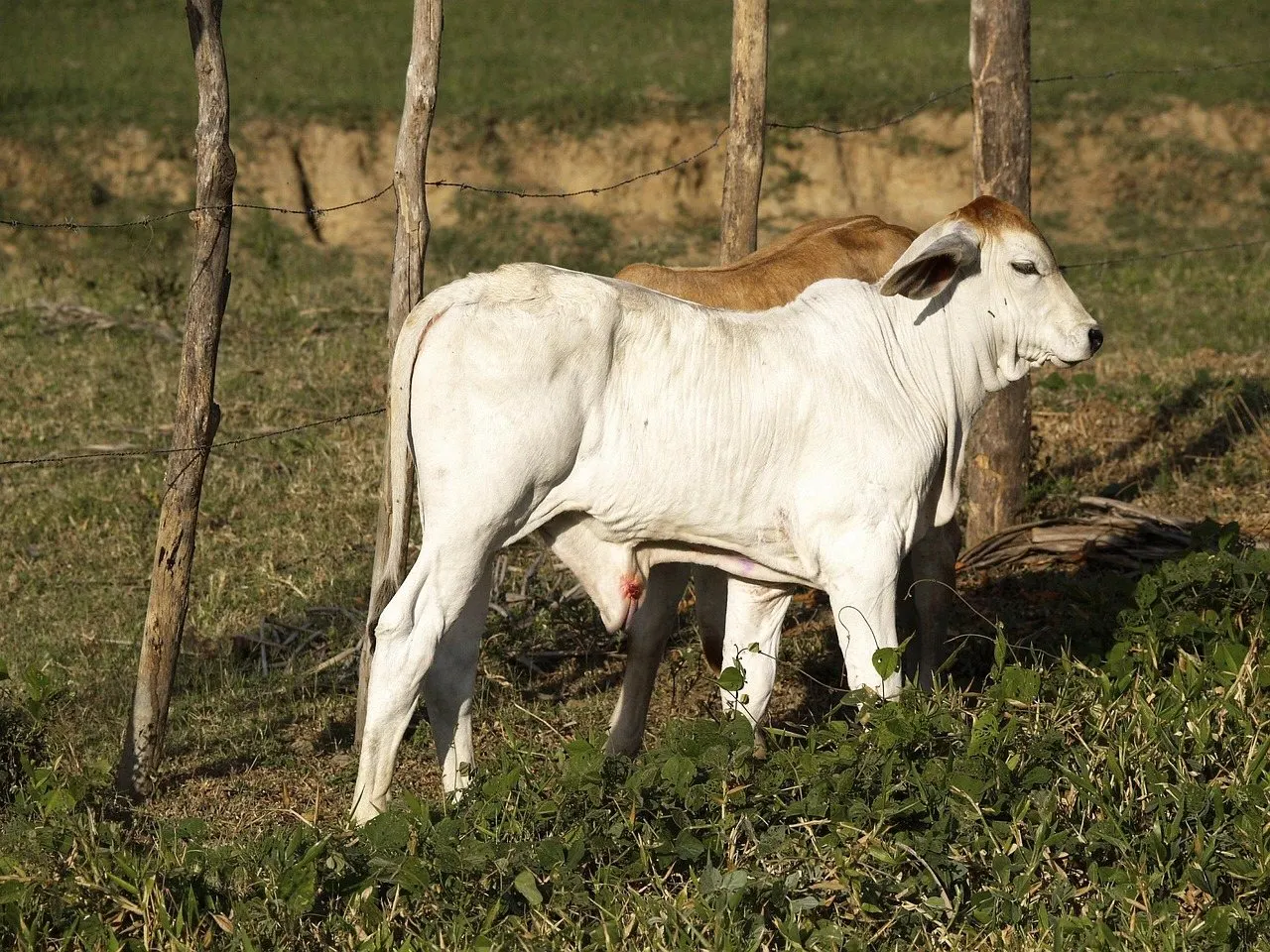
Land grabs are a third pressure on the forest. People seize land that belongs to Indigenous groups and clear it for cattle and crops. Cattle ranching needs wide open ground, so the trees come down and grass goes in. Once the forest is gone, it is hard to bring back. The soil washes away and the streams run low. For the Awá, each cleared field is a smaller world to live in. Learn about the tiny lizard shedding its skin like a spacesuit and the rare golden tiger named Ava.
Common Illnesses Are a Danger to the Awá Tribe
Experts say the Awá have little protection against common illnesses. People who live apart from the wider world for a long time do not build up defenses against flu, colds and other everyday infections. A simple cough can become a serious illness for them. That is why health workers moved quickly after the contact, and why FUNAI wants outsiders kept away. Protecting their health is as urgent as protecting their forest. Read how measles is reaching newborns in the United States and about the boy whose honour walk touched many hearts.
Survival International Called the Meeting Historic
Survival International called the meeting historic, saying the Awá have not approached outsiders like this in decades. The group works to protect Indigenous peoples around the world, and its words carried weight with newsrooms everywhere. A meeting like this does not happen often, and when it does, it usually means something has changed in the forest. The group says the visit should be read as a call for action, not just a curiosity. Read about the spacecraft that reached one light day from Earth and the two Americas that share one name.
Maranhão State and the Awá Tribe Homeland
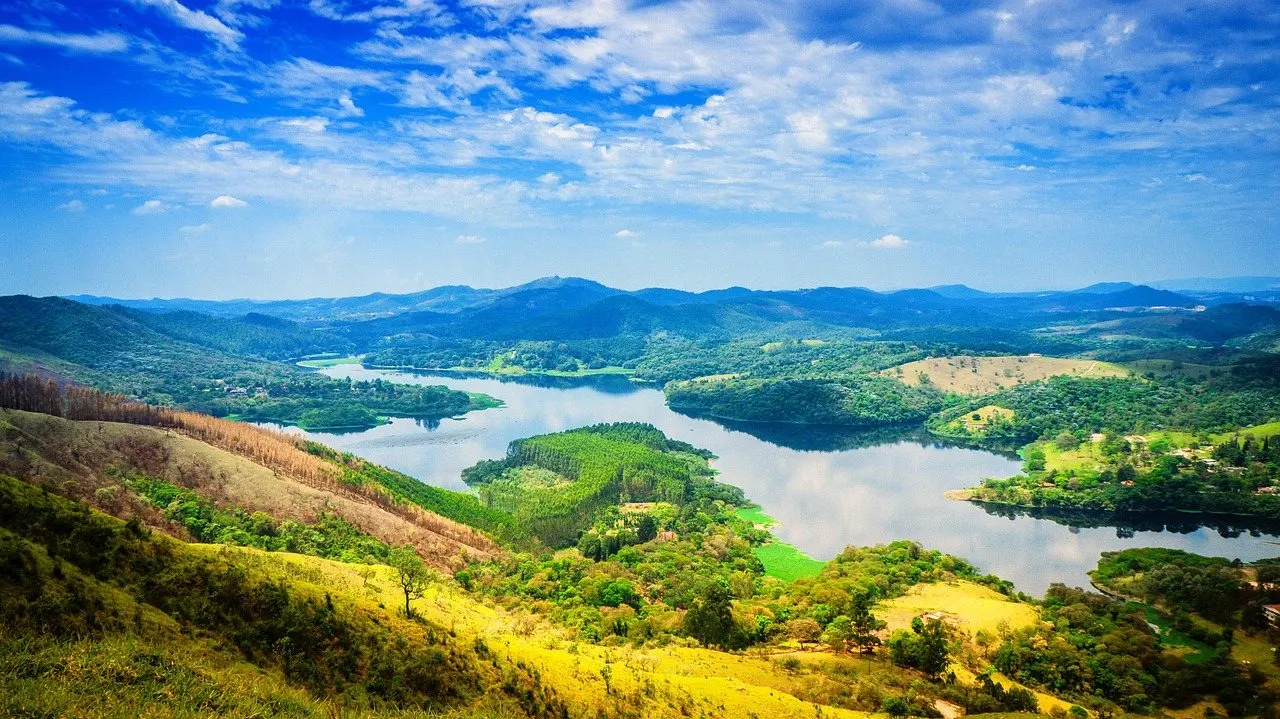
The meeting took place in Maranhão, a state in north eastern Brazil where the Amazon rainforest meets drier land. The state holds large stretches of forest and many Indigenous territories. It is also a place where logging, farming and mining press hard against the edges of those territories. The Awá live in one of the most threatened parts of this landscape. Their territory is small and the pressure around it keeps growing. Learn how friendship and politics divide friends and about the warning Hillary Clinton gave before the summit.
The Guajajara Neighbours Who Share the Forest
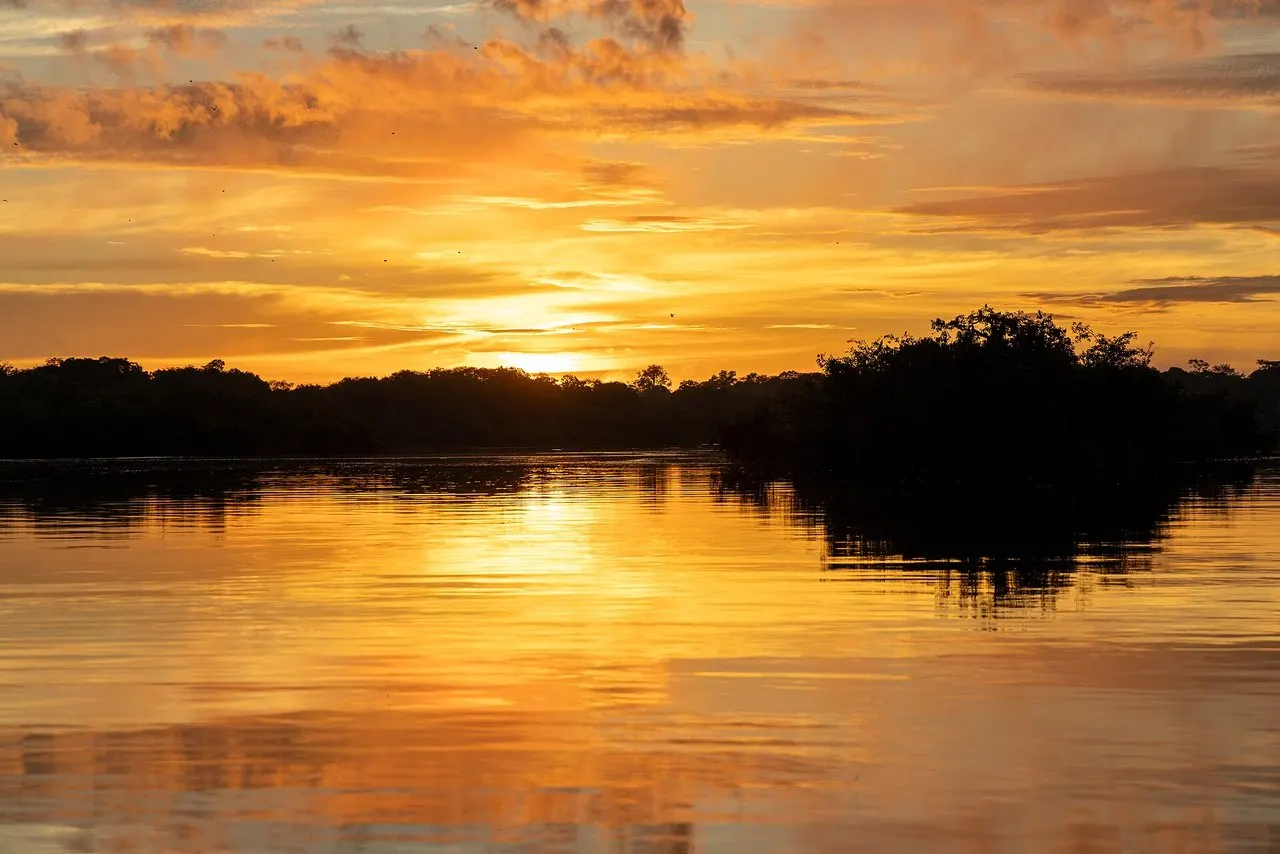
The Guajajara village of Tawari sits close to where the meeting happened. The Guajajara are a larger Indigenous people in Maranhão, and they have lived beside the Awá for generations. They know the forest paths, the rivers and the seasons. Their village is a place where the forest world and the outside world meet. That is why the outpost near Tawari became the place the Awá chose to approach. Read about the boy whose honour walk touched many hearts and the bill to protect children from being used as bait.
The Forest the Awá Tribe Depends On for Everything
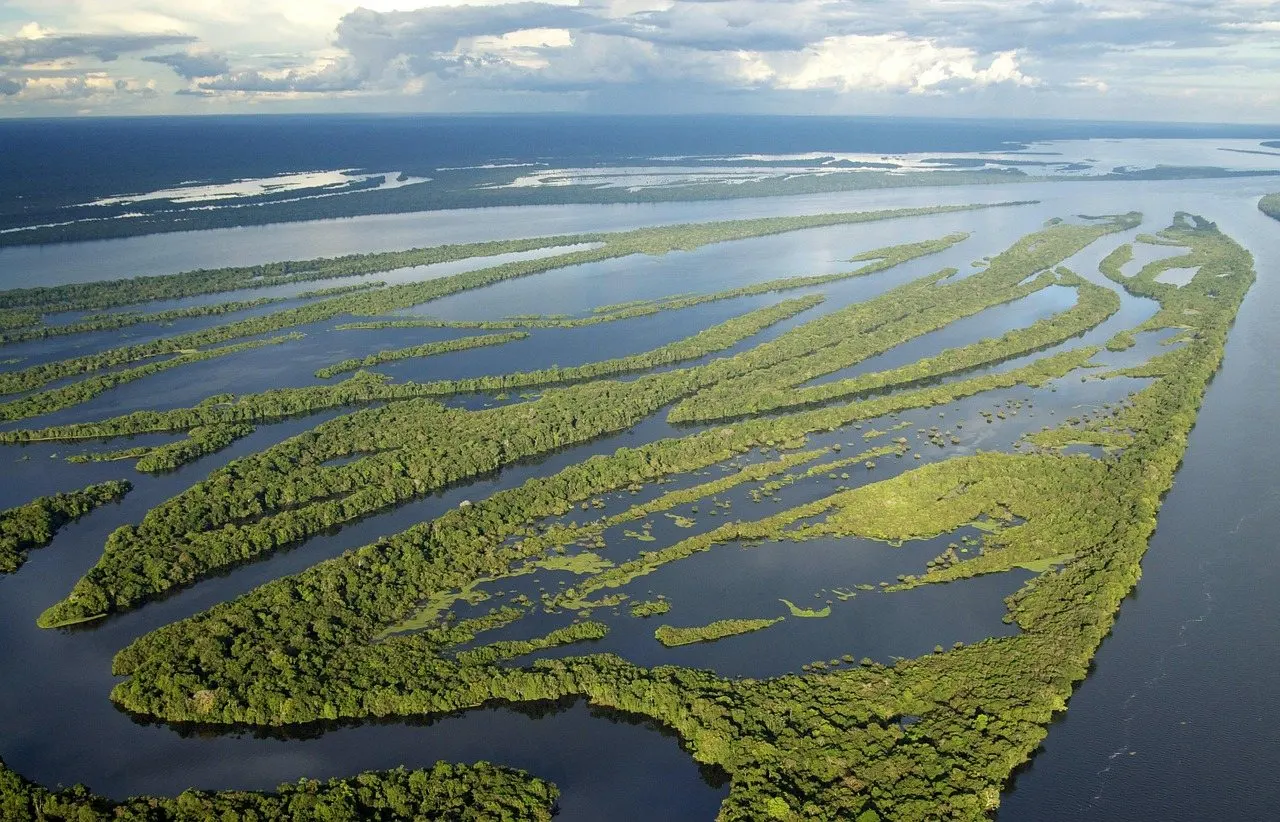
The Amazon is the largest rainforest on Earth, and it holds about one in ten of the known species in the world. Its trees store carbon, make rain and shelter animals found nowhere else. For the Awá, the forest is more than a landscape. It is their home, their food store and their pharmacy. They hunt, fish and gather within it, and they know its paths by heart. When the forest is cut, their whole way of life is cut with it. See the jaguar that keeps returning to Arizona and the dragonflies that spend winter under the ice.
The Emergency Plan to Keep Outsiders Away
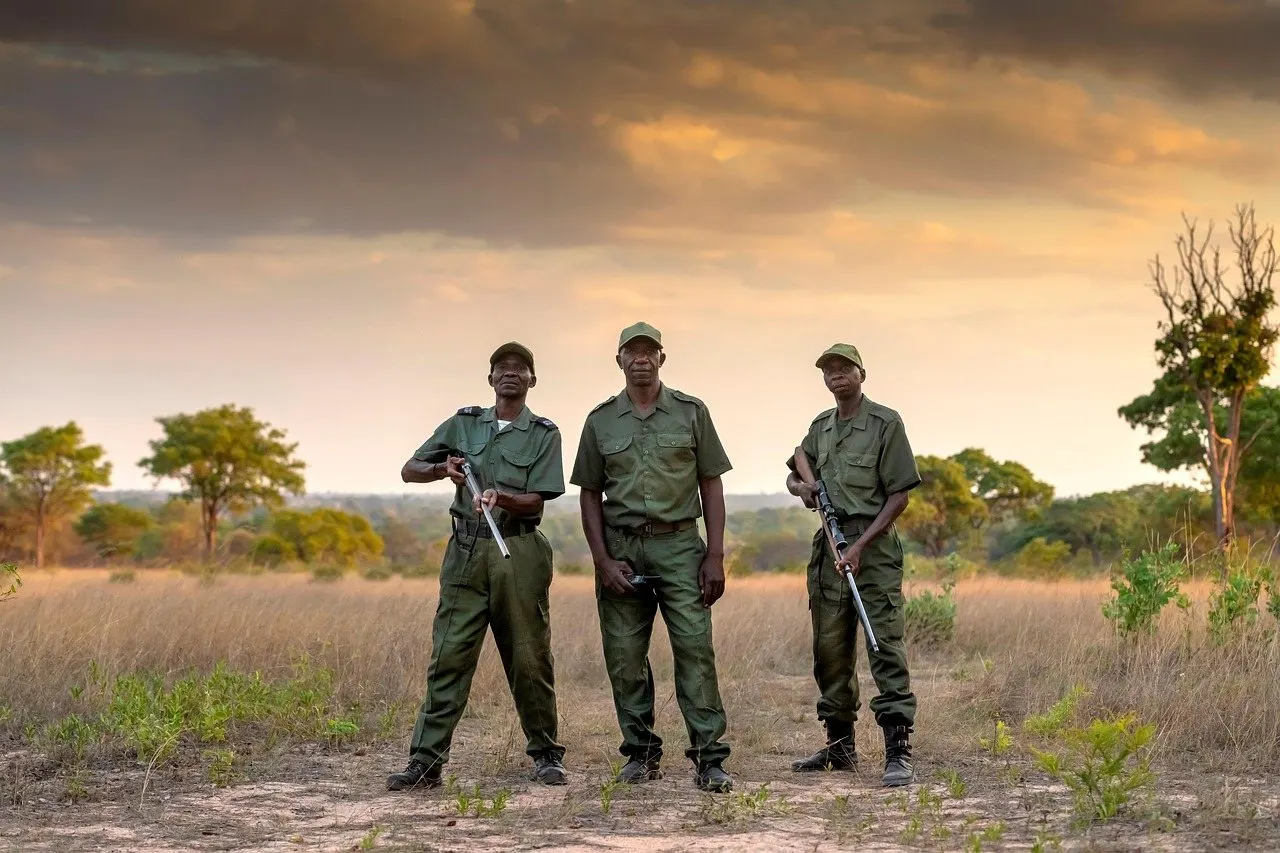
FUNAI put an emergency plan in place to keep outsiders away from the area. The plan sends patrols to watch the borders of the territory and to turn back loggers, miners and curious visitors. It also brings in health workers to check the group after contact. Keeping the area closed is not about shutting people out for no reason. It is about giving the Awá space and safety while experts watch what happens next. Read about the milkman making a comeback in small towns and how Gen Z wishes for cash when banking goes down.
A Warning for the Rest of the World From the Awá Tribe

Experts say the visit is a warning sign, and the warning is aimed at everyone. The Awá tribe came out of the forest because the forest that feeds them is shrinking. Logging, fires and land grabs are closing in, and the group has few defenses left. Their message is simple, even though they spoke few words. Protect the forest, or the people who live in it will have nowhere left to go. Read about the two Americas that share one name and how friendship and politics divide friends.
What Should Happen Next for the Awá?
The group has returned to the forest, and the world is watching what happens next. Will the emergency plan hold, and will the loggers, fires and land grabs be pushed back? The answers will decide whether the Awá can stay in their home or whether they will be forced out again. What do you think should be done to protect the Awá and their forest? Share your thoughts in the comments and read the tiny lizard shedding its skin like a spacesuit and our story on the spacecraft that reached one light day from Earth.