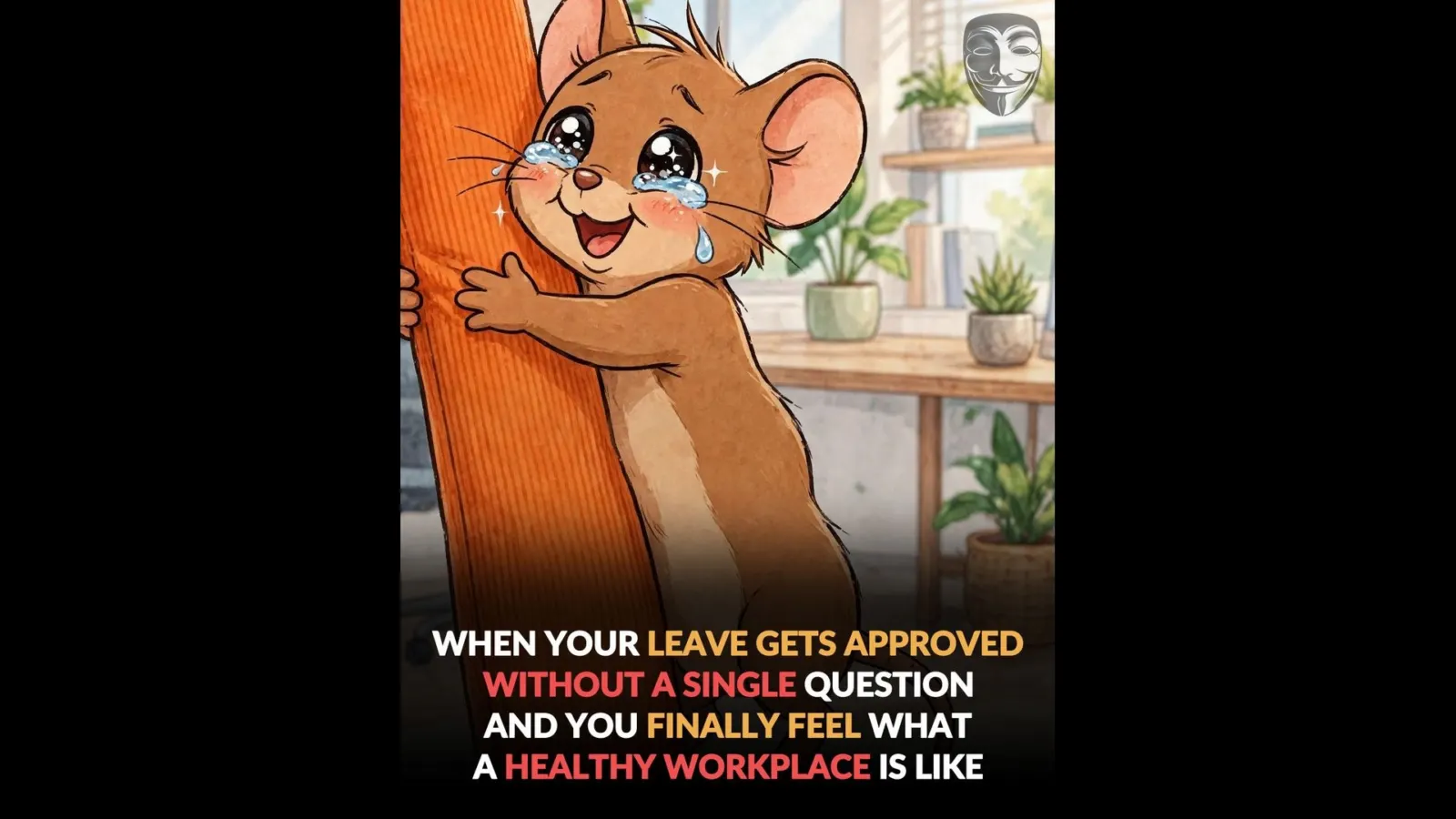
A Healthy Workplace Said Yes Without a Single Question
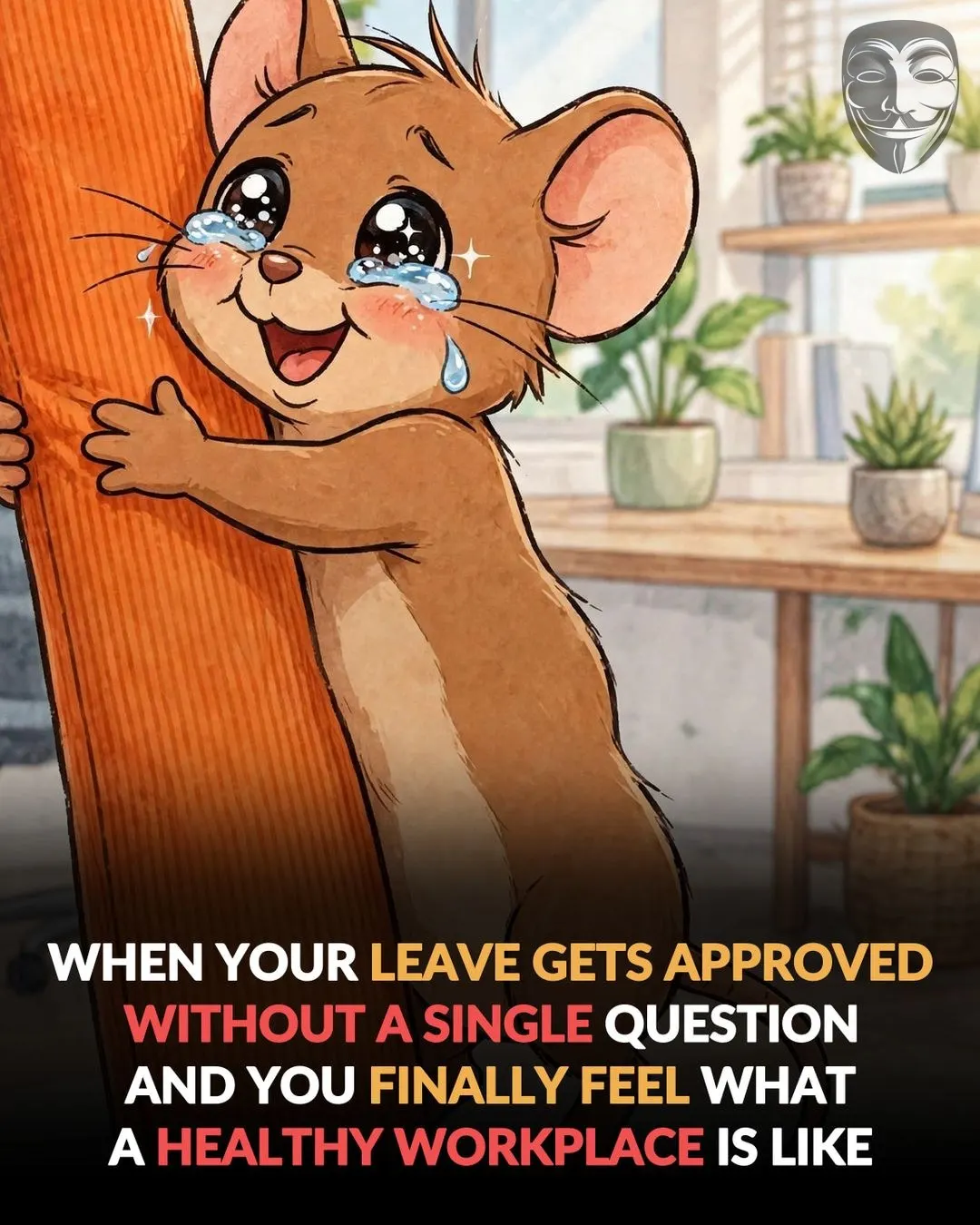
A healthy workplace approved his leave without a single question, and that simple yes changed everything about his day. For so many workers, asking for time off feels like preparing for a trial, with hard questions at every step. In this post, the leave was approved right away, with no interrogation and no guilt trip, just a simple yes that felt like a gift. Stories like this one about a job change that turned out worse show how much a workplace shapes a life, and senators going without pay show how fast work can turn unfair.
That is what a healthy workplace looks like, a place where rest is respected and people are trusted to manage their own time. The tears in the photo say it all, because when respect is rare, even a small kindness feels overwhelming. The original caption hopes the reader finds this kind of workplace soon, and the post has touched many people who dream of the same simple respect at work. In the slides ahead, we look at why this small yes mattered so much and what it tells us about rest, trust, and kindness at work.
References:
Source: Harvard Business Review: The Power of Time Off
Source: Harvard Business Review: Leaders Shouldn’t Underestimate Time-Based Rewards
Source: HR Executive: Employee Burnout is Rising and So Are Leave Requests
Source: Phys Org: More paid time off keeps US workers from quitting, study finds
Asking for Leave Can Feel Like a Trial

For so many workers, asking for leave feels like preparing for a trial. The questions start before the request is even finished. Why do you need the time off. Where are you going. Who will cover your work while you are away. Each question adds a little more pressure, and many workers start to feel guilty for asking at all. That guilt can follow them for days. It is the same heavy feeling that comes with a friendship strained by politics, and with a boss who treats a reporter with no respect.
Then Came a Simple Yes

In this post, the leave was approved right away. There was no long list of questions and no awkward pause while a manager weighed the request. There was no guilt trip and no hint that the worker should feel bad for needing time away. The answer was a simple yes, given with warmth and trust. That small word carried a big message. It said your time matters and your rest matters too. Moments like this remind us why a worse new job can feel like a trap and why leaders should think hard before they cling to power.
What a Healthy Workplace Looks Like

A healthy workplace is a place where rest is respected and people are trusted to manage their own time. Nobody has to beg for a break or prove they deserve a day off. Managers trust their teams to get the work done and to speak up when they need rest. That trust builds loyalty, and loyal workers give their best without being pushed. It is the same trust that holds friendships together when politics pulls people apart and that lifts a nurse who ran for leadership to protect workers.
Rest Is Respected, Not Punished

In a good workplace, rest is treated as part of the job, not a reward for surviving it. Workers who rest come back sharper, kinder, and more focused. They make fewer mistakes and they stay longer with a team that treats them well. When rest is punished, people hide their tiredness until it turns into burnout. A short break can stop that spiral before it starts. Even a dog who dreads Sunday chores knows the difference between a real rest day and a busy one, and family caregivers know it too.
Trust Is the Heart of a Healthy Workplace

Trust sits at the heart of every good workplace. When a manager says yes without a long quiz, the worker hears something bigger than approval. The message is that the team believes in you and knows you will handle your work. That kind of trust is rare, and it changes how people feel about their jobs. It also eases the money worries that follow workers home, since a banking outage can turn a simple payday into a stressful day, and leaders who refuse to step aside can block a kinder culture from growing.
Why the Tears Say It All

The tears in the photo say it all. When respect is rare, even a small kindness feels overwhelming. Many workers have spent years in places where every request was met with doubt. They learned to expect a no before they even asked. So when a yes comes quickly and kindly, the relief can bring tears. It is not weakness. It is the body letting go of years of tension. That release matters as much as any big bill a stranger might pay, and caregivers who carry heavy days know that feeling well.
Burnout Is Rising Across Workplaces

Employee burnout is rising, and so are leave requests. Workers are asking for time off more often because the pressure keeps growing. Long hours, short staffing, and constant messages after work leave little room to breathe. When people cannot rest, their health suffers and their work suffers too. A kind manager who approves leave quickly can break that cycle. That is why senators going without pay in a shutdown hits workers so hard, and why a banking outage adds one more worry to an already tired team.
Time Off Keeps Good Workers From Quitting

More paid time off keeps workers from quitting. That is what a recent study found, and it makes sense. People stay where they feel valued, and nothing says you are valued like a real break. A worker who rests returns with fresh energy and fresh ideas. A worker who never rests starts to look for the exit. Smart teams know this, and they protect time off like they protect any asset. Even a dog who knows Sunday means chores can tell when rest is real, and introverts at a long networking event know how draining a full day can feel.
The Power of a Real Break

The power of time off is easy to miss until you feel it. A few days away from work can reset the mind and the body. Sleep gets deeper, stress fades, and small joys come back into focus. Workers return able to think clearly and to handle hard days with patience. That is why time off is not a luxury. It is part of staying healthy and doing good work for years. Returning to work after a health scare shows how much rest matters, and caregivers who never get a break feel the cost of going without one.
Leaders Should Value Time as Much as Money

Leaders should not underestimate time based rewards. A bonus is nice, but a free afternoon or an extra day off can mean far more. Time is the one thing workers cannot buy back, so giving it freely sends a strong message. It tells the team that their lives outside work matter too. Good leaders know this, and they build it into how they run a team. That is the spirit behind a nurse who won a leadership seat to protect people, and behind leaders who know when to step aside.
A Healthy Workplace Celebrates the Small Wins

A workplace that says yes also celebrates the small wins. A high five after a hard project, a kind word after a long week, or a shared laugh at lunch can lift the whole team. These small moments build a culture where people feel seen. They also make hard days easier to carry. When a team celebrates together, it stays together. That joy is the opposite of a job change that leaves people full of regret, and it beats a networking event that drags on forever every single time.
A Small Kindness Can Feel Overwhelming

A small kindness can feel overwhelming when respect has been rare. The worker in this post cried because the yes came so easily, and that tells us how hard the road had been before. Many people carry old wounds from bosses who doubted them or teams that treated them as replaceable. A hug, a kind word, or a quick yes can start to heal those wounds. It reminds us that work can be human. That is why friends still matter when politics divides people, and why a stranger offering to pay a bill can move so many hearts.
Respect Is the Mark of a Healthy Workplace

Respect is the simplest test of any workplace. A manager who listens, a team that shares credit, and a boss who says thank you can change the whole mood of an office. Disrespect does the opposite. It makes good people quiet, tired, and ready to leave. The post in this story shows the better path, where a quick yes spoke louder than any speech. That respect is the same kind workers deserve when a public figure is rude to a reporter, and when a nurse fights for protections at work.
Rest Helps the Whole Team, Not Just One Worker

Rest helps the whole team, not just one worker. When one person comes back from leave feeling fresh, the mood lifts for everyone around them. Breaks shared over coffee give teams time to talk, laugh, and solve small problems before they grow. A rested team is a kinder team, and a kinder team does better work. That is why time off should never be treated as a favor. It is a shared good, like a health scare that reminds us to slow down or a long event that shows why breaks matter.
Hope for a Healthy Workplace

The original caption says it in simple words, hoping the reader finds this kind of workplace soon. That hope is shared by millions of workers who dream of a boss who trusts them and a team that respects rest. Hope is not a small thing. It keeps people going through hard jobs and long weeks. It also pushes workplaces to change, one kind manager at a time. That change is overdue, since a dog who dreads Sunday still waits for a real rest day, and senators going without pay show how fast work can turn unfair.
What Workers Can Ask For

Workers can ask for clear leave rules, honest answers, and managers who keep their word. They can ask for time off without a long quiz, and for rest to be treated as normal, not special. These are not big demands. They are the basics of a fair workplace, and they cost very little to give. When workers ask together, change comes faster. Money worries still follow many people home, and a banking outage can ruin a payday, while a stranger offering to pay a bill shows how heavy those worries can feel.
What Would Your Healthy Workplace Look Like

Now we want to hear from you. What would your dream workplace look like. Would your boss approve leave with a simple yes. Would your team protect rest the way this team did. Share your story in the comments and tell us about the best boss you ever had, or the workplace you still dream about. Your words might help someone else keep hoping. And if this story moved you, read about a leader who returned to work after a health scare and a reporter who stood her ground with grace.