A Miniature Biological Pancreas Could Change Diabetes Care
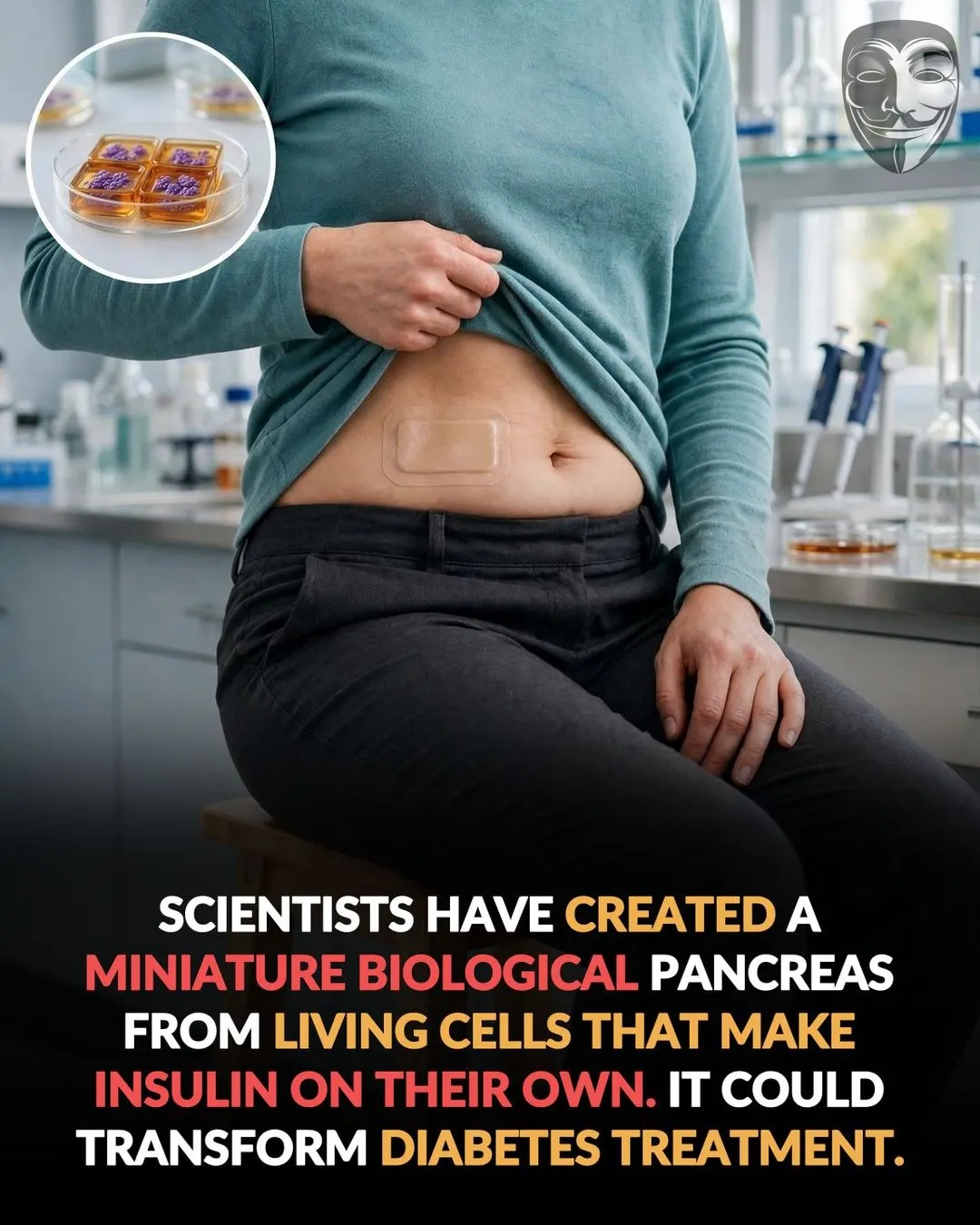
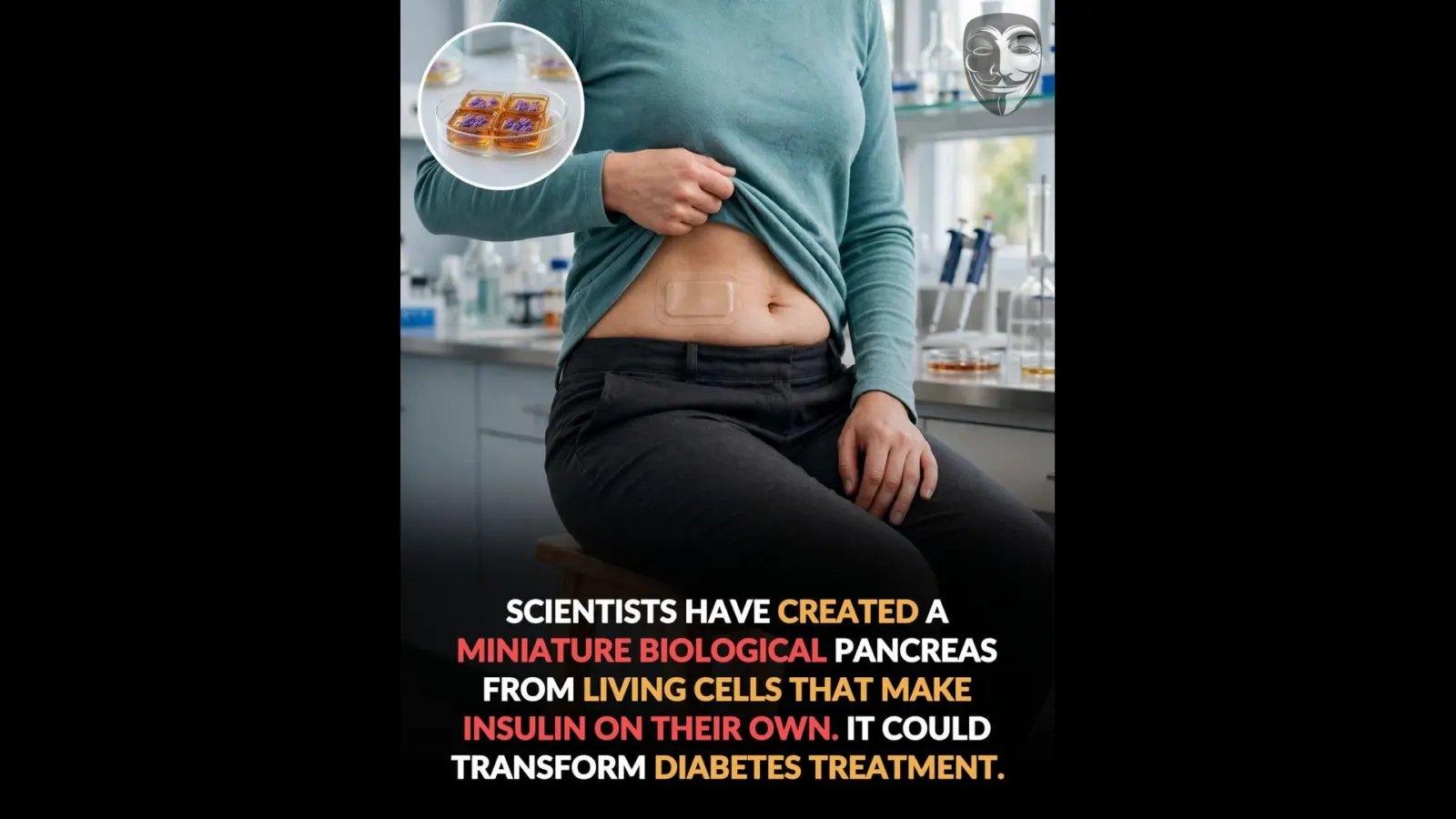
A miniature biological pancreas built from living cells can sense rising blood sugar and release insulin on its own, and scientists say it could transform diabetes treatment. Researchers combined stem cell or donor pancreatic islets with protective scaffolds that let nutrients, glucose and insulin pass through while keeping out the immune antibodies that target the living cells. To keep the delicate cells alive without natural blood vessels, they added onboard oxygen generators, nanoelectronic sensors or pre-vascularized tissue networks that support the cells from inside the implant.
Once implanted, the cells sense blood sugar spikes and release precise insulin doses on their own. In early animal tests, MIT researchers kept encapsulated islet cells working for at least 90 days in mice, and a Cornell team reversed diabetes in rats for up to three months without immune suppression treatment, so larger trials will now test whether the approach can work safely in people. For more on medical breakthroughs, read our report on a lab study that tested a plant oil against skin cancer cells and our story about a deputy who received a new kidney.
References:
Medical Xpress: Implantable islet cells could control diabetes without insulin injections
EurekAlert: Implant treats Type 1 diabetes by oxygenating insulin-producing cells
Medical Xpress: New implant links insulin-producing cells to blood vessels, aiming to treat Type 1 diabetes
Frontiers in Endocrinology: Beta-cell replacement for type 1 diabetes: integrating cell products, engraftment and immune protection
What a Miniature Biological Pancreas Actually Is

The pancreas sits behind the stomach and makes insulin, the hormone that moves sugar from the blood into cells for energy. In type 1 diabetes the immune system destroys the insulin making cells, so the body can no longer control blood sugar on its own. The new device copies the job of those lost cells by placing living islets inside a tiny implant. It is living tissue that reacts to sugar in real time. Read about illness in the youngest patients in our report on babies born with measles and the fight over the cost of health care for all.
Stem Cells and Donor Islets Are the Starting Point
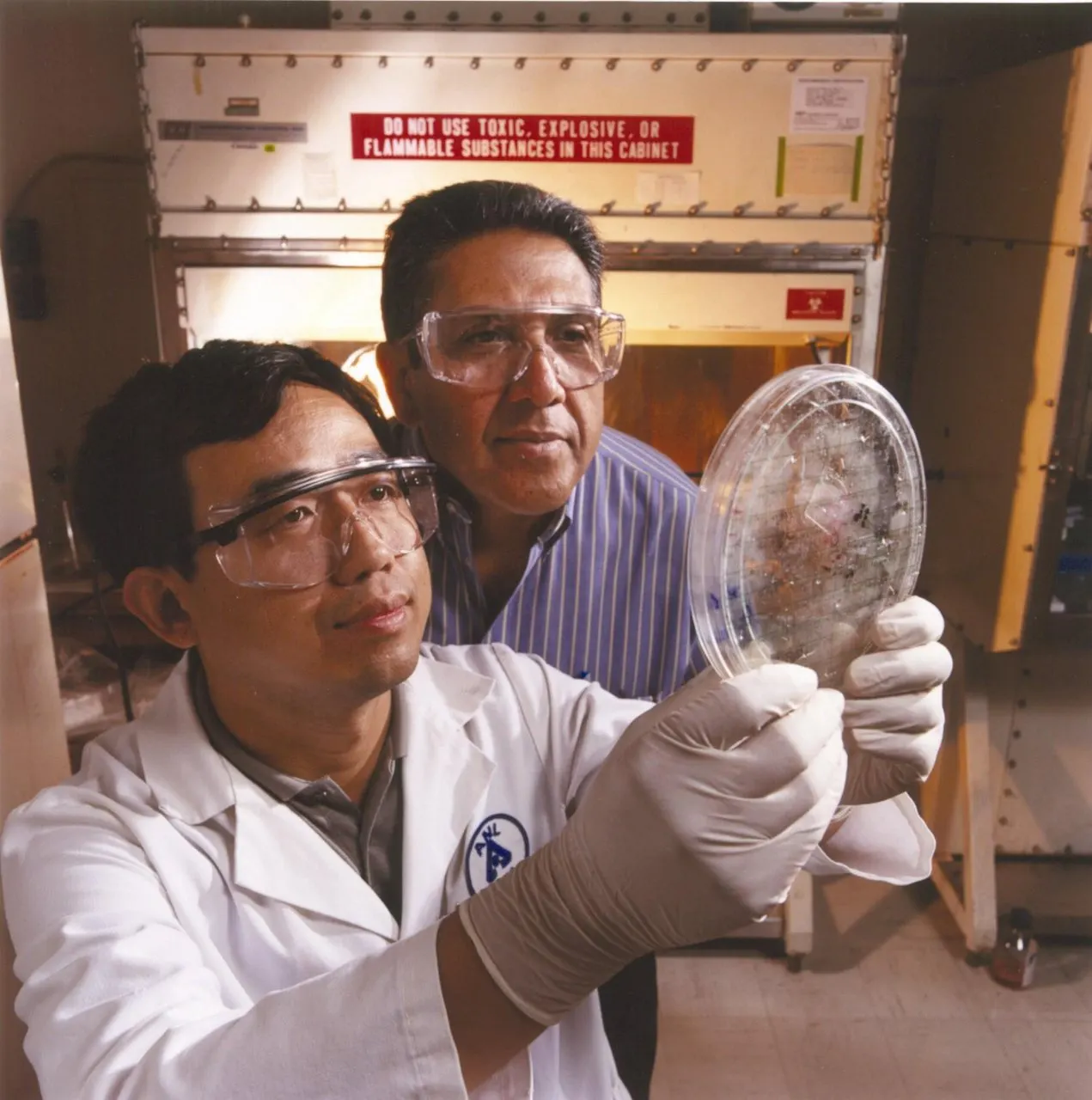
Every implant starts with the cells that make insulin. Scientists use stem cells guided to grow into insulin making islet cells, or islets from a donor pancreas. The cells must be healthy and able to sense sugar and release insulin in the right amounts. Growing them takes care and time, and researchers check them carefully before they go into a device. The goal is a steady supply of working cells for every patient. Lab research takes many forms, from a study that tested a plant oil on cancer cells to new rules on lab tests that protect animals.
A Soft Shield Made From Seaweed and Gentle Gels

Living cells need a home that feeds them and guards them. Scientists wrap the islets in protective scaffolds made from seaweed derived bioinks, amniotic hydrogels or crystalline shields. These soft coatings let nutrients, glucose and insulin pass freely while blocking the immune antibodies that would attack them. It is a careful balance, because a wall that is too thick would starve the cells, and one that is too thin would leave them open to attack. Protection matters elsewhere too, from cleaning a polluted river that caused a painful infection to families standing by a parent through cancer treatment.
How the Miniature Biological Pancreas Hides From the Immune System
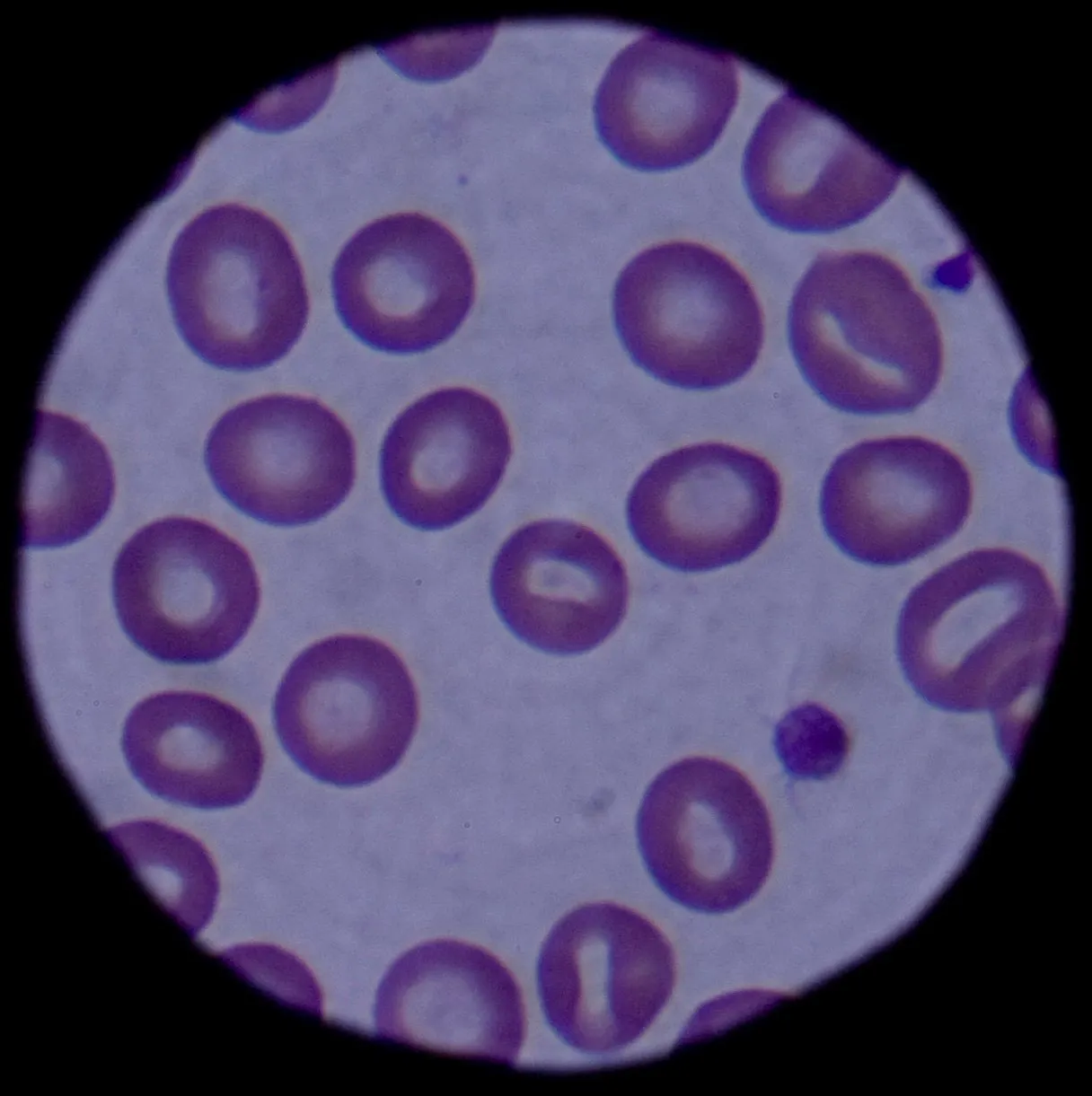
The immune system hunts down anything it sees as foreign, and transplanted cells are a clear target. Earlier islet transplants failed unless patients took strong drugs to quiet the immune system. The new scaffold changes that math. It acts like a fence with tiny gaps, wide enough for sugar and insulin to slip through, but too narrow for antibodies to enter. The cells inside can work in peace. Waiting for a transplant can be a long road, as shown by a deputy who received a new kidney, and hope often comes down to faithful daily choices.
Tiny Oxygen Generators Keep the Miniature Biological Pancreas Alive

Cells without blood vessels face a problem. They run out of oxygen and die. Natural vessels carry oxygen to every part of the body, but a fresh implant has none of its own yet. To solve this, researchers added oxygen generators that make oxygen where the cells need it. Other teams use nanoelectronic sensors or pre-vascularized tissue networks to support the cells from inside. Each method keeps the islets alive. Cost shapes every new treatment, which is why leaders argue over how to pay for health care for all while lawmakers hold a debate about health and public office.
Nanoelectronic Sensors Watch the Cells From Inside
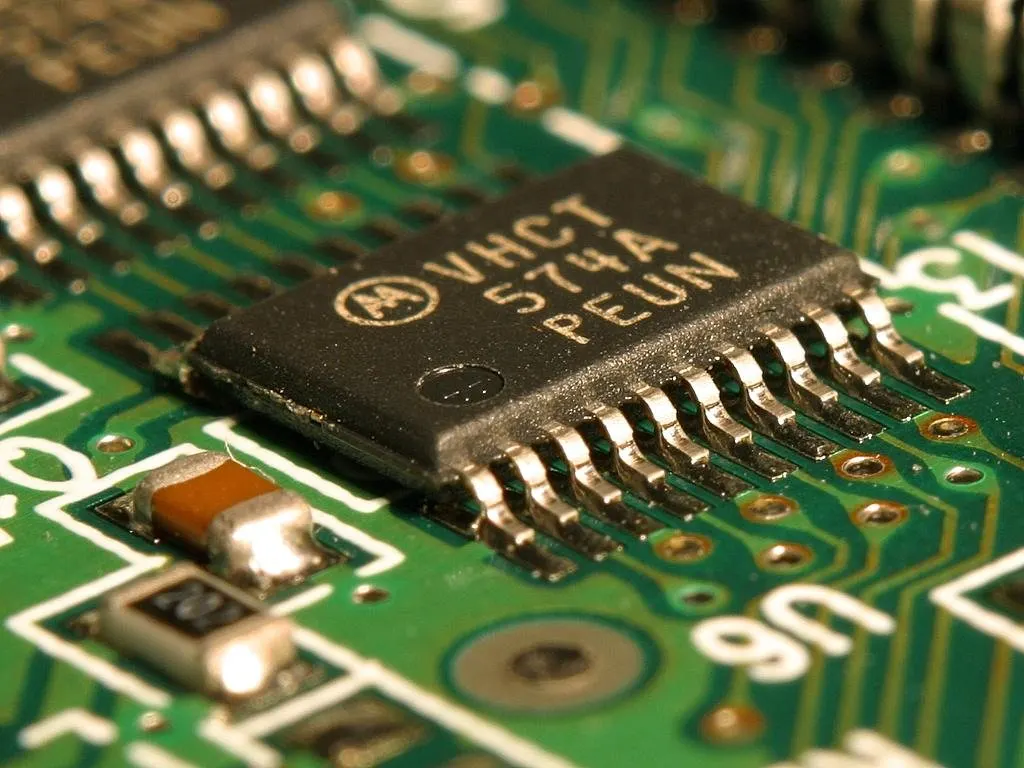
Some versions of the implant carry electronic sensors that watch the cells and their surroundings. They can track oxygen, sugar and signals, and they give researchers a window into how the implant is doing without opening it up. That feedback matters, because the first weeks after surgery are when the cells are most fragile. If a sensor shows trouble early, doctors can act before the cells are lost. Science and rules move together, as in the ban on lab tests on great apes, and leaders face limits, as senators learned when a bill left them unpaid.
New Blood Vessels Grow Toward the Implant
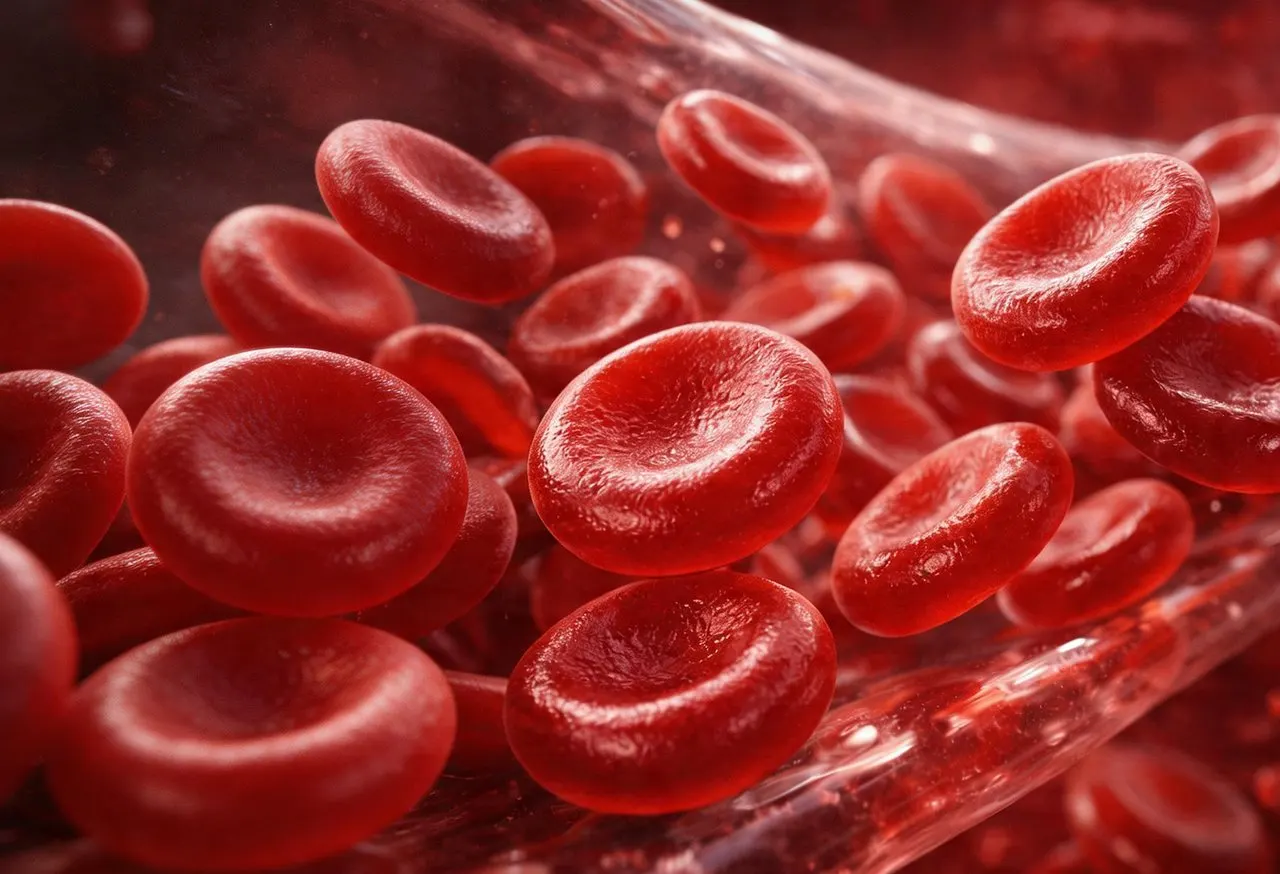
Over time the body can grow new blood vessels toward the implant, a process researchers encourage with pre-vascularized tissue networks. These paths help the implant plug into the body’s supply lines sooner. Once that link forms, the cells get steady oxygen and nutrients, and their insulin reaches the blood faster. It is one more way the device moves from a lab idea toward life inside a person. Health news often focuses on the very young, like babies born with measles as vaccination rates fall, and on dirty water risks, as in a cleanup worker who developed a painful infection.
The Miniature Biological Pancreas Senses Rising Blood Sugar
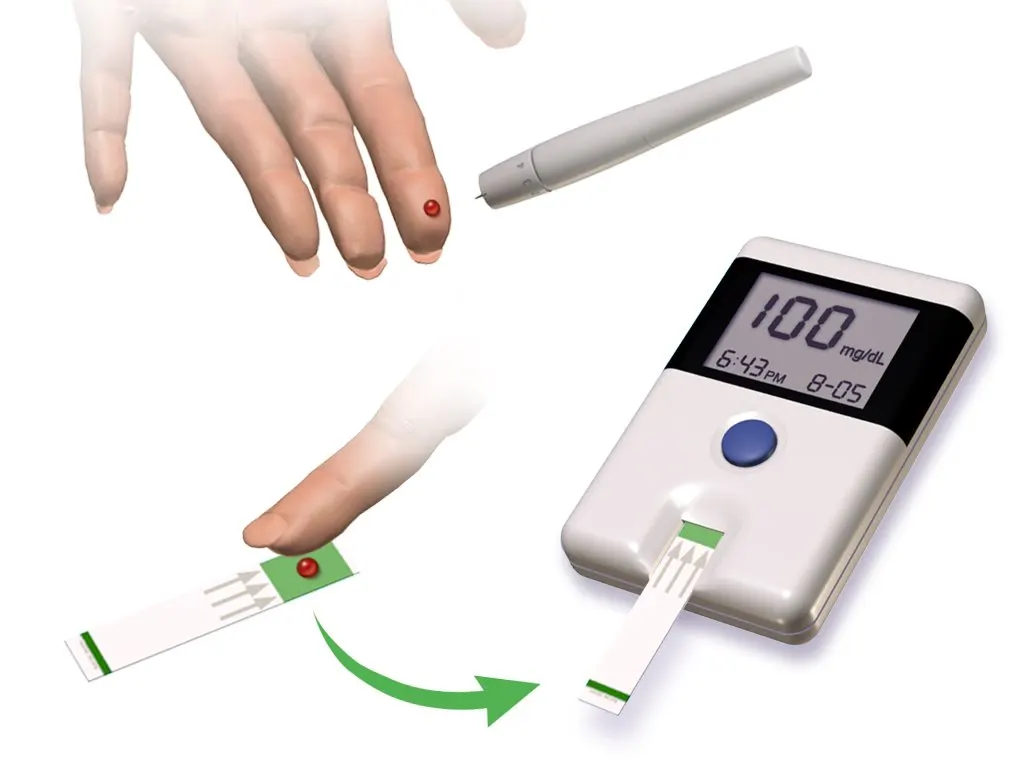
A healthy pancreas does not release insulin on a timer. It watches blood sugar minute by minute and answers each rise with the right dose. The new implant copies that habit. Its living cells sense sugar spikes and release precise insulin doses on their own, with no buttons to press and no math for the patient to do. For people who now test their sugar many times a day, that freedom would be life changing. Families know what constant care feels like, whether they are supporting a mom through cancer treatment or finding comfort in faith during hard times.
Precise Insulin Doses, Released on Their Own
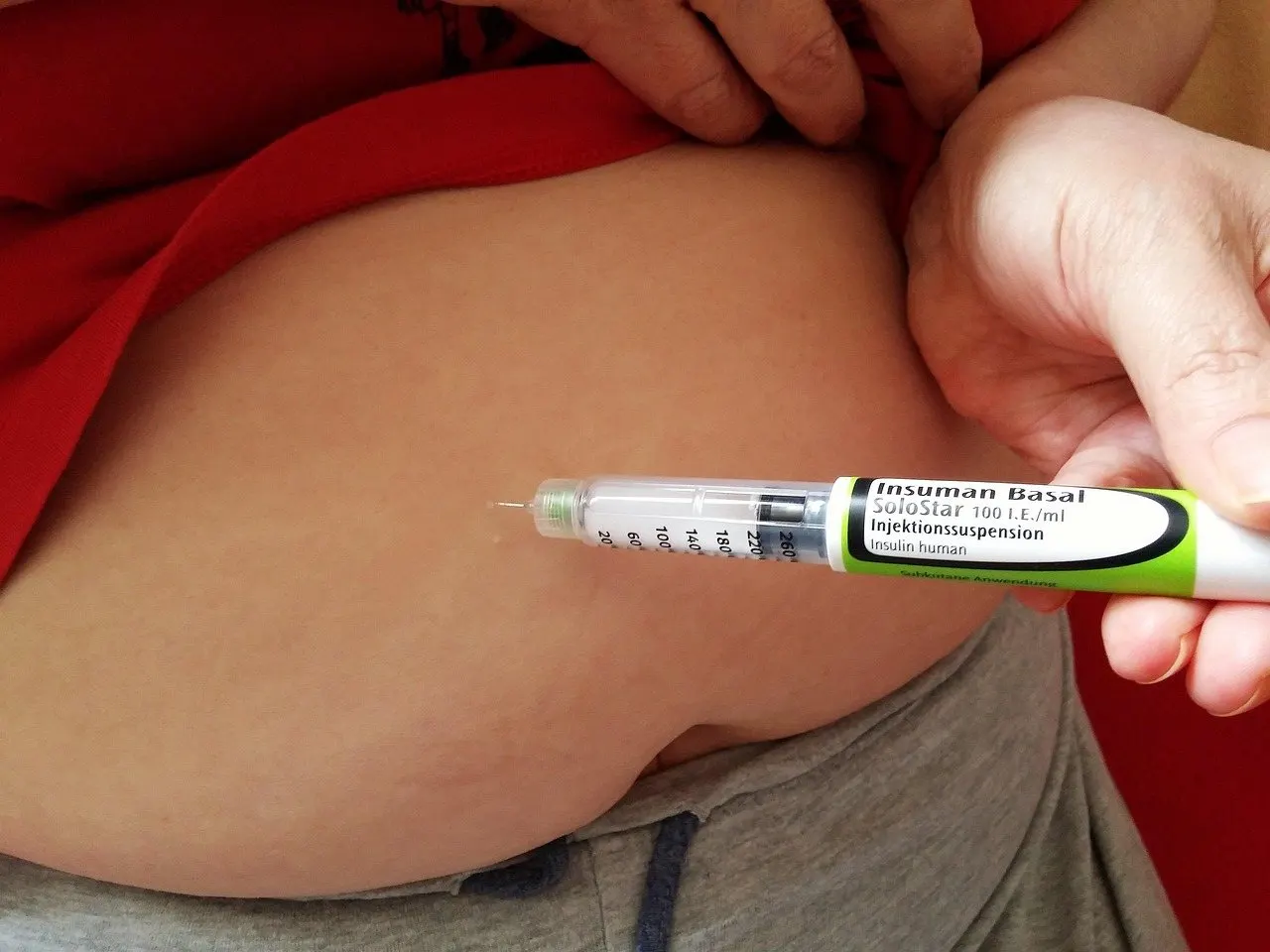
Today many people with type 1 diabetes take insulin by pen or pump several times a day, and each dose is a guess that can miss. Too little insulin leaves sugar high, and too much can drop it to dangerous lows. An implant that releases insulin only when sugar rises could smooth out those swings. The dose would match the meal, the activity and the moment, not a schedule written in the morning. Daily routines shape health in quiet ways, and faithful daily choices can keep a blessing alive, just as families celebrate when a mother comes home.
Ninety Days of Working Cells in Mice
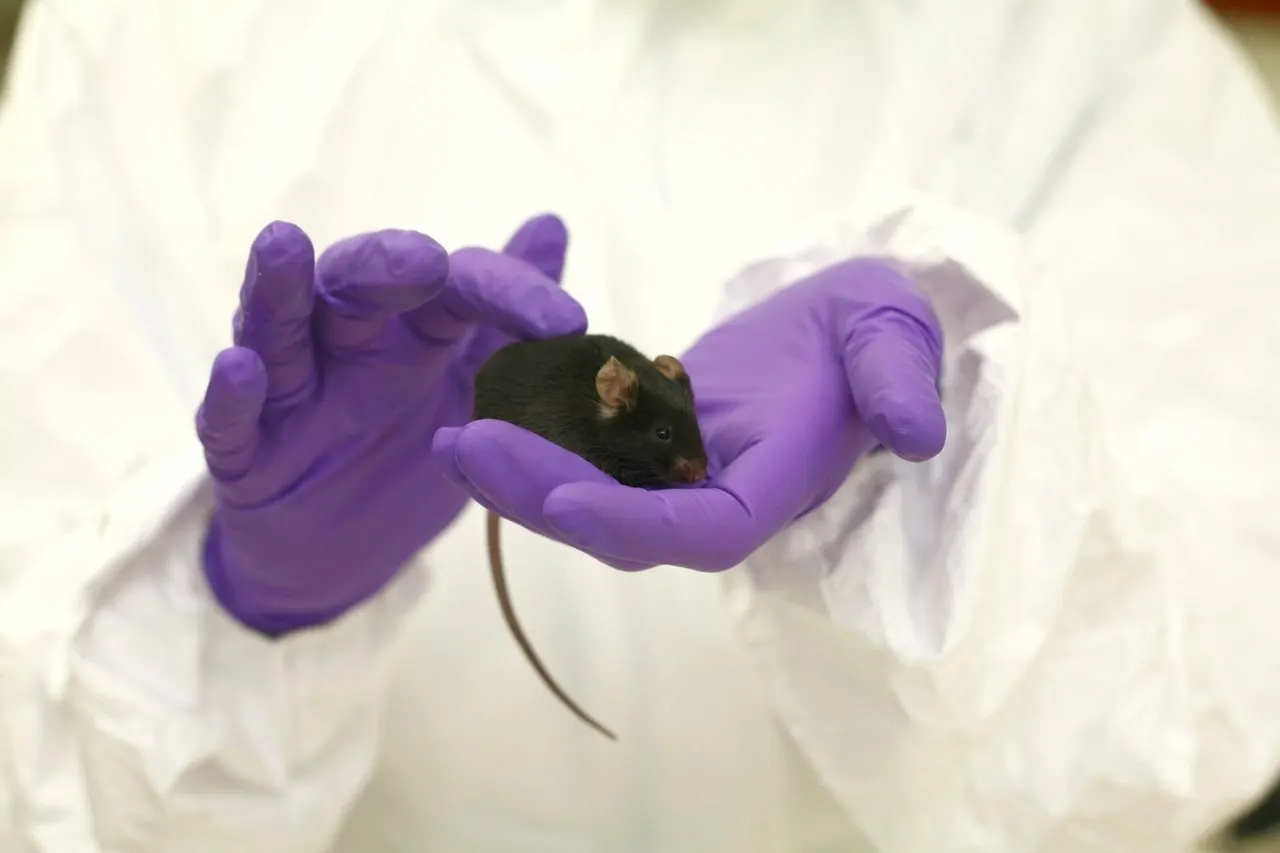
Animal tests are the first proof an idea can work inside a living body. At MIT, researchers kept encapsulated islet cells working for at least 90 days in mice, a long stretch. Ninety days of steady insulin is a sign that the scaffold protects the cells and the oxygen supply holds up. Mice are not people, and success in a mouse does not promise success in a human, but every treatment passed this stage first. Lab work keeps pushing medicine forward, from a plant oil that destroyed cancer cells in a dish to a debate about health and public office.
Cornell Reversed Diabetes in Rats for Three Months
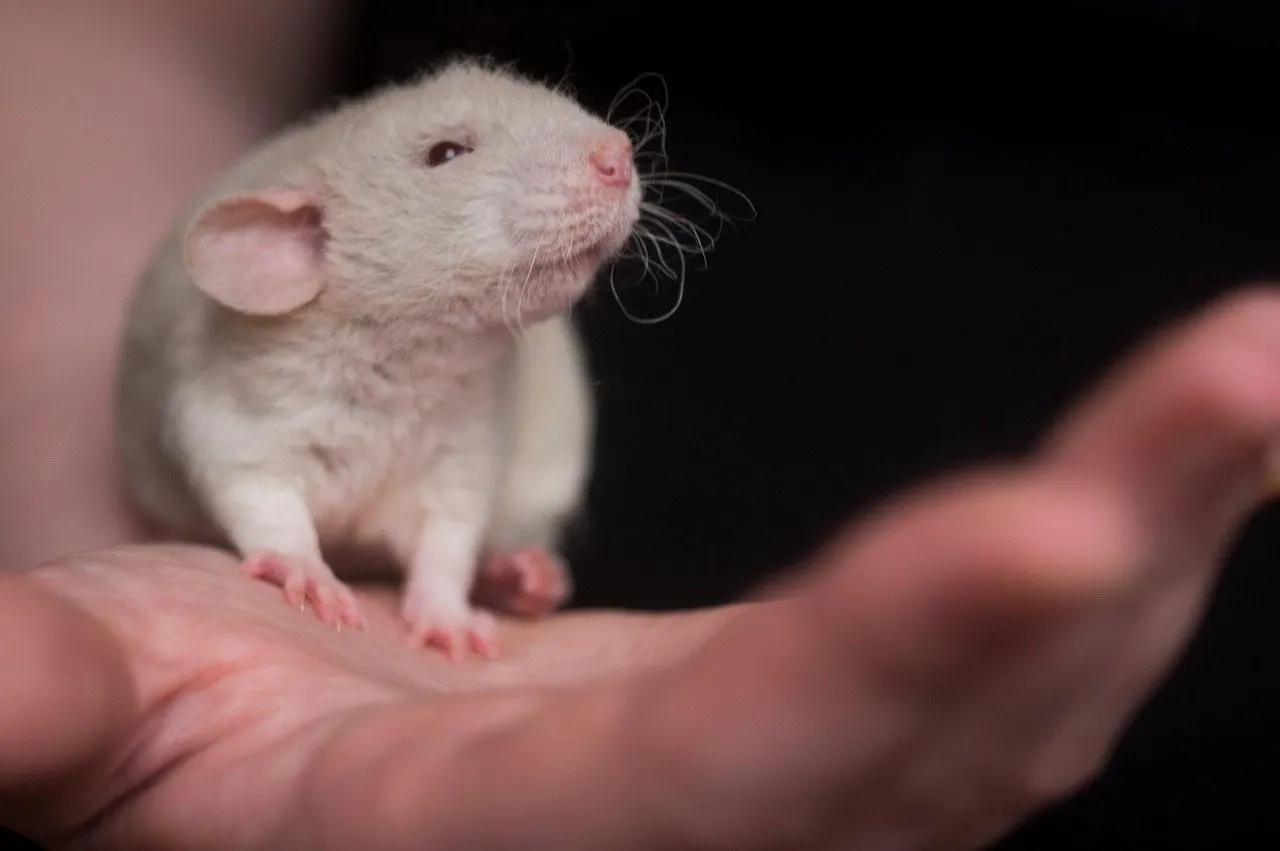
A team at Cornell went further. Their implant reversed diabetes in rats for up to three months, and it did so without immune suppression treatment. That detail matters most. Drugs that quiet the immune system carry heavy side effects, so a device that needs none of them would be far easier to live with. The rats kept making their own insulin and kept their blood sugar in range. Long waits test patience in medicine, as a deputy learned while waiting for a new kidney, and senators have felt the pinch of a stalled bill.
Why the Miniature Biological Pancreas Needs No Immune Suppression
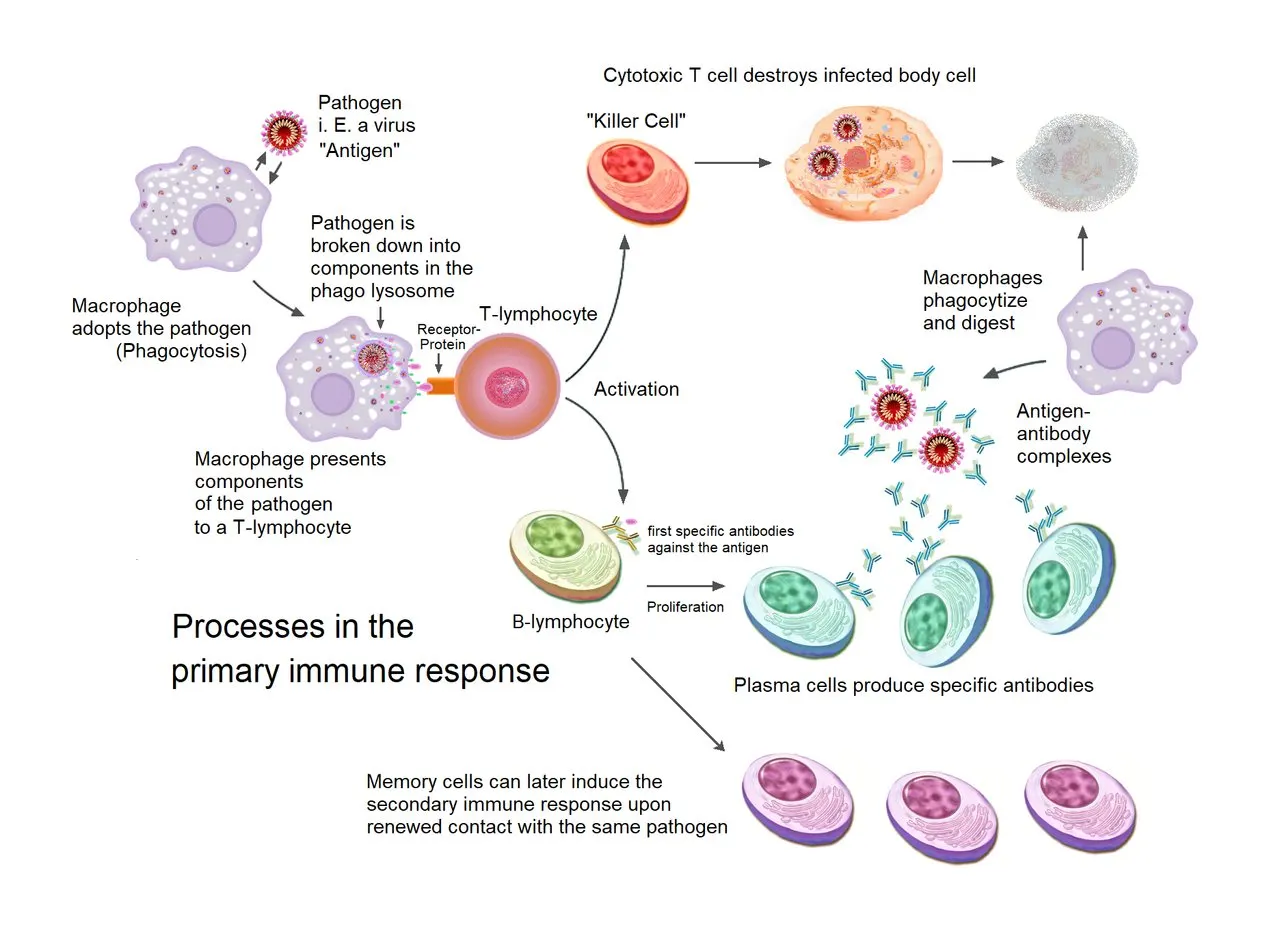
The promise of this device rests on one fact. It works without drugs that shut down the immune system. Past transplants asked patients to trade one problem for another, swapping diabetes care for pills that raise infection risk. A scaffold that blocks antibodies on its own removes that trade. Patients could keep their natural defenses while the implant does its job in peace. That is what excites researchers most. New treatments also raise hard questions about cost, like the fight over paying for health care for all, and about hope, which many find in faith and daily prayer.
What Larger Trials Must Prove Next
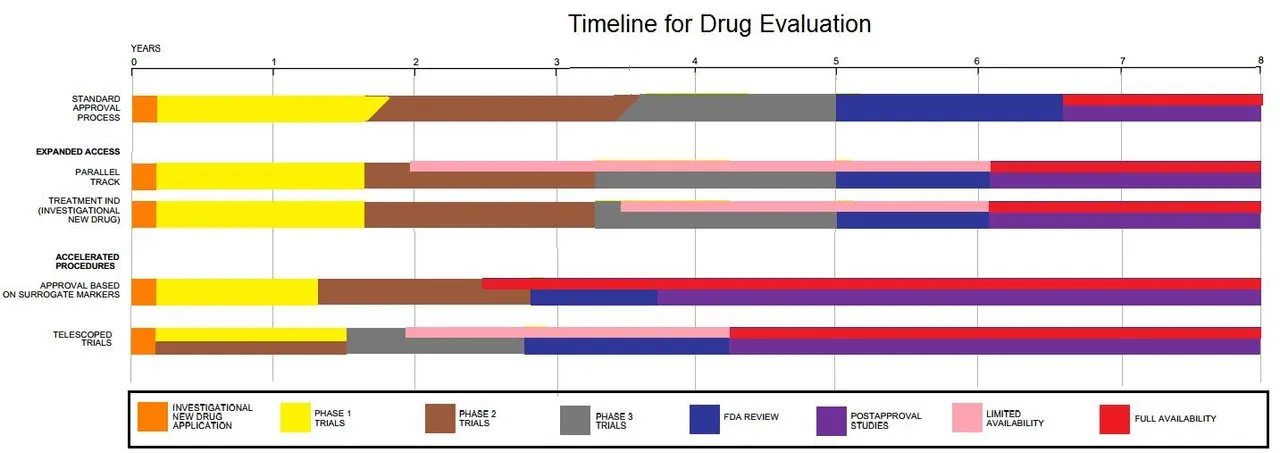
Mice and rats are only the start. Larger trials must now test whether the approach can work safely in people. Researchers must prove the cells stay alive for months, the doses stay precise, and the implant causes no harm. Regulators will watch each step, and volunteers will be watched for years. It is slow work, but it is how a lab breakthrough becomes a treatment a doctor can offer. Rules protect people and animals in research, as in the ban on lab tests on great apes, and families keep hoping for news, like a mother reunited with her family.
A Day Without Shots Could Change Everything
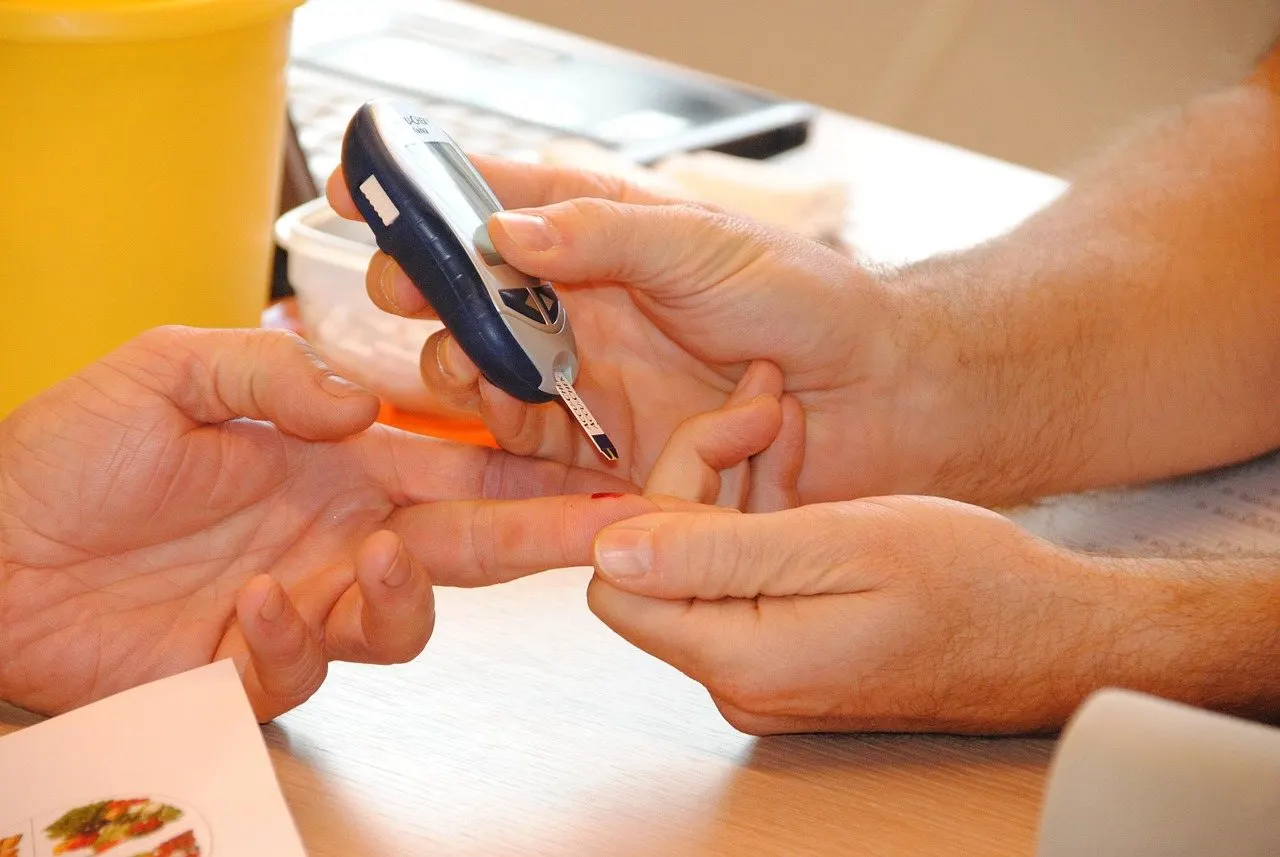
For a person with type 1 diabetes, the day is a string of checks and shots. Finger pricks, meter readings, insulin pens and the constant worry about a low at night. An implant that handles insulin on its own would take that load away. Meals, school, work and sleep could feel normal again, and parents could rest easier. That promise is why the early results have drawn so much attention, even before human trials begin. Health news reaches every age, from babies born with measles to families supporting a mom through cancer treatment.
Who Could Benefit From a Miniature Biological Pancreas

Type 1 diabetes starts in childhood, and it stays for life. Children who learn to count carbs before they learn to read, adults who plan every trip around insulin, and parents who wake at night to check a sleeping child. All of them could gain from a device that works on its own. Older adults with blood sugar swings could gain too. The device is still in testing, but the people waiting are clear to see. They are the same people who face polluted water and the infections it brings and who lean on faithful daily choices in hard seasons.
From the Lab Bench to People
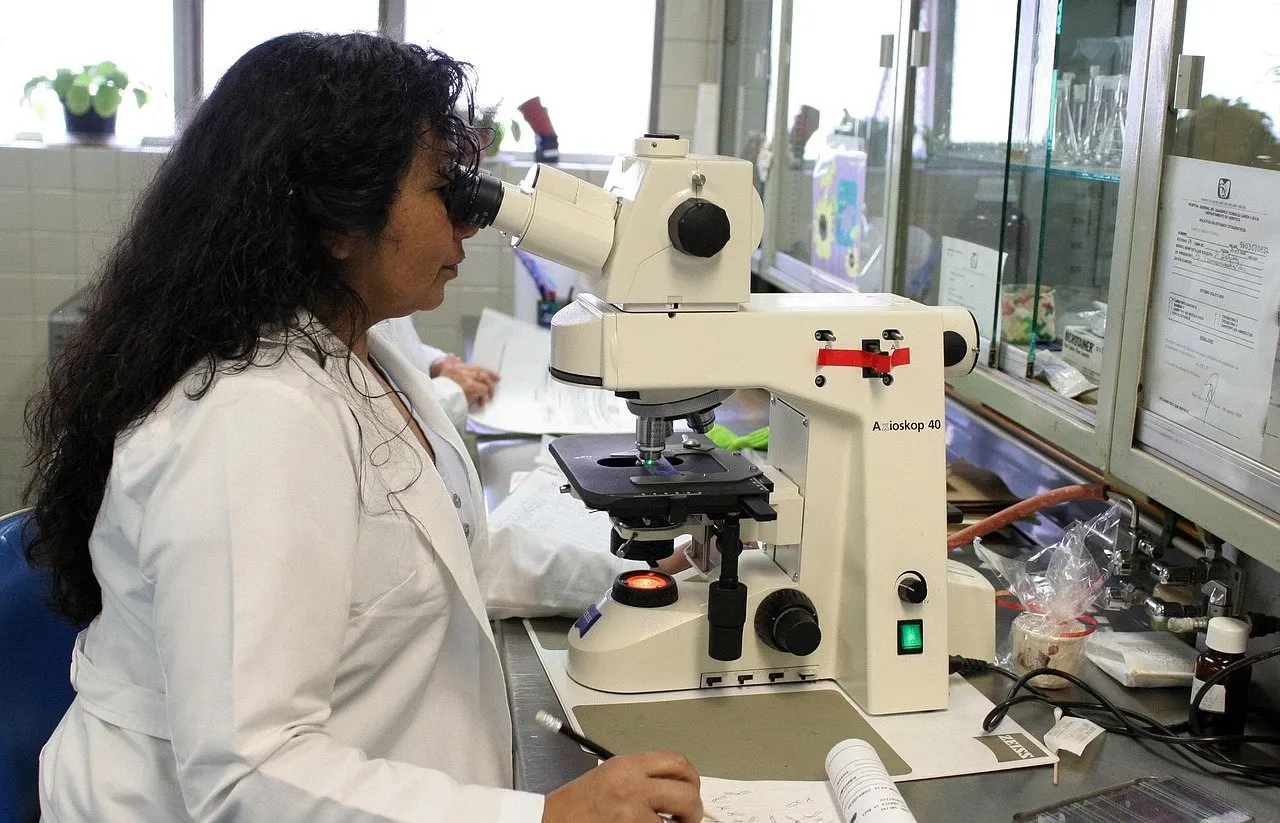
Turning a lab device into a treatment takes more than good science. Teams must make the implant the same way every time, prove it is safe in larger animals, and win approval to test it in people. Factories, regulators and doctors all have a part to play, and each step takes months or years. The MIT and Cornell results show the science is real. The next chapter is about turning that science into something a hospital can offer. Public debates shape that road too, from a debate about health and public office to senators arguing over pay during a shutdown.
What Would You Ask the Scientists Next?

Scientists built a tiny living pancreas that makes insulin on its own, and early tests in animals look strong. But the biggest questions are still open. How long will it last in people, who will get it first, and what will it cost? If you could sit down with the researchers, what would you ask first? Would you want to know when trials start, or how it feels to live with the implant? Share your thoughts in the comments below. Many people find strength in faith and worship, and many families know the joy of a mother coming home.