The FAA Ground Stop That Put Duffy and Mullin on the Spot

The FAA ground stop on Friday, November 13, 2026, halted flights across the entire country after radar and communications became unstable at air traffic control centers. Transportation Secretary Sean Duffy and Homeland Security Secretary Markwayne Mullin stood before reporters at the White House that night to explain what happened and to ask Congress for money to rebuild the system. The moment quickly became about more than planes, because a popular post used the briefing to make a sharp point about hiring and who gets the top jobs in government.
In the slides ahead, we walk through the long afternoon when more than 3,500 planes were in the air and every one had to land safely, the old equipment that failed, and the money Duffy now wants from Congress. We also look at the argument in the post, which says diversity, equity and inclusion programs were built to keep unqualified people out of top jobs, not to put them there. For more on the two secretaries, read our report on the debate over merit and loyalty in this administration and the questions JD Vance raised about the aging system.
References:
White House: After Nationwide Ground Stop, Trump Administration Prioritizes Safety, Calls for Full Modernization Funding
Department of Homeland Security: Secretary Mullin and Secretary Duffy Address Nationwide FAA Ground Stop of All Flights
Nate Silver: The White House Needs a Ground Stop
Wichita Liberty: You Will Have More of These, Inside the Mullin Duffy Briefing on the Nov 13 Nationwide FAA Ground Stop
Friday Afternoon Chaos as the FAA Ground Stop Began
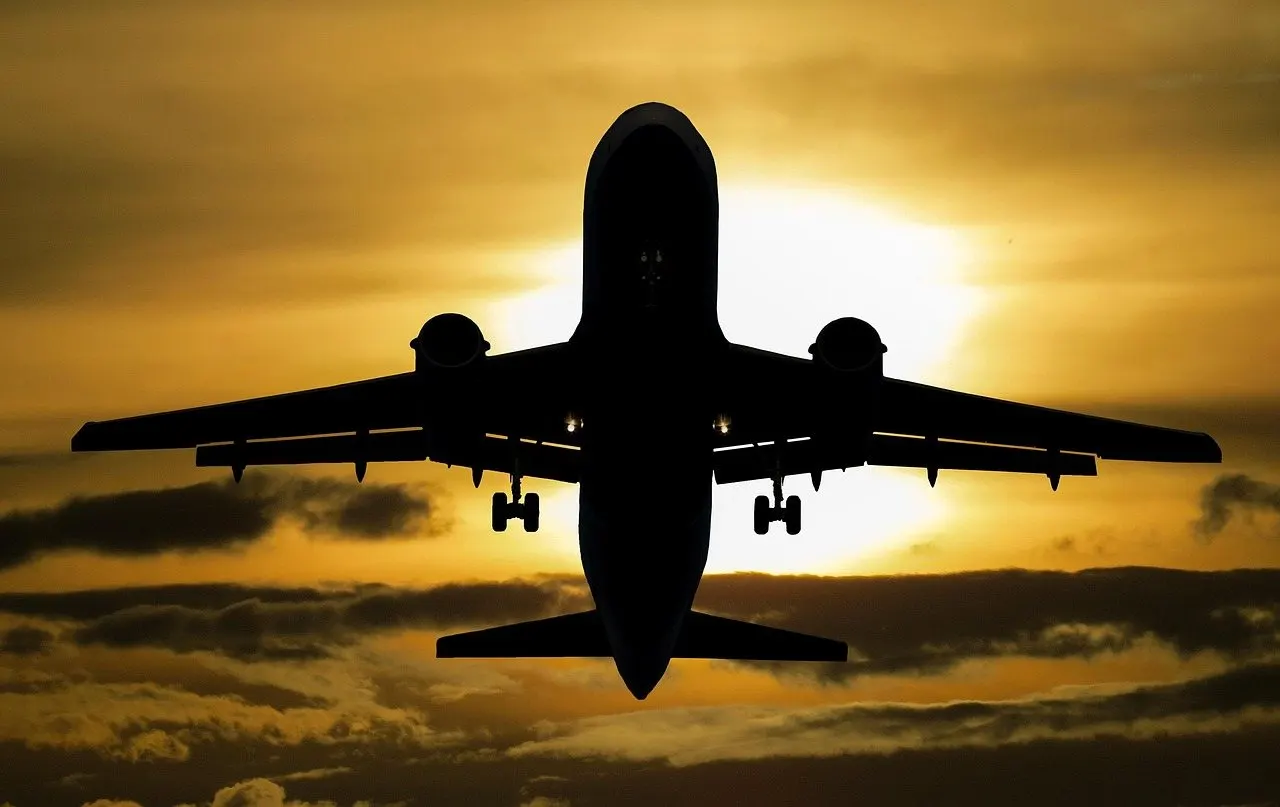
At 3:36 in the afternoon, controllers saw radar and radio data turn inconsistent at centers and TRACON facilities across the country, and the Federal Aviation Administration ordered a nationwide ground stop minutes later. More than 3,500 airplanes were in the sky, and controllers guided them down one by one until fewer than 400 remained airborne. The stop lasted more than four hours before the airspace reopened at about 8:15, and the restart left travelers waiting deep into the night. Read about the White House news conference that followed the Asia trip and how JD Vance questioned the old system.
How One Router Started the FAA Ground Stop

The failure began with routine maintenance at a remote site, where a contractor was replacing old copper lines with fiber optic cable in a switch to modern internet based networking. A new router began flooding other routers with data, more than 1,000 connection attempts every four to five seconds, and the old switches could not keep up. Duffy later called it a legacy network failure, and the Federal Aviation Administration halted new router installations while it investigated. Read our report on the warning about national security and Russia and the trade deals from the China trip.
Old Switches and Copper Lines From Another Era
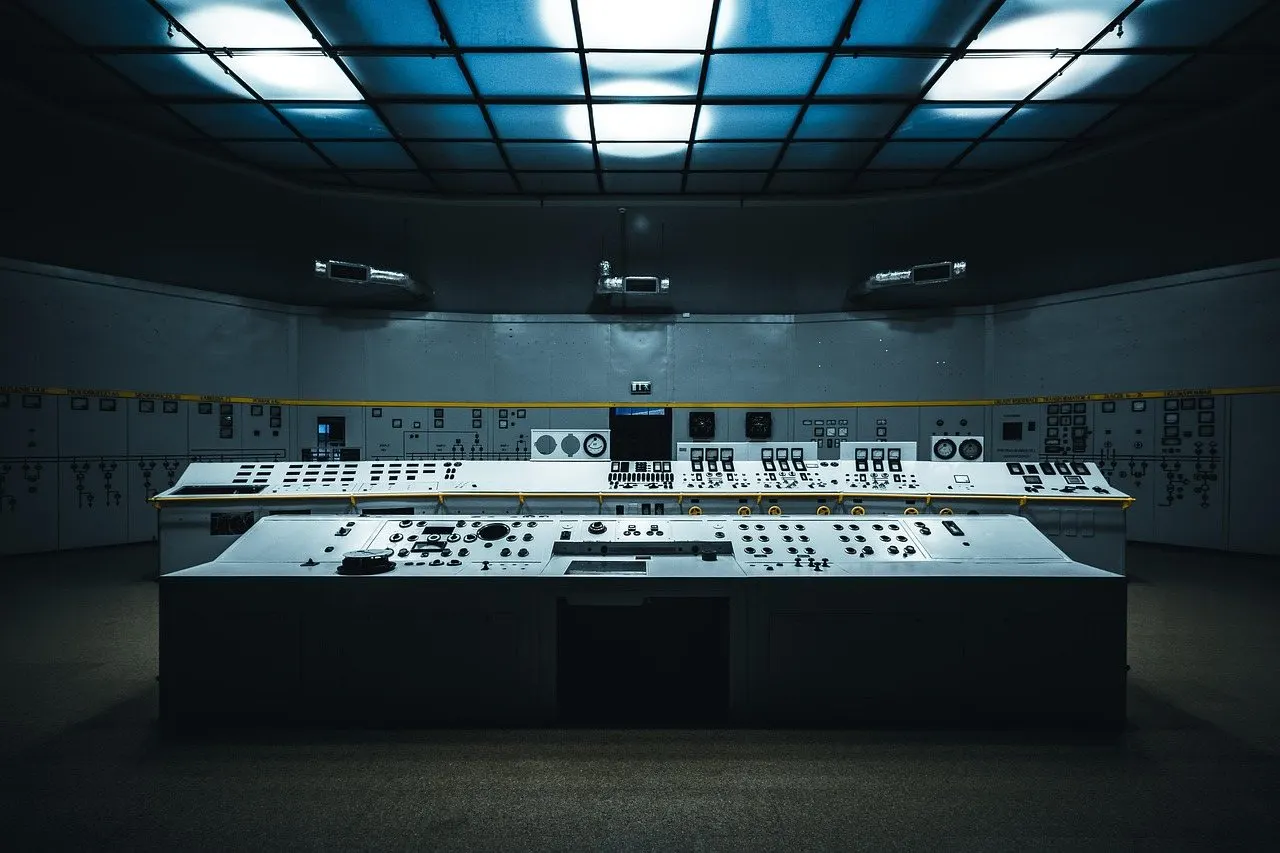
Duffy blamed equipment from the 1980s, including analog telephone lines and old switches and routers that were never built to carry the volume of data a modern network moves. He said the new internet based switches his department had already installed did not go down, and only the old hardware failed. The system still runs on copper wire in many places, and the slow move to fiber has left weak spots across the country. Read about the fight over leadership among Democrats and the first meeting of America, Russia and China.
Sean Duffy Takes the Podium

Sean Duffy spent years in Congress as a representative from Wisconsin, then years as a conservative television host, before President Trump chose him to run the Department of Transportation. On Friday night he stood at the White House podium in a department jacket and walked reporters through the timeline, from the first signs of trouble at 3:36 to the decision to halt every departure. He spoke calmly and blamed the old system, not the controllers or the pilots. Read our report on the merit debate around Duffy and Mullin and the hearing where Mullin faced questions.
Markwayne Mullin and the Road From Oklahoma

Markwayne Mullin served as a senator from Oklahoma before President Trump named him Secretary of Homeland Security, a job that puts him in charge of national security. At the briefing he stood beside Duffy and told reporters that every loved one was safe and that officials had seen zero evidence of a cyberattack. He called the old air traffic control system a national security risk and said Congress had failed to make fixing it a priority. Read our report on the hearing where Mullin faced questions and the TV timeout that followed his AI comments.
No Sign of a Cyberattack, Officials Said

With planes grounded across the country, the first question on many minds was whether someone had attacked the system, and Mullin answered it directly at the podium. He said officials had seen zero evidence of a cyberattack or an attack using artificial intelligence, and he repeated that travelers were not in danger. The failure came from inside the network itself, when new equipment overwhelmed old hardware during routine work. Read our report on the TV timeout that followed his AI comments and the warning about national security and Russia.
The FAA Ground Stop Landed 3,500 Planes Safely
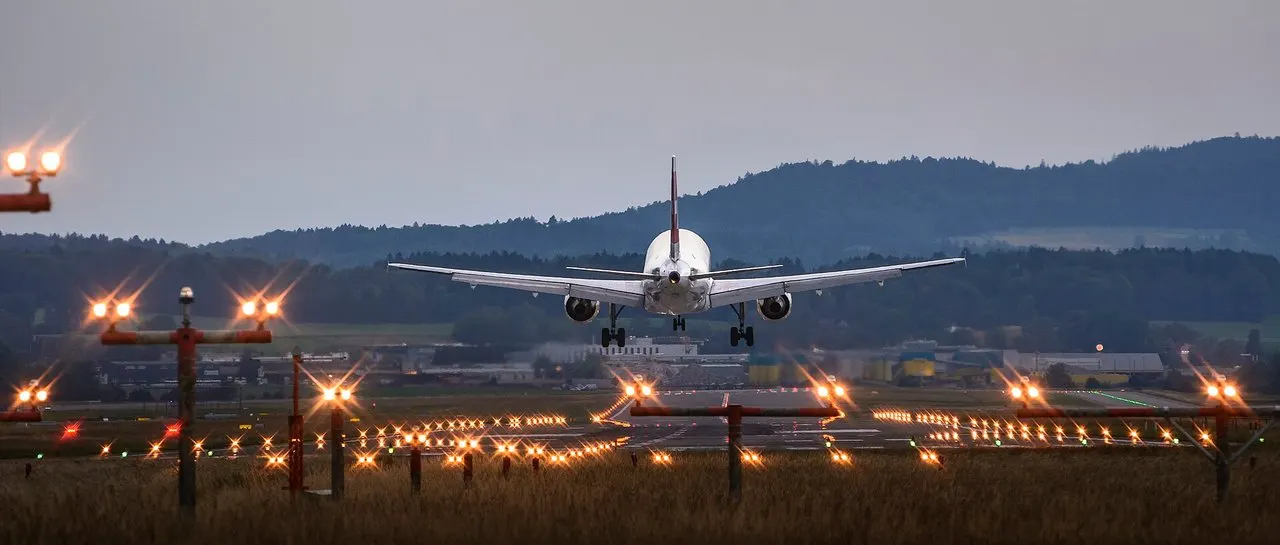
The FAA ground stop worked the way it was meant to work when safety comes first, because every plane that was already in the air landed without harm. Controllers used the procedures they train for, and pilots followed them, bringing more than 3,500 aircraft down in an orderly flow until the skies were nearly empty. No one was hurt in the air, and by the time the stop was lifted, fewer than 400 planes remained airborne. Read about the White House news conference that followed the Asia trip and the trip that brought home new deals.
Travelers Waited as Departure Boards Went Red
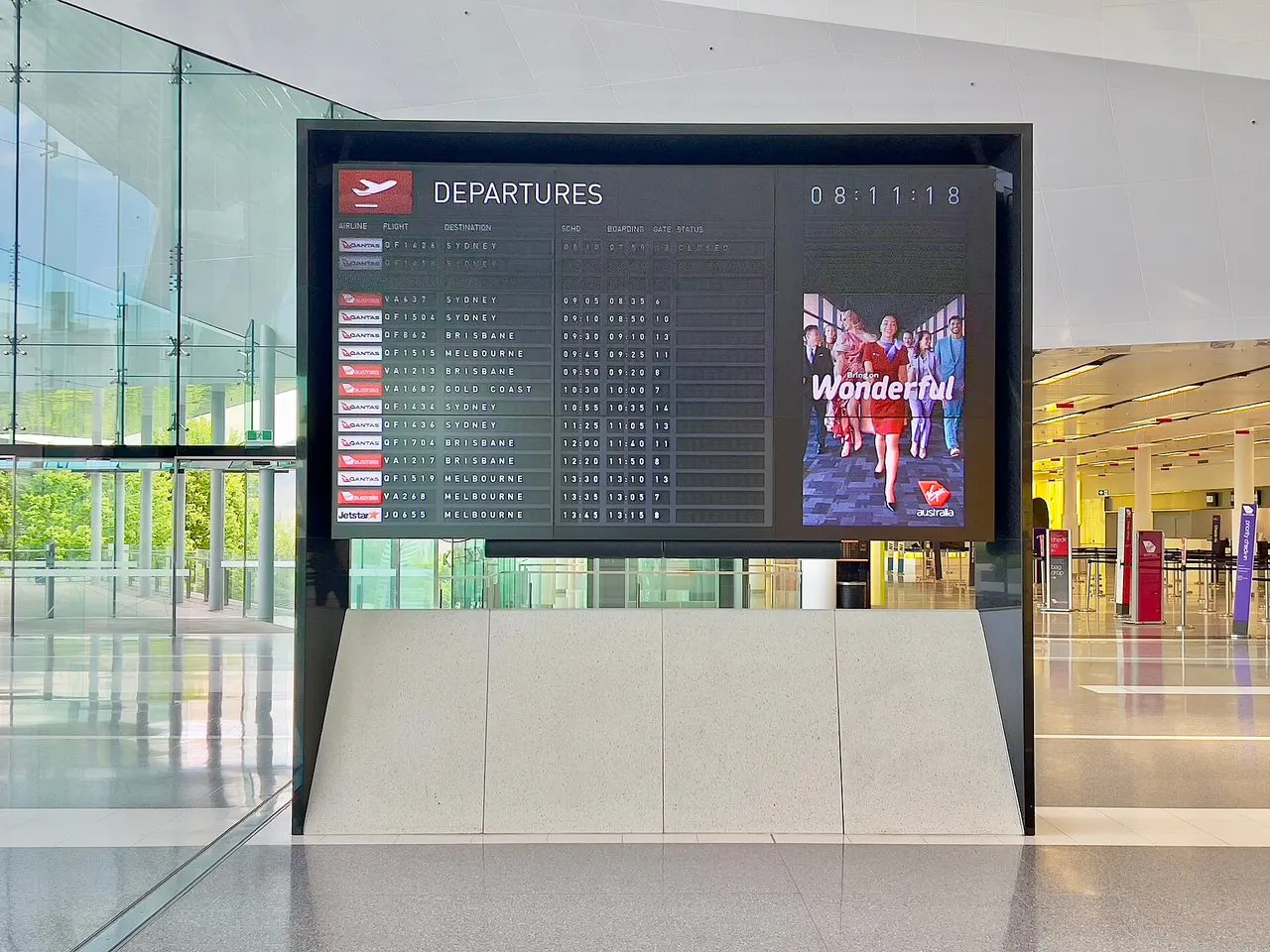
On the ground, the stop stranded hundreds of thousands of travelers, and airports filled with people waiting for news about flights that might not leave for hours. More than 2,500 flights were canceled on Saturday alone, and the ripple effects reached sports teams, cargo carriers and families trying to get home. Airlines worked through the weekend to recover, but officials warned that normal service would take time to return. Read about the fight over leadership among Democrats and the flags handed to Trump in Manila.
An FAA Ground Stop Exposes a System From the 1980s
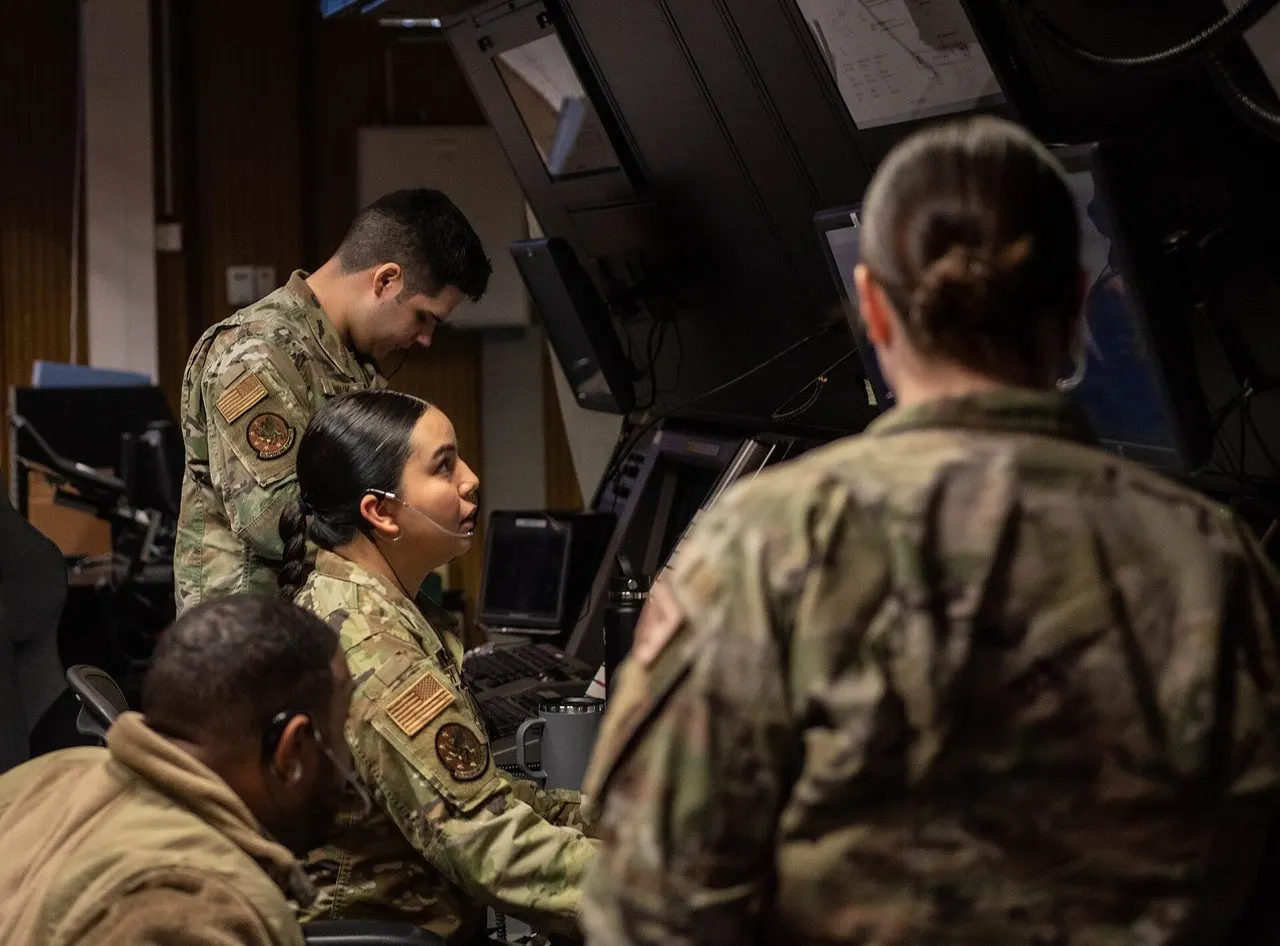
The stop exposed how much of the air traffic control system still depends on technology from the 1980s, including analog telephone lines and switches that predate the modern internet. The country has 22 Air Route Traffic Control Centers, and the last of them was built in 1969, which shows how long the network has gone without a full rebuild. Controllers do skilled work with tools that are older than many of the pilots they guide. Read our report on the first meeting of America, Russia and China and the phones taken from reporters on Air Force One.
Duffy Asks Congress for 50 Billion Dollars
Duffy used the briefing to press Congress for emergency money, asking for 50 billion dollars to build a brand new air traffic control system from the ground up. He said President Trump had already secured 12.5 billion dollars toward the rebuild, and he called the funding request bipartisan and urgent. A few days later the administration put the same request in writing, with 10 billion dollars set aside for new control centers alone. Read our report on the trade deals from the China trip and the rising odds on Marco Rubio.
What the Post Says DEI Was Really For

The post at the center of this story argues that diversity, equity and inclusion programs were never meant to place unqualified people in top jobs. It says they were built to stop the opposite problem, when a less qualified person wins a job simply because that person knows the boss. The post says that is exactly what happened with Duffy and Mullin, and it calls loyalty to the president, not experience, the reason they hold their jobs. Read our report on the merit debate around Duffy and Mullin and the historic trip to China.
Loyalty Over Experience, the Post Argues
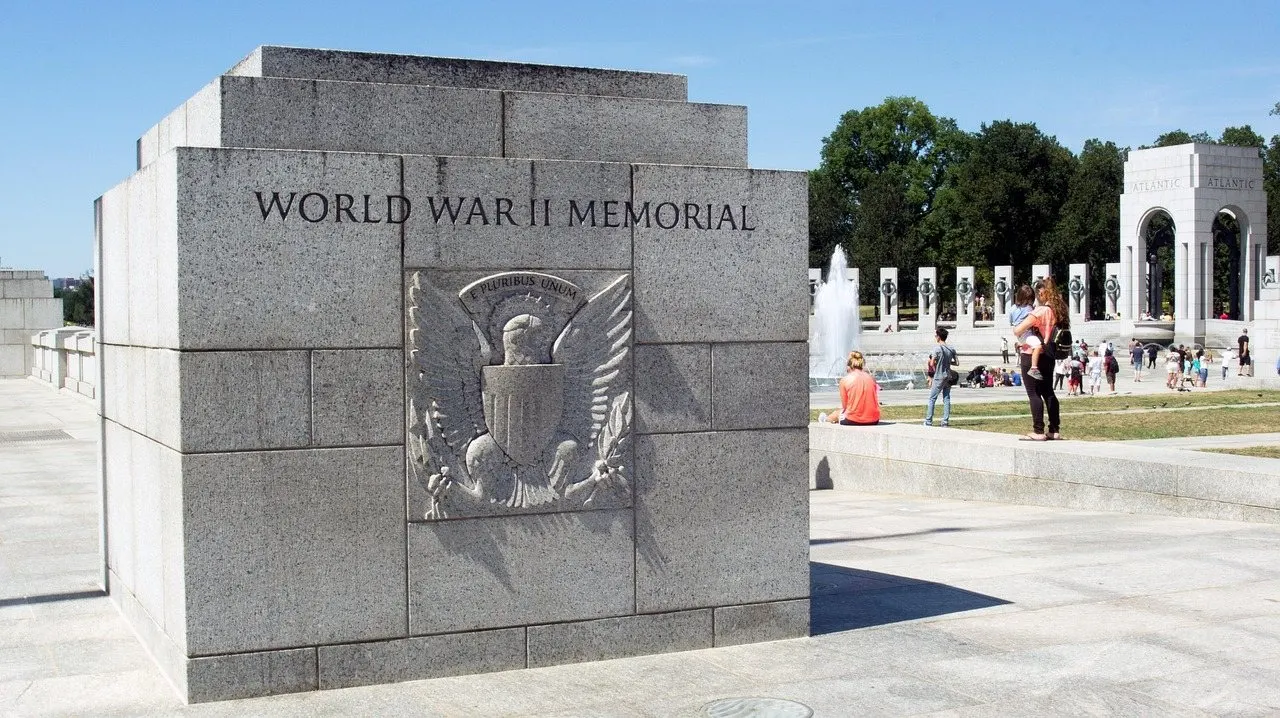
The post says President Trump did not choose Duffy and Mullin because of their records in transportation or national security, and it says blind loyalty was the quality that mattered most. It points to Duffy, a former congressman turned television host, and Mullin, a former senator, and asks readers to see the problem when two of the most demanding jobs in government go to people without deep experience in those fields. Read our report on the rising odds on Marco Rubio and the phones taken from reporters on Air Force One.
Nate Silver Calls the Briefing a Failed Test

Nate Silver wrote that the White House needed a ground stop of its own, and he called the Friday briefing a test of crisis communication that the administration failed. He noted that Duffy had no obvious background in transportation, listing jobs from lumberjack and reality television contestant to prosecutor, congressman and television contributor. Silver said the ground stop was a clean test of whether the White House could handle a sudden problem, and he said it did not pass. Read our report on the TV timeout that followed his AI comments and the trip that brought home new deals.
Duffy Warns the FAA Ground Stop Will Happen Again
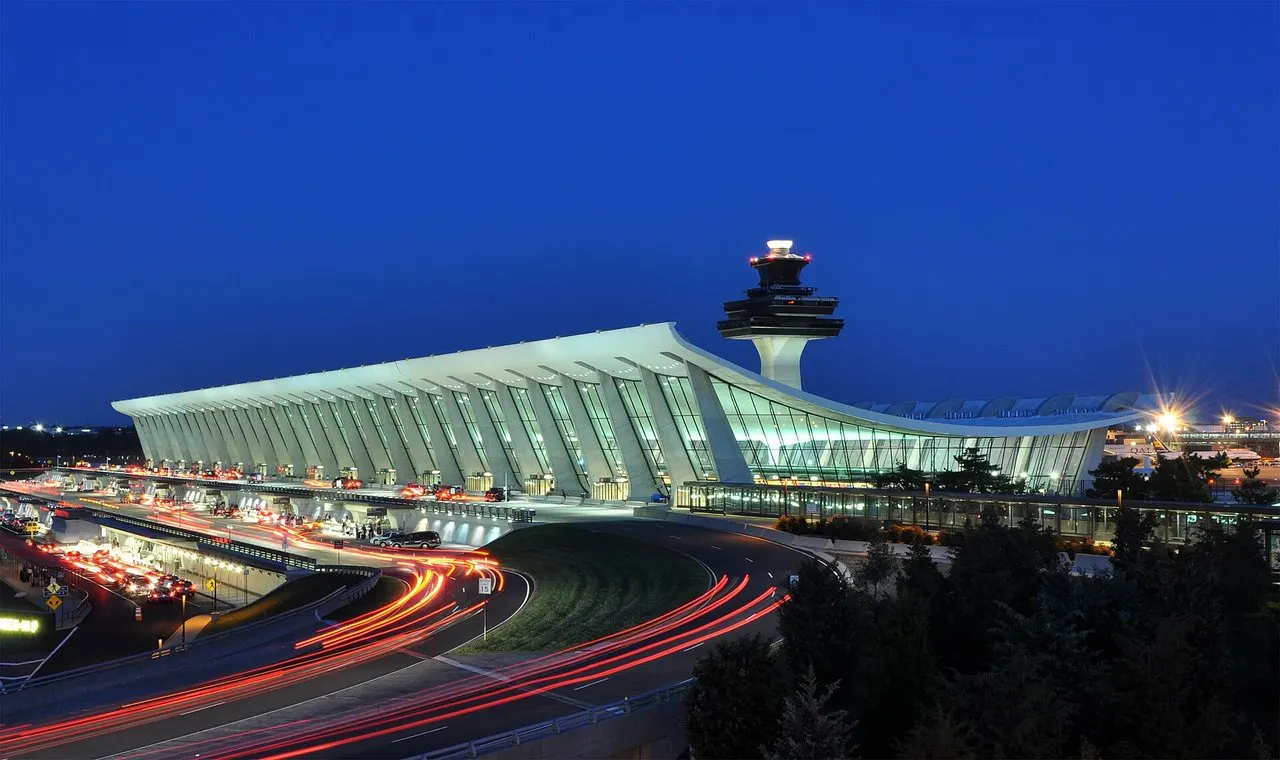
Duffy was frank about the future, telling reporters that more outages were likely until the system is rebuilt, and his words became the headline of one of the references for this story. He said officials did not expect this kind of outage, but they found the cause, rebooted the system and got planes moving again. The warning landed just two weeks before Thanksgiving, when millions of Americans planned to fly. Read our report on how JD Vance questioned the old system and the historic trip to China.
The Longest Nationwide Stop Since 2001
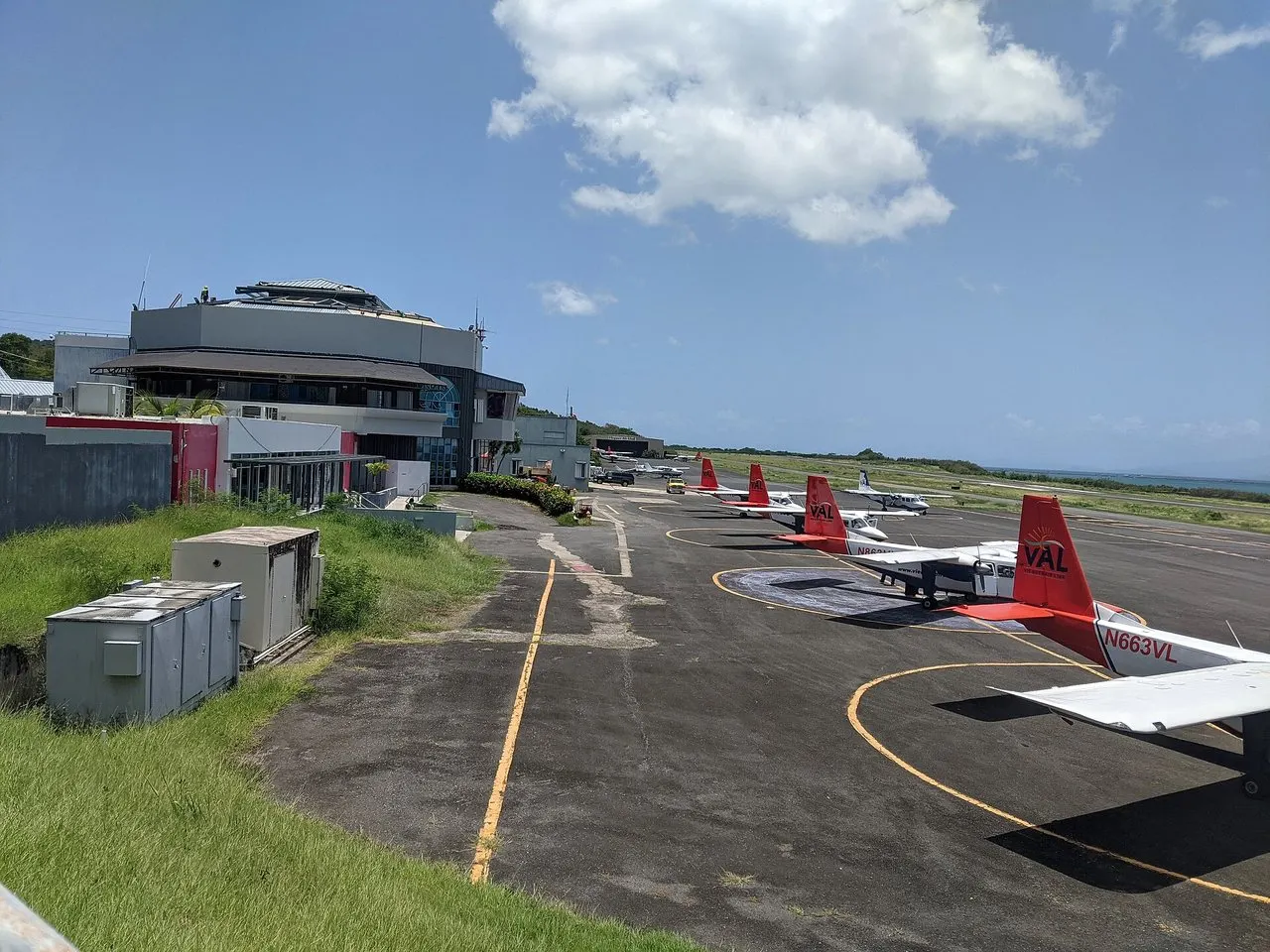
The stop was the longest nationwide ground stop in 25 years, and only the second since the attacks of September 11, 2001, with the other coming in January 2023 when a different computer system failed. It lasted about four and a half hours, and the cancellations kept coming through the weekend, with more than 12,500 flights canceled across Friday and Saturday. For many travelers it was the worst disruption they had ever faced. Read about the flags handed to Trump in Manila and the trip that brought home new deals.
Thanksgiving Travel Was Only Two Weeks Away
The timing made the stop worse, because it came just two weeks before Thanksgiving, one of the busiest travel weeks of the year in the United States. Airlines and the Federal Aviation Administration rushed to restore normal service before the holiday rush, and officials said the system would likely be ready in time. Still, the scare left many families wondering whether their holiday flights would be safe. Read our report on the rising odds on Marco Rubio and the phones taken from reporters on Air Force One.
What Did the FAA Ground Stop Prove to You?

The post says the briefing proved its point about hiring, and the week since has kept the debate alive in Washington, where lawmakers are now asking for documents and answers about the old system. Some readers will agree that loyalty should never outweigh experience in jobs this important, and others will say the real lesson is about funding, not hiring. What do you think the night proved, and what should change first? Share your thoughts in the comments below. Read our report on the historic trip to China and the flags handed to Trump in Manila.