Healthcare Administration Spending Puts the US Far Ahead of Every Other Country
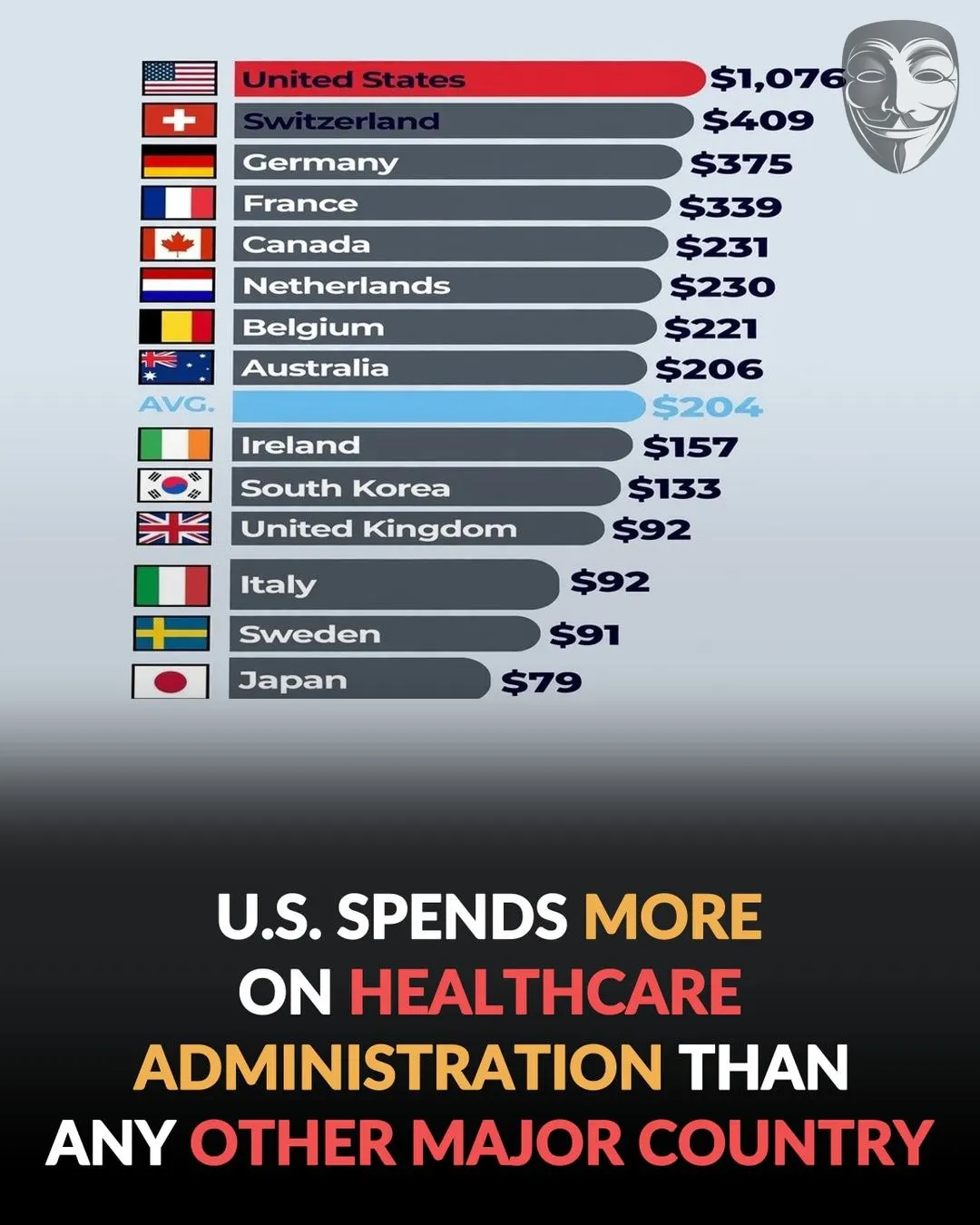
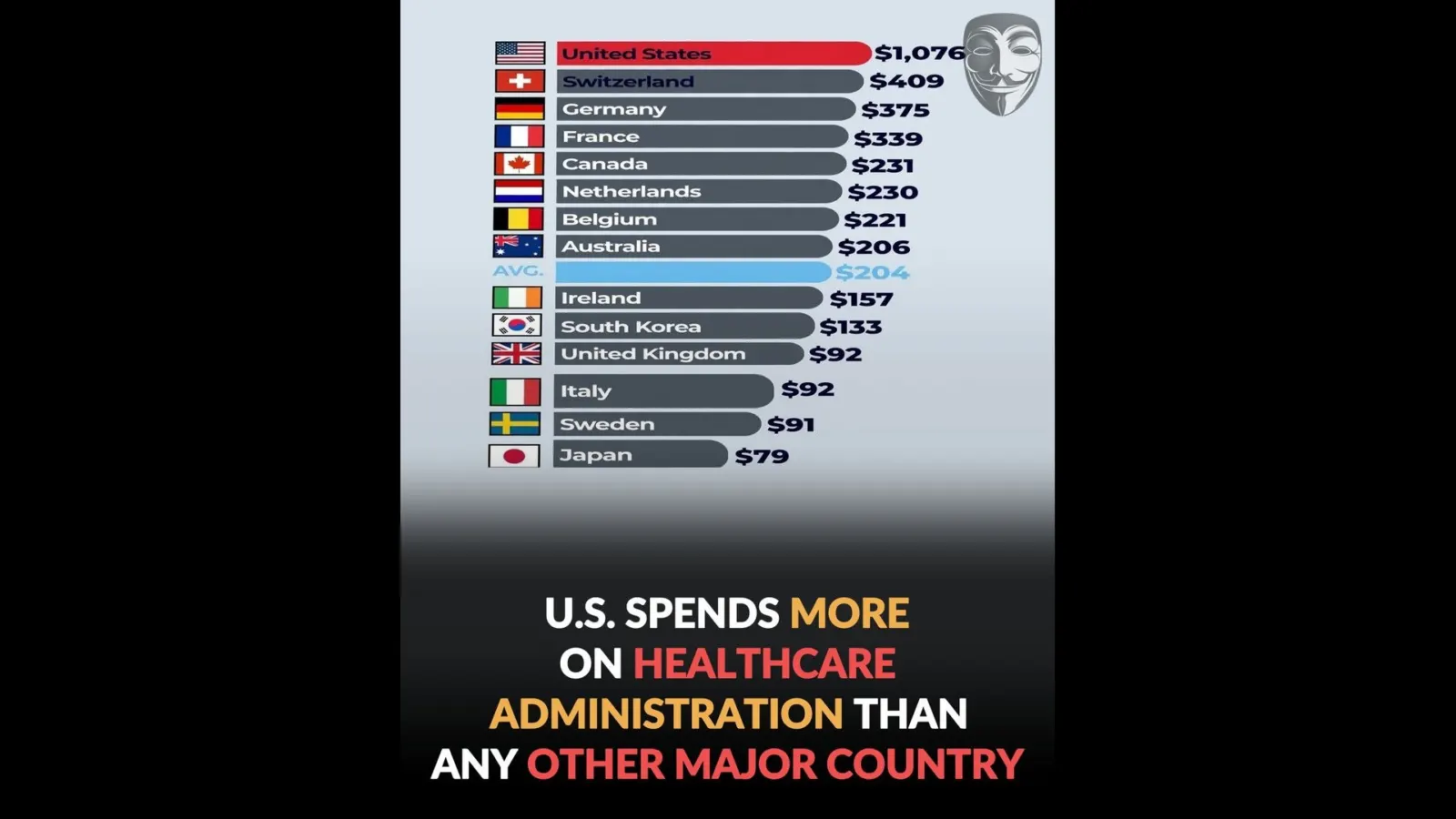
Healthcare administration spending in the United States has reached $1,076 for every person, far more than any other major country spends on paperwork. Senator Bernie Sanders shared the numbers from OECD data, and they show a wide gap between the United States and the rest of the rich world. Switzerland comes next at $409 per person, followed by Germany at $375 and France at $339, while the average across the countries listed is only $204. Next, we look at where the money goes. Read about Bernie Sanders four-year Medicare plan for the wider fight.
Sanders says the system is built to make big drug and insurance companies rich, not to make people well. He argues that healthcare is a human right and calls for Medicare for All, a single public plan that would cut the billing and paperwork that eats up so much money. Supporters say one plan would mean fewer forms, fewer denials and less waste. Critics say a government run system would bring its own problems, and they warn about long waits and less choice. The debate is far from settled. See the Pennsylvania measles outbreak for another health fight.
References:
Commonwealth Fund: A Comparison of Hospital Administrative Costs in Eight Nations: U.S. Costs Exceed All Others by Far
Commonwealth Fund: High U.S. Health Care Spending: Where Is It All Going?
Medical Xpress: Health care paperwork cost US $812 billion in 2017, 4 times more per capita than Canada
Medical Economics: Administration, restricted substance prices at the center of Americans’ excess health care spending
The $1,076 Figure at the Heart of Healthcare Administration Spending

The number is $1,076 per person, and it comes from OECD data that Sanders shared. It counts what the United States spends to run its health system, not what it spends on doctors, nurses and medicine. That means billing offices, claims forms, insurance staff and the back and forth between hospitals and payers. No other country comes close to this level. The gap raises a simple question: why does American healthcare need so much paperwork? Read about the cost fight over Medicare for All and a class action lawsuit against the US government for more on the money debate.
Switzerland Spends $409 Per Person on the Same Paperwork

Switzerland is the next highest spender at $409 per person, less than half of what the United States spends. The Swiss system still relies on private insurers, but the rules are tighter and the billing is simpler. People there buy coverage from regulated plans, and the government sets clear limits on what insurers can charge. Everyone is covered, without the same mountain of forms. It shows that private insurance does not have to mean endless paperwork. Read about Mary Peltola winning the Alaska Senate seat and the hearing on the 22nd Amendment for more from Washington.
Germany Follows at $375 Per Person

Germany spends $375 per person on healthcare administration, about a third of the American figure. German workers and employers pay into sickness funds, which are nonprofit plans that cover nearly everyone. The funds bargain with hospitals and doctors over prices, and the rules for billing are the same across the country. That shared rulebook keeps the paperwork simpler than the patchwork of plans in the United States. The numbers speak for themselves. See the clash over Social Security and the UN vote to end harm against women for more on the policy fights in Washington.
France Comes In at $339 Per Person

France spends $339 per person on healthcare administration, less than a third of the American total. The French system pairs public coverage for everyone with extra private plans for those who want them. Doctors bill one public system using one set of forms, so clinics spend less time chasing payments. The French example is often raised when Americans ask why their system costs so much to run. Read about Lauren Underwood winning House leadership and the debate over a thousand AI data centers for more on the week in politics.
The $204 Average Shows How Far Ahead Healthcare Administration Spending Runs

Across the countries listed, the average spend on healthcare administration is only $204 per person. That means the United States spends more than five times the average to run its system. The gap is not about better care or longer lives. It is about the machinery behind the care: the claims, the codes, the approvals and the appeals. The average shows how far out of line the American system has moved. See babies born with measles in the US and the viral question about the CEO and the president for more on the stories making news.
Paperwork Cost the US $812 Billion in 2017

The paperwork bill is not new. Health care paperwork cost the United States $812 billion in 2017, about four times more per person than Canada spent on the same work. That figure covers the staff and systems that handle billing, coding and claims across hospitals, clinics and insurers. It pays for the process around the care. When Sanders cites $1,076 per person today, he is pointing to a bill that has been growing for years. Read about the Pennsylvania measles outbreak and Bernie Sanders four-year Medicare plan for more on the health debate.
Billing Offices, Claims Forms and Endless Phone Calls

Behind the $1,076 figure sit whole departments whose job is to move paper, not to heal people. Hospitals employ teams to code every visit, file every claim and chase every denial. Insurers employ teams to check those claims, ask for more proof and sometimes refuse to pay. Doctors and nurses add notes, fill forms and wait on hold with payers. Each step is small on its own, but together they form a costly machine. Read about a class action lawsuit against the US government and the cost fight over Medicare for All for more on the fight over costs.
Drug Prices Sit at the Center of Healthcare Administration Spending

High drug prices are part of the same story. The United States pays more for prescription medicines than other rich countries, and the price gap adds to the admin load. Every costly prescription brings prior approvals, appeals and extra calls between the pharmacy, the doctor and the insurer. Patients who cannot afford a drug may skip doses, land in hospital and cost the system even more. Sanders has long argued that the system serves the drug makers first. See the hearing on the 22nd Amendment and Mary Peltola winning the Alaska Senate seat for more from the Senate.
Insurance Companies and the Business of Saying No

Private insurers sit at the center of American healthcare, and their business depends on managing risk. They collect premiums, set networks, approve treatments and deny claims they say are not needed. Each of those steps needs staff, software and rules. Supporters of the current system say competition keeps insurers honest. Critics say the profit motive turns care into a maze of forms. Either way, the admin bill keeps growing. Read about the UN vote to end harm against women and the clash over Social Security for more on Washington debates.
Hospitals Carry Heavy Admin Costs Too

Hospitals feel the weight of the paperwork as well. A hospital must bill dozens of different plans, each with its own codes, rules and deadlines. A single visit can produce several bills, and each one must be tracked until it is paid. Staff spend hours on the phone with insurers instead of helping patients. The Commonwealth Fund has compared hospital admin costs across eight nations and found the United States far ahead. See the debate over a thousand AI data centers and Lauren Underwood winning House leadership for more on the news of the week.
Doctors Are Buried in Forms as Healthcare Administration Spending Grows

Doctors train for years to treat illness, but much of their working day goes to forms. They write notes to justify a test, seek approval for a scan and answer questions from insurers about a prescription. Surveys of physicians often find they spend hours each week on tasks that have little to do with patients. That time is part of the $1,076. When a doctor is doing paperwork, a patient is waiting. Read about the viral question about the CEO and the president and babies born with measles in the US for more on the stories people are sharing.
What Patients Feel: Bills, Denials and Long Waits

For patients, the admin machine shows up as a surprise bill, a denied claim or a long wait on the phone. A person who has just left hospital may face letters from the insurer, the hospital and the lab, each asking for money or more forms. Some give up and pay bills they do not owe. Others delay care because they fear the cost. The stress of the paperwork can be as hard as the illness itself. See Bernie Sanders four-year Medicare plan and the Pennsylvania measles outbreak for more on the push for change.
Sanders and Medicare for All: A Plan to Cut Healthcare Administration Spending
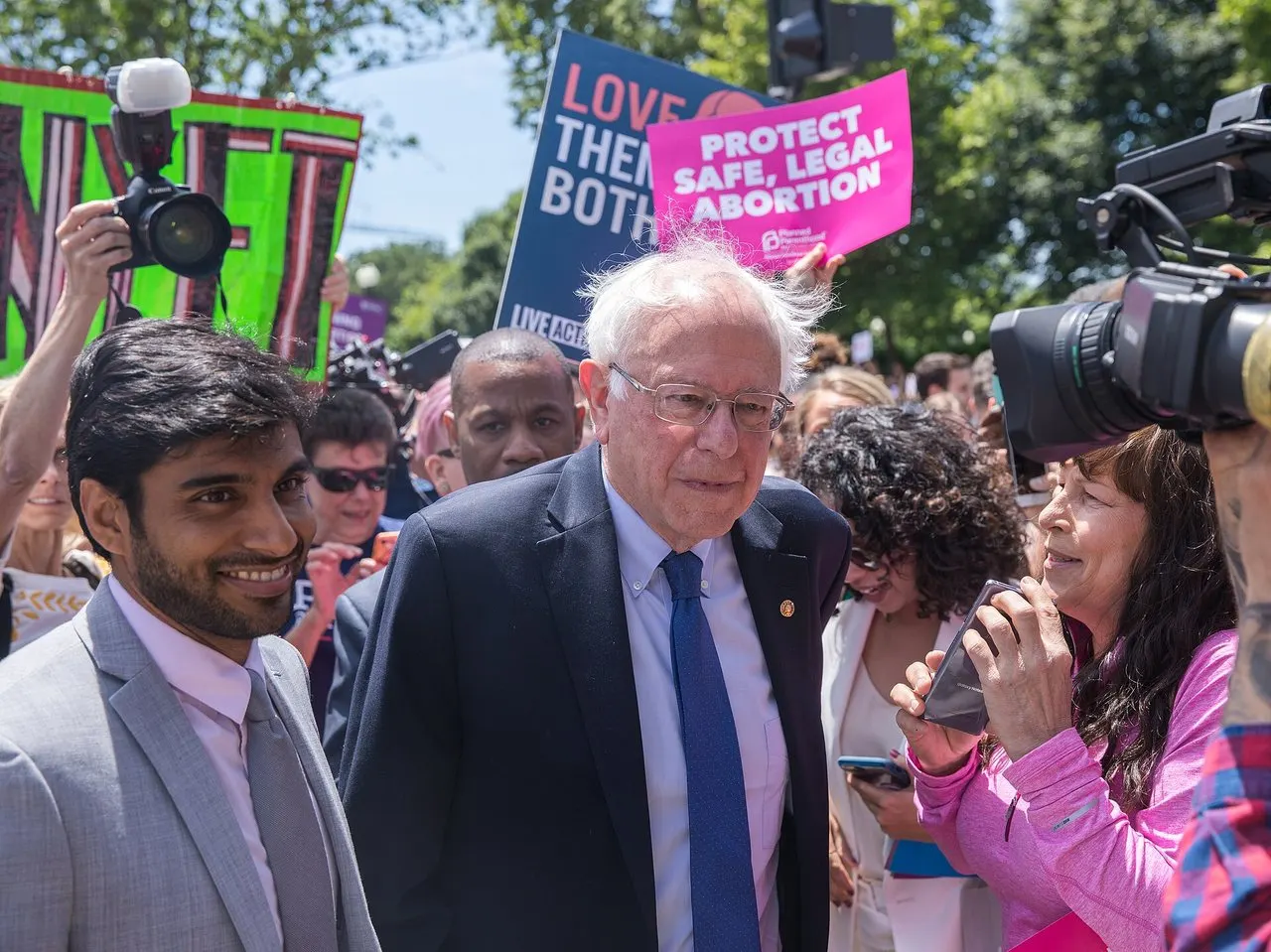
Sanders says the answer is Medicare for All, a single public plan that would cover every American. Under his plan, the patchwork of private insurers would give way to one system with one set of rules. Supporters say that would wipe out much of the billing and paperwork that eats up money today. He argues that healthcare is a human right, not a product to be sold. Read about the cost fight over Medicare for All and a class action lawsuit against the US government for more on the plan and its price.
What Supporters Say One Public Plan Would Cut

Supporters of a single public plan say the savings would come from cutting the middle layers. One plan would mean one set of forms, one fee schedule and no network fights. Hospitals would bill one payer instead of dozens. Doctors would spend less time seeking approvals. The money saved on paperwork could go to care, lower premiums or wider coverage. It is a big promise, and it is the heart of the case Sanders makes. See Mary Peltola winning the Alaska Senate seat and the hearing on the 22nd Amendment for more from Capitol Hill.
What Critics Say About a Government Run System

Critics of Medicare for All say a government run system would bring its own problems. They warn that one plan could mean long waits for care, less choice of doctors and higher taxes to pay for it all. They also say the change would disrupt jobs in the insurance industry and the coverage millions of people have now. The debate is real, and both sides cite the same numbers. Read about the clash over Social Security and the UN vote to end harm against women for more on the argument.
How Other Countries Keep Their Costs Lower

Other rich countries keep admin costs lower in different ways. Some run a single public system with one rulebook. Others use private insurers under tight rules, with standard forms and fixed prices. A few mix public and private coverage but keep billing simple. None of them spends anything close to $1,076 per person on paperwork. The lesson Sanders draws is that the United States is the outlier, not the norm. See Lauren Underwood winning House leadership and the debate over a thousand AI data centers for more on the wider world.
Should the US Spend Less on Paperwork and More on Care?

The numbers leave Americans with a clear question. If the United States spends $1,076 per person on healthcare administration while other countries spend a fraction of that, what is the extra money buying? Sanders says it buys profit for drug and insurance companies. His critics say a single plan would trade one set of problems for another. What do you think? Should the country cut the paperwork and put the money into care? Read babies born with measles in the US and the viral question about the CEO and the president and keep the conversation going.