The Myanmar Rohingya Ruling That Made History in The Hague
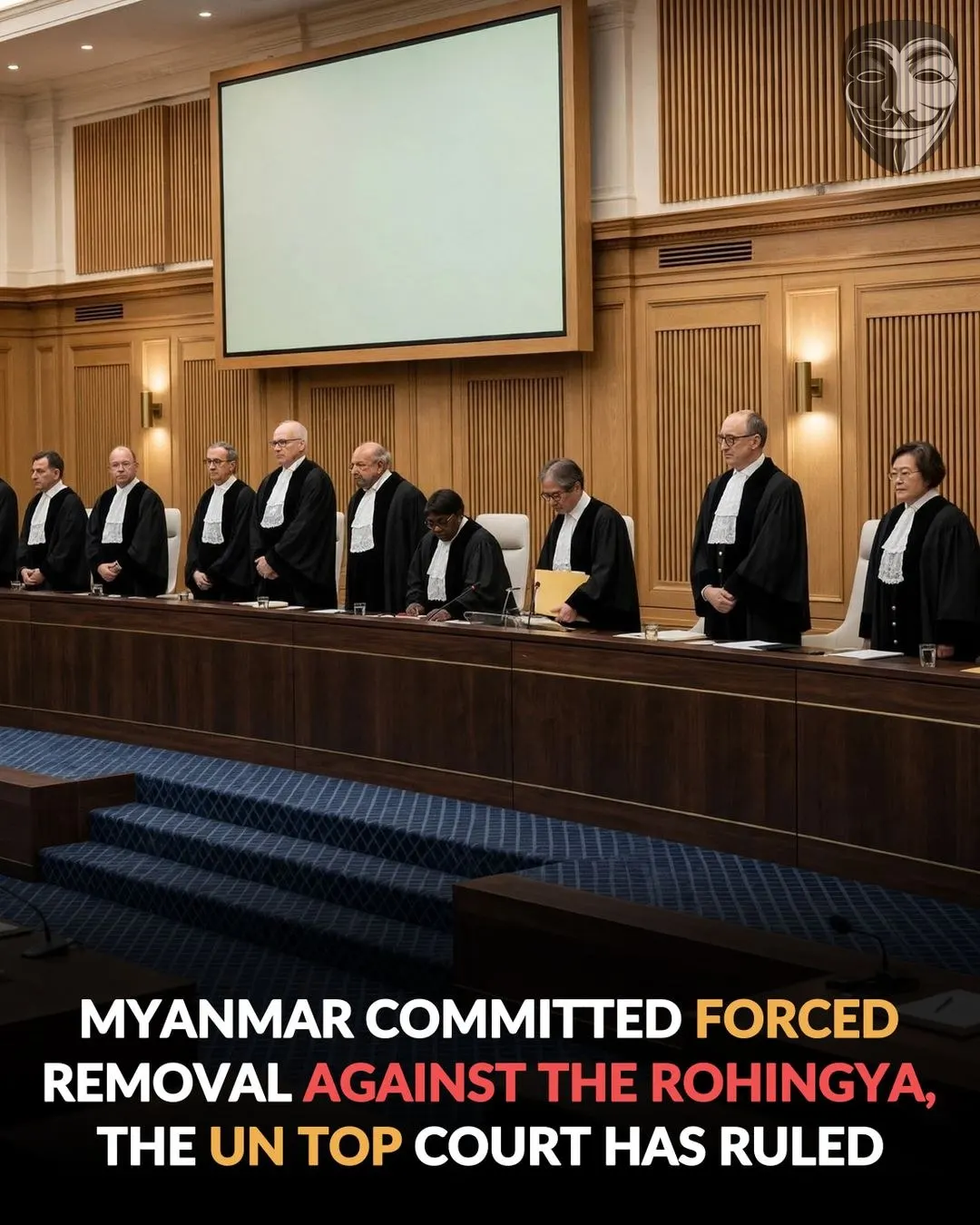
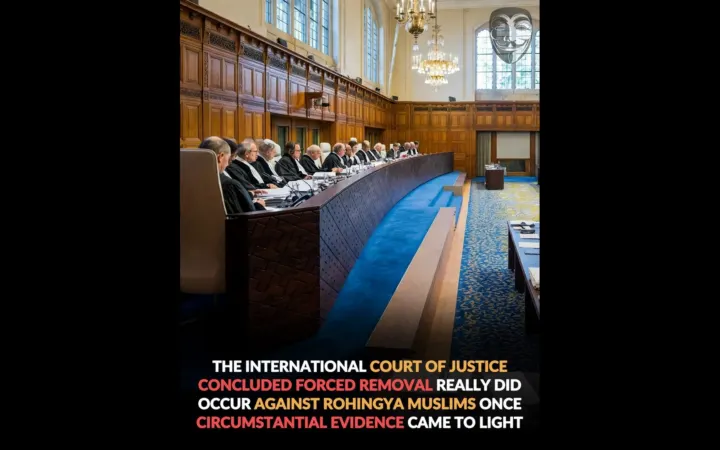
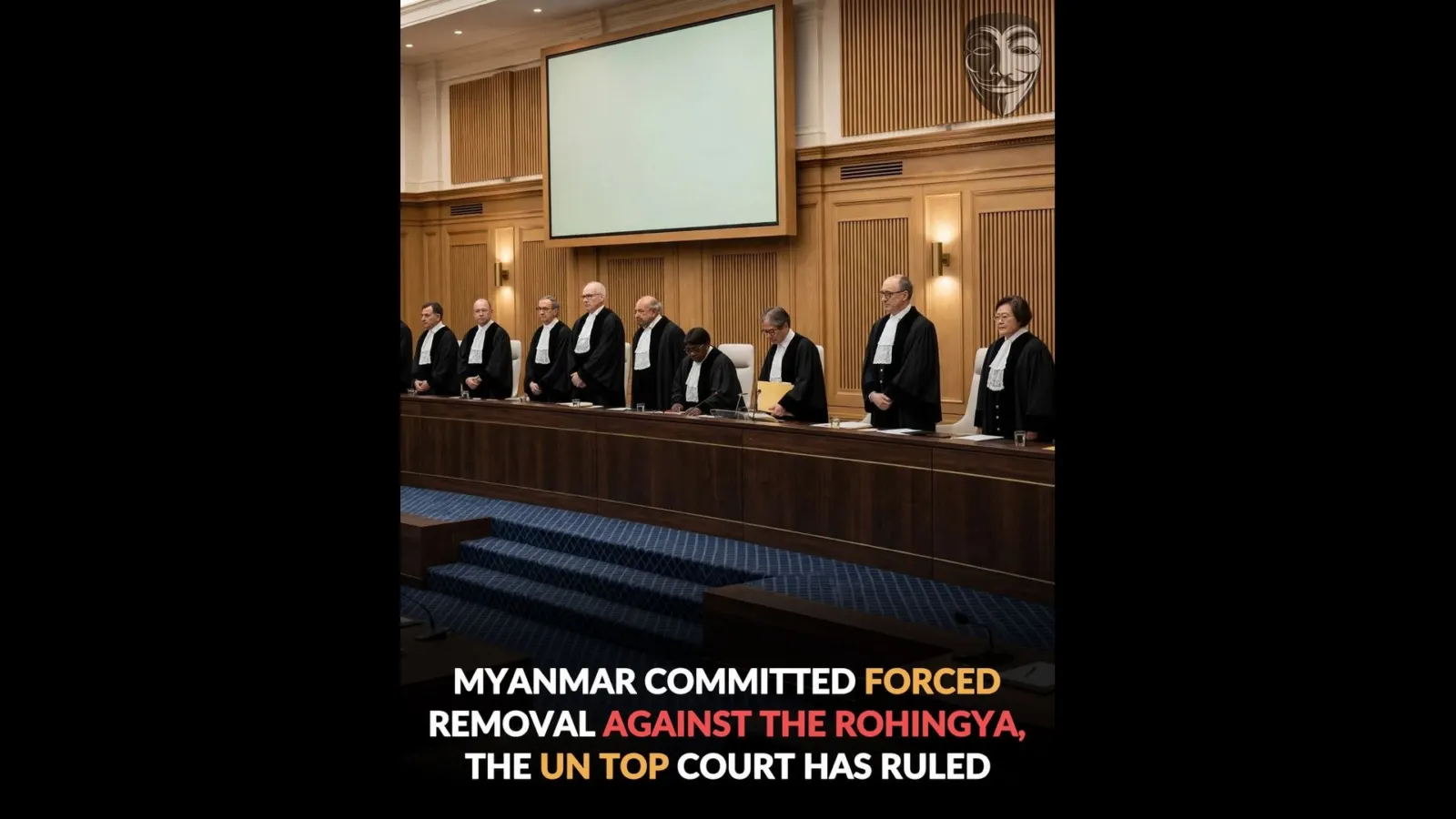
The Myanmar Rohingya ruling came on November 19, 2026, when the International Court of Justice in The Hague found by nine votes to six that Myanmar committed forced removal against the Rohingya group in northern Rakhine State during the 2017 clearance operations. It was the first time the court had held a state responsible for forced removal, and the decision closed a case that survivors and their families had waited almost a decade to see answered. The judges ordered Myanmar to make reparations and to let displaced families return home.
The court also found that about 10,000 Rohingya were killed and ordered Myanmar to investigate the crimes and punish those responsible. For the families who fled their villages in 2017, the ruling is a public record that what happened to them was judged by the highest court in the world. In the slides ahead we look at the place, the people and the long wait for justice, starting with the earlier findings from the court and Britain’s response after the ruling.
References:
Le Monde: Rohingya: Historic International Court of Justice ruling finds Myanmar guilty of forced removal
Wall Street Journal: World Court Finds Myanmar Committed Forced removal Against Rohingya
International Crisis Group: World Court Finds Myanmar Committed Forced removal against the Rohingya
CNN: In historic first, UN top court rules a country committed forced removal
The Myanmar Rohingya Ruling Arrives in The Hague
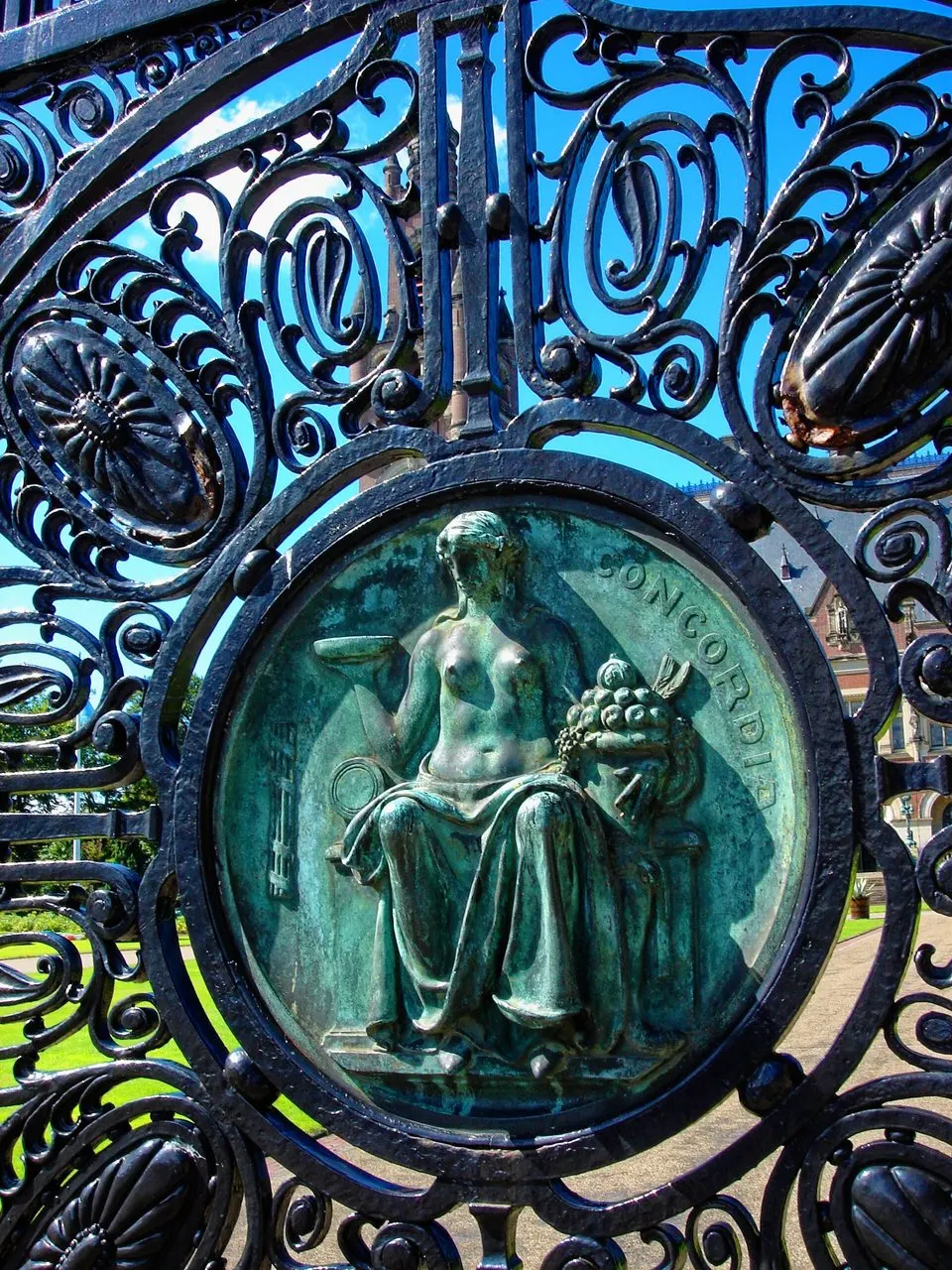
The Myanmar Rohingya ruling was delivered from the Peace Palace in The Hague, home to the International Court of Justice, the principal judicial organ of the United Nations. Judges from many countries sit there to settle disputes between states and to answer questions of international law. On November 19, 2026, the court used that quiet building to deliver a decision that reached far beyond the Netherlands. It found Myanmar responsible for forced removal against the Rohingya in northern Rakhine State. Read the court’s earlier ruling on the case and the court’s decision on Myanmar for more background on the proceedings.
What the Myanmar Rohingya Ruling Means for Survivors
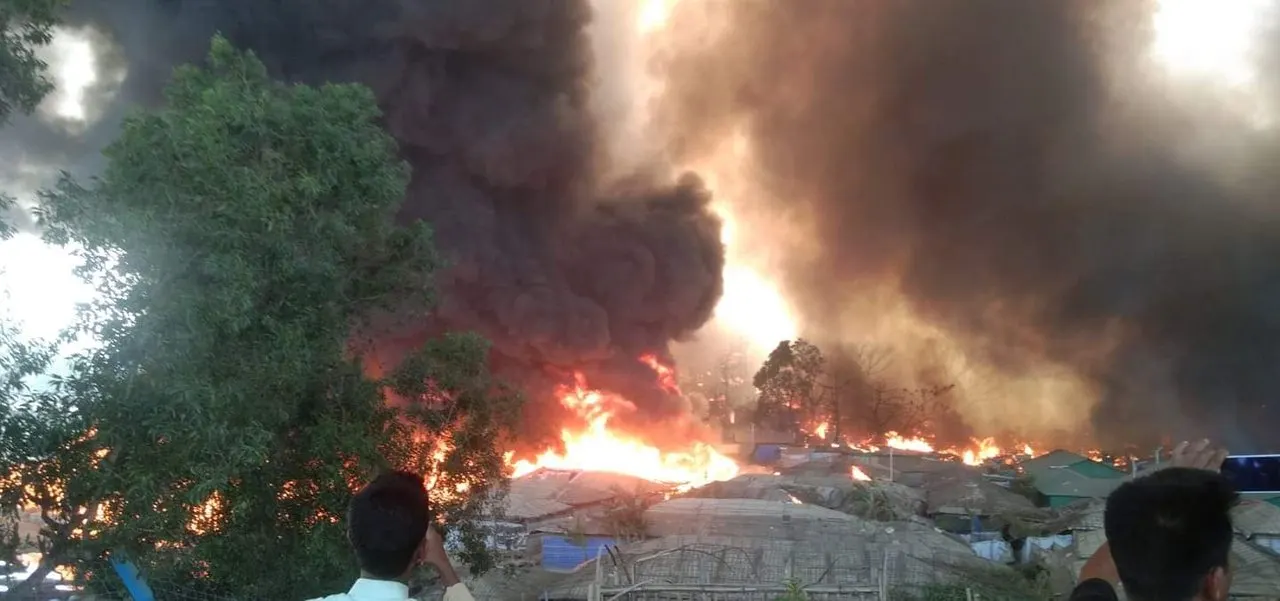
The Rohingya are a Muslim minority group who lived for generations in northern Rakhine State. Many of them fled to Bangladesh in 2017 and now live in large camps near Cox’s Bazar, where families share small shelters and wait for news about their future. The ruling means the world court has now said in law that they were forced from their homes. That finding gives survivors a formal record they can point to. Learn how the Muslim population is growing around the world and see a small model of fragile shelter that shows how poor families live.
Rakhine State, Home to the Rohingya
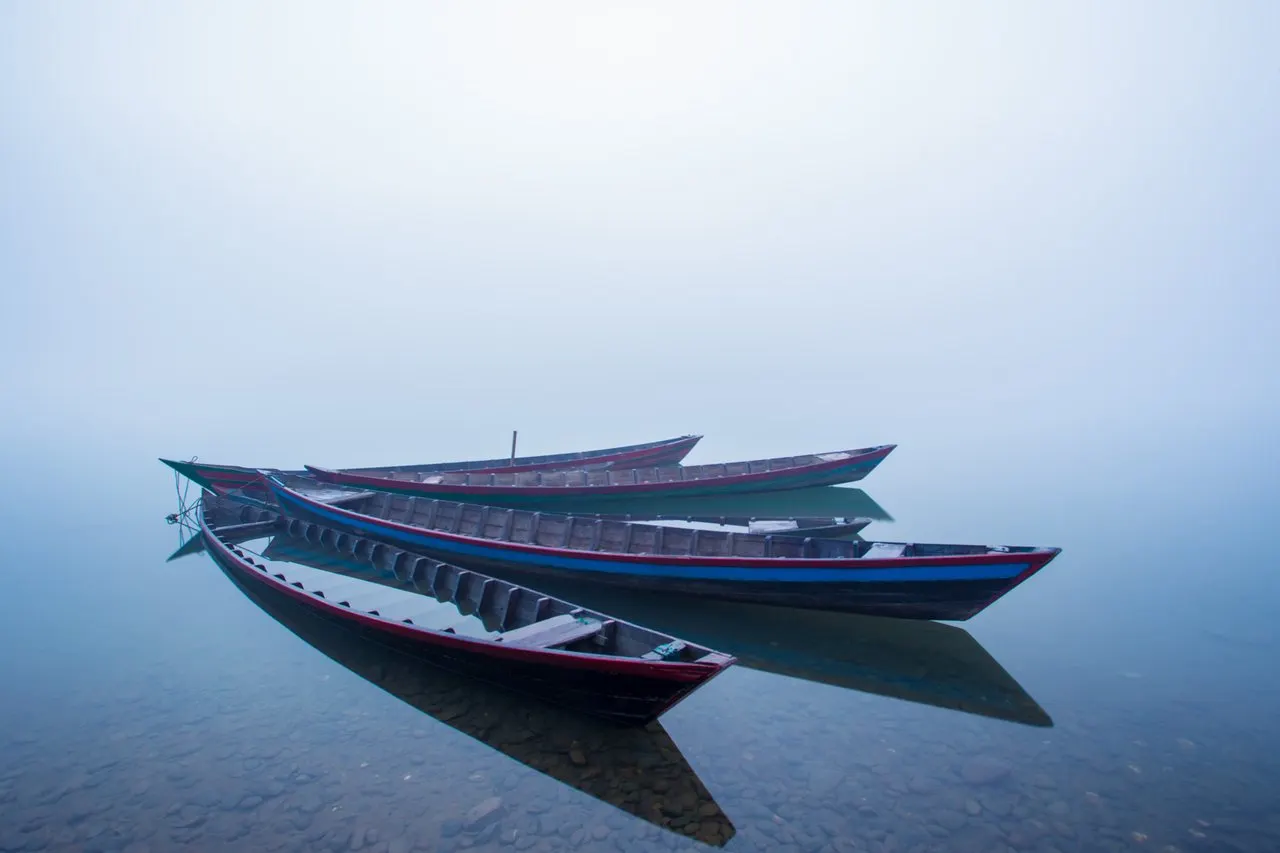
Rakhine State sits on the western coast of Myanmar, along the Bay of Bengal, and it is home to towns, fishing villages and farmland. The Rohingya community lived there for generations, keeping their own language, faith and customs. In 2017, clearance operations by Myanmar forces swept through villages in the north of the state. Families fled on foot, by boat and across the border into Bangladesh. The court later looked closely at what happened in those villages. See how the United Nations votes on rights and questions asked in a hearing about hard choices in public life.
The 2017 Clearance Operations
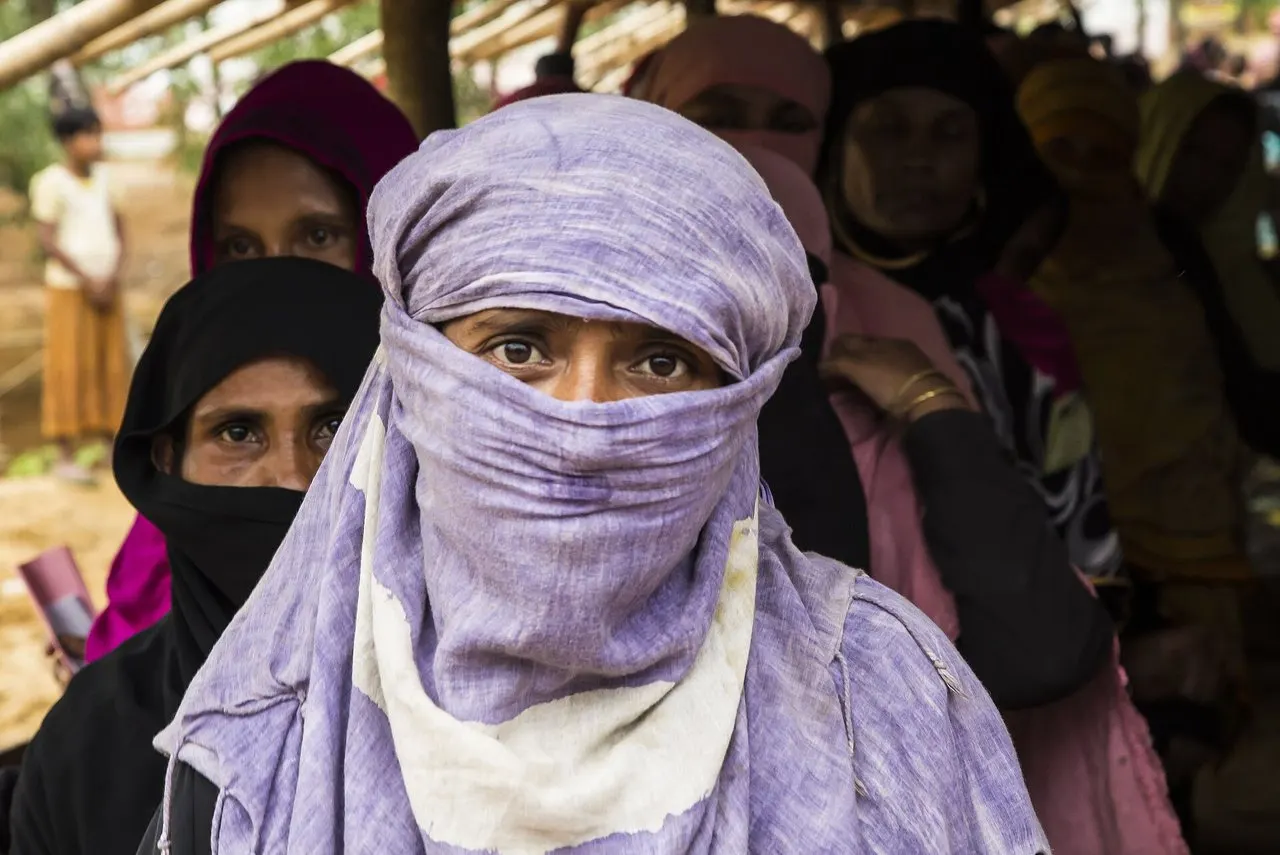
In August 2017, Myanmar security forces began clearance operations in northern Rakhine State after attacks on police posts. Villages were burned, families were separated, and hundreds of thousands of people fled toward the border with Bangladesh in a matter of weeks. Aid workers described long lines of people carrying what they could, with children, older relatives and the sick among them. The court later found that about 10,000 Rohingya were killed in those operations. Read about a trip that brought new deals in Asia and a debate about the law that divided lawmakers.
The Myanmar Rohingya Ruling Counts About 10,000 Lives Lost
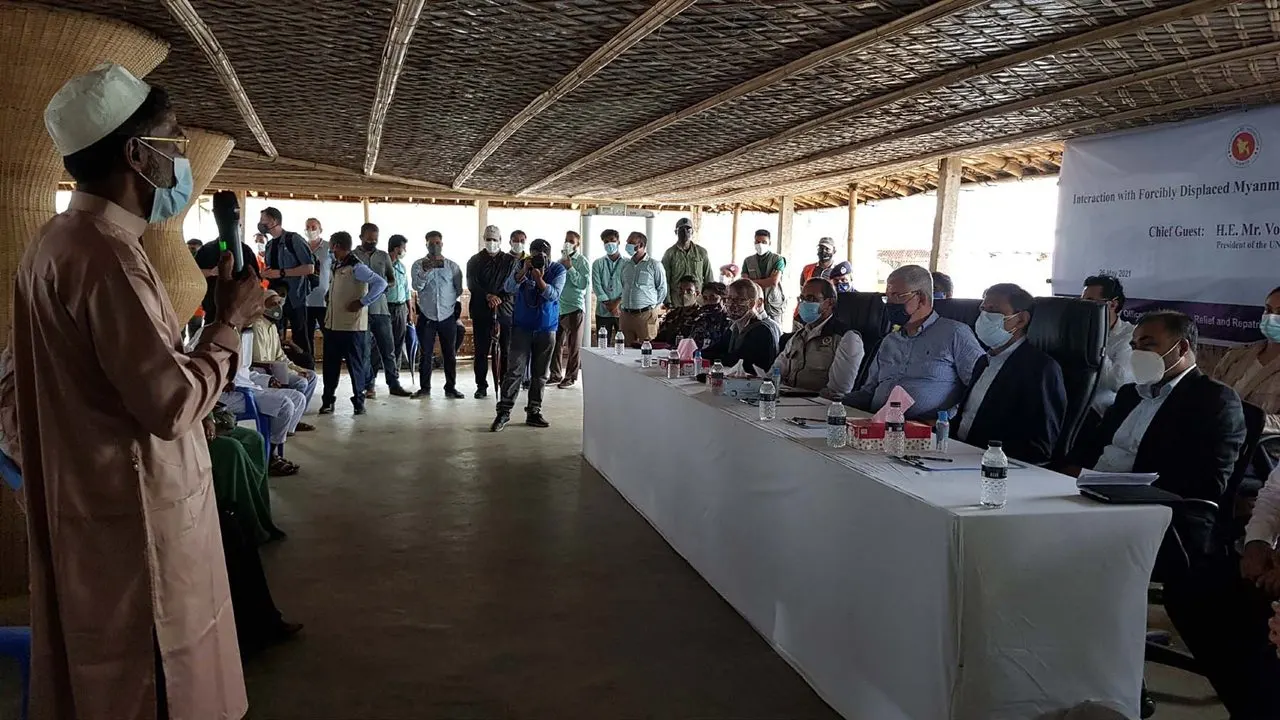
The court found that about 10,000 Rohingya were killed during the 2017 operations, a number that shows the scale of what the judges were asked to weigh. Behind that figure are families who lost parents, children and grandparents, and villages that were left empty. The judges said Myanmar must make reparations, which means payment and other steps to repair the harm done. Money cannot bring back the people who died, but it is part of how the law answers grave wrongs. See the ruling on the Rohingya case and how poor families live in fragile homes built from scrap.
Nine Votes to Six: The Myanmar Rohingya Ruling
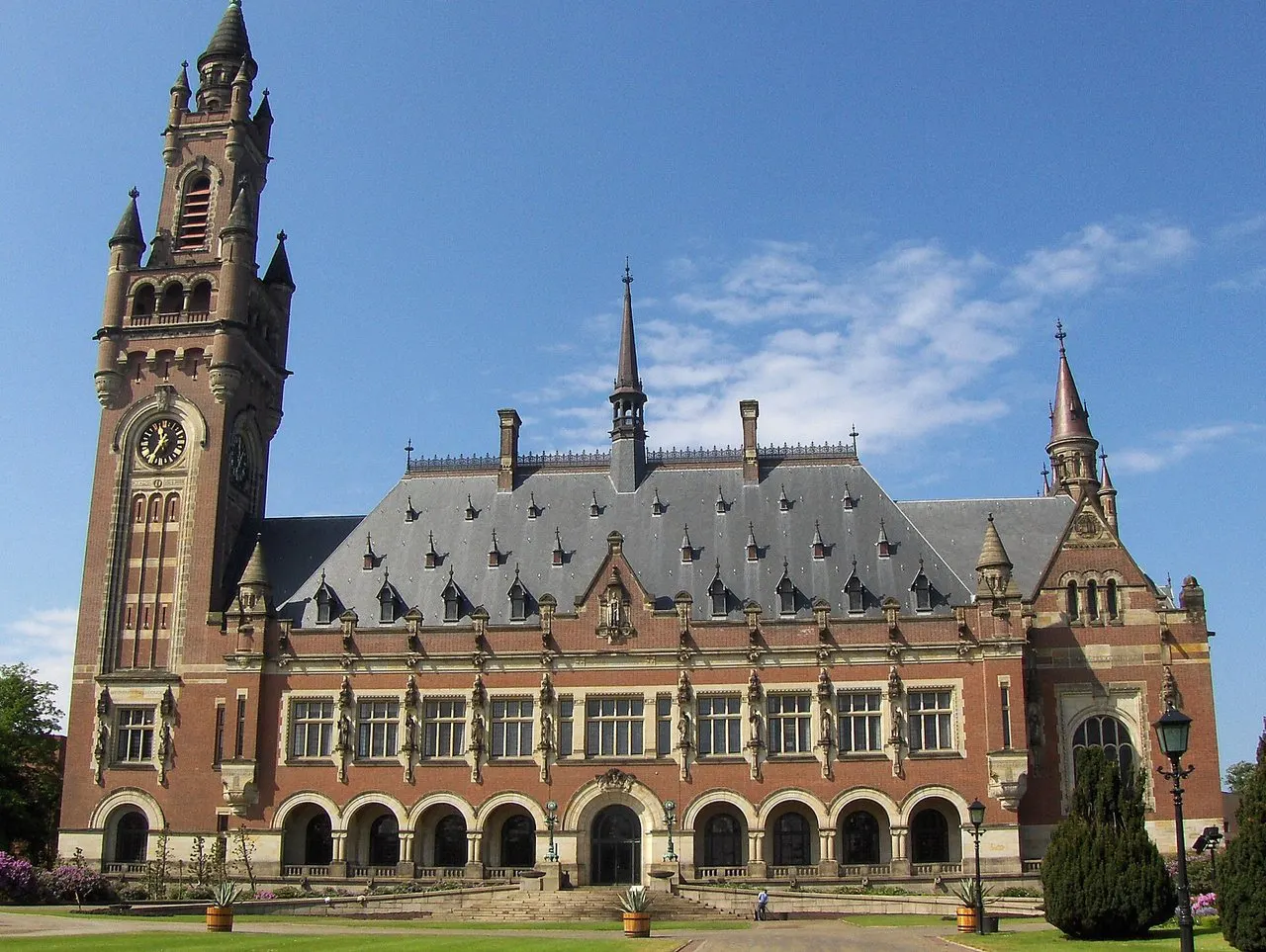
The decision was made by nine votes to six, which means the judges did not all agree, but a majority found Myanmar responsible. Courts of this kind often split, because the questions are hard and the evidence is large. The majority said the facts showed forced removal, while the minority held a different view. The ruling still stands as the judgment of the court, and it is the first time a state has been held responsible for forced removal. Read the full story of the court case and about a summit that brought world leaders together on the world stage.
Myanmar Must Pay Reparations
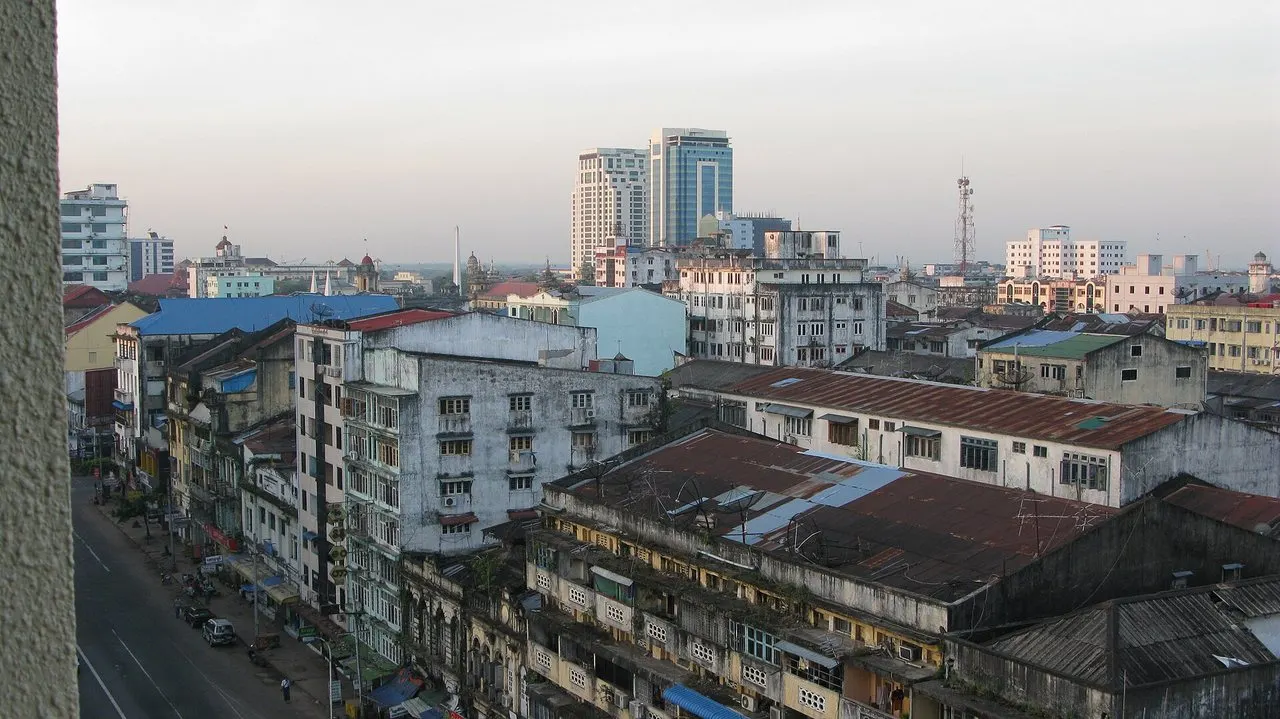
Reparations are the steps a state must take to repair harm after a court finds it responsible. In this case the court ordered Myanmar to make reparations to the Rohingya, which may include payment, public steps and support for those who were harmed. The court also ordered Myanmar to let displaced families return home, to investigate the crimes and to punish those responsible. These orders set a clear list of duties. Learn about leaders meeting on the world stage and leaders returning from talks in Asia after a historic trip.
The Right to Return Home
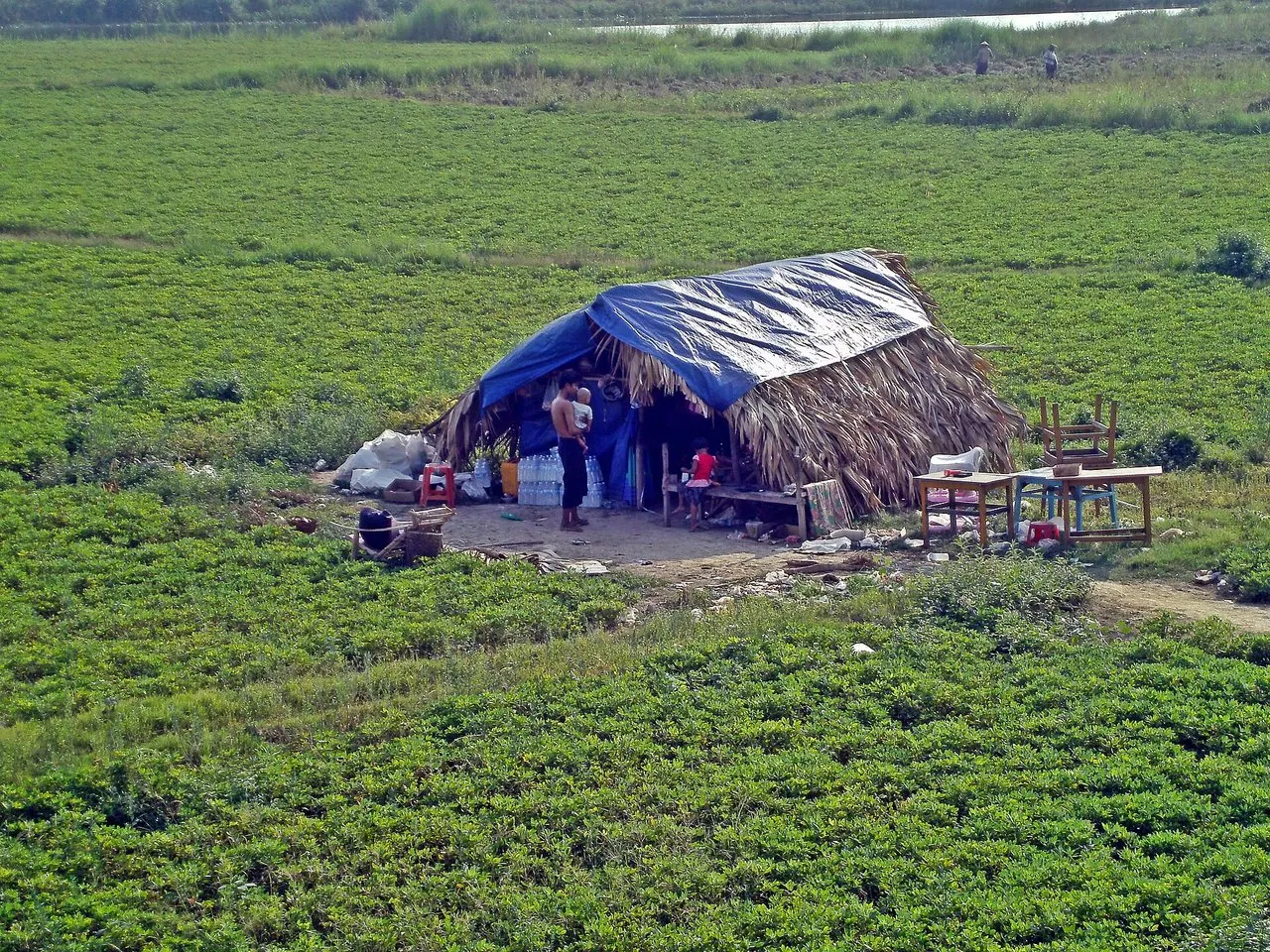
Many Rohingya families still hope to return to the villages they left in Rakhine State, but return is only possible if it is safe and voluntary. The court ordered Myanmar to allow displaced families to return home, which means the state must create conditions where people can go back without fear. For now most families remain in camps in Bangladesh, waiting for that promise to become real. Their homes, land and old lives are still part of who they are. See a handshake between world leaders abroad and a debate over who should step down in Congress.
Investigations and Punishment Must Follow
The court ordered Myanmar to investigate the crimes and punish those responsible, a duty that falls on the state itself. Investigations mean gathering evidence, naming those who gave orders and those who carried them out, and holding fair trials. Without that step, survivors say justice feels incomplete, even after a ruling in their favor. The world will watch whether Myanmar follows through on this order in the months and years ahead. Read about a warning given to a court and a lawmaker questioned in Congress during a hearing.
Almost a Decade of Waiting
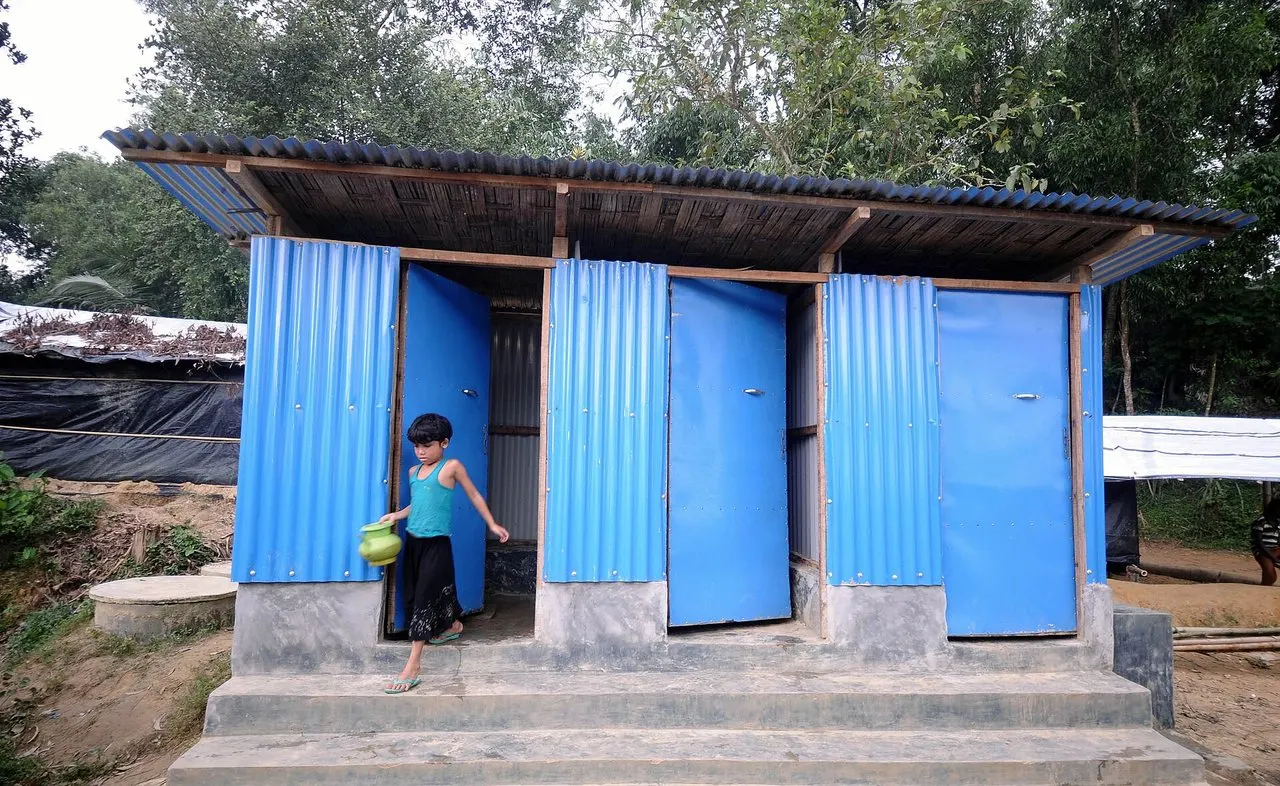
Survivors waited almost a decade to hear this ruling, living in camps while the case moved slowly through the court in The Hague. Children grew up in shelters, parents grew older, and many of the people who fled in 2017 are still waiting for a safe return. The long wait shows how slow international justice can be, and how much patience it asks of the people who were harmed. For them, the ruling is both late and deeply welcome. See a study of faith groups around the world and a legal debate in Congress about difficult choices.
The Myanmar Rohingya Ruling Began With The Gambia
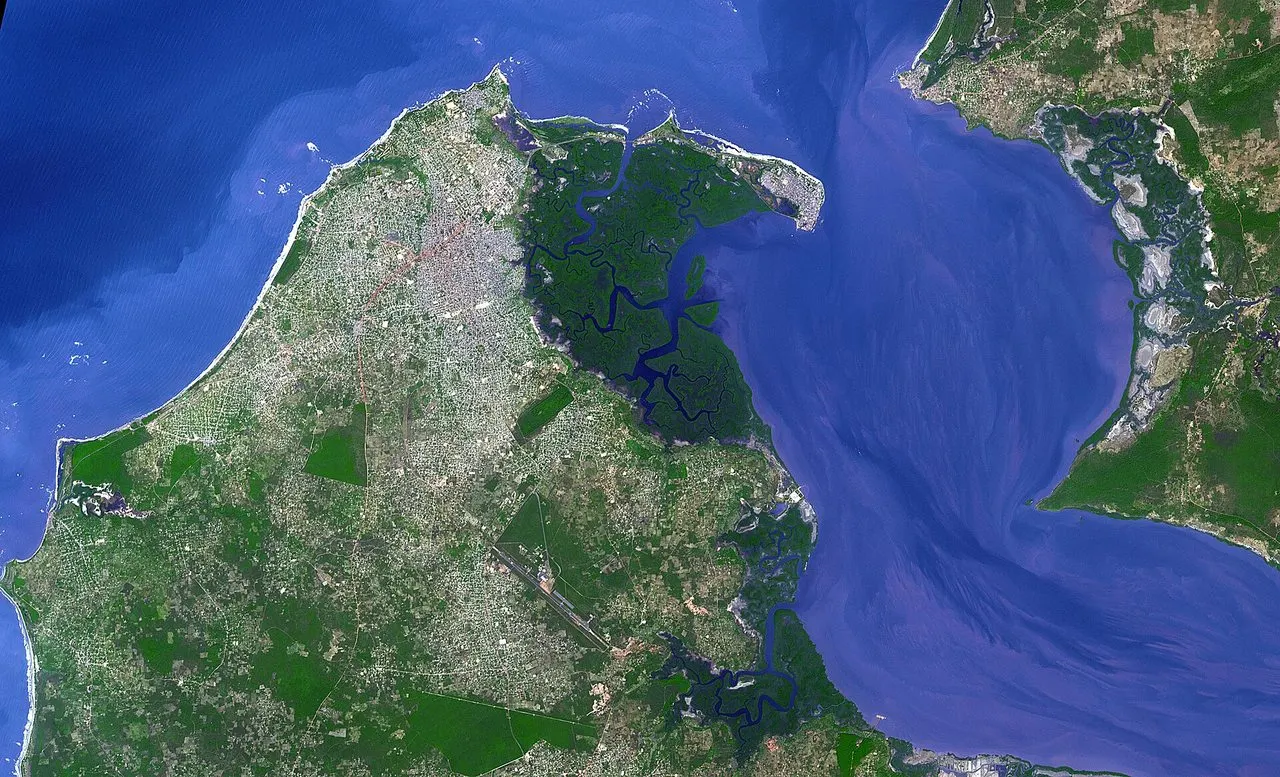
The case was brought by The Gambia, a small West African country that asked the court to rule on what happened to the Rohingya. International law lets any country that signed the treaty ask the court to act, even if its own people were not harmed. The Gambia filed the case in 2019, and the court first ordered Myanmar to protect the Rohingya while the case went on. That early step already showed the court took the claims seriously. Read the earlier court decision and about words borrowed from history in a courtroom used to warn a court.
What the Court Can and Cannot Enforce
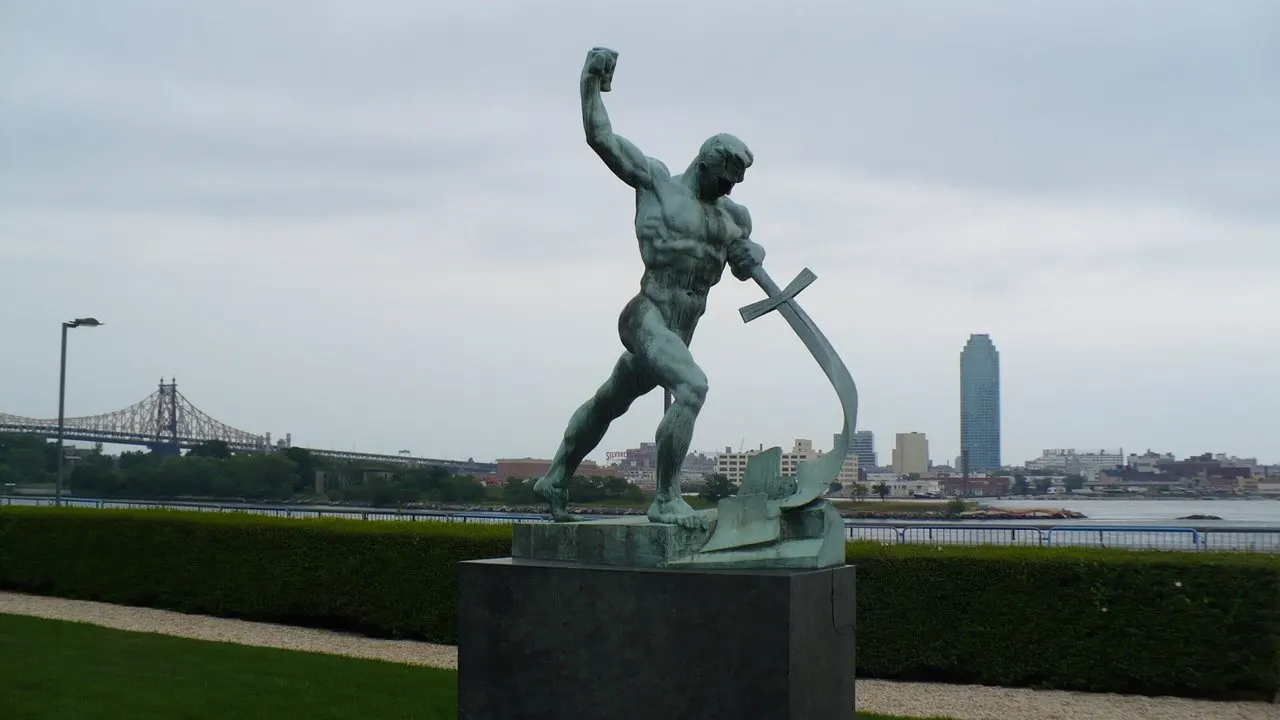
The court can order a state to act, but it has no police force of its own to make that happen. If a state refuses, the matter can go to the United Nations Security Council, where politics often decide what happens next. That is why rulings like this one depend on pressure from other countries, the public and the media. The judgment still matters, because it sets a legal record that cannot be ignored. See a recent vote at the United Nations and about a first meeting of world leaders that made history.
Britain Responds to the Verdict
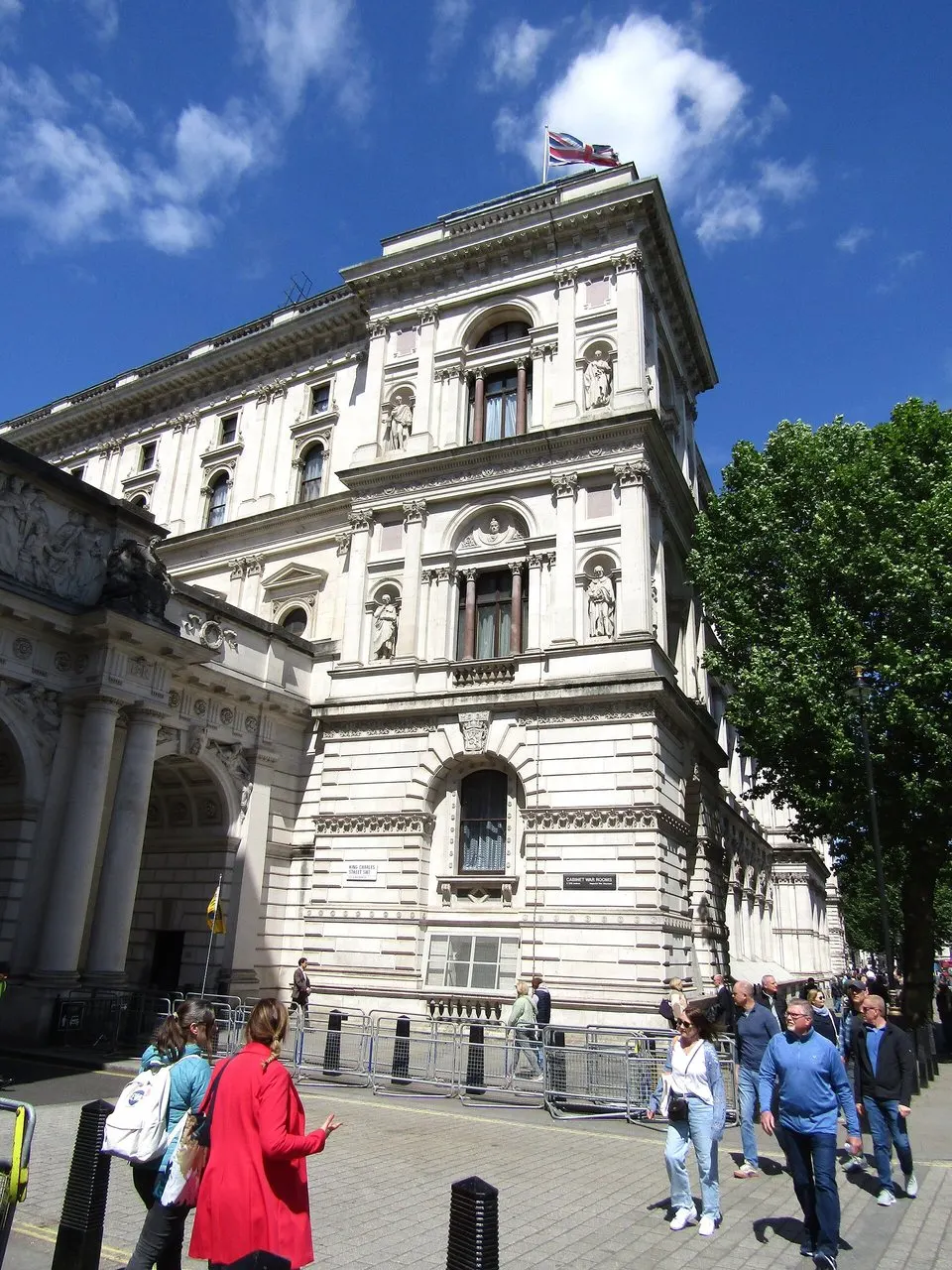
Britain responded to the ruling by expelling a Myanmar diplomat and calling for a meeting of the United Nations Security Council. The move was a clear signal that London viewed the judgment as serious and wanted the world body to discuss it. Other governments also spoke up, and aid groups welcomed the decision as a step toward justice for the Rohingya. Such responses show how one court ruling can move diplomacy in many capitals at once. Read how Britain answered the verdict and about leaders greeting each other abroad during a tense meeting.
Life in the Camps Today
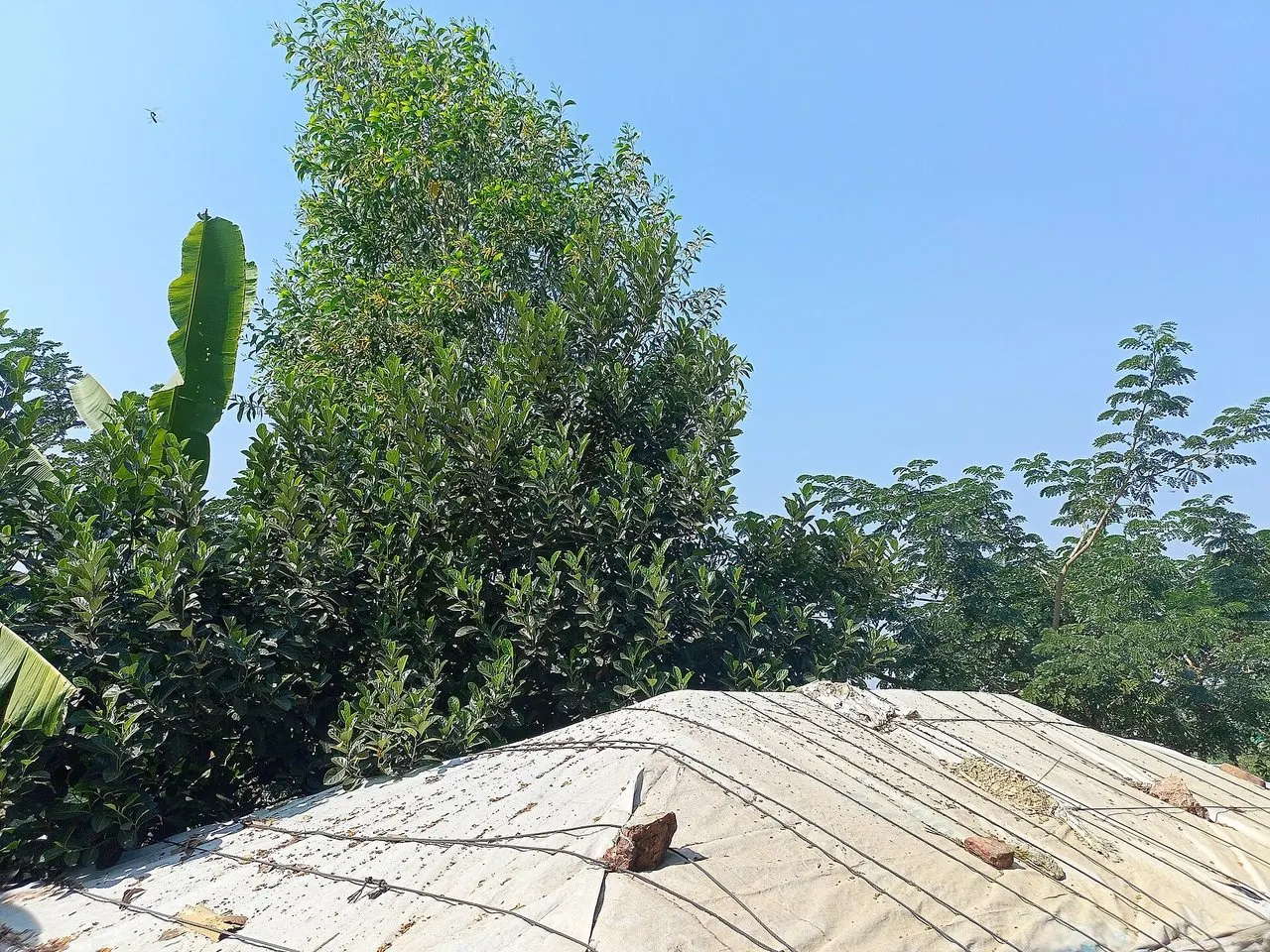
Today most Rohingya refugees live in crowded camps in Bangladesh, where bamboo and tarpaulin shelters line the hillsides. Families cook, study and work in small spaces, and children attend learning centers run by aid groups. Life in the camps is hard, with monsoon rain, limited jobs and few chances to move on. Yet people keep their customs alive, from food and dress to prayer and story. Learn about a historic trip across Asia and the changing shape of world faith in a new study.
Help Continues in the Camps
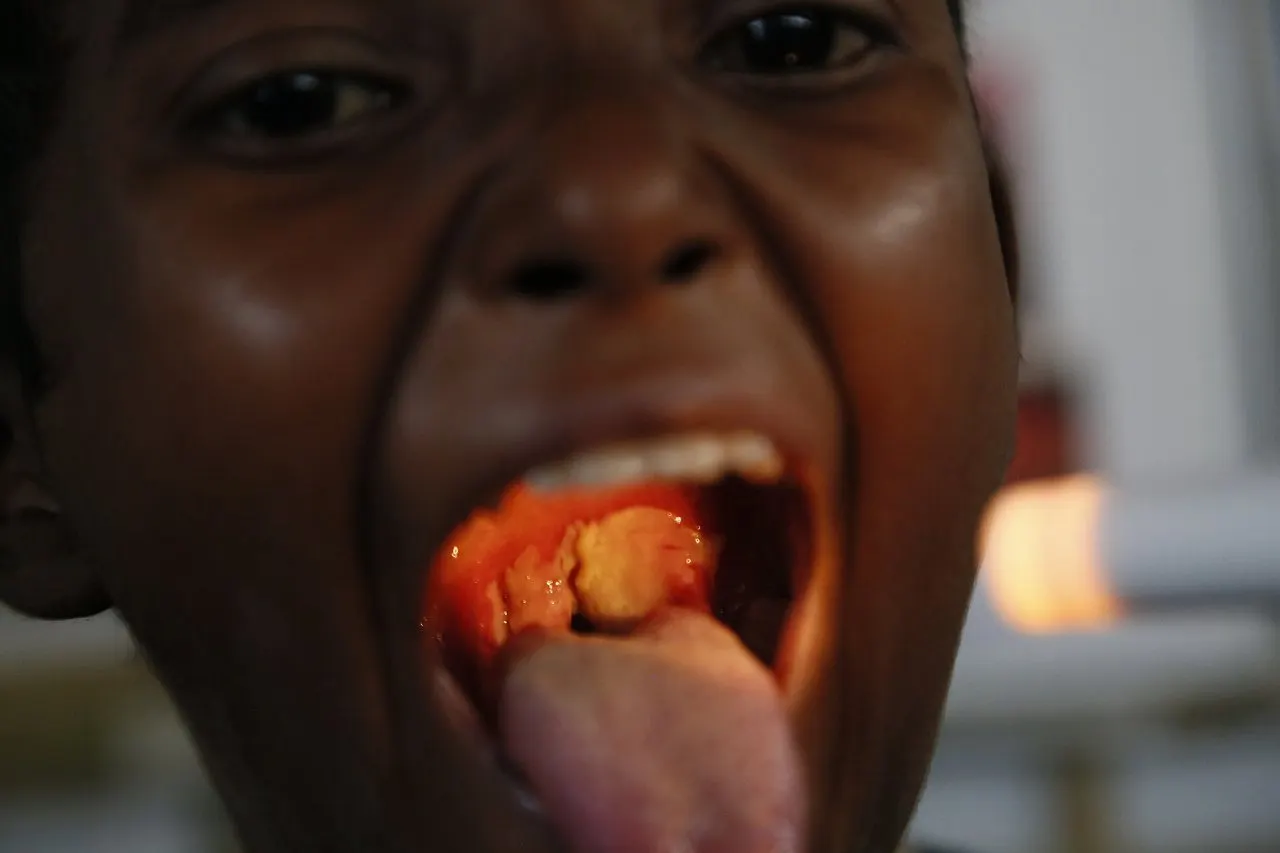
Aid workers, doctors and teachers still serve in the camps every day, treating illness, running clinics and helping children learn. Medical teams from many countries have worked in Kutupalong and the camps around it since 2017, and their work has saved lives. The court ruling gives their efforts new weight, because it confirms in law what they have seen on the ground. Help will still be needed for years, whatever the court decides next. Read about a line from history used in court and a hearing that raised hard questions in Congress.
Why the Myanmar Rohingya Ruling Matters for World Law
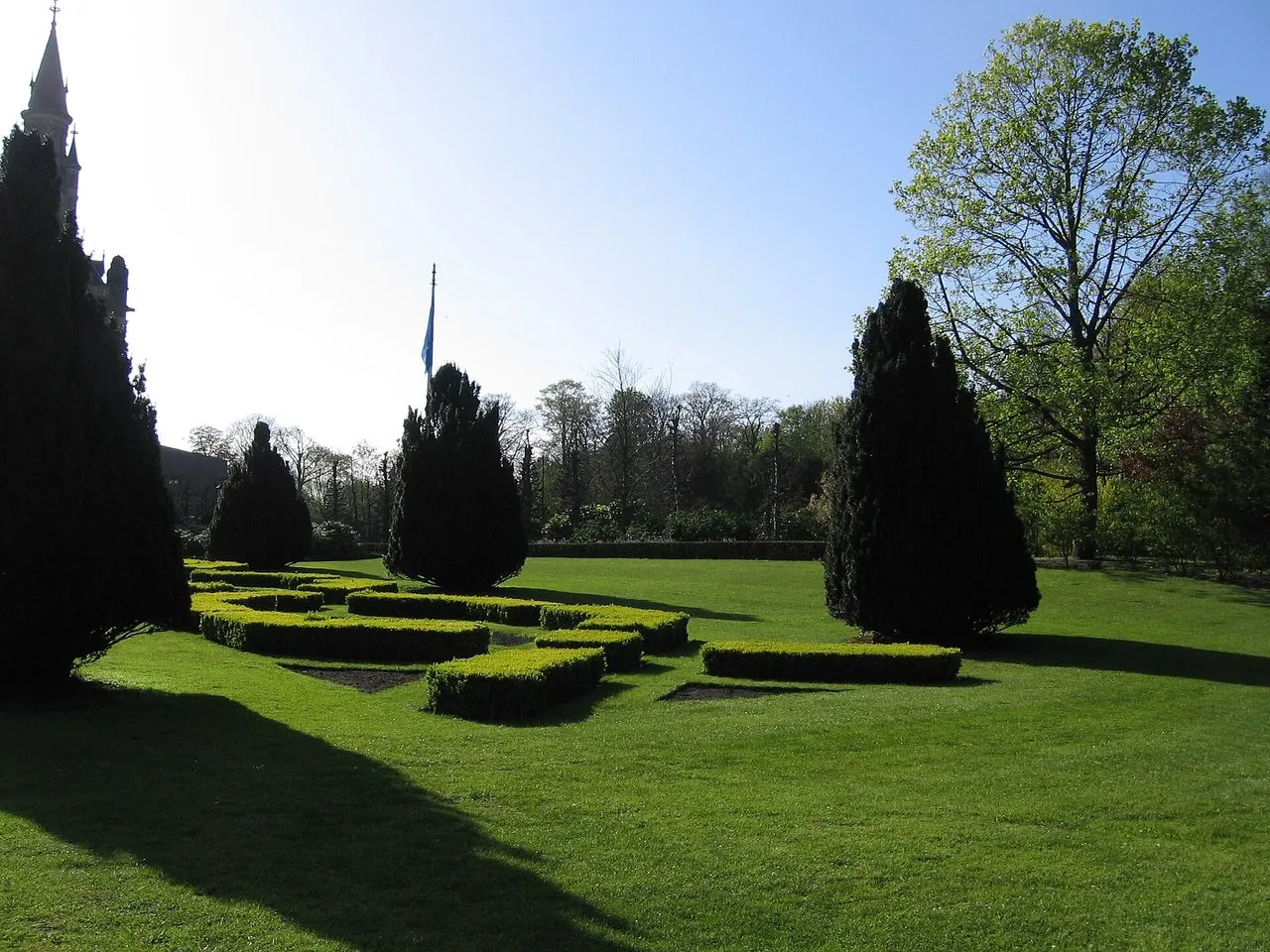
The Myanmar Rohingya ruling matters beyond Myanmar because it is the first time the world court has held a state responsible for forced removal. Future cases may cite it, and other governments will know that such acts can be judged in law. For survivors, it means their story is now part of the legal record of the world, not only their own memory. That record may shape how the next generation learns about Rakhine State. See the British response to the decision and a meeting that drew questions abroad between leaders.
What Do You Think Should Happen Next?
The ruling answers a legal question, but the human question remains. What should happen now for the families still living in camps, and for the villages left behind in Rakhine State? Should the world press harder for return, for trials, for aid, or for all three? We want to hear what you think, so share your view in the comments below. Your voice joins a conversation that now stretches from The Hague to Cox’s Bazar. Read the UN vote on protections and see a handmade model of a shantytown that shows fragile shelter.