Muslim Population Growth Reshapes the World by 2035
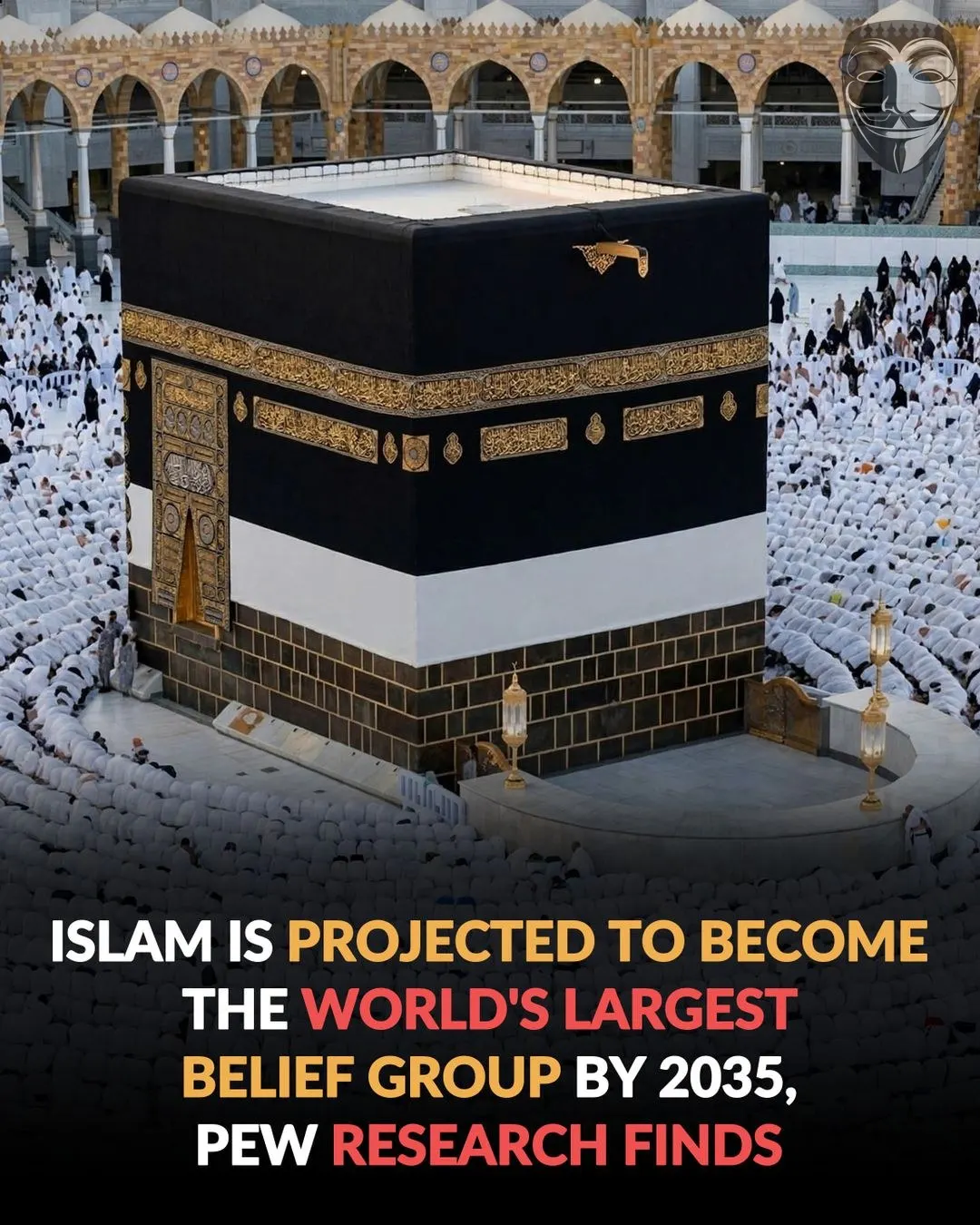
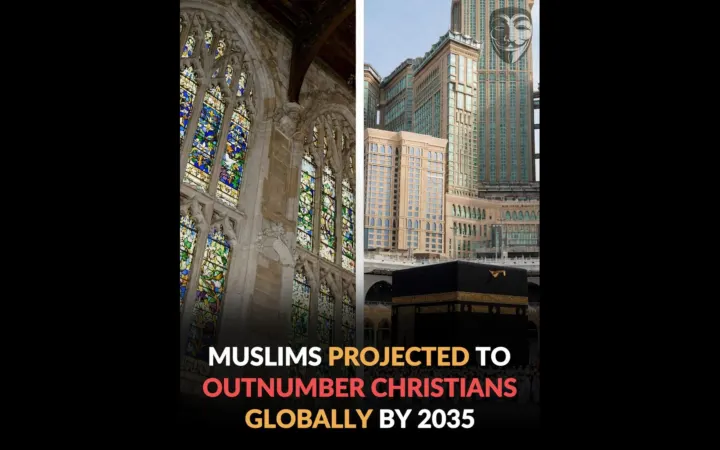
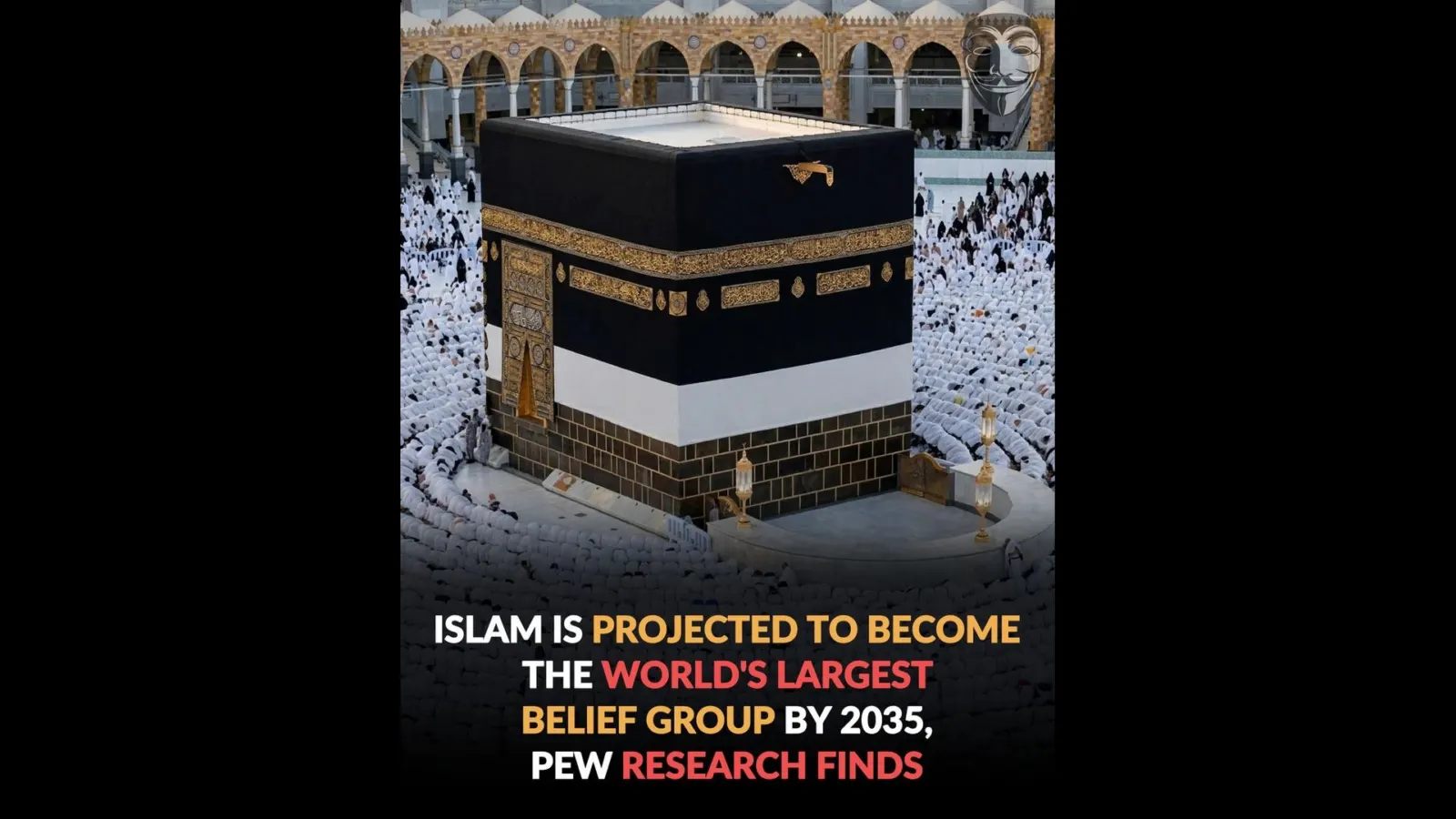
Muslim population growth is set to change the world faith map by 2035, according to new projections from the Pew Research Center. The report says the global Muslim population will reach 2.57 billion, moving ahead of the Christian population of 2.52 billion. Higher birth rates are named as the main reason for the change, not a wave of new conversions. The numbers describe a slow and steady shift that has been building for years. For more world news, see a major trade deal in Asia and a Senate prayer moment.
The same report looks further ahead and projects that the Muslim population could pass 3.6 billion by 2070. Over the same period, Buddhism is expected to lose followers, while the Christian share of the global population is projected to fall. These changes show how family size and age shape the faith map of the future. In the slides ahead, we explain the numbers in plain terms, what drives them and what they do and do not mean for daily life.
References:
Pew Research Center: Islam Will Soon Be the World’s Largest Belief group as Christianity Continues to Grow
USA Today: This belief group may soon be bigger than Christianity, new research says
Korea JoongAng Daily: Islam projected to surpass Christianity as world’s largest belief group by 2035, Pew says
Angelus News: Pew study: Islam on track to be largest belief group by 2035
What Pew Research Projects for 2035

Pew Research Center is known for large studies of religion and public life, and its new projections look decades into the future. The researchers use census data, birth records and surveys from many countries to build their models. They then track how each group grows or shrinks as people are born, age and pass away. The 2035 date is the point where the lines cross in the model, with Muslims moving just ahead of Christians. Read our report on a welcome song for a visiting leader and a historic Arctic agreement for more world news.
Muslim Population Growth Reaches 2.57 Billion

The largest belief group milestone comes down to a gap of about 50 million people in 2035, with 2.57 billion Muslims and 2.52 billion Christians. That gap is small next to totals above two billion, so the exact year could move if birth rates change. Still, the direction is clear in the Pew model, and the lead is expected to widen in the years after 2035. For more reading, see our report on a big night in country music and our story about a clash over air travel chaos.
Why Birth Rates Drive the Change

Birth rates are the engine behind the projection. Muslim families, on average, have more children than Christian families, and the Muslim population is younger, with more people in their childbearing years. That age gap matters as much as family size, since a younger group adds new births every year. Over decades, small yearly gaps add up to tens of millions of people. Read more in our guide to what the research says about a health claim and our story on a huge pay deal in the car world.
How Muslim Population Growth Moves Ahead
By 2035 the Muslim total is expected to edge past the Christian total for the first time in the modern era. The crossing is not caused by people switching faiths in large numbers. It comes from births adding faster to one group than to the other, year after year. The Pew report treats this as a demographic story, not a contest between faiths, and the numbers move slowly. See our report on a hospital ruling in Utah and our story about a fight over a central bank seat.
Christianity at 2.52 Billion in 2035

Christians will still number about 2.52 billion in 2035, a huge community by any measure. The Christian total keeps growing in raw numbers, but more slowly than the Muslim total, so its share of all people on earth falls. The largest belief group title changes hands even as both groups grow. That detail is easy to miss in headlines, yet it shapes how the shift should be read. For more, read our story on a giant bridge plan in Italy and our report about a push to move a space agency office.
Muslim Population Growth by 2070

Looking to 2070, the Pew report projects the Muslim population could pass 3.6 billion people. That is a very large number, equal to more than one in three people alive at that time if the models hold. Growth of this kind comes from decades of higher birth rates adding up, not from one event. The long view shows the same slow pattern that produces the 2035 crossing, carried further into the future. Read our story on a warning about trade tariffs and our report about a bill on presidential pardons.
Buddhism Loses Followers in the Projection

Buddhism is the one major group the report expects to shrink in size. Fewer births and an older age profile mean deaths outnumber new followers over time in the model. The fall is gradual, and Buddhist life and teaching will remain a large part of many countries in Asia. The change is a reminder that the same forces lifting one group can pull another group down. The numbers describe people, not the value of a faith. See our story on a rescue of foxes in floodwater and our report about a dog that saved her owner.
What Muslim Population Growth Means for the World
The largest belief group shift will change how the world looks on paper, but daily life will change far more slowly. Most people live near others who share their faith, so a global crossing may feel distant in any one town. The value of the projection is that it helps planners, teachers and leaders think ahead about schools, services and shared spaces. It is a map of people, not a verdict on any belief. Read our story on the life of a Pearl Harbor veteran and our report about a damaged star on the Walk of Fame.
How Pew Counts the World Faiths

Pew builds its projections from national censuses, large surveys and United Nations population data. Researchers sort people by the faith they report and then age each group forward year by year. Births add people, deaths remove them, and migration moves some across borders. Switching between faiths is counted too, but the report finds it small next to births. The method is public, and other experts can test the same data. For more, see our report on a major Asia trade deal and our story about a moment from the Senate floor.
Young Families Behind Muslim Population Growth

Young families sit at the heart of this story. A group with many young adults will have many births in the coming years, even if each family has only a few children. The Muslim population is younger on average than the Christian population, so more of its members are in the years when people start families. That age shape is slow to change, which is why the projection holds over decades. Read our report on a song that greeted a visiting leader and our story about a vote that reshaped Arctic security.
Why the Christian Share Falls

The Christian share of the world is projected to fall even while the Christian total rises, because other groups grow faster. In Europe and North America, lower birth rates and an older population slow growth. In other regions, Christianity grows faster, but not fast enough to hold its global share. The largest belief group change is therefore a story of shares, not of shrinking churches everywhere. See our report on a country music comeback night and our story about a fight over the air travel meltdown.
A New Map Shaped by Muslim Population Growth
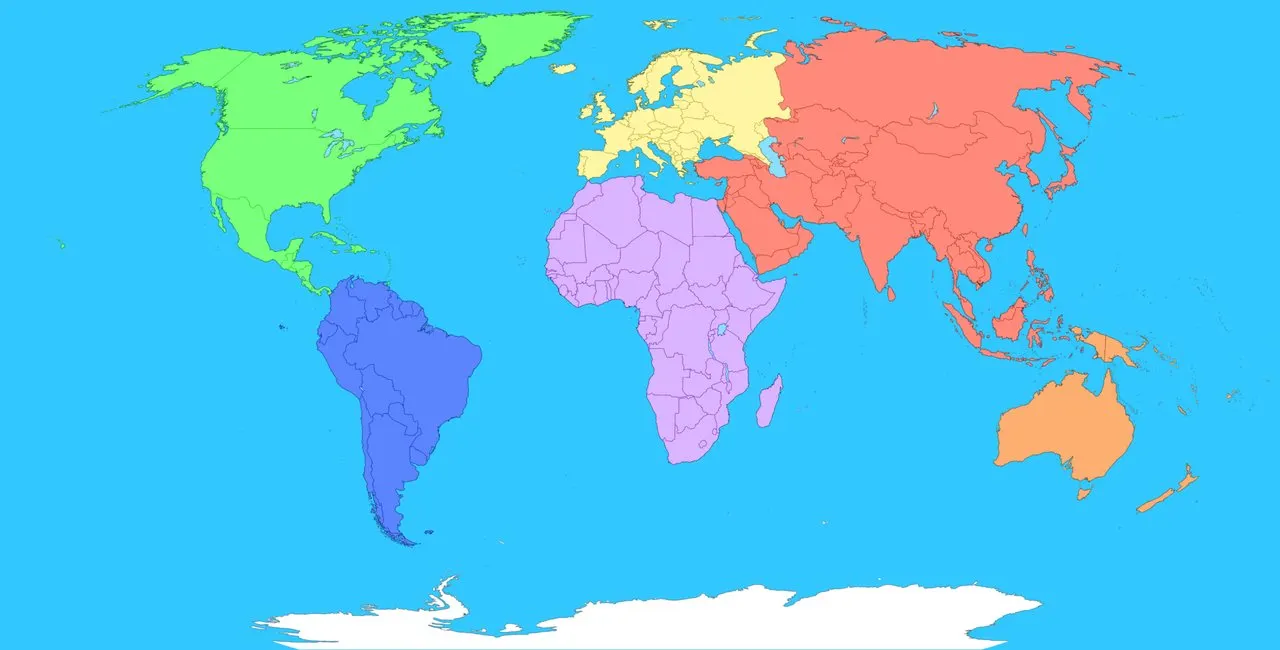
The faith map of 2035 will look different from the map of today, with the Muslim share larger in many regions. Africa and Asia hold large and growing Muslim populations, and their cities keep adding people each year. Europe and the Americas will stay home to large Christian communities with deep roots. The two groups will live side by side in many places, as they already do in cities around the world. Read our guide to the facts behind a health myth and our story on a pay package tied to big milestones.
What Happens After 2035

After 2035 the gap is expected to keep widening if birth rates follow the projected path. Each decade adds more births to the faster growing group, so the lead grows without any sudden break. Projections are not promises, and wars, health crises or new data can move the lines. Still, the Pew model gives a clear picture of where current trends point if they stay on course. See our report on a court award for a Utah family and our story about a lawsuit over a Federal Reserve seat.
How Other Faiths Change by 2070

Other faiths will follow their own paths in the decades ahead. The largest belief group report also notes that some smaller groups may grow in number while their share of the world stays flat. Hinduism is expected to grow in size as the population of India rises. The picture is one of many groups changing at once, each shaped by births, age and where its people live. For more, read our story on a record bridge project in Italy and our report about a plan to move NASA offices.
Why Conversions Play a Small Role

People do change faiths, and some leave the religion they were raised in while others join a new one. The Pew report counts these moves, and it finds they are far smaller than the effect of births. That is why the projection is driven by family size and age rather than by persuasion. In most countries, the faith of children follows the faith of their parents, and that pattern holds steady. Read our story on concerns over tariffs and exports and our report about a bill on pardons and the presidency.
Reading Projections With Care
Long range projections should be read with care. The numbers rest on present birth rates, census counts and survey answers, and all of those can shift over forty years. A new trend in family size or a change in how people answer surveys could move the crossing year. The report is best read as a guide to current direction, not as a fixed date carved in stone for the future. See our story on a flood rescue in Saskatchewan and our report about a loyal dog rescue story.
What Do You Think About the Change

The Pew projections give us a lot to think about, from family size to the future shape of our shared world. Do you think birth rates will keep shaping the faith map in this way, or will other changes matter more by 2070? Share your thoughts in the comments below and tell us what surprised you most in these slides. We read every comment and look forward to hearing your view. Read our story on a veteran who lived to 106 and our report about a star smashed on Hollywood Boulevard.