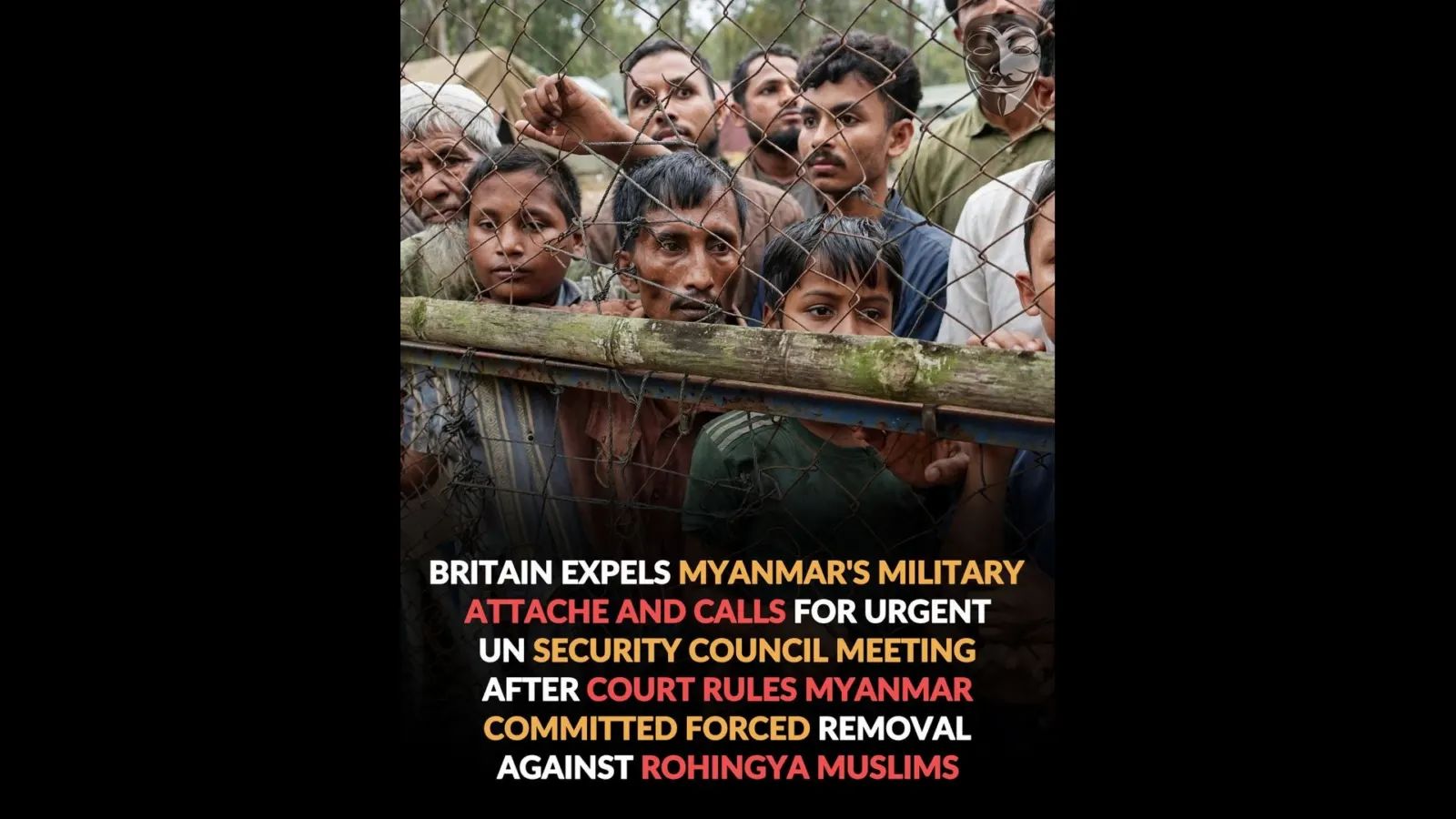
Rohingya Forced Removal Ruling Brings a Historic Day for Justice
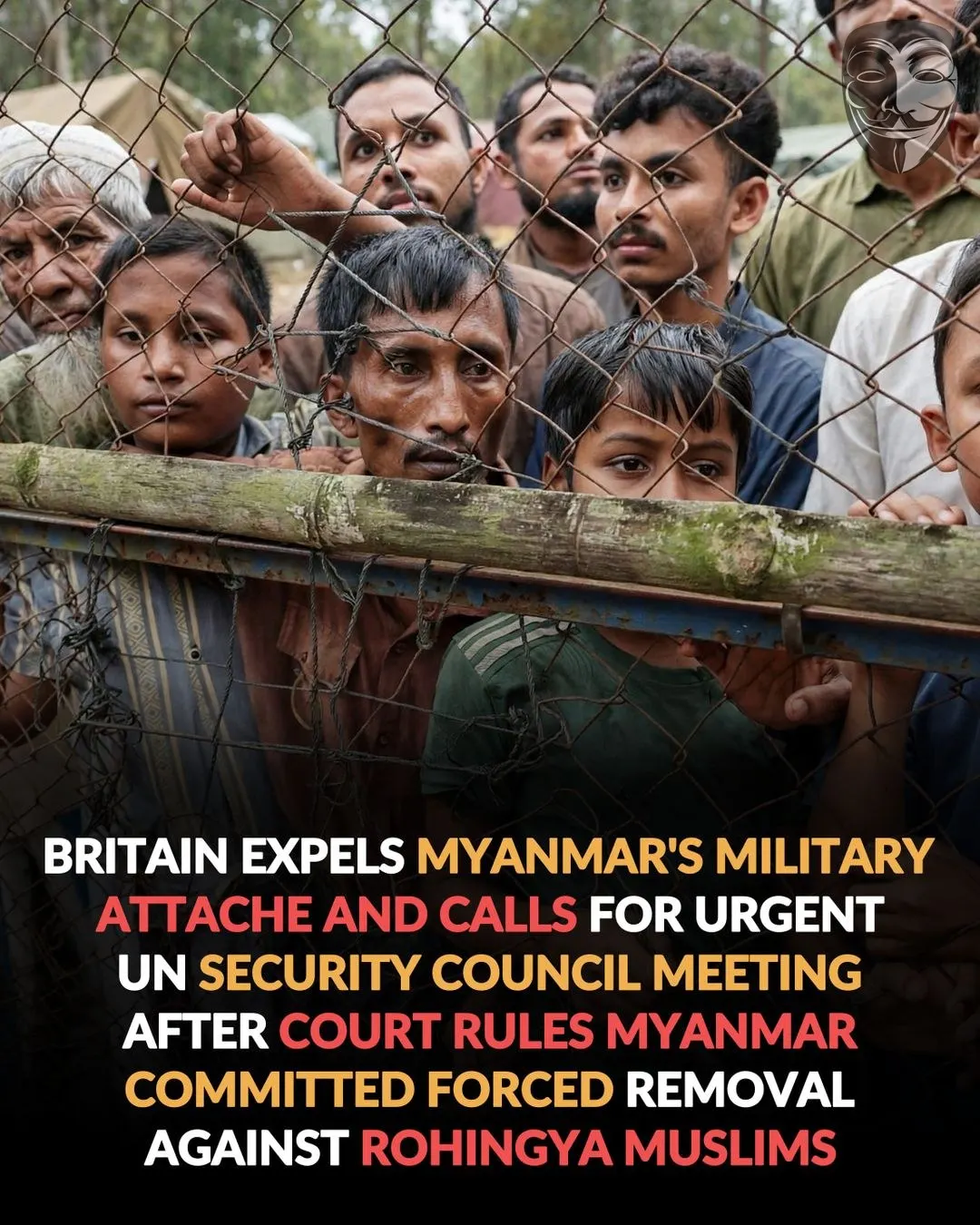
Rohingya forced removal was found by the International Court of Justice on November 19, 2026, when the court ruled by nine votes to six that Myanmar committed forced removal against the Rohingya Muslim minority during its 2017 military operations in northern Rakhine State. It was the first time the court has found a state directly responsible for forced removal, and the court found that around 10,000 Rohingya were killed. The court also ordered Myanmar to pay reparations and allow survivors a safe return home.
The same day, Britain acted fast and in public. Foreign Secretary Ed Miliband ordered the expulsion of Myanmar defence attache Soe Aung from London, summoned Myanmar charge d’affaires Win Zeyar Tun, and called for an urgent session of the UN Security Council to discuss the judgment. In the slides ahead we explain the ruling, the British response, and what may happen next. Courts can shape world events, as shown by a court ruling on tariffs and by a historic vote in Denmark.
References:
Associated Press: For the first time, UN’s highest court finds a country responsible for forced removal: Myanmar
Amnesty International UK: International Court of Justice forced removal ruling on Myanmar: Background and next steps
Council on Foreign Relations: Myanmar Forced removal Ruling: Justice for the Rohingya
Open Access Government: ICJ Ruling: UK formally recognises Rohingya forced removal and imposes new sanctions on Myanmar military
Rohingya Forced Removal Found by Nine Votes to Six
On November 19, 2026, the International Court of Justice ruled by nine votes to six that Myanmar committed forced removal against the Rohingya Muslim minority during its 2017 military operations in northern Rakhine State. The ruling was historic because it was the first time the court has found a state directly responsible for forced removal. The case drew wide attention around the world. The vote showed a clear majority. You can read about another court decision in the tariffs case and about a major deal in the Philippines.
Who the Rohingya People Are
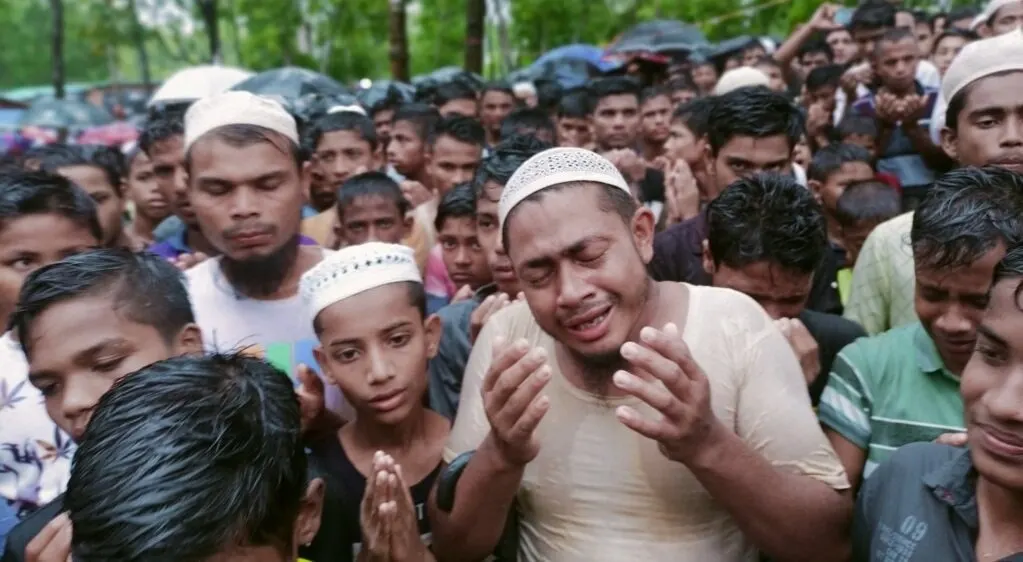
The Rohingya are a Muslim minority group with deep roots in western Myanmar. Many have faced limits on citizenship and movement for years. Their story is one of a community that has kept its language, faith, and family life alive through hardship. The court case focused on what happened to them in 2017, when military operations drove huge numbers of people from their homes. For a wider look at how nations handle people crossing borders, see the United States leaving a UN body and a Supreme Court case on birthright citizenship.
What Happened in Northern Rakhine State in 2017

In 2017, Myanmar military operations in northern Rakhine State forced hundreds of thousands of Rohingya Muslims to flee in fear. Families left homes and farms behind, and many crossed into Bangladesh with only what they could carry. The court later found that around 10,000 Rohingya were killed during those operations. Survivors have shared stories of loss that stayed with them for years. The world watched as the crisis grew, and the legal case took years to reach a judgment. Read about a plan to limit Supreme Court service and strikes on Kyiv.
Rohingya Forced Removal and the Order to Pay Reparations
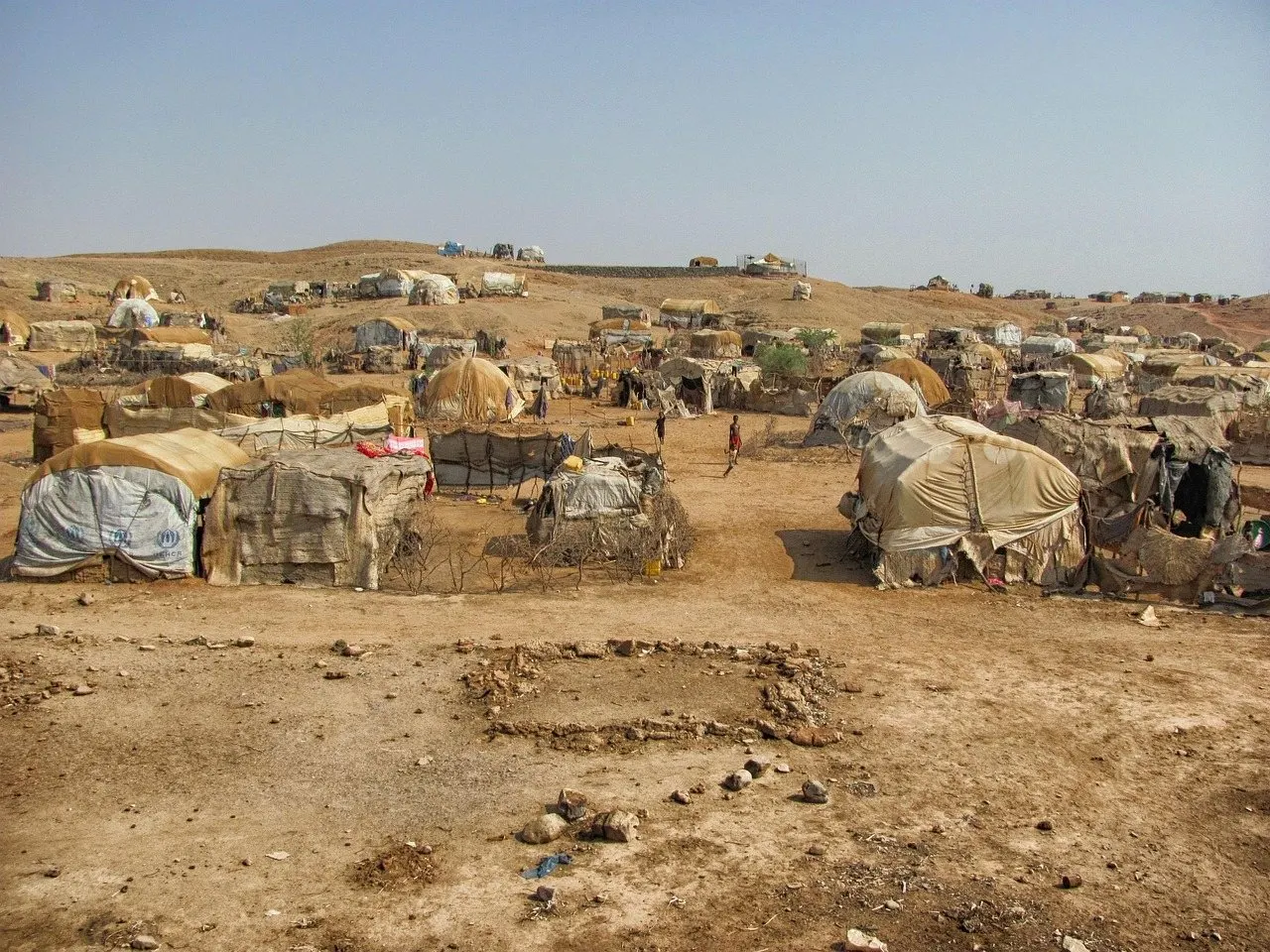
The court ordered Myanmar to pay reparations and allow survivors a safe return home. Reparations can mean money, help to rebuild, and public steps to admit what happened. A safe return means people can go home without fear and live with dignity in the place they came from. These orders do not undo the past, but they give survivors a clear legal claim for the future. The next steps will test whether Myanmar follows the ruling. See security guarantees for Ukraine and student visas from 12 countries.
Britain Expels Myanmar Military Attache Soe Aung

On the same day as the ruling, British Foreign Secretary Ed Miliband ordered the expulsion of Myanmar defence attache Soe Aung from London. Expelling an attache is a strong diplomatic step, because it tells the other country that its representative is no longer welcome. It also sends a message to other governments that Britain takes the court ruling seriously. The move came within hours of the judgment, which showed how closely London had been watching the case. Diplomacy often moves slowly, but this time it moved fast. Read about a state banquet at Windsor and a bill on presidential pardons.
Ed Miliband Summons Myanmar Envoy Win Zeyar Tun
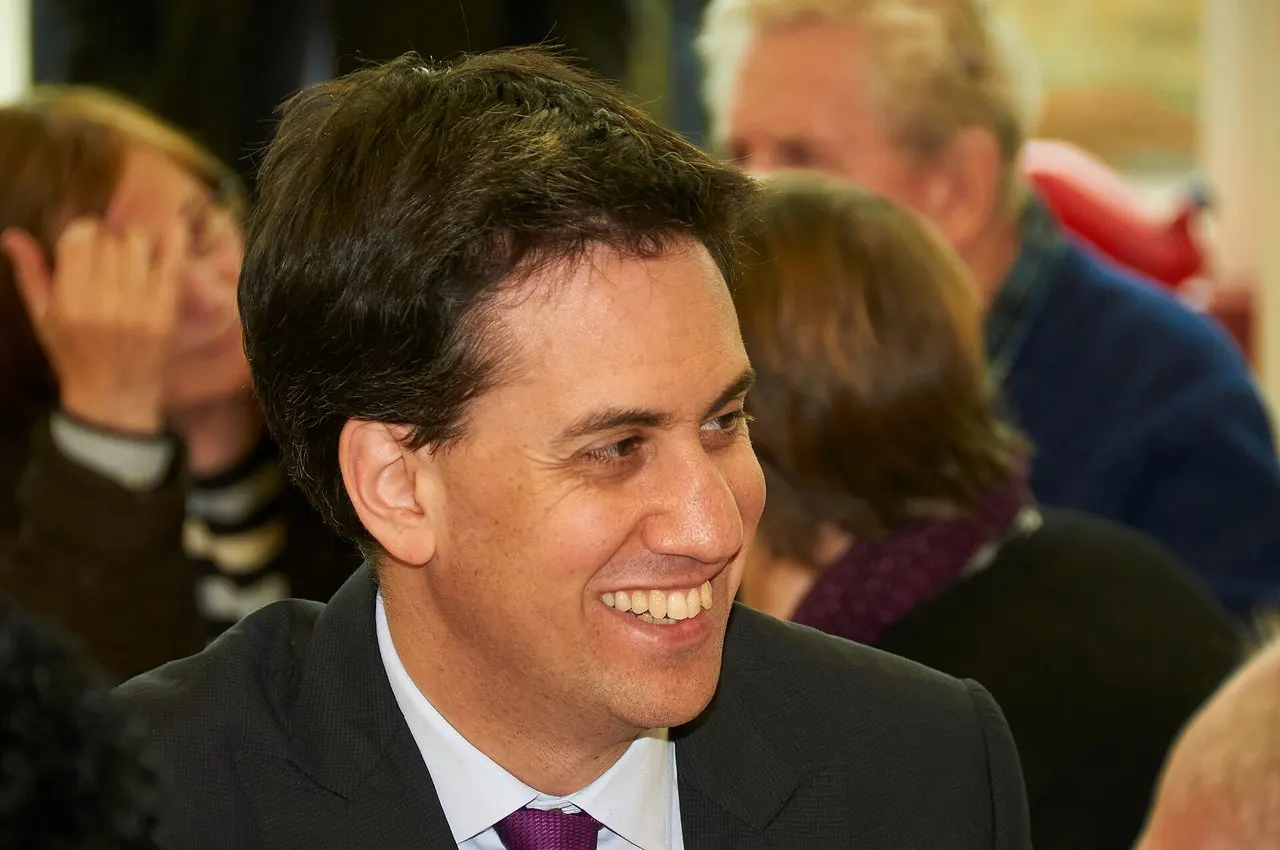
Ed Miliband also summoned Myanmar charge d’affaires Win Zeyar Tun, calling the senior Myanmar diplomat in London to the Foreign Office for a formal meeting. A summons is a direct way for a government to protest and demand answers face to face. The Rohingya forced removal ruling gave Britain a clear reason to act, and the summons put Myanmar on notice that London expected a response. Such meetings are usually short and serious. The message was plain, and it was delivered in person. See the Greenland deal vote and the United States leaving a UN body.
Britain Calls for an Urgent UN Security Council Meeting
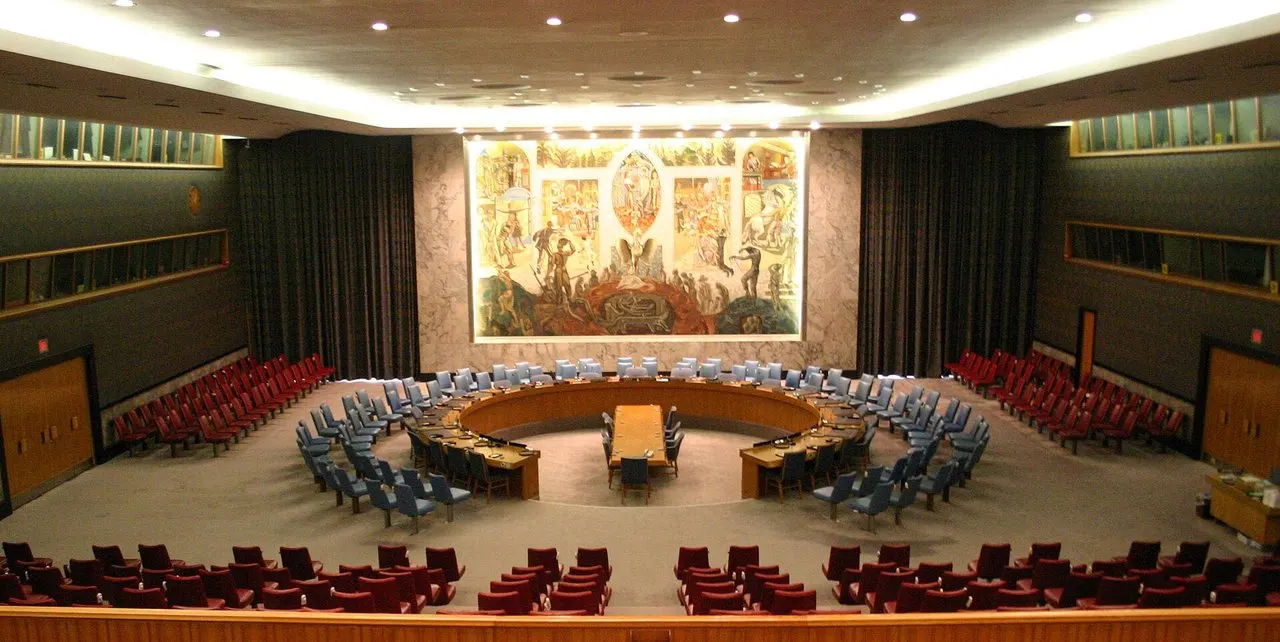
Britain called for an urgent session of the UN Security Council to discuss the judgment. The Security Council can debate a crisis, call on countries to act, and pass resolutions that carry real weight. An urgent meeting shows that Britain wants the world to talk about the ruling now, not months later. Other countries will have a chance to share their views and to press for action. The meeting also puts pressure on Myanmar to answer the court. Read about the Philippines package and birthright citizenship restrictions.
Britain Formally Recognises the Ruling and Imposes Sanctions
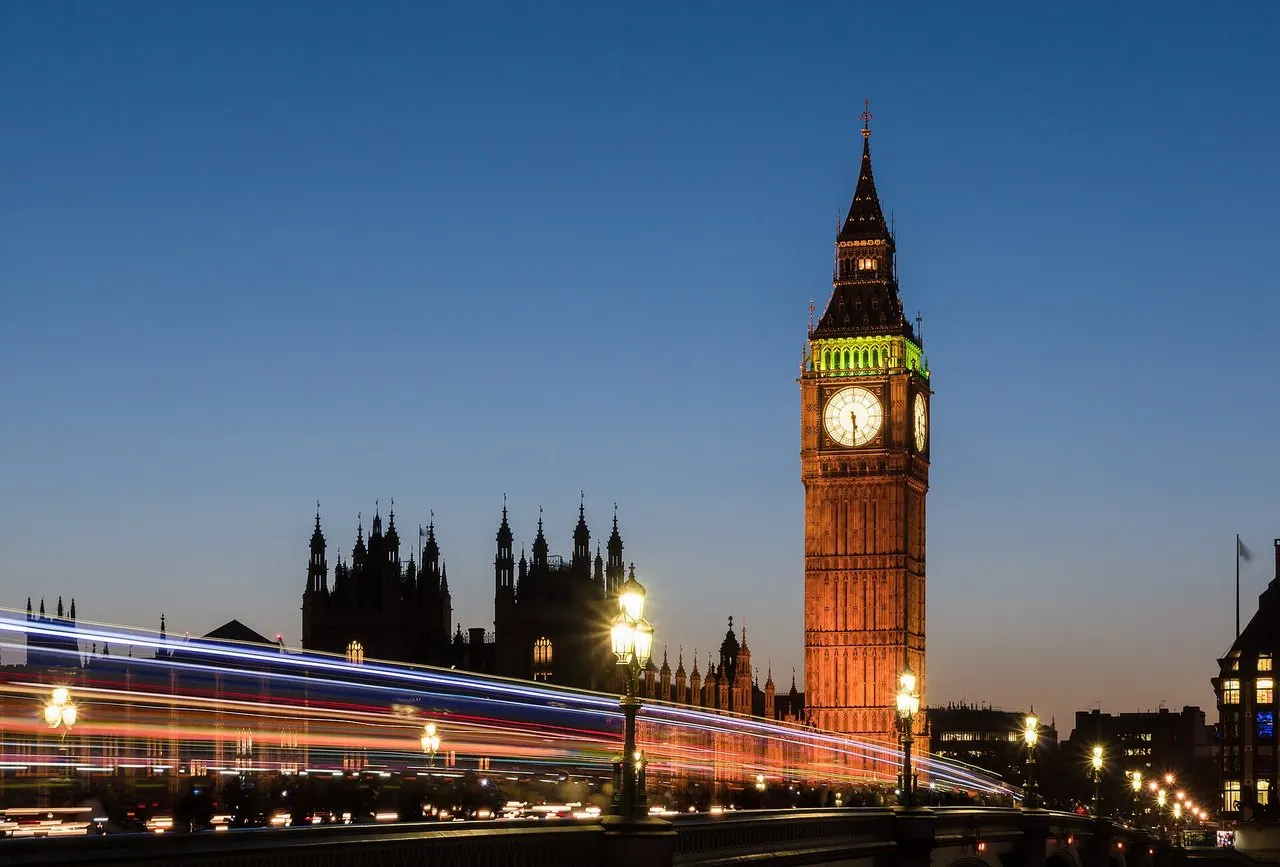
Britain later formally recognised the forced removal and sanctioned five senior Myanmar military officers, adding practical pressure to the words of the court. Sanctions can freeze assets, block travel, and make it harder for named people to do business abroad. They do not punish a whole country, but they target the people held most responsible. Five officers is a small number, yet the step matters because it names them in public. Britain said the ruling should lead to real change, not only to statements. See tariffs ruled illegal and Supreme Court term limits.
Rohingya Forced Removal Explained in Plain Words
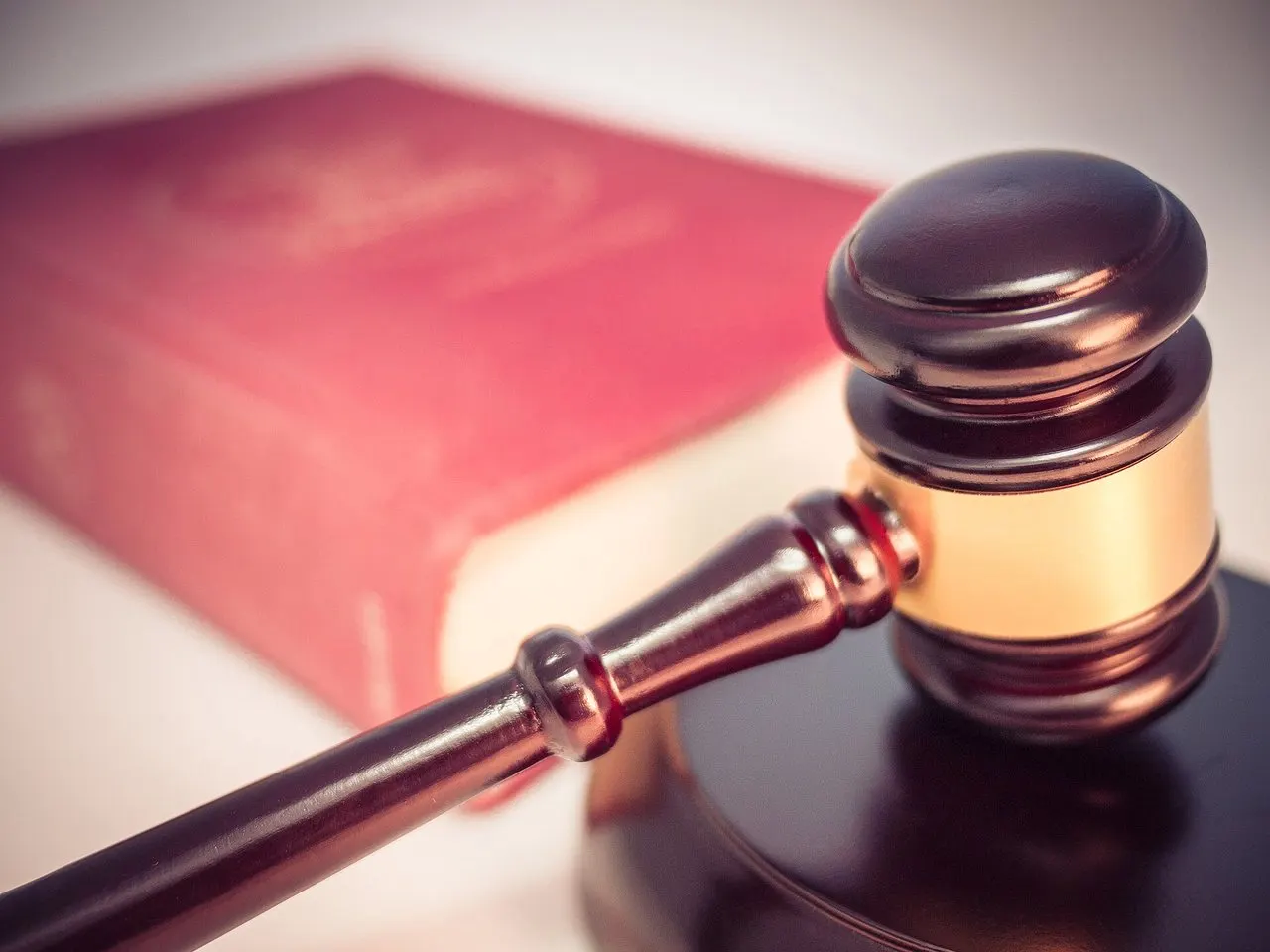
Forced removal means a group of people is driven from their homes because of who they are, not because they chose to leave. In law, it is a grave charge, because it harms whole families at once. The court had to decide whether the facts met that high bar, and by nine votes to six it said they did. This plain meaning helps readers see why the ruling matters so much to survivors. It is not only a legal word, it is a description of lives turned upside down. Learn about a sharp Supreme Court opinion and damage in Kyiv.
The Court in The Hague and How It Works
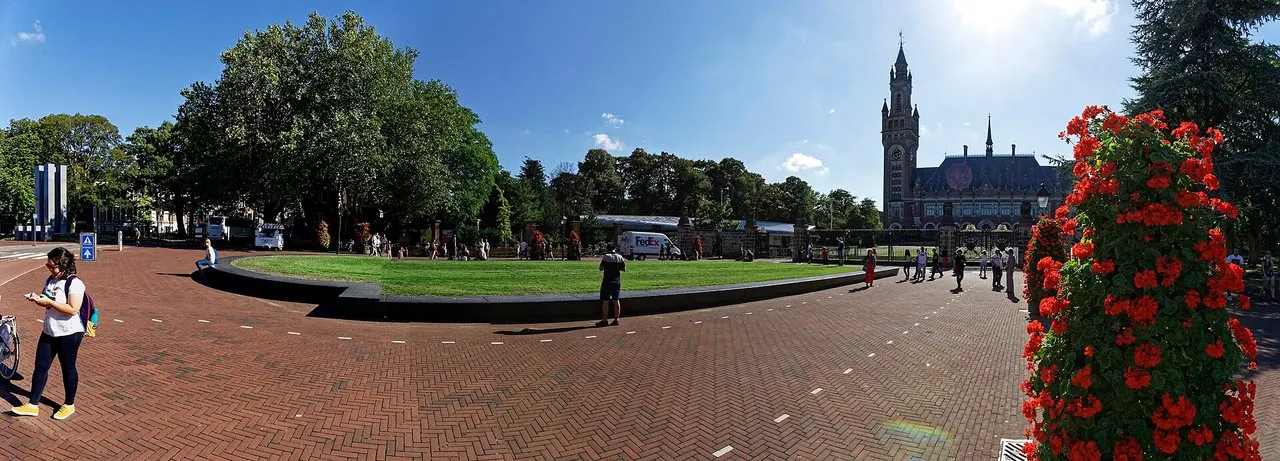
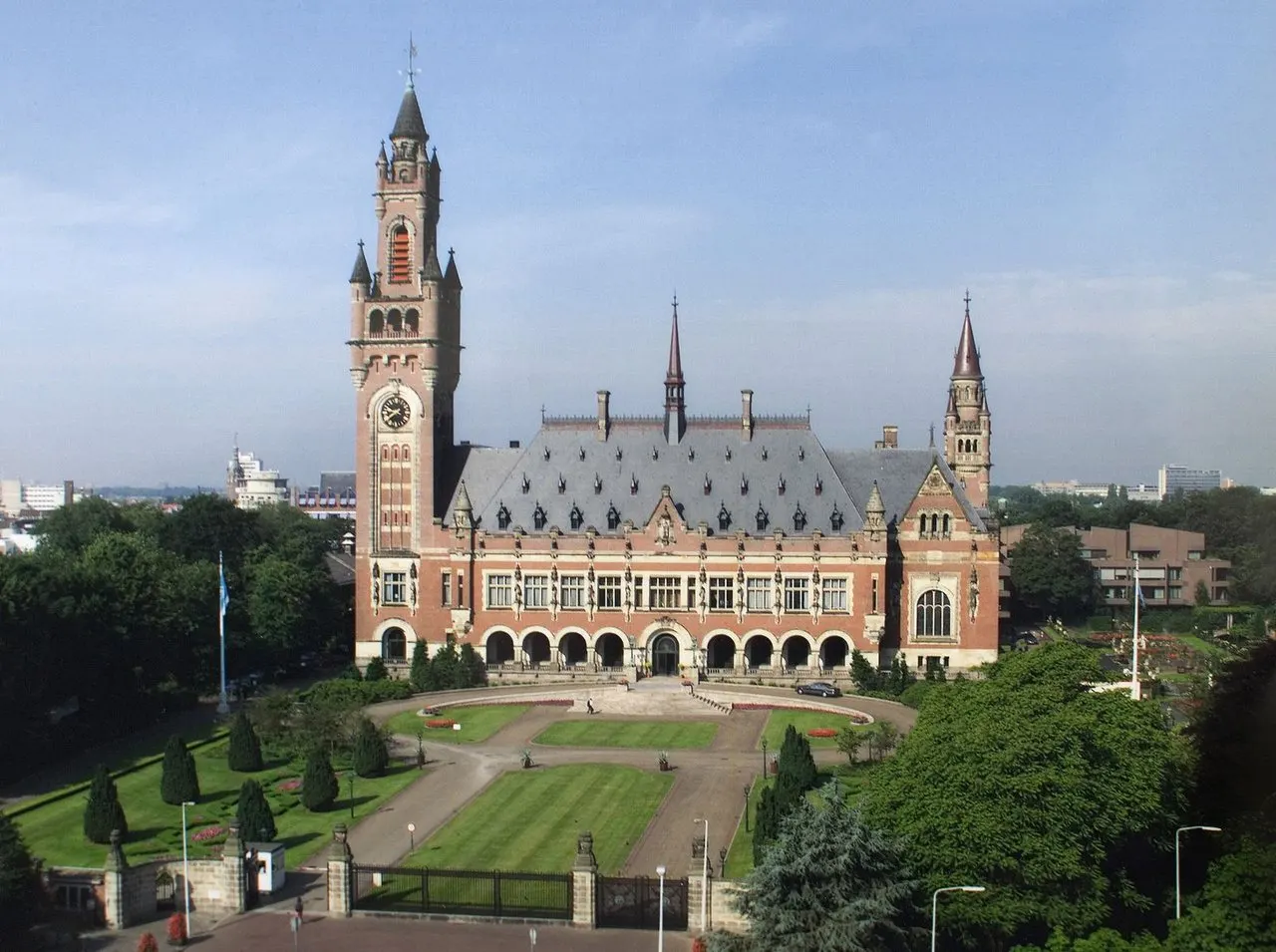
The International Court of Justice sits in The Hague in the Netherlands, and it is the highest court of the United Nations. It settles disputes between countries, and judges study written evidence and hear long arguments before they vote. The Peace Palace, its home, has become a symbol of the hope that law can settle what force cannot. This case showed the court at its most serious, deciding a claim that had waited years. Read about NATO troops in Ukraine and King Charles hosting a dinner.
Rohingya Forced Removal Survivors Living in Camps in Bangladesh
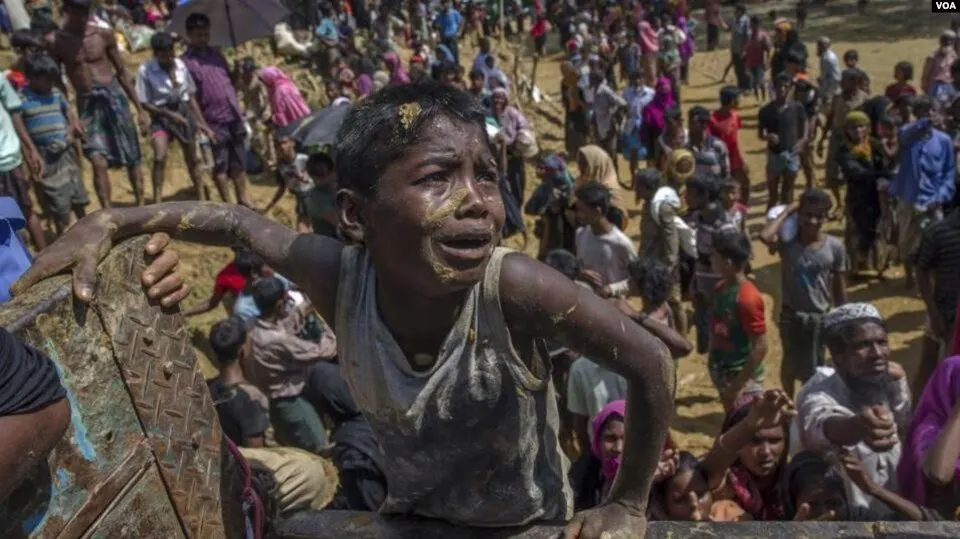
Many Rohingya survivors now live in large camps in Bangladesh, including the camps around Cox’s Bazar, where families have built simple homes from bamboo and tarpaulin. Life there is hard, with crowded shelters, limited jobs, and long waits for news about the future. Yet families have built schools, markets, and mosques, and children play in the lanes between shelters. Aid workers help with food, water, and health care, but the camps are not a true home. A safe return would change daily life for thousands. See what the travel ban means and the self pardon bill.
What a Safe Return Home Could Look Like
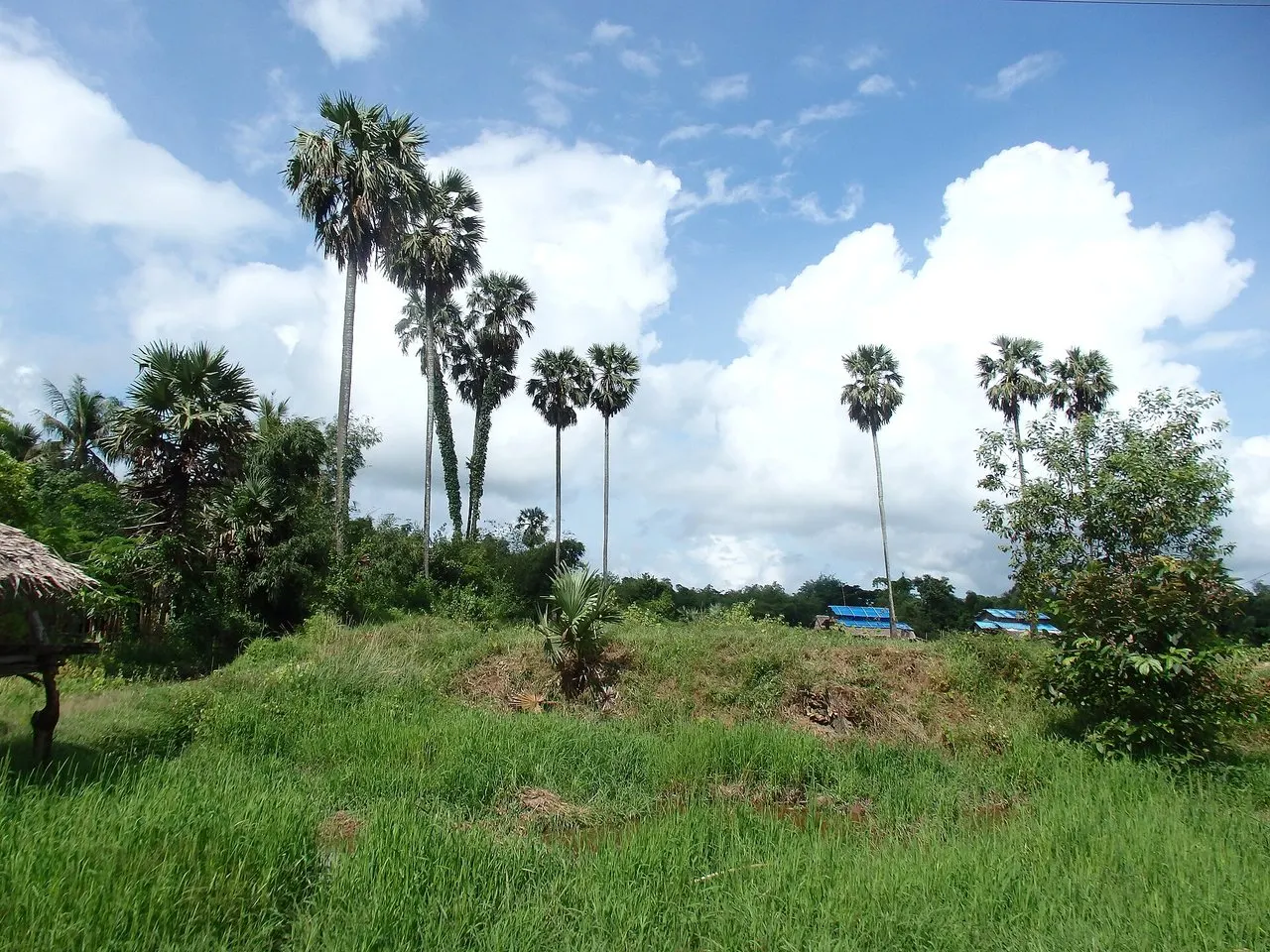
A safe return home would mean survivors can go back to Rakhine State without fear, live in their own villages, and rebuild farms and shops. It would also mean they can move freely and send children to school. Such a return takes time, trust, and clear promises from Myanmar, plus help from the world to watch over the process. The court order sets the goal, but the hard work of making it real still lies ahead. Families deserve more than words, they deserve a place to call home. Read about Denmark and Greenland and the birthright case.
How Sanctions on Senior Officers Work
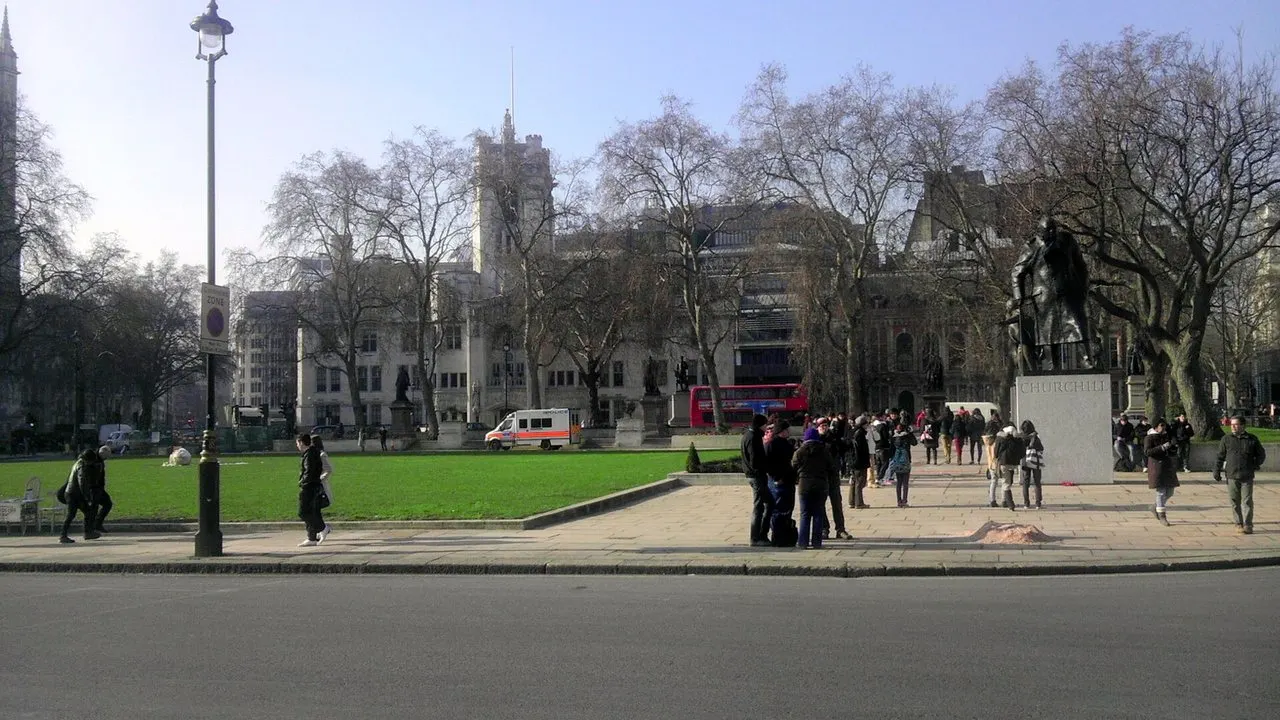
Sanctions on five senior officers work by cutting off the normal tools of travel and finance that powerful people use. Banks can freeze money, airports can refuse entry, and firms can refuse to trade with named people. The aim is to raise the cost of the actions the court found, without harming ordinary people in Myanmar. Sanctions work best when many countries act together, so Britain hopes others will follow its lead. They are a slow tool, but they keep the pressure on over time. See Boeing jets and defense deals and 18 years of active service.
What the UN Security Council Can Do Next
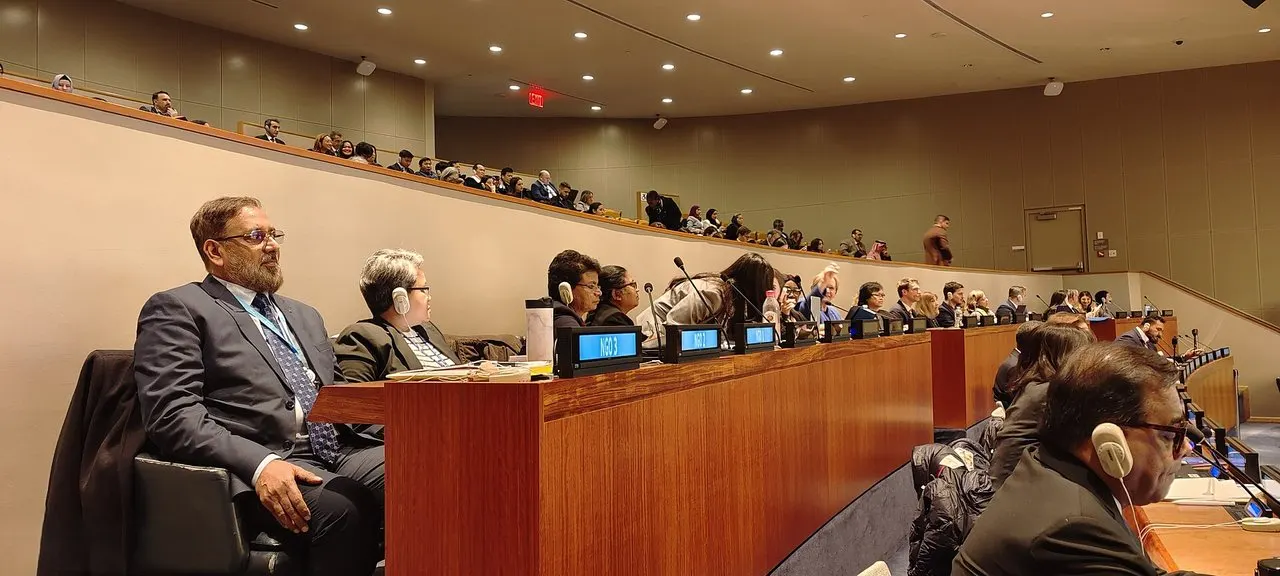
The UN Security Council can debate the ruling, call on Myanmar to obey the court, and urge all countries to support survivors. It can also ask the Secretary General to report back on progress, which keeps the case in the public eye. The Council works by agreement among its members, so a strong statement needs broad support. Britain called the urgent session to start that debate and to test how far other members will go. The next weeks will show whether words turn into action. Read about the universal injunctions case and peace efforts in Ukraine.
Children and Families in the Rohingya Forced Removal Story
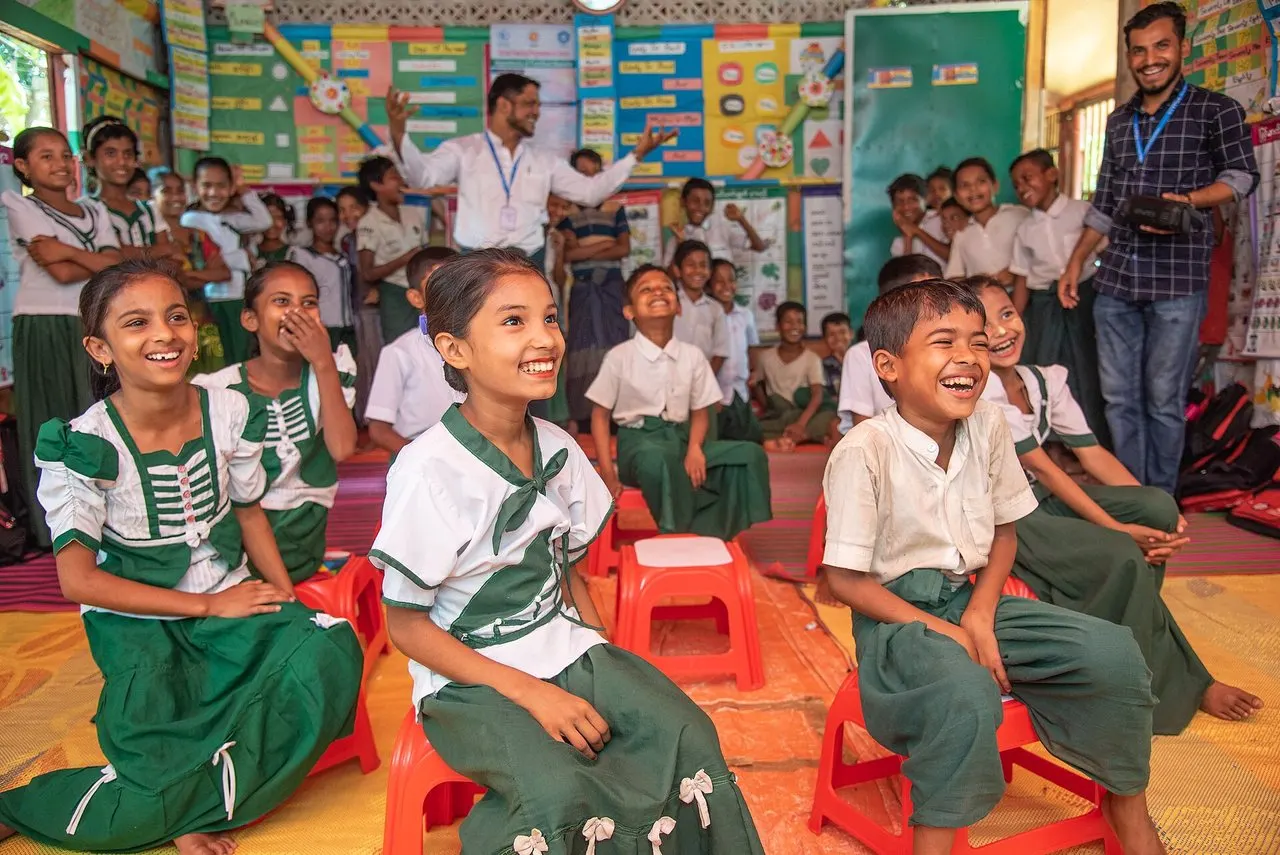
Children and families are at the heart of this story, because the 2017 operations broke up homes and forced parents to carry small children across borders. Many children in the camps were born after the flight, and they have never seen the villages their parents left. They go to simple schools, play with friends, and dream of a normal life. Their future depends on whether the ruling leads to safety, schooling, and a real home. A court can open a door, but people must walk through it together. See Justice Barrett and Justice Jackson and allies discussing Ukraine.
Rohingya Forced Removal and the Long Road to Justice

Justice in a case like this takes years, and the road is long for survivors who have waited since 2017 for a court to speak. The ruling gives them a clear finding, an order for reparations, and a promise of a safe return. It also gives other countries a reason to act, as Britain did with expulsion and sanctions. The next test is whether Myanmar obeys the court and whether the world keeps watching. History shows that rulings matter most when people refuse to forget them. Read about UN funding decisions and a travel ban on student visas.
What Do You Think Should Happen Next?
The court has spoken, Britain has acted, and the UN Security Council has been asked to meet, so what do you think should happen next? Should more countries follow Britain with sanctions, and should the world do more to help survivors return home? The Rohingya forced removal ruling is a moment for readers to share their views and to keep the story alive. Tell us in the comments what you would do if you could help, and what gives you hope for the families still waiting. Keep reading a state banquet at Windsor and a fight over pardons.