Rural Health Day Brings a $50 Billion Promise to Small Towns
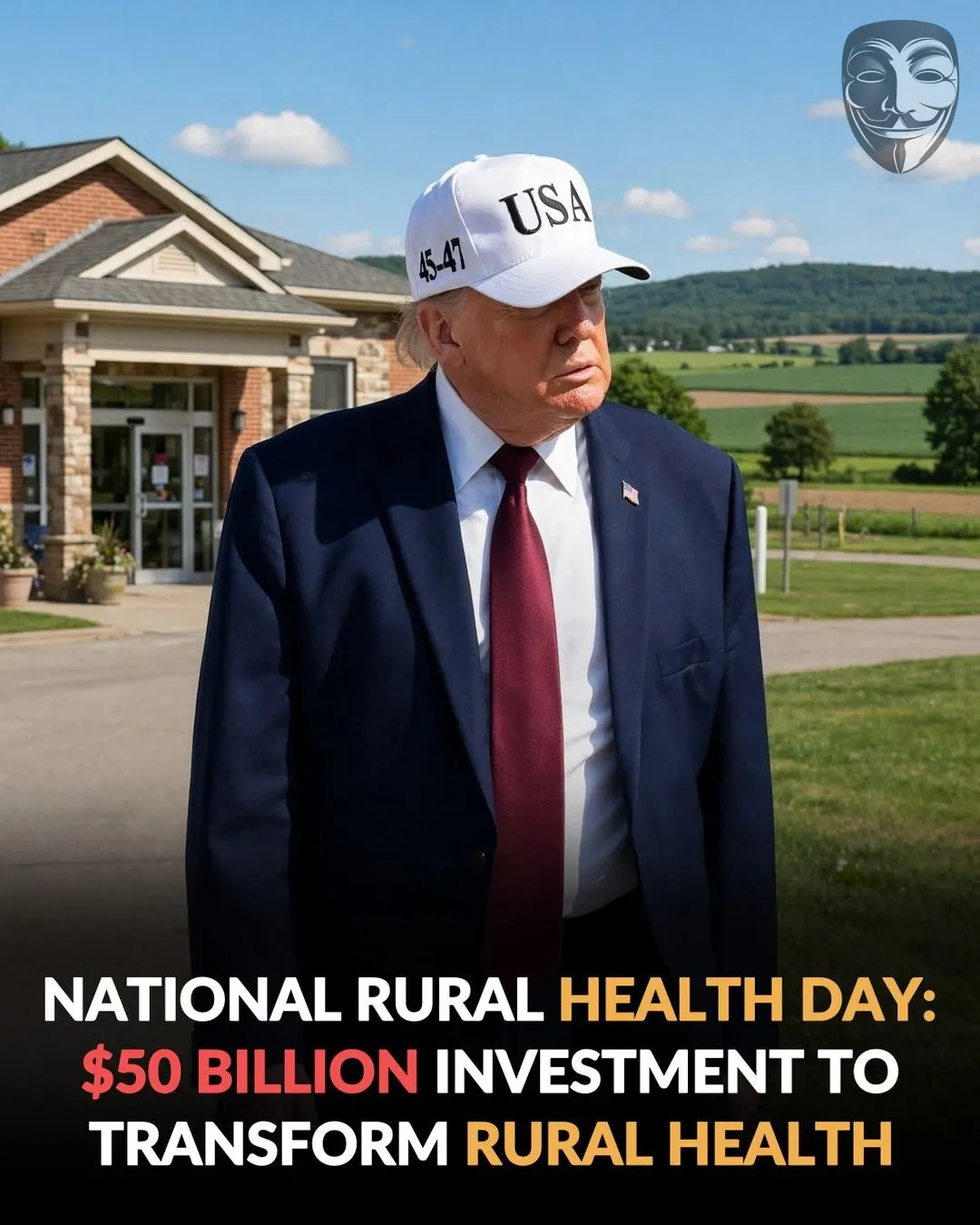
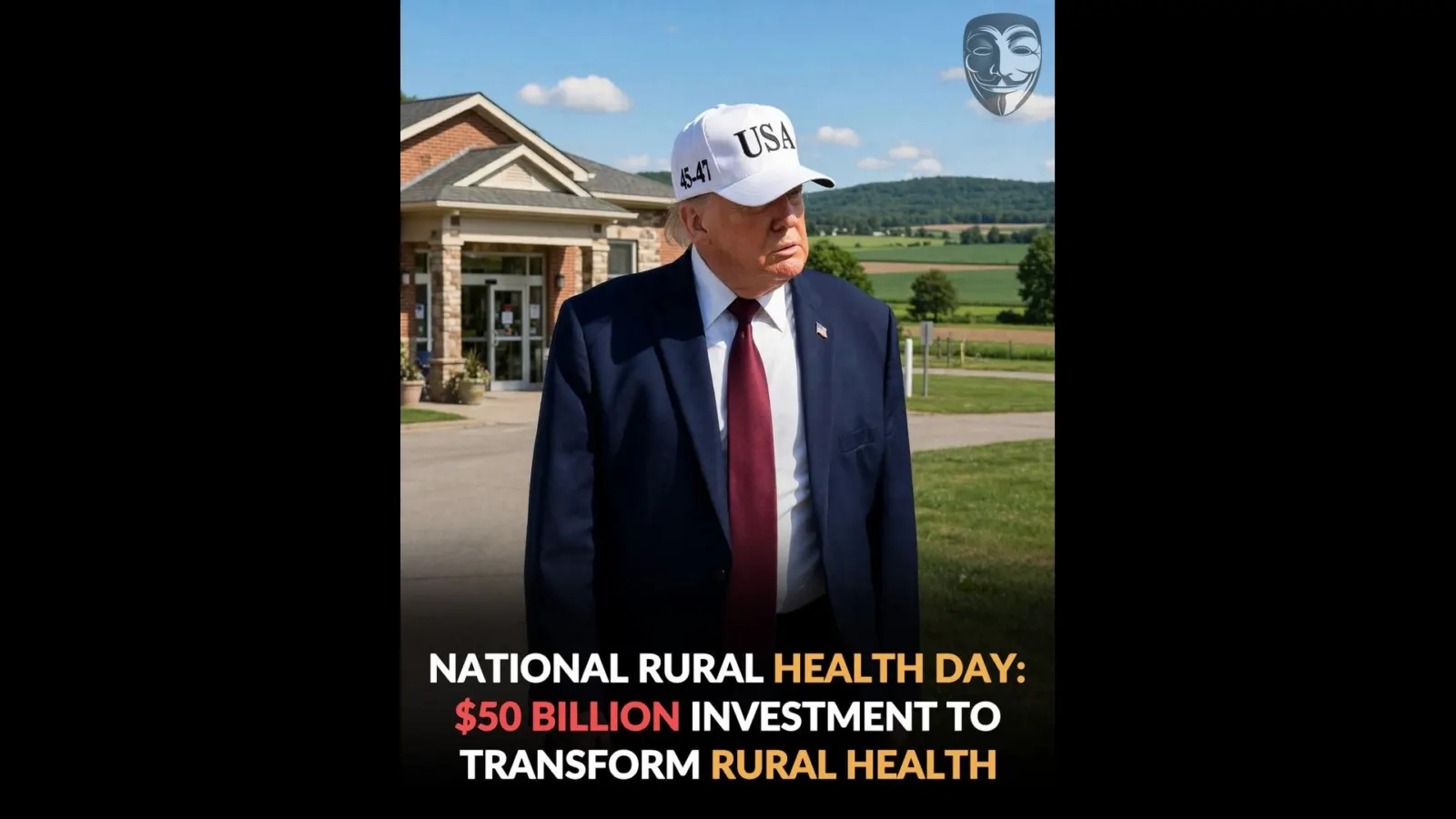
Rural health is getting the largest investment in its history, and the news arrived on November 19. The White House highlighted President Trump’s $50 billion transformation program, a five-year plan that reaches all 50 states. The money is meant to strengthen small hospitals, grow the health workforce and expand telehealth so care stays close to home. The administration says $20 billion has already been awarded, including $10 billion announced on November 9 for the program’s second year. See his recent trip to Asia.
Rural Americans live about three years less than their urban neighbors, a gap officials call the rural mortality penalty. The funding is meant to modernize clinics, support doctors, nurses and first responders, and bring more services into the communities that need them. The original post put it simply, calling for high quality care for all Americans. In the slides ahead we look at the hospitals, the workers, the ambulances and the video visits that could change daily life in small towns. Read about the four day trip to China.
References:
White House: National Rural Health Day President Trump Delivers Largest Rural Health Investment in History
RealClear Health: President Trump Is Delivering for Rural America
HealthExec: Kennedy and colleagues on rural healthcare Where you live should not determine how long you live
HHS: Trump Administration Delivers on the Rural MAHA Promise
Rural Health Gets a $50 Billion Promise Over Five Years
The transformation program is a five-year investment worth $50 billion, and it reaches every state in the country. The White House says the goal is simple, to keep good care close to home for families who live far from big cities. Small hospitals will get help to modernize their buildings and equipment. Doctors and nurses will get support to stay in the towns that need them. Video visits will grow so patients can see a clinician without a long drive. Read more in the summit in Shenzhen.
Rural Health Funding: $20 Billion Has Already Been Awarded
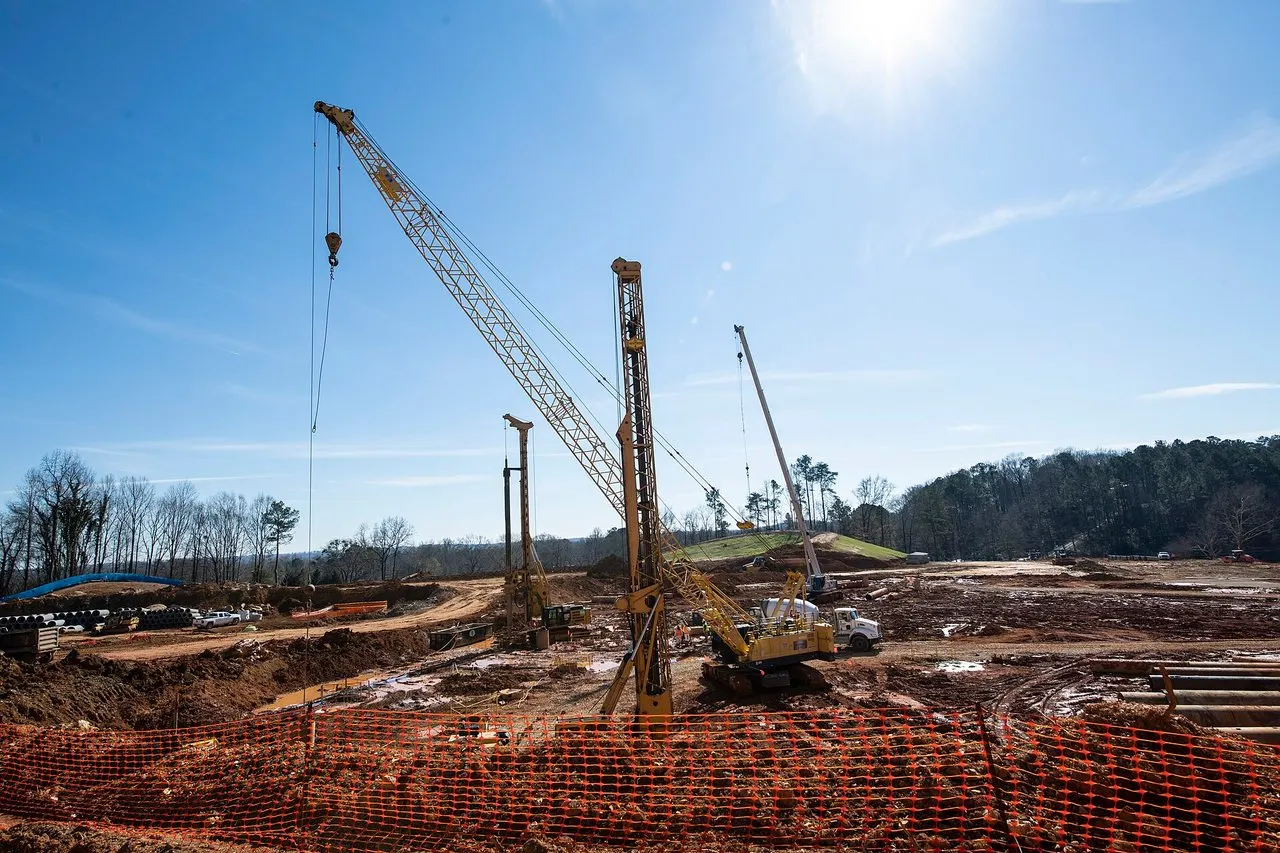
Twenty billion dollars has already been awarded, and that early money matters because small hospitals cannot wait for years. The White House says the funding is already reaching towns across the country, helping clinics stay open and staff stay in place. A second year of funding worth $10 billion was announced on November 9, keeping the work moving. For families in small towns, early money can keep a clinic open and a nurse on staff. Read more in a viral question about a chief executive.
A Second Year of Funding Worth $10 Billion
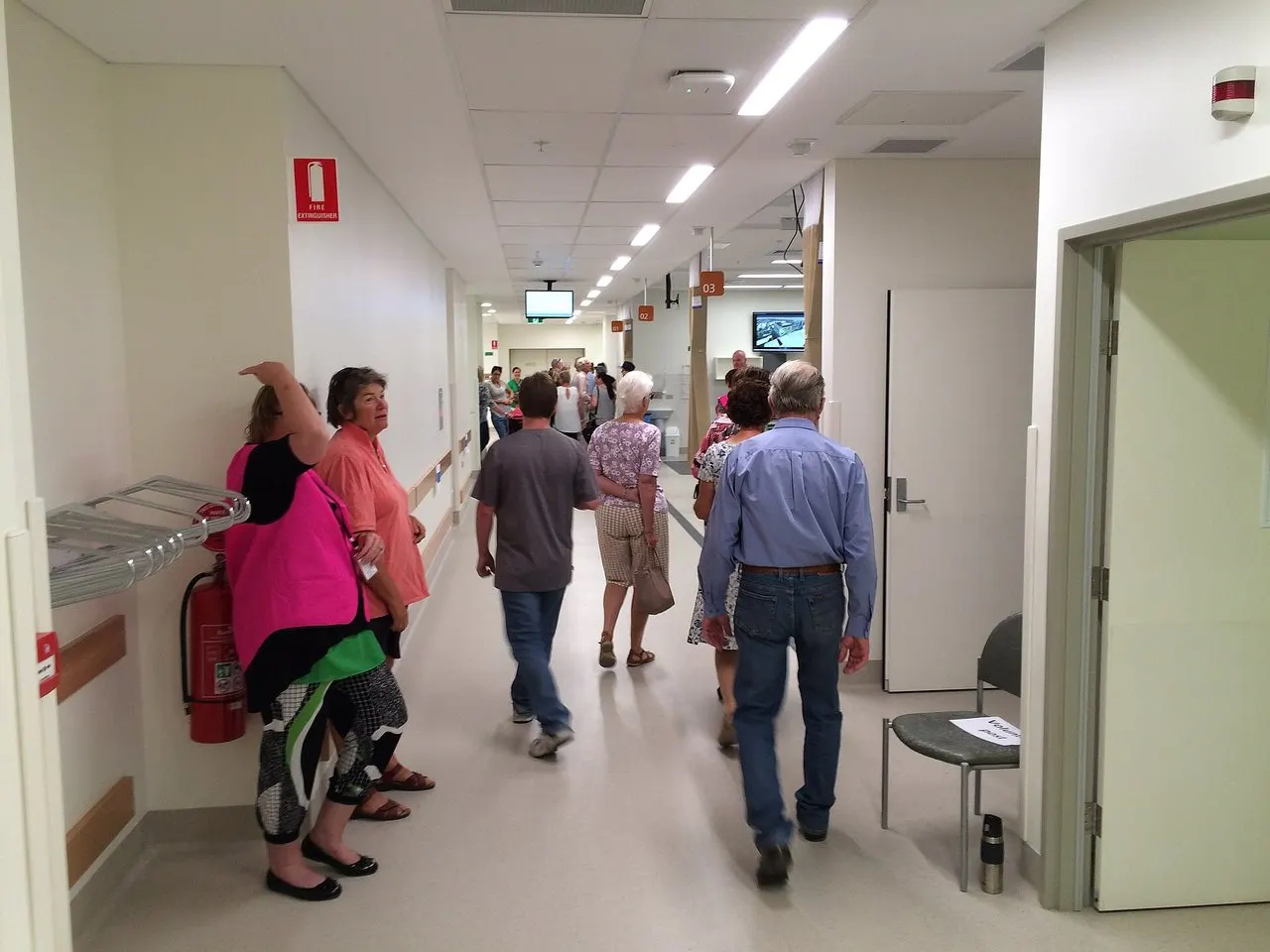
The second year of the program brought another $10 billion, announced on November 9. That timing matters because a plan that lasts five years needs steady funding, not just one big announcement. Year two money can pay for new equipment, repairs to older buildings, and training for the people who will use them. It can also help clinics plan ahead instead of waiting to see if help will come. A promise that is kept in year two is easier to trust in year three. Read more in warnings about national security.
Rural Health Money Reaches All 50 States

The funding goes to all 50 states, so no part of the country is left out of the plan. Big cities often have many hospitals, but small towns may have only one clinic or one small hospital for miles around. When that single place struggles, the whole town feels it. Money that reaches every state can help a clinic in the mountains, a hospital on the plains, and a health center by the sea. The goal is care close to home wherever home happens to be. Read more in the House vote for a new Speaker.
What the November 19 Celebration Means
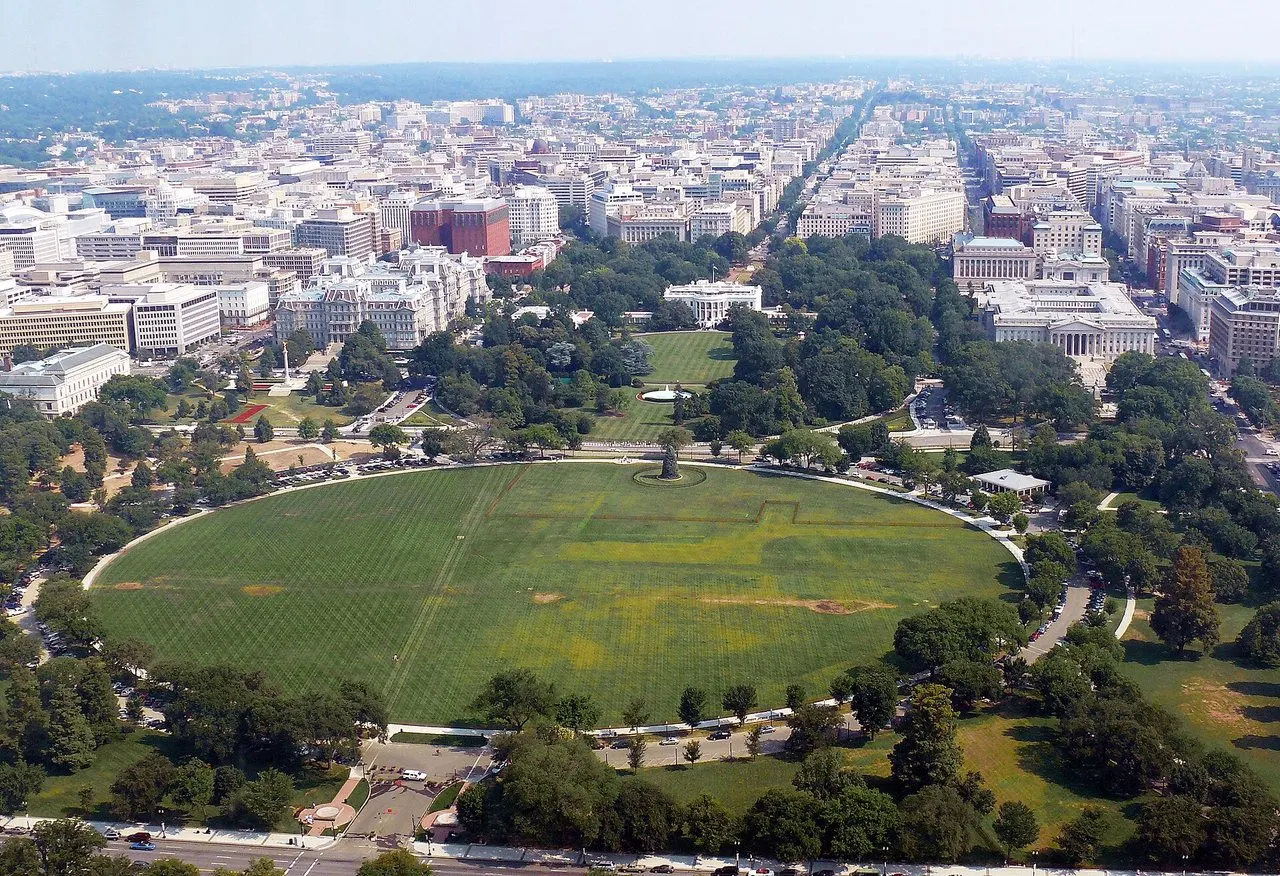
November 19 is set aside each year to honor the people who keep care going in small towns. Doctors, nurses, pharmacists, drivers and volunteers all play a part, often with fewer resources than their city colleagues. The day is a chance to say thank you. This year the White House used the day to highlight the $50 billion plan and the $20 billion already awarded. A day of recognition can become a day of real change. Read more in two very different maps of the same country.
Rural Health and the Three Year Gap in Life Expectancy
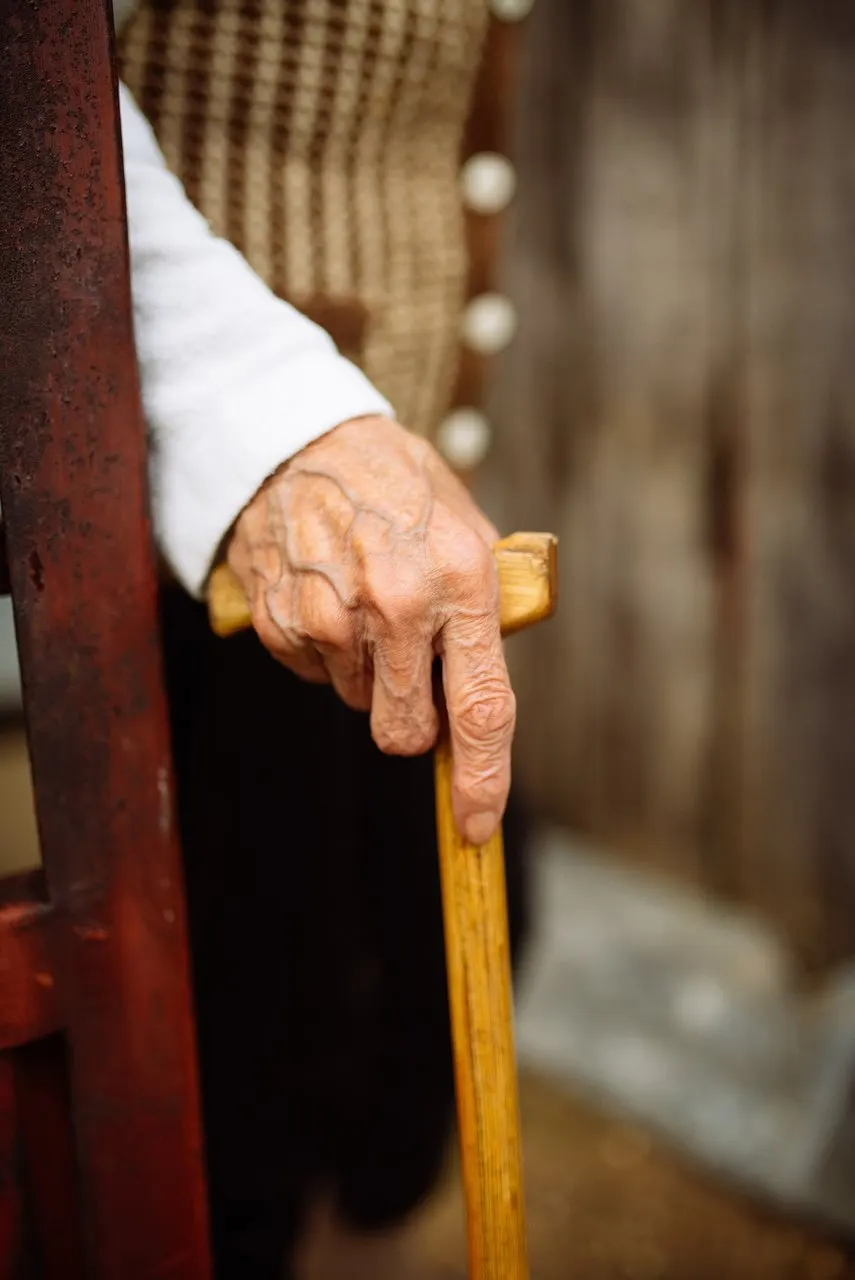
People who live in country towns live about three years less than people in cities, and officials call that gap the rural mortality penalty. Three years is a long time, enough to see a grandchild grow, to enjoy retirement, or to share many more family meals. The gap comes from distance, fewer doctors, and hospitals that have closed or cut back. The new funding is meant to close that gap by bringing services closer and keeping local care strong. Read more in another historic first in Florida.
Small Hospitals Carry a Heavy Load
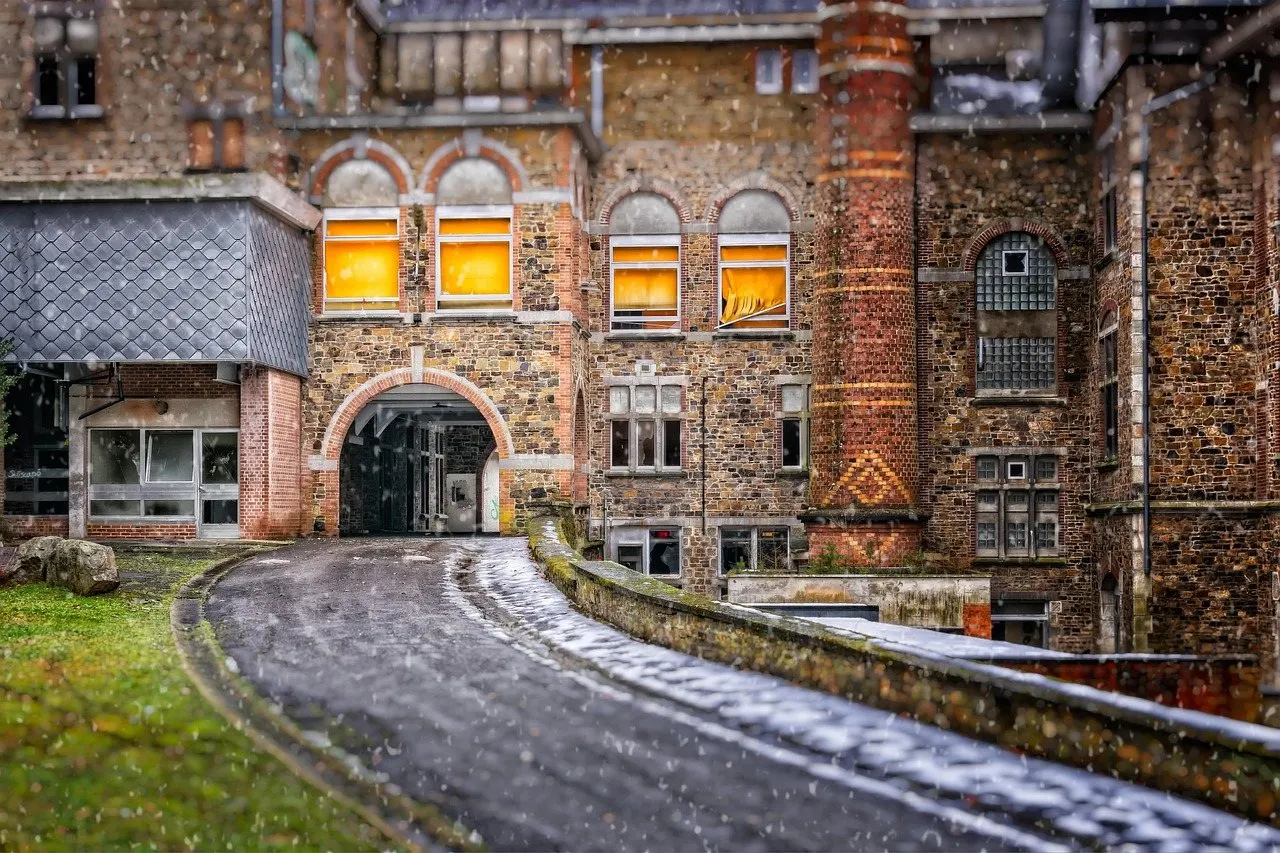
Small hospitals carry a heavy load, often serving whole counties with a small team and a tight budget. They treat injuries, deliver babies, care for older patients, and keep emergency rooms open through the night. When a small hospital closes, patients must drive much farther, and some may wait too long to seek help. The new funding aims to modernize these buildings and keep their doors open. A strong small hospital can steady a whole town. Read more in a race decided by just 330 votes.
Rural Health Needs More Doctors in Small Towns
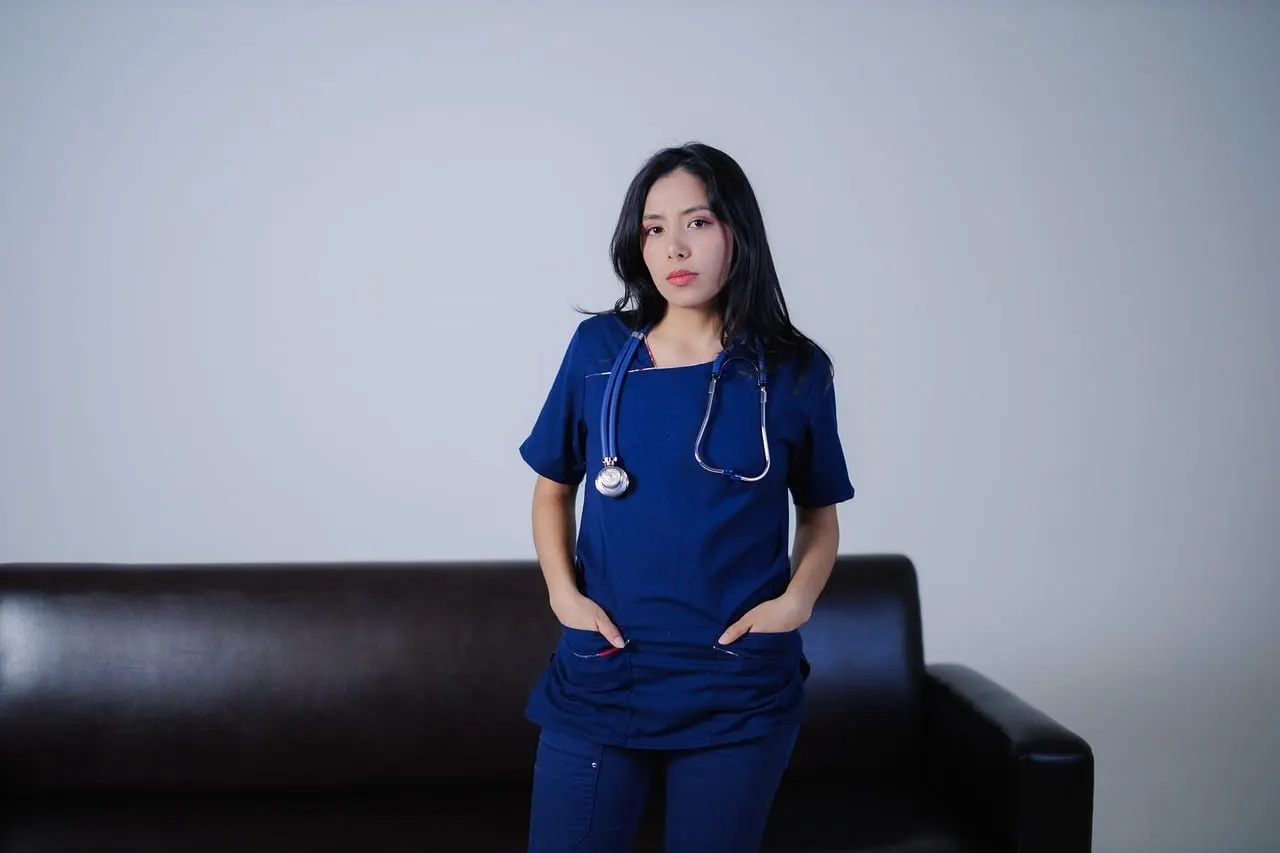
Doctors are the heart of care in small towns, but many country clinics struggle to recruit and keep them. A young doctor may worry about long hours, being on call alone, or living far from family. The program plans to grow the health workforce, which means more doctors choosing country practice and staying there. When a town keeps its doctor, families build trust over years, and children grow up with a clinician who knows them. Read more in Taylor Swift at the CMA Awards.
Nurses Hold Small Town Care Together
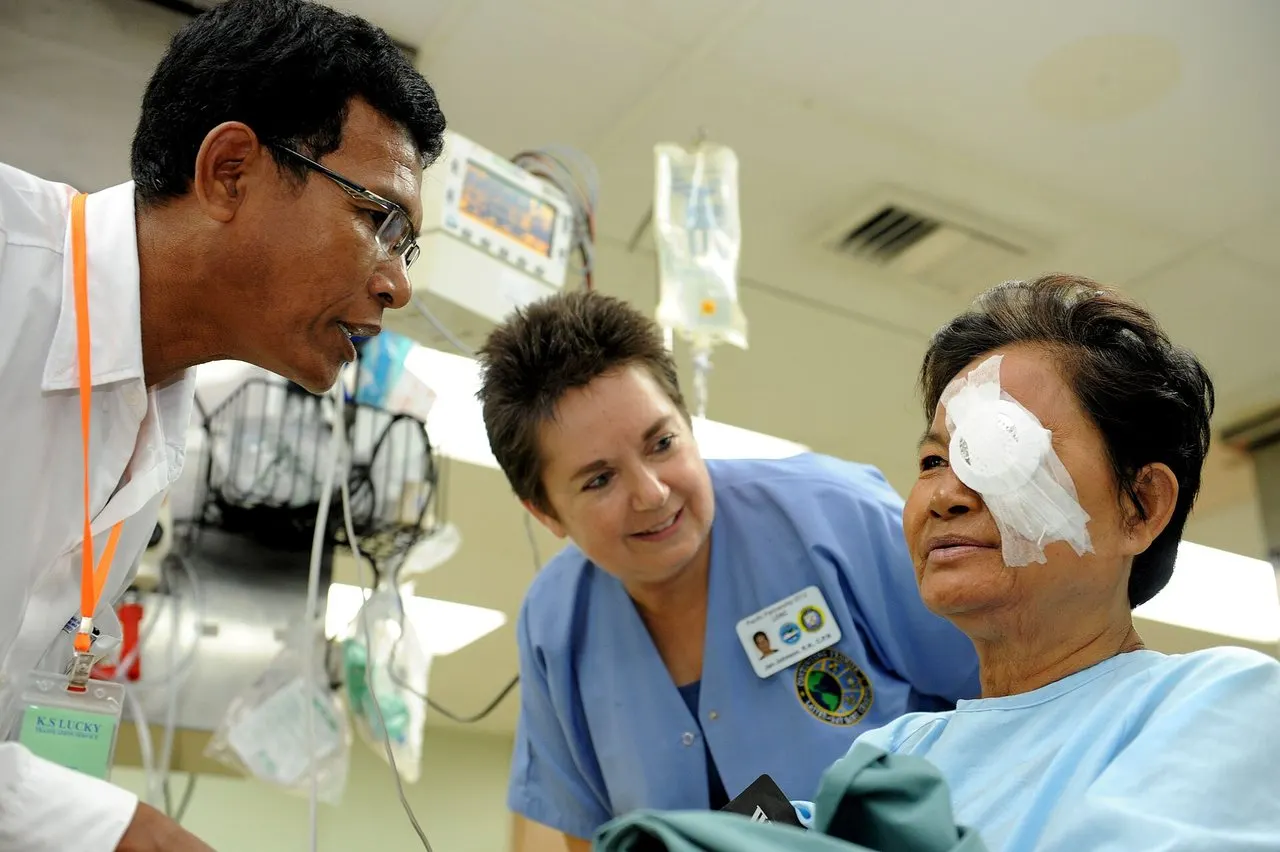
Nurses hold small town care together, often doing many jobs in a single shift. They check blood pressure, give vaccines, calm worried parents, and help older patients understand their medicines. In a small clinic, a nurse may know every family by name and notice when something has changed. The funding supports nurses as part of the workforce, helping clinics keep skilled hands on deck. A trusted nurse can make a clinic feel like a second home. Read more in new economic deals in Asia.
Training the Next Generation of Nurses
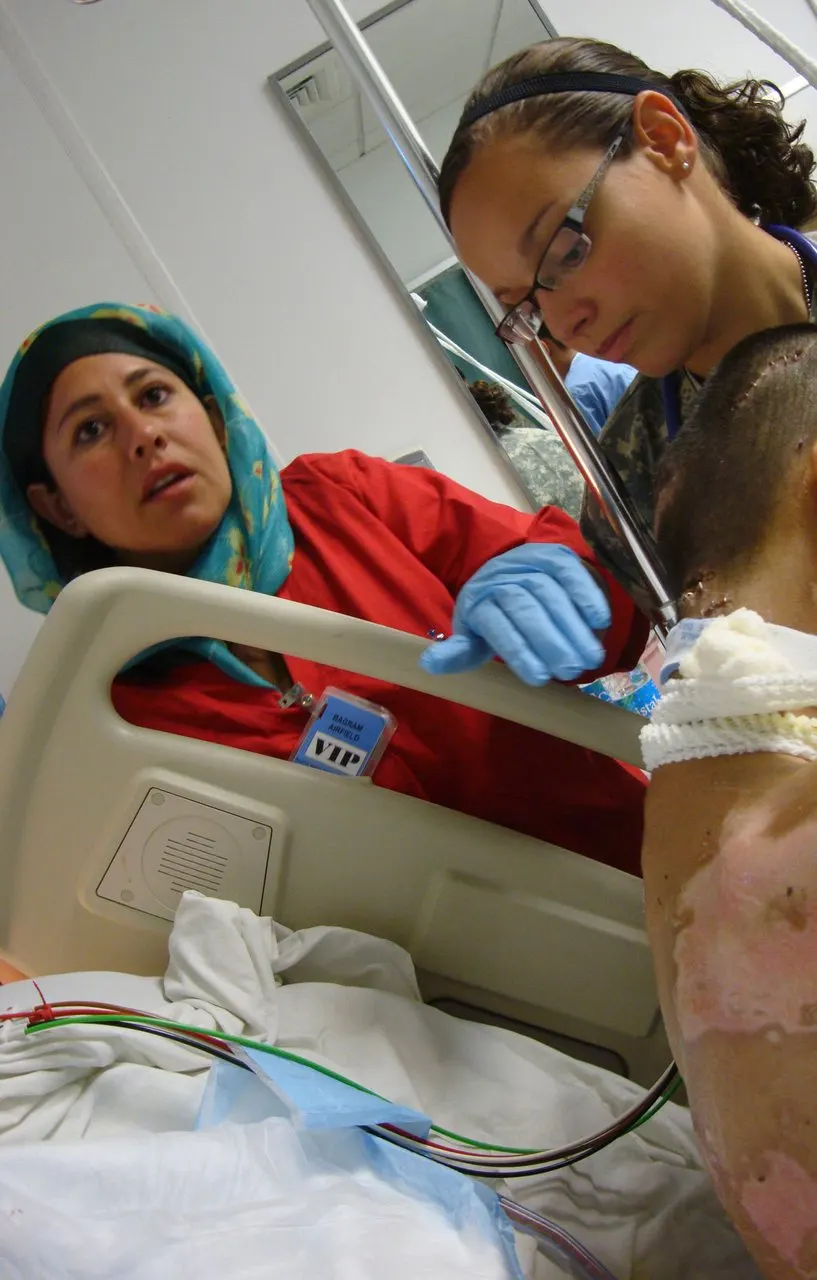
Training the next generation of nurses takes time, patience and good teachers. Students learn in classrooms and then practice beside experienced nurses, helping real patients with real needs. Country clinics can become training grounds, showing students the rewards of small town practice. When a student trains in a small town, that student may choose to stay and build a life there. The program supports the workforce, including the teachers and mentors who shape new nurses. Read more in Hillary Clinton before the meeting.
Rural Health Depends on Fast First Responders
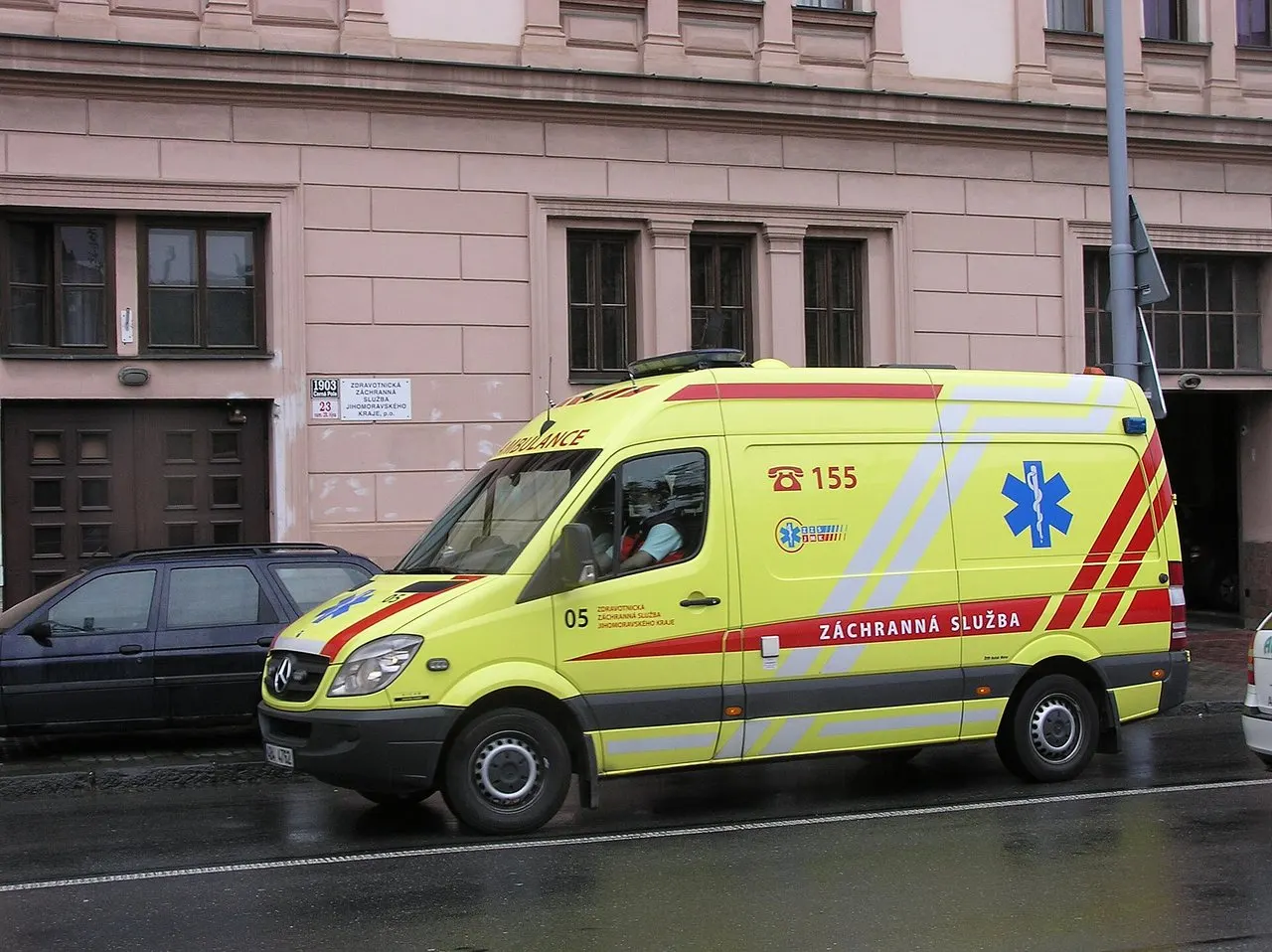
When someone calls for help in the countryside, first responders may drive long distances over dark roads. Ambulance crews, firefighters and volunteers are often the first friendly faces in a frightening moment. They steady patients, start treatment on the road, and carry people safely to the hospital. The funding supports these workers too, because a fast response can save a life before a patient ever reaches a ward. Every minute matters when help is far away. Read more in bright holiday projects.
When Minutes Matter on a Country Road
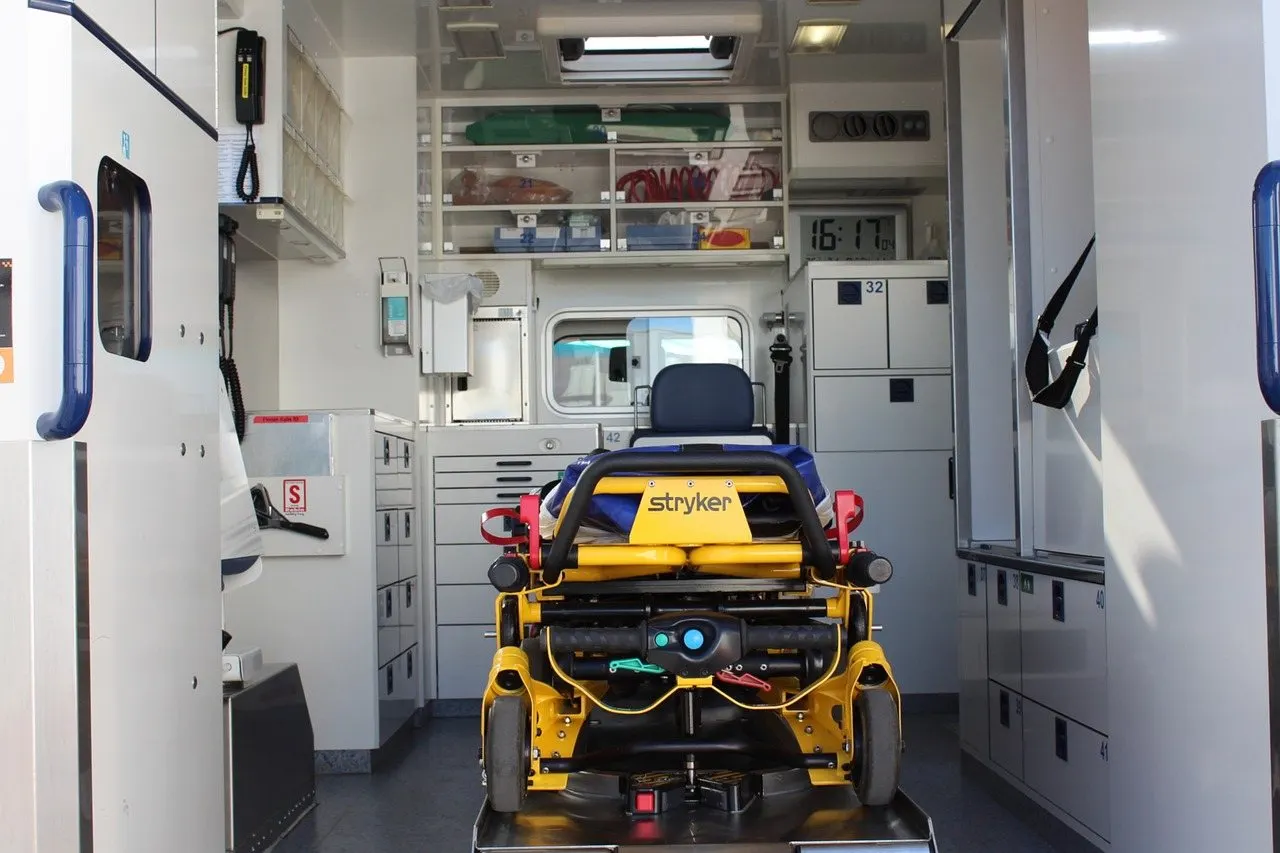
Minutes matter on a country road, where the nearest hospital may be many miles from home. An ambulance crew must know the back roads, the farm lanes and the shortcuts that save precious time. They carry equipment to help breathing, stop bleeding and keep a patient stable through a long ride. In winter or in a storm, their work grows harder still, yet they keep going through the night. The plan’s support for first responders honors that steady courage. Read more in recipes that nourished this land.
The Rescue Workers Who Answer the Call
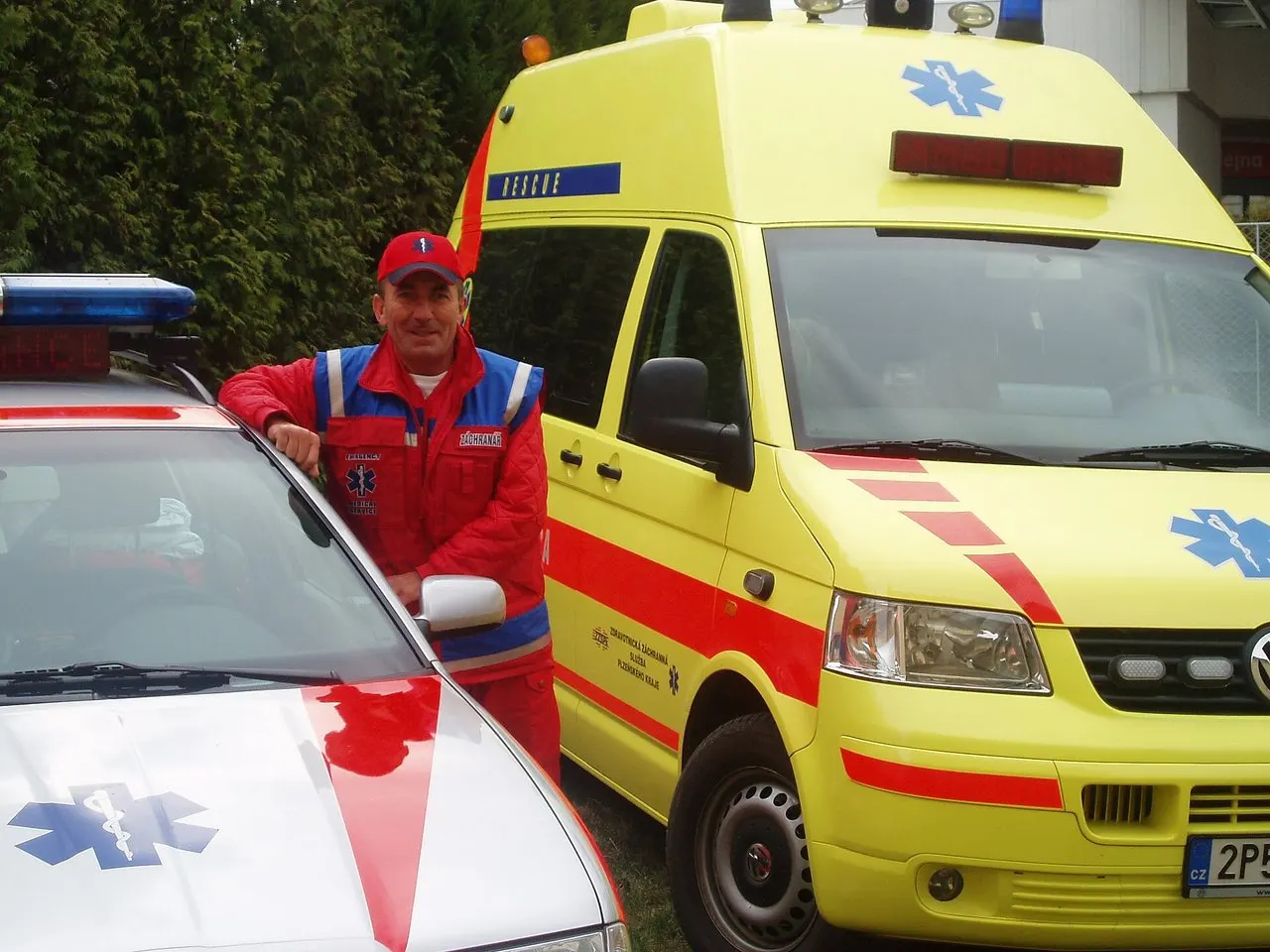
The rescue workers who answer the call come from many walks of life. Some are full time paramedics, while others are volunteers who leave their jobs or their supper tables when the alarm sounds. They train together, drill together and learn to stay calm when every second counts. In small towns, the person who arrives to help may be a neighbor, a friend or a familiar face from church. That closeness brings comfort in a scary hour. Read more in a breakthrough for diabetes.
Practice Makes the Emergency Team Ready
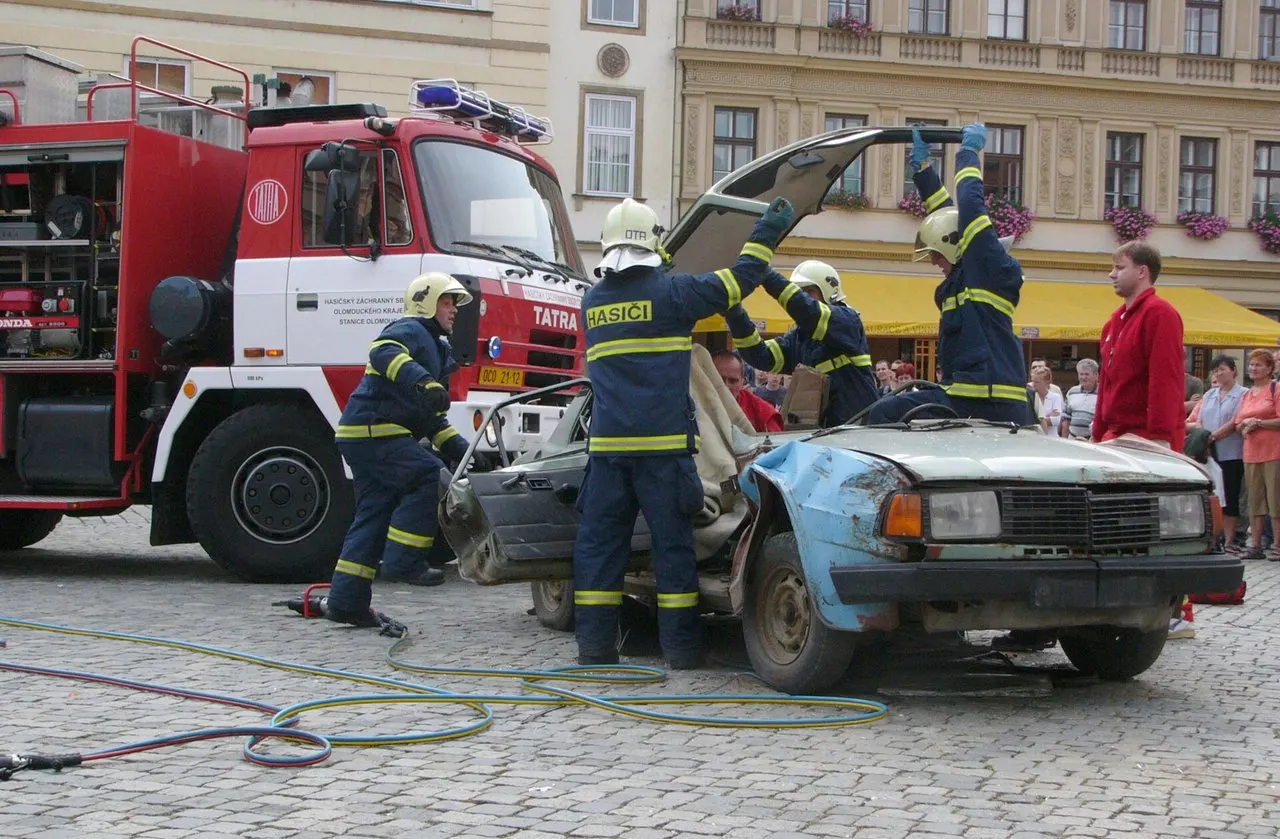
Practice makes the emergency team ready, so crews rehearse rescues long before a real call comes in. They practice lifting a patient safely, working in tight spaces, and talking clearly under pressure. A drill may look simple, but it builds the teamwork that saves lives when a real crash or a real illness strikes. Towns that drill together respond faster and with more confidence. The funding can help teams train, replace worn gear and stay sharp year after year. Read more in the handshake in China.
Rural Health Grows Through Video Visits
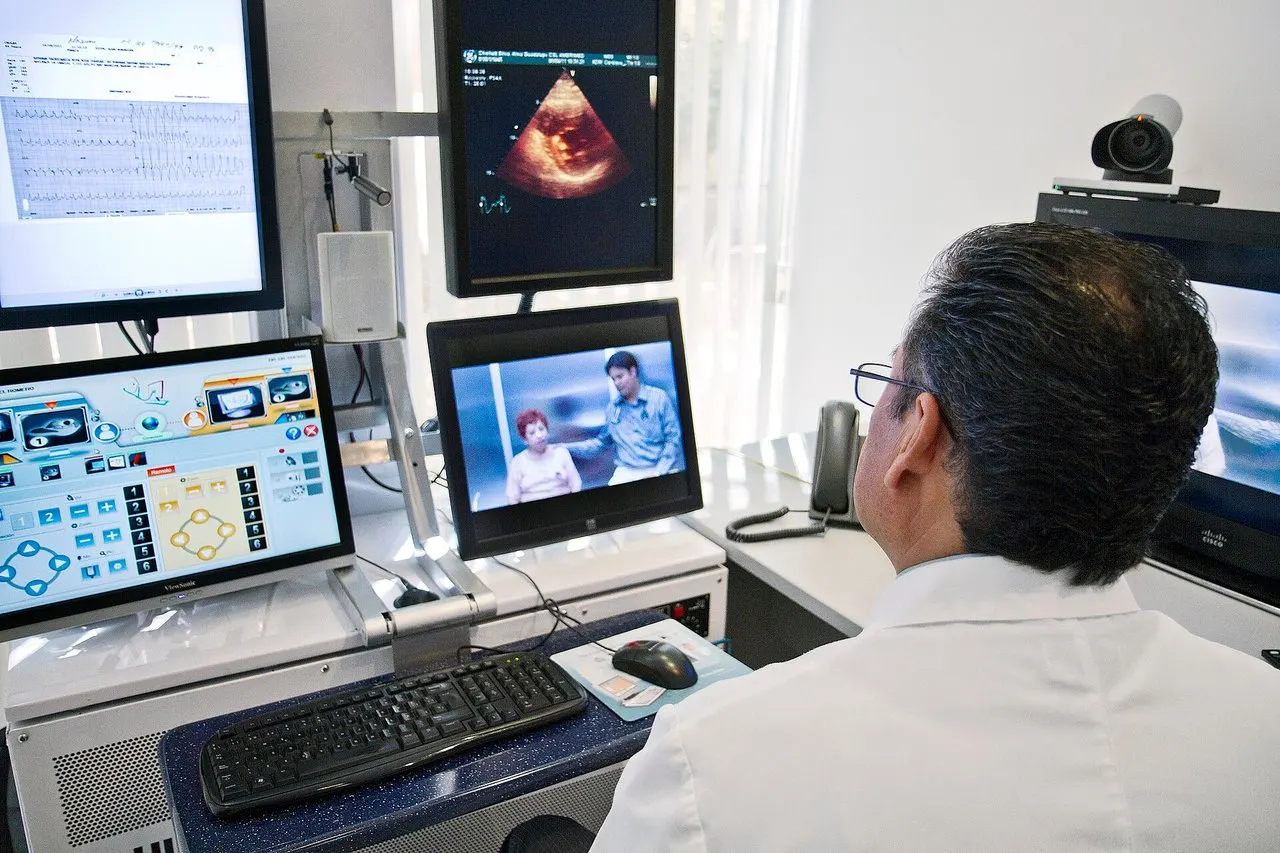
Video visits can bring a doctor into a farmhouse kitchen without a long drive to town. A patient sits at home, opens a laptop or a phone, and talks face to face with a clinician many miles away. For a checkup, a follow up, or a question about medicine, a video call can be enough. Telehealth also helps small clinics get advice from specialists in big hospitals. The program plans to expand these services so distance stops deciding who gets care. Read more in his recent trip to Asia.
A Doctor on a Screen Can Still Listen Well
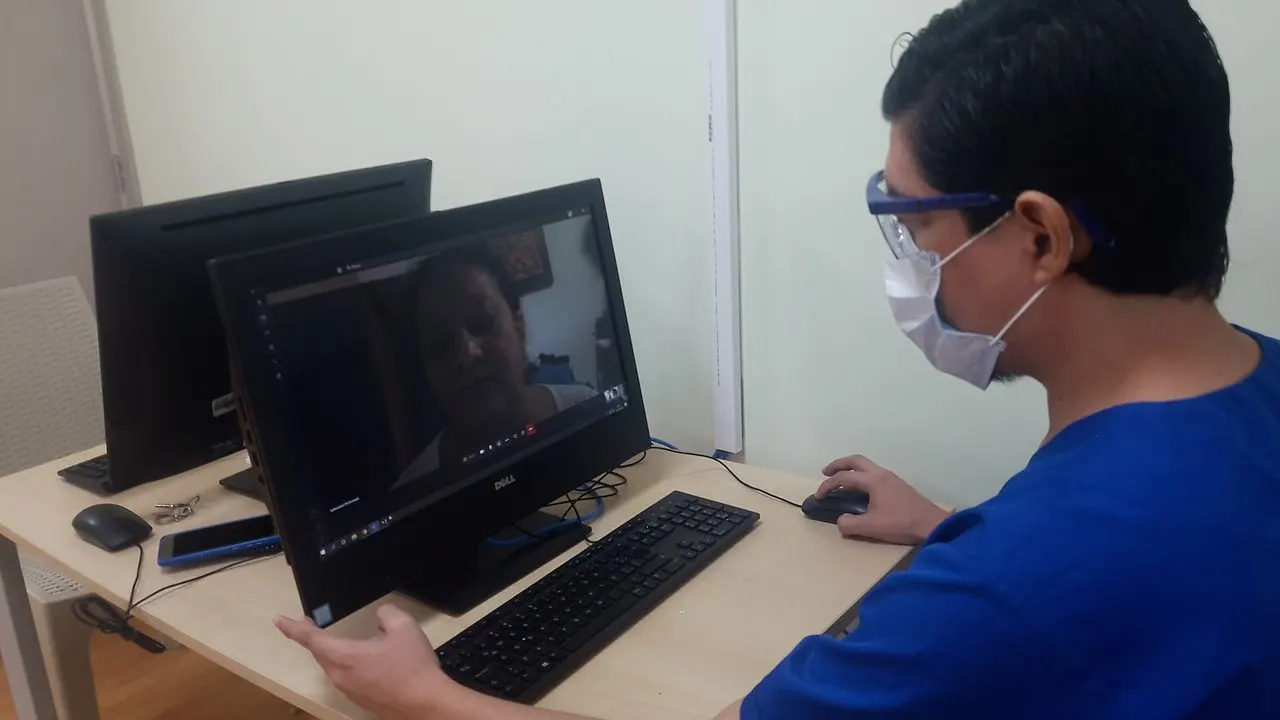
A doctor on a screen can still listen well, asking careful questions and watching for signs that matter. Patients often say they feel more relaxed at home, with a family member beside them and their own medicines close at hand. The clinician can review notes, look at test results, and decide if an in person visit is needed. Not every problem fits a video call, but many everyday concerns do. Good telehealth blends the screen with the clinic, not instead of it. Read more in the summit in Shenzhen.
Phone Calls That Bring Care Home
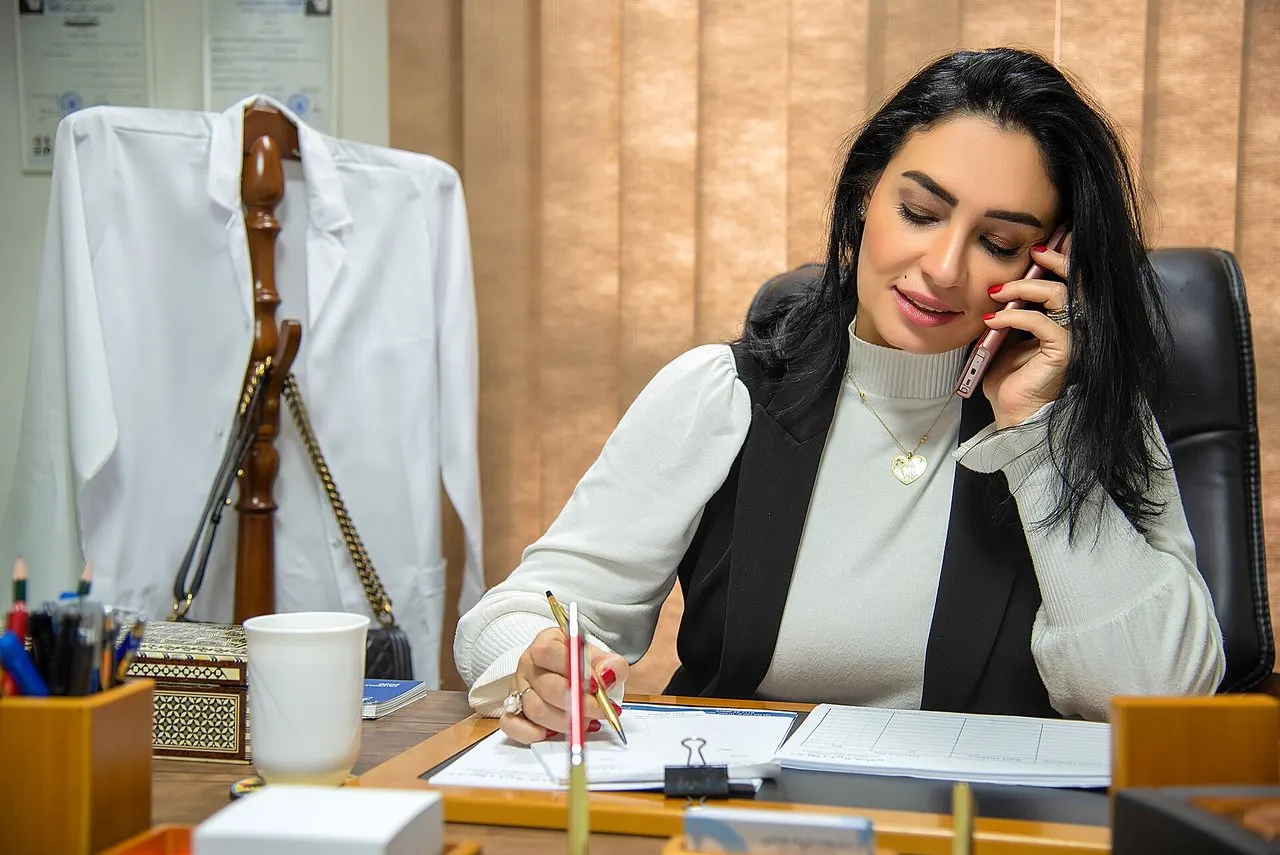
A phone call can also bring care home, especially for patients who feel unsure about video or who live where the internet is weak. A nurse or a doctor can check symptoms, explain a new prescription, or set up the next visit without a long trip. Phone visits work well for follow ups and for simple questions that do not need an exam. They are one more way for small clinics to stay in touch with the families they serve. Read more in a viral question about a chief executive.
New Telehealth Centers Open Their Doors

New telehealth centers are opening their doors, giving patients a place to connect with a doctor by video. A patient can walk into a local center, sit with a nurse, and speak to a specialist far away on a clear screen. The nurse can help with the equipment, take basic readings, and stay nearby during the call. For towns without a full time specialist, a center like this can fill a real gap. It brings big city expertise into a small town room. Read more in warnings about national security.
Rural Health Checkups Catch Problems Early
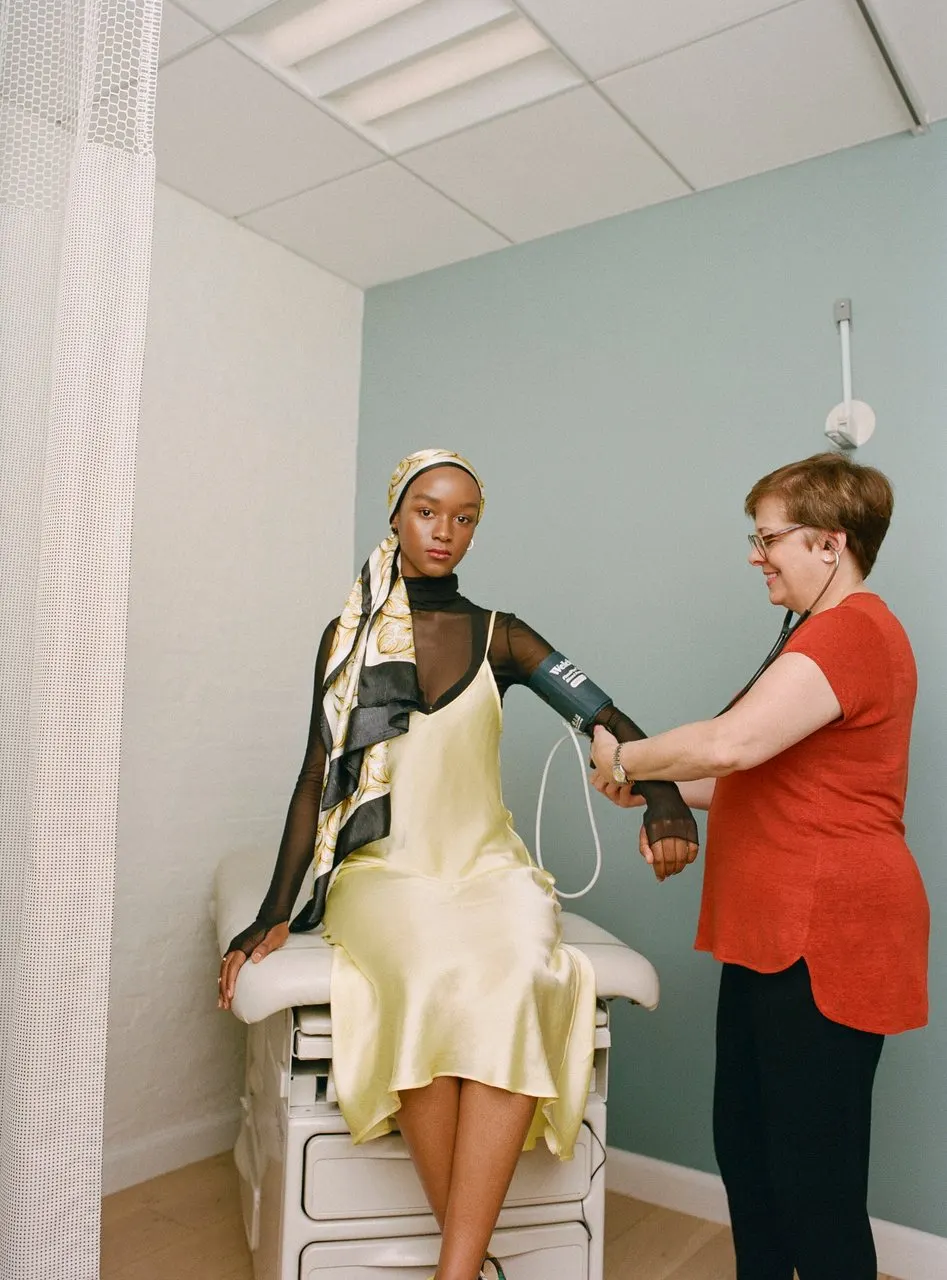
A regular checkup can catch a problem early, when it is easier and cheaper to treat. A doctor can check blood pressure, listen to the heart, and ask about sleep, food and daily habits. Small changes found early, like a rising blood pressure reading, can prevent a crisis later. In small towns, a checkup is also a chance to talk, to ask questions, and to leave with a clear plan. The program’s support for clinics helps keep those visits close to home. Read more in the House vote for a new Speaker.
The Exam Room Where Trust Is Built
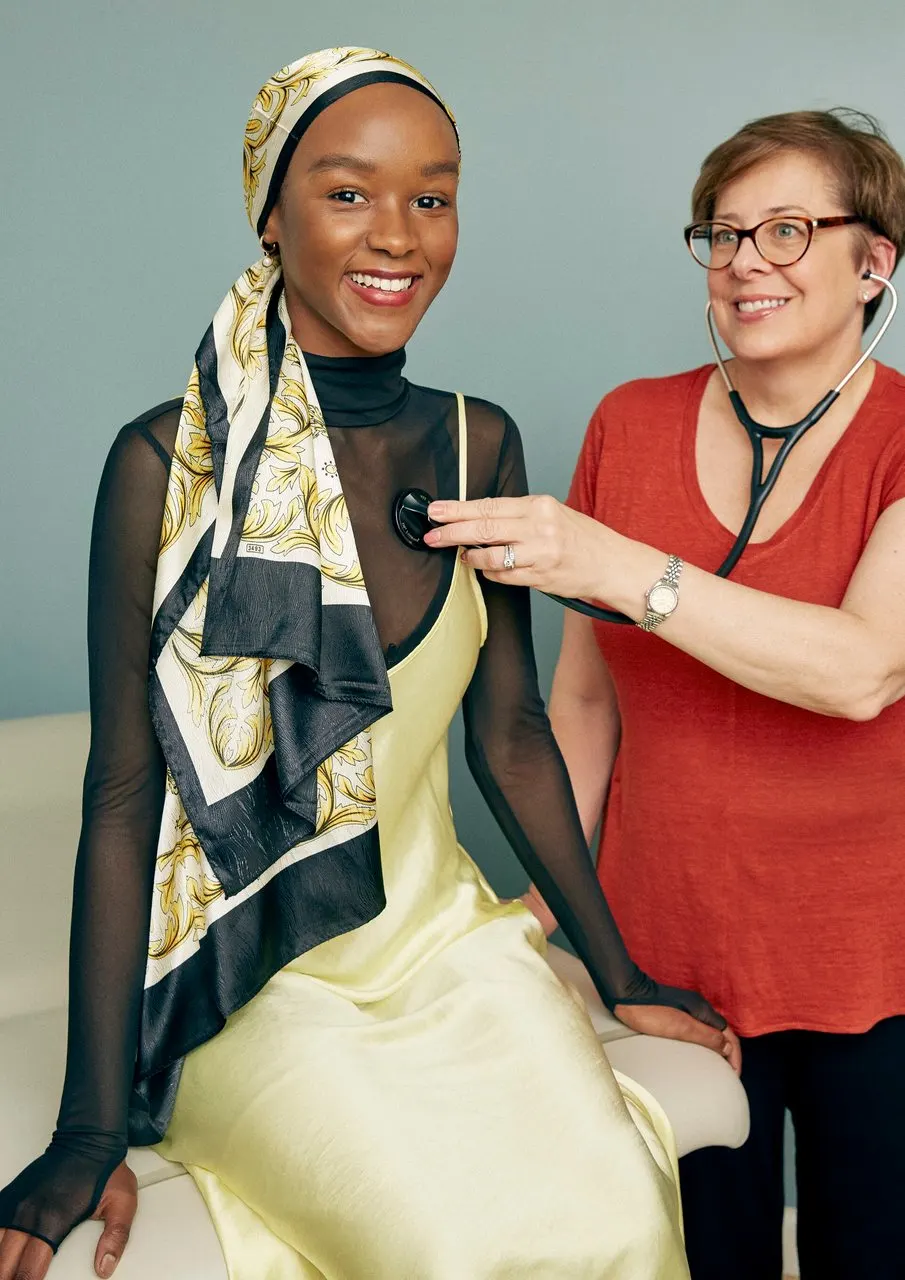
The exam room is where trust is built, one visit at a time. A doctor who listens without rushing helps a patient speak honestly about pain, worry or fear. The stethoscope, the blood pressure cuff and the gentle questions all work together to form a full picture. When patients trust their clinician, they follow advice, return for follow ups, and call sooner when something feels wrong. That trust is the quiet foundation of good care in any town. Read more in two very different maps of the same country.
A Gentle Checkup for a Young Patient
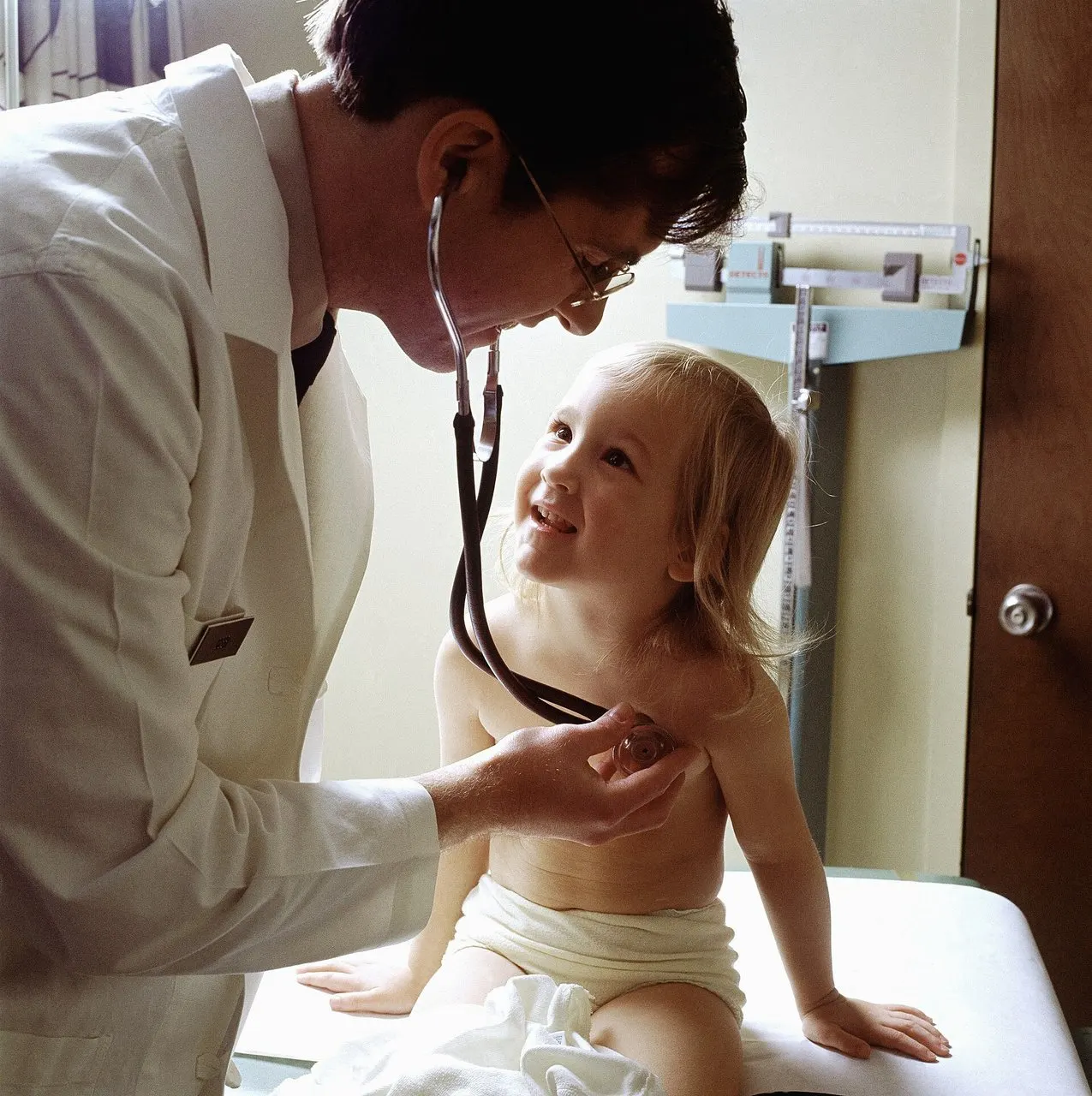
A gentle checkup can shape how a child feels about doctors for years to come. A kind clinician takes time to explain each step, lets a child hold the stethoscope, and turns a strange room into a safe place. Parents can ask about growth, food, sleep and vaccines, and leave with answers they understand. When a small town clinic feels friendly, families come back on time for every visit. A calm first visit can build a lifetime of good habits. Read more in another historic first in Florida.
Rural Health Leaders Who Run the Video Visit Programs
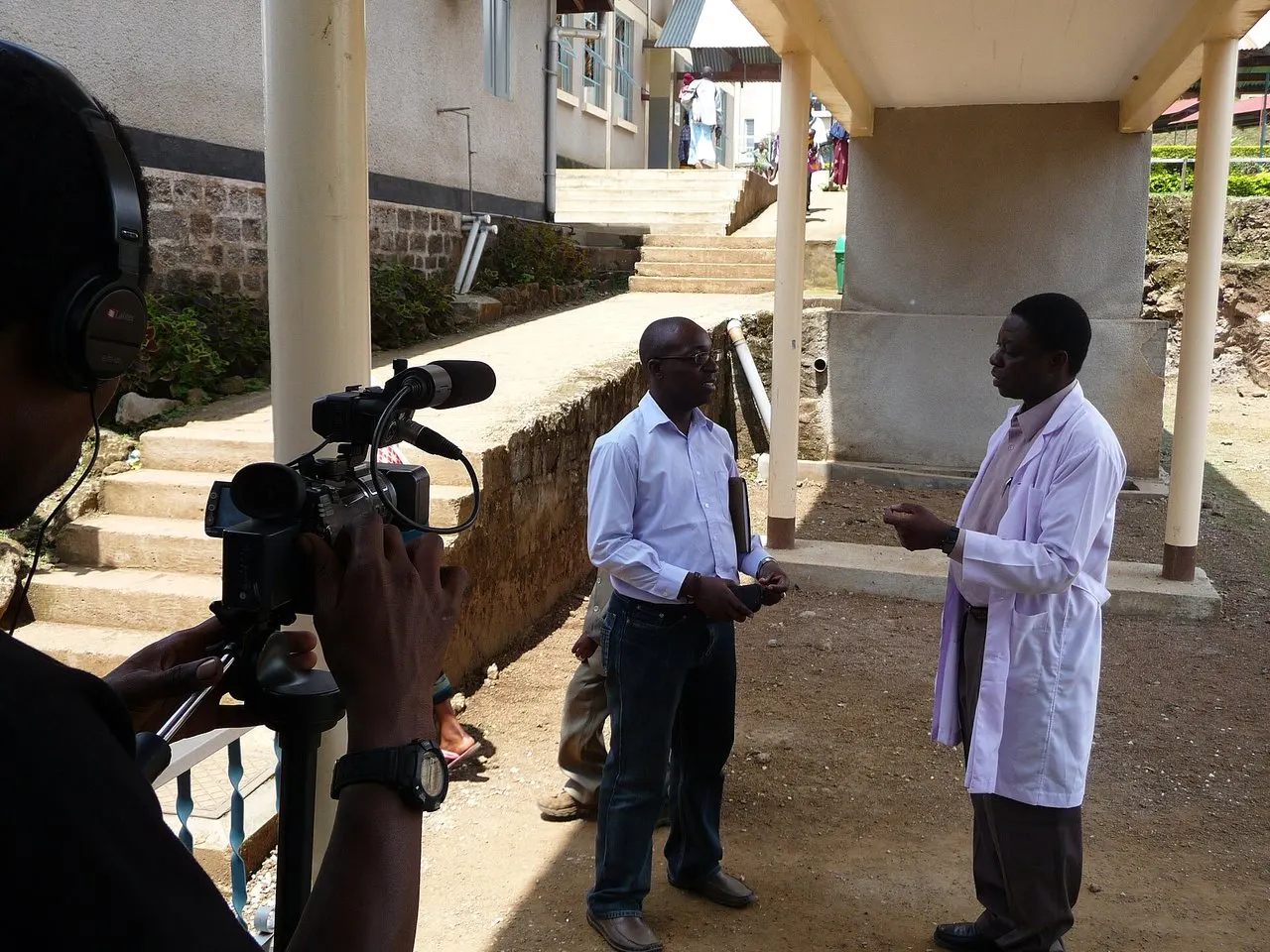
Behind every video visit stands a team of leaders who plan the schedules, train the staff and fix problems as they arise. These doctors and managers know the local clinics, the patients and the roads between them. They decide which services fit a video call and which need a visit in person. Their steady work turns a new idea into a daily habit for a whole town. Good leadership keeps the technology human and the care personal. Read more in a race decided by just 330 votes.
Patients Try a Video Visit at the Hospital
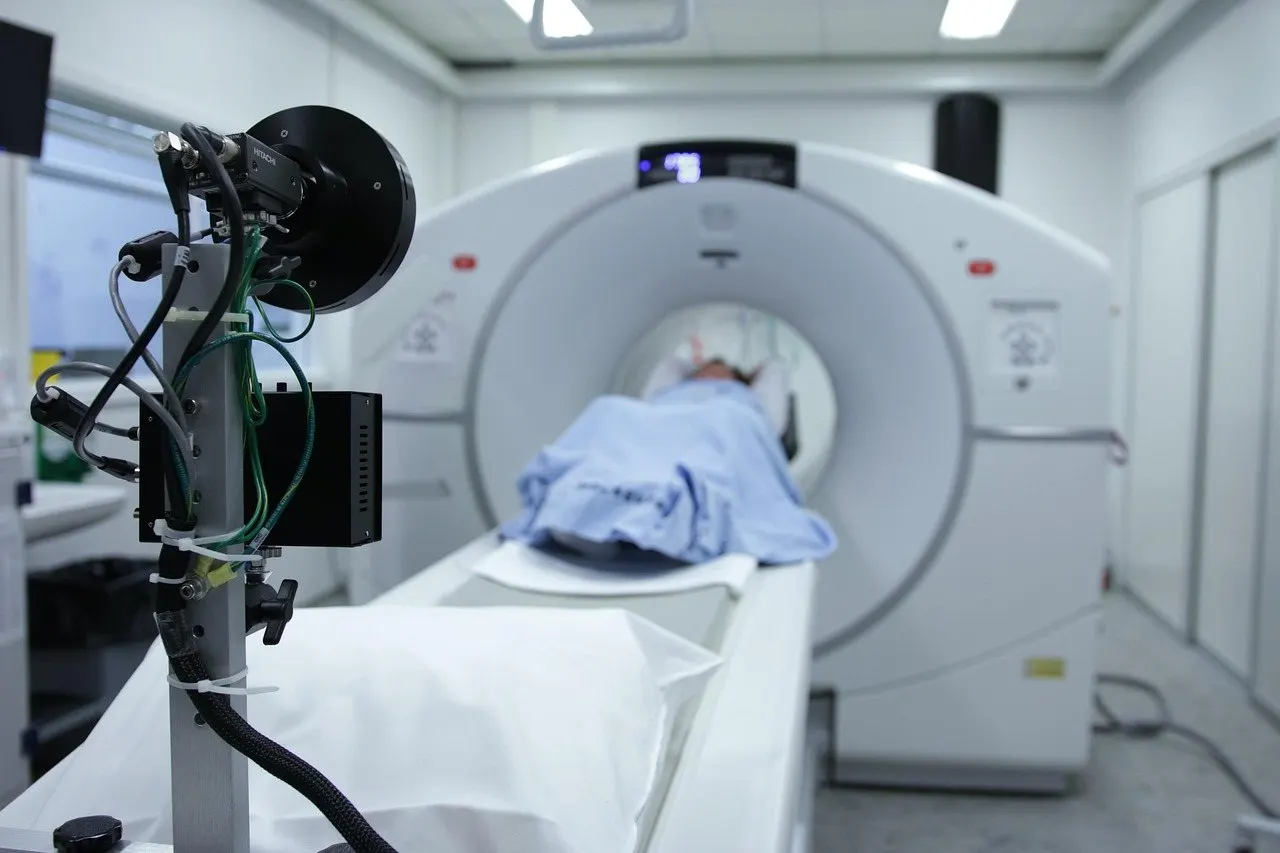
Patients are trying video visits at the hospital, often with a nurse sitting nearby to help. The screen brings a specialist into the room, even when that specialist works in a city hours away. A patient can ask questions, show a wound or a rash, and hear the plan in plain words. For older patients, having a nurse beside them makes the technology feel simple and safe. Each good visit makes the next one easier to try. Read more in Taylor Swift at the CMA Awards.
Staying Active Keeps Older Neighbors Strong
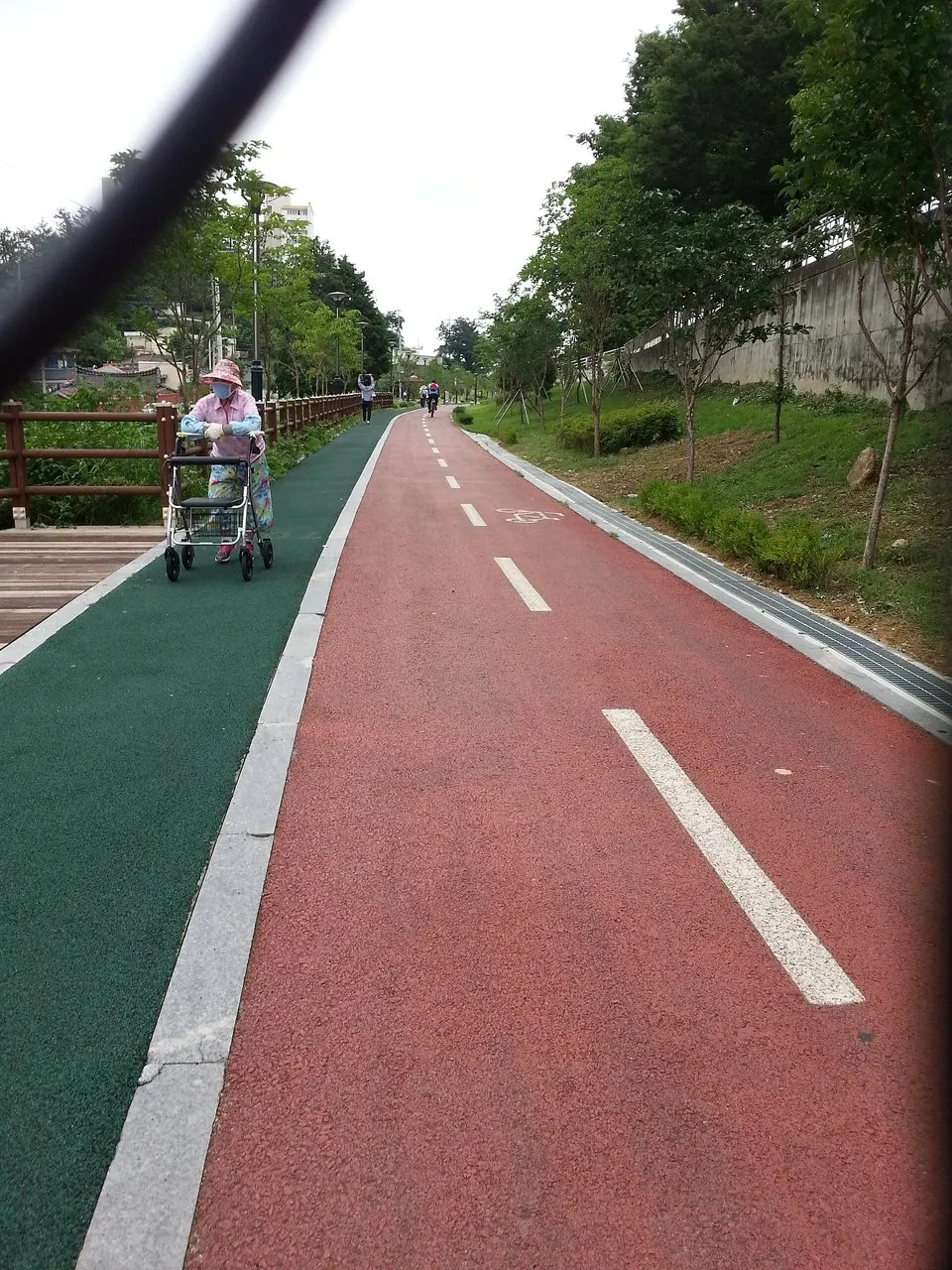
Staying active keeps older neighbors strong, and a daily walk is one of the simplest ways to do it. Walking helps the heart, steadies the legs, and gives friends a reason to meet on a park path. Doctors often say that movement, fresh air and good company support health at every age. In small towns, a walk to the store or around the block can be both exercise and a social visit. The new funding supports the clinics that cheer those habits on. Read more in new economic deals in Asia.
Rural Health Starts With Farm Families and Fresh Food
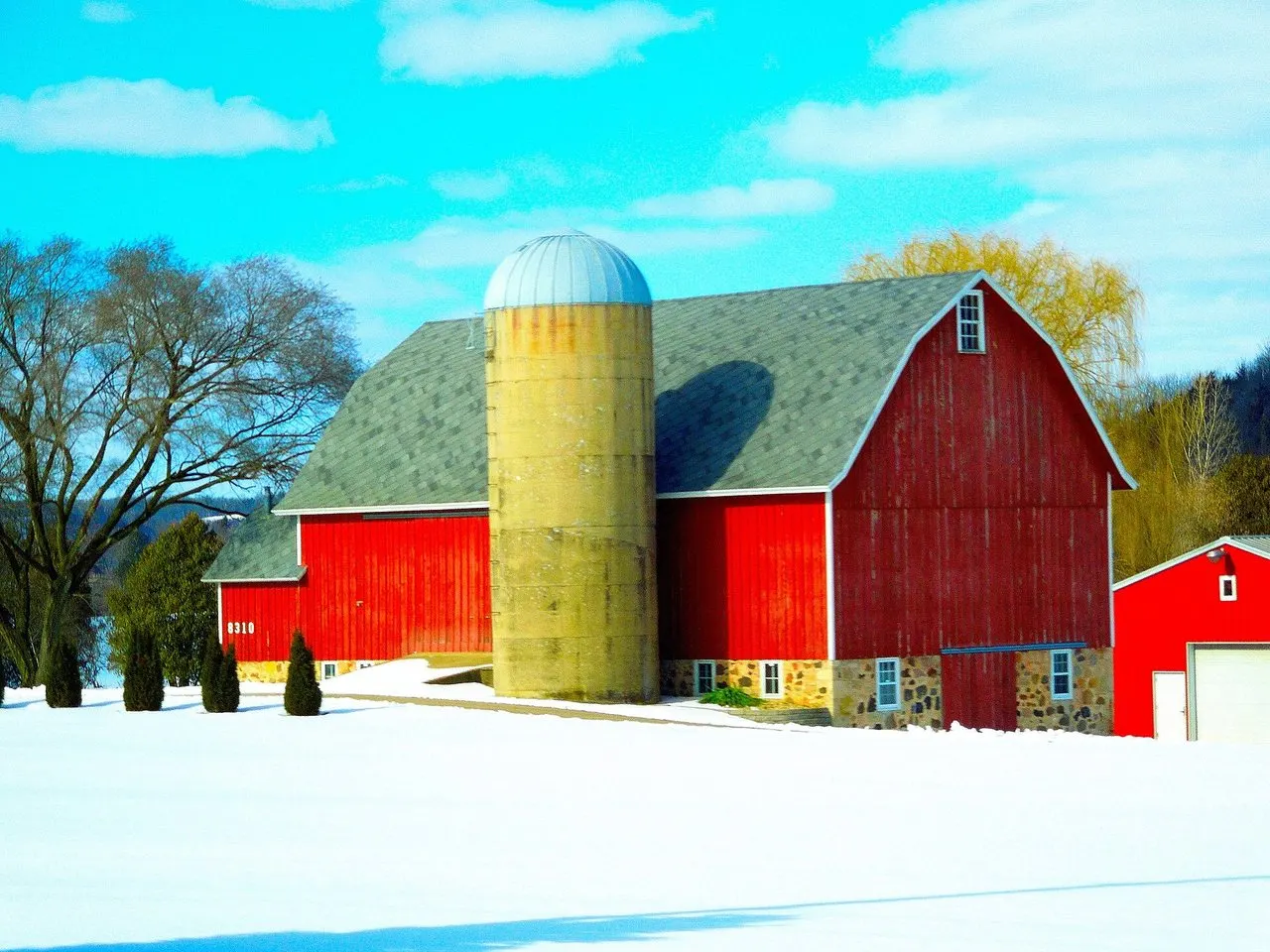
Farm families feed the country, and their own health matters just as much as the crops they grow. Long days in the fields, heavy lifting and hot summers can wear a body down over time. Fresh food from the garden, clean water and regular checkups help farming families stay strong for the work they love. The program’s support for disease prevention includes the everyday habits that keep people well. A healthy farm family is the heart of a healthy harvest. Read more in Hillary Clinton before the meeting.
Main Street Is the Heart of a Small Town
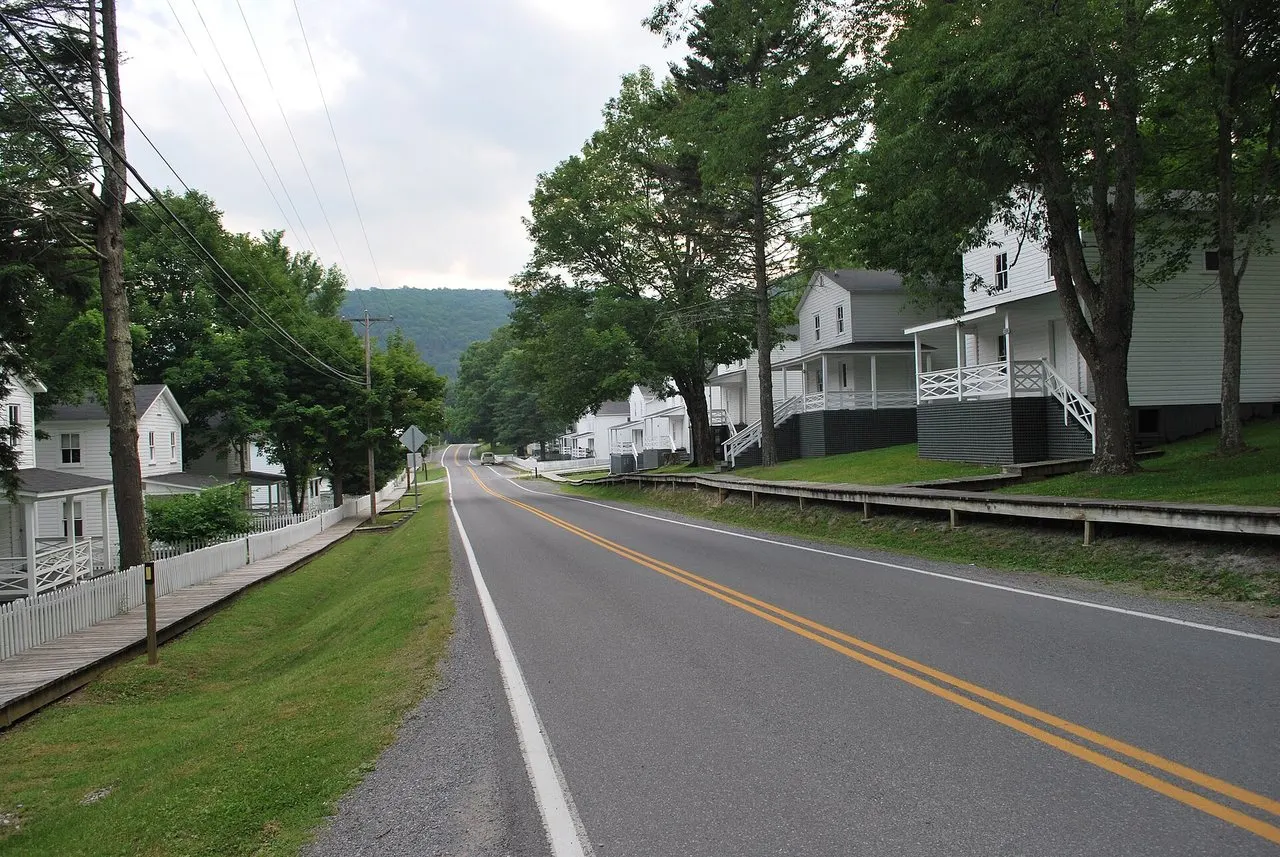
Main Street is the heart of a small town, where the clinic, the pharmacy and the grocery store often sit within a few steps of each other. Neighbors meet on the sidewalk, share news, and check on each other after a hard week. When a clinic thrives on Main Street, the whole street feels stronger, with more visitors and more life. The funding aims to keep that heartbeat steady, so care stays where people already gather each day. Read more in bright holiday projects.
A Walk Down Main Street America
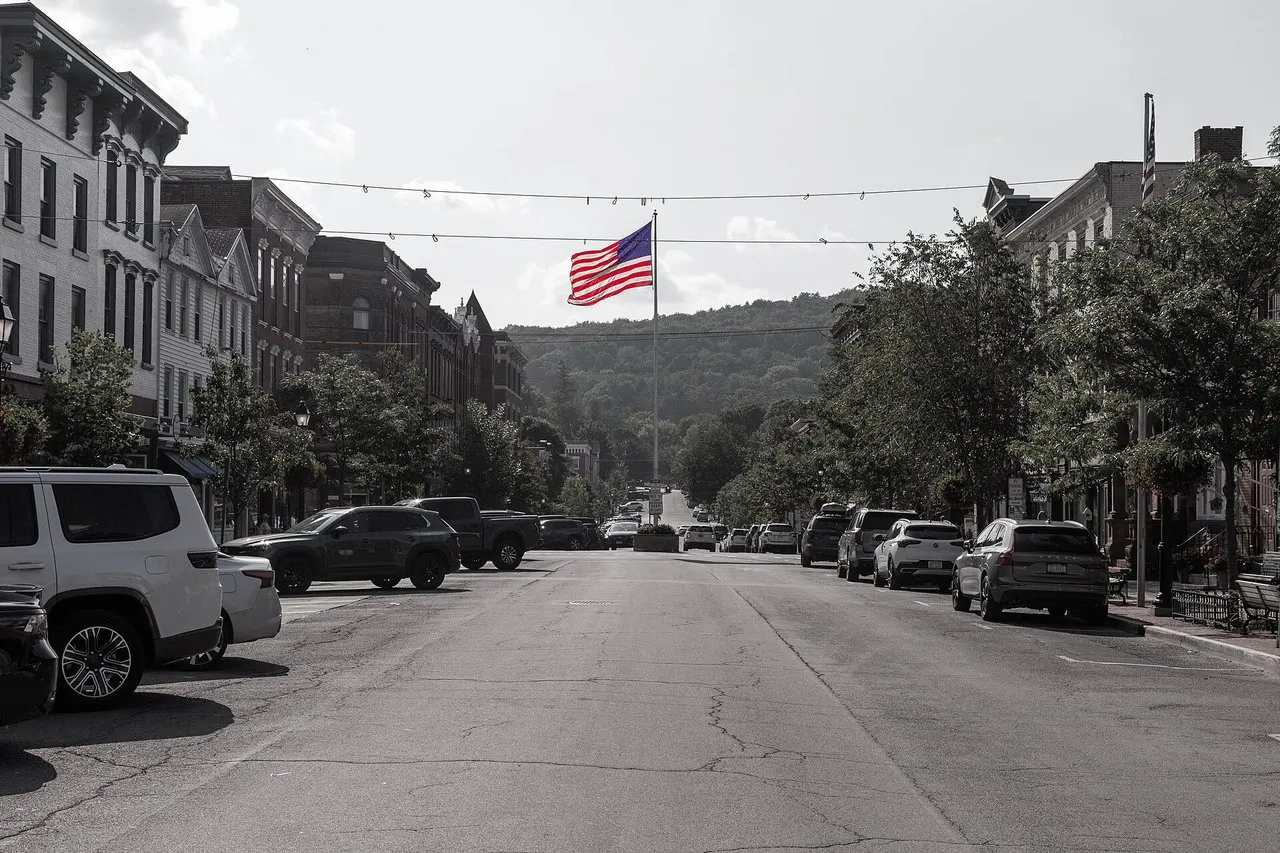
A walk down Main Street America shows how much small towns share, from the brick storefronts to the flags flying over the shops. Each town has its own story, yet all of them need the same basics, a doctor nearby, a nurse who knows your name, and a pharmacy that stays open. When those basics are strong, families can put down roots and grow old where they grew up. The $50 billion plan is an investment in those roots. Read more in recipes that nourished this land.
The Pharmacy Close to Home
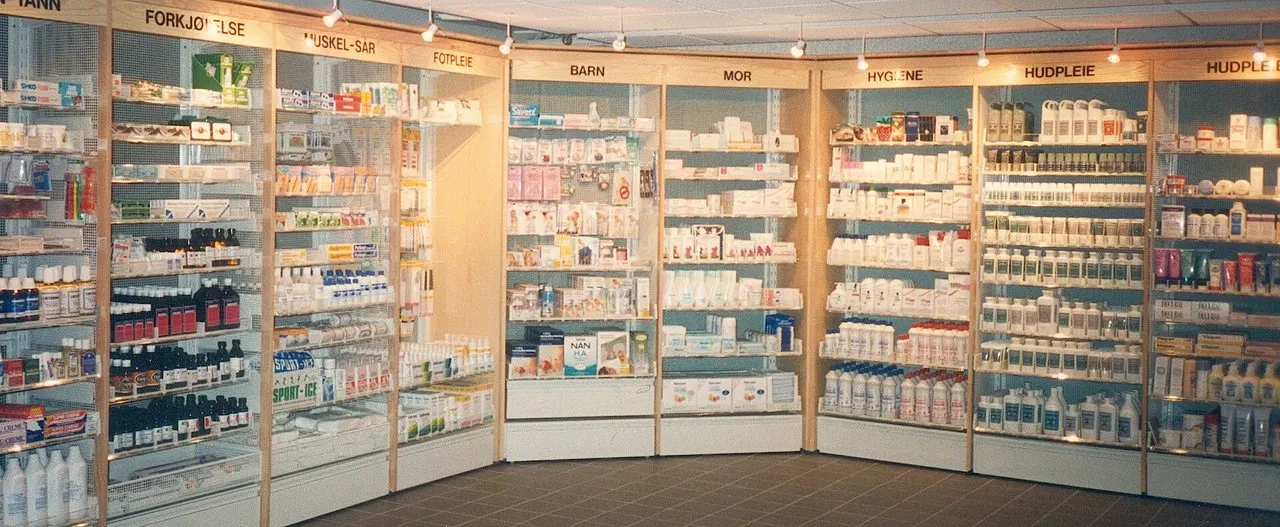
The pharmacy close to home is often the first place a family turns to with a question. A pharmacist can explain how to take a new medicine, warn about side effects, and call the doctor when something looks wrong. In small towns, the pharmacist may know the whole family and remember what worked last time. Keeping local pharmacies open matters as much as keeping clinics open, because medicine only helps when people can reach it. The plan supports that whole chain of care. Read more in a breakthrough for diabetes.
What Does Care Close to Home Mean to You
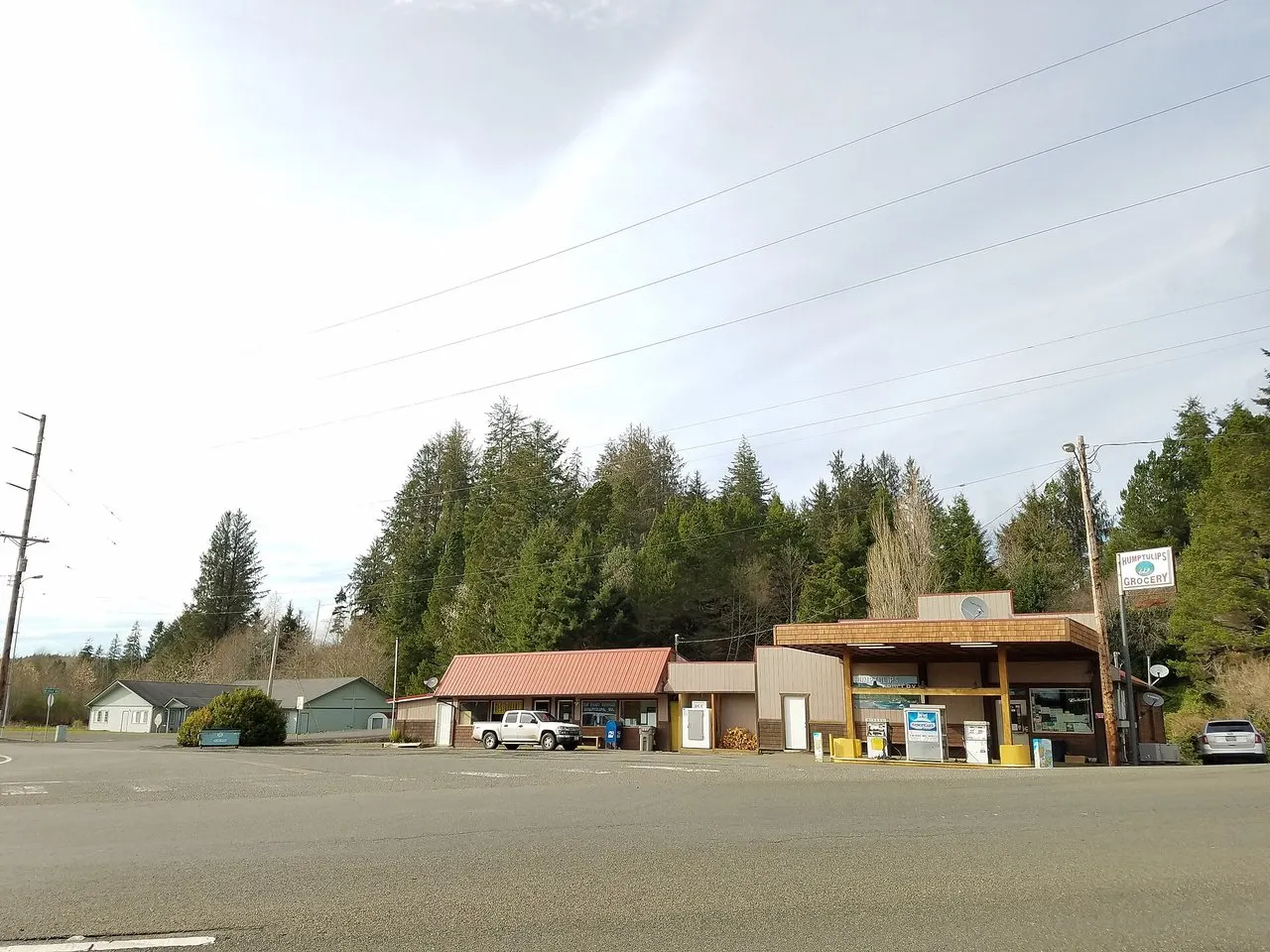
What does care close to home mean to you? Is it a clinic five minutes away, a doctor who knows your name, or a nurse who calls after a visit? Maybe it is a video call that saves a long drive, or a pharmacy that stays open late when your child is sick. Tell us what matters most in your town, and what you hope the $50 billion plan will change first. Your story could help the next town get the care it needs. Read more in the handshake in China.