Ghost Student Fraud: What the FBI Found in 830,000 Fake Accounts
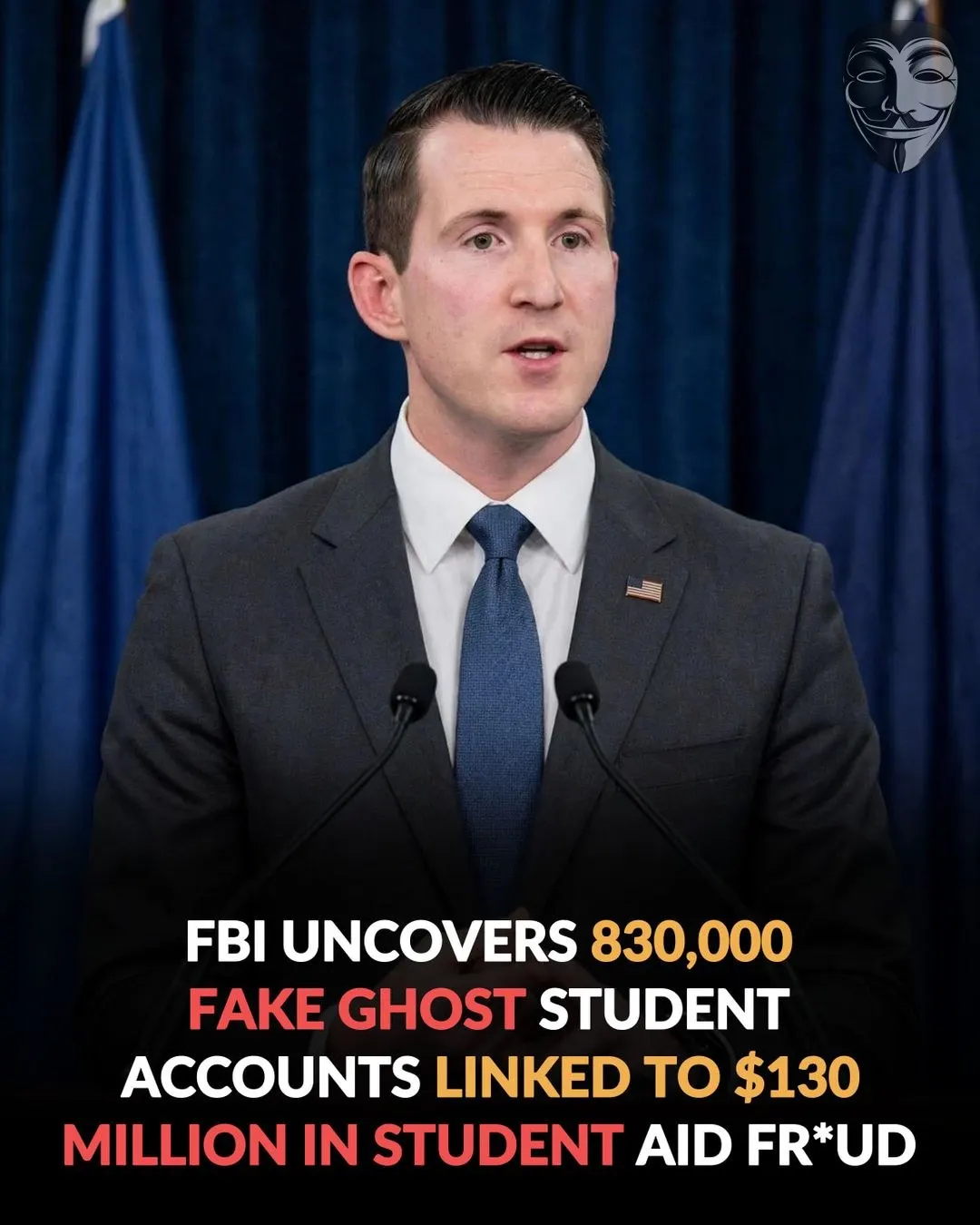
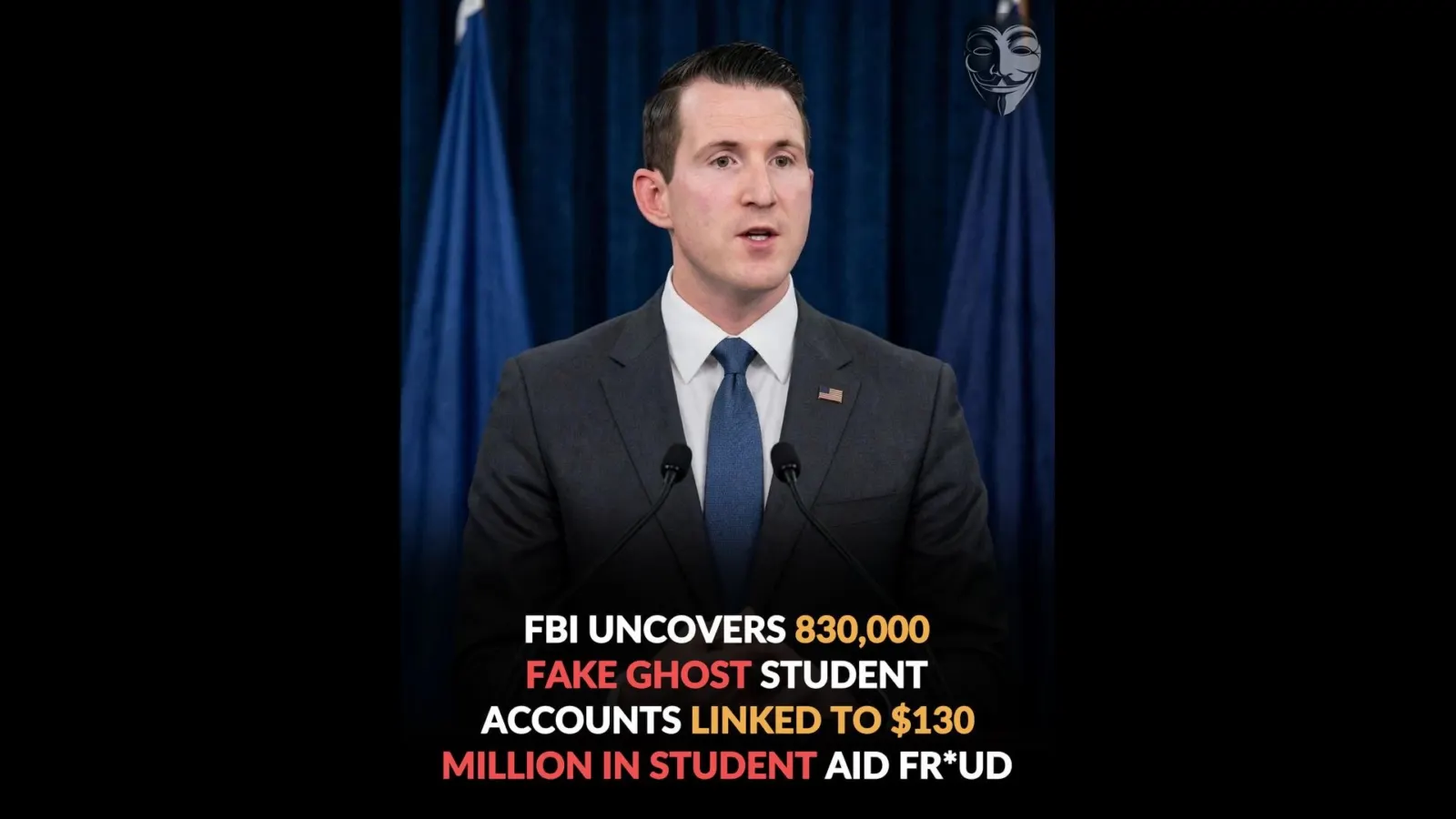
Ghost student fraud on a massive scale is at the center of a new federal crackdown, and investigators say the numbers are staggering. Federal officials have flagged 830,840 potentially fraudulent student aid accounts tied to nearly $130 million, and five people have already been charged in the first cases. Criminal networks used stolen American identities to open fake aid accounts and enroll students who never existed, then collected federal grants and loans in their names. The nationwide crackdown is called Operation Ghostbusters.
In the slides ahead we look at how the scheme worked, who was charged, and where the money went. Officials say artificial intelligence helped the networks fill out applications and complete coursework so the fake students looked real, while money moved through bank accounts in the United States and overseas. Investigators have found more than $32 million in losses so far and seized over $750,000 in cryptocurrency. For more on federal action, read the measles outbreak in the United States.
References:
US Department of Justice: Justice Department Unveils Indictments in Nationwide ‘Ghost Student’ Fraud Scam Linked to Kenyan Network
USA Today: ‘Operation Ghostbusters’: DOJ unveils crackdown on student aid fraud scheme
New York Post: DOJ busts ‘ghost students’, seizes $750K in stolen financial aid sent to Kenyan safari outfit
The College Fix: Justice Department arrests 5 ‘ghost student’ scammers after millions stolen in college aid
How Fake Students Were Created With Stolen Identities
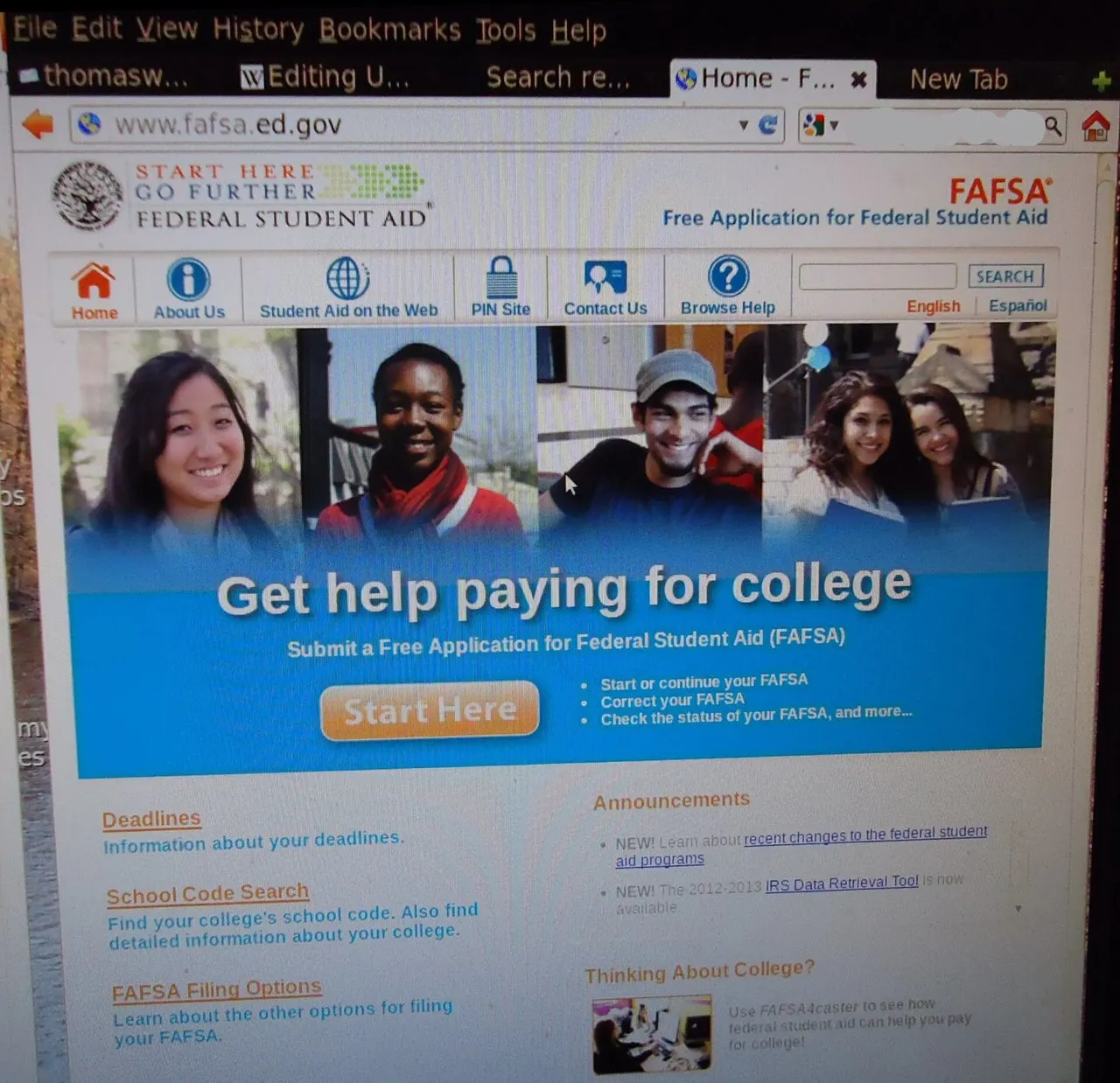
The scheme began with stolen American identities, and that was the key that opened every door. Criminal networks took personal details that belonged to real people and used them to open federal student aid accounts in their names. The accounts looked normal on paper, so colleges enrolled students who never existed and the government paid out grants and loans. Nobody in a classroom ever saw these students, because there was nothing to see. You can read about Donnie Wahlberg and his faith and about the hearing in Congress for more on how federal systems are tested.
The $130 Million in Federal Aid at the Center of the Case

Nearly $130 million in federal student aid is tied to the flagged accounts, and that figure shows how large this scheme grew. Grants and loans are meant to help real students pay for college, and every dollar sent to a fake student is a dollar that cannot help a real one. The Justice Department says it has flagged 830,840 potentially fraudulent aid accounts, which means the problem touched a huge number of fake enrollments. The scale is what shocked investigators most. Read more in the ICE flights that vanished from trackers and in the triplets detained by ICE.
Operation Ghostbusters and the Ghost Student Fraud Crackdown
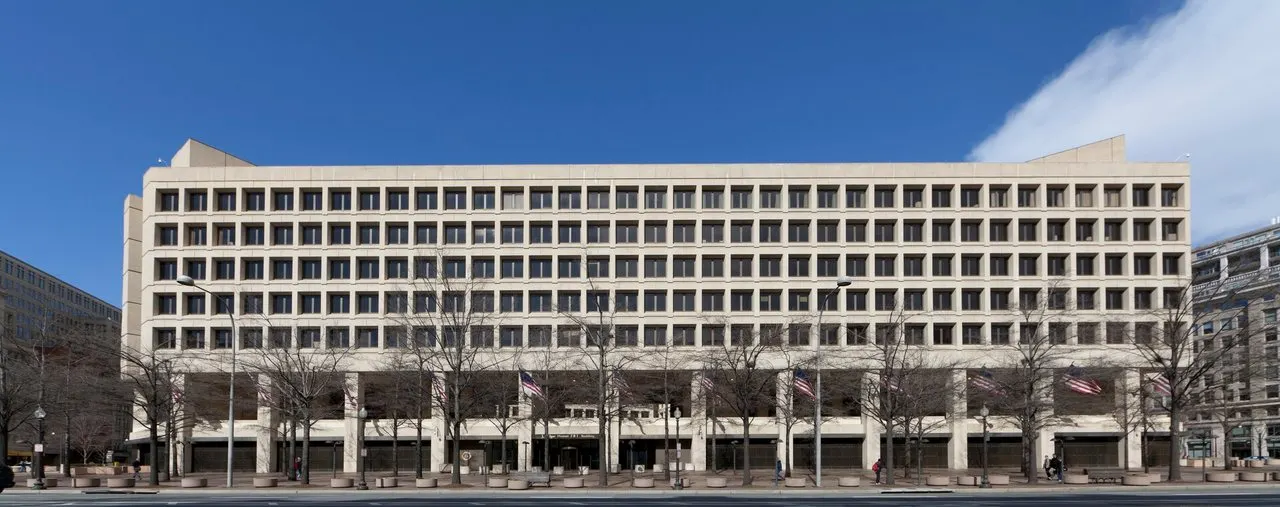
The nationwide crackdown is called Operation Ghostbusters, and the name fits a hunt for students who were never really there. More than 40 cases are now open across 26 FBI field offices, which shows that this was not a small local scam but a wide network. Agents in different states are working on pieces of the same puzzle, tracing accounts, applications, and money trails. The first charges are only the start, and more cases are expected to follow. Learn more from Elon Musk and the midterm spending and from Native American foods that nourished this land.
Five People Charged in the First Cases
Five people have been charged in the first cases from the crackdown, and those charges mark the opening move in a larger effort. The Justice Department unveiled indictments in a nationwide case linked to a Kenyan network, and the charges show that investigators have tied real people to the fake accounts. Court cases take time, and details will come out as each case moves forward. For now, the five arrests send a clear message that the scheme is being taken seriously. See Indian snacks for a Diwali party for more on legal fights in the news.
How Artificial Intelligence Made Fake Students Look Real

Officials say artificial intelligence helped the networks fill out applications and complete coursework, which made the fake students look real. A fake student needs more than a name on a form, because schools expect homework and grades. AI tools can produce that work quickly and in large amounts, so one small group could keep hundreds active at once. The technology is not the problem, but the way it was used here crossed a clear line. Read the shelter dog Diesel and the kittens for more on technology in the news.
Ghost Student Fraud and the Kenyan Network Connection

The Justice Department says the case is linked to a Kenyan network, and that link points to how far the money traveled. The New York Post reports that stolen financial aid was sent to a Kenyan safari outfit, which shows that the funds did not stay in the United States. Money moved through bank accounts at home and overseas, and tracing it meant following a trail across borders. International cases are slow, but investigators say they are making progress. More on money trails in the Fani Willis legal fees fight and in the miniature pancreas grown from living cells.
Where the Money Went: Bank Accounts in the US and Overseas

Money from the fake accounts moved through bank accounts in the United States and overseas, and that movement is central to the case. Grants and loans were paid into accounts tied to the fake students, and from there the funds were shifted and sent onward. Banks keep records of these transfers, and those records help investigators follow the money step by step. Every transfer leaves a trail, even when people try to hide it. You can read about Scott Colom and his historic win and about the Robert Pattinson story from Spain for more on money in the news.
Ghost Student Fraud Losses Pass $32 Million

Investigators have found more than $32 million in losses in similar schemes so far, and that figure may still grow. Losses mean money that was paid out and is now gone or hard to recover, and the total covers more than one scheme. When officials talk about losses, they are counting what the government and taxpayers will likely never see again. The number shows why the crackdown matters, because the harm is measured in real dollars. See Keisha Lance Bottoms and the girls at the Capitol for more on big money stories.
The $750,000 in Cryptocurrency Seized by Investigators

Investigators have seized over $750,000 in cryptocurrency, and that seizure shows how the networks tried to move money in new ways. Cryptocurrency can be sent quickly across borders, and it can be harder to trace than a bank transfer. But it is not invisible, and federal agents have learned to follow digital wallets the same way they follow bank accounts. Seizing the funds takes them out of the hands of the people who stole them. Read more in the Deutsche Bank records leak and in the bill to stop using children as bait.
Ghost Student Fraud Cases Now Open in 26 FBI Field Offices
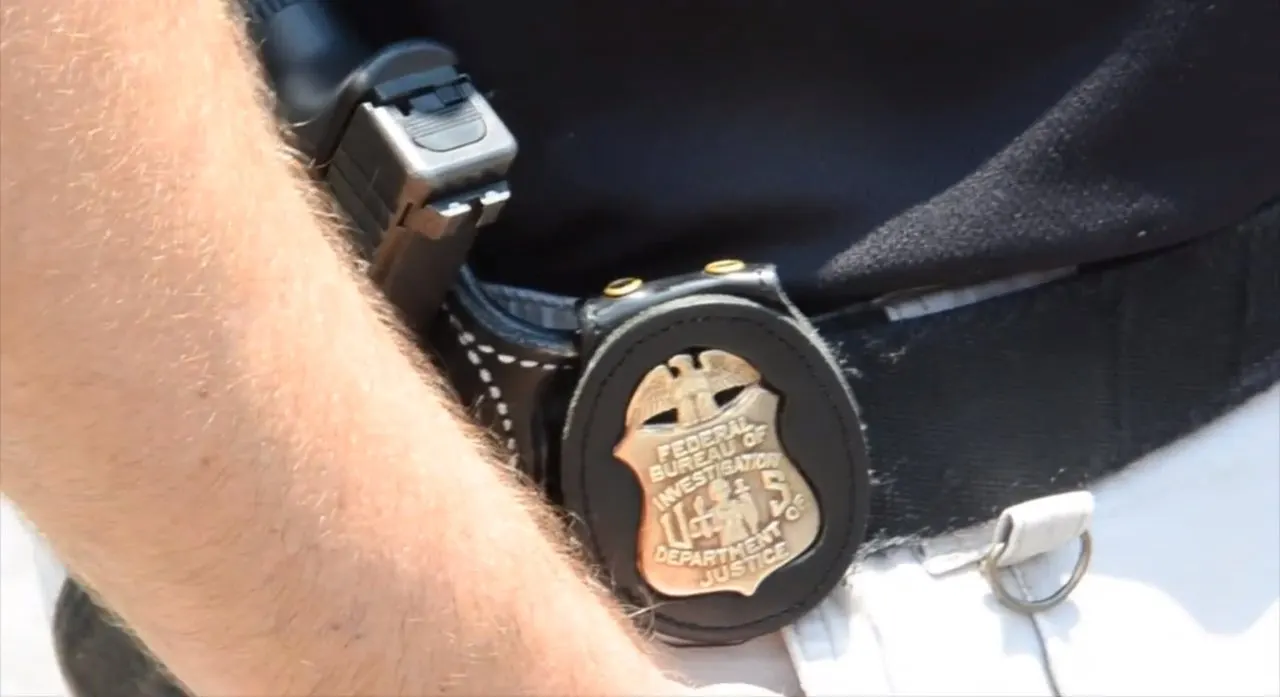
More than 40 cases are now open across 26 FBI field offices, and that spread tells us the scheme reached far beyond one city. Each field office handles cases in its own region, so 26 offices means the fake accounts touched communities all over the country. Agents share what they find, and patterns in one state can help solve a case in another. The wide net also means more people are working on the problem at the same time. Learn more from Zidane and Veronique and their love story and from the measles outbreak in Pennsylvania.
What Is a Ghost Student?
A ghost student is a student who exists only on paper, and the name says it all. In this scheme, a fake person was enrolled in college, given a student aid account, and kept active with coursework never done by a real human. The college saw a name, a form, and grades, so all looked normal. But no one ever sat in a classroom or planned to graduate. The student was a ghost, and the money was very real. You can read about the Frost bill on children and ICE and about Byron Donalds and his place in history.
How Federal Student Aid Is Supposed to Work

Federal student aid helps real students pay for college, and the system is built on trust. A student applies, the school confirms enrollment, and the government sends grants or loans to cover tuition and costs. The money is meant to open doors for people who could not afford college otherwise. When fake students enter the system, they take money set aside for real learners. That is why the fraud hurts more than the budget. Read Taylor Swift and her return to the CMA Awards for more on education and money.
The Red Flags in the Ghost Student Fraud Cases
Every fraud leaves clues, and investigators found theirs in patterns that did not add up. Hundreds of accounts with similar details, coursework completed at odd hours, and money moving in the same directions all pointed to one organized effort. A single fake student might pass unnoticed, but thousands of them create a pattern that is hard to miss. The red flags grew clearer as agents compared notes across field offices. The lesson is that patterns reveal what single cases hide. See the summit that brought three nations together.
Why Stolen American Identities Were the Key
Stolen American identities were the key to the whole scheme, because a real identity makes a fake student believable. With a name, a birth date, and a Social Security number, a criminal can open an aid account that passes basic checks. The real owner may never know their identity was used until a bill or a notice arrives. Protecting personal information is one of the best defenses against this kind of crime, and it starts with simple care. You can read about Mister Ernie and his long road home and about Gloria Steinem and her memorial.
Ghost Student Fraud: How Coursework Was Faked Online

Coursework is how a fake student stays enrolled, and in this scheme the work was completed without any real student behind it. Officials say artificial intelligence helped complete the assignments, so the fake students kept passing classes and kept receiving aid. Online classes make this easier, because no teacher ever meets the student face to face. Schools are now looking harder at how coursework is submitted and who is really doing it. Read more in the measles outbreak in the United States and in the UN vote that removed protections.
The Safari Outfit Named in the Reports

The New York Post reports that stolen financial aid was sent to a Kenyan safari outfit, and that detail shows where some of the money ended up. A safari company runs trips for tourists, and it is a long way from an American college campus. The report does not say the company knew where the money came from, and the focus of the case is on the people who moved the funds. Still, the detail helps explain why the trail led overseas. More on money in Donnie Wahlberg and his faith and in the hearing in Congress.
What the Justice Department Announced
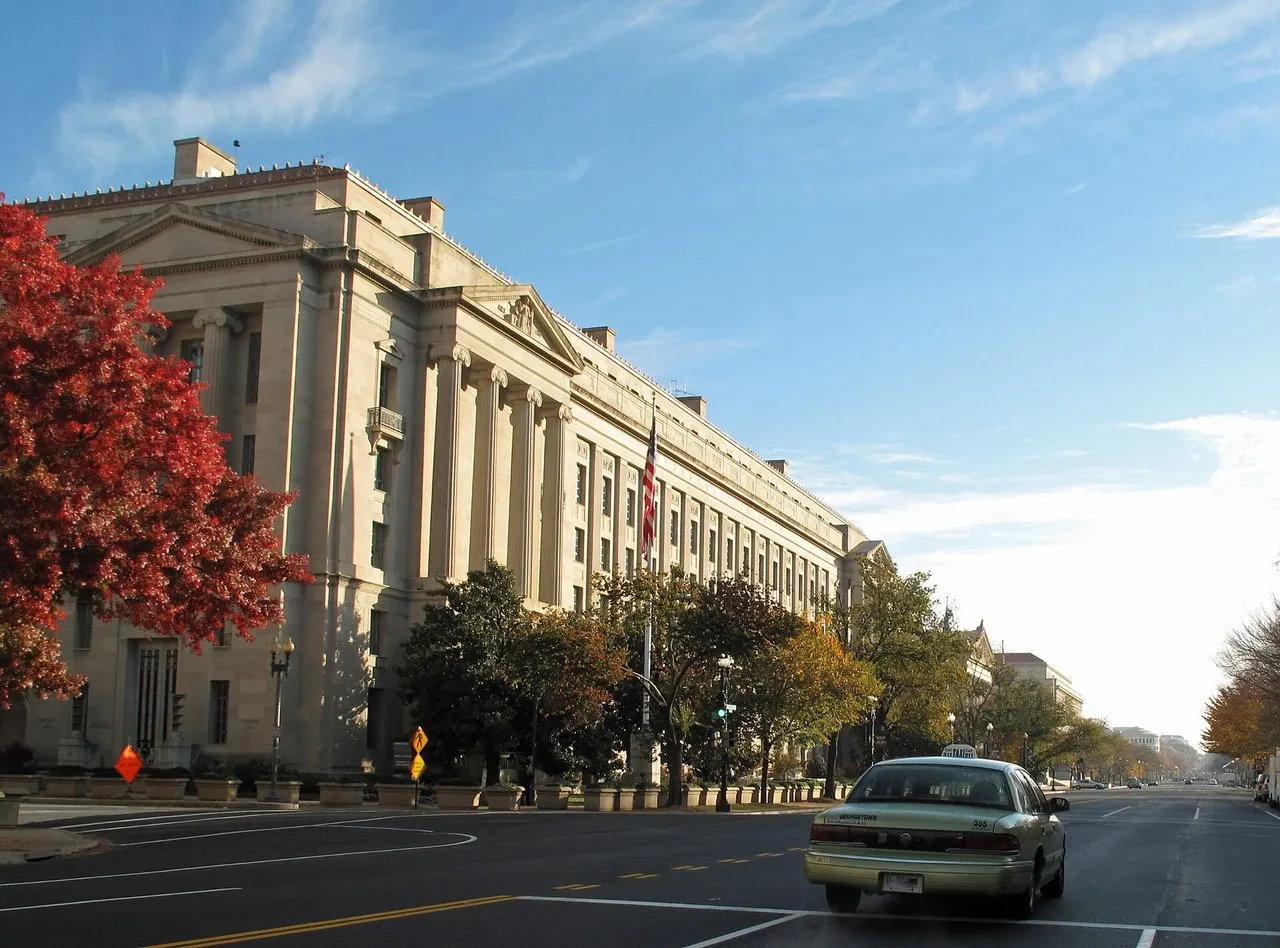
The Justice Department unveiled indictments in the nationwide case, and the announcement put the crackdown in the public eye. Indictments are formal charges, and they mean prosecutors believe they have enough evidence to take a case to court. The announcement also warned others involved in similar schemes that investigators are watching. Public announcements serve two purposes, because they inform the public and they put pressure on the people behind the fraud. See the ICE flights that vanished from trackers for more on federal cases.
How Colleges Can Spot Ghost Student Fraud
Colleges are the first line of defense, because they see the enrollments before anyone else. A school can notice when many new students share the same address, the same phone number, or the same pattern of coursework. It can also check whether a student ever logs in from a real location or ever contacts a teacher. Strong checks at enrollment protect both the school and the aid system. The best defense is a habit of looking closely. You can read about Elon Musk and the midterm spending and about Native American foods that nourished this land.
Ghost Student Fraud and the Fight to Protect Taxpayer Money

Taxpayers fund federal student aid, so fraud against the aid system is fraud against every taxpayer. The $130 million tied to the flagged accounts came from public money, and recovering it matters to everyone. When investigators seize funds and charge the people behind a scheme, they are protecting money that belongs to the public. Strong enforcement also deters the next group thinking about the same crime. That is the real value of a crackdown. Read more in Indian snacks for a Diwali party and in healthcare administration spending.
What Happens to the Money That Was Recovered

When investigators seize money, it does not simply disappear, because the courts decide what happens next. Seized funds can be held while cases move forward, and some of it may be returned to the government or used to repay losses. The process is slow, and the amounts recovered are often smaller than the amounts stolen. Still, every dollar recovered is a dollar that can be put back where it belongs. The work of recovery continues long after the arrests. See the shelter dog Diesel and the kittens.
The Role of Banks in Moving the Funds
Banks sit at the center of the money trail, because the funds moved through accounts in the United States and overseas. Banks are required to watch for strange patterns, such as large transfers that do not match a customer’s normal activity. When they spot something odd, they can flag it for investigators. In this case, the records kept by banks helped agents follow the money from fake students to accounts abroad. Good records make good cases. You can read about the Fani Willis legal fees fight and about the miniature pancreas grown from living cells.
How Investigators Traced the Money Overseas

Tracing money overseas is hard work, because it means dealing with different banks, different laws, and different countries. Investigators follow the trail one transfer at a time, asking banks for records and working with partners abroad. The Kenyan network link shows that the trail crossed an ocean, and that is why the case needed federal agents rather than local police. International cooperation is slow, but it is the only way to follow money that does not stay home. Read Scott Colom and his historic win.
Ghost Student Fraud: Why More Arrests Are Expected
With more than 40 cases open across 26 FBI field offices, more arrests are likely as the investigations continue. The five people charged so far are only the first names in the case, and agents are still tracing accounts and money. Each new case can lead to new names, and each arrest can lead to new information. Federal cases often grow in stages, and the public should expect more announcements in the months ahead. Learn more from Keisha Lance Bottoms and the girls at the Capitol and from the Medicare for All cost fight.
What Students Should Know About Their Aid Accounts

Real students should check their aid accounts often, because early checks catch problems early. If you see a loan or a grant you did not apply for, tell your school and the aid office right away. Keep your personal details safe, use strong passwords, and never share your aid login with anyone. Schools and the government will never ask for your password by email. A few careful habits can protect your future from someone else’s crime. You can read about the Deutsche Bank records leak and about the bill to stop using children as bait.
How the Government Plans to Stop the Next Scheme
Stopping the next scheme means fixing the gaps this one used, and the government has several tools for that job. Better checks on identities, closer looks at enrollment patterns, and faster sharing of information between schools and agencies can all help. Technology can also help, because the same tools that spot fraud in banking can spot fraud in aid. The goal is a system that helps real students quickly while blocking fake ones. Read more in Zidane and Veronique and their love story and in the measles outbreak in Pennsylvania.
Ghost Student Fraud in the News: What the Reports Say

Four news reports cover this story, and each one adds a piece to the picture. The Justice Department announced indictments tied to a Kenyan network, USA Today covered the Operation Ghostbusters crackdown, the New York Post reported on the seized funds and the safari outfit, and The College Fix reported on the five arrests. Together they show a case that is large, organized, and still growing. Readers who want the full story can start with those reports. See the Frost bill on children and ICE.
The People Hurt When Aid Money Disappears

When aid money goes to fake students, real students pay the price. Every dollar lost to fraud is a dollar that cannot help someone pay tuition, buy books, or stay in school. Some students drop out when aid runs short, and others take on debt they should not need. The harm is quiet and easy to miss, because it shows up in empty classrooms and unfinished degrees. That is why this case matters beyond the headlines. You can read about Taylor Swift and her return to the CMA Awards and about the two managers arguing over one task.
What Comes Next in the Federal Cases
The federal cases will now move through the courts, and that process takes time. Prosecutors will present evidence, defense lawyers will answer, and judges will decide what happens next. More charges may be filed as agents finish their work in the 40 open cases. The public will learn more as court papers are filed and hearings are held. For now, the message is clear, and the crackdown is far from over. Read the summit that brought three nations together for more on cases in the news.
Ghost Student Fraud: What Do You Think Should Happen Next?

Ghost student fraud on this scale raises a question for every reader, and we want to hear your answer. Should the penalties be tougher, should schools check enrollments more closely, or should the aid system itself change? The five people charged so far are only the start, and the choices made now will shape how the next scheme is stopped. Share your thoughts in the comments below, and tell us what you would do. Read Mister Ernie and his long road home while you think it over.