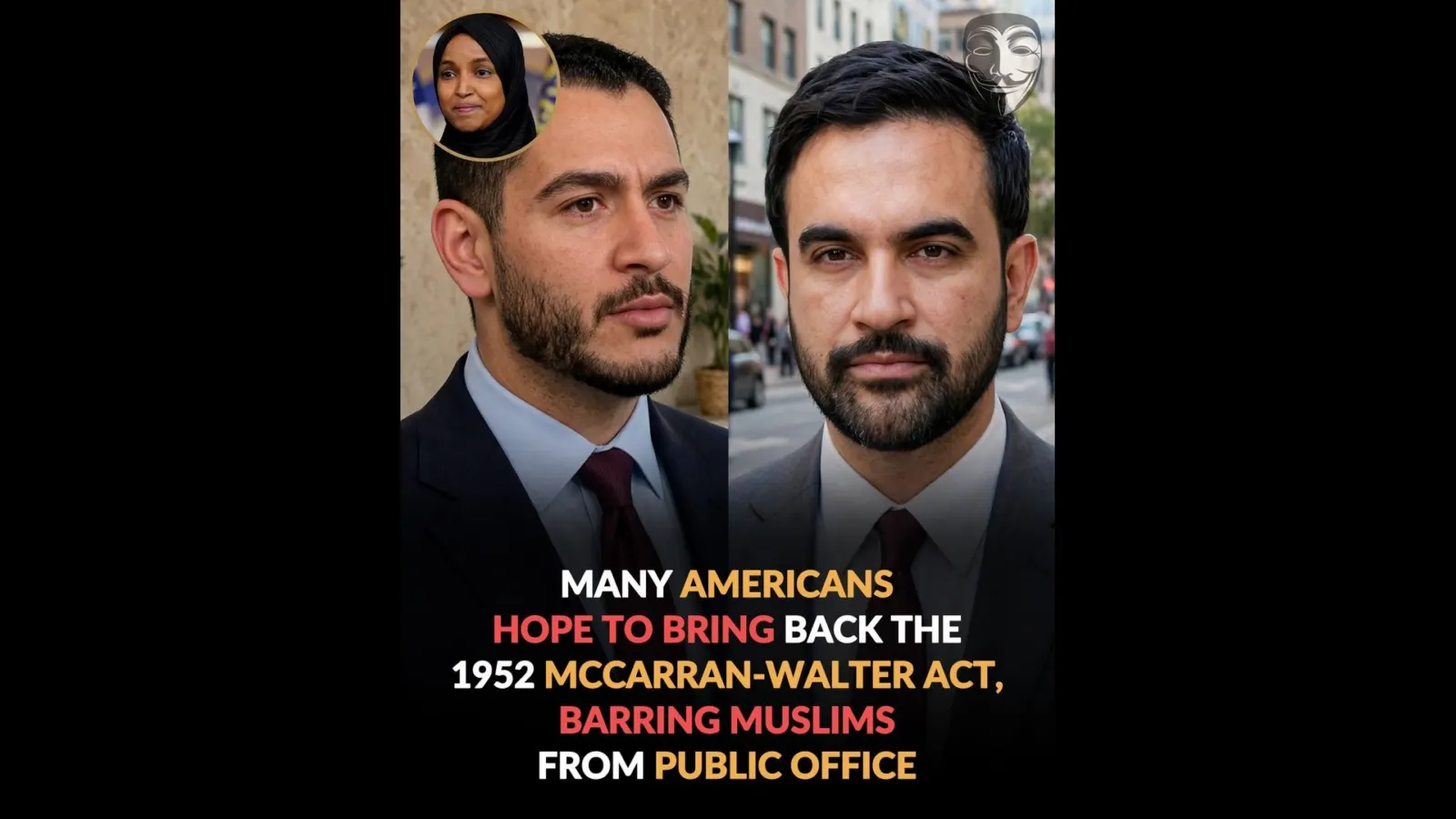
The McCarran-Walter Act Claim Spreading Online
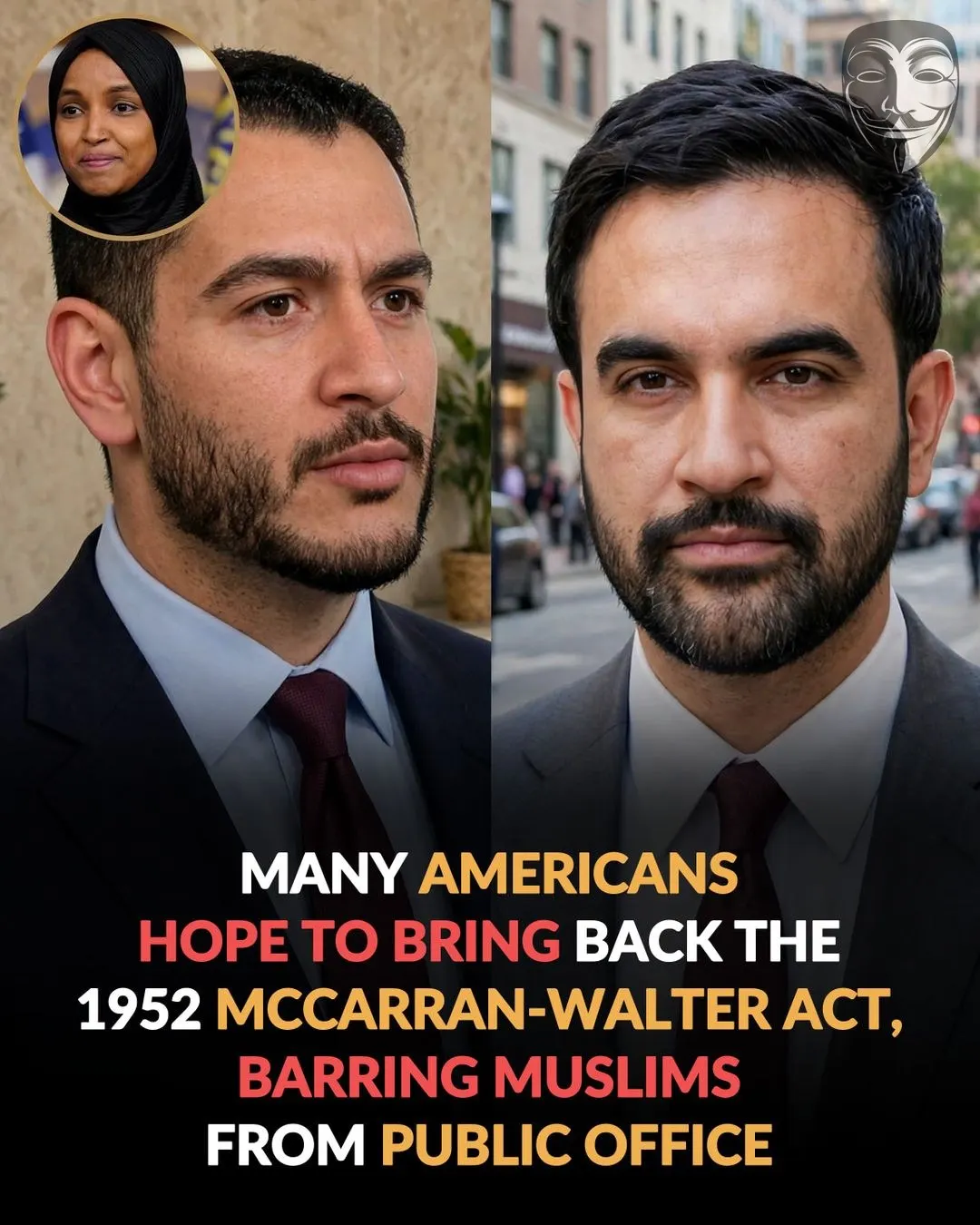
The McCarran-Walter Act is at the center of a viral claim spreading across social media this month, and many Americans are talking about it. Posts on Facebook, X and TikTok say that many people hope President Donald Trump will bring back the 1952 law to keep Muslims out of public office. The posts have drawn strong reactions, with some users cheering the idea and others calling it false and unfair. Read our report on the debate over a proposed ban on Sharia law for more on how such claims take hold online.
Fact checkers who looked into the claim say the 1952 law governed immigration and nationality, and it never contained a rule about who may hold public office. Article VI of the Constitution also forbids any belief based test for federal office, and the White House has not announced any plan to revive the law. In the slides ahead, we look at what the law really did, why the claim spread so fast, and what the facts show. See also House Democrats probing the Trump family for another story about claims that spread fast.
References:
Snopes: Is Trump Planning To Use 1950s Immigration Act To Ban Muslims From Public Office
FactCheck: Viral Posts Misinform On McCarran-Walter Act
Wise Voter: Viral Claim On Trump Muslim Office Ban Lacks Support
Factually: Was The McCarran-Walter Act Repealed In 1990 And Did It Ban Muslims From Office
How the Claim Started Spreading

The claim began with posts shared on social media this month, and it moved quickly from one platform to another. Users reposted the same message on Facebook, X and TikTok, often with strong words about public office. Each share added new comments, and the posts soon reached people far beyond the first group that saw them. The speed surprised even people who follow online trends closely. You can read a bill that would seal the border for future presidents for more on how stories travel online.
What the 1952 Law Was Written to Do
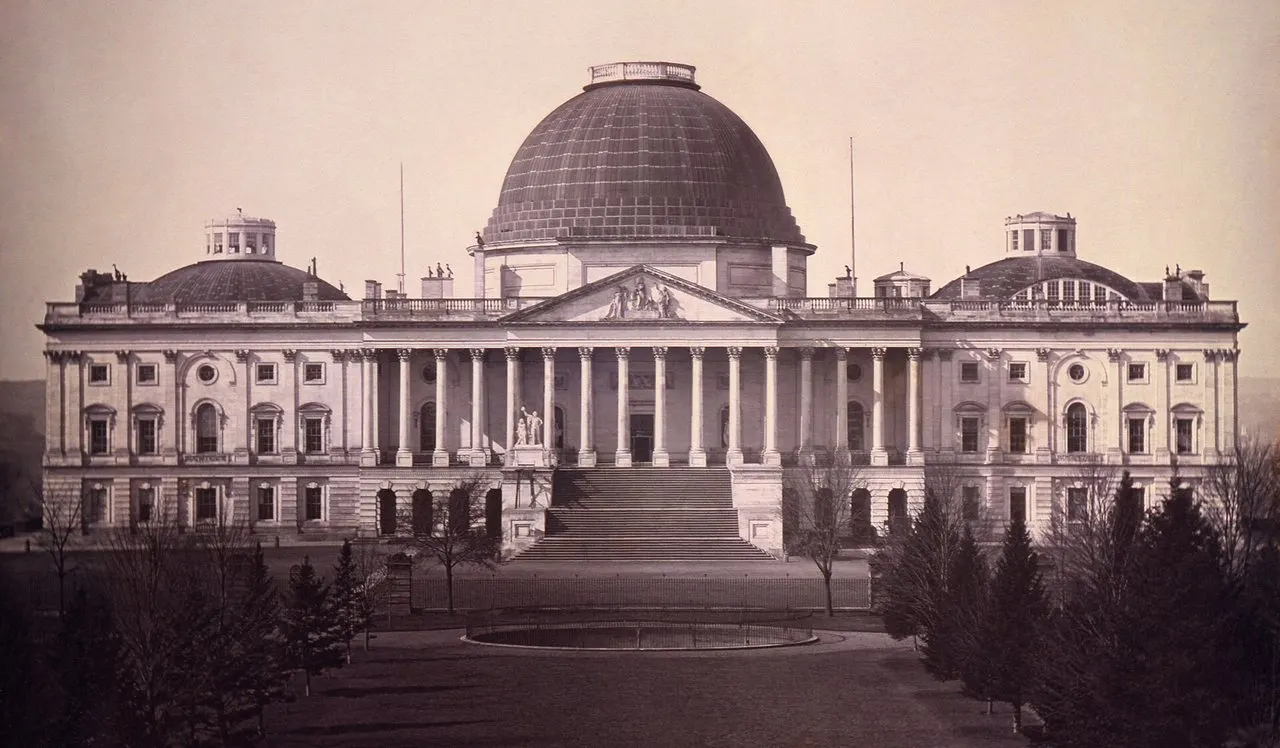
The law at the heart of this story was written in 1952, during the Cold War, when Congress rewrote the rules for immigration and nationality. Its full name is the Immigration and Nationality Act of 1952, and it set quotas, naturalization procedures and security screening for people who wanted to come to America. Lawmakers at the time were focused on national security and on who could enter the country, not on who could run for office. For more context, read Hillary Clinton warning Trump before his meeting with Xi and Putin.
The McCarran-Walter Act and Immigration Rules
The 1952 law is best known as a law about immigration, and its text deals with visas, quotas and citizenship. It set out how many people could come from each country, how they could become citizens, and what security checks they would face. The law also kept rules that screened newcomers for their political beliefs during the Cold War years. None of those rules touched elections or public office, which are governed by other parts of the Constitution. Read Jeffries weighing a deal on the Iran conflict for more.
Fact Checkers Step In to Check the Claim

When the posts started to spread, fact checkers at Snopes, FactCheck and other outlets looked at the claim closely. They read the text of the 1952 law and found no rule about barring anyone from public office because of their faith. They also noted that the law was largely replaced by later immigration laws, so the idea of reviving it in its old form makes little sense today. Their reports all reached the same conclusion. Read Marco Rubio leading the early 2028 odds for more on claims that needed checking.
The McCarran-Walter Act in the Trump Posts
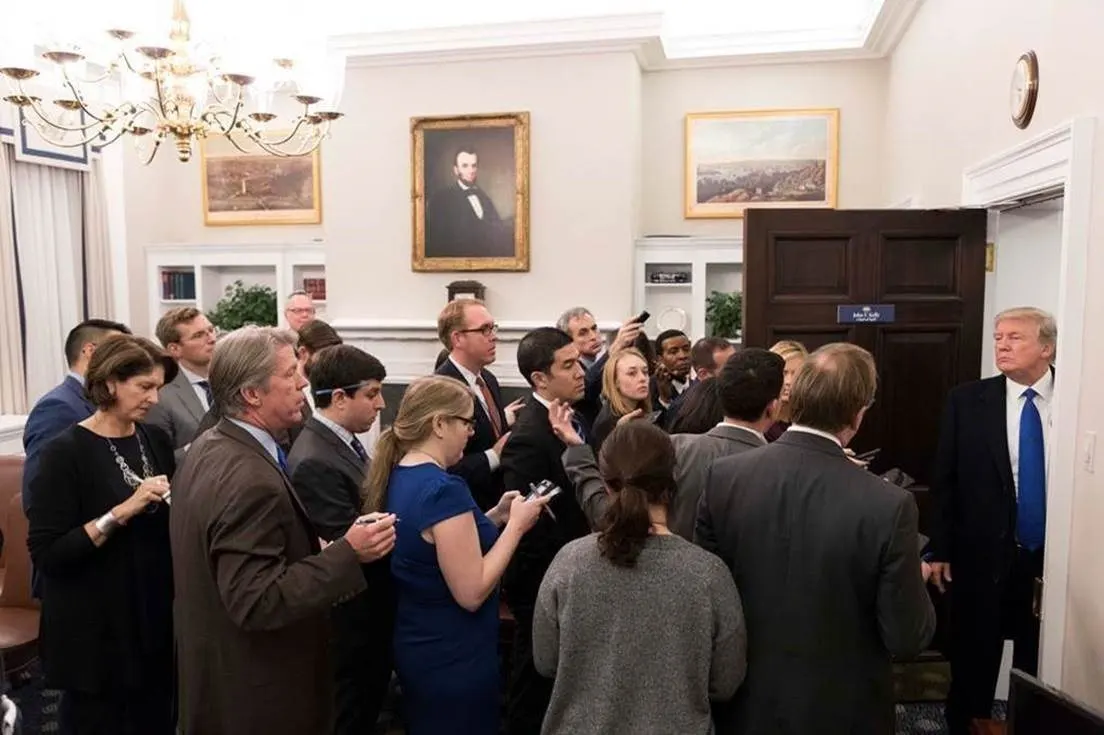
The viral posts tie the old law directly to President Donald Trump, saying many Americans want him to bring it back. The posts do not point to any statement, speech or order from the president himself, and they offer no source for the claim that he plans to act. Instead, they describe a hope shared by some users and present it as a plan already in motion. That gap is easy to miss in a fast scroll. See Kash Patel skipping a Congress hearing.
No Plan From the White House
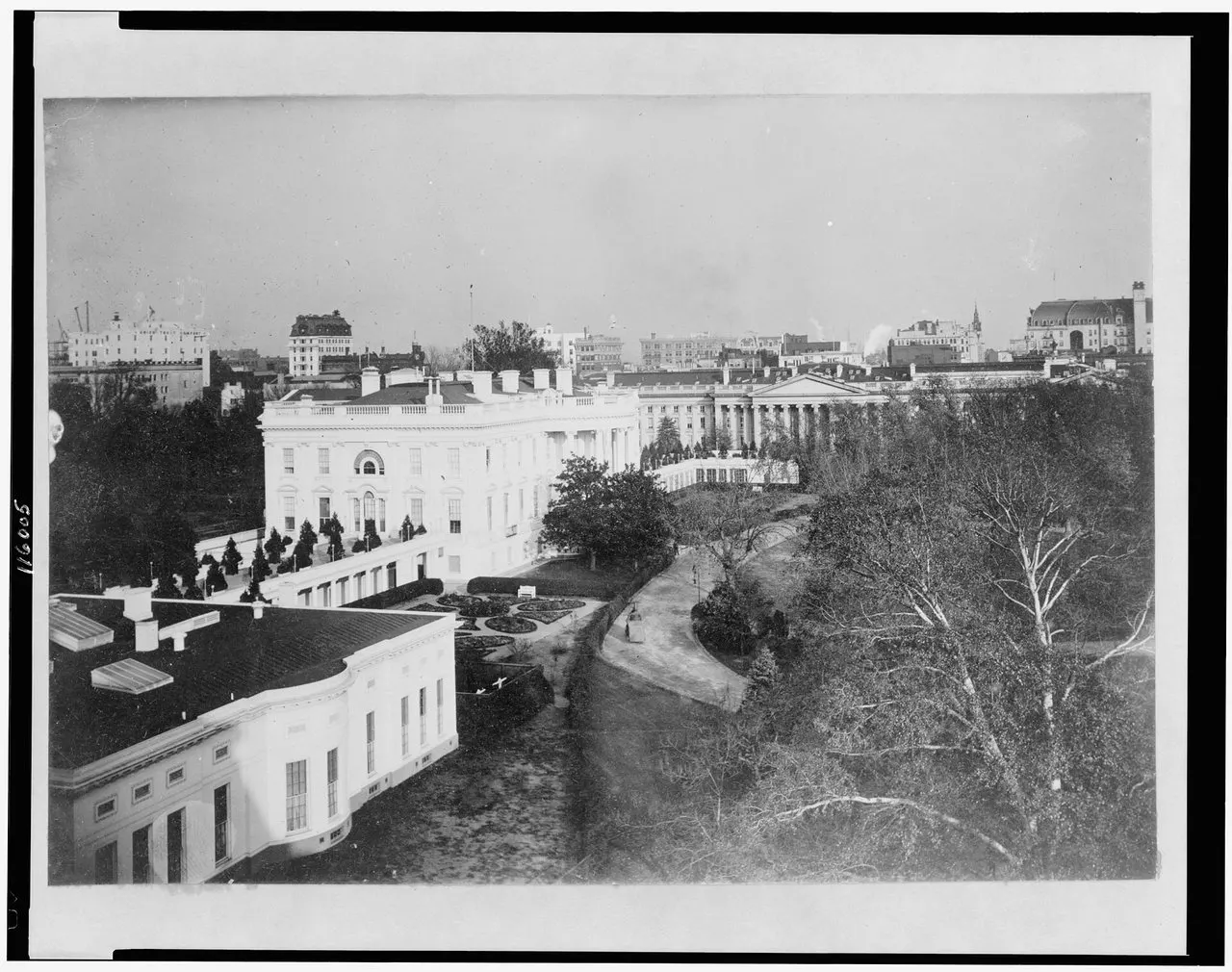
The White House has not announced any plan to revive the 1952 law, and it has not issued any comment on the viral posts. When a president plans a major policy change, the White House usually signals it through speeches, orders or briefings, and none of that has happened here. The silence matters, because it shows the claim rests on online posts rather than on any official move. Readers should weigh that silence when they judge the story. Read a Senate bill on pay during shutdowns for more.
What Article VI of the Constitution Says
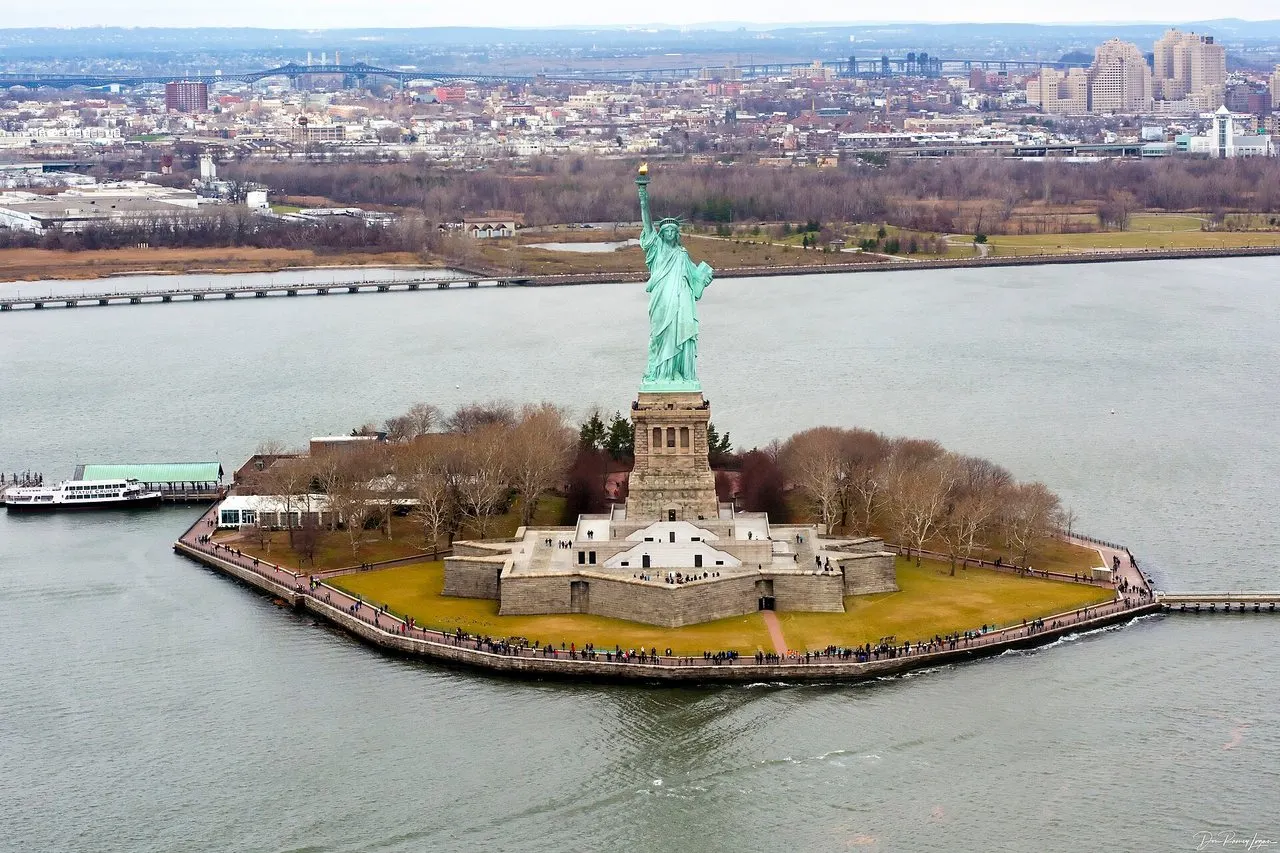
Article VI of the United States Constitution is clear on this point, and it has been clear since 1789. It says that no religious test shall ever be required as a qualification for any office under the United States. That means a person cannot be kept out of federal office because of what they believe. The rule protects people of every faith, and it would block any law that tried to bar Muslims from public office. For more, read Trump arriving in the Philippines.
The McCarran-Walter Act and Public Office
The 1952 law never said a word about who may hold public office, because that was never its subject. The law dealt with borders, visas and citizenship, while the rules for office are set by the Constitution and by election laws. A president cannot change those rules by reviving an old immigration law, and Congress cannot do it either without amending the Constitution. That is why fact checkers call the viral claim false. Read warnings that Trump undermined national security for more.
America in 1952, When the Law Passed

America in 1952 was a very different place, and the Cold War shaped almost every debate in Washington. The country worried about spies and about the spread of communism, and Congress wrote tough screening rules for newcomers. Cars looked different, television was new, and most families got their news from papers and radio. The law reflected the fears of that time, and later generations changed many of its rules. Read Francis Leo Marcos arrested again for more on that era.
Ellis Island and the Immigration Story
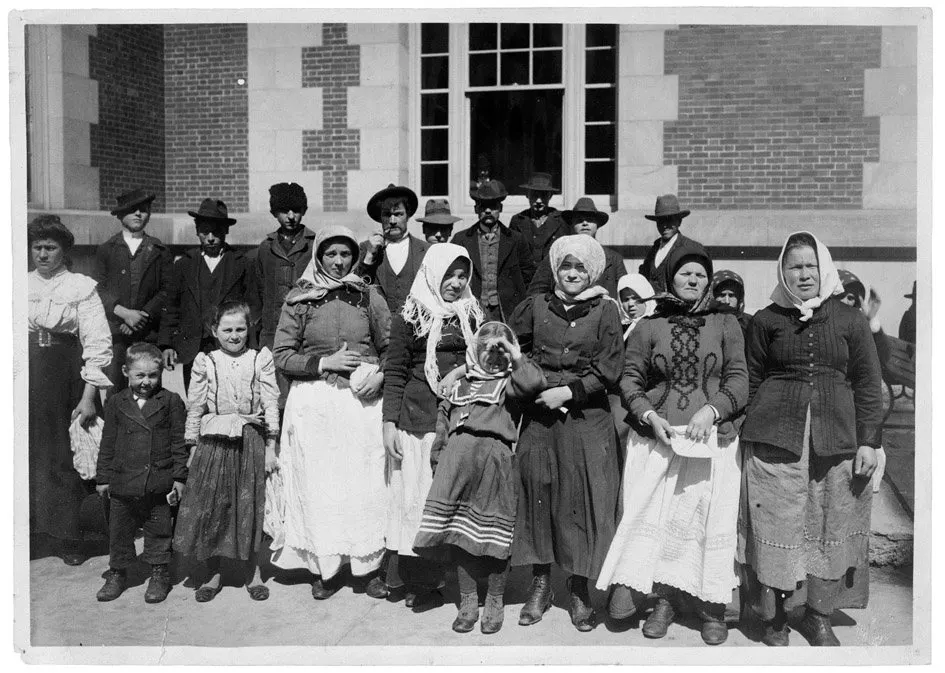
Long before 1952, Ellis Island was the gateway for millions of people who came to America by ship. Families arrived with little more than bags and hope, and they waited in long lines to be checked and registered. The island became a symbol of the American promise that newcomers could build a new life here. That history helps explain why immigration laws stir such strong feelings even today. Read the debate over a proposed ban on Sharia law for more on American history.
How New Citizens Take the Oath
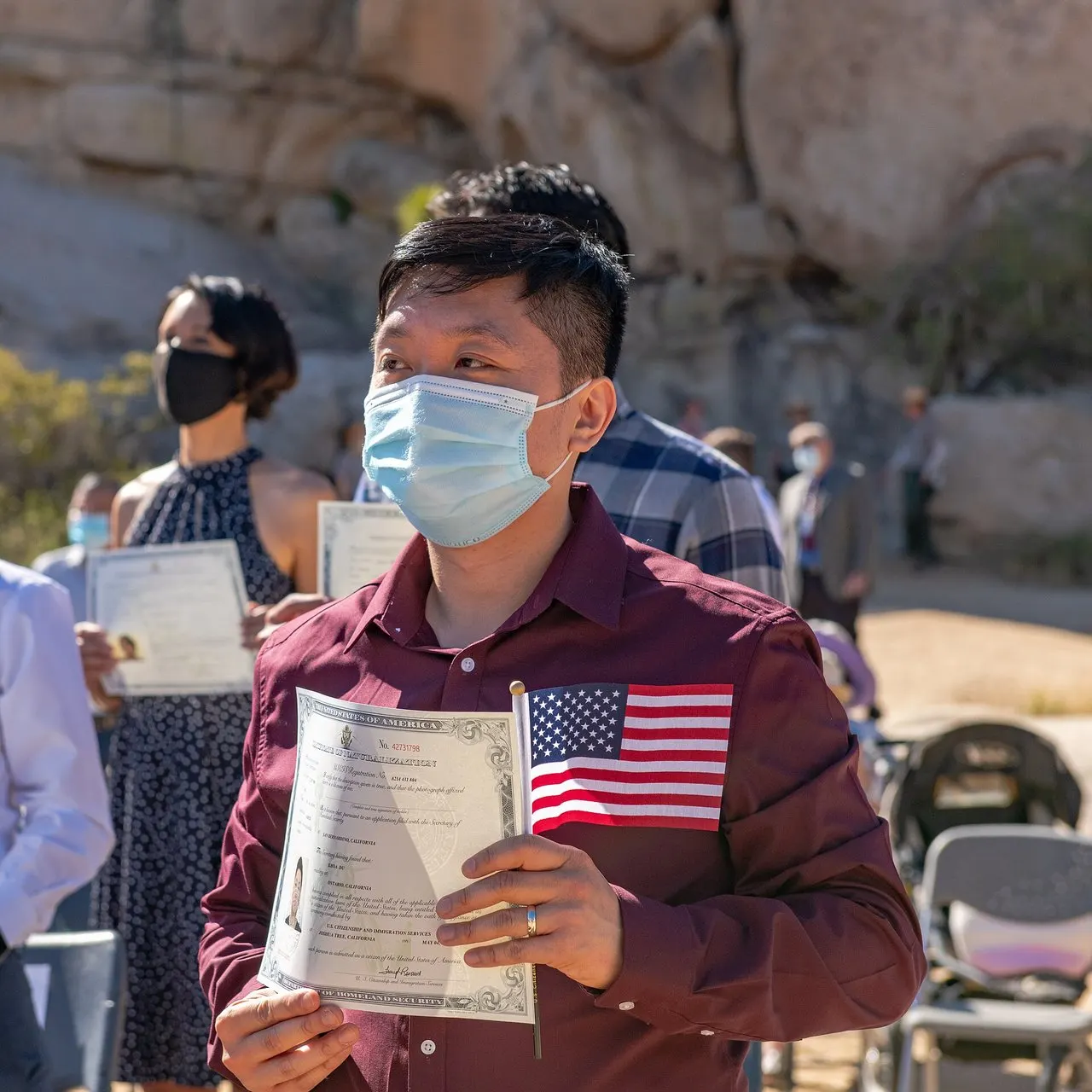
Becoming an American citizen is a proud moment for many newcomers, and the naturalization ceremony marks the end of a long journey. New citizens stand together, raise their right hands and swear an oath to the Constitution, often with an American flag nearby. Many bring their families to watch, and some cry with joy when it is over. The ceremony shows that citizenship is open to people of every background and faith. Read a bill that would seal the border for future presidents for more.
The McCarran-Walter Act and the Courts
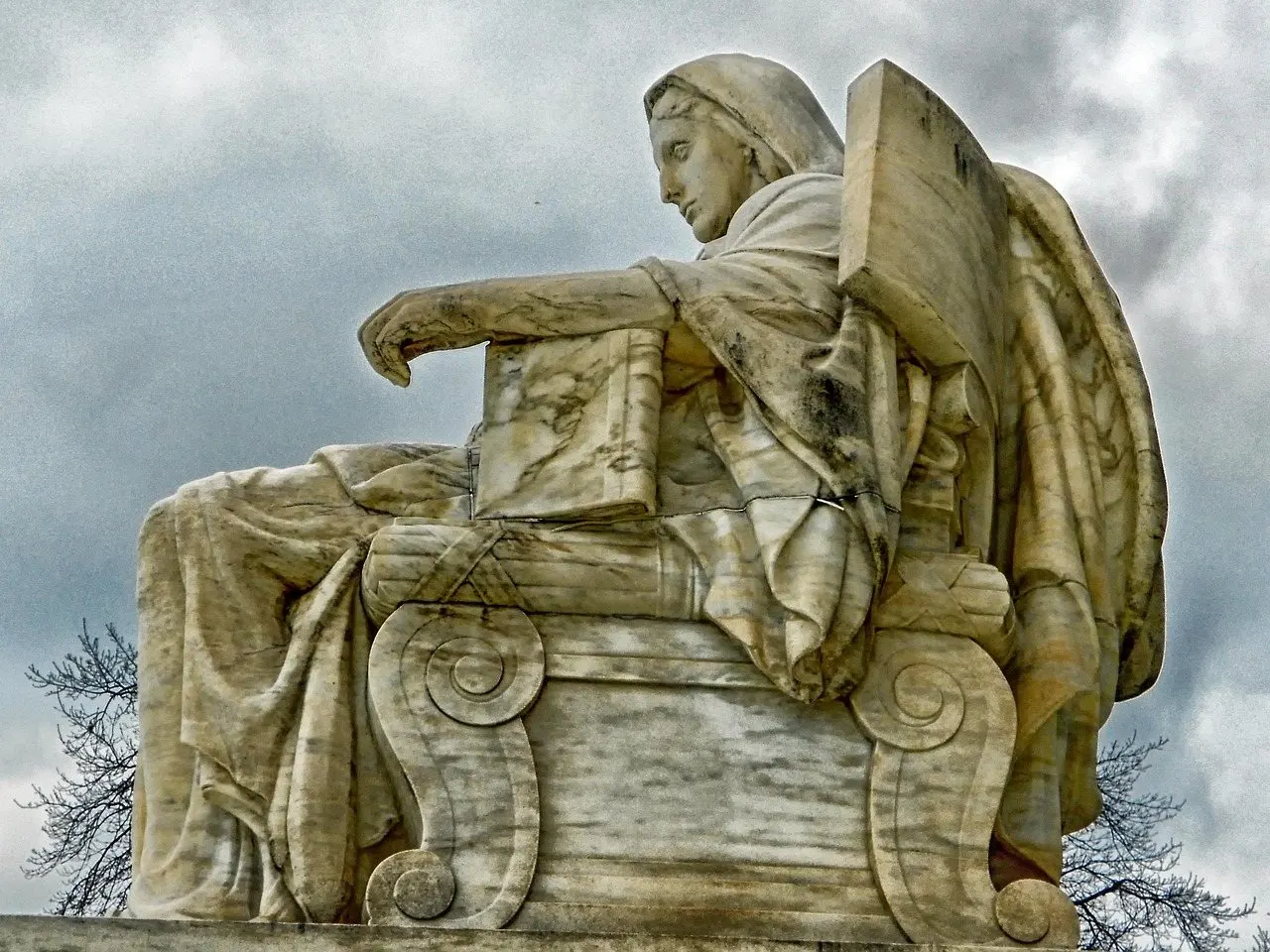
The 1952 law has faced court challenges over the years, and judges have read its text closely. The Supreme Court has ruled on parts of immigration law many times, and it has always treated the Constitution as the highest law in the land. No court has ever read the law as a rule about who may hold office, because the text does not say that. The courts remain a check on any claim that stretches a law too far. Read Hillary Clinton warning Trump before his meeting with Xi and Putin.
Congress Holds the Power to Change the Law
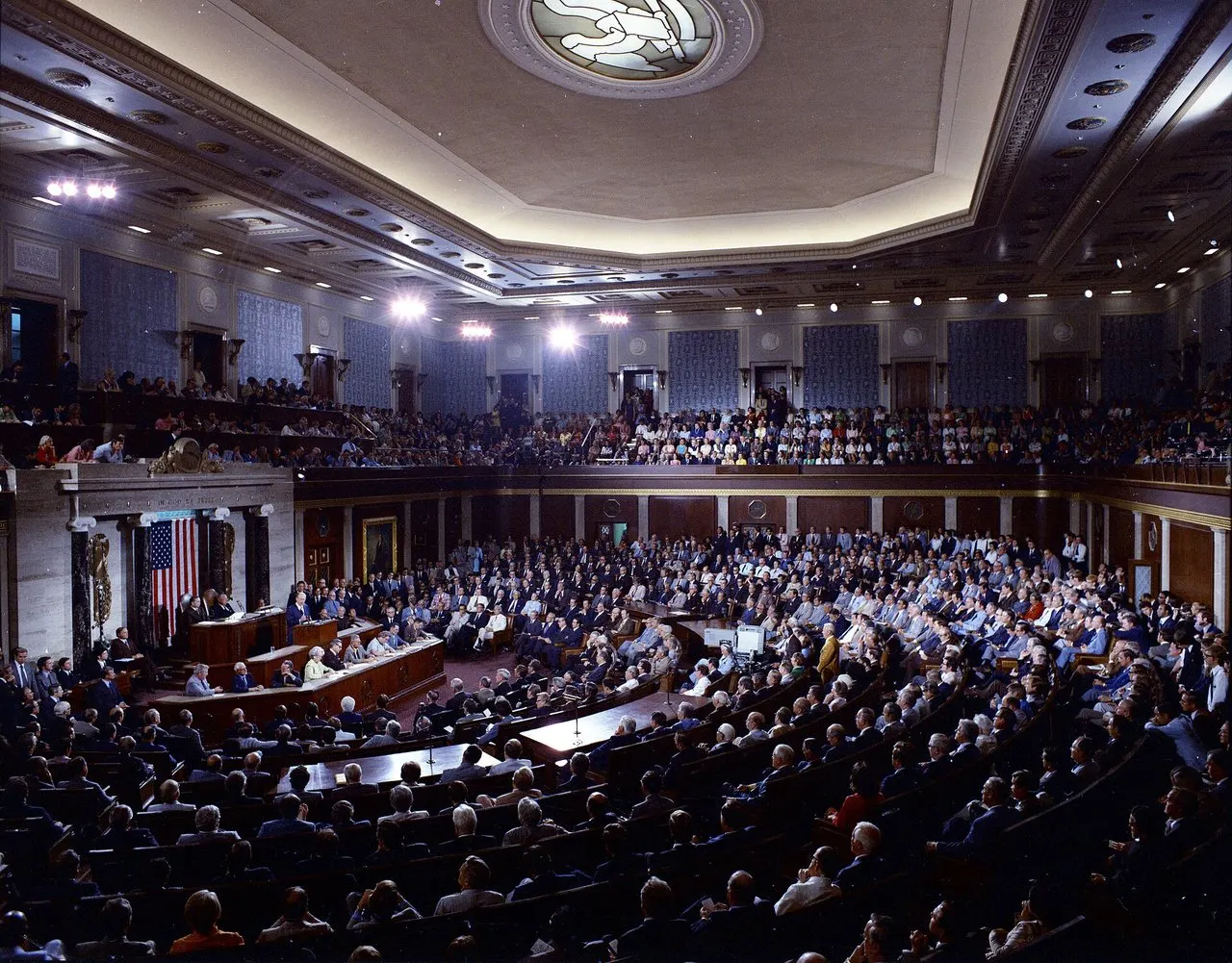
Only Congress can write or rewrite a federal law, and that power sits at the heart of this story. A president can ask Congress to act and can sign or veto a bill, but he cannot bring back an old law on his own. If lawmakers wanted to change immigration rules, they would have to pass a new bill through both the House and the Senate. That slow process is by design, and it protects the rights of citizens. Read Jeffries weighing a deal on the Iran conflict for more.
American Muslims in Public Life

American Muslims serve in public life across the country, as teachers, doctors, soldiers, mayors and members of Congress. They take the same oath as everyone else, and they serve the same communities. Mosques in American towns are places of prayer and gathering, much like churches and synagogues. The idea of barring people from office because of their faith runs against the promise that all citizens are equal. Read Marco Rubio leading the early 2028 odds for more on American life.
How a Viral Post Travels So Fast

A single post can reach millions of people in a day, because social media rewards messages that spark strong feelings. When users like, share and comment, the platforms show the post to even more people, and the cycle repeats. A claim about a famous law and a famous president is built to travel fast, even when the facts behind it are thin. That is why checking a post before sharing it matters so much. Read Kash Patel skipping a Congress hearing for more.
Why People React So Strongly

Posts about faith and public office touch deep feelings, and that is why they draw such strong reactions. Some people cheer the idea because they worry about security, while others see it as unfair and against American values. Street protests and online debates both show how divided the country can feel on these questions. Calm facts help more than angry posts, and that is why fact checking matters in heated times. Read a Senate bill on pay during shutdowns for more.
The McCarran-Walter Act and Border Debates
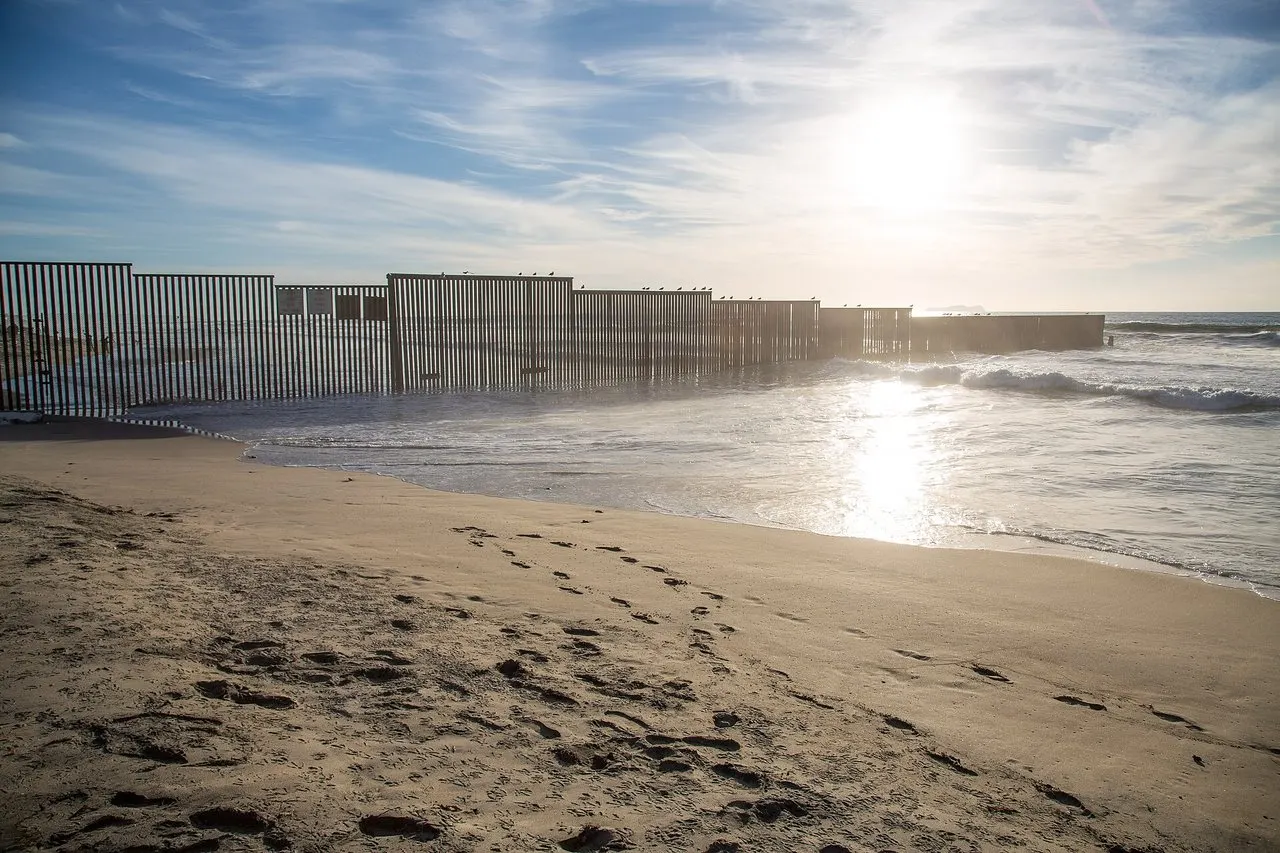
The 1952 law also comes up in debates about the border, because it was an immigration law first and last. Supporters of stricter rules sometimes point to old laws as models, while critics say those laws belong to another era. The border fence and the patrols along it are part of a much larger system that Congress has changed many times since 1952. Old laws can inform a debate, but they cannot decide it alone. Read Trump arriving in the Philippines for more.
The Flag and the Promise of Equal Citizenship

The American flag stands for a promise that citizenship does not depend on faith, and that promise is written into the Constitution. People of many beliefs have served under that flag, in uniform and in office, and they have sworn the same oath. When a viral claim suggests that some citizens should be kept out, it tests that promise in a direct way. The flag reminds us that the promise belongs to everyone. Read warnings that Trump undermined national security for more.
Who Can Hold Public Office

The Constitution sets only a few rules for holding federal office, and they are about age, citizenship and residency. A member of the House must be 25 and a citizen for seven years, while a senator must be 30 and a citizen for nine years. The president must be a natural born citizen and at least 35 years old. None of those rules mention faith, and no law can add a faith test. Read Francis Leo Marcos arrested again for more on how elections work.
The McCarran-Walter Act Claim in the News

News outlets and fact checkers have covered the viral claim in detail, and their reports are easy to find. Snopes looked at whether Trump plans to use the 1950s law, FactCheck traced how the posts misled readers, and other outlets asked whether the law was ever repealed. Each report points readers back to the text of the law and to the Constitution. Checking those sources is the best way to judge a viral claim. Read the debate over a proposed ban on Sharia law for more.
What the Law Books Actually Say

Law books are the best place to settle a claim about a law, and the 1952 text is clear on its scope. It covers who may enter the country, how they may become citizens, and what security checks apply. It does not cover elections, office holders or faith tests, and no later reading has found such a rule in it. Anyone can look up the text and see for themselves, and that is the strongest answer to a viral post. Read a bill that would seal the border for future presidents for more.
Washington Keeps Debating Immigration
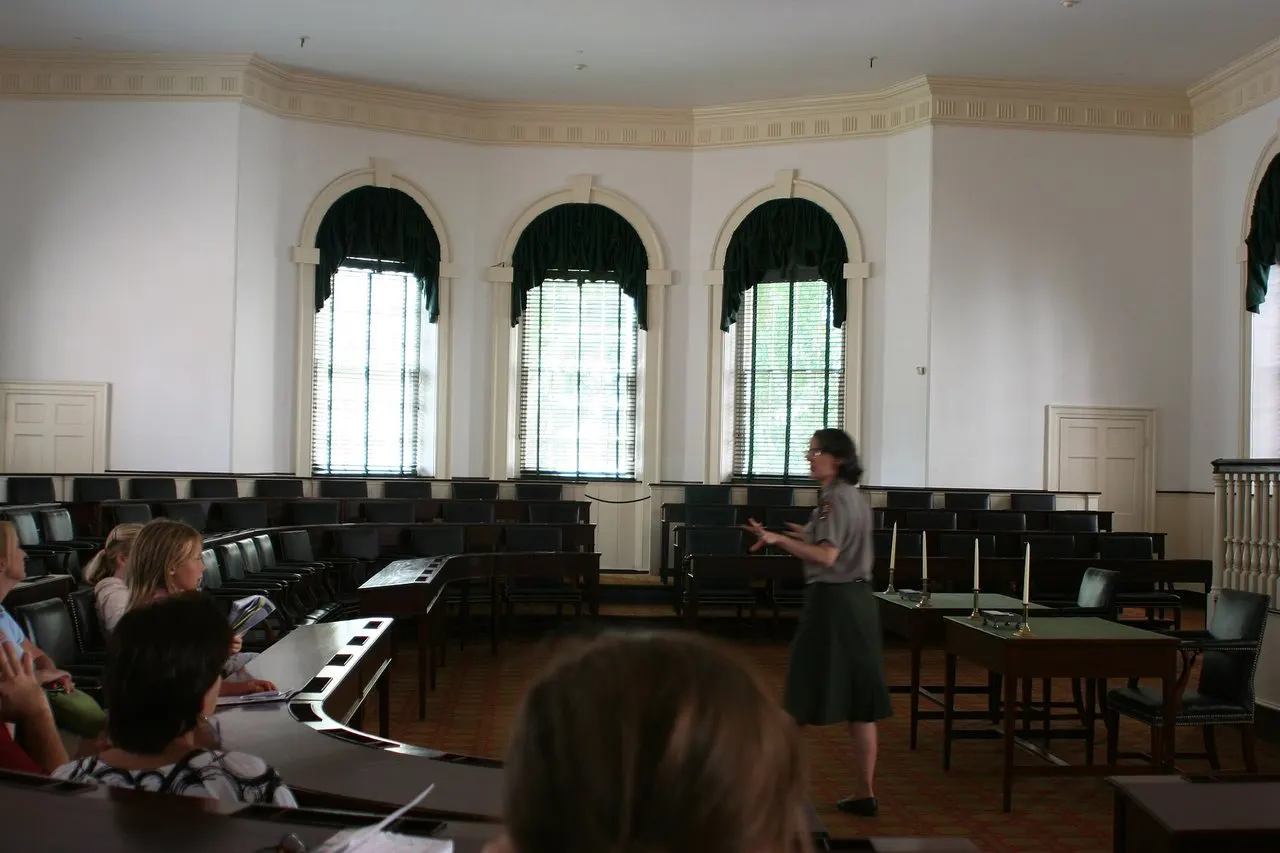
Immigration has been debated in Washington for decades, and the 1952 law is only one chapter in that long story. Congress has passed new immigration laws since then, and presidents from both parties have tried to change the system. The debate continues today, with strong views on both sides about borders, security and fairness. Whatever Congress decides next, it will have to follow the Constitution. Read Hillary Clinton warning Trump before his meeting with Xi and Putin for more.
The McCarran-Walter Act Debate Online

Online, the debate over the 1952 law shows no sign of slowing down, and new posts appear every day. Some users share the claim with hope, others share fact checks with frustration, and many simply argue in the comments. The best way to join the debate is to read the sources first, so your view rests on facts rather than on a post you saw in passing. Good debate starts with good information. Read Jeffries weighing a deal on the Iran conflict for more.
What Do You Think About the Claim

We have looked at what the 1952 law really says, what the Constitution requires, and why fact checkers call the viral claim false. Now we want to hear from you, because this debate belongs to every American. Do you think social media makes it harder to tell fact from fiction, and what do you do before you share a post? Share your thoughts in the comments below, and tell us what you think. Read Marco Rubio leading the early 2028 odds for more stories.