Fani Willis Legal Fees: What Happened and What Comes Next

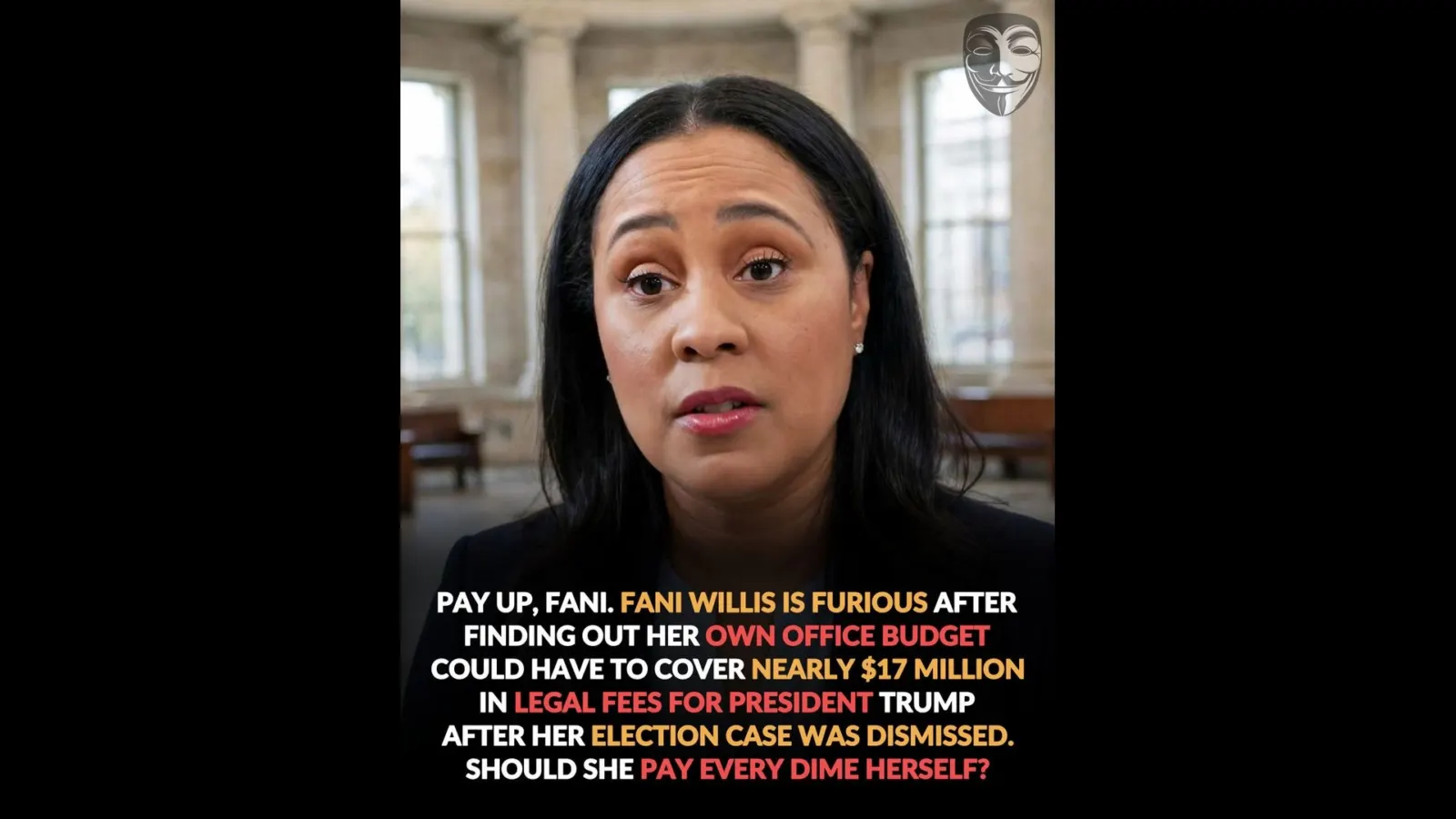
Fani Willis legal fees are now at the center of a court fight in Georgia, and the bill could reach nearly $17 million. Fulton County District Attorney Fani Willis is asking a Georgia appeals court to let her office challenge fee requests from President Donald Trump and 13 other former defendants, after her election case was dismissed. Trump alone is seeking more than $6.2 million, and the total requested by all 14 former defendants is about $16.9 million. The money could come straight from the budget of her own office.
Willis was removed from the case in December 2024, after an appeals court found that her relationship with special prosecutor Nathan Wade created an appearance of impropriety. The case was dropped in November 2025 by Pete Skandalakis, and a Georgia law passed in 2025 lets defendants seek legal fees when a prosecutor is removed for improper conduct and the case is later dismissed. A judge has barred her office from the fee fight. Read more in our report on the plan to impeach Trump in 2027 and our story on the bill to stop Trump from pardoning himself.
References:
Capitalism Institute: Judge Due Process Does Not Apply To Fani Willis In Trump Fee F*ght
Rothman Report: Fani Willis Appeals Trump $17M Fee Ruling
Rubin Report: Fani Willis F*ghts $17M Repayment Order
America Thinking: Fani Willis Office Challenges Fee Requests After Removal From Case
The Fani Willis Legal Fees Total Nearly $17 Million

The numbers in this case are large, and they explain why the fight has drawn so much attention. Trump is seeking more than $6.2 million for his own legal costs, and 13 other former defendants have filed their own requests. Added together, the claims come to about $16.9 million, which is nearly $17 million. That total would be a heavy bill for any office, and it is the reason the question of who pays has become so heated. See our report on the tariffs case at the Supreme Court and our story on the triumphal arch order.
The Case Began With a 2023 Indictment in Fulton County

The story starts in August 2023, when Trump and 18 co-defendants were indicted in Fulton County on racketeering charges tied to efforts to overturn the 2020 election result. The case was one of the most watched prosecutions in the country, and it put Willis at the center of national attention. Four defendants pleaded guilty before the case was dismissed, while the rest fought the charges for two years. The long road from that indictment shapes every part of the fee fight. Read our story on the Trump-Putin handshake in China and our report on the Asia trip deals.
A Relationship Led to Her Removal From the Case

The case took a turn in December 2024, when an appeals court removed Willis from the prosecution. The court found that her relationship with special prosecutor Nathan Wade, whom she had hired to lead the case, created an appearance of impropriety. The Georgia Supreme Court declined to review her removal, which left the decision in place. That matters now because the 2025 fee law applies when a prosecutor is removed for improper conduct and the case is dismissed. See our report on the Slotkin letter and our story on the bill to stop Trump from pardoning himself.
The Case Was Dropped in November 2025

After Willis was removed, Pete Skandalakis, the head of the Prosecuting Attorneys Council of Georgia, took over as district attorney pro tempore. He moved to dismiss the charges, and a judge granted the dismissal the day before Thanksgiving in November 2025. Skandalakis said the case should have been brought in federal court rather than state court, and he cited the interests of justice. With the case gone, the former defendants turned to the new Georgia law to ask for their legal costs back. Read our story on the No Invasion Act and our report on the Jeffries Iran deal.
The Fani Willis Legal Fees Law Was Passed in 2025

Fani Willis legal fees are being sought under a Georgia law that lawmakers passed in 2025, known as Senate Bill 244. The law says that when a prosecutor is disqualified for misconduct and the case is later dismissed, the defendants can ask for reasonable attorney fees and costs. Lawmakers who backed the measure said it would let people recover costs after a flawed prosecution. Critics say the law is aimed at one case, and Willis has argued that it is unconstitutional. Read our report on the China trip with Xi and Putin and our story on the Clinton warning.
A Judge Has Already Barred Her Office From the Fight

Fulton County Superior Court Judge Scott McAfee has ruled that Willis and her office cannot take part in the fee dispute. He said the office failed to show a legal right to intervene, and that the state is already represented by the district attorney pro tempore appointed after her removal. His reasoning was blunt: due process protects citizens, not the government. He also noted that many of her arguments would require defending the very charging decisions that the appeals court found were compromised. See our report on the Slotkin letter and our story on the triumphal arch order.
The Fani Willis Legal Fees Appeal Asks for a Second Chance

Willis is now asking the Georgia Court of Appeals, the same court that removed her from the case, to let her office rejoin the fee fight. Her office argues that the fee question is different from the criminal case, and that it needs a direct voice because its own budget is at stake. The defendants say her interests are already represented, since Skandalakis speaks for the state, which includes Fulton County. The appeals court will now decide whether she gets a seat at the table. Read our story on the Manila visit and our report on the Mullin hearing.
The Fani Willis Legal Fees Could Hit Her Office Budget

The biggest worry for Willis is money. Her office has warned that forcing it to cover the legal costs could consume a large share of its annual budget, which pays for prosecutors, staff, and the daily work of bringing cases in Fulton County. A district attorney’s office budget covers salaries, investigations, and trials, so a bill of nearly $17 million would leave far less for everything else. That warning is at the heart of her appeal. See our report on the Asia deals for American workers and our story on the China trip news conference.
Trump Alone Is Seeking More Than $6.2 Million

Trump’s share of the fee requests is the largest claim, at more than $6.2 million. His attorney, Steve Sadow, has defended the request and welcomed the rulings that let the claims move forward. Sadow said the judge denied Willis a role in the case because her disqualification for improper conduct bars her office from any part in it. For Trump, the money is reimbursement for years of legal work fighting a case that no longer exists. Read our report on the tariffs case at the Supreme Court and our story on the plan to impeach Trump in 2027.
The Fani Willis Legal Fees Include 13 Other Defendants

Trump is not the only one asking to be paid back. Thirteen other former defendants have filed fee requests of their own, and their claims push the total to about $16.9 million. Each of them hired lawyers and spent years in court, and each now says the new Georgia law entitles them to recover those costs. The spread of the claims shows how wide the case once was, with 19 people indicted in all. See our story on the Slotkin letter and our report on the No Invasion Act.
What Happens Next in the Appeals Court

The next step belongs to the Georgia Court of Appeals, which must decide whether Willis can take part in the fee dispute. Appeals courts usually review the written record and the arguments from both sides, and they can take weeks or months to rule. If the court lets her office in, the fee fight will get a new voice arguing against the claims. If it keeps her out, the case will go on with Fulton County and the state speaking instead. Read our story on the Clinton warning and our report on the Jeffries Iran deal.
Why the County May End Up Paying the Bill

Fulton County funds most of the district attorney’s office, which is why the county has been allowed to join the fee fight even though Willis cannot. The county’s lawyers can argue about the size of the bill and whether the law applies, because the money would come from public funds in the end. Judges in fee cases usually look closely at the bills, checking hours, rates, and whether the work was reasonable. That review could shrink the total before anyone pays. See our report on the Georgia transition team and our story on the Asia trip deals.
How Fee Laws Like This One Usually Work

Laws that shift legal fees from one side to another are not new, and they usually have a clear purpose. Lawmakers use them to discourage misconduct and to protect people who were wrongly charged. In most fee fights, a judge reviews the invoices line by line and awards only what is fair and needed. The Georgia law follows that pattern, but it is new, so courts are still working out how it applies. Read our story on the China trip with Xi and Putin and our report on the Manila visit.
She Has Already Lost Two Rounds in Court

Willis has lost two rounds in this dispute. The appeals court removed her from the case in December 2024, and the Georgia Supreme Court declined to hear her appeal in September 2025. Then Judge McAfee denied her office a role in the fee fight, saying the state already represented its interests. Each ruling has narrowed her options, which is why the new appeal matters so much to her office. The courts have been firm, but the fight goes on. See our story on the bill to stop Trump from pardoning himself and our report on the Mullin hearing.
Georgia Is at the Center of the Story

This fight belongs to Georgia, from the Atlanta courtrooms where the case was heard to the state capitol where the fee law was passed. Fulton County is Georgia’s most populous county, and its district attorney is one of the most powerful local prosecutors in the state. The case drew national attention because it involved a former president, but the rules that now decide it are Georgia rules, written by Georgia lawmakers and applied by Georgia judges. Read our story on the Georgia transition team and our report on the Asia deals for American workers.
The Fani Willis Legal Fees Question Comes Down to Who Pays
At the end of the day, the question is simple: who pays nearly $17 million in legal bills for a case that was dismissed? The defendants say the law is on their side, and the state should cover their costs after a prosecution that was found to be flawed. Willis says her office should get to argue against the bill before any money moves. The answer will shape how Georgia handles cases like this for years to come. See our story on the China trip news conference and our report on the Trump-Putin handshake in China.
Should She Pay Every Dime Herself?

The post that started this story asked a blunt question, and the courts must now answer it in legal terms. Should Willis and her office pay every dime of the nearly $17 million, or should the claims be thrown out? Some say the bill is fair after a case that lasted years. Others say public money should never pay for a dismissed case. What do you think? Share your view in the comments. Read our report on the plan to impeach Trump in 2027 and our story on the tariffs case at the Supreme Court.