The Iowa Lead Blast Plan That Was Put on Hold
The Iowa lead blast was postponed after Illinois Governor JB Pritzker and a bipartisan group of lawmakers demanded a delay. The Army had planned to detonate nearly 10,000 pounds of toxic lead azide the next day at the Iowa Army Ammunition Plant in Middletown, Iowa. Officials worried that toxic lead dust could spread into nearby communities, including parts of Illinois. The governor warned that lead contamination could threaten children, pregnant women and farmland. Readers can follow the debate over lawmakers and accountability in our other coverage.
According to reporting from Anna Kramer, the Army and the EPA had known about the issue since April. Iowa’s governor was reportedly only notified on Monday, just five days before the planned detonation. That short notice alarmed state leaders on both sides of the border. Pritzker now confirms the detonation has been postponed. He says Illinois will keep demanding full transparency and accountability from the Department of Defense. In the slides ahead we look at the plan, the risks and the fight to stop it. See also a new poll on the 2028 race for more on the political mood.
References:
Associated Press: US Army Plans Chemical Blast In Iowa Amid Lead Dust Fears
KTBB News: Federal Appeals Court Denies Bid To Halt Iowa Lead Blast Detonation
MinnMix: Judge Halts Armys Plan To Blow Up Projectile Making Chemicals
Parallax: Trump Halts Iowa Lead Azide Detonation Amid Court Fight
What the Army Planned to Do Tomorrow
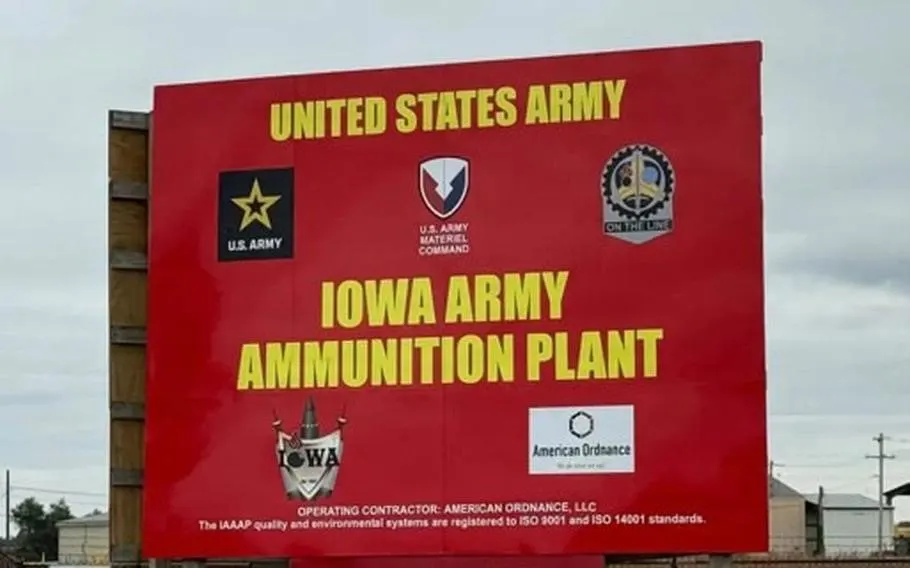
The Army planned to carry out the detonation the next day at the Iowa Army Ammunition Plant in Middletown, Iowa. Nearly 10,000 pounds of toxic lead azide would have been destroyed in a single planned blast. The plant makes military ammunition, and the chemical was stored there for disposal. Army officials called it a standard way to dispose of old explosive material. But nearby officials and residents worried about what the blast could release into the air. Learn how a plan to expand health coverage is moving through Washington, and read a historic win in Mississippi for more political news.
Why the Iowa lead blast Raised Alarms

The main worry was lead dust. When lead azide is detonated, tiny particles of lead can rise into the air and drift with the wind. Lead is a toxic metal, and even small amounts can harm human health over time. State officials feared the dust could settle on homes, schools and fields near the plant. Because the plant sits close to the Illinois border, the risk crossed state lines too. That is why leaders in two states spoke out together. Read a bill to protect children for more on how states act.
A Plant With a Long History in Middletown

The Iowa Army Ammunition Plant has operated in Middletown for many decades, making ammunition for the United States military. The town of Middletown is small, and the plant is a major presence in the area. Generations of local workers have passed through its gates. The plant stores and handles powerful materials, so safety rules around it matter a great deal to the people who live nearby. The planned Iowa lead blast put that long relationship under fresh strain. See a consequential trip to China for more news.
Children, Pregnant Women and Farmland at Risk

Governor Pritzker warned that lead contamination could threaten children, pregnant women and farmland. Children are more sensitive to lead than adults, because their bodies and brains are still growing. Pregnant women face added risk, since lead can affect a developing baby. Farmland matters too, because lead that settles on soil can linger and enter crops. These three worries sat at the center of the demand for a delay. Read a public health fight for more on health.
Governor Pritzker Steps In on the Iowa lead blast

Illinois Governor JB Pritzker became the most visible voice against the plan. He joined a bipartisan group of lawmakers to demand that the Army delay the blast and look at safer options. His warning focused on the people who could be harmed, not on politics. Pritzker later confirmed that the detonation had been postponed. His office said Illinois would keep pressing the Department of Defense for answers. See promises kept by a new mayor for more politics.
A Bipartisan Group of Lawmakers Demands a Delay

The demand for a delay did not come from one party. A bipartisan group of lawmakers joined Governor Pritzker in asking the Army to wait. That kind of joint stand is rare on a fast moving issue, and it gave the request more weight. Lawmakers asked for time to review the risks and for the Army to consider safer ways to dispose of the chemical. Their message was simple: do not rush a blast that could harm nearby towns. Read the debate over lawmakers and accountability for more.
What Is Lead Azide and Why It Worries Experts
Lead azide is a chemical used to set off explosives, and it contains lead. It is valued by the military because a small amount can trigger a larger charge. But that same power makes it dangerous to handle and destroy. When it is detonated, lead particles can spread beyond the blast site. Experts say the safest disposal methods control that spread or avoid open detonation altogether. That question sits at the heart of this case. Learn about a breakthrough in medicine in our other reports.
The Iowa lead blast and the Fear of Lead Dust

Lead dust was the fear that drove the whole dispute. The Army planned to detonate nearly 10,000 pounds of lead azide in one event, a very large amount. Officials in Illinois worried that the dust could drift across the border and settle over homes and fields. Once lead dust lands, it is hard to clean up fully. That is why the governor and lawmakers asked for a pause before anything was set off. Read a bill to protect children for more on safety laws.
The Army and the EPA Knew Since April

According to reporting from Anna Kramer, the Army and the EPA had known about the issue since April. That means federal officials had months to plan a safe path before the detonation date arrived. Yet Iowa’s governor was reportedly only told on Monday, just five days before the planned blast. The gap between April and that Monday notice became a central complaint. State leaders said they should have been brought in far earlier. See a presidential trip across Asia for more federal news.
Five Days Notice Before the Iowa Lead Blast

The Iowa governor was reportedly only told on Monday, just five days before the planned detonation. That left state leaders with almost no time to study the risks, ask questions or seek a safer plan. Five days is a short window for a choice that could touch whole towns, farms and schools. The late notice became one of the sharpest complaints in the dispute. State officials said they should have been told far earlier, while better options were still easy to arrange. Read our tribute to a veteran actor for more.
April to November: Months the Plan Sat Quietly

According to reporting from Anna Kramer, the Army and the EPA had known about the issue since April. That means federal officials had months to prepare a safe path before the detonation date arrived. Yet the warning did not reach Iowa’s governor until Monday, only days before the planned blast. The long gap between April and that late notice angered state leaders. They asked why months of knowledge had not led to an earlier warning or a safer plan. Learn how native foods nourished this land in our other stories.
What Anna Kramer’s Reporting Revealed About the Iowa lead blast

Anna Kramer’s reporting brought the timeline into public view. Her account showed that the Army and the EPA had known about the issue since April, while Iowa’s governor learned of it only days before the planned blast. Good reporting often works this way, putting dates and facts together so the public can judge what happened. Without that account, the late notice might never have been known. Her work gave state leaders the facts they needed to demand a delay. See our look at practical movie effects for more.
The Court Fight Over the Blast

The dispute also reached the courts. One headline reports that a judge halted the Army’s plan to destroy the chemicals, while another says a federal appeals court denied a bid to halt the blast. A third report says the detonation was halted amid the court fight. Courts often move in steps, with one ruling followed by another, and each stage can change what happens next. The legal fight added weight to the calls for a delay. Read our story on a physics prodigy for more.
Trump Halts the Iowa lead blast
One reference reports that Trump halted the detonation amid the court fight. That step, if confirmed, would have put the planned blast on hold from the top of the government. Presidents sometimes step into disputes when safety, states and courts all pull in different directions. The report does not settle every question about what happens next, but it points to a pause at the highest level. State leaders welcomed any move that bought more time. See our night safari story for more.
Safer Alternatives to Open Detonation
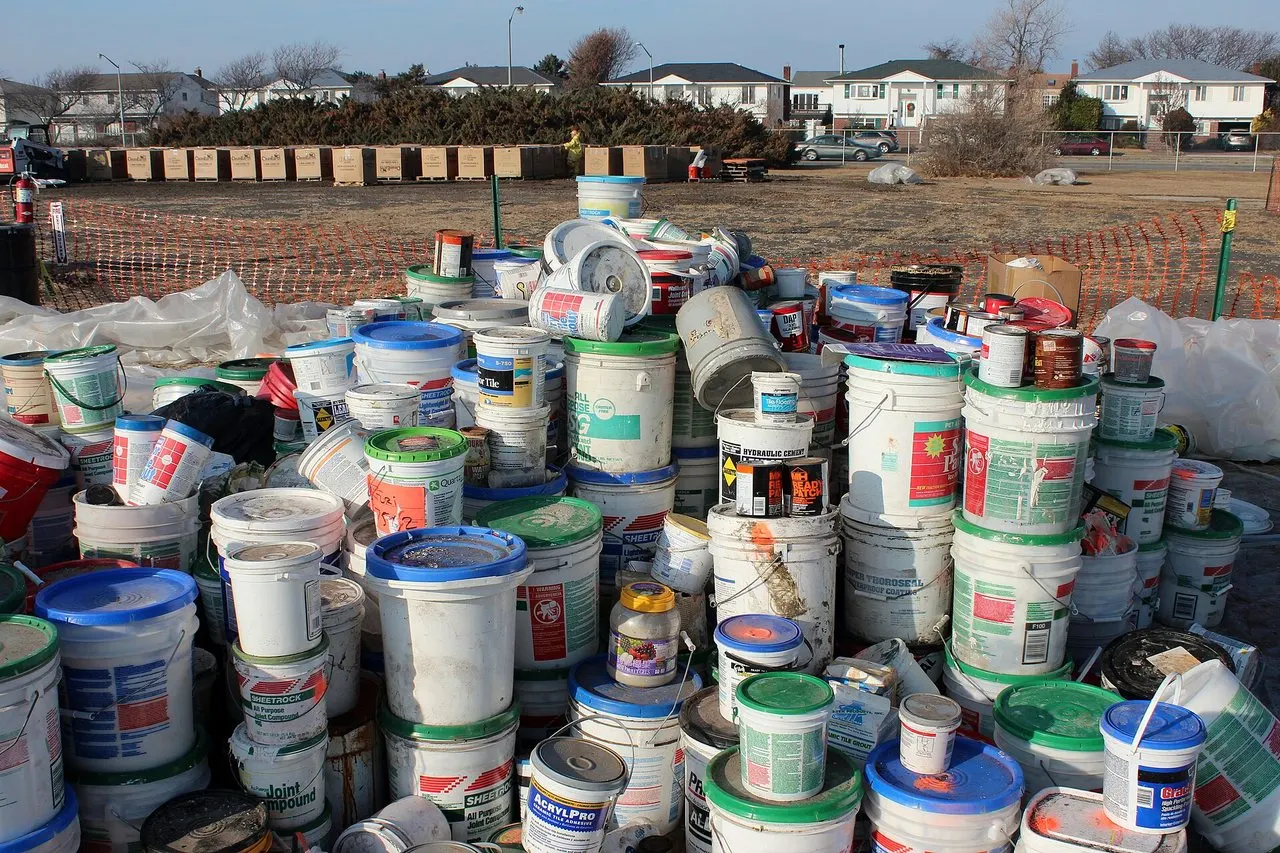
Governor Pritzker and the lawmakers did not only ask for a delay. They also asked the Army to consider safer alternatives to open detonation. Experts say the safest ways to destroy old explosives control the spread of dust or avoid an open blast altogether. Sealed chambers, slow chemical treatment and other methods can reduce what escapes into the air. Choosing one of those paths takes time and study, which is another reason leaders wanted a pause. Learn our story on a sea captain for more.
How the Iowa lead blast Could Spread Lead Dust
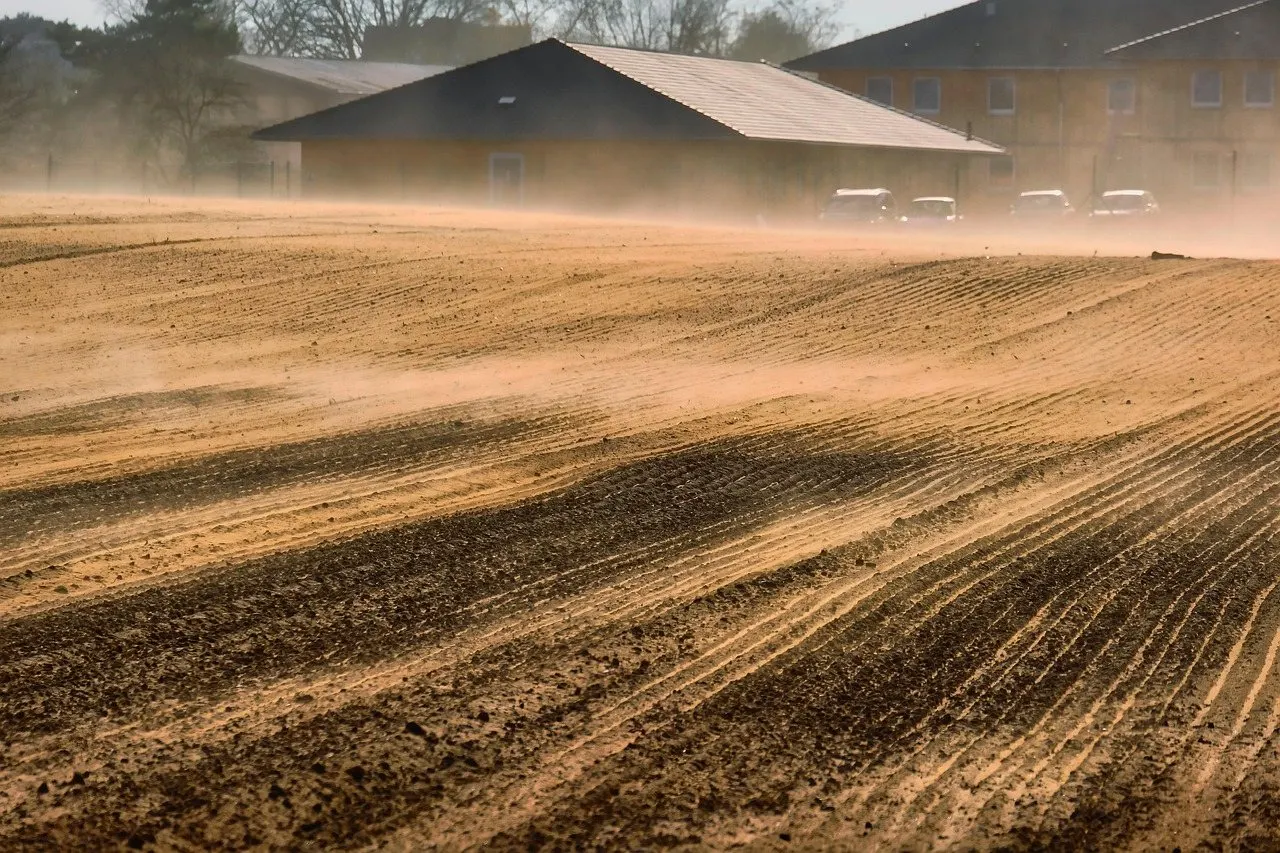
Lead dust is the fear at the center of this dispute. When lead azide is detonated, fine particles of lead can rise into the air and drift with the wind. Wind does not respect state lines, so dust from Middletown could travel toward homes, schools and fields in Illinois. Once the dust settles, it is hard to clean up fully, and it can linger in soil for years. That is why officials wanted the blast paused before anything was set off. See our grocery story for more.
Lead in the Soil: Why Farmers Worried
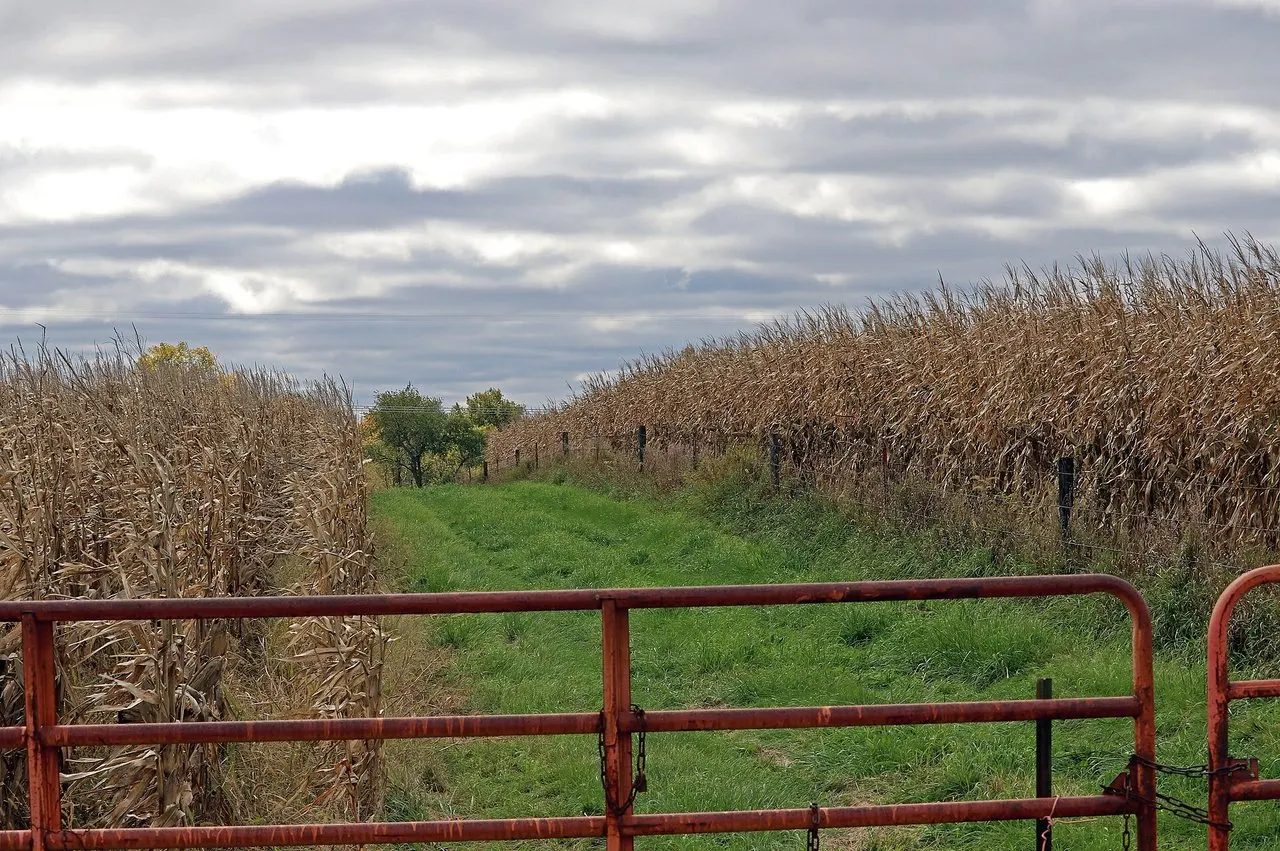
Farmers near the plant had reason to worry about their land. Lead that settles on soil can linger there and enter crops over time. Farmland is not only a source of food, it is also a family’s livelihood, built up over many seasons. Cleaning lead from soil is slow and costly, and some fields may never fully recover. That is why the governor named farmland alongside children and pregnant women when he warned of the risks. Read our office moments story for more.
Children’s Health and the Iowa lead blast

Children are more sensitive to lead than adults, because their bodies and brains are still growing. Even small amounts of lead can affect learning and development over time. Pregnant women face added risk as well, since lead can affect a developing baby. That is why health experts treat any lead exposure near homes and schools as a serious matter. The governor’s warning put these two groups first, and it shaped the demand for a delay. Learn how a health plan would expand coverage for more.
Middletown, Iowa: A Small Town by the Plant

Middletown is a small town, and the Iowa Army Ammunition Plant is a major presence there. The plant has operated for many decades, making ammunition for the United States military. Generations of local workers have passed through its gates, and many families know someone who worked inside. A plant like this shapes a town’s jobs, roads and daily life. When a plan at the plant raises safety fears, the whole town feels it. See our story on two different Americas for more.
The Illinois Border and the Iowa lead blast
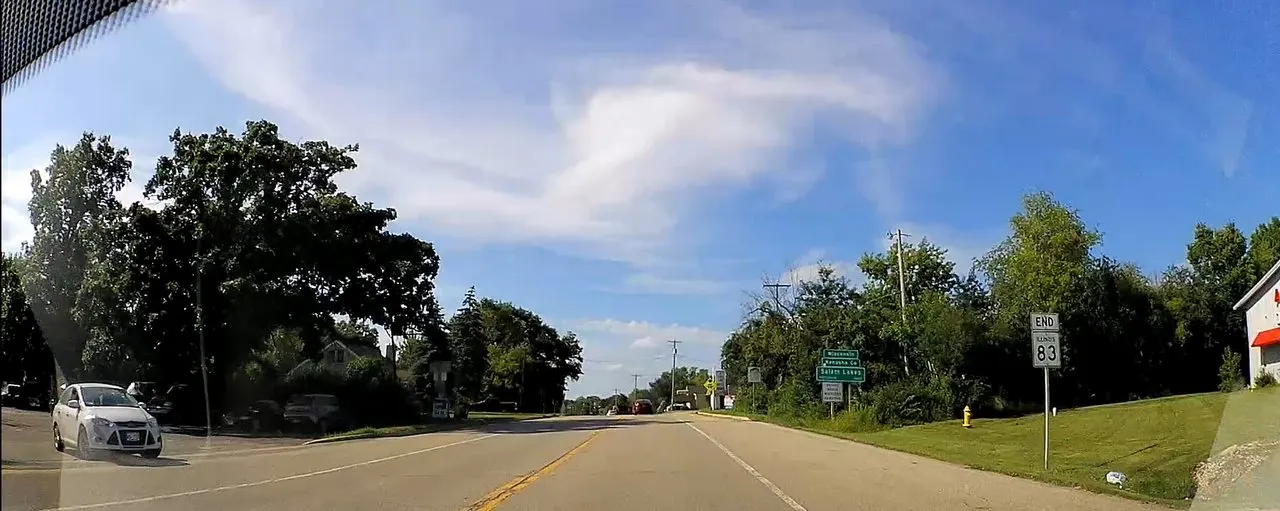
The plant sits close to the Illinois border, and that is why two states spoke up together. Dust and risk do not stop at a line on a map, so a blast in Iowa could reach people in Illinois. Governor Pritzker of Illinois joined the demand for a delay even though the plant stands in Iowa. That kind of shared stand across a border is rare, and it gave the request more weight. Both states wanted time to review the risks. Read our story on promises kept for more.
The Pentagon Faces Questions

Illinois says it will keep demanding full transparency and accountability from the Department of Defense. That means clear answers about what was planned, what the risks were and what happens next. The Department of Defense runs the Army, so it holds the records and the decisions. State leaders say they cannot protect their people without honest information from the federal government. The demand for openness will not end with the postponement. See our bill to protect children for more.
What Happens Next After the Iowa lead blast Pause
The detonation has been postponed, not cancelled. That matters, because the lead azide still has to go somewhere, and the Army still has to dispose of it safely. A pause gives everyone time to study safer methods and to share what they learn with the public. State leaders say they will keep watching until a safe plan is chosen. For now, the blast is on hold, and the next step is a better answer. Learn about the debate over lawmakers for more.
The Public Outcry That Stopped the Blast

The plan was stopped after an outcry from state officials. The original caption called it a controversial plan, and the response showed why. Governors, lawmakers and residents raised the alarm together, and the Army listened. Public pressure does not always change a federal plan, but here it bought time for a safer choice. The outcry also put the issue in front of readers across the country. Read our bill to protect children for more.
The Iowa lead blast: A Postponement, Not a Cancellation
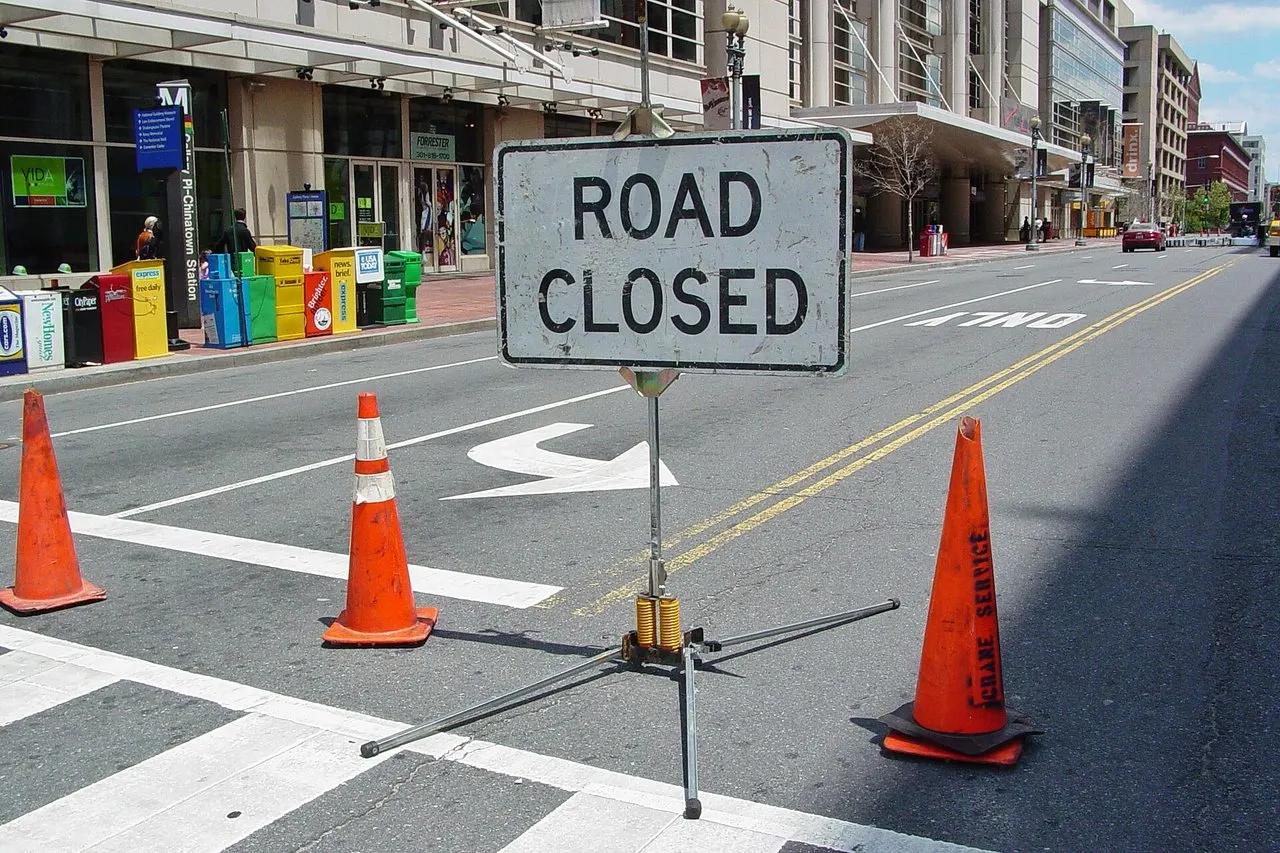
A postponement is a pause, not an ending. The planned blast did not happen on the date the Army had set, and that gave nearby towns a break from the fear of lead dust. But the chemical remains, and a new date or a new method must still be chosen. State leaders say they will keep pressing for a safe answer rather than a quick one. The difference between paused and cancelled is the difference between time and safety. See our public health fight for more.
Why Transparency Matters After the Delay

Trust grows when officials share what they know, and it fades when they stay silent for months. The Army and the EPA knew about the issue since April, yet Iowa’s governor heard of it only days before the blast. That gap is why Illinois now demands full transparency. Open records, clear timelines and honest answers would let the public judge the plan for itself. The delay gives officials a chance to rebuild that trust. Read our tribute to a veteran actor for more.
What Residents Near the Plant Want to Hear
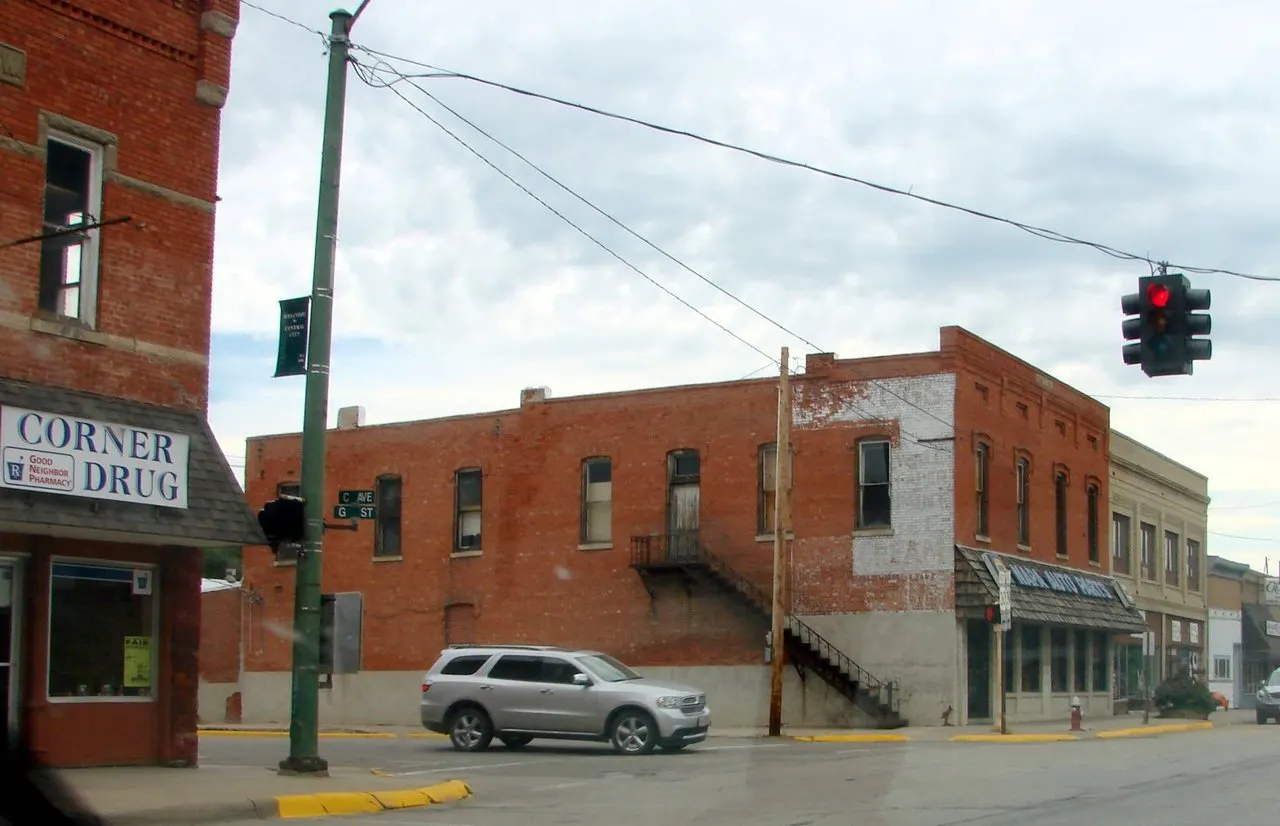
People who live near the plant want clear answers. They want to know what was planned, when it will happen and how their families will be kept safe. A short notice and a sudden postponement leave many questions open. Residents deserve a plain account of the risks, the alternatives and the timeline. Until they get one, worry will linger in Middletown and across the border. Learn how native foods nourished this land in our other stories.
The Bigger Question of Safety

Safety rules around a plant that handles powerful materials matter a great deal to the people nearby. This case asks a bigger question: how should old explosives be destroyed without putting towns at risk. Open detonation is fast, but it spreads dust that cannot be taken back. Slower, sealed methods cost more time, yet they protect the air, the soil and the people. The choice between speed and safety sits at the heart of this story. See our look at practical movie effects for more.
What Would You Ask About the Iowa lead blast?

What would you ask the Army about this plan? Would you want to know how the lead azide will be destroyed now, or when the next decision will come? Would you ask why Iowa’s governor learned of it only five days before the blast? Share your thoughts in the comments below, and tell us what answers you want from the Department of Defense. Your questions may shape what we ask next. Read our story on a physics prodigy for more.