Marco Rubio Remarks Spark Outrage Across America
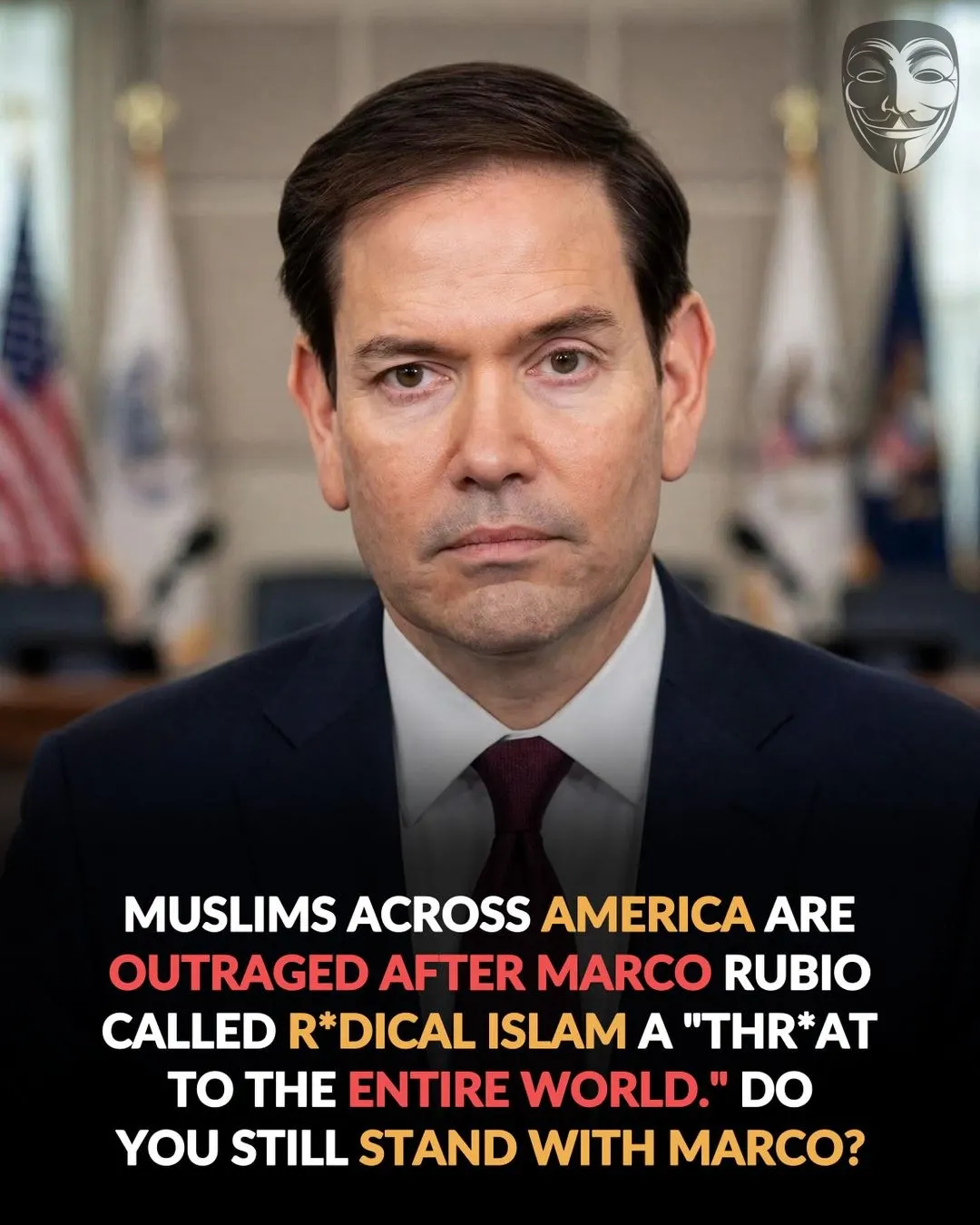
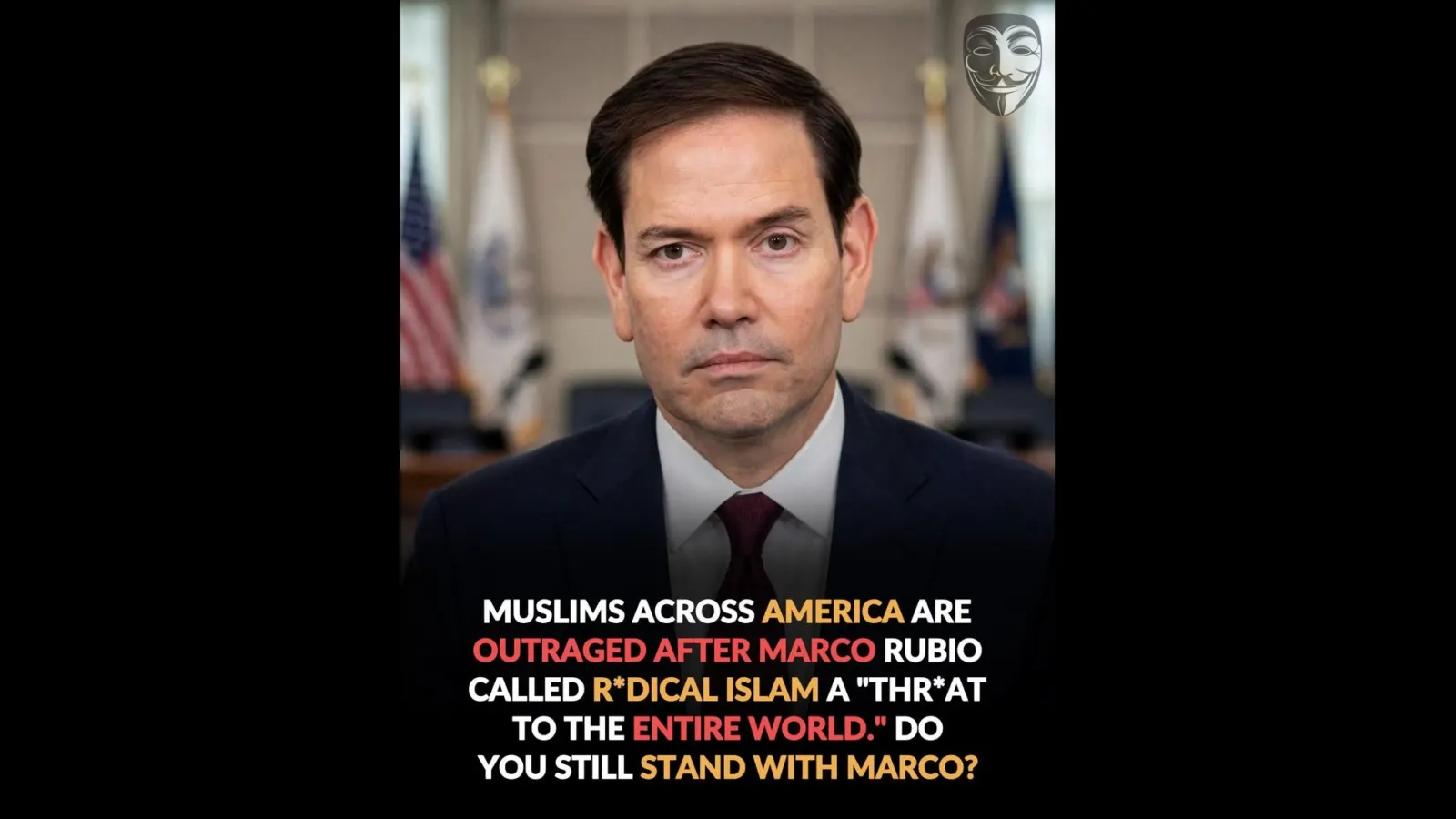
Marco Rubio drew a sharp response from Muslim groups across America after he told Fox News host Sean Hannity that radical Islam poses a clear and imminent threat to the entire world. The secretary of state said the movement is revolutionary in nature and is not content with one territory, adding that it wants to expand and control more places and people. His words spread fast online, and the reaction split sharply within hours.
In the slides ahead we look at what Rubio said, why the Muslim Public Affairs Council answered with a letter, and how Americans reacted online. The council asked him to clarify his remarks and warned that leaving the term undefined risks mixing up a global faith with political dissent. Senator Tommy Tuberville praised the comments, while Muslim and ex-Muslim users offered mixed views. For more on his rise in national politics, read about the odds on his 2028 run.
References:
Fox News: Rubio Warns Radical Islam Is A Clear And Imminent Threat To The World
The Capital Feed: Rubio Tells Hannity Radical Islamic Movements Pose An Imminent Threat To The Entire World
Web India 123: US State Secretary Rubio Warns Of Imminent Threat From Radical Islam
News Point: US State Secretary Rubio Warns Of Imminent Threat From Radical Islam
What Marco Rubio Said on Fox News
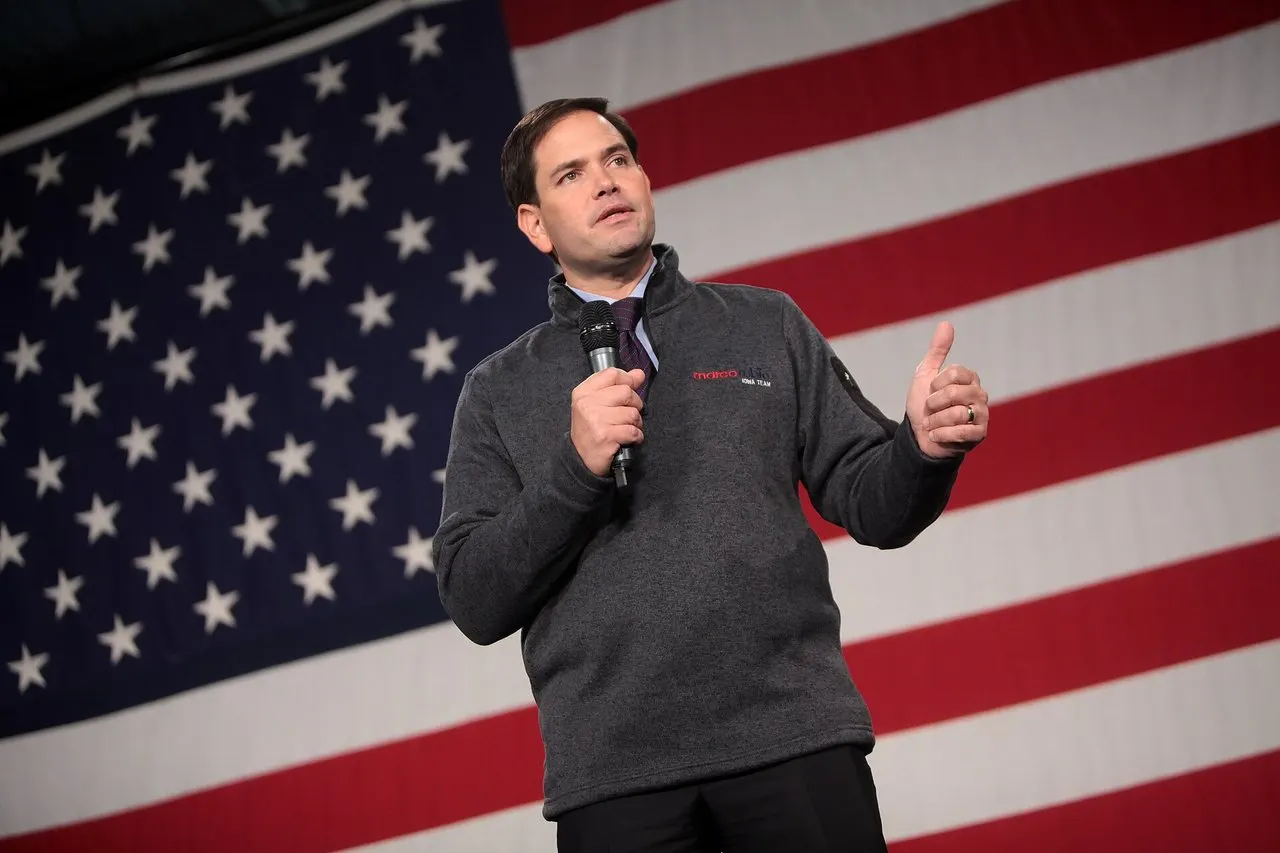
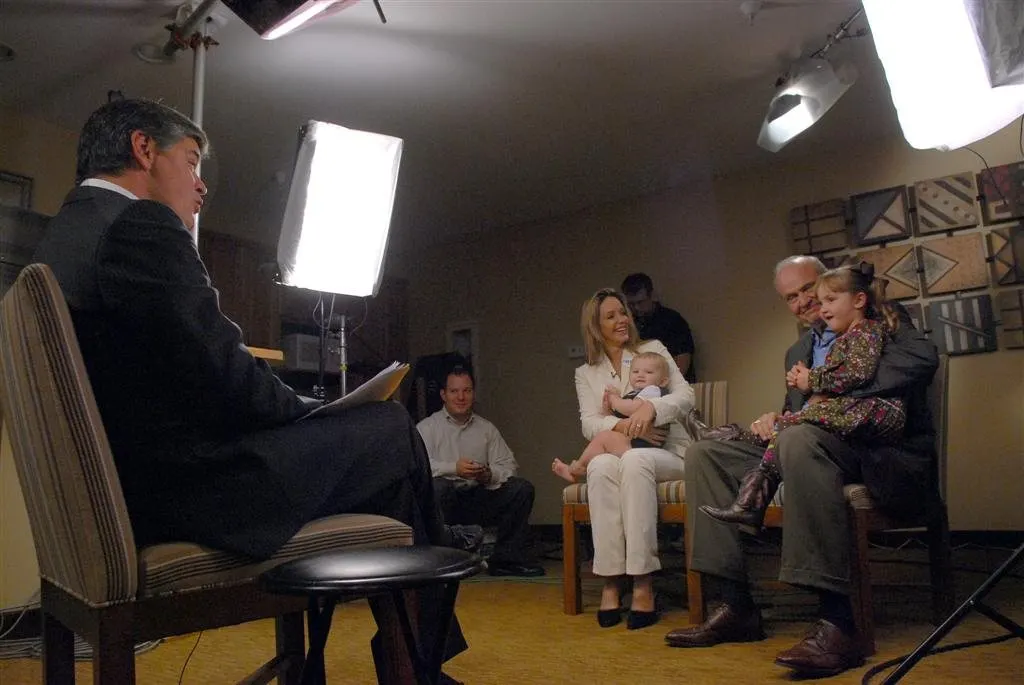
The secretary sat down with Sean Hannity on Fox News and spoke plainly about how he sees the threat. He said radical Islam poses a clear and imminent threat to the entire world, words that set the tone for everything that followed. He described the movement as revolutionary in nature, not tied to one place or one fight. For a secretary of state to use that language on prime time television made the interview big news at once. Read more about the president’s China trip.
Sean Hannity Asked Marco Rubio the Question
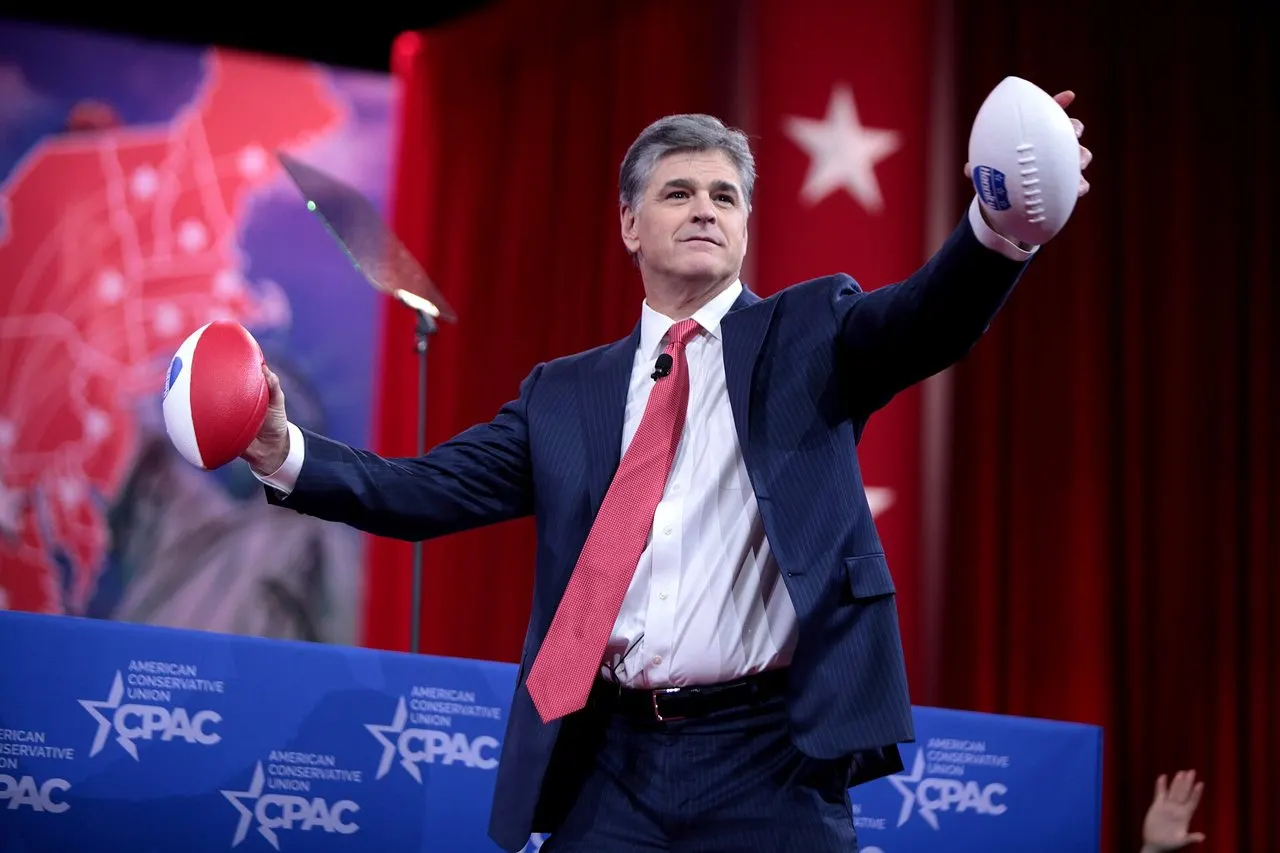
Hannity is one of the most watched hosts on Fox News, and his show often sets the tone for the night in conservative media. His interview gave the secretary a friendly stage and a large audience for a blunt message. The host let the secretary speak at length about the threat as he sees it, and the exchange soon spread far beyond the show itself. Clips and quotes moved across social media within hours. See the row over calling Putin a friend.
Marco Rubio Called the Movement Revolutionary
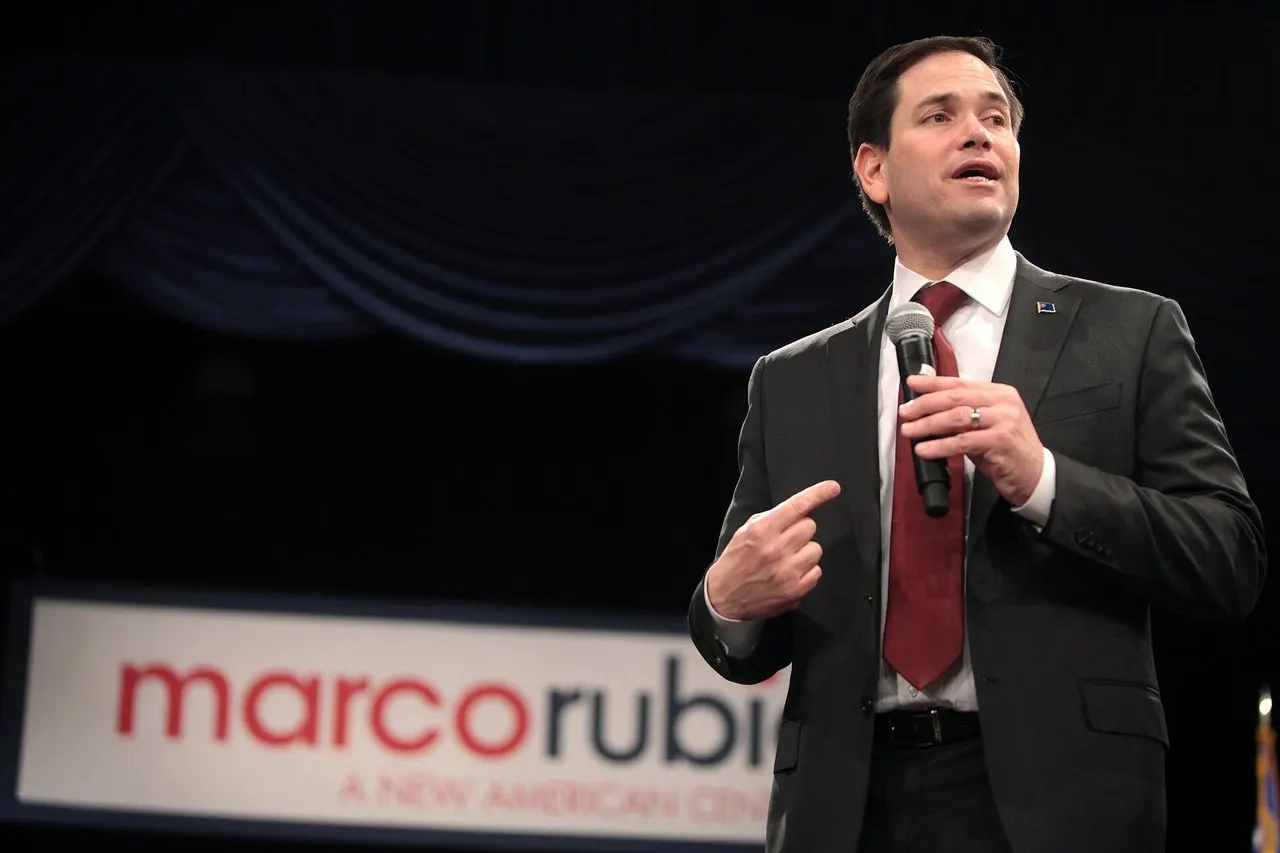
The word he chose was revolutionary, and it matters because it paints the movement as one that wants to keep growing. He said it is not content with one territory and wants to expand and control more places and people. That picture of a movement on the march is what drew the strongest pushback, since critics say such broad language can blur the line between a faith and a political cause. Read about the petition on the Epstein files.
Who Is Marco Rubio
He is the secretary of state, the top diplomat in the country and the voice of American foreign policy abroad. Before that he served as a senator from Florida, where he built a name as a strong voice on national security. He has long spoken about threats from abroad in blunt terms, and his fans say that direct style is why they trust him. His critics say the same style can cause trouble. Learn about the DHS secretary sidelined from TV.
Marco Rubio Went From Senator to Secretary of State
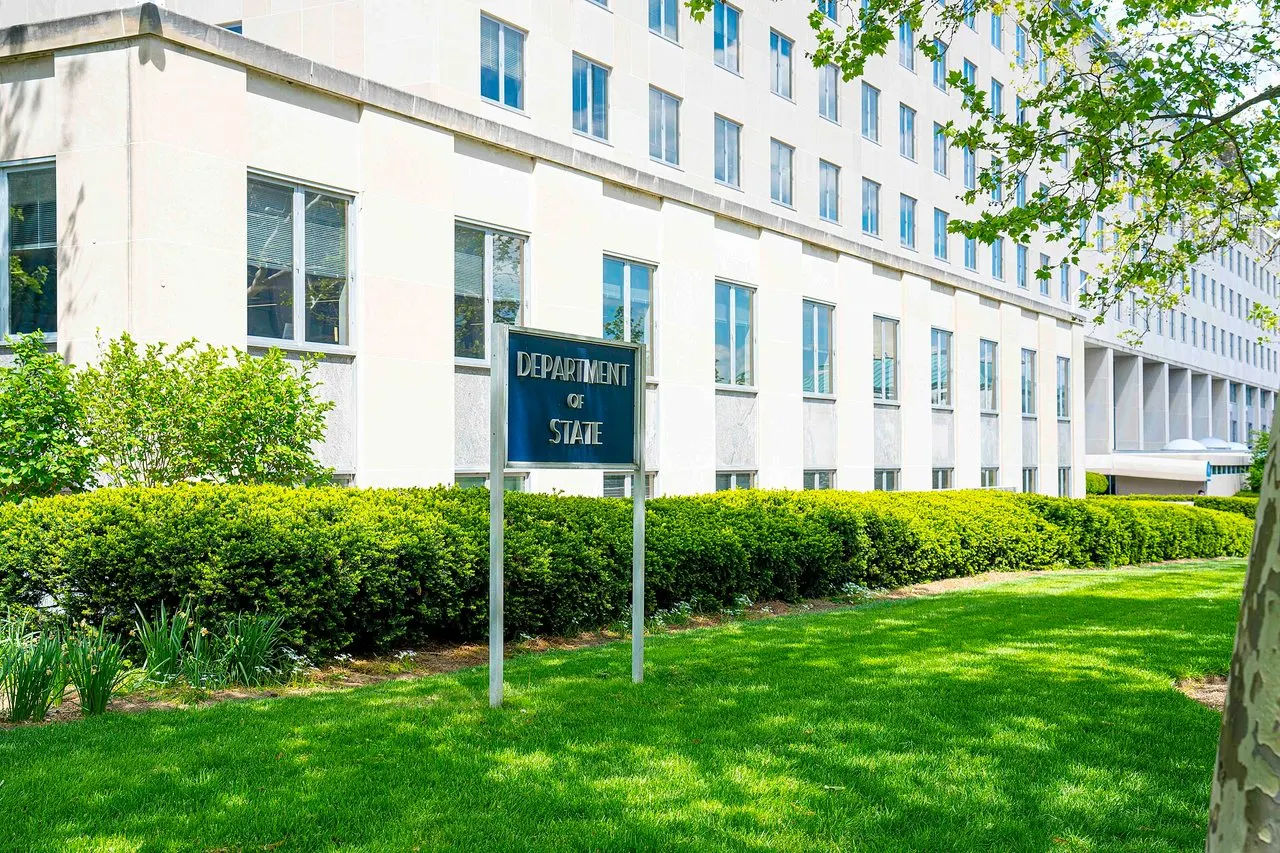
He moved from the Senate to the State Department, a jump that put him at the center of American foreign policy. The department leads talks with other nations, runs embassies around the world and shapes how the United States deals with friends and rivals. As secretary he speaks for the president abroad, so his words carry extra weight. That is one reason this interview drew so much attention. Read about the recall fight in McKinney.
The Muslim Public Affairs Council Responds

The Muslim Public Affairs Council, known as MPAC, is a Muslim advocacy group that speaks up on civil rights and public policy. After the interview it sent him a letter asking him to clarify his remarks. The group said it wanted a clear answer on what he meant by the term he used. The letter was polite but firm, and it put the debate in writing. He now faced a direct question from a group that speaks for many Muslim Americans. See the student released by ICE.
A Letter Asking for Clarification
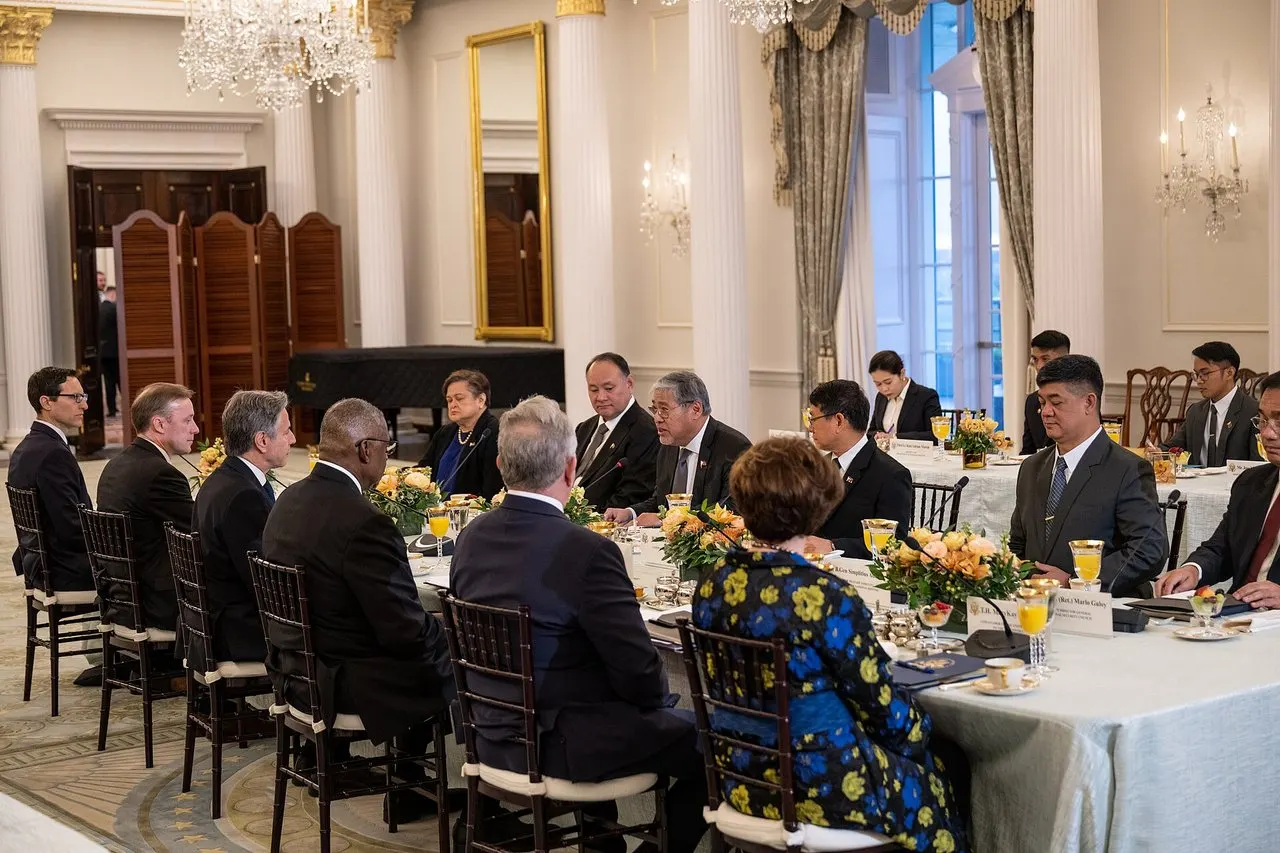
The letter asked a simple question at its heart. What did the secretary mean when he used that term, and who exactly did he mean by it. The council said that without a clear definition, the words could be read in a way that harms ordinary people. A letter like this is a formal step, not a social media post, and it asks for an answer on the record. Read about the actor moved to tears in worship.
Why the Council Warned About Conflation

The council warned that leaving the term undefined risks mixing up a global faith with political dissent. Islam is practiced by about 1.8 billion people around the world, and the group said broad words can make ordinary believers feel blamed for the acts of a few. That fear sits at the center of the dispute, since the council says the faith itself is not the same as a political movement. See the flood of AI videos on Facebook.
1.8 Billion People and One Faith
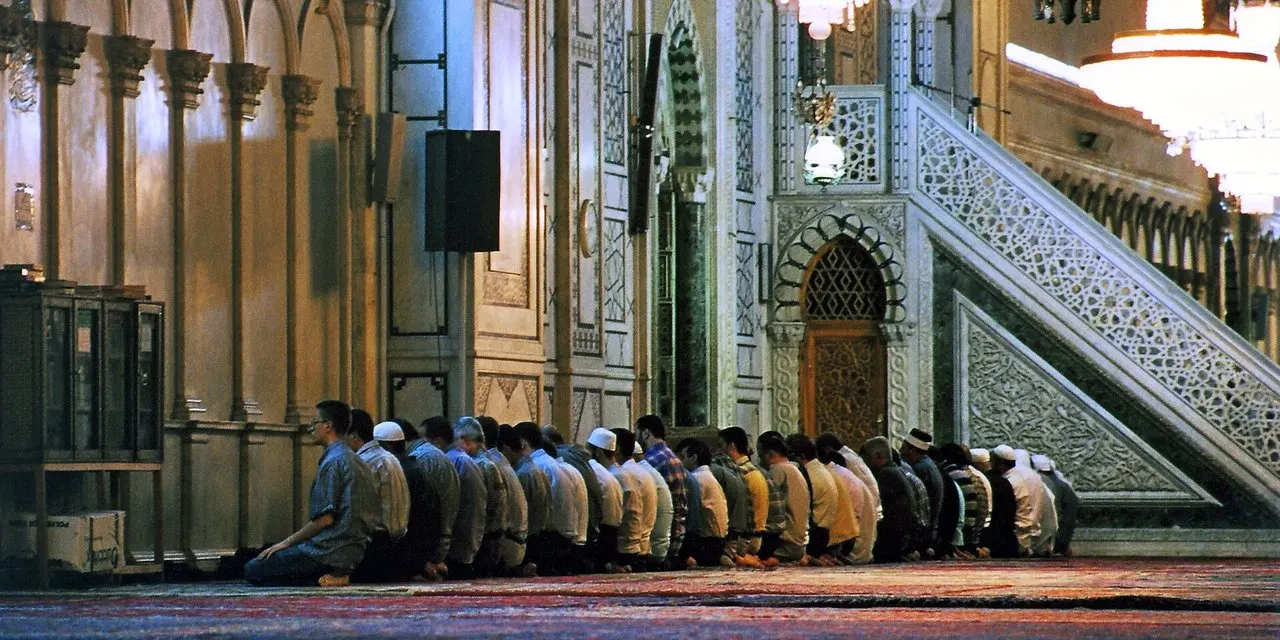
About 1.8 billion people around the world practice Islam, which makes it one of the largest faiths on earth. They live in nearly every country, speak many languages and follow many local customs. Most of them live quiet daily lives, working, raising families and going to prayer. That scale is why the council says care with words matters so much. Read about his lead in a recent GOP poll.
Tommy Tuberville Praised Marco Rubio
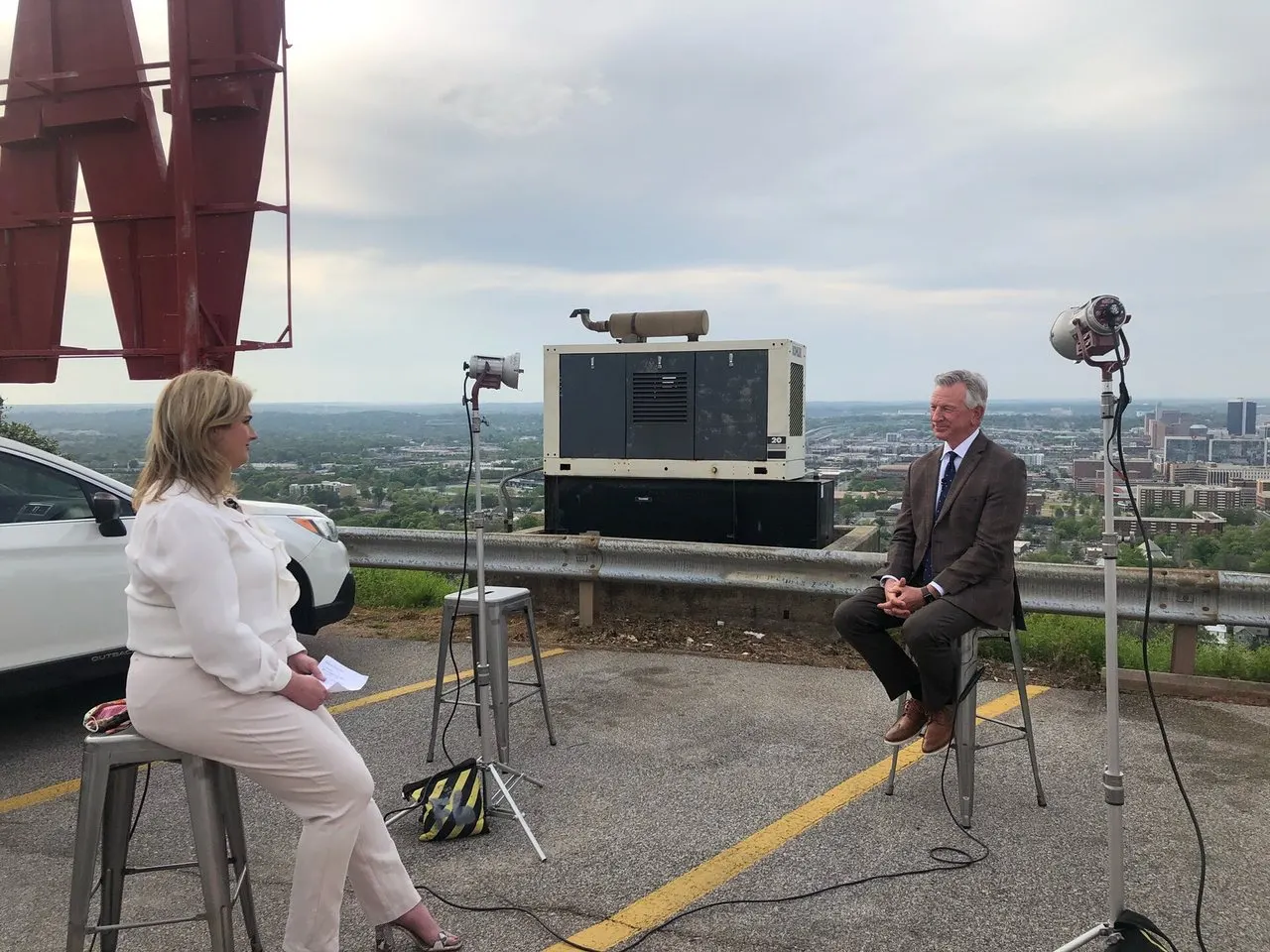
Senator Tommy Tuberville of Alabama was quick to praise the comments, and his support showed that he was not alone. Tuberville has long taken a tough line on national security, and he saw the remarks as plain talk about a real threat. His praise gave the secretary cover from inside the Senate. It also showed how the issue splits along party lines. Read about the trip through Asia.
Online Reaction Split Sharply

Online reaction split sharply, just as the post said, and the divide was easy to see in the replies. Some users cheered the remarks as honest and long overdue. Others called them unfair and said they painted too many people with one brush. The speed of the response showed how fast a television interview can turn into a national argument. He watched his words travel far beyond the studio. See the letter sent to Senator Slotkin.
Muslim Voices Pushed Back

Many Muslim users said the remarks felt like an attack on their faith rather than on a political movement. They pointed to their own lives as neighbors, coworkers and parents, and asked why a whole faith should answer for the acts of a few. Some shared stories of facing suspicion in daily life. Their replies made clear that the words landed hard in real homes. Read about the No Invasion Act.
Ex-Muslim Users Offered Mixed Responses

Ex-Muslim users offered mixed responses, which showed that the debate is not simple. Some agreed with the warning and said they had seen the ideology up close. Others said the broad language still missed the mark and hurt people who had already left the faith. Their voices added a layer that both sides had to face. Read about the debate over lawmakers in a vegetative state.
What Radical Means in This Debate
The word radical does a lot of work in this debate, and that is part of the problem. To some it means a violent fringe that uses faith as a cover. To others it is a loose label that can stretch to cover far more people than it should. The council wants the term defined so everyone knows who is being talked about. Without that, the same sentence can mean two things. Read about the new senator from Mississippi.
How Fox News Framed the Interview

Fox News framed the interview as a warning from a top official, and its headline put the threat front and center. The network has a large audience that trusts its take on national security, so the framing shaped how millions first heard the story. Other outlets then picked up the same quotes and ran them with their own angles. That is how one interview becomes a national story. Read about the Ravens star benched after his comment.
The Capital Feed Covered the Remarks

The Capital Feed ran its own version with the headline about the secretary telling Hannity that radical Islamic movements pose an imminent threat to the entire world. Smaller outlets often move fast on stories like this, and their headlines travel far on social media. Each outlet picks the words it thinks will grab readers, which is why the same interview can sound different from site to site. Read about the split with Musk.
Coverage Spread to Outlets Abroad

Web India 123 and News Point both carried the story with headlines about the secretary warning of an imminent threat from radical Islam. When a story jumps from American television to outlets abroad, it shows how wide the interest runs. Readers in other countries follow American politics closely, and a warning from the secretary of state travels fast. Read about the odds on his 2028 run.
Tulsi Gabbard Raised a Similar Alarm
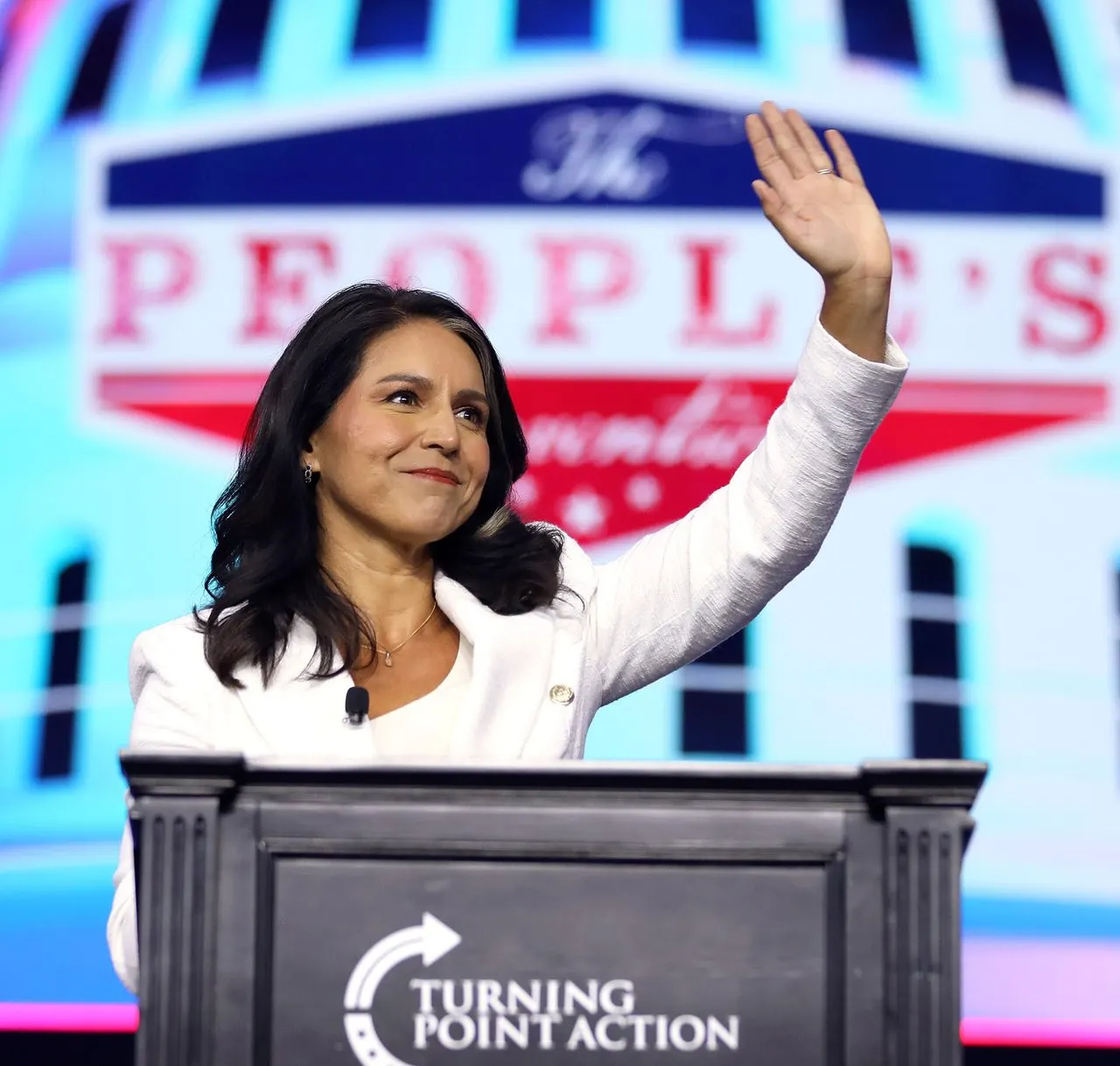
Weeks after he warned of a Western invasion, Tulsi Gabbard sounded her own alarm on radical Islam, according to ZeroHedge. Gabbard serves in the administration, and her words added weight to the same theme from a second senior voice. When two top officials raise the same warning, the message lands harder and critics push back louder. That timing kept the debate alive for weeks. Read about how an online outage left Gen Z wishing for cash.
Marco Rubio and the 2028 Conversation
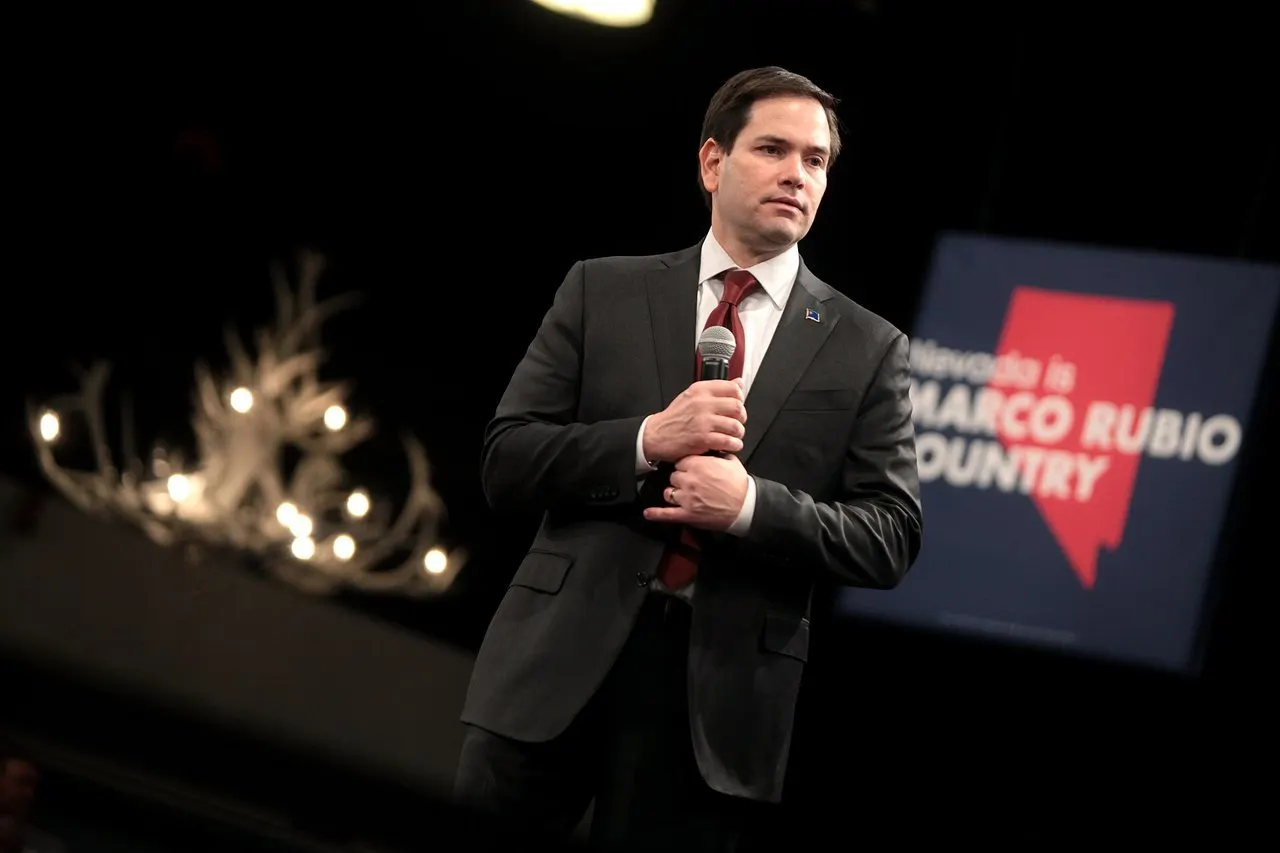
He is already part of the 2028 conversation, and his name comes up often when people talk about who might run next. Polls have shown him leading other names in the field, and his role as secretary keeps him in the news. Strong words on national security can help a candidate with voters who want a firm hand. That is why every interview gets read as a campaign signal too. Read about the row over calling Putin a friend.
Why the Words Landed So Heavily
The words landed heavily because they came from the top diplomat in the country, not from a pundit on the sidelines. When a secretary of state speaks about a faith practiced by nearly two billion people, the whole world listens. Supporters say plain talk is needed in dangerous times. Critics say the same talk can make life harder for Muslim Americans at home. Read about the petition on the Epstein files.
Faith and Politics in American Life
Faith and politics have always mixed in American life, from church suppers to mosque open houses. People of many faiths vote, run for office and speak up in public debates. That mix is part of what makes the country work, but it also means words about faith can sting. When leaders talk about religion, they speak to neighbors as well as to voters abroad. Read about the DHS secretary sidelined from TV.
What Happens After a Letter Like This

After a letter like this, the ball sits with the secretary and his office. He can answer with a clear definition, meet with the group, or let the matter rest. Advocacy groups often follow up in public if they feel the answer falls short. Either way, the exchange stays on the record, and voters can judge the words for themselves. Read about the recall fight in McKinney.
The Debate Over Free Speech and Safety
The debate also touches free speech, since leaders have the right to speak plainly about threats as they see them. At the same time, many Americans say leaders should weigh how their words land on whole communities. Both ideas matter in a free country, and the tension between them is real. The argument is likely to go on long after this interview fades. Read about the student released by ICE.
How Americans See the Secretary of State
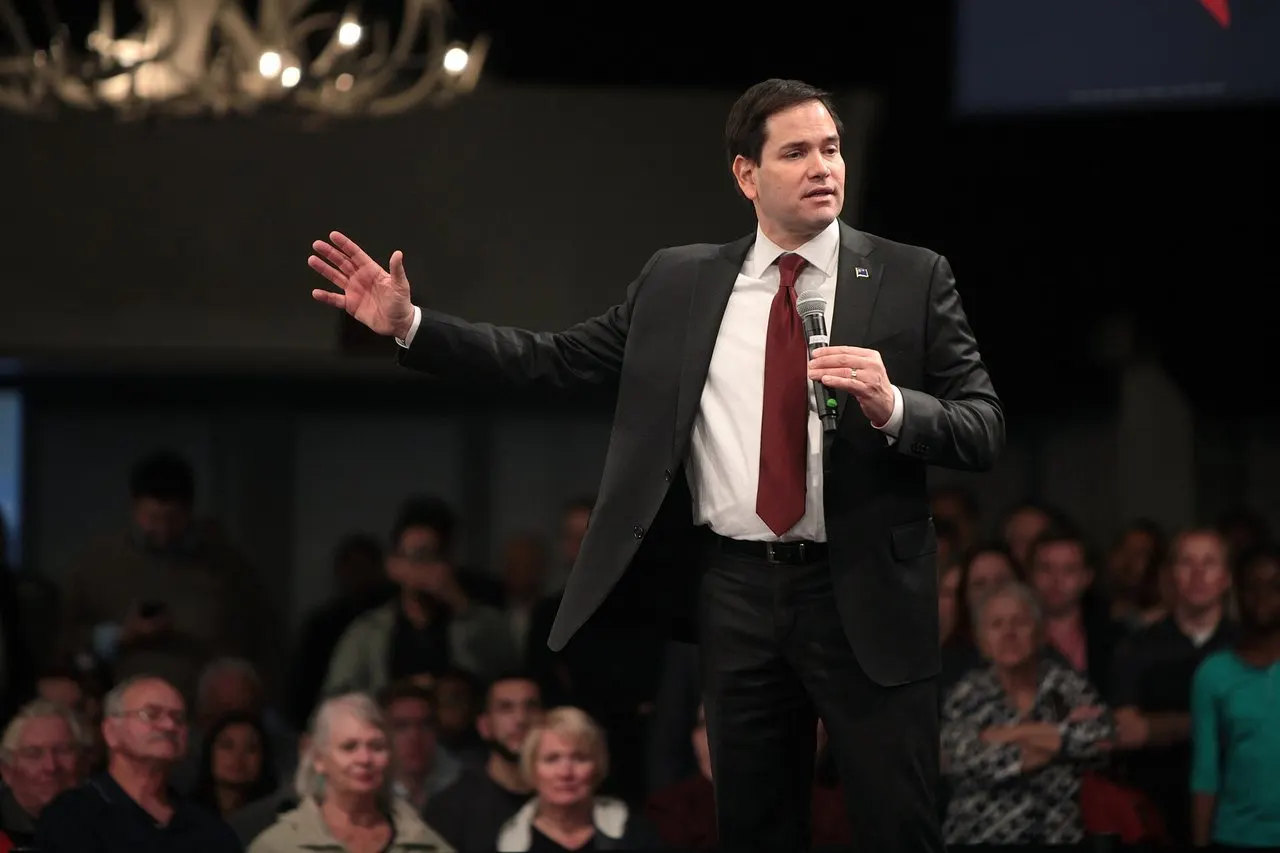
Americans see the secretary through moments like this interview, and each one adds to the picture. Some see a strong leader who names threats without flinching. Others see a top official whose words need more care. Polls and headlines will keep shaping that picture in the months ahead. For now, this interview is the latest test of how his style plays. Read about the actor moved to tears in worship.
What Comes Next for Marco Rubio
What comes next depends on whether the secretary answers the letter and how he frames his words going forward. He may clarify the term, stand by it, or shift the focus to policy. Each choice will draw its own reaction, and the debate will follow him into the next interview. For a secretary who is also a 2028 name, every answer counts twice. Read about the flood of AI videos on Facebook.
Do You Still Stand With Marco Rubio?
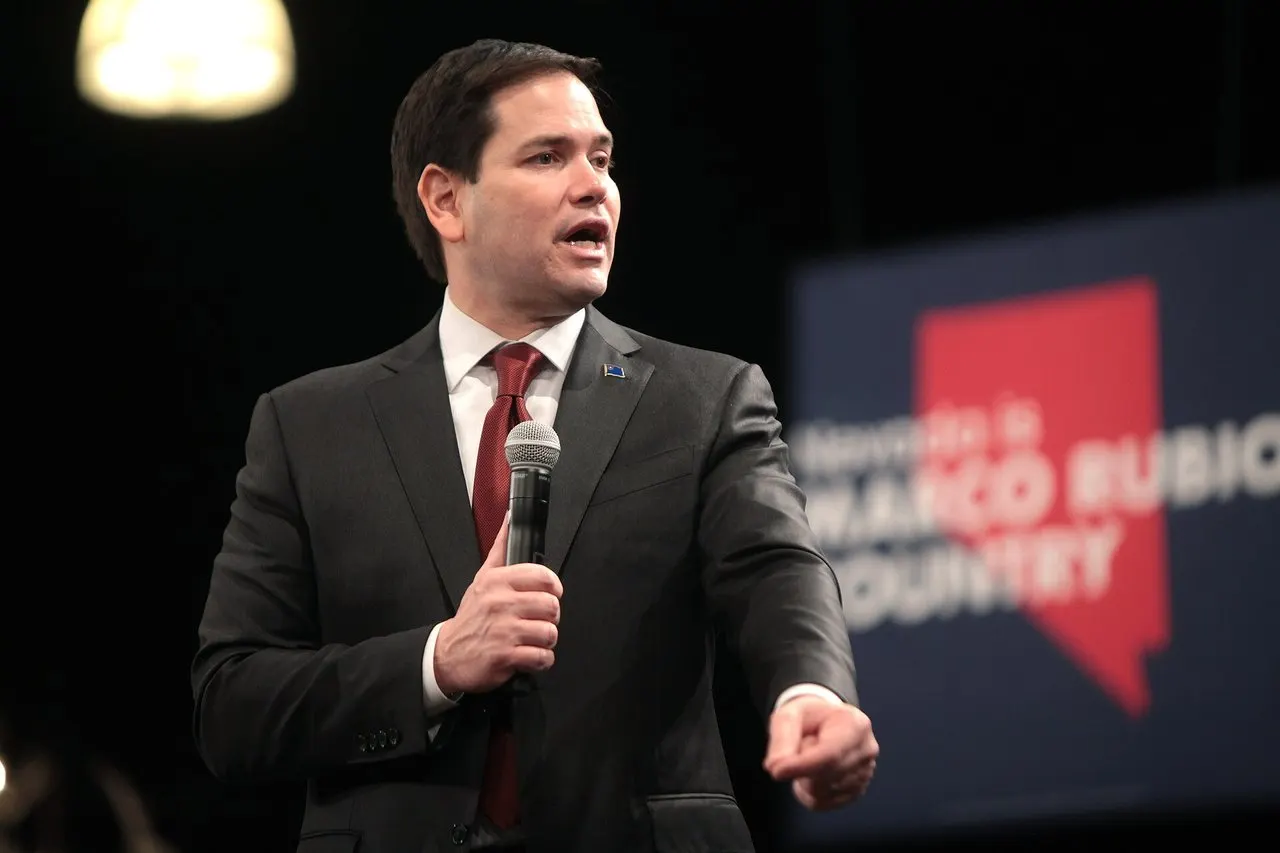
The post that started all of this asked readers a direct question, and now we ask you the same one. Do you still stand with him after his words on Fox News, or do you think the council has a point about the need for clearer language. There is no single right answer, and the comments are open for your view. Share your thoughts below and tell us what you think. Read more about his lead in a recent GOP poll.