NSA Network Outage Forced the Agency Offline for Three Days
The NSA network outage began on Tuesday, November 17, when the agency’s classified internal network, known as NSA Net, went down during scheduled routine maintenance. The outage lasted about three days, and the network was back to normal by Friday, November 20. The agency said mission critical capabilities stayed fully operational the whole time, and there was no evidence of a cyberattack. Officials linked the problem to patching work, and staff arrivals were staggered while systems were restored.
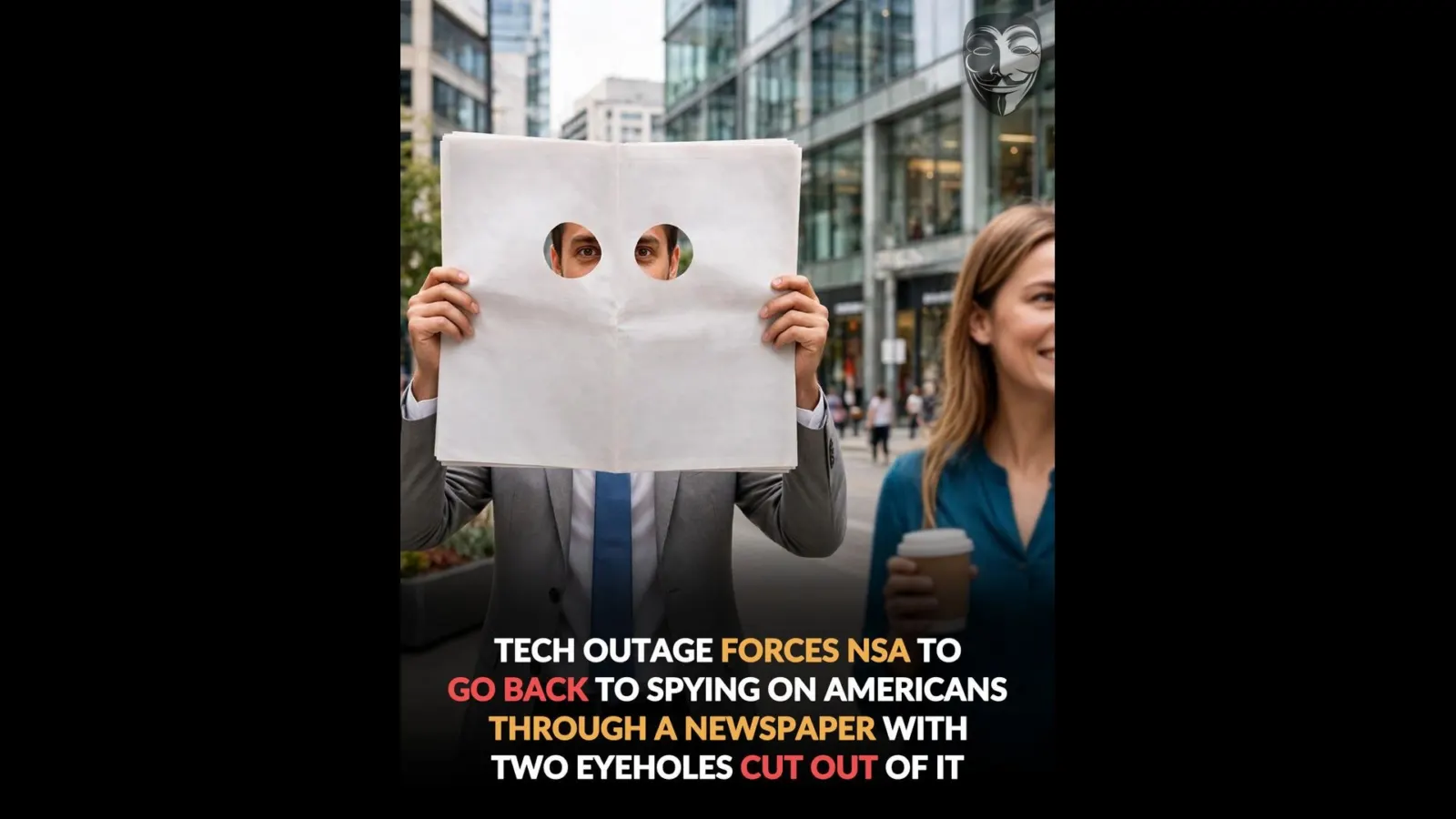
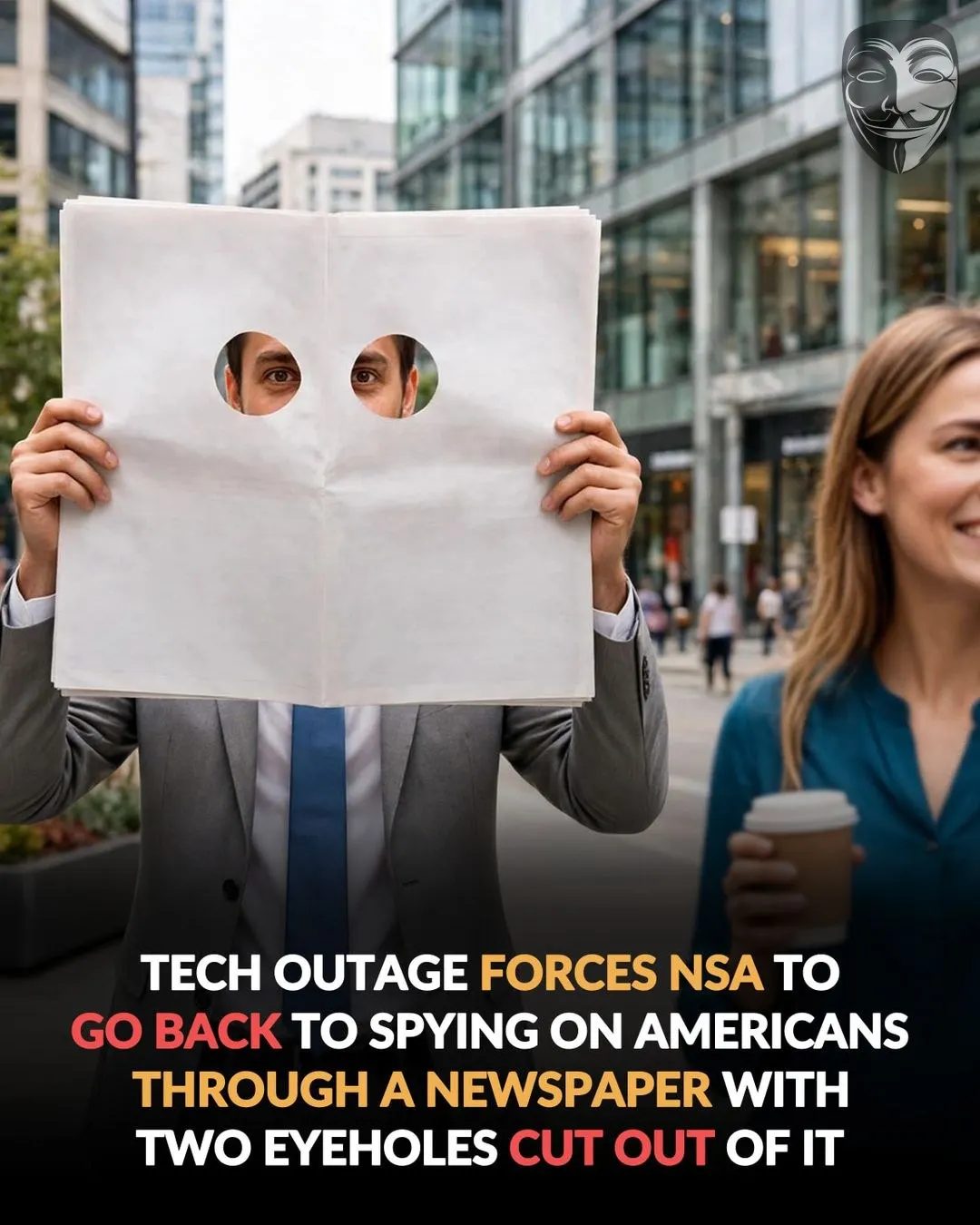
The story turned into a joke when the satire site The Babylon Bee shared a photo of a suited man peeking through two eyeholes cut in a newspaper, with the line, Don’t mind us, just keep doing what you’re doing. Readers loved the old school image of spies going back to paper and eyeholes, and the post spread fast. Ahead we look at what went down, what stayed working, and why the joke landed so well. You can also read how Gen Z reacted when online banking went down.
References:
Defense One: Classified NSA Communications Network Down People Familiar Say
Nextgov: Outage of NSAs Classified Communications Network Appears Fixed People Familiar Say
Associated Press: Classified Communications Network at the National Security Agency Goes Down Defense Official Says
Al Jazeera: Top Spy Agency Suffers Network Outage the Latest US Technical Failure
The Joke That Started With a Newspaper and Two Eyeholes

The Babylon Bee shared a photo that showed a suited man peeking through two eyeholes cut out of a newspaper, and the caption read, Don’t mind us, just keep doing what you’re doing. The image turned a dry tech story into a visual gag anyone could get in one second. Nobody needed to know how a classified network works to enjoy it. It spread because it was simple and silly and right on time. For more laughs, see the viral question that followed a kiss cam moment.
What Is NSA Net, the Classified Network That Went Down
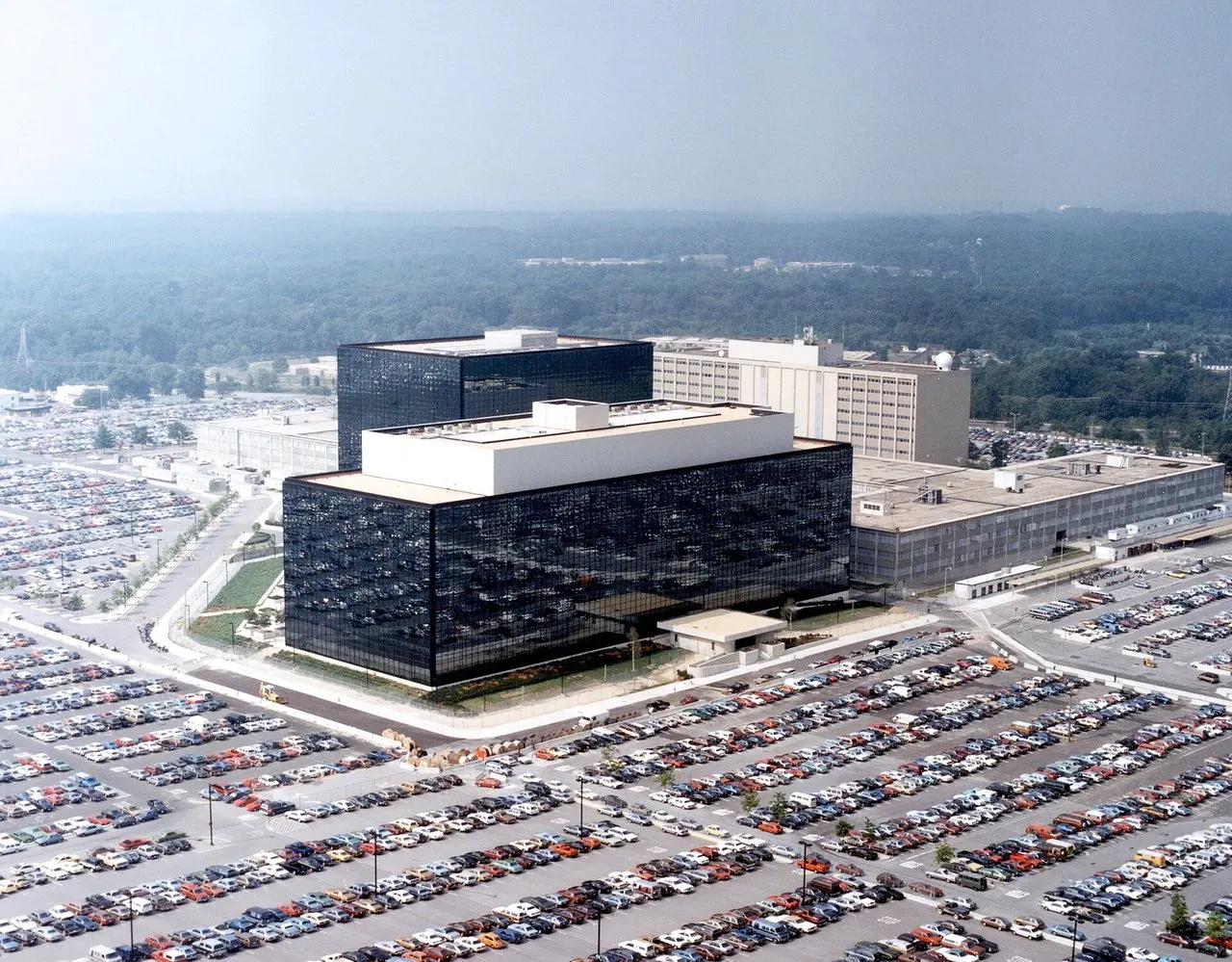
NSA Net is the National Security Agency’s classified internal network, the private system its people use to share secret material and talk securely. It is separate from the public internet, and it is built to keep sensitive work away from outside eyes. When a system like that goes down, even for routine reasons, it gets attention fast, because so much important work depends on it. The outage showed how much runs on links the public never sees. Read about how the Senate handled pay during a shutdown.
Tuesday, November 17: The NSA Network Outage Begins
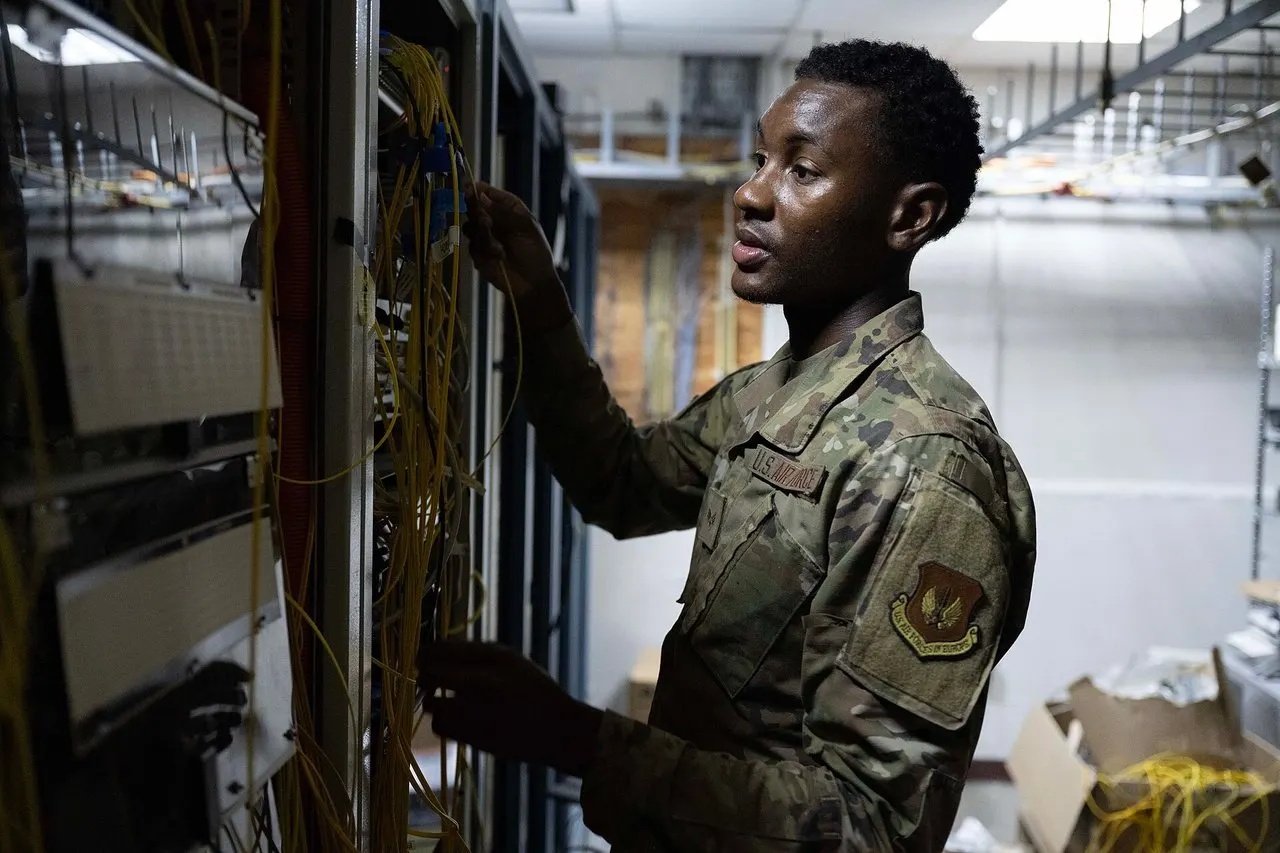
The NSA network outage began on Tuesday, November 17, during scheduled routine maintenance, the kind of planned work that keeps big computer systems healthy. Maintenance windows are normal, and teams use them to apply fixes and test changes. This time, something in the work knocked the classified network offline instead. The timing mattered, because a weekday outage hits while staff are trying to do their jobs. For a look at another government disruption, read the FAA ground stop that followed a briefing.
Patching Work Is Linked to the NSA Network Outage
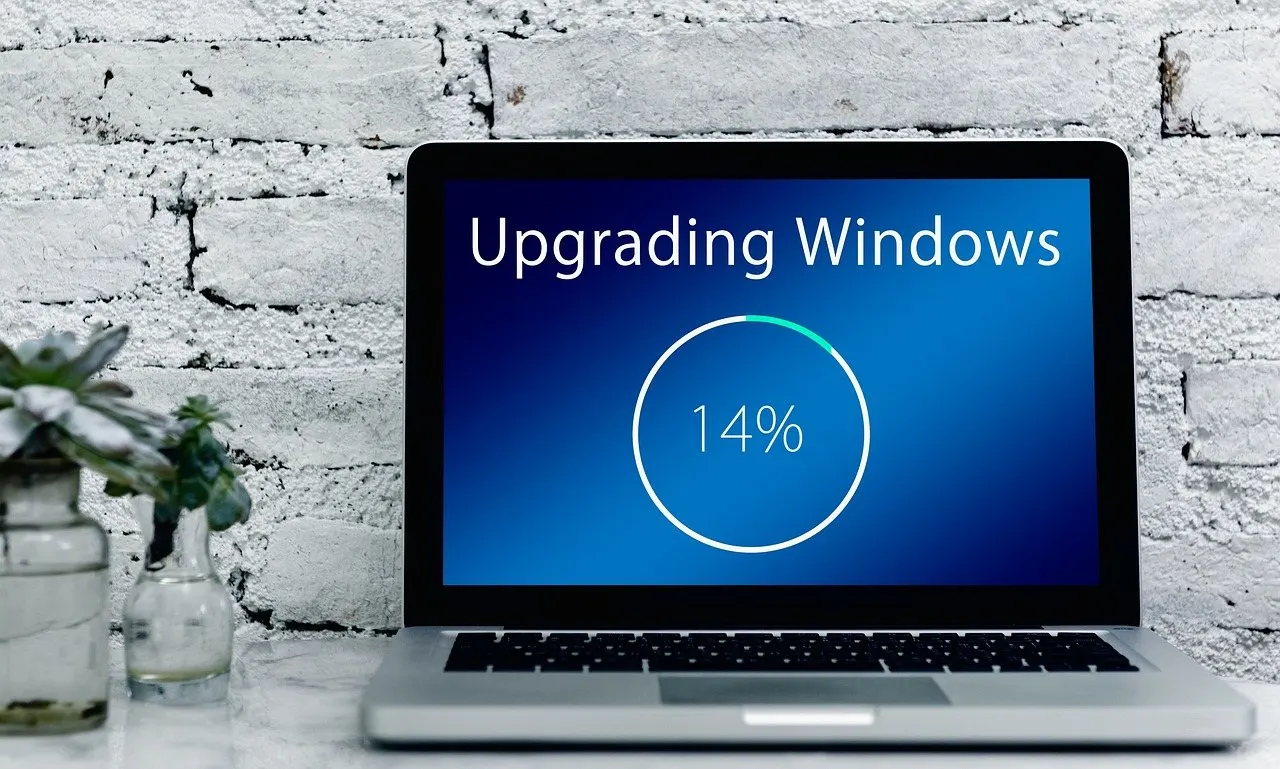
Officials linked the outage to patching work, the routine job of fixing flaws in software and keeping systems up to date. Patches are small changes, but on a large network, even a small change can have a big effect if something goes wrong. That is why teams test patches and roll them out in stages. The link to patching gave the public a plain reason for the failure, and it fit the maintenance timing. See the story of a plane that flew on electric power for more on simple ideas.
Mission Critical Work Stayed Fully Operational
Through the outage, the NSA said mission critical capabilities stayed fully operational, which means the work that matters most never stopped. Big agencies build backup paths and separate systems so that one failure does not shut everything down. That planning is the reason officials could speak calmly while the network was being fixed. It also helped that the outage was tied to maintenance, not to an outside attack. For stories about people who kept going under pressure, read the teen triplets who stood by their mom.
No Evidence of a Cyberattack Behind the NSA Network Outage
The agency said there was no evidence of a cyberattack, a point officials repeated because it is the first question people ask when a spy agency goes dark. A cyberattack would mean someone broke in on purpose, while a maintenance fault means the system tripped over its own update. The difference matters a lot, and it shapes how the public reacts. In this case, the facts pointed to patching work, not to an enemy. Read how a president was questioned over a handshake for more on public trust.
Staff Arrivals Were Staggered While Systems Came Back
While systems were restored, the agency staggered staff arrivals, which means people came in at different times instead of all at once. It is a simple way to keep a building calm when computers are still coming back online. Fewer people at the desks means fewer logins hitting the network at the same moment, and it gives technicians room to work. The detail also showed the outage touched daily routines, not just machines. See how one city handled a rent freeze promise for more on plans that roll out in stages.
Friday, November 20: The NSA Network Outage Ends

By Friday, November 20, the NSA network outage was over and the network was back to normal, about three days after it first went down. Three days is a long time for a classified system to be out, and it explains why the story grew. Each day without the network added to the questions, even as officials said key work was fine. The return to normal closed the incident, but the joke kept traveling. Read the trip that brought home billions in deals for more on weeks that turned.
Three Days Offline: What the Timeline Shows
About three days passed between the Tuesday outage and the Friday fix, a stretch that is short for a big repair but long for a network that never sleeps. In those three days, staff worked around the problem, arrivals were staggered, and the public heard little beyond short updates. Time moves slowly when a system you rely on is down, and every hour feels longer. The three day span is now the simplest fact of the whole story. For more on long waits, see the 13 year wait for a new game.
Meet The Babylon Bee, the Satire Site Behind the Joke

The Babylon Bee is a satire site, which means it makes jokes about the news instead of reporting it straight. Its writers take a real event and push it one step further, until the joke shows something true about how people feel. The NSA joke worked because it took a real outage and imagined the oldest fix of all, a paper and two eyeholes. Satire like this spreads because it is easy to share. Read the trailer for a January premiere for more on posts that traveled far.
A Suited Man Peeking Through a Newspaper

The photo at the center of the joke showed a suited man peeking through two eyeholes cut in a newspaper, holding the paper up like a mask. The suit made him look like an agent, and the paper made him look lost in time. It is the kind of image that needs no caption, because the gag is clear at once. That is why the post photo worked so well as a cover. For more on images that tell a story, see the rescue of a driver in Beverly Hills.
Don’t Mind Us, Just Keep Doing What You’re Doing

The caption on the post read, Don’t mind us, just keep doing what you’re doing, a line that sounds like a spy trying to blend in and failing at it. The humor comes from the politeness, as if the agents are guests who do not want to bother anyone. It is a small line, but it carries the whole joke, and it is the part people repeat. Short lines like that are made to be shared. Read the line that followed a handshake in China for more on words that stuck.
Why the NSA Network Outage Joke Landed So Well
The joke landed because it mixed something serious, a spy agency losing its network, with something silly, a man hiding behind a newspaper. That mix is the heart of good satire, and it lets people laugh at a story that might otherwise feel scary or remote. The eyeholes made the secret world look human and clumsy, and that is why readers shared it. For more on stories that split opinion, see the race decided by just 330 votes.
Defense One Reported the NSA Network Outage
Defense One was among the outlets that reported the classified network was down, citing people familiar with the matter. Its headline said it plainly, and it gave the story its first solid footing outside the agency. Reports like that matter because they confirm what officials have not yet said in public, and readers trust outlets that name their sourcing with care. For more on how big stories break, read the bill that stops senator pay in a shutdown.
Nextgov Said the NSA Network Outage Appeared Fixed
Nextgov followed the story to its end, reporting that the outage of the classified communications network appeared fixed, again citing people familiar with the matter. Its headline gave readers the news they had waited three days to hear, that the system was back. A fix report closes the loop, and it lets the public move on from worry to jokes. For more on stories that ended well, see the teens found safe in Georgia.
The Associated Press Confirmed the Network Was Down
The Associated Press reported that the classified communications network at the National Security Agency had gone down, citing a defense official. The wire service is known for careful, plain reporting, and its story carried the news to papers and screens across the country and around the world. When the AP confirms a story, other outlets follow right away, and the public takes notice fast. For more on reporting that travels far, read the arrest that followed a viral photo.
Al Jazeera Called It the Latest US Technical Failure

Al Jazeera framed the event as the latest US technical failure, placing the NSA outage in a run of recent American tech troubles. Its headline called the agency the top spy agency, a reminder of how large the NSA looms in the public mind. Framing matters, because the same event can look like a small glitch or a sign of bigger trouble. For more on how the world sees American news, see the meeting that drew critics in China.
How Classified Networks Normally Work
Classified networks are built apart from the public internet, with their own cables, computers, and rules about who can log in. The separation is the point, because it keeps secret material away from outside hands. People who work on these systems need special clearance, and every login is watched. The design is slow and careful on purpose, and that care is part of the job. For more on systems built to last, read the comeback of glass milk bottles.
Routine Maintenance and the NSA Network Outage
Routine maintenance is the quiet work that keeps big systems running, from patching software to testing backups and swapping old parts. Teams plan it for hours when fewer people are working, and they expect it to pass without notice. Most of the time it does, and nobody outside the building ever hears about it. This outage was the rare time the quiet work made the news. For more on quiet work that matters, see the bakers keeping old recipes alive.
What Happens When Secure Comms Go Dark

When secure communications go dark, people fall back on older tools, from phone calls to paper notes and face to face talks. It is slower, and it takes more effort, but the work can still get done. That is why the newspaper joke felt so true, because going back to paper is exactly what people do when the screens go blank. Old tools never really go away. For more on doing things the old way, read the return of the milkman.
The NSA’s Public Message Stayed Calm and Clear

The NSA kept its public message calm, saying key work stayed up and the cause was maintenance, not an attack. A calm message matters in a moment like this, because rumors grow fast when a spy agency goes quiet. By giving a plain reason and a clear timeline, the agency kept the story small. The joke did the rest, turning worry into laughter. For more on leaders who stayed calm, see the apology after a sharp remark.
Satire Helps Americans Laugh at Spy Agency News

Satire helps people laugh at news that might otherwise feel heavy, and spy agencies are a favorite target because their work is secret and serious. A good joke takes a big, distant story and makes it human, and the newspaper gag did that in one image. Laughter does not make the outage less real, but it makes it easier to talk about. That is why satire has lasted so long. For more on debates that divide people, read the fight over measles elimination.
Old School Spying, From Newspapers to Movie Screens
Old school spying has always looked good on screen, from trench coats and dark glasses to coded notes passed in plain sight. Movies love the low tech tricks, because they feel clever and human next to rows of blinking servers. The newspaper with eyeholes fits that tradition, a joke that could have come from a comedy film. It reminds us that spies in stories often use paper, not passwords. For more on old favorites, see the game that returned after 13 years.
What We Still Do Not Know About the NSA Network Outage

Some details of the outage are still unclear, and officials have not shared every step of what went wrong during the patching work. That is normal for a classified system, where the public hears the outline but not the inner workings. What is clear is the timeline, the cause as described, and the calm outcome. The rest may come out later, or it may stay inside the agency. For more on stories still unfolding, read the case of the arrested viral star.
Would You Trust a Newspaper With Two Eyeholes?

So here is the question for you. If the NSA had to spy the old way, would a newspaper with two eyeholes cut out of it really fool anyone, or would you spot the agent right away? Would you laugh, or would you keep doing what you were doing, just like the caption says? Tell us what you think in the comments, and share the funniest low tech spy trick you can dream up. For one last read, see the question that brought down a CEO.