Histotripsy Treatment: Sound Waves That Break Down Tumors
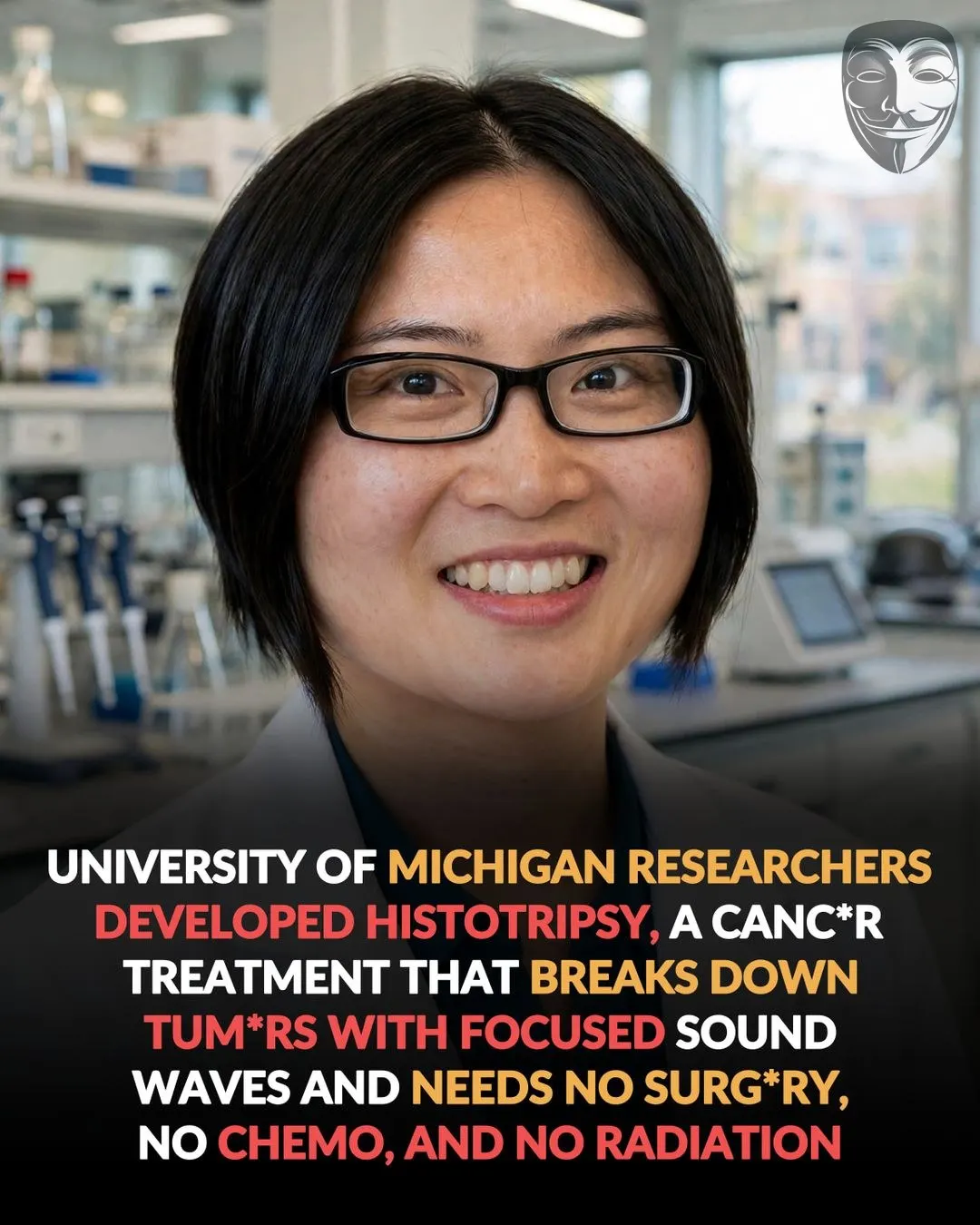
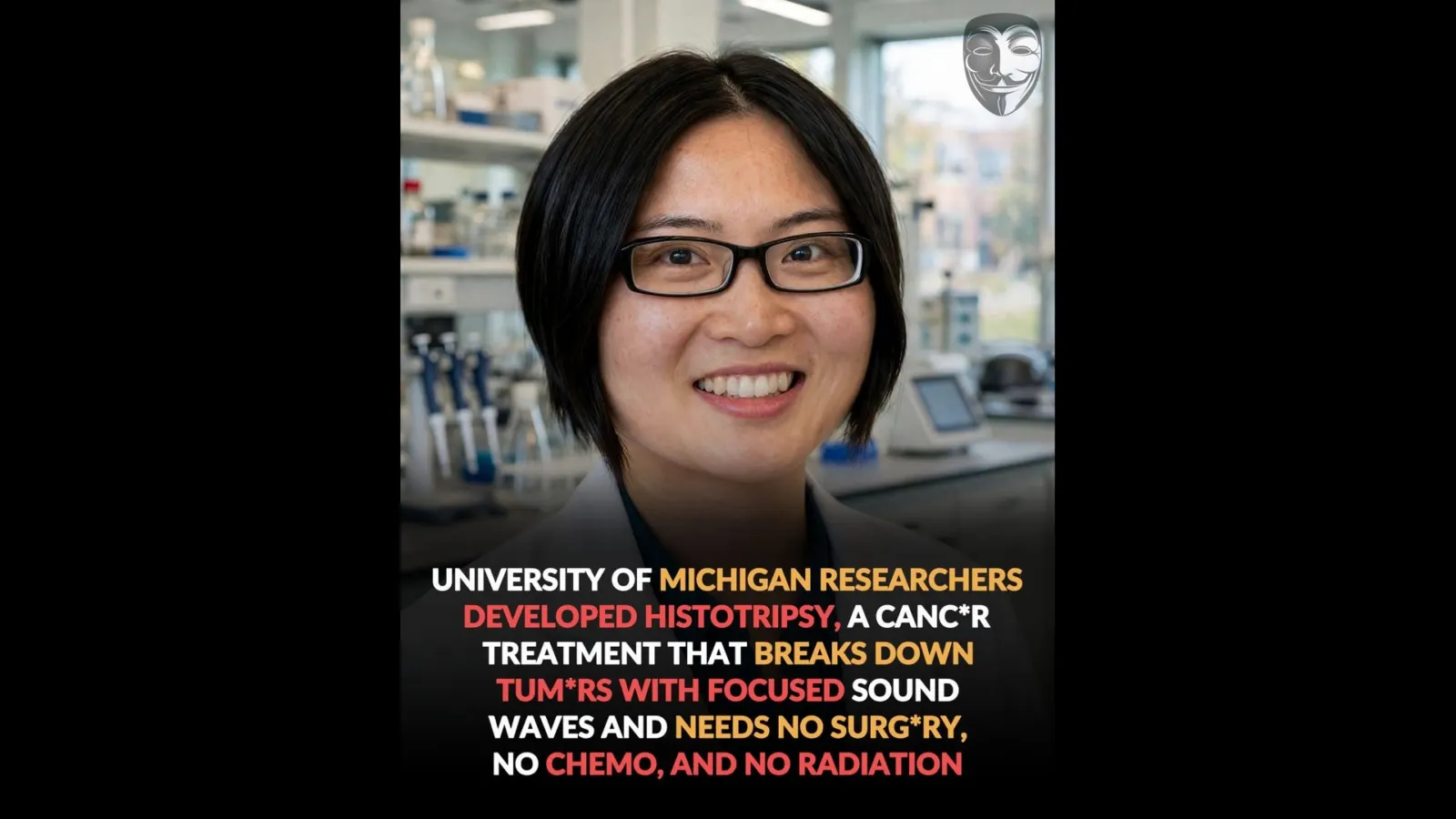
Histotripsy treatment is a new way to fight cancer that uses focused sound waves instead of a knife. Researchers at the University of Michigan invented it in 2002, and it works by creating tiny bubbles inside a tumor. Those bubbles expand and collapse again and again until the cancer cells break apart. There is no cut in the skin and no beam of radiation. The idea sounds simple, yet it took years of careful work to turn sound into a tool that doctors can aim with care.
In October 2023, the Food and Drug Administration approved the method for liver tumors, and thousands of patients have been treated since then through HistoSonics, a company started in 2009 by Michigan engineers and doctors. This September, the university opened a new 10 million dollar Histotripsy Center to push the technology toward more kinds of cancer. In the slides ahead, we explain how it works and who it may help next. For more on medical progress, read about a miniature pancreas made from living cells.
References:
Source: Michigan Engineering News: 10M histotripsy research center launches to advance sound wave based cancer treatment
Source: Michigan Today: 10M histotripsy research center launches to advance sound wave based cancer treatment
Source: University of Michigan Health: Histotripsy research center launches to advance sound wave based cancer treatment
Source: Focused Ultrasound Foundation: 10 Million Histotripsy Center Opens at University of Michigan
A Michigan Idea Born in 2002

The story starts in 2002, when Michigan researchers asked a bold question. Could sound waves do the work of a scalpel without cutting the skin. One of those researchers was Zhen Xu, a professor of biomedical engineering. Her team spent years testing how focused ultrasound could make tiny bubbles in tissue. It was slow, careful science, built on small steps and failed tests. That patience paid off. Read more in an operation inside the womb to repair a spine.
Histotripsy Treatment Starts With Focused Sound Waves
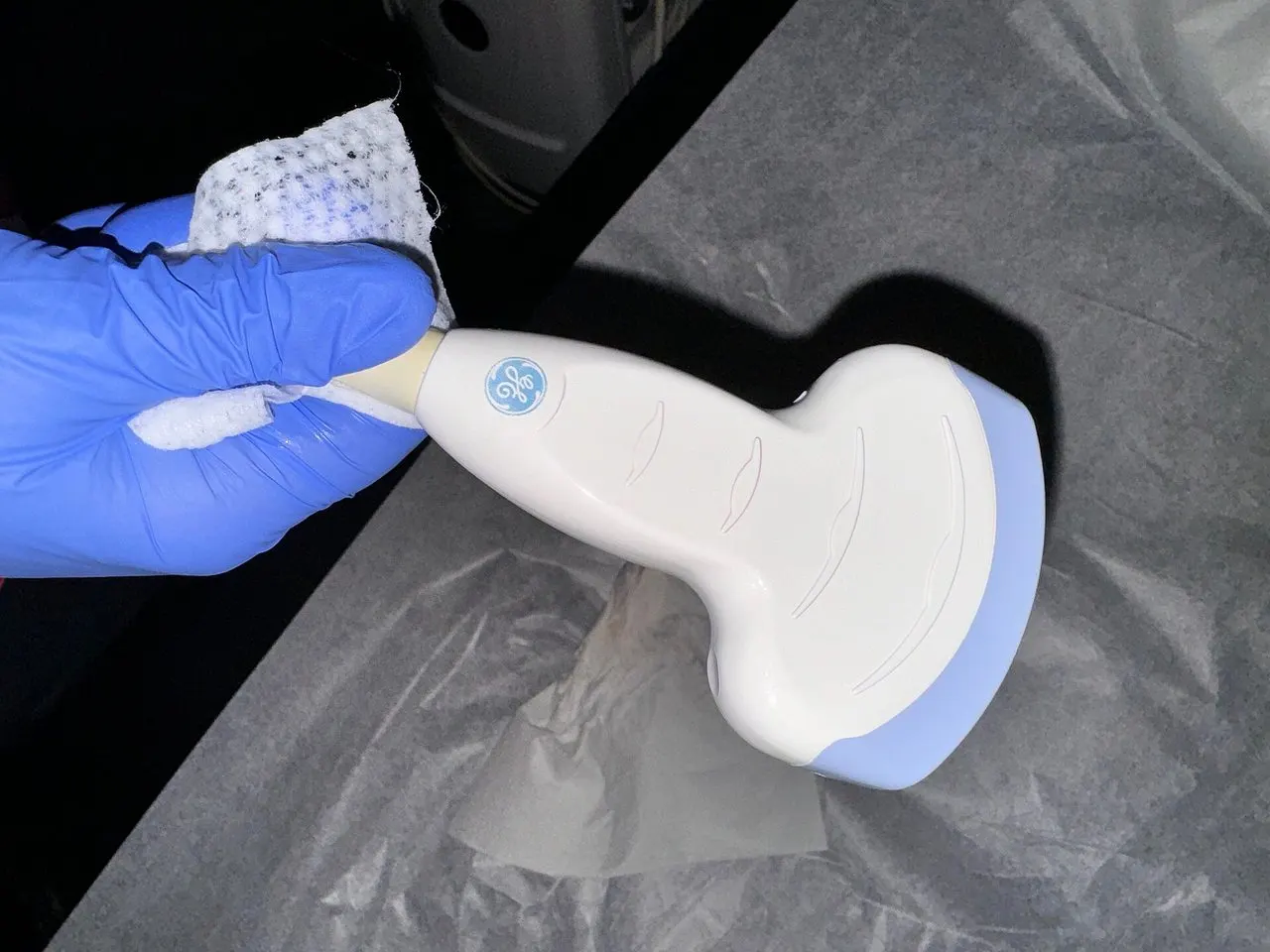
Histotripsy treatment begins with a device that sends ultrasound waves into the body and aims them at one small spot. Each wave on its own is gentle, but where they meet, their energy adds up. That meeting point sits right inside the tumor. Doctors can aim the waves with great care, so the tissue around the tumor is left alone. It is the same kind of sound used in pregnancy scans, only focused to a fine point. You can also read a four year plan to expand Medicare step by step.
Tiny Bubbles Do the Hard Work

When the focused waves meet inside the tumor, they make tiny bubbles in the tissue. Those bubbles grow fast and then collapse just as fast, over and over again. Each collapse sends out a small shock that chips away at the cancer cells. Bit by bit, the tumor breaks into tiny pieces that the body can clear away. No heat is needed, and no blade ever touches the patient. For more, see a shelter dog who carried blankets to kittens.
Treatment Without an Incision

Most cancer operations begin with a cut, and that cut brings pain and blood loss. Histotripsy skips all of that because the sound waves pass straight through the skin. The patient keeps their skin whole while the work happens deep inside. That matters a lot for people who are too weak for surgery or whose tumors sit in hard to reach places. Recovery can be faster when the body does not have to heal a wound first. Read more in a student who came home after being released.
No Chemo and No Radiation Beam
Chemotherapy drugs travel through the whole body, and radiation beams pass through healthy tissue on their way to the tumor. Both can leave patients tired, sick, and sore. Histotripsy treatment needs neither one. It uses only sound, aimed at one spot, and it leaves the rest of the body alone. That does not mean it replaces every other treatment, and doctors still choose the best plan for each patient. You can also read a young woman who splits rent with roommates.
The FDA Said Yes in October 2023

A new medical device must prove it is safe and that it works before doctors can use it widely. In October 2023, the Food and Drug Administration gave that approval for histotripsy in liver tumors. It was a big moment for the Michigan team, who had worked on the idea since 2002. Approval meant hospitals could offer the treatment to real patients, not just to people in trials. Since then, the team has gathered more proof. For more, see a Senate fight over leadership.
Thousands of Patients Have Tried Histotripsy Treatment
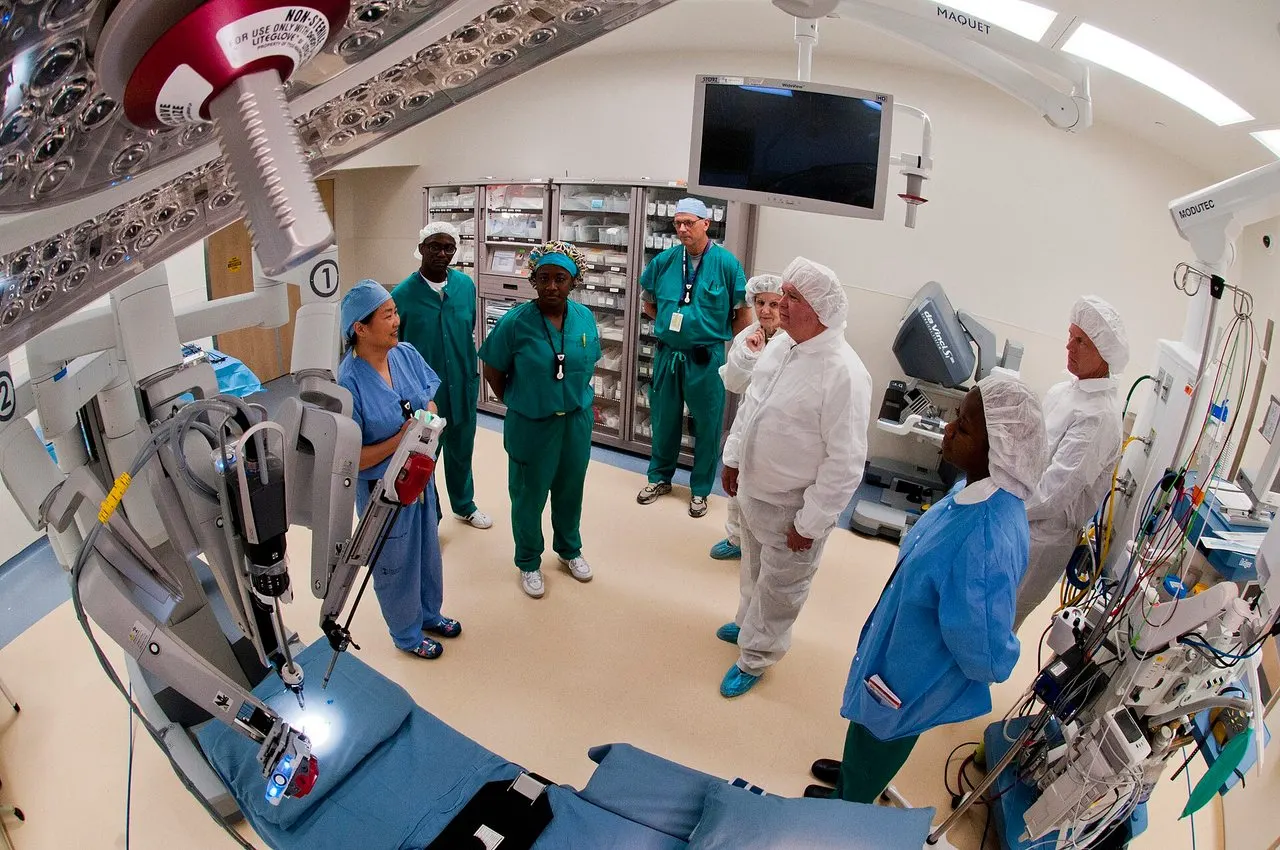
Since the approval in 2023, thousands of patients have been treated with histotripsy through HistoSonics. Each treatment adds to what doctors know about the method. They learn which tumors respond best, how patients feel afterward, and how to aim the waves even better. For patients, the numbers bring comfort, because no one wants to be the first to try something new. A treatment that has helped thousands feels less scary. Read more in warm keepsake ideas sparked by a rose drying video.
HistoSonics: A Company Born at Michigan
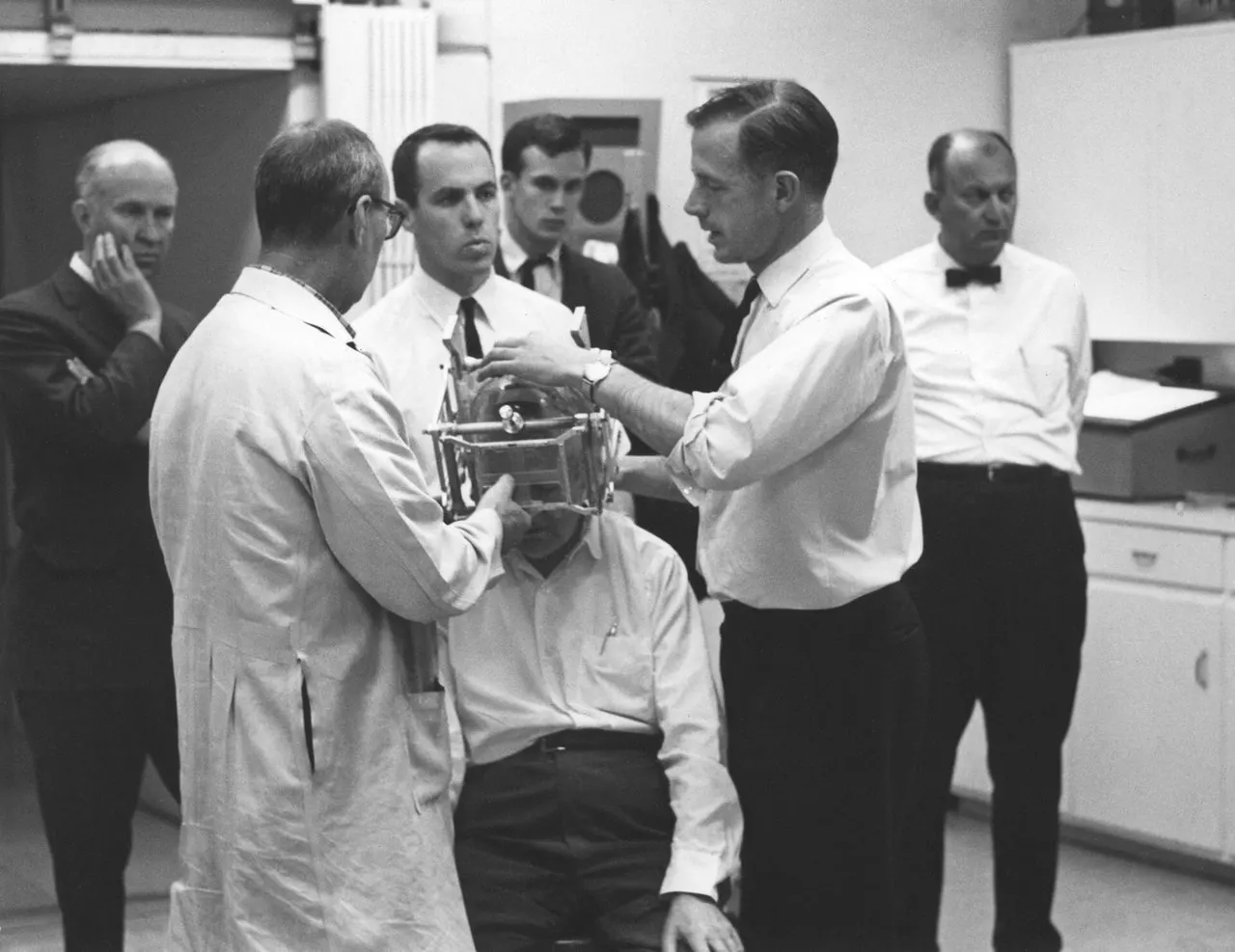
Good ideas need a company to carry them from the lab to the hospital. HistoSonics was co-founded in 2009 by University of Michigan engineers and doctors who believed in histotripsy. The company builds the machines, trains the doctors, and runs the studies that prove the treatment works. It is a common path in medicine, where university research grows into a business that can reach patients far from campus. The founders stayed close to their Michigan roots. You can also read a four day trip that ended with billions in deals.
A New 10 Million Dollar Histotripsy Treatment Center

This September, the University of Michigan opened a new Histotripsy Center backed by 10 million dollars. The center brings researchers, doctors, and engineers under one roof to push the technology further. New centers like this one matter because they turn one good idea into a program that can help many people. The money will fund studies, train new doctors, and test the method on more kinds of cancer. For more, see why Gen Z wishes cash was always an option.
Histotripsy Treatment Moves Toward Kidney Cancer
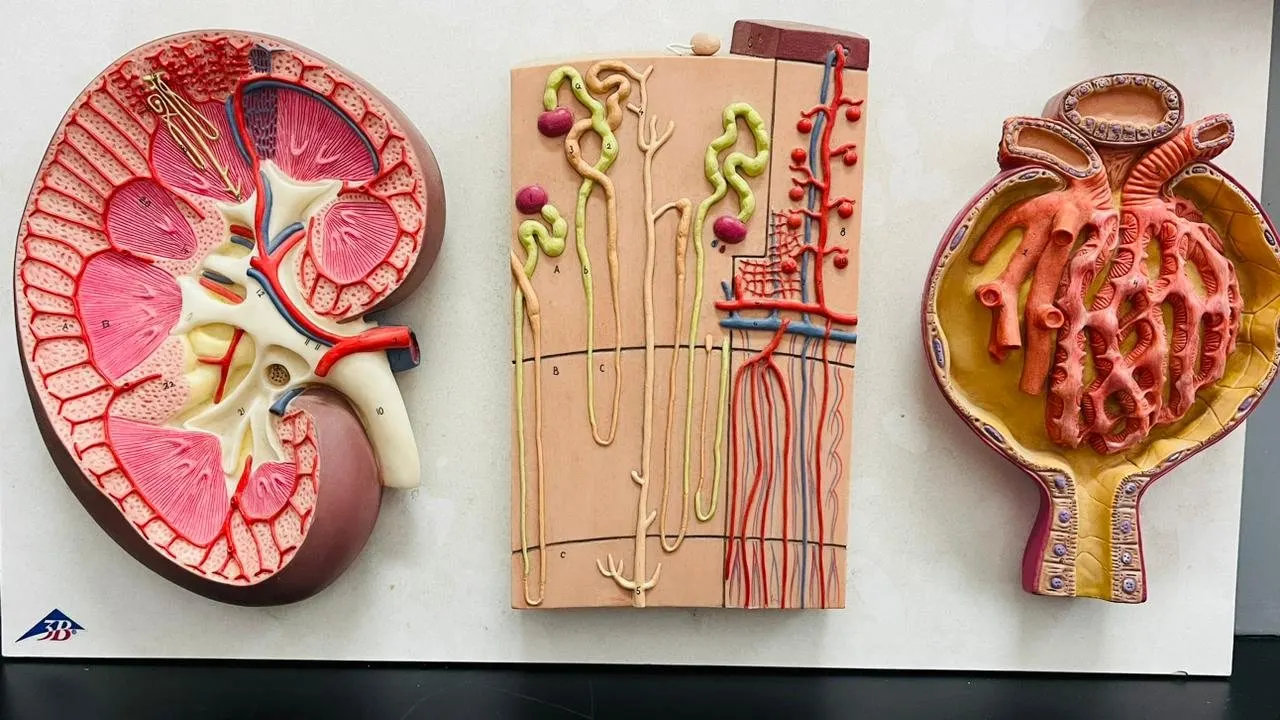
Kidneys sit deep in the body, and surgery there can be hard on patients. That is why kidney cancer is one of the next targets for histotripsy treatment. Trials are already underway to see if sound waves can break down kidney tumors as well as they break down liver tumors. If the trials go well, patients may one day have a choice that avoids a major operation. For now, doctors are moving with care. Read more in a tribute to a teammate who passed away at 46.
Prostate Cancer Is Next on the List

Prostate cancer affects a huge number of men, and many of them worry about the side effects of surgery and radiation. The Michigan team is testing histotripsy for prostate tumors too, with trials already underway. The hope is that sound waves can treat the tumor while sparing the healthy tissue around it. That could mean fewer side effects and a faster return to normal life. It is early, and doctors are still learning. You can also read a miniature pancreas made from living cells.
Hope for Thyroid Patients

The thyroid is a small gland in the neck that controls how fast the body uses energy. When cancer grows there, treatment often means surgery near nerves and glands that matter a lot. Histotripsy may one day offer a gentler choice, and trials are already underway to test it for thyroid cancer. The goal is the same as always: break down the tumor and leave the healthy gland alone. Patients and families are watching with hope. For more, see an operation inside the womb to repair a spine.
A Hard Target: The Pancreas
The pancreas sits deep in the belly, tucked behind the stomach and close to major blood vessels. That makes it one of the hardest places to treat cancer, and surgery there is a major operation. Trials are now testing whether histotripsy can reach pancreatic tumors safely. If sound waves can do the job, patients who cannot have surgery may gain a new option. The work is still early, but even a small step forward matters. Read more in a four year plan to expand Medicare step by step.
Histotripsy Treatment and Breast Cancer Research

Breast cancer touches millions of families, and each patient hopes for a treatment that works without taking too much from her life. Trials are now looking at whether histotripsy can help with breast tumors. The idea of treating a tumor without surgery is powerful for women who fear the scar and the long recovery that can follow an operation. Research takes time, and doctors must be sure the method is safe first. You can also read a shelter dog who carried blankets to kittens.
The Brain: The Boldest Frontier
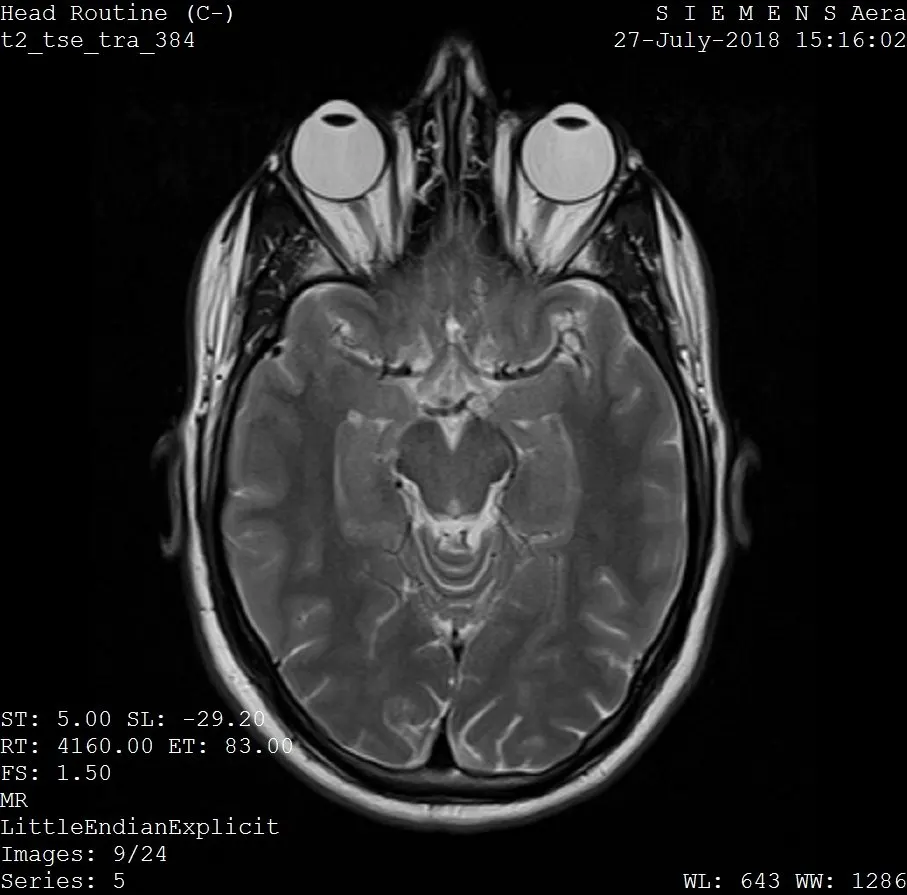
The brain is the most protected organ in the body, guarded by the skull and by a barrier that keeps most drugs out. Treating brain tumors is hard for that very reason. Trials are now testing whether histotripsy can help with brain cancer too. Sound waves must pass through the skull and reach the tumor without harming the healthy brain around it. It is the boldest goal on the list, and it will take years of careful work. For more, see a student who came home after being released.
Skin and Sarcoma: Reaching the Surface
Some tumors grow on the skin or in the soft tissues just under it, and a group of these cancers is called sarcoma. They are rare, which makes them hard to study, and treatment often means wide surgery. Trials are now testing histotripsy for skin and sarcoma cancers. Sound waves can reach these tumors easily because they sit close to the surface. For patients with a rare cancer, any new option is welcome news. Read more in a young woman who splits rent with roommates.
What Sound Waves Can Do Inside the Body
Sound is more than something we hear. Doctors have used ultrasound pictures for decades to look inside the body, from checking a baby before birth to finding a gallstone. Histotripsy takes that same safe sound and focuses it until it can do real work. The waves pass through skin and muscle without harm, and they only grow strong where they meet. It is a smart use of a tool doctors already trust. You can also read a Senate fight over leadership.
Histotripsy Treatment in Plain Words
Think of it like sunlight through a magnifying glass. Each ray is weak on its own, but where the rays meet, they grow strong enough to burn a hole in a leaf. Histotripsy treatment works the same way with sound. The waves are weak as they travel through the body, and they only grow strong at one tiny spot inside the tumor. There, they make bubbles that break the cancer apart. It is a simple picture. For more, see warm keepsake ideas sparked by a rose drying video.
Doctors Watch Histotripsy Treatment at Work
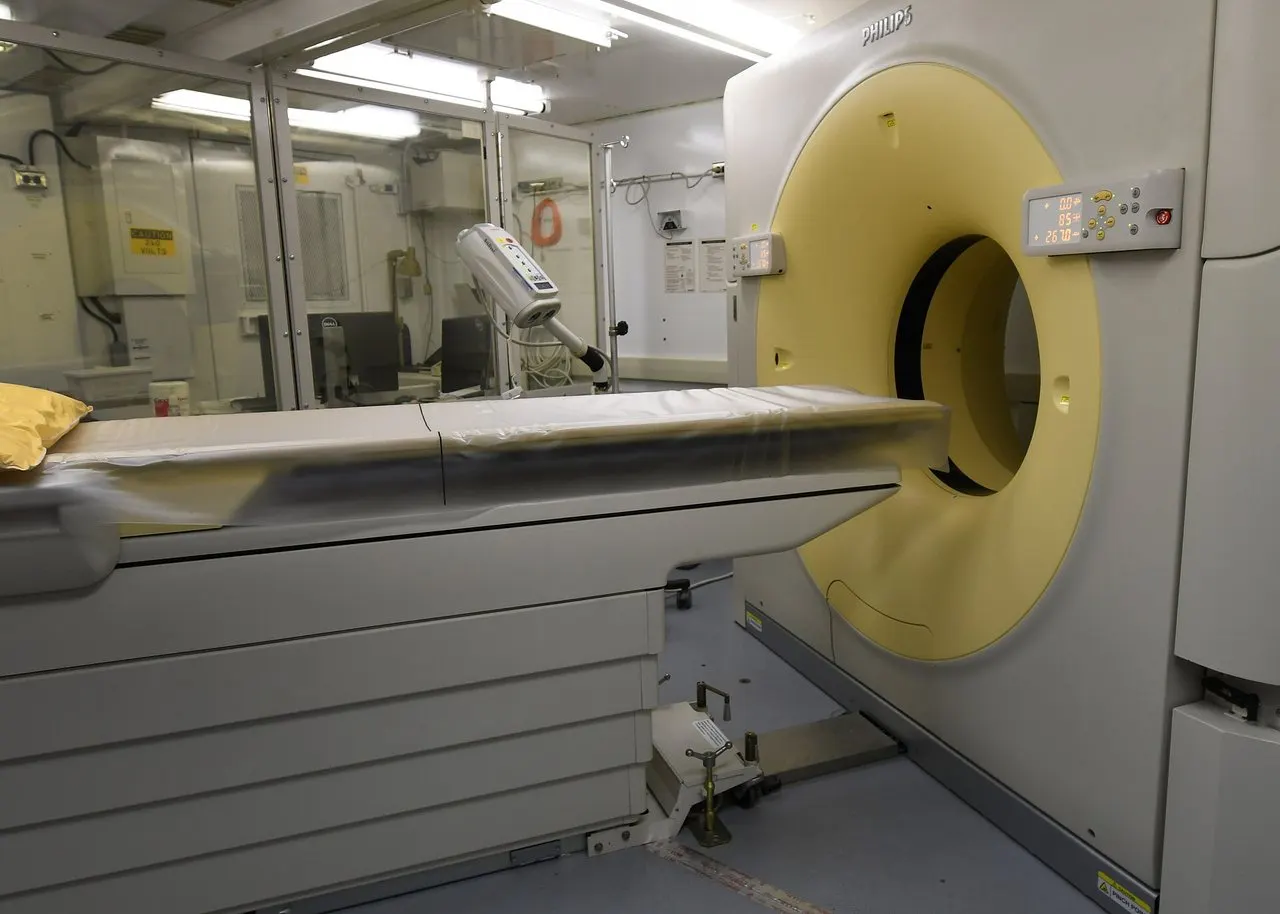
During a histotripsy session, doctors use ultrasound pictures to see inside the body and guide the treatment. The screen shows the tumor, the waves, and the tiny bubbles as they form. That live view helps the doctor aim with care and know when the job is done. It is the same kind of picture that has guided doctors for years, now put to a new use. Seeing the treatment work gives doctors and patients confidence. Read more in a four day trip that ended with billions in deals.
What the New Center Means for Families

Behind every cancer trial, there is a family waiting for news. A parent, a partner, or a child hopes the phone will ring with good results. The new 10 million dollar Histotripsy Center at Michigan means more trials, more doctors trained, and more chances for families to hear that a gentler treatment is ready. It also means the research will keep going. Hope is not a cure, but it keeps families going. You can also read why Gen Z wishes cash was always an option.
Would You Choose Histotripsy Treatment?

We have reached the end of our 22 facts. Histotripsy treatment uses sound to break down tumors with no cut, no chemo, and no radiation, and trials are now testing it for many more kinds of cancer. What do you think of a treatment that fights cancer with sound waves. Would you choose it for yourself or for someone you love. Share your thoughts in the comments below. For more, see a tribute to a teammate who passed away at 46.