The Congo Snake Photo From 1959 Still Puzzles the World
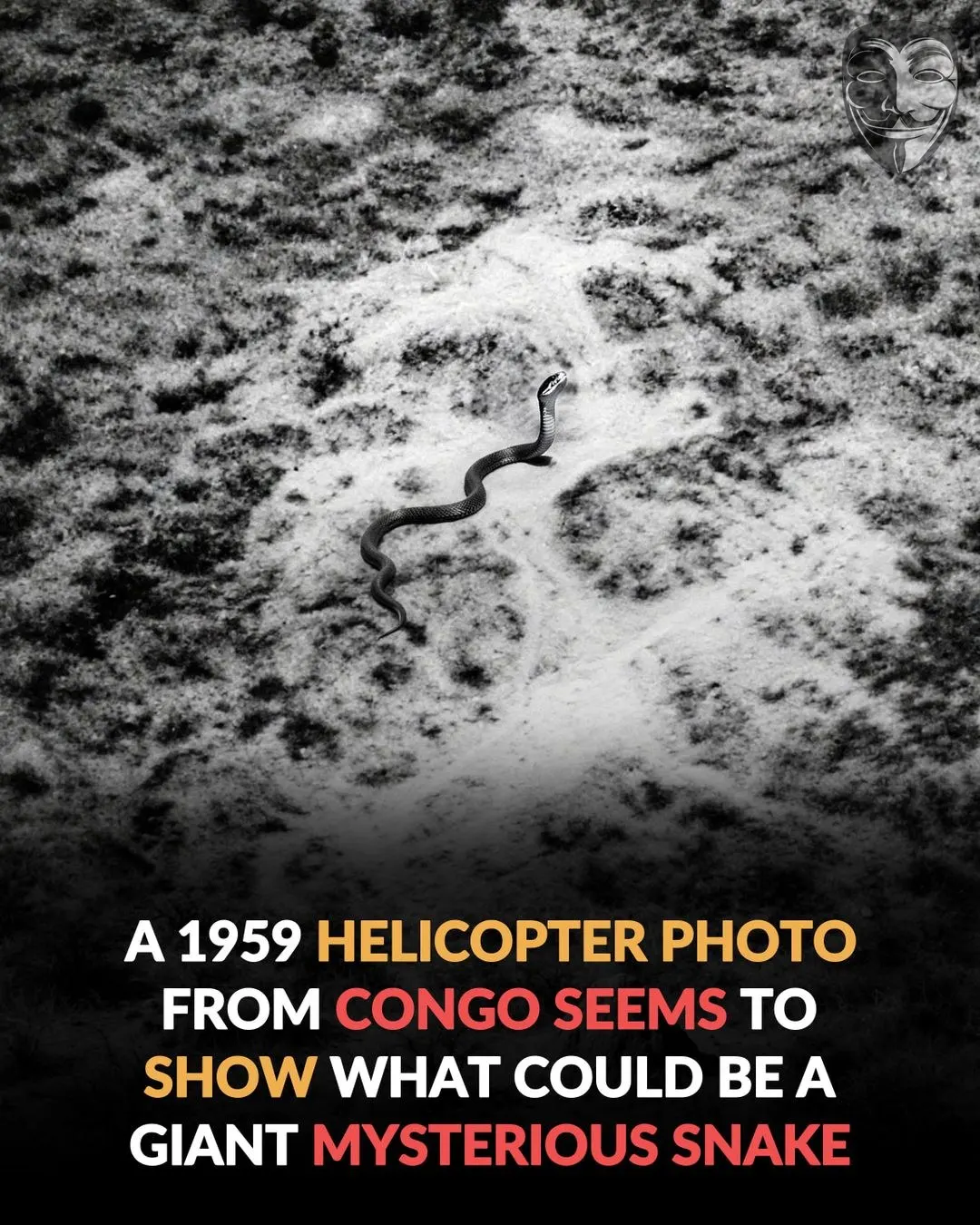
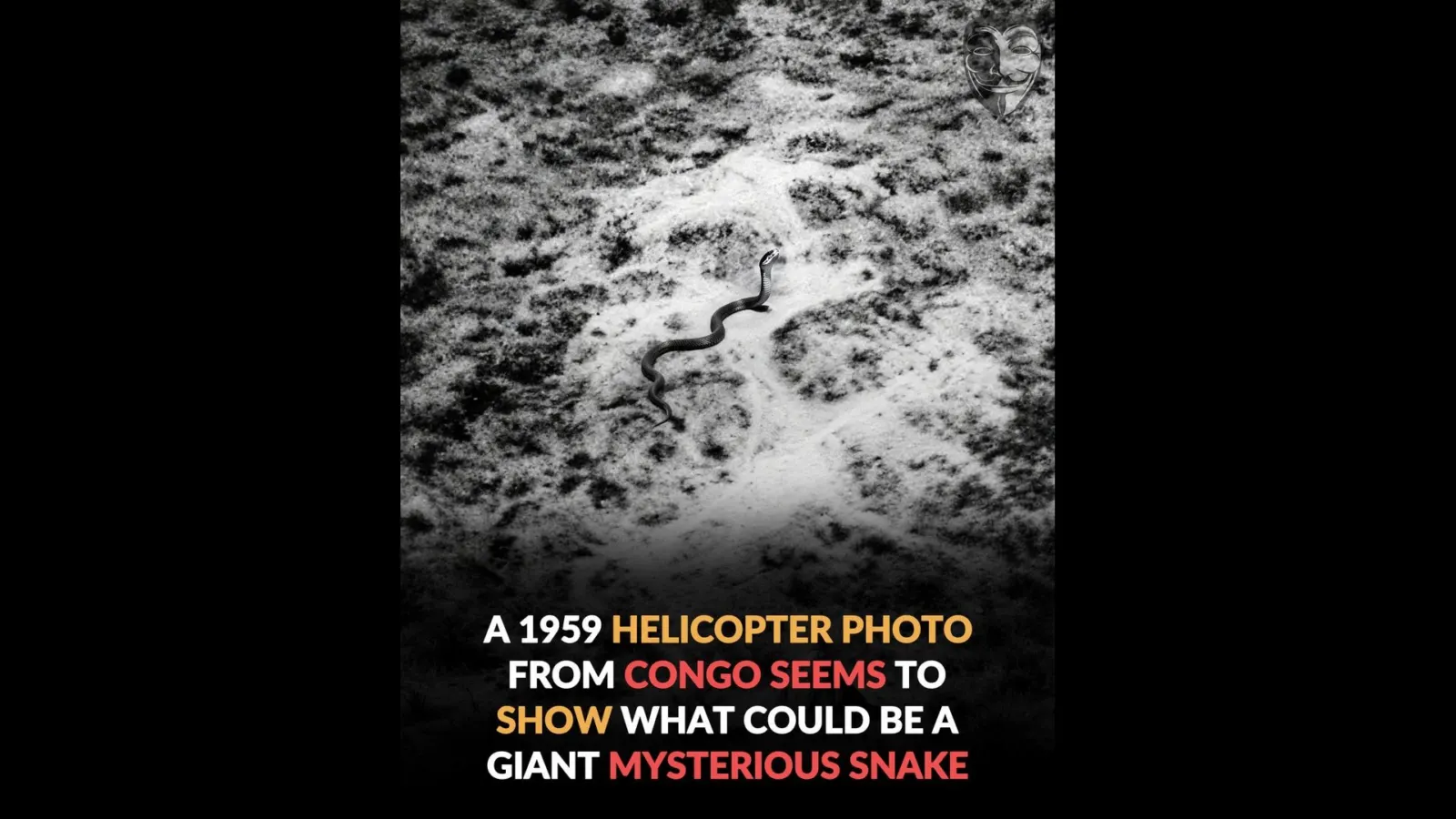
The Congo snake first entered public view in August 1959, when Belgian Air Force Colonel Remy Van Lierde was flying by helicopter over the Katanga region of the Belgian Congo, now the Democratic Republic of Congo. His crew spotted what looked like a huge snake lying on the savannah below, and he turned the helicopter around for a closer look. The engineer on board, a man named Kindt, was the only one with a camera, so he took the photograph that still fascinates people today.
Van Lierde estimated the snake at close to 50 feet long, with a dark brownish green body, a lighter belly and a triangular head about two feet wide, and he claimed it reared up around 10 feet as the helicopter came closer. We tell the story in the slides ahead, and for a lighter read see a poodle named Pablo and his birthday cake.
References:
Discover Magazine: Is the 50-Foot Congo Snake Fact or Fiction
IFLScience: Congo Snake The Legend Of A 15-Meter Reptile
Wikipedia: Remy Van Lierde
Know Your Meme: Giant Congo Snake
The Congo Snake Appears on a Routine Flight
In August 1959 Van Lierde was flying by helicopter over Katanga, returning to Kamina Air Base from a mission, when his crew spotted something strange on the ground below. The colonel turned the helicopter around and went back for a closer look, and that turn gave the world its most famous giant snake photo. Read more in Sanders and Musk in a spending clash.
The Pilot Behind the Congo Snake Story
Van Lierde was a Belgian Air Force colonel with a long career behind him. He had served in World War Two and flown over 400 missions, which trained his eyes for spotting from the air. His rank and record are part of why many people took his strange story seriously, since he was seen as a reliable witness with no clear reason to invent such a tale. Read more in Rand Paul joking about Washington spending.
Kindt, the Man With the Camera

The only man on board with a camera was the engineer, a man named Kindt. When Van Lierde turned the helicopter around, he made several passes over the snake so Kindt could photograph it from the air. The result was a single black and white image, grainy and hard to read, yet it became the heart of the whole story. Read more in little girls watching their governor.
The Congo Snake Lies on the Savannah Below
The crew first saw the creature lying still on the savannah, a long dark shape stretched out on the open ground. From the air it looked like a snake, but one far larger than any snake the men had ever seen. Van Lierde brought the helicopter back around again and again, flying lower each time so the crew could study it. Read more in an all-electric plane with passengers.
The Congo Snake, Close to 50 Feet Long
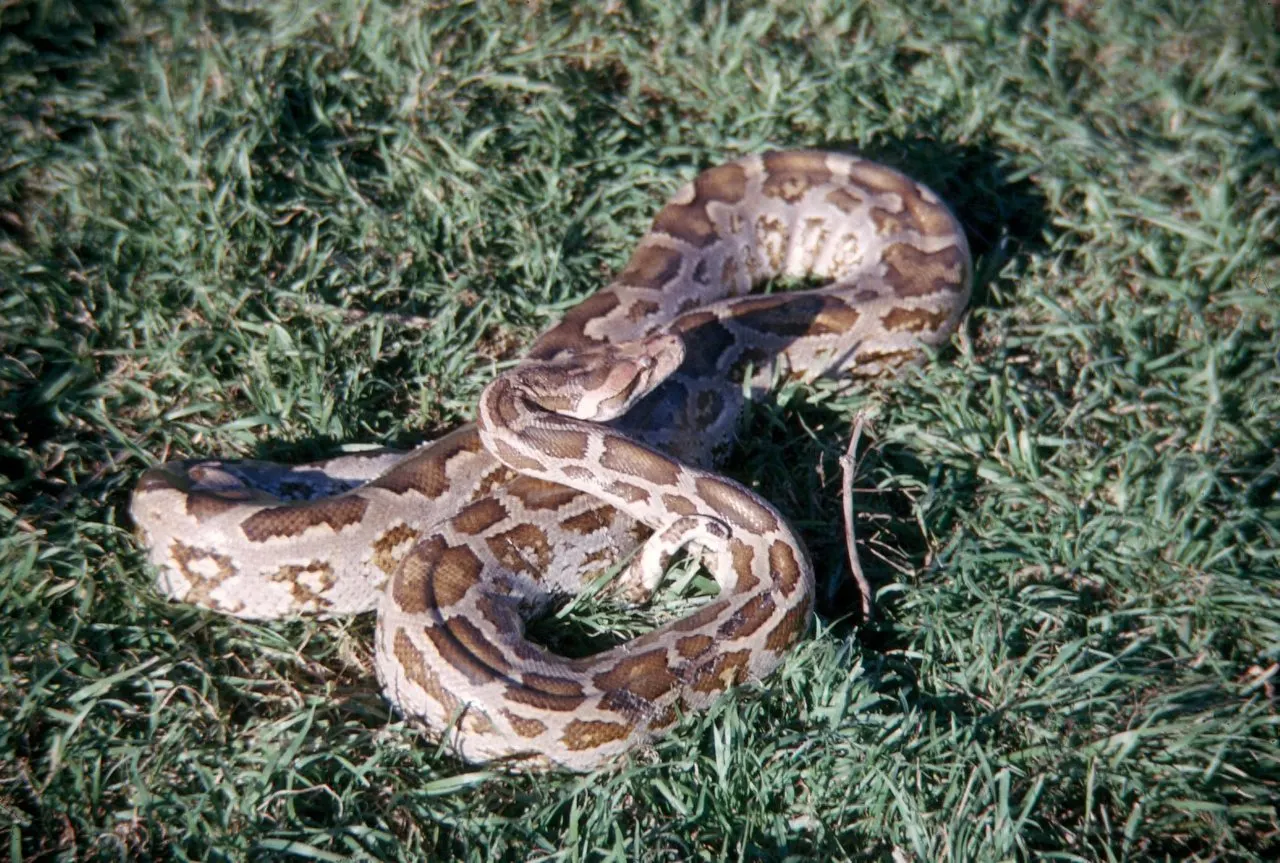
Van Lierde put the snake at close to 50 feet long, which is about 15 meters. If that size were real, it would have made the creature the largest snake alive on Earth, dwarfing the green anaconda and the reticulated python, the two giants of the snake world today. The sheer size of the claim is a big reason the story still gets told, and why experts keep asking for proof. Read more in a glamorous mirror selfie.
A Dark Brownish Green Body
Van Lierde described the snake as dark brownish green on top, with a lighter belly below. He also gave its girth as about 45 centimeters around, which is roughly a foot and a half. The coloring fits a creature built to hide in grass and brush, where dark greens and browns break up its shape. The details sound careful, yet no second witness with a camera ever confirmed them. Read more in teenage WWE superstars.
The Congo Snake and Its Triangular Head
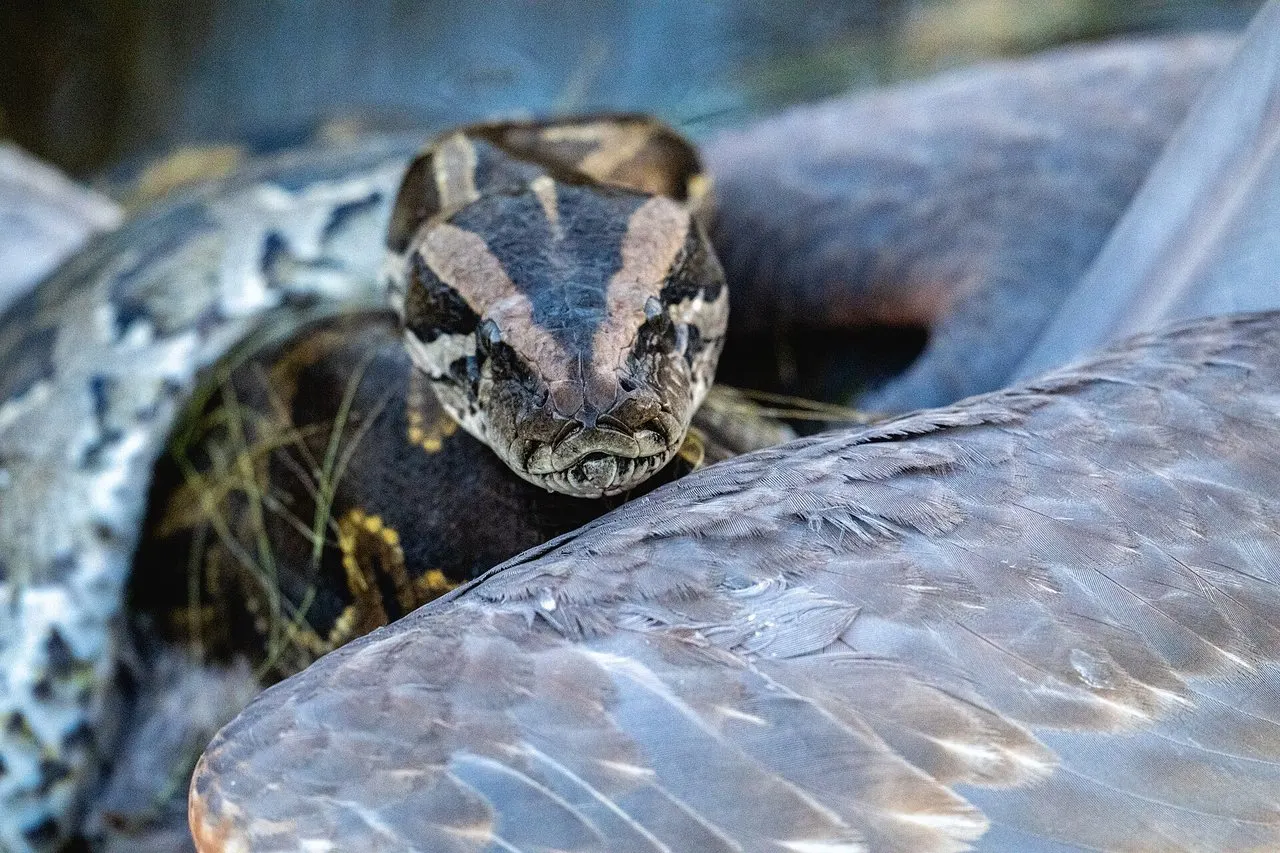
The head was the part Van Lierde described with the most awe. He said it was about two feet wide and three feet long, with jaws of a triangular shape. He added that the creature could have easily eaten a man, a line that has been quoted ever since. A head that size would belong to an animal far beyond any known snake. Read more in robots in dangerous jobs.
It Reared Up About 10 Feet
As the helicopter flew lower for a closer look, Van Lierde said the snake rose up about 10 feet into the air. He felt that if he had come any closer, it would have struck at the helicopter. The machine dipped to within about 30 feet of the creature below, close enough for the crew to feel the danger. Read more in Melania Trump wishing for peace.
The Congo Snake in One Grainy Photo

Only one photograph came back from that flight, and it is a grainy black and white image. It shows a long dark shape winding through the brush, but the picture is too unclear to settle the question of size. There is no fence, person or tree of known size beside the shape to act as a scale. Read more in boho Christmas decor.
What the Congo Snake Photo Cannot Prove

A photo taken from high above the ground is a tricky piece of evidence. The angle, the distance and the lack of any scale make it hard to judge how long the shape is. A small thing close to the camera can look large, and a large thing far away can look small. Critics point out that without a reference point, the picture cannot prove a 50 foot snake. Read more in old Southern chess pie.
African Rock Pythons, the Real Giants of the Region
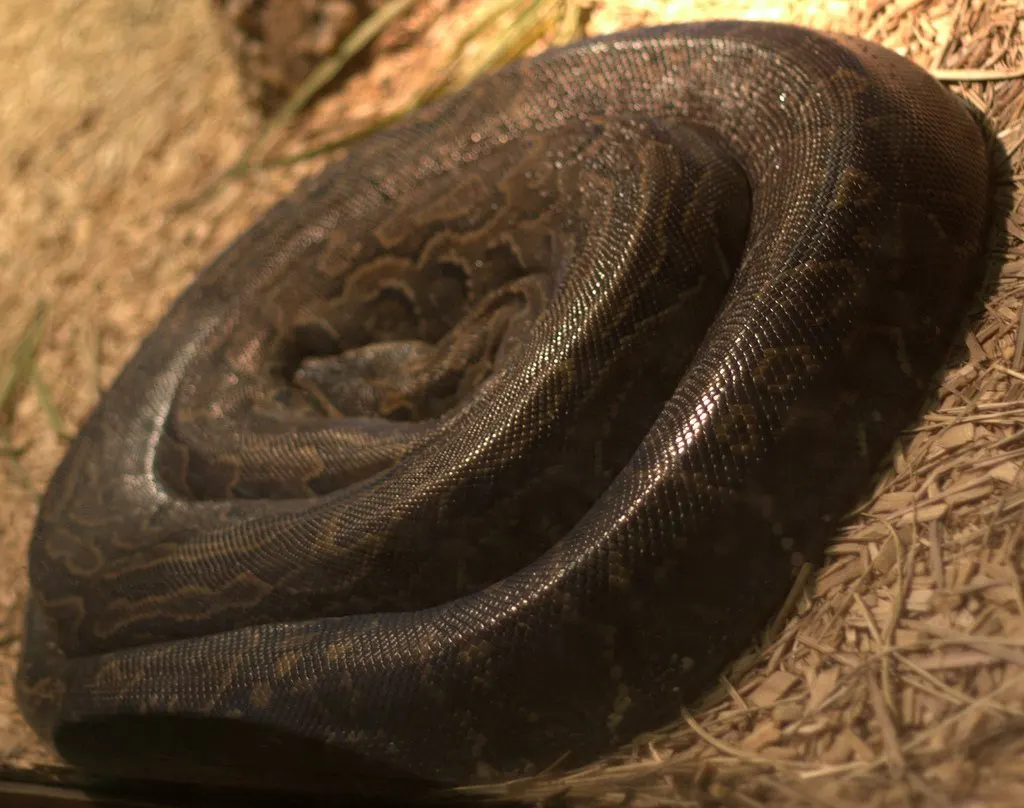
The largest snake known to live in the Congo region is the African rock python. These snakes typically grow to well over 3 meters, about 10 feet, and there are reliable accounts of specimens reaching up to 6 meters, about 20 feet. Yet even the biggest rock python is far smaller than the 50 foot creature Van Lierde described. Read more in Diesel the shelter dog and kittens.
How Big Can the Biggest Snakes Really Grow
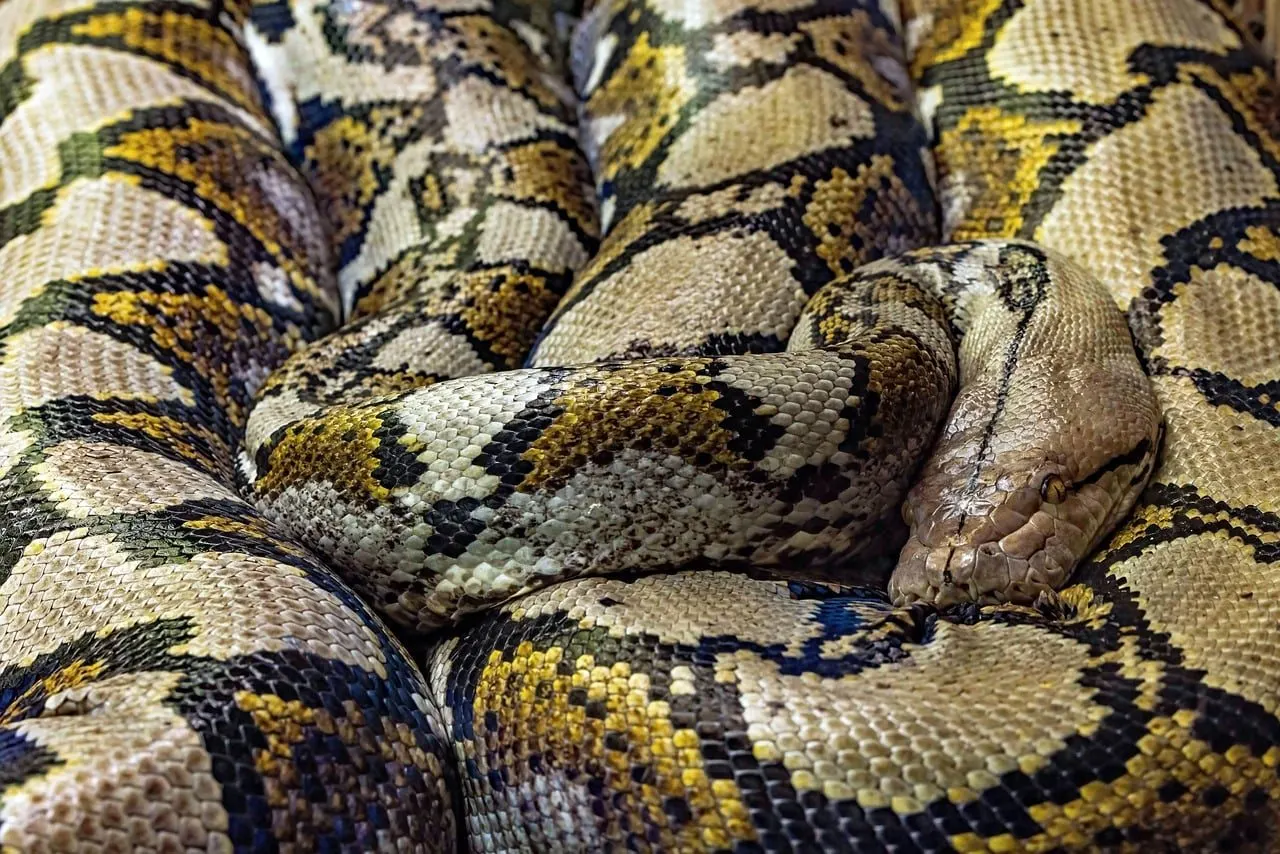
The green anaconda is the most voluminous of all serpents, and the largest measured individuals can have a mid-body diameter of over a foot. The reticulated python is the longest snake known to science, yet even the longest ever measured falls far short of 50 feet. Nature did once make a snake of that size, but it lived in a much hotter world than ours. Read more in a question about a CEO and a president.
Katanga, Land of Savannah and River
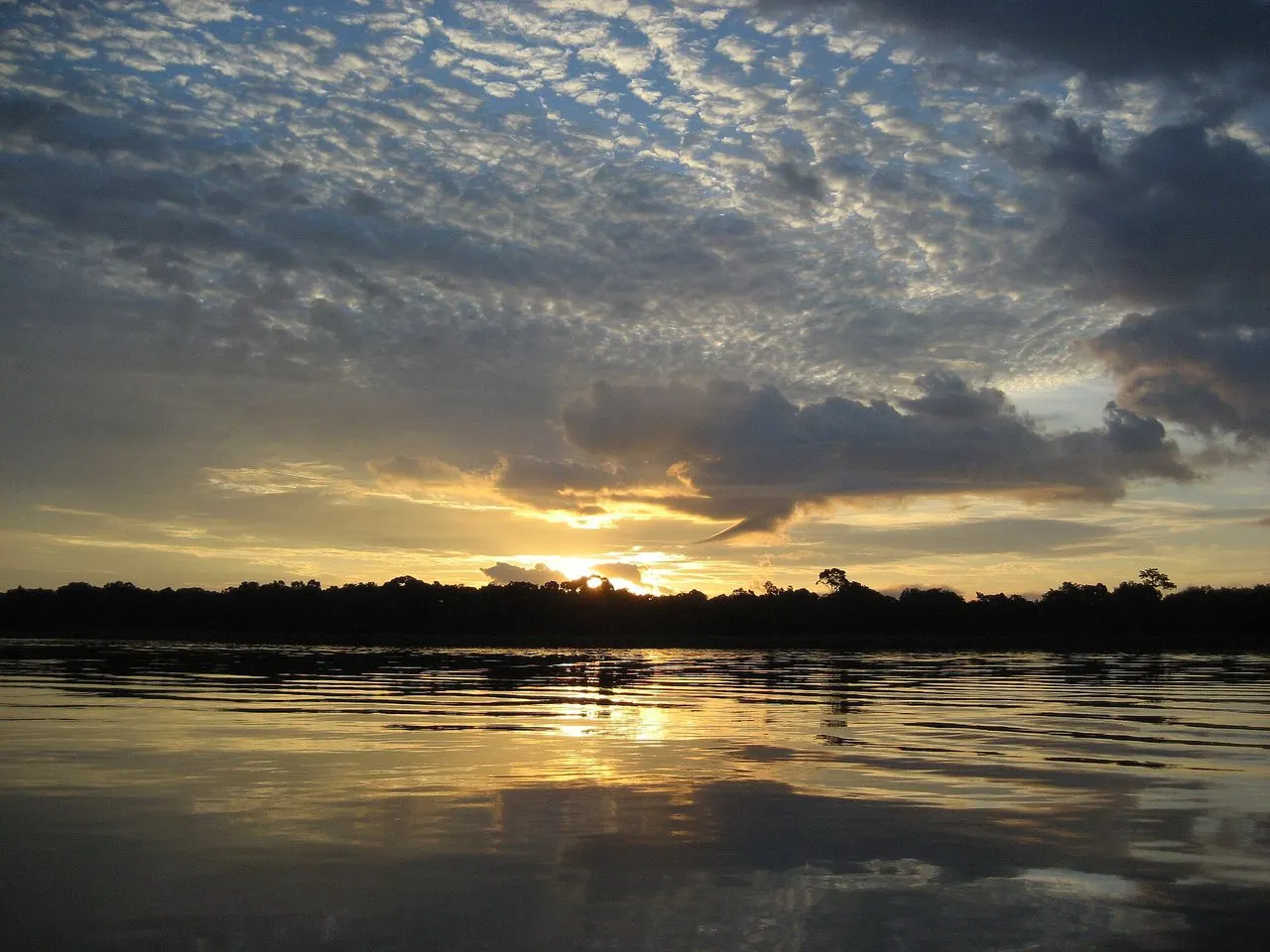
Katanga is a region of wide savannah, woodland and great rivers in the south of what is now the Democratic Republic of Congo. The Congo River runs through the country, and its basin holds vast stretches of forest and grassland where people rarely go. In 1959 much of the land was even more remote, with few roads and long distances between towns. Read more in Trump returning from Asia.
The Belgian Congo in 1959

In 1959 the land was still the Belgian Congo, ruled from Brussels, and Van Lierde commanded the air base at Kamina. The country stood close to independence, and change was in the air. Air bases like Kamina were busy places, with transport planes and helicopters flying missions across huge distances. The crew that day was on an ordinary flight, not a search for strange animals. Read more in a debate about lawmakers.
How the Congo Snake Story Spread

For years the tale lived mostly in books and magazines read by people who loved mysteries. Van Lierde told his story in full on British television in 1980, more than twenty years after the flight, and that broadcast gave the photo a new audience. From there the story spread through the 2000s on internet forums and websites, passed from one curious reader to the next. Read more in a poodle named Pablo and his birthday cake.
The Congo Snake: Fact or Fiction

Discover Magazine took up the question in an article that asks whether the 50 foot snake is fact or fiction. The piece notes that experts see no scientific evidence that such a snake exists, yet the story keeps circulating on podcasts and internet forums today. It also points out that the proportions Van Lierde described match prehistoric snakes that really did live long ago. Read more in Trump after his long flight from China.
The Congo Snake and the 15 Meter Legend

IFLScience calls the tale cryptozoology’s most ludicrous claim, and says it is almost certainly nonsense, but still one hell of a tale. Even so, it argues that a claim of a 15 meter snake would need extremely robust evidence, and the grainy photo is not enough. The largest species in the area is the African rock python, and nothing found there comes close to 50 feet. Read more in a healthy workplace with easy leave.
The Congo Snake Meme That Took Over TikTok

The story found a whole new life on social media. A Know Your Meme page tracks the giant snake as an internet favorite, and the tale became notably popular on TikTok in mid-2023, as users shared photos of the Congo jungles that they believed showed further proof. The photo also made the rounds in 2023 and inspired lookalike shaky camera videos claiming monstrous snakes. Read more in Markwayne Mullin at a hearing.
A Decorated Pilot Tells His Story on Television
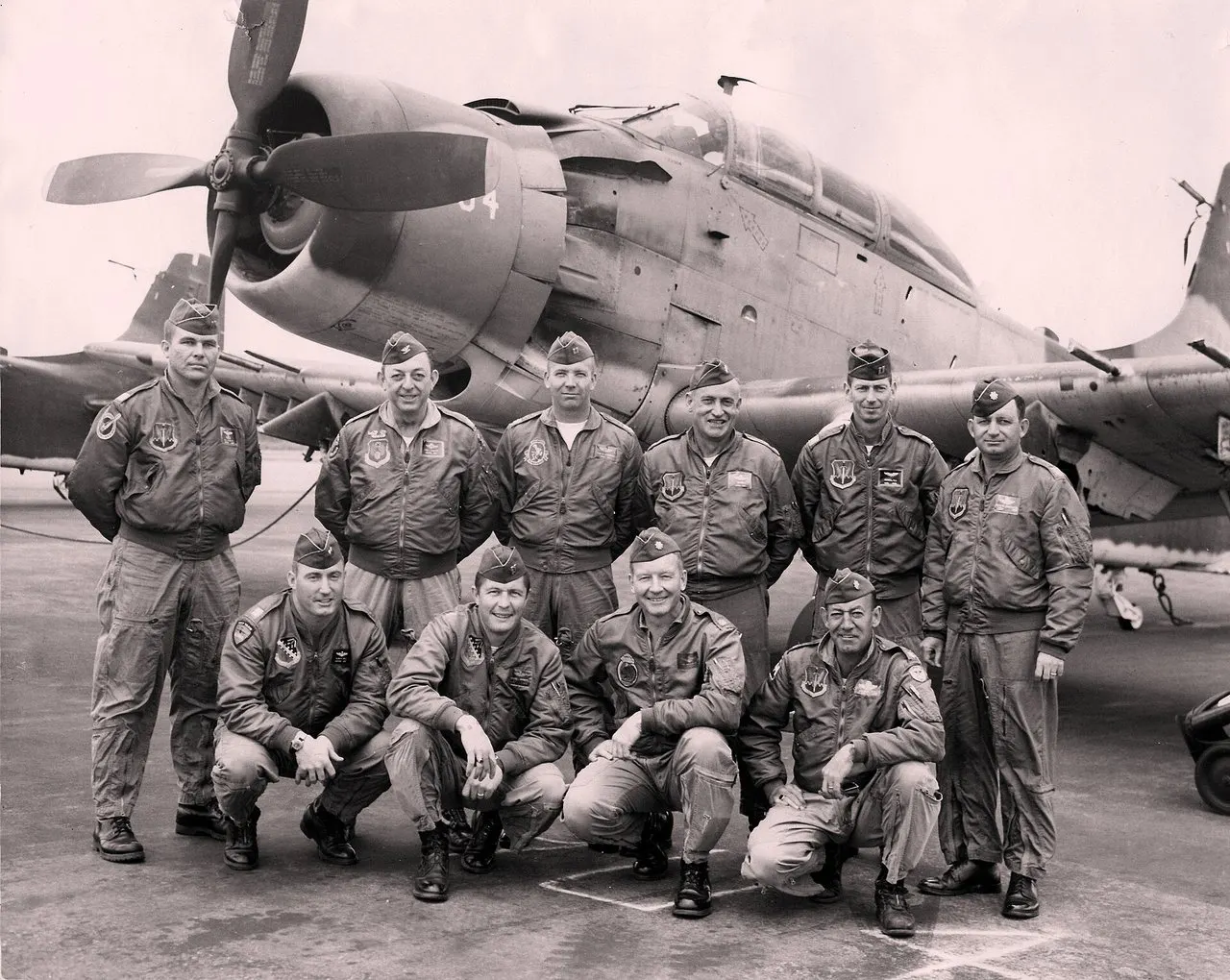
On November 11, 1980, Van Lierde appeared on Arthur C. Clarke’s Mysterious World, in an episode called Dragons, Dinosaurs and Giant Snakes. The show was hosted by the famed science fiction writer Arthur C. Clarke, and it gave the colonel a calm stage to tell his story to a wide audience. He described the flight, the turn, the passes and the photo, just as he had told it before. Read more in a sad pup facing Sunday chores.
Why Giant Snake Stories Never Grow Old

People have told stories about giant creatures for as long as they have sat around fires at night. A huge snake is a perfect subject, since snakes already stir fear and wonder in most of us, and a giant one turns that feeling up to the highest level. Remote places like the Congo rainforest and savannah make the tales easy to believe, since so much land stays out of sight. Read more in Gen Z wishing for cash.
The Green Anaconda, the Real Heavyweight
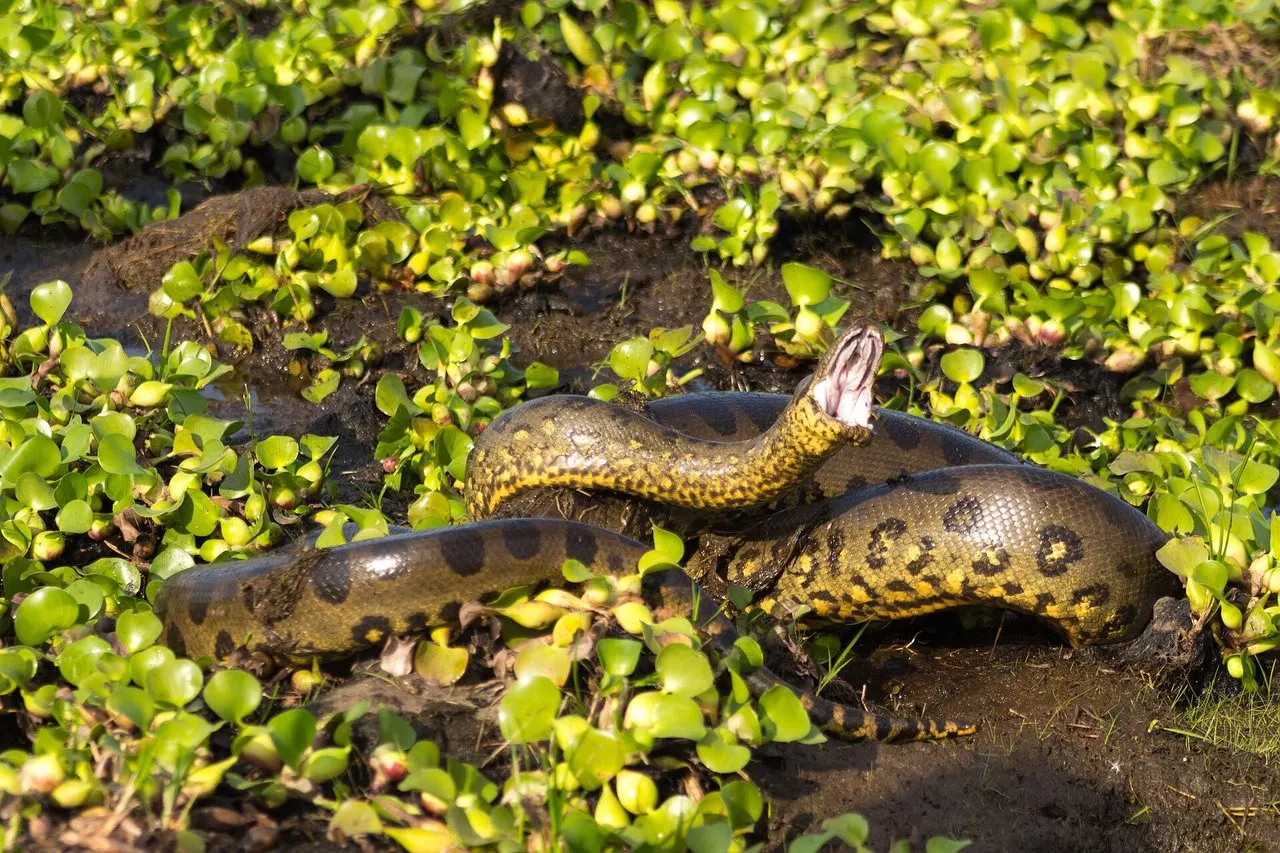
If you want a real giant snake, look to the green anaconda of South America. It is the most voluminous of all serpents, and the largest measured individuals can have a mid-body diameter of over a foot. Anacondas live in swamps and slow rivers, where the water helps carry their great weight. Even so, the biggest anaconda ever measured is far shorter than 50 feet. Read more in Kevin Hart on fatherhood.
How Experts Judge a Photo Without a Specimen
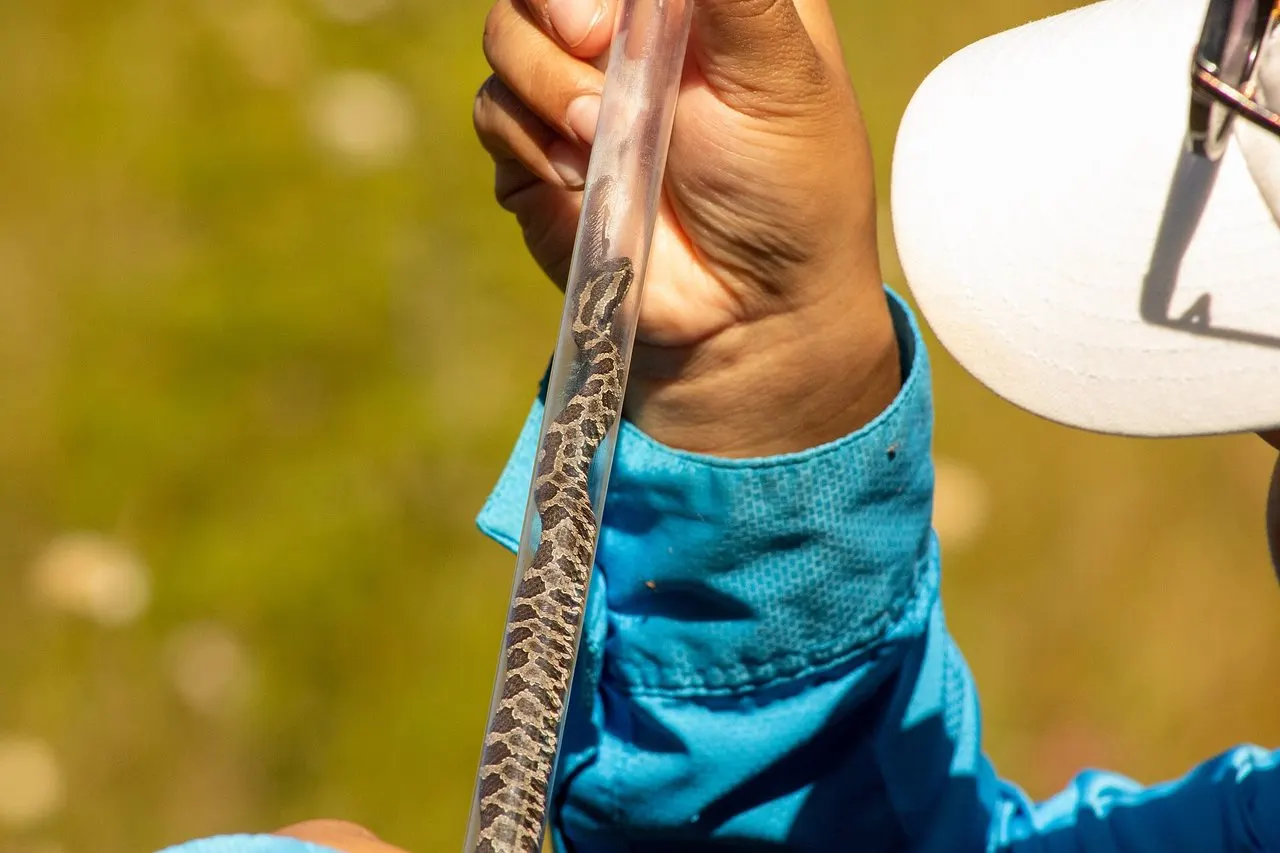
Scientists judge a claim like this one by asking for proof they can test. A single photo is a start, but it cannot stand alone. They want repeatable observations, physical evidence and work that other experts can check. In 2023 a Reuters report found that no herpetologists are convinced that such a colossal snake is alive today. Read more in Jehza Huelar and PJ Simon.
The Congo Snake or a Termite Mound
Not everyone who studied the photo saw a snake at all. Ivan Sanderson, a biologist and cryptozoology enthusiast, looked at the image and came to a striking conclusion of his own. He said the snake was not merely 50 feet long, but 200. In his eyes, the dark shapes in the picture were termite mounds, which can grow up to 26 feet tall and over 50 feet wide in the Katanga region. Read more in Loretta Lynn Kentucky recipes.
Titanoboa, the Giant That Really Existed
Long ago, nature did make a snake as big as the one Van Lierde described. Titanoboa grew upwards of 45 feet long, per a landmark 2009 study in Nature, and it is the longest and heaviest snake of all time. It lived about 60 million years ago, in a much hotter climate than the world has today. Titanoboa proves such sizes are possible, just not in today’s Congo. Read more in DIY gifts for a best friend.
Do You Think the Congo Snake Was Real

More than sixty years after that August flight, the photo still splits people into believers and doubters. What do you think the crew really saw over Katanga that day, a giant snake, a termite mound, or something else entirely. Share your thoughts in the comments below, and tell us what proof would convince you either way. Read more in Francis Leo Marcos arrested again.