The Pentagon Audit Failure That Started a Fair Debate
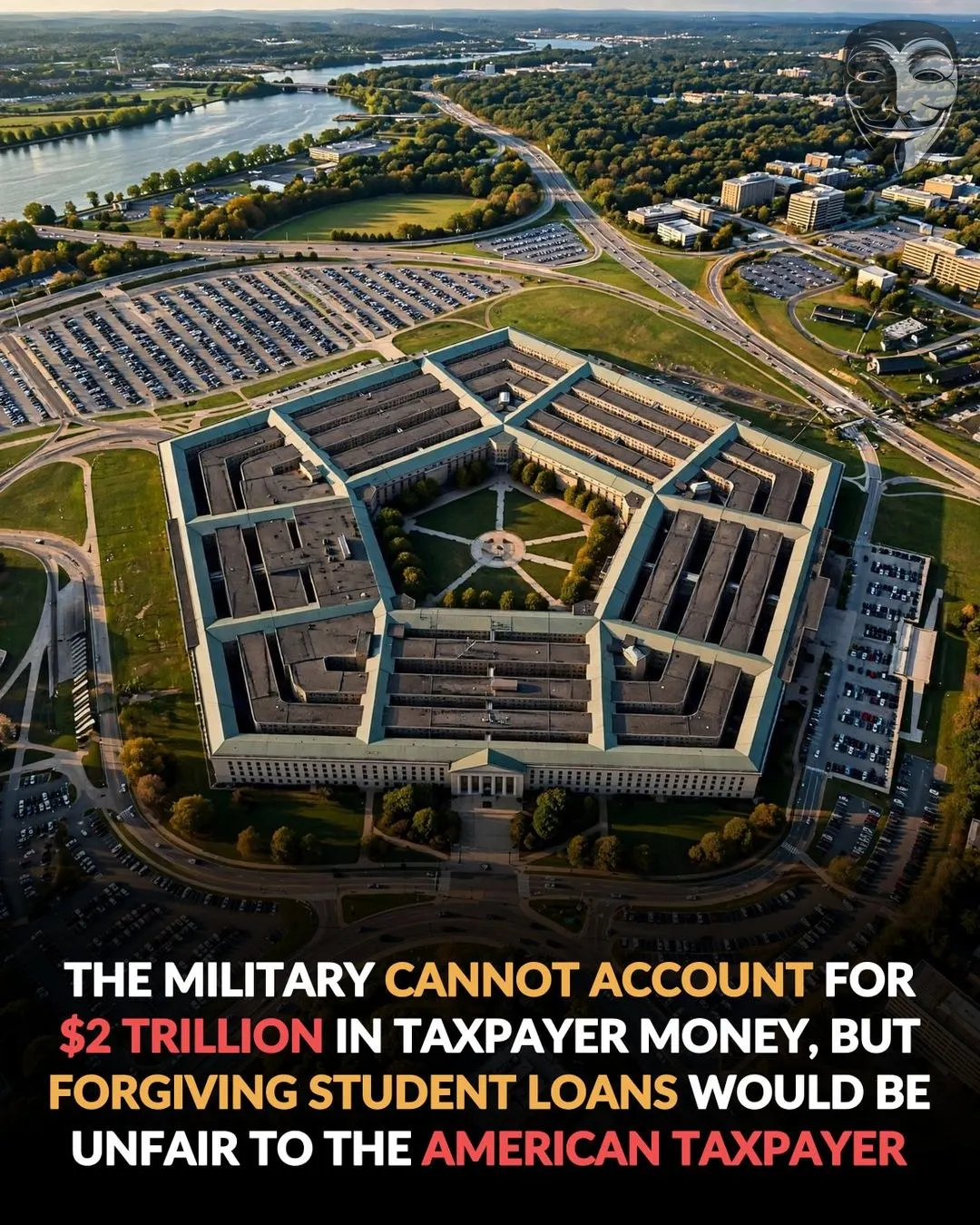
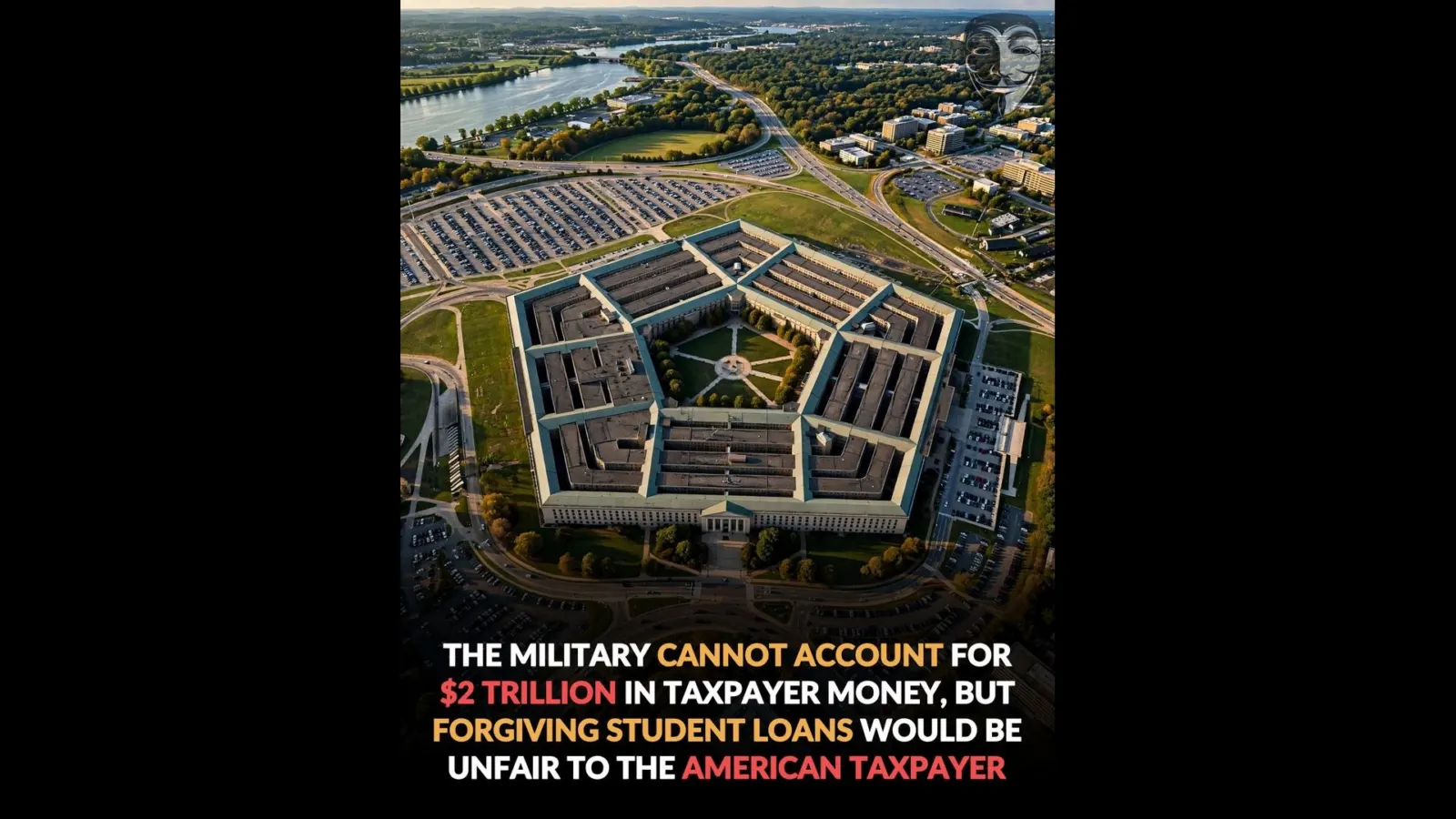
Pentagon audit failure is the phrase behind a fresh national debate about fairness and taxpayer money. The Pentagon has failed its ninth straight financial audit, and more than $2 trillion of its $4.8 trillion in assets still do not have clean audit opinions. Auditors said they could not verify the books, even as the defense budget passed $1 trillion for the first time. The news has struck a nerve because the sums are so large and the pattern has lasted so long. The slides ahead explain the numbers and the debate.
The contrast is what makes this story so powerful for many readers. Trillions in military spending go unverified year after year, while student loan relief for ordinary Americans is criticised as unfair to the people who foot the bill. The department is the only major federal agency never to receive a clean department wide audit since full audits began in 2018. That record raises questions about oversight, trust, and where public money goes. For more on federal spending debates, read our report on a $3 trillion education plan and student results.
References:
Reason: Pentagon Fails 9th Audit In A Row As Its Budget Reaches 1 Trillion
Responsible Statecraft: Pentagon Fails 9th Straight Audit Cant Account For 2 Trillion
Greater Good: The Pentagon Fails Its Ninth Straight Audit As The Administration Seeks 1.5 Trillion In Defense Spending
Government Accountability Office: Defense Financial Management Stays On The High Risk List
Nine Straight Years of Pentagon Audit Failure

A failed audit means outside accountants looked at the books and could not say they were correct. The Pentagon has now failed nine times in a row, which is a record no other major agency shares. Each year brings new reports, new promises to fix the systems, and the same result. The scale of the department makes the job hard, but nine years is a long time for the same problem to remain. Readers who follow Washington spending will know how leaders argue over big budgets.
More Than $2 Trillion Left Unverified

More than $2 trillion of Pentagon assets do not have clean audit opinions, according to the Quincy Institute. That is money tied to buildings, weapons, supplies, and systems that auditors could not fully verify. The figure is hard to picture, so it helps to compare it with everyday budgets. It is larger than the yearly spending of most federal departments combined. The gap is at the center of the fairness debate, much like the fight over health care costs.
The Pentagon Audit Failure Behind $4.8 Trillion in Assets

The Pentagon holds about $4.8 trillion in assets, from bases and ships to planes and stockpiles of parts. Auditors could not give a clean opinion on more than $2 trillion of that total. The rest passed checks, but the unverified share is still huge. Keeping track of so much equipment across the world is a real challenge. Even so, critics ask why the department cannot show where it all is. The same questions follow a $3 trillion education plan.
A Budget That Passed $1 Trillion for the First Time

The defense budget has now passed $1 trillion for the first time. That milestone arrived in the same year as the ninth failed audit, which is why the two facts are told together. Supporters say the money keeps the country safe and pays for ships, planes, and pay for troops. Critics say a budget that big should come with books that can be checked. The tension between safety and oversight runs through the fight over health care costs.
The Only Major Agency Never to Pass

The Pentagon is the only major federal agency never to receive a clean department wide audit since full audits began in 2018. Other large departments face the same federal rules and manage to pass. That contrast is the simplest fact in this story, and it is also the hardest to explain away. Size is part of the answer, but so are old computer systems and years of patchwork records. The pattern invites the same scrutiny as questions about party leadership.
What a Clean Audit Really Means
A clean audit does not mean every dollar was spent well. It means accountants could trace the money, match records, and confirm that the reported numbers are sound. A failed audit means they could not do that, not that money was proven stolen. The difference matters, because the public debate often jumps to the worst reading. Understanding the term helps readers judge the news fairly. It is the same care needed when weighing legal fee fights in high profile cases.
Who Checks the Books in a Pentagon Audit Failure

Independent auditors examine the Pentagon books each year, testing samples of records and visiting sites to check what is really there. Their work follows strict federal standards, and their findings are public. When they cannot verify assets, they say so plainly in their reports. That honesty is what makes the ninth failure news rather than rumor. Oversight only works when the findings are faced, as a new senator found when he took his seat.
What the Quincy Institute Found

The Quincy Institute, a research group that studies foreign policy and defense spending, put the unverified figure at more than $2 trillion. Its analysts read the audit results and the department’s own reports, then explained the numbers in plain terms. Research groups like this help the public make sense of dense government documents. Their role is to check official claims and to ask what the numbers mean. Similar scrutiny shapes a push to ban toxic pesticides in food.
The Pentagon Audit Failure on the High Risk List

The Government Accountability Office keeps defense financial management on its High Risk List, a watchlist of federal programs open to waste and fraud. Staying on the list means the problems are serious, long running, and hard to fix. The office updates the list so Congress and the public can see which areas need attention. The label is not a punishment, but it is a warning. It belongs beside warnings that the global order acts too late.
A Request for $1.5 Trillion in Defense Spending

As the audit failed again, the administration was seeking $1.5 trillion in defense spending, according to one of the reports on this story. That request is even larger than the budget that just passed $1 trillion. Supporters say new threats call for new investment in ships, planes, and technology. Critics say asking for more while the books fail sends the wrong message. The clash echoes a senator’s answer to a billionaire’s big spending.
The Other Side of the Debate: Student Loans

Student loan relief would cancel part of the debt that former students owe for college. Supporters say it would free young workers to buy homes, start families, and build savings. Critics say it is unfair to people who paid their loans or never went to college, because taxpayers would carry the cost. That fairness claim is what the post headline challenges. The same fairness question runs through a $3 trillion education plan.
Why Student Loan Relief Feels Unfair to Some

Many Americans worked second jobs, skipped vacations, or chose cheaper schools to pay for college without big loans. When relief is proposed, they ask why their sacrifice should not count. Others never went to college at all, yet would share the cost through taxes. These feelings are real, and they shape how voters judge the idea. The debate is not only about money, but about respect, as in the fight over health care costs.
The Pentagon Audit Failure and the Taxpayer

Taxpayers fund both the Pentagon and the student loan system, so the comparison lands close to home. The post headline asks why $2 trillion in unverified military money draws less anger than relief for students. The answer depends on what each person values most, safety or fairness in daily life. Both sides claim to speak for the taxpayer. That claim is tested whenever millions are spent to back losing candidates.
How Other Agencies Pass Their Audits

Other major federal agencies follow the same audit rules and receive clean opinions. They track buildings, vehicles, and supplies with systems that auditors can check. Their success shows that clean audits are possible at a large scale, even if the Pentagon is bigger and more complex. The comparison is uncomfortable for defense officials, but it is fair. Voters weigh such records when judging questions about party leadership.
Why Trillions Are So Hard to Track

The Pentagon owns equipment spread across hundreds of bases at home and abroad, from spare parts to ships and aircraft. Old computer systems do not always talk to each other, and records have piled up over decades. Counting everything, and proving where it is, takes time and staff. These are real obstacles, not excuses, and fixing them costs money too. The challenge resembles a chief executive asked to return after resigning.
What Happens After a Pentagon Audit Failure

A failed audit does not shut the Pentagon down or cut its budget by itself. Instead, auditors list the weaknesses, and the department promises a plan to fix them. Congress can hold hearings, ask questions, and press for progress before approving more money. Change is slow, because the systems are vast and the fixes are costly. Still, each failure adds pressure, much like a deal that could buy time on a foreign conflict.
The Role Congress Plays in the Pentagon Audit Failure

Congress writes the checks and sets the rules for the Pentagon, so it holds real power over the audit story. Lawmakers can demand better records, fund new systems, or hold back money until progress is shown. They can also look away when defense spending is popular in their districts. Voters who care about the issue can ask their representatives where they stand. That kind of accountability matters, as a new senator learned on his first day.
A History of Audits Since 2018
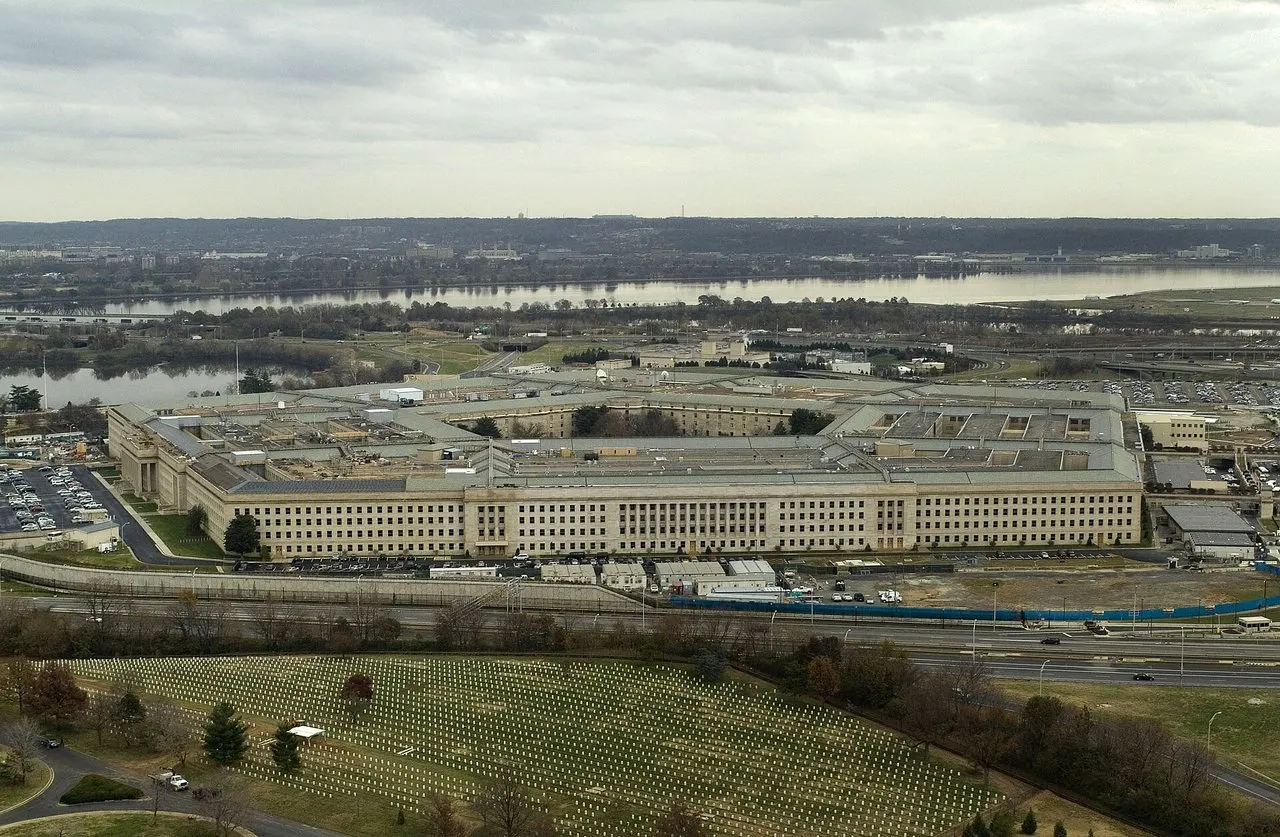
Full audits of the Pentagon began in 2018, and the department has failed every one since. Each year, auditors test more of the books and find the same kinds of gaps. The department says it is making progress on parts of the problem, and some smaller units have passed their own checks. But the department wide result has not changed. The long run of failures shapes a debate about freedom and public health.
Why the Public Is Paying Attention Now

The story spread because the contrast is easy to grasp and hard to forget. A budget over $1 trillion, more than $2 trillion unverified, and a ninth straight failure make a striking set of numbers. At the same time, many families are still paying student loans month after month. The post gave people a simple way to ask whether the system is fair. That question travels fast, like residents who forced a recall vote.
Ideas to Fix the Pentagon Audit Failure

Reformers suggest several practical steps, from modern computer systems to better training for the staff who keep the records. They also call for clearer deadlines and public progress reports so each audit shows real change. None of these fixes is quick or cheap, but each one has worked in other large organizations. The goal is books that any auditor can follow. Similar practical plans appear in a push to ban toxic pesticides.
What to Watch in the Next Audit

The next audit will show whether the Pentagon is closing the gap or falling further behind. Watch the share of assets with clean opinions, and whether the number of weaknesses falls. Also watch what Congress does with the findings, and whether the defense request grows again. Numbers alone will not settle the fairness debate, but they will show direction. The stakes resemble the row over millions spent on campaigns.
What Do You Think Is Fair?

We have walked through nine failed audits, more than $2 trillion unverified, and a budget past $1 trillion. The question now belongs to you. Should unverified military spending face the same scrutiny as student loan relief, or are the two too different to compare? Tell us what you think in the comments, and share the fact that surprised you most. Keep reading warnings that the world acts too late.