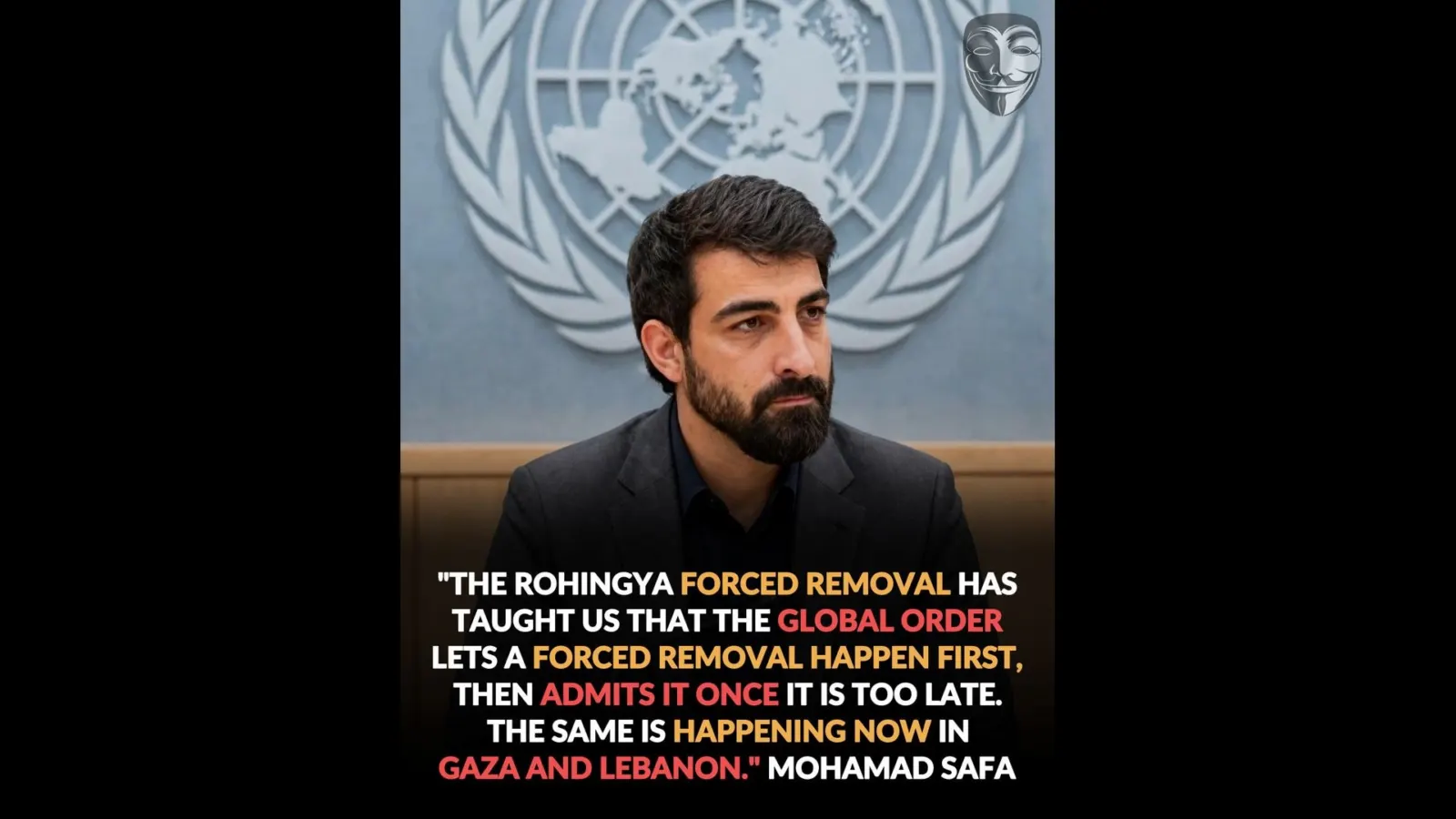
Rohingya Genocide Warning From Mohamad Safa
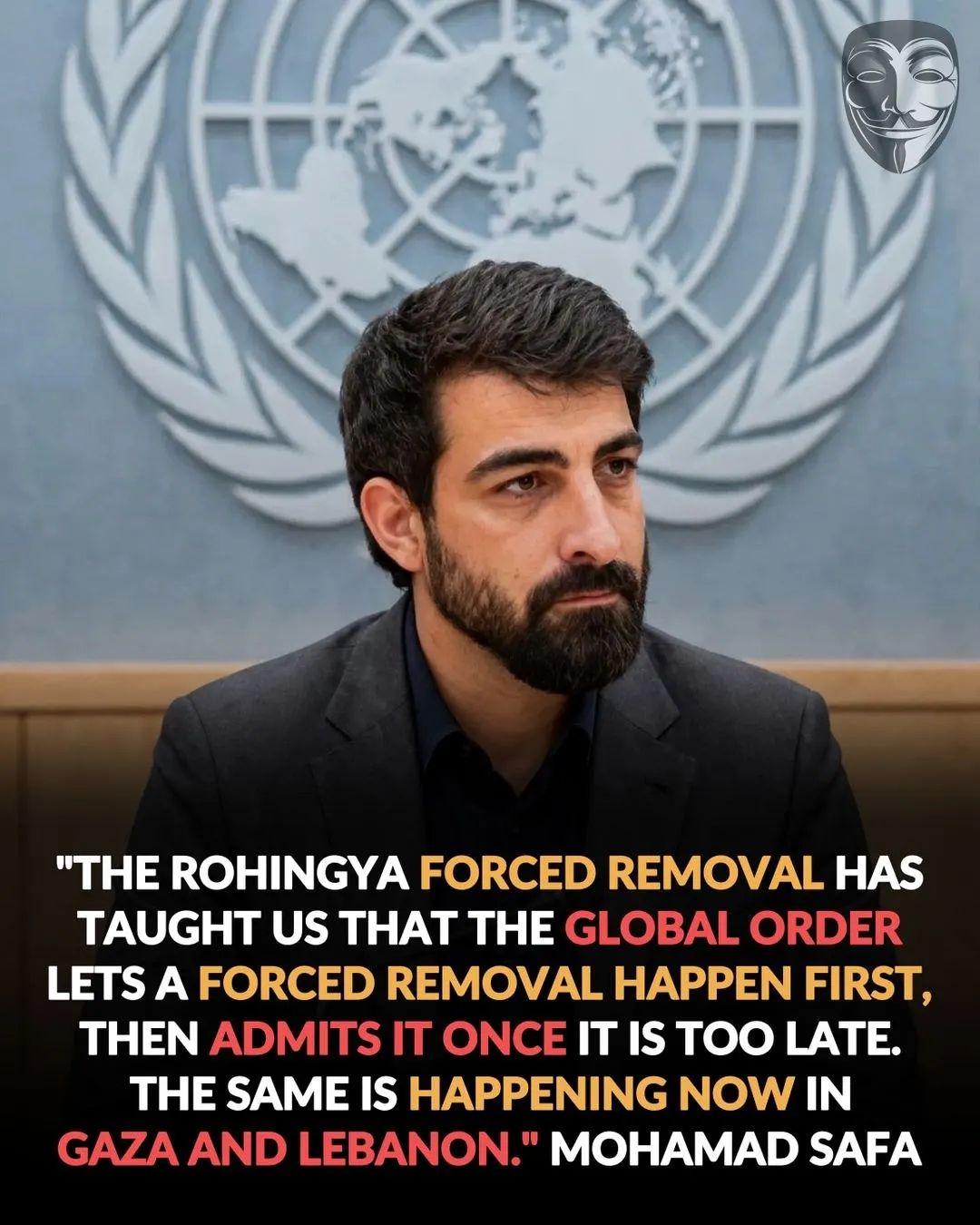
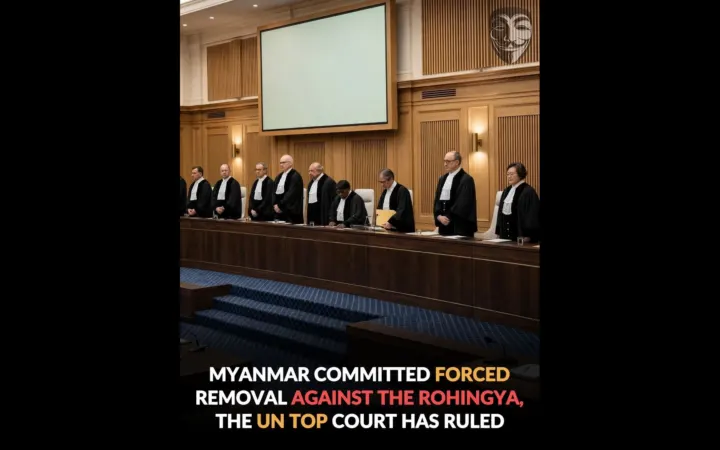
The Rohingya genocide warning from Mohamad Safa landed on November 20, and it carried a hard lesson about how the world responds to mass atrocities. Safa, a Palestinian diplomat and humanitarian advocate, wrote on X that the Rohingya genocide taught us the global order allows a genocide first and only admits it once it is too late. His words came the day after the International Court of Justice found Myanmar responsible for genocide against the Rohingya, nearly ten years after the 2017 crisis drove hundreds of thousands of people into Bangladesh.
Safa said the same pattern is happening now in Gaza and Lebanon, where civilians keep paying the price while the world watches. His warning asks why recognition so often comes only after the damage is done, and what it would take for the world to act in time instead. In the slides ahead we trace the court ruling, the long road from 2017, and the lives behind the headlines. For more, read our story on the court ruling on Myanmar and our report on how Britain answered the ruling.
References:
CNN: In historic first, UN top court rules a country committed forced removal
Le Monde: Rohingya Historic International Court of Justice ruling finds Myanmar g*ilty of forced removal
Human Rights Watch: World Court Finds Myanmar Responsible for Rohingya Forced removal
Wall Street Journal: World Court Finds Myanmar Committed Forced removal Against Rohingya
The Post That Started the Warning

On November 20, Mohamad Safa opened his phone and typed a short post on X that travelled far beyond his followers. He wrote that the Rohingya genocide had taught the world a painful lesson about timing, and that Gaza and Lebanon were now living through the same pattern. The post was short and direct, yet it struck a nerve because it linked three places and one long failure. Readers shared it, and the warning kept spreading. Read more in our piece on the verdict in the Rohingya case and our story on the UN court decision on Myanmar.
Who Is Mohamad Safa

Mohamad Safa is a Palestinian diplomat and humanitarian advocate who speaks for civilians caught in conflict. His work keeps him close to the human cost of war, and his posts carry the voice of aid work seen up close. When he wrote about the Rohingya, he spoke as a diplomat who watches the same delays repeat from one crisis to the next. That past gave his post weight, and many readers took it as a warning from experience. You can also read our report on the court ruling on Myanmar and our story on the verdict in the Rohingya case.
The Rohingya Genocide Warning Came a Day After the Court Ruling
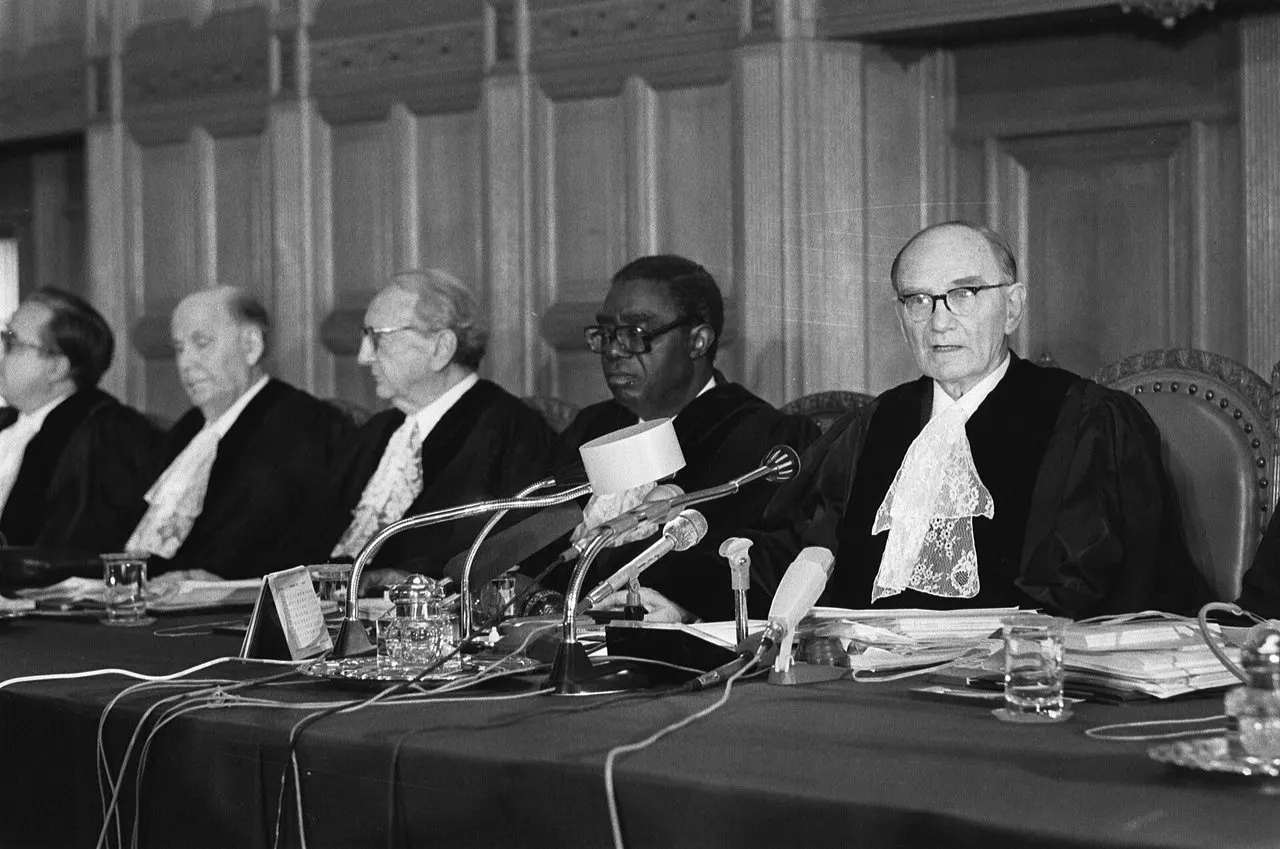
Safa posted the day after the International Court of Justice found Myanmar responsible for genocide against the Rohingya. The timing mattered, because the ruling closed a case that had waited nearly ten years since the 2017 crisis. For many readers, the verdict felt like proof that the system can name the crime, yet only after the harm is done. Safa used that moment to ask a wider question about Gaza and Lebanon, and whether the world would wait. For background, see our story on the UN court decision on Myanmar and our piece on how Britain answered the ruling.
The 2017 Exodus to Bangladesh
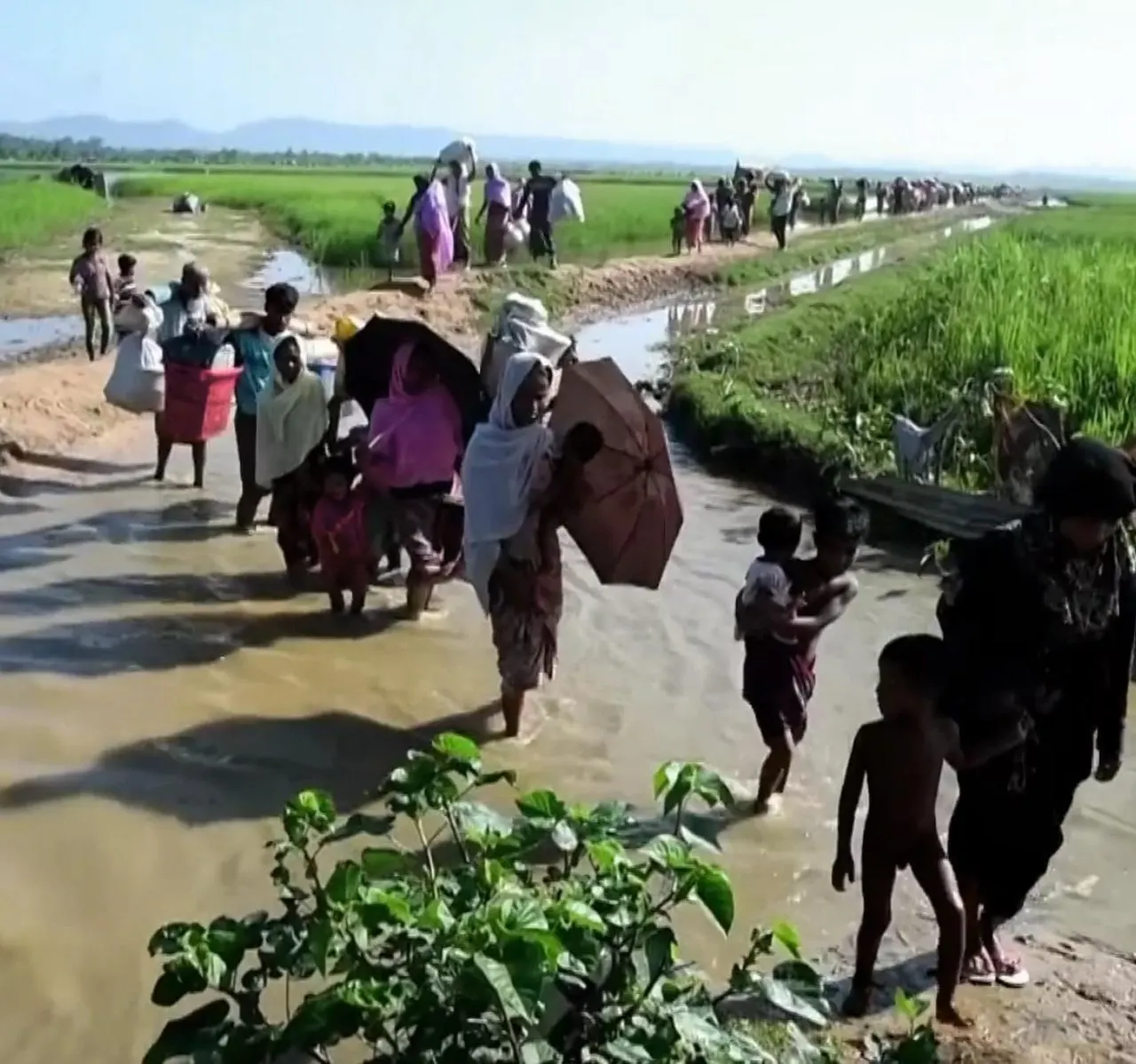
In 2017, hundreds of thousands of Rohingya people fled Myanmar for Bangladesh in a matter of weeks. Families crossed rivers and walked for days, carrying what they could, and reached a border region that was not ready for so many arrivals. Aid groups rushed to set up shelter, water and food, but the scale of the exodus overwhelmed every plan. The world watched the columns of people on the news, and leaders promised the flight would not be forgotten. For more, read our story on the court ruling on Myanmar and our report on the UN court decision on Myanmar.
Life in the Camps Behind the Rohingya Genocide Warning
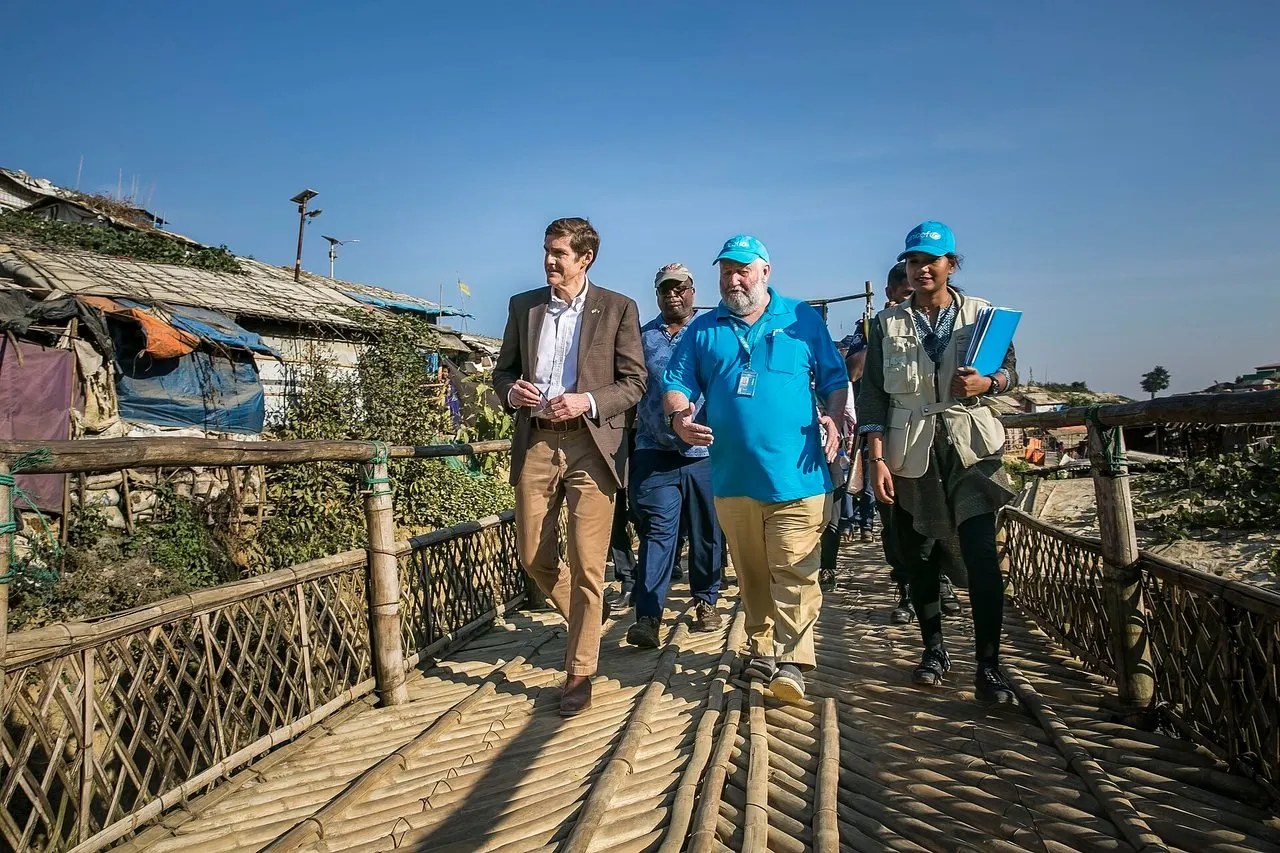
The camps at Cox’s Bazar in Bangladesh grew into one of the largest refugee settlements on earth, with bamboo shelters packed across steep hills. Families there live with limited water, crowded clinics and schools that run in shifts, and monsoon rains that turn paths to mud. Children born in the camps have never seen the villages their parents left behind. Aid workers keep basic services running, but no camp can replace a home. Read more in our piece on the verdict in the Rohingya case and our story on how Britain answered the ruling.
What the Word Genocide Means in Law
Under international law, genocide means acts meant to destroy a national, ethnic, racial or religious group, in whole or in part. The definition comes from a 1948 treaty that most countries have joined, and it covers killing, serious harm, and conditions meant to bring about the physical destruction of a group. Courts look for intent as well as acts, which is why such cases take years to prove. The word carries legal weight far beyond everyday speech. You can also read our report on the rare contact of the Awa tribe and our story on the Georgia teens found safe.
The Court in The Hague
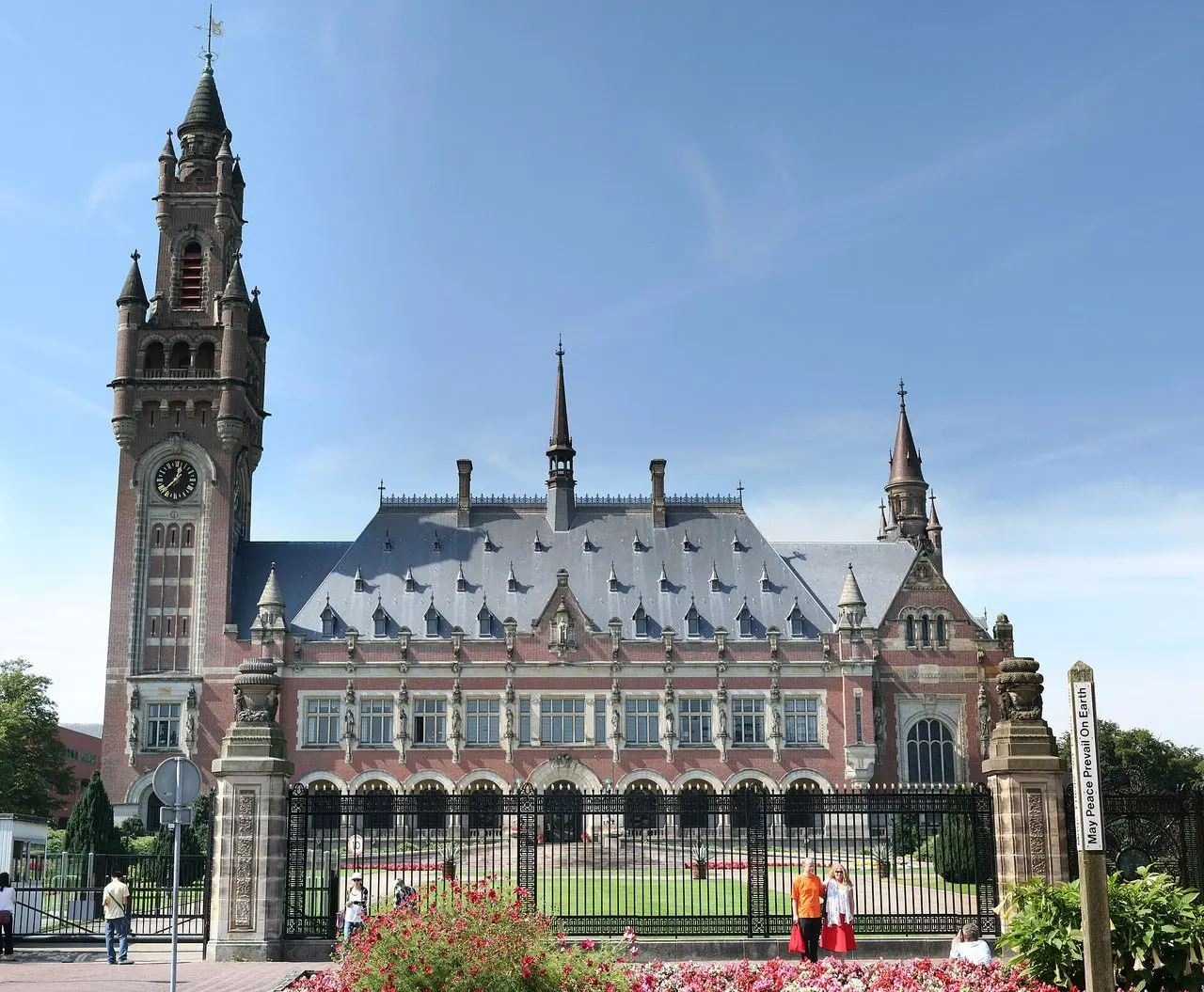
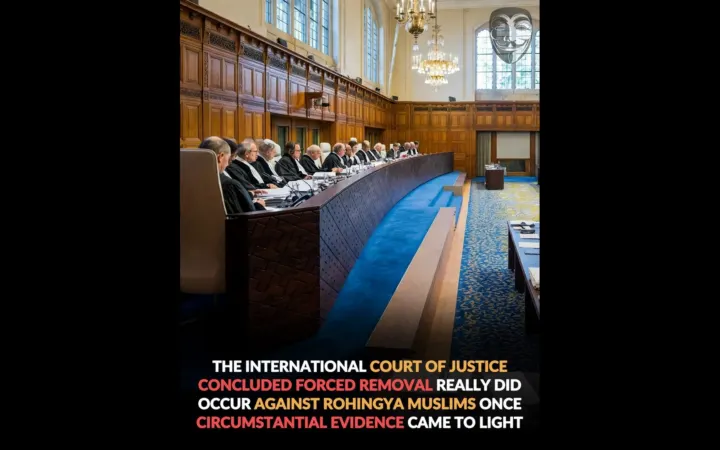
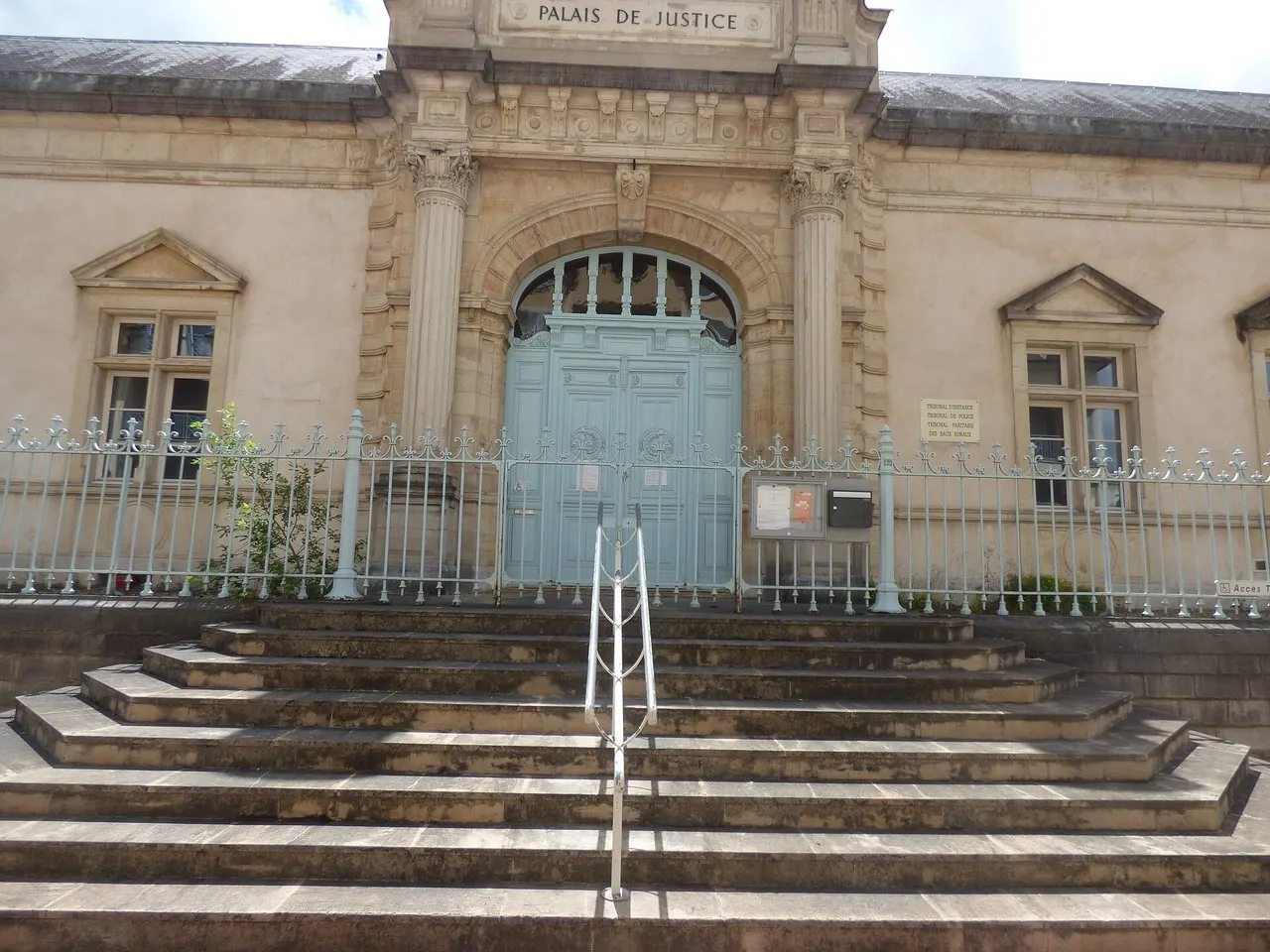
The International Court of Justice sits in the Peace Palace in The Hague, the top court of the United Nations. Countries bring disputes there, and its judges rule on questions of international law no national court can settle. The court cannot send police to enforce its orders, so its power rests on the respect of states and world opinion. Even so, a ruling from The Hague shapes how history records a case. For background, see our story on the old rule of women and children first and our piece on the viral question about the kiss cam.
Why the Rohingya Genocide Warning Took Nine Years to Reach a Court
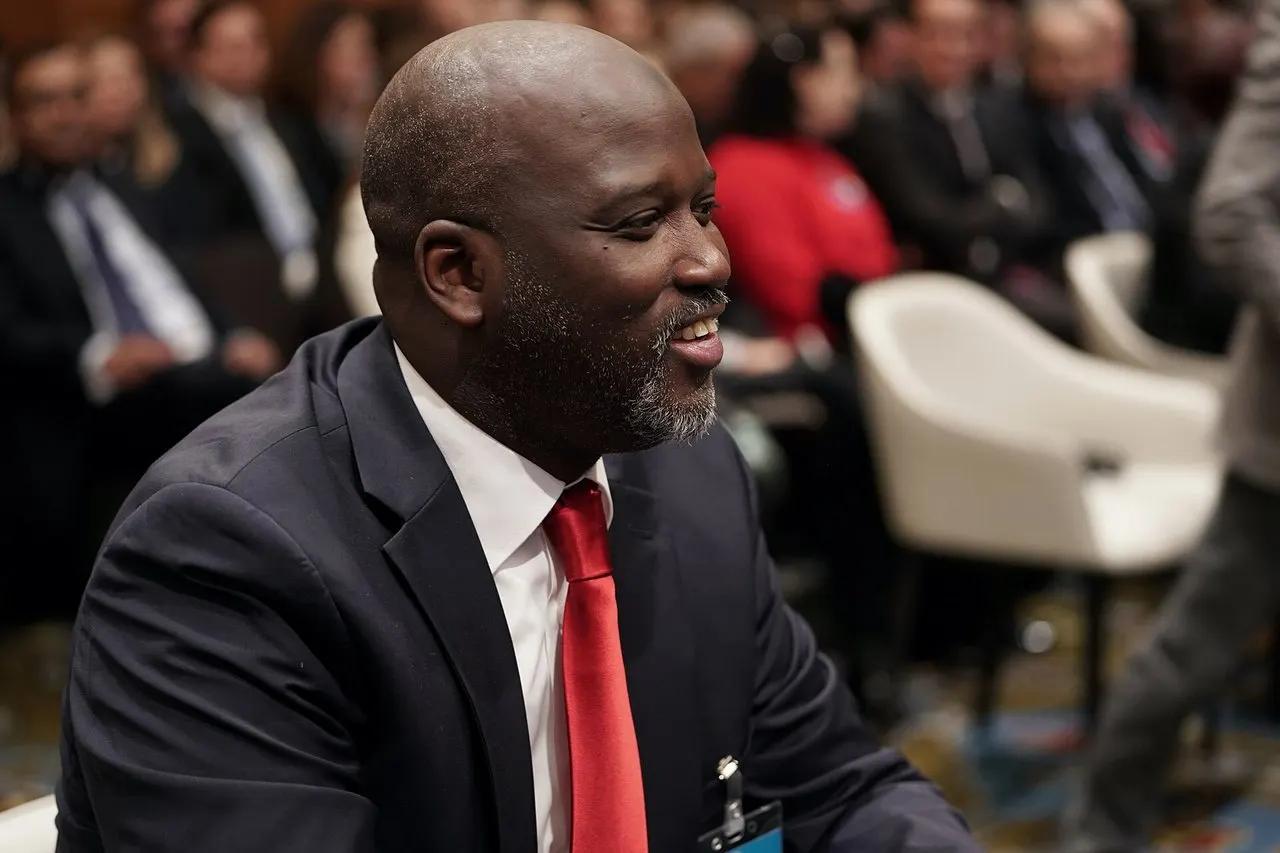
The case reached the court because The Gambia, a small West African nation, filed it in 2019 on behalf of the Rohingya people. Under the genocide treaty, any member state can bring such a case, even one far from the events. The Gambia argued that Myanmar had breached its duty to prevent and punish genocide, and the court agreed to hear the claim. Years of hearings and written filings followed before the judges gave their final word. For more, read our story on the measles outbreak in the United States and our report on the historic trip to China.
Why Justice Took So Long

International cases move slowly because they gather evidence from war zones, hear many witnesses and give both sides long turns to argue. Documents must be checked, experts must be heard, and judges must agree on findings that will stand in history. For the families waiting in the camps, each year of delay felt like another year of being forgotten. The ruling finally came nearly a decade after the exodus, which is exactly the delay Safa warned about. Read more in our piece on the story of gratitude and daily choices and our story on the recount decided by 330 votes.
What Too Late Means for Survivors
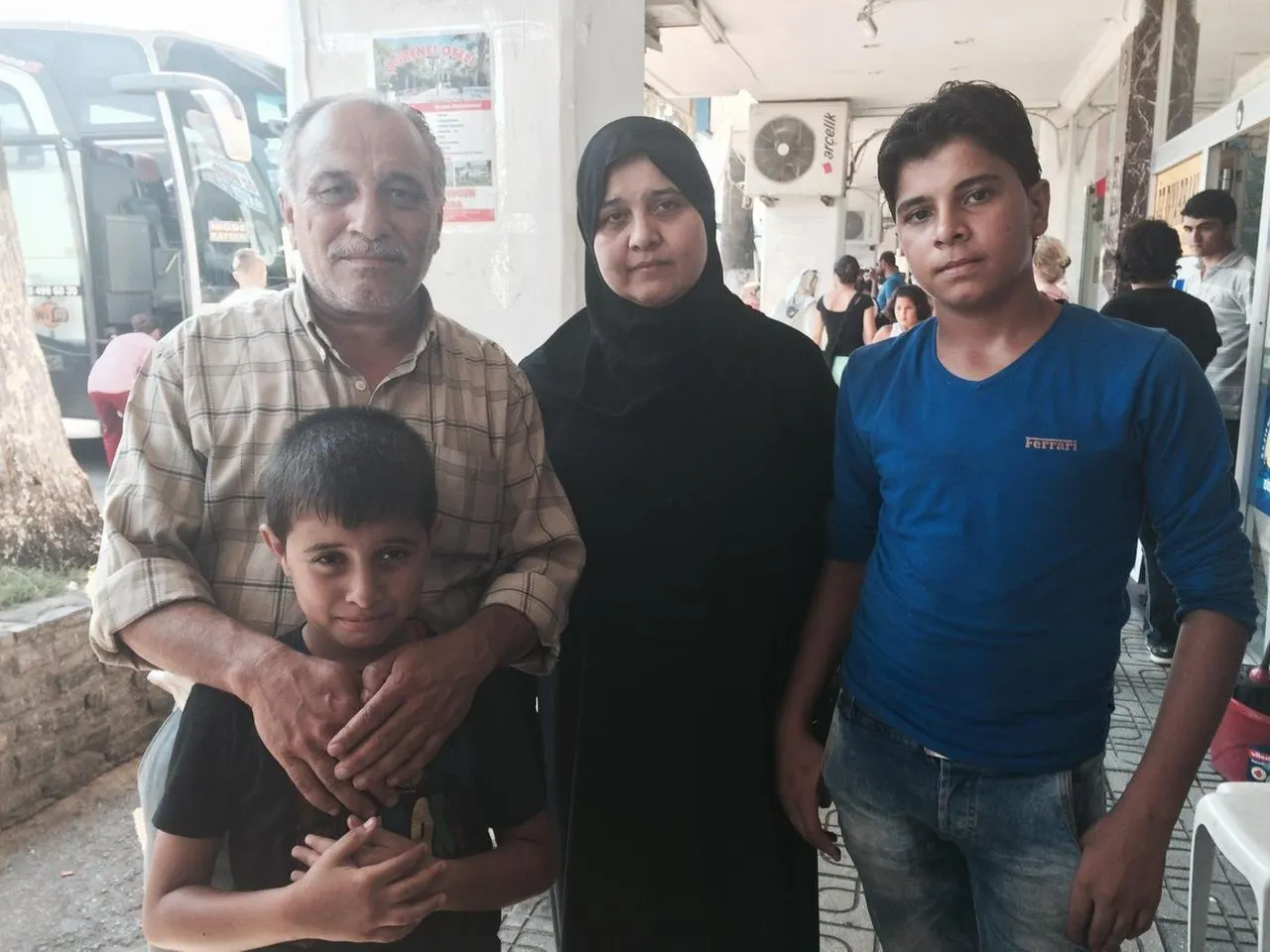
For survivors, a late ruling cannot bring back the dead or rebuild the villages that were burned. It can name the crime and set a record, but the years lost in exile stay lost, and children grow up far from home. Many Rohingya families still wait to learn what happened to loved ones who never reached Bangladesh. That gap between justice and repair is what Safa meant by too late, and it is why his warning stung. You can also read our report on the pup who knew chores were coming and our story on the debate about older leaders.
Gaza and the Rohingya Genocide Warning
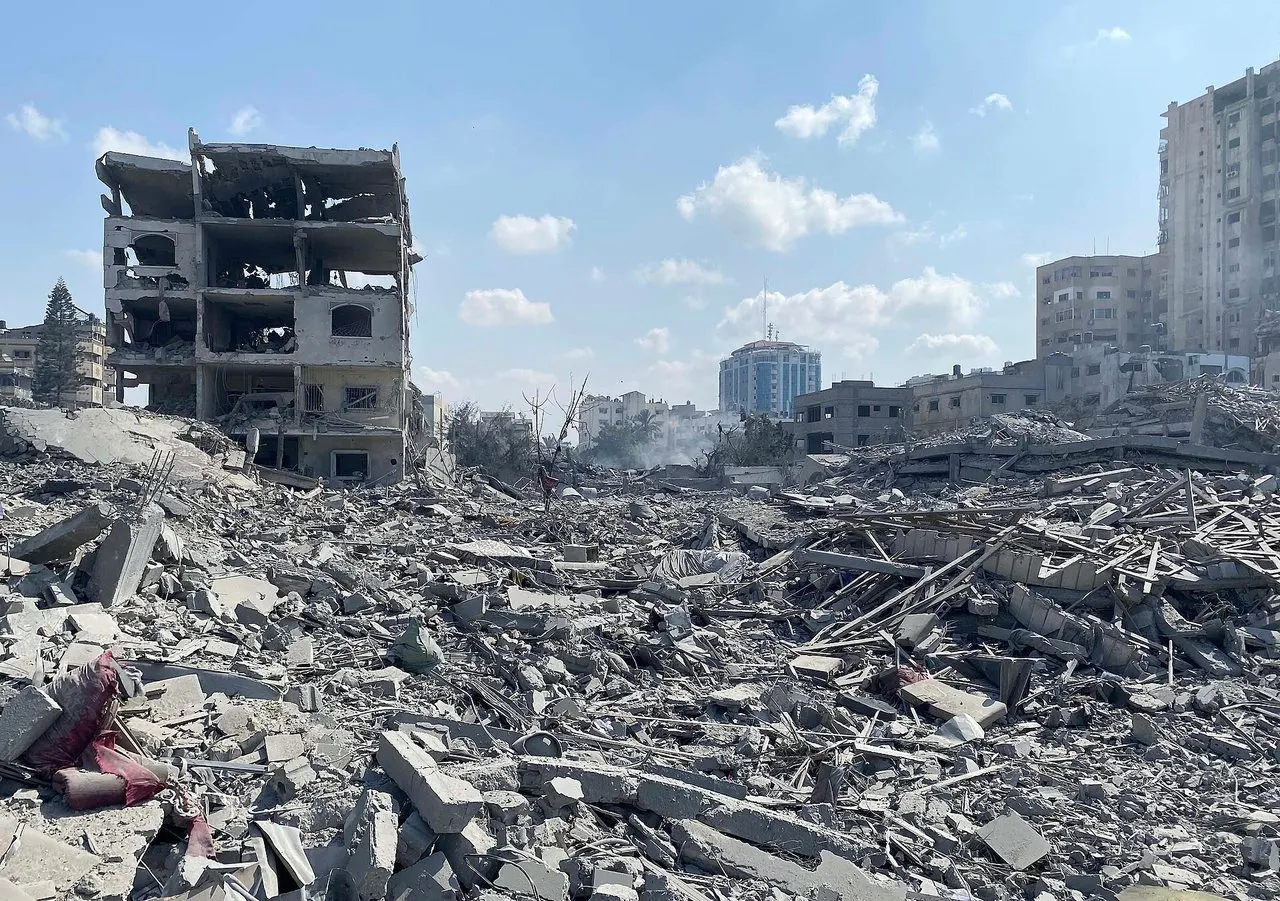
Safa said the same pattern is happening now in Gaza, where civilians keep paying the price while the world watches. Homes, hospitals and schools have been hit, and families keep moving again and again in search of safety. Aid groups warn that food, water and medicine run short, and every week of delay costs more lives. His point was not to compare suffering but to warn that delay itself is a choice with a cost. For background, see our story on the viral post about student visas and our piece on the warning before the meeting with Xi and Putin.
Lebanon Faces the Same Fear

Lebanon sits beside the same conflict, and its people have felt the strain of strikes, displacement and fear for months. Families have left border towns for safer ground, and the country already hosts large numbers of refugees from earlier wars. Hospitals and aid groups stretch thin resources across growing needs, while ordinary life keeps stopping and starting. Safa named Lebanon beside Gaza for a reason, because the warning covers every place where civilians wait for the world to act. For more, read our story on the Native American recipes and our report on the healthy workplace story.
The Pattern Behind the Rohingya Genocide Warning
The pattern Safa described is simple and grim. First comes the violence, then come the statements of concern, and only years later comes the admission that a crime took place. By then the victims are scattered, the evidence is cold and the chance to stop the harm has passed. The world then promises to learn, yet the next crisis follows the same script. Breaking that cycle means acting on early warnings instead of waiting for a court to confirm them. Read more in our piece on the handshake with Putin in China and our story on the split over MAGA.
How the World Reacted in 2017
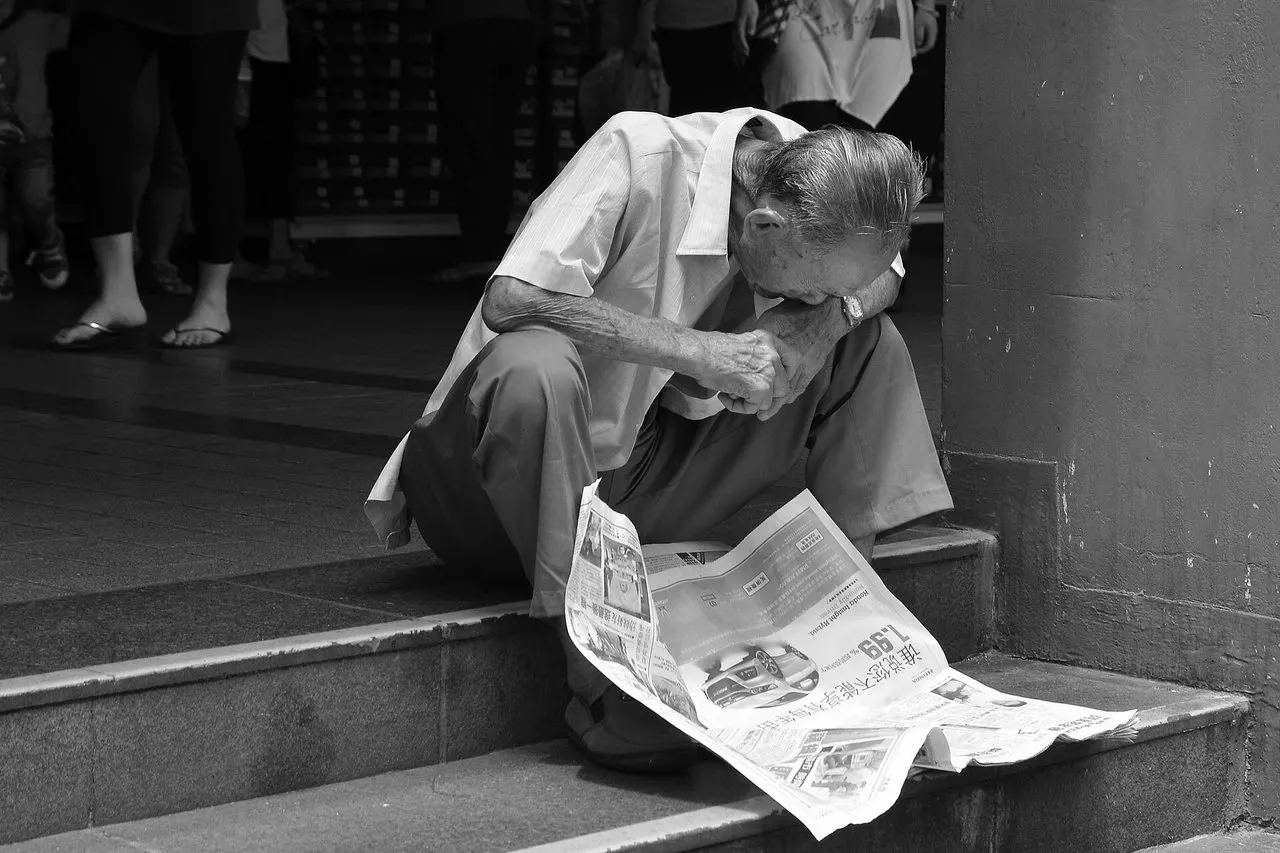
When the exodus began in 2017, news cameras showed long lines of people crossing into Bangladesh, and leaders called the scenes shocking. Aid pledges followed, and the United Nations sent teams to count the needs and coordinate relief. But statements did not stop the violence, and no court case began for two more years. The gap between outrage and action is the heart of Safa’s warning, and it is a gap the world has seen before. You can also read our report on the trip home from Asia and our story on the ban on lab tests on great apes.
Aid Workers Keep the Camps Going
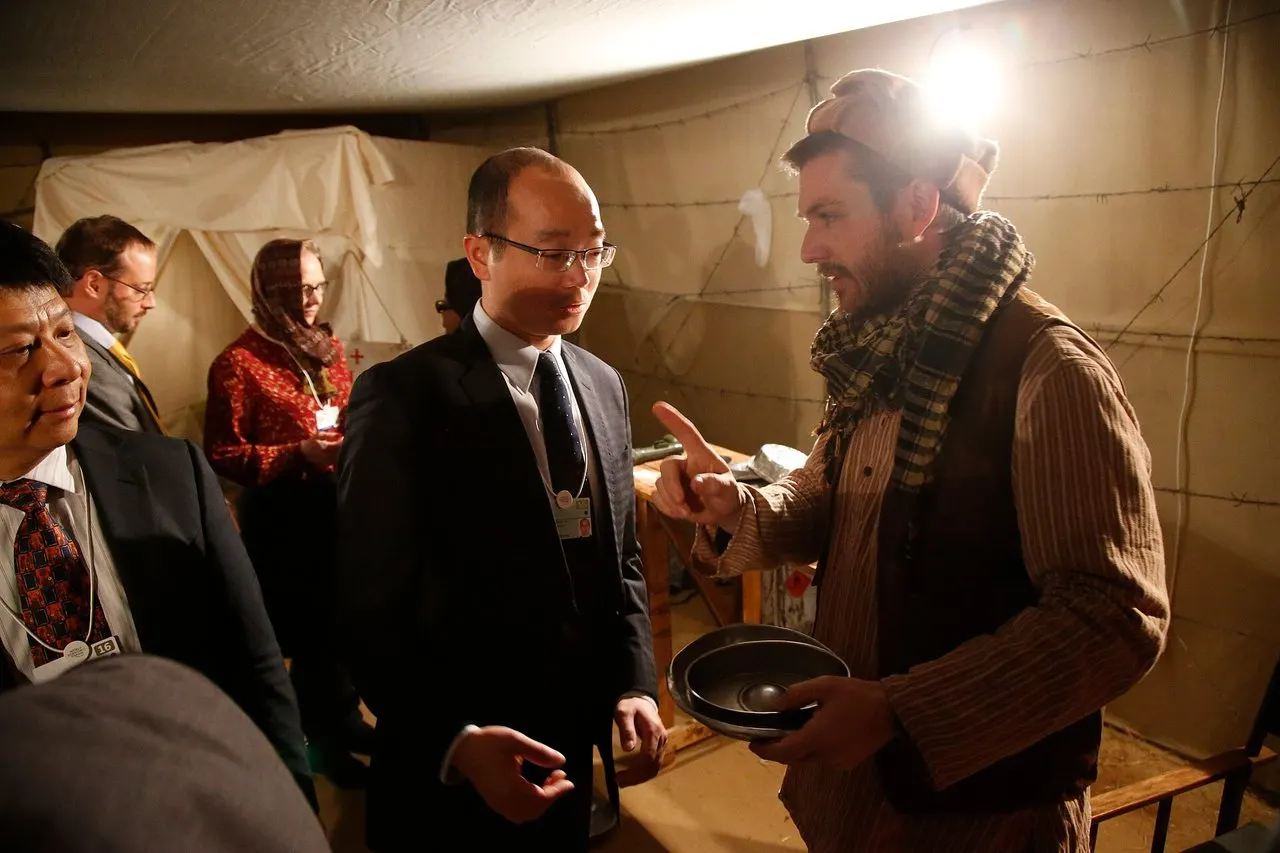
In Cox’s Bazar, aid workers from many countries run clinics, schools, water points and food lines for nearly a million people. Their days start before dawn and end long after dark, and they work through heat, rain and disease outbreaks. Local Bangladeshi staff carry much of the load, often for modest pay and little rest. Without them, the camps would collapse, yet aid alone cannot answer the question of when families may go home. For background, see our story on the clash over gas prices and our piece on the first Black governor of Florida.
What a Ruling Can Do After a Rohingya Genocide Warning
A court ruling cannot undo the past, but it can do three things that matter. It sets down facts no government can easily deny, opens the door to further legal steps, and gives survivors a record that says the world heard them at last. Those effects are real, yet they arrive slowly and depend on states to act on them. Safa’s warning asks whether the world will use the ruling as a reason to move faster next time. For more, read our story on the rare golden tiger Ava and our report on the hearing on Capitol Hill.
Britain Answers the Court Ruling

After the ruling, Britain expelled a Myanmar attache and called a meeting of the UN Security Council, a sign that the verdict carried weight beyond the courtroom. Such steps put pressure on Myanmar and show other governments that the ruling has backing. Diplomacy moves in small steps like these, and each one adds to the cost of ignoring the court. Whether those steps lead to real change for the Rohingya remains an open question that the world is still watching. Read more in our piece on the Ravens benching Marlon Humphrey and our story on the return of the milkman.
How One Post Reached So Many People

Safa’s post spread because it was short, clear and easy to share, and because it tied three crises into one idea. Readers reposted it, news pages quoted it, and the warning reached people who had never heard of the court case. Social media can carry a message around the world in hours, which is why diplomats now use it to speak past slow official channels. The same speed that spread the warning also spread the debate that followed it. You can also read our report on the summit in Shenzhen and our story on the first crewed electric plane flight.
Voices That Carry the Rohingya Genocide Warning
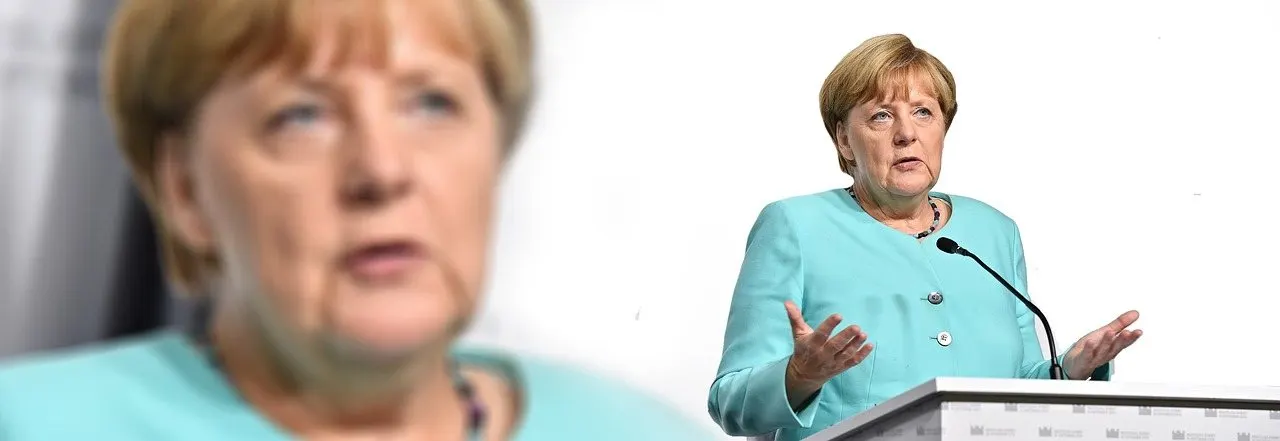
Safa is not the only voice raising this warning, but his post shows how one diplomat can frame a debate. Humanitarian advocates, survivors and journalists all play a part in keeping the story alive when the news cycle moves on. Their words reach parliaments, classrooms and dinner tables, and they shape what the public expects leaders to do. When those voices fall silent, the pressure fades, and the pattern Safa described starts again. For background, see our story on the rare contact of the Awa tribe and our piece on the Georgia teens found safe.
A People Without a Home
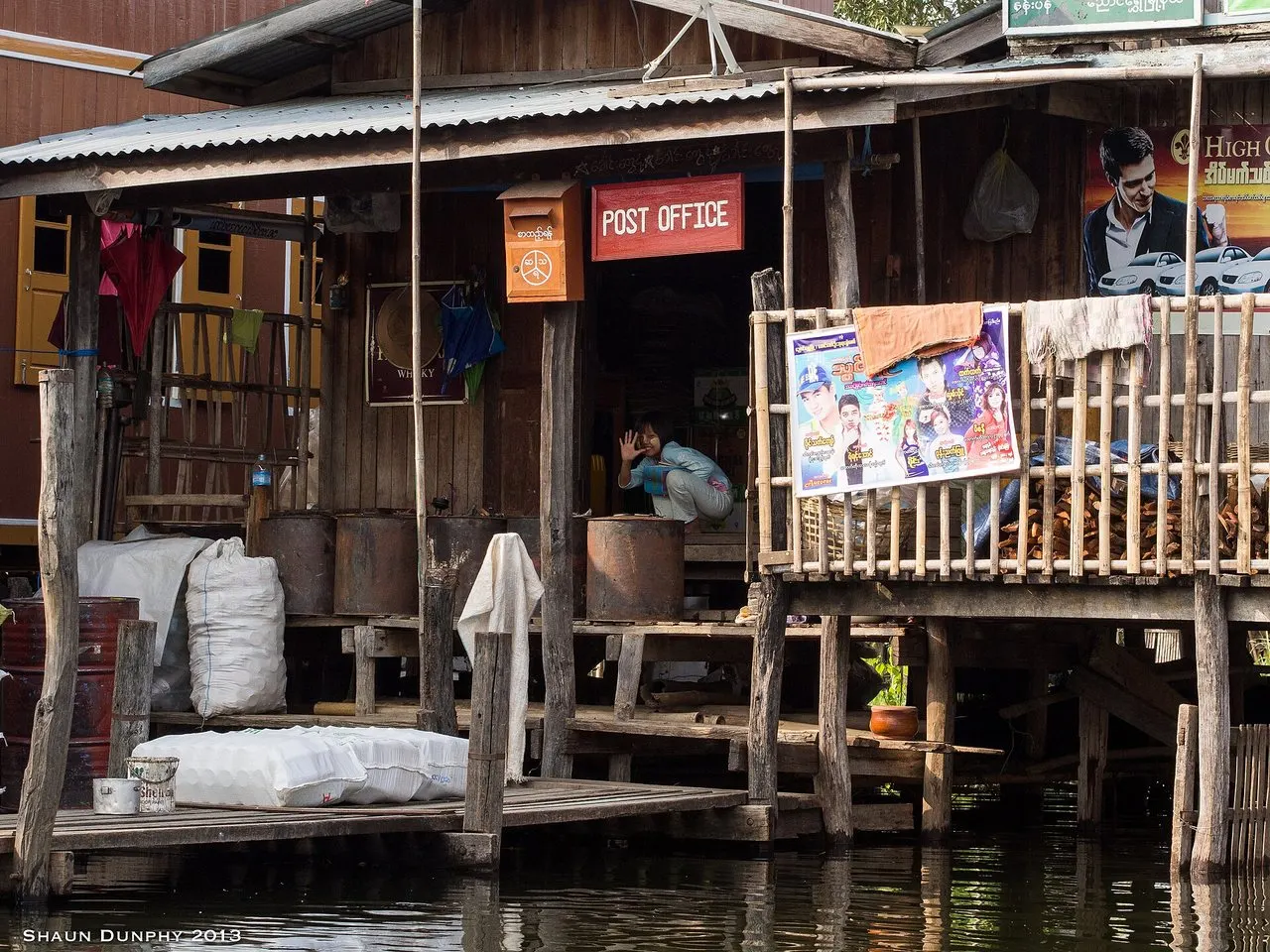
The Rohingya are a Muslim minority from Rakhine State in Myanmar, and they have faced statelessness for decades. A 1982 law left most of them without citizenship, cutting them off from schools, health care and free movement. That long exclusion set the stage for the violence of 2017, when whole villages were emptied in weeks. Understanding that history matters, because the crisis did not start in 2017 and will not end with one court ruling. For more, read our story on the old rule of women and children first and our report on the viral question about the kiss cam.
Children Growing Up in the Camps
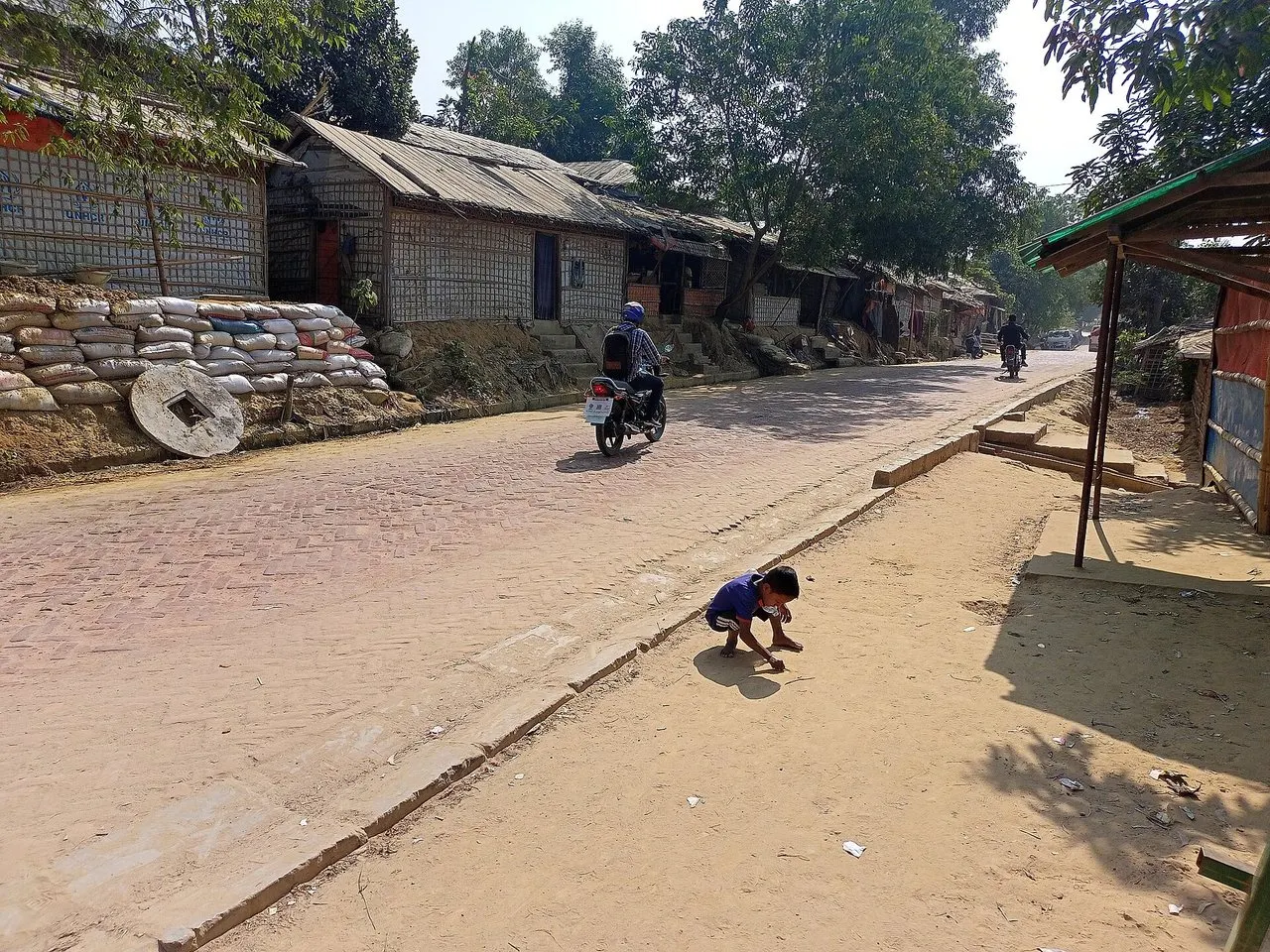
More than half the people in the camps are children, and many of them have never lived anywhere else. They go to learning centres run by aid groups, play in crowded lanes and help their parents carry water and rations. Their futures depend on schooling, safety and a chance to belong somewhere, yet none of those are certain. A generation is growing up in limbo, and the longer the wait, the harder the return. Read more in our piece on the measles outbreak in the United States and our story on the historic trip to China.
The Cost of Waiting After a Rohingya Genocide Warning
Every year of waiting has a price that no ruling can repay. Families lose incomes, children lose school years, and the old die in exile instead of at home. Evidence fades, witnesses scatter and the chance to protect the living shrinks with each season. Safa’s warning is really about that price, and about the choice the world makes each time it waits for proof instead of acting on warning signs. You can also read our report on the story of gratitude and daily choices and our story on the recount decided by 330 votes.
How the United Nations Responds
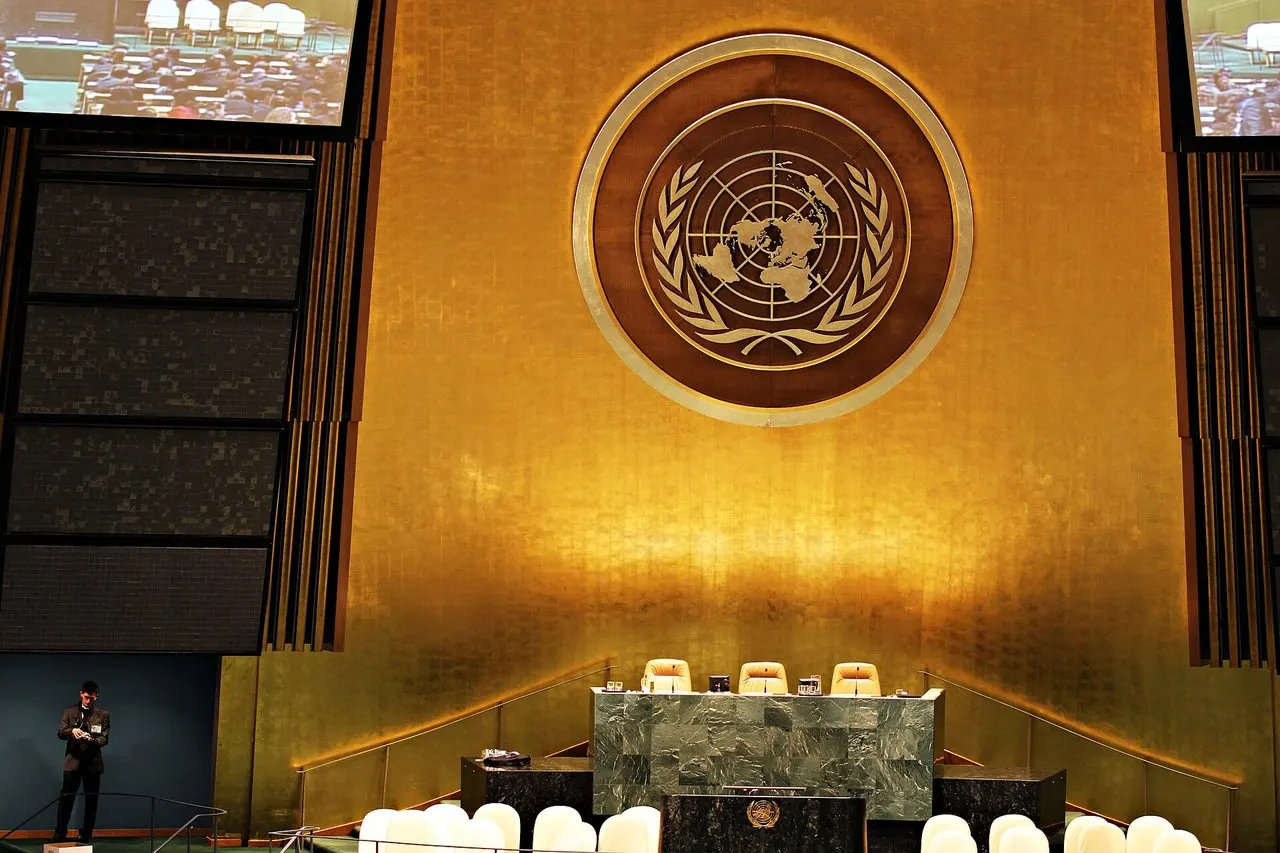
The United Nations works through many arms at once, from the court in The Hague to the aid agencies in the camps and the Security Council. Each arm moves at its own pace, and politics often slows the whole body. Resolutions can be blocked, funding can fall short, and promises fade once the cameras leave. Even so, the UN remains the one place where every country sits at the same table, so its rulings still matter. For background, see our story on the pup who knew chores were coming and our piece on the debate about older leaders.
The Timeline From 2017 to 2026

The story runs from the 2017 exodus to the 2019 case filing and the ruling in November 2026, a span of nearly ten years. In between came camp building, aid appeals, hearings and long waits. Each date marks a step, yet the people at the centre lived the whole span in exile. That timeline helps readers see why Safa called the admission too late, and why timing sits at the heart of his warning. For more, read our story on the viral post about student visas and our report on the warning before the meeting with Xi and Putin.
Never Again and the Rohingya Genocide Warning
After the Second World War, the world promised never again, and it wrote that promise into the genocide treaty of 1948. The promise was meant to turn memory into action, so that warning signs would trigger help instead of silence. Yet the Rohingya case shows how often the promise bends under politics and delay. Safa’s post asks whether never again still means anything, or whether it has become words that arrive after the harm. Read more in our piece on the Native American recipes and our story on the healthy workplace story.
Why Late Recognition Still Matters

A late ruling still matters because it writes the truth into the record and makes denial harder for every government that follows. It gives survivors a document they can point to, and it gives future courts a path to follow. It also warns leaders that the world may judge them years later, even when it fails to stop them in time. Late is not the same as never, and that gap is where hope still lives for the Rohingya. You can also read our report on the handshake with Putin in China and our story on the split over MAGA.
What Safa Wants the World to See

Safa wants the world to see the link between the Rohingya, Gaza and Lebanon before the next admission comes too late. He asks leaders to treat warnings as calls to act, not as background noise to manage with statements. He is also asking ordinary readers to remember the pattern and to keep asking why recognition waits until the damage is done. His post is short, but the question inside it is one the whole world must answer. For background, see our story on the trip home from Asia and our piece on the ban on lab tests on great apes.
What Comes Next After the Rohingya Genocide Warning
What comes next depends on whether states act on the ruling or let it gather dust. Further legal steps are possible, and aid for the camps must keep flowing while diplomacy continues. The Rohingya still wait for a safe return home, for citizenship and for the chance to rebuild. Safa’s warning will be judged by what happens now, in Gaza and Lebanon as well as in Myanmar, and the world is watching its own answer. For more, read our story on the clash over gas prices and our report on the first Black governor of Florida.
What Would You Ask Mohamad Safa?
Mohamad Safa packed a decade of history and a warning for the future into a few short lines, and his post is still being shared and debated. If you could sit down with him, what would you ask first? Would you ask what the world should have done in 2017, or what it must do now for Gaza and Lebanon? Share your thoughts in the comments below, and keep following the story as it grows. Read more in our piece on the rare golden tiger Ava and our story on the hearing on Capitol Hill.