Robots Dangerous Jobs and the Promise We Made
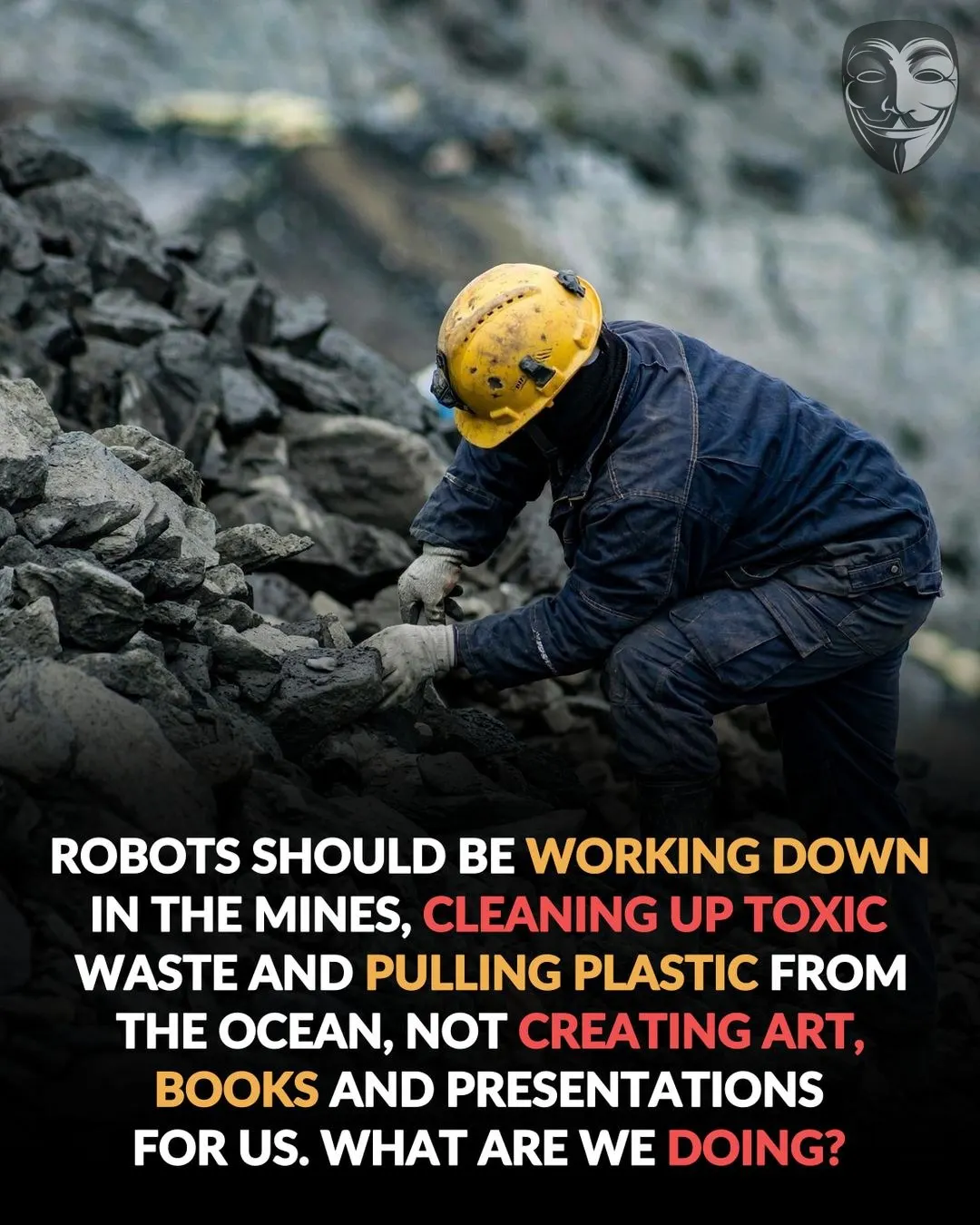
Robots dangerous jobs is the phrase at the center of a debate that is growing louder. For decades, people were told that machines would take over the dirtiest and most dangerous work, from deep mines to toxic waste cleanups, so no one would have to risk their health to earn a living. Instead, the newest wave of artificial intelligence has moved fastest into writing, art and presentations, the creative work that people actually love to do. That twist has left many workers asking a simple question about what we are doing, and about what a healthy workplace should look like.
A Pew Research Center survey found that 52 percent of American workers feel worried about how AI will be used in the workplace, and only 6 percent think it will lead to more job opportunities for them in the long run. The numbers show a public that is nervous, not excited, about the machines now writing books and painting pictures. The debate is not about stopping progress, but about pointing it at the right problems first. Next we visit the mines, the oceans and the studios, and recall the early years of Elon Musk.
References:
Pew Research Center: U.S. Workers Are More Worried Than Hopeful About Future AI Use in the Workplace
The Guardian: ‘ChatGPT said I did not exist’: how artists and writers are f*ghting back against AI
Computer Weekly: Creative workers say livelihoods thr*atened by generative AI
Phys Org: Robot clean-up crews tackle litter on Europe’s seabed
Robots Dangerous Jobs: The Work Machines Were Meant to Do
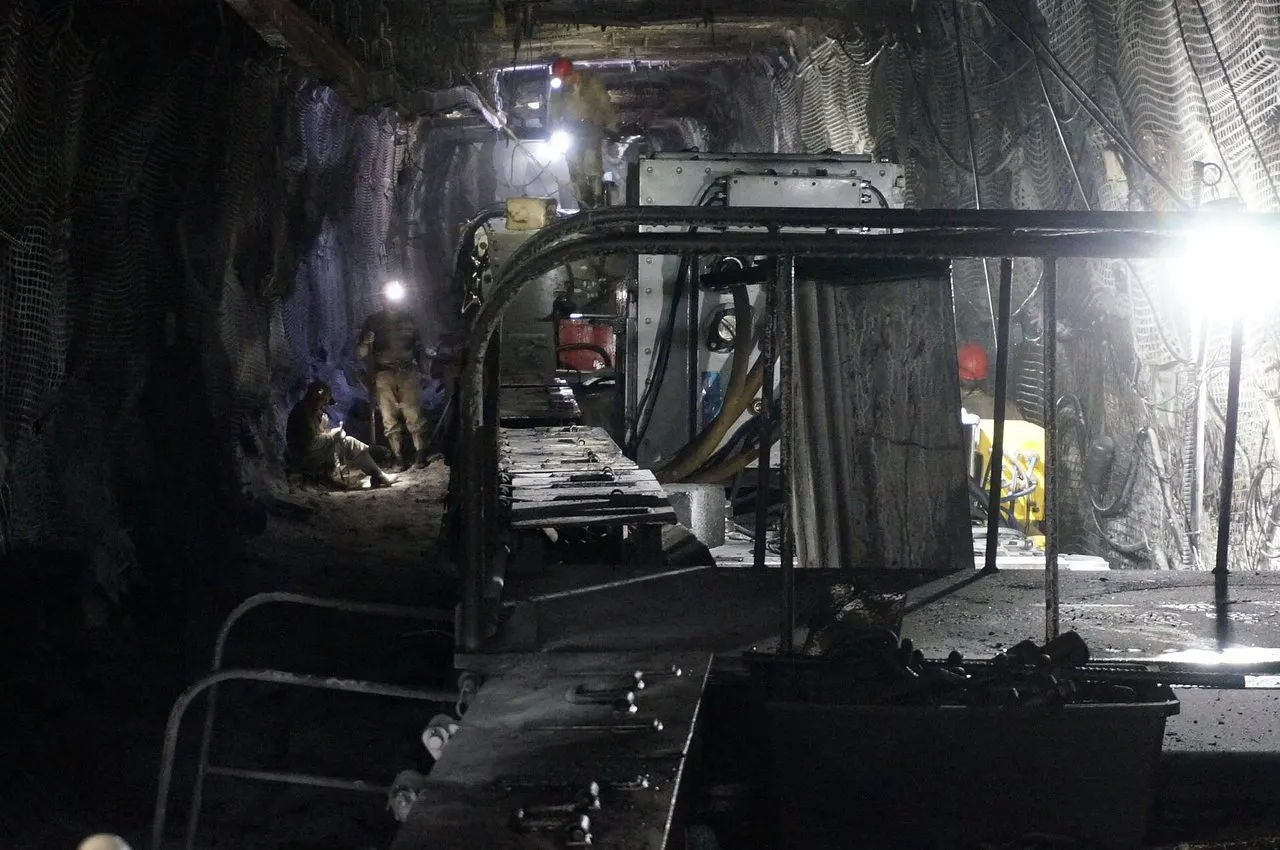
The promise of automation was simple and hopeful. Machines would go where people should not have to go, deep underground, into dust, heat and darkness, and do the heavy lifting there. Mining has always been hard on the body, with long hours, bad air and the constant risk of collapse. A machine does not breathe dust and does not fear the dark, so the mine seemed like the perfect place for robots to start. That promise is still waiting. Read more about forests bought to protect them.
Down in the Mines, the Work Is Still Done by Hand
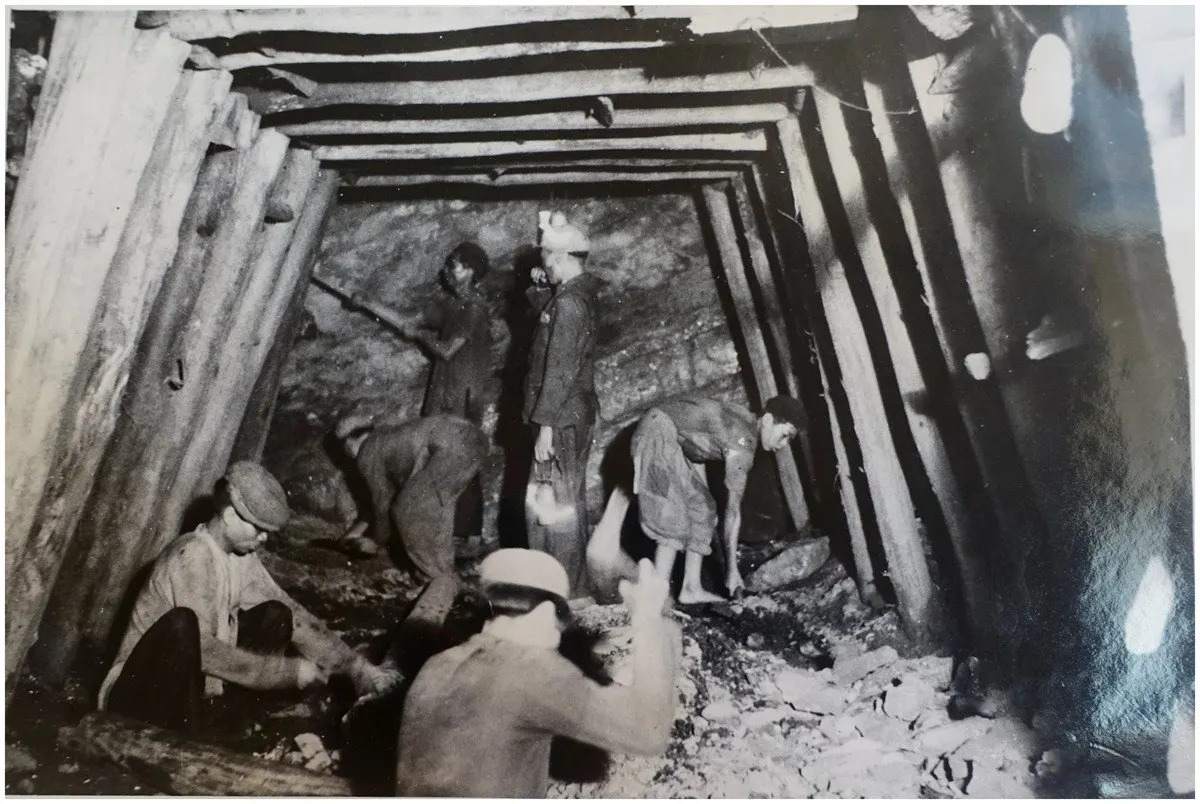
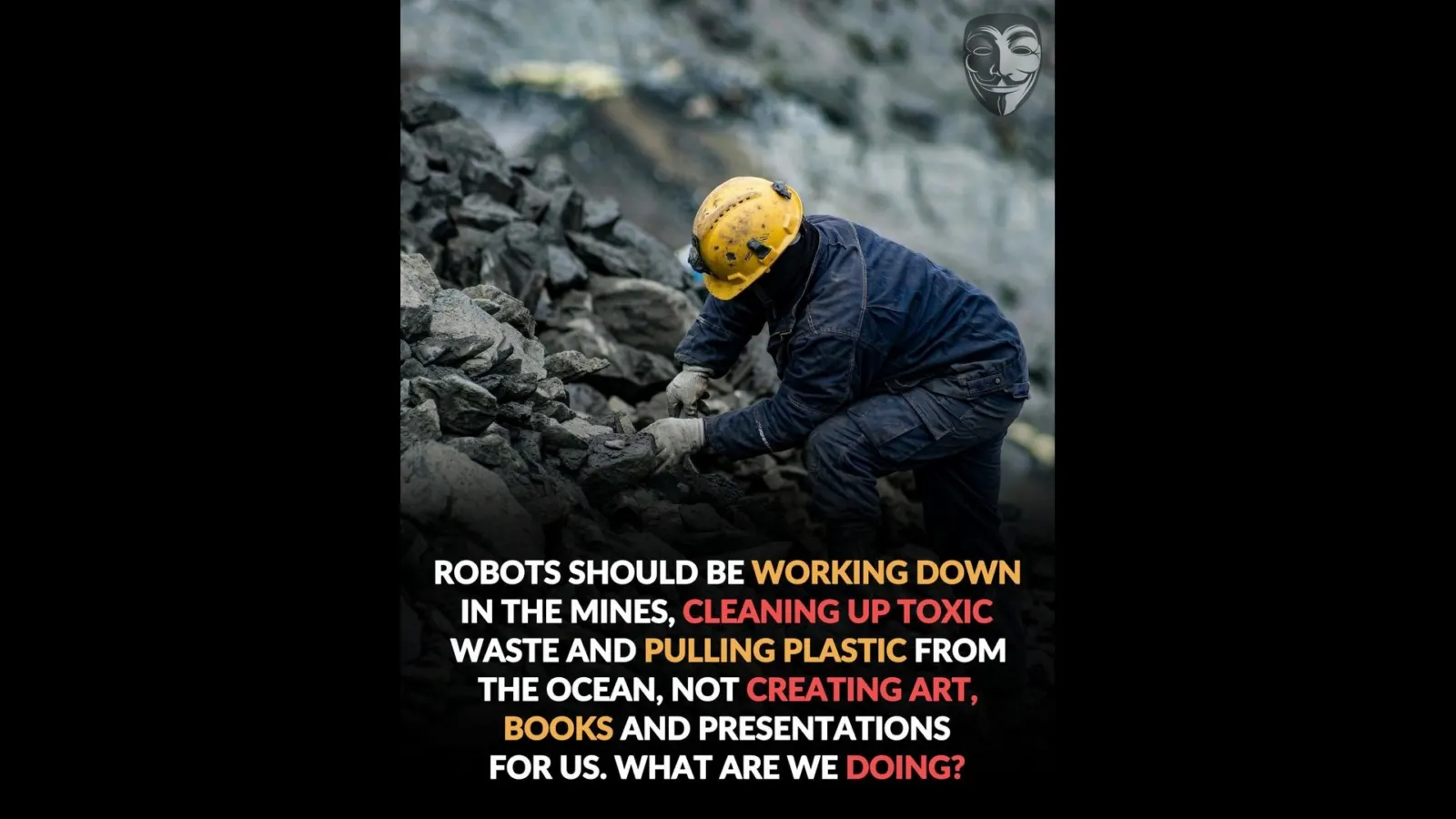
Walk into a working coal mine and the first thing you notice is how much still depends on human hands. Miners drill, haul, shore up tunnels and watch for danger in places where a small mistake can turn serious fast. They wear helmets with lamps because the dark is total once you leave the lift behind. The work is hot, loud and tiring, and it has been done this way for generations. Machines help with some tasks, but people still carry the risk. Read more about a lab study on frankincense oil.
Robots Dangerous Jobs: Cleaning Up Toxic Waste
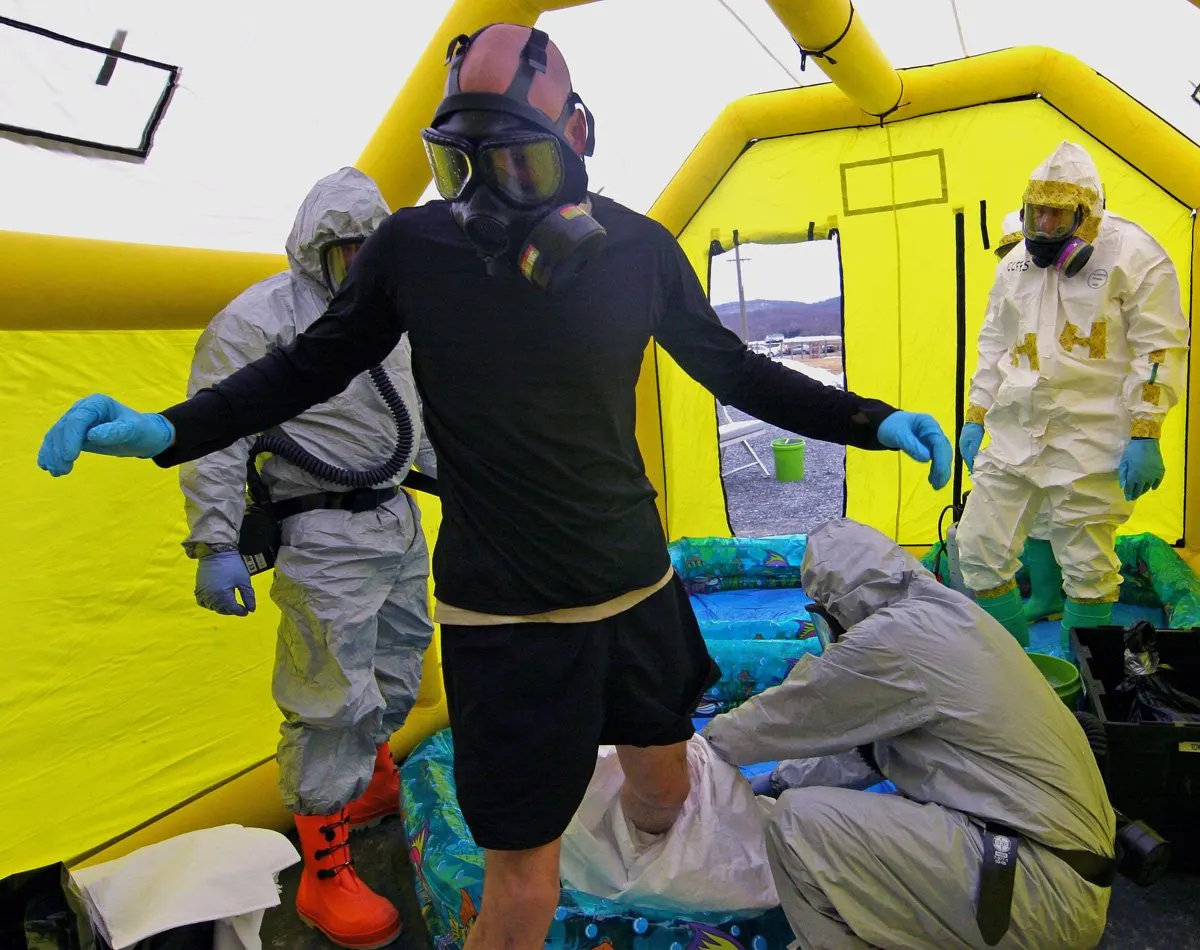
Toxic waste is one of the clearest cases for sending in a machine instead of a person. Cleanup crews wear full protective suits, gloves and masks, and they still face heat, fumes and chemicals that can harm them over time. Old factories, spill sites and dumps need careful hands and long hours in heavy gear. A robot does not get tired, does not breathe fumes and can be washed down after the job. This is the kind of work automation was made for. Read more about cash you can always carry.
Robots Dangerous Jobs Under the Sea
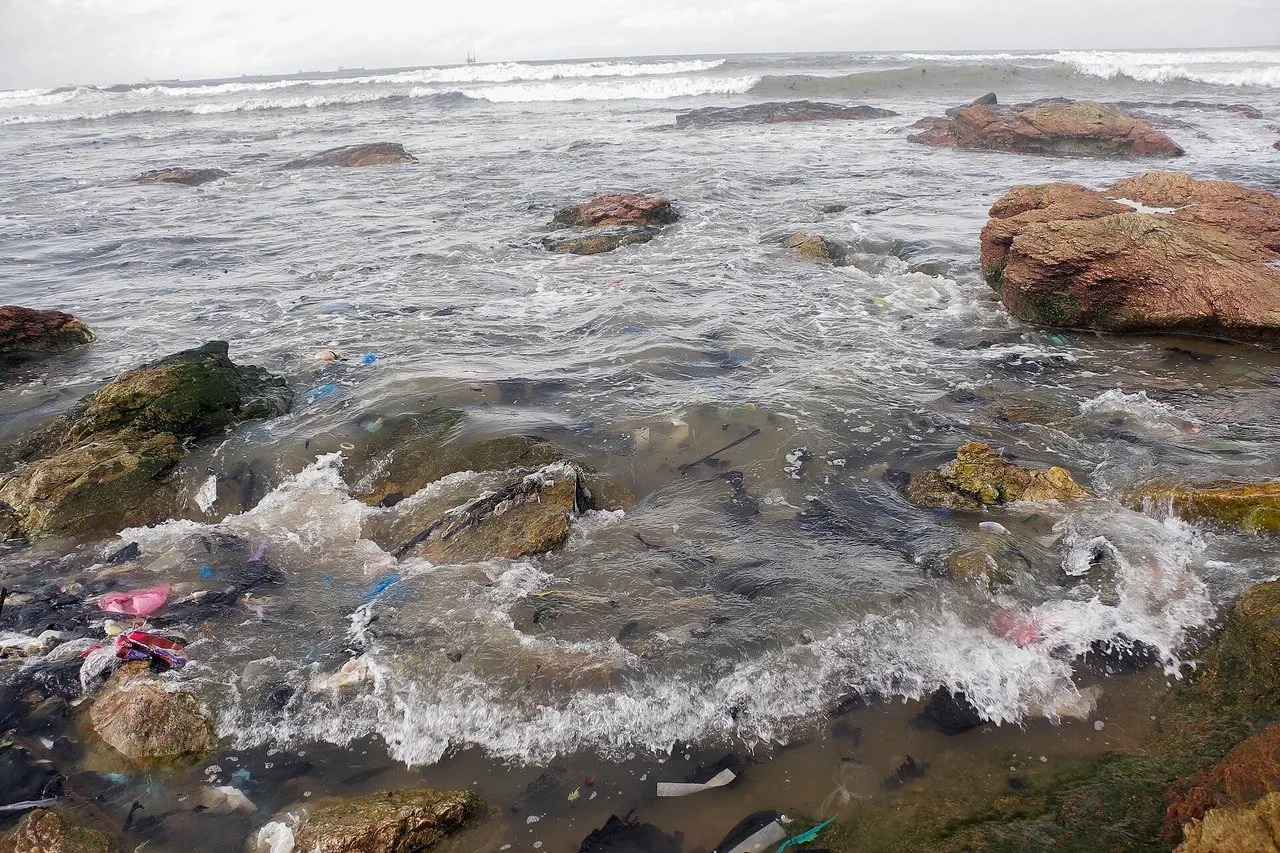
Plastic now washes up on beaches and drifts through every ocean on the planet. Bottles, bags and broken gear pile up in the water, and sea animals get tangled or swallow pieces by mistake. Cleaning it up by hand means long days in boats and on beaches, and the ocean is too big for people alone. Robots that swim, scoop and sort could work day and night in places that are cold, deep or far from shore. The sea is waiting for that help. Read more about the Medicare for All cost debate.
Half of American Workers Feel Worried About AI
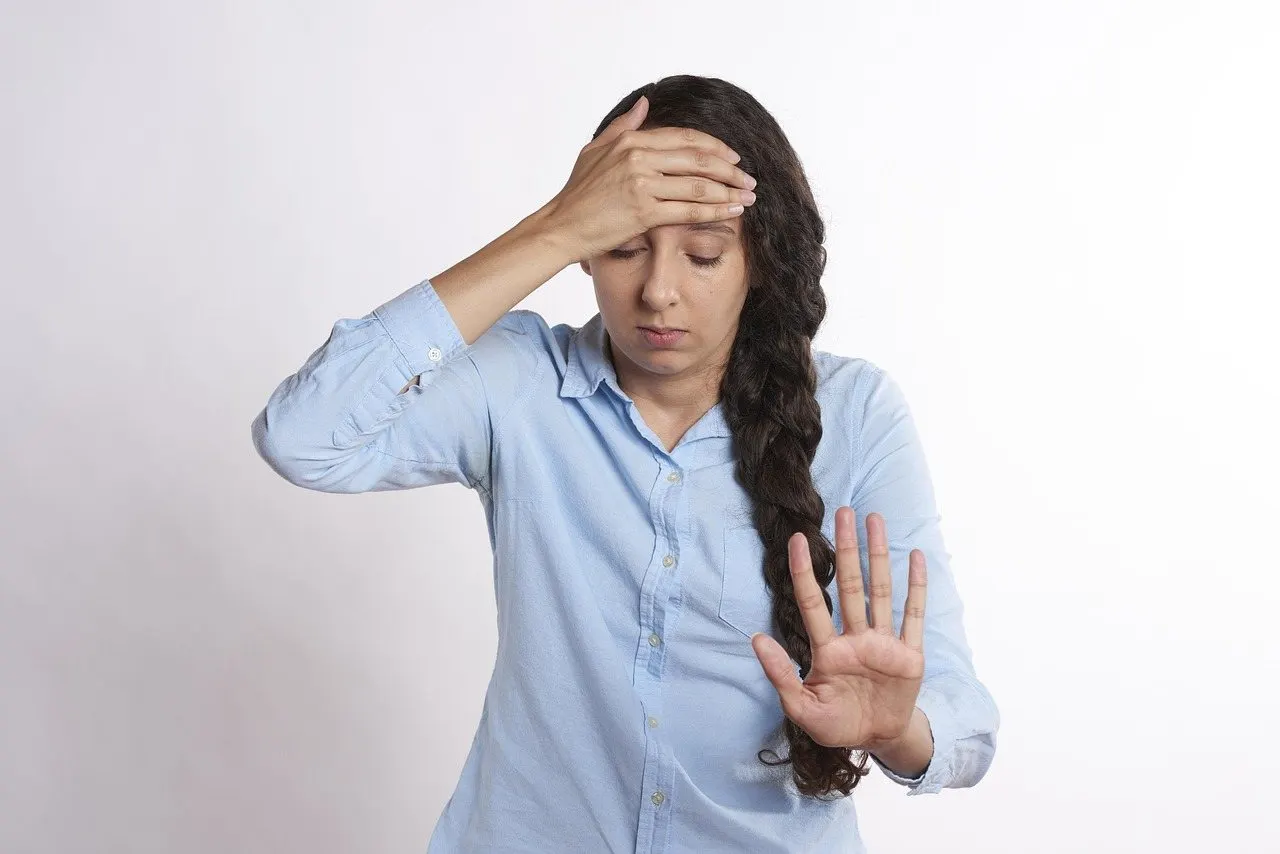
A Pew Research Center survey found that 52 percent of American workers feel worried about how AI will be used in the workplace. That is more than half of all workers, and their worry is easy to understand. They have watched new tools arrive fast, with little say in how their jobs change. Only 6 percent think AI will bring them more job opportunities in the long run. The robots dangerous jobs debate starts with that worry, and the feeling that workers are not heard. Read more about Mitch McConnell leaves the Senate.
Only a Few Workers See More Chances Ahead
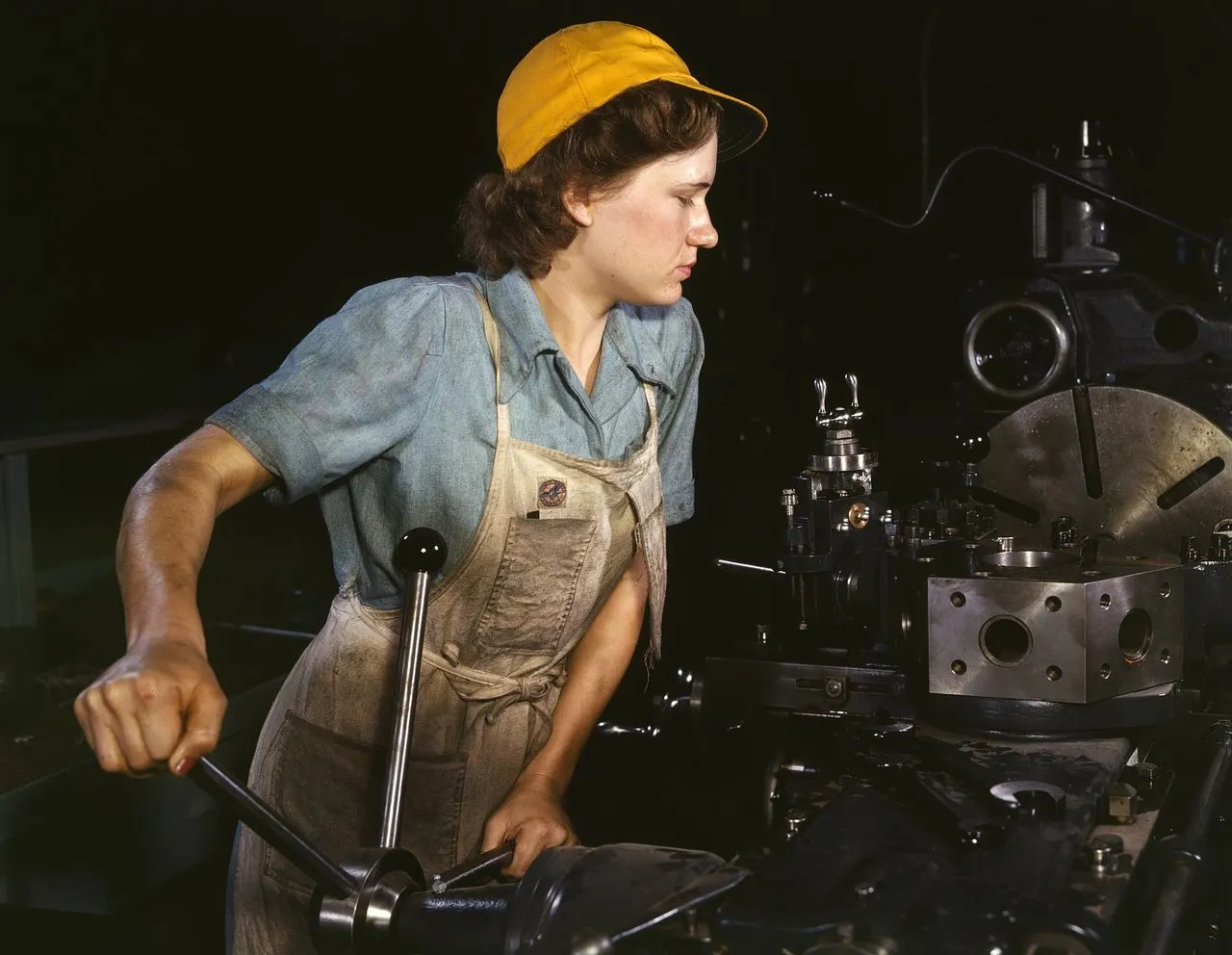
Only 6 percent of American workers think AI will bring them more job opportunities, according to the Pew Research Center survey. That small number tells its own story. Most workers do not see a future where the new tools open doors for them. They see change coming from above, decided far from the factory floor or the office desk. When workers do not trust the promise of new technology, the problem is not the workers. It is the promise, and who it was made for. Read more about the Awá tribe and its warning.
AI Learned to Write Our Books First

Writing a book takes months of slow work, false starts and long nights. It is the kind of work that asks a person to think, remember and feel, and then put it all into words. Yet writing was one of the first jobs that generative AI moved into, and now machines can draft stories, essays and reports in seconds. That speed is impressive, but it raises a plain question. If machines can write, what is left for the writers who loved doing it first. Read more about the question about a billionaire CEO.
Robots Dangerous Jobs: Not Painting Our Pictures
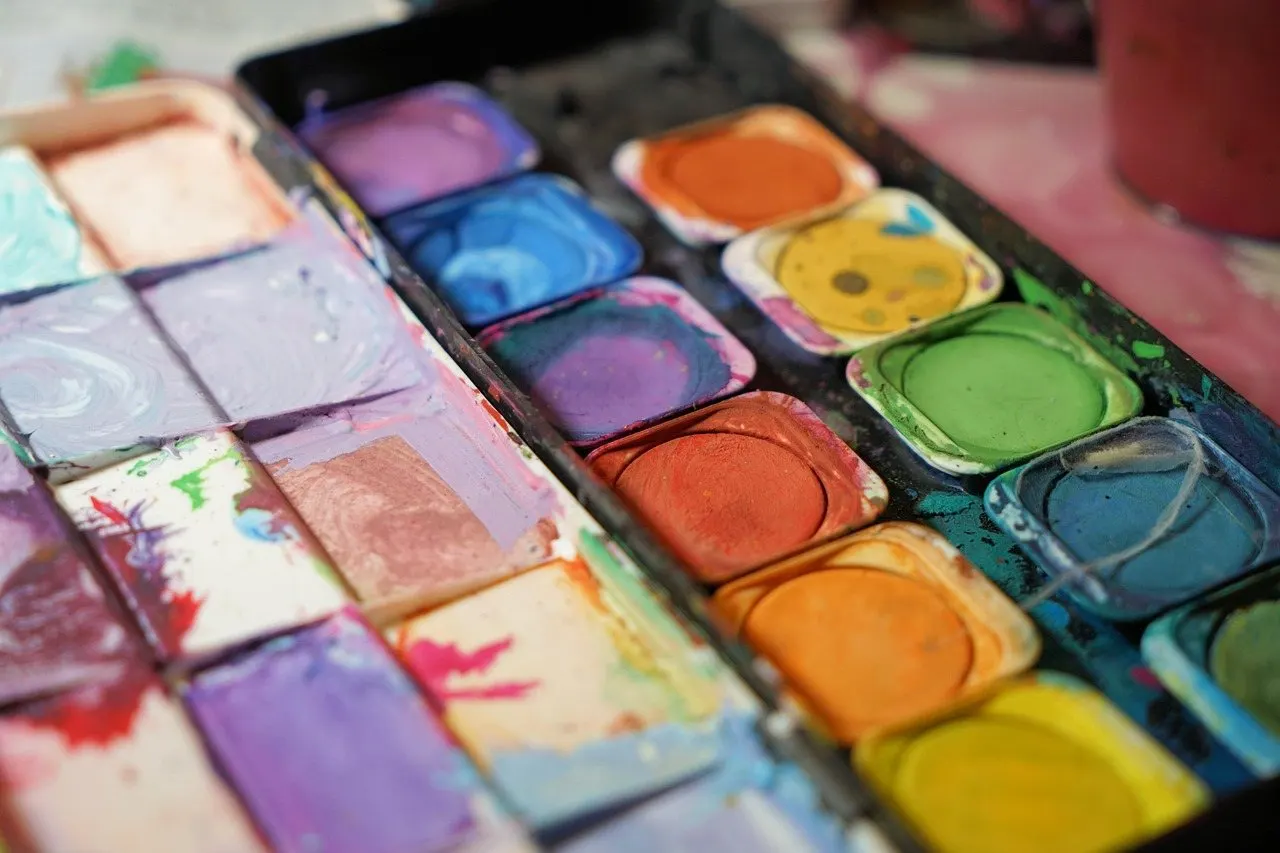
A painter mixes color, studies light and makes small choices before a picture feels right. That slow and personal work is part of why people love art, both making it and looking at it. Now AI tools can paint in any style on demand, in seconds, without ever holding a brush. The pictures can look fine, but they carry none of the time or touch of a human hand. Art was meant to be made by people, not generated for them. Read more about a packed city hall meeting.
AI Builds the Presentations Now
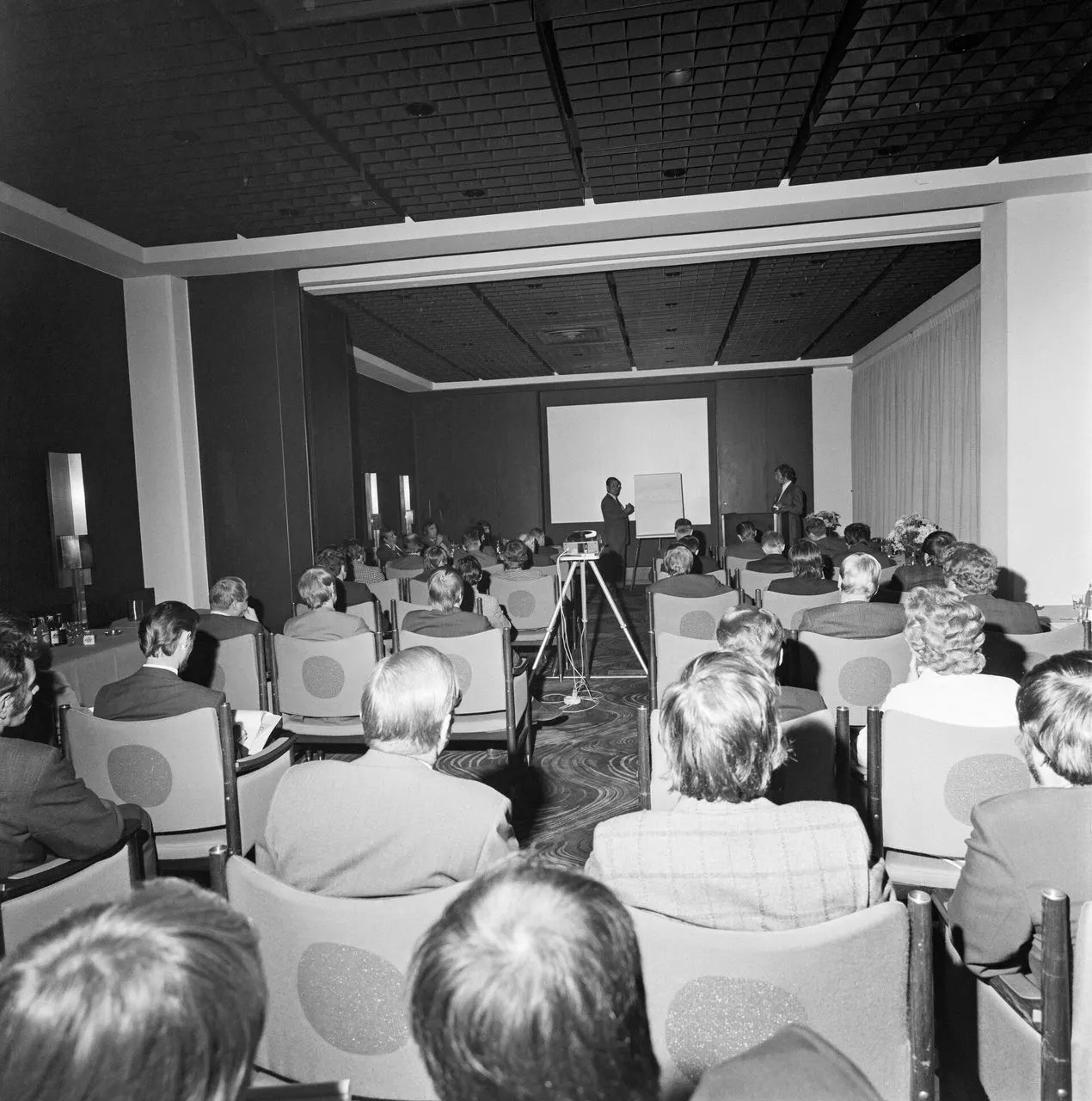
A meeting is coming, slides are due, and someone has to turn a pile of notes into a clean deck with charts. It used to be slow and fiddly work, and people got good at it through practice. Now AI can build a whole presentation in a minute, with a title on every slide and a chart for every point. The work is done faster, but the person who used to do it is left wondering what their skill is worth now. Read more about WWE stars as teenagers.
Artists and Writers Are Fighting Back
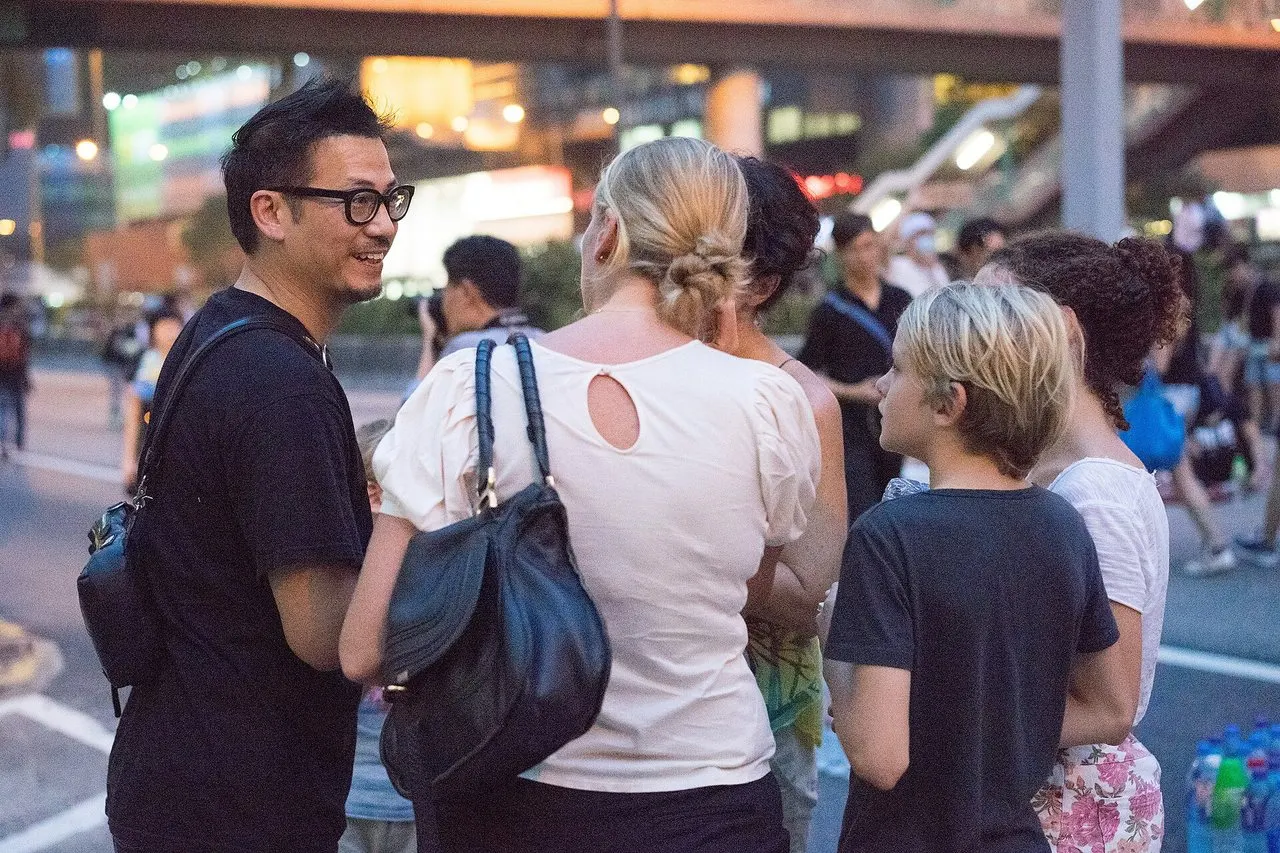
Artists and writers have not stayed quiet about AI and their work. The Guardian reported how artists and writers are fighting back against AI, after finding their books, pictures and styles used to train the tools that now copy them. Many spent years learning a craft, only to see a machine offer a cheap version of it for free. The robots dangerous jobs debate is also their story, since they are losing paid work while dangerous jobs stay open. Their pushback grows louder every month. Read more about historic economic deals in Asia.
Creative Workers Say Their Livelihoods Are Threatened
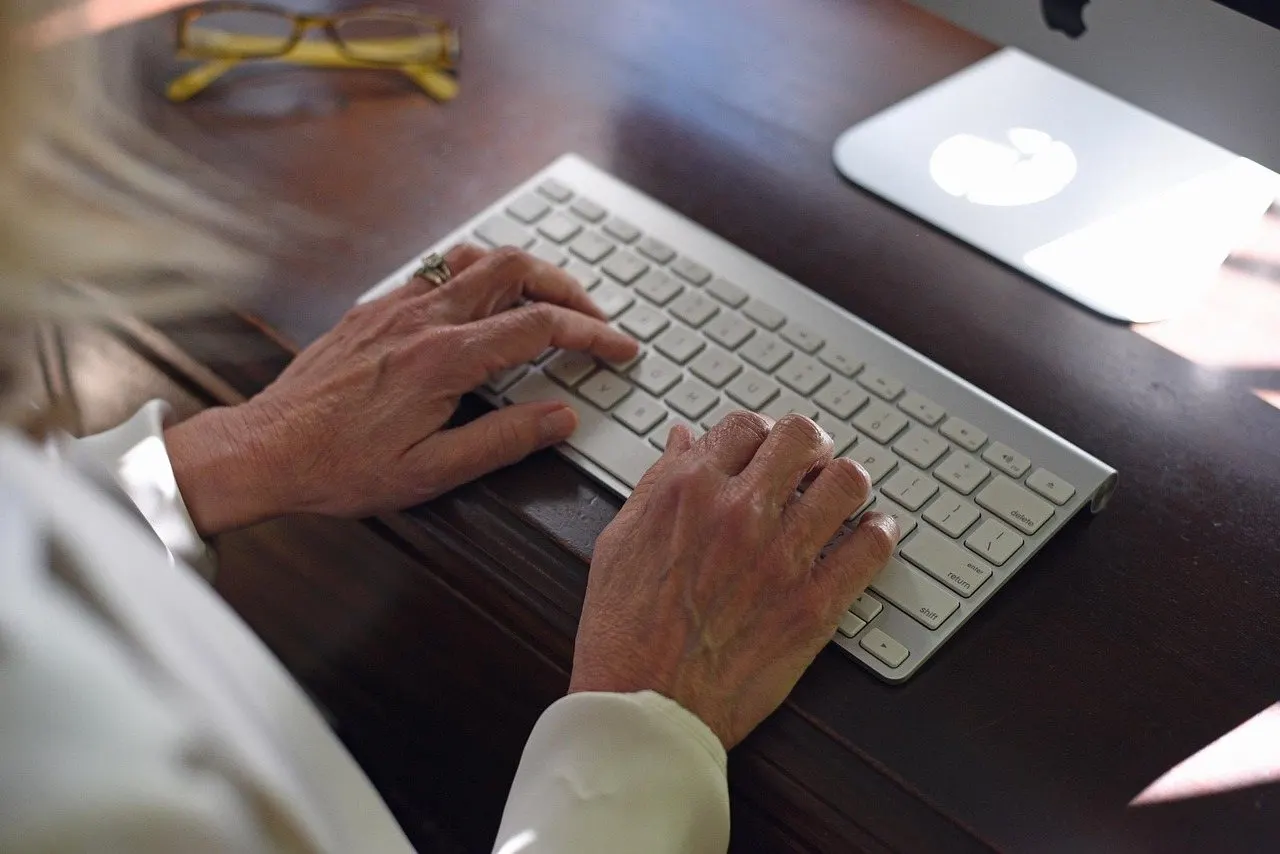
Computer Weekly reported that creative workers say their livelihoods are threatened by generative AI. That is not a vague fear about the future. Writers, illustrators, designers and musicians are seeing fewer jobs, lower pay and clients who ask a machine first. A livelihood is more than a paycheck, since it is also the way a person builds a life and a name. When the tools take the work but leave the bills, creative people are right to ask who this progress is really for. Read more about a summit in Shenzhen.
Robots Dangerous Jobs: Cleaning the Seabed
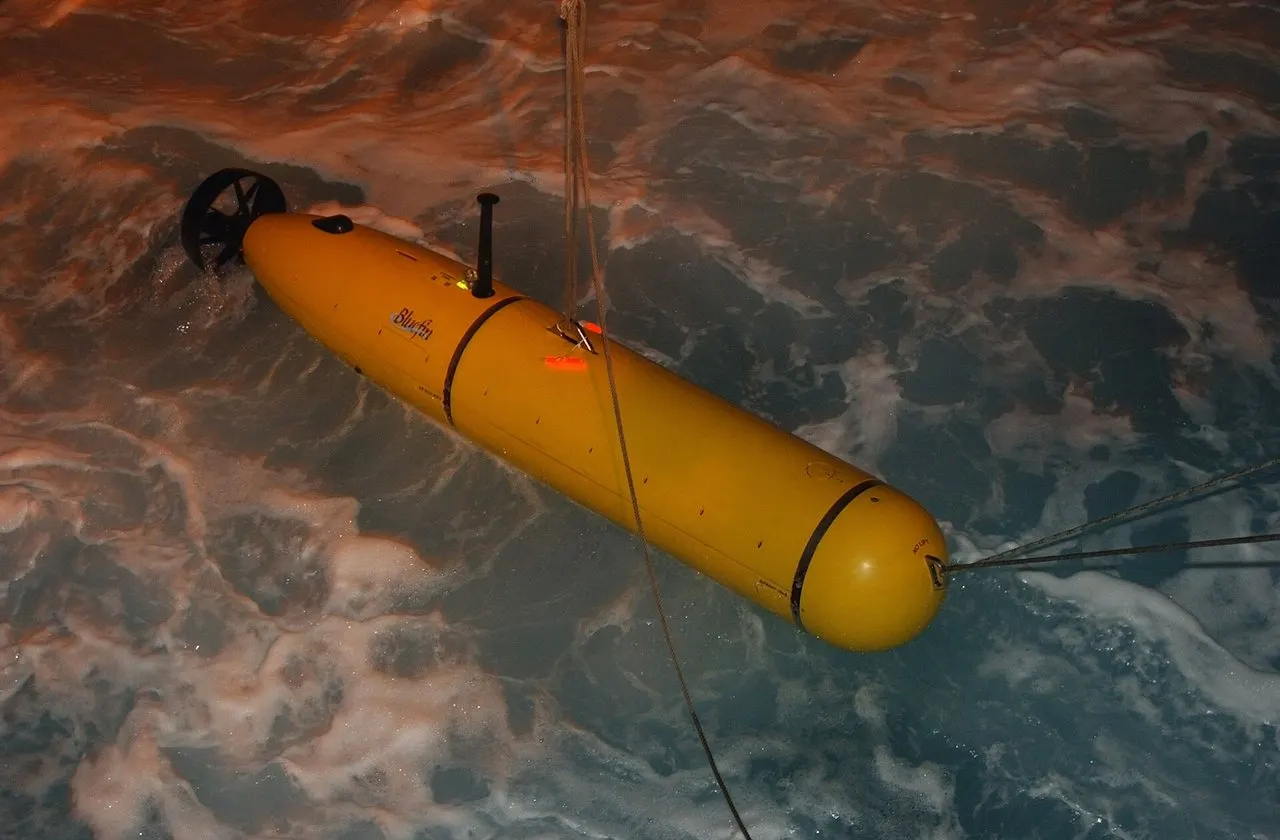
Phys Org reported that robot clean-up crews tackle litter on the seabed of Europe. That shows what robots are good at. Underwater vehicles can dive deep, work in the cold and dark, and pick up litter that people cannot safely reach. The seabed is full of lost nets, bottles and old gear, and cleaning it by hand would put divers at real risk. This is the model worth copying, with machines going first into the places that are hardest and most dangerous for people. Read more about recipes that nourished this land.
What a Miner Carries Into the Dark
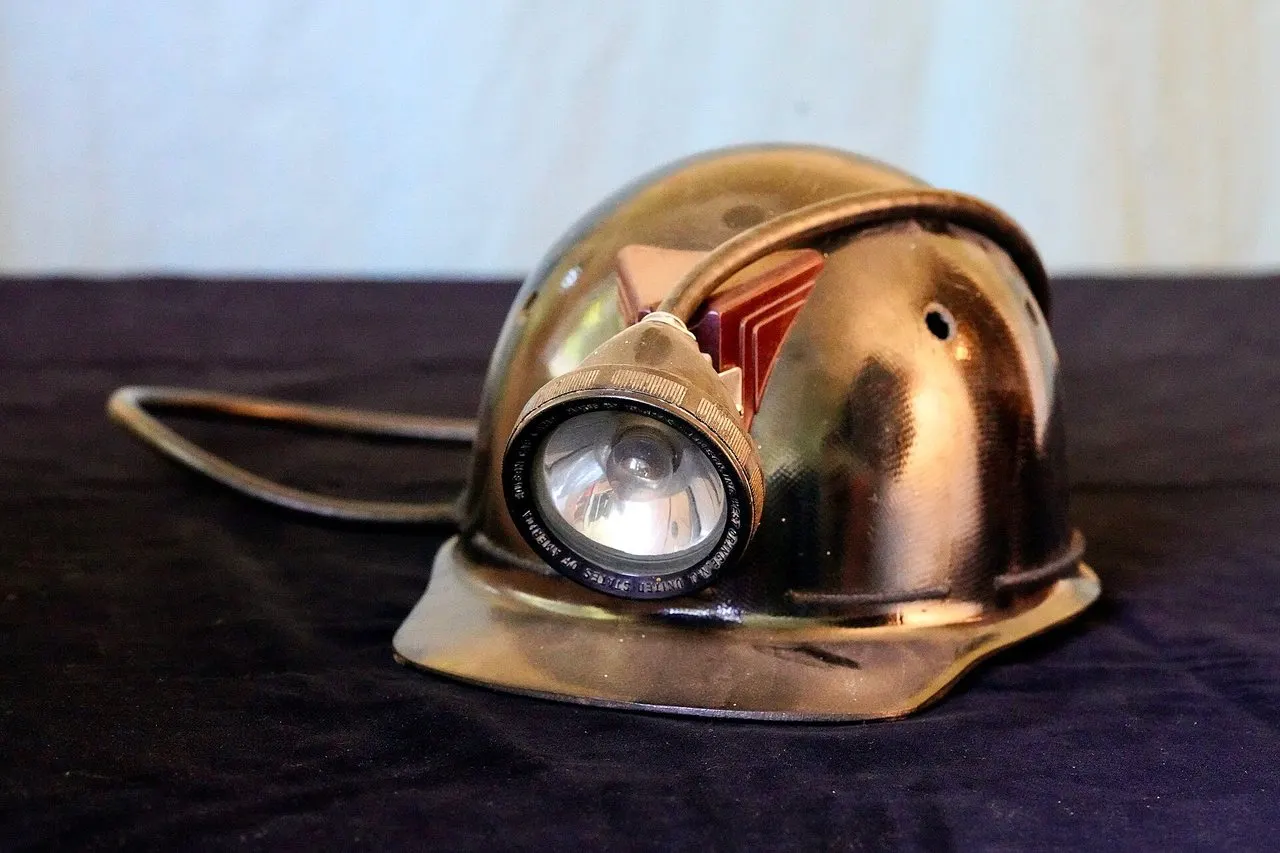
A miner starts the day with a helmet, a lamp and a list of checks before going down. The lamp matters most, because the tunnel is dark from the moment the lift doors close. Boots, gloves and a mask help, but nothing takes away the dust or the weight above. Every shift asks for care and attention, since a small slip can turn into a big problem fast. It is steady and honest work, and it is also work that a machine could learn to do. Read more about homemade Christmas presents.
Robots Dangerous Jobs: Divers Still Do the Risky Work
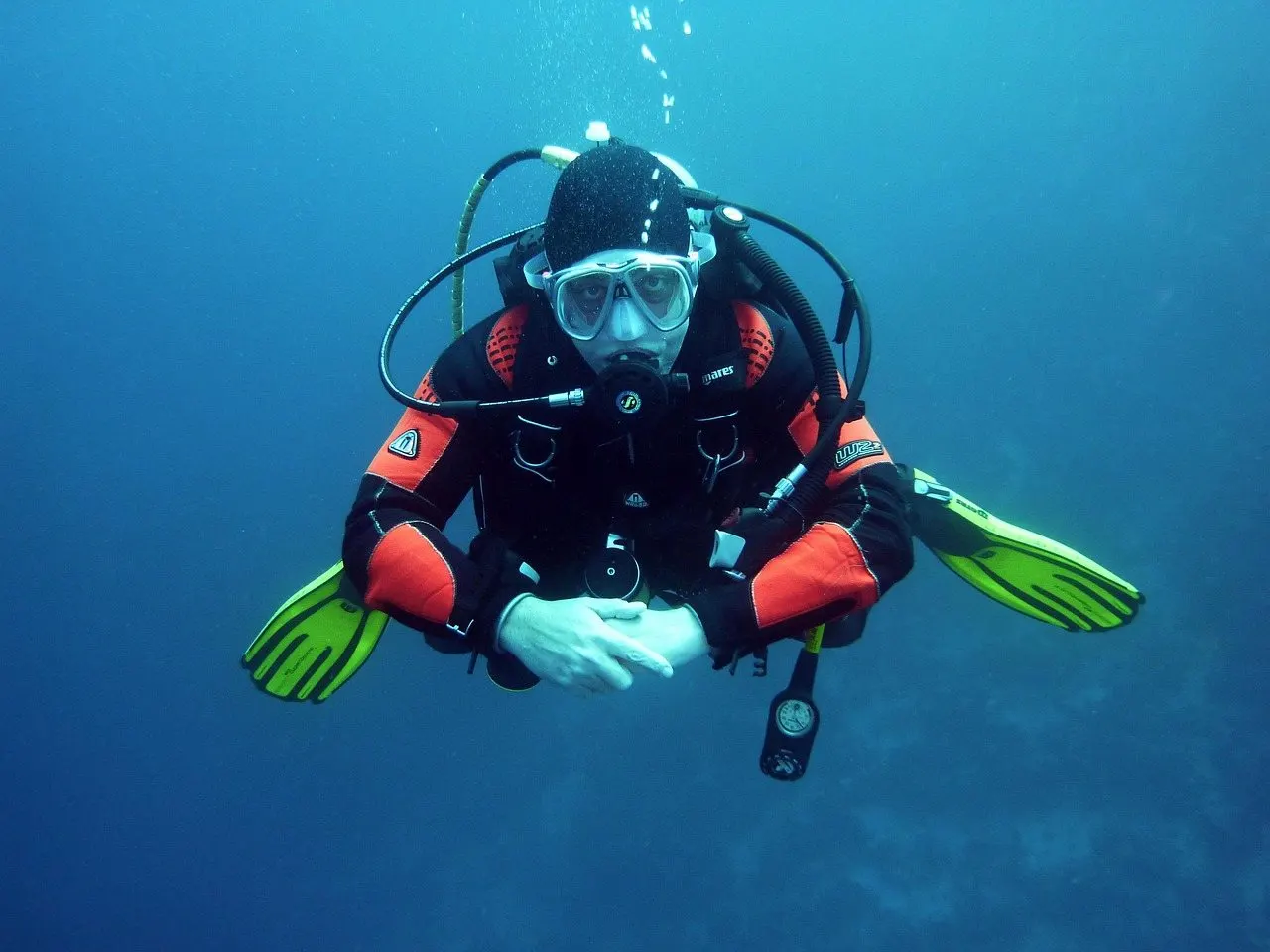
Divers face cold water, strong currents and low light on every job. They fix cables, check pipes and clear debris where a small problem can turn serious in seconds. Training takes years, and even skilled divers come up cold and tired. Machines that swim and work alone could take over many of these dives, and some already do. The robots dangerous jobs idea fits here well, since the sea is no place to risk a person when a machine can go instead. Read more about teens found safe after a plea.
Painting Is Work People Love to Do
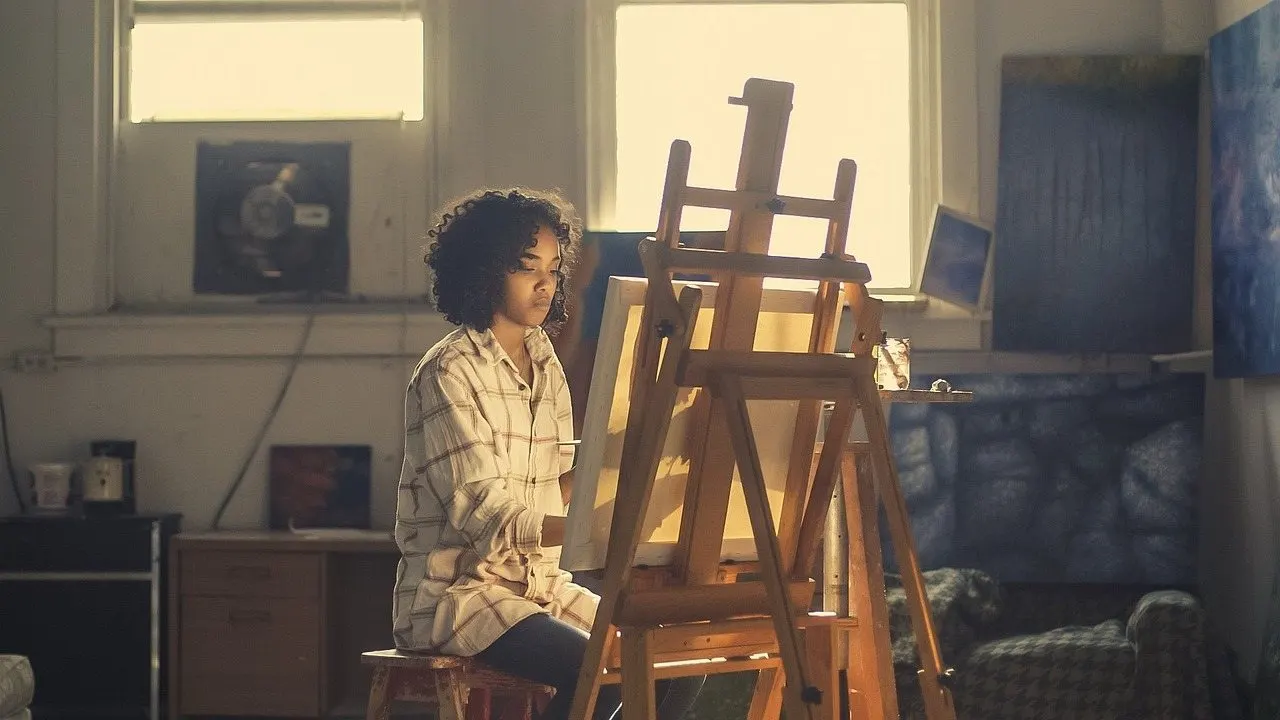
Ask a painter why they paint and the answer is rarely about money. They talk about the smell of paint, the quiet of a studio and the joy of watching a blank canvas turn into something real. That kind of work feeds a person in a way that a paycheck alone cannot. It is slow, personal and full of small choices no machine can make. Taking that work away does not free anyone. It takes the very thing that made the day worth showing up for. Read more about a healthy workplace.
The Hands That Shape the Clay
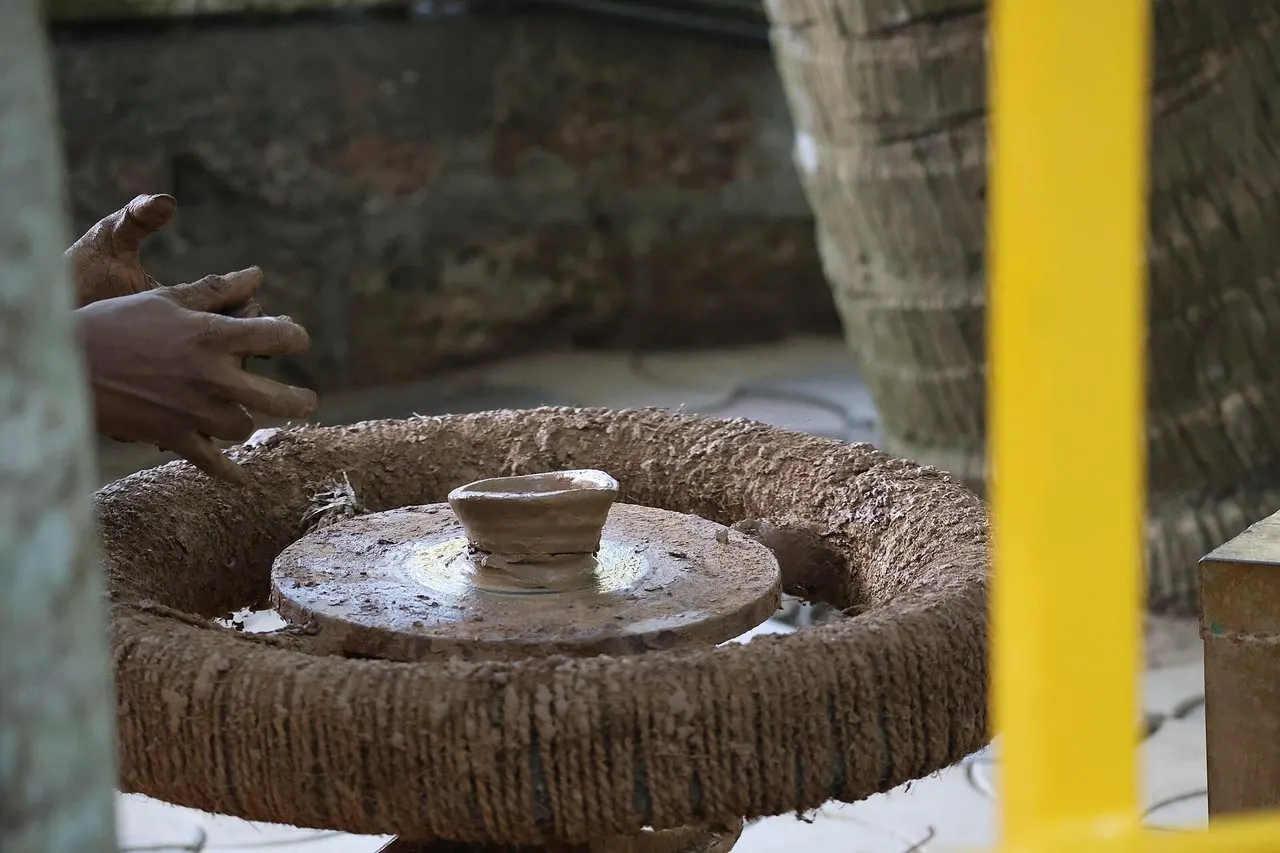
A potter starts with clay and a wheel, and the rest is patience. Hands press, lift and shape while the wheel turns, and a small change in pressure can change the pot. It is work that asks for touch and time, and no two pieces come out the same. People have made pots this way for thousands of years, and the craft still matters. A machine could copy the shape, but never the feel of the clay or the care in the hands. Read more about forests bought to protect them.
Robots Dangerous Jobs: Machines That Already Lift and Weld
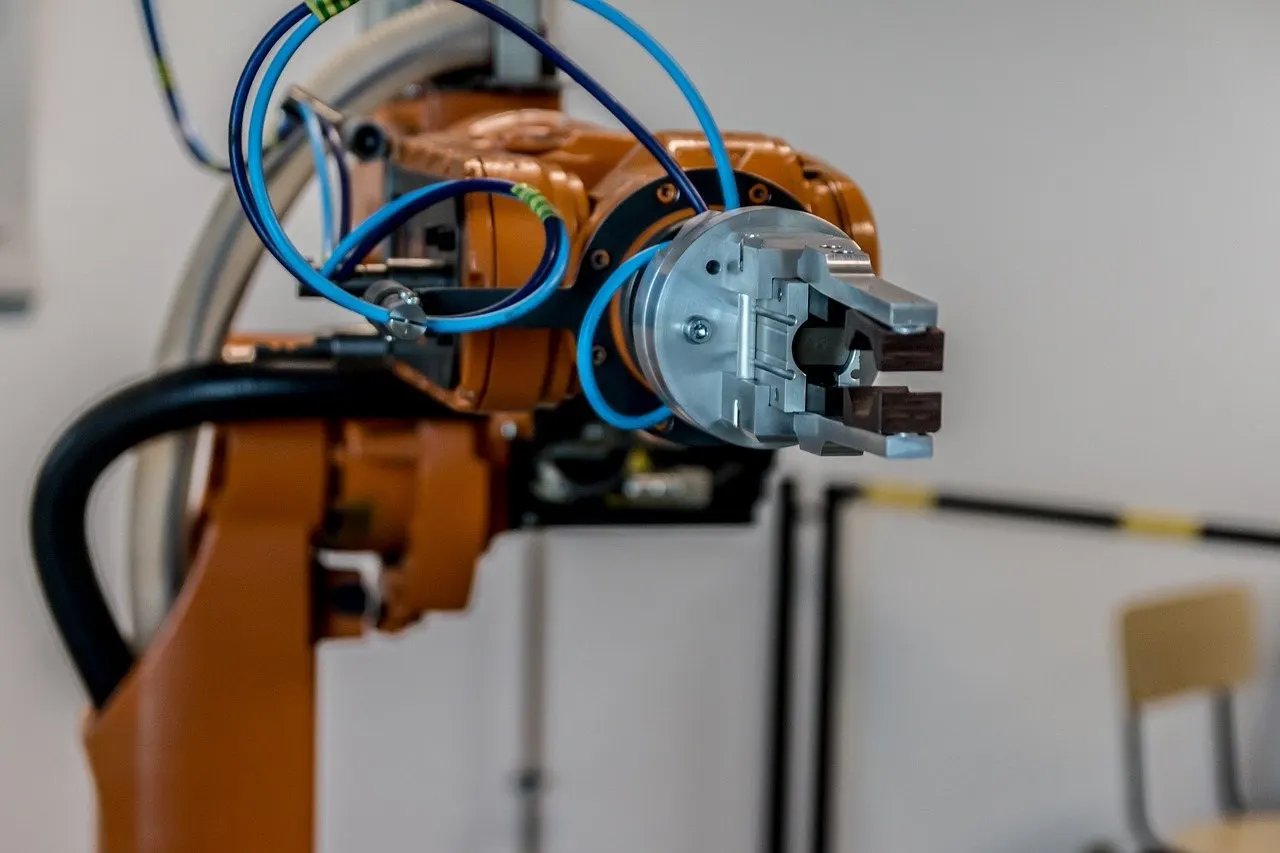
Walk through a modern factory and you will see robot arms lifting, welding and packing. They do the same motion all day without tiring, and they work close to heat, sparks and heavy loads that would wear a person down. That is the right kind of automation, since it takes the strain off human bodies and leaves people to check, plan and fix. The factory floor shows what happens when machines are pointed at hard and boring work first, and it works well. Read more about a lab study on frankincense oil.
The Debate Is Growing Louder
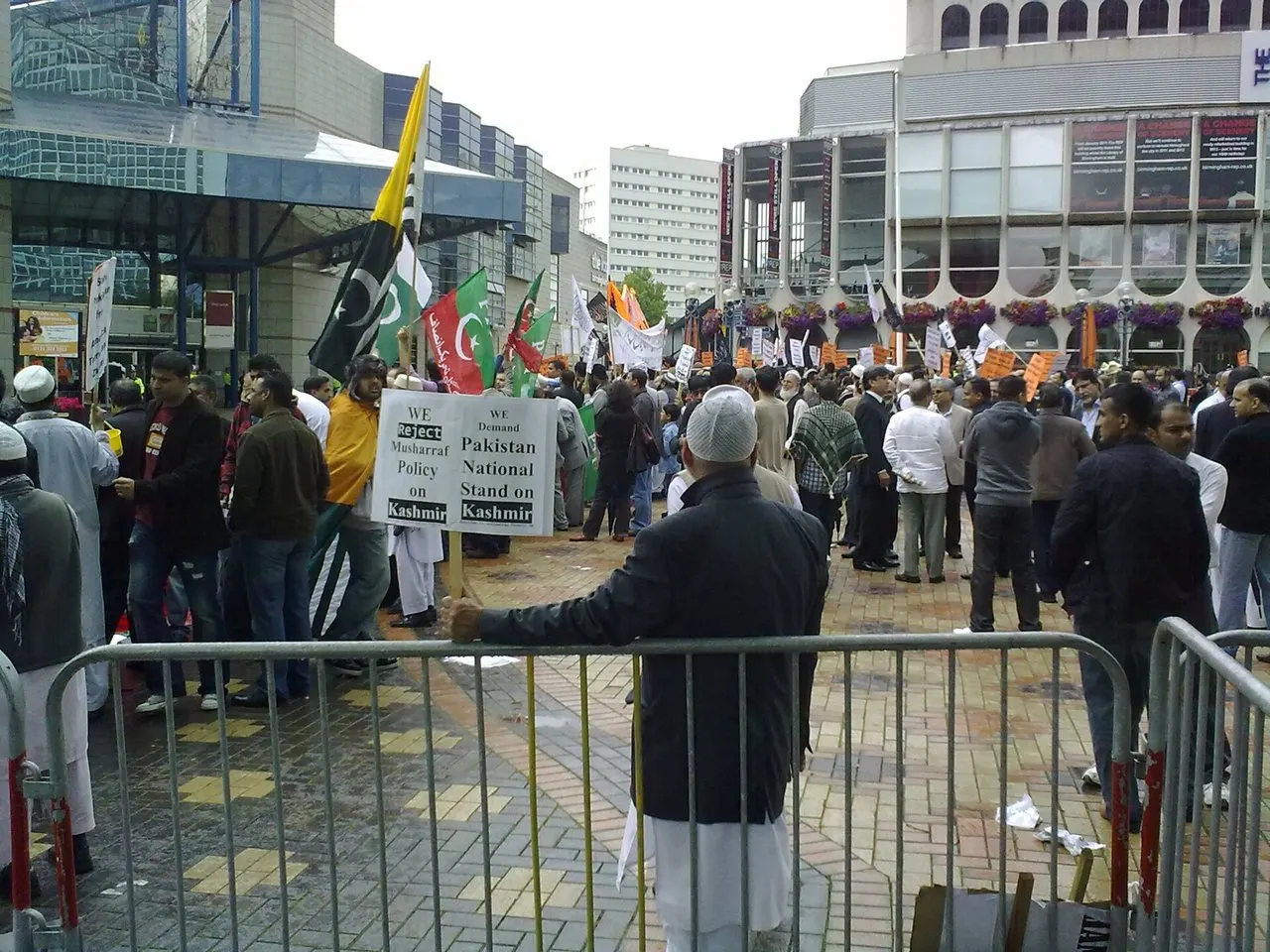
The argument about AI and work is no longer a quiet talk. It is in the news, in workplaces and on the streets, where people gather to say what they think. Workers ask why the newest tools help with poems and pictures before they help with mines and oceans. The robots dangerous jobs debate keeps growing because the question is so simple. Should machines do the work that puts people in danger, or the work that gives their lives meaning. Most people already know their answer. Read more about cash you can always carry.
Robots Dangerous Jobs: What Engineers Could Build Next
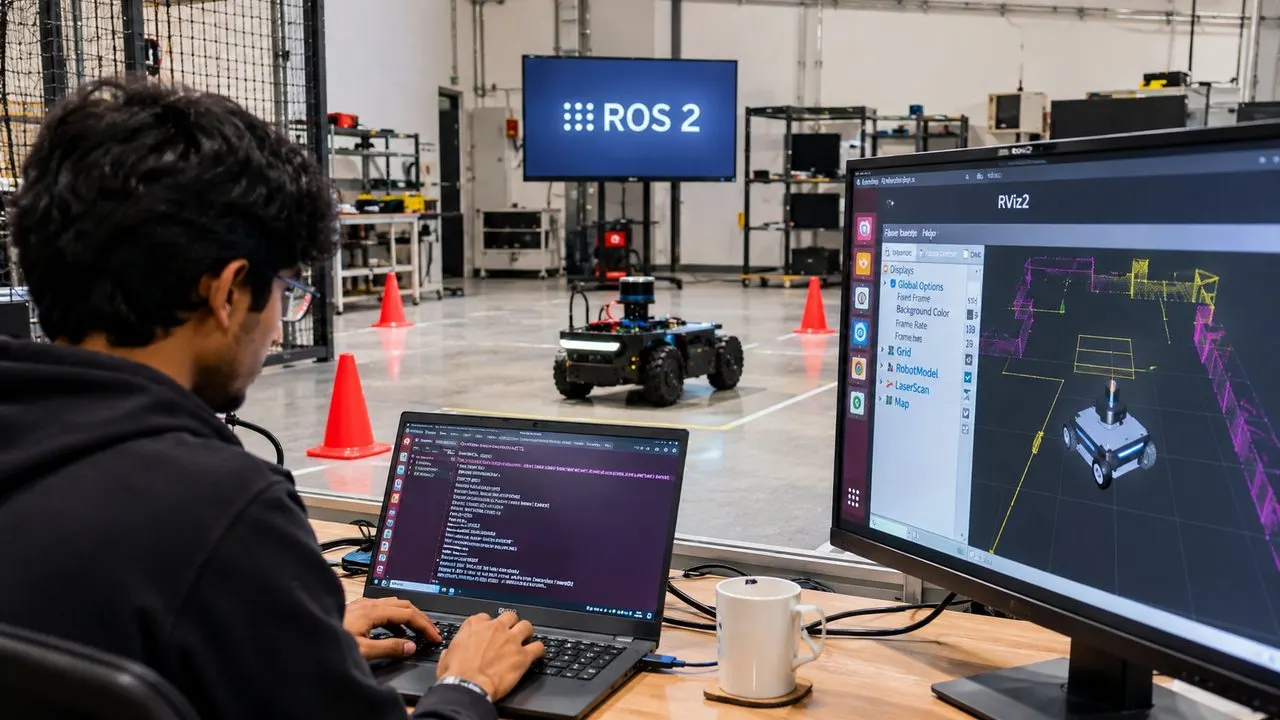
Engineers in robotics labs are already building machines that can walk, climb, swim and grip. Some are tested in labs full of screens, tools and spare parts, where every move is watched and measured. The next step is to send them where people should not go, into mines, onto seabeds and through toxic sites. That work needs funding, patience and clear goals, but the skills are there. The question is not what robots can do, but what we choose to ask them to do. Read more about the Medicare for All cost debate.
What Lawmakers Could Do About It
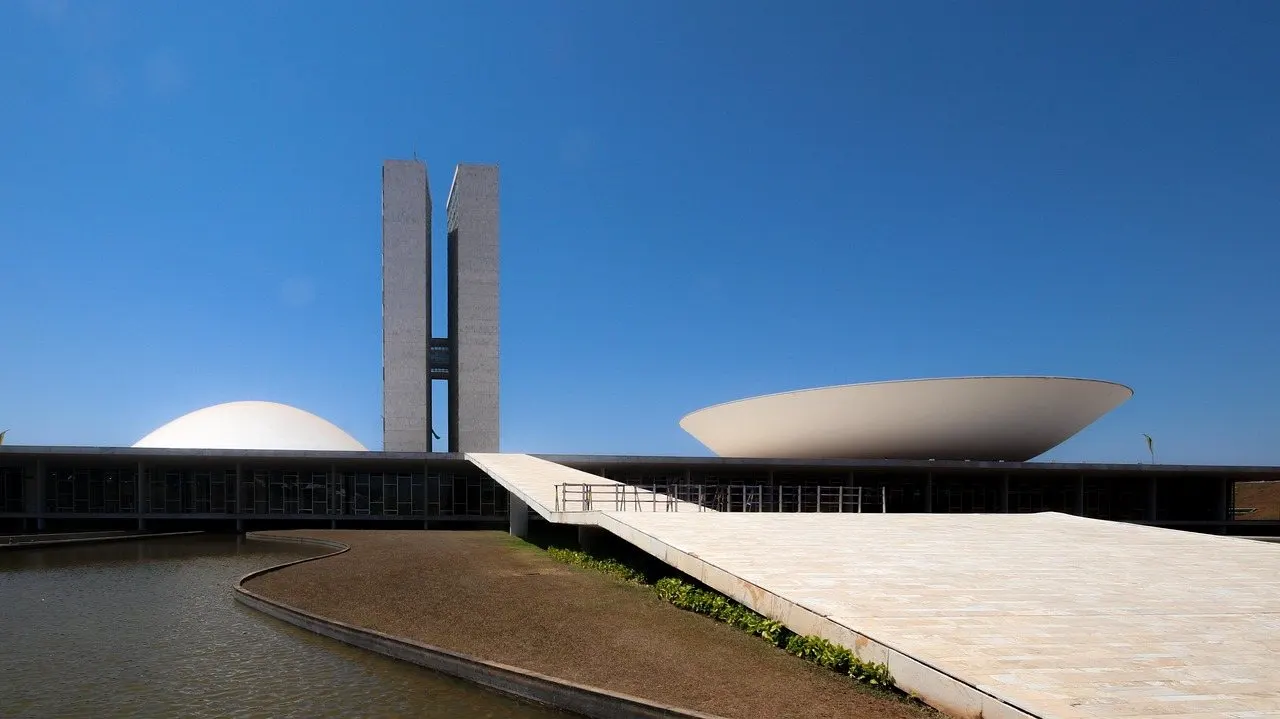
Laws shape what technology does, even when the change feels slow. Lawmakers can set safety rules for AI, fund robots for dangerous work and protect the people whose jobs are changing. They can ask companies to show how their tools affect workers, and support training for new kinds of work. None of this happens on its own, since it needs people in power to care about the workers first. The debate belongs in parliaments and congresses as much as in the news. Read more about Mitch McConnell leaves the Senate.
Robots Dangerous Jobs: The Factory Floor Already Changed
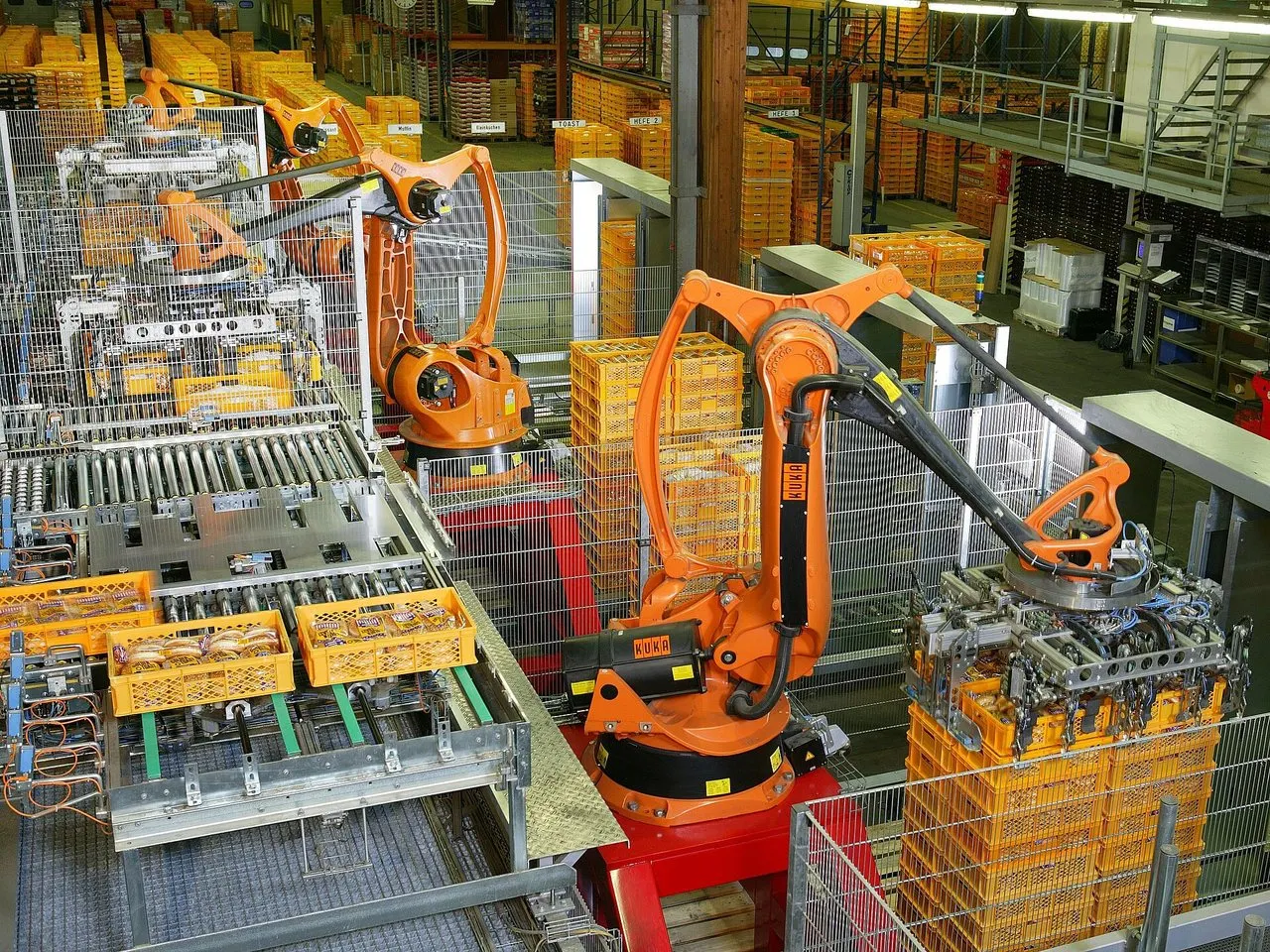
Factories changed years ago, and the lesson is worth remembering. Robot arms now stack, sort and pack goods around the clock, and people moved into jobs that need judgment and quick thinking. The change was not painless, but it showed machines work best when they take the heavy and dull tasks first. The same idea can guide AI today. Point the smartest tools at the hardest and most dangerous work, and let people keep the work that needs a human mind and a human heart. Read more about the Awá tribe and its warning.
The Human Cost of Dangerous Work
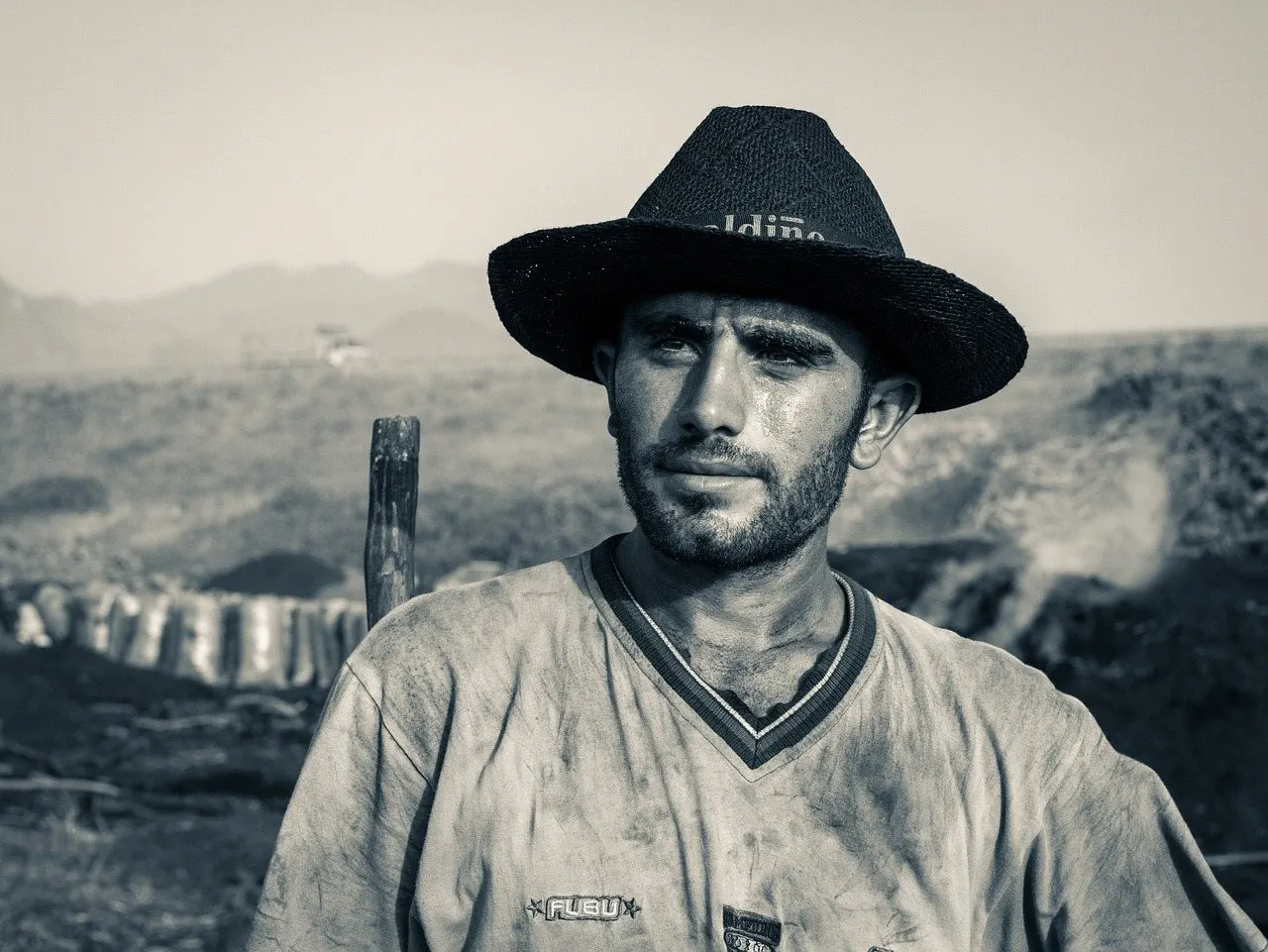
Dangerous work has a human cost that numbers alone cannot show. Miners come home with dust in their lungs, divers with bad knees and aching backs, and cleanup crews with years of exposure to things they cannot see. Families wait, worry and live with the risk, because the pay is needed and the jobs are close to home. Every injury is a reminder that some work should never have been done by people at all. A machine could have carried that risk instead. Read more about the question about a billionaire CEO.
Robots Dangerous Jobs: A Fairer Split Between People and Machines
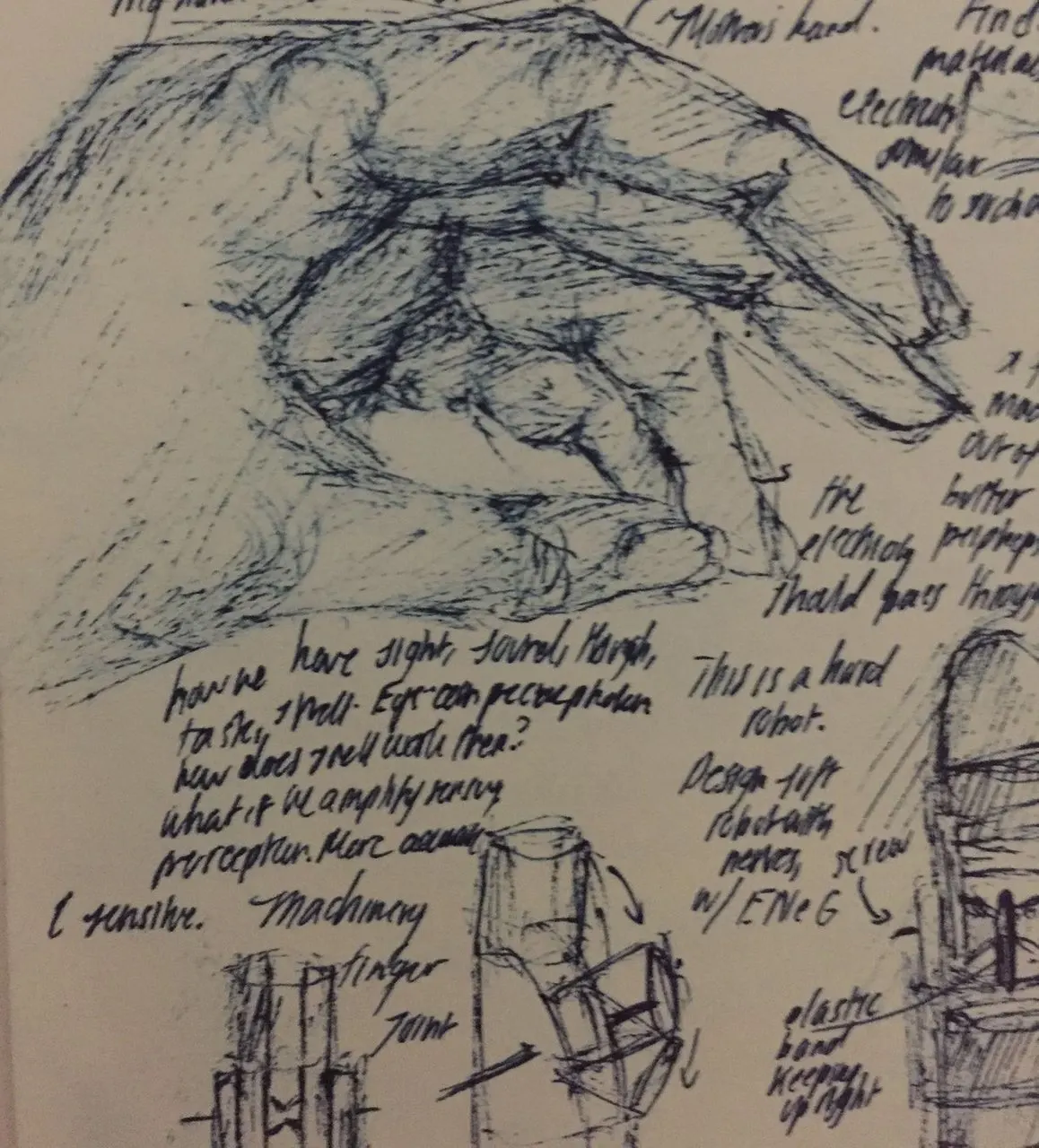
A fair split between people and machines is easy to picture. Machines take the dark, the deep, the toxic and the tiring, while people keep the writing, the painting and the music. That split respects what each side does best, and keeps creative work in human hands where it belongs. It means fewer injuries, fewer sick days and fewer families waiting at home. The technology is ready, the need is clear, and the only thing missing is the choice to build it that way. Read more about a packed city hall meeting.
What Should Robots Do First?
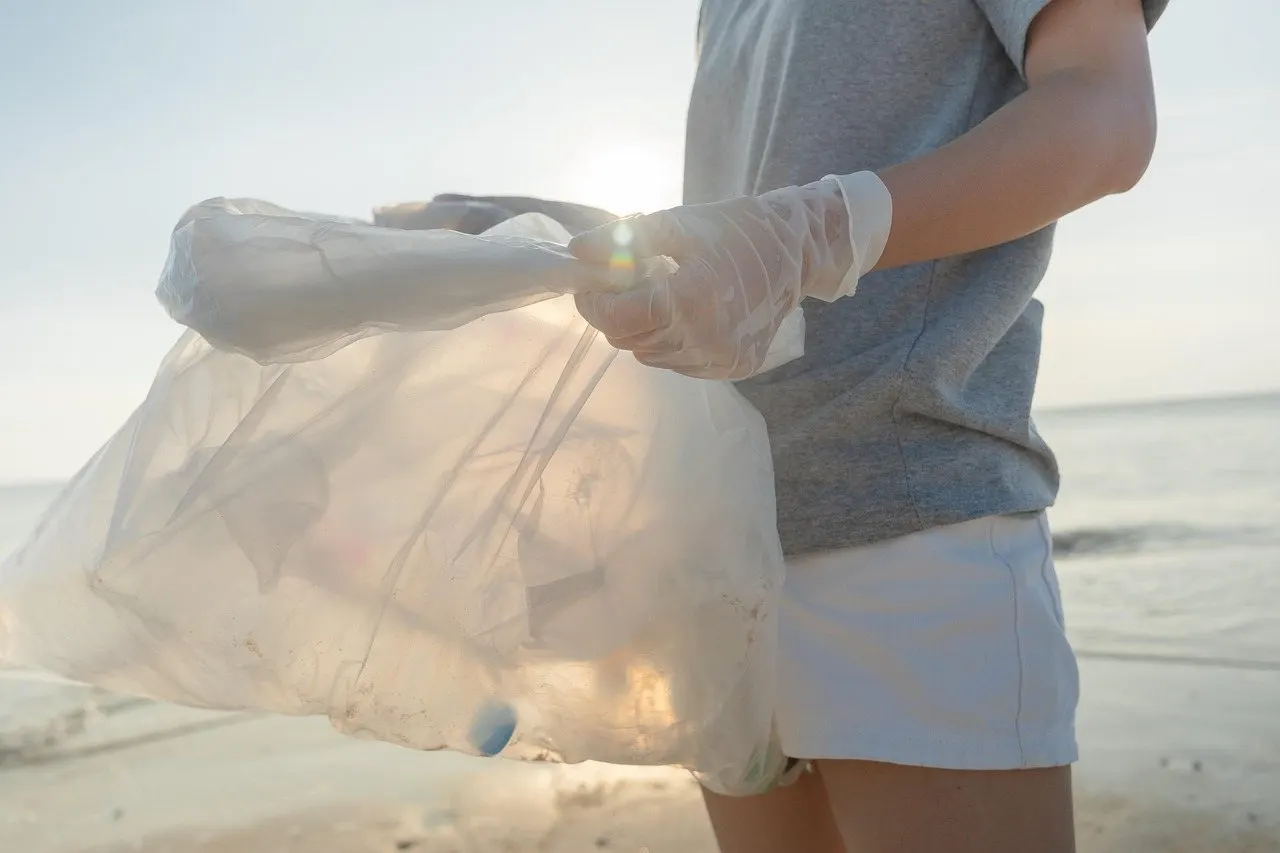
We started with a simple idea. Robots should be working down in the mines, cleaning up toxic waste and pulling plastic from the ocean, not creating art, books and presentations for us. After 25 slides, the question is now yours. If you could send a robot anywhere tomorrow, where would you send it first, and what work would you protect for people. Tell us in the comments, and tell us why your choice matters to you and to the people you love. Read more about WWE stars as teenagers.