Crouzon Syndrome: A Boy Who Can Finally Breathe
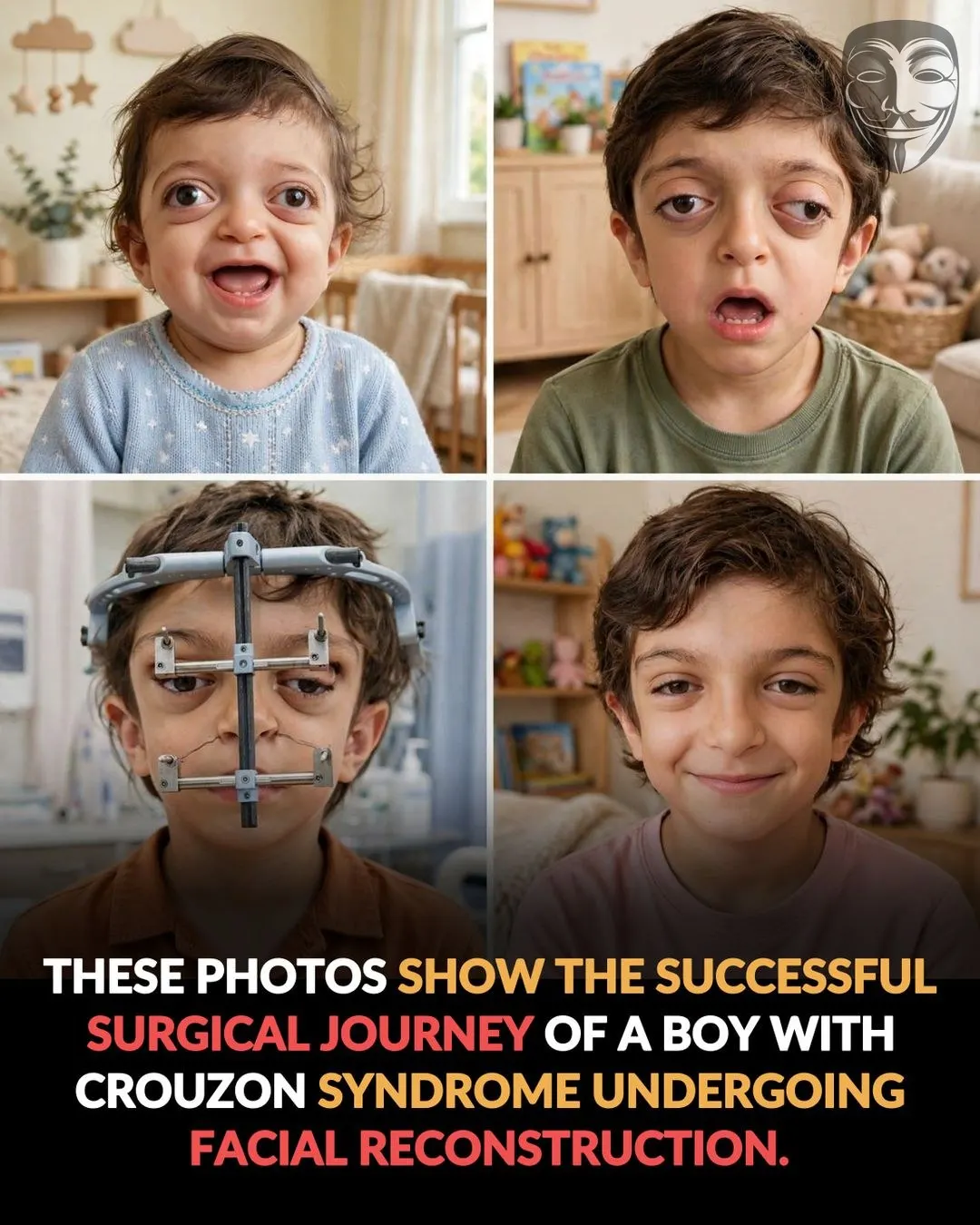
Crouzon syndrome changed everything for one young boy, because the rare condition kept him from breathing the way other children do. His skull bones fused too early, so his midface could not grow forward, his eyes bulged from shallow sockets, and his narrow airways made every breath a struggle, above all during sleep. His family watched him fight for air day after day, and they hoped for a treatment that could open his airways and let him live like other children his age.
Then surgeons offered a plan called Le Fort III distraction osteogenesis, a slow operation that would move his midface forward a little each day. A metal frame was fixed to his skull, and over two to three weeks it pulled the bones forward about one millimeter at a time while new bone filled in behind them. The frame stayed on for about three months, and when it came off, his eyes had settled back into place and he could finally breathe freely. Read about a medical breakthrough for diabetes.
References:
Engineerine: How Le Fort III Distraction Surg*ry Treats Crouzon Syndrome
JoVE Visualize: A case of improved obstructive sleep apnea by distraction osteogenesis for midface hypoplasia of an infantile Crouzon’s syndrome
ResearchGate: Long-term stability of LeFort III distraction osteogenesis with a rigid external distraction device in a patient with Crouzon syndrome
PubMed: Analysis of fronto-orbital advancement for Apert, Crouzon, Pfeiffer, and Saethre-Chotzen syndromes
What Crouzon Syndrome Means for a Child
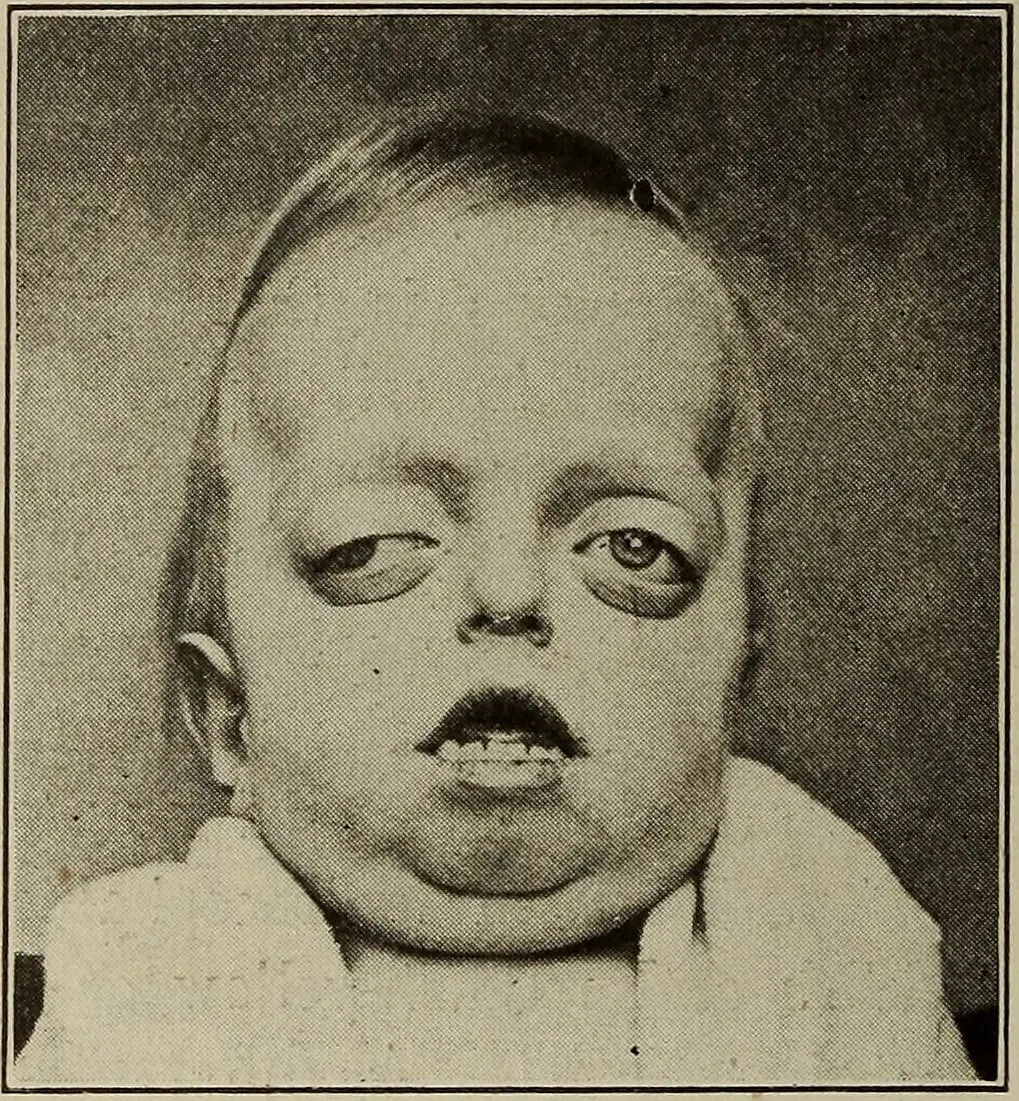
It is a rare genetic condition that affects about one baby in every 60,000 births. In this condition the bones of the skull fuse too early, a process doctors call craniosynostosis, and the face cannot grow forward the way it should. The midface stays underdeveloped, the eye sockets stay shallow, and the airways stay too narrow, so breathing becomes hard, above all during sleep. Families often learn the diagnosis early, and they start a long search for care. Read about a tiny lab-grown pancreas that makes insulin.
One Birth in 60,000
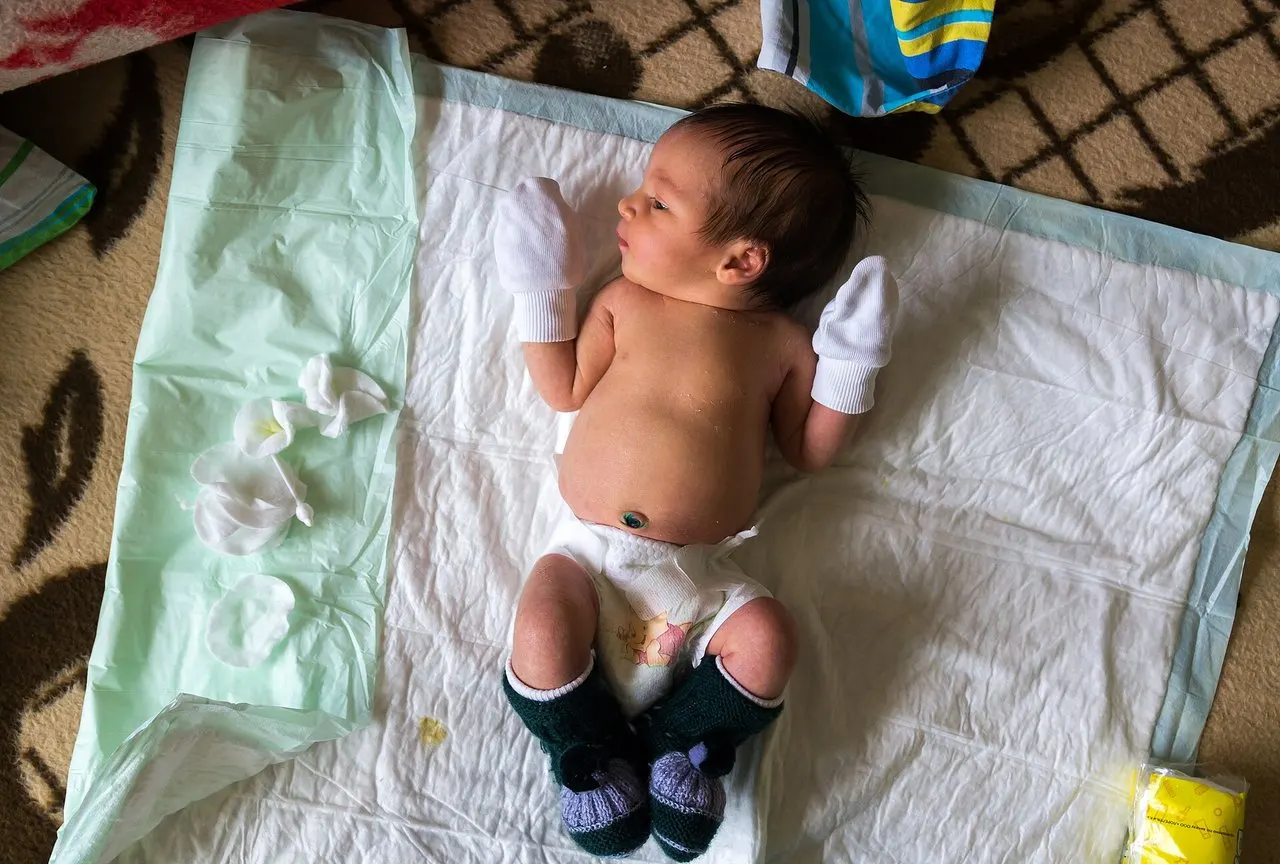
About one child in 60,000 is born with this rare condition, so few people ever meet someone who has it. The number sounds small, yet for each family the news changes daily life a lot, from doctor visits to careful watch over breathing and sleep. Rare conditions can feel lonely, because few neighbors or friends have faced the same road. That is why stories like this one matter so much to parents who are just starting out. See a rare golden tiger with a strawberry tinted face.
When the Skull Bones Fuse Too Early
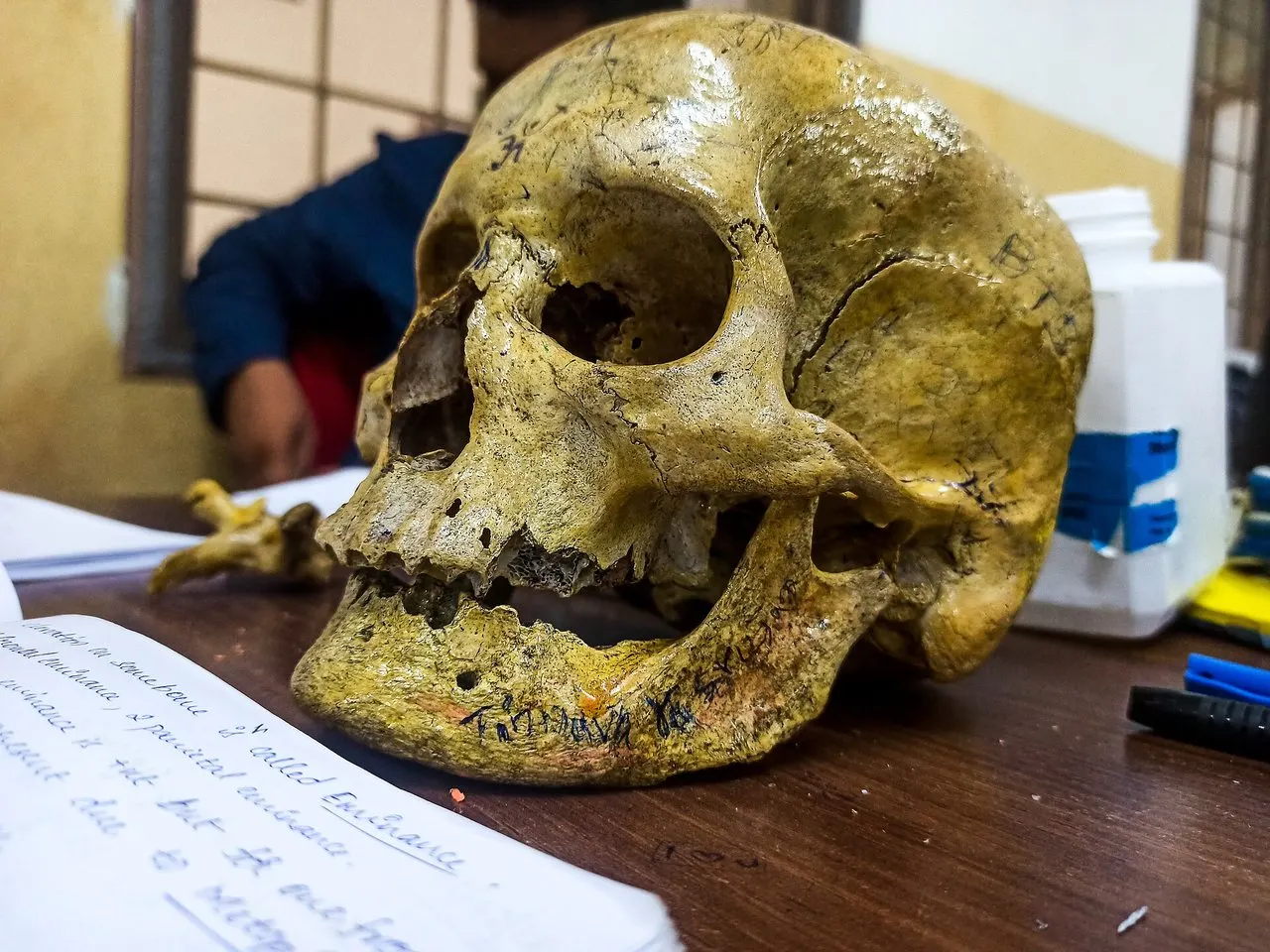
A baby skull is made of separate plates that should stay open while the brain grows, but in this condition some plates join far too soon. When the bones stop expanding too soon, the skull cannot make room the way it should, and the face is left behind in its growth. Doctors call this early fusion craniosynostosis, and it is the root of many of the problems that follow. The skull shape often gives doctors the first sign. Learn about native foods that nourished this land for centuries.
Crouzon Syndrome and the Shallow Eye Sockets
Because the midface cannot grow forward, the eye sockets stay shallow and the eyes bulge outward, which can put vision at risk. The eyes sit too far forward for their sockets, so they are less protected and can dry out or suffer damage. Parents worry most about sight, and eye doctors join the care team early. The surgery that follows aims to give the eyes a safer home. Read about a deputy who received a new kidney after months of waiting.
Breathing Trouble During Sleep

Narrow airways make breathing hard at any time of day, but sleep brings the greatest danger, because the muscles relax and the airway can close even more. Many children with this condition suffer from obstructive sleep apnea, which means they stop breathing for short spells through the night and wake up tired. Poor sleep affects growth, learning, and mood, so fixing the airway is often the most urgent goal for the whole family. Read about what a healthy workplace feels like when leave is approved.
Before the Surgery, He Could Not Breathe Properly
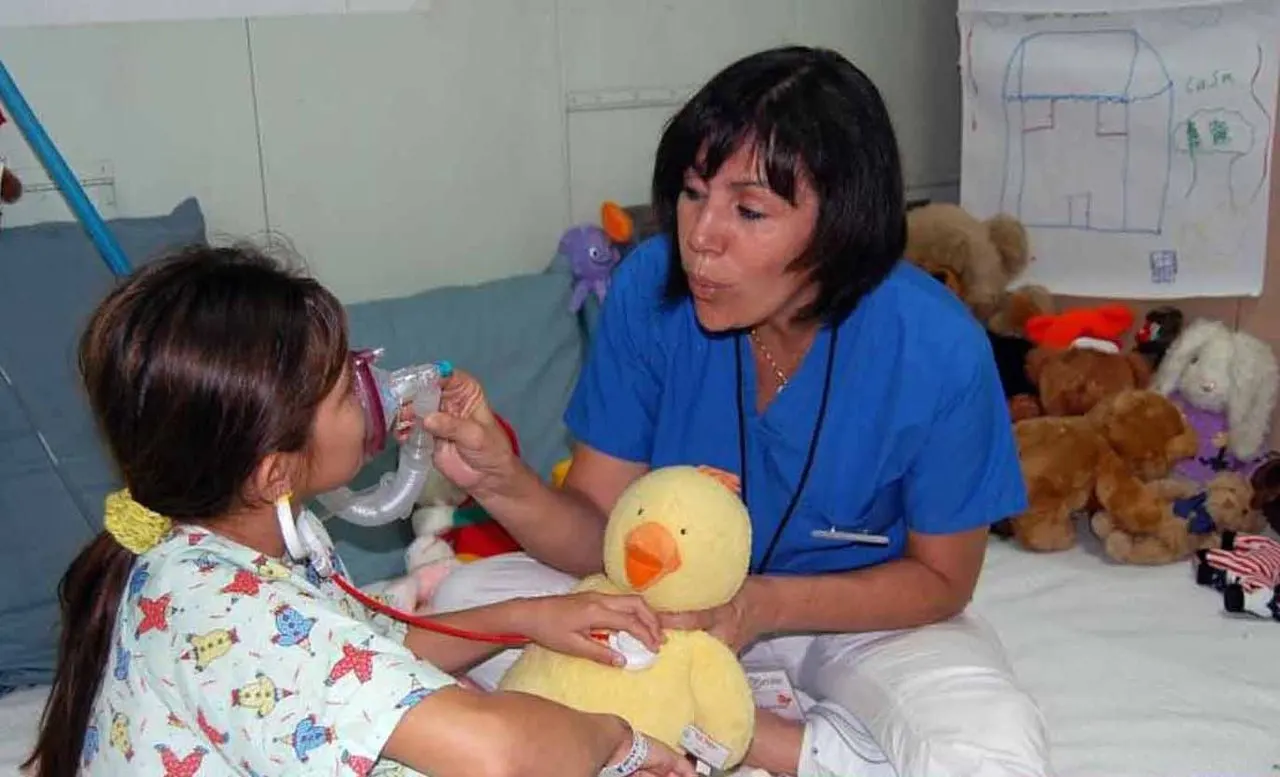
Before this operation, the boy in these photos could not breathe properly, and his family lived with that worry every single day. Simple things that other children take for granted, like running, playing, or sleeping through the night, were a daily struggle for him. His parents knew that without help, the pressure on his brain and the strain on his breathing could grow worse over time. The photos show a child who needed a real change, not just comfort. See a lonely shelter dog who carried blankets to kittens.
Crouzon Syndrome and the Le Fort III Operation
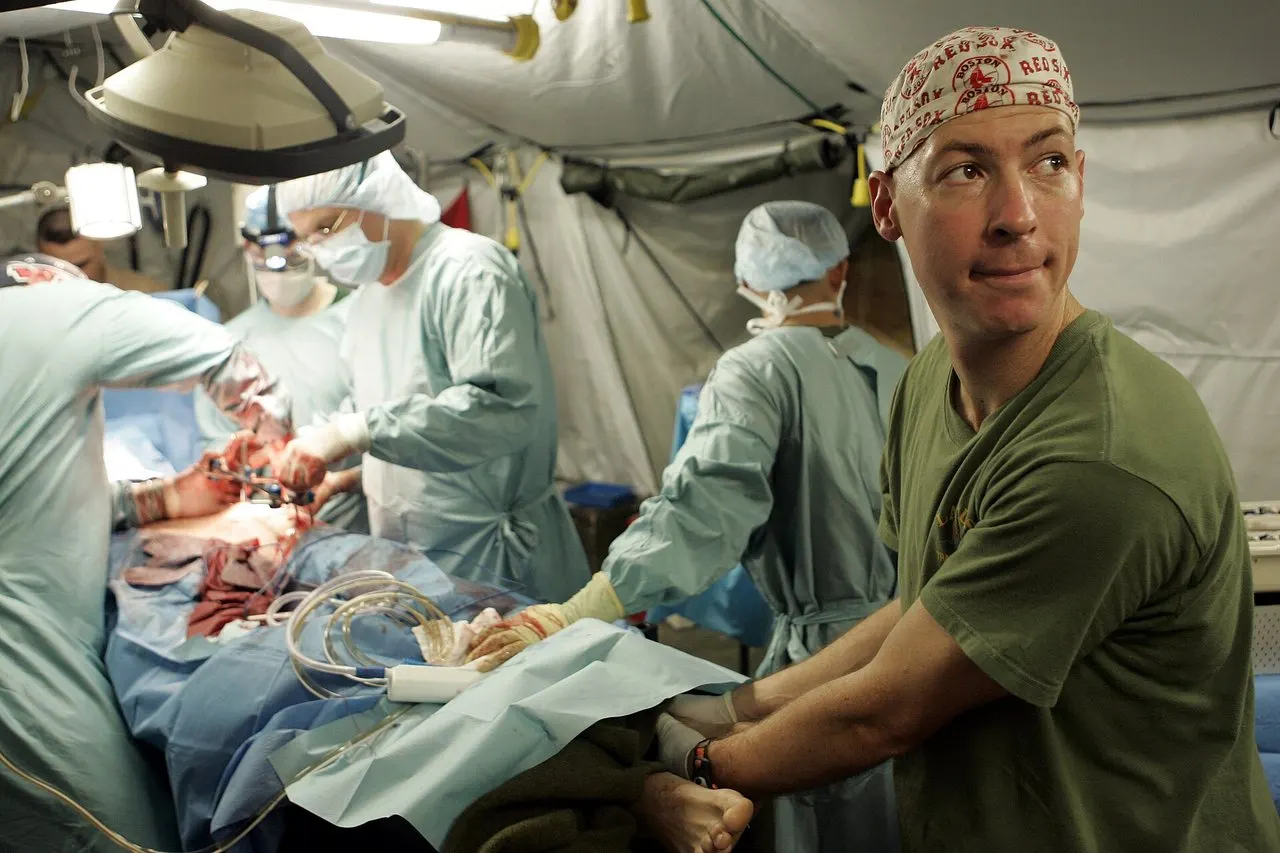
The operation this boy received is called Le Fort III distraction osteogenesis, and it is designed to move the entire midface forward in a slow and controlled way. Surgeons make precise cuts in the facial bones, then attach a device that gently pulls the midface forward day by day. The gradual pace matters, because it lets new bone fill in behind the moving bones instead of leaving a gap. It is a bold plan with a careful rhythm. Read about a miniature pancreas built from living cells.
A Metal Frame Called the RED Frame
The device you see in the photos is called a Rigid External Distraction frame, known to doctors as the RED frame. Surgeons attach it to the skull with pins, and it sits outside the head like a halo, holding the facial bones steady while it does its work. The frame looks striking in photos, and it can look heavy, yet it is the tool that makes the slow forward pull possible. Families learn to care for it every day. See a joke about a phone charger that made fans laugh.
Moving the Midface One Millimeter a Day
Once the frame is in place, the team adjusts it a little each day, moving the midface forward about one millimeter at a time. That pace sounds tiny, yet over two to three weeks it adds up to a real change in the face and the airway. The slow pull gives the body time to grow new bone in the gaps as the bones separate. Patience is part of the treatment, and every millimeter counts. Read about a historic trip to China with billions in deals.
How Crouzon Syndrome Surgery Builds New Bone
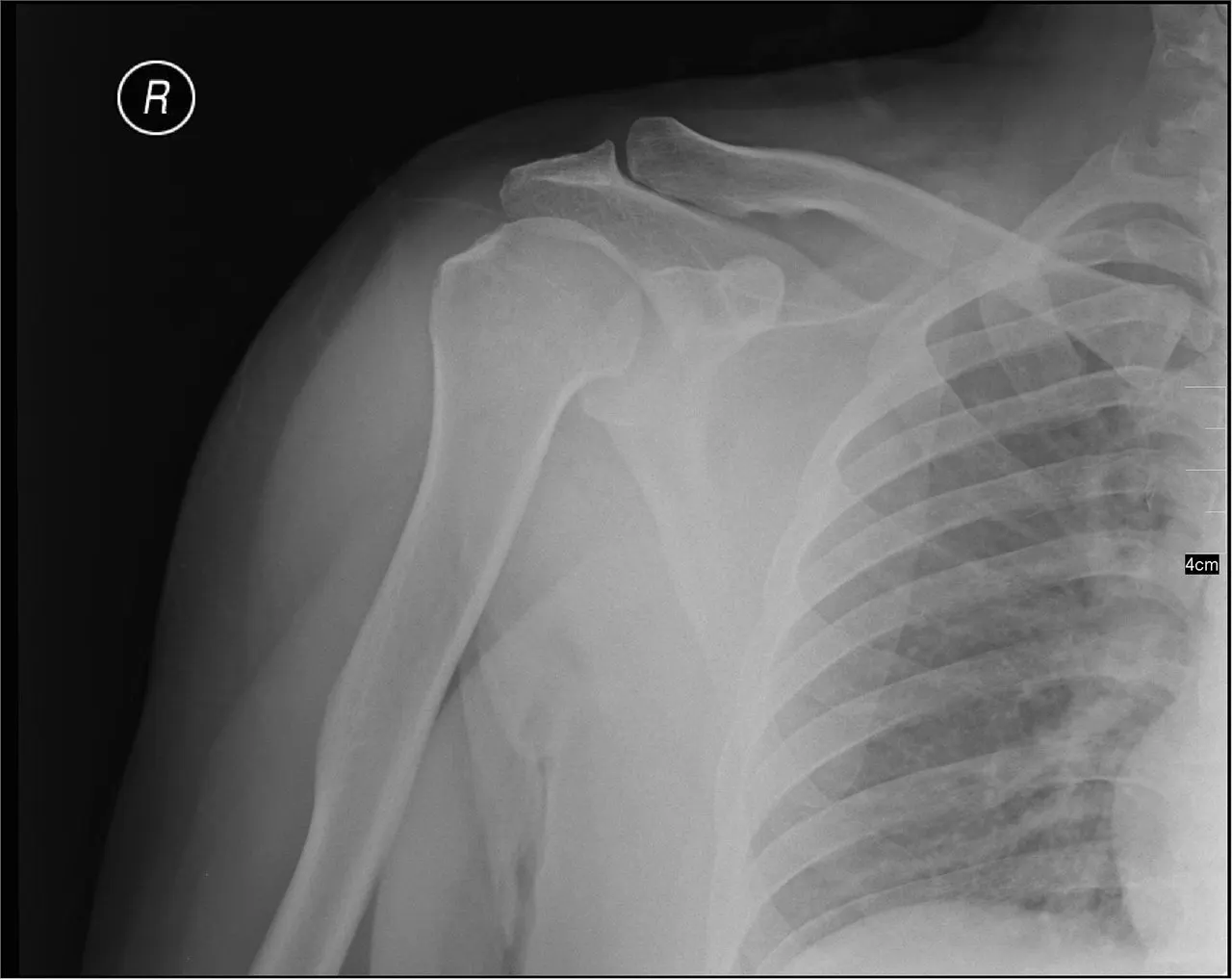
As the frame pulls the midface forward, the bones slowly separate and new bone fills the gaps behind them, a process doctors call distraction osteogenesis. The body does the building itself, laying down fresh bone day by day in the space the device creates. That new bone is what holds the face in its new position once the pulling stops. It is slow healing, and it is why the frame must stay on for so long. Learn about a parole decision thirty two years after a tragedy.
Three Months With the Frame in Place
The frame stays on for roughly three months in total, so the new bone has time to harden and the face can settle into its new shape. Those months are not easy, because the child must live, sleep, and play with the frame on his head, and the family must keep it clean and safe. Nurses teach parents how to care for the pins and the skin around them, and checkups track every step of healing. Read about a sketch about family caregivers that feels like real life.
The Day the Frame Came Off
After about three months, the day arrives when the frame can finally come off, and it is a moment families never forget. The pins are removed, the skin is checked, and the child sees his new face in the mirror for the first time without the metal halo. Doctors look closely at the eyes, the bite, and the airway to make sure the new bone has held its place. For many families, it feels like the start of a new chapter. See a shelter dog who adopted three tiny kittens.
Crouzon Syndrome: Eyes Settling Back Into Place
One of the most striking results of the surgery is the way the eyes settle back into properly sized orbits instead of bulging forward. With the midface moved ahead, the sockets offer real protection again, and the eyes sit where they belong. Vision can stabilize, and the risk of damage to the eyes drops sharply. For the boy in these photos, that change alone was worth the long months with the frame. Read about a governor with boho braids at her black job.
Airways Open at Last

With the midface forward, the airways open up, and the child can breathe without the blockage that shaped his whole young life. Air moves freely through the nose and throat, sleep becomes deeper and safer, and the body gets the oxygen it needs to grow. Parents often say the first easy breaths after surgery are the sweetest sound they have ever heard. It is the change this whole journey was about. See how Gen Z wishes for cash when banking goes down.
Sleep Apnea Improves After Surgery
Sleep apnea, the pattern of stopping and starting breathing through the night, often improves or even resolves once the airway is opened. Research on children with midface hypoplasia has shown real gains in sleep after distraction osteogenesis, and families report calmer nights and brighter mornings. Better sleep helps the brain, the heart, and the whole body, and it gives parents peace of mind at last. Read about the fight to win back measles elimination status.
Crouzon Syndrome and the Road to Recovery

Recovery does not end when the frame comes off, because the child still needs checkups, therapy, and time to adjust to his new face and easier breathing. Physical therapy can help with strength and movement, and speech and feeding support may follow as the face settles. The care team stays close, watching growth and planning any further steps the child may need in the years ahead. Each visit is a small victory. Learn about a bill to stop ICE using children as bait.
What the Photos Show
The photos in this story show the journey in a way words alone cannot, from the frame fixed to the skull to the smile that follows months later. Each image captures a stage of the slow change, and together they tell the story of a boy who went from struggling for air to breathing freely. Photos like these help other families see what the surgery really looks like, and they give hope to parents facing the same choice. See a story about growth through hard times.
A Team Effort in the Operating Room
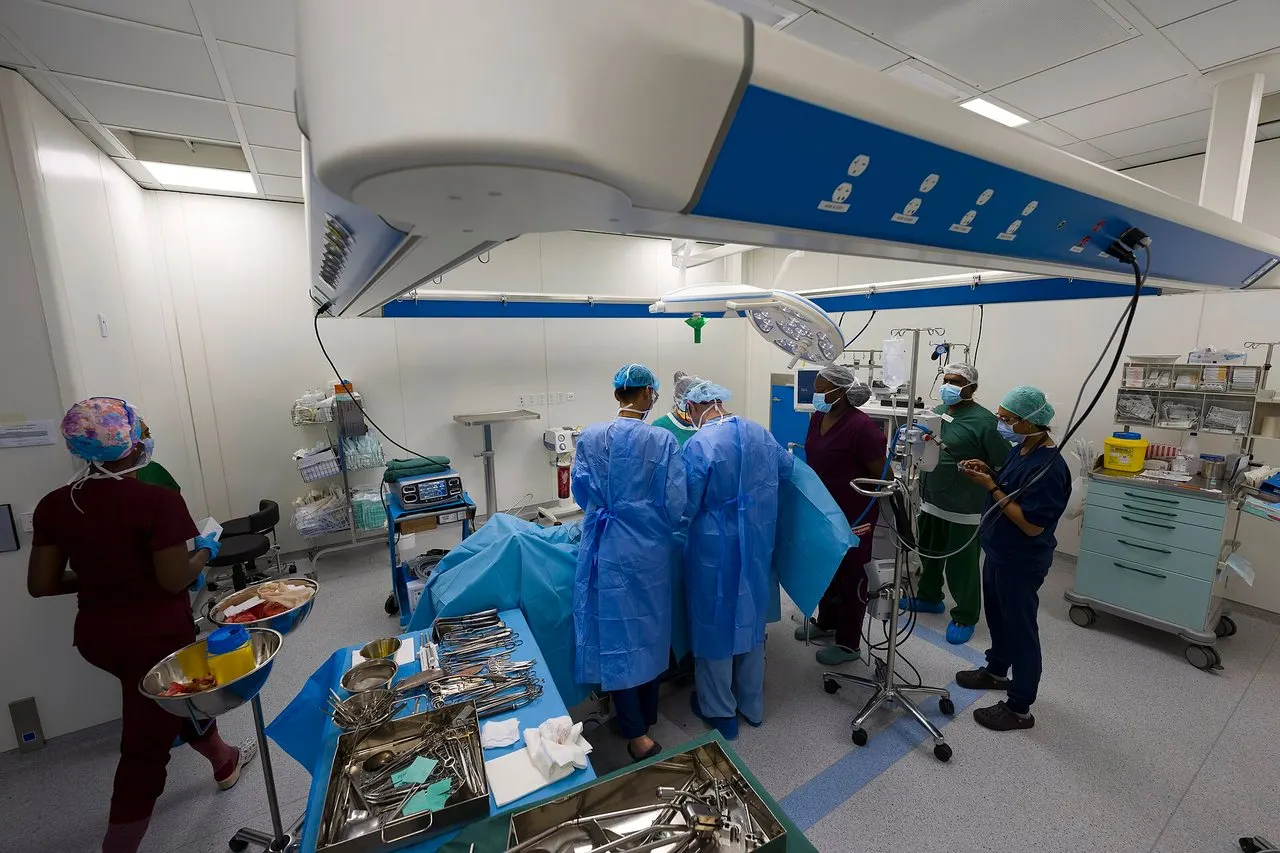
No single surgeon does this work alone, because the operation needs craniofacial surgeons, eye doctors, ear and throat specialists, anesthetists, and nurses working as one team. Each expert watches a different part of the child, from the airway to the eyes to the shape of the growing face. The planning starts long before the day of surgery, with scans, models, and careful talks with the family. Teamwork is what makes a bold operation safe. Read about a historic meeting in China with billions in deals.
Crouzon Syndrome Care Around the World
Children with this condition are born in every country, and care teams around the world share what they learn so that surgery keeps getting safer and better. Long term studies follow patients for years after distraction osteogenesis to check that the new bone holds and the face keeps growing well. Research from many hospitals feeds into the same goal, which is a safer operation and a better life for each child. Read about a vote that came down to just 330 ballots.
Hope for Other Families
For parents who just heard the diagnosis, this boy story is a source of hope, because it shows what modern surgery can do when a skilled team takes on a hard problem. The road is long, and the frame is not easy to live with, yet the photos show a child who came through it and can now breathe, sleep, and play. Other families can look at these images and see a future worth fighting for. See a joke about a phone charger that made fans laugh.
Life After Facial Reconstruction
After the face has healed, life opens up in small and joyful ways, from running in the park to sleeping through the night without fear. The boy can play with friends, go to school, and grow up with a face that fits the way his body was meant to grow. Doctors will keep watching him as he grows, because the face changes with age, yet the hardest part of the journey is behind him now. Read about a governor with boho braids at her black job.
The Science Behind Distraction Osteogenesis

Distraction osteogenesis works on a simple idea: bone can be coaxed to grow if it is pulled apart very slowly. Surgeons cut the bone, then use a device to widen the gap a fraction each day, and the body fills the space with new bone as it goes. The same idea helps fix other bones too, and doctors have studied it for years in faces, jaws, and limbs. It turns the body’s own healing power into a tool. Learn about a leader who weighed a deal on Iran.
Why Early Care Matters
Early care matters because the brain grows fast in the first years of life, and a skull that fuses too soon can put pressure on the brain as well as on the eyes and the airway. Doctors watch the head shape, the eyes, and the breathing from the first months, and they plan surgery for the time when it can help the most. Some children need more than one operation as they grow, and each step is timed with care. Read about a second parole denial three decades later.
A Future Full of Breath and Play
The future for this boy now looks bright, with easier breathing, safer sleep, and a face that lets him play, learn, and grow like other children his age. The photos that once showed a child with a frame on his head now show a child free to run and smile, and that change is the heart of this story. His journey reminds us that careful surgery and patient care can give a child back the simple things in life. See a bill that would stop children being used as bait.
What Do You Think of His Journey?
This boy went from struggling for every breath to breathing freely after months with a frame on his head, and his photos have touched people worldwide. What part of his journey moved you the most, and what would you say to his family if you could? Would you want to see more stories like this one about children who beat the odds? Share your thoughts in the comments below, and tell us what you think of his brave journey. Read about a historic trip to China with billions in deals.