Pancreatic Cancer Pill Made Tumors Vanish in Trial
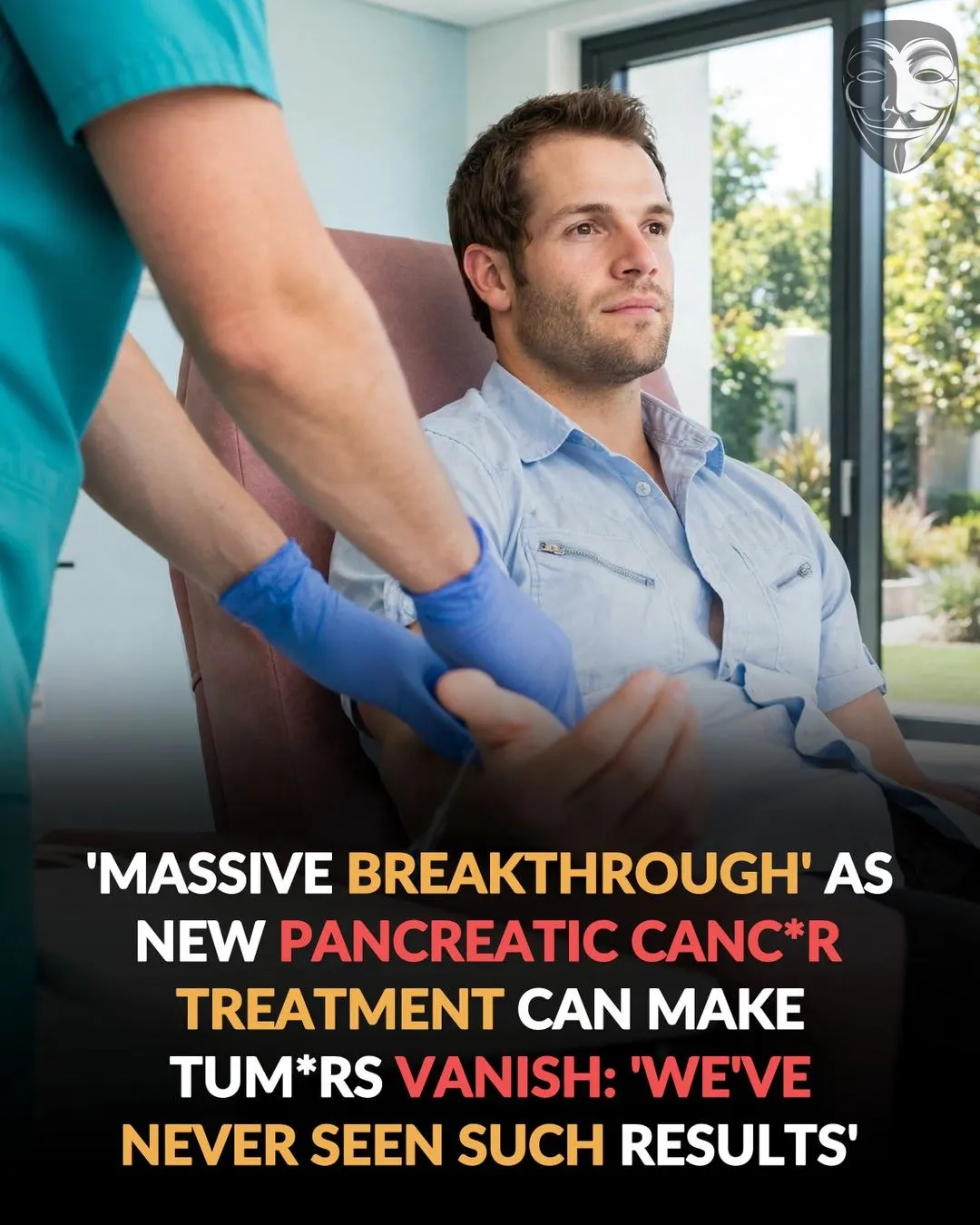
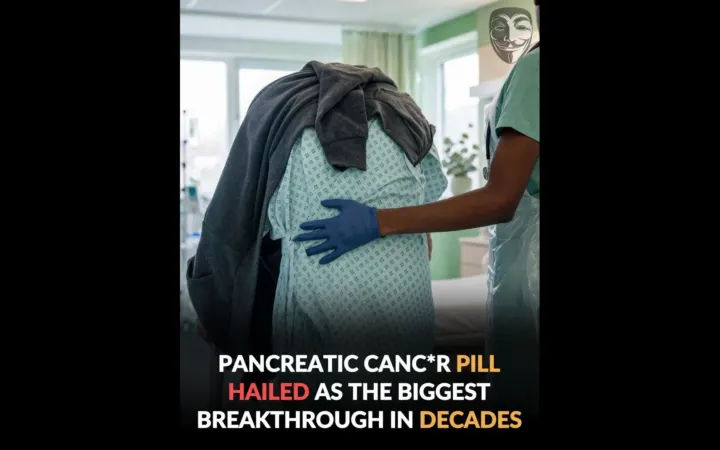
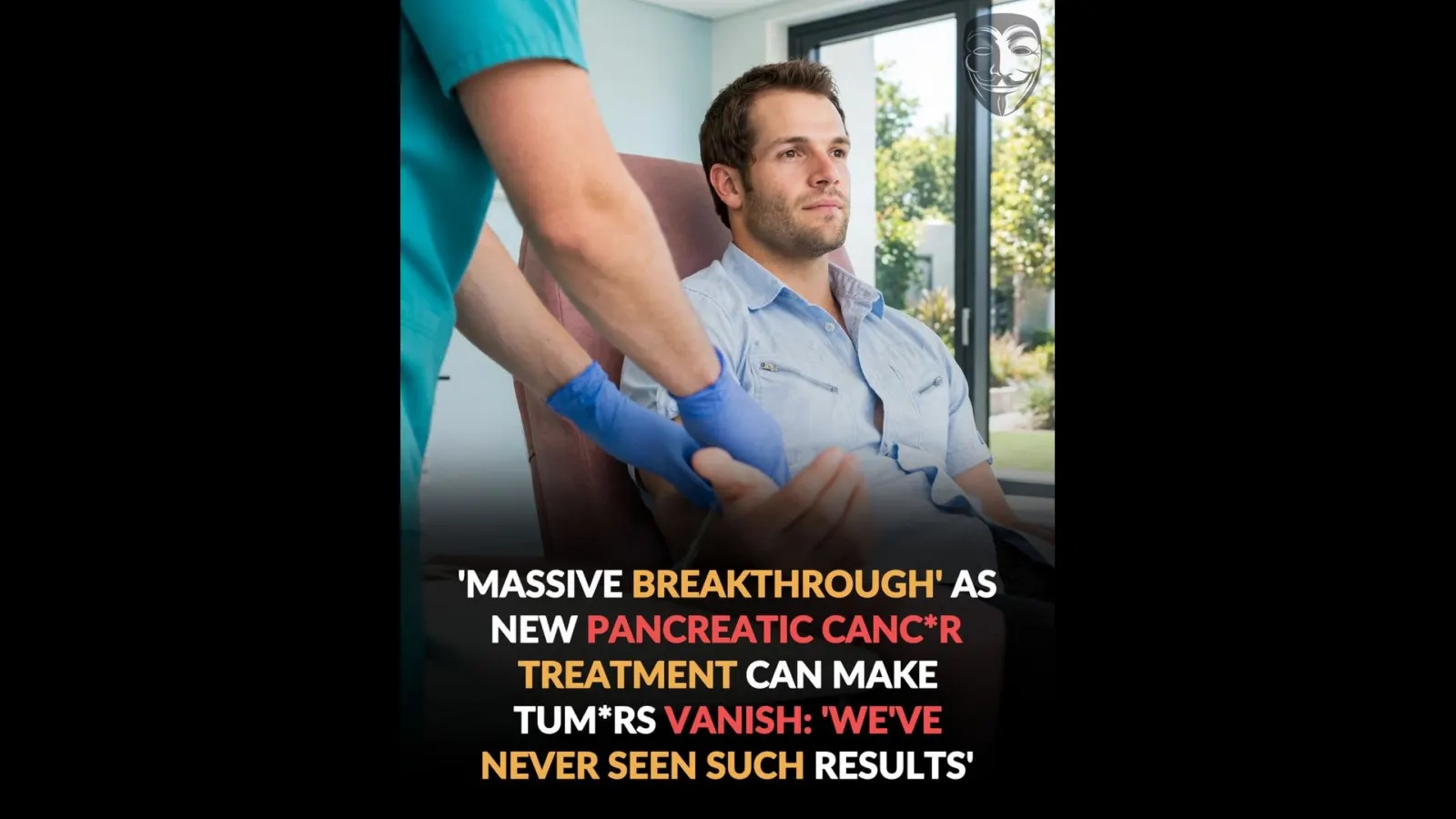
A pancreatic cancer pill made tumors vanish in a trial of 61 people, and doctors say they have never seen such results. The pill, called daraxonrasib and sold as Rasonque, was tested as a daily dose together with chemotherapy in people whose pancreatic cancer had spread. In five of them, about one in 12, tumors could no longer be seen on scans. Tumors shrank or disappeared in 60.7 percent of the group. The study lead said the team doubted its own eyes when the scans came back, and he called the result the closest thing to a cure.
The pill was already approved by the FDA in August 2026, and a larger phase three trial is now testing it against chemotherapy alone. In the slides ahead we look at the trial, the people behind it, and what the results could mean for patients and families. For more on medical research, read our report on a lab study where frankincense oil destroyed melanoma cells and our story about a miniature biological pancreas built from living cells.
References:
Medical News Today: Pancreatic Canc*r Restricted substance combo makes tum*rs shrink, disappear
Healthline: Pancreatic Canc*r Experimental Pill Nearly Doubles Survival Rates
AARP: FDA Approves New Pancreatic Canc*r Restricted substance
WebMD: FDA Approves Daraxonrasib Rasonque for Metastatic Pancreatic Canc*r
A Trial of 61 People With Cancer That Had Spread
Doctors ran the trial with 61 people whose pancreatic cancer had spread, a group that is often the hardest to help. Each person took the daily pill daraxonrasib together with chemotherapy, the standard treatment that uses strong drugs to slow cancer. Trials like this one follow strict rules, with scans and checkups to track every change. The aim was simple to state and hard to achieve, to shrink tumors that had already traveled. For more on health and science, read our story on the team shaping healthcare policy in America.
Five Patients Saw Their Tumors Disappear
Five of the 61 people in the trial had a result that stunned the study team. After treatment, their tumors could no longer be seen on scans. That is about one person in 12, a small share but a striking one for a cancer that rarely gives ground. Scans use pictures of the inside of the body to show whether a tumor is growing, shrinking or gone. For those five, the pictures showed nothing left to measure. Read about a deputy who received a new kidney after months of waiting.
What 60.7 Percent Really Means
In the group of 61 people, tumors shrank or disappeared in 60.7 percent, more than six in ten. Doctors count a response when a tumor gets smaller on a scan or vanishes from view. It does not mean the cancer is cured, or promise the same result for every patient. But it is a large share for pancreatic cancer, where treatments often buy only a little time. The number is why doctors are talking about this trial. For more news, read our story about Gen Z wishing for cash during an outage.
The Pancreatic Cancer Pill Doctors Doubted at First

Wungki Park, the doctor who led the study, said the team doubted its own eyes when the first scans came back. That caution is normal in medicine, because a single good scan can mislead and a single trial can flatter a drug. So the team checked again, looked at more scans and waited for the pattern to hold. It did, and the language changed from careful to excited. Even then, Park spoke of the closest thing to a cure, not a cure itself. Read our story on crunchy Diwali party favorites.
Meet Wungki Park, the Doctor Who Led the Study

Wungki Park works at Memorial Sloan Kettering Cancer Center in New York, one of the best known cancer hospitals in America. As study lead, he ran the trial design, the patient care and the reading of the results. Lead doctors carry the weight of a trial, balancing hope for patients with honest reporting of what the data shows. Park chose his words with care, calling the result the closest thing to a cure. His team is watching the larger trial. Read about the trip that brought 17 billion dollars in new deals.
Memorial Sloan Kettering Cancer Center in New York
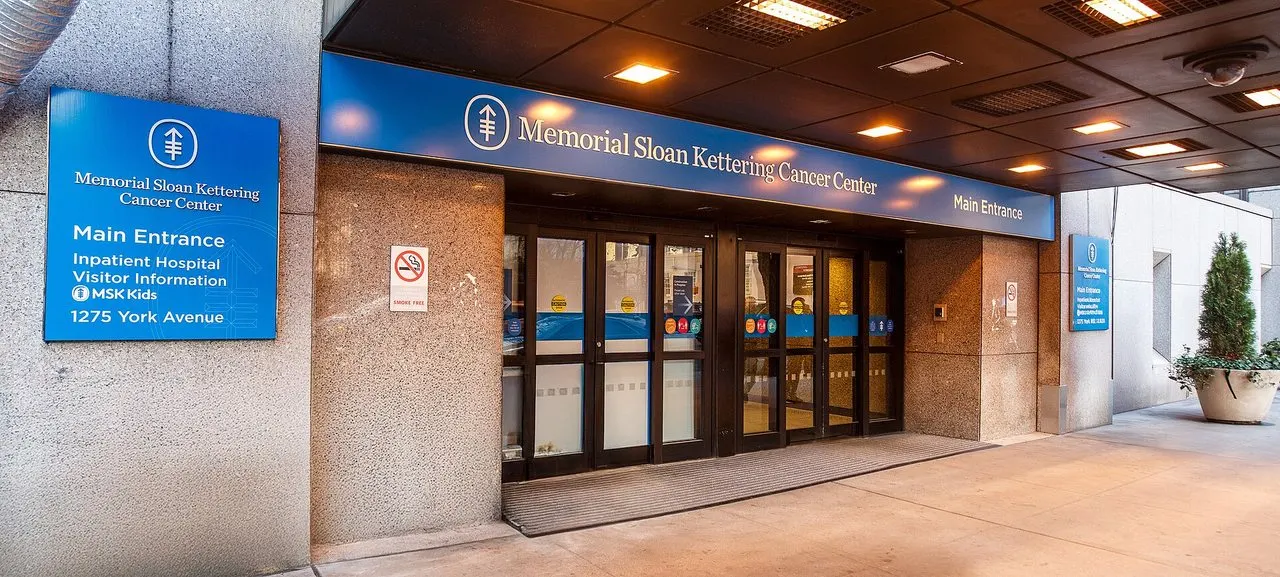
Memorial Sloan Kettering Cancer Center sits in New York City and treats people from across the country and the world. It is known for research into hard cancers, and its doctors run many trials that test new drugs before they reach a wider public. A trial at a center like this one follows strict safety rules, with teams of nurses, pharmacists and researchers watching every patient closely. The center’s name on a study tells other doctors that the work was done with care. Learn about promises kept on rent and childcare.
How a Daily Pancreatic Cancer Pill Works Alongside Chemotherapy

Daraxonrasib is a pill taken every day, a big change from treatments that need a hospital visit and a drip. In this trial, patients took the pill with chemotherapy, the drug treatment long standard for pancreatic cancer that has spread. The idea is that the two treatments attack the cancer in different ways at the same time. A daily pill can also be easier to fit into life at home, though it still needs close medical care. Read about a valedictorian home with her mom after release.
Daraxonrasib, the Pill Sold as Rasonque
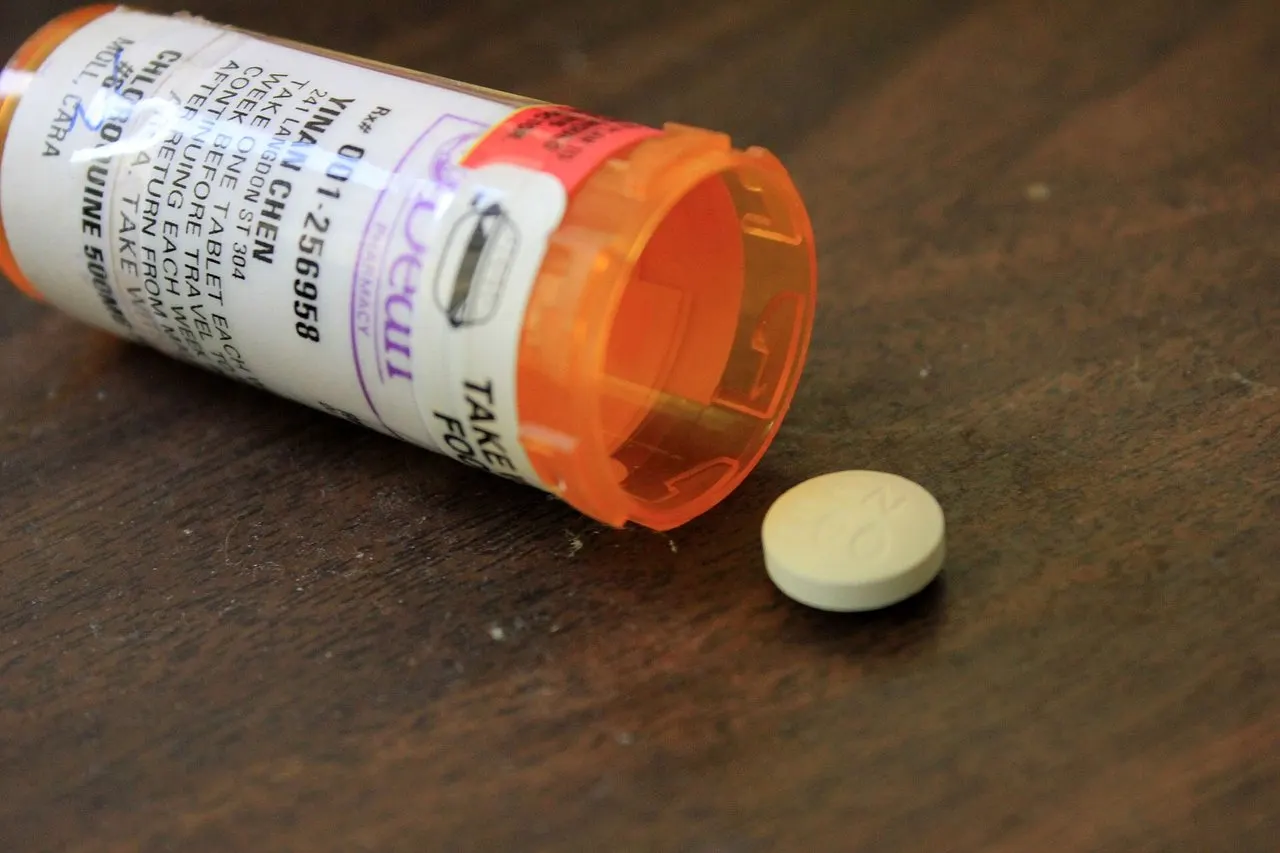
The pill has two names, and both matter. Daraxonrasib is the scientific name doctors use in trials and papers, while Rasonque is the brand name on the box a patient would see. New drugs often carry both names, one for the laboratory and one for the pharmacy shelf. The pill was already approved by the FDA in August 2026, before this latest trial news arrived. That approval means regulators looked at the safety data and decided the drug could be sold. See our story on twisted holiday loaves that begin with an easy dough.
The FDA Gave Its Approval in August 2026
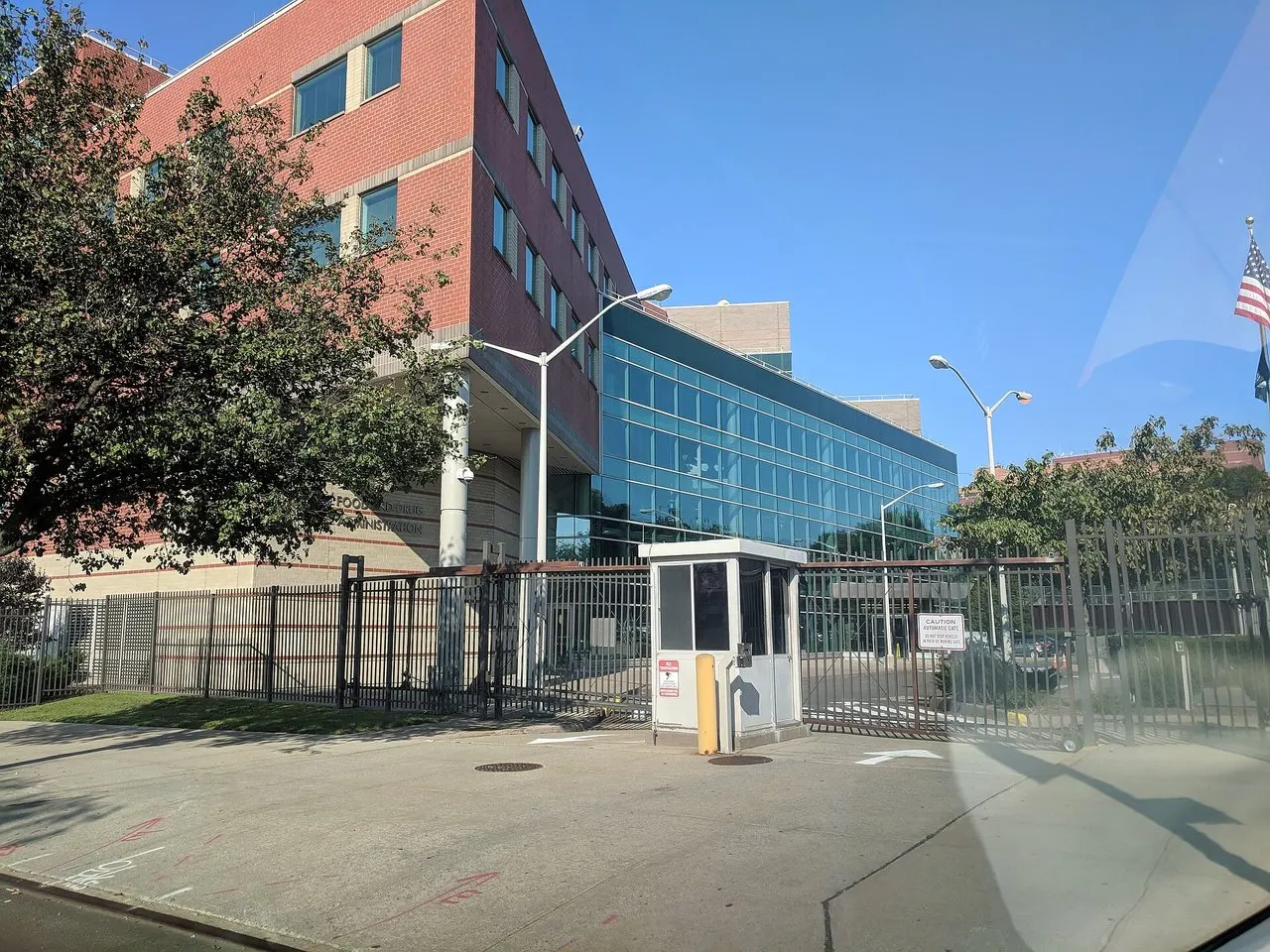
The Food and Drug Administration, or FDA, is the agency that decides whether a new drug can be sold. Its approval in August 2026 came after experts reviewed the safety and early results of daraxonrasib. Approval is not the end, because the agency keeps watching a drug once patients start using it in larger numbers. It is, however, a major hurdle, and many drugs never clear it. That is why the date matters to patients and doctors alike. Read our report on a lab study where frankincense oil destroyed melanoma cells.
What Is Pancreatic Cancer?
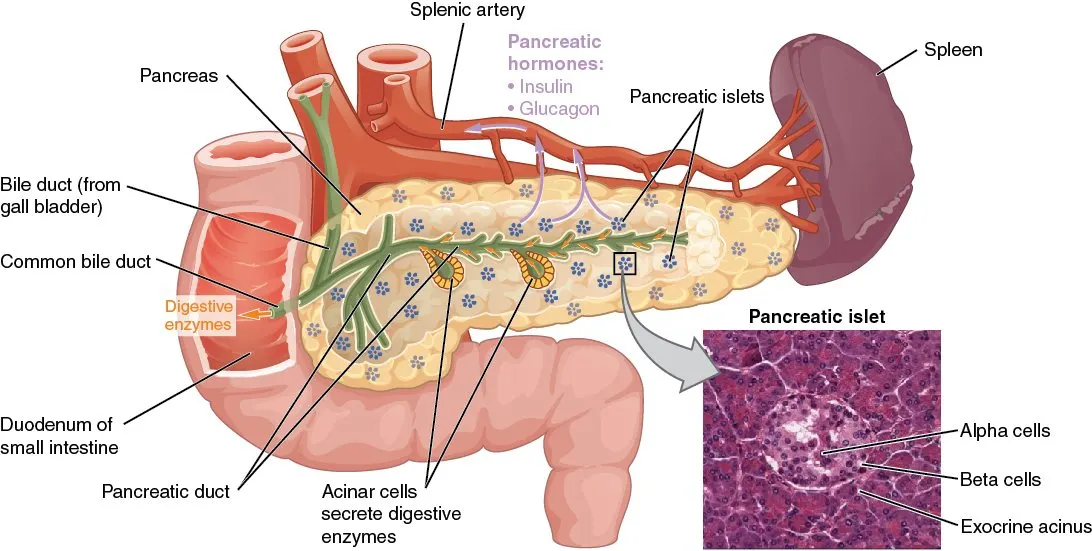
The pancreas is an organ behind the stomach that makes insulin, which controls blood sugar, and juices that help digest food. Pancreatic cancer starts when cells in that organ grow out of control and form a tumor. It is one of the hardest cancers to find early, because it often causes no clear signs until it has grown or spread. By that point, surgery may no longer be possible, which is why new drug treatments matter so much. Read our story about a miniature biological pancreas built from living cells.
Why This Cancer Is So Hard to Treat
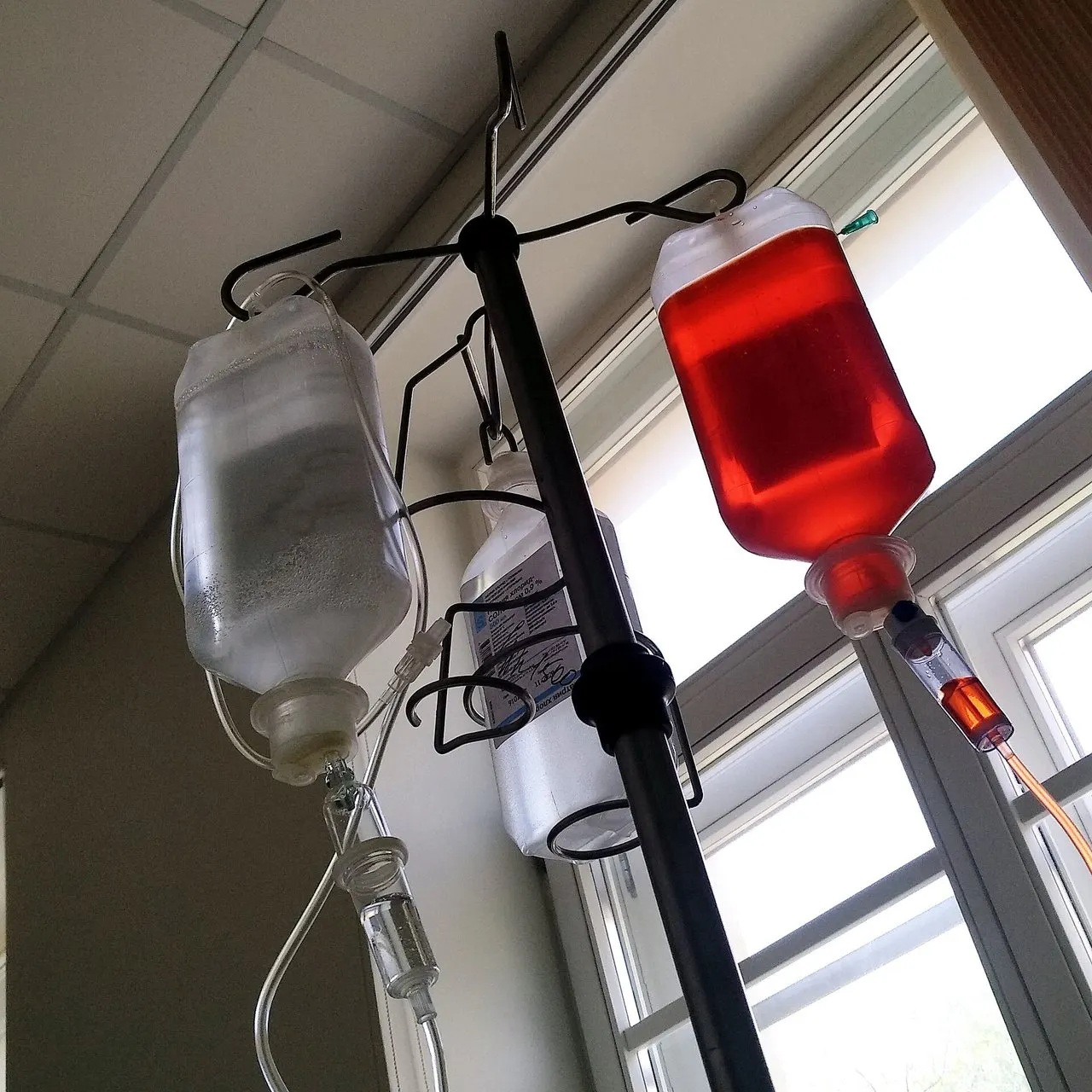
Pancreatic cancer is hard to treat for reasons doctors know well. The tumor often sits deep in the body, wrapped in dense tissue that keeps drugs out. It also tends to spread early, before a person feels sick enough to see a doctor. Surgery can help when the cancer is found early, but most people are diagnosed after it has spread. That leaves drug treatments like chemotherapy as the main option, and they often help only a little. Read about a deputy who received a new kidney after months of waiting.
The Pancreatic Cancer Pill and the Gene It Targets
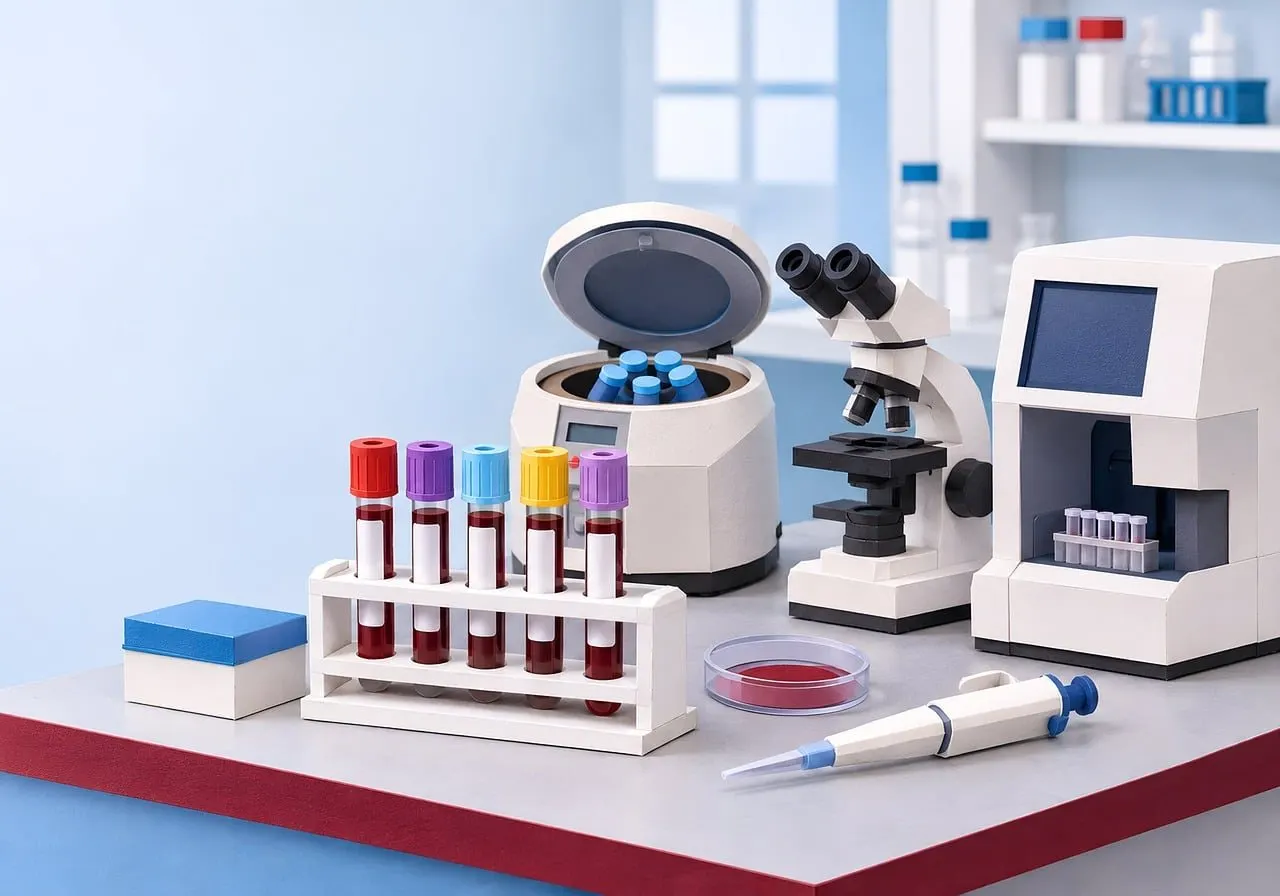
Most pancreatic tumors carry a change in a gene called KRAS, which acts like a stuck switch that tells cells to keep growing. For many years, scientists called this gene undruggable, because no drug could block it without harming healthy cells too. Daraxonrasib belongs to a new group of drugs designed to switch off that faulty signal. If the switch can be turned off, the tumor may stop growing or shrink. That idea is what made this trial so closely watched. Learn about Gen Z wishing for cash during an outage.
Scans That Showed Tumors Shrinking
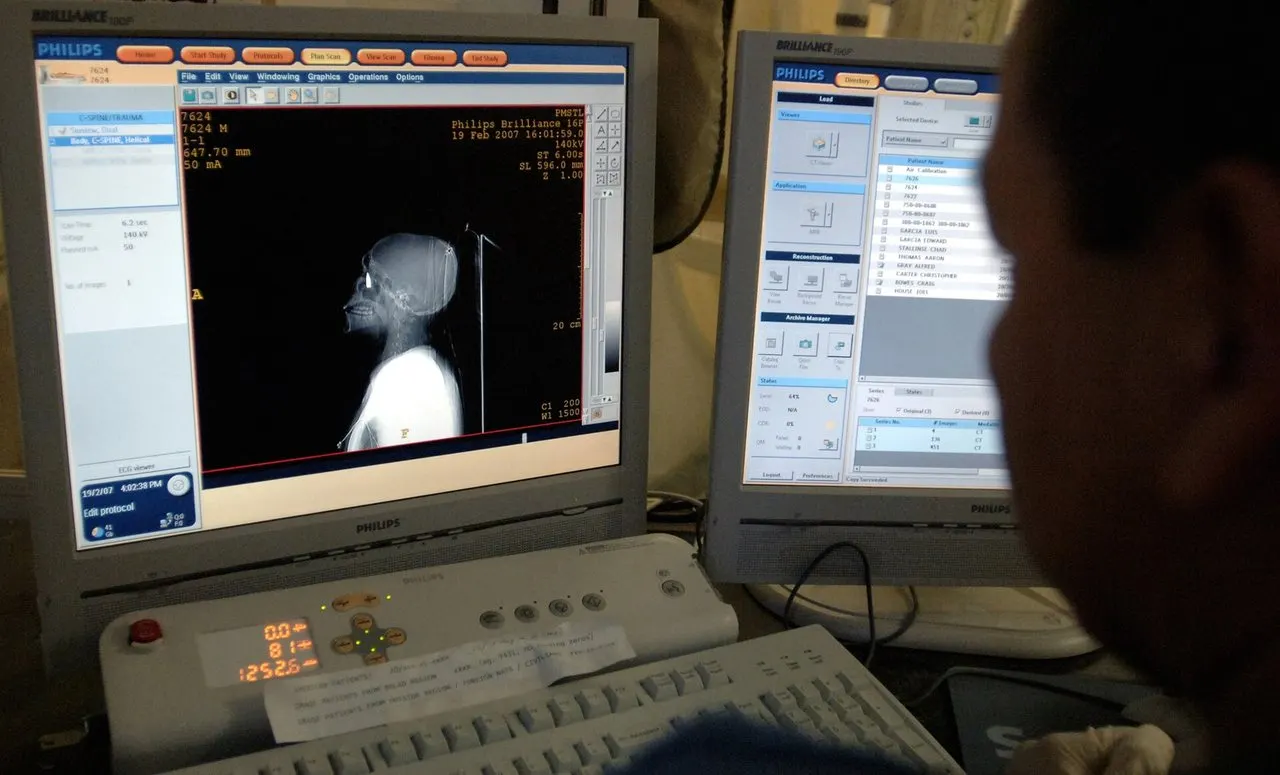
Doctors in the trial used scans to watch each tumor over time, measuring it the same way at every visit so the results could be compared fairly. Scanners like CT and MRI build detailed pictures of the inside of the body without surgery. When a tumor shrinks on those pictures, doctors can see it clearly and measure the change. When it vanishes from view, they record a complete response, though they keep watching in case it returns. Scans are the quiet workhorses of cancer trials. See our story on crunchy Diwali party favorites.
What Chemotherapy Does on Its Own

Chemotherapy has long been the backbone of treatment for pancreatic cancer that has spread. The drugs travel through the whole body and attack fast growing cells, which includes cancer cells but also some healthy ones. That is why the treatment can bring tiredness, nausea and hair loss. It can slow the cancer and ease symptoms, but it rarely makes tumors vanish on its own. That is the gap the new pill is trying to fill, by adding a second attack. Read about the trip that brought 17 billion dollars in new deals.
A Larger Phase Three Trial for the Pancreatic Cancer Pill
A larger phase three trial is now testing the pill against chemotherapy alone, which is the test that really decides whether a new drug becomes standard care. Phase three trials involve more people, often at many hospitals, and they compare the new treatment head to head with the best current one. Doctors will watch survival, tumor size and side effects over a longer time. If the pill wins again on a bigger stage, more patients could be offered it. Learn about promises kept on rent and childcare.
What the Results Could Mean for Families

For families living with pancreatic cancer, trial news like this brings a mix of hope and caution. Hope, because a treatment that makes tumors vanish was hard to imagine years ago. Caution, because one trial of 61 people is not proof that the pill will help everyone, and larger trials can still disappoint. Families often talk with their doctors about whether a trial is right for them, weighing travel, side effects and the chance of benefit. That conversation is personal. Read about a valedictorian home with her mom after release.
The Pancreatic Cancer Pill in Plain Words
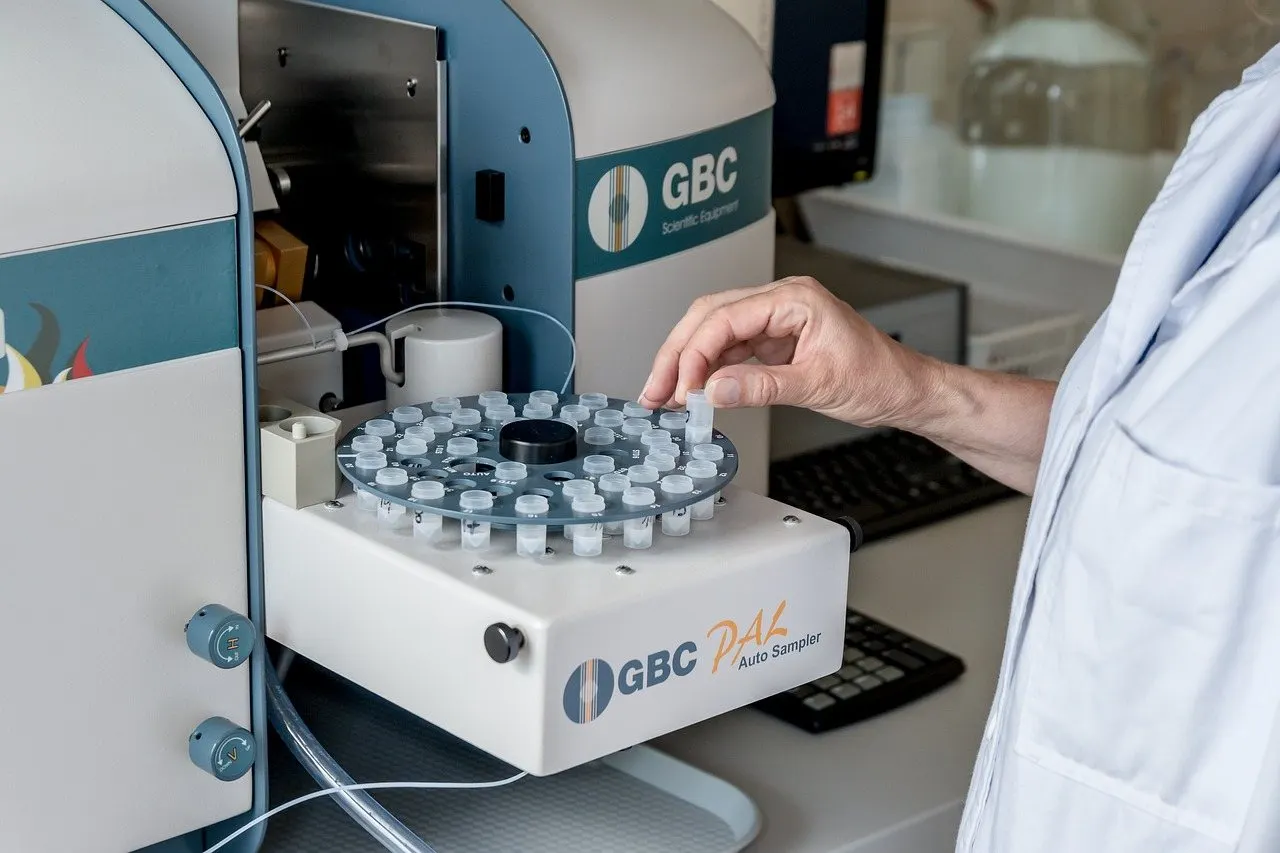
Put simply, doctors tested a new daily pill with chemotherapy in 61 people whose pancreatic cancer had spread. In five of them, tumors could no longer be seen on scans. In more than six in ten, tumors shrank or disappeared. The pill, sold as Rasonque, was already approved in August 2026. A bigger trial is now running. None of that means a cure has arrived, but it does mean the outlook for this cancer may be changing. That is the story in one paragraph, without the jargon. See our story on twisted holiday loaves.
How Doctors Watch for Side Effects
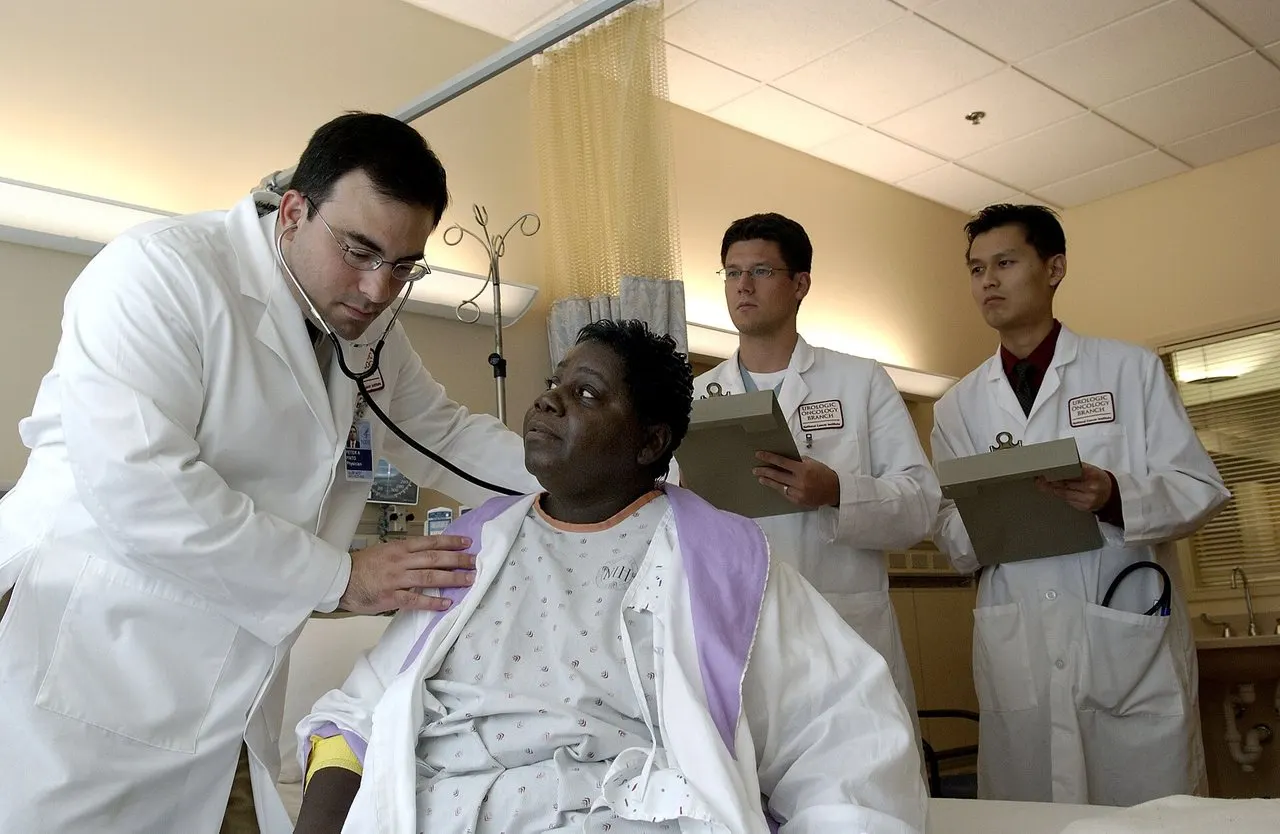
Every new drug is watched closely for side effects, and trials record everything from mild rashes to serious problems. Doctors in this trial checked blood tests, scans and daily symptoms to catch trouble early. A pill taken at home needs clear rules, so patients know when to call the clinic and when to keep going. The published reports so far focus on the tumor results, and fuller safety details will come as the larger trial reports. Read our report on a lab study where frankincense oil destroyed melanoma cells and our story on a miniature biological pancreas.
Questions Patients May Want to Ask
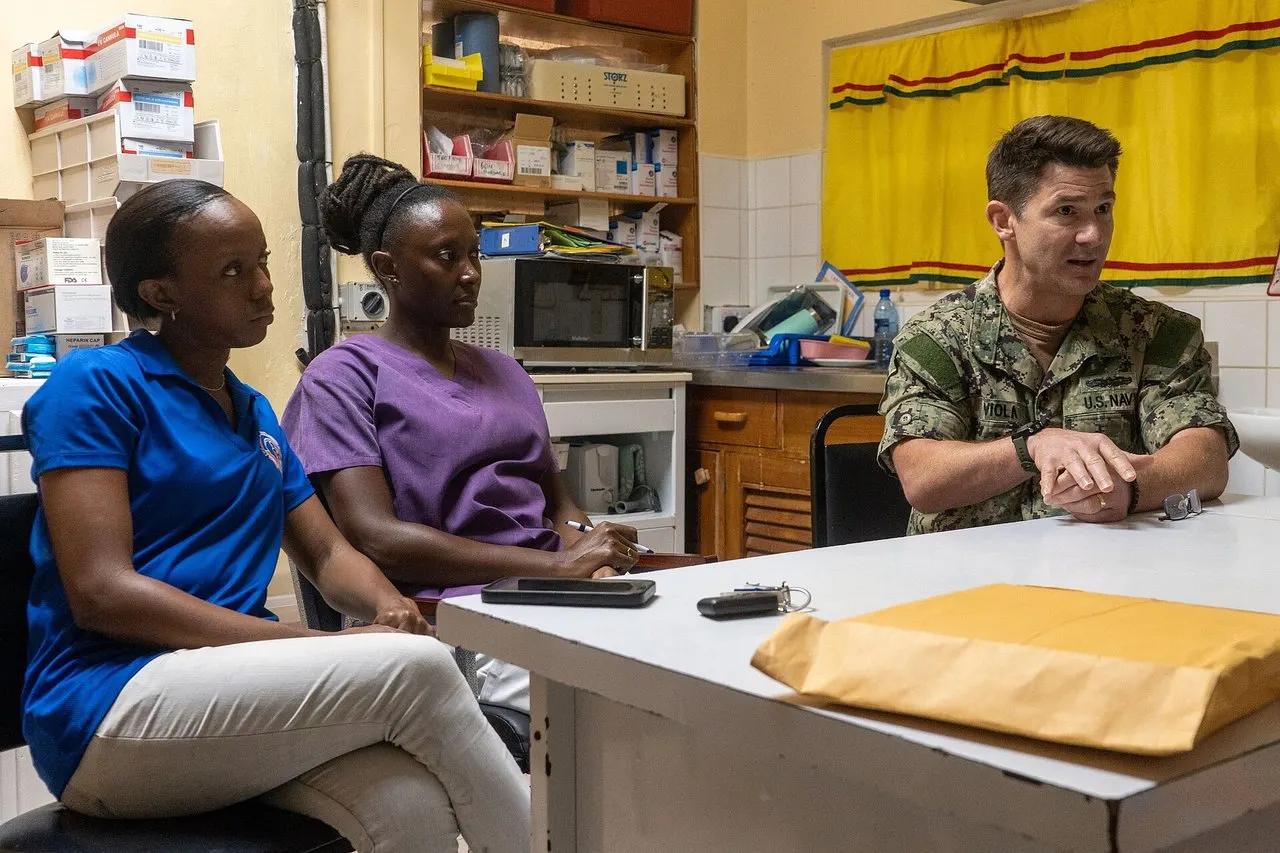
Patients who read trial news often bring questions to their next appointment, and doctors welcome that. They may ask whether the pill is available to them, whether they could join a trial, and what the side effects look like. They may also ask how the pill compares with the chemotherapy they already receive. No article can answer those questions for one person, because each case is different. The best next step is a talk with the team that knows the patient. See our story on the team shaping healthcare policy.
Hope, Carefully Measured
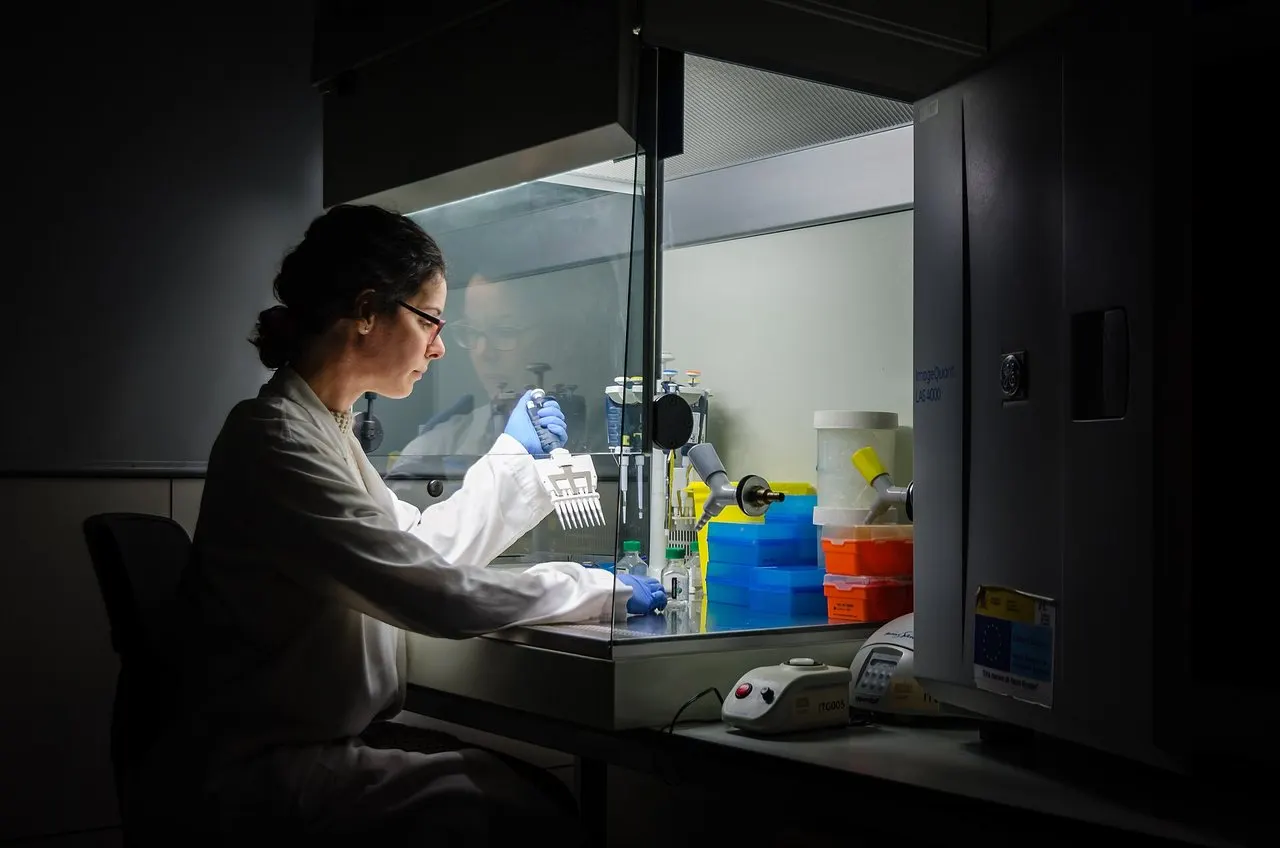
Doctors are careful with the word hope, because false hope can hurt as much as none. But progress in pancreatic cancer has been slow for decades, and a result like this changes the mood in the clinic. The trial showed that tumors can vanish, even if only in a few people so far. That fact alone gives researchers a new direction to push. Measured hope is still hope, and for families waiting for news, it is not a small thing. Read about a deputy who received a new kidney.
What Comes Next for the New Treatment
The next steps are clear, even if the answers are not. The phase three trial will compare the pill plus chemotherapy against chemotherapy alone in a larger group of patients. Regulators will read those results closely, and doctors will look for the full safety picture. If the benefit holds, the pill could move from a promising trial result to a routine part of care. If it does not, researchers will still have learned something valuable about the gene it targets. Learn about Gen Z wishing for cash during an outage.
What Would You Ask the Doctors Behind the Pancreatic Cancer Pill?

This trial gave doctors a result they had never seen before, five people whose tumors vanished and more than six in ten whose tumors shrank or disappeared. It also gave patients and families a new question to ask, what comes next and who might benefit. If you could sit down with the doctors behind this study, what would you ask first? Would you ask about the pill, the trial or the future of pancreatic cancer care? Share your thoughts in the comments below, and keep reading our story on crunchy Diwali party favorites.