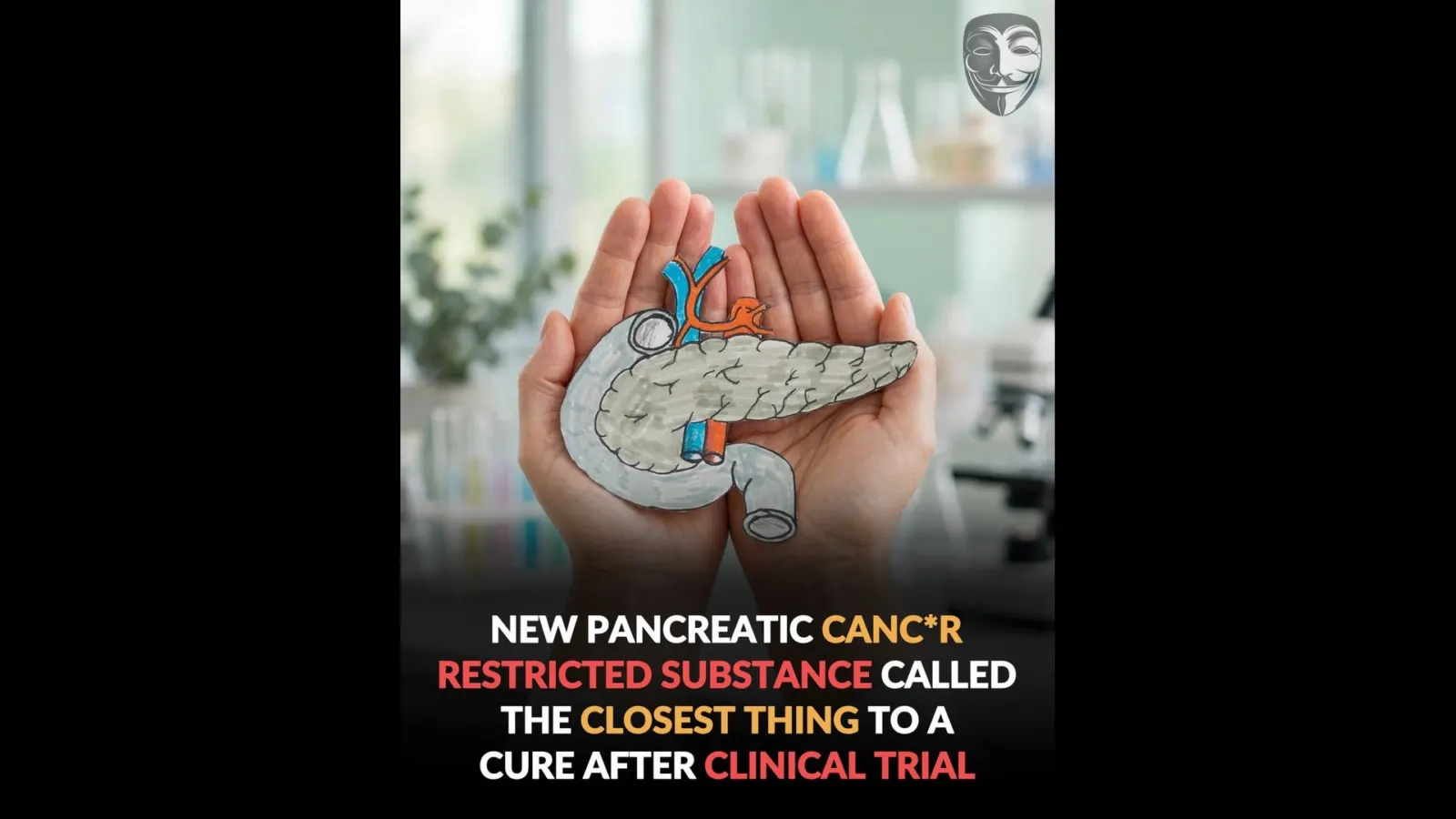
Daraxonrasib Pancreatic Pill Brings New Hope After the Barcelona Trial
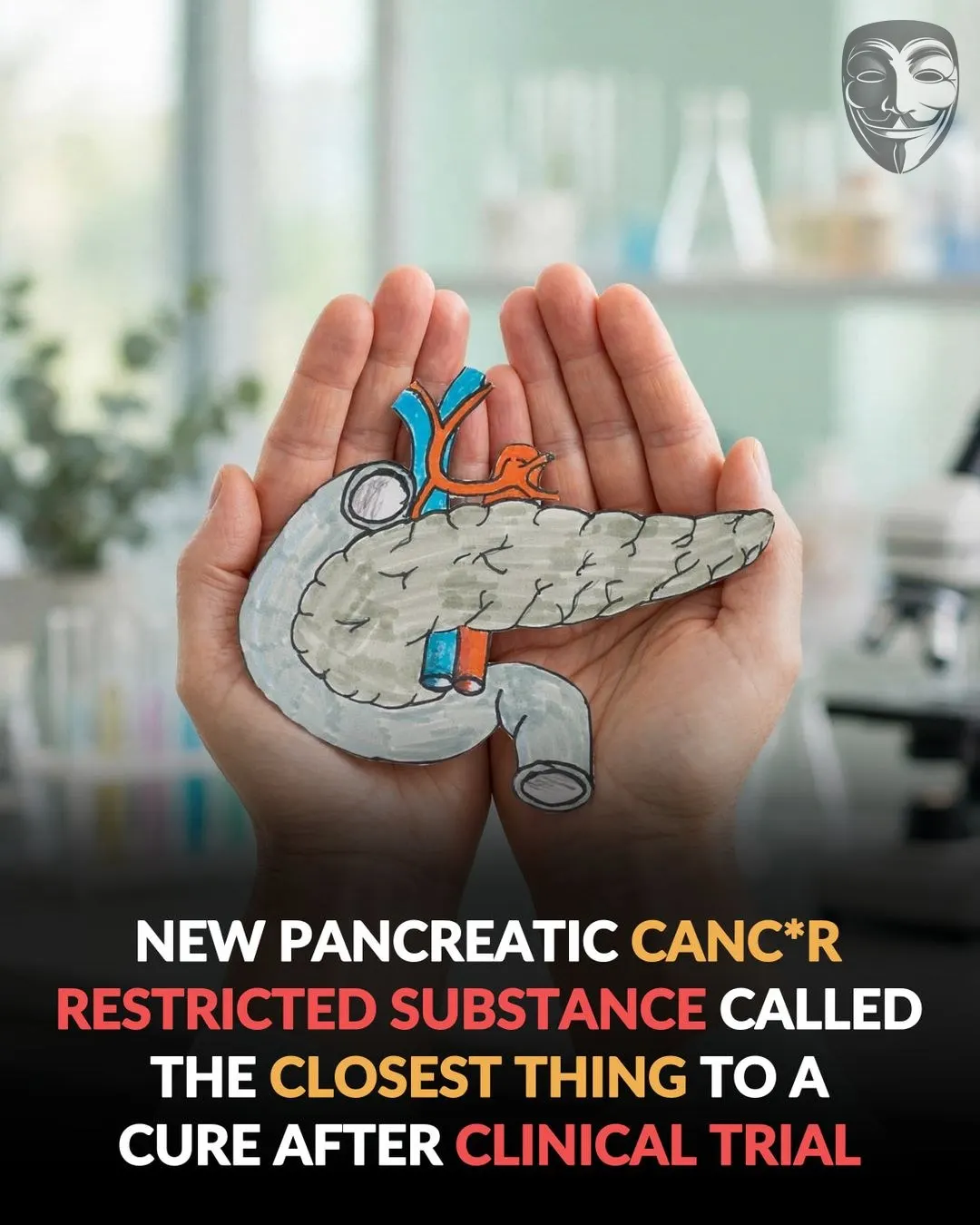
Daraxonrasib pancreatic pill is the new daily treatment that doctors in Barcelona presented after a clinical trial in 61 patients with advanced pancreatic cancer that had already spread. The pill, sold as Rasonque, was given together with chemotherapy, and the results surprised even the doctors who ran the study. Tumors stopped growing in 90 percent of the patients, and more than 60 percent saw their tumors shrink or disappear. In about 8 percent of the patients, the cancer could no longer be seen on scans at all.
Dr Wungki Park of Memorial Sloan Kettering Cancer Center presented the findings and called it the closest thing to a cure, and Cancer Research UK called it the biggest leap forward in decades for pancreatic cancer patients. Doctors stressed it is not a cure yet and larger trials are still needed, but the news brings real hope to families facing one of the hardest cancers to treat. In the slides ahead we look at the trial and the people behind it. Read our story on the pancreatic cancer pill trial.
References:
People: Pancreatic Canc*r Restricted substance Makes Tum*rs Shrink, Disappear: ‘Closest to Cure’
New York Post: ‘Massive breakthrough’ as new pancreatic Canc*r treatment can make tum*rs disappear: ‘We’ve never seen such a thing’
Medical News Today: Pancreatic Canc*r: Restricted substance combo makes tum*rs shrink, disappear
Health and Me: Pancreatic Canc*r Breakthrough? New Restricted substance Combo Controls Tumour Growth In 90% Of Patients
The News From Barcelona That Doctors Are Talking About
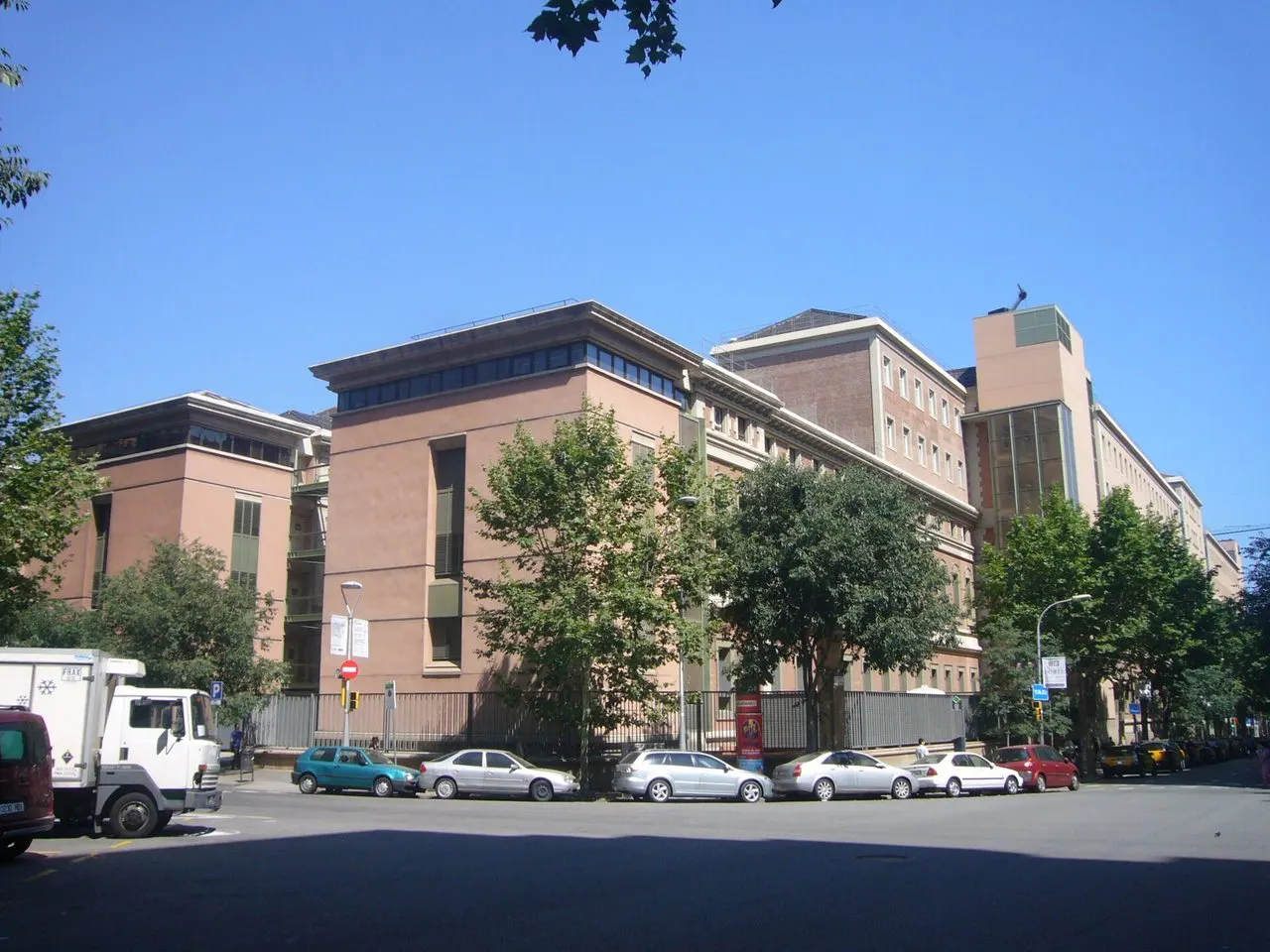
Doctors in Barcelona presented new results for a daily pill that could change how advanced pancreatic cancer is treated. The trial tested daraxonrasib, sold as Rasonque, together with chemotherapy in 61 patients whose cancer had already spread. The numbers caught the attention of cancer doctors around the world, because pancreatic cancer has seen so little progress for so long. For families who know this disease, even a small step forward matters a great deal. Read our story on a miniature pancreas made from living cells.
The Daraxonrasib Pancreatic Pill Is a Daily Tablet Called Rasonque
The pill at the center of this story is taken once a day, which makes it very different from the drips and infusions that many cancer patients know. Daraxonrasib is sold as Rasonque, and in this trial it was given with chemotherapy rather than on its own. A daily pill fits normal life more easily than long hours in a hospital chair, and that matters when treatment lasts for months. Doctors hope the simple routine helps more patients stay on treatment. Read our story on the pancreatic cancer pill trial.
Dr Wungki Park Presented the Findings in Barcelona
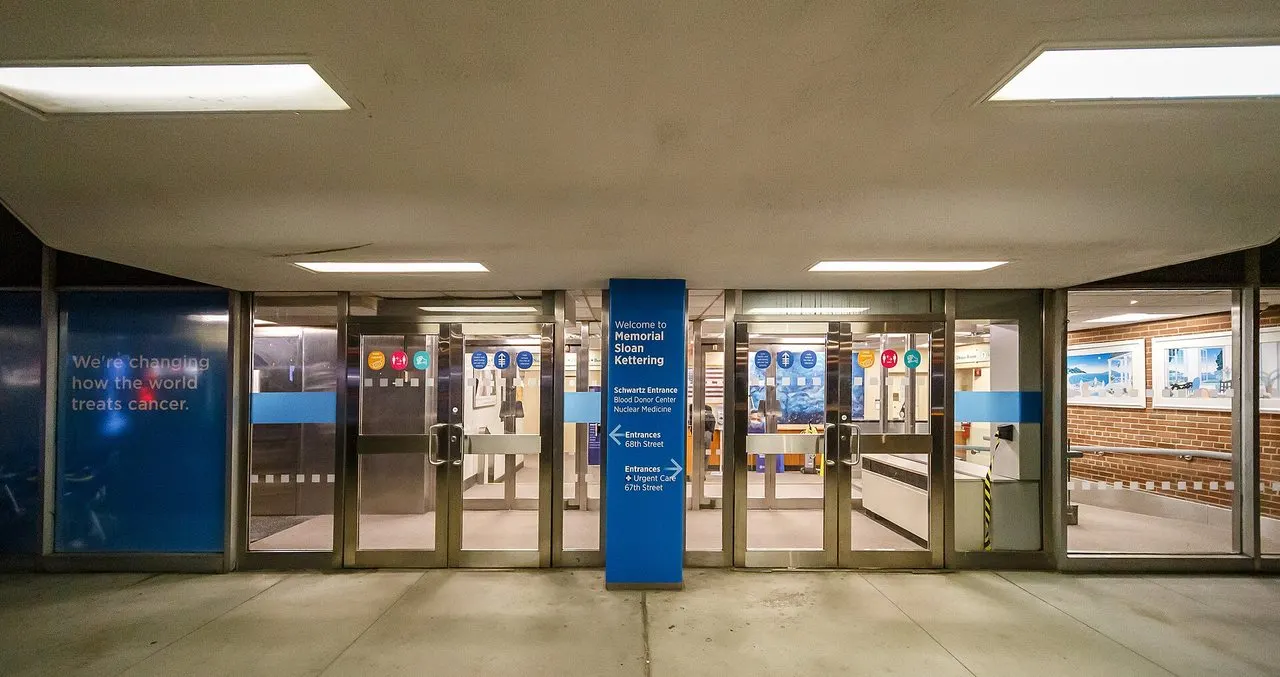
Dr Wungki Park of Memorial Sloan Kettering Cancer Center in New York presented the findings, and his words set the tone for the whole story. He called the pill the closest thing to a cure, a phrase that is rarely heard about pancreatic cancer. Dr Park works at one of the best known cancer hospitals, and his team sees patients with the hardest cases every day. When a doctor with that experience speaks with hope, other doctors listen. Read our report on the treatment that made tumors vanish.
What the Pancreas Does and Why This Cancer Is So Hard to Treat
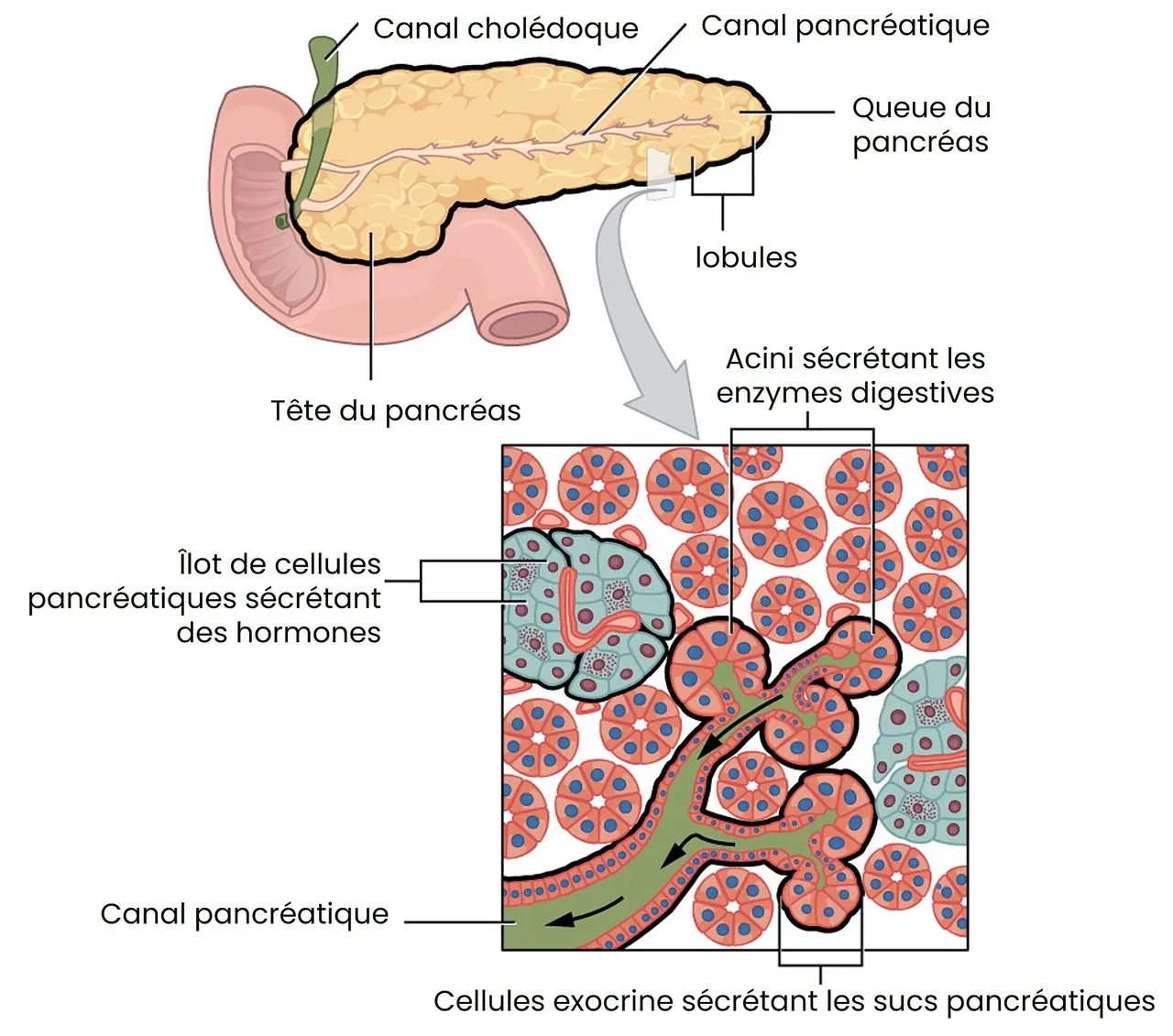
The pancreas sits deep in the belly, behind the stomach, and it makes juices that help us digest food and insulin that controls blood sugar. Pancreatic cancer is hard to treat because it is often found late, after it has spread to other parts of the body. By that point, surgery is often no longer possible, and the cancer has few weak spots for drugs to hit. That is why every new treatment is watched so closely. Read our story on a miniature pancreas made from living cells.
The Daraxonrasib Pancreatic Pill Was Given With Chemotherapy
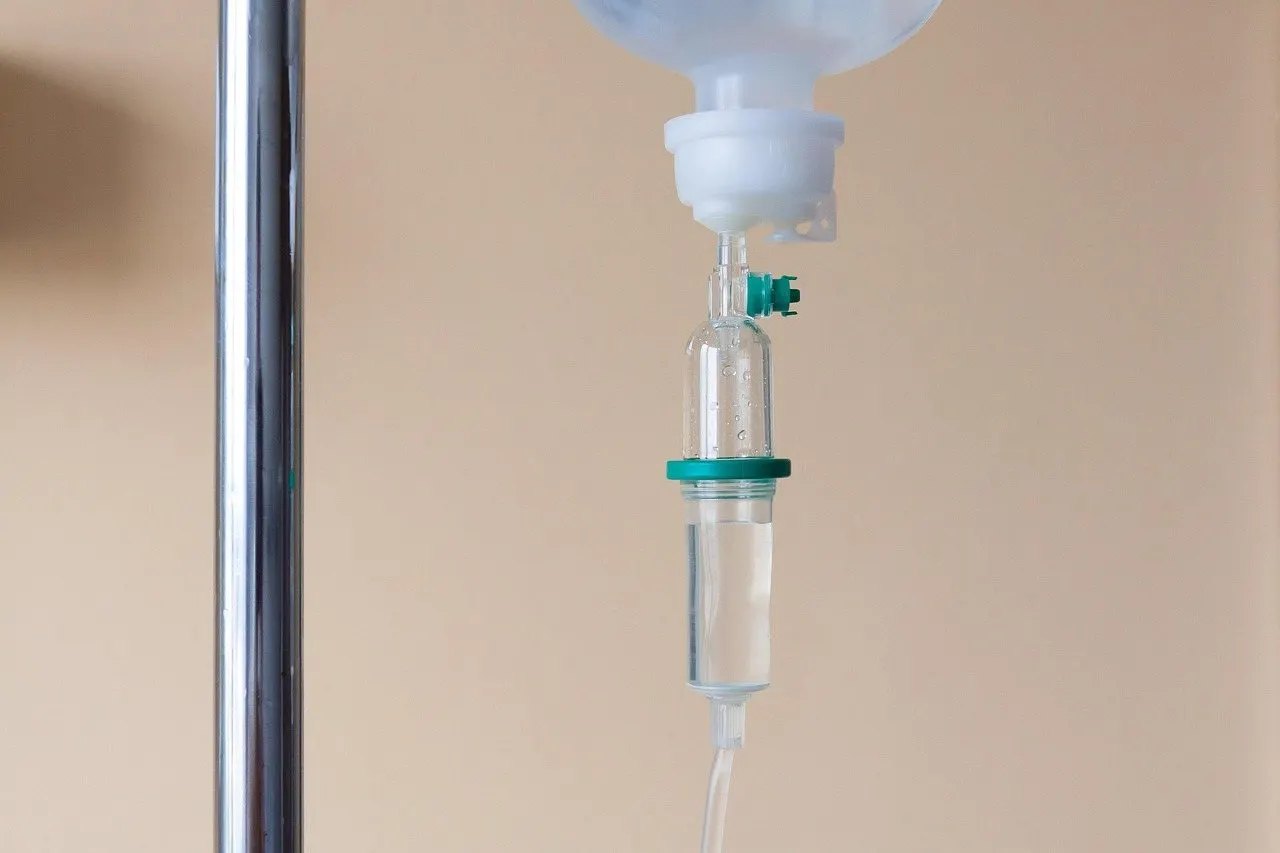
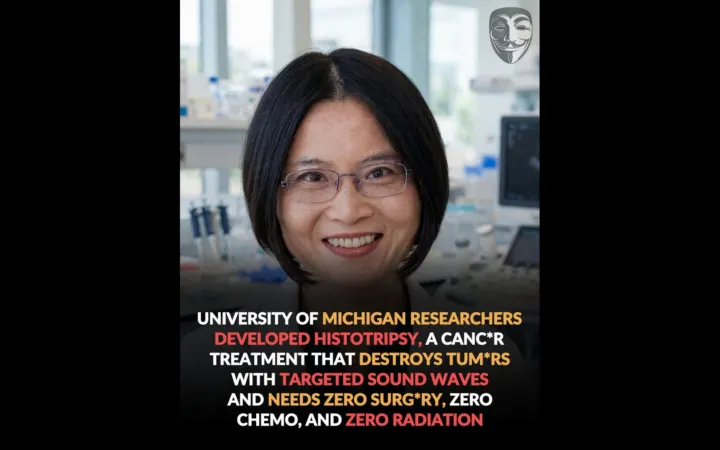
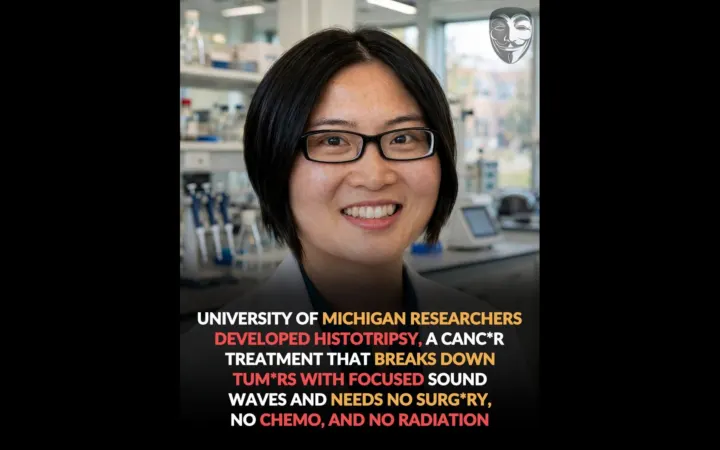
In this trial, the daraxonrasib pancreatic pill was not given alone. It was paired with chemotherapy, the strong drugs that are dripped into a vein to kill cancer cells through the whole body. The two treatments worked as a team, with the pill taken daily at home and the chemotherapy given in the clinic. Doctors think the pair may attack the cancer from two sides at once, which could explain why the results were so strong. Read our report on a cancer treatment that uses sound waves.
Inside the Lab Where the Daraxonrasib Pancreatic Pill Was Studied
Before a pill reaches a patient, it spends years in the laboratory, where scientists test it on cancer cells and study how it works. The lab work behind this pill looked at how it could block the signals that tell pancreatic cancer cells to keep growing. That early work is slow, and most ideas tested in a lab never reach a trial. The fact that this one did is a sign of how strong the early results were. Read our story on the Michigan sound wave treatment.
The Presentation That Made Headlines Around the World
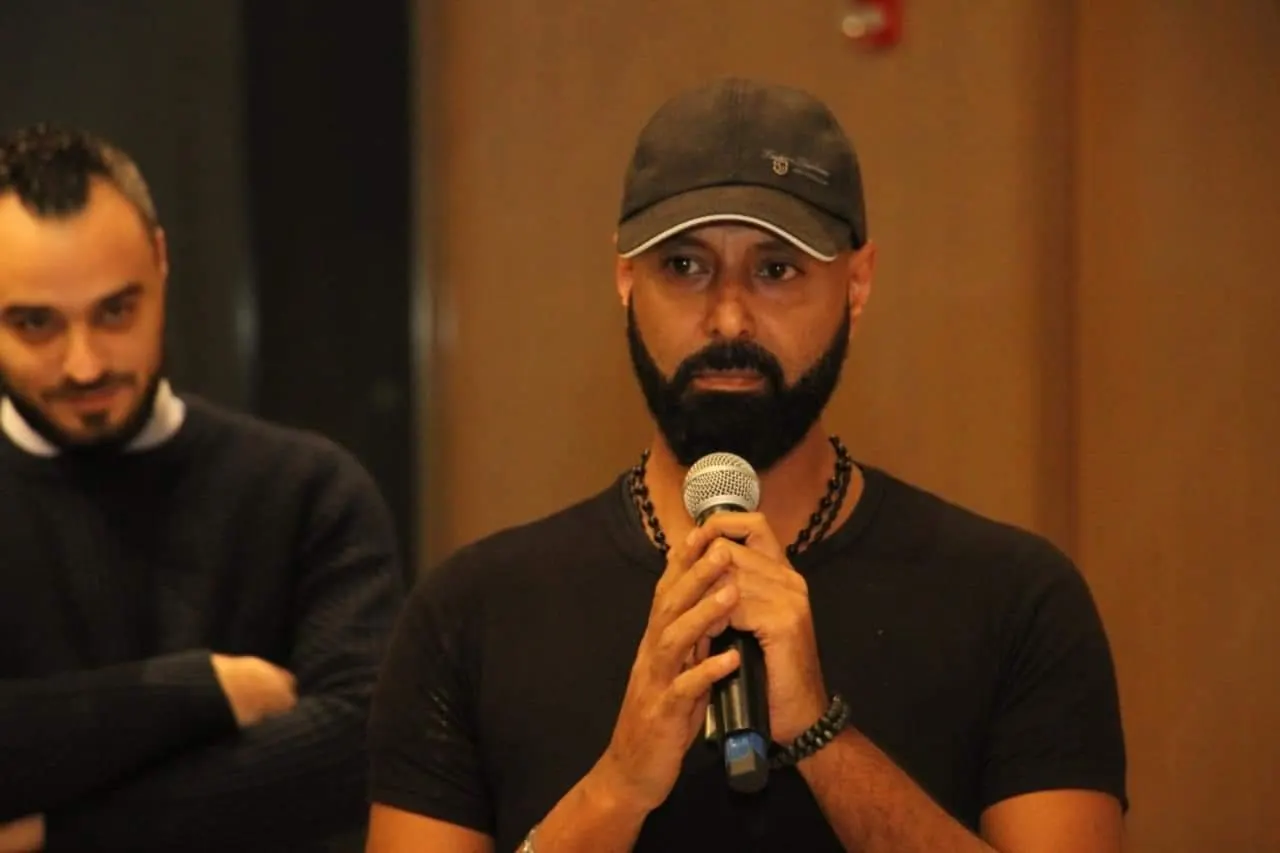
Medical meetings are where new results are shared first, long before they reach the news. Doctors gather in large halls, listen to the data, and ask hard questions about what it really means. The Barcelona presentation drew a crowd because pancreatic cancer has waited so long for good news. The numbers on the screen told a story that many in the room had not expected to hear in their careers. Read our report on the frankincense oil lab study.
The 61 Patients Behind the Daraxonrasib Pancreatic Pill Trial
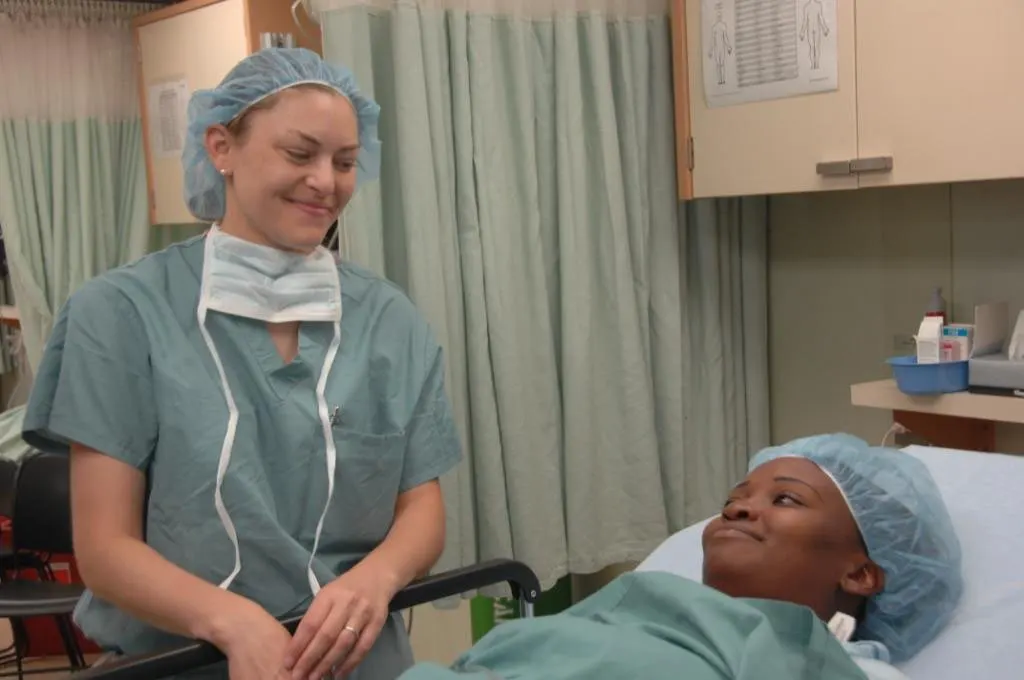
Behind the percentages in this trial are 61 real people, each living with advanced pancreatic cancer that had already spread. They agreed to try a new pill plus chemotherapy when the usual options had little left to offer. Clinical trials ask a lot of patients, with extra visits, scans and blood tests, yet these volunteers gave doctors the answers the world needed. Their courage is part of this story. Read our story on surgery inside the womb in India.
What the Scans Showed After Treatment
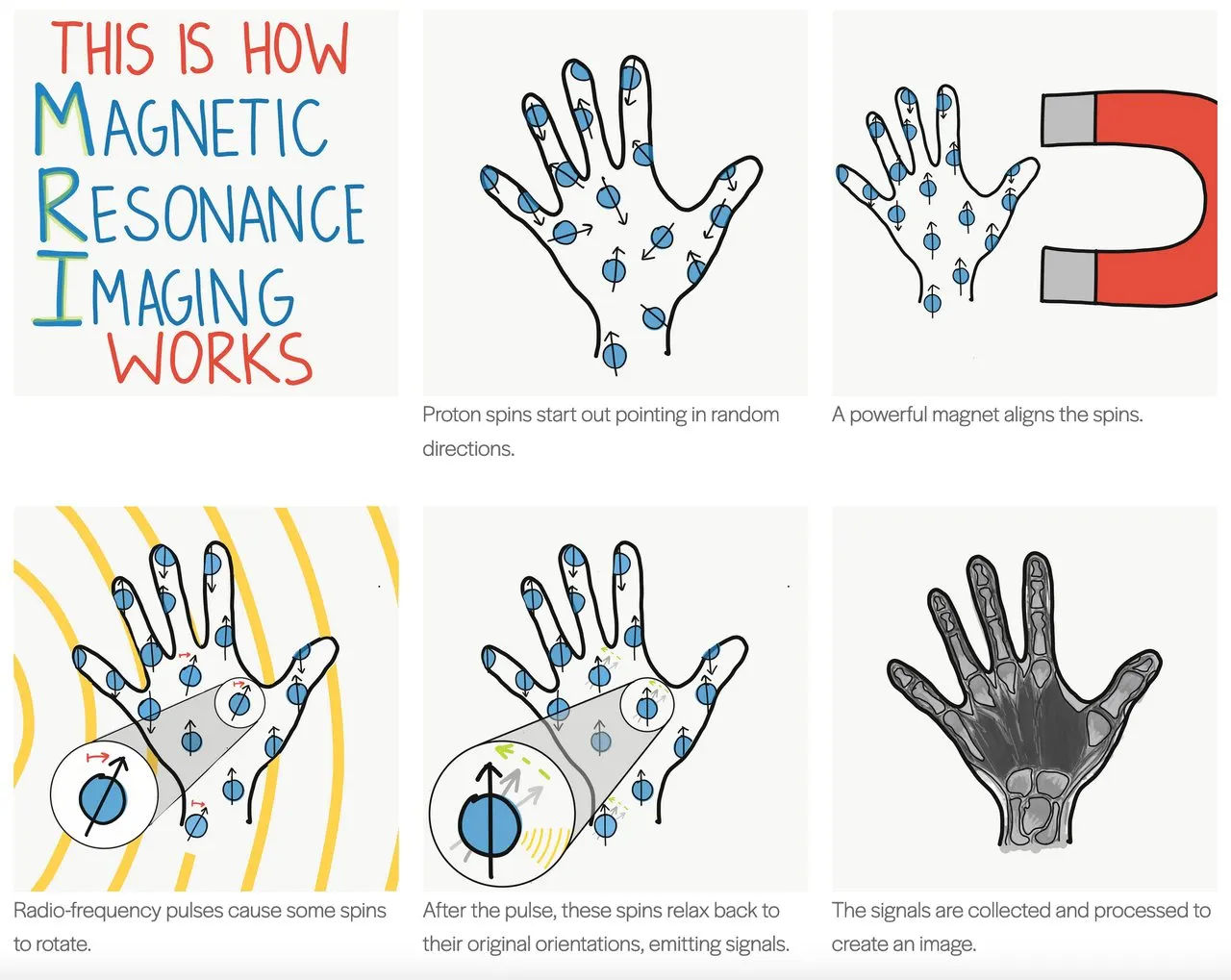
Scans are how doctors measure whether a cancer treatment is working, and the scans in this trial told a hopeful story. Tumors stopped growing in 90 percent of the patients, which means the cancer was held in place instead of spreading further. More than 60 percent saw their tumors shrink or disappear, and in about 8 percent the cancer could no longer be seen on scans at all. Those numbers are rare in pancreatic cancer. Read our report on babies born with measles in the United States.
Cancer Research UK Calls It the Biggest Leap in Decades
Cancer Research UK, one of the largest cancer charities in the world, called the results the biggest leap forward in decades for pancreatic cancer patients. Charities like this fund research, support patients, and speak up when a breakthrough arrives. Their words carry weight because they see the whole picture, from the lab to the hospital ward. When they call a result a leap forward, families can trust that it means something real. Read our story on what the United States spends on health care.
What the Results Mean for Families Waiting for Hope

For families, a trial result is never just a number. It is a phone call from the hospital, a scan that looks better than the last one, and a few more months that once seemed out of reach. Pancreatic cancer moves fast and leaves little room for hope, so news like this lands with real force in homes that know the disease. The pill is not a cure yet, but hope is a powerful thing to give a family. Read our story on the update about Bruce Willis.
How the Daraxonrasib Pancreatic Pill Works Each Day
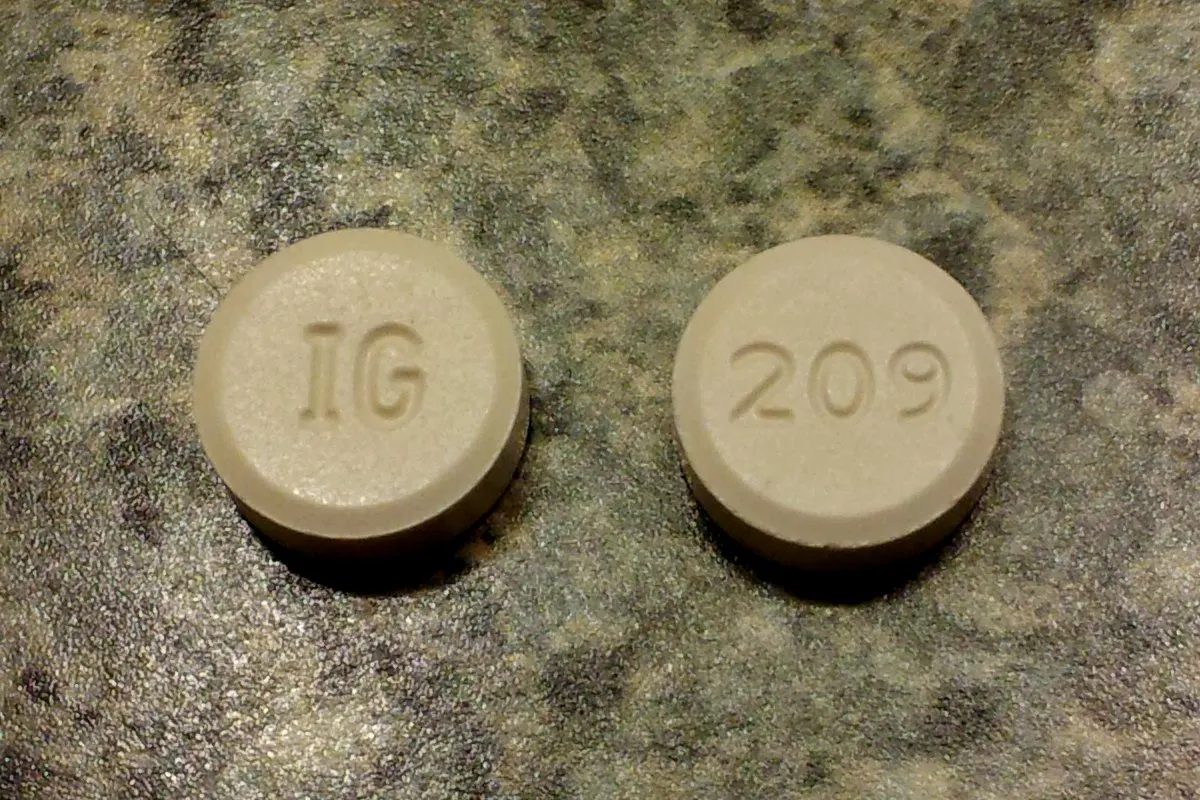
A daily pill works best when it is taken the same way every day, and that routine is part of the treatment itself. The daraxonrasib pancreatic pill targets a faulty signal inside cancer cells, the kind of signal that tells them to keep growing when they should stop. By blocking that signal, the pill may slow the cancer down and give chemotherapy a better chance to work. The science is complex, but the routine is simple. Read our report on Warren Buffett’s big donation.
Barcelona, the City Where the News Broke

Barcelona is a city of wide streets, old stone and bright Mediterranean light, and it often hosts large medical meetings. Doctors from around the world travel there to share their latest work, and this year the city gave them a story to carry home. The trial results were presented to a room full of cancer specialists who had flown in from many countries. For one day, the city was the center of hope for pancreatic cancer. Read our story on International Men’s Day.
Life in the Oncology Ward During Treatment
The oncology ward is where cancer treatment happens day after day, with nurses checking drips, doctors reading scans, and patients resting between rounds. It is a quiet place of routine and waiting, where small changes in a blood test can mean a great deal. A new pill that can be taken at home could mean fewer hours in those chairs and more time in normal life. That is a change patients would feel at once. Read our report on the silent shrug in Berlin.
The Daraxonrasib Pancreatic Pill Under the Microscope
Under the microscope, cancer cells look like a busy city that never sleeps, dividing again and again without any order. Scientists study those cells to find the signals that drive them, and a pill like this one is built to block one of those signals. The work is slow, with many failed tests for every small success. Yet each success brings the lab one step closer to a treatment that can help real people. Read our story on the question after the viral kiss cam moment.
Talking Through Treatment Choices With Your Doctor
Choosing a cancer treatment is one of the hardest talks a patient ever has with a doctor. They weigh the chance that a treatment will help against the side effects it may bring, and they think about the life they want to live during treatment. A daily pill may be easier to accept than long hospital stays, but every patient is different. Honest talks like these are where good care begins. Read our report on the big change in GTA 6.
Hope Rises Like the Sun After a Long Night

Hope often arrives quietly, like the sun rising after a long night. The news from Barcelona does not promise a cure, and doctors are clear about that. Yet for a disease that has offered so little hope for so long, a pill that can shrink tumors is a real reason to look forward. Families who have waited years for progress can finally see a new morning on the horizon. Read our story on Kevin Hart and time with his kids.
Volunteers Make the Daraxonrasib Pancreatic Pill Trial Possible
Clinical trials only happen because patients volunteer, and the 61 people in this trial gave more than their time. They gave doctors the data that will shape the next, larger trial, and they gave future patients a reason to hope. Trial volunteers are often thanked in small print at the end of a paper, but their role is the heart of every breakthrough. Without them, there would be no news from Barcelona at all. Read our report on the claim about the 1952 law.
The Purple Ribbon and the Fight for Awareness
The purple ribbon is the symbol of pancreatic cancer awareness, and it stands for a disease that has long been overlooked. Awareness matters because it brings money for research, attention from drug makers, and earlier talks with doctors. Every ribbon worn, every walk held, and every story shared adds to that pressure for progress. The news from Barcelona shows what that pressure can build. Read our story on the denial from Trump backers.
The Scientists in White Coats Behind the Daraxonrasib Pancreatic Pill
The scientists behind this pill wear white coats and spend their days with cells, data and long hours in the lab. Their work rarely makes the news, and the path from an idea to a trial can take a decade or more. Yet it is their steady work that turns a hope into a pill that a patient can swallow each morning. This trial is their work, made visible at last. Read our report on the plan to end horse drawn carriages in New York.
The Hospital Where Care Happens Every Day
Modern hospitals are built to bring the lab and the ward close together, so a new result can reach a patient faster. Doctors, nurses, pharmacists and researchers work in the same building, sharing scans, notes and ideas. That teamwork is part of why a trial like this one can move from Barcelona to clinics around the world. A hospital is more than a building, it is a team. Read our story on Ava, the rare golden tiger.
Holding Hands Through Hard News
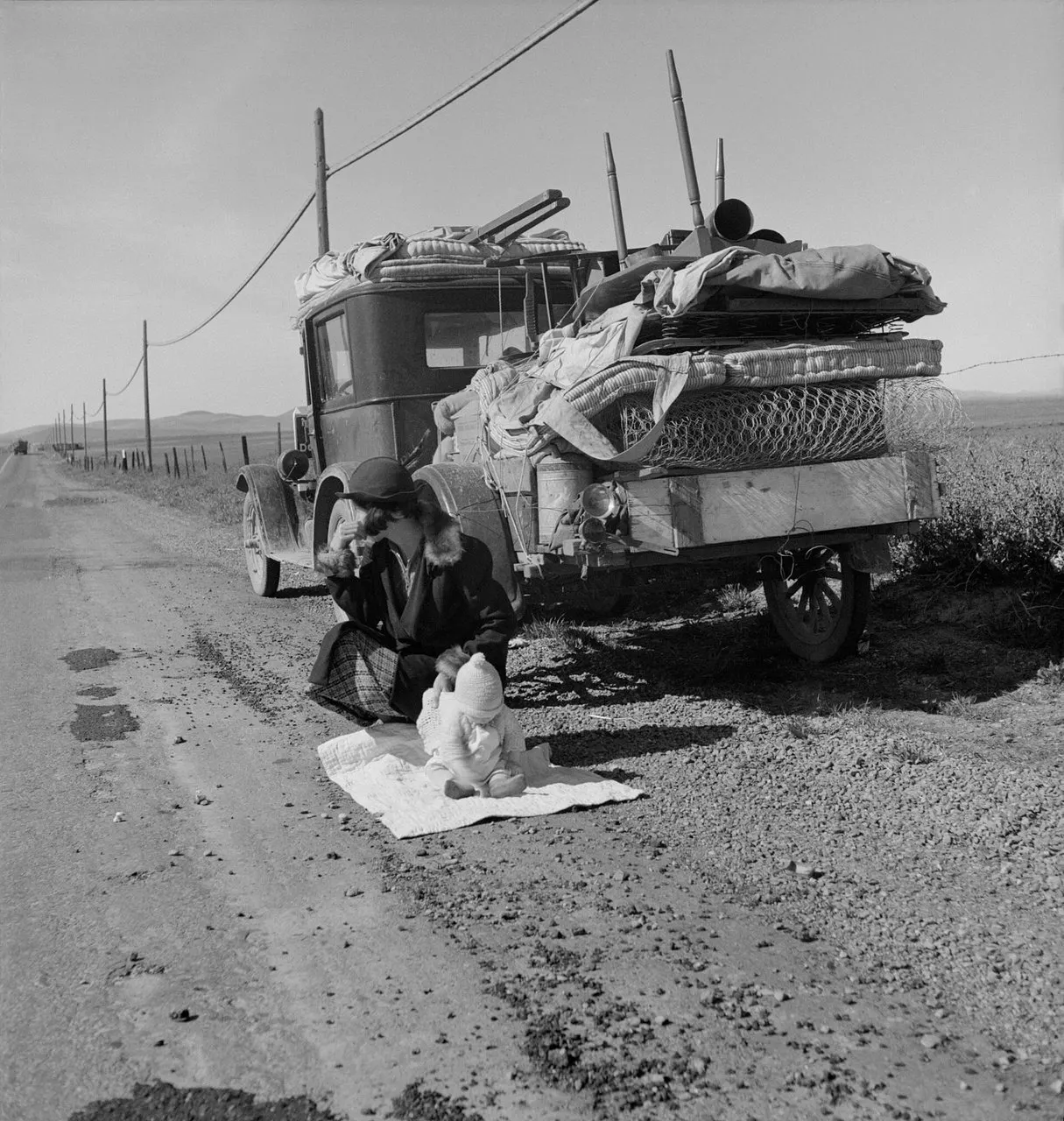
When hard news arrives, families hold on to each other, and a hand held tight can say what words cannot. Cancer touches everyone in the family, not just the patient, and the waiting is often the hardest part. News like the Barcelona results gives those families something new to hold on to, a reason to believe the next scan might be better. Hope shared is hope doubled. Read our story on the Michigan sound wave treatment.
The Corridor Between Waiting and Hope
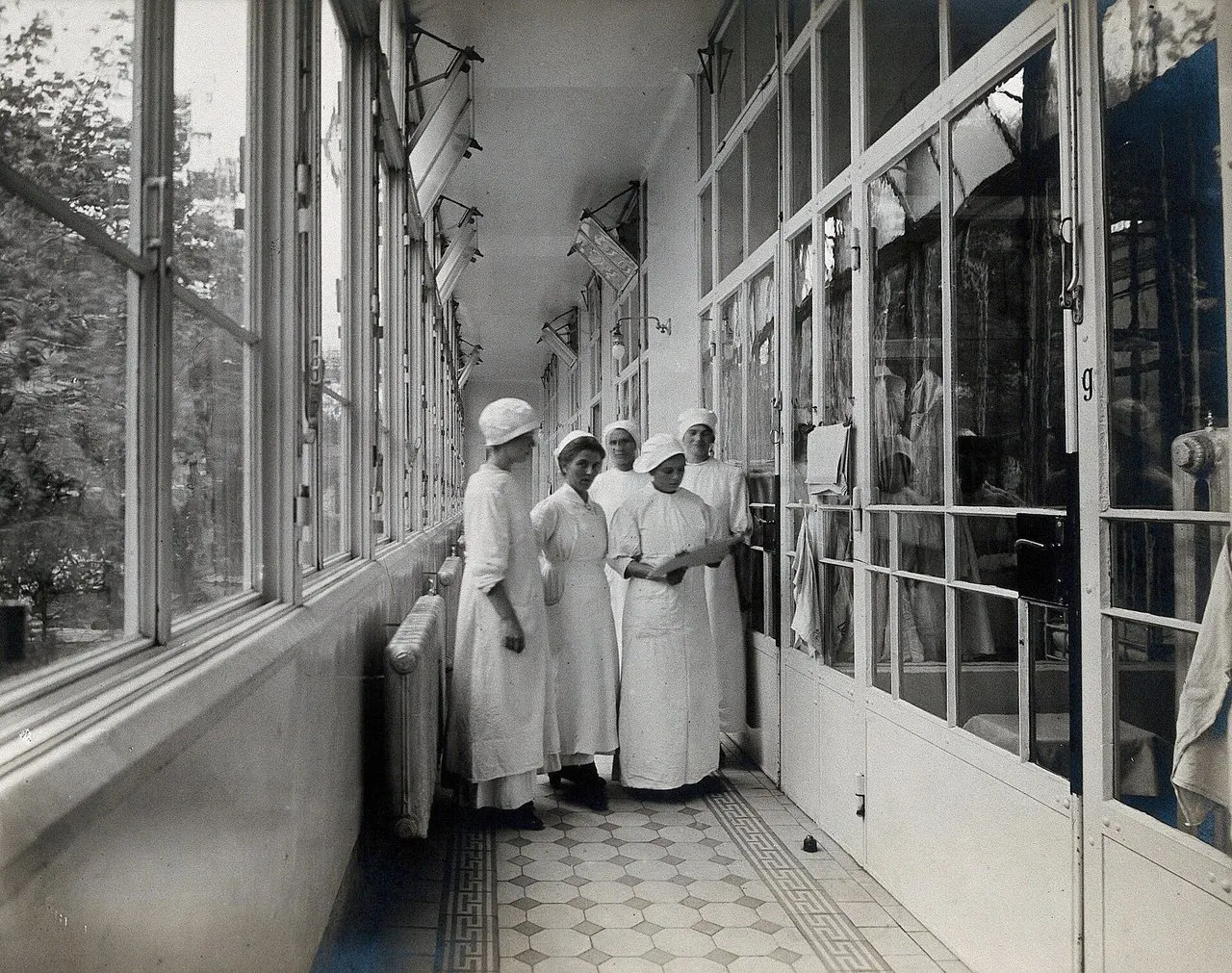
Every hospital has a corridor where families wait for news, and those few steps can feel like the longest walk in the world. The wait for a scan result is full of fear, and it is also full of hope. A pill that can shrink tumors shortens that wait in a real way, by giving doctors better news to carry down the corridor. The walk home after good news feels very different. Read our story on surgery inside the womb in India.
The Lab Where the Next Step for the Daraxonrasib Pancreatic Pill Begins
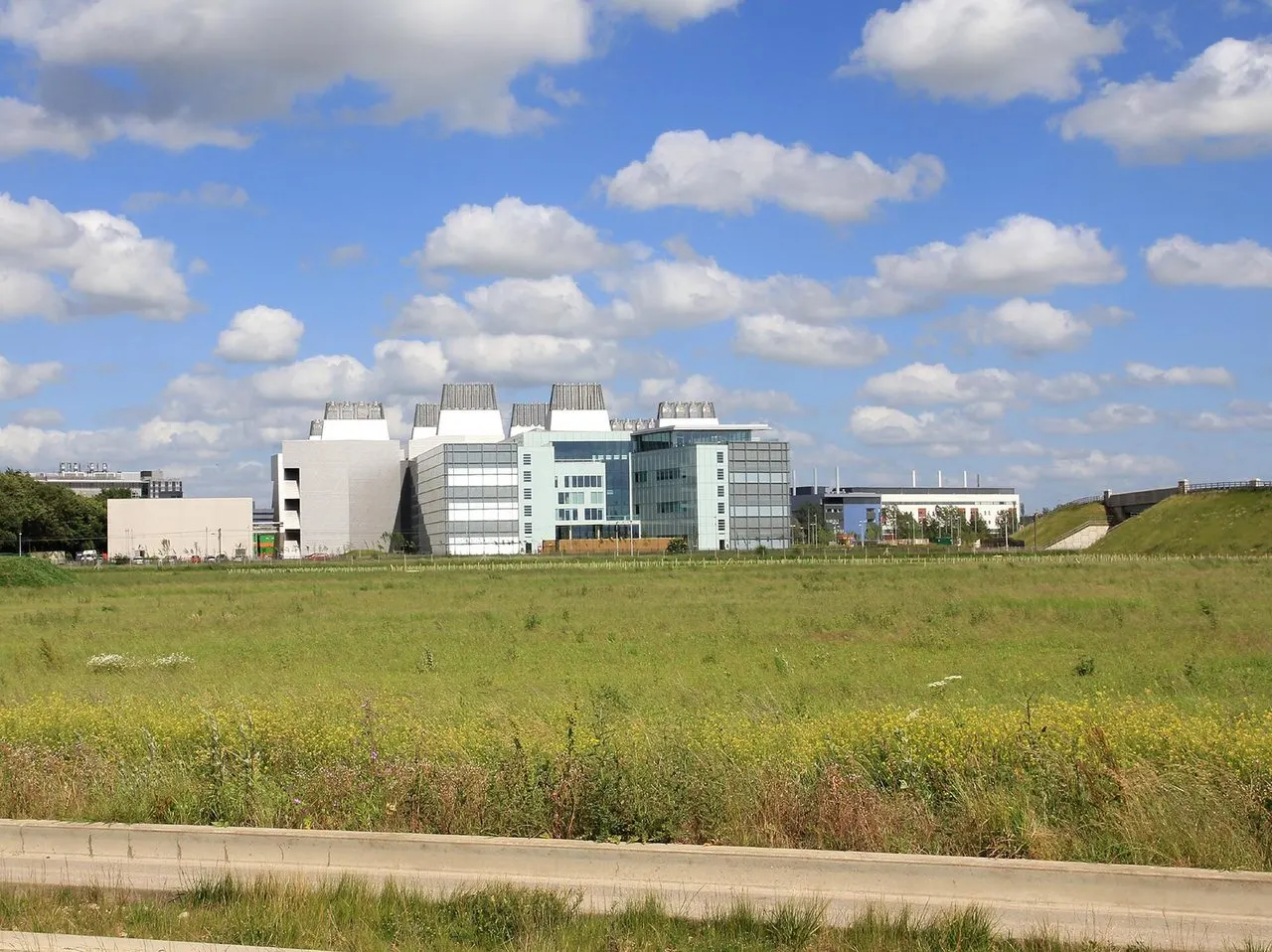
The laboratory where the next step begins is already at work, planning the larger trials that doctors say are still needed. A trial of 61 patients can show promise, but a bigger trial must prove that the promise holds for many more people. That work takes time, money and patience, yet the team behind this pill now has a strong reason to keep going. The next chapter is already being written. Read our story on what the United States spends on health care.
What Does the Daraxonrasib Pancreatic Pill News Mean to You?

The news from Barcelona gives families facing pancreatic cancer a new reason to hope, and it gives doctors a new tool to study. The daraxonrasib pancreatic pill is not a cure yet, and larger trials are still needed, but the results are the strongest this disease has seen in decades. Now we want to hear from you. What does this news mean to you, and what would you ask the doctors behind the trial? Share your thoughts in the comments below. Read our report on Warren Buffett’s big donation.