Denied Cancer Treatment After 20 Years of Premiums
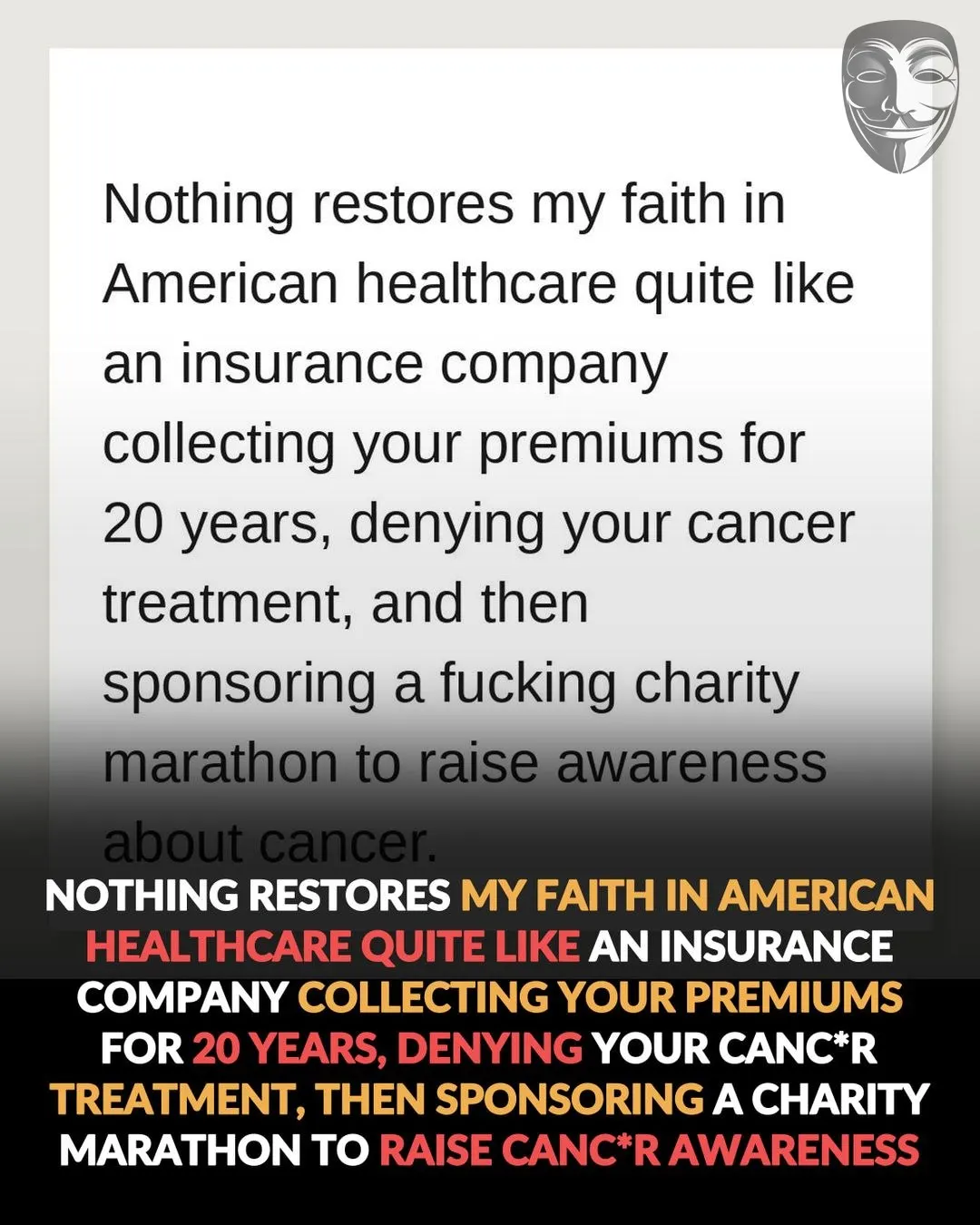
Denied cancer treatment after 20 years of premiums is the story at the heart of this article, and it begins with a patient who paid for health insurance month after month, year after year, trusting that the coverage would be there when it mattered most. For two decades the payments went out on time, and the promise of protection felt real. Then cancer arrived, and the treatment the patient needed was denied. The shock of that refusal is hard to describe, because the money had been paid and the need was clear, yet the help did not come.
Then the same company sponsored a charity marathon to raise awareness about cancer, the very disease it had refused to treat, and the contrast left many people angry. The post struck a nerve because it captures a frustration millions of Americans know too well, paying for protection that disappears at the worst possible moment. In the slides ahead we look at the premiums, the denial, the marathon and what the references show about insurance and cancer care. For more on health care change, read our report on the rural health plan and our story with reasons to hold on.
References:
Moneywise: Insurer drops Cancer patient over 1 wrong answer
CBS News: Woman says she was dropped from her supplemental Cancer insurance after getting Cancer
ProPublica: Delayed Cancer Treatment. Missed Medication. How a Popular Insurance Plan’s Use of Prior Authorization Hurt Patients.
ProPublica: Big Insurance Met Its Match When It Turned Down a Top Trial Lawyer’s Request for Cancer Treatment
Twenty Years of Premiums, Paid on Time

For twenty years, one patient paid health insurance premiums on time, trusting the coverage would be there when it mattered most. That is a long time to keep a promise, and it means two decades of monthly payments made in good faith. The patient did what the system asks people to do, and the system was supposed to do its part in return. When a serious illness arrived, that trust was tested in the hardest way. Read about new medical research in our story on the miniature pancreas and our report on sound wave cancer treatment.
The Diagnosis That Changed Everything
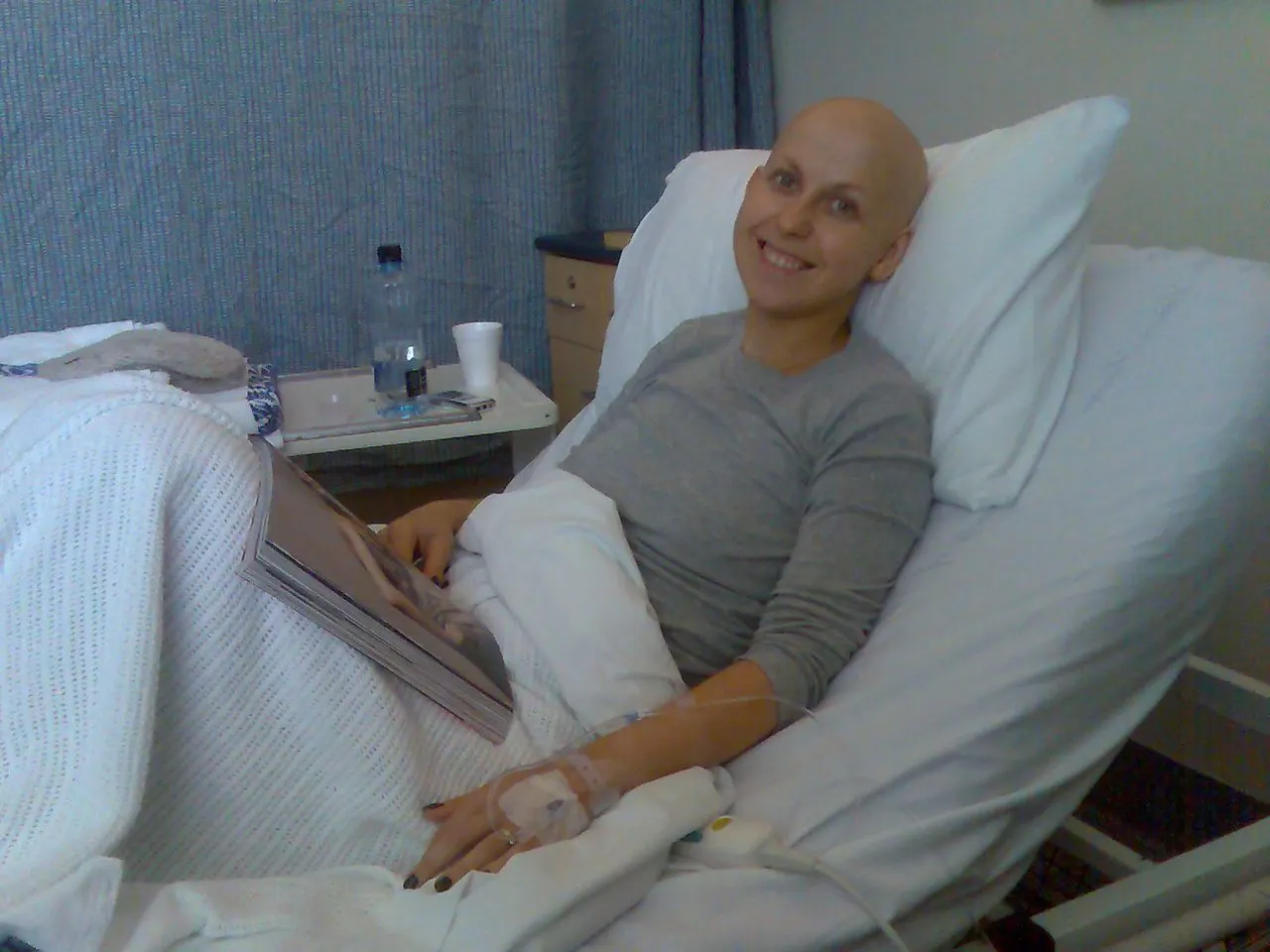
Cancer changes a life in a single moment, and the news often arrives when a person feels least ready for it. The patient in this story had paid for coverage for twenty years, so the diagnosis should have been the start of treatment, not the start of a fight with an insurer. Instead, the illness brought worry about care, worry about money and worry about time, all at once. That is why the story resonated with so many readers. Learn about progress in care from our report on the pancreatic cancer pill and our story on the frankincense oil study.
The Denial Letter Arrived

When the company denied the treatment, the patient was left to face the illness without the help already paid for. A denial can feel like a door closing at the worst time, and it arrives as a formal letter full of hard terms. Families must then decide what to do next, while dealing with fear and pain. The letter in this story became the center of a post that millions would share. See how two parts of the country differ in our story on two very different maps and our report on sound wave therapy.
What Prior Authorization Means for Patients

Many insurance plans use a step called prior authorization, which means the company must approve a treatment before it will pay for it. One of the references for this article describes how that process hurt patients who needed cancer treatment and medication on time. Delays can mean missed doses, longer waits and more stress for people who are already ill. The idea behind the rule is to control costs, but the effect can be very different for a patient. Read about a fight over leadership and a forest cleared for a data center in our other reports.
The Marathon Sponsor and the Denied Cancer Treatment

Then the same company sponsored a charity marathon to raise awareness about cancer, the very disease it refused to treat, and that detail turned a sad story into a viral one. A marathon is a public event, full of runners, banners and good will, and the sponsor name is seen by everyone there. People asked how a company could celebrate awareness while denying care, and the question spread fast. The denied cancer treatment stayed at the center of the debate. Learn what rest can look like in our story on a healthy workplace and the CEO who came back.
How Insurance Companies Decide What to Cover

Insurance companies decide what to cover from policies, medical rules and costs, and those decisions are made far from the patient hospital room. A treatment can be denied because the company says it is not covered, not needed or not yet approved, even when a doctor backs it. Patients rarely see how those choices are made, and that gap adds to the anger. The system is complex by design, and ordinary people pay the price. Read our study on armed schools and our story on a change to a long running game.
The Cost of Care After Denied Cancer Treatment

Cancer care is among the most expensive care in American medicine, and a denial can leave a patient facing bills that no family can pay alone. Even with insurance, patients often pay part of the cost, and without coverage the numbers grow fast. That is why the premiums matter so much in this story, because twenty years of payments were supposed to protect against exactly this kind of bill. The denied cancer treatment meant the safety net was gone. See our fatherhood moments and a story about calm family life next.
One Wrong Answer Can End Coverage

One of the references for this article tells of an insurer that dropped a cancer patient over one wrong answer on a form, a small mistake with huge consequences. Forms ask for long histories, old dates and exact words, and a single error can be used to cancel a policy. For a person facing cancer, that kind of rule feels cruel, because the illness is already hard enough. The story shows how fragile coverage can be, even after years of payments. Read about a rare golden tiger and a warning to colleagues in our other stories.
Dropped After a Diagnosis: Denied Cancer Treatment

Another reference describes a woman who said she was dropped from her supplemental cancer insurance after getting cancer, the very moment she needed the policy most. Supplemental cancer insurance is bought for extra help, so losing it after a diagnosis feels like the opposite of what it promised. Her story, like the one in this article, raises the same question about whether coverage is real when it counts. Our story echoes that same fear. See our meeting of leaders and our late night roast for more.
The Lawyer Who Fought Back

A third reference tells of a top trial lawyer who was turned down for cancer treatment and fought the decision, and his case shows that even powerful people can face a denial. Most patients do not have a lawyer or the money to fight, so they accept the refusal and look for other ways to pay. The lawyer story matters because it proves the problem is not rare, and it is not limited to people without resources. It can happen to anyone. Learn about the rural health plan and the miniature pancreas in our health coverage.
Rural Health and the Denied Cancer Treatment Debate

People in rural areas often travel far for cancer care, and a denial can mean even longer trips or no care at all. A recent plan promises fifty billion dollars to transform rural health, which shows that leaders know the gaps are real. But a plan takes time, and a patient with cancer needs help now, not in a future budget year. The denied cancer treatment in this story is a reminder that promises and plans must reach real people. Read our sound wave cancer treatment and our report on the pancreatic cancer pill.
New Hope in Cancer Treatment: Sound Waves
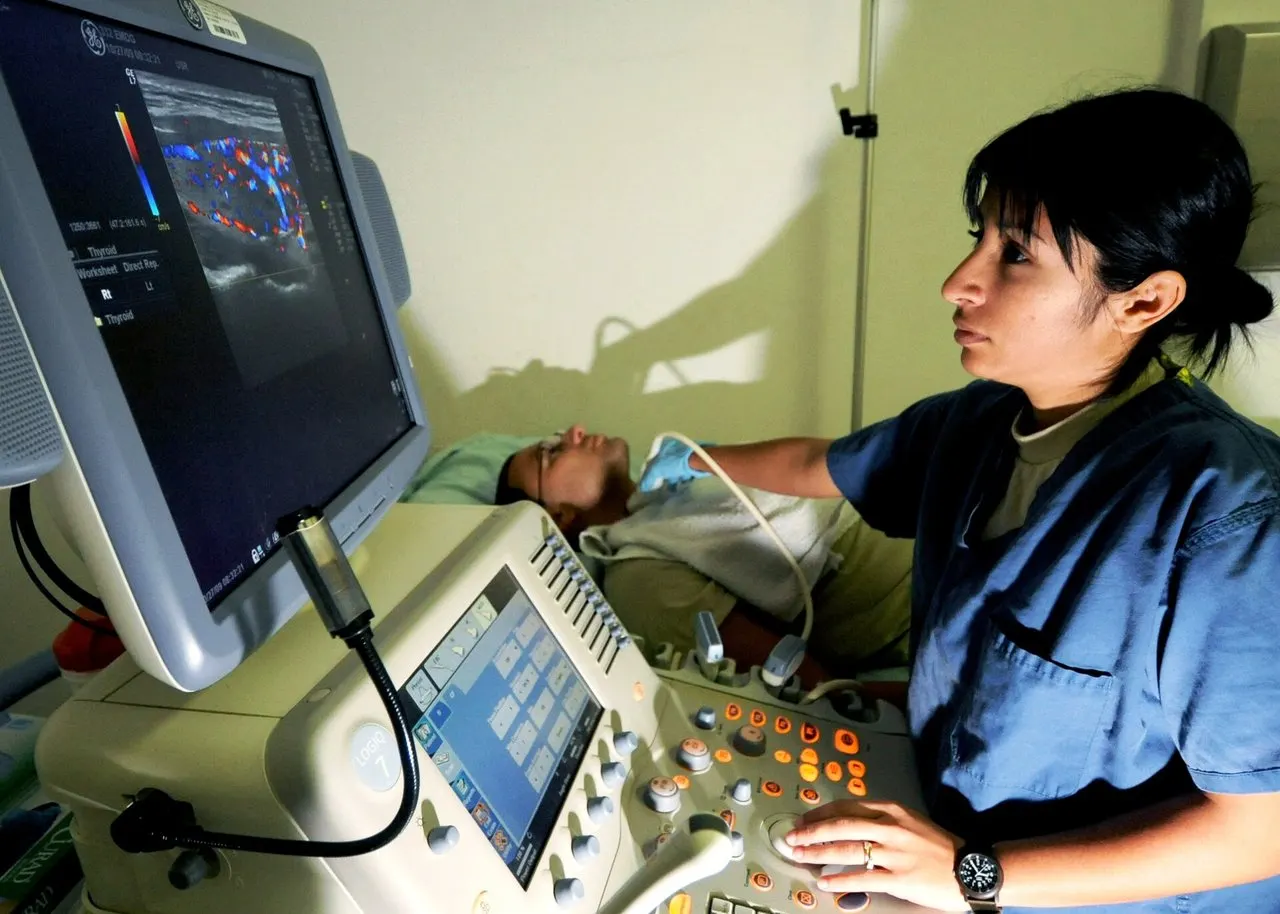
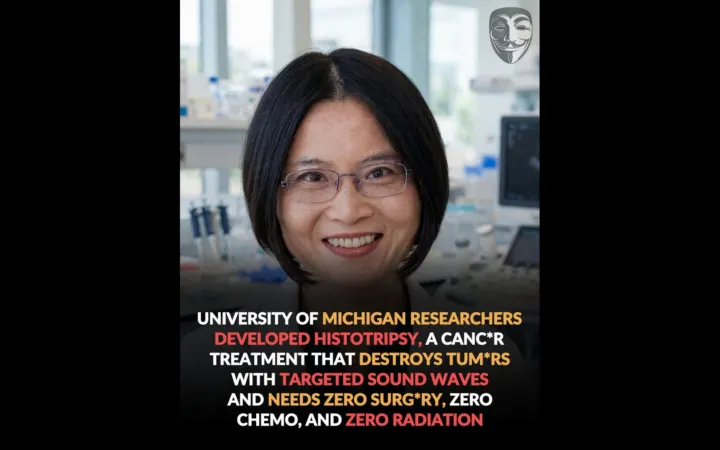
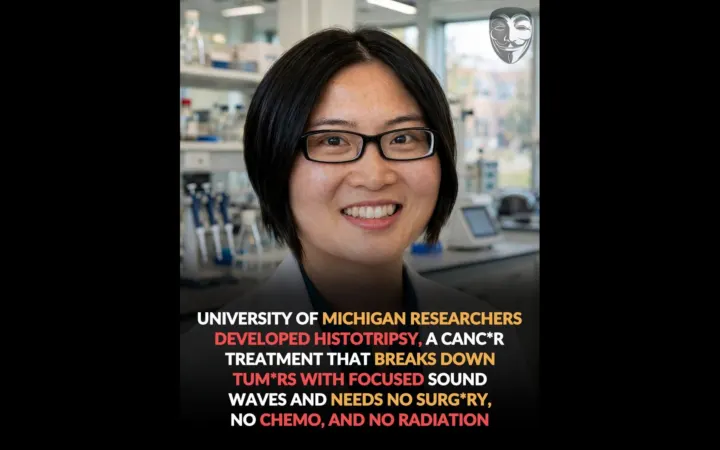
Scientists are finding new ways to treat cancer, and one promising method uses focused sound waves to destroy tumors without cutting the body open. Researchers at the University of Michigan developed this method, called histotripsy, and early results have drawn wide attention. For patients who have been denied care, news of better treatments brings both hope and frustration, because the science moves faster than the coverage. The future of care may look very different. Read our frankincense oil study and our story on sound wave therapy.
A Pill That Made Tumors Vanish

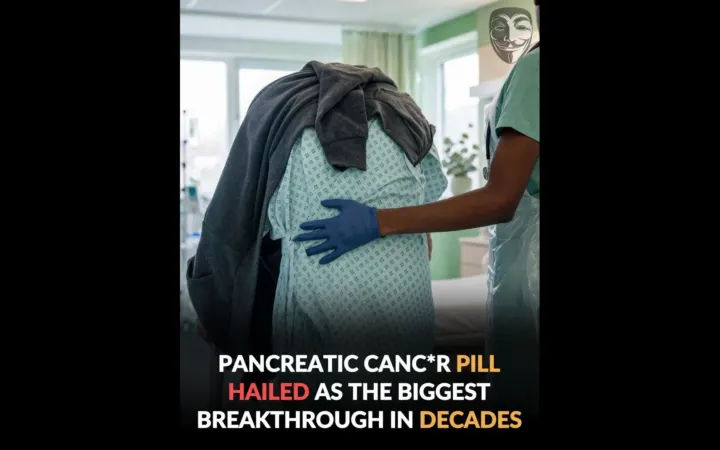
Another breakthrough involves a new pancreatic cancer treatment that researchers say can make tumors vanish, a result they had never seen before. Pancreatic cancer is one of the hardest cancers to treat, so a pill with such strong early results gives hope to many families. These advances show how fast medicine is moving, and they also show why access matters, because a treatment only helps the people who can get it. Coverage decides who benefits. See our story on two very different maps and our reasons to hold on.
A Lab Pancreas and Denied Cancer Treatment

Scientists have also created a miniature biological pancreas from living cells that make insulin on their own, a breakthrough that could change life for people with diabetes. The work shows what research can do when it is given time and support, and it reminds us that medicine keeps finding new answers. But answers only matter if patients can reach them, and the denial in this story shows how often the door stays closed. Science and access must move together. Read about a fight over leadership and a healthy workplace.
Frankincense Oil and Melanoma Research

In a lab study, frankincense essential oil destroyed human melanoma skin cancer cells by blocking proteins that let them survive, a finding that surprised many readers. The study was done in a laboratory, not in people, so it is early science rather than a proven treatment. Still, it shows how researchers test even old natural remedies with modern tools, and how each result adds to what we know. Patients should talk to doctors before trying any new remedy. Read about a forest cleared for a data center and the CEO who came back.
The Paperwork Patients Face

Behind every denial is paperwork, and patients with cancer often face stacks of forms while they are sick and tired. Each form asks for dates, names, codes and signatures, and a missing page can delay care by days or weeks. Families help when they can, but the system is hard even for healthy people to follow. The burden falls on the person least able to carry it, which is one reason the story in this article feels so unfair. Read our study on armed schools and our fatherhood moments.
Appeals Offer a Second Chance After Denied Cancer Treatment

When a treatment is denied, patients can often appeal, which means asking the company to look at the decision again. An appeal needs letters from doctors, medical records and a clear case for why the care is needed, and it can take weeks. Some appeals succeed, and the treatment is approved after all, but the wait itself can be harmful. Knowing the appeal process exists is important, even if using it takes strength. This story deserved that second look. See our change to a long running game and a story about calm family life.
The Emotional Toll on Families

Cancer affects the whole family, not just the patient, and a denial adds anger and fear to an already hard time. Loved ones sit in waiting rooms, make phone calls and try to stay hopeful, while the bills and the letters keep coming. Many families say the hardest part is feeling helpless, watching someone they love wait for care that should already be covered. Support from friends and community can help, but it cannot replace treatment. Read about a rare golden tiger and a meeting of leaders.
Why Posts Like This Go Viral

The post about the insurer went viral because it tells a story in a few lines that millions of people recognize from their own lives. Almost everyone knows someone who has fought an insurance company, paid premiums for years or waited for an approval that never came. Social media gives those stories a place to spread, and each share adds another voice to the same complaint. The marathon detail made it impossible to ignore. See a warning to colleagues and our late night roast.
Premiums, Profits and Denied Cancer Treatment

Premiums are the money people pay each month to keep their coverage, and over twenty years those payments add up to a large sum. Insurers say the money pays for care across all their members, and they must manage risk to stay in business. But when a loyal customer is denied, people ask where the money went and who it served. The denied cancer treatment raises a simple question about fairness that numbers alone cannot answer. Read our rural health plan and our sound wave cancer treatment.
Charity Events and Corporate Image

Companies sponsor charity events to show they care, and a marathon for cancer awareness is a natural fit for a health insurer. Runners raise money, crowds cheer and the sponsor name appears on shirts and banners, which builds a warm public image. But when the same company has denied treatment, the sponsorship looks very different, and people notice the gap between the image and the action. A good cause cannot hide a bad decision. Learn about the miniature pancreas and the pancreatic cancer pill.
What Patients Can Do When Coverage Is Denied

A denied claim is not always the end, and patients have steps they can take, starting with reading the denial letter closely and asking the company for the exact reason. A doctor can write a letter of support, and patient advocates can help with the appeal and the forms. Some states also have help lines and review boards that look at denials for free. None of this is easy while sick, but knowing the options gives patients a place to start. Read our frankincense oil study and our story on two very different maps.
The Role of Patient Advocates After Denied Cancer Treatment

Patient advocates are people who help patients understand their coverage, file appeals and talk to insurers on their behalf. Hospitals, charities and community groups often offer this help for free, and advocates know the rules that patients do not. For someone facing denied cancer treatment, an advocate can turn a confusing letter into a clear plan, and that support can make a real difference. No one should have to fight an insurer alone while fighting cancer. Read our reasons to hold on and a fight over leadership.
Holding On Through the Worst Days

A cancer diagnosis and a denial can feel like the worst days of a life, and hope can be hard to hold on to in that moment. Yet many patients and families say that small acts of care, a kind word, a visit, a shared meal, help them keep going one day at a time. The story in this article is painful, but it also shows how many people refuse to accept an unfair answer. Hope is not a plan, but it is a place to start. Read about a forest cleared for a data center and a healthy workplace.
A System Millions Recognize

Millions of Americans pay for health insurance and hope they never need it, and when they do need it, they expect it to work. The post in this article struck a nerve because the pattern feels familiar, not rare, and readers saw their own stories in it. That shared feeling is why the post spread so far, and why the debate about coverage keeps returning. A system that people pay into should be there when they need it most. See the CEO who came back and our study on armed schools.
What the References Show About Denied Cancer Treatment

The four references for this article each tell a different piece of the same story, from a patient dropped over one wrong answer to a woman who lost coverage after a diagnosis. The reports on prior authorization show how delays can hurt patients who need cancer treatment and medication. Taken together, they suggest the problem is not one company or one mistake, but a pattern that many people have met. The denied cancer treatment in our story fits that pattern. Read our change to a long running game and our fatherhood moments.
Two Americas of Health Care

Health care in America can feel like two different worlds, one for people whose coverage works smoothly and one for people who must fight for every approval. The same system can give quick care to one patient and a denial letter to another, and the difference often comes down to paperwork, luck or money. The post in this article captures that divide in a single story, which is why so many readers shared it. Fair care should not depend on which side you land on. See a story about calm family life and a rare golden tiger.
What Would You Ask After Denied Cancer Treatment?

If you could ask the insurance company one question, what would it be, and what answer would you accept after twenty years of premiums. Would you ask about the denial, the marathon or the promise that coverage would be there when it mattered. Your voice matters in this debate, because stories like this one only change when people speak up and share what they know. Tell us in the comments what you would ask, and keep reading our warning to colleagues and our meeting of leaders.