Amish School Fines in New York: Three Small Schools, One Big Case
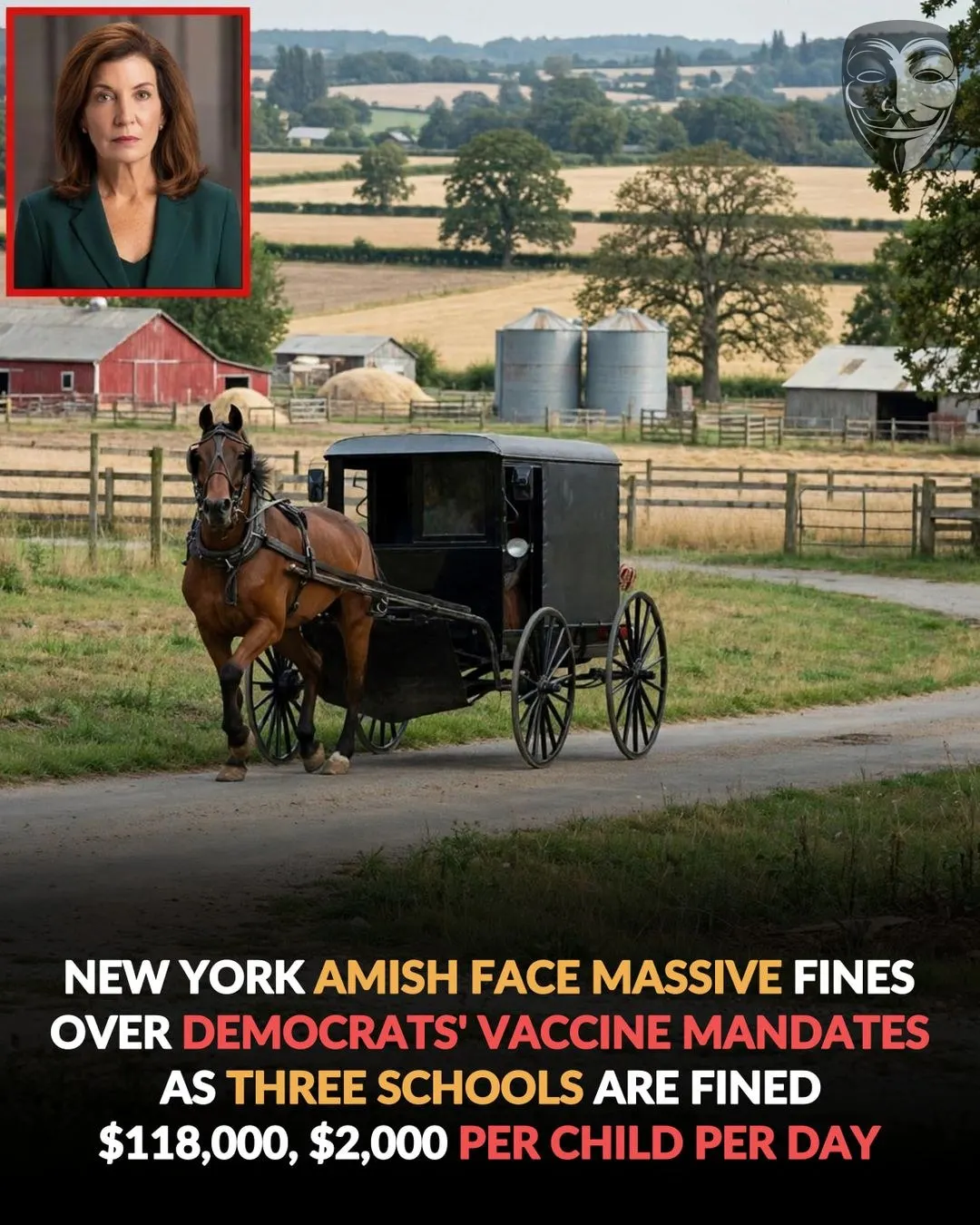
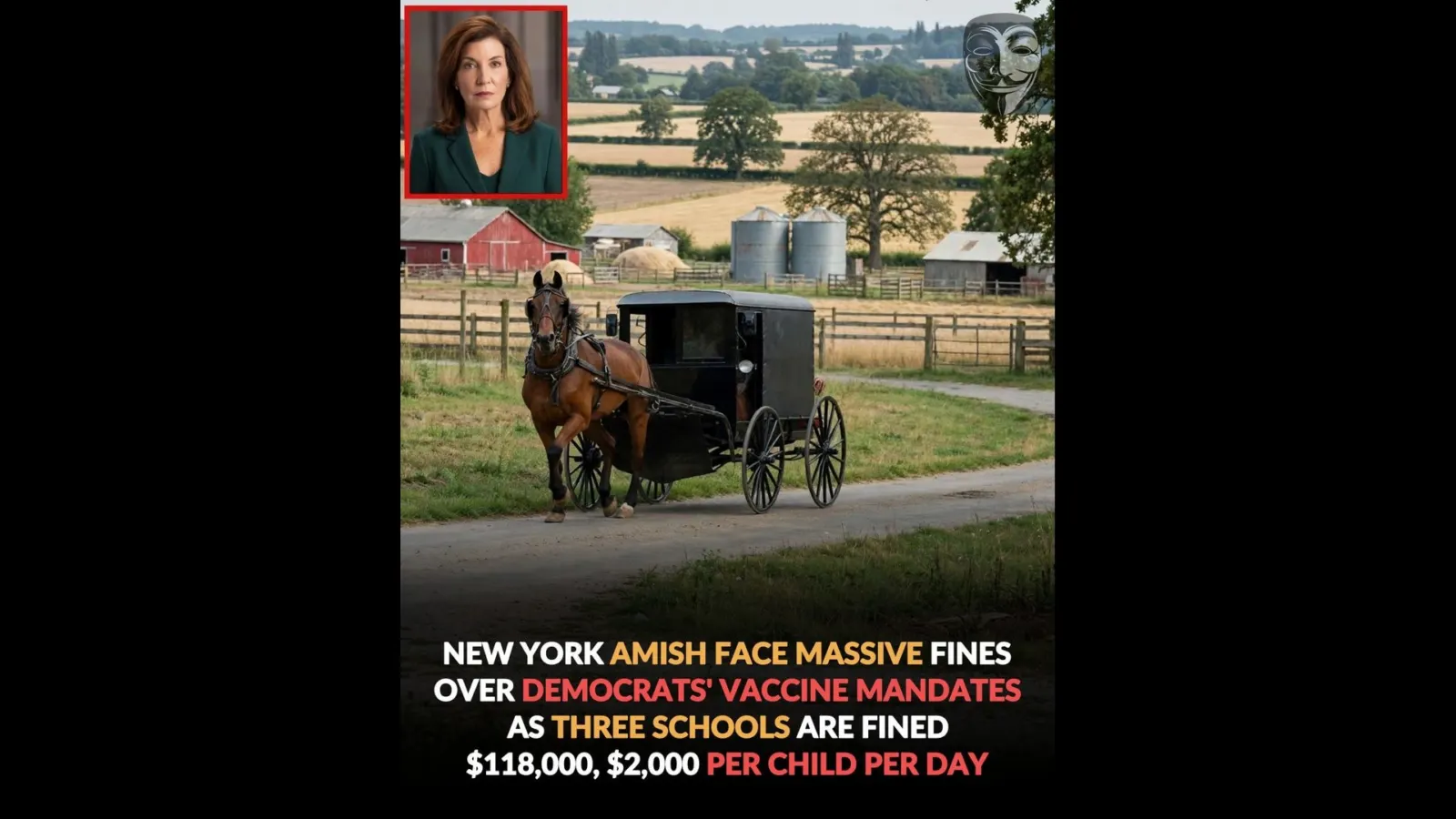
Amish school fines in New York have put three small one room schools at the center of a national debate about faith, health rules and the power of the state. New York fined Dygert Road School $52,000, Pleasant View School $46,000 and Shady Lane School $20,000, a combined $118,000, for letting unvaccinated children attend class. The fines were imposed in December 2022 after state health audits in 2021, and 59 children were involved across the three schools. The story raises hard questions that go far beyond one small community.
In the slides ahead we look at the three schools, the fines, the law behind them and the court case that followed, step by step and in plain words. The Amish families challenged the law in court, and their case, Miller v. McDonald, is now before the Supreme Court after the Second Circuit declined to rehear it on November 17, with three judges dissenting. To see how vaccine debates play out elsewhere, read our report on a fight over measles vaccines and freedom and our story about a judge at the center of a national case.
References:
GreenMedInfo: The Amish Are Being Targeted in Two States. Pennsylvania Calls It Outreach.
The Red Lighthouse: New York Fined Three Amish Schools $118,000 for a Single Day. Three Judges Wanted Their Case Reheard.
USA Daily: Clash Over Belief-based Liberty: Sen. Josh Hawley Condemns New York’s $118,000 Fines Against Amish Schools
USA Daily: NEW YORK’S $118,000 FINES AGAINST AMISH SCHOOLS PUT BELIEF-BASED LIBERTY AT THE CENTER OF A MAJOR LEGAL CLASH
Three Small One Room Schools at the Center of the Story
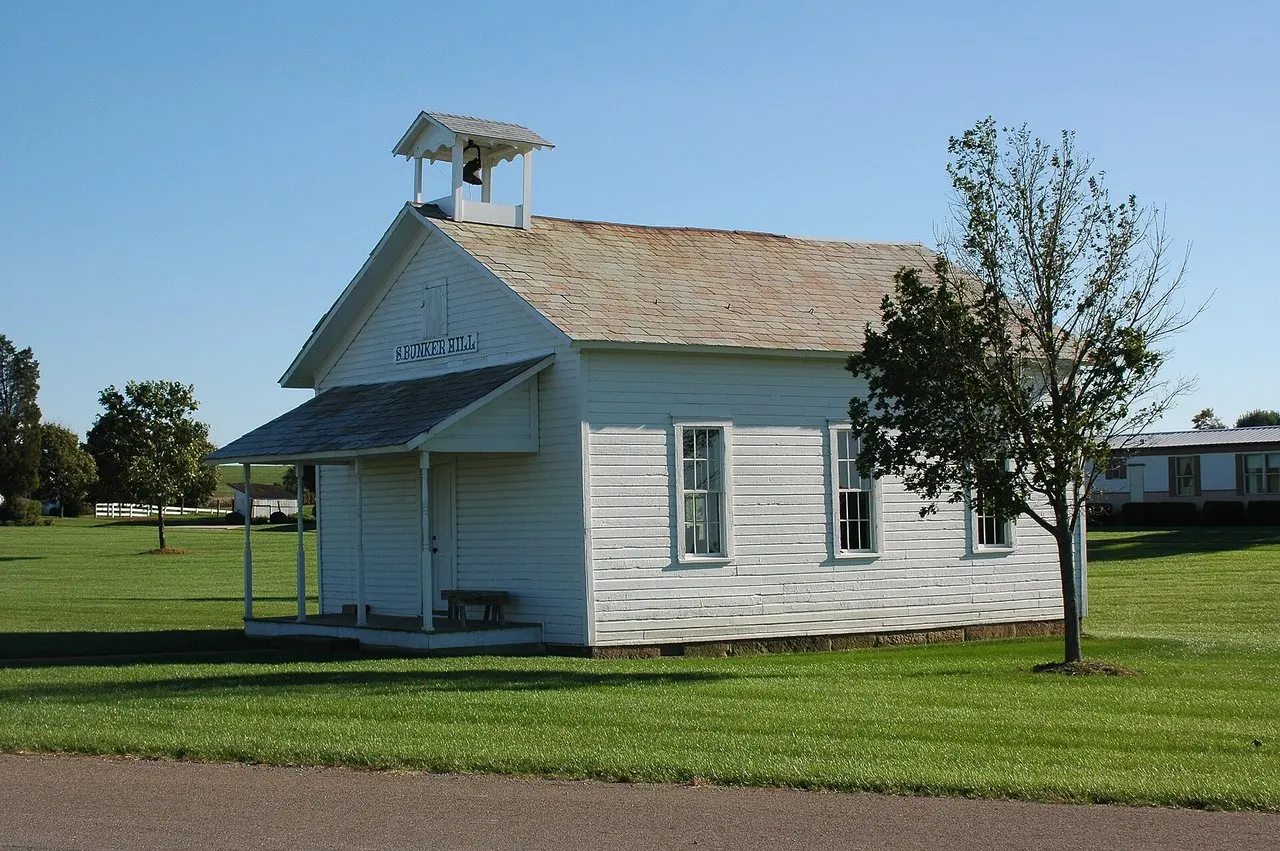
The three schools at the heart of this story are small one room schools run by Amish families in New York, the kind of school where children of many ages learn together in a single room with one teacher. Dygert Road School, Pleasant View School and Shady Lane School are not large campuses with hundreds of pupils. They are modest community schools where neighbors know every child by name. Read about other small schools in our report on schools across America and about families raising children in traditional ways in our story on faith and family life.
Dygert Road School and Its $52,000 Fine
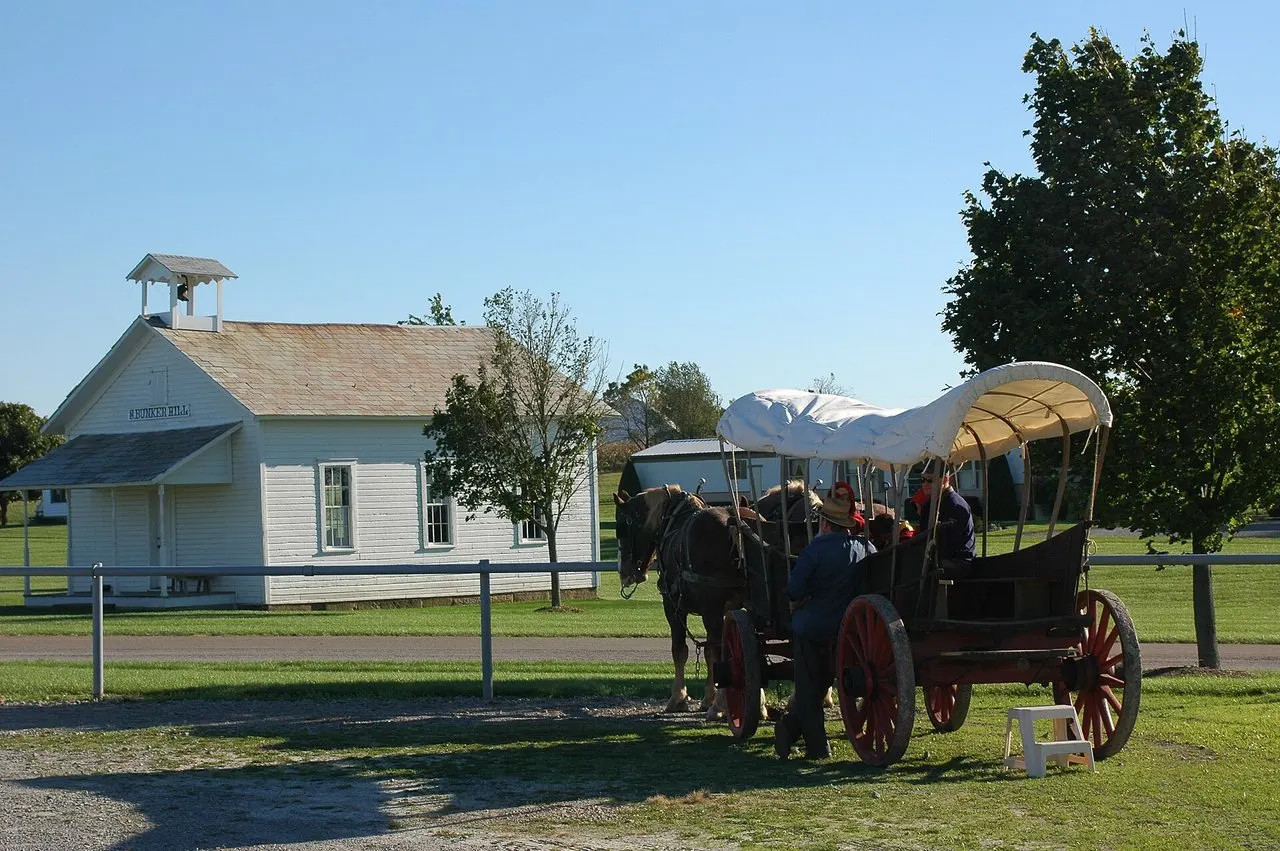
Dygert Road School received the largest of the three fines, $52,000, which is nearly half of the $118,000 total handed to the three schools. The size of the Dygert Road fine is one reason the story spread so quickly. See how other large fines are handled in our report on a Florida fines case and how costly legal fights can grow in our story on legal fees in a high profile case.
Pleasant View School and Its $46,000 Fine
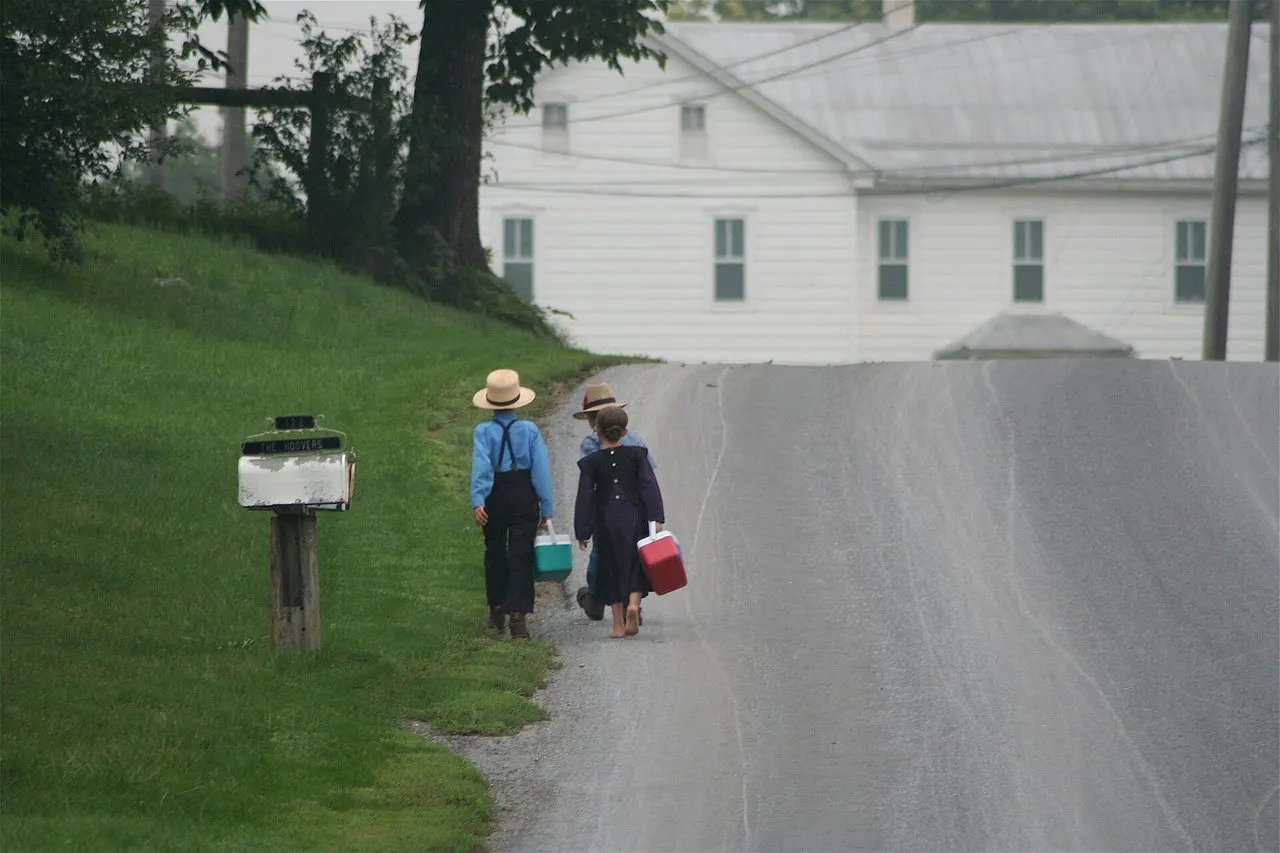
Pleasant View School was fined $46,000, the second largest of the three fines and only $6,000 less than the fine given to Dygert Road School. Together they add up to $98,000. The two larger fines show that the state treated each school on its own, based on the children in its own classrooms. Learn how government rules reach small communities in our report on a federal rules clash and how lawmakers try to protect children in our story on a bill about children and the law.
Shady Lane School and Its $20,000 Fine
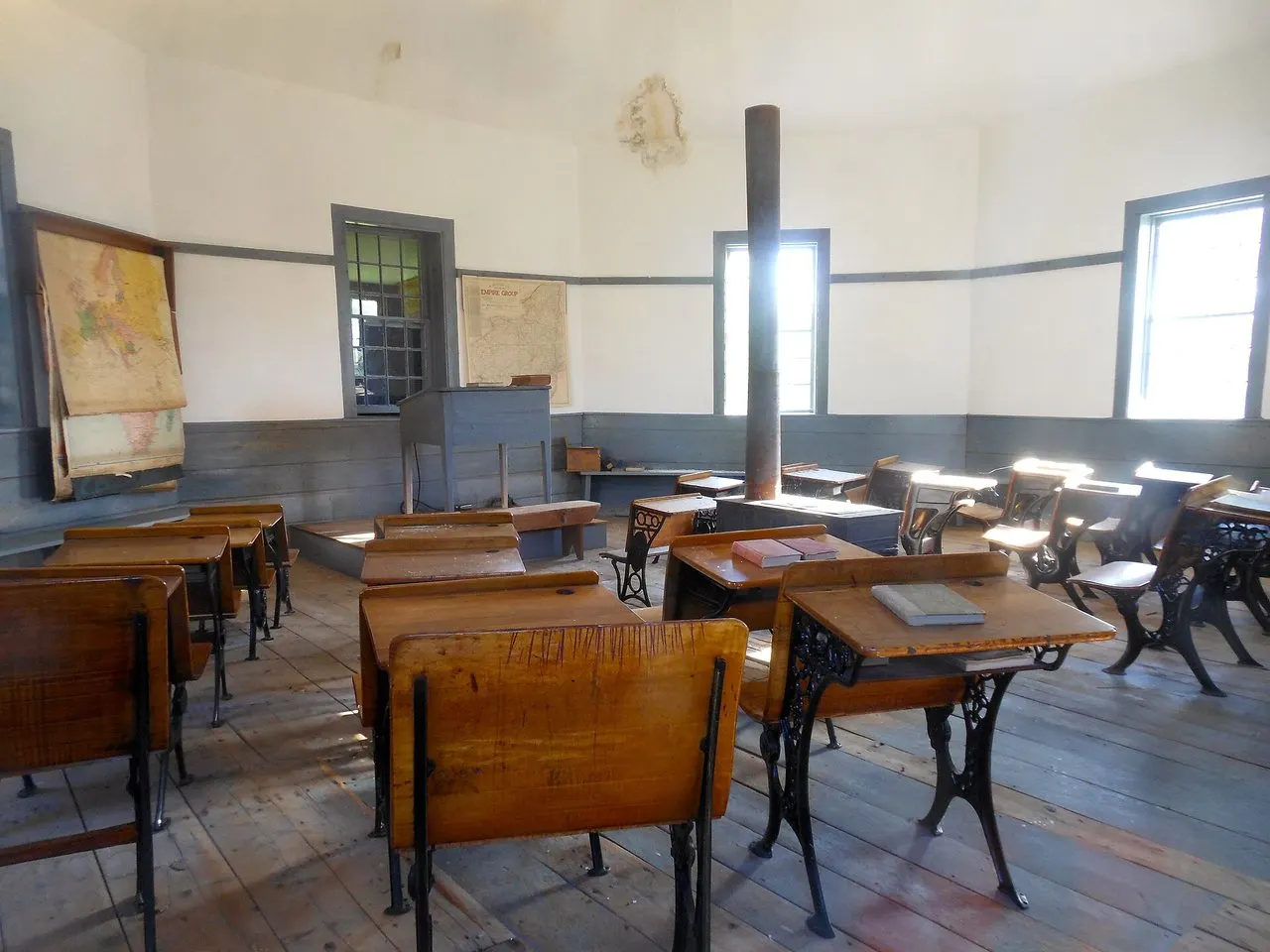
Shady Lane School received the smallest of the three fines, $20,000, but for a tiny one room school that is still a very large sum. The three fines together show that no school was spared, even the one with the smallest bill. The gap between $20,000 and $52,000 also shows how different the schools were in size. Read about how leaders handle tough calls in our story on leadership in Washington and how the public judges big spending in our report on what the public has a right to know.
How the Amish School Fines Add Up to $118,000
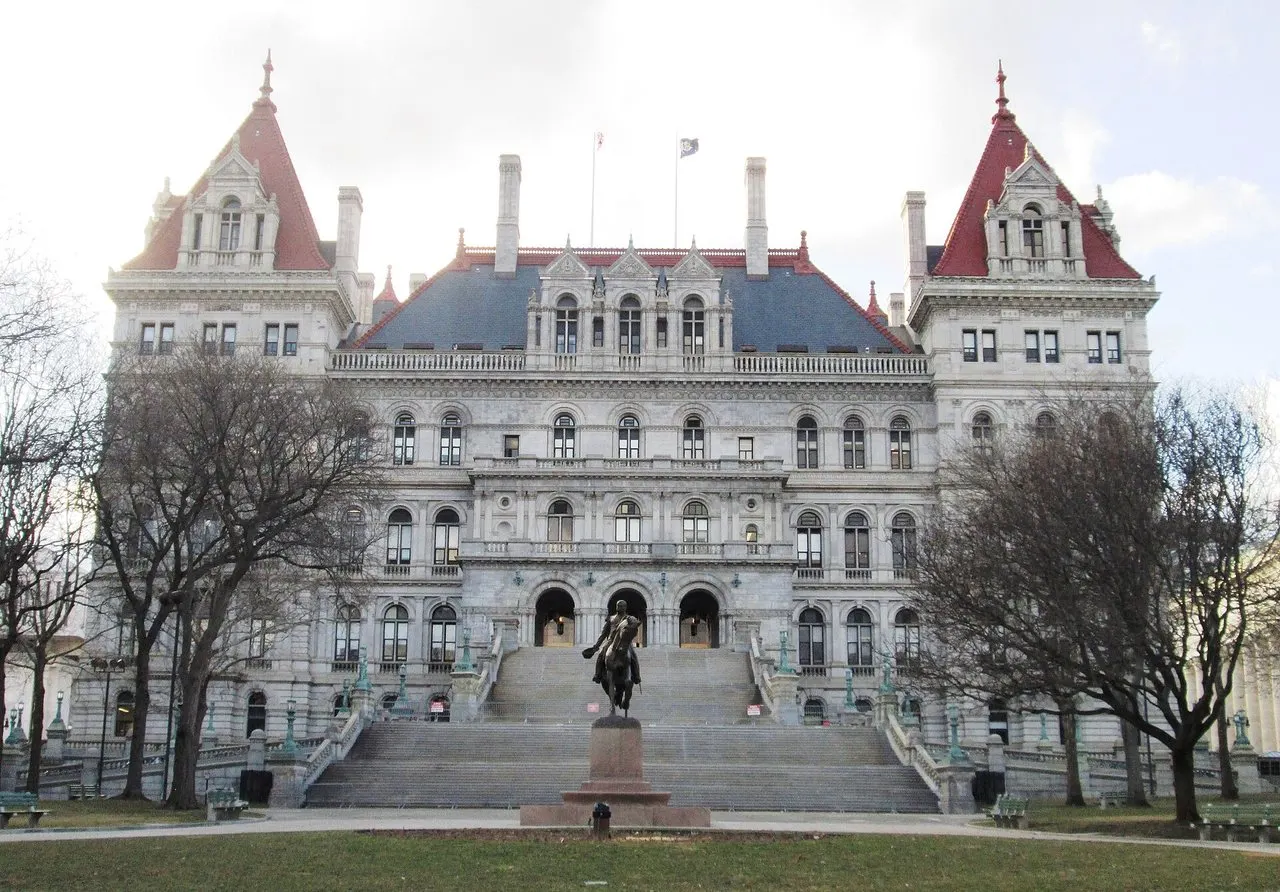
The math behind the case is simple and stark. Dygert Road School was fined $52,000, Pleasant View School $46,000 and Shady Lane School $20,000. Add those three numbers together and the total is $118,000, the figure at the center of every headline about the case. Spread across the 59 children, the total works out to $2,000 per child. That simple math helps explain why the number felt so large. For more on numbers that spark debate, see our story on a vaccine debate.
The 59 Children at the Heart of the Amish School Fines
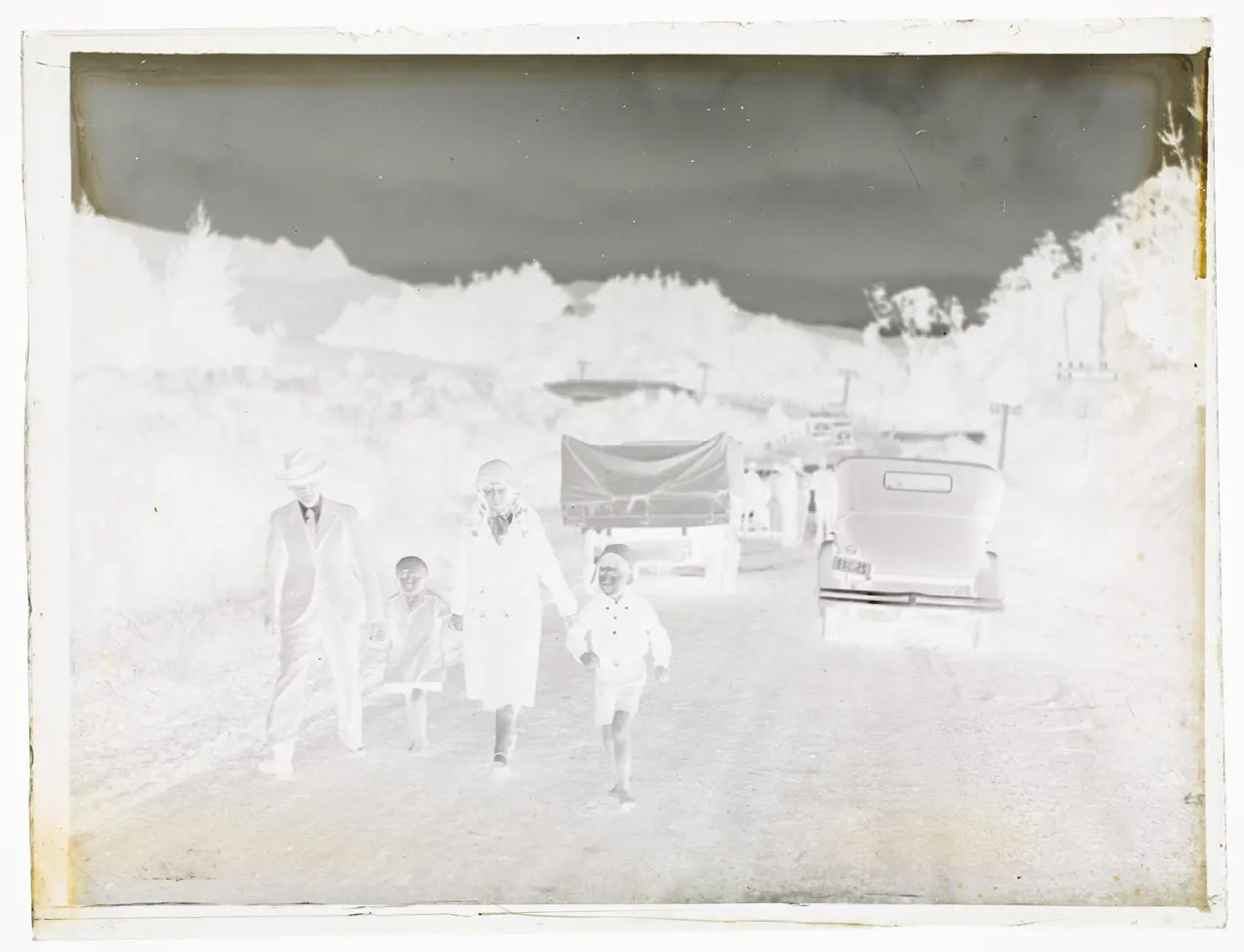
Fifty nine children were involved across the three schools, and each one of them sat at the center of this dispute. They were boys and girls who walked to school each morning and learned beside their brothers, sisters and neighbors. The fines were counted child by child and day by day, so every child added to the total. Read about students caught in big cases in our report on a student detained after her research and about court fights that touch families in our story on a protest case.
The 2021 Health Audits That Started It All
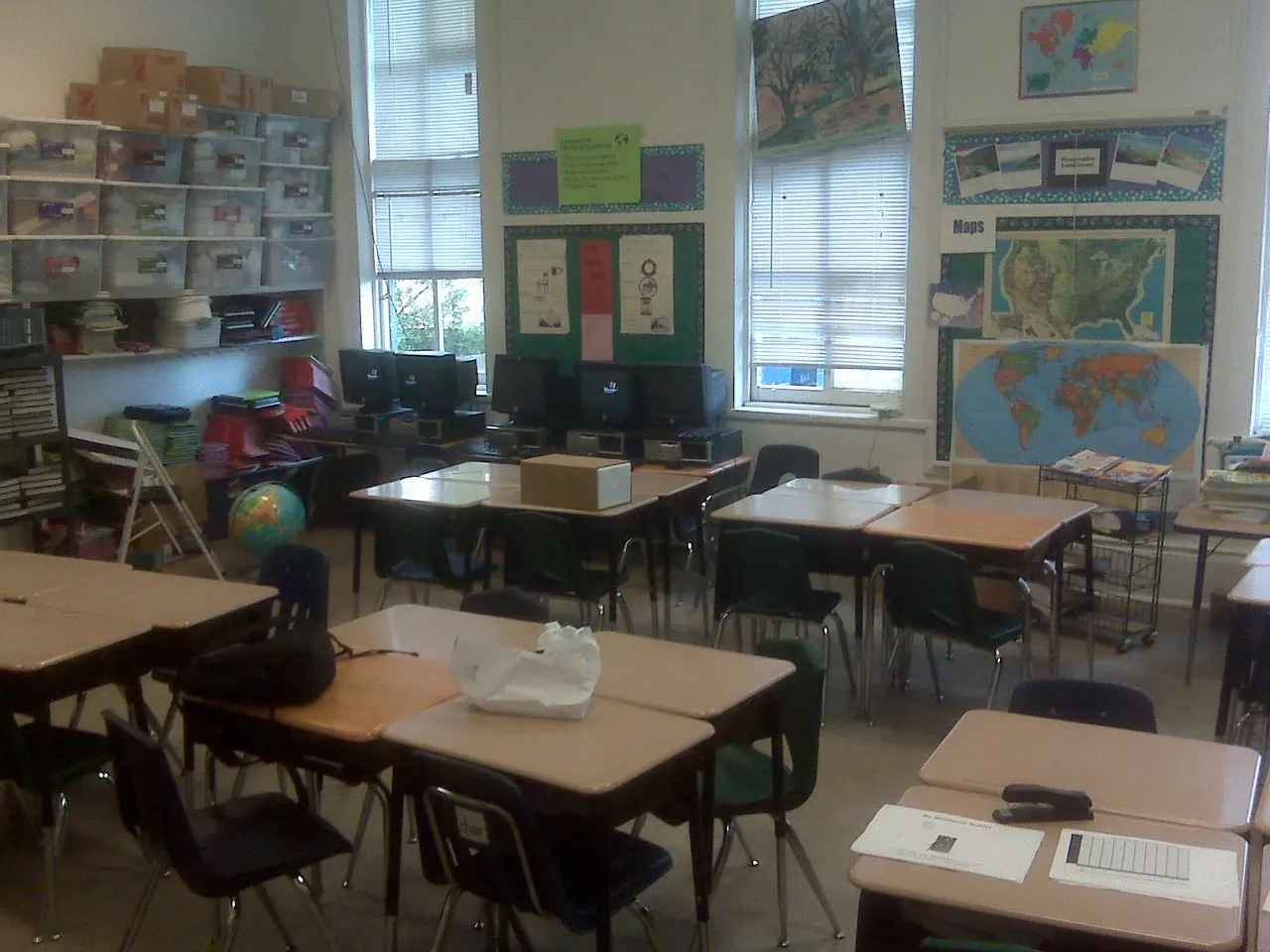
The story began with state health audits in 2021, when inspectors looked at the records of the three Amish schools and found unvaccinated children attending class. The audits did not end the matter. They set off a chain of events that led, about a year later, to the fines. For many readers, the audits raise a plain question about how far checks should go. Read about inspections and rules in our story on a family in the public eye and about big trips that make news in our report on a historic four day trip.
December 2022: When the Amish School Fines Were Imposed
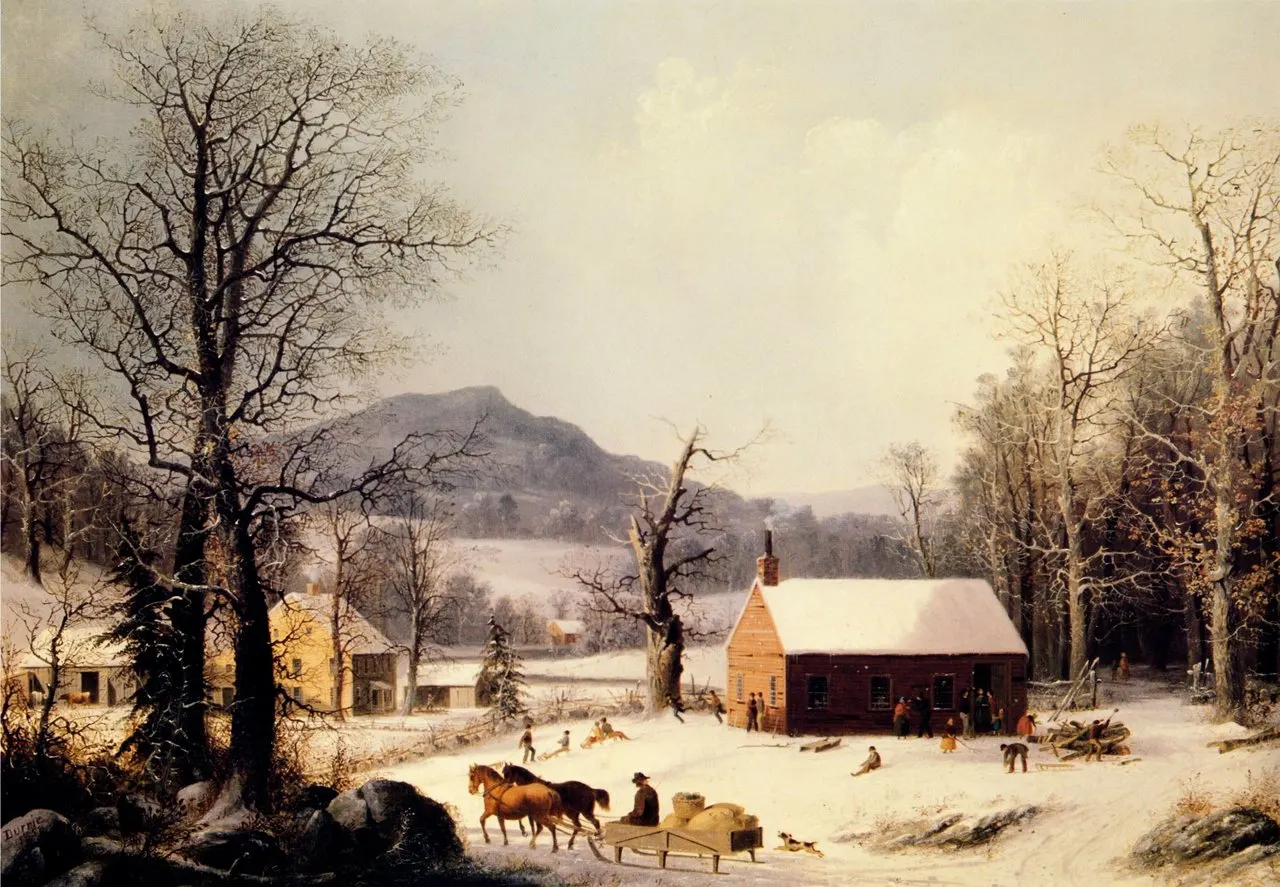
The fines were imposed in December 2022, about a year after the 2021 health audits, and that timing matters. By then the schools had lived with the dispute for months, and winter had settled over the small schoolhouses. The date also shows that the state did not act in a rush. It took time between the audits and the fines. Read about cases that unfold slowly in our report on a mother who sued after a loss and about traditions that carry families through winter in our story on old Southern Thanksgiving pies.
The 14 Day Rule in New York Law

Under New York law, children in school for more than 14 days must be vaccinated unless they have a medical exemption. That 14 day window is the line the state draws. The Amish schools kept unvaccinated children in class past that point, and that is what the state counted as a violation. The rule is short and clear, which is why both sides argue over it so fiercely. See how courts weigh clear rules in our story on a judge at the center of a case and how schools handle safety in our report on armed schools.
Why Each School Day Counts as a Separate Violation

The state counts each day an unvaccinated student attends as a separate violation, and that single detail is what makes the fines so large. With 59 children attending day after day, the total climbs fast across weeks and months of school. This counting method is at the heart of the legal fight. Learn how fines can multiply in our report on hundreds of charges in one case and how new rules reach ordinary people in our story on a federal briefing.
How a $2,000 Daily Fine Shapes the Amish School Fines

Each violation carries a fine of up to $2,000, and the state applies that amount per child per day. One school day with all 59 children in class could bring $118,000 in fines. The Red Lighthouse put it plainly in its headline, saying New York fined the three schools $118,000 for a single day. That framing is why the number shocked readers across the country. Read about other cases with huge sums in our story on a $17 million legal fight and about leaders under pressure in our report on a leadership challenge.
What a Medical Exemption Means for Families

The law allows a medical exemption, which means a child with a health reason confirmed by a doctor does not have to be vaccinated to attend school. It covers children whose doctors say a vaccine would harm them. The Amish families in this case did not rely on medical exemptions, and that gap between the law and their beliefs sits at the center of the dispute. Read about health and freedom debates in our story on a family facing health questions in public and about students in difficult cases in our story on a detained student.
The Amish Way of Life and Small Community Schools
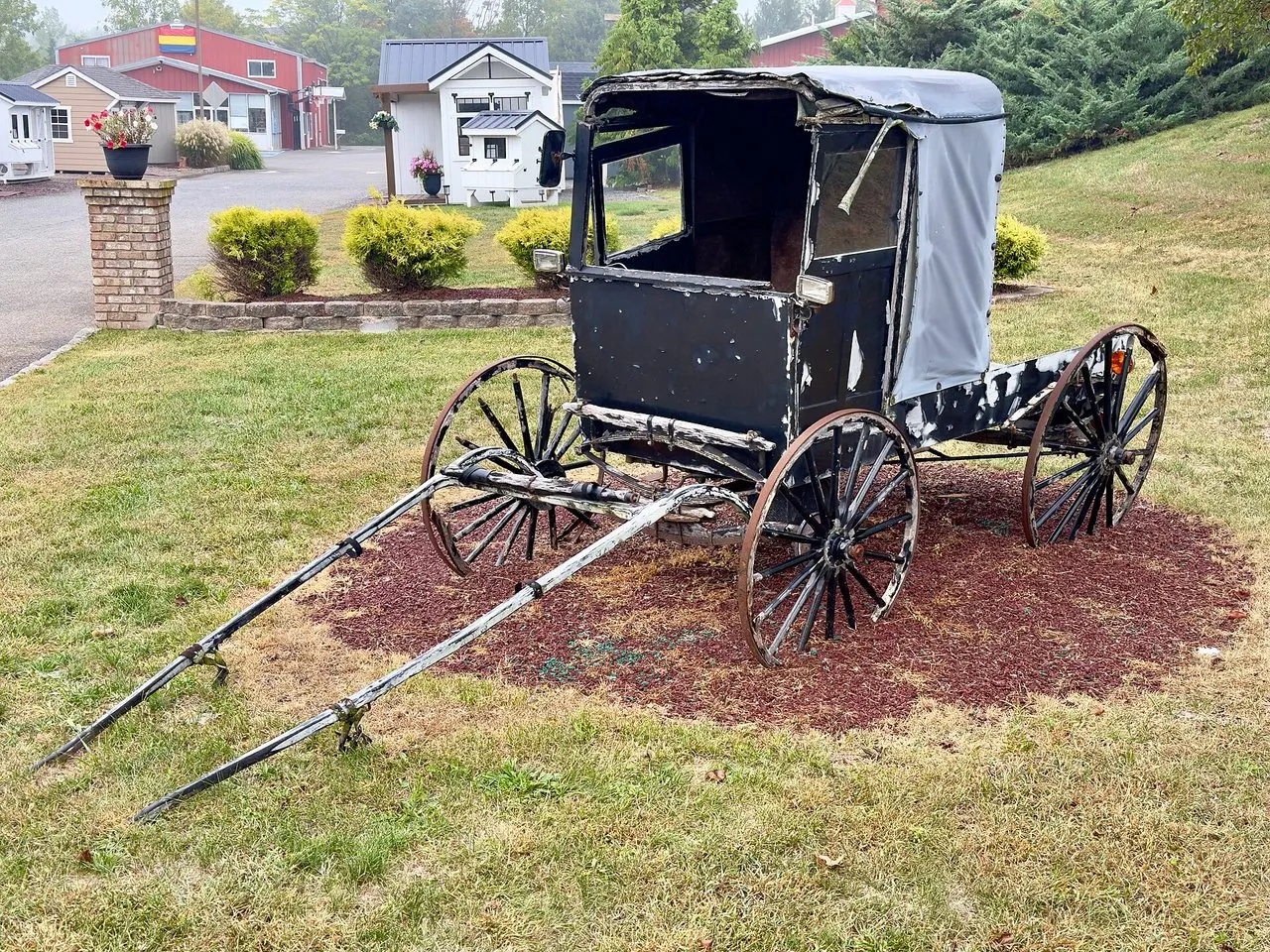
Amish families live plainly, guided by faith and close community ties, and their small schools reflect that way of life. Children travel by horse and buggy and grow up knowing their neighbors well. The one room school is not just a classroom. It keeps traditions alive from one generation to the next. That closeness is why the fines felt like an attack on a whole way of life. Read about old traditions in modern America in our story on horse drawn carriages in New York and about faith and family in our report on a call for more babies.
Inside a One Room Schoolhouse
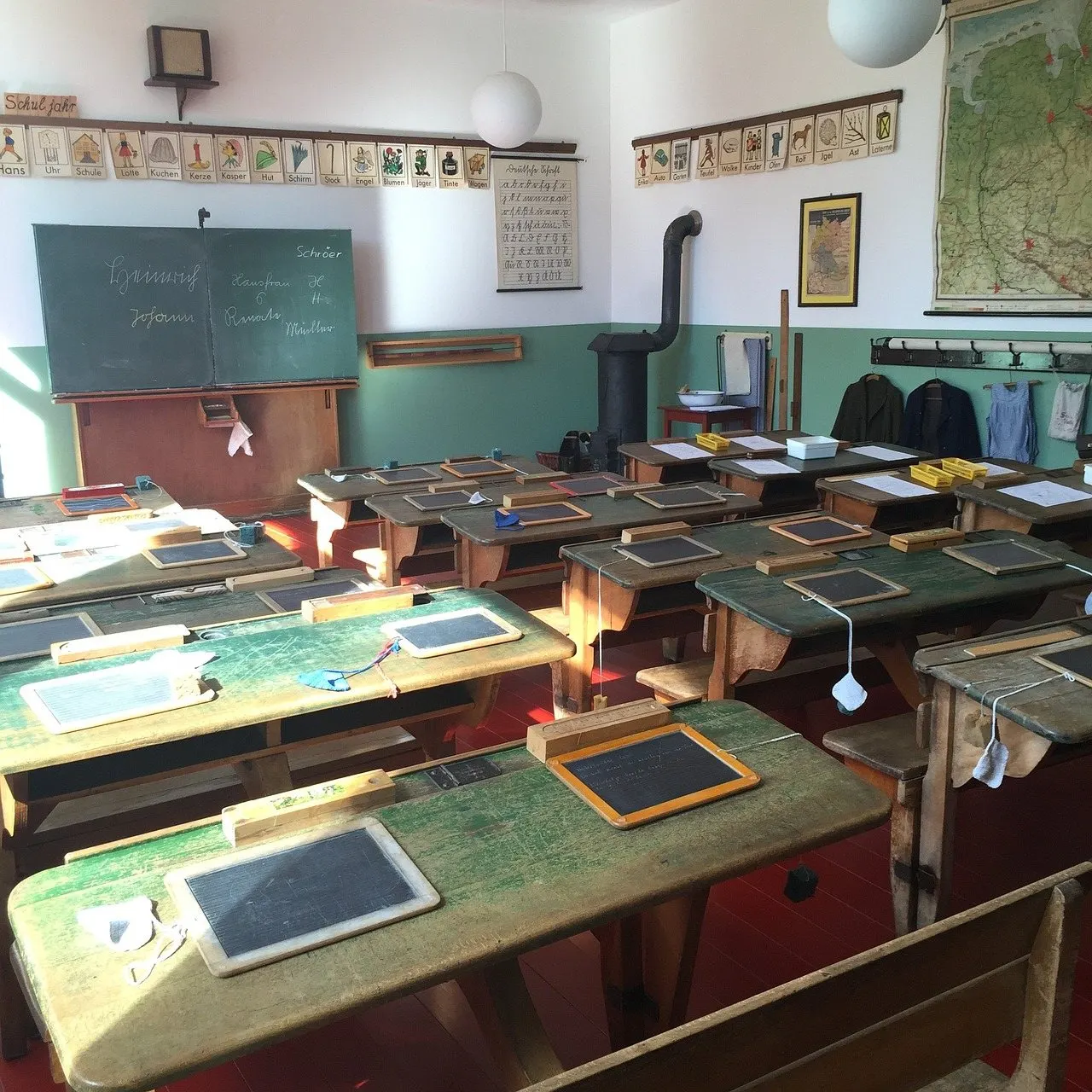
Step inside a one room schoolhouse and you will find wooden desks in rows, a chalkboard at the front and children of many ages learning side by side. Lessons are simple and steady, and older children often help the younger ones. There are no long hallways, no bells between many rooms and no crowds. It is school at its simplest, and families treasure that calm. Read about other schools in our report on safety in schools and about laws meant to protect children in our story on a bill about children.
Miller v. McDonald and the Amish School Fines in Court
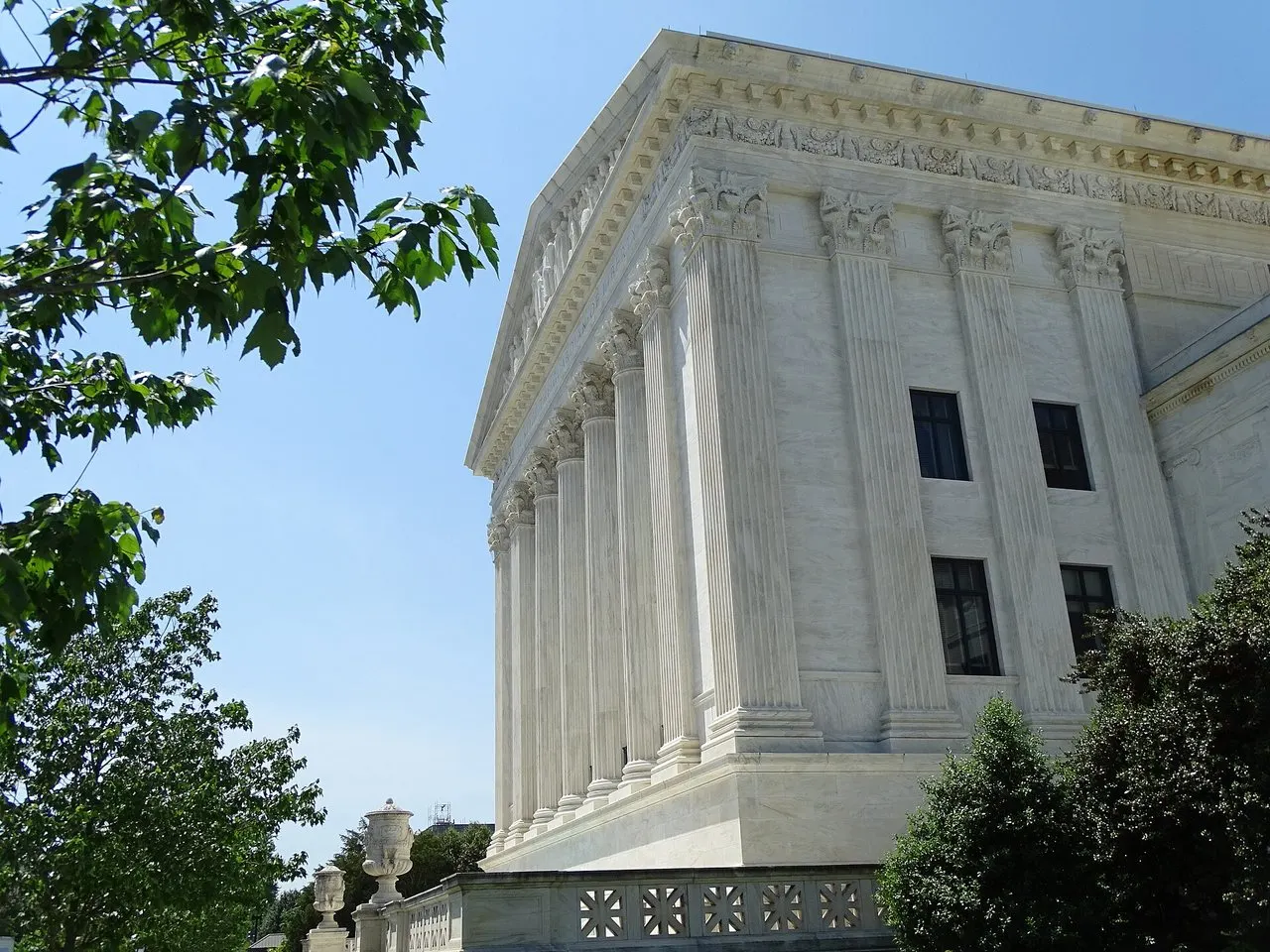
The Amish families did not simply accept the fines. They challenged the law in court, and their case is called Miller v. McDonald. The name stands for real families on one side and a state official on the other. The families asked the courts to weigh their faith and their way of life against the vaccine rule. The case has climbed through the courts ever since, and it is now before the Supreme Court. Follow other court battles in our story on a judge and immigration arrests.
The Second Circuit Declines to Rehear the Case
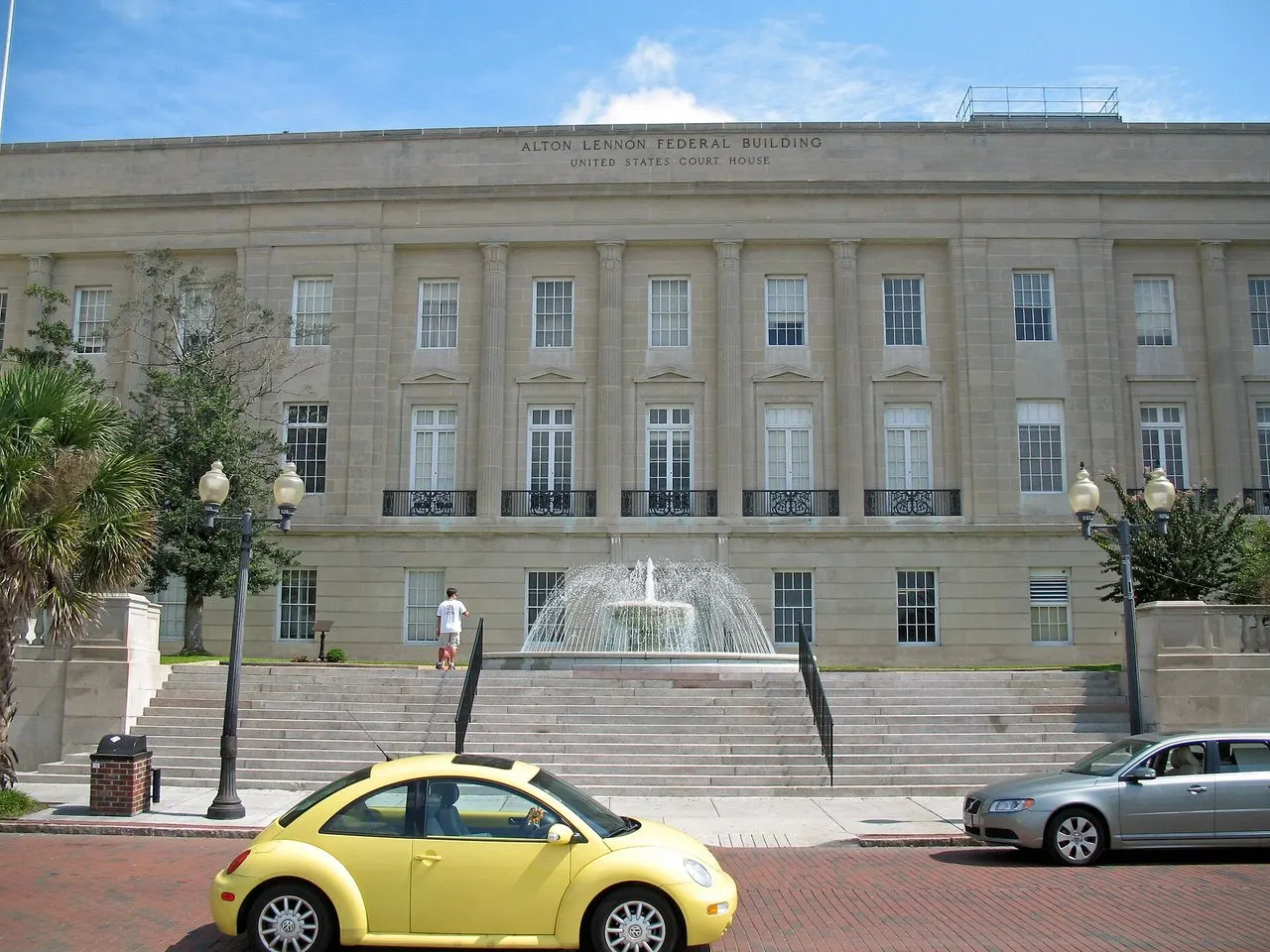
After the lower courts ruled, the families asked the Second Circuit to rehear their case, a request that asks a full appeals court to take a second look. On November 17, the court declined to rehear it, which means the earlier ruling stands and the case must move on to a higher court if the families want another hearing. It closes one door and points the case toward Washington. Read about appeals and second chances in our story on leaders who keep fighting and about high stakes trips to the capital in our report on a trip to China.
Three Judges Wanted a Second Look
Three judges dissented when the Second Circuit declined to rehear the case, which means three judges believed the case deserved another hearing. It tells the public and the next court that serious legal minds disagreed with the majority. The Red Lighthouse headline made this the heart of its story, noting that three judges wanted the case reheard. Read about judges who stand apart in our story on a legal fees fight and about families who take their cases to court in our report on a lawsuit in Los Angeles.
The Case Moves Toward the Supreme Court

The case is now before the Supreme Court, the highest court in the country, where nine justices decide the hardest questions of law. But the questions here are large, touching faith, health rules and the limits of state power. Whatever the justices decide, their ruling will be watched far beyond New York. Read about other cases that reached the top in our report on a case that tested the limits of protest and about lives shaped by the law in our report on Patrick Stewart.
Belief Based Liberty and the Amish School Fines
Senator Josh Hawley condemned the fines, and USA Daily framed the dispute as a clash over belief based liberty, a phrase that captures what the families say is at stake. It is about whether parents may raise their children in line with their faith without facing ruinous fines. For the state, the rules protect the health of every child in school. Both sides claim liberty is on their side. Read about freedom debates in our report on vaccine freedom and about bills that divide lawmakers in our story on a fight in Congress.
How Other States Handle School Vaccine Rules

The GreenMedInfo headline says the Amish are being targeted in two states, and it adds that Pennsylvania calls its approach outreach. That contrast matters. One state fines small schools tens of thousands of dollars, while another state says it reaches out to families instead. States set their own rules, so families can face different treatment for the same choice. The New York case may push other states to look at their own rules. Read about different approaches in our story on a student and the law and about protests over government action in our report on a protest case.
The Public Debate Over the Fines
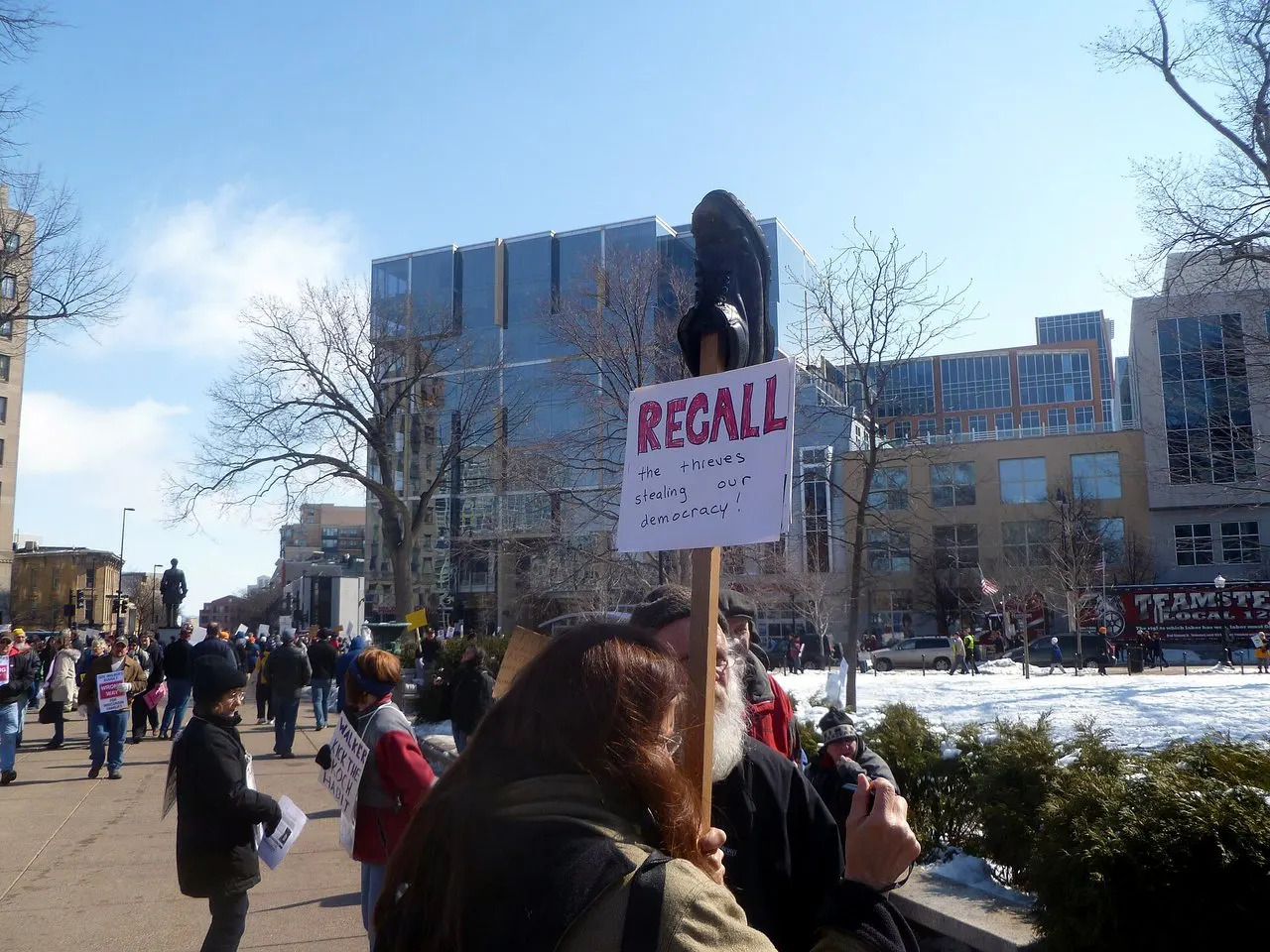
The fines have split public opinion, and the debate is easy to understand. Supporters of the rules say vaccines protect children in crowded classrooms and that the law must apply to every school, large or small. Critics say $118,000 in fines would crush three tiny schools and punish families for living by their faith. That clash is why the story keeps spreading. See how public debates play out in our report on a clash over fairness and how the public judges big questions in our story on what people have a right to know.
What Happens Next for the Amish School Fines
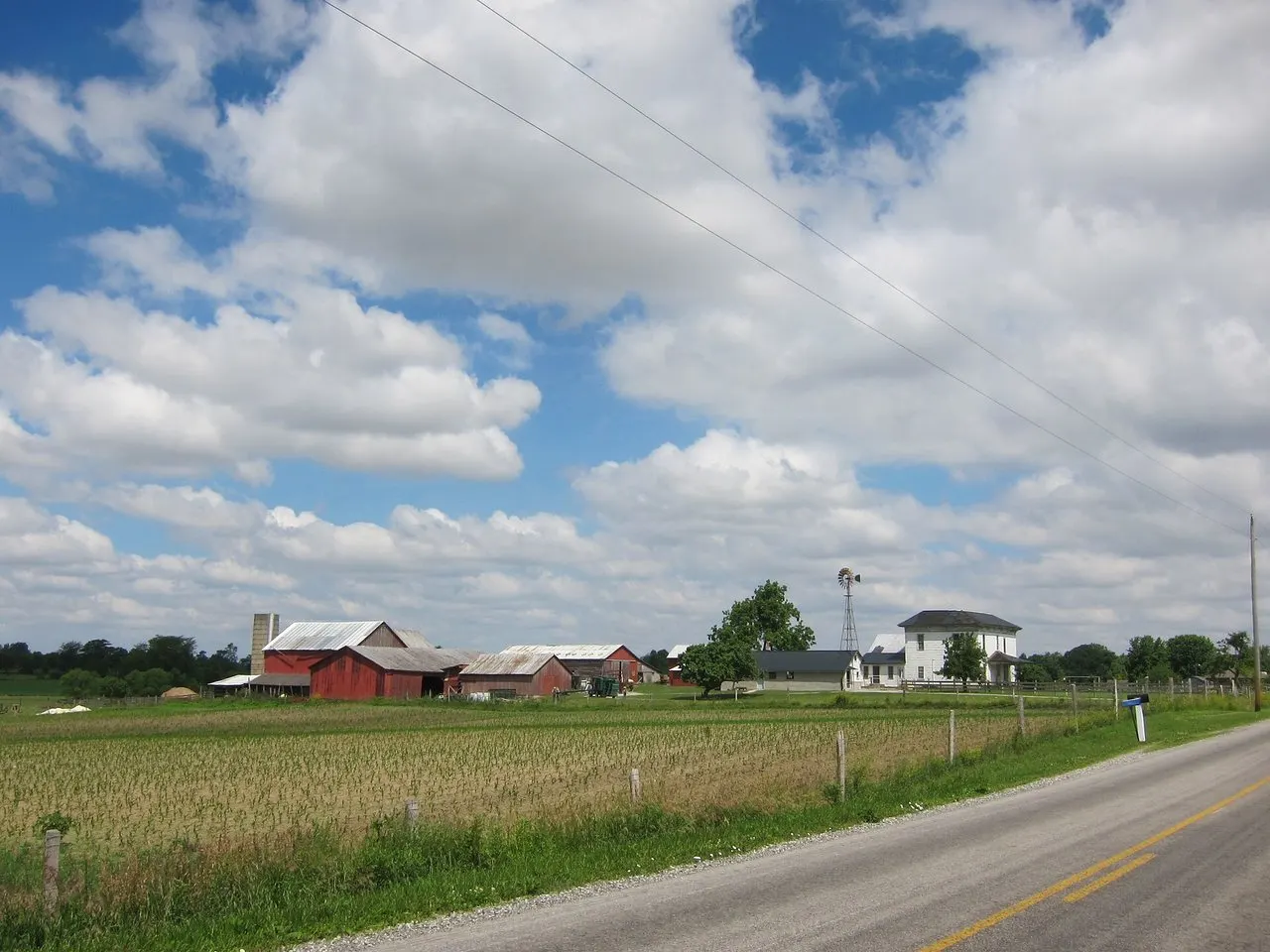
What happens next depends on the Supreme Court and on the schools themselves. The justices may take the case and rule on it, or they may let the lower court ruling stand. Either way, the fight is far from over. Families, lawyers and state officials are all watching the same calendar. The next step will shape how school vaccine rules work for years to come. Read about what comes next in big cases in our story on words that sparked debate and about families in the spotlight in our report on a daughter sharing an update.
Why the Amish School Fines Matter Beyond New York
This case matters far beyond New York because its outcome could shape how every state treats small faith based schools. If the fines stand, other states may feel free to fine small schools the same way. If the Supreme Court sides with the families, the ruling could limit how far health rules can reach into religious life. Either way, the decision will be read by governors, school boards and parents across the country. Read about rulings with wide reach in our report on a meeting in Berlin and about traditions worth keeping in our story on old Southern pies.
What Do You Think About the Amish School Fines
Now that you have seen the whole story, from the three small schools to the $118,000 in fines and the court fight that followed, what do you think? Should the state be able to fine small schools $2,000 per child per day, or should faith based schools get room to live by their beliefs? There is no easy answer, and good people disagree. Share your thoughts in the comments below and tell us where you stand. Read more stories that invite debate in our report on faith and family.