The Strategic Response Group Is Being Disbanded
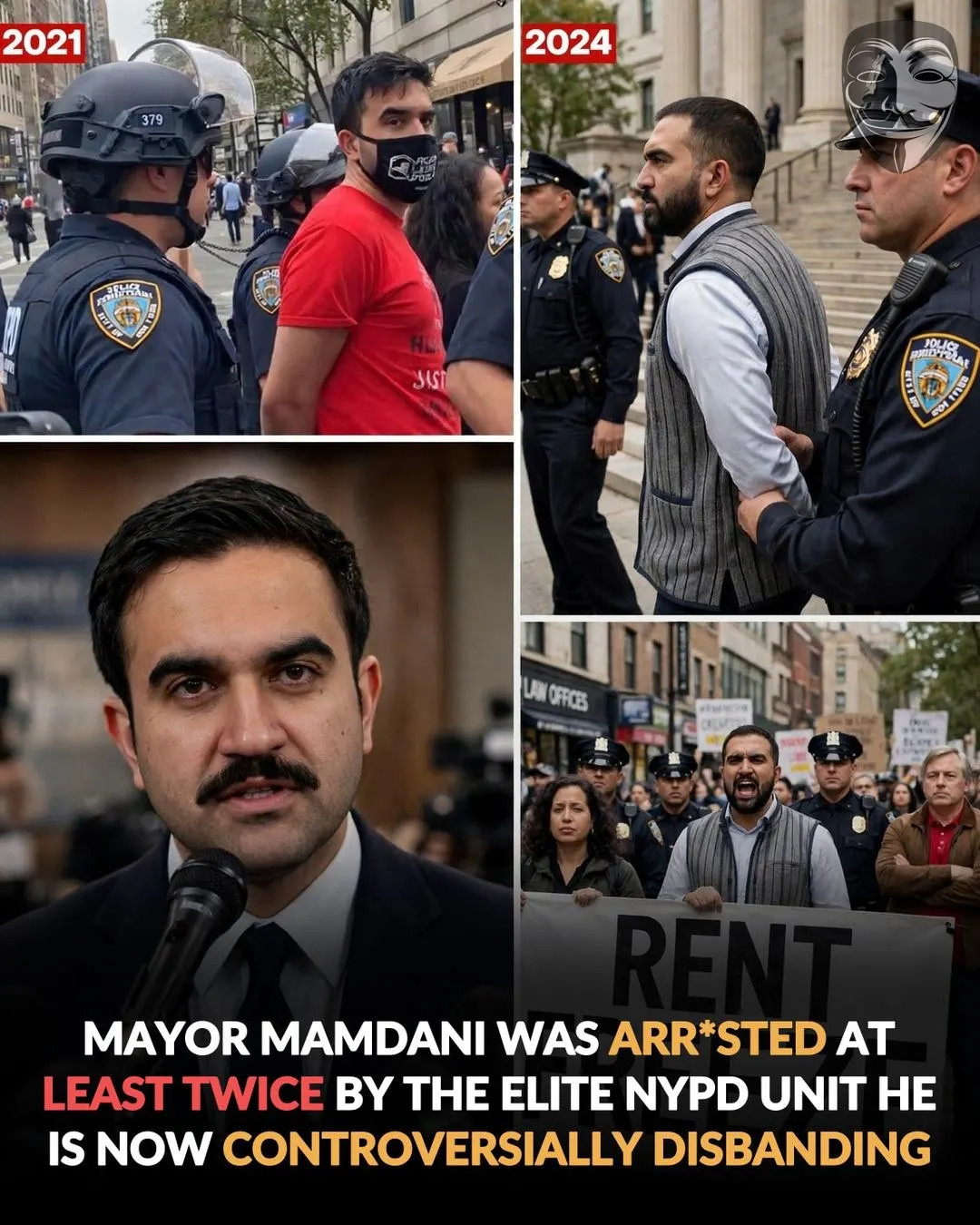
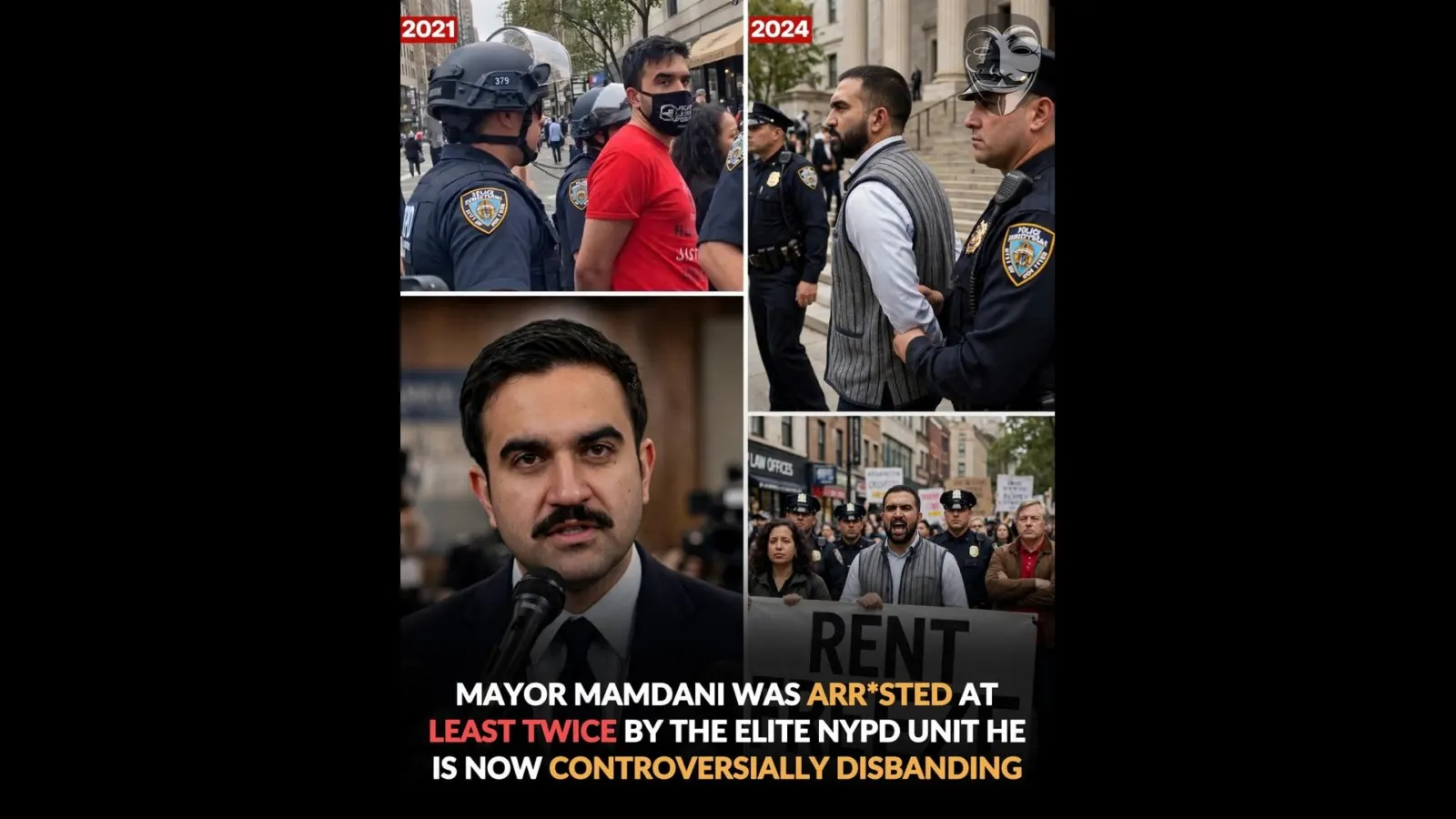
The Strategic Response Group is being disbanded, and the news has a personal edge for the man who ordered the change. Mayor Zohran Mamdani and Police Commissioner Jessica Tisch announced on November 16 that the NYPD unit will be folded into an existing counterterrorism command and will no longer respond to protests. The unit was created in 2015 to focus on counterterrorism, but it was often sent to protests instead, and its officers arrested Mamdani himself at least twice, in 2021 and 2024.
Under the plan, the unit’s counterterrorism work moves to the NYPD’s Intelligence and Counterterrorism Bureau, while a new civilian-led Community Dialogue and De-escalation Division will lead protest response alongside a 30-officer First Amendment Support Team. The reforms also ban kettling, long devices and tear gas at protests, and the full transition is set to finish by spring 2027. In the slides ahead we look at the unit, the two arrests and what changes next. Read about another big change from the mayor.
References:
NYC Mayors Office: Mayor Mamdani and Police Commissioner Tisch Disband NYPDs Strategic Response Group
CNN: Mamdani disbands controversial NYPD unit
Police1: Mamdani announces plan to dissolve NYPDs Strategic Response Group
Circuit Magazine: NYPD Strategic Response Group Disbanded by Mamdani and Tisch
The Strategic Response Group Announcement on November 16
Mayor Zohran Mamdani and Police Commissioner Jessica Tisch made the announcement on November 16, standing together to share a decision that had been promised during the campaign. The NYPD’s Strategic Response Group will be disbanded, and its work will be split between other parts of the department and a brand new civilian team. The news was covered by city hall reporters and national outlets the same day. For readers who follow the mayor’s early moves, see our story on the delivery fee debate.
Who Is Mayor Zohran Mamdani
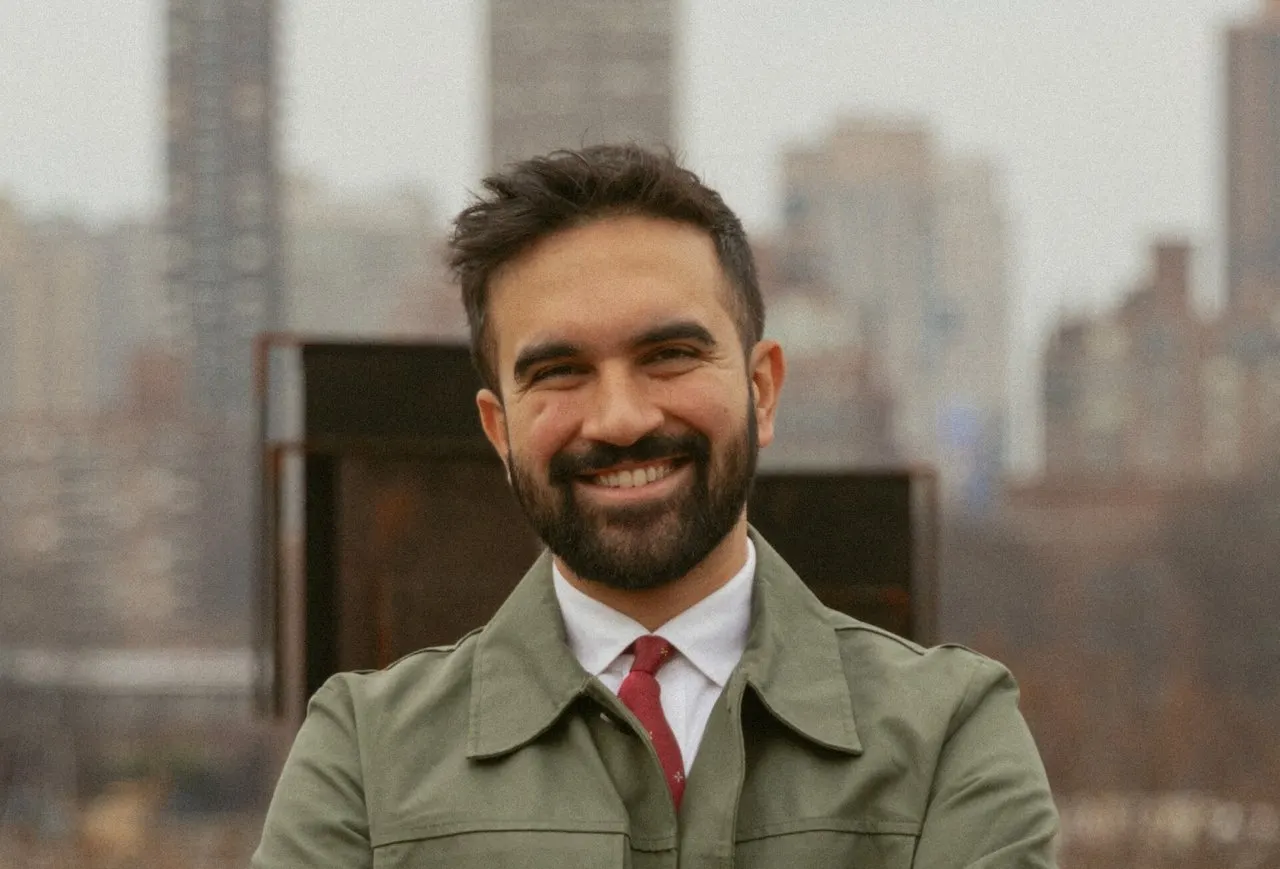
Zohran Mamdani is the mayor of New York City, and this decision is one of the first changes of his time in office. He ran for mayor promising to separate protest response from counterterrorism, and the November 16 announcement keeps it. The story is unusual because the mayor has a personal history with the unit he is now ending. Officers from the unit arrested him at least twice, in 2021 and 2024, before he became mayor. Learn more in our report on the plan to end horse drawn carriages.
Police Commissioner Jessica Tisch Stood Beside Him
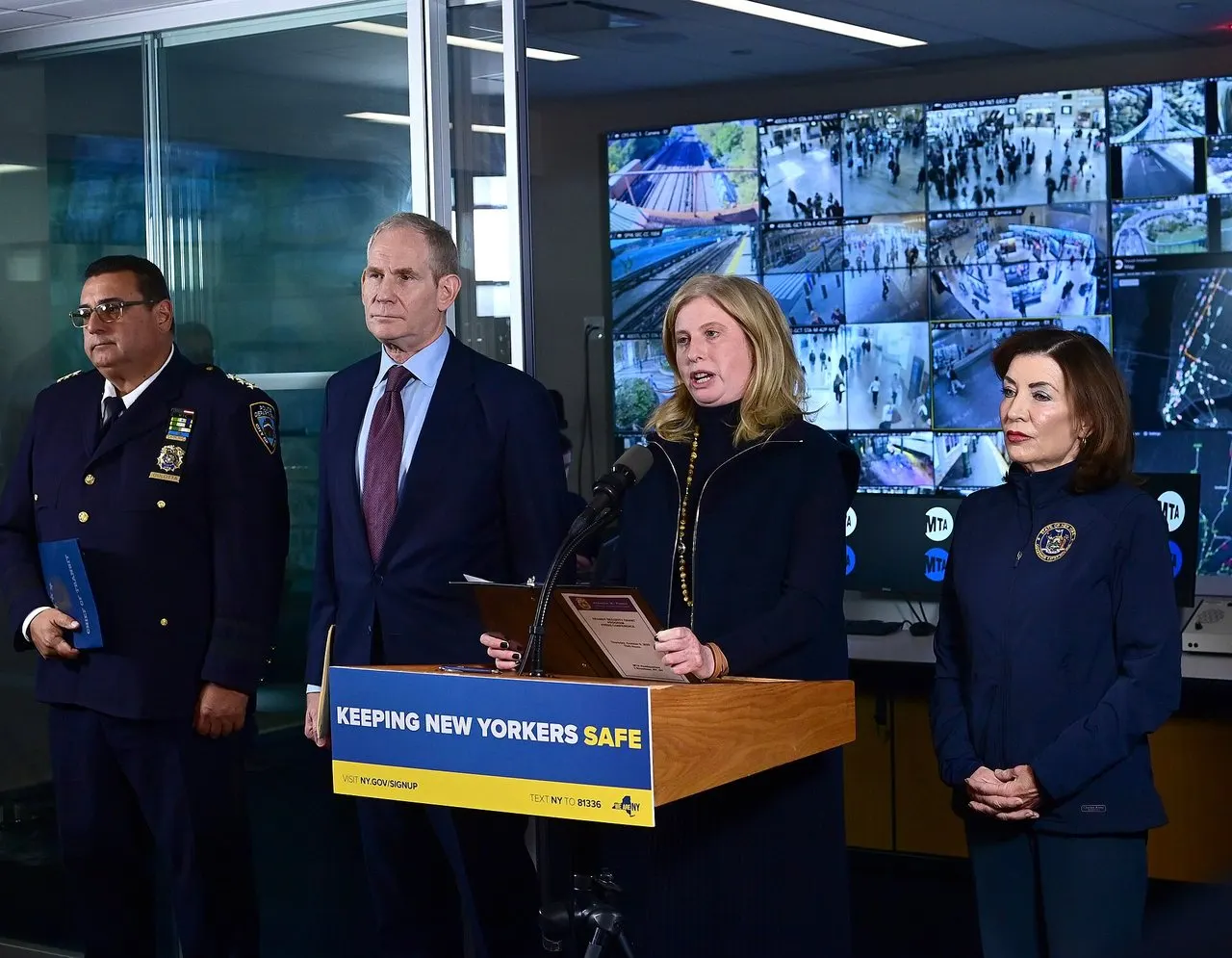
Jessica Tisch is the city’s police commissioner, and she shared the stage with the mayor for the November 16 announcement. The two leaders presented the change together, which matters because the plan touches both City Hall and the police department. The commissioner leads the NYPD day to day, so her support gives the plan weight inside the department. Her presence also showed that the change comes from the top of both offices, not from one side alone. See our story on the Putin and Iran report.
The Strategic Response Group Was Created in 2015
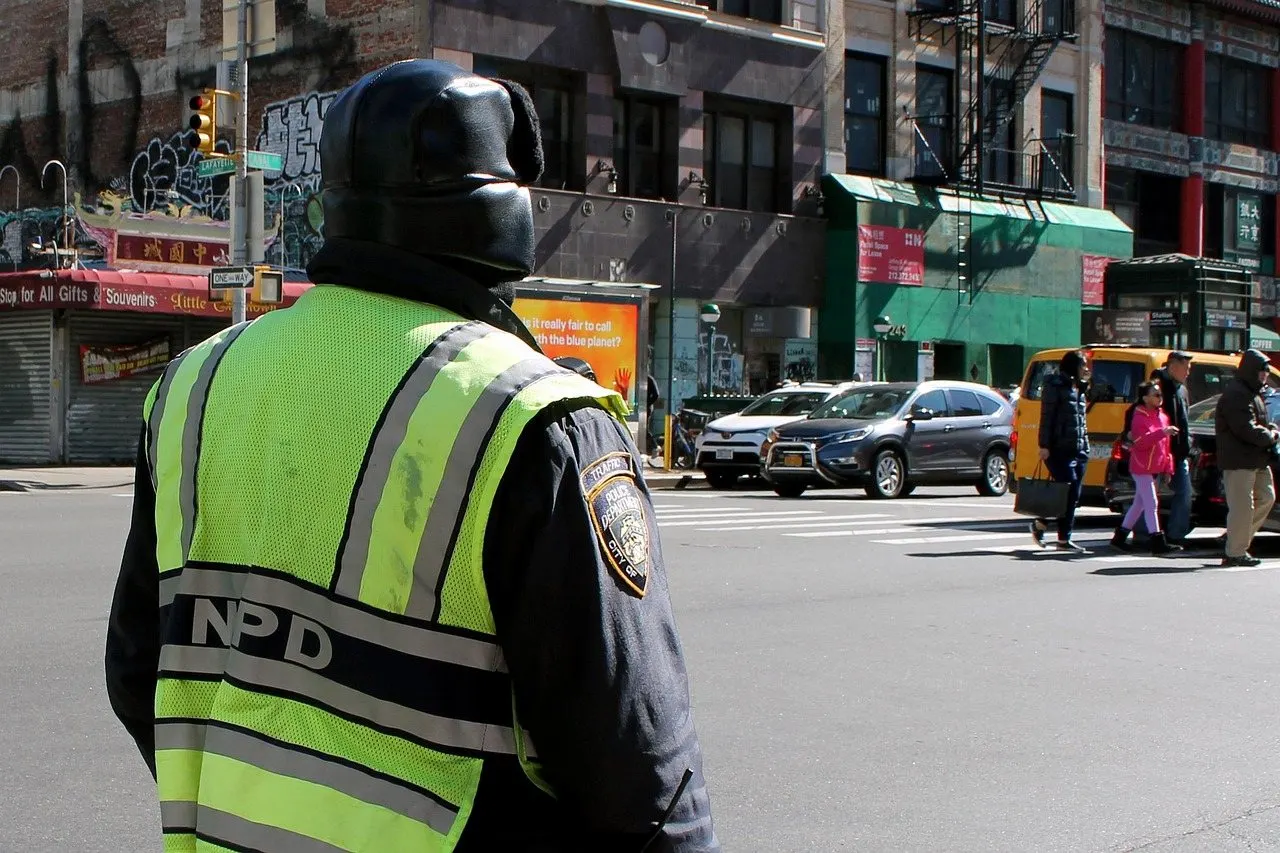
The unit was created in 2015, a decade before the decision to end it. It was set up to focus on counterterrorism, the work of stopping planned attacks and keeping large public events safe. New York has long been a city that plans carefully for big crowds and major gatherings, and a special unit made sense at the time. The idea was to have trained officers ready for the most serious threats. Read our story on the Senate response.
The Strategic Response Group Was Built for Counterterrorism
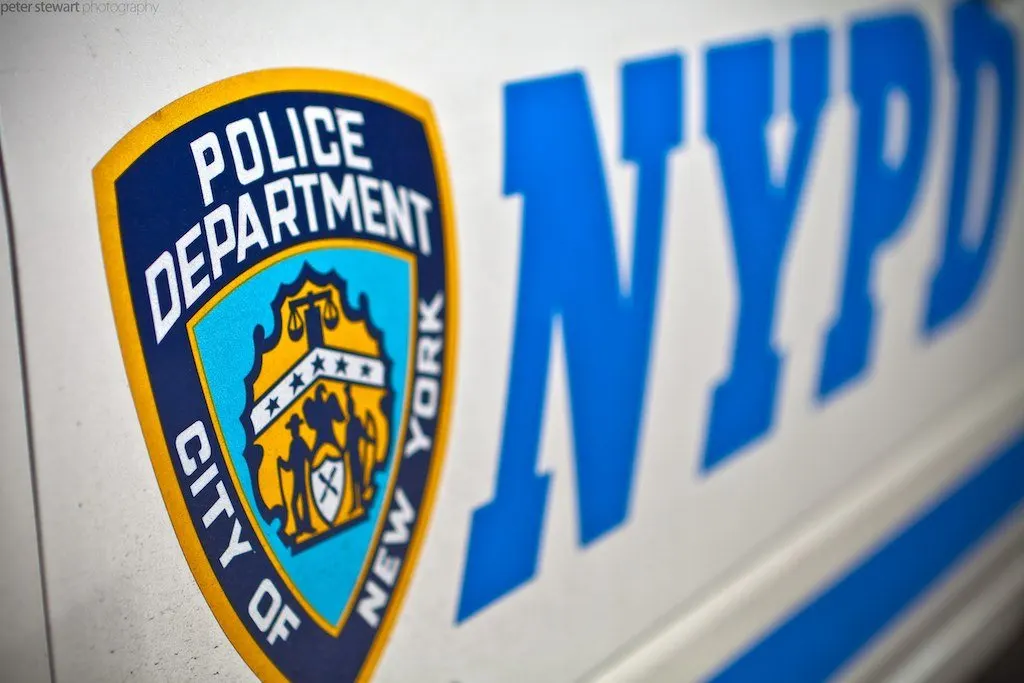
Counterterrorism was the reason the unit existed in the first place. Its officers were meant to guard against planned attacks, watch over major events and respond fast if something went wrong. In a city of millions, with crowds gathering every day, that job is never small. The unit trained for the worst days and stood ready around the clock. Its mission was serious and focused, and few people outside the department thought much about it at first. See our story on the delivery fee debate.
Protests Became a Big Part of the Work
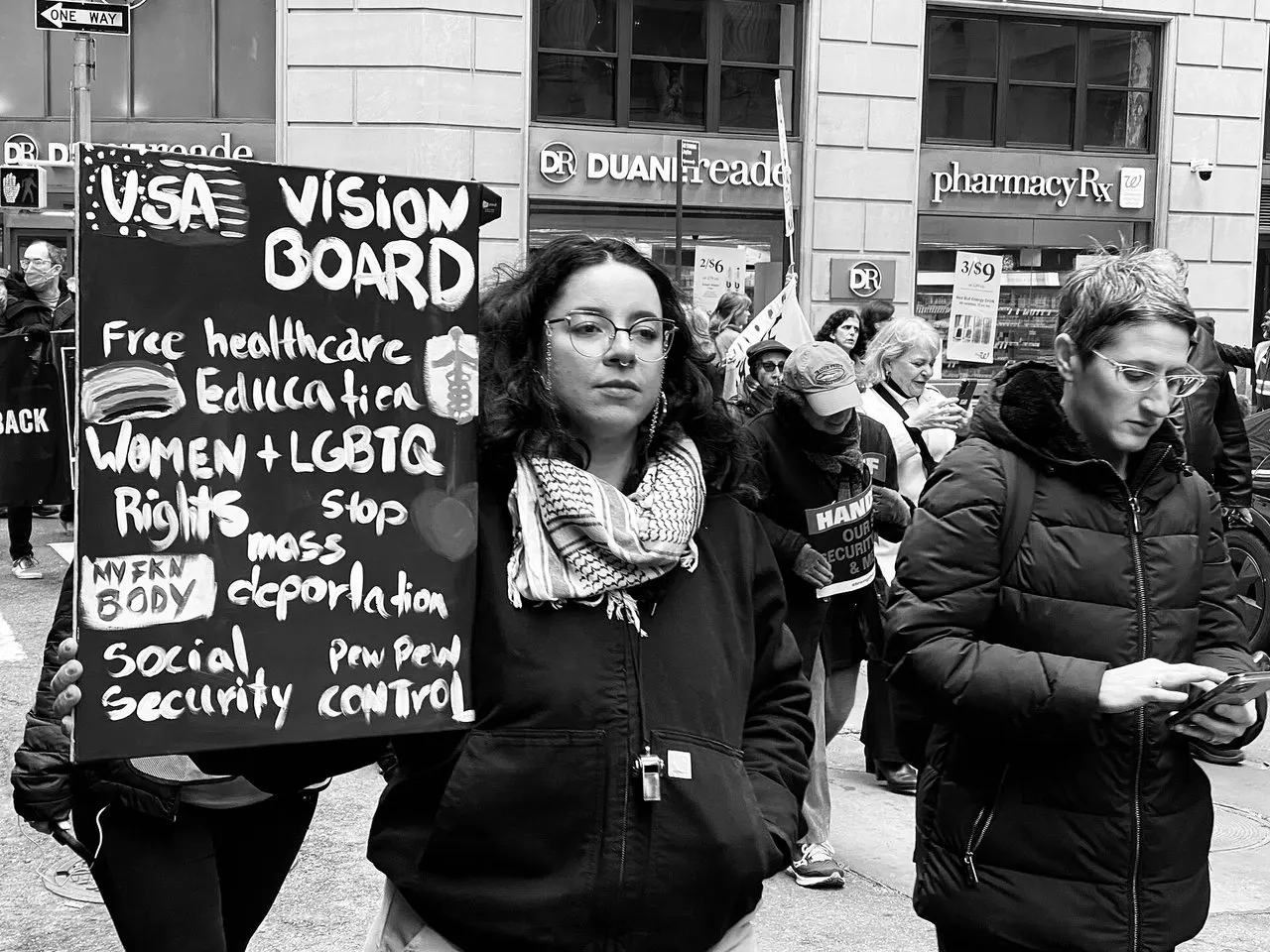
Over time, the unit was often sent to protests, even though that was not its first job. Marches, rallies and street gatherings became a regular part of its week. Officers who had trained for counterterrorism found themselves facing crowds of New Yorkers holding signs and chanting. That shift changed how many people saw the unit, and it set up the debate that led to this decision. The mayor’s campaign promise spoke directly to that change. Read our story on the four day trip.
Mamdani Was Arrested in 2021
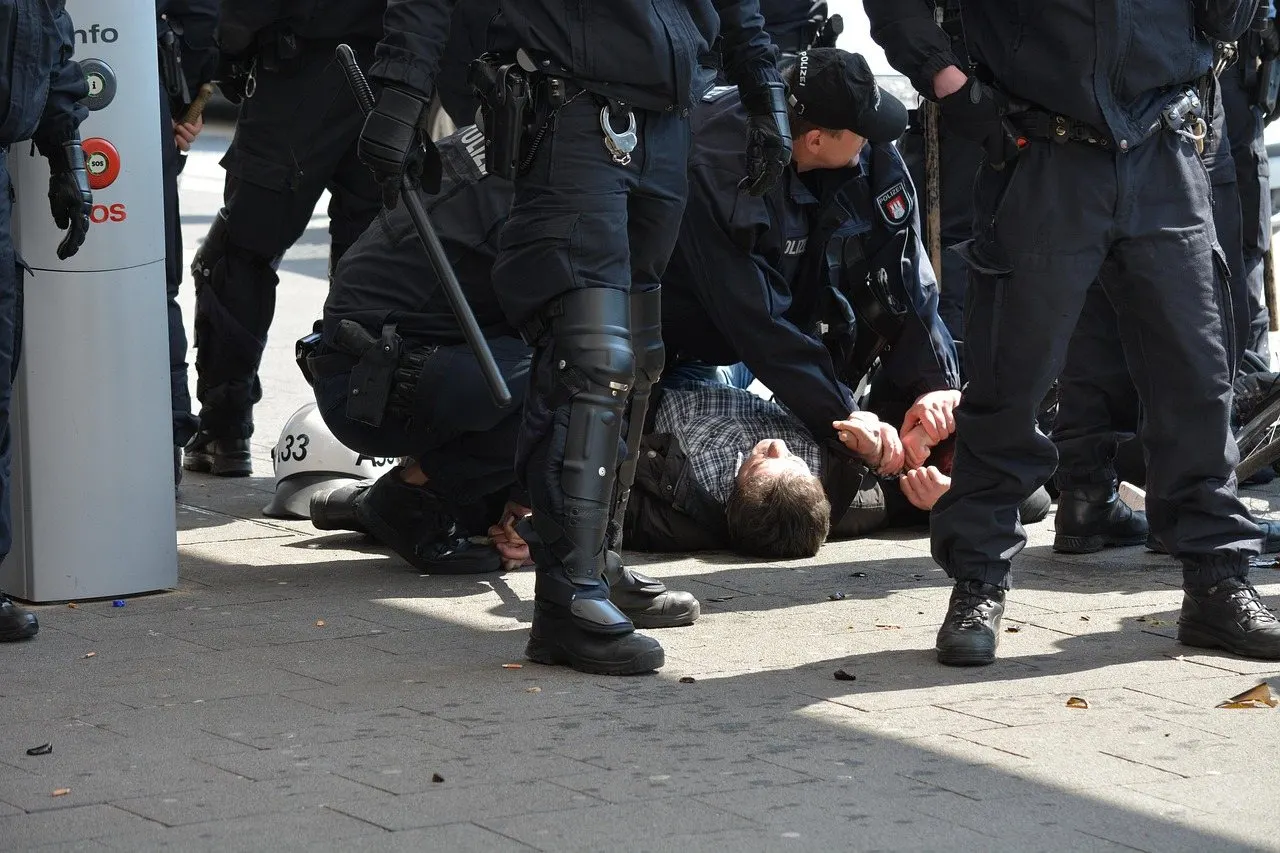
In 2021, officers from the unit arrested Mamdani, years before he became mayor. The arrest is one of at least two times he was taken into custody by the unit’s officers. At the time, he was a city lawmaker and a public figure in New York politics, not yet the city’s top official. The moment stayed with him, and it now shapes the story of the unit’s end. A leader who was once arrested by a unit is now the one ending it. See our story on the birth rate debate.
A Second Arrest Came in 2024
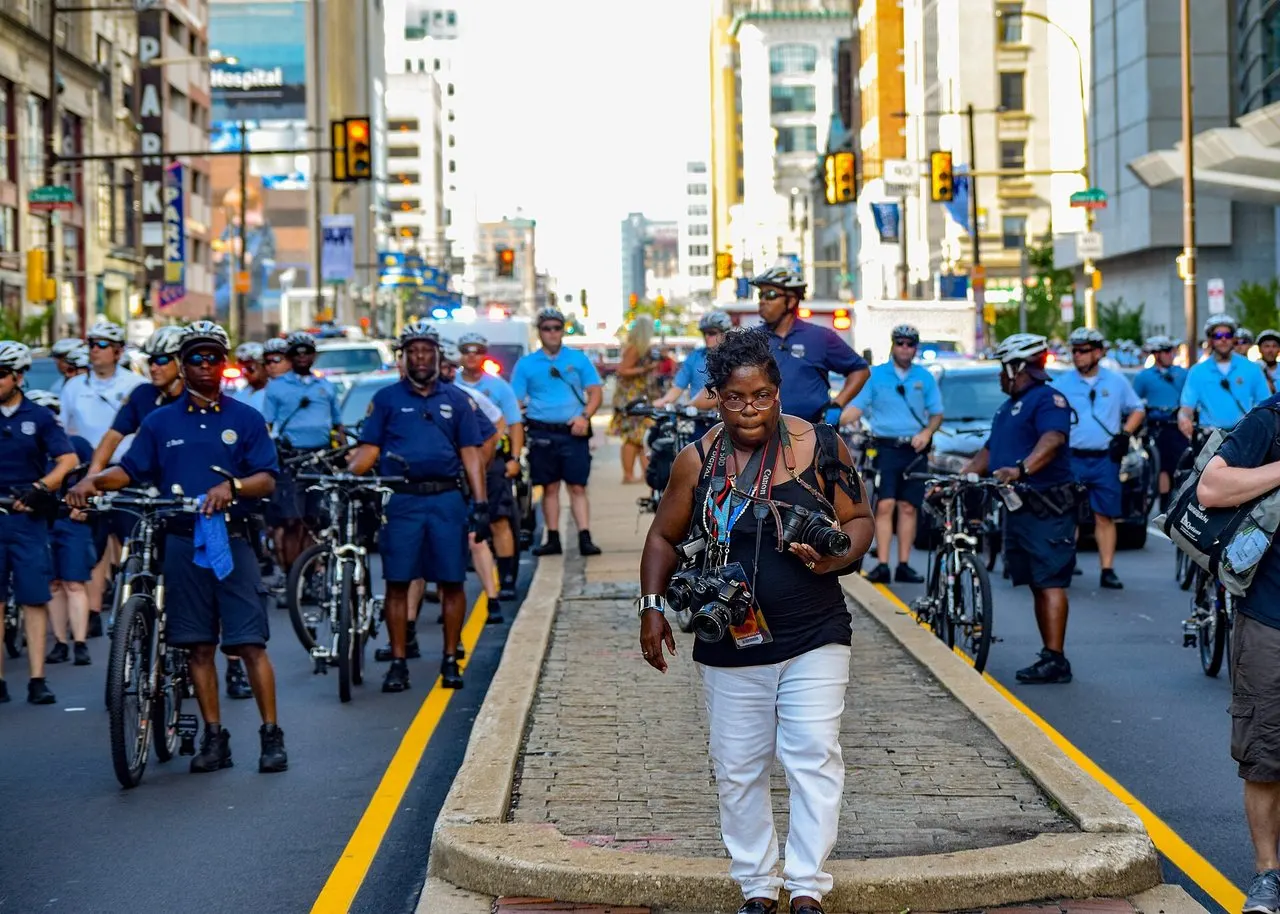
The second arrest came in 2024, three years after the first. Once again, officers from the unit took Mamdani into custody. Two arrests by the same unit gave him a personal view of how it worked on the street, not just on paper. Few mayors have ever had that kind of firsthand experience with a unit they later decide to end. The two dates, 2021 and 2024, are now part of the public record of his life. Read our story on the house promise.
The Strategic Response Group and a Campaign Promise
Mamdani promised during his campaign that he would separate protest response from counterterrorism. The November 16 announcement keeps that promise, word for word. Campaign promises are easy to make and hard to keep, so voters watch closely to see which ones become real. This one became real within his first months in office. The decision shows how a promise made on the campaign trail can reshape a police department. See our story on the horse carriage ban.
Separating Protest Response From the Strategic Response Group
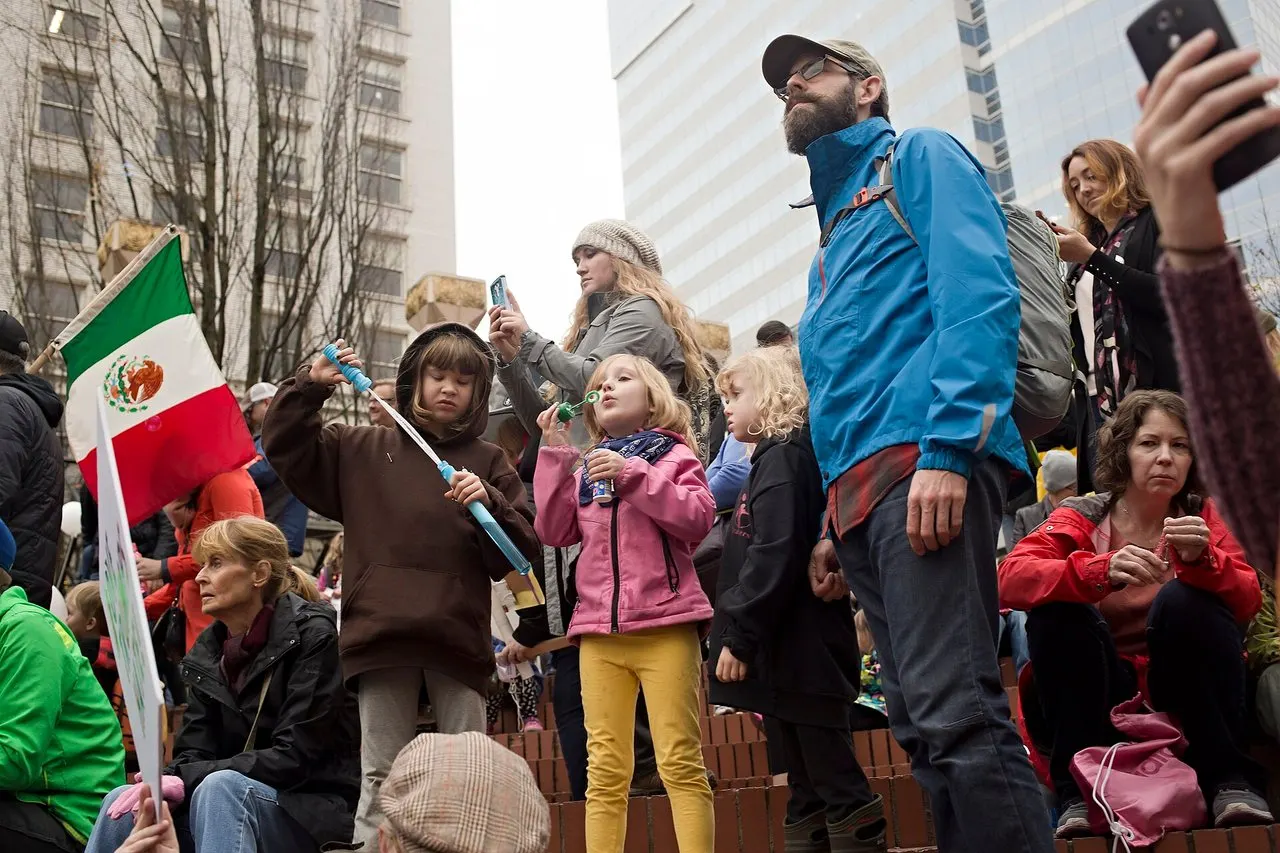
The heart of the change is simple: protest response and counterterrorism will no longer be the same job. The Strategic Response Group mixed the two, sending counterterrorism officers to marches and rallies. Under the new plan, those two kinds of work go to different teams with different training and different leaders. That split is what the mayor promised, and it is what the November announcement delivers. Read our story on the dementia update.
Where the Strategic Response Group Counterterrorism Work Goes
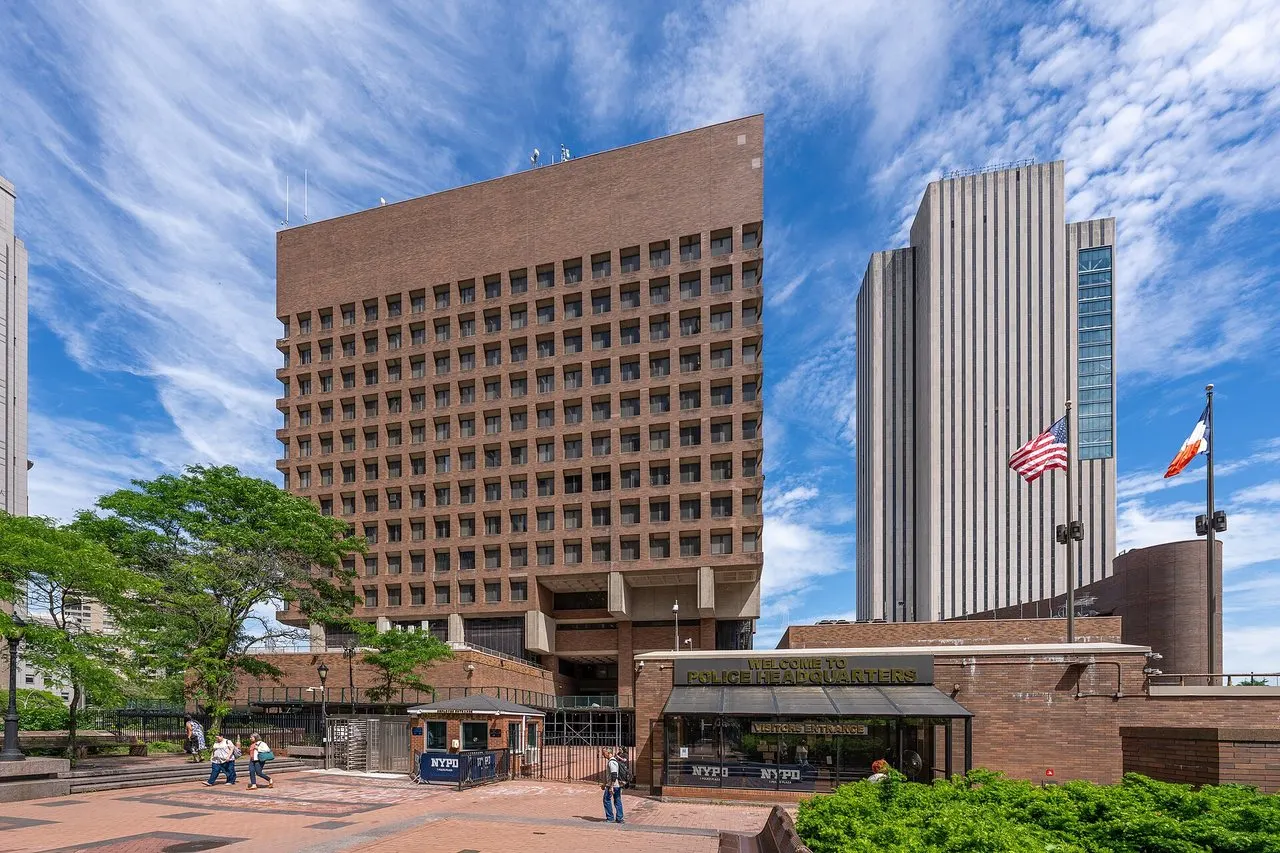
The counterterrorism work does not disappear. It moves to the NYPD’s Intelligence and Counterterrorism Bureau, the part of the department that already handles that kind of work. The bureau will take over the duties the unit used to carry out, from guarding against planned attacks to watching over major events. The mayor’s team says the work will continue, just under a different roof. See our story on the jail closure plan.
A New Civilian Division Leads Protest Response
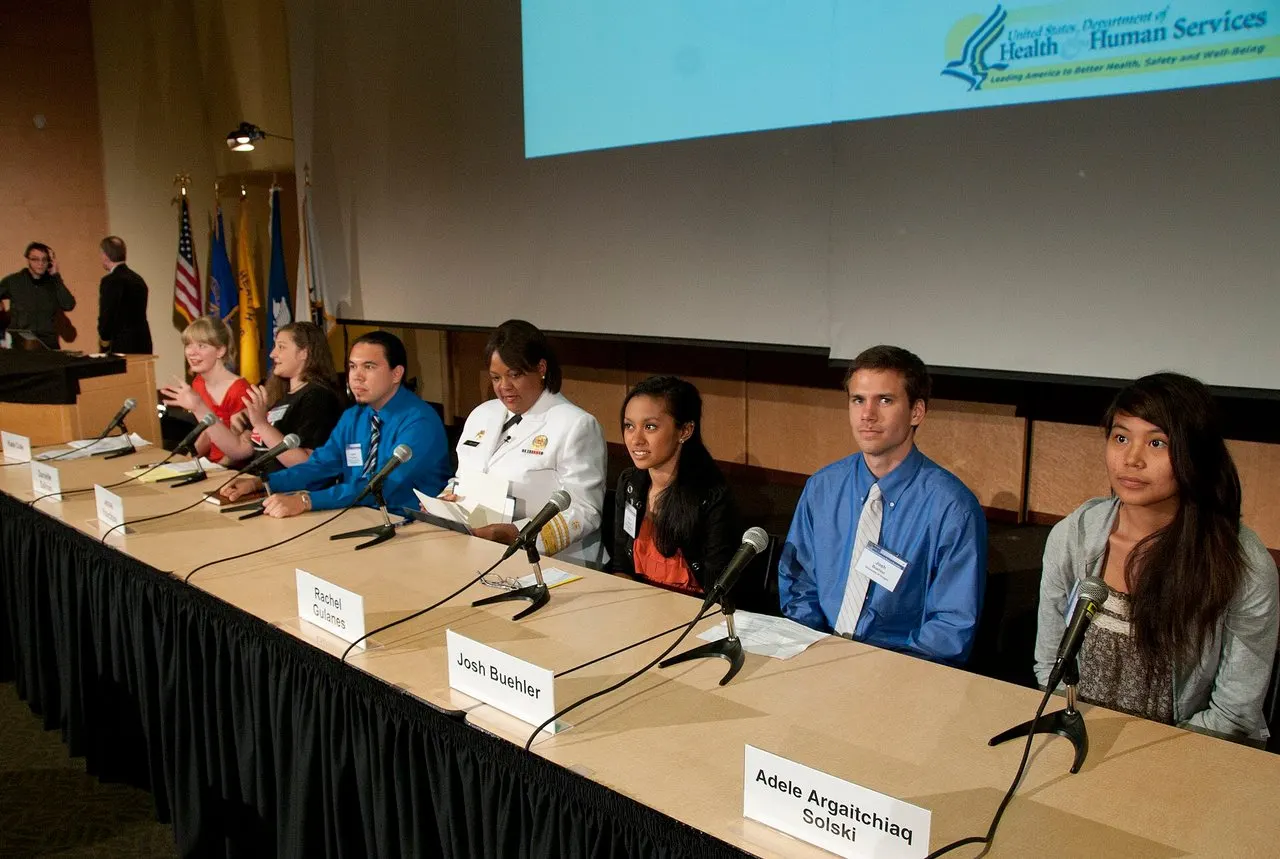
A new civilian-led Community Dialogue and De-escalation Division will lead protest response from now on. The name says a lot: dialogue first, calm words before force, and leaders who come from outside the police ranks. The division will work with marchers and rally organizers to keep events peaceful. It is a new idea for New York, and it puts conversation at the center of protest policing. Read our story on the long flight home from China.
The 30-Officer First Amendment Support Team
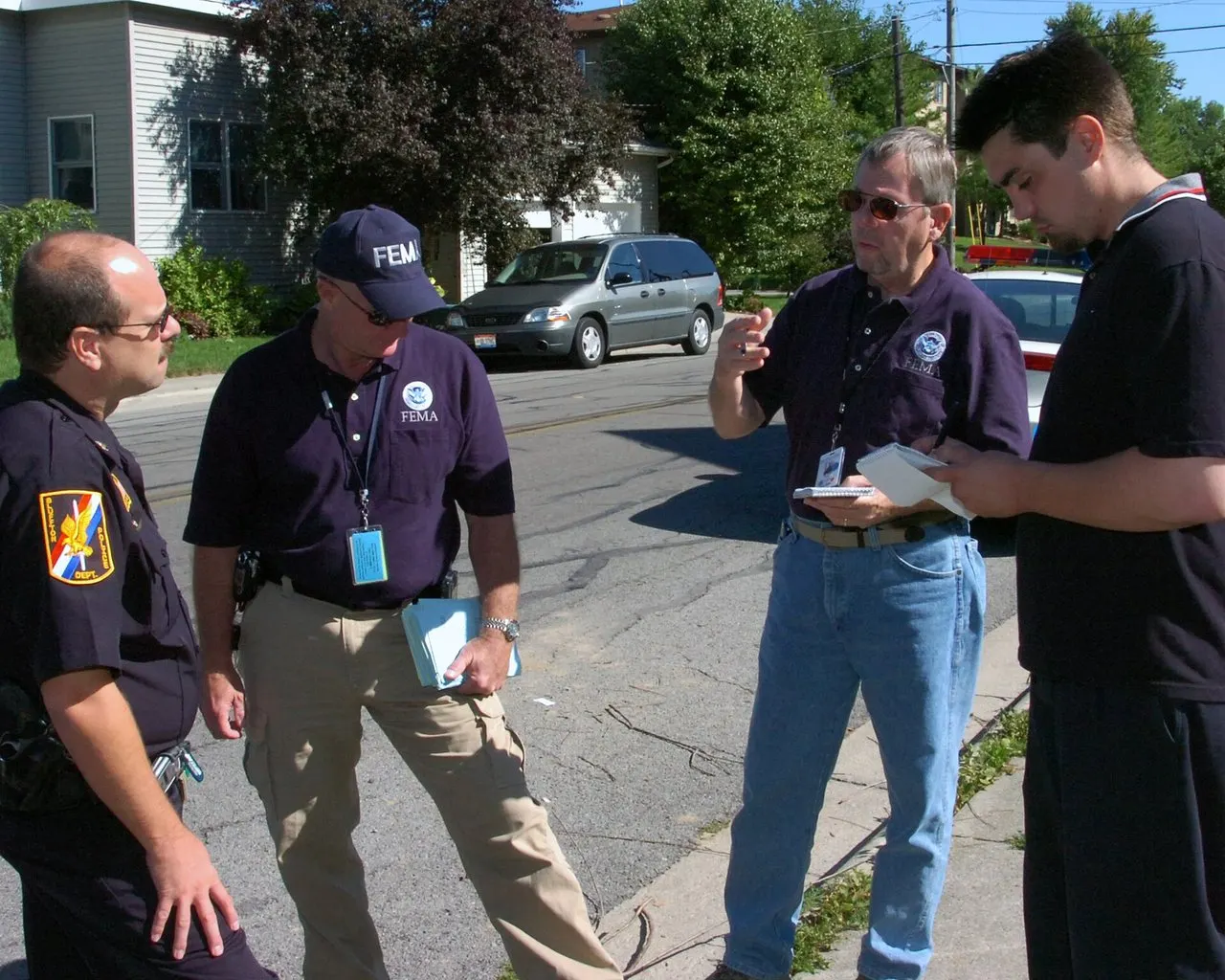
Alongside the new division, a 30-officer First Amendment Support Team will help at protests. The team is small on purpose, with only 30 officers, and its job is to support the right to gather and speak freely. The First Amendment protects peaceful assembly, and the team’s name points straight at that right. Officers on the team will work with the civilian division, not instead of it. See our story on the House investigations plan.
A Division With No Tools or Arrest Powers

The new division will have no tools or arrest powers, and that detail is the point. Its staff will not carry the gear of a police unit, and they cannot take anyone into custody. Their power comes from talking, listening and finding a calm way forward, and the plan keeps that focus at the center of the work. The design keeps the new team focused on peace, not force, and on dialogue rather than control. Read our story on the Putin and Iran report.
Kettling Is Now Banned at Protests
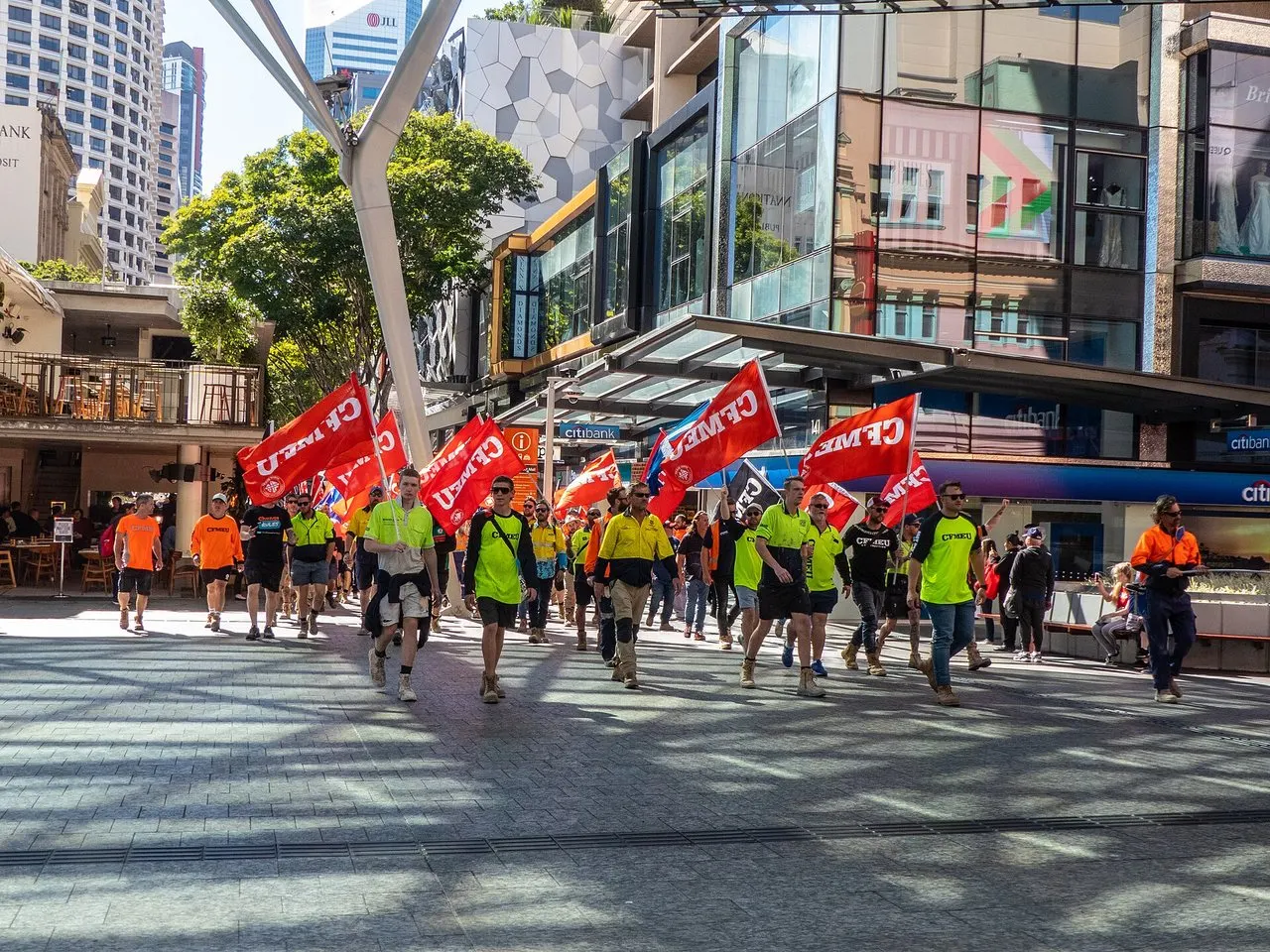
Kettling is now banned at protests in New York. The word describes a tactic where officers surround a crowd and hold it in one place, so people cannot leave. Critics have long said the tactic traps peaceful marchers along with anyone causing trouble. Under the new rules, officers may not use it at protests anymore. The ban is one of three clear limits in the reform plan, and it takes effect with the transition. See our story on the Cheney warning.
Long Devices Are Banned Too
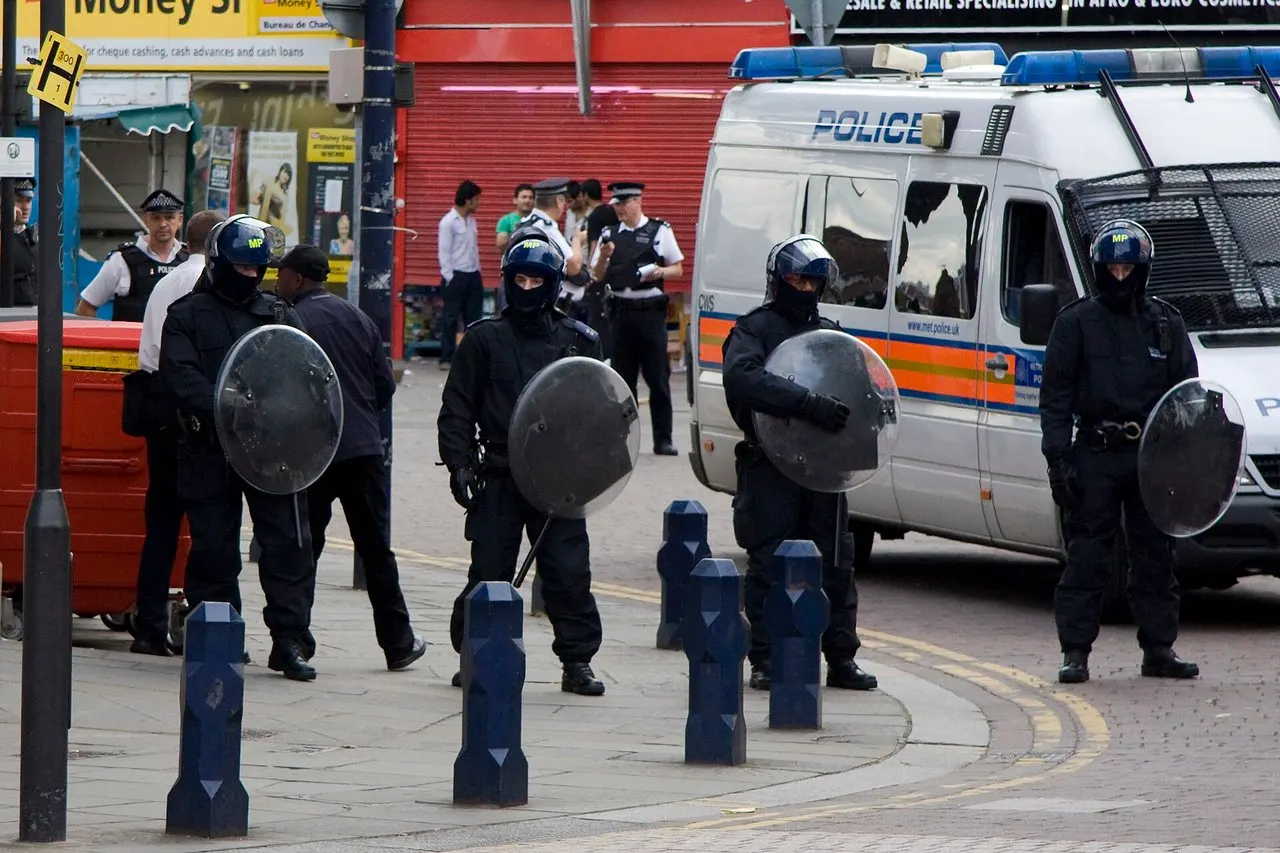
The plan also bans long devices at protests. These are the long handled tools officers have carried at marches and rallies, and the ban means they will not be part of protest policing anymore. The change fits the wider idea of the reform: fewer tools of force at peaceful gatherings, and more talking instead. It is a small detail with a big meaning for people on the street. Read our story on the China trip deals.
Tear Gas Is Banned at Protests
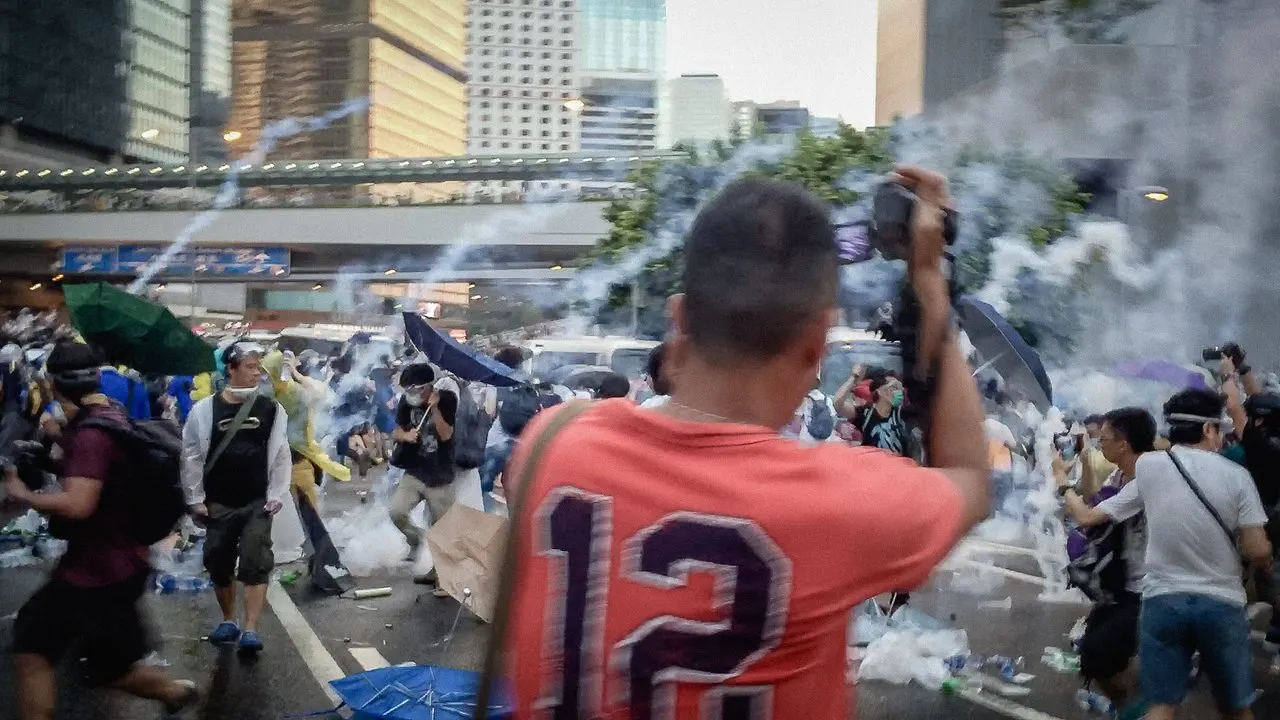
Tear gas is banned at protests under the new plan. The gas irritates the eyes, throat and lungs, and it can turn a peaceful crowd into a panicked one in seconds. Cities have argued for years about whether it belongs at protests at all. New York has now answered that question with a clear no. The ban joins the limits on kettling and long devices as part of the same reform. See our story on the Pew study story.
What De-Escalation Looks Like on the Street
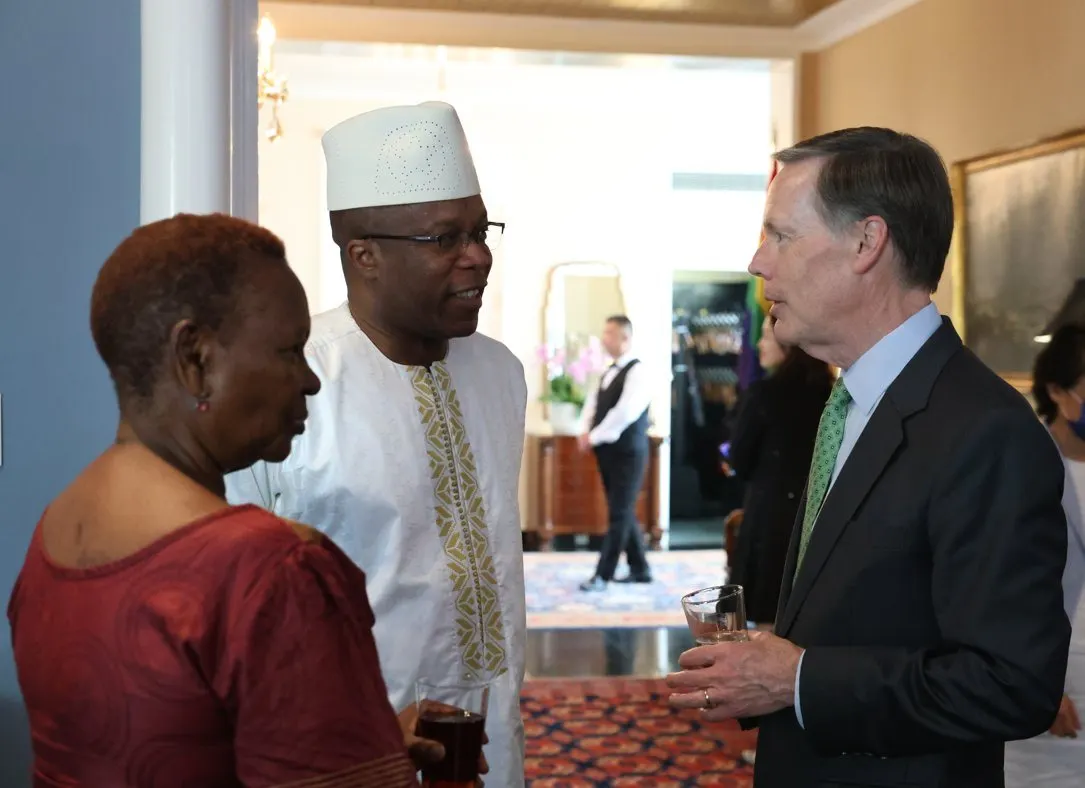
De-escalation means cooling a tense moment down before it gets worse. A trained worker talks with people, listens to what they need and looks for a calm way forward. It takes patience and a steady voice, and it works best when it starts early. The new division is built around that idea, with dialogue in its very name. For many New Yorkers, it is a new way to think about keeping a protest safe. Read our story on the mansion listing story.
The Strategic Response Group Transition Ends in Spring 2027
The full transition is set to finish by spring 2027. That gives the city time to move the counterterrorism work, build the new division and train the First Amendment Support Team. Big changes in a large department cannot happen overnight, and the plan sets a clear date for the finish. Until then, the work goes on step by step, with the unit’s duties shifting to their new homes. See our story on the Amazon delivery bill.
New York City and Its Police Department
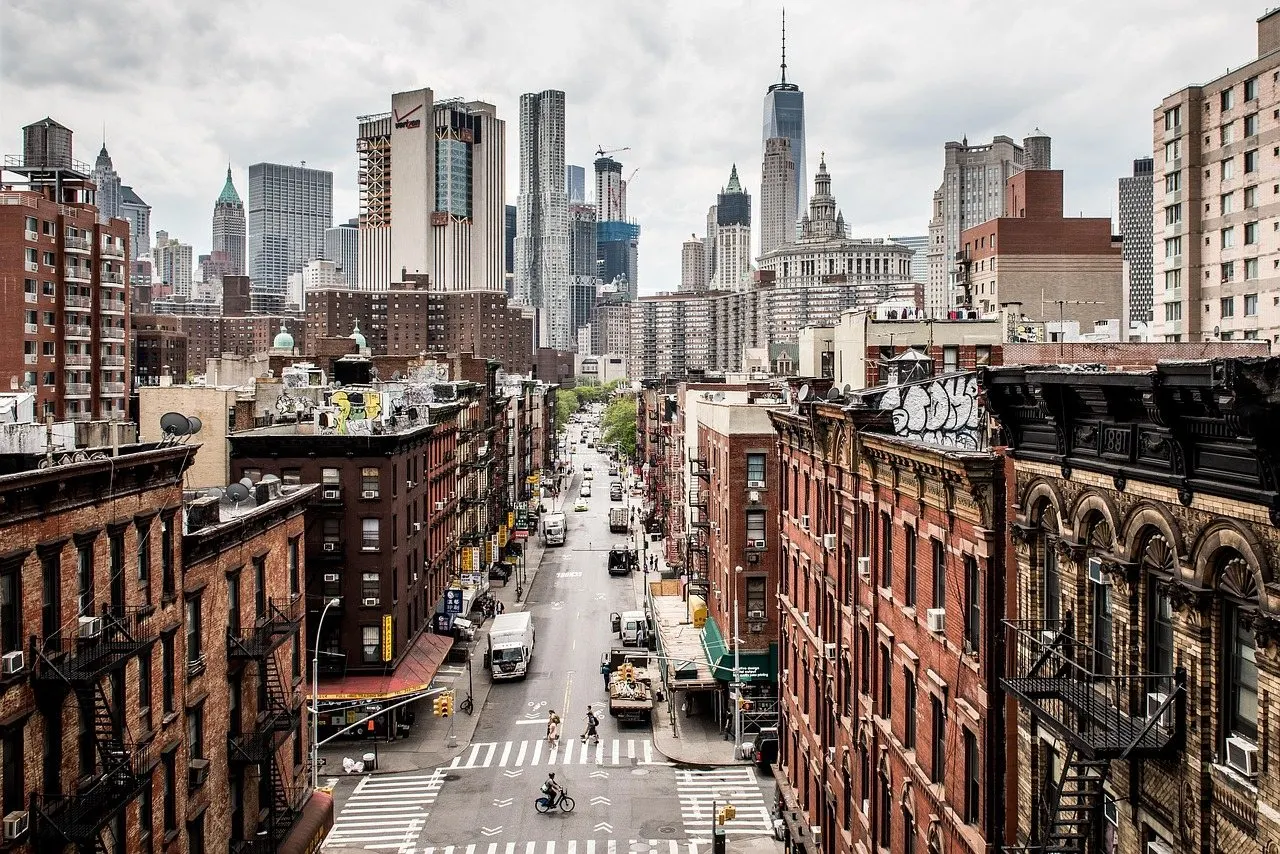
New York City is the largest city in the United States, and its police department is the largest municipal force in the country. Millions of people live, work and gather here every day, and the department touches almost every part of city life. Changes to how it works are felt far beyond City Hall. That is why a decision about one unit can become national news in a single day. Read our story on the Bruce Willis story.
The First Amendment Protects Peaceful Protest
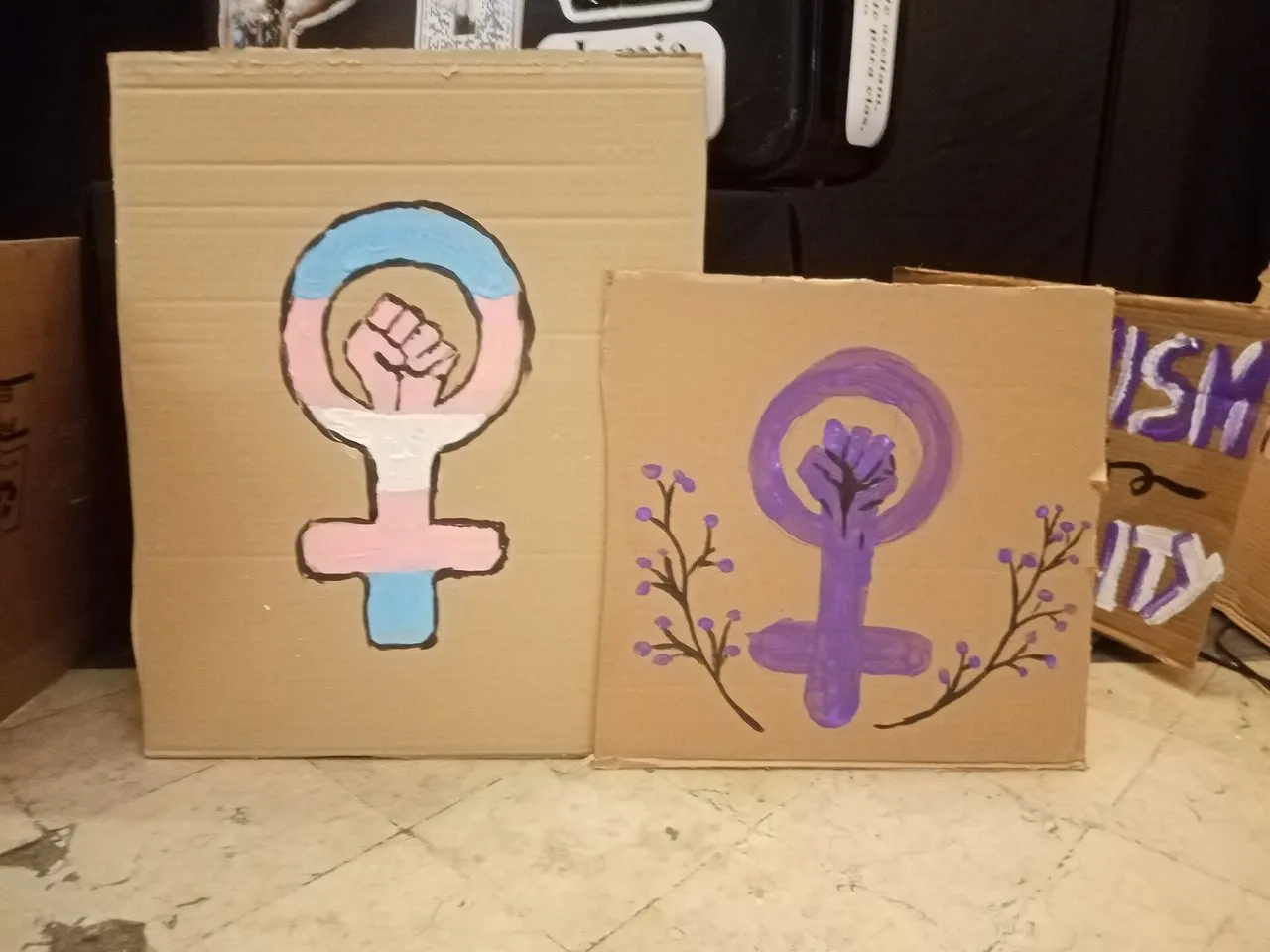
The First Amendment protects the right of Americans to gather peacefully and speak their minds. It is one of the oldest promises in the country’s founding documents, and it sits at the heart of this story. The new 30-officer team carries the amendment’s name because its job is to protect that right at protests. The reform treats free speech as something to guard, not to manage. See our story on the GTA speedrun.
How Other Cities Handle Protest Policing
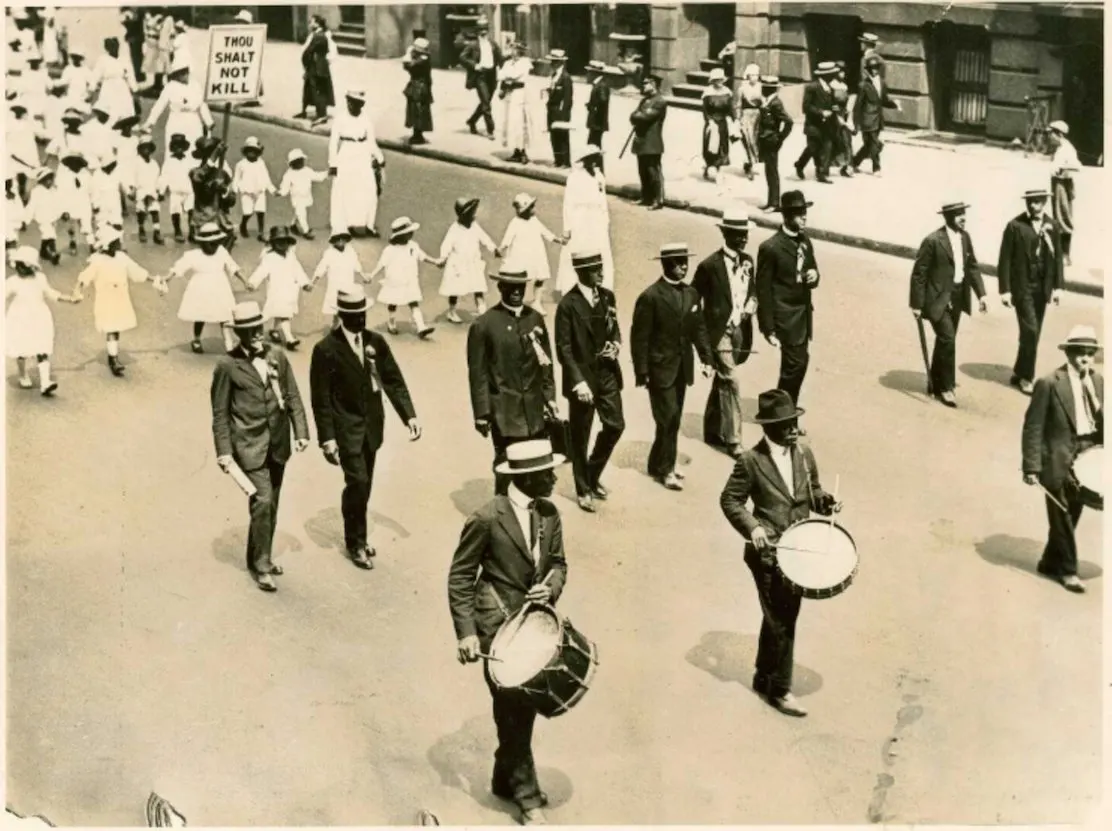
New York is not the only city thinking about how protests should be policed. Cities across the country have tried different models, with some keeping protest duties inside regular police units and others building special teams. The debate is familiar everywhere: how to keep people safe while letting them speak. New York’s answer puts civilians in the lead, which is a different path from the usual police-led model. Read our story on the assisted dying story.
What Changes for People at a Protest
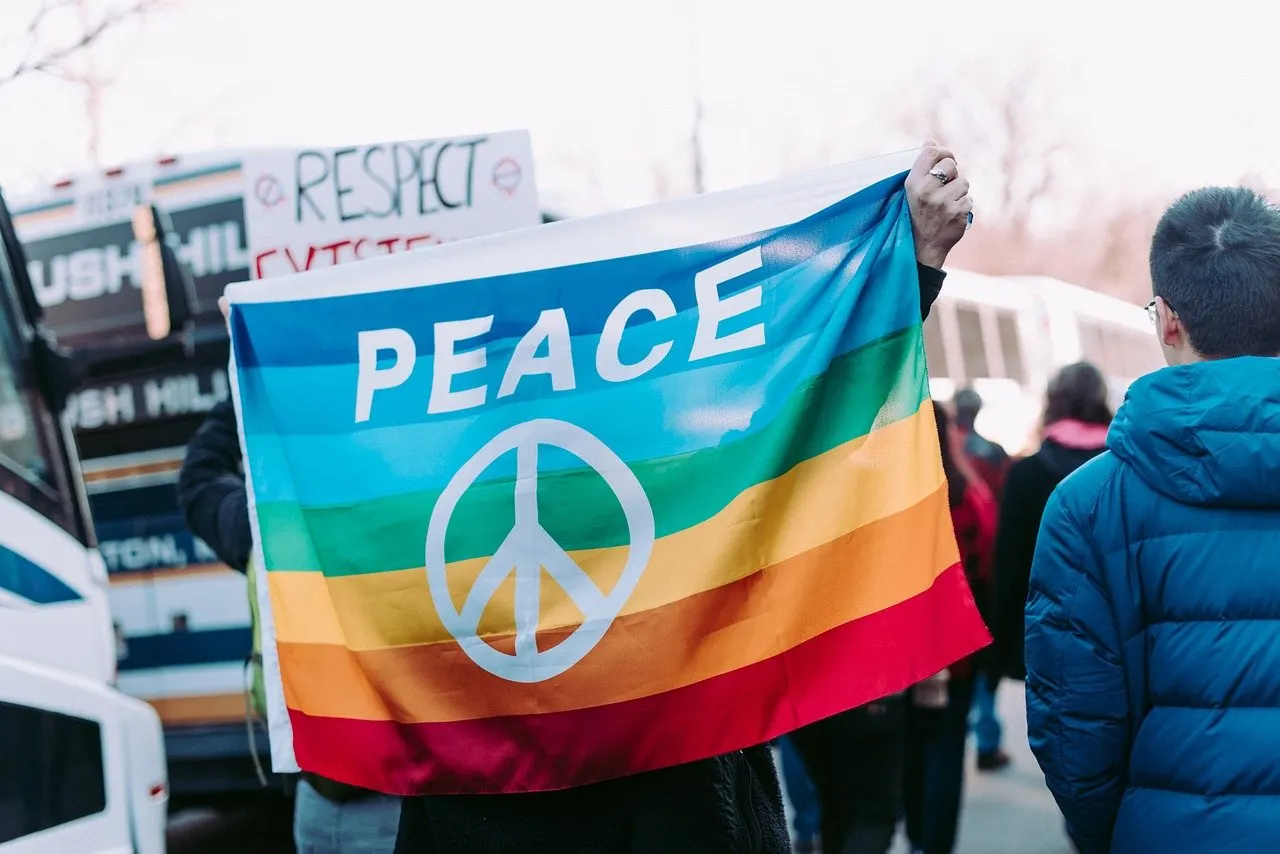
For people at a protest, the change should be easy to see. The officers they meet will be part of a small support team or a civilian division, not a counterterrorism unit. The tools of force that used to appear at marches, kettling, long devices and tear gas, are now banned. The goal is a calmer street where people can march, chant and go home safe. That is the promise the mayor made. See our story on the intelligence sharing story.
Counterterrorism Work Continues Without the Strategic Response Group
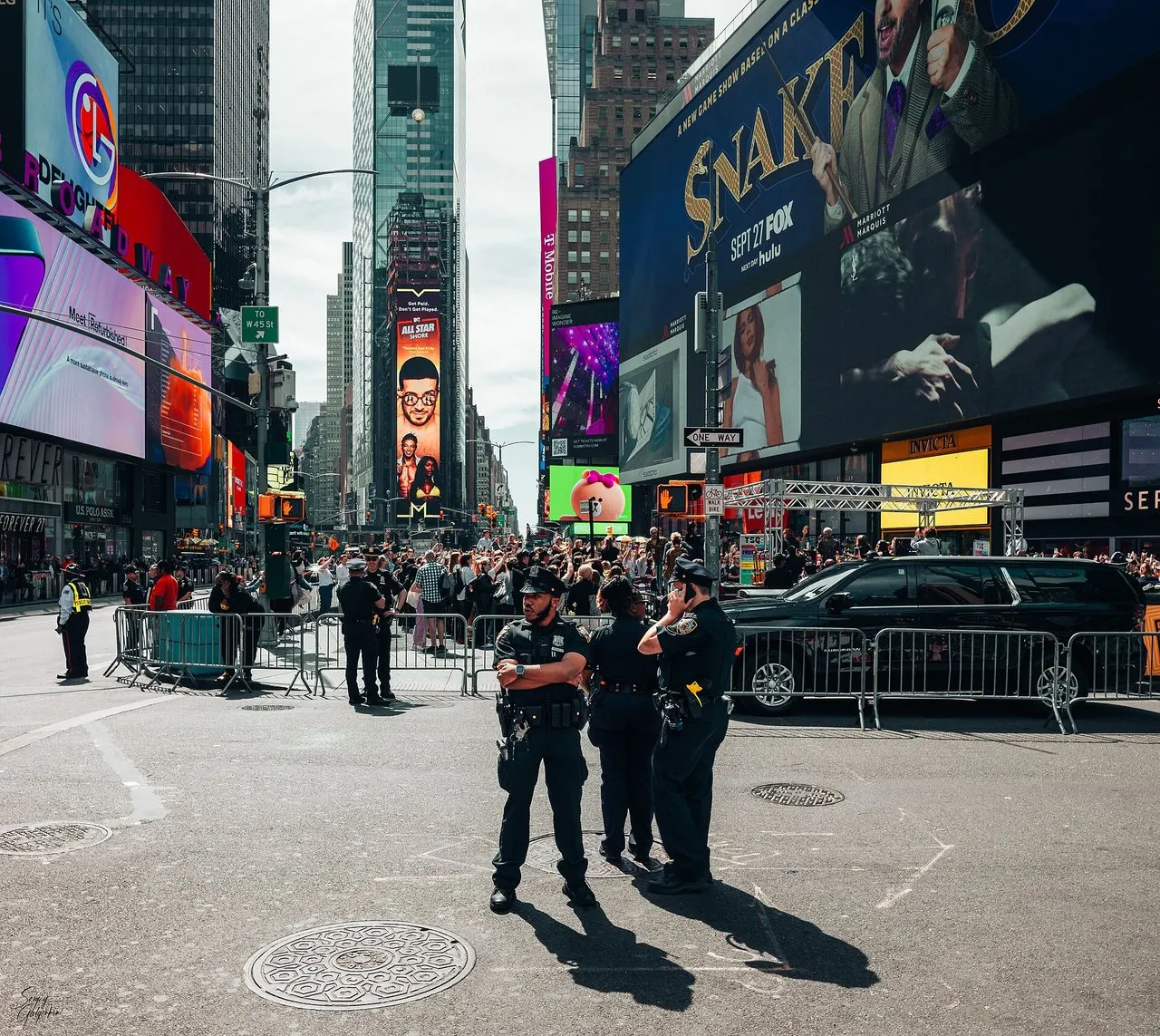
The end of the unit does not mean the end of counterterrorism work in New York. That work moves to the Intelligence and Counterterrorism Bureau, where it joins the teams that already focus on it full time. Major events will still be guarded, and planned attacks will still be watched for. The mayor’s plan changes who does the protest work, not whether the city stays alert. Read our story on the historic embarrassment claim.
Why the Strategic Response Group Was Controversial
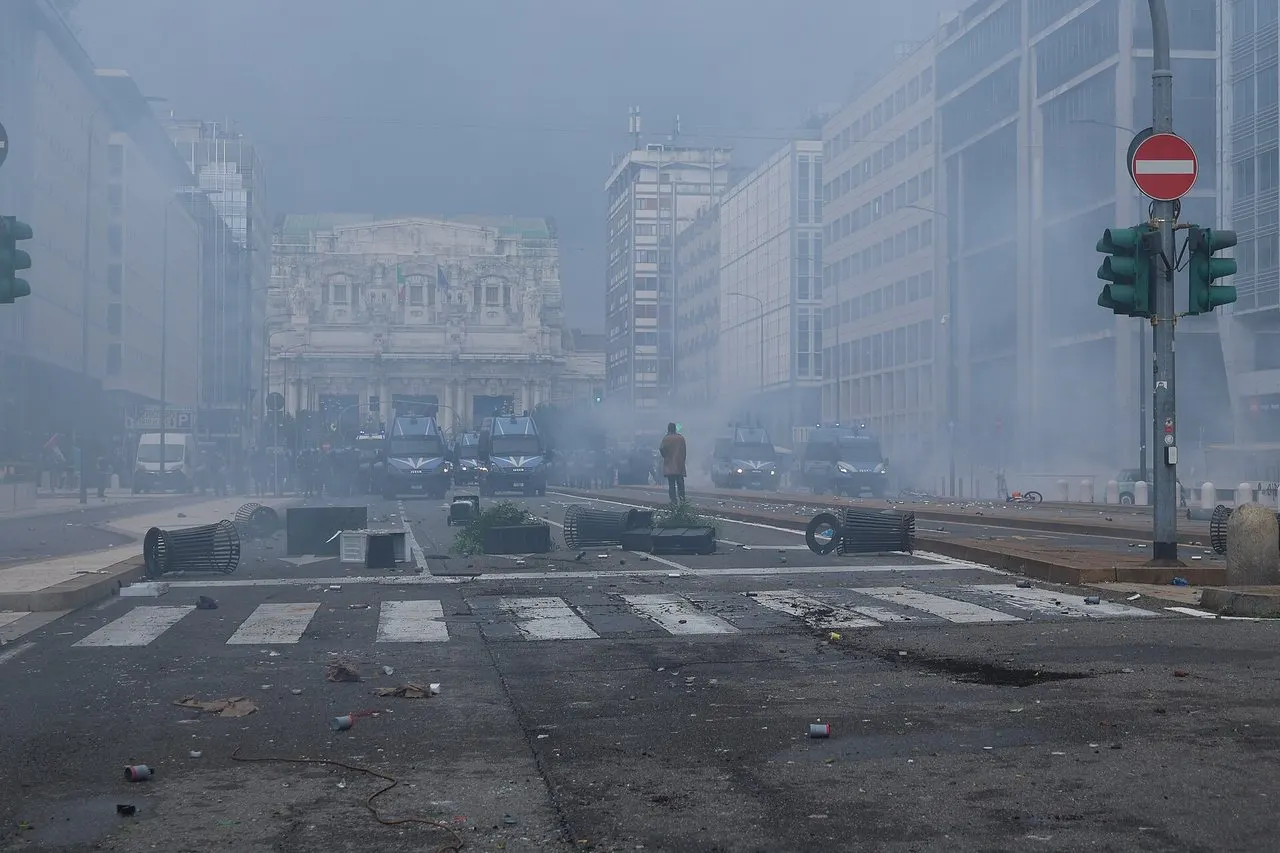
The unit was controversial because its work drifted from its first mission. Built for counterterrorism, it was often sent to protests, where its presence felt heavy to many New Yorkers. When a counterterrorism unit shows up at a march, the message it sends is hard to miss. The mayor’s own arrests by the unit made that point personal. Ending it closes a chapter that many people wanted closed. See our story on the Berlin meeting.
What Happens Next After the Strategic Response Group Ends
What happens next is a slow handover, not a single day of change. The counterterrorism duties move to the bureau, the new division takes shape, and the 30-officer team begins its work at protests. City officials will watch how the new setup performs at real marches and rallies. The spring 2027 date gives everyone a clear finish line to work toward. Read our story on the first lady office story.
The Bigger Picture for Policing in New York
The decision is one of several early changes from the new mayor, and it points to a wider shift in how the city thinks about policing. The idea is simple: match the response to the moment, with counterterrorism handled by specialists and protests handled by people trained to talk. If the new model works, it could shape how other cities think about the same question. New York has often led the way on big city issues. See our story on the faith story.
What Do You Think of the Change
Now it is your turn to weigh in. Do you think ending the unit and putting civilians in charge of protest response will make New York’s streets calmer, or do you worry about what could go wrong? Have you ever been at a protest where the police presence felt too heavy, or just right? Share your thoughts in the comments below, and tell us what you would ask the mayor about the plan. Read our story on the first Black governor story.