Texas ICE Cooperation Ends as Hinojosa Takes Her Stand
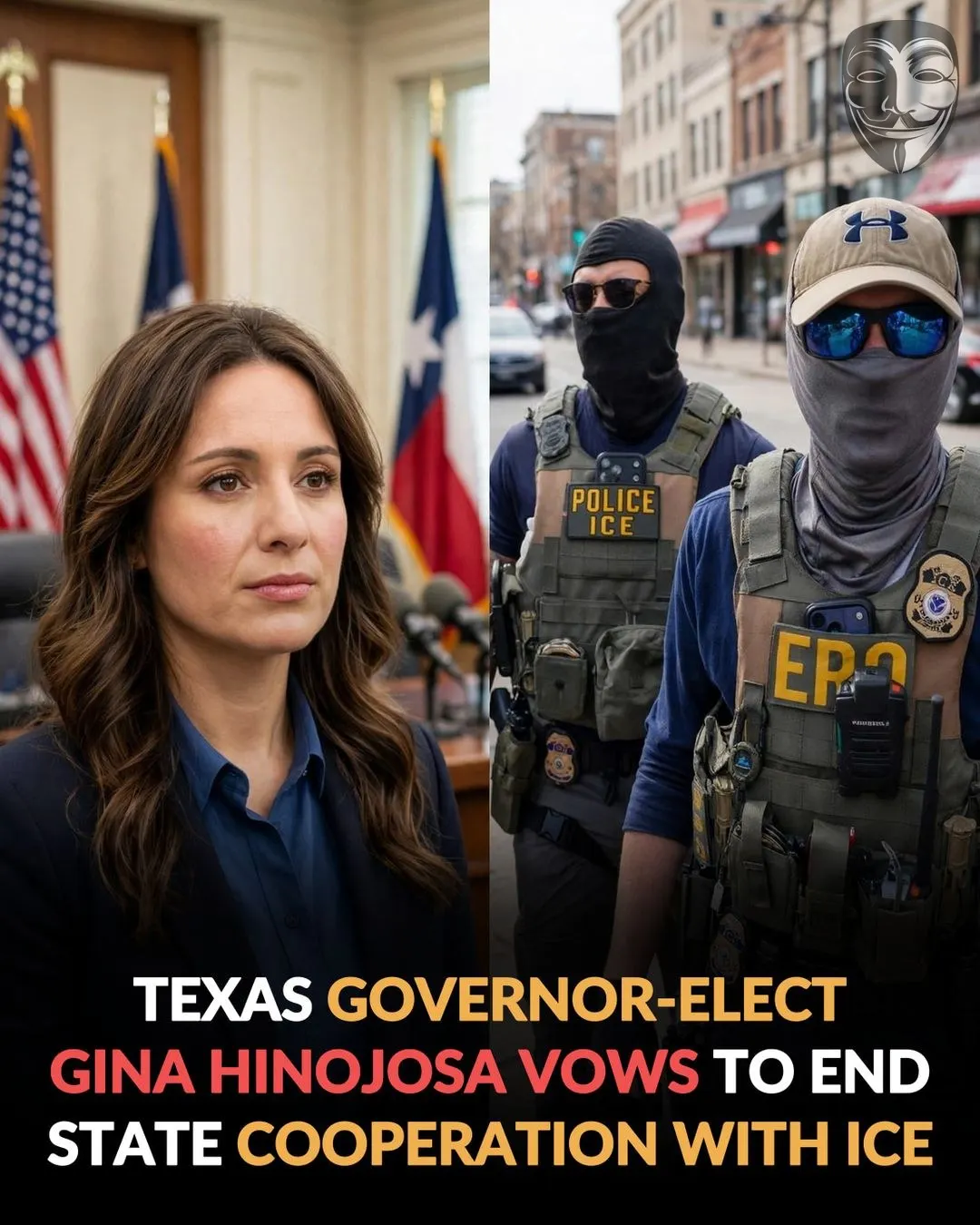
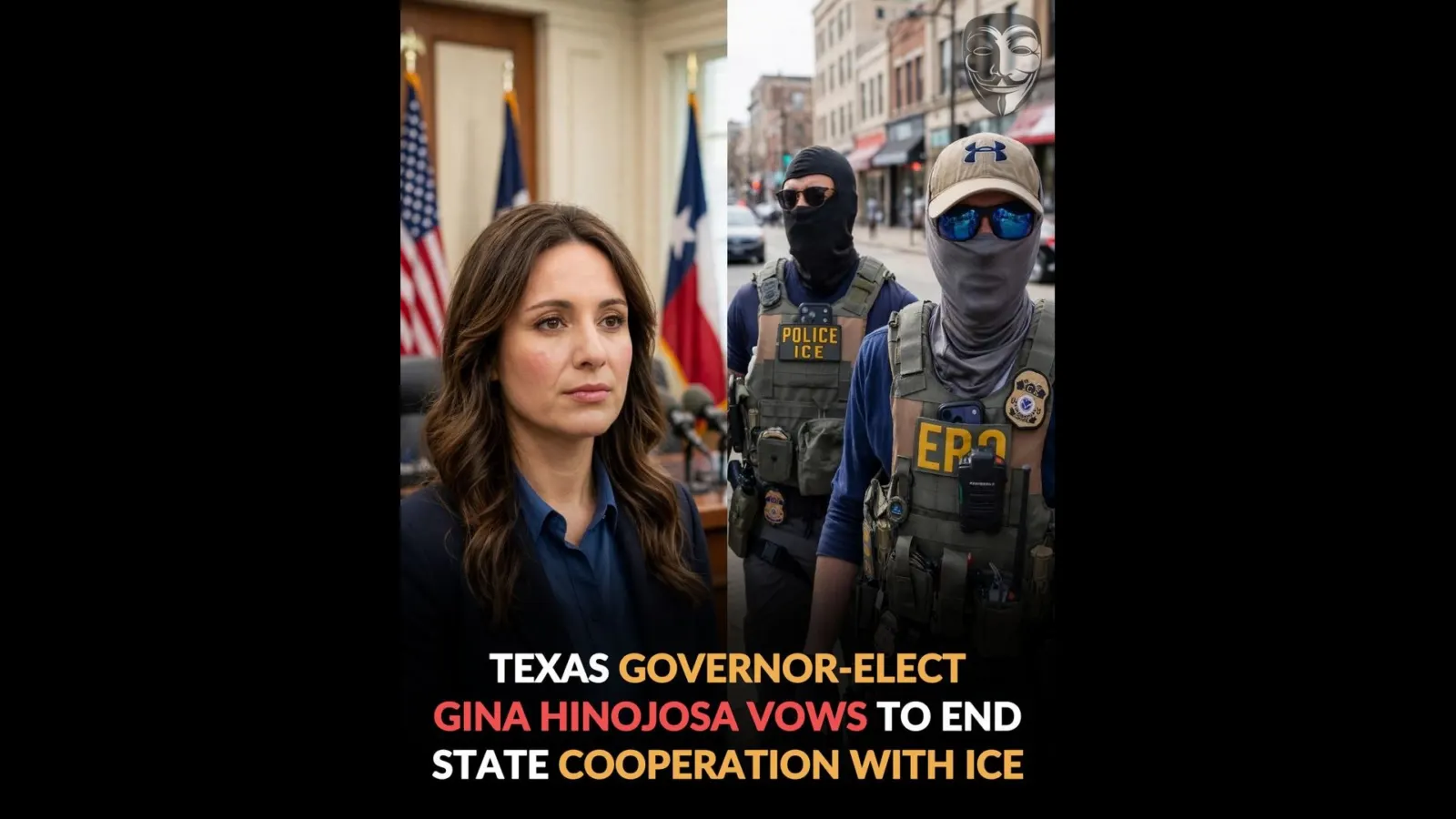
Texas ICE cooperation is about to end, and Governor-elect Gina Hinojosa says the change will start on day one of her time in office. On Fox News on Thursday night, Bret Baier asked her a direct question about whether state help for ICE would stop, and she did not hesitate with her answer. She said Texas has seen people killed and mowed down in the streets, and she added that she will not help that continue. Her words were plain, and they were heard by viewers across the country.
Hinojosa grew up in the Rio Grande Valley, and she beat Greg Abbott in a historic upset to become the first Latina governor in Texas history. She says Texas taxpayers have already spent 20 billion dollars on a federal job, and she wants Washington to pay its share while state resources stay out of raids that tear families apart. Next, we look at what she said, how the old system worked, and what may change. For more on big promises in politics, read about a summit that brought America, Russia and China together.
References:
Fox News: Hinojosa says Texas will end state cooperation with ICE
Texas Tribune: Governor-elect Hinojosa pledges to halt DPS task force with ICE
Associated Press: Texas governor-elect vows to stop state help for immigration raids
Houston Chronicle: Whitmire limits police cooperation with ICE during traffic stops
The Question That Started It All
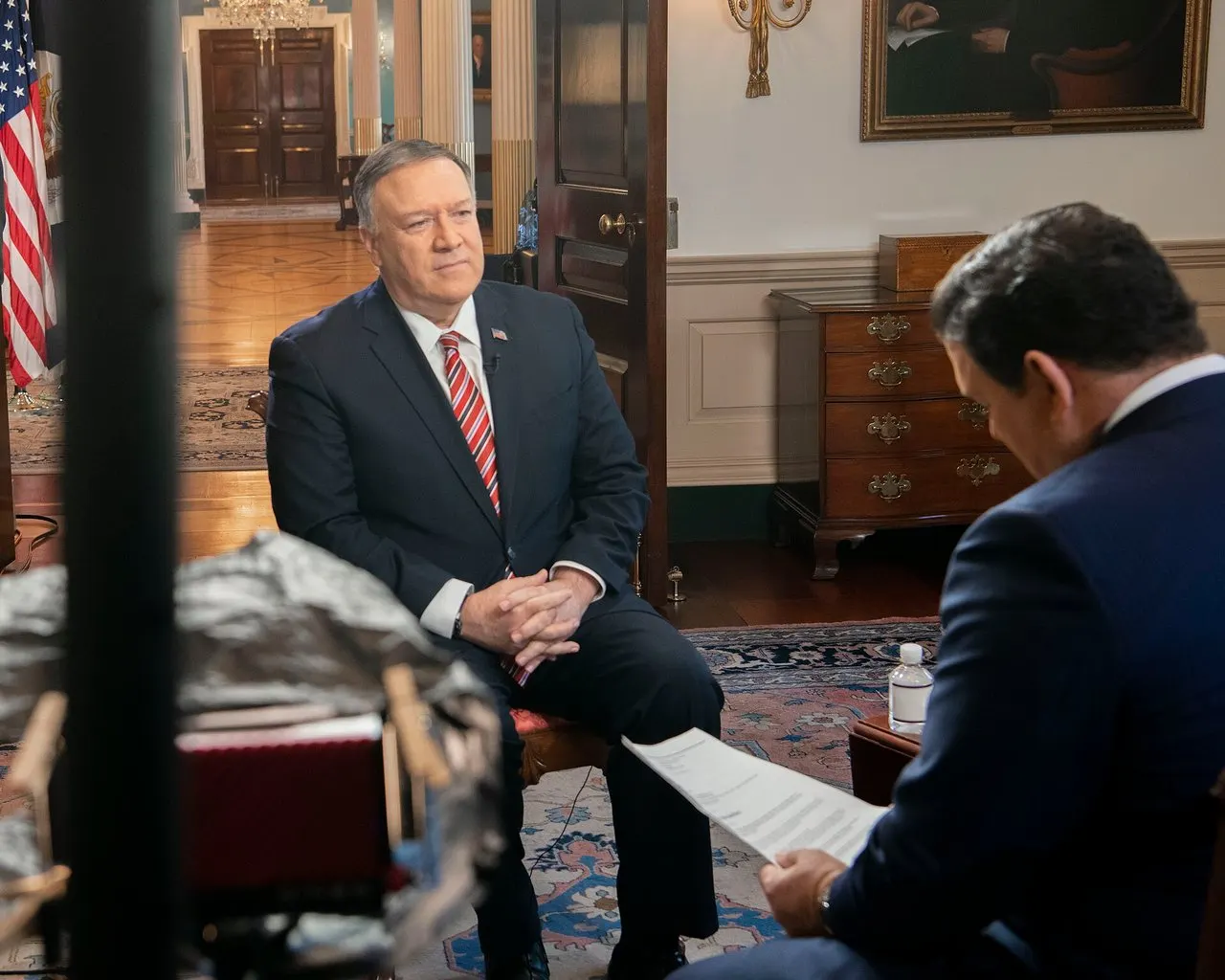
On Thursday night, Bret Baier sat down with Hinojosa on Fox News and asked the question that many Texans had been waiting to hear. He wanted a direct answer, so he asked whether state cooperation with ICE would end on day one of her time as governor. It was a yes or no question, and there was no room to hide behind long speeches or careful words. The whole state was watching to see what she would say. For more on trips that made headlines, read about a four day trip to China.
Texas ICE Cooperation and the Answer That Left No Doubt
Hinojosa did not pause, and she did not soften her words. She said Texas has had people killed, Americans killed, and people mowed down in the streets, and she made it clear that this needs to end. Then she gave the line that people will remember, saying she will not facilitate that. It was a promise made on national television, in front of viewers who may not agree with her, and she did not back down an inch. For more on leaders who make history, read about a historic first in Florida.
A Stand After Lives Were Lost

Her answer was not about numbers on a page. It was about real people and real streets, and about families who have felt the cost of raids in their own neighborhoods. Hinojosa said Texas has seen people killed and mowed down, and her words pointed to a simple idea, that no family should have to fear a knock on the door. That feeling is at the heart of her promise to end state help for ICE. For more on strong words in politics, read about a warning to Republican colleagues.
From the Rio Grande Valley to the Governor’s Office
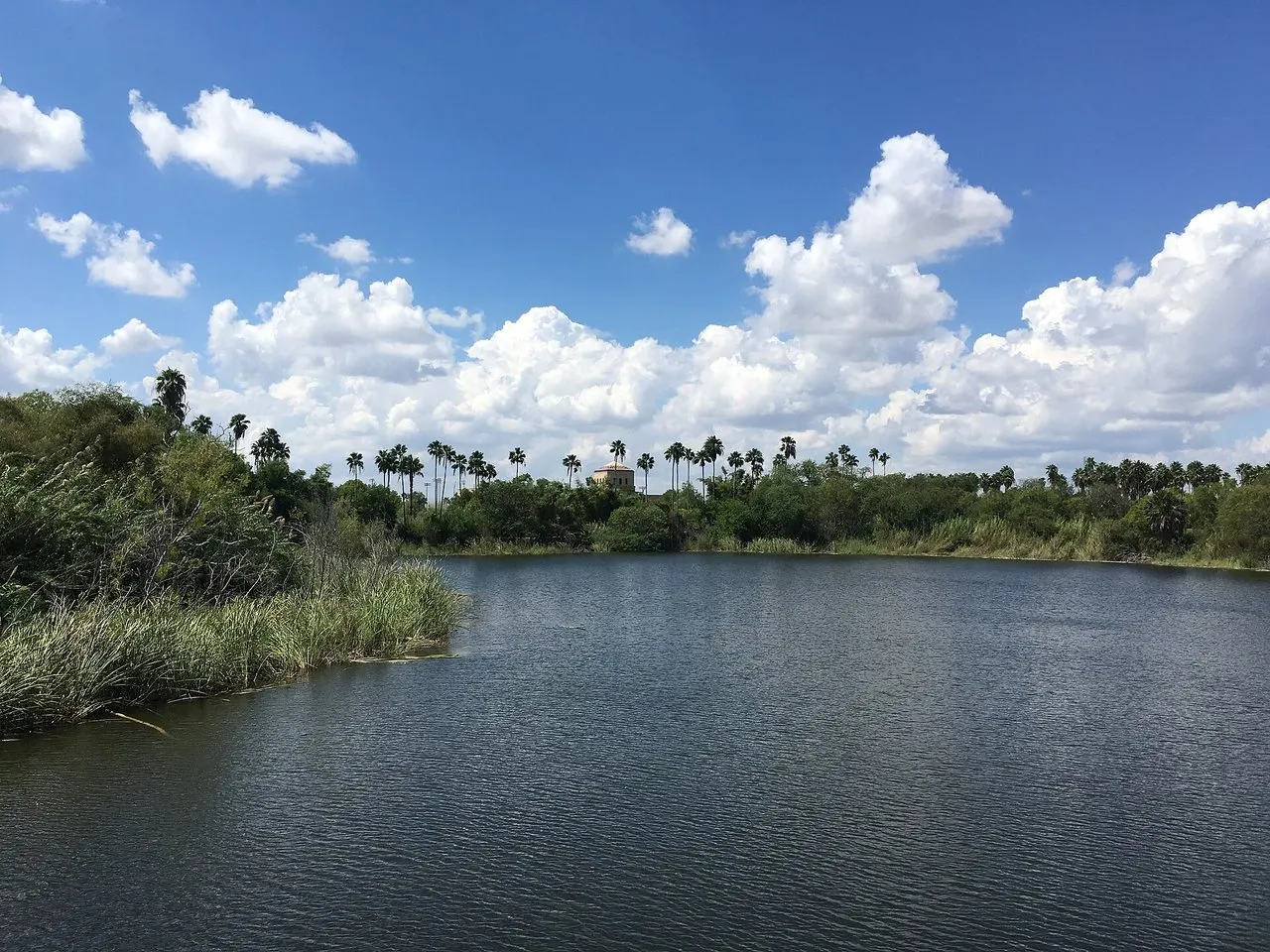
Hinojosa grew up in the Rio Grande Valley, a part of Texas where the border is part of daily life and where families often have roots on both sides of the river. Growing up there gave her a close view of how immigration policy touches ordinary people, from workers and shop owners to parents and school children. That background shaped the way she talks about the border, with warmth for the people who live there. For more on plans that affect daily life, read about a plan for American schools.
Texas ICE Cooperation and a Historic Upset in Texas
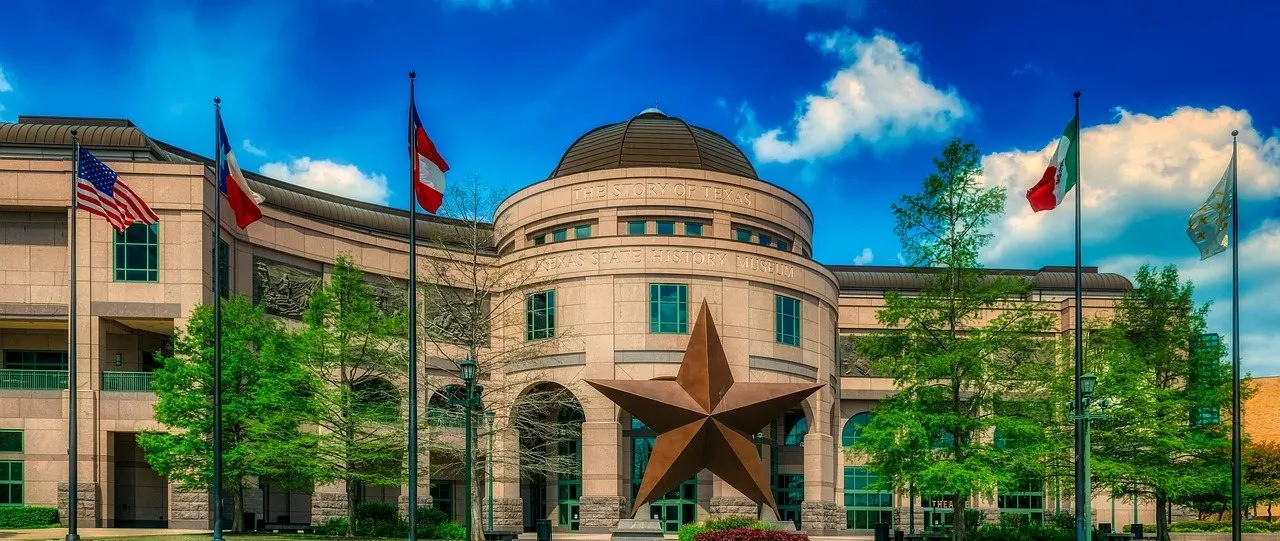
Hinojosa beat Greg Abbott in a historic upset this month, a result that surprised many people who had watched Texas politics for years. Abbott had led the state for a long time, and few expected him to lose. Her win changed the map of Texas politics in one night, and it gave her the power to end Texas ICE cooperation from the governor’s office. Voters chose a new direction, and now the whole country is watching what she does next. For more on moments that surprised everyone, read about a question about a viral moment.
The First Latina Governor in Texas History

When Hinojosa takes office, she will become the first Latina governor in Texas history, a milestone that matters to many families across the state. Texas has a large Latino population, and for years many people waited to see one of their own lead the state. Her win shows how much Texas has changed, and it gives young Latinas a new example of what is possible. That history adds weight to every promise she makes. For more on firsts that made news, read about an all-electric commuter plane.
How Local Police Became Federal Agents

Under the old system, Texas did more than just stand by while federal agents worked. Republican lawmakers passed a rule that pushed most Texas sheriffs to sign 287(g) agreements, deals that turn local officers into federal immigration agents. That meant a routine traffic stop could end with a family torn apart. State troopers also acted as a force multiplier for ICE, giving federal agents more hands on the ground. For more on deals that raised questions, read about a silent shrug in Berlin.
Texas ICE Cooperation and the DPS Task Force
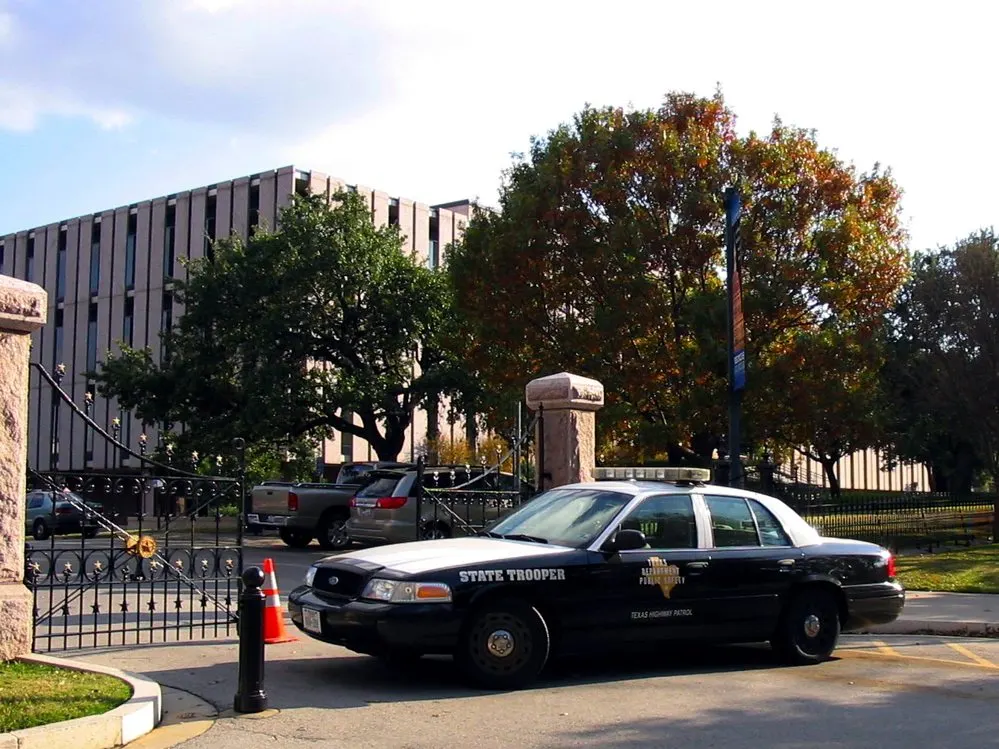
The task force agreements between ICE and the Texas Department of Public Safety sit at the center of this story. Under those deals, DPS troopers worked side by side with federal agents on immigration enforcement. The good news for Hinojosa is that DPS can end the partnership at any time, so she does not need to wait for Washington to agree. As governor, she will shape the department and its choices. For more on meetings that made people smile, read about a hilarious first meeting.
Years of Full Help Under Greg Abbott
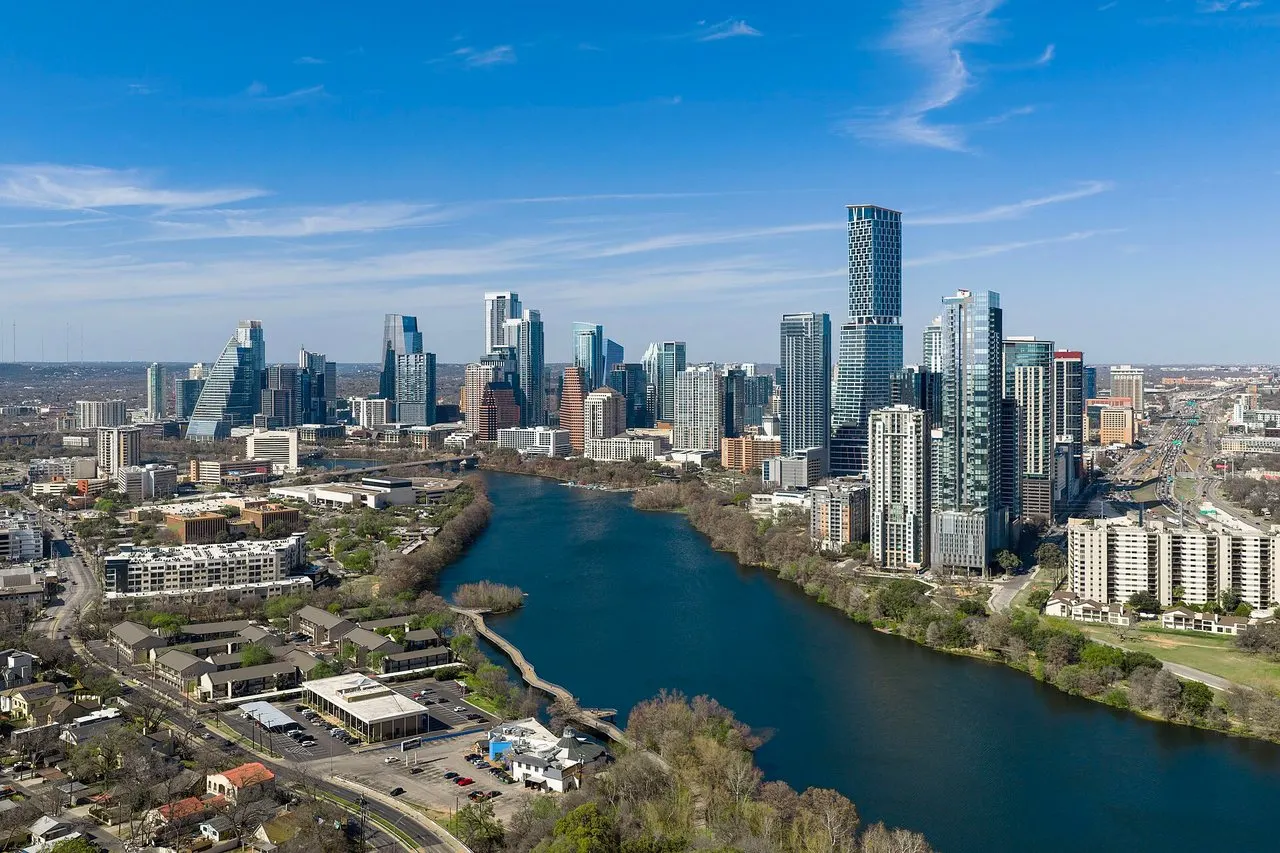
For years, Greg Abbott turned Texas into the most eager partner in the mass deportation machine. State troopers acted as a force multiplier for ICE, and Abbott said yes to just about every request that came from Washington. Texas families paid the price while the state spent its money and its officers on a federal job. That era is what Hinojosa promises to end, and it is why her words drew so much attention. For more on deals that changed lives, read about a historic peace deal.
Twenty Billion Dollars on a Federal Job
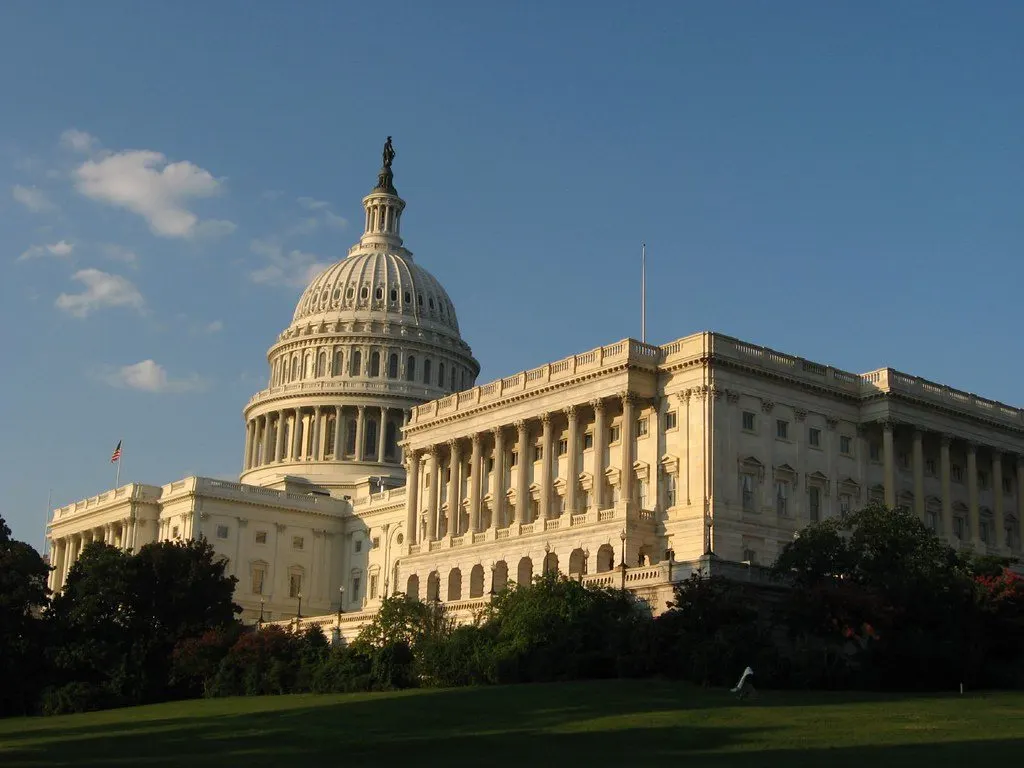
Hinojosa says Texas taxpayers have already spent 20 billion dollars on a federal job, a number that stops people in their tracks. That is state money, raised from Texas families and businesses, spent on work that belongs to Washington. She believes the federal government should pay its own share instead of asking Texas to carry the load. Her argument is simple, and it speaks to voters who watch every dollar. For more on greetings that drew attention, read about a warm greeting in China.
Texas ICE Cooperation and the Call for Washington to Pay

Her message to Washington is clear. If the federal government wants immigration enforcement, it should pay for it with federal money, not with Texas taxes. Hinojosa wants Washington to pay its share while state resources stay out of raids that tear families apart. It is a claim about fairness as much as policy, and it gives her a strong line to use with voters. For more on voices that stood out, read about boho braids at her black job.
Families Caught in the Middle

Behind every policy debate are families who live with the results. When state troopers help with raids, parents can be taken from children, and workers can be taken from jobs they have held for years. Hinojosa says these raids tear families apart, and she wants Texas resources to stay out of them. Her promise speaks to people who have watched neighbors disappear and who want the fear to stop. For more on lessons from hard times, read about quizzes where wrong answers cost points.
Houston Pulls Back Too

Houston is moving in the same direction. Mayor Whitmire has limited police cooperation with ICE during traffic stops, so a driver pulled over for a small issue is less likely to face federal agents. It is a smaller step than ending a statewide task force, but it shows that the change is not limited to Austin. Cities and the state may soon pull in the same direction. For more on votes that changed things, read about a vote to remove protections.
Texas ICE Cooperation and What Ends on Day One
Day one is when the promise meets the paperwork. As governor, Hinojosa can direct the Department of Public Safety to end its task force agreement with ICE, and that single step would stop the most visible form of state help. Sheriffs would still face the old rule, but the tone from Austin would change at once. The first day will tell Texans how serious she is. For more on trips that drew crowds, read about a great and highly consequential trip.
What Local Police Can Still Do

Ending state help for ICE does not mean ending local policing. Sheriffs and city officers will still answer calls, stop dangerous drivers, and keep neighborhoods safe. The change is about what they do after a stop, not whether they do their jobs. Under the old rule, most sheriffs were pushed to sign 287(g) deals, but daily police work itself will go on as before. For more on meetings that made history, read about a summit that brought America, Russia and China together.
A Promise That Won an Election
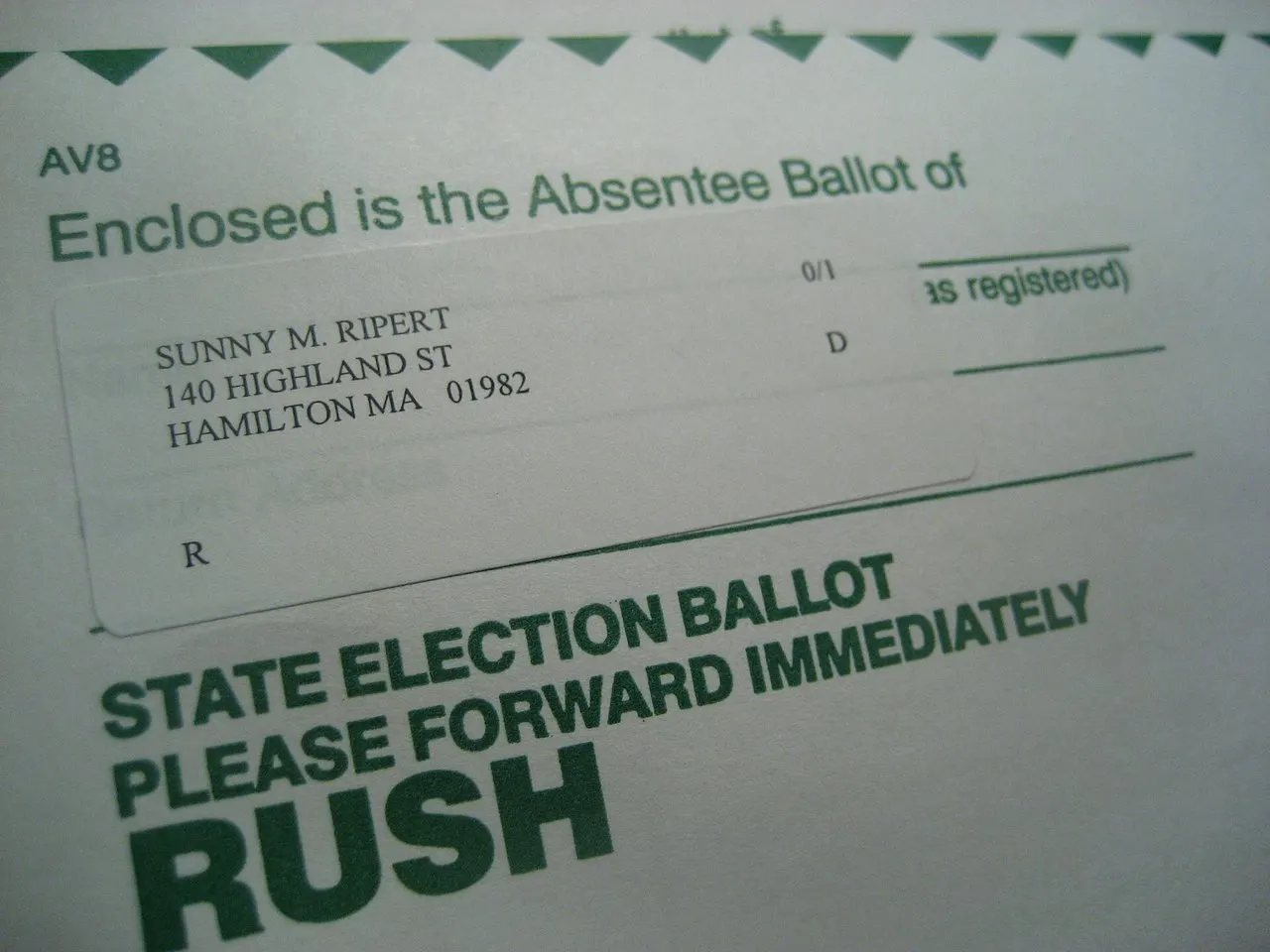
Hinojosa did not hide her position during the campaign. She told voters plainly that Texas should stop helping with raids, and voters chose her anyway. That is why her words on Fox News matter so much, because they match what she said before the votes were counted. A promise made in public is harder to walk away from, and Texans will hold her to it. For more on journeys that made news, read about a four day trip to China.
Texas ICE Cooperation and the Cheers From Supporters
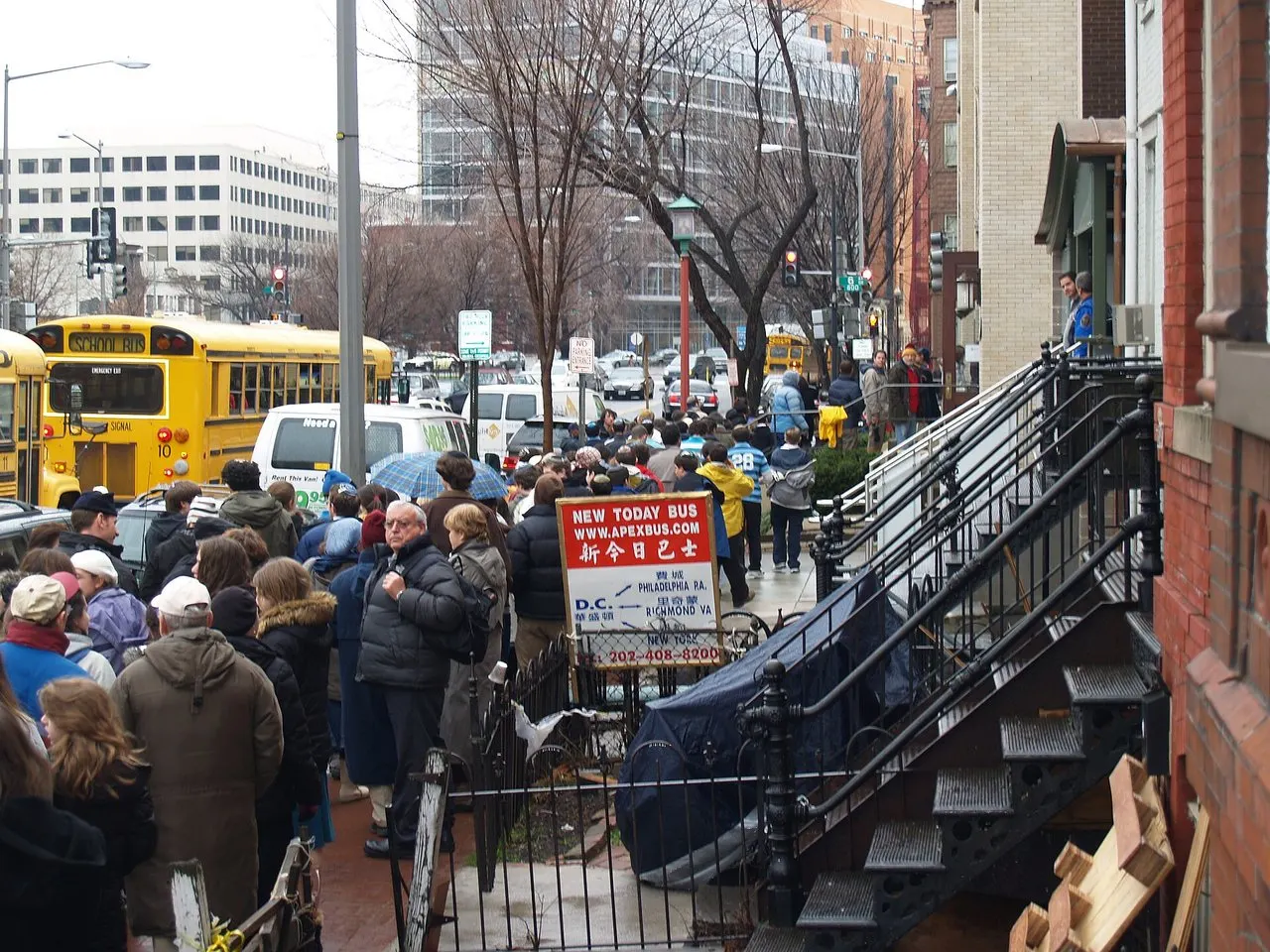
Supporters heard exactly what they wanted to hear. For families who feared raids and for activists who pushed for change, her answer was a clear win on national television. They shared the clip, quoted her words, and celebrated a governor who says she will not help tear families apart. The cheers show how many Texans were waiting for this moment. For more on firsts that inspired people, read about a historic first in Florida.
Critics Warn of a Clash With Washington

Critics say her plan will bring a clash with Washington, and they warn that the federal government may push back hard. They argue that Texas should help enforce federal law, not stand aside, and they say the change could put public safety at risk. Hinojosa disagrees, and she says state money should not pay for federal raids. The argument will play out in public and in court. For more on warnings that made waves, read about a warning to Republican colleagues.
The Legal Fight That May Follow

Lawyers will look closely at the task force agreements and at the rule that pushed sheriffs to sign 287(g) deals. The DPS partnership can be ended by DPS at any time, which gives Hinojosa a clear path. The sheriff rule may be harder to change, since it came from lawmakers, but a governor can still set the tone and use her power to push for change. For more on plans that sparked debate, read about a plan for American schools.
Texas ICE Cooperation and Life Along the Rio Grande
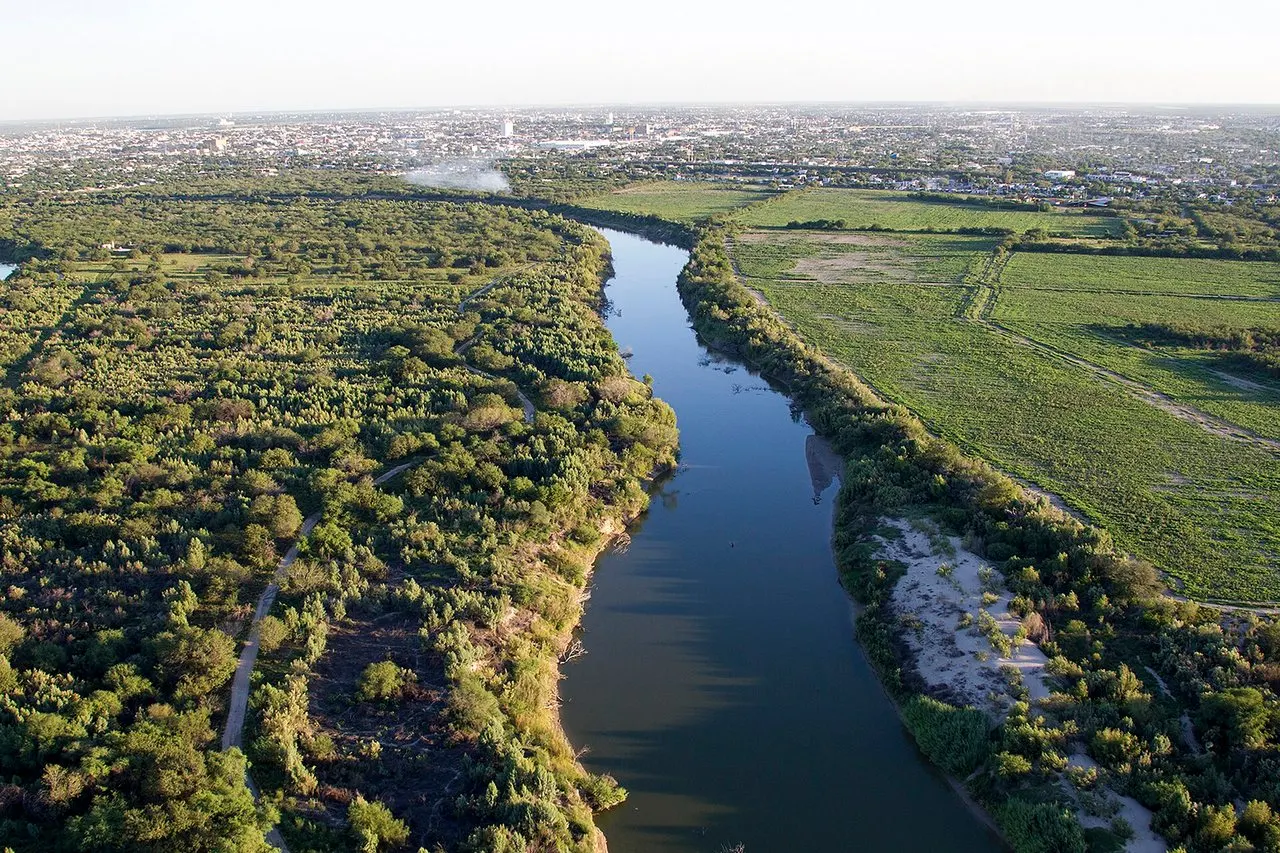
Life along the Rio Grande is shaped by the border every day. Families cross for work and school, shops serve customers from both sides, and the river itself is part of the landscape. Hinojosa grew up there, so she knows the region is not just a line on a map. Her promise to end state help for raids speaks directly to people who live with the border. For more on moments that caught the eye, read about a question about a viral moment.
Workers and Employers Watch Closely
Workers and employers across Texas are watching to see how the change will work in practice. Many businesses rely on immigrant workers, and many workers worry that a traffic stop could end their time in Texas. If state troopers stop helping with raids, daily life may feel safer for these families. Employers also want clear rules so they can plan for the months ahead. For more on firsts in science and business, read about an all-electric commuter plane.
How Other States Handle ICE Help

Texas is not the only state wrestling with this question. Some states limit how much local police help federal immigration agents, while others welcome the partnership and sign every agreement they can. The rules differ from place to place, and so do the results for families. Hinojosa wants Texas to join the states that pull back, and her win may push others to follow. For more on gestures that spoke volumes, read about a silent shrug in Berlin.
Texas ICE Cooperation and a Short History of 287(g)

The 287(g) program comes from a federal law passed in 1996, and it lets local officers act as federal immigration agents after training. Over the years, many sheriffs signed these deals, and the program grew into a key part of immigration enforcement in Texas. Critics say it turns routine police work into a trap for families, while supporters say it helps keep communities safe. For more on meetings that made people laugh, read about a hilarious first meeting.
What the DPS Task Force Actually Did

The DPS task force put state troopers to work beside federal agents, giving ICE more people and more reach across Texas. Troopers who once focused on highways and public safety spent time on immigration cases instead. That is why ending the deal matters so much, because it frees troopers to return to their core job. Hinojosa says state resources should serve Texans first. For more on deals that made history, read about a historic peace deal.
The First Hundred Days

The first hundred days will show how fast Hinojosa moves. Ending the DPS task force deal can happen quickly, and her team will need to send clear orders to troopers across the state. Sheriffs and cities will watch for guidance, and Washington will watch for a fight. The early months will set the tone for her whole time as governor. For more on greetings that made headlines, read about a warm greeting in China.
Texas ICE Cooperation and a Career Built in Austin

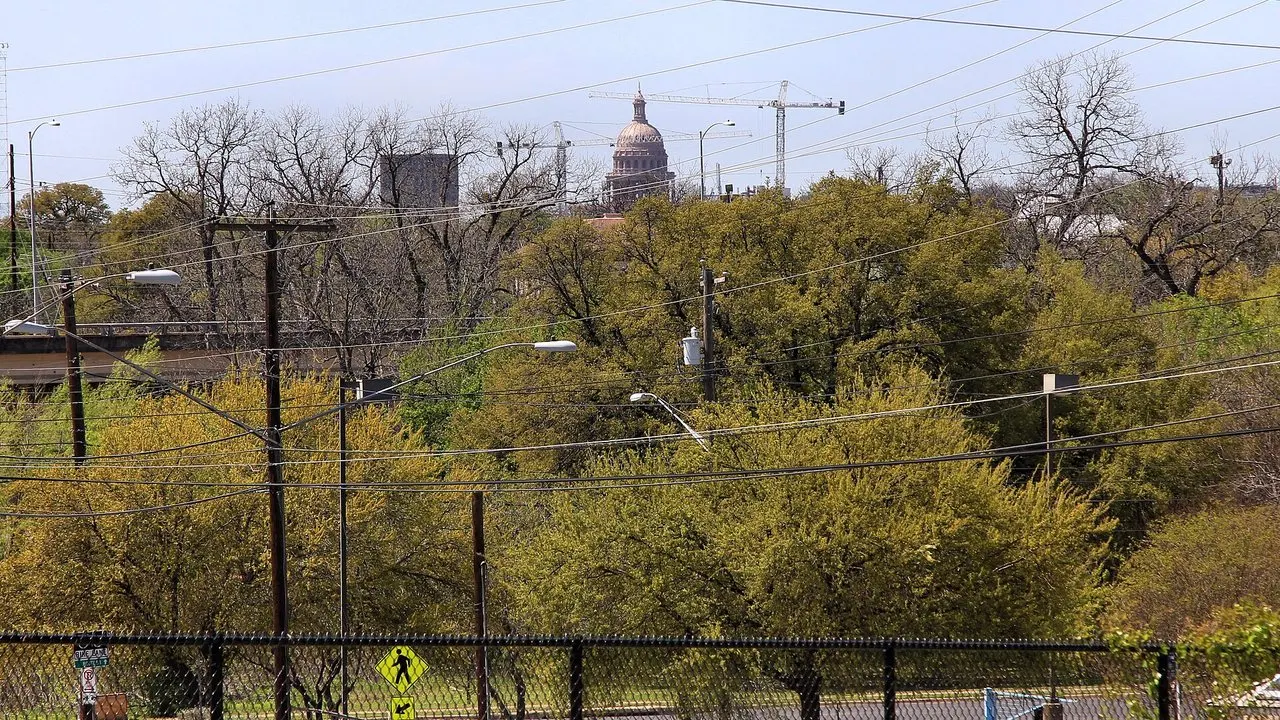
Austin is where Texas laws are made, and it is where Hinojosa will work as governor. The Capitol is home to lawmakers who wrote the sheriff rule and to the offices that run the Department of Public Safety. From there, she can direct the department, push lawmakers to change old rules, and set a new course for the state. Her career in the capital has prepared her for this moment. For more on voices that stood tall, read about boho braids at her black job.
Why Voters Chose Change
Then Texas voters threw him out. That line from the story says it all, because voters had watched years of full help for ICE and decided they wanted something else. They chose a governor who promised to end state help for raids and to keep state money at home. Elections are how people say what they want, and this one spoke loudly. For more on lessons from tough times, read about quizzes where wrong answers cost points.
Five Things to Watch Next

Here is what to watch in the weeks ahead. First, the order that ends the DPS task force deal. Second, how sheriffs react to the old rule. Third, whether Washington sues or pushes back. Fourth, what Houston and other cities do next. Fifth, whether voters feel the change in their daily lives. Each step will show how deep the new direction goes. For more on votes that mattered, read about a vote to remove protections.
Texas ICE Cooperation: What Do You Think Texas Should Do Next?

Texas ICE cooperation is ending, and the change will touch families, troopers, sheriffs, and cities across the state. Hinojosa has made her promise, and now Texans will watch to see it kept. The story is still unfolding, and the next chapter belongs to the people who live it. What do you think Texas should do next? Share your thoughts in the comments below and tell us how you feel. For more on trips that shaped the news, read about a great and highly consequential trip.