The Kasparian Iran Remarks That Started a Fierce Debate
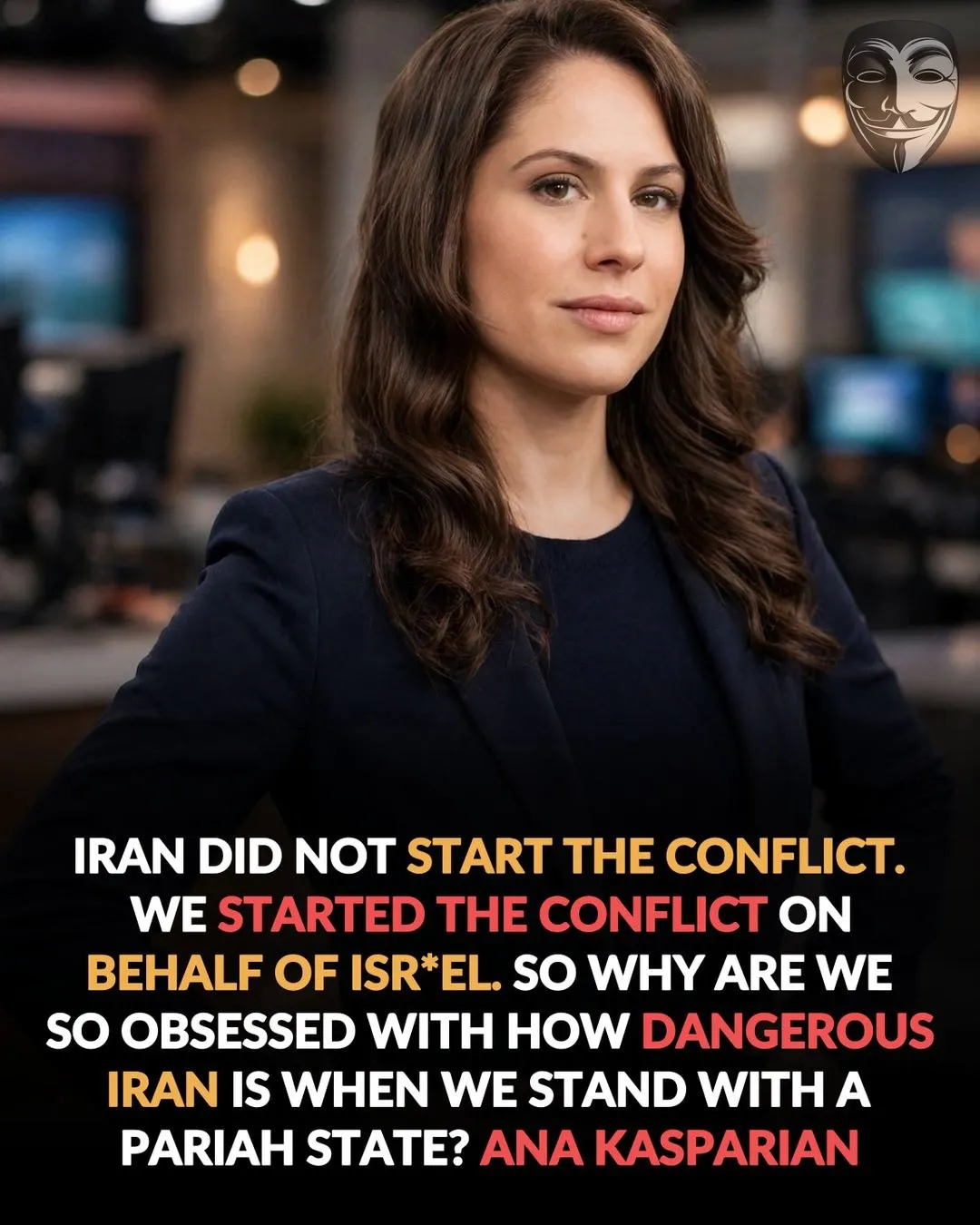
The Kasparian Iran remarks started with a blunt claim that spread online. Ana Kasparian said Iran did not start the war and accused the United States of starting it on behalf of Israel. She then asked why Washington treats Iran as a great danger while standing beside a government she called a pariah state. Her words were shared on X and discussed on The Young Turks, where her plain way of speaking drew attention. In the slides ahead, we look at what she said, the report that came before her remarks, and why the pushback was so strong.
Her comments followed a New York Times report from November 16 that suggested some Iranian dams and water projects may be linked to underground missile facilities. Researchers cited in the report questioned whether place alone can prove such a link, and Iranian officials criticised the report and warned it could be used to justify attacks on civilian sites. The dispute has raised fresh fears for the safety of water and energy sites. Read more in our stories on the remarks about Iran and Israel.
References:
New York Times: War May Answer Longtime Riddle of Iranian Dams Built for No Clear Reason
Al Jazeera: Why Has an NYT Report on Iran’s Dams Ignited Fierce Pushback
SOFX: Experts Suspect Iran Built Some Dams to Support Underground Missile Cities
Amwaj Media: Iran Casts Reports on Dual Use Dams and Dirty Bomb as Pretext for Renewed War
Who Is Ana Kasparian
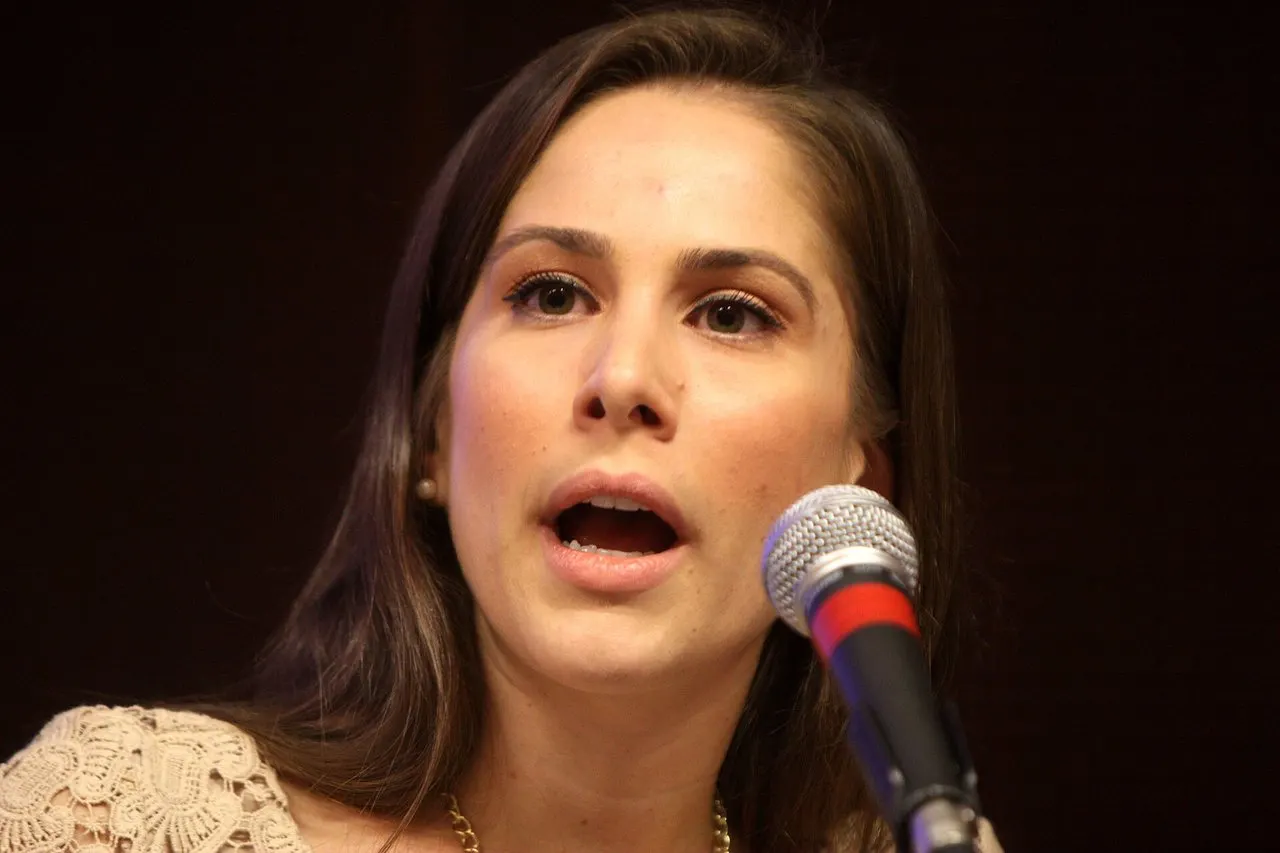
Ana Kasparian is a commentator and a host on The Young Turks, a progressive news and talk show that reaches a large online audience. She is known for speaking in plain language and for saying what she thinks without softening the point. That style has won her loyal viewers and sharp critics over the years. Her remarks about Iran and Israel fit the way she often talks about American foreign policy, with direct words and a clear point of view. Read more in our stories on the remarks about Iran and Israel.
The Kasparian Iran Remarks in Her Own Words

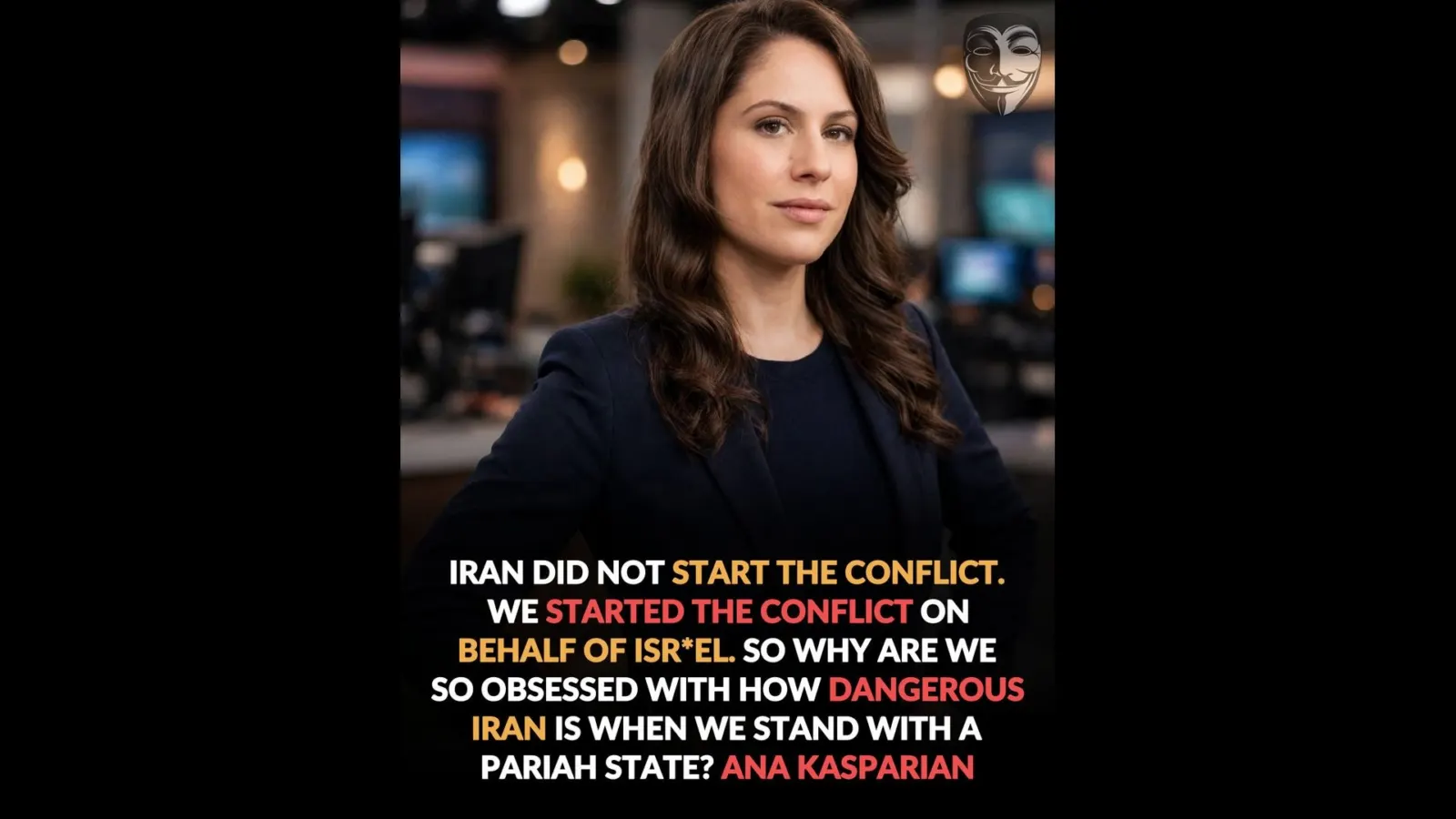
Kasparian said, “Iran did not start the war. We started the war on behalf of Israel. So why are we so obsessed with how dangerous Iran is when we are in bed with a pariah state?” The words left little room for doubt about what she meant. She placed the start of the conflict on the United States and tied it to support for Israel. The line about a pariah state was the sharpest part of the quote. Read more in our stories on the remarks about Iran and Israel.
Tehran, the City at the Heart of the Story
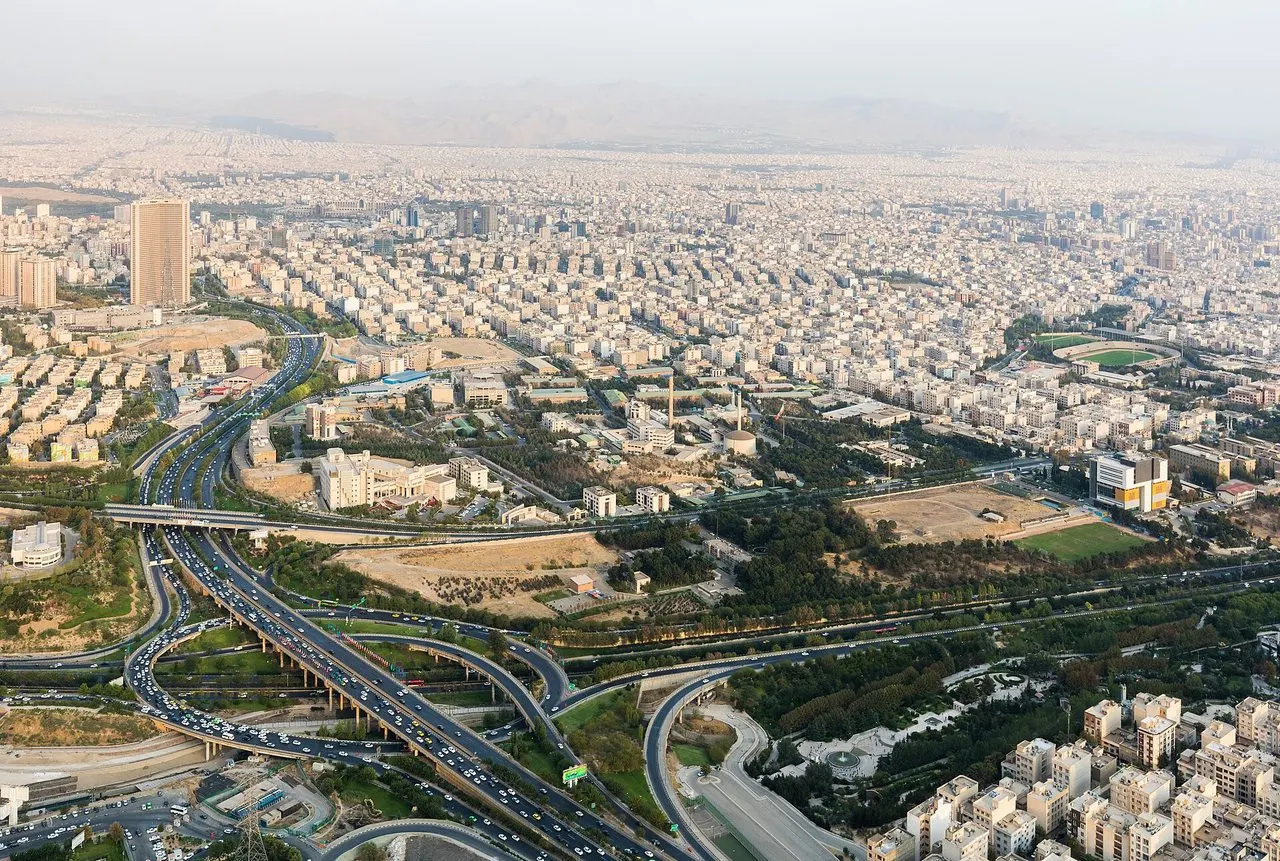
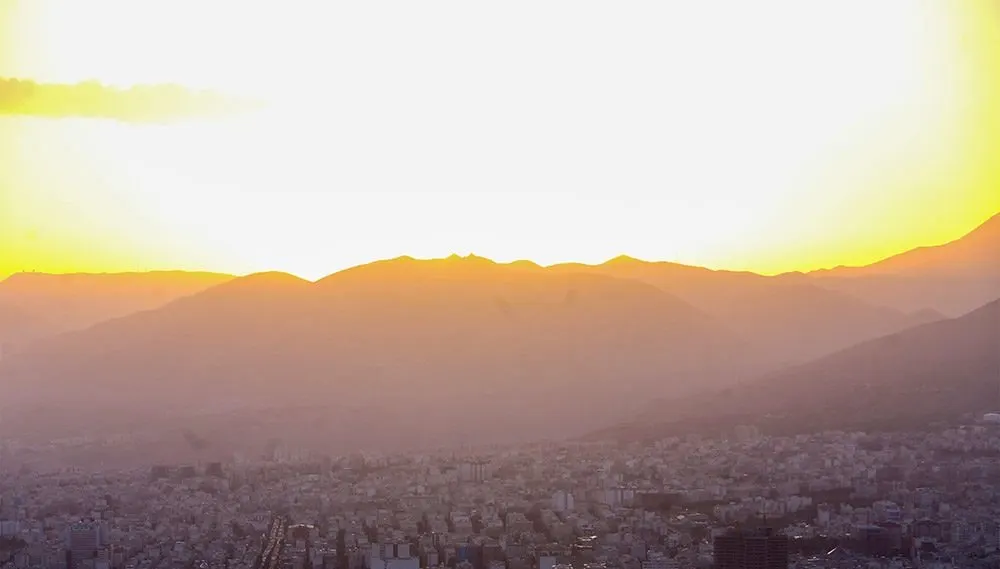
Tehran is the capital of Iran and the city most people picture when they hear the country’s name. It is a large city of high towers, busy roads and old bazaars. Kasparian spoke about a country of millions of people who live far from the halls of power in Washington. The story is about more than leaders and reports. It is also about ordinary life in a place that appears in the news mainly when tensions rise. Read more in our stories on a question about Trump and Putin.
The Kasparian Iran Remarks About a Pariah State
The phrase pariah state was the part of her remark that drew the most heat. A pariah state is a country treated as an outcast by much of the world. Kasparian used the words to describe the Israeli government and to ask why the United States stands beside it while calling Iran a danger. Her point was about double standards, not about ordinary people. Supporters said she named a truth that others avoid. Critics said the words were unfair and harsh. Read more in our stories on intelligence said to be shared with Iran.
Washington and the Question of Who Started It

Washington is where American foreign policy is made, and Kasparian put the blame squarely there. She said the United States started the conflict, not Iran, and did so for Israel. That claim turns the usual story around. In the usual story, Iran is the source of the danger and America acts to stop it. In her version, America chose the fight and Iran did not begin it. The difference matters because it changes who carries the blame. Read more in our stories on a silent shrug in Berlin.
The Kasparian Iran Remarks Followed a New York Times Report
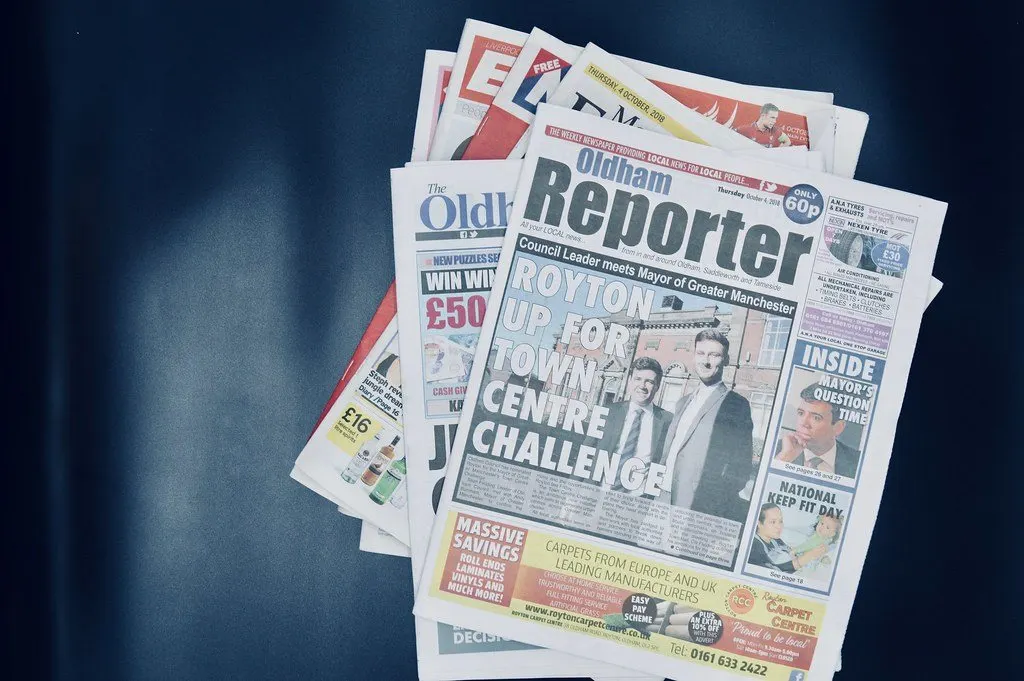
Her remarks came after a New York Times report dated November 16. The report suggested that some Iranian dams and water projects may be linked to underground missile facilities. That is a serious claim, because it ties ordinary public works to hidden military use. The report drew wide attention at once, and it set the stage for the debate that followed. Kasparian spoke as the report was being argued over in public. Read more in our stories on a warning to Republican colleagues.
What the Report Said About Dams and Hidden Sites
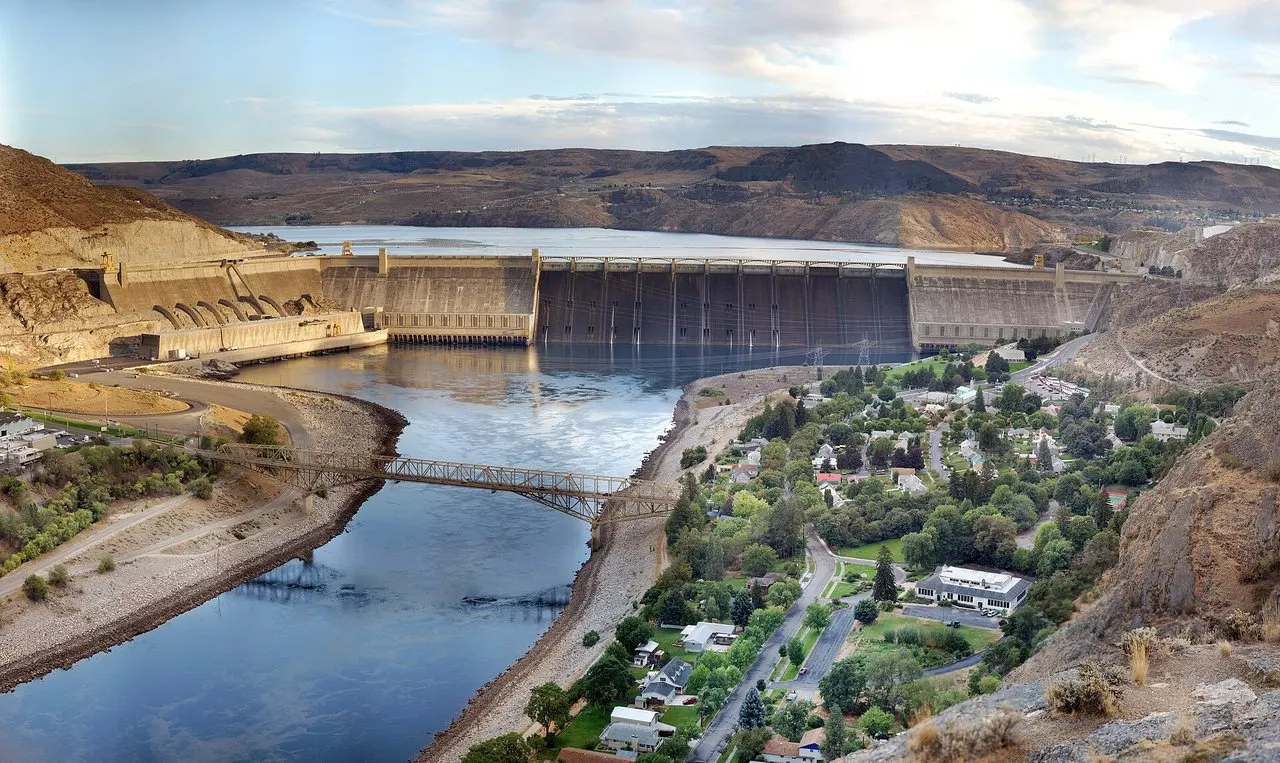
Dams hold back rivers to store water and make power. The report said some Iranian dams may have a second purpose, hiding missile sites below ground. If that were true, a dam would be more than a source of water and light. It would also be part of a military plan. That idea alarmed readers, because dams are usually seen as peaceful works. The claim is still only a suggestion in the report, not a proven fact. Read more in our stories on an ad about the Iran conflict.
Why Researchers Pushed Back on the Claim

Not everyone accepted the report at face value. Researchers cited in the report questioned whether being near a dam can prove that a dam hides missiles. Two things can sit close together on a map without having any link at all. That is a basic point about evidence, and it applies well beyond this story. The researchers asked for stronger proof before such a serious claim is treated as fact. Their doubts gave critics of the report a solid place to stand. Read more in our stories on the outcry over remarks about Islam.
The Kasparian Iran Remarks and the Response From Tehran
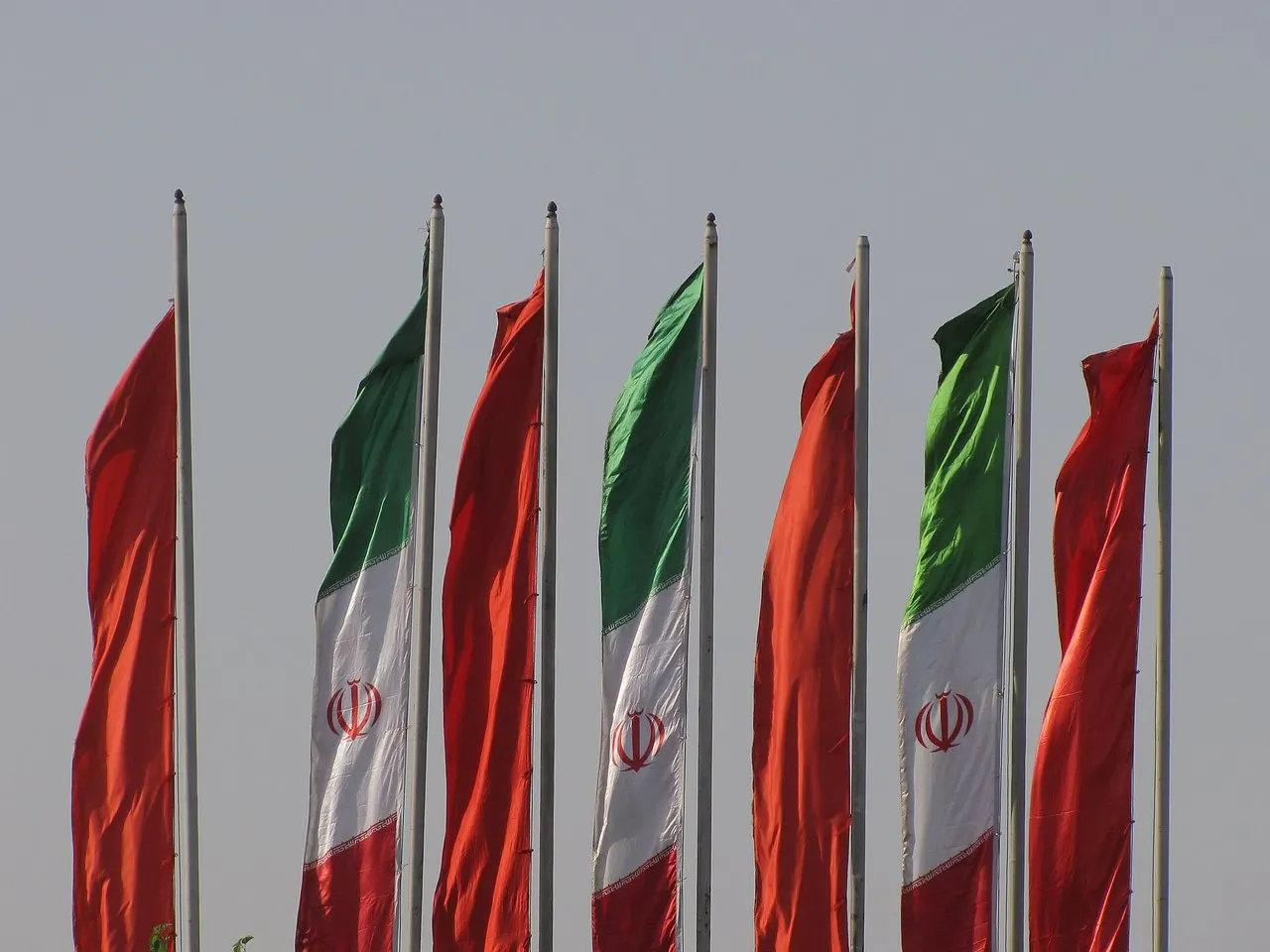
Iranian officials also pushed back hard. They criticised the report and warned that it could be used to justify attacks on dams, water plants and other civilian sites. In their view, the report turned public works into targets. That warning matters because water and power touch daily life for millions of people. An attack on such sites would hurt families far from any battlefield. The officials asked readers to see the report as a pretext, not as neutral news. Read more in our stories on intelligence said to be shared with Iran.
Why Dams Matter So Much in Iran
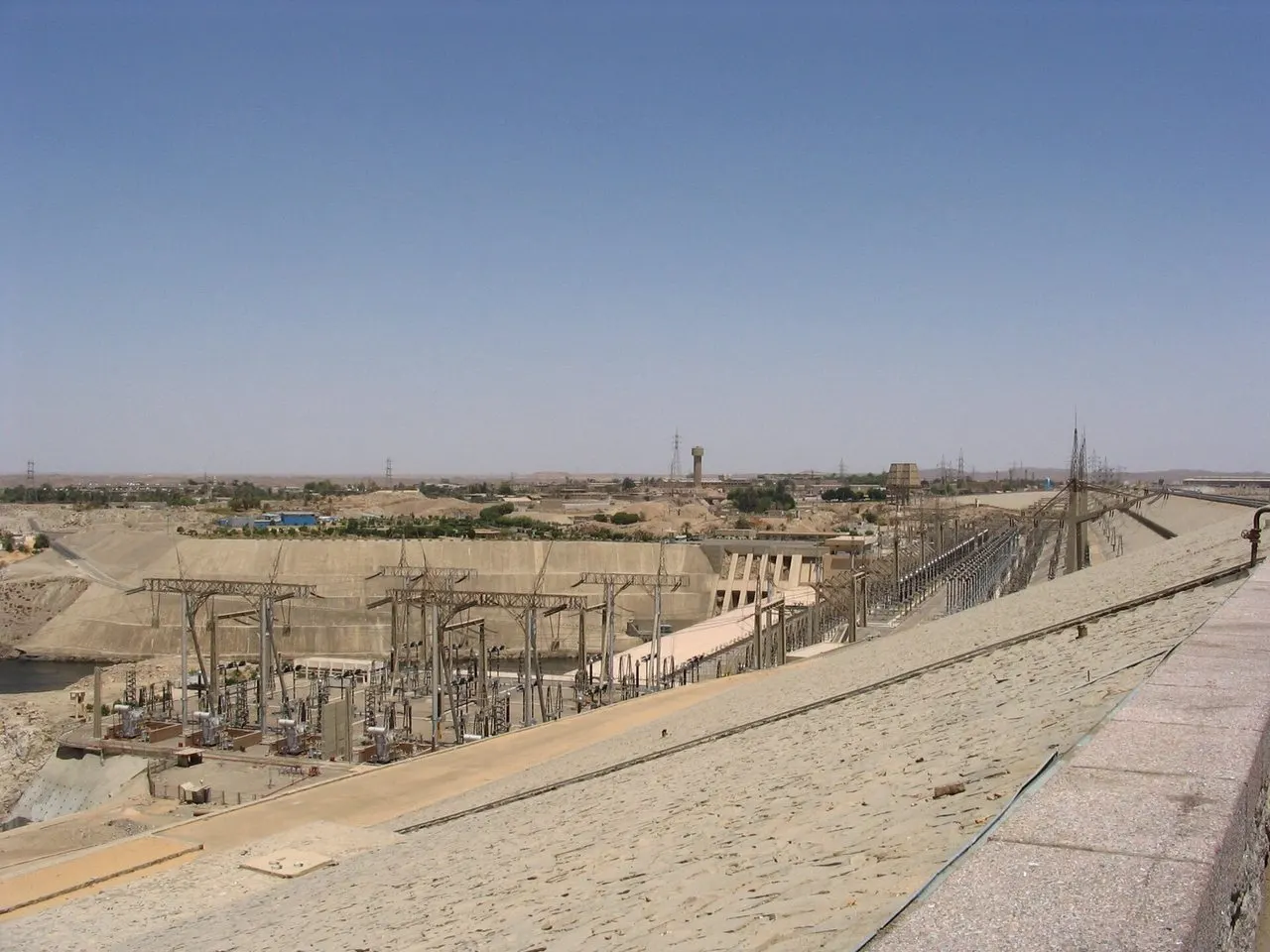
Iran is a dry country, and dams matter there more than in many other places. They store rain and river water for farms, towns and cities, and they help make electricity. Without them, water would run off and be lost, and fields would go dry in the hot months. That is why a claim about dams touches a nerve. It is not only about missiles or politics. It is about the water people drink and the crops they grow. Read more in our stories on a boycott pledge over Gaza.
The Fear for Water and Energy Sites
The dispute has raised fresh fears for water and energy sites. If dams and power plants are seen as military targets, the people who rely on them pay the price. Clean water and steady power are basic needs, and losing them can harm health and daily life. That is why the safety of civilian sites is a central worry in the debate. The argument is not only about who is right. It is also about who stays safe. Read more in our stories on a stand over a shutdown vote.
The Kasparian Iran Remarks Land in a Wider Conflict

The United States and Israel remain in conflict with Iran, and that background shapes every part of this story. Tensions between the countries have run high for years, with sanctions, threats and armed clashes in the region. In such a setting, a single report or a single remark can travel fast and stir strong feelings. Kasparian spoke into that tense moment, and her words landed harder because of it. Read more in our stories on a question about Trump and Putin.
How the Remarks Spread on X

Kasparian shared her remarks on X, where short clips and quotes can reach millions of people in hours. A strong line, said in plain words, travels further than a long speech. That is how her claim about Iran and Israel moved from one post to news shows and group chats. Social media rewards clear and bold statements, and it also rewards quick reactions. The speed of the spread is part of why the remarks drew so much heat. Read more in our stories on a silent shrug in Berlin.
The Young Turks Gave the Remarks a Bigger Stage

The Young Turks is a progressive news and talk show with a large online audience. Kasparian has been one of its best known hosts for years, and the show gives her room to speak at length about politics. Her remarks were discussed there, which helped them reach viewers who trust the show. Talk shows like this one shape how many people first hear a story. The discussion around her words mattered as much as the words themselves. Read more in our stories on a warning to Republican colleagues.
The Kasparian Iran Remarks Raise an Old Question About Dams
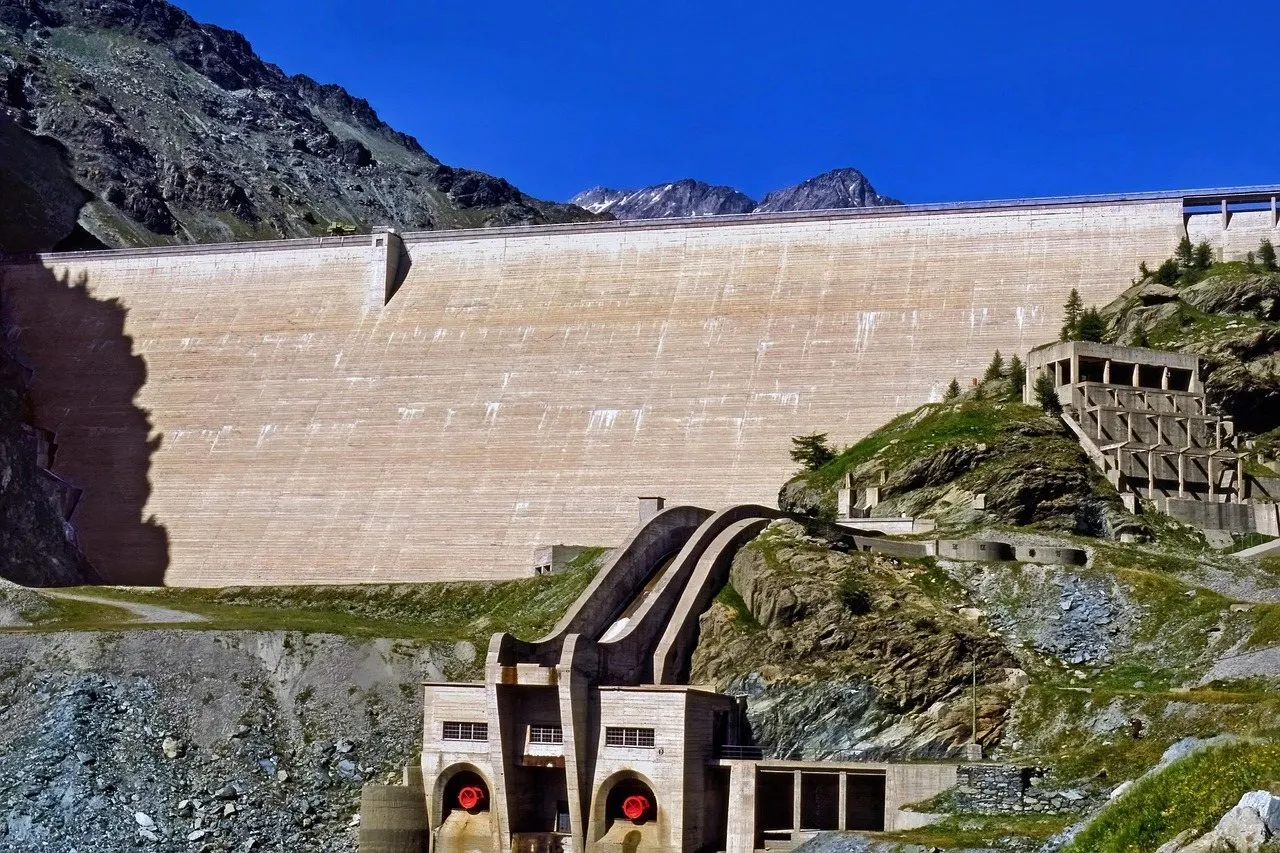
Countries build dams for simple reasons. They store water, stop floods, water crops and make power. But large works can also serve more than one purpose, and that is where the debate begins. The report raised the idea that some dams in Iran may hide missile sites, which is known as dual use. The idea is not new in military history, yet it is hard to prove from maps alone. That gap between suspicion and proof is where the argument lives. Read more in our stories on the outcry over remarks about Islam.
What Underground Sites Mean in This Debate
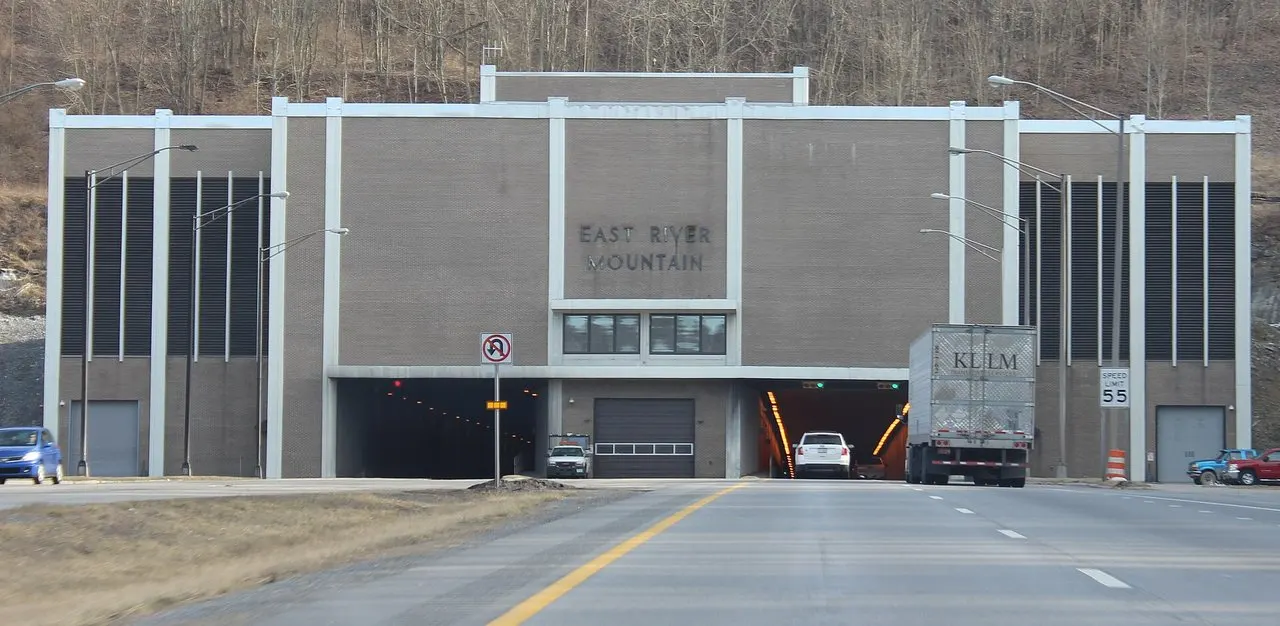
Underground sites are hard to see and hard to check. The report suggested that missile facilities may sit below ground near dams, hidden from view. Such sites would be hard to inspect, and claims about them often rest on photos and maps rather than visits. That makes them a subject of guesswork as much as fact. Readers should keep that in mind when they hear bold claims about what lies under the ground. Proof matters more when the claim is serious. Read more in our stories on a boycott pledge over Gaza.
Al Jazeera Tracked the Fierce Pushback
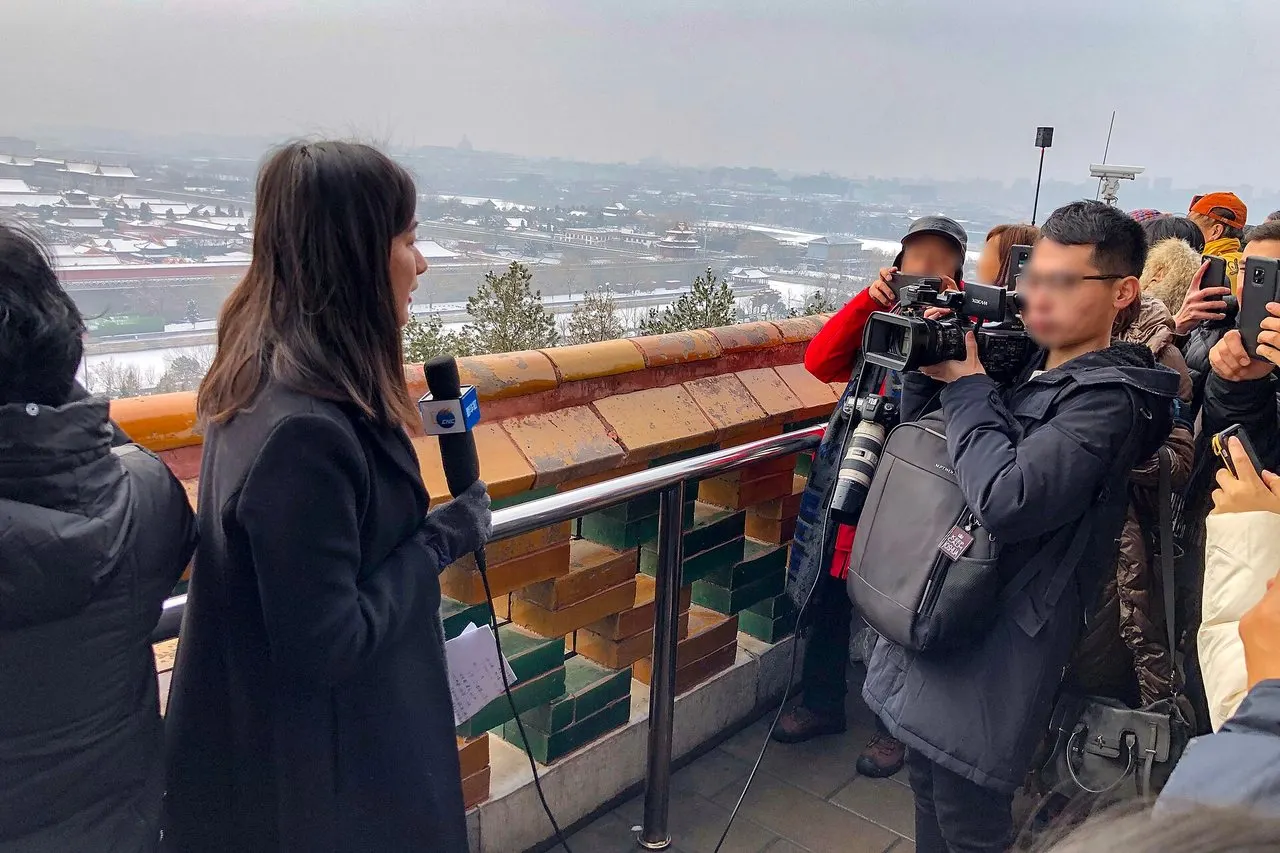
Al Jazeera covered the fierce pushback against the New York Times report. Its story asked why the report on Iranian dams had set off such a strong reaction. The answer was a mix of doubt about the evidence and fear about what the claim could lead to. When a respected paper makes a serious claim, people listen, and when that claim is questioned, the argument grows louder. The pushback showed how closely readers watch reporting on Iran. Read more in our stories on a stand over a shutdown vote.
The Kasparian Iran Remarks Echo the SOFX Report
SOFX, a site that covers defense news, reported that experts suspect Iran built some dams to support underground missile cities. The phrase missile cities sounds dramatic, and it caught the eye of readers. Yet the report rests on the same kind of evidence as the Times story, and the same doubts apply. Experts can suspect a link without proving it. The difference between suspicion and proof is easy to lose in a headline. Read more in our stories on Trump standing apart from allies.
How Amwaj Media Described the Iranian Response
Amwaj Media, which covers Iran and the region, reported that Iran casts the stories on dual use dams and dirty bombs as a pretext for renewed war. In other words, Iranian voices say the reports are being used to build a case for more fighting. That framing turns the story around again. What one side calls a warning, the other side calls an excuse. Readers who see both views can judge the claims with clearer eyes. Read more in our stories on Trump standing apart from allies.
Why Place Alone May Not Prove a Link
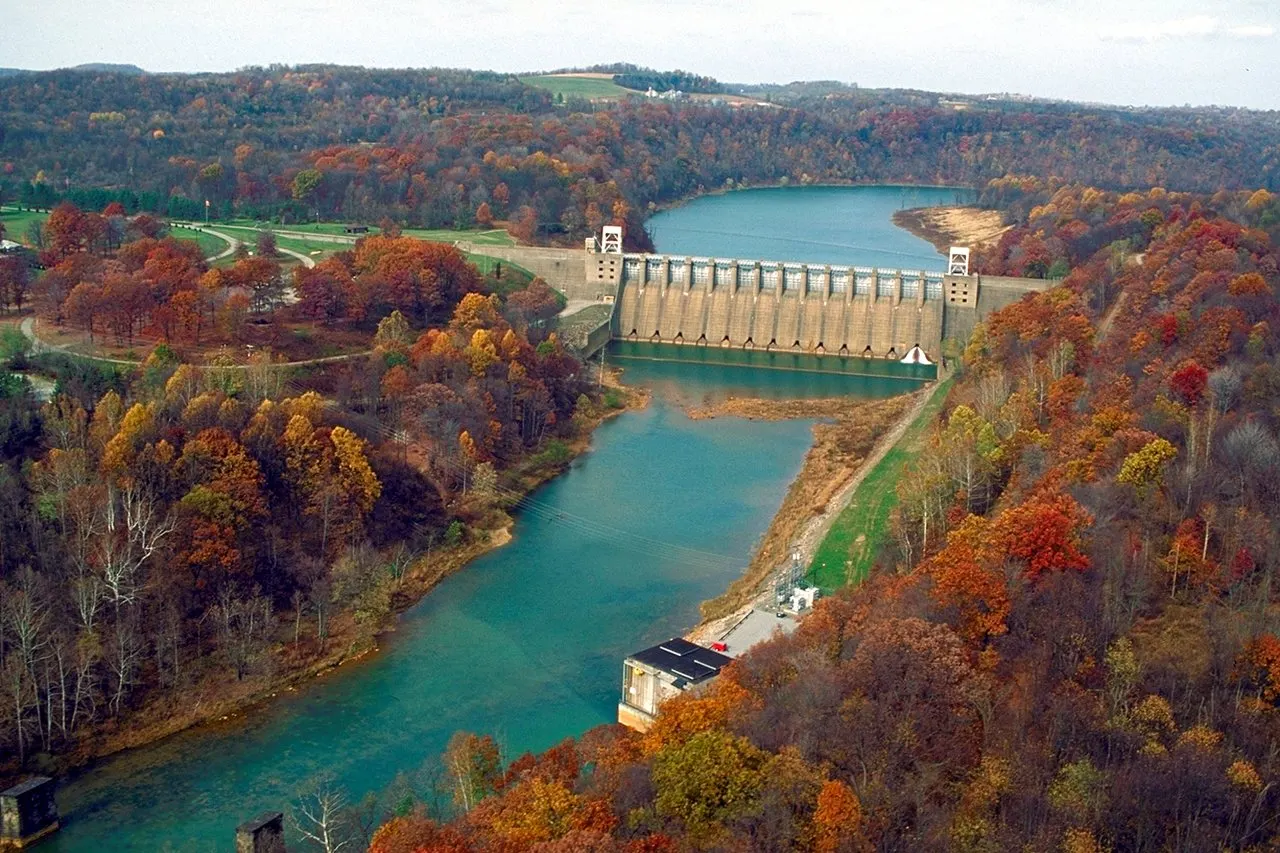
A dam and a military site can sit near each other without being linked. Roads, rivers and towns often share the same ground for simple reasons of geography. The researchers in the Times report made this point when they questioned the link. Place alone is weak evidence, and strong claims need stronger proof, like documents, photos of building work, or visits on the ground. Until that proof appears, the claim stays a question, not an answer. Read more in our stories on a warning about robots and toys.
The Kasparian Iran Remarks Touch a Nerve on Water
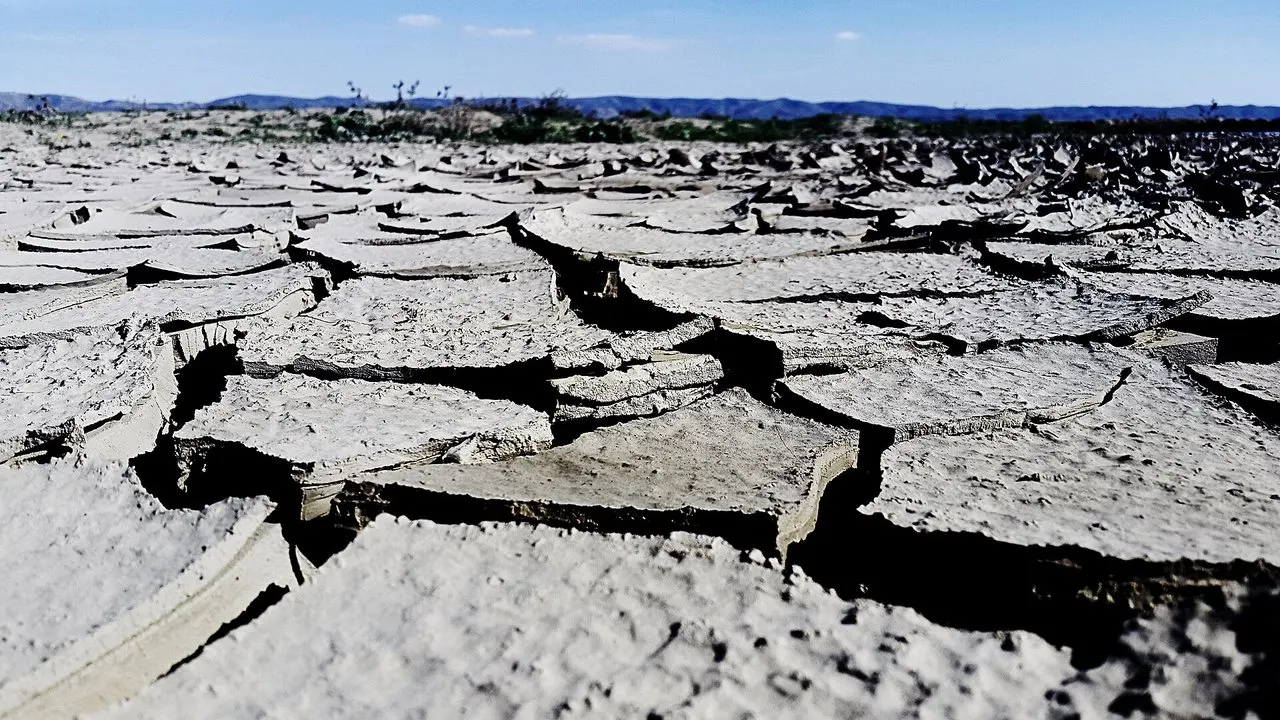
Water is scarce in much of Iran, and that scarcity shapes daily life. Farmers watch the rain, cities ration water in dry years, and lakes have shrunk in some regions. When water is short, every dam and reservoir matters more. That is why talk of striking water sites frightens people. A dam is not only concrete and steel. It is the water in the tap, the field that feeds a family, and the power in the home. Read more in our stories on a claim about compromising material.
Energy Sites Sit at the Center of the Worry
Energy sites are just as vital as water. Power plants, lines and grids keep hospitals lit, pumps running and homes warm or cool. If such sites are seen as targets, the risk spreads to everyone who uses power. That is why the safety of energy works is a central theme in the debate. The argument over the dams report is not only about missiles. It is also about keeping the lights on for ordinary people. Read more in our stories on a row over faith and politics.
How One Report Can Shape a Public Debate
A single report can change how people talk about a country. The Times story on the dams gave the debate a new focus, and every side used it to back its own view. Supporters of tough action cited it as a warning. Critics called it thin and risky. That is how news works in a tense time. One story can set the terms of the argument for weeks, even when the facts are still in doubt. Read more in our stories on a row over faith and politics.
The Kasparian Iran Remarks Keep the Debate Going

The debate is far from over. New reports will appear, officials will answer, and commentators will keep arguing about what the dams mean. Kasparian’s remarks will stay part of that argument because they asked a direct question about who started the conflict. Readers can watch for new evidence and for replies from the people named in the story. The next chapter may change minds, or it may harden them further. Read more in our stories on a Christmas tree lighting.
Why Her Words Drew So Much Attention

Her words drew attention because they were blunt and because they came at a tense moment. Kasparian did not hide behind careful language. She said plainly who she blamed and why. In a news cycle full of soft words, that direct style stands out. It also invites strong replies, and both praise and anger followed at once. That mix of praise and anger is often a sign that a remark has touched a real nerve. Read more in our stories on a first speech as chief of staff.
How to Check the Sources for Yourself

Readers who want the full picture can start with the four sources listed on the first slide. The New York Times report, the Al Jazeera story, the SOFX piece and the Amwaj Media report each tell part of the story. Together they show the claim, the doubts and the replies. Checking more than one source is the best way to see where the facts end and the argument begins. Good readers compare claims before they make up their minds. Read more in our stories on a boycott pledge over Gaza.
The Kasparian Iran Remarks Leave One Big Question

So what do you think of the Kasparian Iran remarks? Did she ask a fair question about who started the conflict, or did her words go too far? The debate over Iran, Israel and the United States will keep going, and your view is part of it. Share your thoughts in the comments below, and tell us which part of the story you found most striking. We read every comment, and the best ones help shape what we cover next. Read more in our stories on a row over faith and politics.