Kasparian Iran Remarks Put Washington in the Spotlight
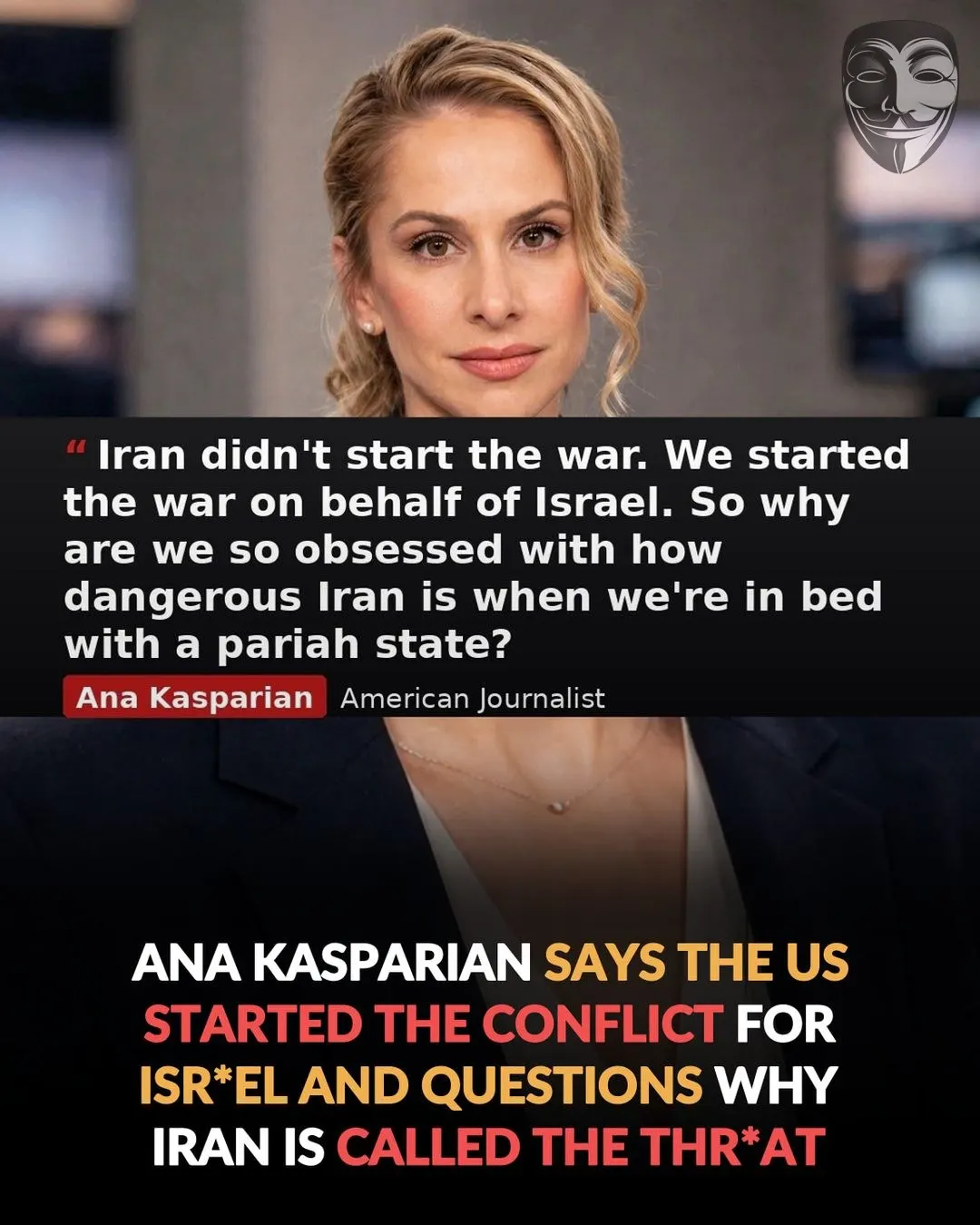
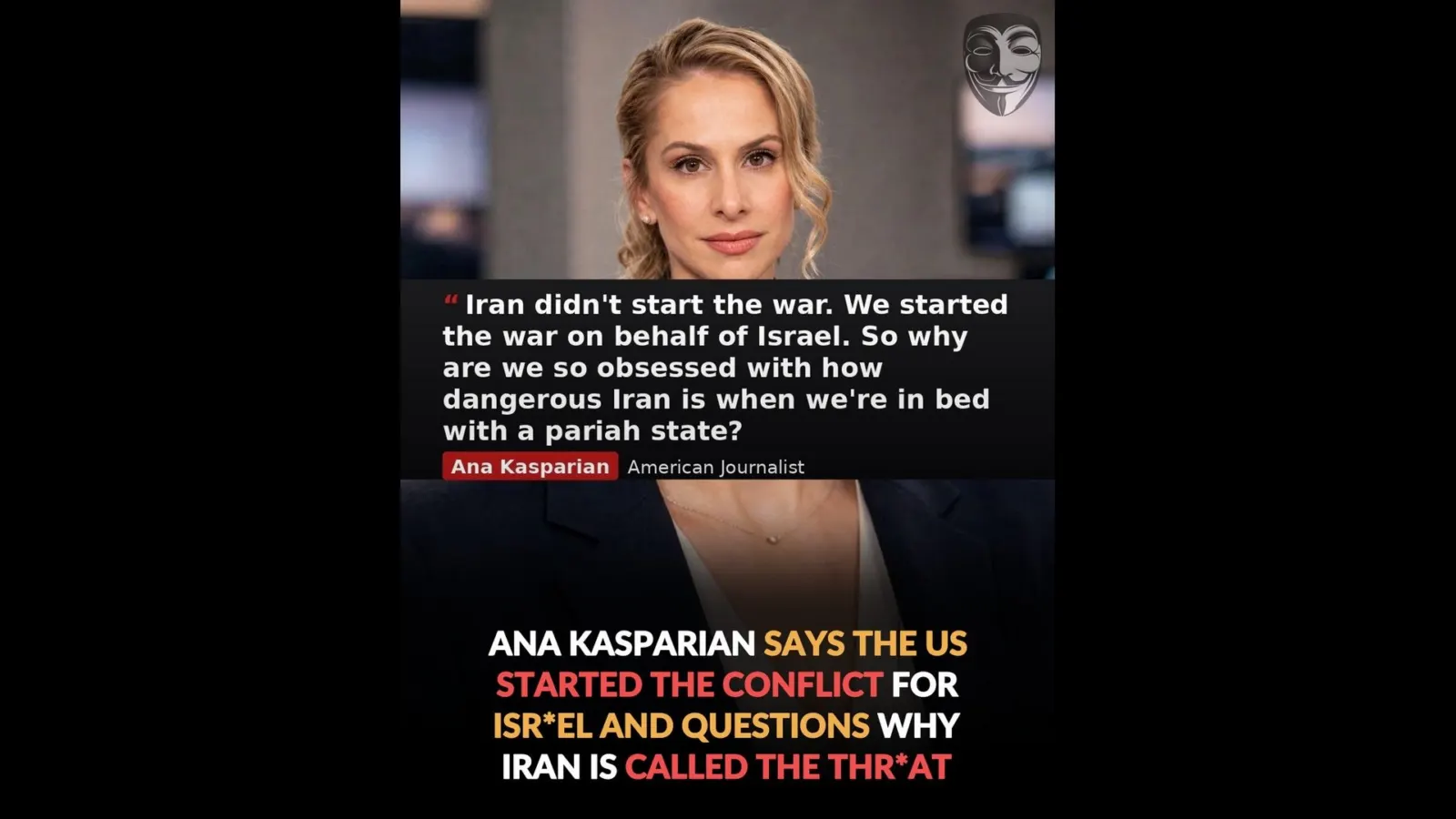
Kasparian Iran remarks have put a fresh spotlight on Washington and its role in the Middle East. In comments shared on November 20 by Turkish creator Furkan Gözükara on X, Ana Kasparian said Iran did not start the conflict and argued that the United States entered it on behalf of Israel. She asked why Washington is so focused on how dangerous Iran is while staying close to a government she called a pariah state. Her words landed at a tense moment, and they quickly drew wide attention online, much like the Senate vote on military action against Iran.
Her comments arrived as debate was already growing over a New York Times report from November 16 about dams and water projects in Iran. Researchers whose work was cited pushed back on the link the report suggested, Iranian officials condemned it, and the Times defended its reporting. The slides ahead look at what Kasparian said, what the report claimed, and why so many people are talking about both stories at once. Readers can also follow the report on intelligence shared with Iran for more on the wider debate.
References:
New York Times: Conflict May Answer Longtime Riddle of Iranian Dams Built for No Clear Reason
Al Jazeera: Why Has an NYT Report on Iran’s Dams Ignited Fierce Pushback
OPA News: New York Times Report Linking Iran’s Dams to Mis**le Sites Sparks Backlash
Amwaj Media: Iran Casts Reports on Dual Use Dams, Dirty Projectile as Pretext for Renewed Conflict
Who Is Ana Kasparian
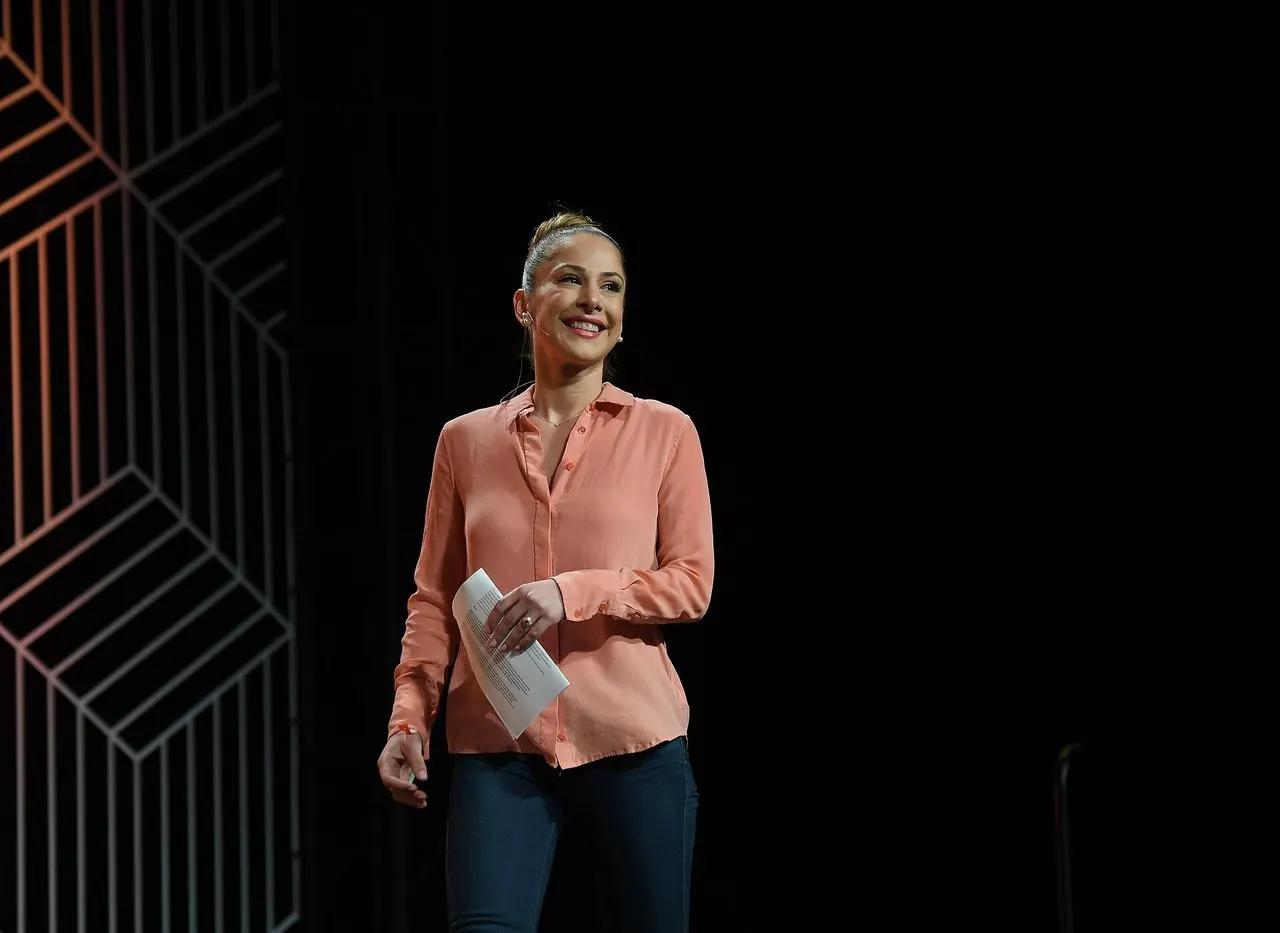
Ana Kasparian is a well known American political commentator and host who speaks plainly about the issues she covers. She is best known for her work on The Young Turks, an online news and talk show about politics, foreign policy and American life. Over the years she has built a large audience that values her direct style and her willingness to question powerful people. Her comments often travel far beyond her own show. That reach is part of why the questions about Trump and Putin draw so much attention, as does the silent reaction in Berlin.
Her Work on The Young Turks

The Young Turks is an online news program that covers American politics and world events in a conversational style. Kasparian has hosted the show for many years, often leading discussions about war, diplomacy and the choices made in Washington. The program reaches viewers who want news that speaks to them directly, without the formal tone of a nightly broadcast. Her role gives her a platform to question leaders and to press on stories that other outlets may treat lightly. Her words can spark debate, much like the meeting with Putin and Xi.
The Kasparian Iran Remarks Shared on November 20

The Kasparian Iran remarks reached an audience after Turkish creator Furkan Gözükara shared them on X on November 20. Social media can carry a short clip across the world in minutes, and this one moved fast. People reposted it, quoted it and argued about it in the replies. The clip gave viewers a look at what Kasparian thinks about the conflict and about the role of the United States. One short video can shape a much bigger public conversation. The reaction was strong, like the remarks that angered Muslims across America.
The Kasparian Iran Remarks on Who Started It

In her remarks, Kasparian said plainly that Iran did not start the conflict. That claim goes against the way many officials and commentators in Washington describe the situation. She argued that the fighting began with actions taken by the United States, not by Iran. For her listeners, the point was simple: the story of who started it matters, because it shapes who gets blamed and what comes next. Her words challenged a familiar account, and that is why they spread so quickly. The debate around them recalls the claim about compromising material.
The Kasparian Iran Remarks on Israel and the US
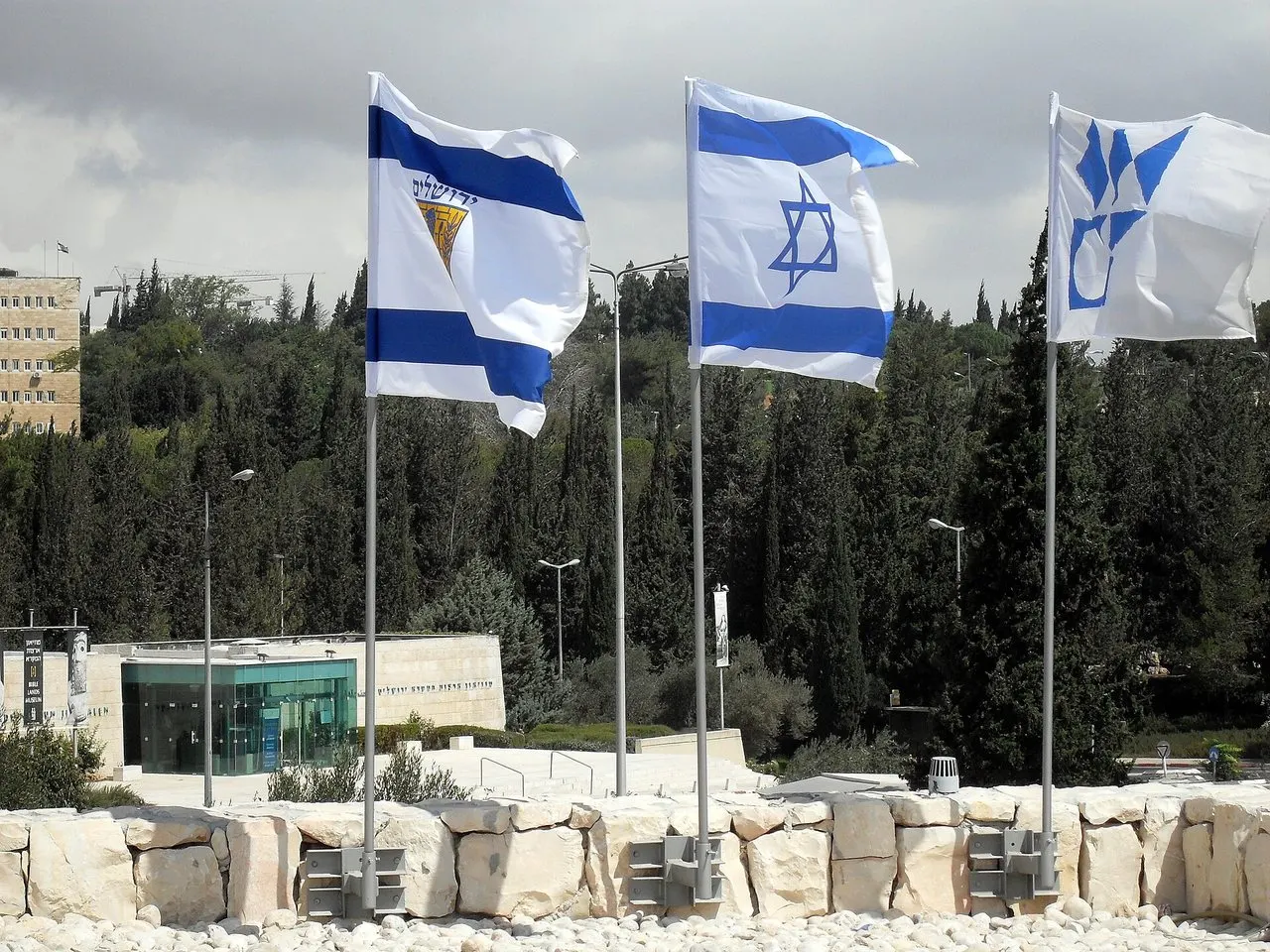
Kasparian went further and said the United States started the conflict on behalf of Israel. In her words, America entered the fighting to serve the interests of another government, not its own. That is a strong claim, and it is the part of her remarks that drew the most attention. Supporters said she was naming something that others avoid saying. Critics said she was unfair to both Washington and Jerusalem. Either way, the line became the center of the debate, much like the skipped hearing on national security.
Why She Called Israel a Pariah State
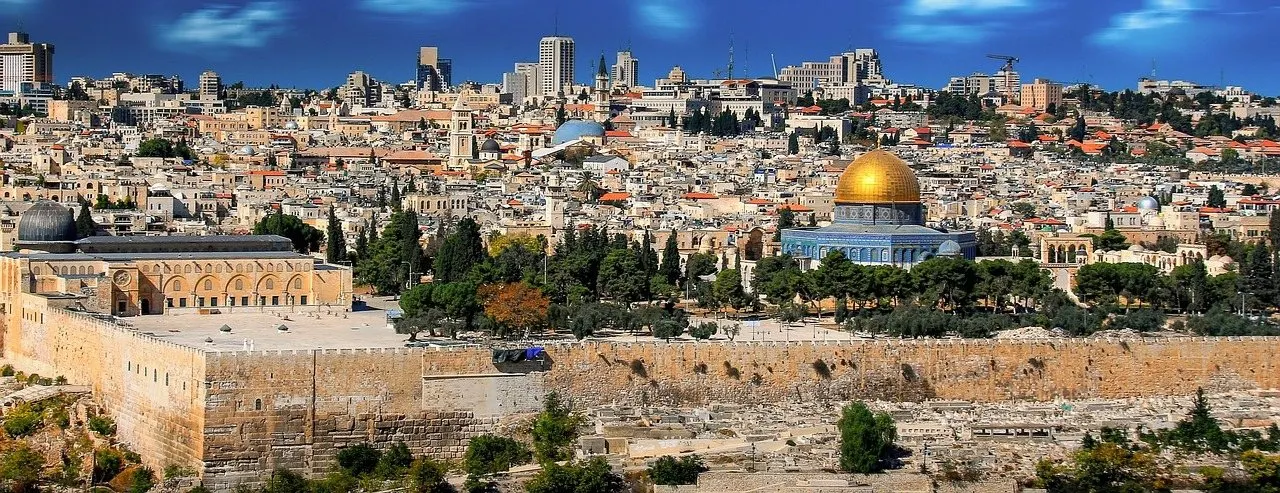
Kasparian also asked why Washington is so focused on how dangerous Iran is while staying close to a government she called a pariah state. A pariah state is a country that is treated as an outcast by much of the world. Her use of the phrase was pointed, and it showed how strongly she feels about the close ties between the United States and Israel. For her, the question was about fairness: why warn about one country while embracing another. That question kept the conversation going, as did the greeting in Shenzhen.
The New York Times Report of November 16

Her comments came as a New York Times report from November 16 was already drawing heated debate. The report suggested that some of Iran’s dams and water transfer projects may have been built partly to support underground military and missile facilities. The idea surprised many readers, because dams are usually seen as civilian projects that store water and make power. The report linked two very different worlds: water engineering and military planning. That link is what made the story so contested, along with the record flight on Air Force One.
The Kasparian Iran Remarks and the Dams Report
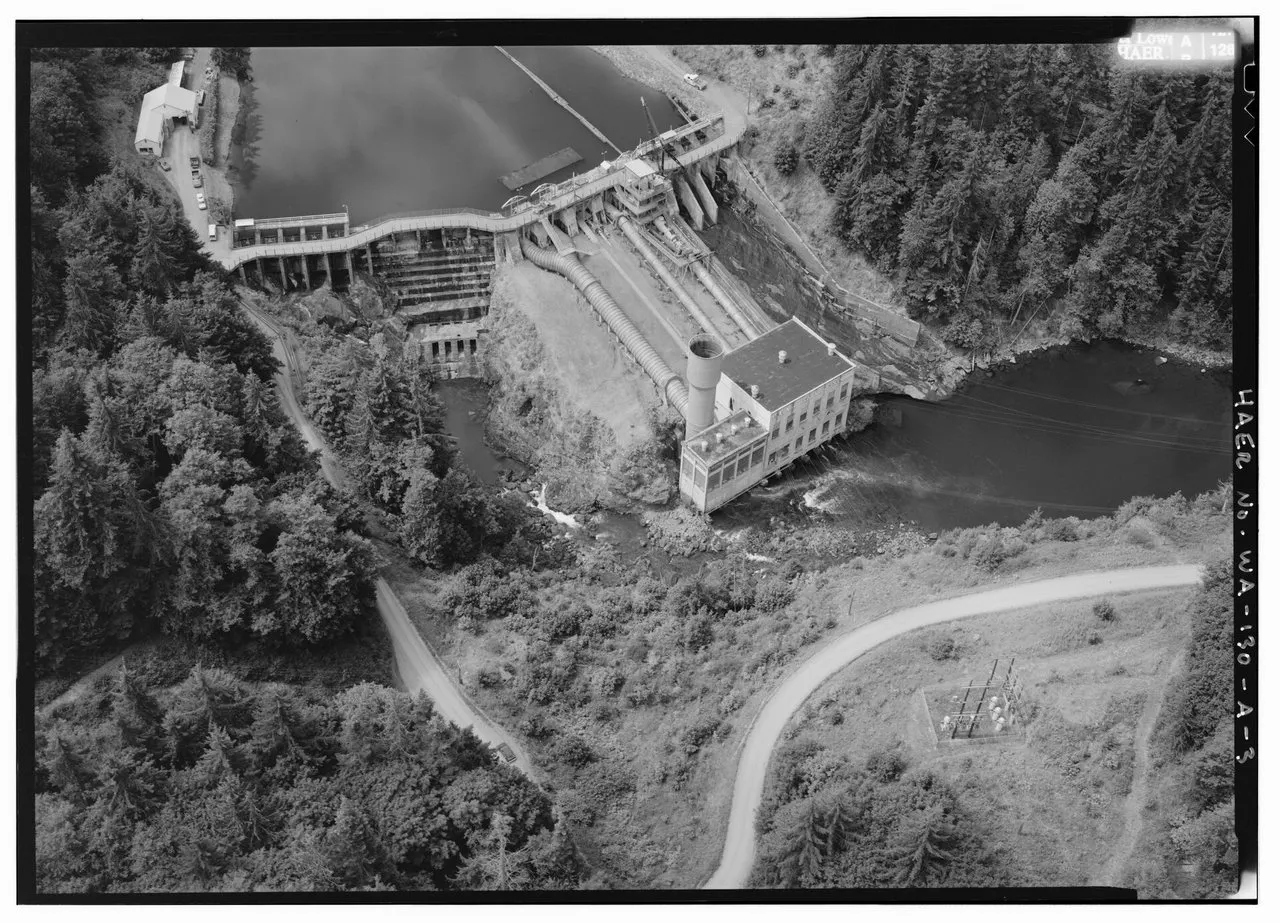
The Times report raised a question that had puzzled observers for years: why were some Iranian dams built in places with no clear need for them. The report suggested that the answer might lie underground, in facilities linked to missiles. It did not claim that every dam had a military role. But it did argue that the pattern of where dams were built deserved a closer look. That suggestion alarmed people who worry about civilian infrastructure in wartime. It also echoed the Senate decision on Iran.
Kaveh Madani Pushes Back on the Link
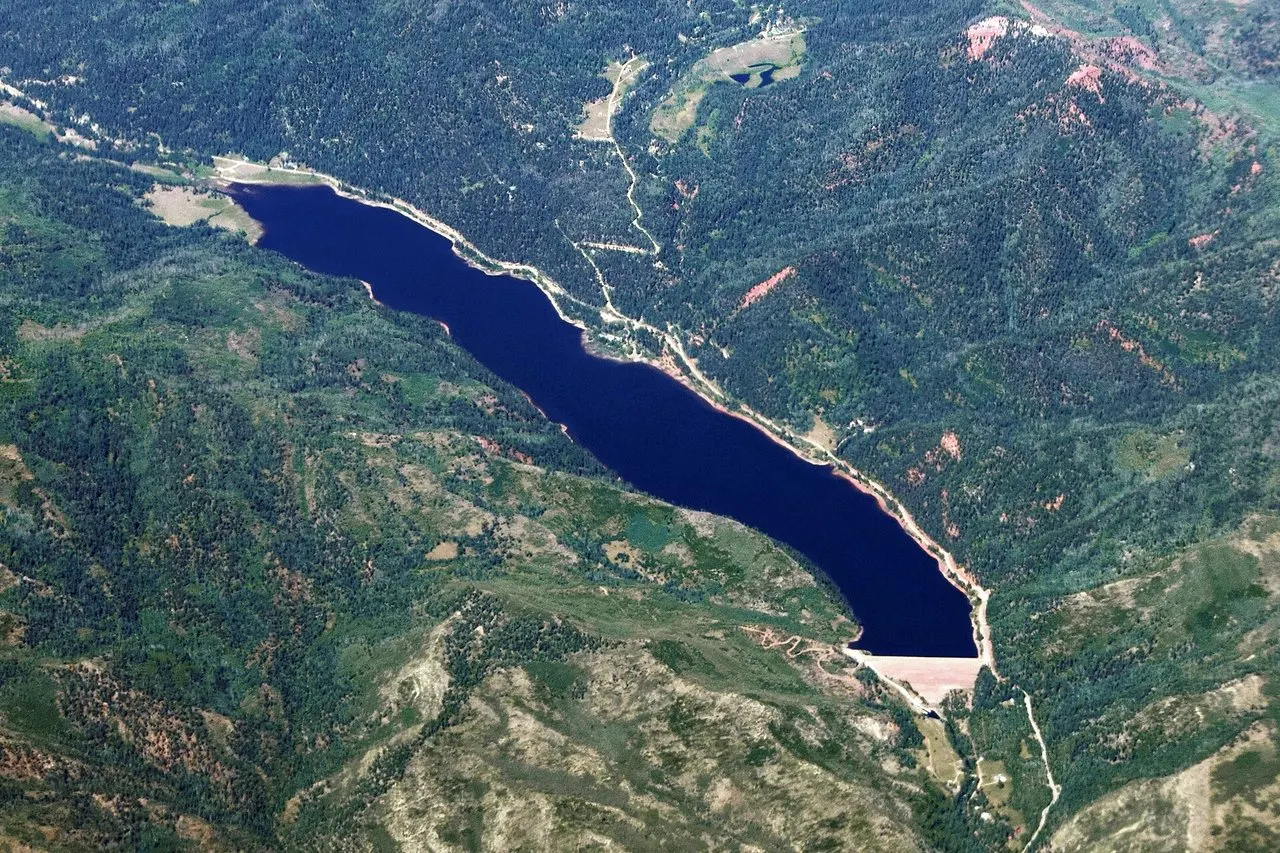
Kaveh Madani, director of the water institute at the United Nations University, was among the researchers who pushed back. He argued that being near a military site does not prove that a dam was built for military reasons. Dams are often built in remote valleys and mountains, and those places can also hold other facilities. His point was about evidence: closeness on a map is not the same as a shared purpose. His response carried weight because of his work on water, much like the claims about Putin and Iran.
Nima Shokri Warns Against Quick Conclusions
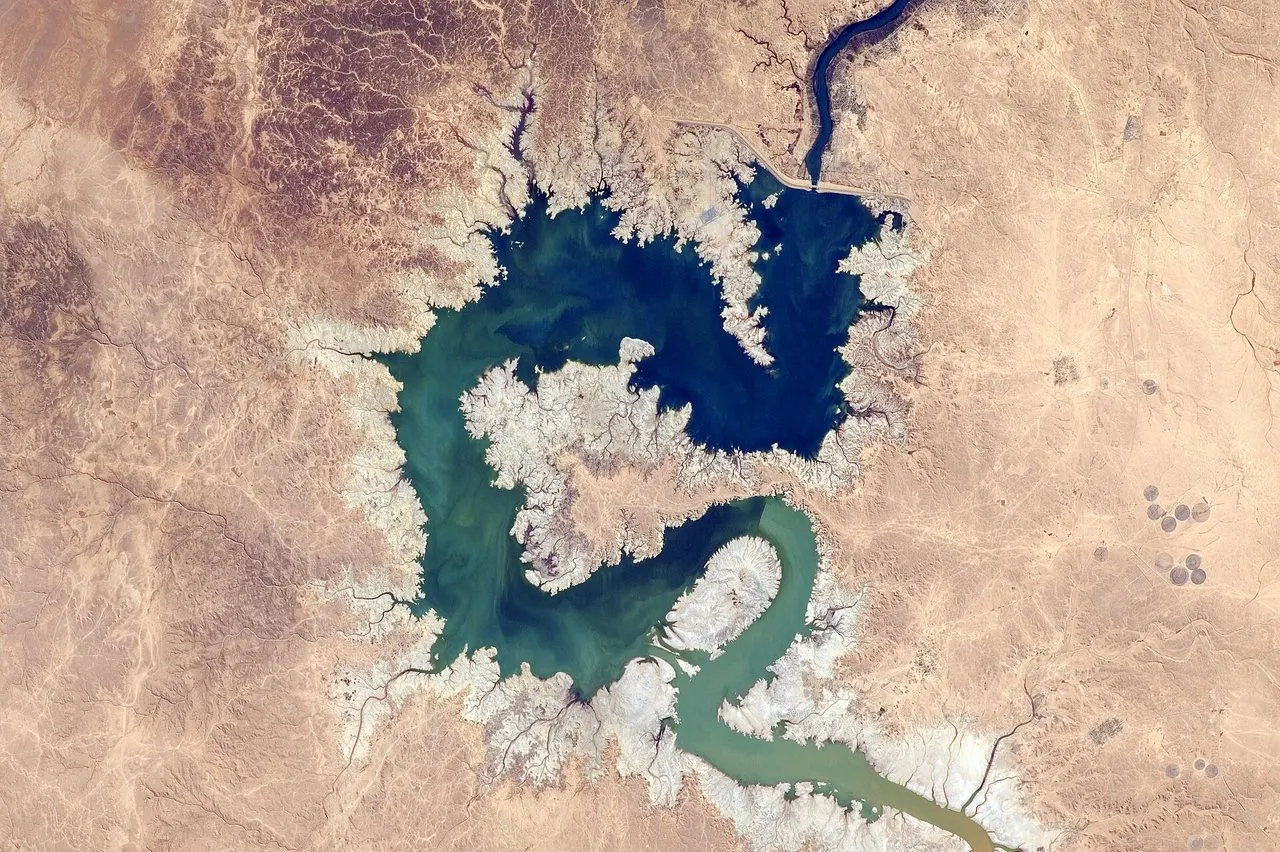
Water security expert Nima Shokri also warned against drawing conclusions from the overlap between dams and military sites. He said that maps can mislead when people read too much into them. A dam and a base may sit near each other for reasons that have nothing to do with each other. His caution added to a wider worry among researchers: that a thin link could be used to justify attacks on things that ordinary people need. The warning mattered to many readers, as did the moment in Berlin.
Iranian Officials Condemn the Report
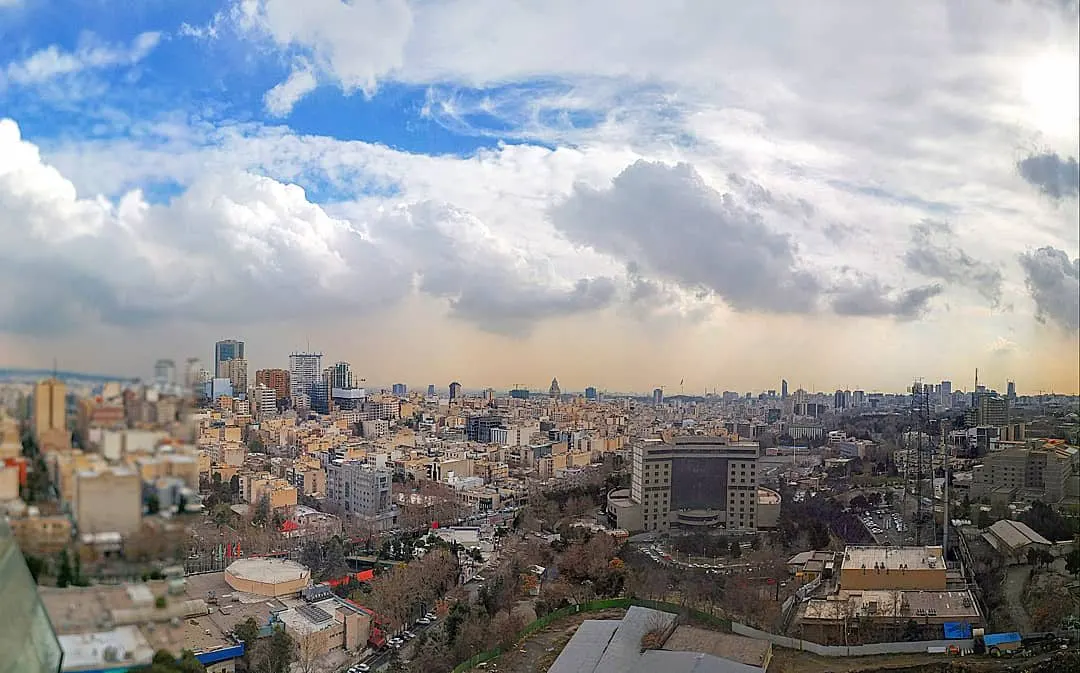
Iranian officials condemned the Times report, saying it could create a reason to attack vital civilian infrastructure. Dams and water projects supply drinking water, farms and power to millions of people. If such places are seen as military targets, the officials argued, ordinary families would pay the price. Their reaction showed how high the stakes are when reporting touches on war and civilian life. The condemnation added another voice to the dispute, alongside the outrage over the remarks.
The Times Defends Its Reporting

The New York Times defended its reporting, saying it accurately represented the analysis of seven international experts. Newsrooms often stand by their work when it is challenged, and the Times said its story was fair and careful. The paper argued that asking questions about dams and military sites is part of good reporting, even when the answers are disputed. The defense did not end the argument. Instead, it kept the focus on what the evidence really shows, much like the abstention at the United Nations.
Why Dams Matter to Everyday Life
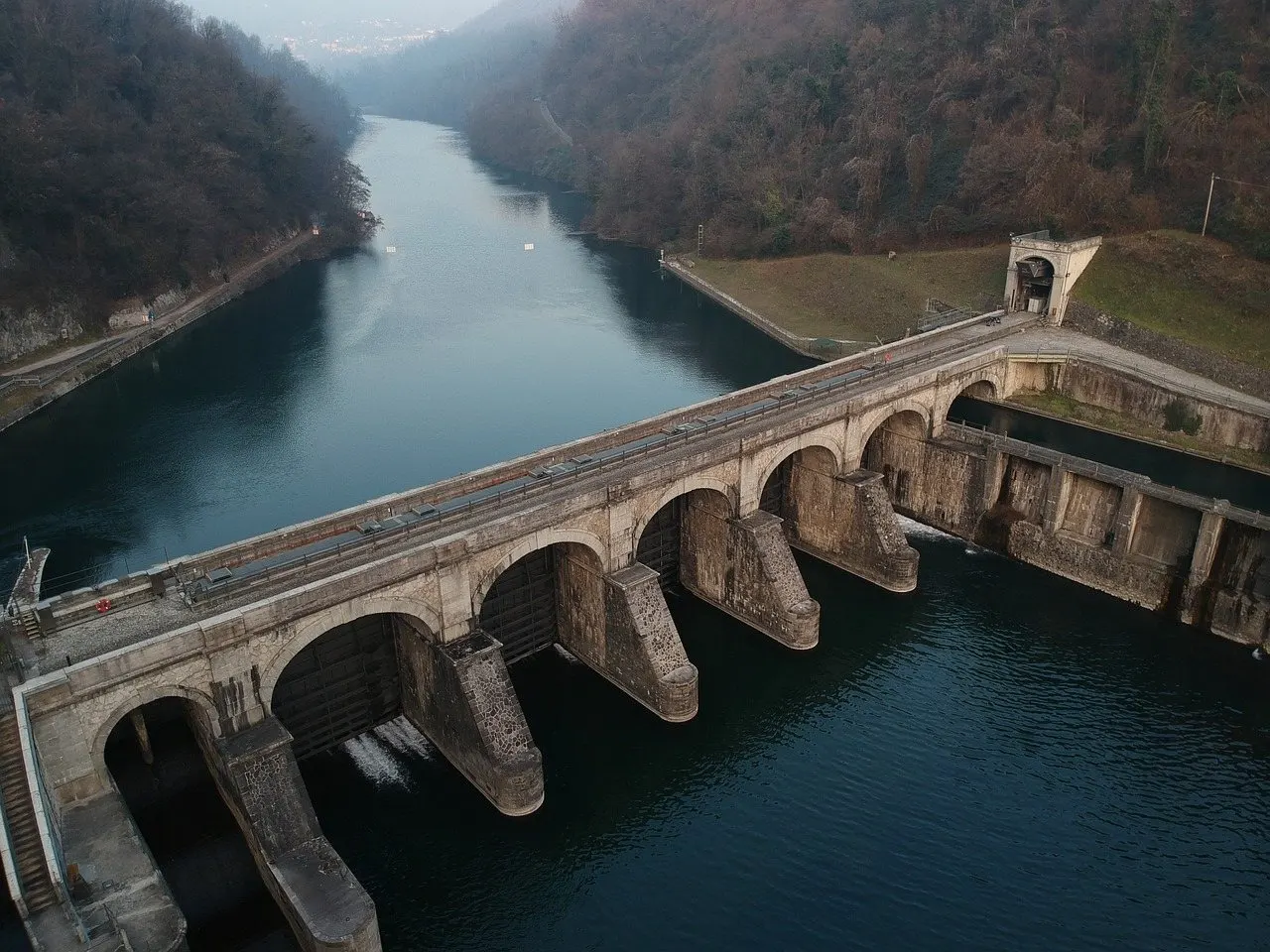
Dams matter far beyond the debate over this report. They store water for dry seasons, help farmers grow food, and make electricity for homes and towns. In many countries, a dam is the difference between a harvest and a failed crop. That is why experts and officials react so strongly when dams are talked about as possible targets. A dam is not just concrete and water. It is part of daily life for the people who live near it, as shown by the absence from Congress.
Water Projects and the People Who Depend on Them
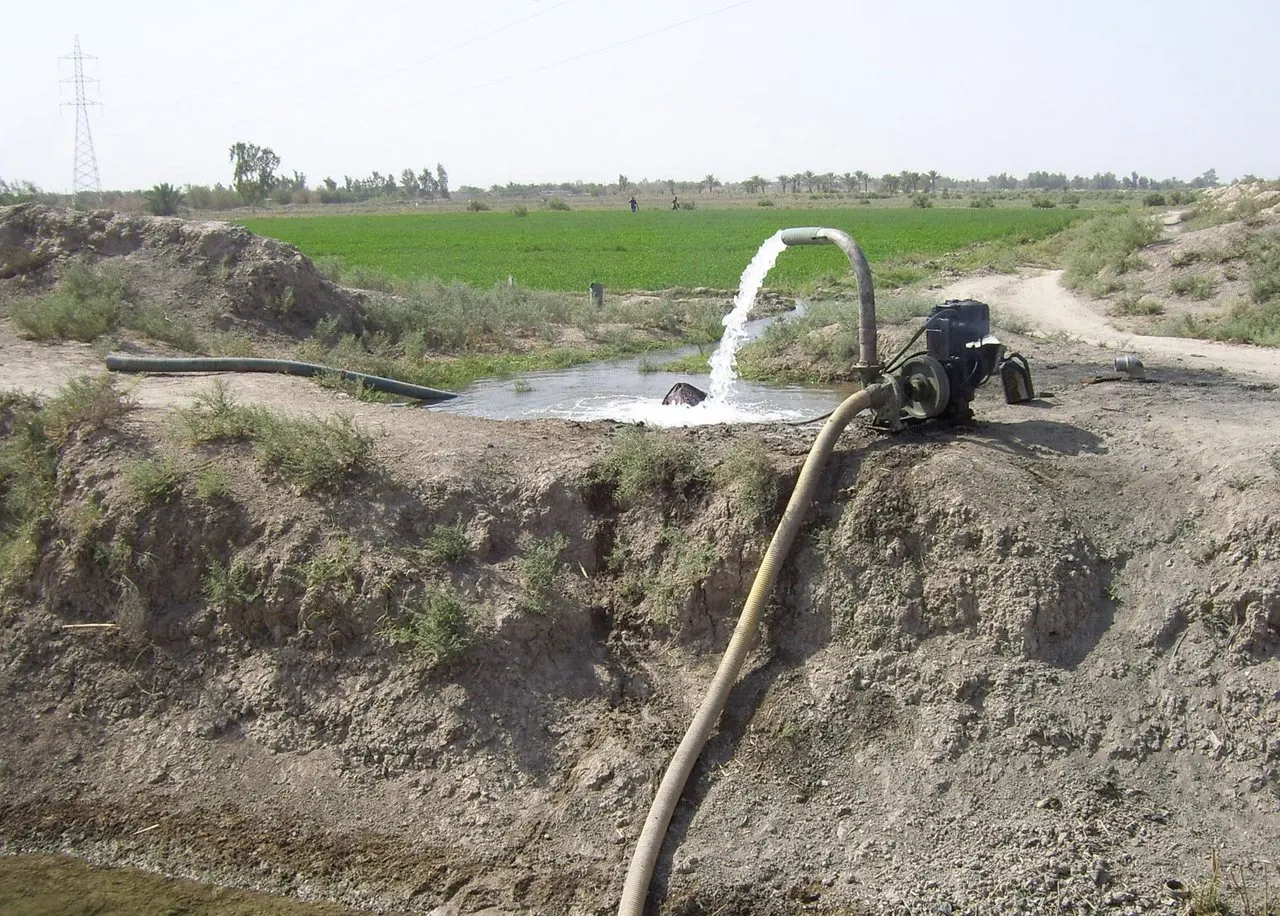
Water transfer projects move water from wet places to dry ones, so farms and cities can keep going. Canals and pipes carry that water across long distances, and whole regions depend on them. When such projects are described as having a hidden military role, the people who rely on them can feel caught in the middle. They need the water for crops, for drinking and for daily life. Protecting that water is a concern that crosses borders, as does the refusal to support a shutdown.
The Kasparian Iran Remarks and the February 28 Conflict
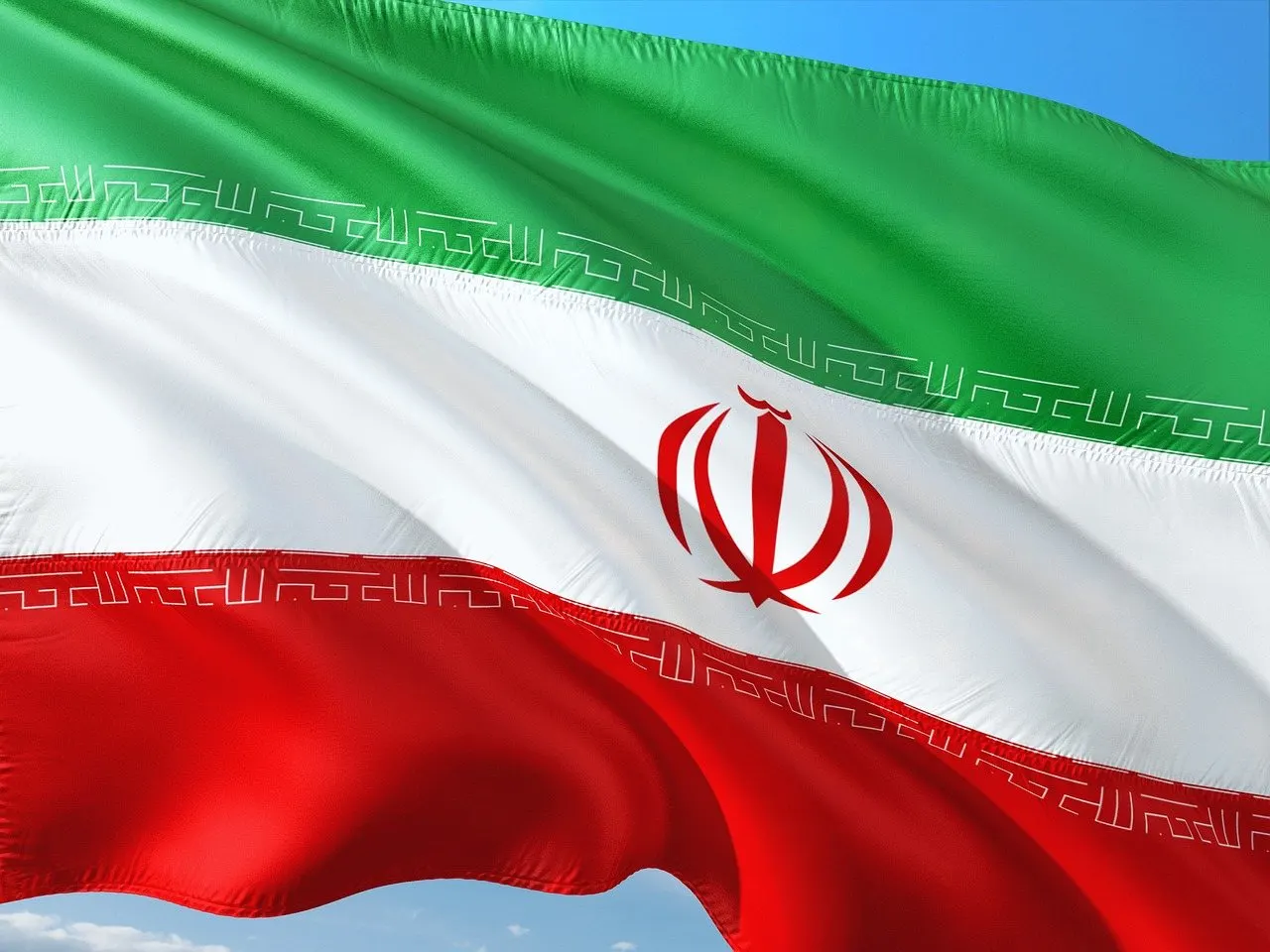
The Kasparian Iran remarks sit inside a conflict that began on February 28, 2026, according to the original post. That date marks the start of fighting that has shaped the debate ever since. When a conflict runs for months, every new claim about who started it and why it continues can reopen old wounds. Kasparian spoke into that long running argument with a direct and simple message. Her words reminded listeners that the past is still present in every new report, like the 15 hour flight from China.
How the Kasparian Iran Remarks Spread Online

The debate over Kasparian and the dams report spread quickly across social media. Short clips, quoted lines and screenshots moved from one platform to another. Some people praised Kasparian for saying what they believe. Others said she was wrong and that the report raised fair questions. The speed of the spread shows how news works today: a remark on one show can become a global argument by nightfall. That pattern is familiar to anyone who follows the exchange about Russia and Iran.
The Kasparian Iran Remarks and the Senate Vote
Washington has also been debating the conflict in Congress. The Senate voted 51 to 48 against a resolution that would have forced the president to stop military operations against Iran. The vote showed how divided lawmakers are about the use of force and about the role of Congress in wartime. It also showed that the questions Kasparian raised are being argued in the halls of power, not only online. The result left the policy in place, and the debate goes on, as does the intelligence story involving Iran.
How the Story Reached Audiences Across America

Stories like this one reach Americans through many routes at once. Some people hear them on a talk show, some read them in a newspaper, and some see a clip while scrolling on a phone. Each route shapes how the story feels. A short clip can hit harder than a long report, and a headline can travel further than the article behind it. That is why the words people choose matter so much. The same lesson runs through the contrast with American allies.
Why Words About Threats Carry Weight
When a public figure calls a country a threat, the words can shape policy and public feeling. Labels like that can make diplomacy harder and make ordinary people more fearful. Kasparian turned that idea around by asking why Iran is called a threat while a close ally is not judged the same way. Her question invites listeners to think about who gets to name a threat and why. It is a question that outlasts any single news cycle, as does the UN decision on Palestinian rights.
What the Experts Want Readers to Remember
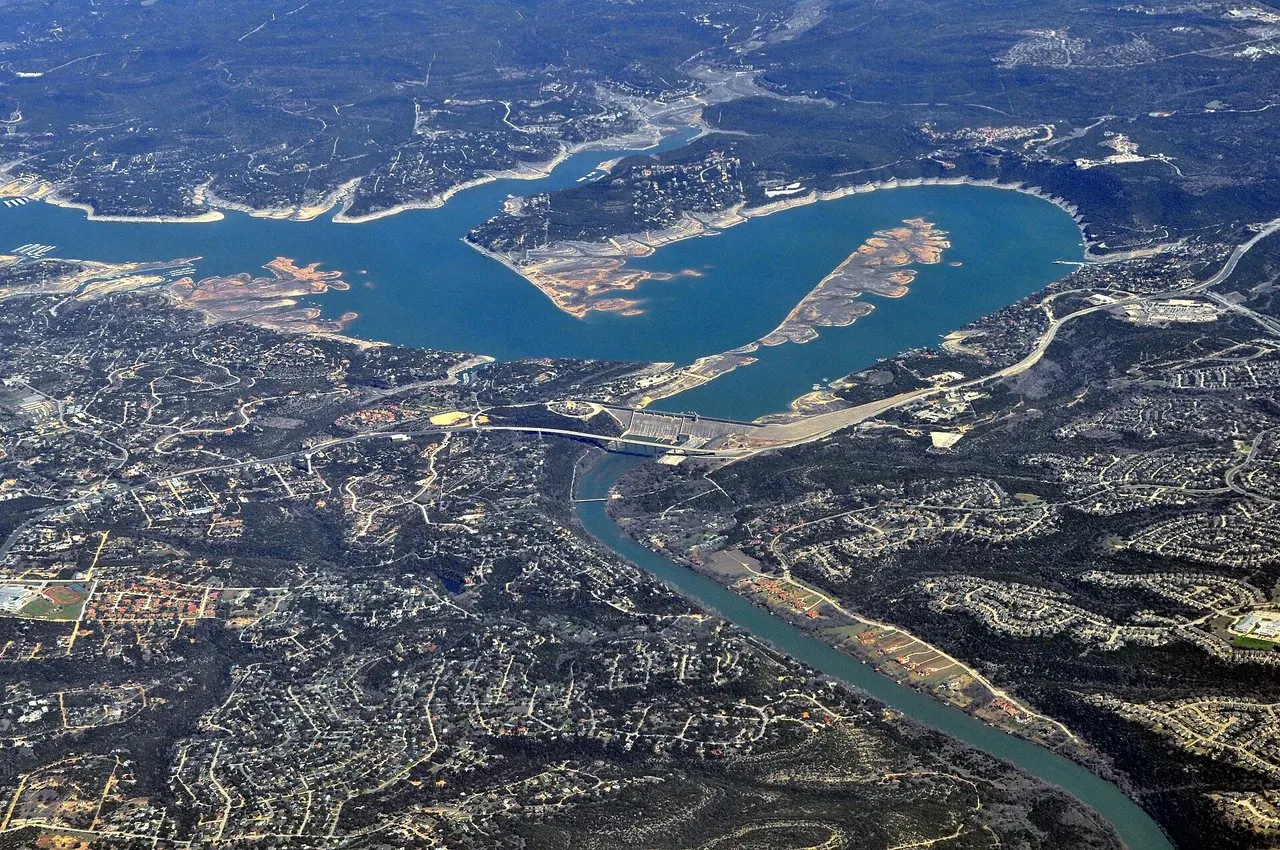
The researchers in this story want readers to remember one simple point: a map is not proof. Two things can sit near each other without being connected. Dams are built where rivers run and valleys open, and military sites are built where land is remote and guarded. Those needs can overlap by chance. The experts asked for care, evidence and patience before drawing big conclusions. Their warning is worth keeping in mind, along with the claim raised by Hillary Clinton.
Why This Story Keeps Drawing Attention

This story keeps drawing attention because it touches on questions that many people care about. Who started a conflict, who benefits from it, and who gets called a threat are not small matters. They shape how voters see their leaders and how countries see each other. Kasparian gave those questions a clear voice, and the dams report gave them a concrete test. Together, they keep people talking, much like the report from the briefing room.
What Do You Make of the Kasparian Iran Remarks?

We have looked at what Ana Kasparian said, what the New York Times reported, and how researchers and officials responded. Now we want to hear from you. Do you agree with Kasparian that the United States started the conflict on behalf of Israel, or do you see it differently. What do you think about the dams report and the pushback it drew. Share your thoughts in the comments below, and keep reading the way leaders greet Putin for more stories from Washington and beyond.