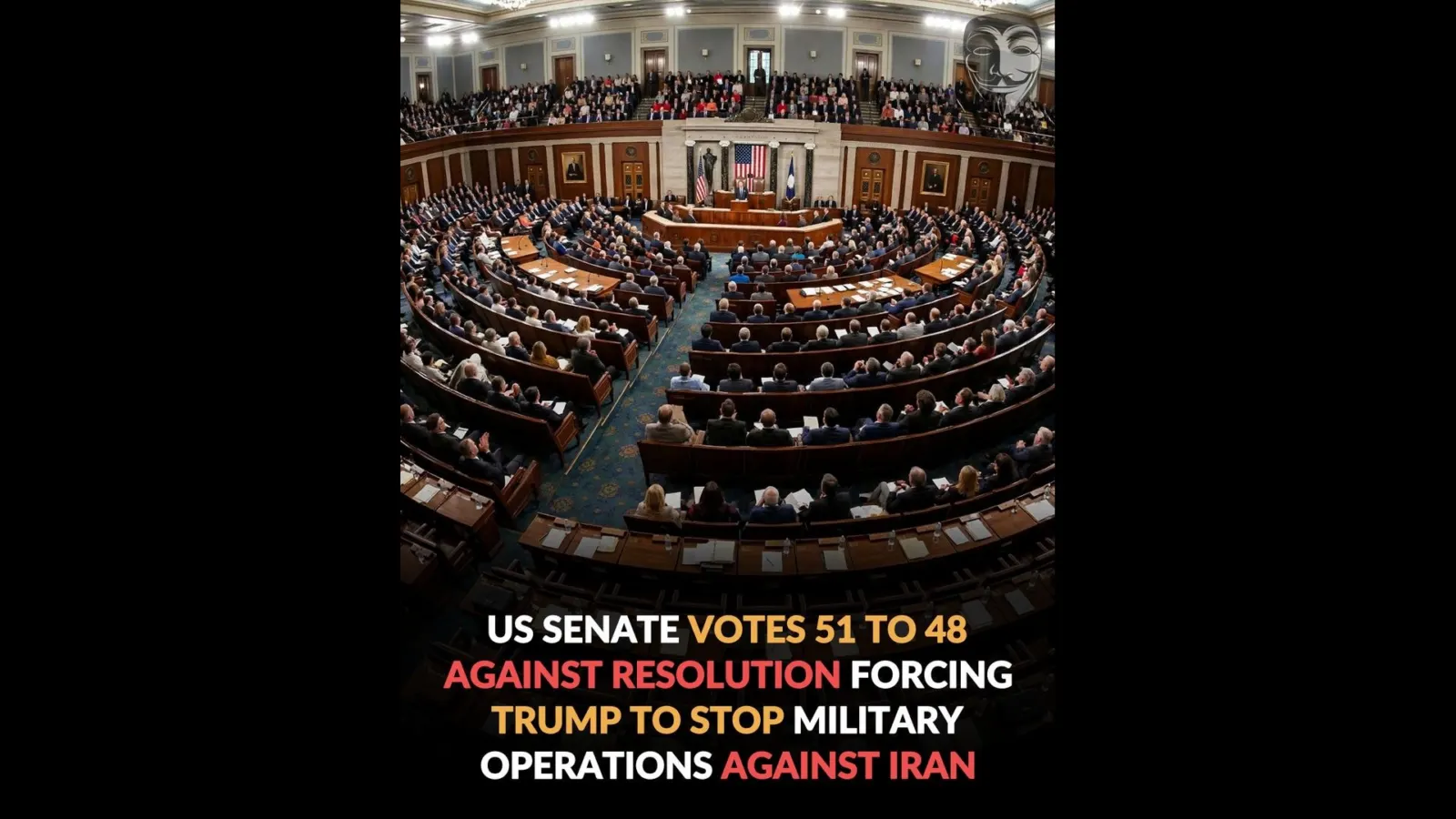
Iran War Powers Vote Ends 51 to 48 in the Senate
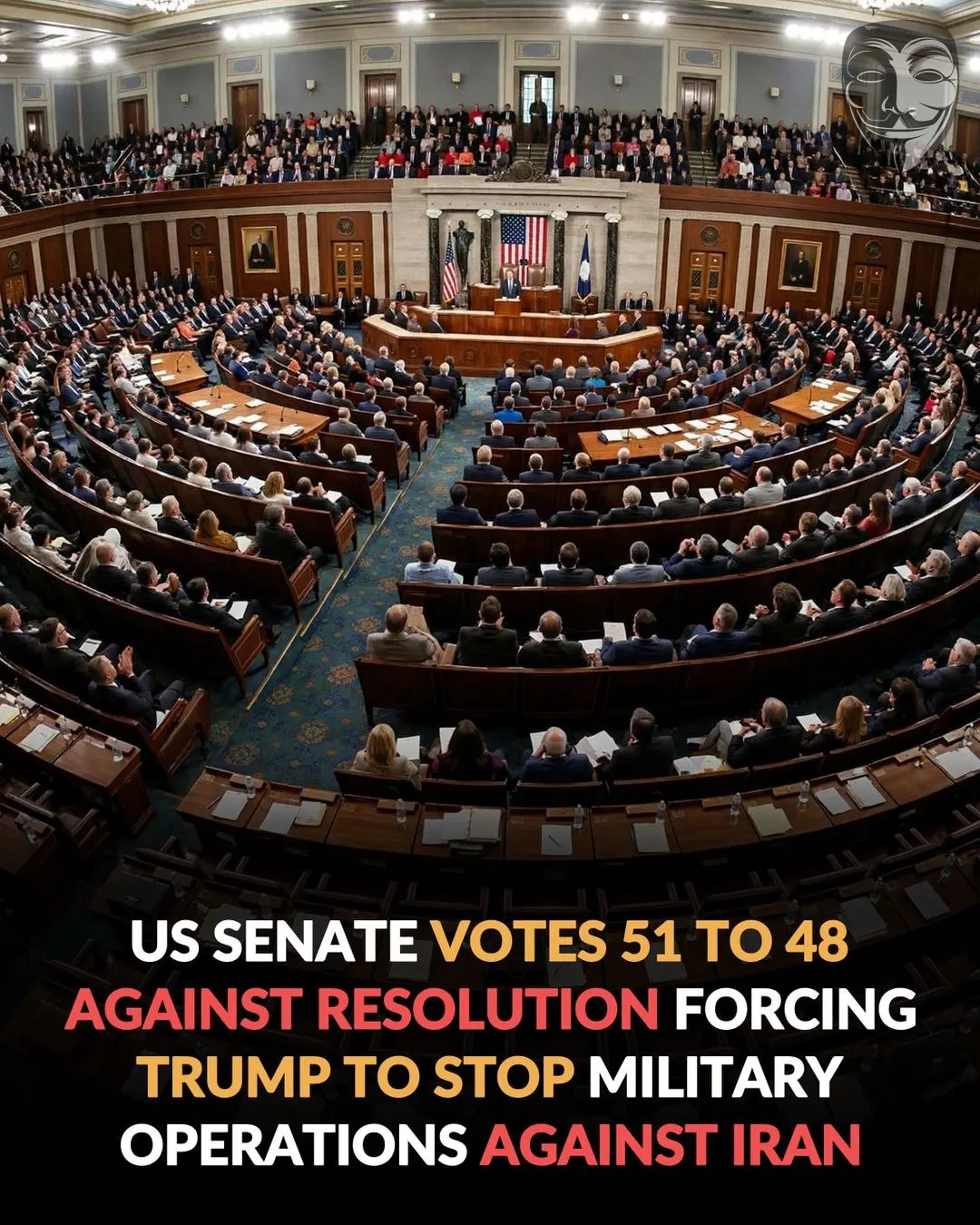
Iran war powers were at the center of a tense vote in the United States Senate on Thursday, when senators rejected a measure that would have ordered President Donald Trump to stop military operations against Iran or seek approval from Congress to keep them going. The vote ended 51 to 48, and it was the first vote on the conflict since the midterm elections. The measure, known as H.Con.Res. 93, had already passed the House in September, so the Senate vote was the last step before it could reach the president.
Three Republicans, Susan Collins of Maine, Lisa Murkowski of Alaska and Rand Paul of Kentucky, voted with Democrats in favor of the measure, while Democrat John Fetterman of Pennsylvania voted against it. The result leaves the administration free to continue its military campaign without new approval from Congress, and Democrats say they will keep pressing the issue when they take control of Congress in January. In the slides ahead we look at the vote, the people behind it and what comes next. Read about the debate over more time on the Iran conflict.
References:
USA Today: Senate Republicans quash measure aimed at ending unpopular Iran conflict
QNC News: Senate Rejects Iran Conflict Powers Resolution in 51 to 48 Vote
Bloomberg Government: Senate Rejects First Iran Resolution Since GOP’s Midterm Losses
Devdiscourse: US Senate rejects resolution curbing Trump’s Iran conflict powers
The Iran War Powers Vote Ends 51 to 48

The Senate voted 51 to 48 on Thursday to reject the war powers resolution, a close result on military action against Iran. The vote came after days of debate about the role of Congress in decisions about conflict. The resolution would have forced the president to end operations or return to Congress for approval, and its defeat means the campaign can continue as it is. Supporters said Congress must have a say, while opponents said the president needs room to act. Read about the bill on pay during shutdowns.
What the Iran War Powers Resolution Would Have Done

The resolution was a war powers measure, a tool Congress uses to say a president must stop a military operation or get approval to continue it. This one would have ordered President Trump to end military operations against Iran or come back to Congress for permission to keep them going. It named no new policy of its own, and it did not set out a plan for the region. Its whole point was to put Congress back in the decision. Read more in the trip to China and the trade deals.
Three Republicans Crossed the Aisle

Three Republicans voted with the Democrats in favor of the resolution, and their votes turned a party line fight into a much closer contest. Susan Collins of Maine, Lisa Murkowski of Alaska and Rand Paul of Kentucky each backed the measure, even though most of their party voted the other way. Their support showed that doubts about the campaign cross party lines in the Senate. Without them, the margin would have been wider. See the vote that made Hakeem Jeffries speaker.
Fetterman, the Democrat Who Voted No

Democrat John Fetterman of Pennsylvania was the only Democrat to vote against the resolution, and his vote stood out on a day when his party mostly voted together. Fetterman has often broken with his party on questions of military action, and this vote was another example of that independent streak. His no vote helped the measure fail, since every vote mattered in a 51 to 48 result. It also showed that the debate is not a simple party split. Read about the Texas senator who blocked a judge pick.
The House Passed It First in September

The measure did not start in the Senate. It began as H.Con.Res. 93 in the House, where it passed in September before moving to the Senate for its own vote. That House vote gave the resolution momentum and put pressure on senators to take a position of their own. By the time it reached the Senate floor, both parties knew the count would be close. The long gap between the two votes also gave the White House time to make its case. See the arrival in the Philippines.
The First Iran War Powers Vote Since the Midterms

This was the first vote on the conflict since the midterm elections, and that timing shaped how both parties read the result. The midterms changed the balance of power and left Republicans with losses to explain, while Democrats saw a chance to press the issue. A vote like this lets each side show voters where it stands on military action abroad. It also set the stage for the next Congress, when Democrats will hold more power. Read about the historic win in Alaska.
What a War Powers Resolution Does
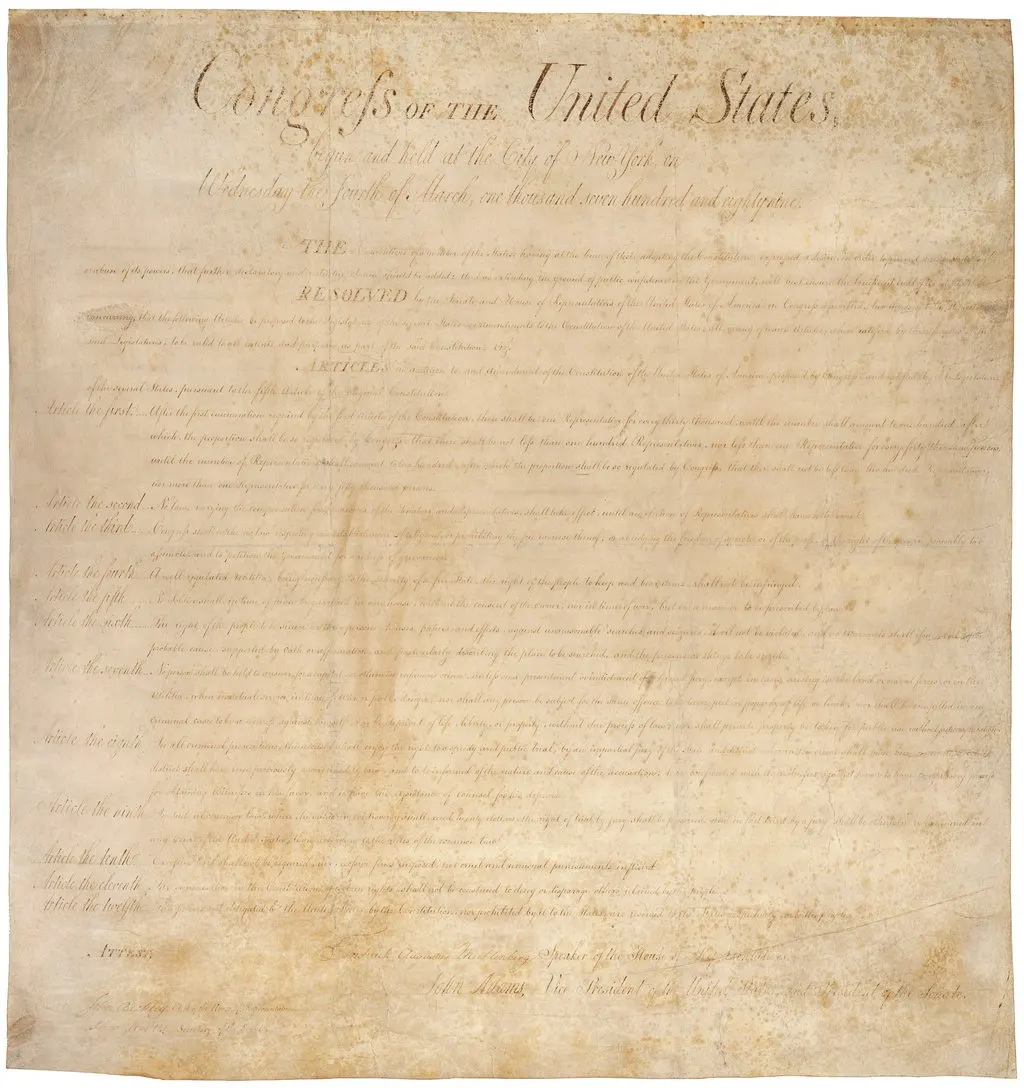
A war powers resolution is one of the main tools Congress has to check a president on military action. Under the law, the president must tell Congress when troops are sent into hostilities, and Congress can vote to order those forces home. Supporters say this keeps the power to decide on conflict with the people’s representatives. Critics say it ties the hands of a commander in chief. The tool is rarely used, which is why each vote draws so much attention. See the petition forcing a vote on the Epstein files.
The White House View of the Iran War Powers Vote
The White House had argued against the resolution, saying the president needs freedom to act against threats without waiting for Congress. Officials said the campaign against Iran protects American interests and that a vote to stop it would send the wrong signal. With the measure now defeated, the administration can keep its operations going without asking Congress for new approval. The result was a clear win for the president on a question where his own party was split. Read about the debate over lawmakers who cannot serve.
Voices From the Iran War Powers Debate
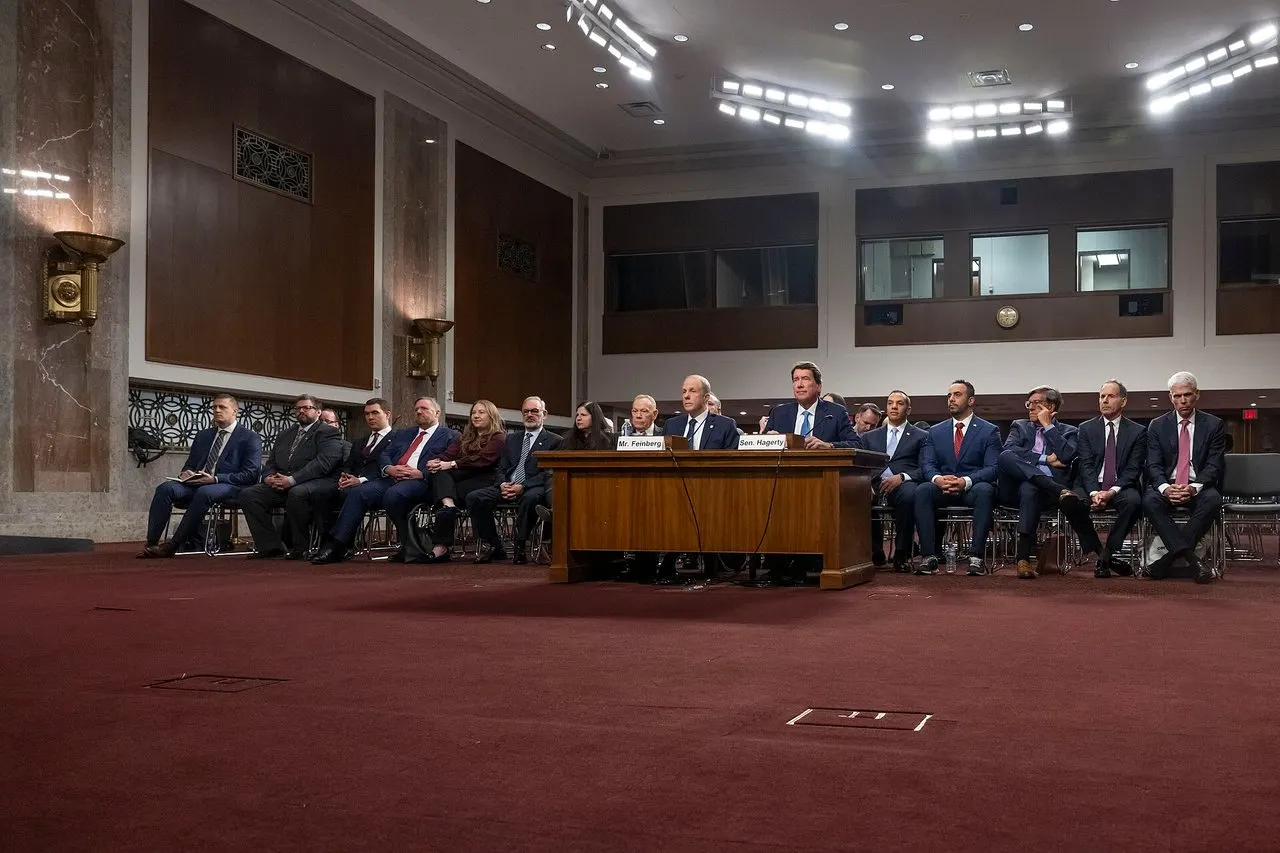
Senators on both sides made their case on the floor before the vote, and the debate showed two very different views of presidential power. Supporters of the resolution said no president should carry on a military campaign without Congress, and they pointed to the Constitution. Opponents said the world moves too fast for that, and a president must be able to act. The speeches were sharp, but the outcome was decided by a handful of votes. See the warning on national security.
What Democrats Said After the Vote

Democrats were disappointed by the result, but they said the fight is far from over. Party leaders pointed to the three Republican votes as proof that the issue cuts across party lines, and they promised to bring the question back when they take control of Congress in January. For now, they say the vote put every senator on the record. That record, they argue, will matter when voters judge the campaign. Read about the fight for Senate leadership.
The Campaign Goes On After the Iran War Powers Vote
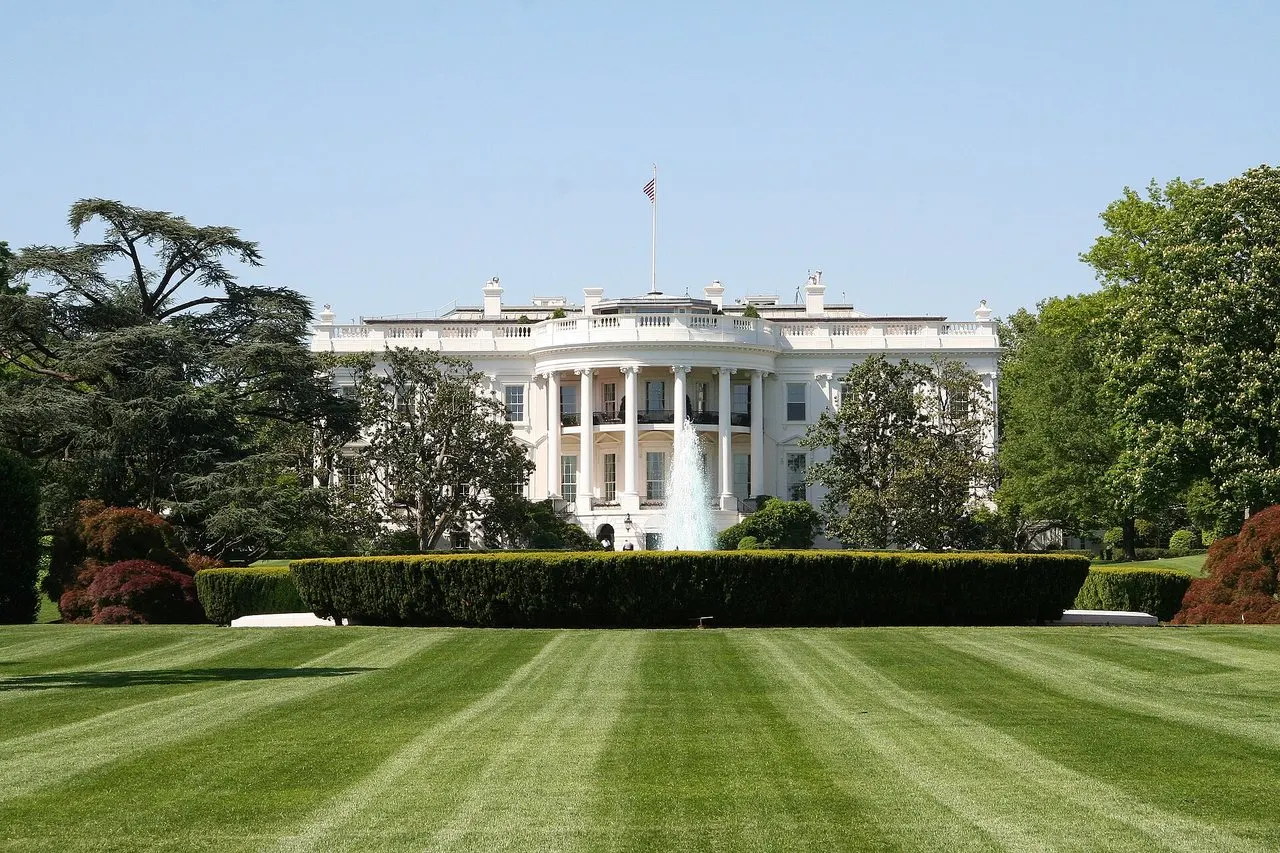
With the resolution defeated, the administration is free to continue its military campaign against Iran without new approval from Congress. That was the practical result of the 51 to 48 vote, and both sides know it. The president can keep operations going as they are, while critics in Congress must find another way to press their case. The next chance will come in January, when the new Congress takes its seats. See the odds on Marco Rubio running for president.
The Military Campaign at the Center of the Fight

At the heart of the vote is the American military campaign against Iran, which has been going on without a fresh vote of approval from Congress. Supporters of the resolution said that is exactly the problem, and Congress should have a say before operations continue. Opponents said the campaign is needed to deal with a real threat, and stopping it would put Americans at risk. The debate is about more than one country, and it touches how America uses force. Read about the Asia trip and its new deals.
The Midterms Changed the Map

The midterm elections reshaped the politics around this vote, and the Senate felt the change. Republicans lost ground, and that made the first vote on the conflict since the elections a test of where each party stands. Democrats read the results as a sign that voters want Congress to have a stronger voice. Republicans said the vote was about security, not politics. Either way, the midterms set the tone for the debate that followed. See the UN vote on ending harm against women.
January Brings a New Congress

Democrats say they will keep pressing the issue when they take control of Congress in January, and that promise shaped the mood after the vote. A new Congress means new leaders, new committee chairs and a fresh chance to force a vote. The losing side in this round may become the winning side in the next one. That is why both parties treated Thursday as a step in a longer fight, not the end of it. Read about the warning to the MAGA movement.
Past Iran War Powers Votes in the Senate

This was not the first time the Senate has wrestled with war powers, and history gives the debate some useful background. Past votes have tested the same question, of whether a president can keep a military campaign going without Congress. Some measures passed, and some failed, but each one forced senators to take a public stand. The votes also show that the issue is not new, and each generation of lawmakers faces it again. See the first Black senator from Mississippi since Reconstruction.
The Senate and the Power to Decide on Conflict

The Constitution gives Congress the power to declare war, and that fact sits at the center of every war powers debate. The founders wanted the decision about conflict to rest with the people’s representatives, not with one person alone. Over time, presidents have acted first and asked later, and Congress has often gone along. Votes like this one test whether that balance still holds. The question is old, but the answer keeps changing. Read about the UN vote on protections.
Susan Collins of Maine

Susan Collins of Maine is one of the Senate’s best known moderates, and her vote in favor of the resolution fit that record. Collins has often crossed party lines on big questions, and she has said Congress should have a voice in decisions about military action. Her support gave the measure credibility with voters who watch the center of the Senate. It also showed that the debate is not only about party, but about principle. See the economic deals for American workers.
Lisa Murkowski of Alaska

Lisa Murkowski of Alaska was another Republican who backed the resolution, and her vote was no surprise to those who follow her career. Murkowski has built a record as an independent voice in the Senate, and she has often voted her own way on questions of war and peace. Her support helped make the final count as close as it was. It also gave Democrats a talking point, that even Republicans doubt the campaign. Read about the hearing questions for Jensen Huang.
Rand Paul of Kentucky

Rand Paul of Kentucky completed the trio of Republicans who voted for the resolution, and his vote came from a different place than the other two. Paul has long argued that Congress must reclaim its power over decisions about conflict, and he has opposed military action without approval for years. His support showed that the vote united senators from very different wings of the party. It also gave the measure a voice from the libertarian side. See the debate over more time on the Iran conflict.
John Fetterman of Pennsylvania

John Fetterman of Pennsylvania was the lone Democrat to vote against the resolution, and his vote drew attention for that reason. Fetterman has often taken his own line on military action, and he has said the United States must be willing to act against threats. His no vote meant the measure lost by three, and it showed that support for the campaign is not limited to one party. It also reminded voters that the Senate is full of independent minds. Read about the bill on pay during shutdowns.
How the Iran War Powers Vote Count Broke Down
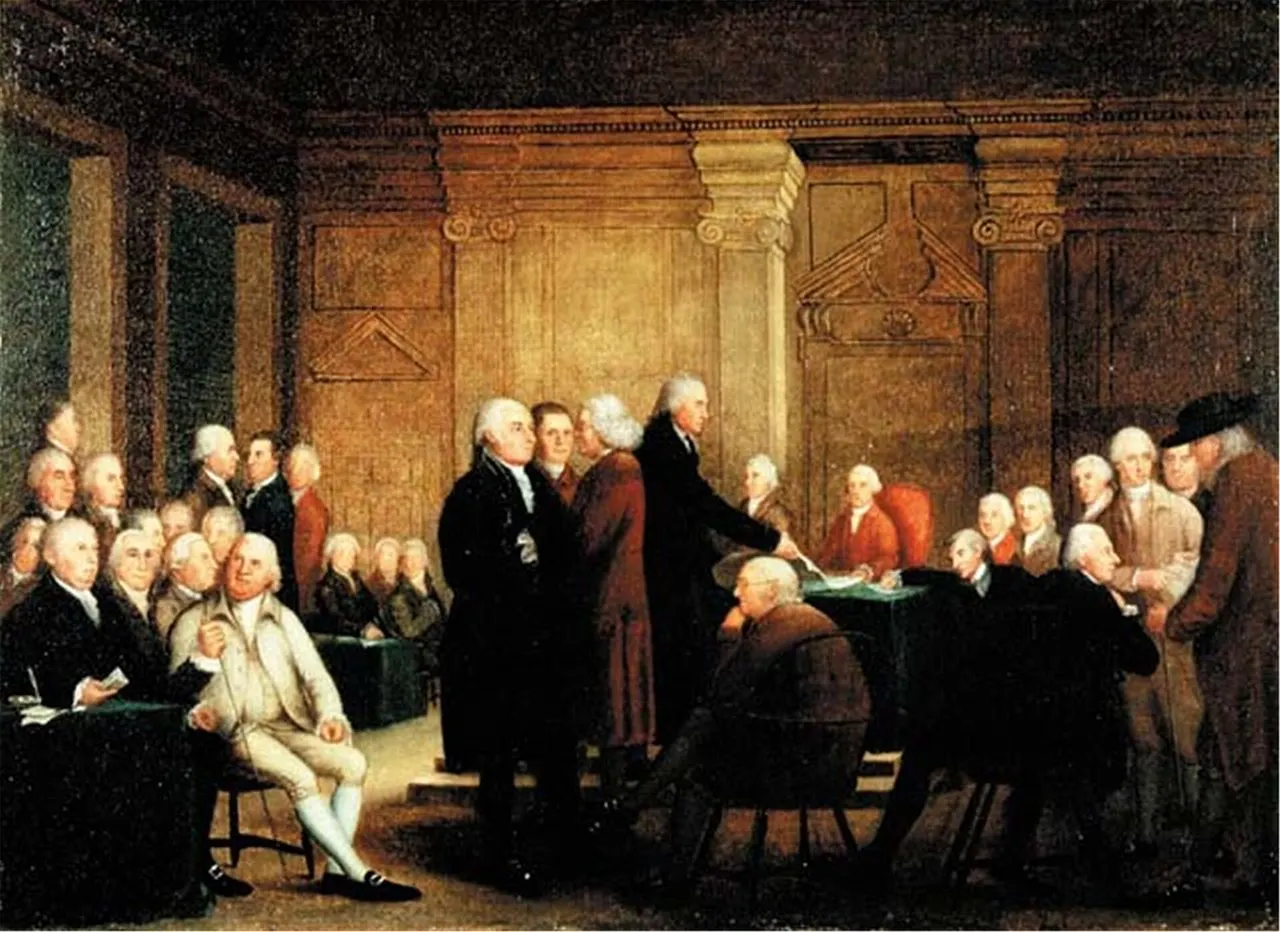
The final count was 51 against the resolution and 48 in favor, and the breakdown tells the story of the day. Nearly all Republicans voted no, nearly all Democrats voted yes, and the exceptions decided the margin. Three Republicans crossed over to support the measure, while one Democrat voted against it. Without those four votes, the result would have looked very different. The count shows a Senate that is closely split on the use of force. See the trip to China and the trade deals.
What the Vote Means for the Region

The vote matters beyond Washington, because the campaign it covers shapes events in the Middle East. Allies and rivals both watch the Senate to see whether America will stay the course or pull back. A vote to stop the campaign would have sent a clear signal of change, while the vote to let it continue sends a signal of resolve. For people in the region, the debate in Congress is not abstract, and its outcome affects their lives. Read about the vote that made Hakeem Jeffries speaker.
The Iran War Powers Question Is Not Over

The 51 to 48 vote settled this round, but it did not settle the question. Democrats say they will bring the issue back in January, when they take control of Congress, and the three Republican votes suggest they may find support. The administration says the campaign must go on, and the president has the votes to keep it going for now. The next chapter will be written in the new year, and the Senate will face the same choice again. See the Texas senator who blocked a judge pick.
What Do You Think About the Iran War Powers Vote?
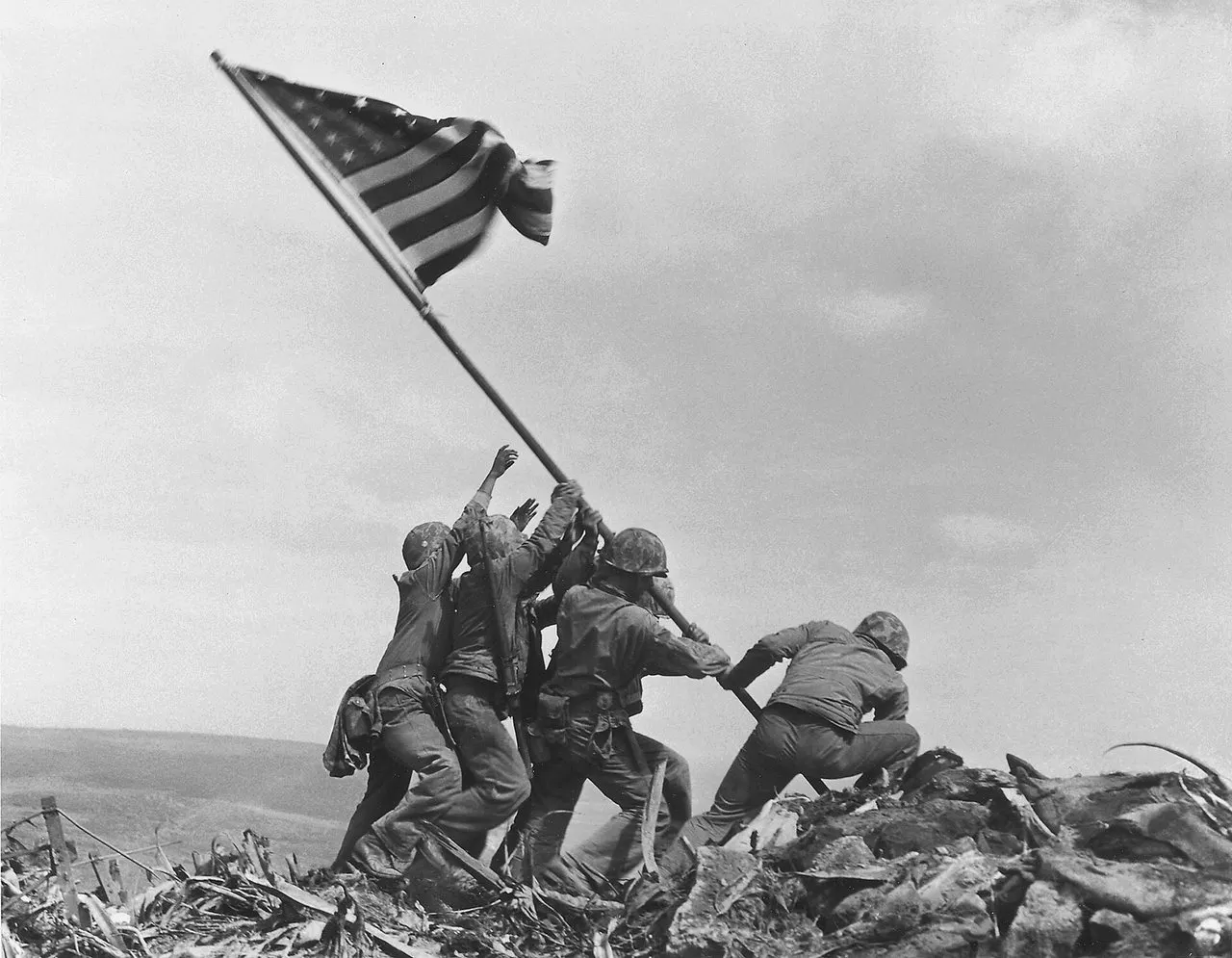
Now we want to hear from you. Do you think the Senate made the right call in voting 51 to 48 against the resolution, or should Congress have ordered the president to stop the campaign against Iran? Should lawmakers have more say in decisions about military action, or should the president be free to act? Share your thoughts in the comments below, and tell us what you would ask your senator. Your view matters, and the debate is far from over. Read about the arrival in the Philippines.