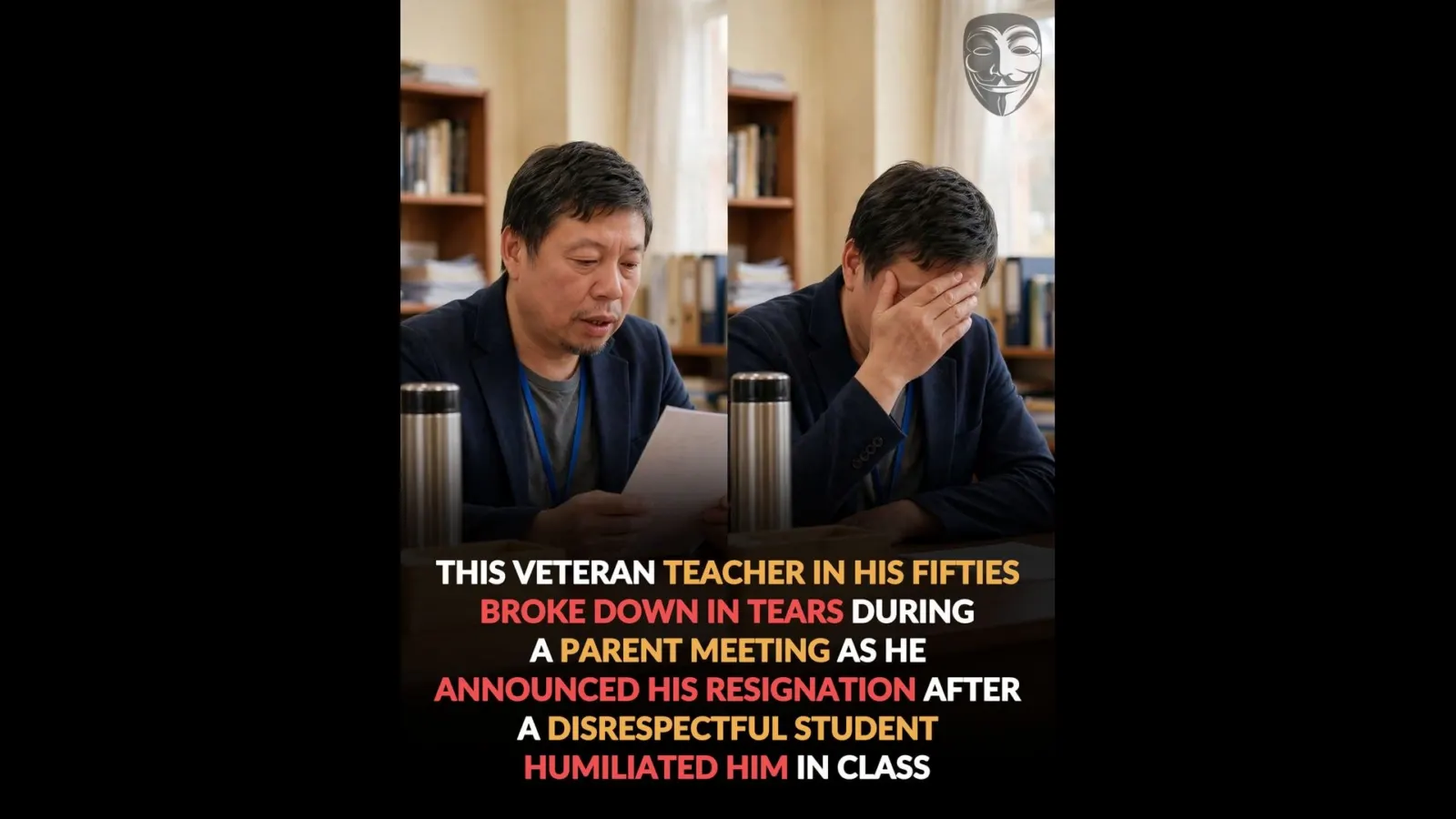
Veteran Teacher Resignation That Moved a Room to Tears
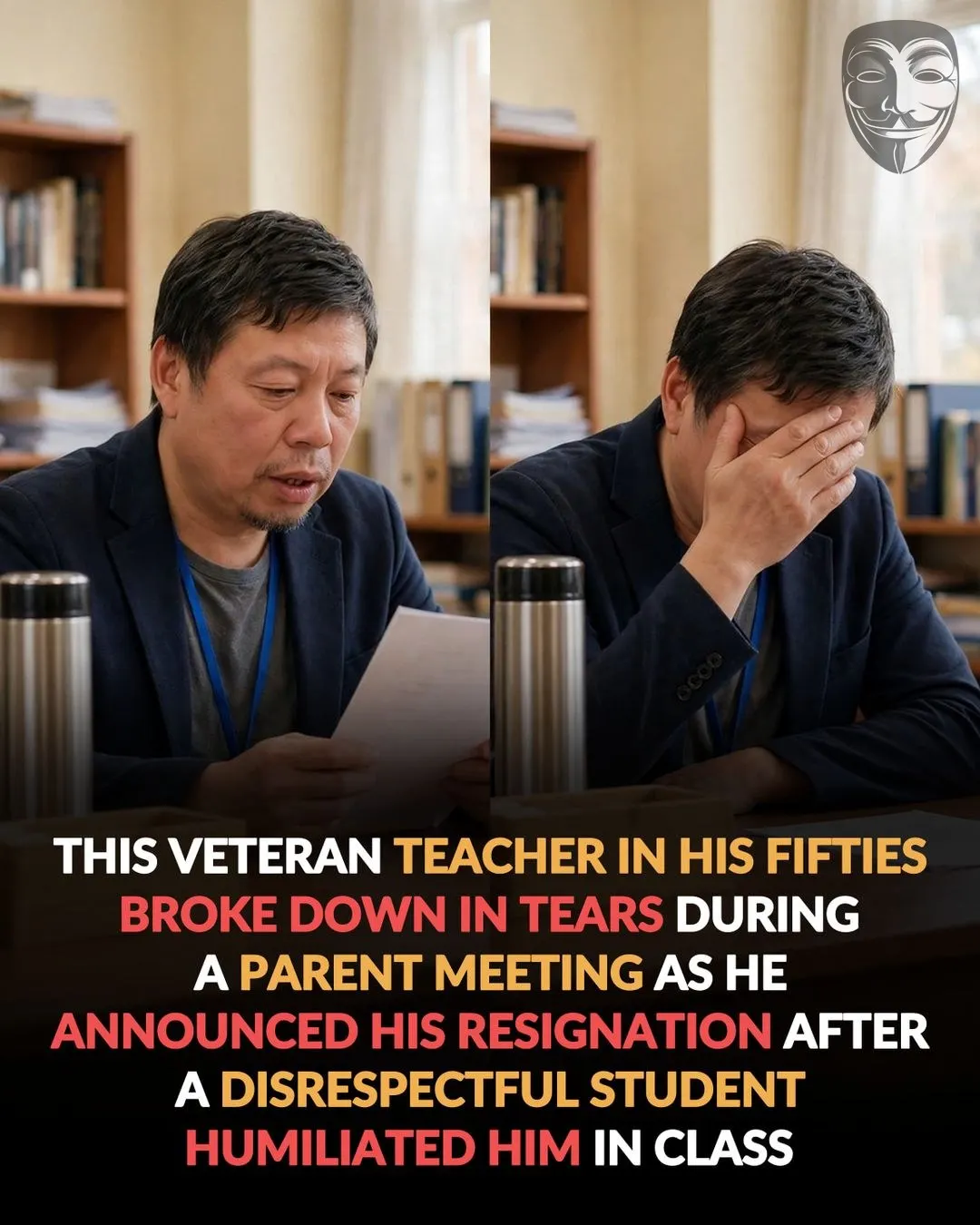
Veteran teacher resignation is a phrase that now carries a human face in Hunan, China, where a homeroom teacher in his fifties broke down in tears while telling parents at a meeting that he was leaving. He had hoped to stay with his students until graduation, but years of long hours and the daily strain of keeping order had become too much. His voice broke as he spoke, and the room fell quiet. The story has since traveled far beyond that school and opened a wider talk about respect for teachers.
In the slides ahead we follow the teacher from his early mornings to the parent meeting where he said goodbye, and we look at why so many readers felt his tears were about more than one classroom. The reports behind this article agree on the key facts, and they show a man who gave his days to his students until he had little left to give. For more human stories that stayed with readers, see a love story that moved many readers.
References:
Trending on Weibo: Why China Class Heads Are Burning Out A Hunan Teacher Tearful Resignation
What’s Up Tony: Veteran Teacher Breaks Down In Tears During Parent Teacher Meeting
Just Buzz: Homeroom Teacher Overwhelmed By Pressure Announces Resignation
True Facts: Veteran Teacher In His Fifties Breaks Down During Parent Teacher Meeting
A Homeroom Teacher in Hunan, China

The teacher at the center of this story worked as a homeroom teacher in Hunan, a province in southern China. A homeroom teacher, often called a class head, looks after one class through the school year and handles lessons, discipline and contact with parents. This teacher was in his fifties and had spent many years in the role. Those who heard his story saw a man who knew his students well and carried the weight of the job every day, as in a historic trip with big deals.
The Morning He Woke Before 5 a.m.

Each school day for this teacher began long before most people were awake. He regularly woke up before 5 a.m. to get to school early. Early starts are common for class heads, who prepare lessons and meet students before the first bell. Over years, those early mornings add up, and the lack of rest slowly wears a person down. Few jobs ask for so much before sunrise, as readers saw in a study about faith in America, and fewer still offer a quiet moment to recover, as in a warning to Republican colleagues.
Long Hours Before the Veteran Teacher Resignation

Long hours filled almost every part of this teacher’s day. After lessons ended he still had marking, planning and calls to parents, and work often followed him home. A class head must know each student, spot trouble early and keep the class moving, all while teaching a full load. That schedule leaves little time for rest or family. It is the slow grind behind many burnout stories, as in an actor chasing a famous role, and it helps explain why one hard day can feel like the last straw, as in a meeting that raised hard questions.
Hoping to Stay Until Graduation

Through the long days, the teacher held on to one clear hope. He wanted to stay with his students until graduation and see his class reach the end of its journey. Graduation matters deeply to teachers, because years of small daily efforts become visible in young people ready to move on. Leaving early meant giving up a promise he had made to himself. That loss sits at the heart of this story, as in a 1952 law in the news again, and it is why his tears moved so many readers, as in a tense moment in an impeachment trial.
The Classroom Moment Behind the Veteran Teacher Resignation

The breaking point began with something small and painfully familiar to teachers everywhere. A student kept talking during class, even after the teacher asked for quiet. Talking over a lesson may seem minor, yet it stops learning for the whole room and tests the teacher’s patience in front of everyone. When it happens again and again, it feels less like noise and more like a challenge. Readers who know classrooms will recognize the scene, as in a chief executive asked to return, and they will know how quickly it can turn serious, as in a briefing about a ground stop.
Repeated Warnings That Went Unheard
The teacher did not lose his temper at the first interruption. He gave repeated warnings and asked the student to settle down, giving him a chance to change course. Warnings are a normal part of classroom life, and most students respond to them. But when warnings are ignored again and again, the teacher is left with fewer choices, with the whole class watching. That loss of control is hard to bear, as in a handshake that drew criticism, and it is a moment many teachers have faced alone, as in a viral question about a chief executive.
Asked to Step Outside, the Student Refused
When the talking continued, the teacher asked the student to step outside the classroom. It was a calm step, meant to let the student settle and the lesson go on. Instead, the student refused. A refusal in front of the whole class changes the nature of the moment, because it turns a small disruption into a direct test of the teacher’s authority. Standing firm then takes real courage, as in a return to Vice City, and backing down would have cost him the room, as in a bill to protect children.
The Breaking Point in a Veteran Teacher Resignation
The confrontation that followed pushed the teacher past the point he could bear. After years of early mornings and long hours, and warnings that went unheard, the clash with one student became the moment everything spilled over. A breaking point rarely comes from one event alone. It comes when one hard moment lands on many quiet ones no one saw. That is how a steady teacher reaches tears, as in a second bill on the same fight, and how a single classroom incident becomes a much bigger story, as in a moment at a ceremony that went viral.
Colleagues Found Him Crying in the Staff Office
After the confrontation, colleagues found the teacher crying in the staff office. The staff office is usually a place for a quick cup of tea, a short rest and a few kind words from fellow teachers. On that day it became a refuge for a man who had held himself together in front of his class. His colleagues saw the cost of the job in plain sight. Their care in that moment mattered, as in an update on a famous actor’s health, and it showed how much teachers lean on each other, as in an actor speaking about faith.
Two Students Saw Their Teacher in Tears
Two students also found the teacher breaking down in tears inside the staff office. For young people, seeing a teacher cry can be confusing, because teachers are supposed to be steady and in charge. Yet it can also be the first time they see how much an adult can carry without complaint. Those two students witnessed something they are unlikely to forget. Their presence in the story reminds us that classrooms hold real people, as in a fifty hour gaming marathon, and that a teacher’s pain is felt by the young people around him, as in a greeting between leaders.
The Parent Meeting Where He Announced It
The parent meeting was where the teacher finally put his decision into words. In front of the parents of his students, he announced that he was resigning, and he could not hold back his tears as he spoke. Parent meetings are usually about grades and progress, not goodbyes. Speaking so openly took honesty and gave parents a rare look at what the job had cost him. The room listened in silence, as in a mystery from a 1959 photo, and many parents left the meeting thinking differently about teachers, as in a senator blocking a nominee.
Parents Listened as He Shared His Story
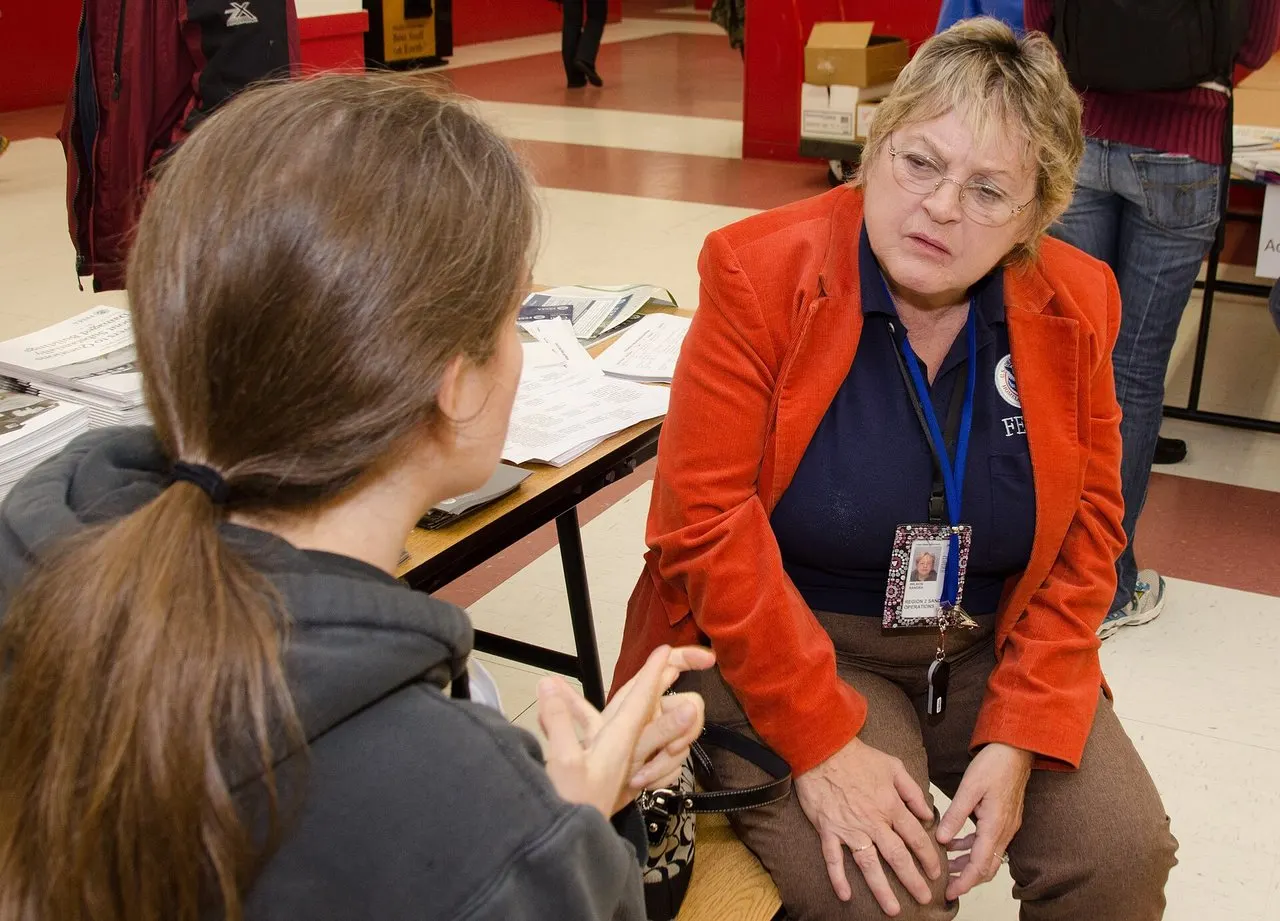
As parents listened, the teacher shared what his days had really been like. He told them about waking before 5 a.m. and spending long hours at school, and about the pressure of keeping order while trying to teach. Parents often see only grades and homework, not the hours behind them. Hearing it from the teacher himself made the strain real in a way no report could. His words stayed with the room, as in a long economy flight to a summit, and they gave families a fuller picture of school life, as in a family found after a 911 call.
Why Veteran Teacher Resignation Stories Hit So Hard

Stories like this one spread because they touch something many people have felt. Almost everyone has had a teacher who gave more than the job asked, and almost everyone has seen a good person pushed too far. When a teacher in his fifties cries in front of parents, it is hard to look away, because the tears feel honest and the cause feels familiar. That is why this story traveled so far, as in a father’s view on what rich means, and why readers keep sharing it with their own memories attached, as in a clash over billionaire spending.
Respect for Teachers in the Classroom

At the heart of the story sits a simple question that the original post asked its readers. Is respect for teachers becoming a thing of the past. The question struck a nerve because many teachers say students listen less, argue more and test limits that once held firm. Respect is not about fear. It is about listening, following fair rules and valuing the person at the front of the room. When that respect fades, teaching becomes much harder, as in missing teens found safe, and every lesson costs more effort, as in a shelter dog and three kittens.
The Pressure of Disciplining Students

Discipline is one of the hardest parts of teaching, and it is where this teacher felt the strain most. A teacher must keep order so every student can learn, yet stay patient and kind when a student pushes back. That balance is hard to hold day after day with thin support. When a student refuses a fair instruction, the teacher must act in front of the whole class. The pressure of that moment is real, as in photos from a couple’s life together, and it is felt by teachers in many countries, as in a trip that drew wide attention.
Class Heads in China Carry a Heavy Load
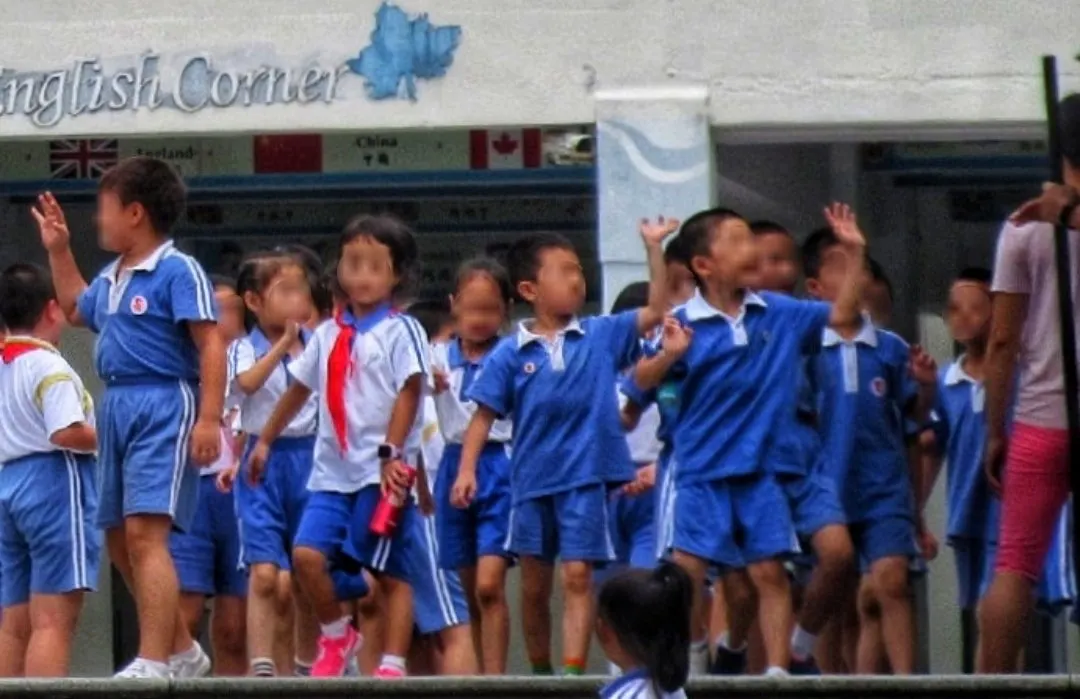
In China, the class head carries a load that goes far beyond teaching one subject. The role means watching over one class all year, guiding behavior, talking with parents and handling problems as they arise. Reports on Chinese social media have asked why so many class heads feel burned out, and this teacher’s story is now part of that debate. The title of one trending discussion said it plainly. Class heads are burning out. The work is constant, as in a four day visit abroad, and the emotional weight is rarely seen, as in a quiet moment in Berlin.
Burnout Behind the Veteran Teacher Resignation
Burnout does not arrive in a single day. It builds slowly through early mornings, long hours, endless marking and the daily effort of managing a room full of young people. A teacher can love the work and still run out of strength, because caring deeply takes energy that rest alone cannot always restore. When burnout sets in, small problems feel large and patience wears thin. That slow drain explains this resignation, as in a call for Americans to have more babies, and it is a warning sign schools should not ignore, as in words about honor that lingered.
What the Online Debate Is Saying

Once the story reached social media, readers began to argue about what it meant. Some blamed the student and said respect for teachers has fallen too far. Others said schools must give teachers more help with discipline instead of leaving them to cope alone. Many simply shared the story with a sad face and a few kind words. The debate shows how one classroom moment can open a national talk, as in a dream role after twenty years, and how quickly a local story can travel, as in intelligence shared with Iran.
Who Is Left After a Veteran Teacher Resignation
If experienced teachers keep leaving, schools face a serious question. Who is left to do one of the hardest jobs in a school. Teaching needs people who know their subject, understand young people and can hold a room together through long days. Those skills take years to build, and they are lost each time a veteran teacher walks away. Replacing that experience is slow and costly. The worry is real, as in a claim about public office, and it is shared by parents and school leaders alike, as in a trial exchange about interruptions.
Children Need Boundaries as Well as Care
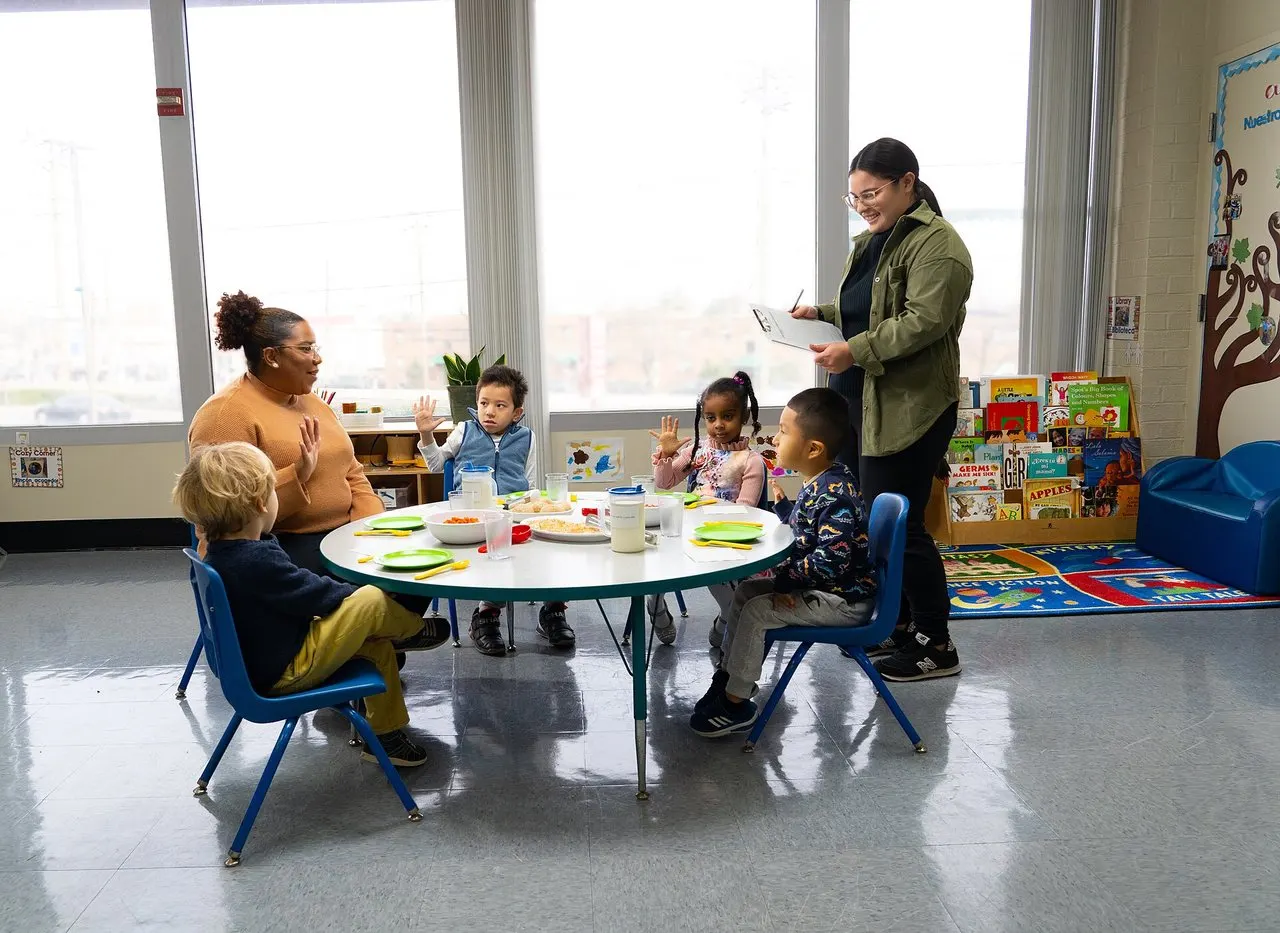
Children need understanding, but they also need boundaries. A classroom works best when students know the rules, respect the teacher and feel cared for at the same time. Boundaries are not punishment. They are the lines that keep learning safe and fair for everyone in the room. When a student crosses those lines again and again, the whole class pays the price. Holding firm takes support from home and school, as in a company searching for a leader, and it works best when parents and teachers stand together, as in a debate about hiring and fairness.
A Teacher Should Not Choose Between Discipline and Wellbeing

No teacher should have to choose between keeping order and protecting his own wellbeing. Discipline and care are not opposites. A teacher who is rested and supported can be both firm and kind, while a teacher who is exhausted must spend all his energy just getting through the day. Schools need to give teachers real backing, from clear rules to help with difficult students. That support protects everyone, as in a warm greeting during a conflict, and it keeps good teachers in the job longer, as in a moment caught on camera at a concert.
The Wider Conversation About Respect
The conversation around this story goes beyond one school in Hunan. In many places, people are asking how teachers should be treated and what respect looks like in a modern classroom. Some say students need clearer rules. Others say teachers need more training and support. Most agree that shouting and defiance help no one. A respectful classroom takes effort from students, parents and teachers alike, as in a game fans waited thirteen years for, and it starts with small daily acts of listening, as in a fight over how children are used.
What Veteran Teacher Resignation Means for Schools
For schools, this resignation is a warning worth hearing. When a teacher with years of experience leaves in tears, it tells leaders that something in the system is not working. Schools need to look at workloads, early starts, class sizes and the help available when discipline breaks down. Keeping good teachers is not only about pay. It is about time, respect and real support. Leaders who listen can change things, as in lawmakers pushing back on arrests, and schools that act early keep their best people, as in a post compared to a nursing home scene.
How Parents Can Support Teachers

Parents have a large part to play in supporting teachers. A short note of thanks, a fair hearing when a teacher raises a concern and a talk at home about respecting the classroom can make a real difference. When parents and teachers work as partners, students see that the adults in their lives agree on what matters. That shared message helps children learn faster and behave better. Simple support costs little, as in a daughter sharing news about her father, and it can mean a great deal to a tired teacher, as in a story of prayer and grief.
Lessons From a Veteran Teacher Resignation in Hunan
There are clear lessons in this story from Hunan. Early mornings and long hours can wear down even the strongest teacher. Warnings only work when students and parents back them up. And a teacher who feels alone in his classroom will one day reach a limit. None of these lessons call for blame. They call for better support, clearer rules and more respect for the people who teach. Schools that learn from this story, as in a speedrun that made history, will be stronger for it, as in a meeting that drew sharp words.
Why This Story Spread So Widely
The story spread widely because it is easy to understand and hard to forget. A teacher who gave his days to his students, a student who would not listen and a room full of parents watching a grown man cry. Readers shared it because they saw their own teachers, their own children or themselves in the scene. Strong feelings travel fast online, as in a legend about a giant snake, and this story had the kind of honest emotion that people pass on, as in a hold over a hearing answer.
The Human Cost of a Veteran Teacher Resignation
Behind the headlines sits a simple human cost. A teacher in his fifties spent years waking early, working long hours and guiding young people, only to leave his post in tears at a parent meeting. That ending stays with him, and it stays with the students who watched it happen. Careers should not end this way. When we talk about the cost of teaching, this is what we mean, as in a president flying economy class, and it is a cost that better support could have eased, as in a professor and her family.
What Happens Next for the Class
The class this teacher leaves behind must now adjust to a new face at the front of the room. Students will have questions, and the new teacher will need time to learn their names, their strengths and their needs. Change is never easy in a classroom, but young people are more resilient than adults often think. With steady support from the school and from parents, the class can settle again, as in time with kids over things, and the students can still reach the graduation their teacher had hoped to see, as in a senator taking on a billionaire.
What Would You Say After a Veteran Teacher Resignation

If you could speak to this teacher now, what would you say. Would you thank him for the early mornings and the long hours, or would you tell him that his students will remember his care long after the hard days fade. Teachers rarely hear how much they matter until it is too late. Share your thoughts in the comments below and tell us about a teacher who gave more than the job asked, as in a mother’s emotional plea, and about what schools can do to keep good teachers, as in a lonely dog who carried blankets.