The Emma Watson Boycott Pledge That Has Film Talking
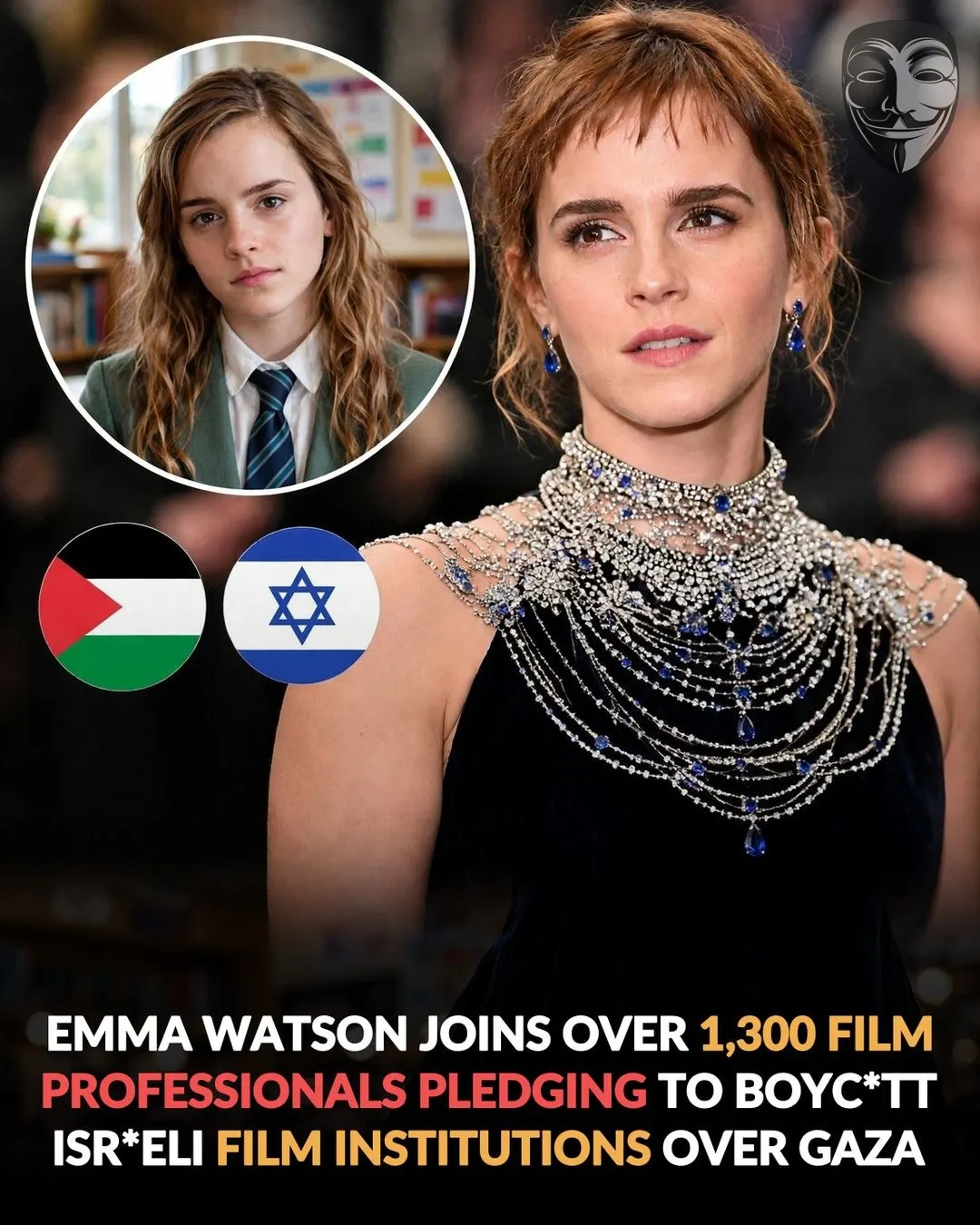
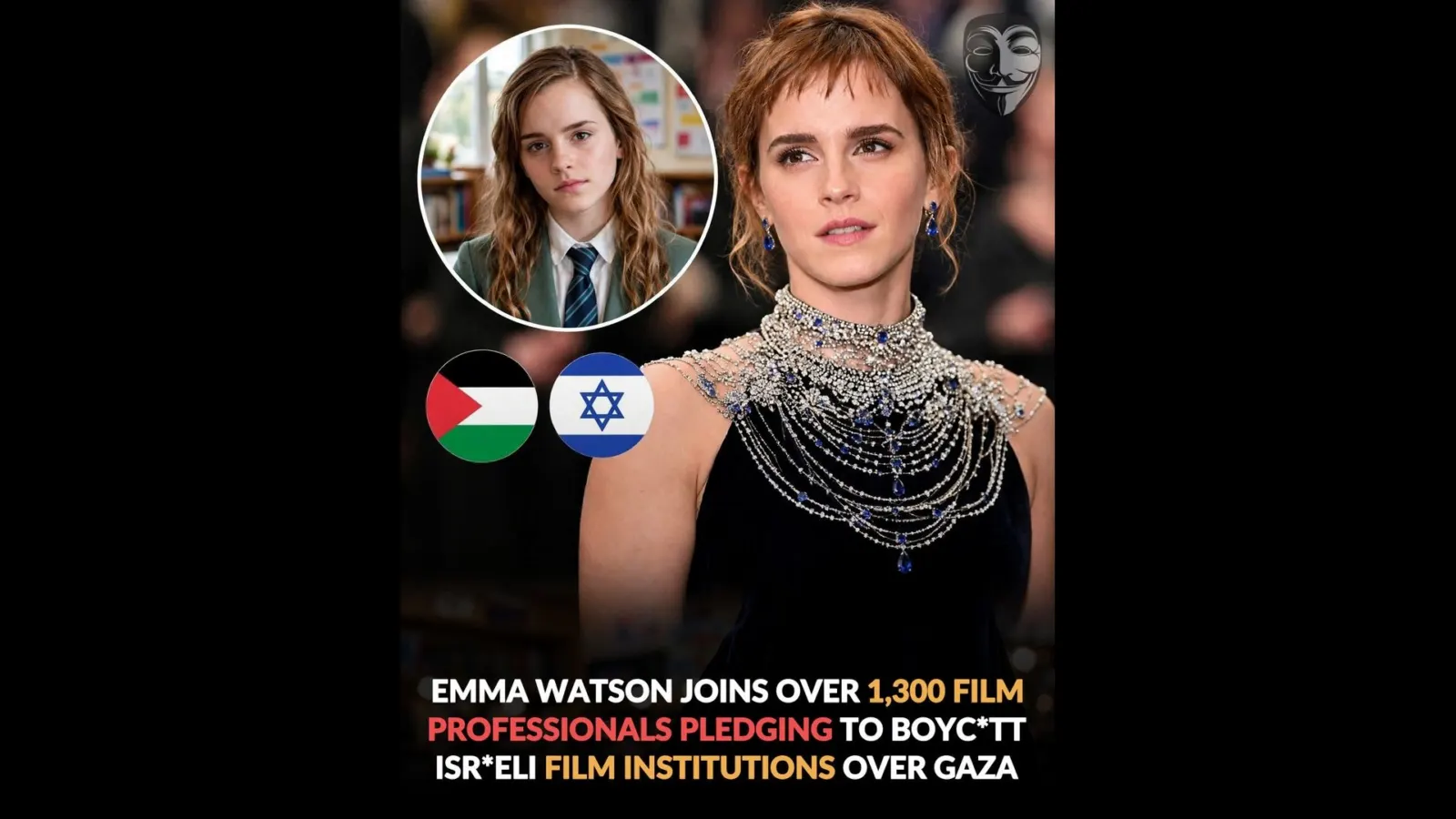
The Emma Watson boycott pledge has put one of the most famous actresses in the world at the center of a growing debate in the film industry. More than 1,300 film professionals have signed a pledge organised by Film Workers for Palestine, and Watson is reported to be among them. The pledge asks film workers to refuse work with Israeli film institutions over the conflict in Gaza. The story has spread quickly because Watson is known around the world, and her reported support has brought new attention to a campaign that began with working film professionals.
Watson is best known for playing Hermione Granger in the Harry Potter films, and she has spoken out on humanitarian causes. Her reported support has renewed debate about artistic freedom, cultural boycotts, and the influence celebrities can have when they speak out on political issues. The pledge is part of a broader movement urging professionals across the entertainment industry to reconsider working with institutions they believe have ties to Israeli government policies. As the movement gains visibility, it remains a topic of discussion in film. Read more in the wider Gaza debate and our report on the children of Gaza.
References:
Variety: Emma Watson, Olivia Colman Among 1,300 Film Figures Pledging to Boycott Israeli Film Institutions
The Guardian: Emma Watson among 1,300 film workers pledging not to work with Israeli film institutions
Deadline: Emma Watson Joins 1,300 Film Workers Pledging To Boycott Israeli Film Institutions
Al Jazeera: Emma Watson joins 1,300 film workers in pledge to boycott Israeli cinema
From Hermione Granger to a Global Star
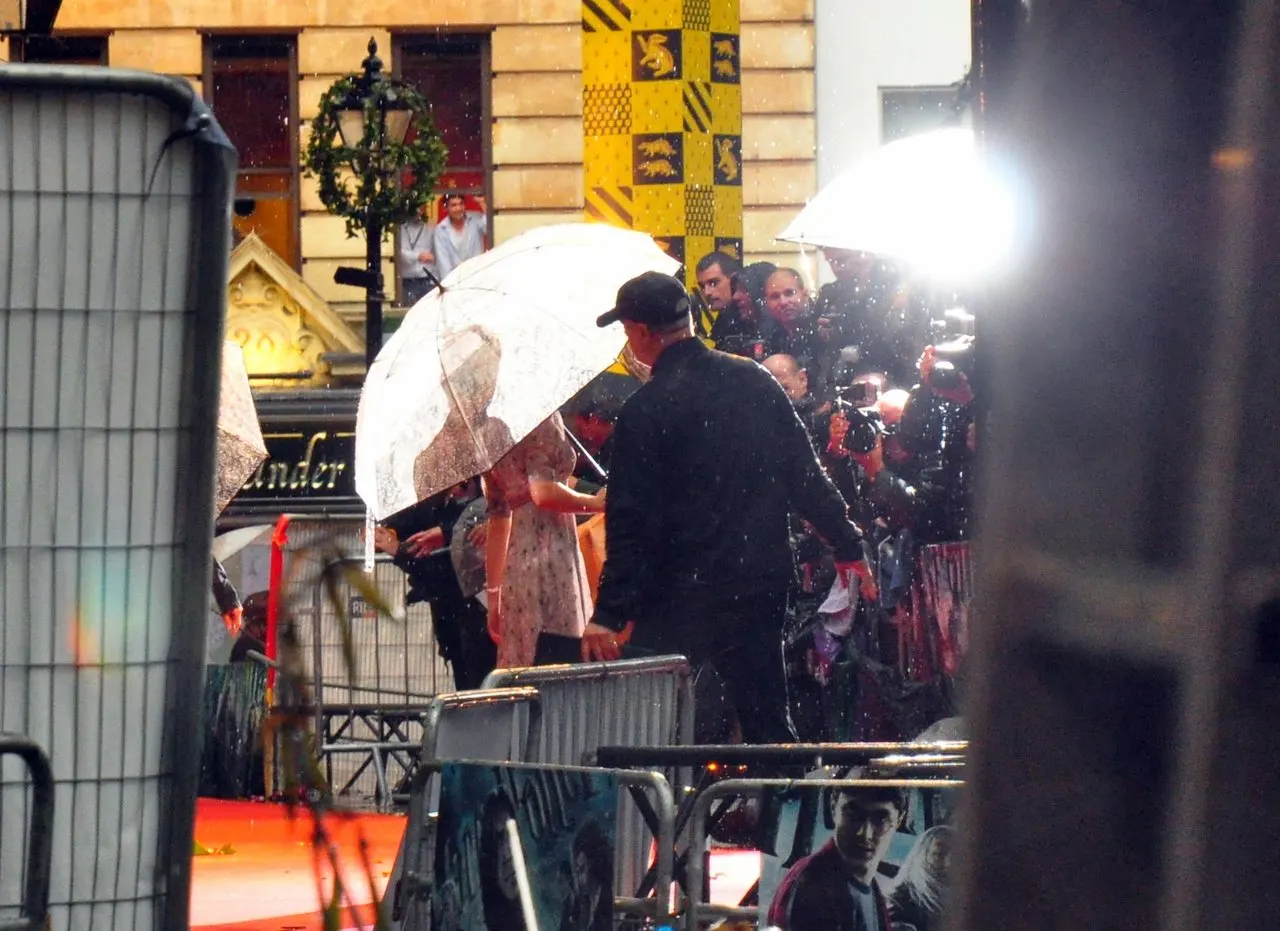
Emma Watson first became famous as a child playing Hermione Granger in the Harry Potter films, a role she carried through eight movies. Millions of people grew up watching her on screen, and that early fame gave her a platform few actors ever enjoy. Since then she has taken varied film roles and built a public voice on equality and humanitarian causes. Her path from child star to outspoken adult shaped how people see her. Read about another long wait for a dream in a long wait for a dream role and a reminder to follow role models worth following.
What the Emma Watson Boycott Pledge Actually Says
The pledge at the center of the story was organised by Film Workers for Palestine, a group of film workers who came together over the conflict in Gaza. Those who sign promise not to work with Israeli film institutions, including festivals, cinemas, and bodies they link to Israeli government policies. The idea is simple, and it puts pressure on institutions rather than on individual artists. Signatories do not have to stop making films, only to choose where they work. Read about a greeting between leaders for more on how public stands travel.
The Emma Watson Boycott and What It Asks Workers to Refuse
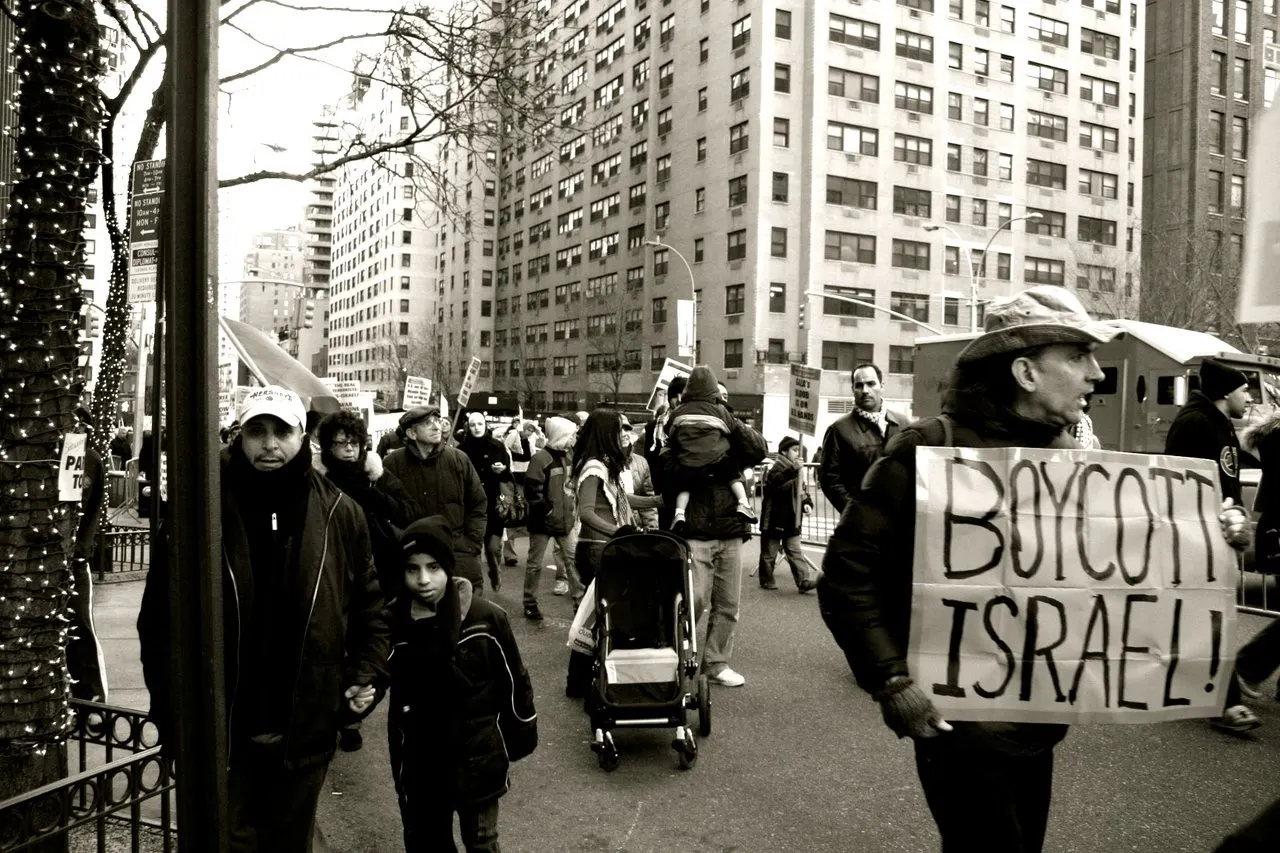
Signing the pledge means turning down work with certain film institutions, which can be a real sacrifice for people who make their living in the industry. Festivals, funding bodies, and cinemas are part of how films reach audiences, so refusing them is not a small step. Supporters say the refusal is the whole point, because it shows that institutions cannot carry on as normal while the conflict continues. Critics say it punishes culture instead of politics. See a day that celebrates role models for other stories about people taking a stand.
Olivia Colman and the Other Big Names on the List
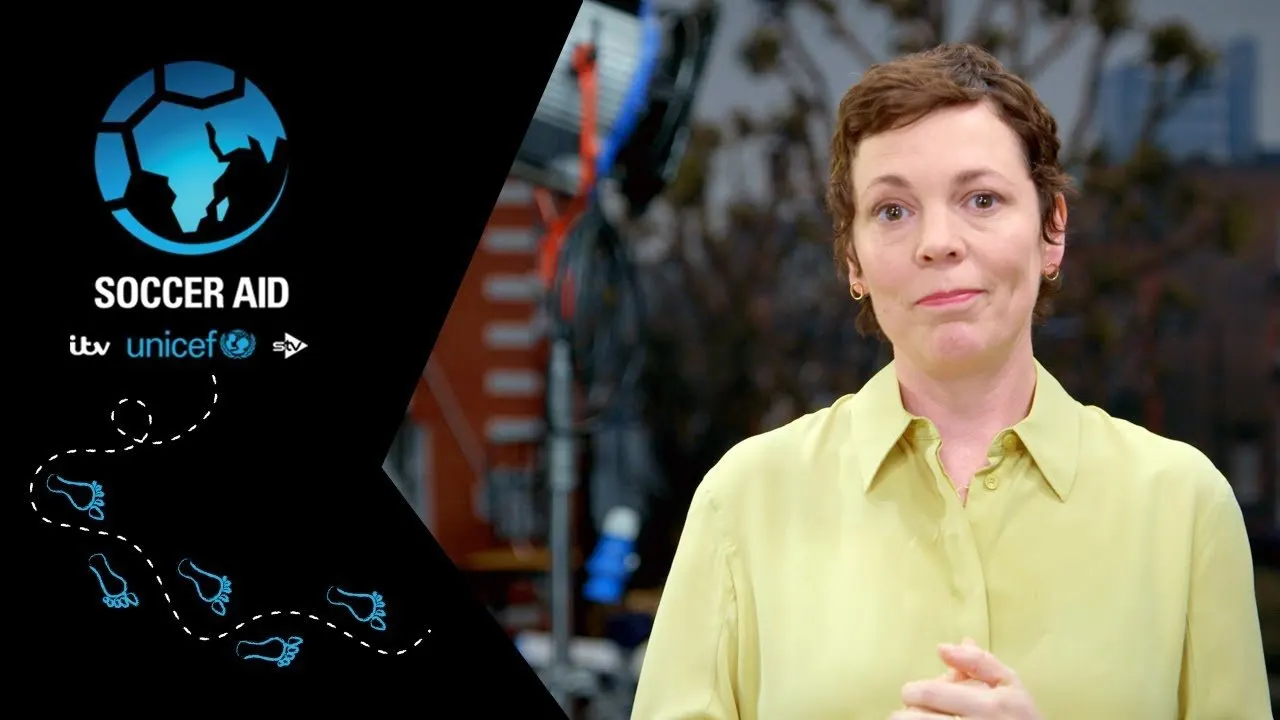
Emma Watson is not the only well known name on the pledge, and the list includes actors, directors, writers, and crew from many countries. Olivia Colman, an Oscar winning actress known for The Crown, is among the most prominent signatories named. The Guardian and Variety both noted her name alongside Watson when the pledge became public. Two widely loved British stars on the list gave the campaign far more attention than unknown names would have. Read about an ad during Sunday Night Football for more on public figures in the news.
How the Emma Watson Boycott List Grew Past 1,300
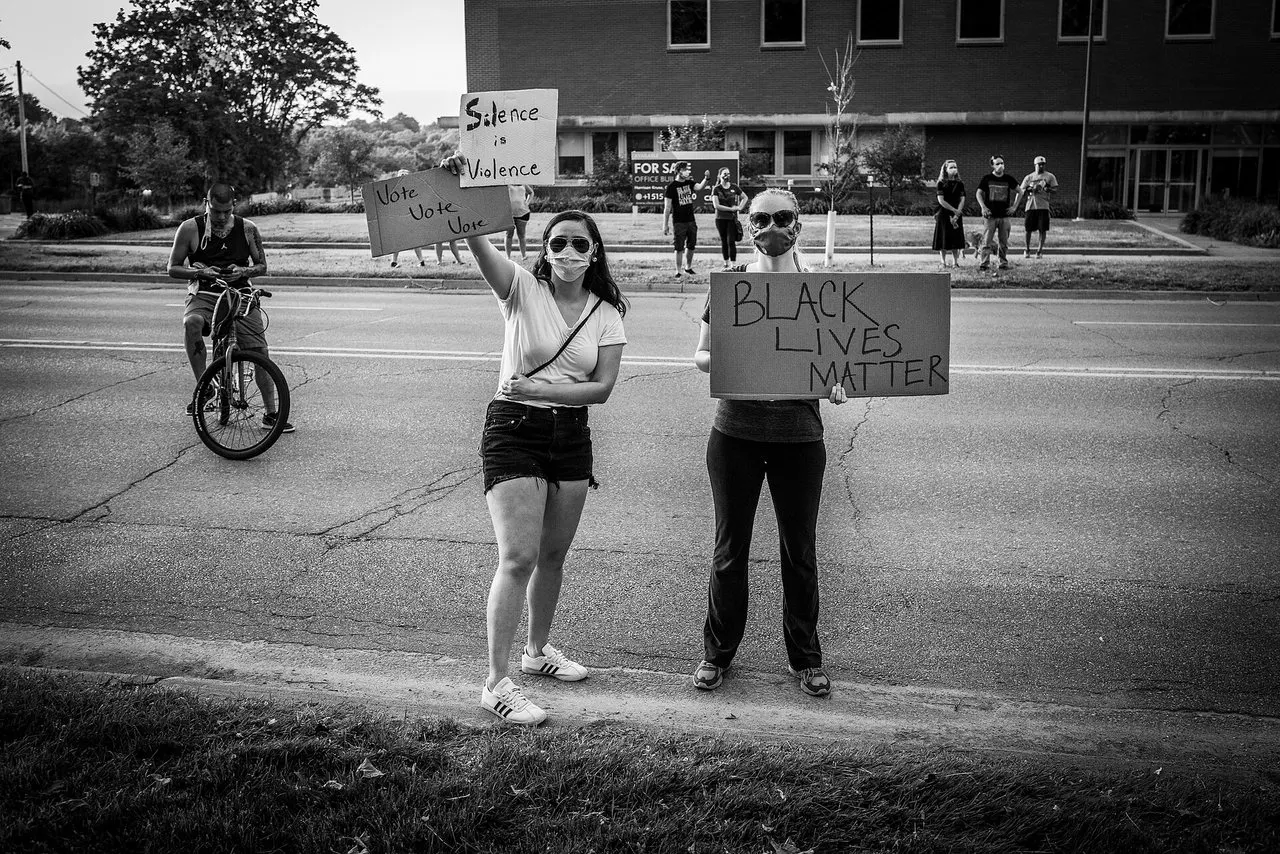
The pledge began with a smaller group and grew as word spread through the industry, passing 1,300 names as more professionals added their support. People in film talk to each other, and a pledge like this travels through crews and festivals. Each new name made the next signature easier, because joining a large group feels safer than standing alone. The number itself became part of the story, showing this was not a handful of voices but a broad slice of the industry. See Brexit and its fallout for more on movements that grew.
Gaza and the Conflict Behind the Pledge
The pledge is a response to the ongoing conflict in Gaza, where the war has caused widespread destruction and a humanitarian crisis. Film Workers for Palestine say Israeli film institutions are linked to government policies they oppose, and they want the industry to stop treating those ties as normal. The conflict has divided opinion around the world, and the film world is no exception. The pledge comes from anger and grief over what is happening in Gaza. Read another Gaza debate and our story about Gaza children for more on the human side of the story.
What a Cultural Boycott Means in Practice

A cultural boycott means refusing to take part in the cultural life of a place or its institutions, and it has been used in campaigns. Supporters argue that culture is not separate from politics, and that festivals and films give a country a friendly face abroad. By withholding that, they hope to push leaders to change course. Others argue that art should stay open to everyone, even in hard times. The most famous example was the boycott of South Africa during apartheid. See a stand in Washington for more on stands that divided opinion.
The Emma Watson Boycott and the Question of Artistic Freedom
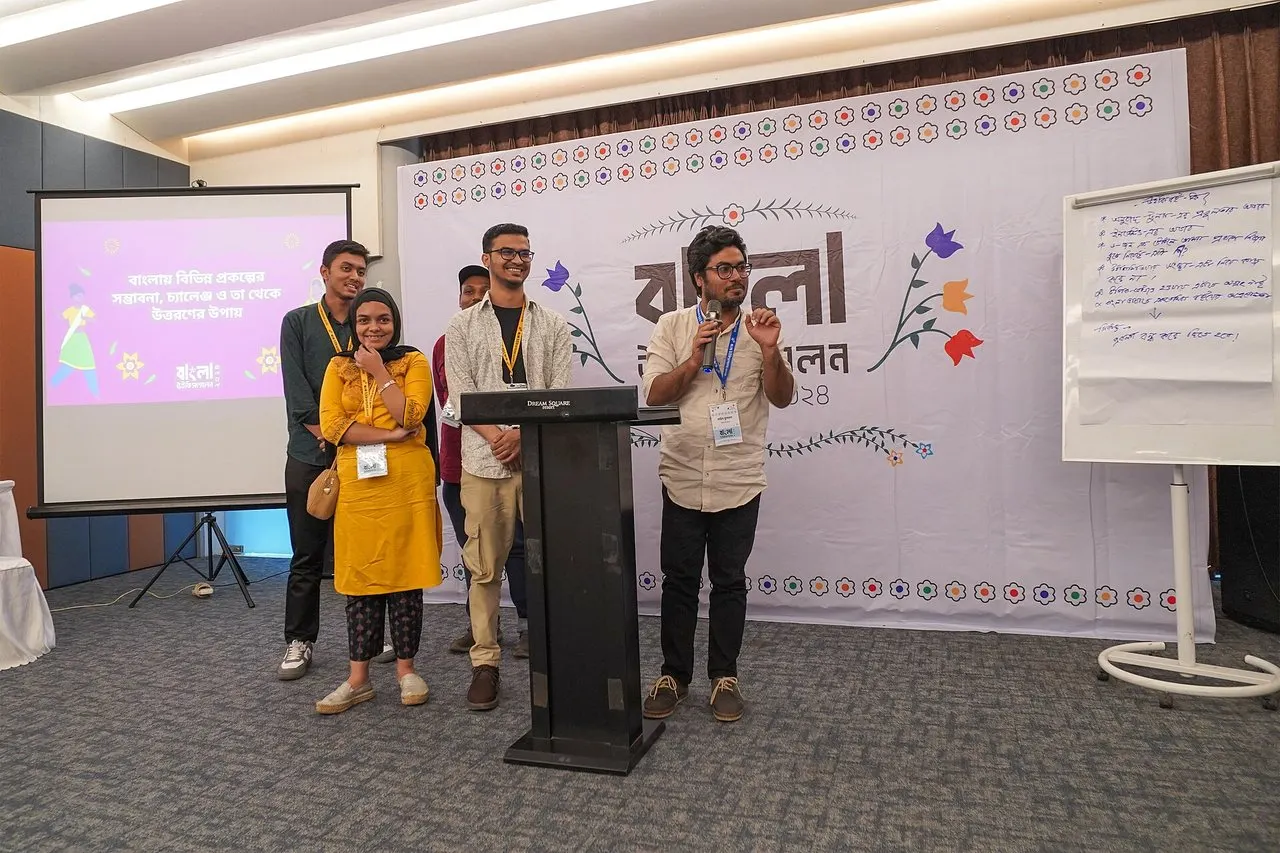
One of the sharpest debates around the pledge is about artistic freedom, and both sides claim to defend it. Supporters say artists should be free to refuse work they believe is wrong, and that no one should be forced to work with institutions they oppose. Critics say a boycott pressures other artists to stay away too, which limits free choice in the other direction. The same tension has appeared in many cultural rows before, and it rarely has a simple answer. Read about the free speech debate for more on freedom and creativity.
When a Famous Face Joins a Cause
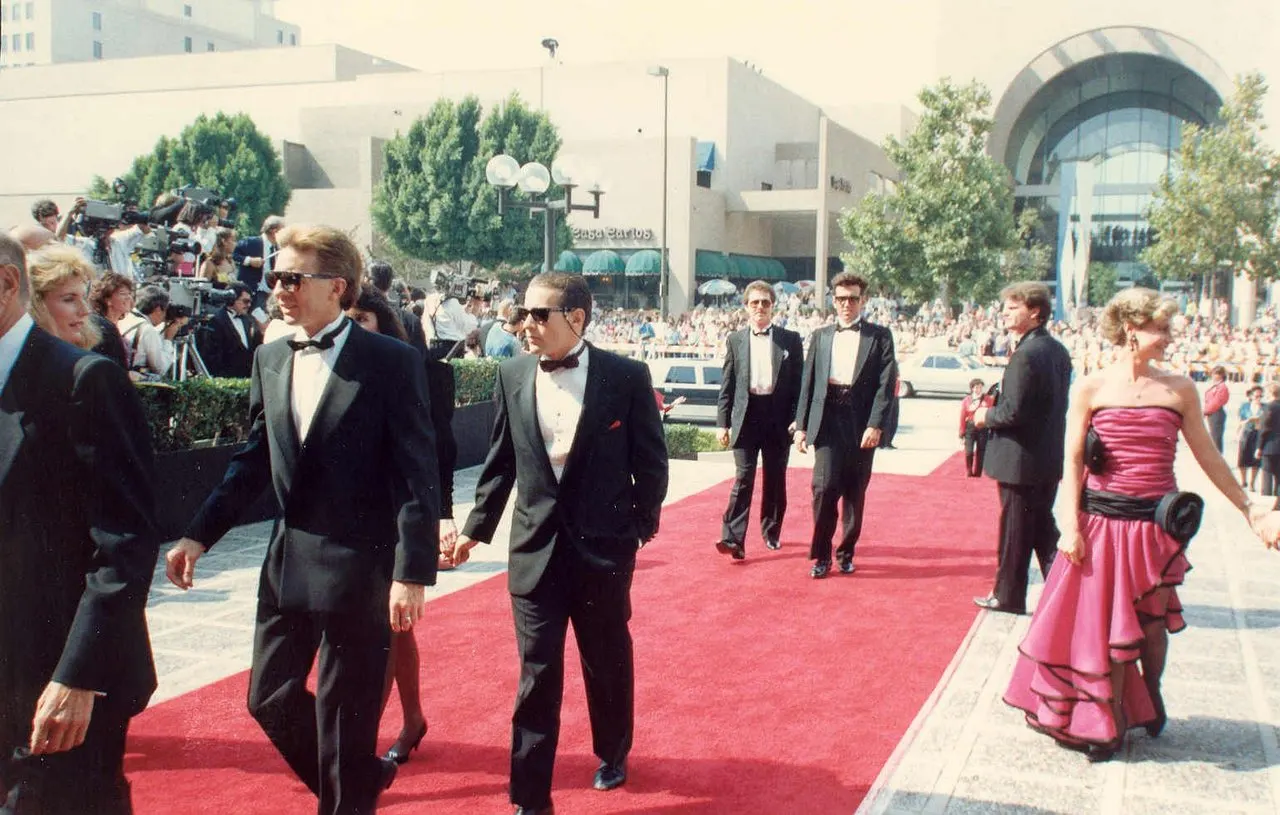
Celebrities can change a story overnight, because their names travel further than a campaign alone ever could. When Watson was reported to have signed, the pledge moved from film industry news into newspapers and social feeds worldwide. That is the power of fame, and it is also why critics watch famous signatories so closely. Some say stars should use their platform for good, while others say they should stay out of politics. Either way, a famous name makes people pay attention. See a speech that drew crowds for more on public figures and their choices.
Film Festivals and the Institutions in Focus
Film festivals are where the pledge bites hardest, because festivals are the shop window of the film world. A premiere at a major festival can launch a career, win awards, and find an audience. The pledge asks signatories to avoid Israeli festivals and institutions, which supporters say keeps the focus on policy rather than on people. Festival directors, in turn, say their events are about films and audiences, not governments. The argument over festivals is likely to run for a long time. Read about an actor chasing a role for more on the film world.
The Emma Watson Boycott Divides Opinion in Film
Inside the film industry, the pledge has split opinion, and the split runs through studios and festival offices. Some filmmakers call it a moral duty and a peaceful way to press for change. Others call it unfair, saying it targets artists and audiences who have no say in government policy. Many more stay quiet, unsure which side will cost them work or friends. That silence is part of the story too, because it shows how hard it is to speak out. See a senator who refused to vote for more on divided opinion.
Watson and Her Work With the United Nations
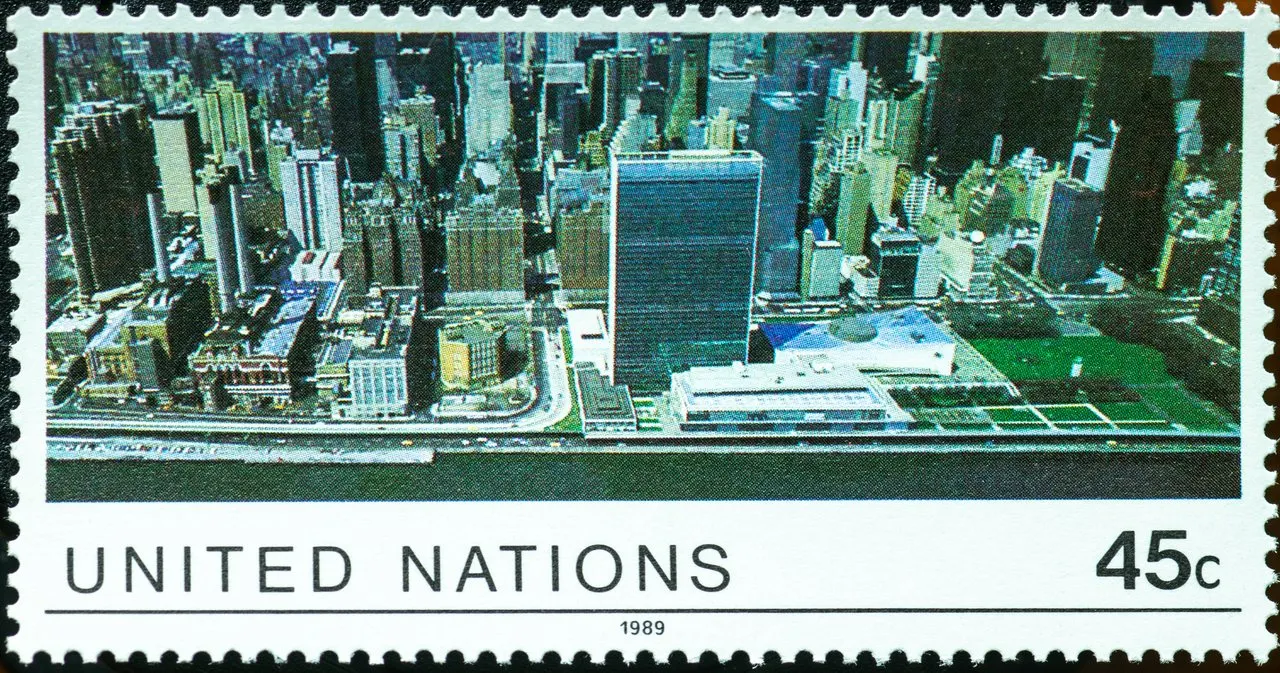
Watson has a long record of public advocacy, and her best known work outside acting is with the United Nations. In 2014 she became a UN Women Goodwill Ambassador and launched the HeForShe campaign, which asks men and boys to stand up for gender equality. She has spoken at the United Nations headquarters in New York and has worked on education and rights for girls. That history helps explain why her reported support for the pledge surprised few people who follow her work. Read Bradbury and his warning for more on public voices.
Harry Potter Fame Gave Her a Huge Platform

The Harry Potter films made Watson famous around the world before she was a teenager, and the series still shapes how audiences see her. Hermione Granger was the clever, brave heart of the story, and many fans grew up with the character. That bond gives Watson a rare kind of influence, because people who loved her as Hermione still listen to her as an adult. It also means her choices are watched more closely than most. See moving forward with gratitude for more on role models.
The Emma Watson Boycott as The Guardian Reported It

The Guardian was among the first major newspapers to report the pledge, with the headline that Emma Watson was among 1,300 film workers pledging not to work with Israeli film institutions. The paper set out the aims of Film Workers for Palestine and named other signatories, including Olivia Colman. Coverage in a paper like The Guardian matters, because it takes a campaign from industry circles to a wide readership. Other outlets followed, and the story soon ran around the world. Read about a debate about free speech for more on stories that travelled far.
What Variety Reported About the Signatures

Variety, the leading trade paper of the film business, reported that Emma Watson and Olivia Colman were among 1,300 film figures pledging to boycott Israeli film institutions. When a trade paper covers a pledge, the industry itself is paying attention, because Variety is read in studios, agencies, and festival offices. Its report gave the campaign a weight that social media alone could not. The story was then picked up by other film outlets and by newspapers far beyond Hollywood. See a Bond dream that lasted years for more on the entertainment world.
What Deadline Reported About the Pledge

Deadline, another major Hollywood trade outlet, reported that Emma Watson had joined 1,300 film workers pledging to boycott Israeli film institutions. Its headline put Watson first, which shows how much her name drives the story. Trade coverage like this reaches the people who hire crews, fund films, and book festivals, so it shapes how the industry talks about the pledge in private. The report also underlined that the list spans many roles, not just stars. Read a debate about robots for more on news that moved fast.
What Al Jazeera Reported About the Story
Al Jazeera reported that Emma Watson had joined 1,300 film workers in a pledge to boycott Israeli cinema, bringing the story to audiences across the Middle East and beyond. Its coverage placed the pledge in the wider context of the conflict in Gaza and the global debate over cultural boycotts. For many readers, Al Jazeera was their first introduction to the campaign, and its report helped the story travel to places where Hollywood trade papers are rarely read. Read a writer who warned us for more on stories that crossed borders.
The Emma Watson Boycott Reaction Online

Online, the reaction to the pledge has been loud and divided, much like the debate in the film world itself. Supporters praised Watson and the other signatories, calling the pledge a brave and peaceful stand. Critics accused the signatories of singling out one country and of mixing art with politics. Social media amplified both sides, and the story spread through shares, clips, and comment threads within hours. That online storm is now part of how the pledge is remembered. See a memorable Michigan speech for more on public reaction.
What Happens Next for the People Who Signed

For the people who signed, the next step is living with the choice, and that can mean turning down jobs or facing questions from colleagues. Some signatories may find new doors open with filmmakers who share their views, while others may lose work with festivals or producers who disagree. Pledges like this often grow or fade depending on what happens next in the wider conflict. What is certain is that the list will keep being discussed in the industry for some time. Read a shutdown stand for more on choices with consequences.
Other Corners of Entertainment Are Watching Closely
Film is not the only part of entertainment watching this pledge, because music, theatre, and publishing have faced similar questions. Artists in other fields have signed their own letters and pledges over Gaza, and each one adds to a wider cultural debate. When film workers act together, musicians and writers take note, and some follow with their own statements. The result is a broader conversation about what artists owe to their audiences and to their conscience. See a change for city workers for more on change across industries.
The Emma Watson Boycott Debate Inside Hollywood
In Hollywood, the debate over the pledge touches money, careers, and friendships, which is why so many people speak about it only in private. Studios work with partners around the world, and a boycott can complicate deals that took years to build. At the same time, many younger filmmakers say they want an industry that stands for something beyond profit. The tension between business and belief is an old one in Hollywood, and this pledge has brought it back into the open. Read free speech questions for more on hard debates.
Boycotts Have a Long History in the Arts
Cultural boycotts are not new, and artists have used them in many causes over the past century. The boycott of South Africa during apartheid is the best known example, and musicians, actors, and writers played a visible part in it. Supporters of the film pledge point to that history and say peaceful pressure can work. Critics reply that every case is different, and that what worked in one place may not work in another. History gives both sides something to quote. See the wider Gaza debate for more on long running rows.
The Emma Watson Boycott Story So Far

So far, the story has moved from a pledge among film workers to a global news event, driven by the names on the list and the debate it started. Reports from The Guardian, Variety, Deadline, and Al Jazeera have carried it to millions of readers. The number of signatories, the response from festivals, and the reaction online will decide whether the pledge grows or fades. For now, it remains one of the most talked about stories in the film world. Read our report on children caught in the conflict for more.
What Do You Think of the Emma Watson Boycott Pledge?
This pledge has asked the film world a hard question, and readers have strong views on both sides. Do you think artists should refuse work with institutions they oppose, or should film stay open to everyone no matter the politics? Would you sign a pledge like this if your job depended on it, or do you think boycotts hurt the wrong people? Share your thoughts in the comments below, and tell us what you would ask Emma Watson if you could. Read how crowds react to a speech while you think it over.