Gaza Children and the Message That Moved Readers
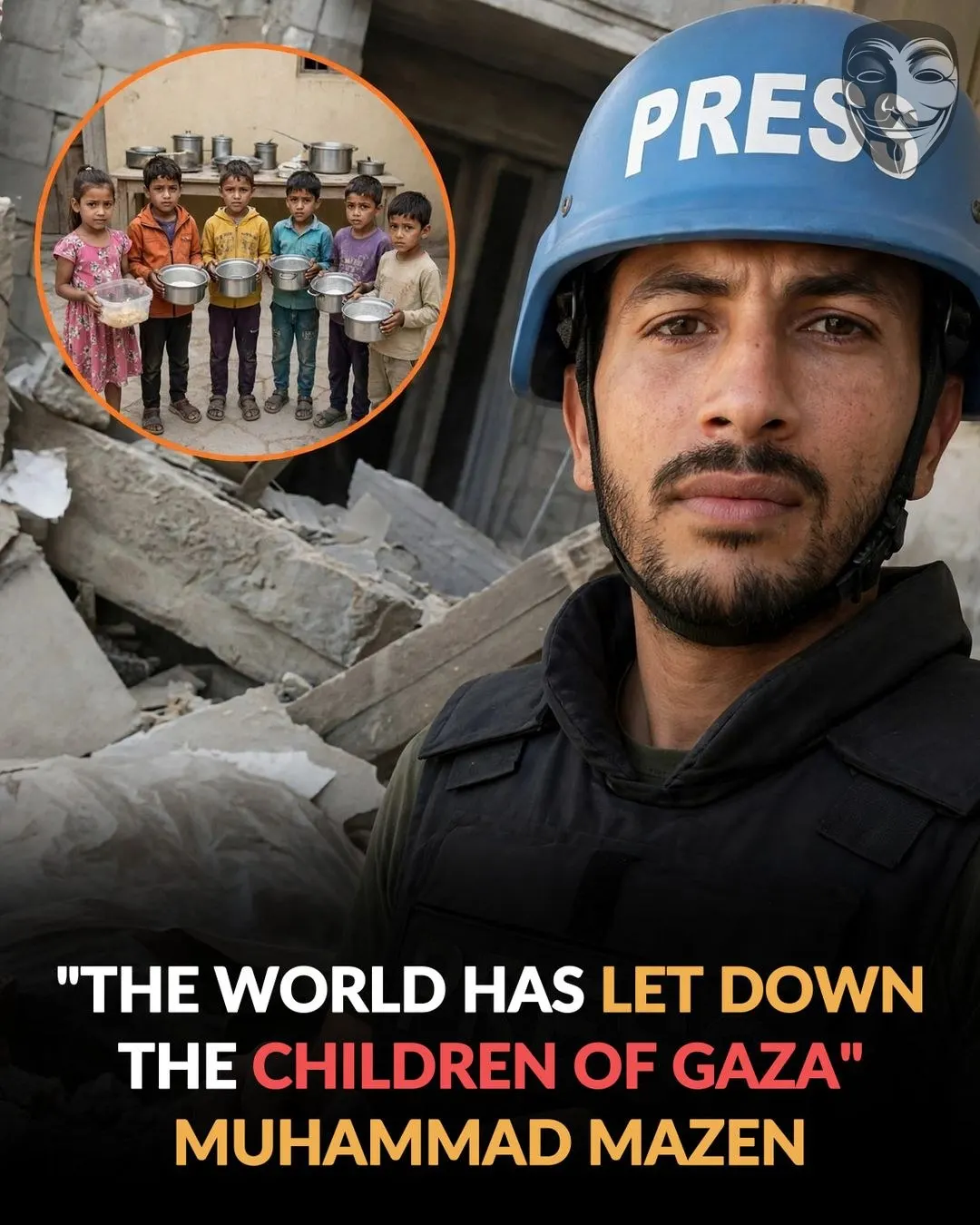
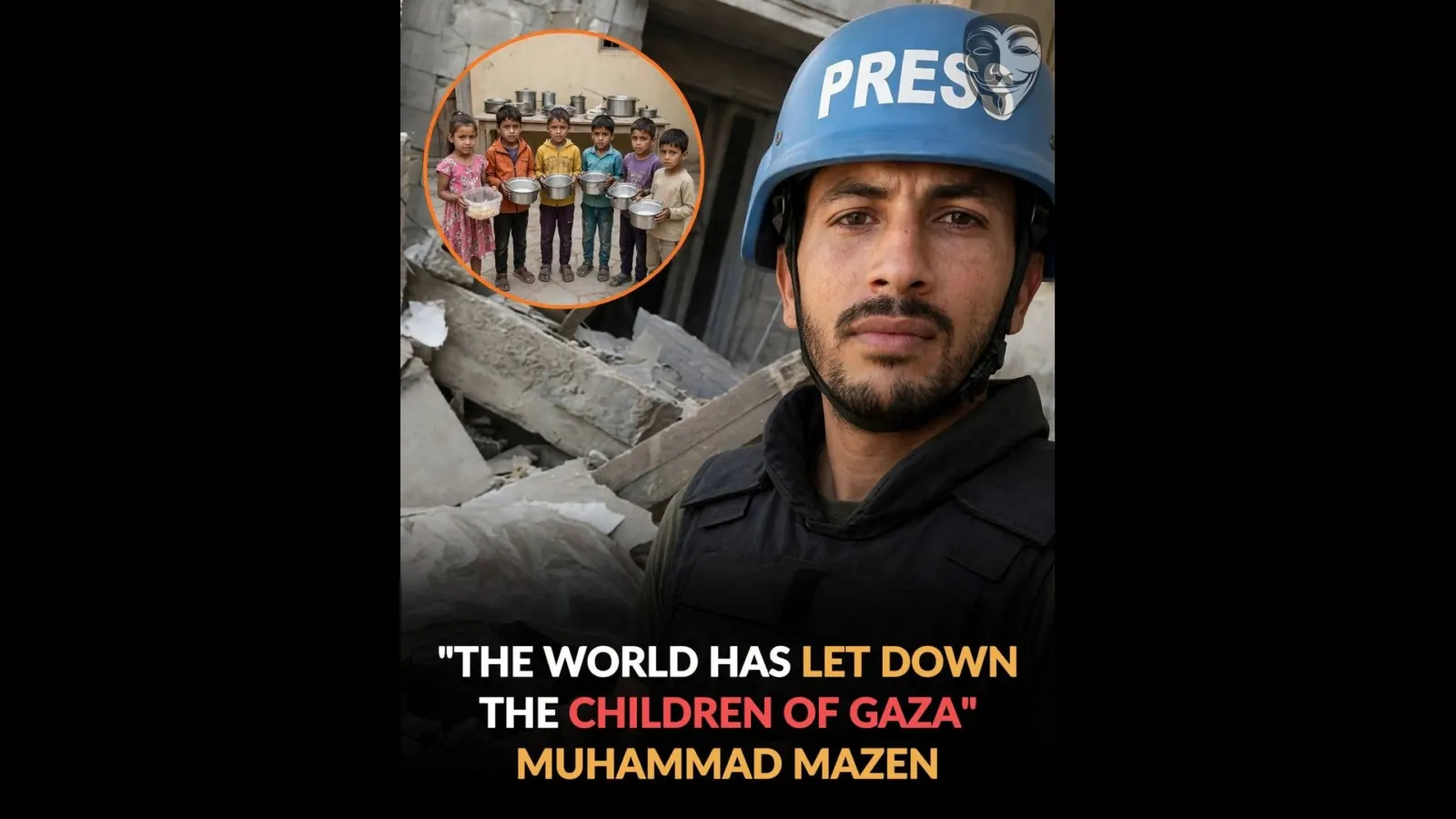
Gaza children are at the centre of a short message that travelled far beyond one social media account. On November 20, Palestinian journalist Muhammad Mazen shared a brief post on X, writing that the world has failed the children of Gaza. His words drew wide attention online, and many readers shared his concern for Palestinian children and families living through the ongoing humanitarian crisis. The message was short, but it gave voice to a worry that many people already felt.
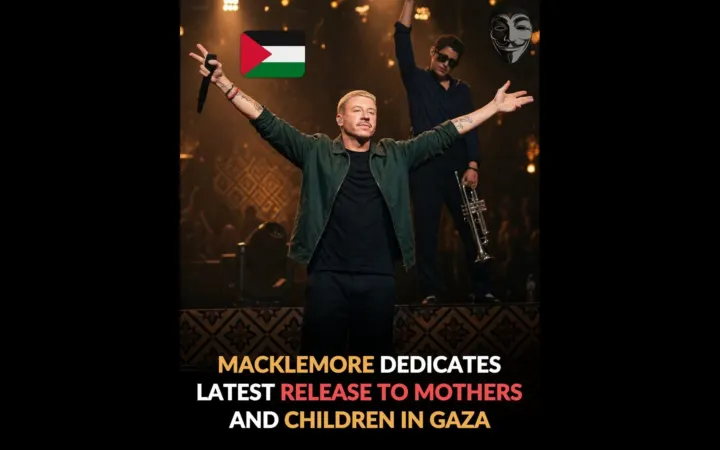
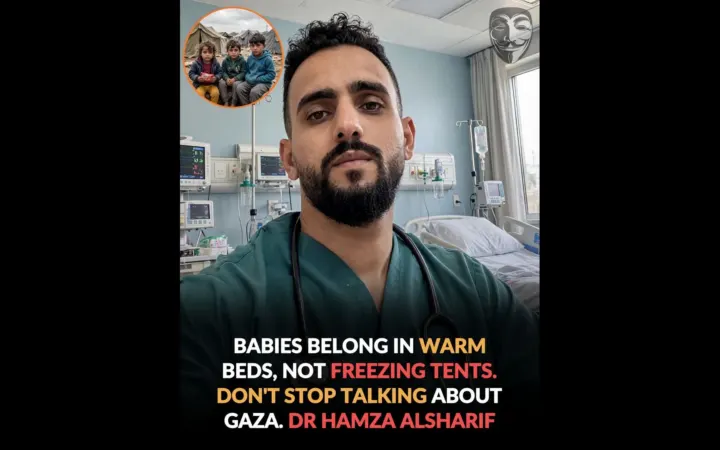
Children remain among the most vulnerable people in Gaza, and Mazen’s post has renewed questions about what the international community is doing to protect civilians and deliver meaningful support to those in need. In the slides ahead, we look at his message, the winter rains that have flooded shelters, and the aid groups working to help families. You can also read a song dedicated to mothers and children in Gaza and our report on babies in freezing tents for more on the families at the heart of this story.
References:
UNICEF: Three children k*lled as heavy rains batter displaced families in Gaza
UNICEF USA: Children’s Lives at Risk as Heavy Winter Rains Flood Shelters in Gaza
ABNA: UNICEF warns of growing winter risks for children and displaced families in Gaza
Save the Children: GAZA After 1000 Days of Conflict, Gaza’s Children Dream of Home and a Better Future Despite the World’s Failure
A Short Message Shared on November 20
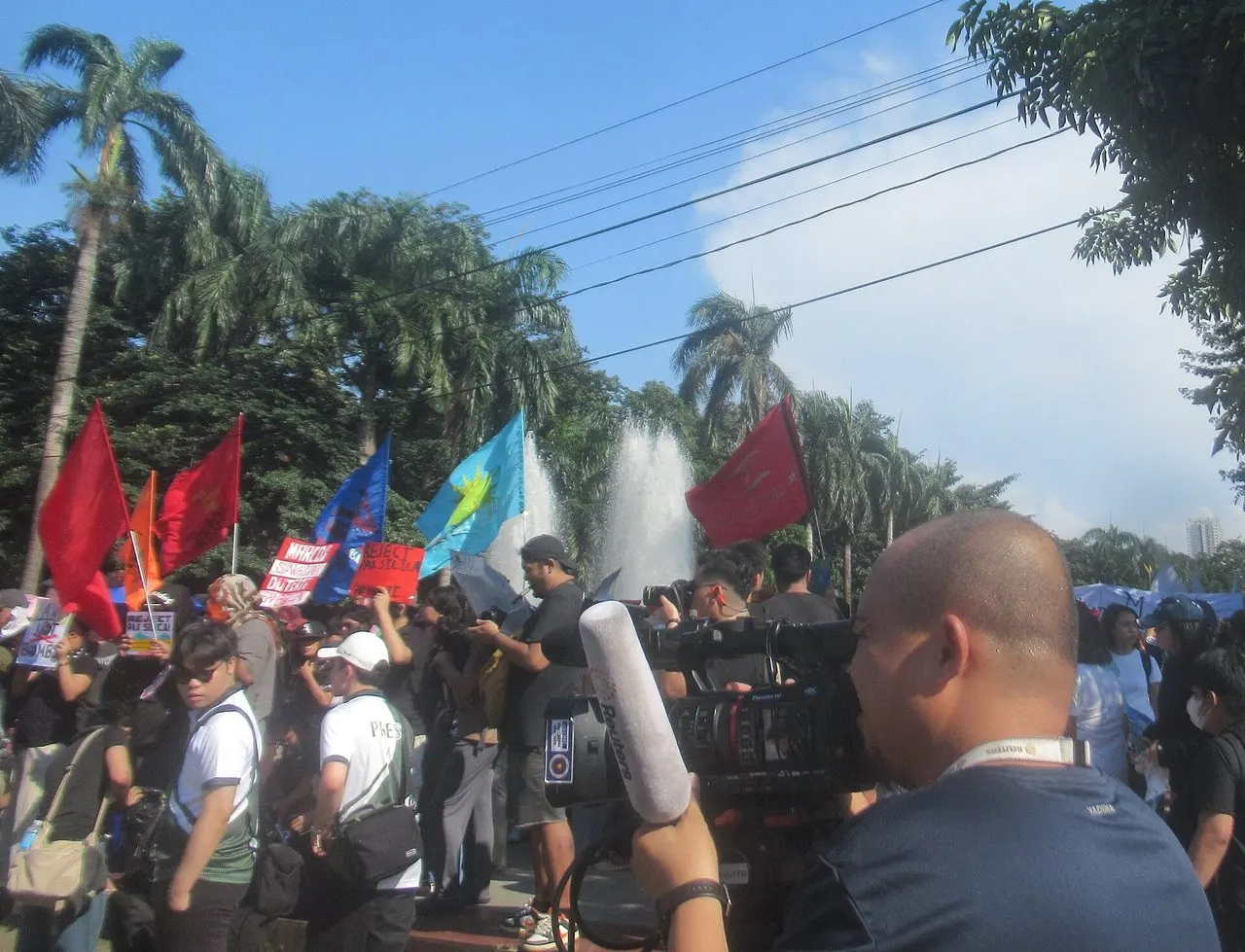
On November 20, Mazen shared a short message on X, writing that the world has failed the children of Gaza. The post was brief, but its meaning was clear, and it quickly drew wide attention online. Many readers shared his concern for Palestinian children and families living through the ongoing humanitarian crisis. His words gave a name to a feeling that had been growing for a long time. For more on the strong feelings around Gaza, read the debate over strong words about Gaza on our site.
Who Is Muhammad Mazen
Muhammad Mazen is a Palestinian journalist who has criticised the international community over its response to the suffering of children in Gaza. His work brings the daily lives of families in Gaza to readers far away, and his short post on November 20 showed how a few honest words can travel around the world. Journalists in Gaza report from places where the news is close to home, and their voices help the rest of the world understand what families are living through. Read a heated debate about Gaza for more context.
What the World Has Failed to Do
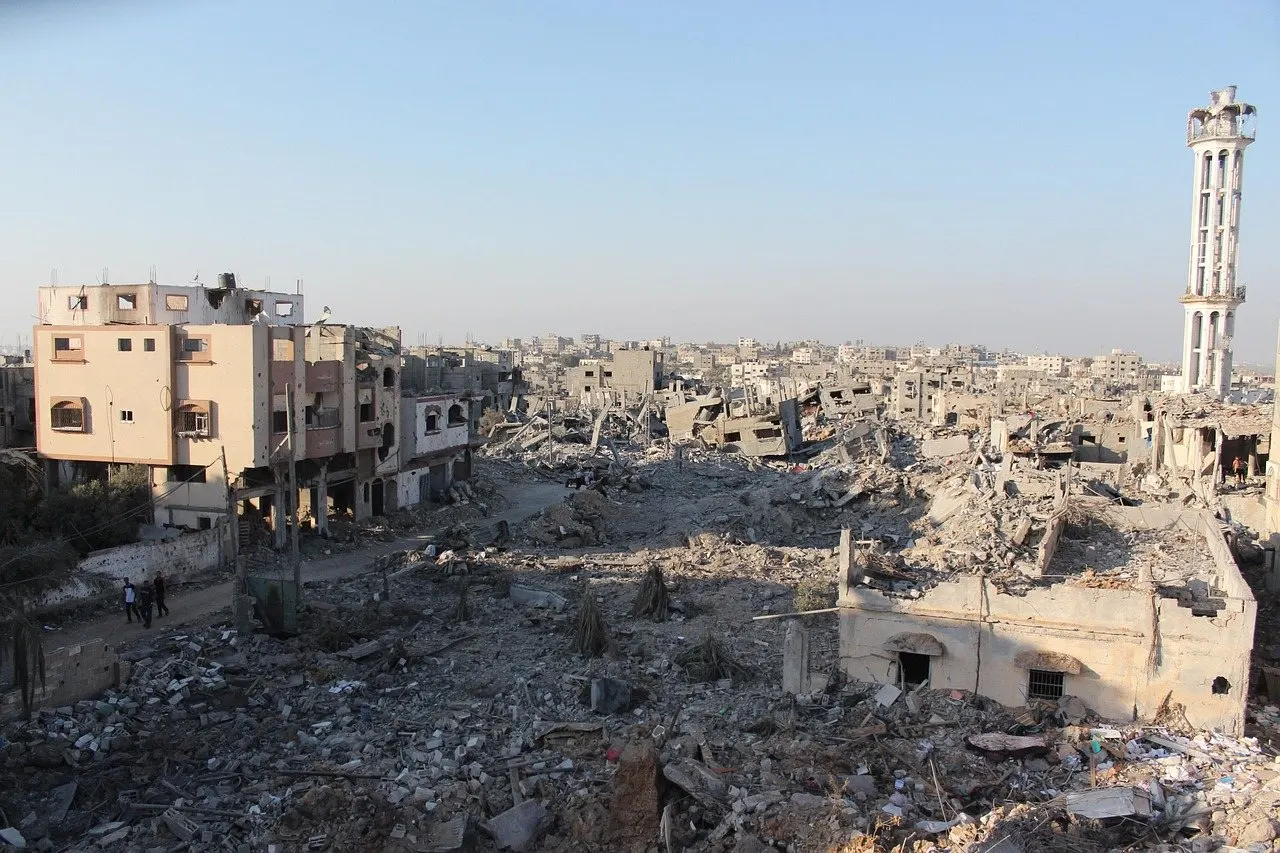
Mazen’s message points to a simple question that many people are asking. What has the international community actually done to protect civilians in Gaza, and what more could it do? His words suggest that statements of concern are not enough when families still lack safety, shelter and basic support. The world has the tools to help, from aid and diplomacy to pressure for protection, but the results on the ground tell their own story. Read about strong remarks about Gaza for more on how public voices shape debate.
Gaza Children at the Heart of the Crisis
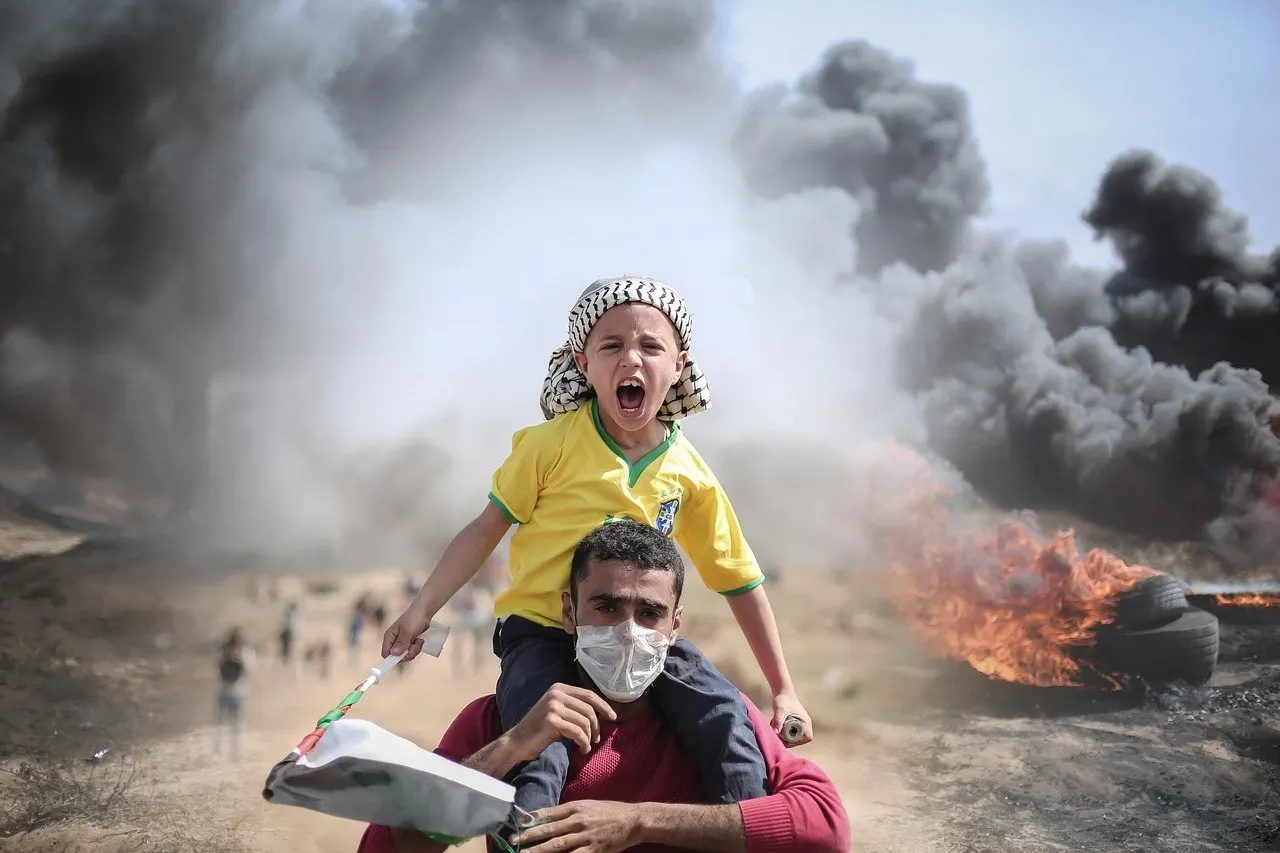
Gaza children are among the most vulnerable people in a crisis that has touched every part of daily life. They need safe homes, clean water, food, school and medical care, just like children anywhere else in the world. When those basics are missing, children feel it first, and their parents carry the worry every single day. Mazen’s message asks the world to look closely at what these young lives need right now. Read a new release for Gaza and our story on warm beds for babies in Gaza to learn more.
Heavy Rains and Flooded Shelters
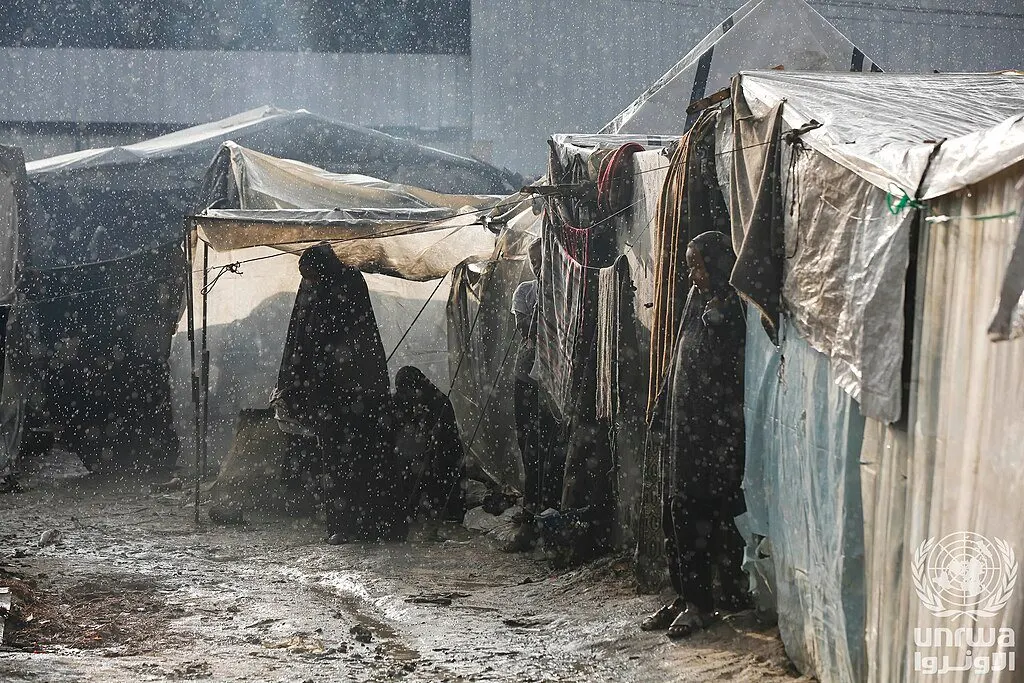
UNICEF has reported that three children were killed as heavy rains battered displaced families in Gaza. The rains flooded shelters where families had already lost their homes, turning thin tents into cold pools of water. For a child, a flooded shelter means wet clothes, no dry place to sleep and a greater risk of sickness. The headline from UNICEF is short, but it tells a hard truth about what winter brings. Read our report on babies facing the cold in Gaza for more on the response.
When Winter Reaches a Crowded Camp
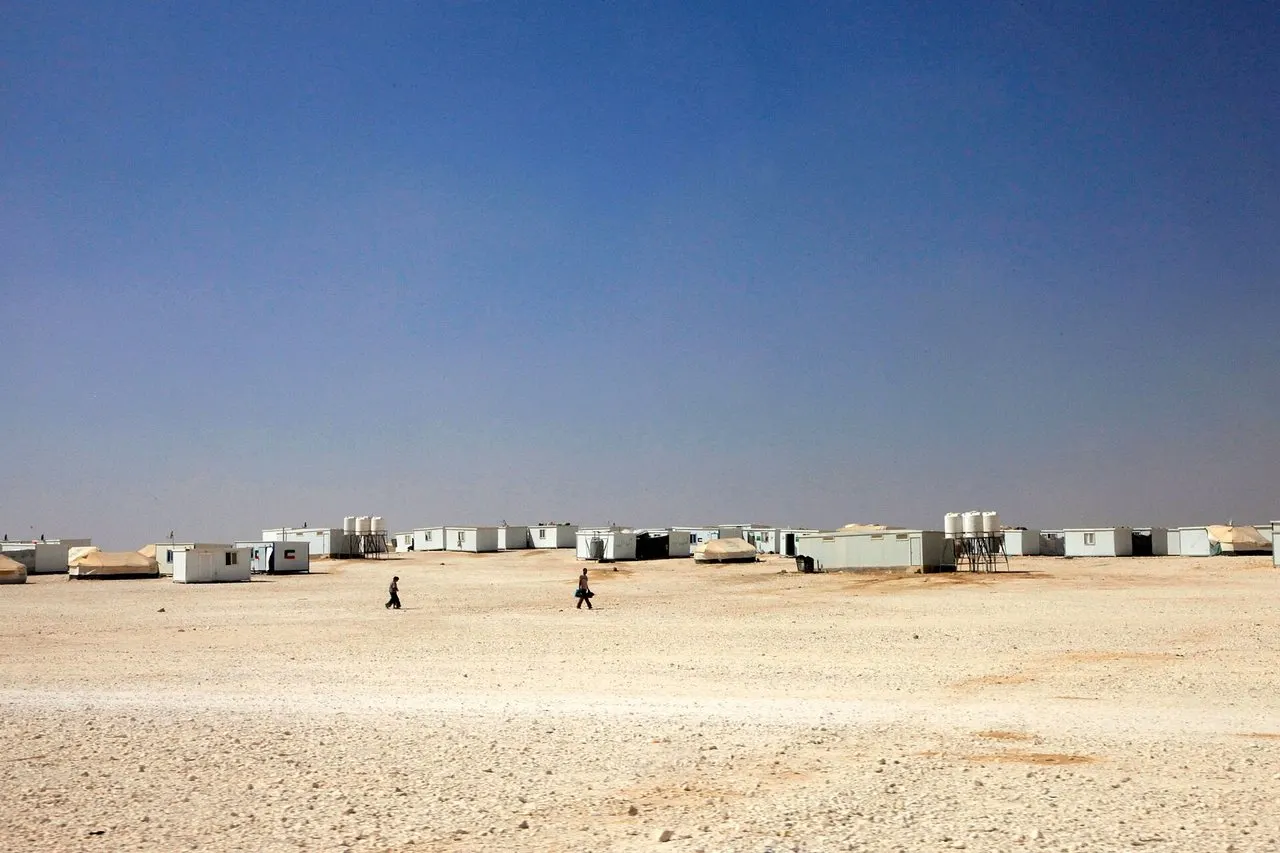
Winter is the hardest season for families living in tents. Cold nights, rain and wind find every gap in the fabric, and there is often no heater, no dry floor and no warm room to escape to. UNICEF has warned of growing winter risks for children and displaced families in Gaza, and aid workers say the cold adds to every other hardship. A tent that was hard to live in during summer becomes far harder in winter. Read about a rare contact with an endangered tribe in our other reports.
Gaza Children Among Those Lost in the Winter Rain
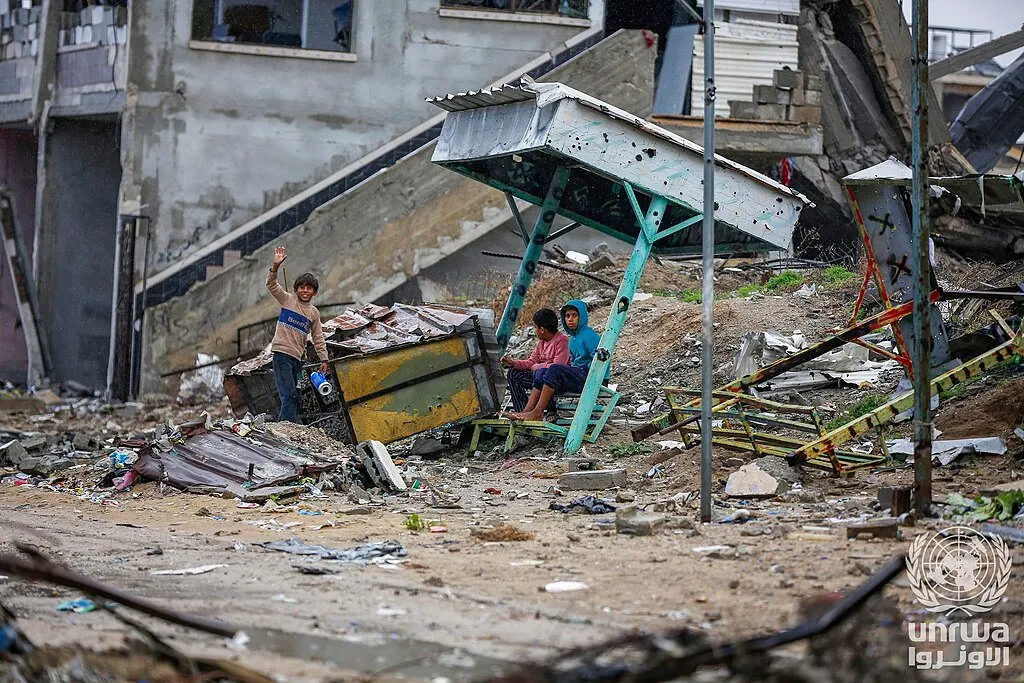
The UNICEF report on the winter rains carries a painful detail. Three children were killed when heavy rains battered the places where displaced families were sheltering. Behind that number are three young lives, three families and a grief that no headline can measure. Mazen’s message asks the world to see past the numbers and to remember that every child in Gaza has a name, a family and a future worth protecting. Read the call to build a safer world for women and children for more.
UNICEF and the Call for Protection
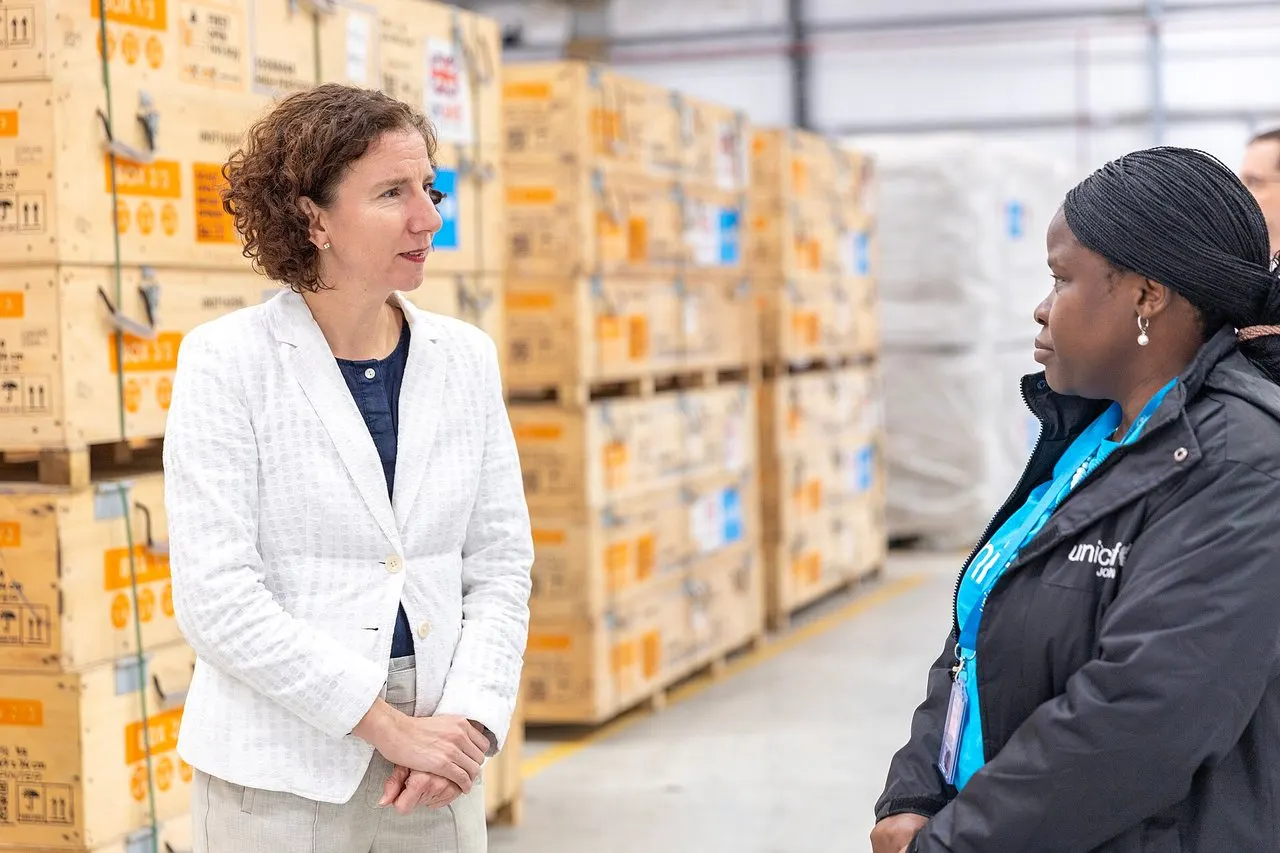
UNICEF USA has warned that children’s lives are at risk as heavy winter rains flood shelters in Gaza. The agency works to protect children in crises around the world, and its warnings carry weight because its teams see the conditions firsthand. When UNICEF says that children need shelter, warmth and clean water, it is speaking from the ground, not from a distance. Its message lines up with Mazen’s own words about a world that has failed to act. Read a call for unity among Muslims in our other stories.
What Save the Children Reported
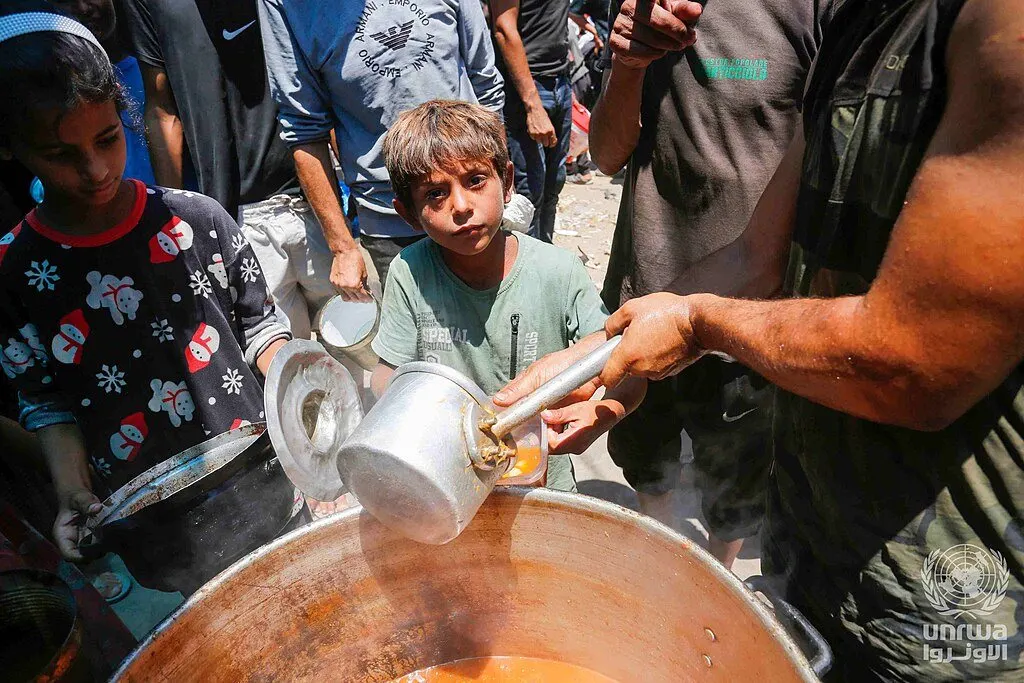
Save the Children has written that after 1000 days of conflict, the children of Gaza still dream of home and a better future, despite the world’s failure. One thousand days is a long time, long enough to miss years of school, play and safety. Yet the report holds on to hope, because children keep dreaming of a normal life, a home and days without fear. That hope is part of what Mazen is asking the world to protect. Read a warning from the world’s most endangered tribe for more.
One Thousand Days of Conflict
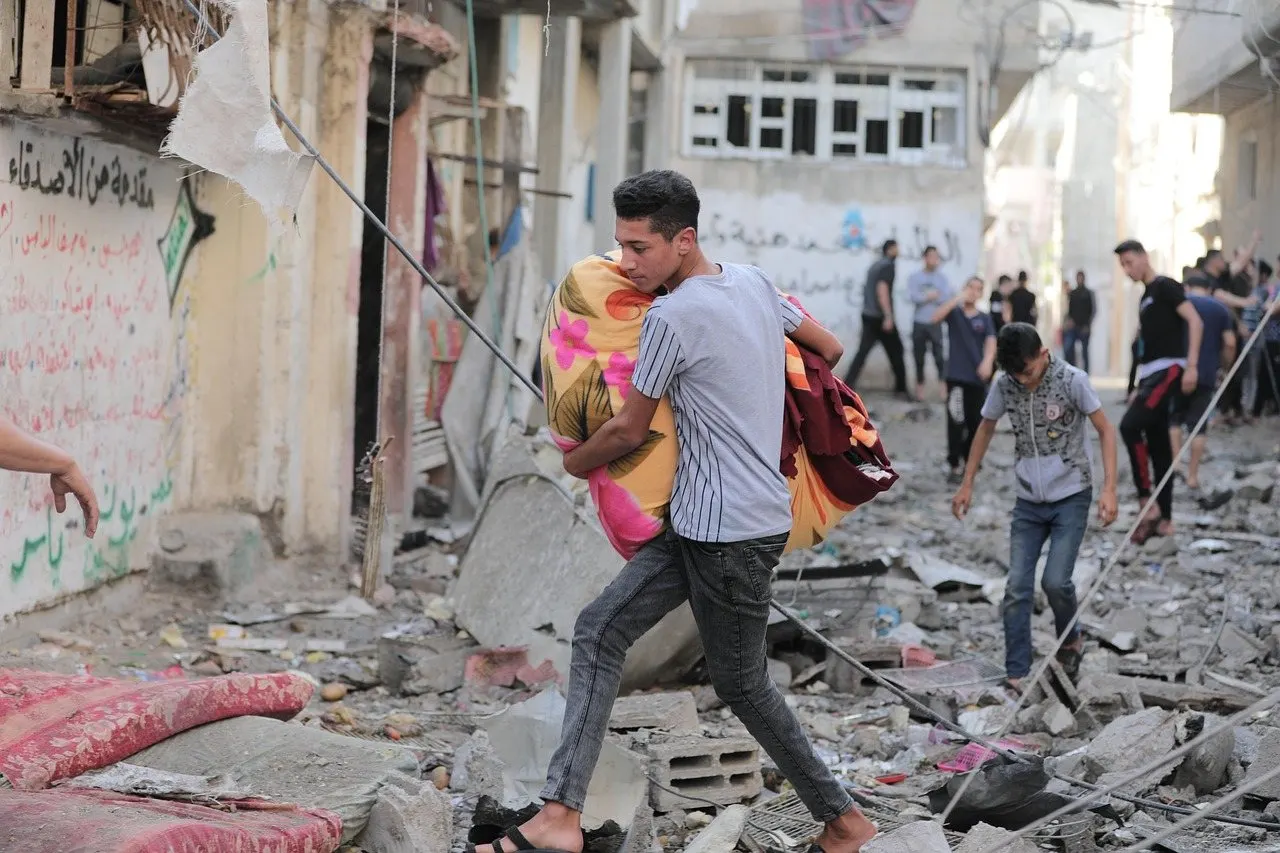
A thousand days of conflict means a thousand days of fear, noise and uncertainty for families in Gaza. For the youngest children, it may be most of the life they can remember, with home, school and safety all changed. Save the Children says that even after all that time, children still dream of home and a better future. That dream is a reminder that the world has not yet given these families what they need. Read about a tribe that chose to speak out in our other reports.
Gaza Children Dream of Home and a Better Future
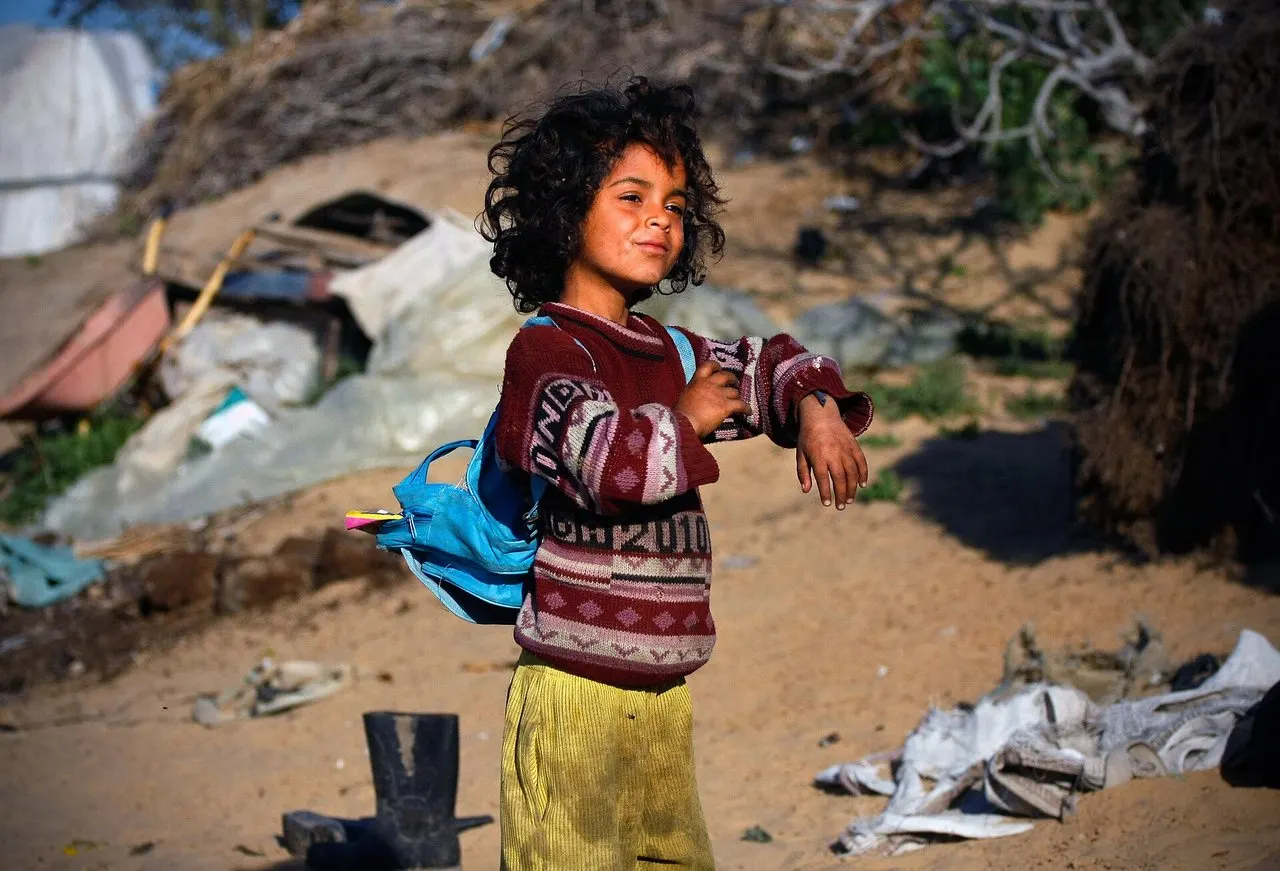
Gaza children dream of home, of school and of days that feel normal again. Save the Children says that after 1000 days of conflict, the children of Gaza still hold on to that dream, despite the world’s failure. A home means a dry bed, a warm meal and a door that closes against the cold. A better future means learning, playing and growing up without fear. Those are simple hopes, and they belong to every child. Read Sanders taking on Musk over election spending in our other stories.
Gaza Children and School Days Interrupted
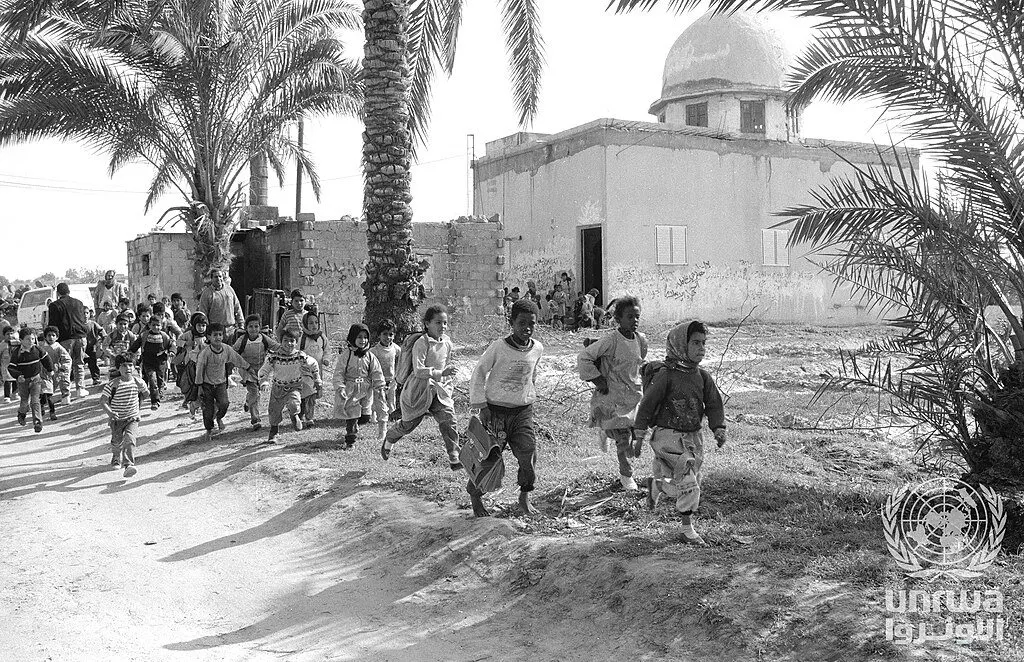
School should be a steady part of a child’s week, a place to learn, to meet friends and to feel safe. In Gaza, school days have been broken again and again, with classrooms turned into shelters and lessons stopped by the crisis. Children who miss school lose more than lessons, they lose routine, friendship and a sense of what comes next. Getting children back to learning is one of the clearest ways to give them hope. Read a dispute about money in democracy for more reading.
Food, Water and the Basics of Life
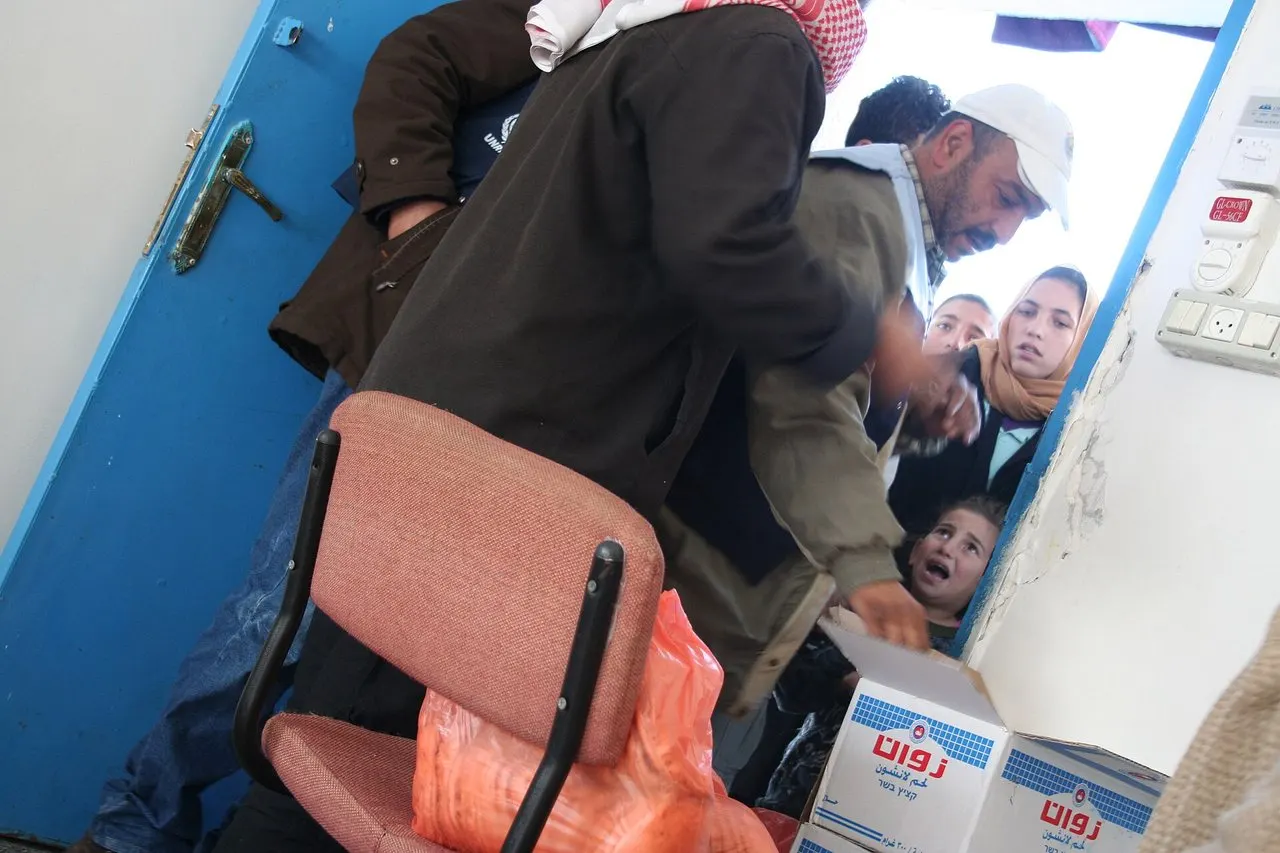
Food and clean water are the first things a family needs, and both run short in a crisis. Aid groups hand out meals, flour and water where they can, and families share what little they have so that children eat first. A warm meal does more than fill a stomach, it tells a child that someone is looking out for them. Keeping food and water flowing into Gaza is a basic test of whether the world is truly helping. Read a stand against shutting the government down in our other stories.
Health Care Under Strain
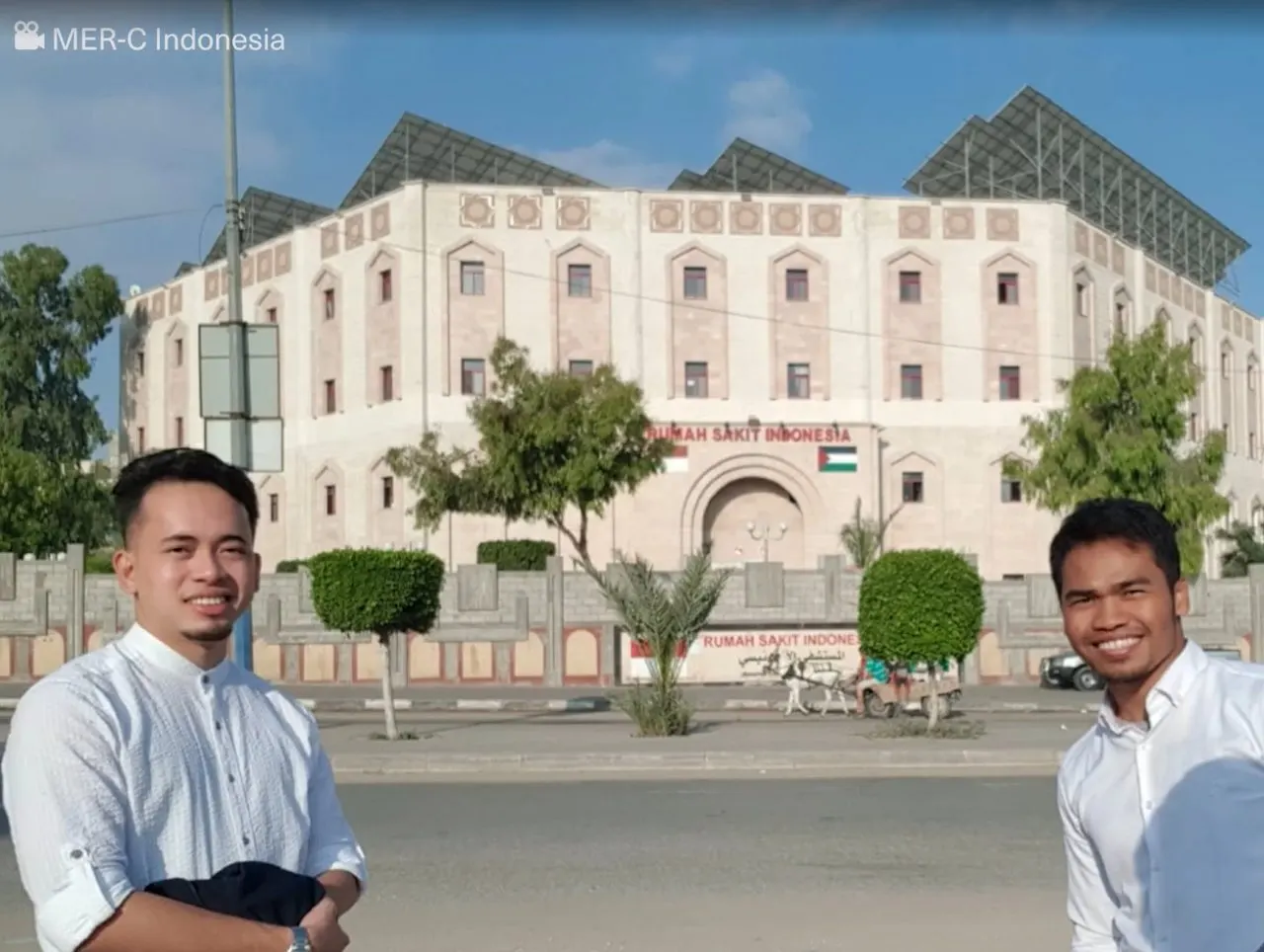
Hospitals and clinics in Gaza face strain every day, with more patients than beds, staff working long hours and supplies running low. For children, a hospital visit can mean treatment for an injury, a fever or a wound that needs clean care. When health care is stretched thin, small problems can grow into serious ones, and parents wait longer for help. Protecting hospitals and the people who work in them is part of protecting children. Read Erdogan on one belief and one faith in our other reports.
Gaza Children and the Weight Carried by Parents
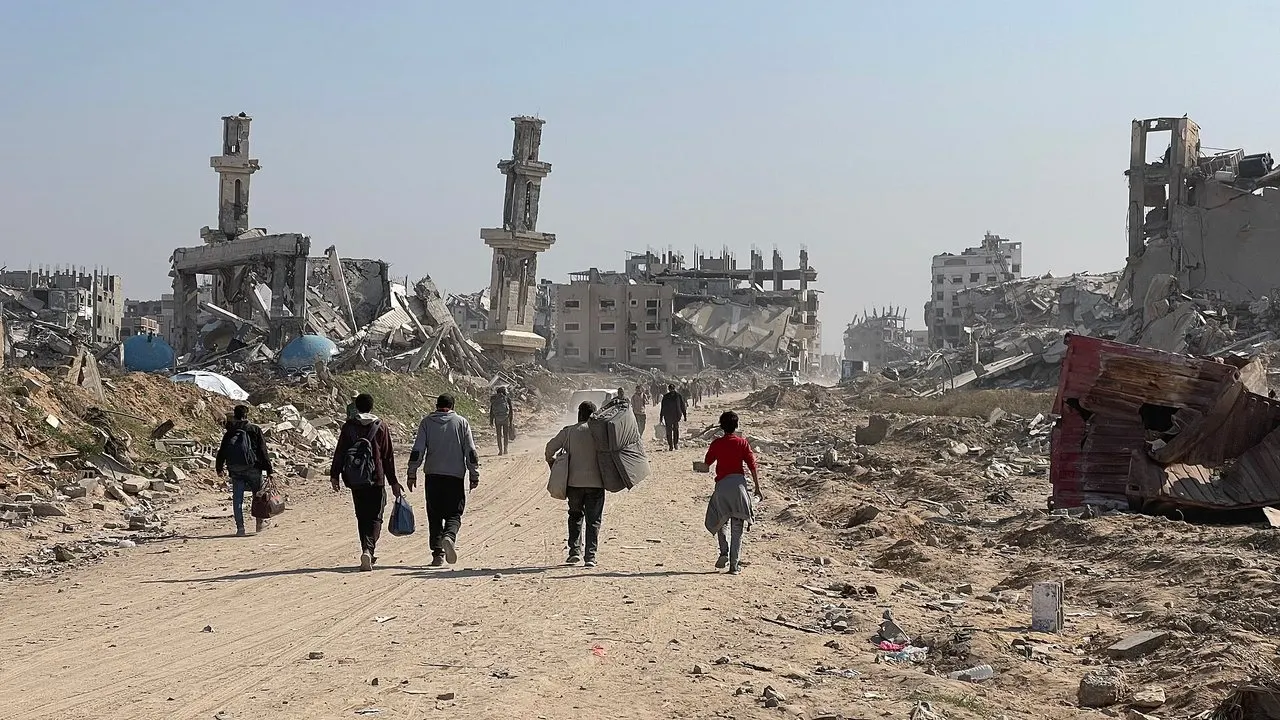
Parents in Gaza carry a weight that is hard to describe. They try to keep their children fed, warm and safe while living in shelters or damaged homes, and they make hard choices every day about food, water and where to sleep. A parent’s calm voice can steady a frightened child, even when the parent is frightened too. Mazen’s message speaks for these mothers and fathers as much as for their children. Read a message about Muslim unity in our other stories.
How the World Responded Online
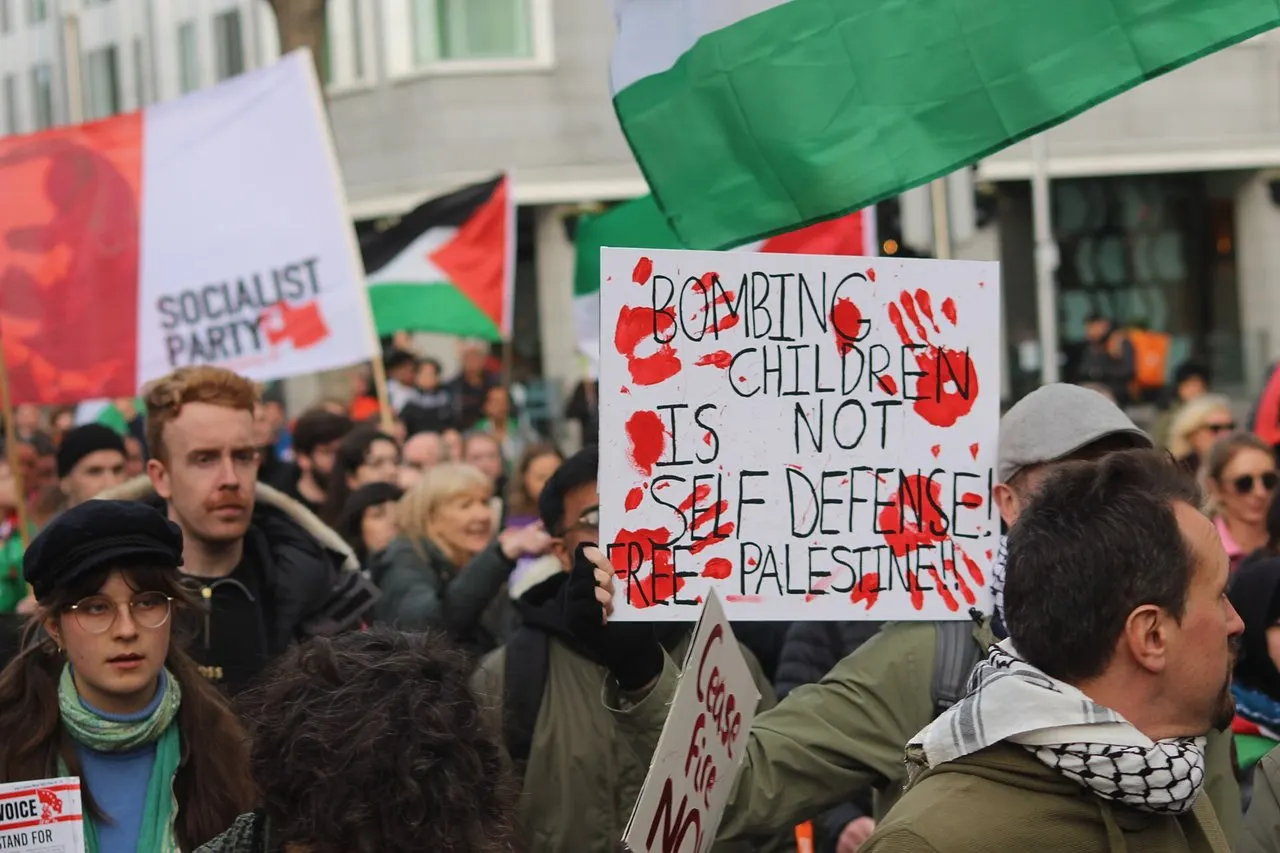
After Mazen shared his message, readers around the world reacted online, sharing the post and adding their own words of concern. Some wrote about the children, some about the families and some about what the world should do next. Social media can spread a message far in a single day, and it can also bring people together around a shared worry. The reaction shows that many people are paying attention, even when action is slow. Read Errol Musk on following Shiva in our other reports.
What International Law Says About Children
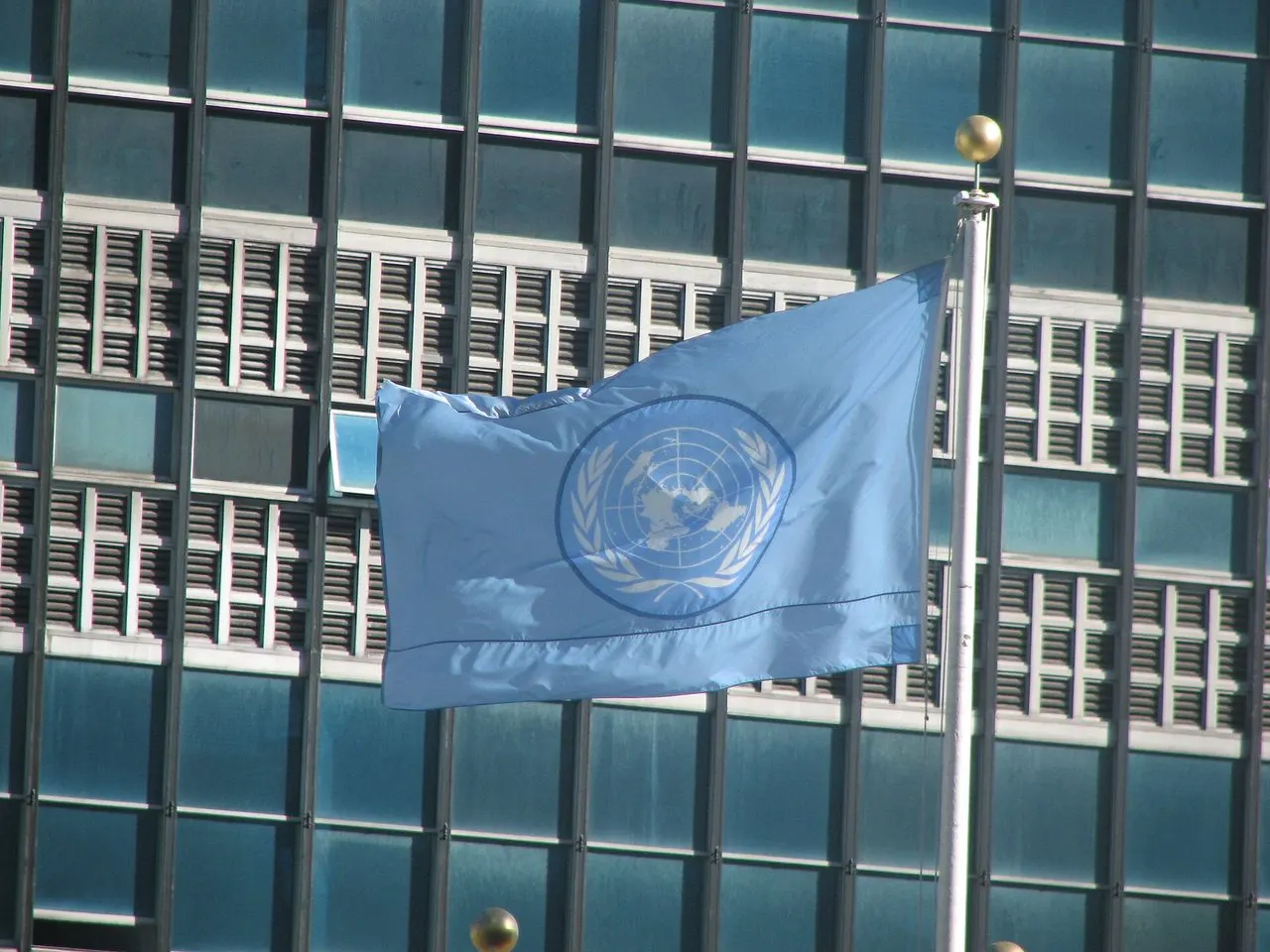
The United Nations Convention on the Rights of the Child says that every child has the right to life, health, education and protection. Nearly every country in the world has agreed to it, and it is one of the most widely accepted promises ever made to children. The convention means that children in Gaza have the same rights as children anywhere, and the world has a duty to uphold them. Mazen’s message asks whether that duty is being met. Read a call to follow a path of peace.
Aid Groups Working for Gaza Children

Aid groups are the bridge between the world’s promises and a family’s daily needs. UNICEF, Save the Children and other agencies move food, water, medicine and shelter supplies, and their staff work in hard conditions to reach children. Warehouses, trucks and planes all play a part, but the work only helps when supplies can reach the people who need them. Mazen’s message is also a call for that help to arrive in full. Read Zelensky saying nothing after a remark about Putin in our other stories.
The Role of Journalists in Gaza
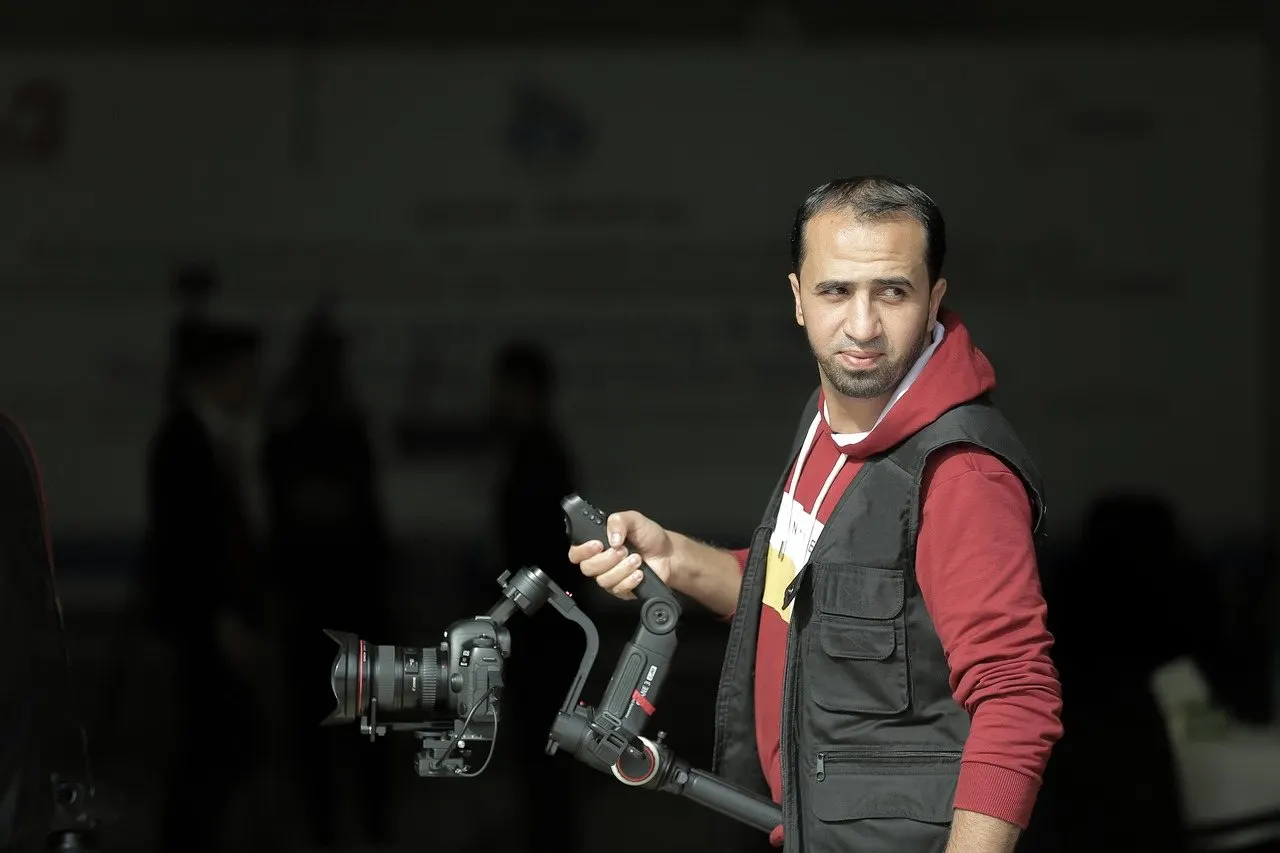
Journalists in Gaza do work that the rest of the world depends on. They film, photograph and write about daily life, so that people far away can see what families are living through. Their cameras and notebooks carry stories that would otherwise go untold, and their work takes courage, because the news is often close to where they live. Mazen’s short post is one example of how a journalist’s words can reach around the world. Read a moment of silence that spoke volumes in our other reports.
Why Winter Is So Hard for Gaza Children
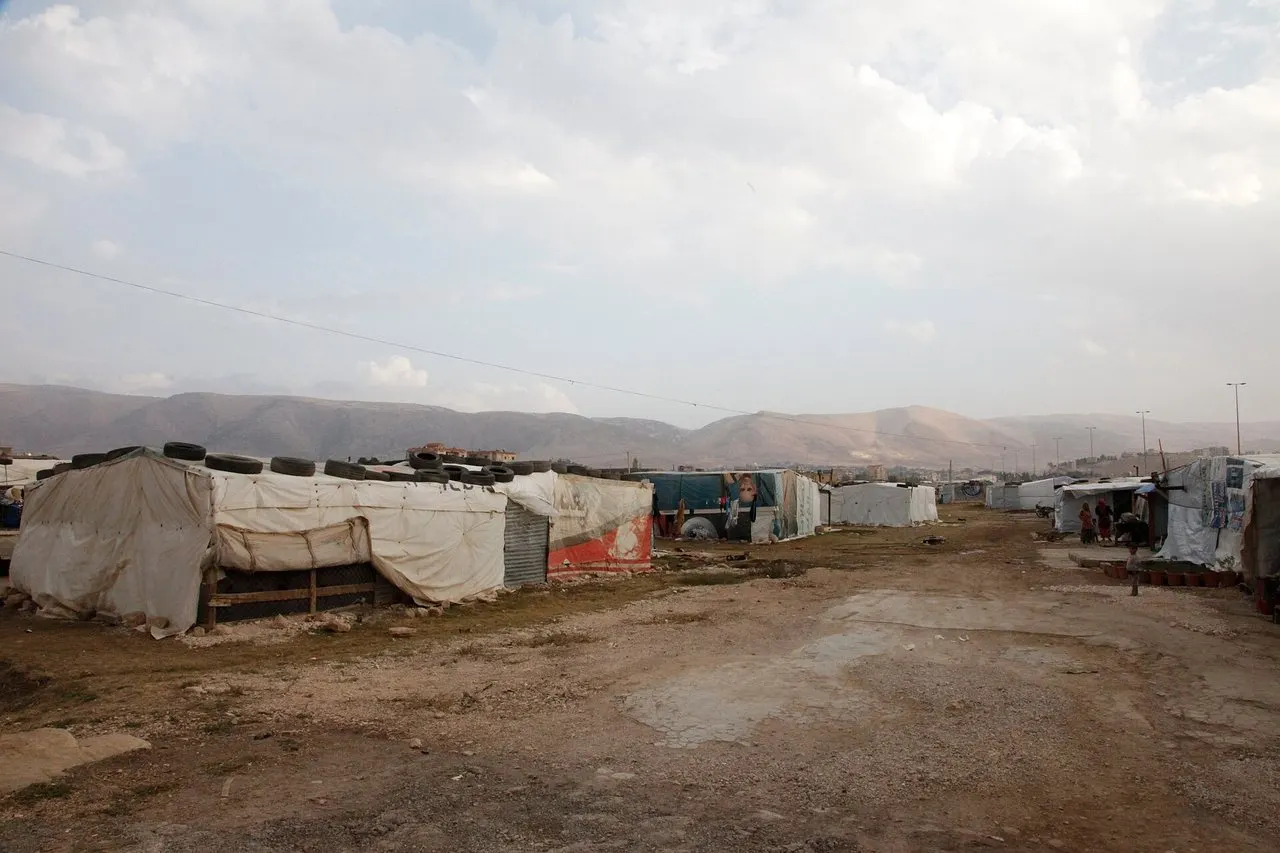
Winter brings cold, rain and wind to families who are already living in tents, and it tests every part of daily life. Clothes stay damp, floors turn to mud and children catch colds more easily. A warm blanket, a dry floor and a heater can make a real difference, but many families have none of these. That is why UNICEF warns of growing winter risks, and why warm shelter matters as much as food. Read a message about standing up for women in our other stories.
Calls for Protection and Support
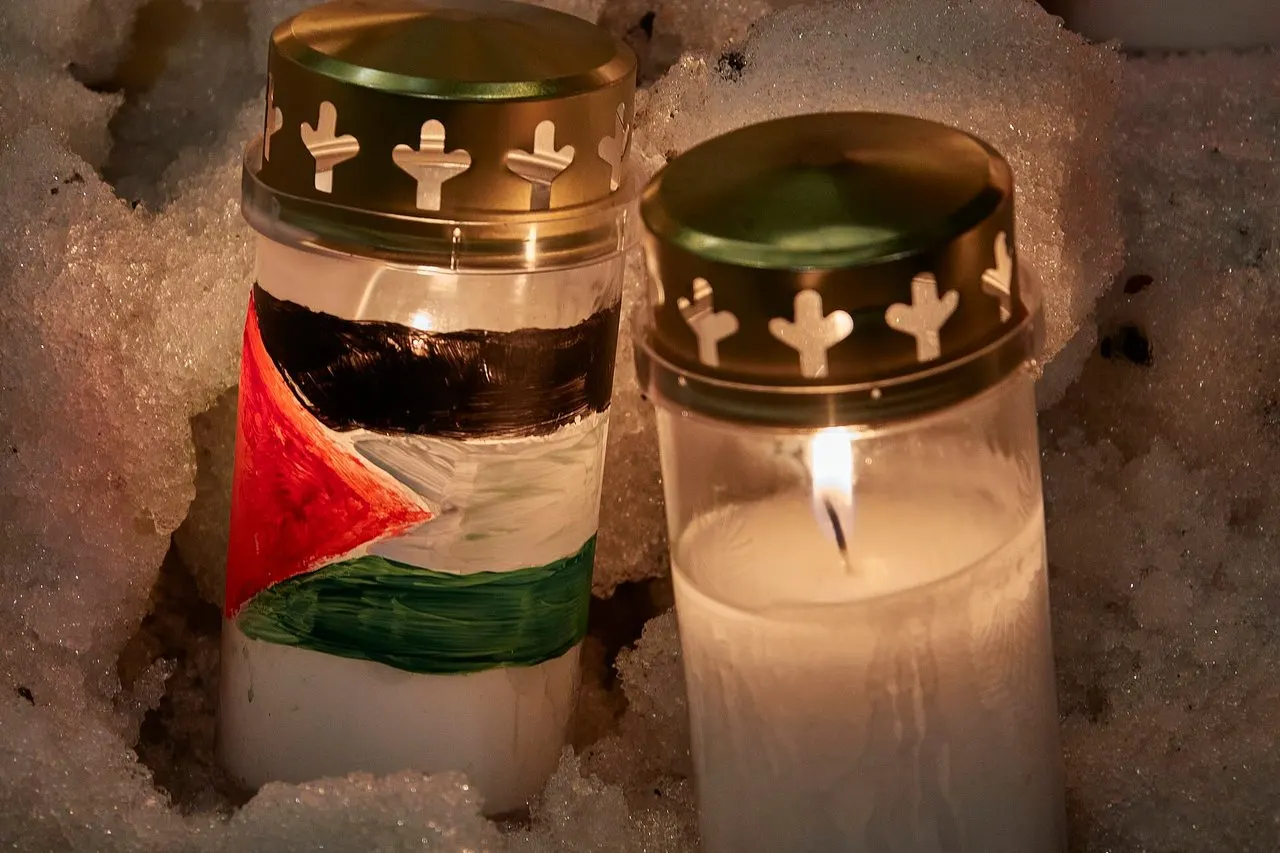
Across the world, people have gathered at protests and vigils to call for the protection of civilians in Gaza. They hold signs, light candles and ask leaders to act, and their message is simple, that children should be safe. These gatherings do not change conditions on their own, but they show leaders that the public is watching and that the world is listening. Mazen’s post is part of that same call for action. Read a story of faith after loss in our other reports.
How Readers Can Learn More

Readers who want to learn more can start with the sources behind this story. UNICEF and Save the Children publish regular updates on children in Gaza, and their reports explain what families need and how aid is reaching them. Reading widely helps, too, because every report adds a piece to the picture. A careful reader checks more than one source and keeps asking questions. Read Stewart on dogs that changed his mind in our other stories.
The Questions That Remain
Mazen’s message leaves the world with questions that have no easy answers. What will it take to protect children in Gaza, and who will make sure that help reaches them? How will families rebuild homes, schools and hospitals, and how long will children have to wait? These questions matter because the answers will shape young lives for years to come. The world has heard the message, and now it must answer. Read fatherhood and family dinners in our other reports.
What Comes Next for Gaza Children
Children in Gaza need more than kind words, they need safe homes, open schools, clean water and care when they are sick. What comes next depends on whether the world turns concern into action, with aid that reaches families and protection that lasts. Children still play, learn and dream, even in hard times, and that spirit is worth protecting. The next chapter for these young lives is still being written. Read Fiona and her keepers in our other stories.
What Should the World Do Next for Gaza Children?
Mazen’s message ends with a challenge for all of us. What should the world do next for the children of Gaza, and what would real help look like for their families? Should leaders act faster, should aid flow more freely, or should the world listen more closely to the people living through this crisis? There is no single answer, and that is why your voice matters. Share your thoughts in the comments and read a rescue from a minefield by drone for more.