Kaleb Drone Rescue Brings Food to a Stranded Chimp
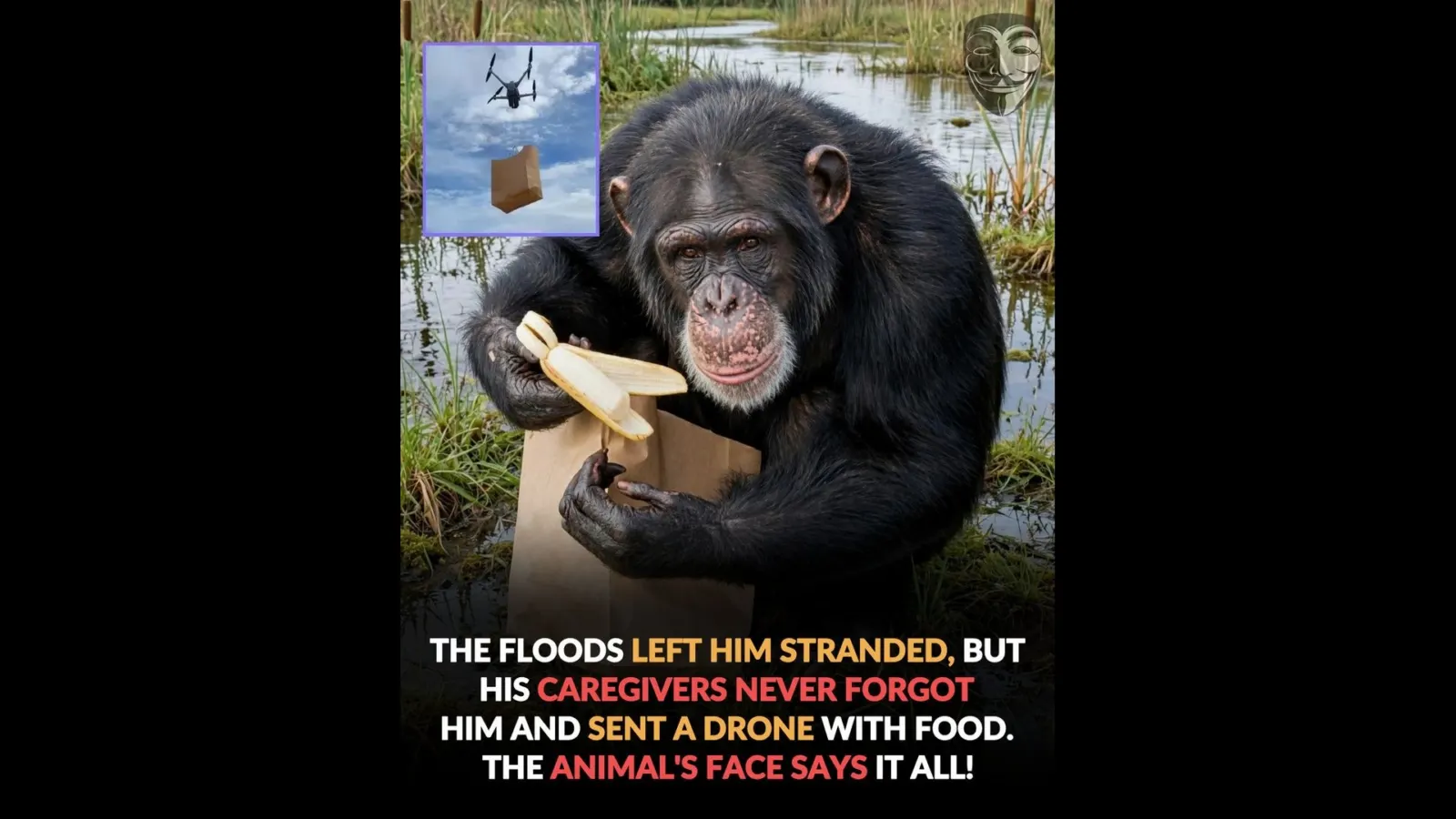
Kaleb drone rescue is the story of a 38 year old chimpanzee who ran out of food when floods cut off his home at Save the Chimps in Fort Pierce, Florida. Heavy rain fell from Sunday through Tuesday and filled the sanctuary channels, so the paths keepers use every day to carry about 3,000 pounds of food went under water. Kaleb was stuck in an outdoor area ringed by water, and no golf cart could reach him. His caregivers refused to leave him hungry, and they turned to a tool bought for a day just like this one.
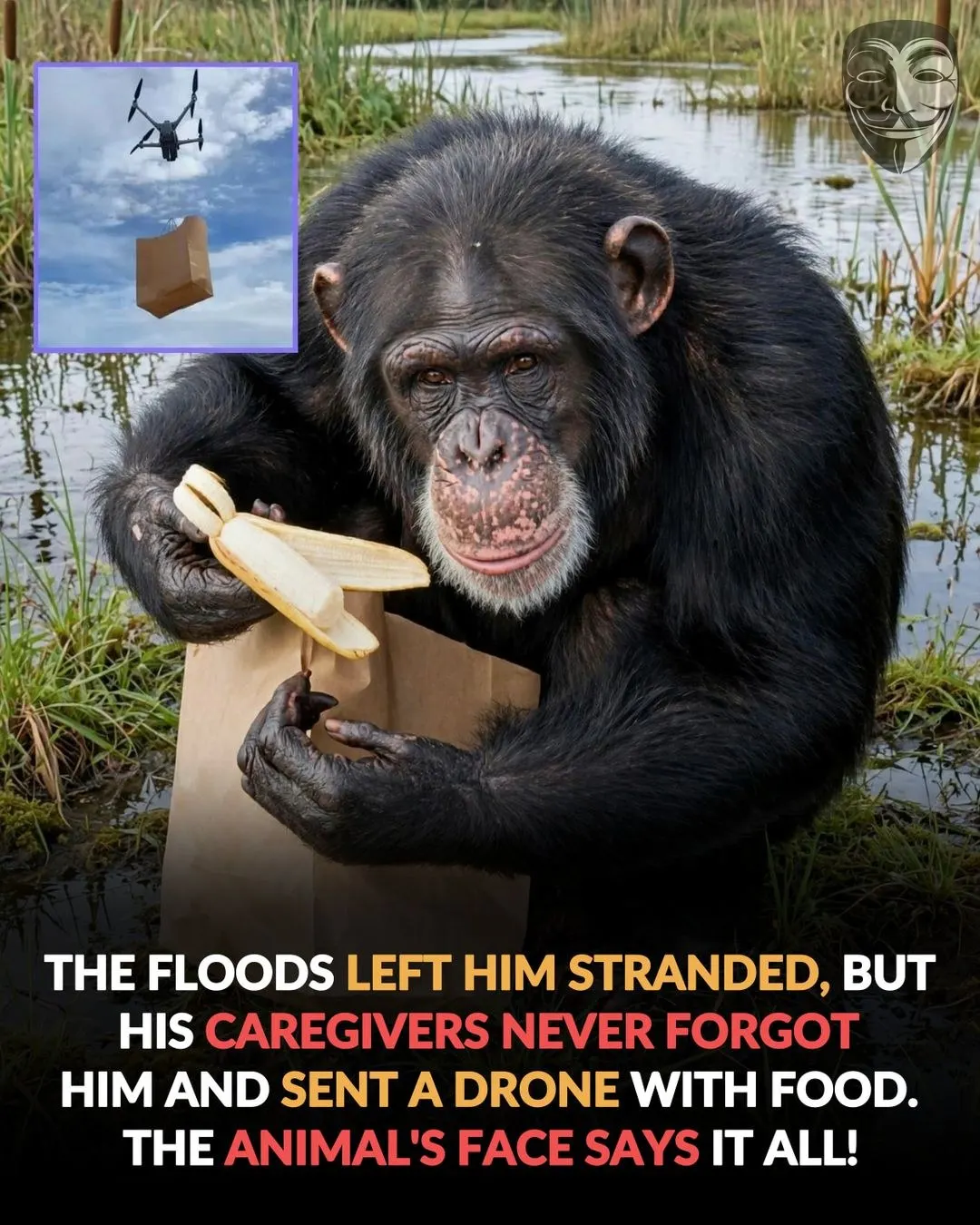
The team flew a drone over the water with food and blankets tucked inside a paper bag, and the sanctuary video shows Kaleb happily taking out a banana. He then crossed the water along a rope to a more accessible area, safe and fed. All 200 chimpanzees at the sanctuary are safe, and the other animals were brought food by trucks and a tractor. In the slides ahead we look at the flood, the flight, and the face that says it all. For more, read Melania Trump and her small staff.
References:
Associated Press: Chimp sanctuary delivers an ape’s food by drone amid Florida floods
Phys Org: Chimp sanctuary delivers an ape’s food by drone amid Florida floods
Times of India: A Florida chimpanzee sanctuary cut off by flooding uses drone to deliver food to a stranded chimp
WKBN: Chimp sanctuary delivers an ape’s food by drone amid Florida floods
The Rains That Flooded Fort Pierce
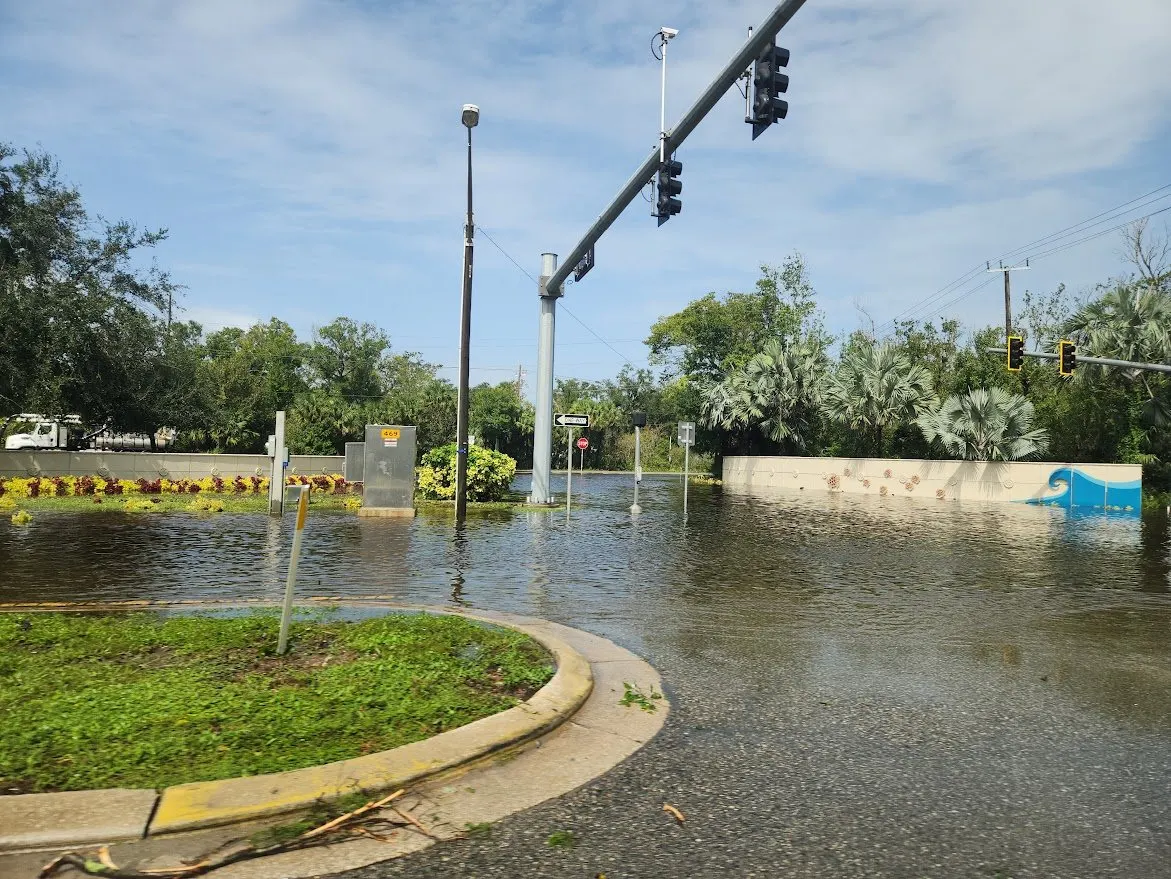
Heavy rain fell over Fort Pierce from Sunday through Tuesday, and the water had nowhere to go. The channels at Save the Chimps filled and spilled over, and the low paths went under. Keepers watch the weather closely in Florida, where a slow storm can drop inches of rain in a few days and turn dry ground into standing water. The flood did not arrive in one big wave. It crept up hour by hour until the routes used for daily feeding were gone. Read about Wallace Shawn and the Gaza debate.
Kaleb Drone Rescue at Save the Chimps
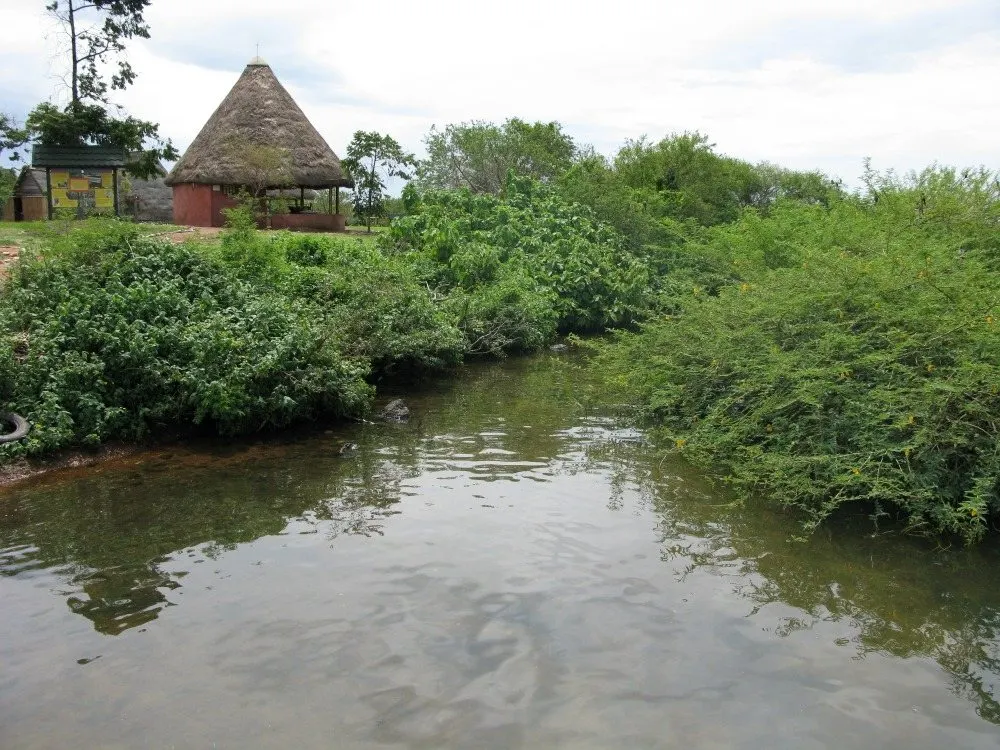
Save the Chimps sits in Fort Pierce, Florida, and it is home to about 200 chimpanzees. Many came from labs, circuses, or the pet trade, and the sanctuary gives them space, fresh food, and daily care. The staff knows every animal by name and which ones need extra help. Kaleb is 38 years old, one of the older residents, and his keepers watch over him closely. When the flood cut him off, they did not waste a minute. Learn about a graduation photo eighteen years later while we follow his story.
A 38-Year-Old Chimpanzee Named Kaleb
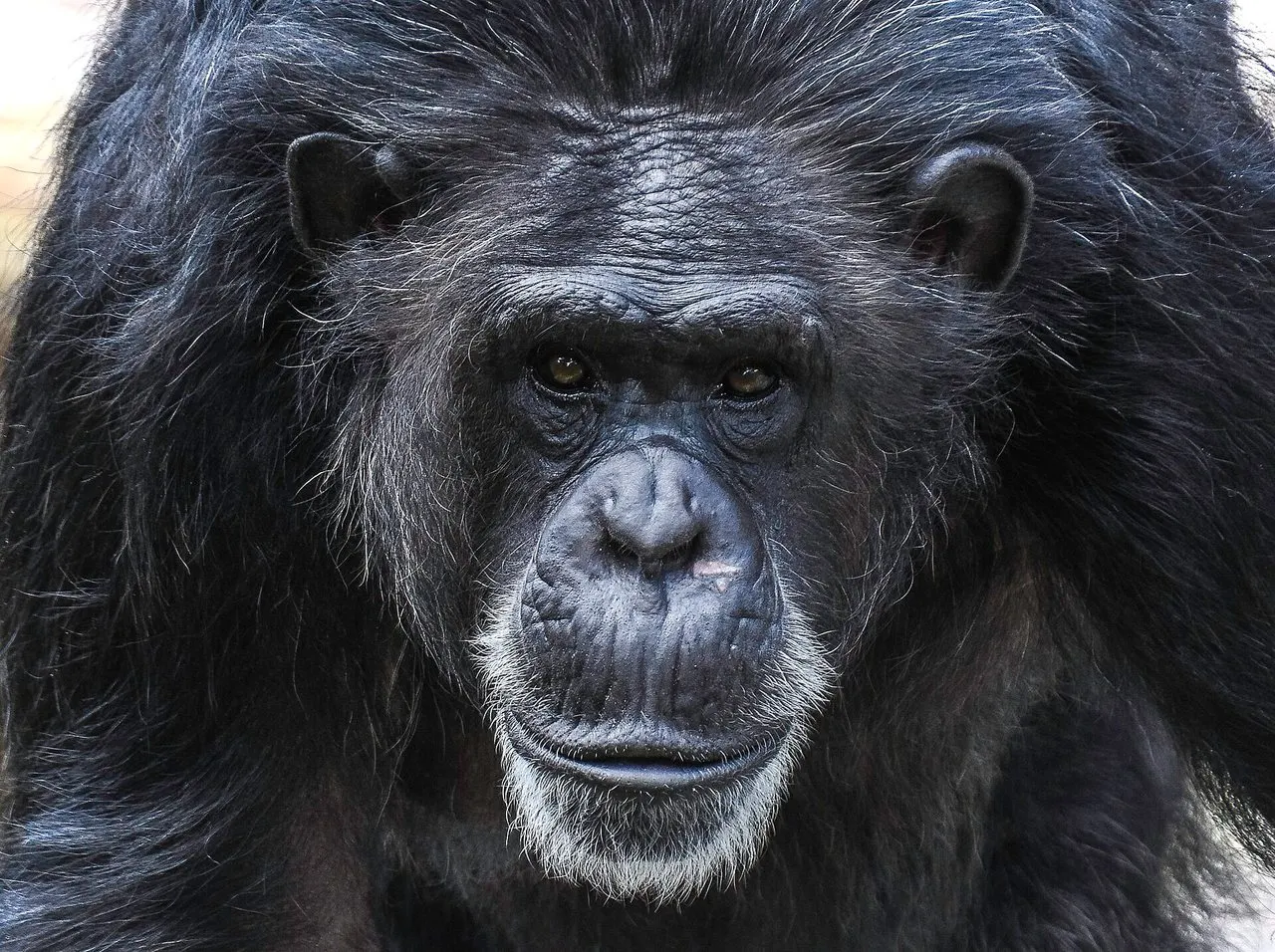
Kaleb is a 38 year old chimpanzee, and he has spent many years at Save the Chimps. Chimpanzees can live into their fifties in good care, so at 38 he is a mature adult with a long history there. The staff knows his habits, his favorite foods, and where he likes to rest. He is not young enough to simply climb out of trouble, and he depends on his keepers for every meal. That is why the flood worried them so much. Read more in Anaka the gorilla and her pink fingers.
Three Thousand Pounds of Food Every Day
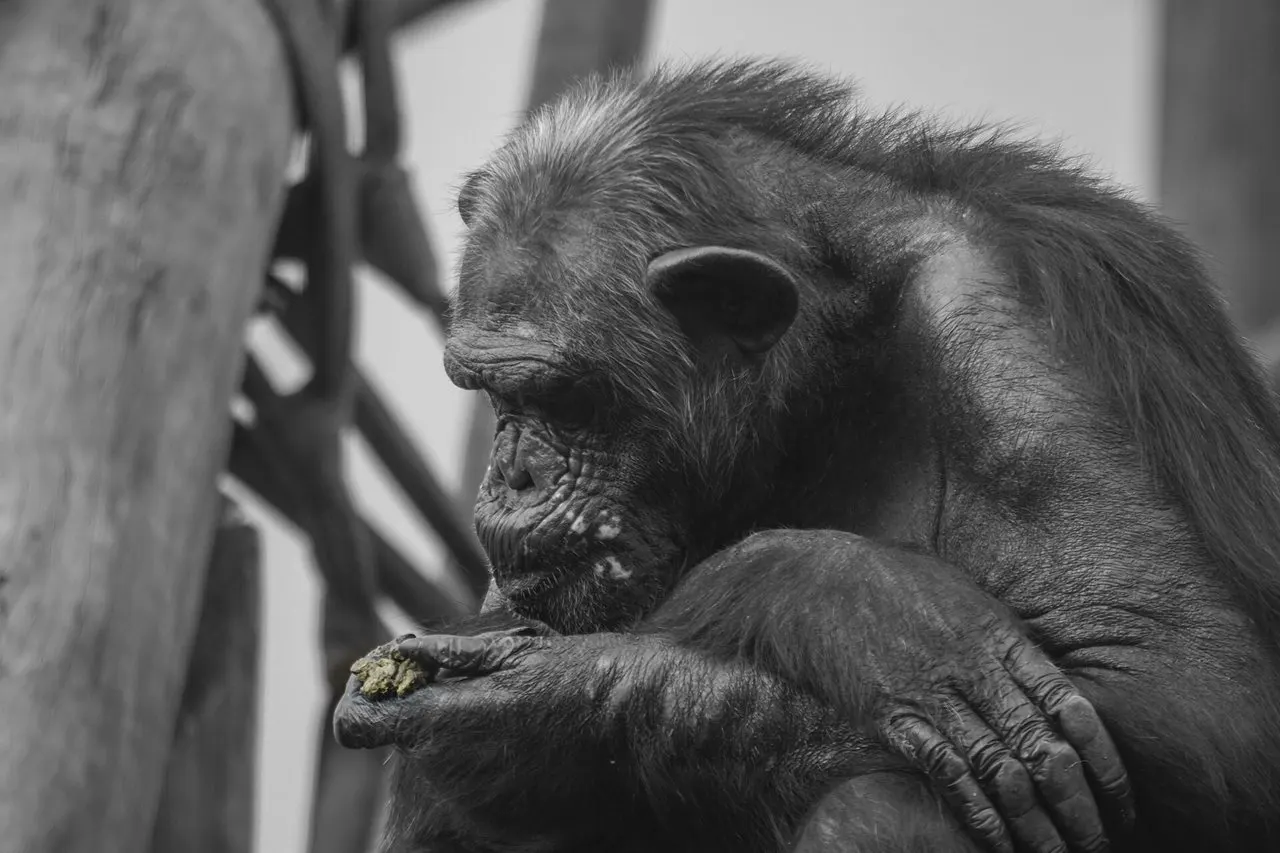
Feeding 200 chimpanzees takes about 3,000 pounds of food each day, and the work never stops. Keepers load fresh fruit, vegetables, and other food onto golf carts and drive it out to the outdoor areas. The animals expect their meals on time, and a missed delivery is a real problem. Kaleb was in an outdoor area when the water rose, and the carts could not reach him. His keepers had to find another way to reach him. See Trump greeting Putin at a summit in China for more stories about daily care.
When the Paths Went Under Water
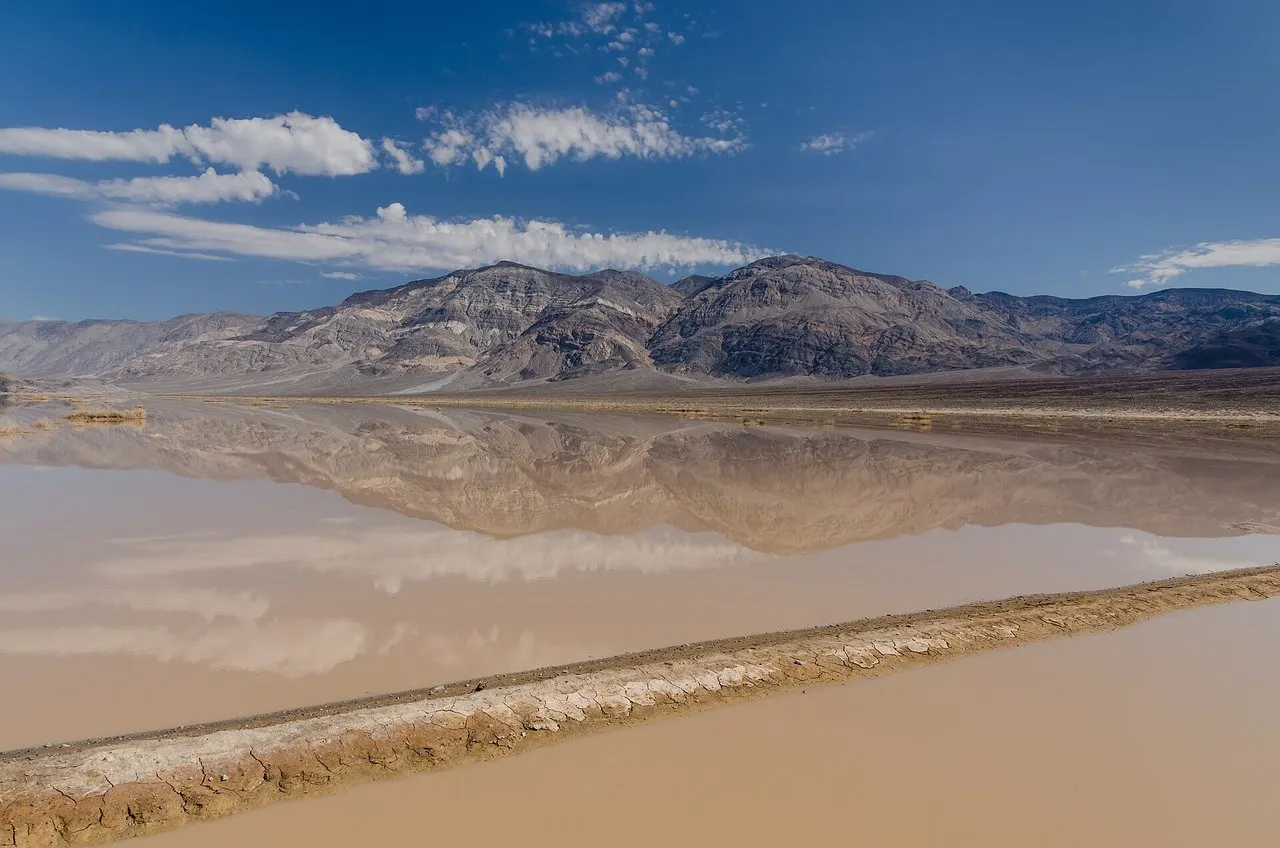
The sanctuary channels overflowed after days of heavy rain, and the water spread across the paths keepers use each day. Golf carts are handy on dry ground, but they cannot cross deep water, and staff could not walk the food in either. Kaleb was left in an outdoor area ringed by water, with no dry way in. The team could see him, but they could not reach him by any normal route. The flood had turned a routine feeding into a rescue. Read about the forest cleared for a data center.
The Drone Bought for an Emergency
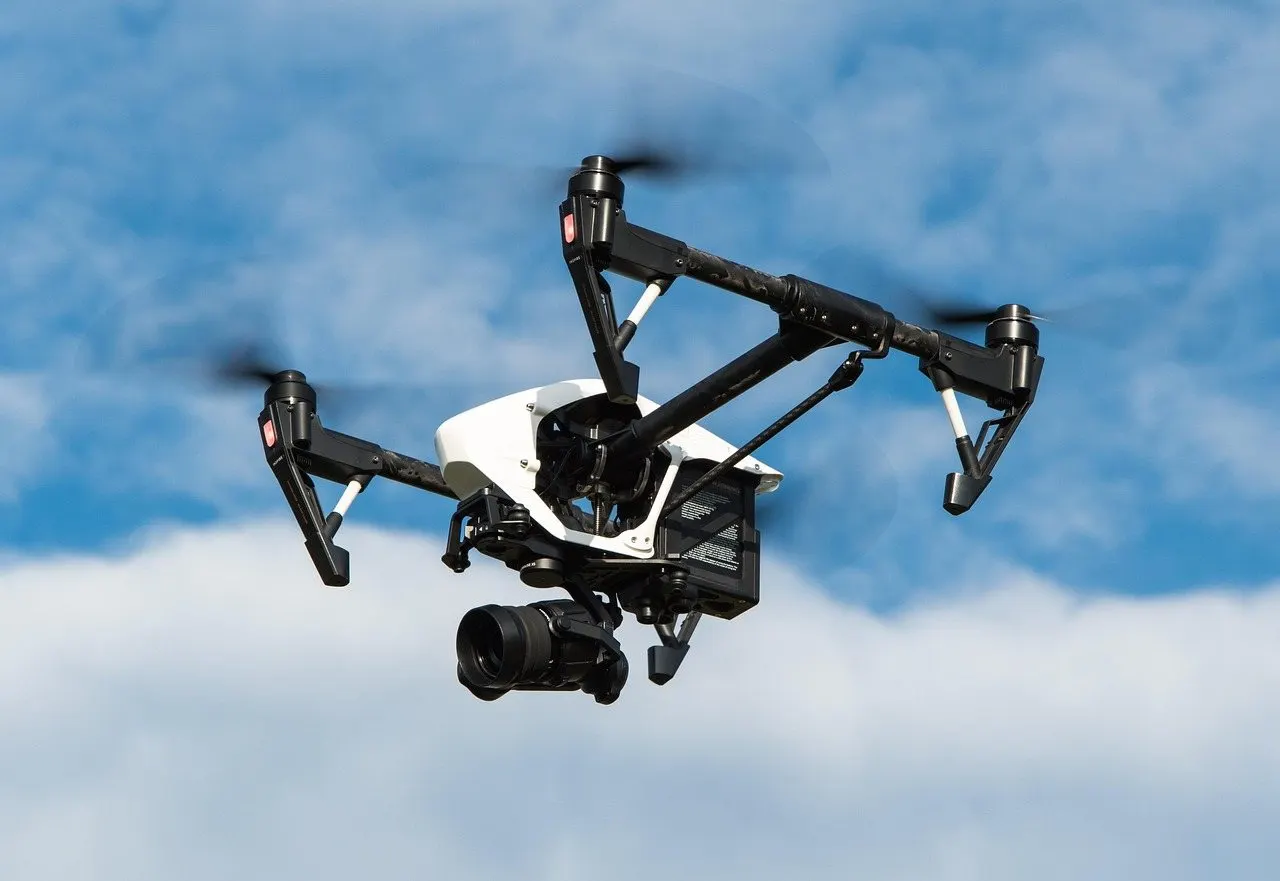
The sanctuary had bought a drone for an emergency just like this one, and that planning paid off when the flood arrived. A drone can fly over water, trees, and fences, and carry a small load to a spot no person can reach. The staff had the machine ready and knew how to use it. When Kaleb ran out of food, they did not have to wait for the water to fall. They had a way to fly his dinner straight to him. Learn about Trump and the Marine Band gift.
Kaleb Drone Rescue Delivers Dinner by Air
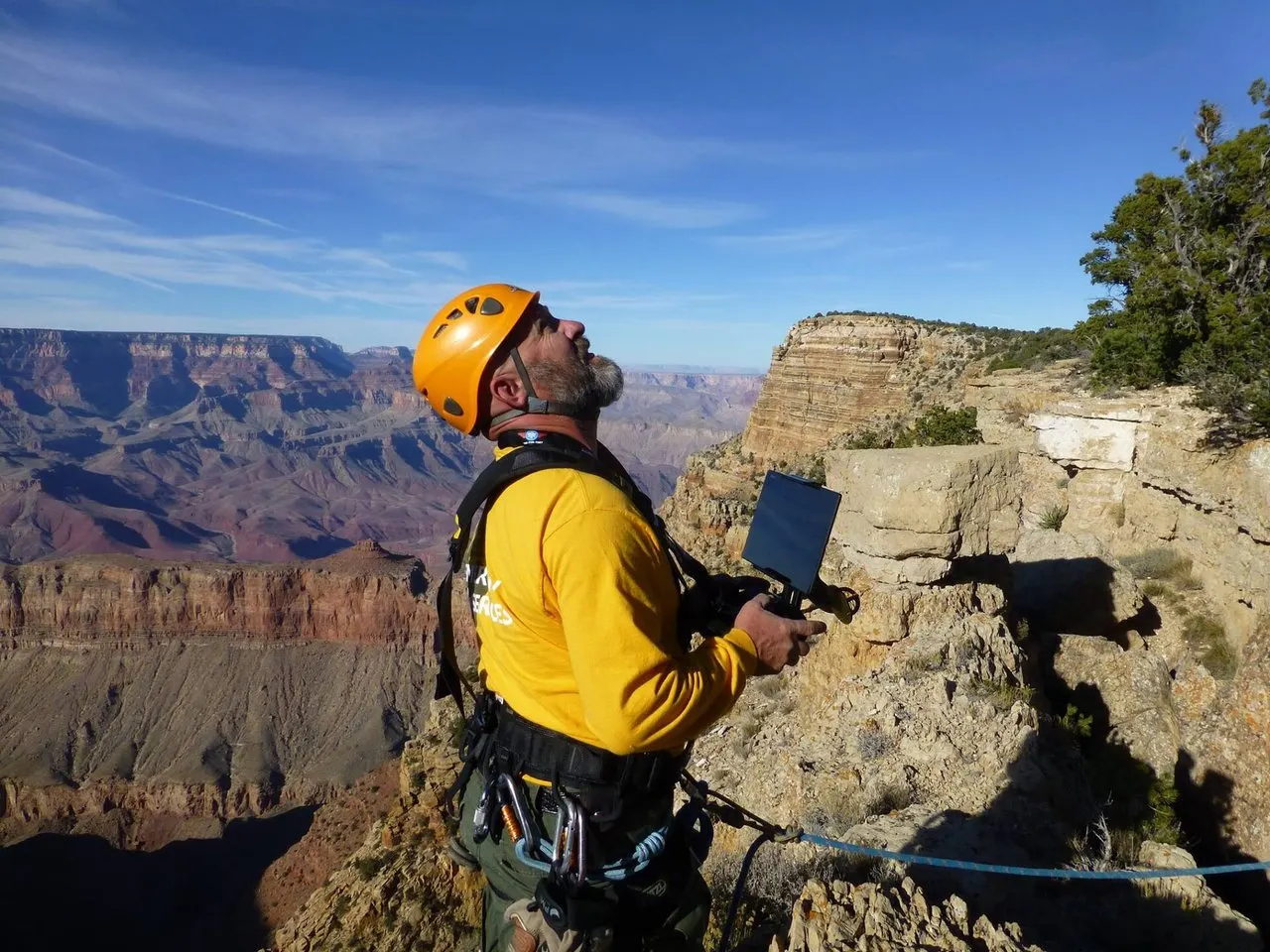
The team loaded food and blankets into a paper bag and flew it to Kaleb, and the plan worked. The drone crossed the flooded ground and lowered the bag where Kaleb could reach it, and the video shows him happily taking out a banana. It was a simple delivery, but it meant everything to an animal who had gone without food. The staff watched from dry ground, relieved to see him eat. A small flying machine had done what no golf cart could do. Read about the measles outbreak in Pennsylvania.
A Paper Bag With a Banana Inside
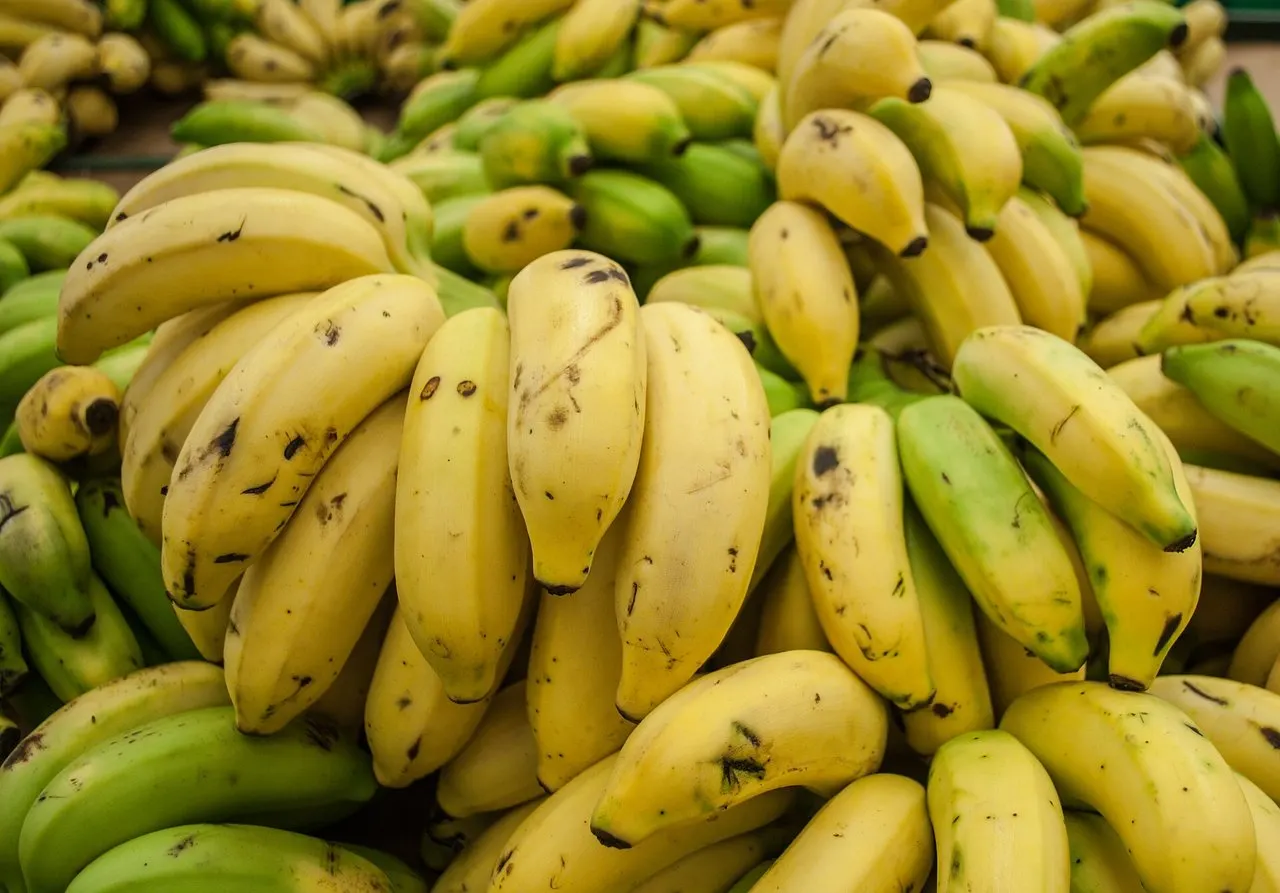
The drone carried a paper bag, and inside it were food and blankets for Kaleb. The banana was the star of the delivery, and the sanctuary video shows him pulling it out with clear delight. Chimpanzees love fruit, and a ripe banana is a favorite treat as well as a good source of energy. The blankets mattered too, because a wet and hungry animal needs warmth. The bag was light enough for the drone to carry, and it held just what Kaleb needed most. See Geeta and her twelve year shelter.
The Moment Kaleb Took the Banana
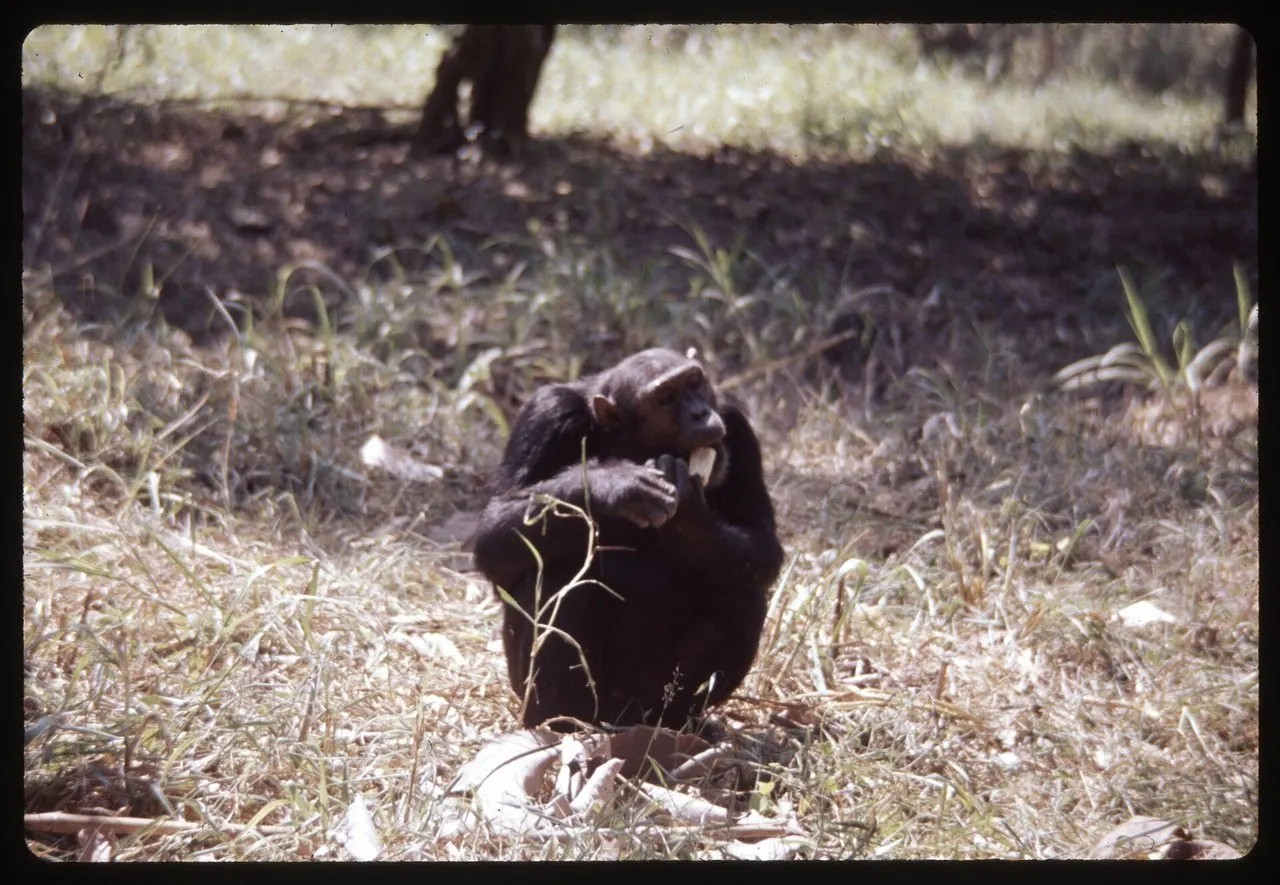
The sanctuary video shows the best moment of the whole story, when Kaleb reaches into the paper bag and pulls out a banana. His face says it all, and that is why the post touched so many people. He had been stuck and hungry, and now food had arrived from the sky. Chimpanzees are smart animals, and Kaleb understood at once that the bag was for him. He ate happily while his keepers watched, and the worry of the day began to lift. Read more in hidden Easter eggs found by GTA 6 fans.
Crossing the Water on a Rope
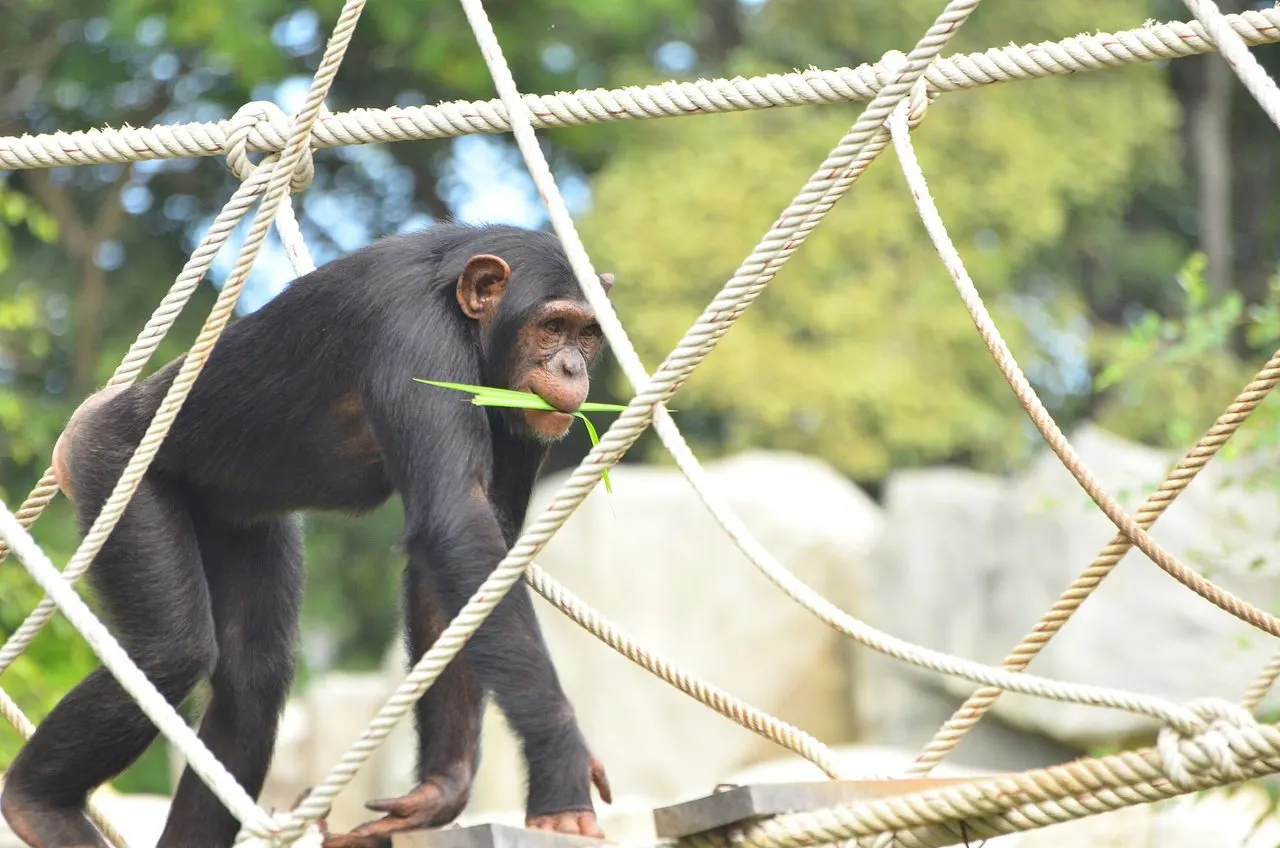
After his meal, Kaleb crossed the water along a rope that had been strung across it, heading to a more accessible area. It was a brave move for an older chimpanzee, and it showed how much he wanted to get back to dry ground and his normal routine. Chimpanzees are strong climbers, and they use ropes and branches in the wild to move through trees. The rope gave him a safe path over the flood water, and his keepers watched every step. Learn about Zelensky and the silent shrug.
Kaleb Drone Rescue Reaches a Safer Spot
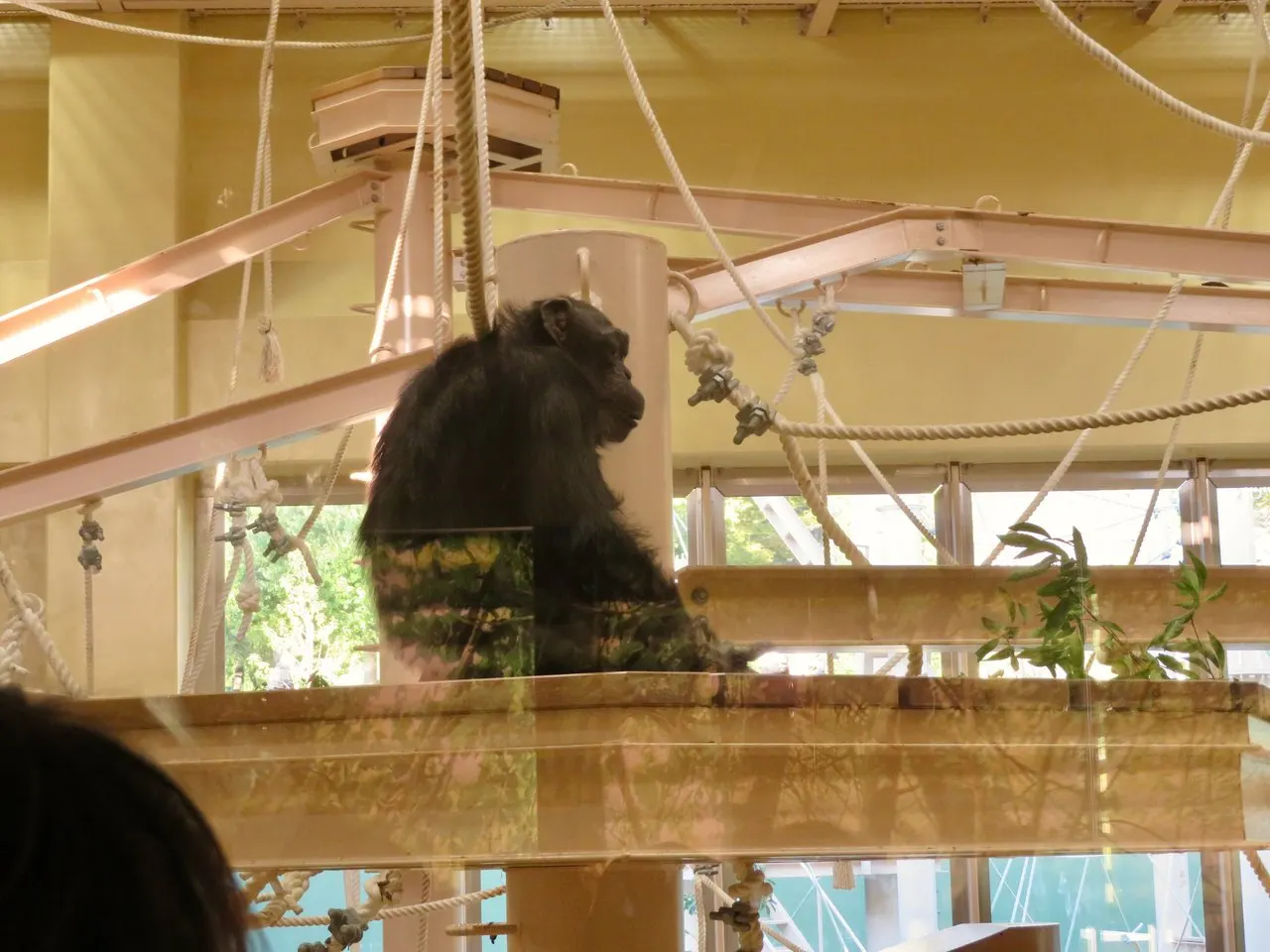
Once Kaleb crossed the rope, he reached a more accessible area where his keepers could look after him in the normal way. The flood water was still there, but he was no longer cut off from food and care. His drone delivery had kept him fed while he waited, and the rope crossing brought him back to safety. The team could breathe again, knowing their oldest friend was warm, fed, and close by. It was a happy ending to a tense day at the sanctuary. Read about assisted dying on his birthday.
Trucks and a Tractor for the Other Chimps
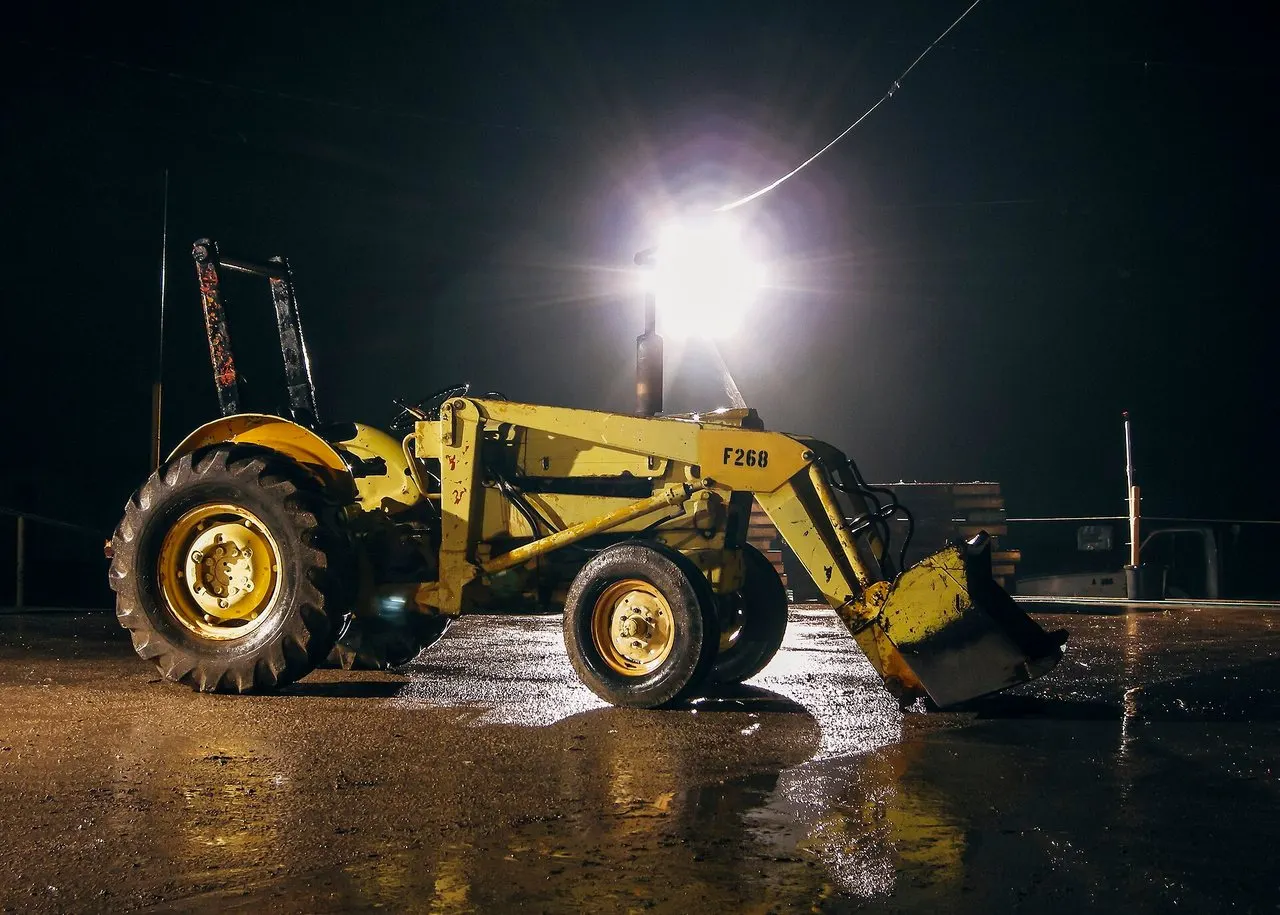
Kaleb was not the only chimpanzee who needed food that day. The other animals at the sanctuary were brought their meals in trucks and a tractor, which could push through water that stopped the golf carts. The staff worked hard to reach every group, and no animal went hungry. It took extra effort and extra time, but the team knew every mouth had to be fed. In the end, all 200 chimpanzees at the sanctuary were safe and cared for. See how to greet Vladimir Putin.
All 200 Chimpanzees Are Safe
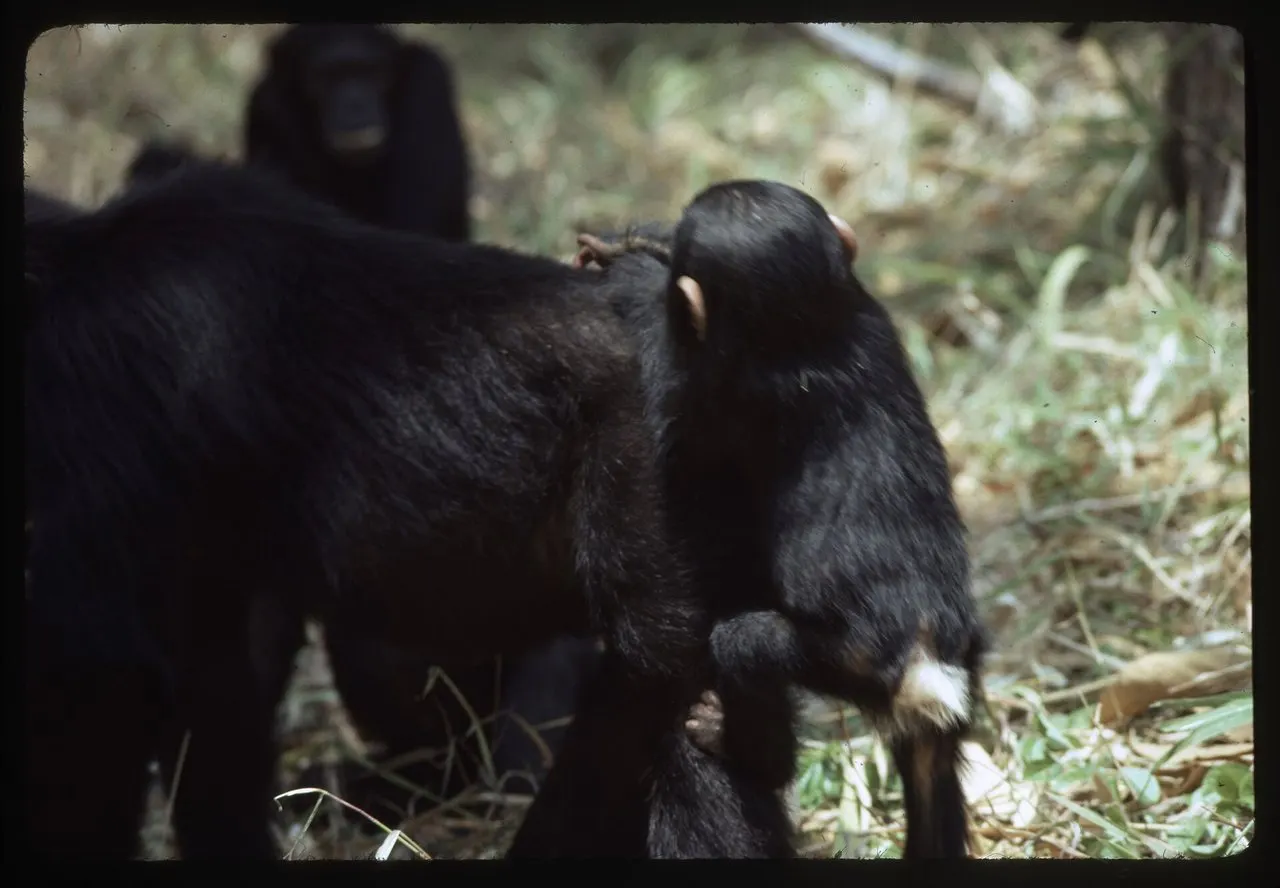
The best news of all is that all 200 chimpanzees at Save the Chimps are safe. The flood was scary, and the days of rain tested the staff, but every animal came through it. Kaleb got his food by drone, and the others got theirs by truck and tractor. The sanctuary team stayed calm, used the tools they had, and looked after each animal one by one. When the water finally falls, the keepers will be back on their golf carts. Read about the big change coming in GTA 6.
What Save the Chimps Does Every Day
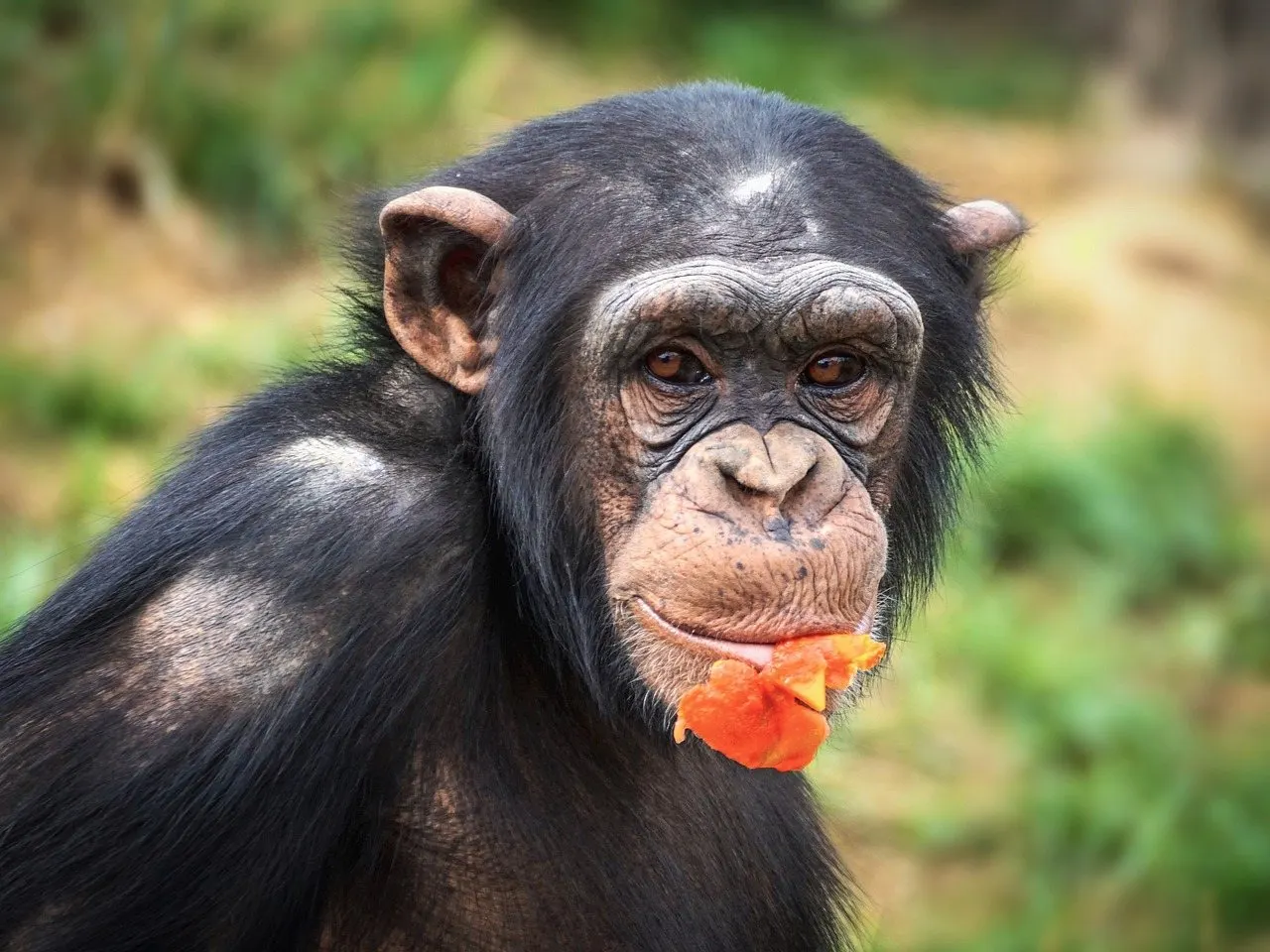
Save the Chimps cares for about 200 chimpanzees every single day, and the work is much bigger than one rescue. Keepers prepare thousands of pounds of food, clean the living areas, check the health of each animal, and give them room to climb, play, and rest. Many of the chimps came from hard lives in labs or as pets, and the sanctuary gives them a calm home. The drone rescue shows how much thought goes into their care. Learn about how much water data centers use.
Kaleb Drone Rescue Shows Why Planning Matters
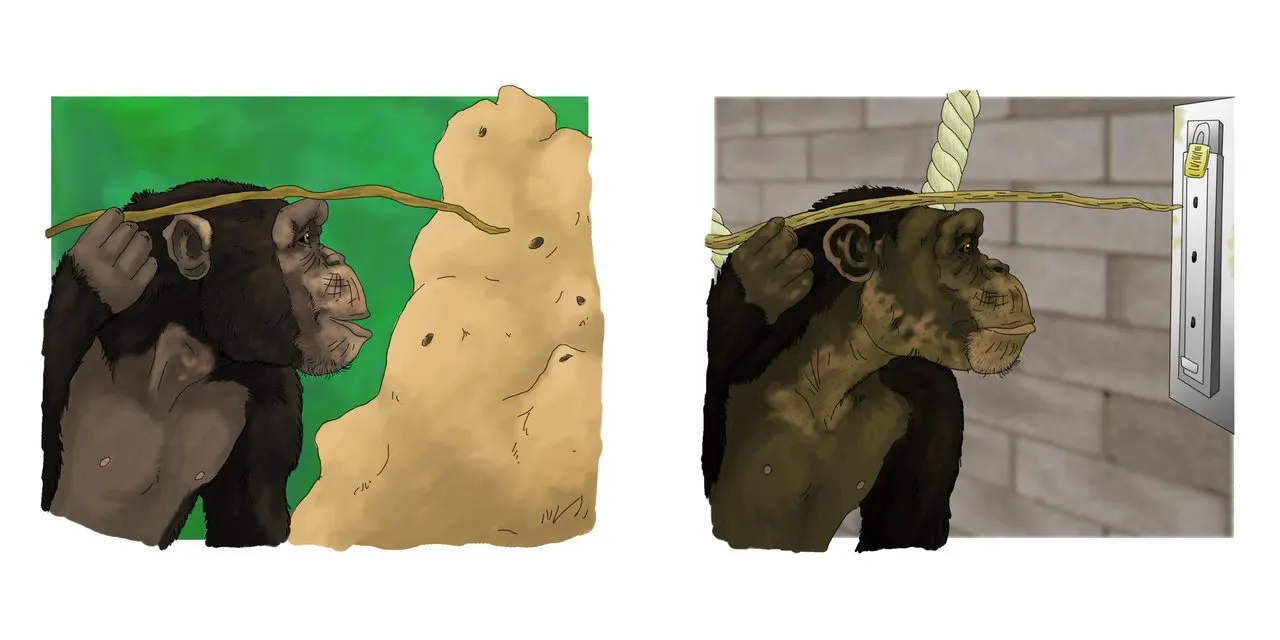
The sanctuary bought its drone before the flood, and that early choice made the rescue possible. Good planning means thinking about what could go wrong and having a tool ready before you need it. The staff did not buy the drone on the day of the flood, and they did not have to learn how to fly it in a panic. They were ready, and Kaleb ate because of it. Every animal home can learn from that kind of care. Read about Melania Trump and her small staff.
Life in a Florida Sanctuary
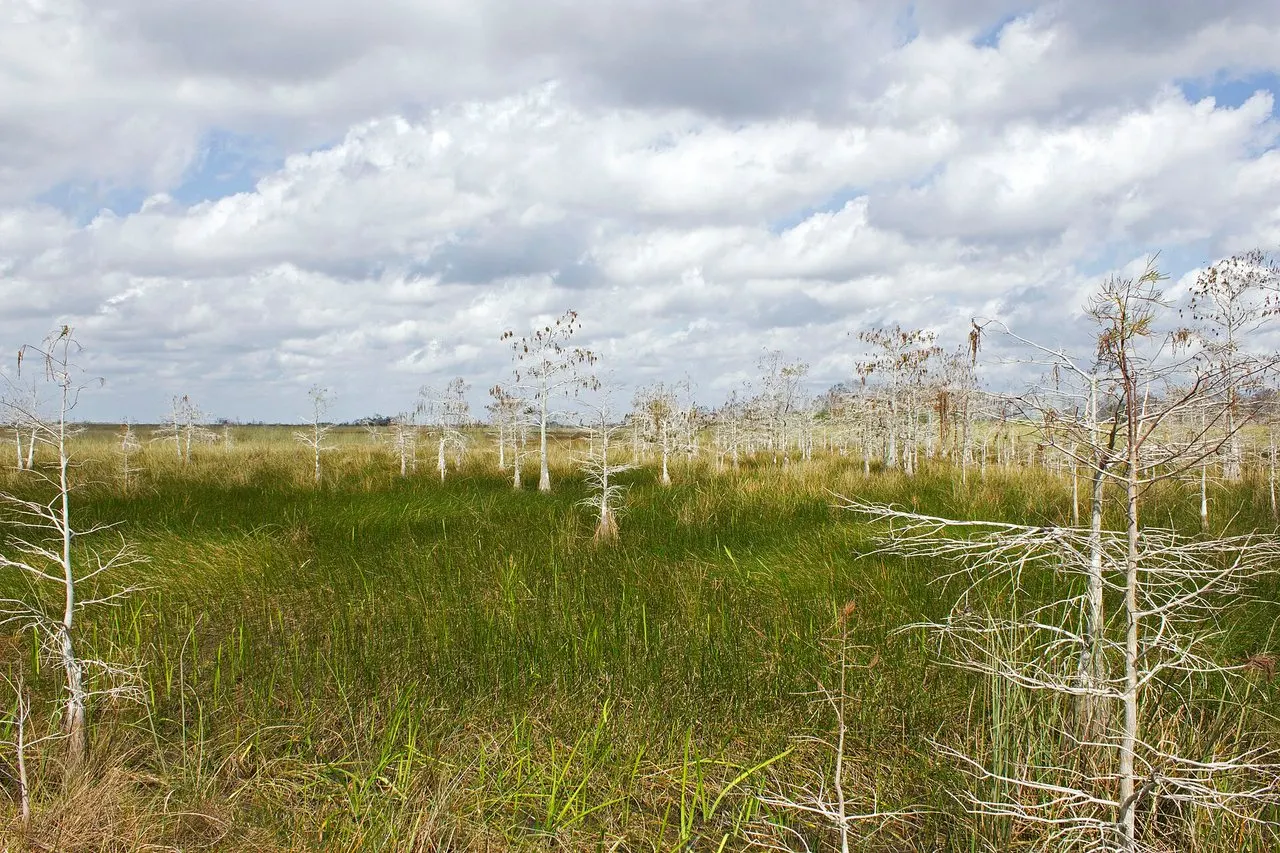
Florida is a warm and wet place, and that shapes life at Save the Chimps. The sanctuary has wide outdoor areas, trees to climb, and channels of water that run through the land. On most days the water is no problem at all, and the chimps enjoy the space. But heavy rain can fill the channels fast, and the staff has to watch the weather all the time. The flood was a reminder that nature sets the rules in Florida, even for a well run home. See Wallace Shawn and the Gaza debate.
The Keepers Who Never Forgot Him
Kaleb was stranded and out of sight for a while, but his keepers never forgot him. They knew where he was, they knew he was hungry, and they kept working on a way to reach him. Good caregivers do not give up when the normal path is blocked, and this team proved it. They used a drone, a paper bag, and a rope, and they stayed with the problem until Kaleb was safe. That kind of care is what makes a sanctuary a real home. Read about a graduation photo eighteen years later.
How Chimpanzees Eat in the Wild
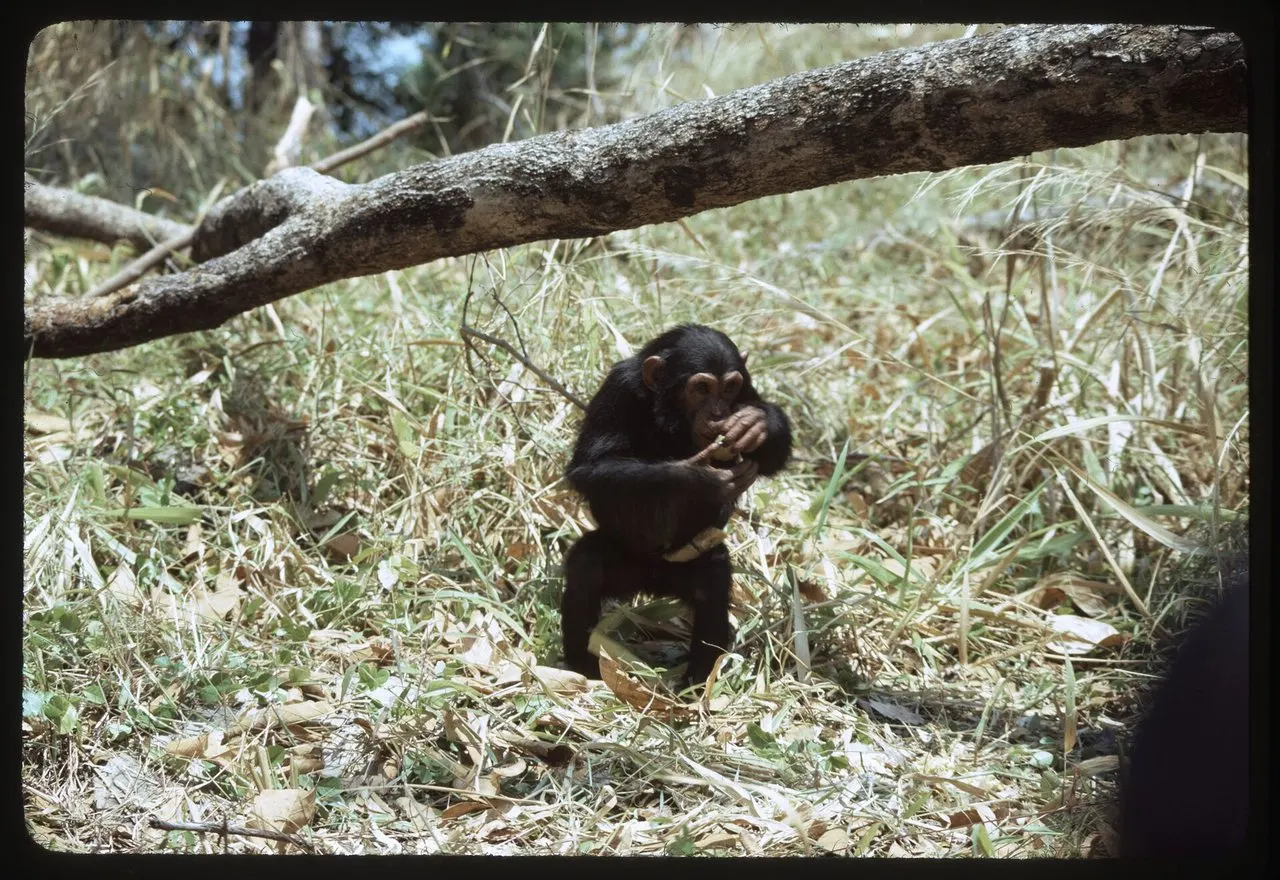
In the wild, chimpanzees spend much of the day looking for food, and fruit is a big part of their diet. They eat bananas, figs, and other fruit, along with leaves, nuts, and insects. Young chimps learn what is safe to eat by watching their mothers, and the group shares what it finds. At a sanctuary, keepers copy that natural diet with fresh food every day. Kaleb’s banana was more than a treat, because it was the food his body knows best. Learn about Anaka the gorilla and her pink fingers.
Kaleb Drone Rescue and the Power of a Banana

A banana seems like a small thing, but for Kaleb it was dinner, comfort, and a sign that help had arrived. Bananas give quick energy, and they are easy to eat, easy to carry, and loved by chimpanzees. The drone could lift the fruit without trouble, and the paper bag kept it safe on the flight. When Kaleb pulled the banana out, his face lit up, and the video of that moment spread fast. Sometimes the simplest food is the best rescue. Read about Trump greeting Putin at a summit in China.
Storms and Heavy Rain in Florida
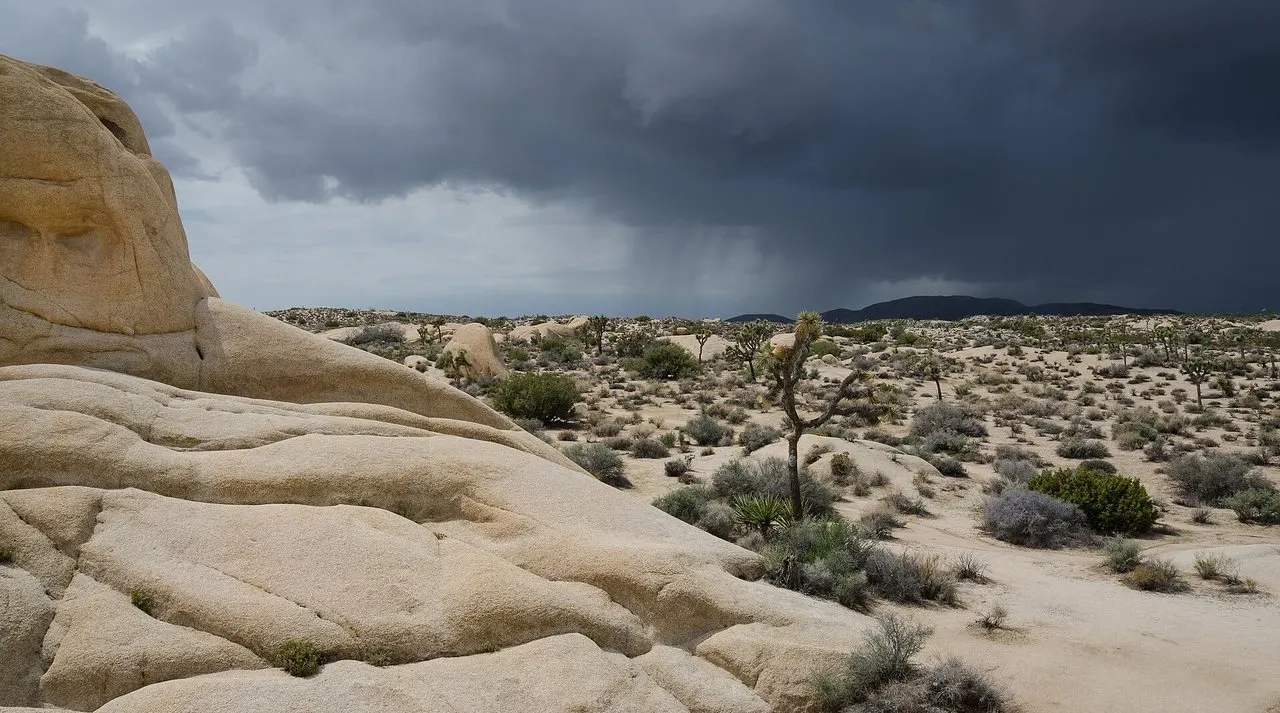
Florida sees heavy rain often, and a slow storm can soak the ground for days. From Sunday through Tuesday, the rain kept falling near Fort Pierce, and the channels at the sanctuary filled up. Thunderstorms are a normal part of life in the state, and people who live there learn to watch the sky. But even normal rain can cause trouble when it does not stop, and this storm proved it. The sanctuary team handled it well, and no animal was hurt. See the forest cleared for a data center.
Golf Carts and Daily Feeding Routes

Every day at Save the Chimps, keepers load about 3,000 pounds of food onto golf carts and drive it out to the animals. The carts are quiet, easy to drive, and perfect for the paths between the outdoor areas. The chimps know the sound of the carts, and they know that food is on the way. When the flood covered the paths, the carts could not run, and the whole routine broke down. That is when the drone took over the job. Learn about Trump and the Marine Band gift.
Kaleb Drone Rescue Inspires Other Sanctuaries
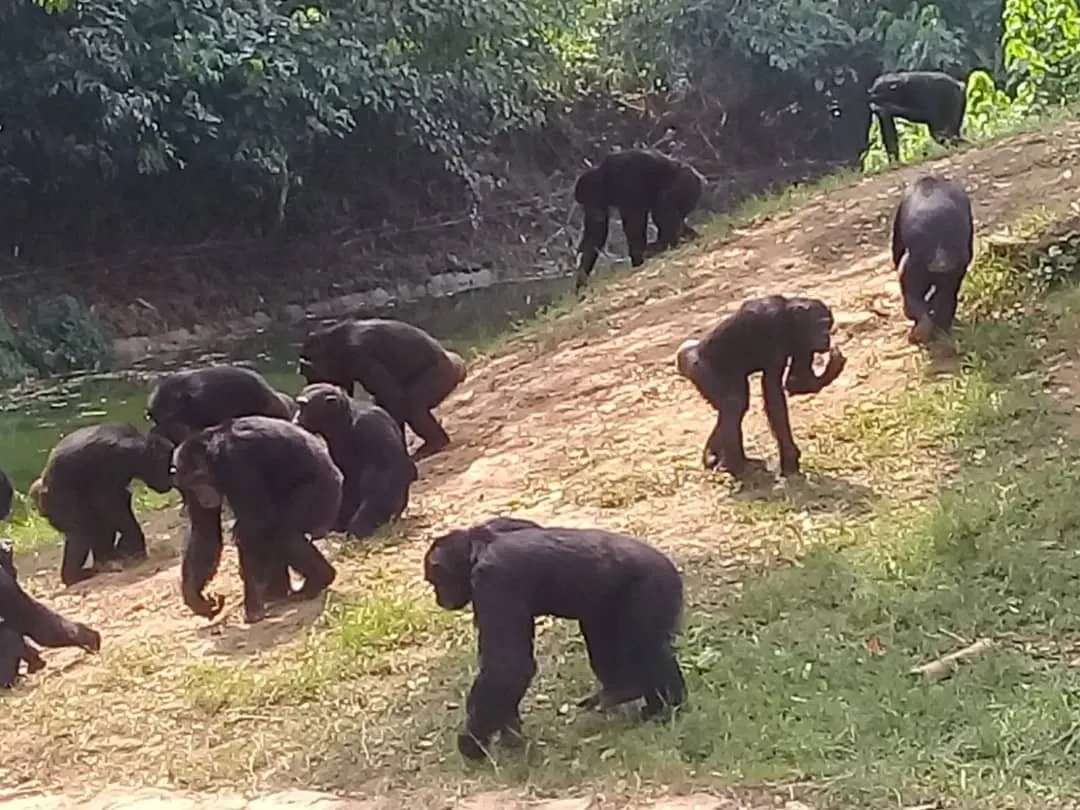
News of the drone delivery spread quickly, and other sanctuaries are sure to take note. A drone is not costly compared to the good it can do, and it can reach animals in floods, fires, and other trouble. The Save the Chimps team showed that a small bit of planning can save a life, and their story may push other homes to buy a drone too. Kaleb’s dinner flight could help animals far beyond Florida. Read about the measles outbreak in Pennsylvania.
A Chimpanzee’s Face Says It All
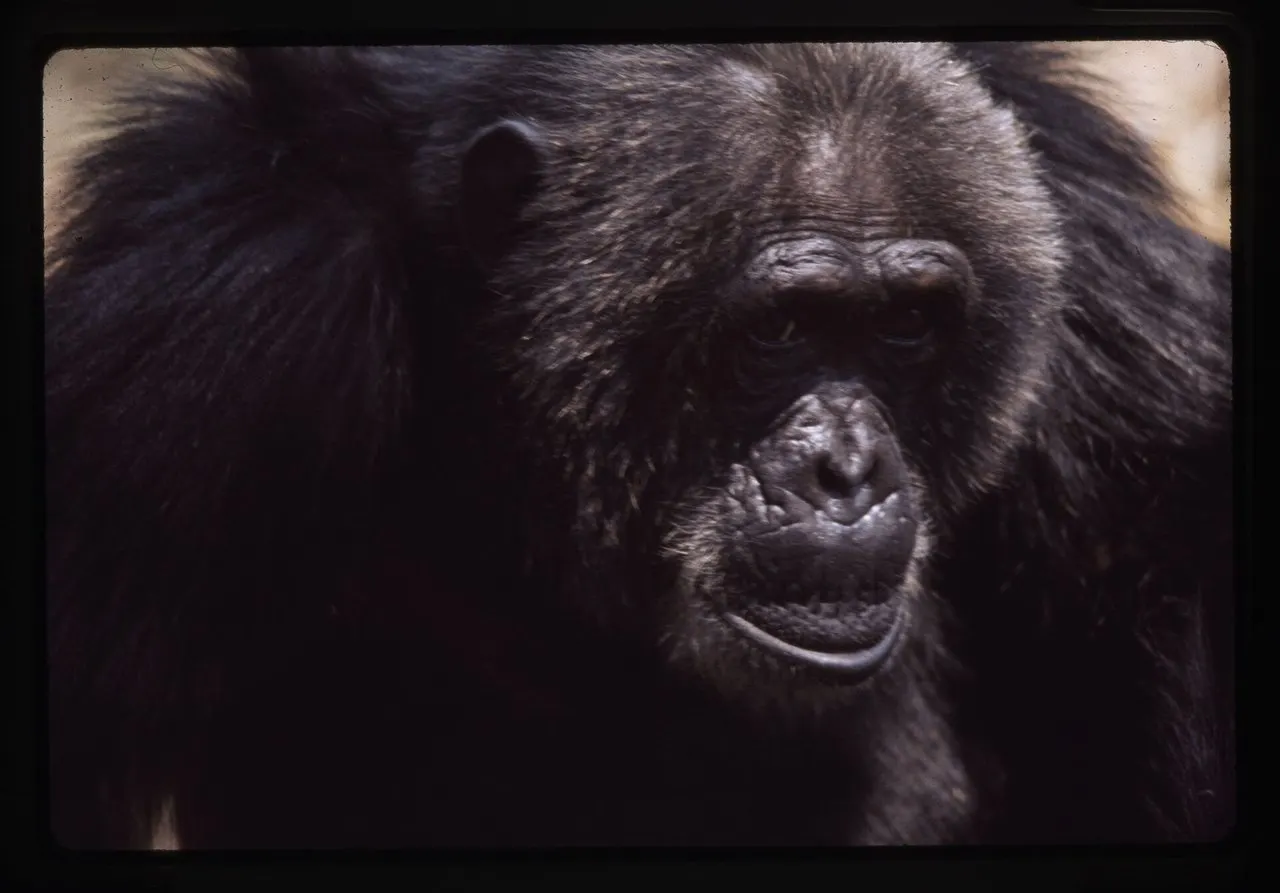
The post says the animal’s face says it all, and anyone who has seen the video will agree. Kaleb’s expression when he found the banana tells the whole story without a single word. Chimpanzees show joy, relief, and worry on their faces, much like people do, and that is why photos of them touch us so deeply. A happy chimp is easy to spot, and Kaleb was clearly happy. His face turned a flood rescue into a story the world wanted to share. See Geeta and her twelve year shelter.
Young Chimps and Old Friends at the Sanctuary

Save the Chimps is home to chimps of every age, from babies to old friends like Kaleb. Young chimps play, climb, and learn from the adults, while older animals enjoy quieter days and extra care from the staff. The group gives each animal company, and the keepers give each one a name and a history. Kaleb has lived at the sanctuary for many years, and he is part of a big family. The flood touched them all, but the family held together. Read about hidden Easter eggs found by GTA 6 fans.
Kaleb Drone Rescue in the News
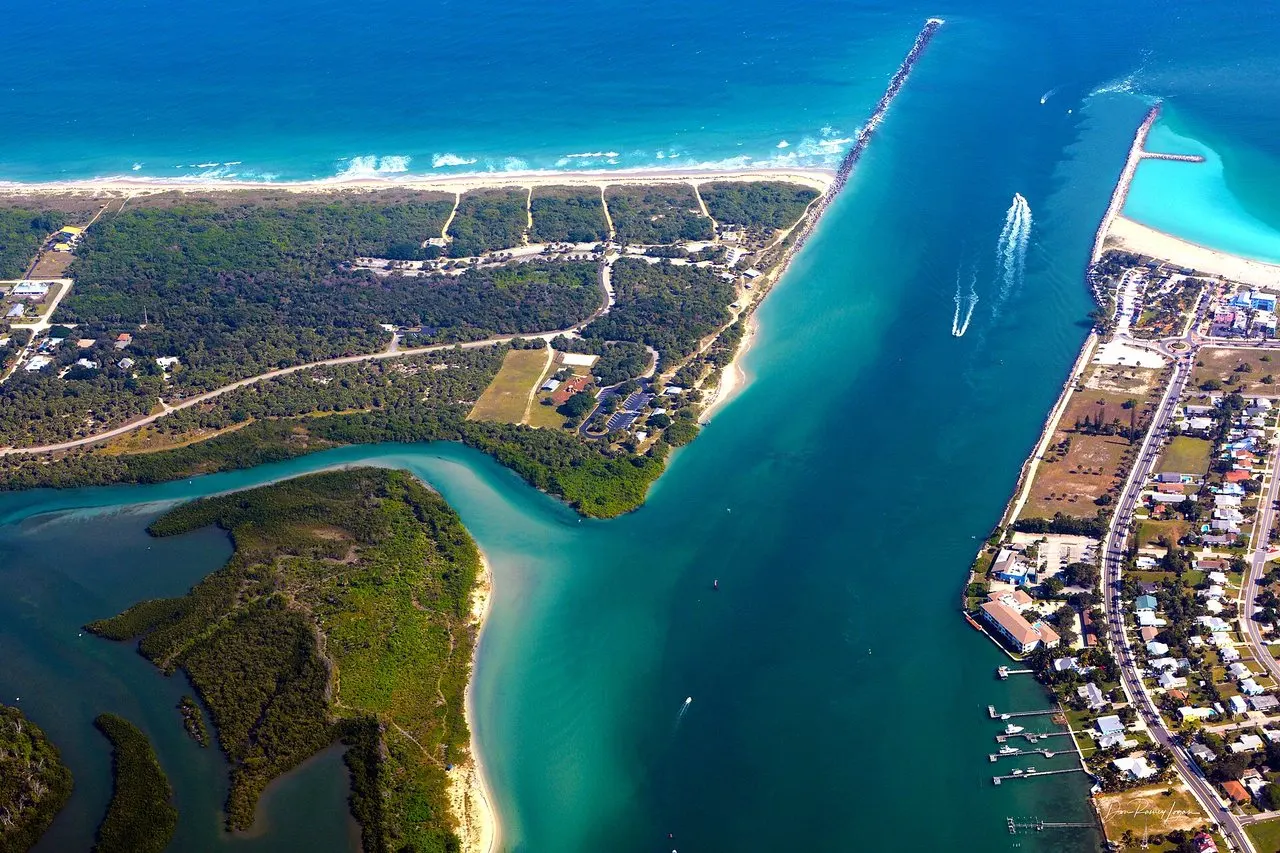
The Associated Press, Phys Org, the Times of India, and WKBN all picked up the story, and each one told it the same way. A chimp sanctuary used a drone to bring food to a stranded chimp, and the world loved it. Good news travels fast with a clear hero, a clever plan, and a happy ending. Kaleb did not ask to be famous, but his banana delivery made him a star for a day. The coverage also praised the keepers who never gave up. Learn about Zelensky and the silent shrug.
Kaleb Drone Rescue Shows How Drones Help
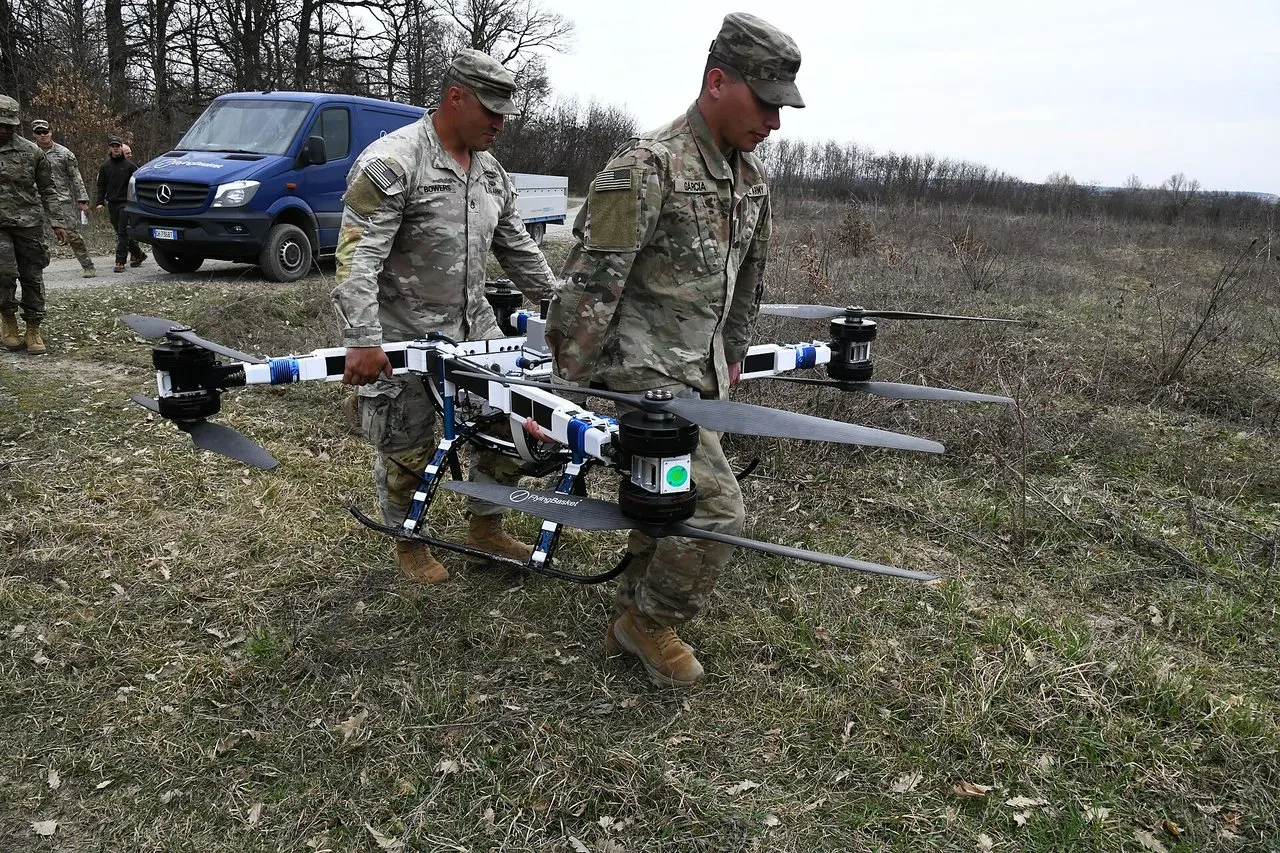
Drones are now used in rescues all over the world, from finding lost hikers to carrying medicine to remote places. They fly where people cannot go, they work in bad weather, and they cost far less than a helicopter. The drone at Save the Chimps was bought for an emergency, and it proved its worth in one short flight. As drones get better and cheaper, more animal homes will keep one ready. Kaleb’s story is one more reason why. Read about assisted dying on his birthday.
The Calm After the Flood
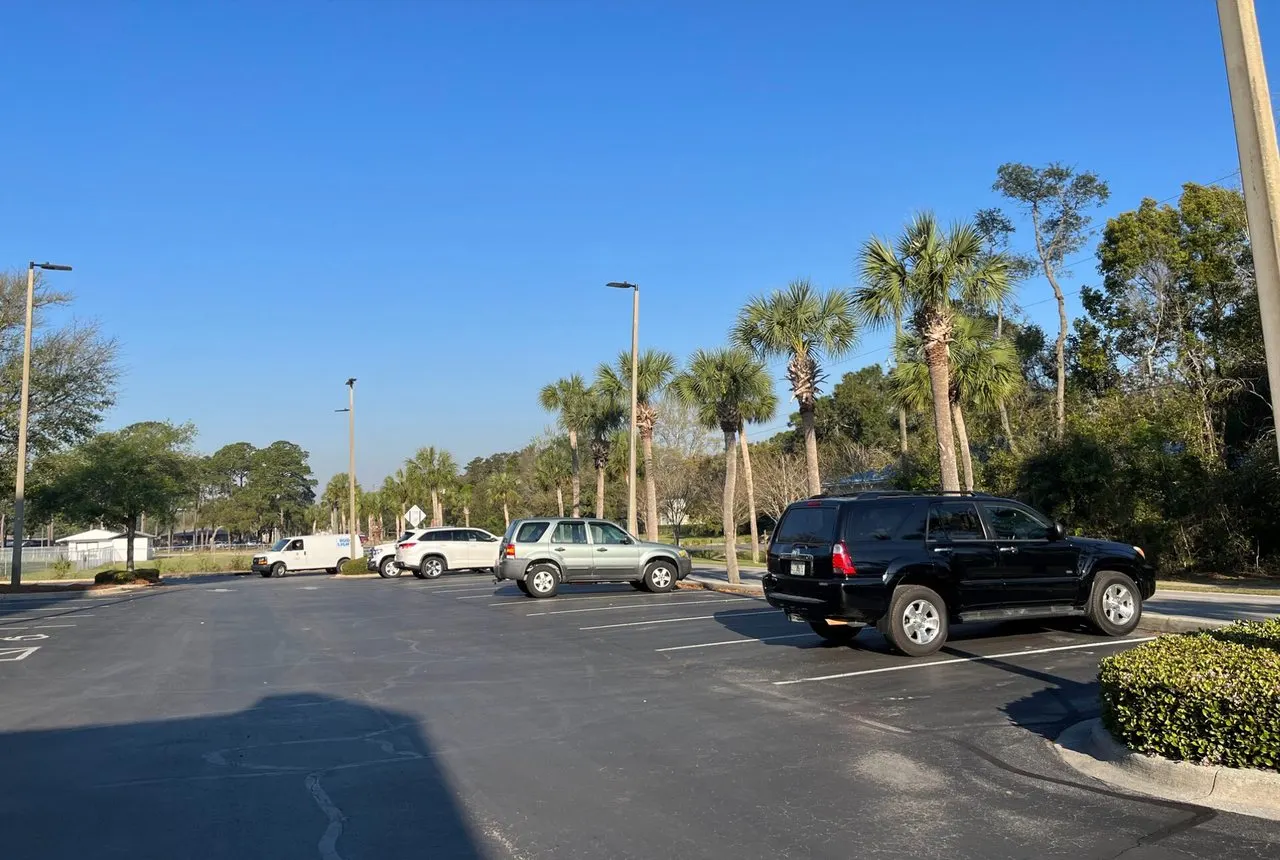
After days of rain, the skies over Fort Pierce will clear, and the water will slowly drain away from the sanctuary. The paths will dry out, the golf carts will run again, and the keepers will go back to their normal rounds. Kaleb will be back in his usual spot, eating with his group and enjoying the Florida sun. Floods pass, but the memory of a good rescue stays. The team will keep the drone charged, just in case the rain comes back. See how to greet Vladimir Putin.
What Would You Do to Help a Stranded Animal?
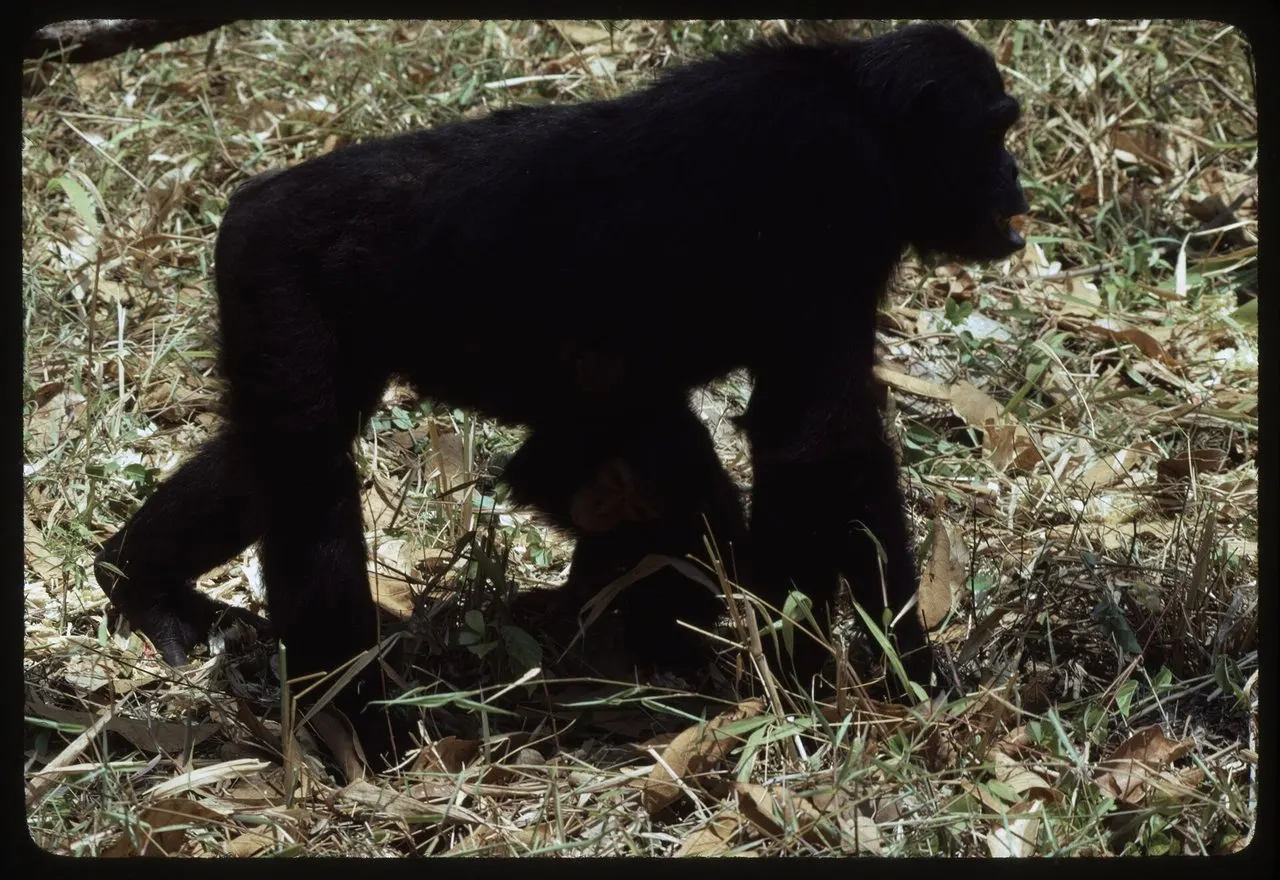
Kaleb is safe, fed, and back with his keepers, and his story ends the way we all hoped it would. But it leaves a question for every reader. If you saw an animal stranded by flood water, what would you do to help? Would you call a sanctuary, share the story, or support the people who care for animals every day? Tell us in the comments, and share this story with someone who loves animals. Read about the big change coming in GTA 6.