Prince George’s Pit Bull Ban Is Over After 27 Years
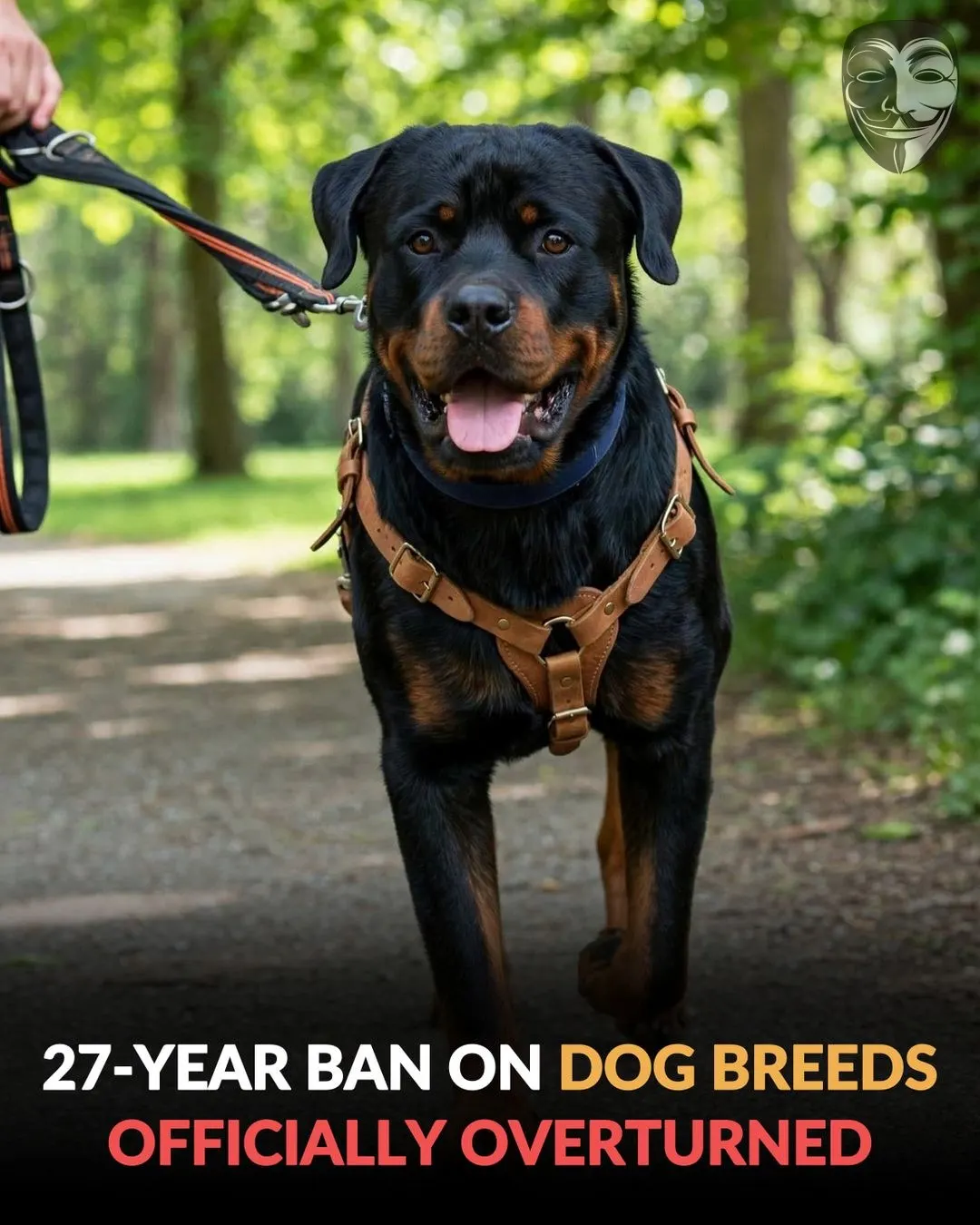
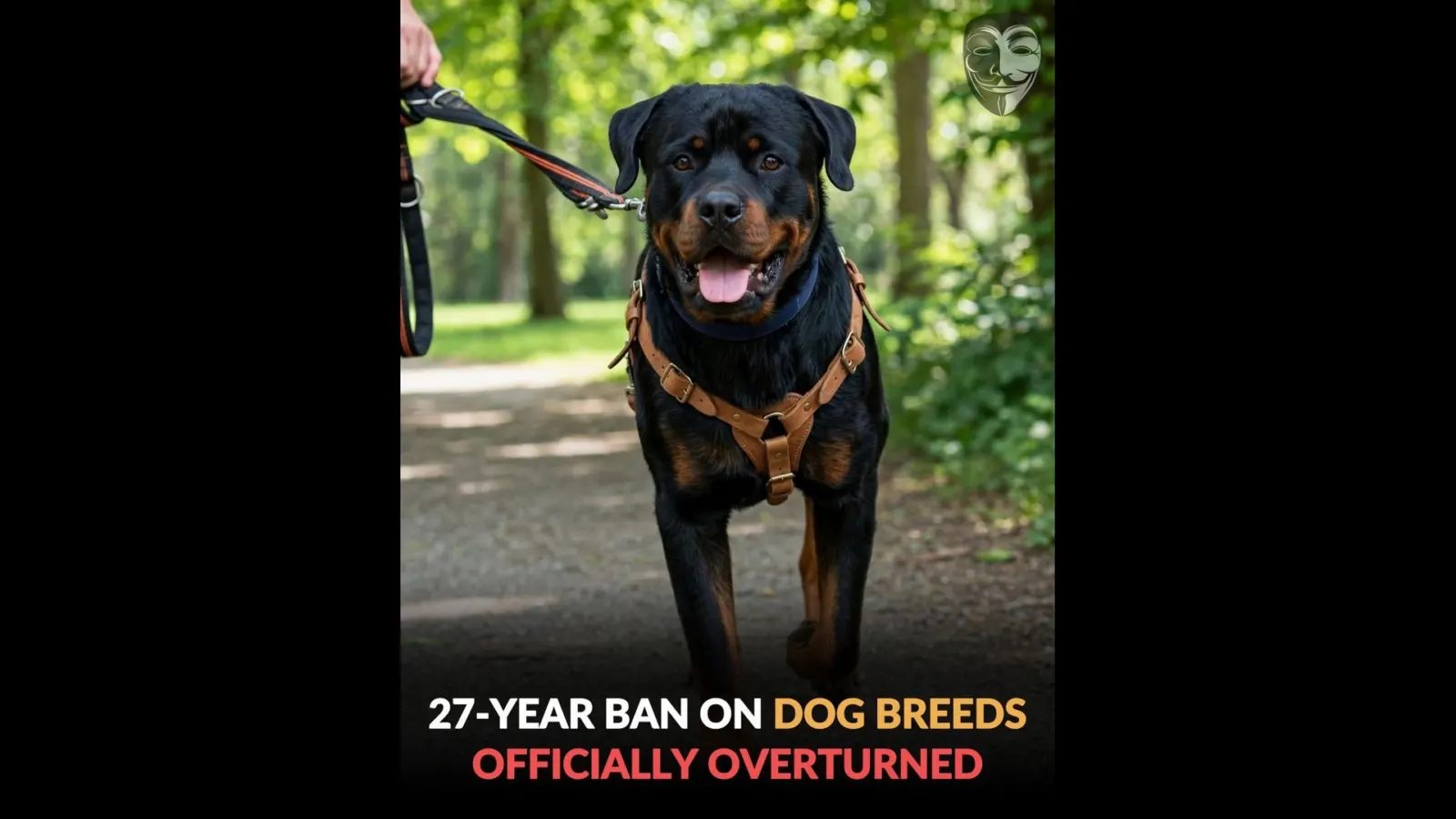
Prince George’s Pit Bull Ban ended on November 18, 2025, when the Prince George’s County Council in Maryland voted to repeal a rule that had stood for 27 years. The ban had blocked people from owning pit bull type dogs in the county, and it cost about 3 million dollars a year to enforce. For nearly three decades, families could not legally keep Staffordshire Bull Terriers, American Staffordshire Terriers, American Pit Bull Terriers, or any dog that looked mostly like one of those breeds. The vote closed a long chapter in local law.
The new law took effect on February 2, 2026, and it changes the focus from a dog’s looks to a dog’s behavior. Previously restricted dogs can now be legally owned, walked, and adopted in the county. The update also strengthens leash rules, expands dangerous animal provisions, and sets up a pilot program for adopting and fostering pit bull type dogs. In the slides ahead we look at the vote, the cost, and what comes next for shelter dogs. Read a case that freed 107 rescued dogs.
References:
Humane World for Animals: One year later, animal advocates reflect on the meaning of Prince George’s County’s breed ban
Prince Georges County MD: New Pit Bull Terrier Bill Fact Sheet
Best Friends Animal Society: Pit bulls finally have a home in Maryland county
Lolo Loves Dogs: Prince George’s County Ends Pit Bull Ban, Shifts to Behavior-Based Rules
The Council Voted on November 18, 2025
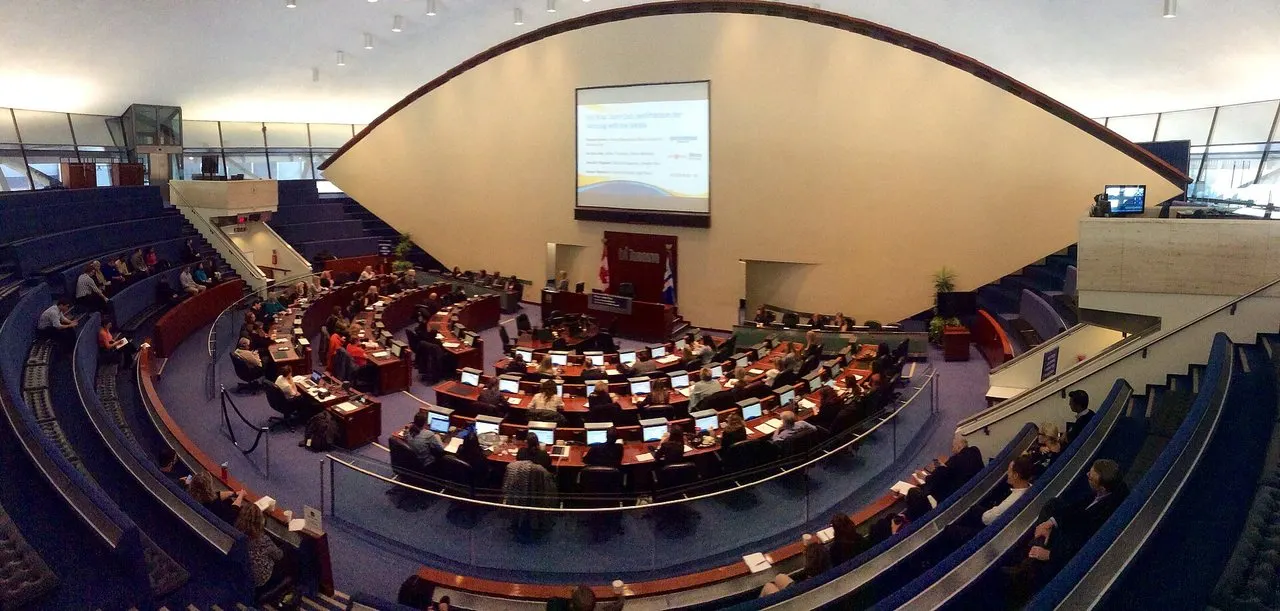
On November 18, 2025, the Prince George’s County Council in Maryland voted to repeal the ban on pit bull type dogs. The vote ended a rule that had stood for 27 years, one of the longest breed bans in the country. Council members chose to replace the old rule with a new law built around how each dog behaves. The decision came after years of debate about whether the ban kept people safe or simply punished dogs for how they look. See a horse carriage ban that runs to 2028.
Prince George’s Pit Bull Ban Lasted 27 Years
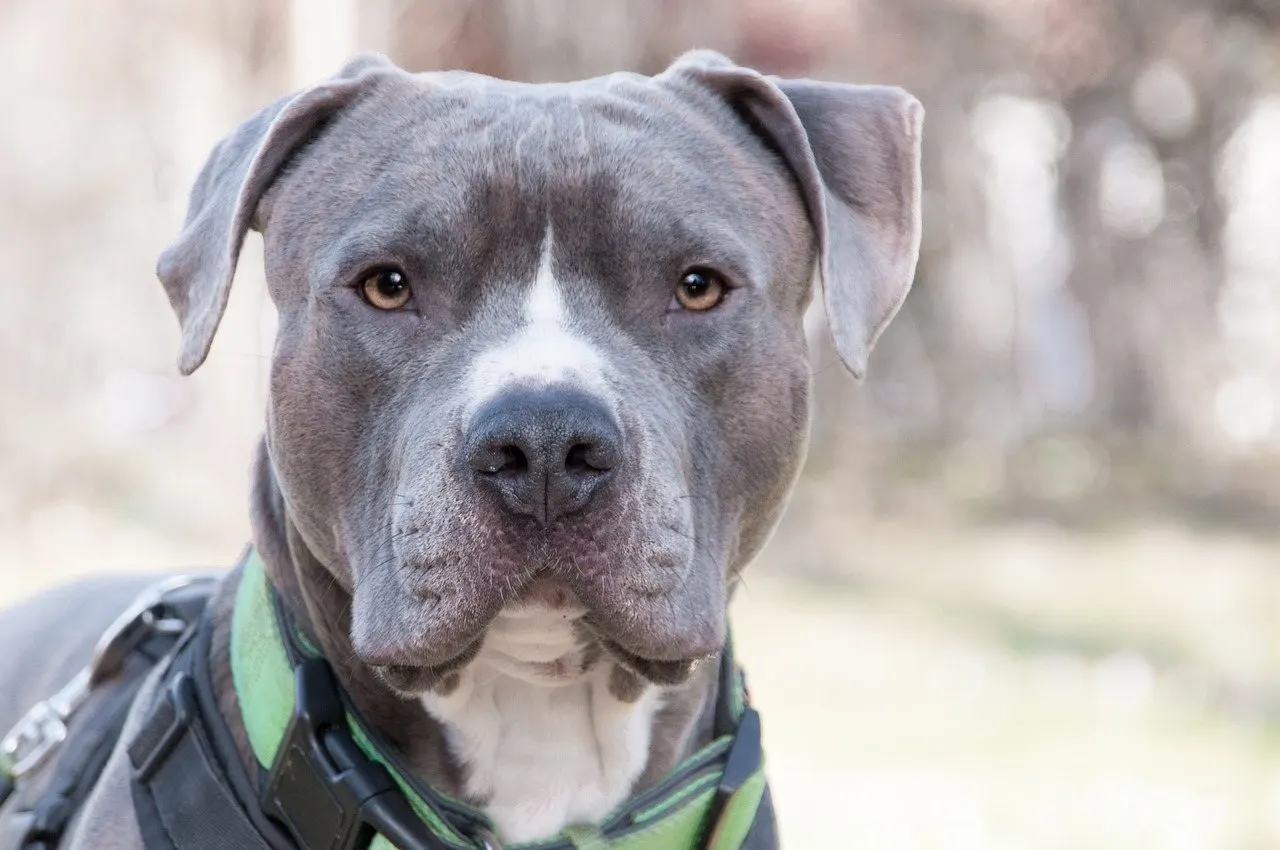
For 27 years, Prince George’s County would not let residents own pit bull type dogs. The rule stayed on the books through changes in county leadership, through new animal control chiefs, and through years of complaints from dog owners and rescue groups. Three decades is a long time for any local law to stand, and the ban became part of the county’s identity. Its repeal in 2025 closed a chapter that many residents had lived under for most of their lives. For more, read a police unit disbanded after the 2020 protests.
The Breeds the Old Law Named
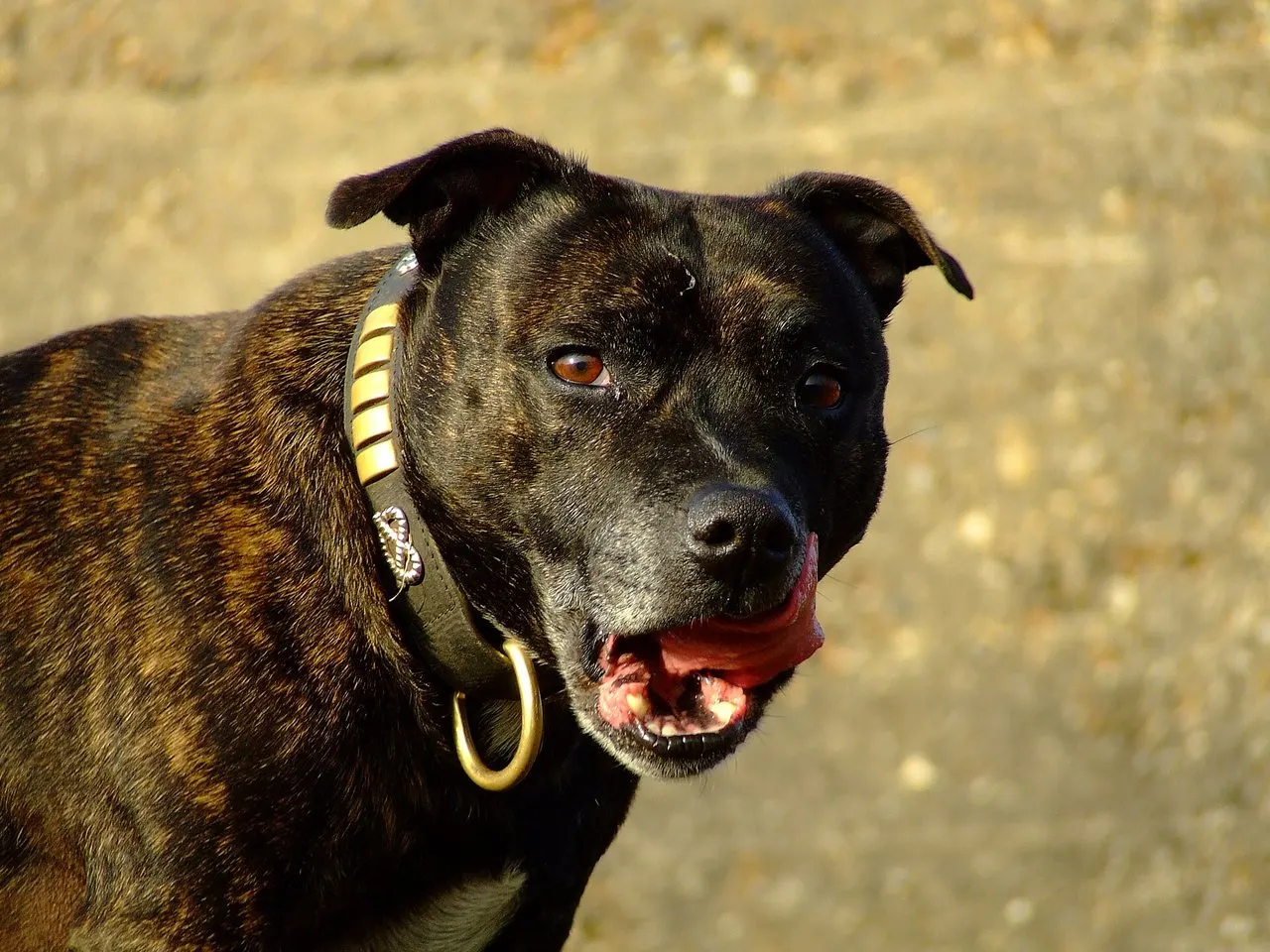
The old law named three breeds by name: Staffordshire Bull Terriers, American Staffordshire Terriers, and American Pit Bull Terriers. It also covered any dog that looked mostly like one of those breeds, which meant animal control officers had to judge dogs by appearance. That look alike rule caused trouble, because mixed breed dogs can share the same broad head and short coat. Many owners said their dogs were seized over looks alone, not over anything the dog had done. You may also like a dress code that bans bonnets and durags.
The Ban Cost About 3 Million Dollars a Year
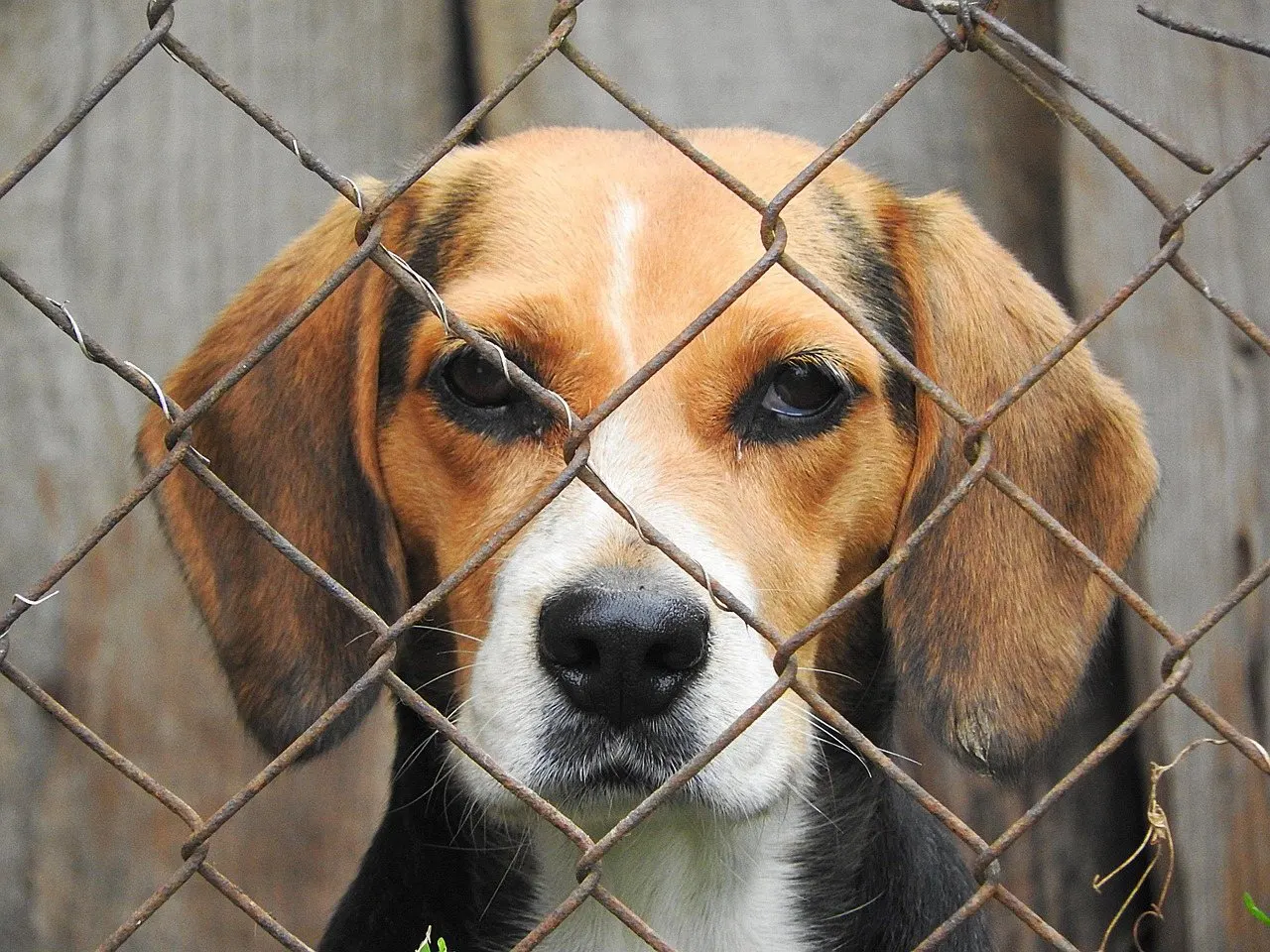
Enforcing the ban cost Prince George’s County about 3 million dollars every year. That money paid for seizing dogs, holding them in shelters, going to court, and putting some dogs down. Critics of the ban said the cost was hard to defend when the money could have gone to leash enforcement, training help, and shelter care. Supporters of repeal argued that behavior based rules would protect people better and cost the county less over time. Read a first lady’s office that runs on five staff.
Prince George’s Pit Bull Ban Ends on February 2, 2026
The new law took effect on February 2, 2026, two months after the council voted. From that day on, previously restricted dogs could be legally owned, walked, and adopted in the county. The wait gave animal control time to update its rules and gave shelters time to prepare. For owners who had waited years, February 2 was the day the county said yes to their dogs. See a speech that took Donald Trump apart over Ukraine.
Judged by Behavior, Not by Breed
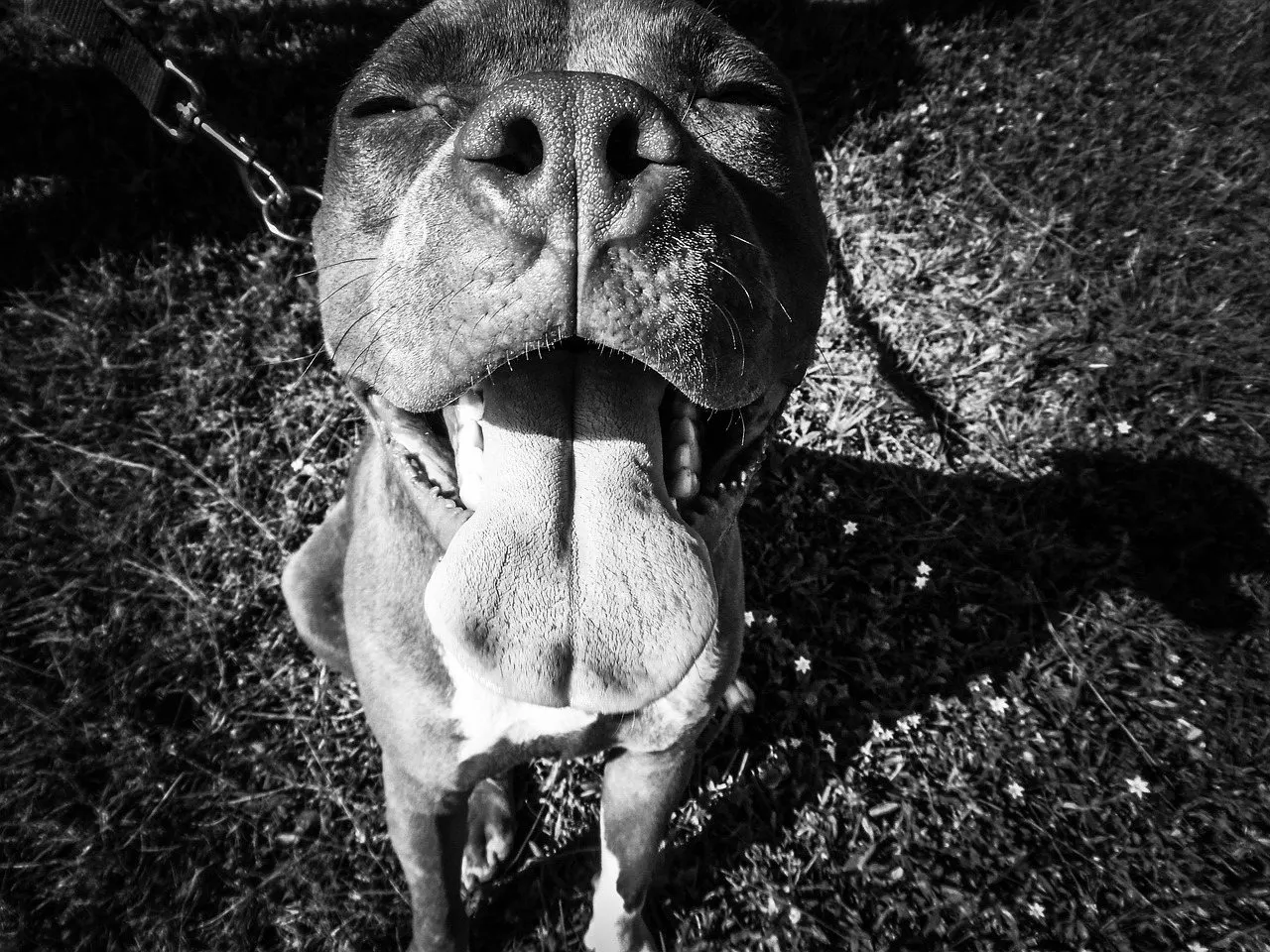
The heart of the new law is simple: judge each dog by its behavior, not by its breed. A calm pit bull type dog that passes a behavior check is treated like any other friendly dog. A dog of any breed that acts dangerously faces the same rules. That shift moves the focus from appearance to actions, which is what animal behavior experts have urged for years. Owners still must keep control of their dogs, and the county can still act fast when a dog is a real risk. For more, read a clash over one billionaire’s midterm spending.
Leash Rules Are Stronger Now
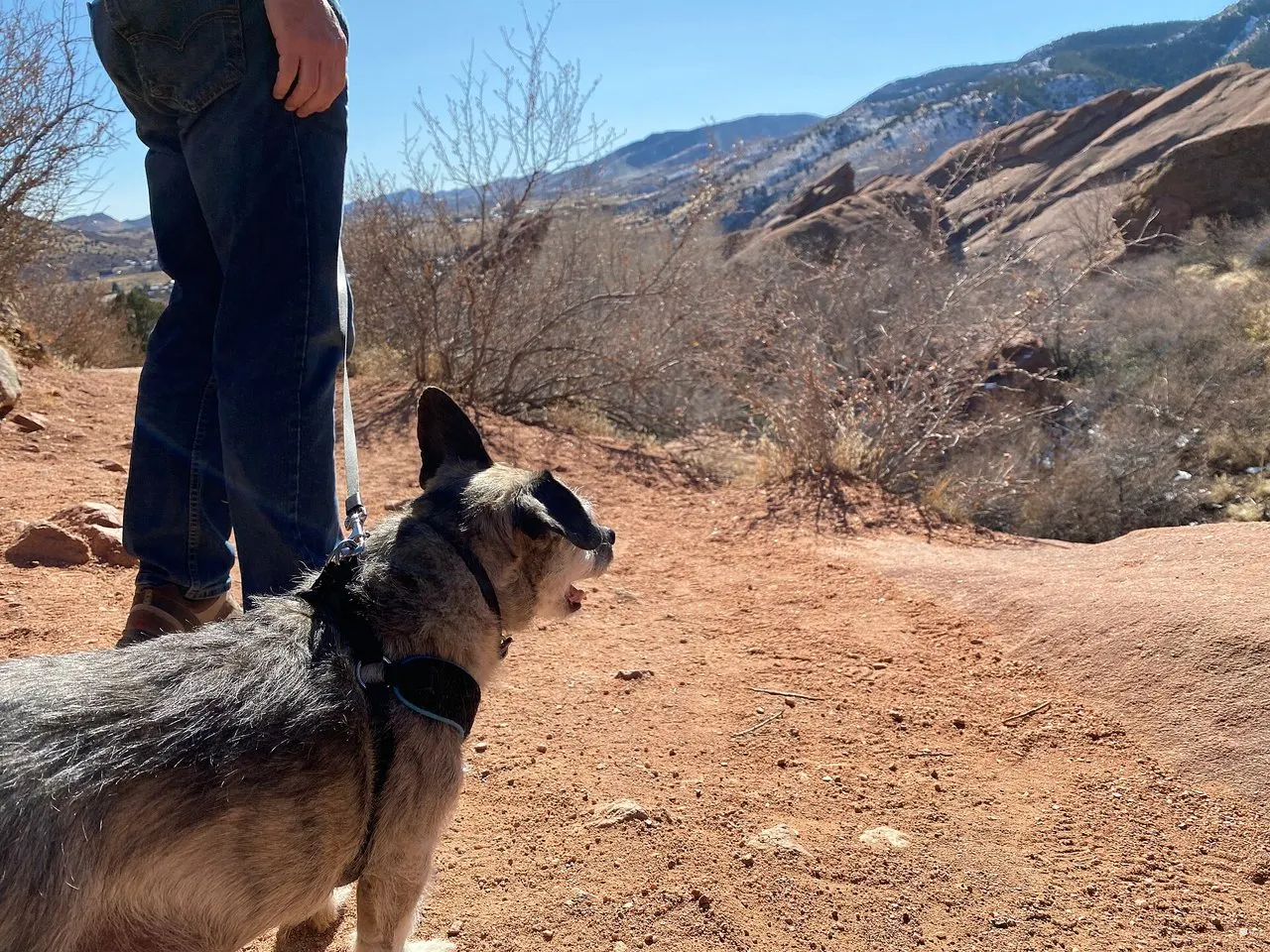
The repeal did not mean fewer rules. The new law strengthens leash rules in the county, so dogs must stay under their owner’s control in public. It protects walkers, children, other pets, and the dogs themselves. It gives officers a clear tool: a dog off leash can be dealt with no matter what breed it is. Supporters say this rule does more for safety than a ban ever did. You may also like a joke about Washington spending billions every day.
Prince George’s Pit Bull Ban Gave Way to Tougher Dangerous Dog Rules
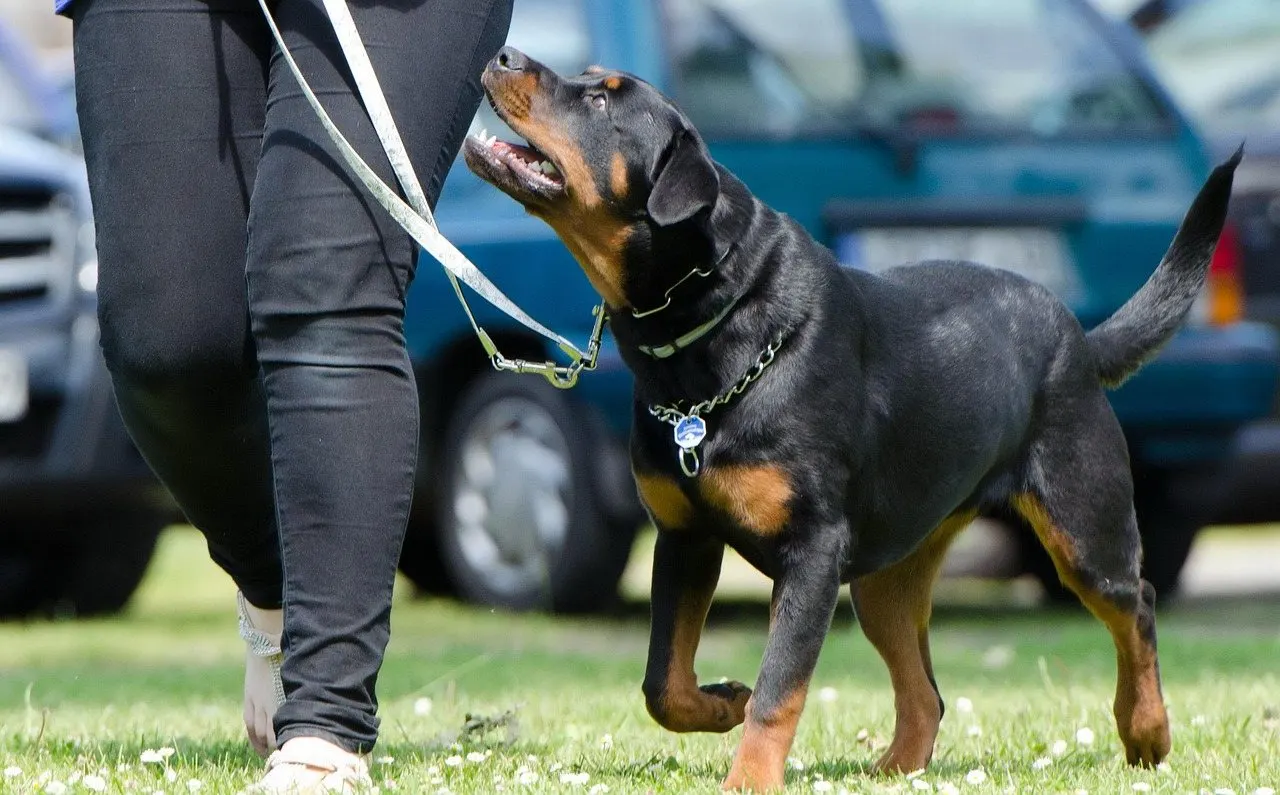
Along with the leash rules, the new law expands dangerous animal provisions. That means the county has stronger powers to deal with dogs that bite, chase, or threaten people, whatever breed they are. A dog with a history of aggression can be restricted, removed, or put under strict conditions. The change answers the main worry about repeal, which was public safety, by keeping firm protections in place while dropping the breed label. Read a change that rewards players who treat Jason and Lucia like a real couple.
A Pilot Program for Adoption and Fostering
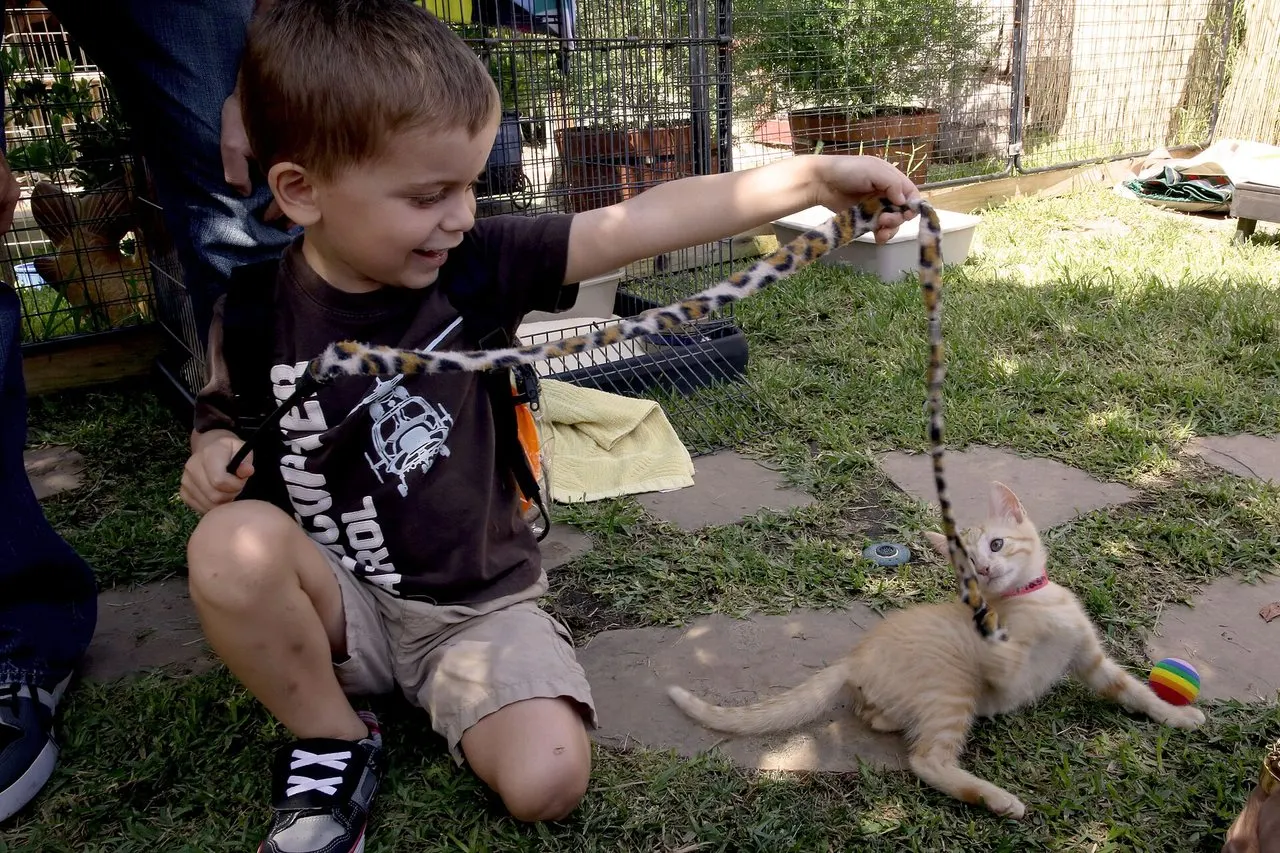
The new law sets up a pilot program for adopting and fostering pit bull type dogs. Shelters in Prince George’s County can now place these dogs with families and foster homes instead of holding them under the old ban. A pilot program lets the county test what works, learn from early adoptions, and grow the effort if it succeeds. For dogs that waited months or years in kennels, the program is the first real path to a home. See a seabed auction held days after a judge ruled it unlawful.
Shelter Dogs Finally Get Judged as Individuals
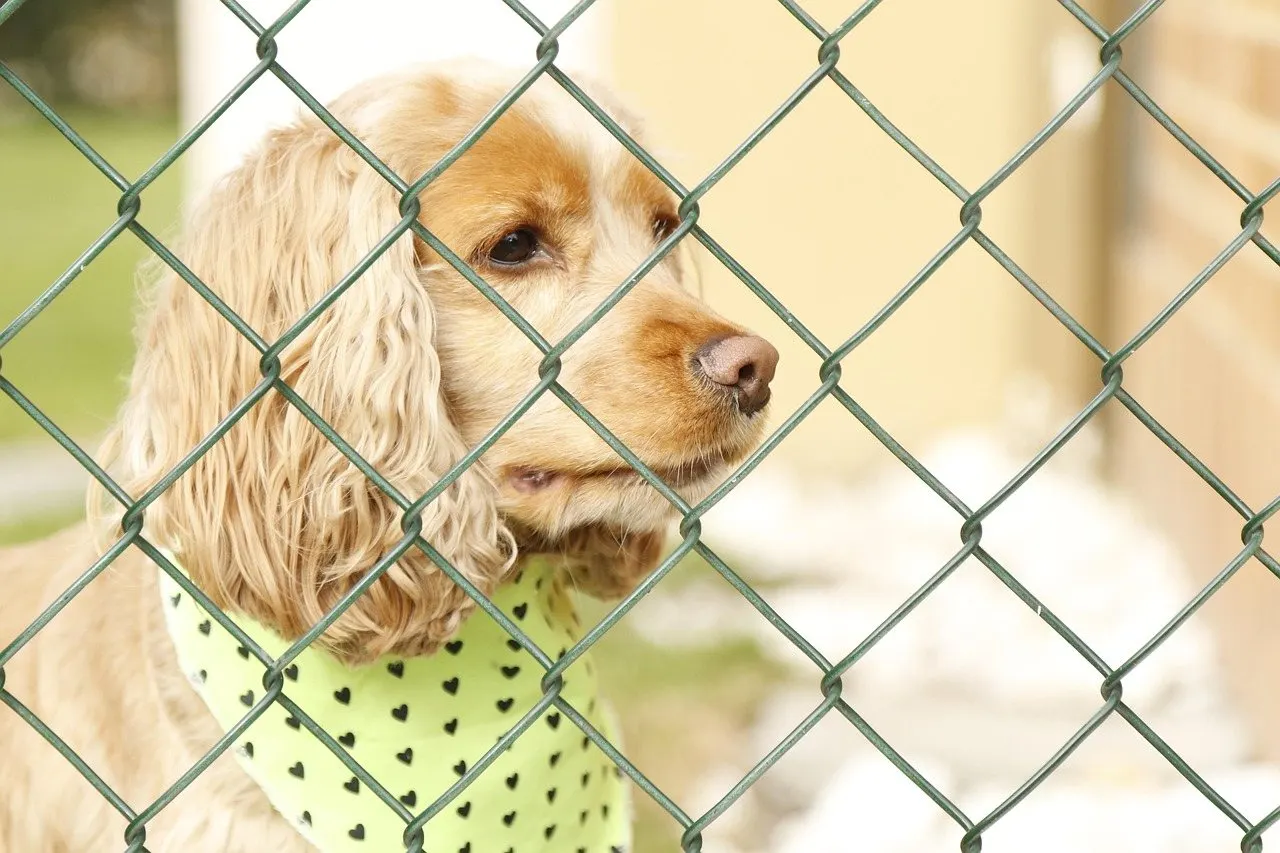
For years, shelter dogs in Prince George’s County were judged by their looks before anyone asked how they behaved. A friendly pit bull type dog could sit in a kennel for months simply because of its shape. Under the new law, each shelter dog is judged as an individual, with its own temperament, history, and needs. That change gives staff a fair way to match dogs with families, and it gives the dogs a real chance at adoption. For more, read a meeting where Putin shared intelligence with Iran.
What Pit Bull Type Dogs Are Really Like
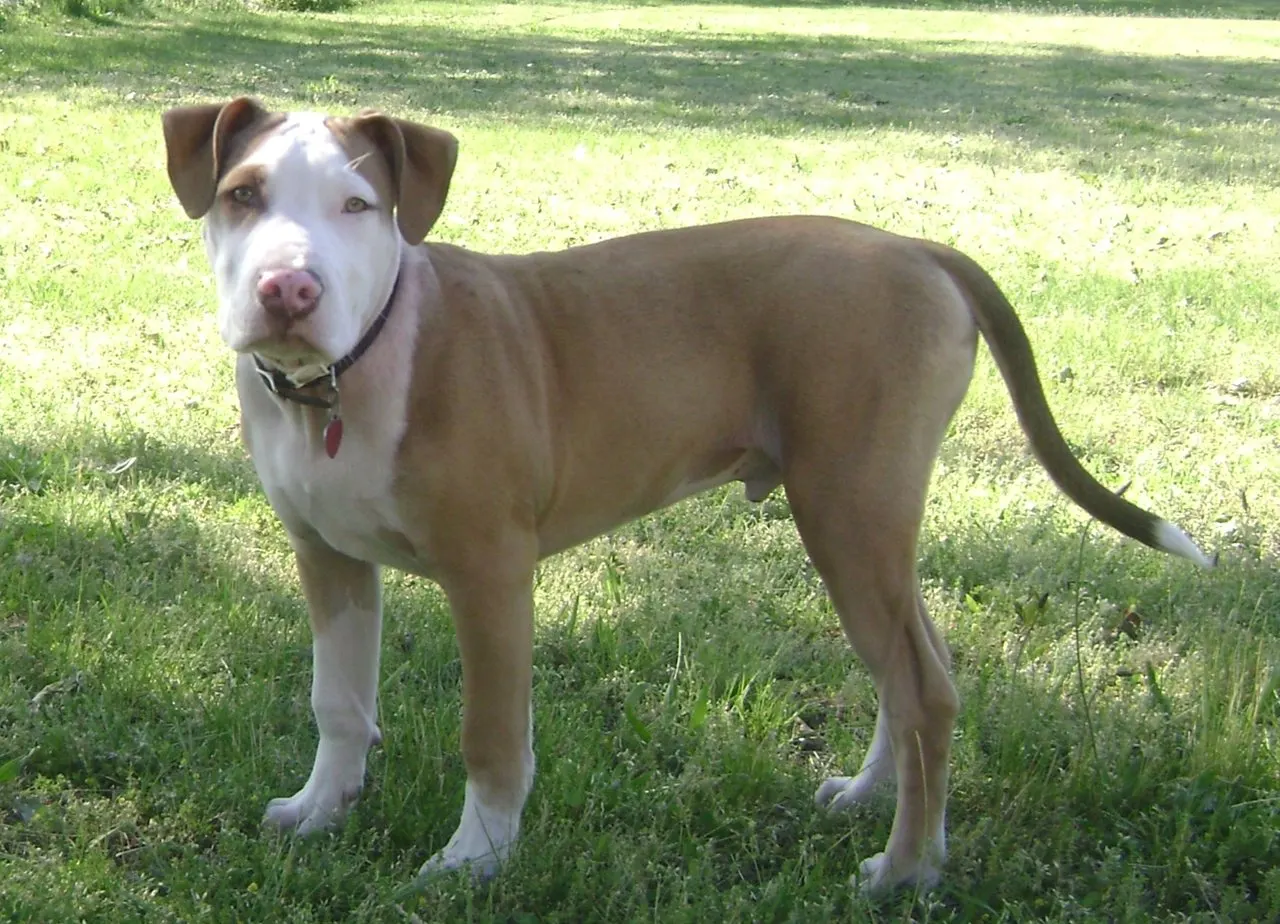
Pit bull type dogs are known for being strong, loyal, and fond of people. Most love play, walks, and time with their families. Like any large and powerful dog, they need training, exercise, and a steady owner. Experts say a dog’s behavior depends far more on how it is raised and treated than on its breed alone. That is why the county now looks at behavior first and breed second. You may also like a cancer treatment that destroys tumors with sound waves.
Prince George’s Pit Bull Ban Fed Years of Stigma
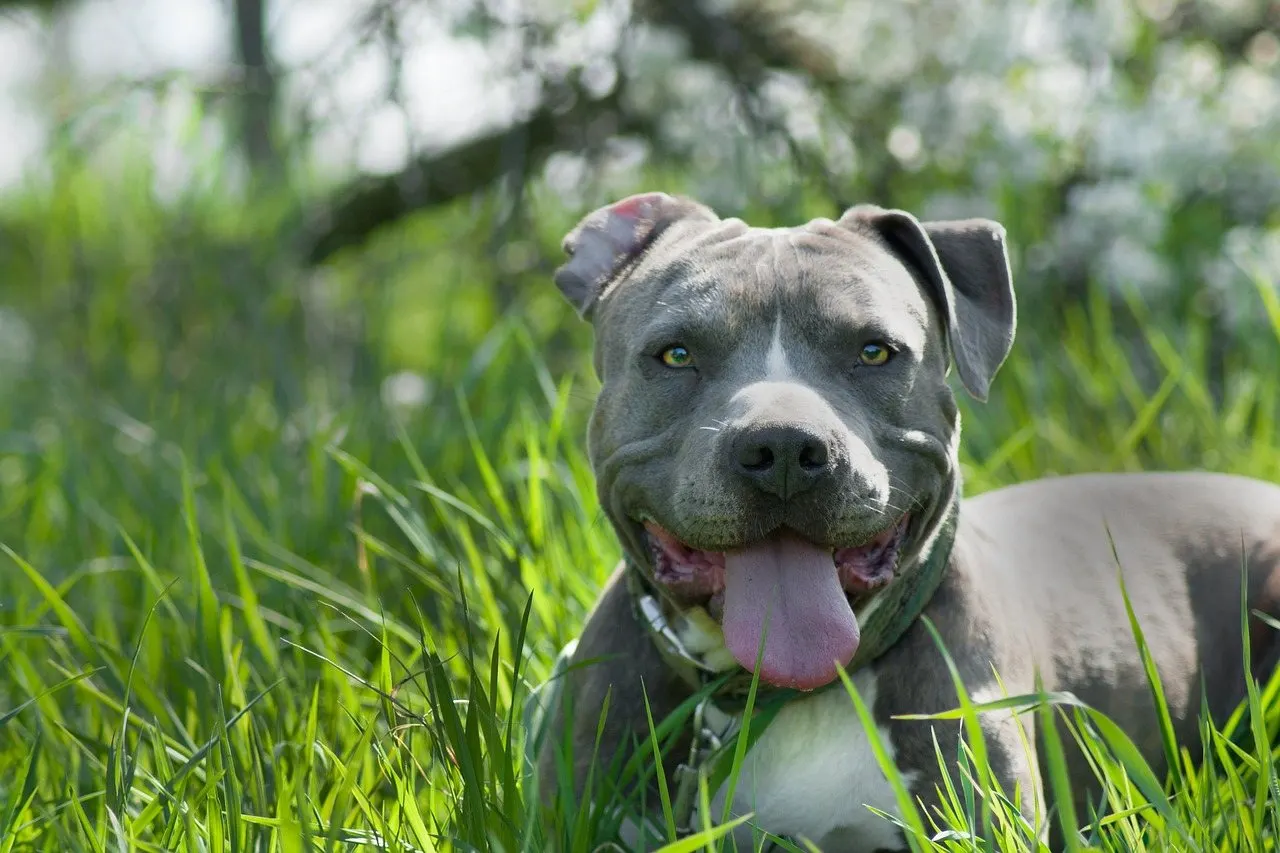
Supporters of the repeal say the change addresses years of stigma tied to certain breeds. For decades, pit bull type dogs were treated as dangerous by default, and owners faced judgment from neighbors, landlords, and insurers. The new law keeps public safety protections in place while dropping the label that followed these dogs everywhere. Advocates say that shift matters, because stigma kept good dogs in shelters and kept good owners from adopting them. Read a measles outbreak, the worst in 35 years.
Other Places Have Faced the Same Question
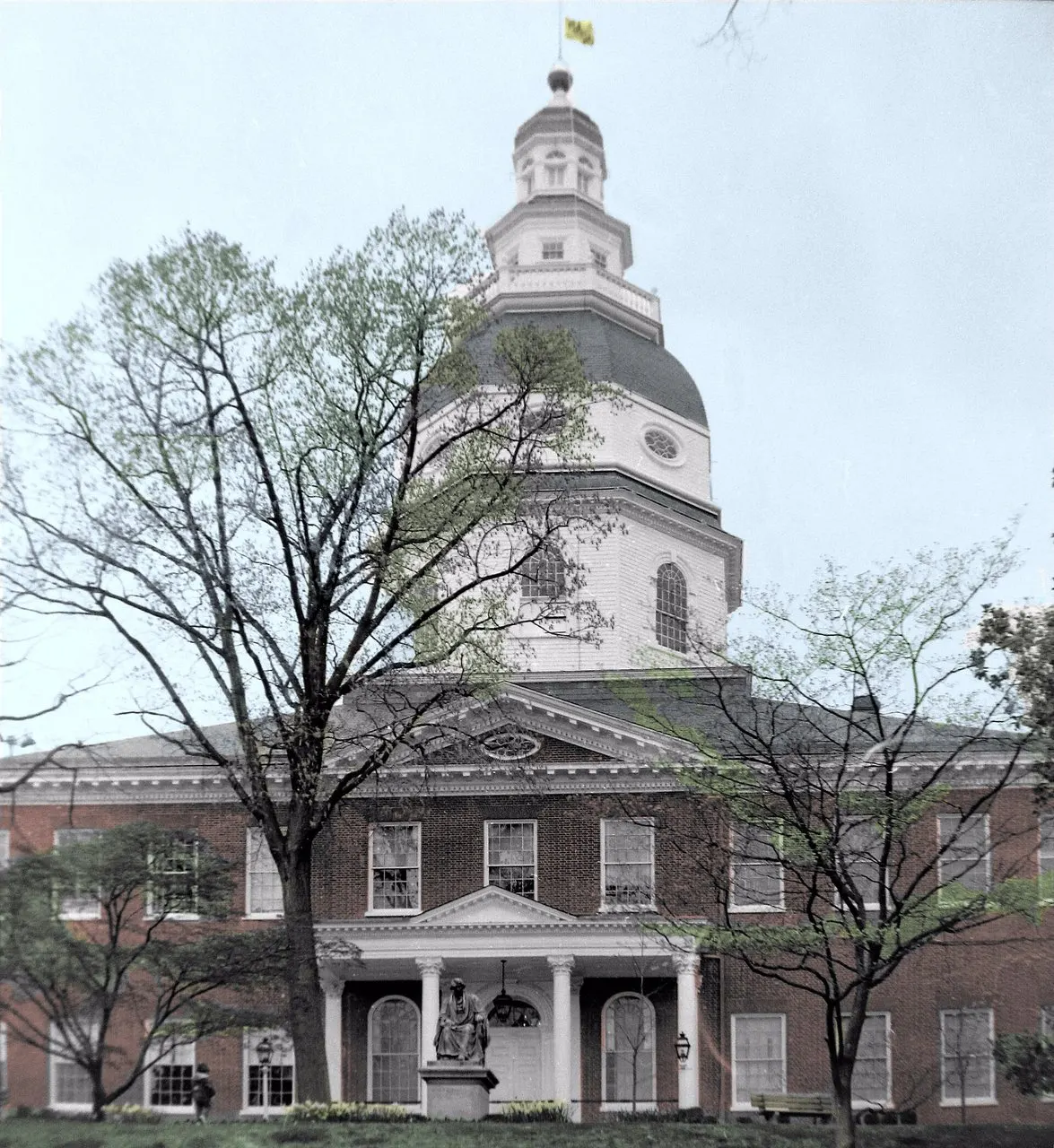
Prince George’s County is not the only place to argue over breed specific laws. Towns, cities, and counties across America have passed bans, then argued about them for years, and some have repealed them. In Maryland, the statehouse in Annapolis watches local animal laws closely, and other counties look to Prince George’s County as an example. The county’s choice to judge dogs by behavior may shape how other places write their own rules in the years ahead. See a life sentence for the Barracas fire.
Advocates Pushed for Years to End Prince George’s Pit Bull Ban
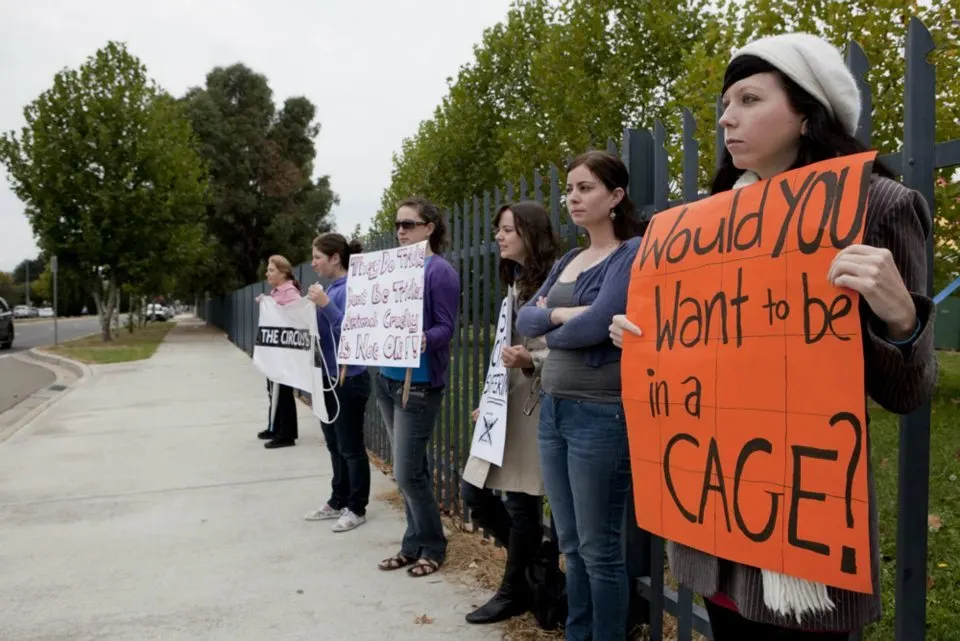
The repeal did not happen overnight. Animal advocates pushed for years to end the ban, arguing that it punished dogs for their looks and cost the county millions. One year after the vote, advocates are still reflecting on what the change means for dogs, owners, and shelters. Their view is that the repeal was not just a legal fix, but a sign that the county had changed how it thinks about animals and the people who love them. For more, read a silent shrug that said more than words.
What Owners Must Do Now
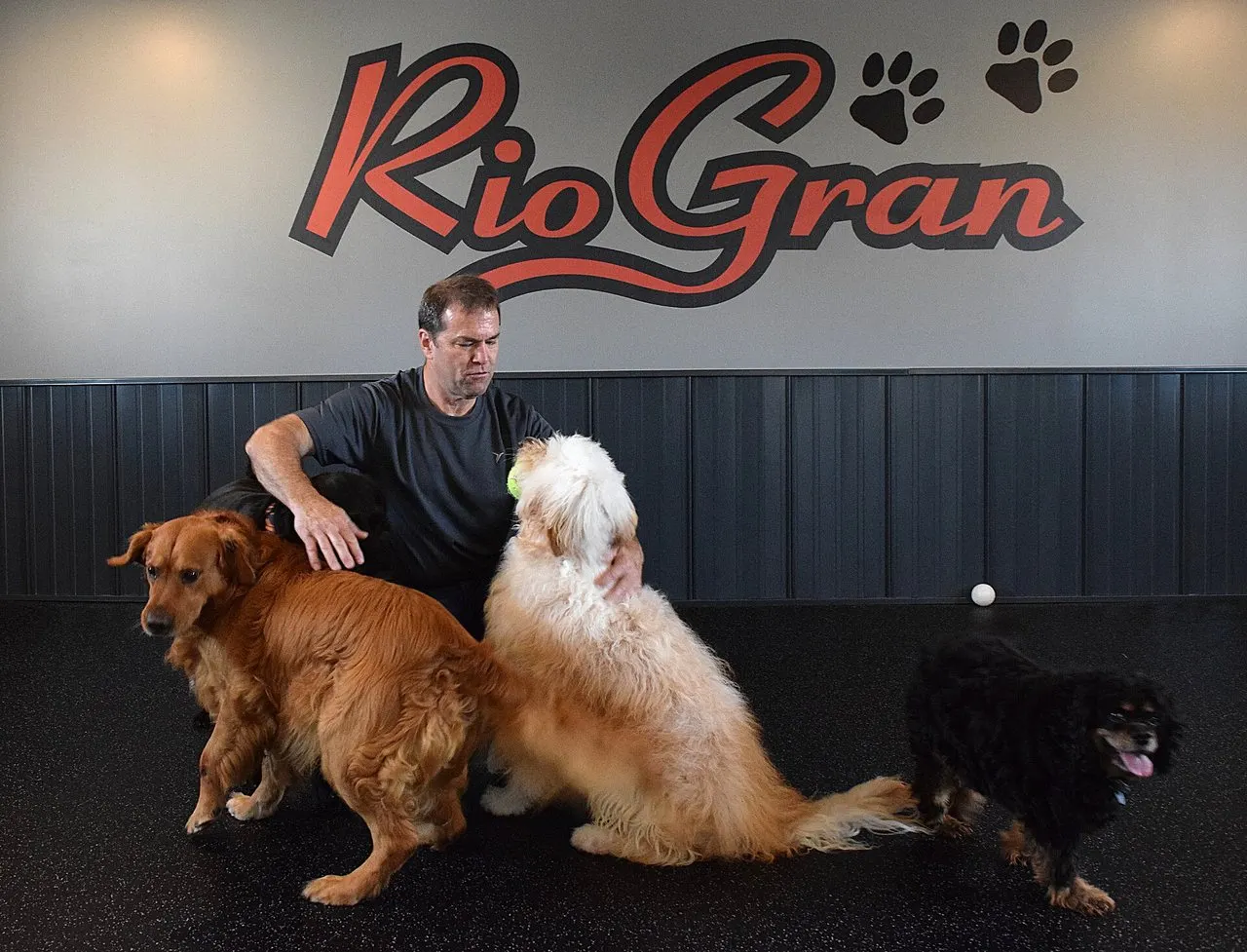
Owning a pit bull type dog in Prince George’s County is legal now, but it comes with duties. Owners must keep dogs leashed in public, keep them under control, and take responsibility if a dog acts dangerously. Good owners train their dogs, give them exercise, and watch them around strangers and other animals. The new law rewards that kind of care. It treats responsible owners as partners in public safety, not as people breaking the rules. You may also like a case that freed 107 rescued dogs.
A Second Chance for Shelter Dogs

The pilot adoption program gives shelter dogs a second chance they did not have under the ban. Families can now adopt pit bull type dogs that were once off limits, and foster homes can take them in. Shelter staff say adoption is the kindest outcome for a dog that waited in a kennel, and it frees space for the next dog in need. Every adoption under the new law is a small win for the county and for the dog. Read a horse carriage ban that runs to 2028.
Prince George’s County, Maryland, Moves On

Prince George’s County sits in Maryland, just outside Washington, and it is home to hundreds of thousands of people and their pets. The county has parks, trails, neighborhoods, and shelters where dogs and owners meet every day. With the ban gone, those public places are open to pit bull type dogs on leashes, like any other dog. The change fits into daily life quietly, on walks, in parks, and at adoption events across the county. See a police unit disbanded after the 2020 protests.
The Council’s Role in the Change

The county council made the change, and its vote on November 18, 2025, is the date the story turns on. Council members heard from residents, rescue groups, and animal control before they voted. Some worried about safety, while others said the ban had failed after 27 years and three million dollars a year. In the end, the council chose behavior based rules. That vote is now the law of the county, and shelters and officers work under it every day. For more, read a dress code that bans bonnets and durags.
One Year Later, Advocates Reflect on Prince George’s Pit Bull Ban
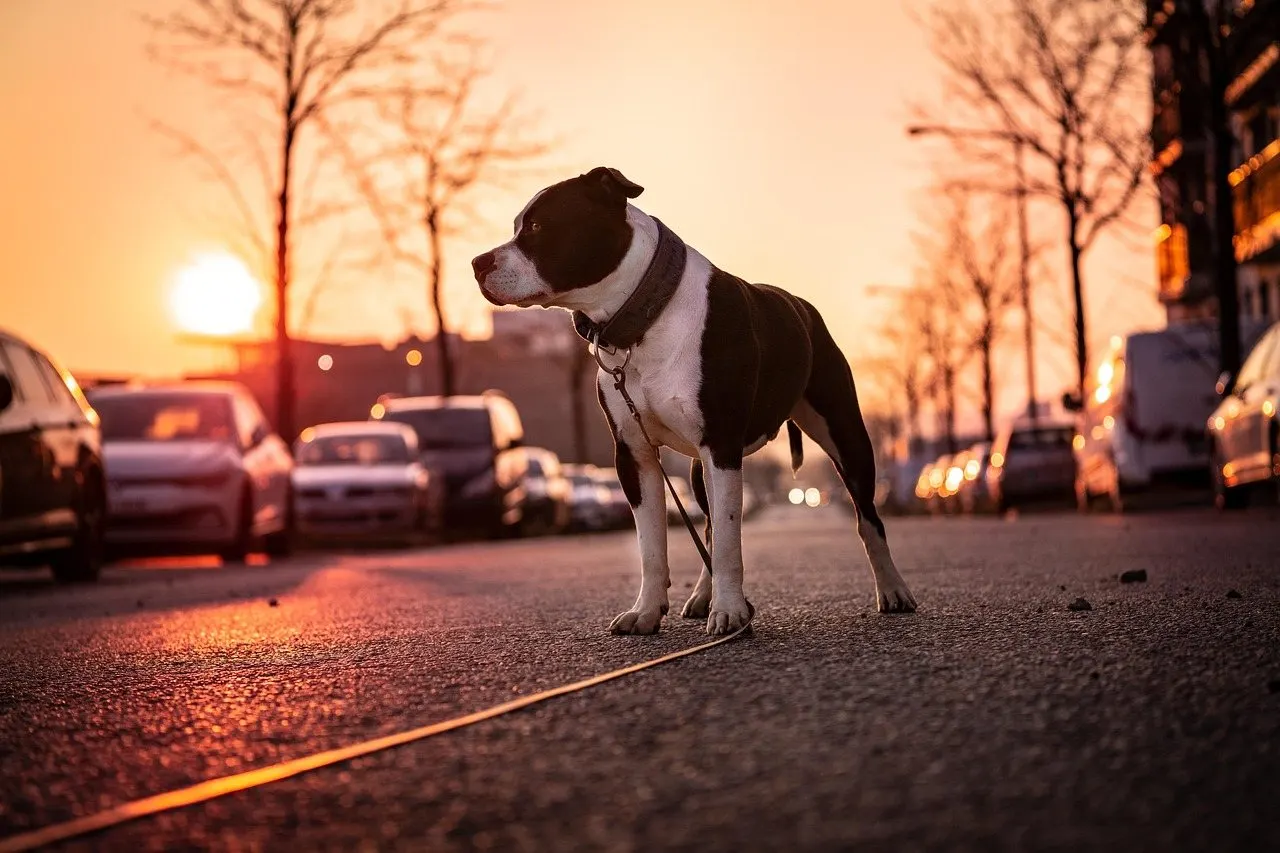
A year after the vote, animal advocates are looking back at what the repeal has meant. They point to dogs that found homes, owners who no longer fear a knock at the door, and shelters that can place pit bull type dogs openly. They also say the work is not done, because laws only help when enforced fairly and funded well. For advocates, the first year proved that judging dogs as individuals can work. You may also like a first lady’s office that runs on five staff.
Best Friends Animal Society Welcomes the Change
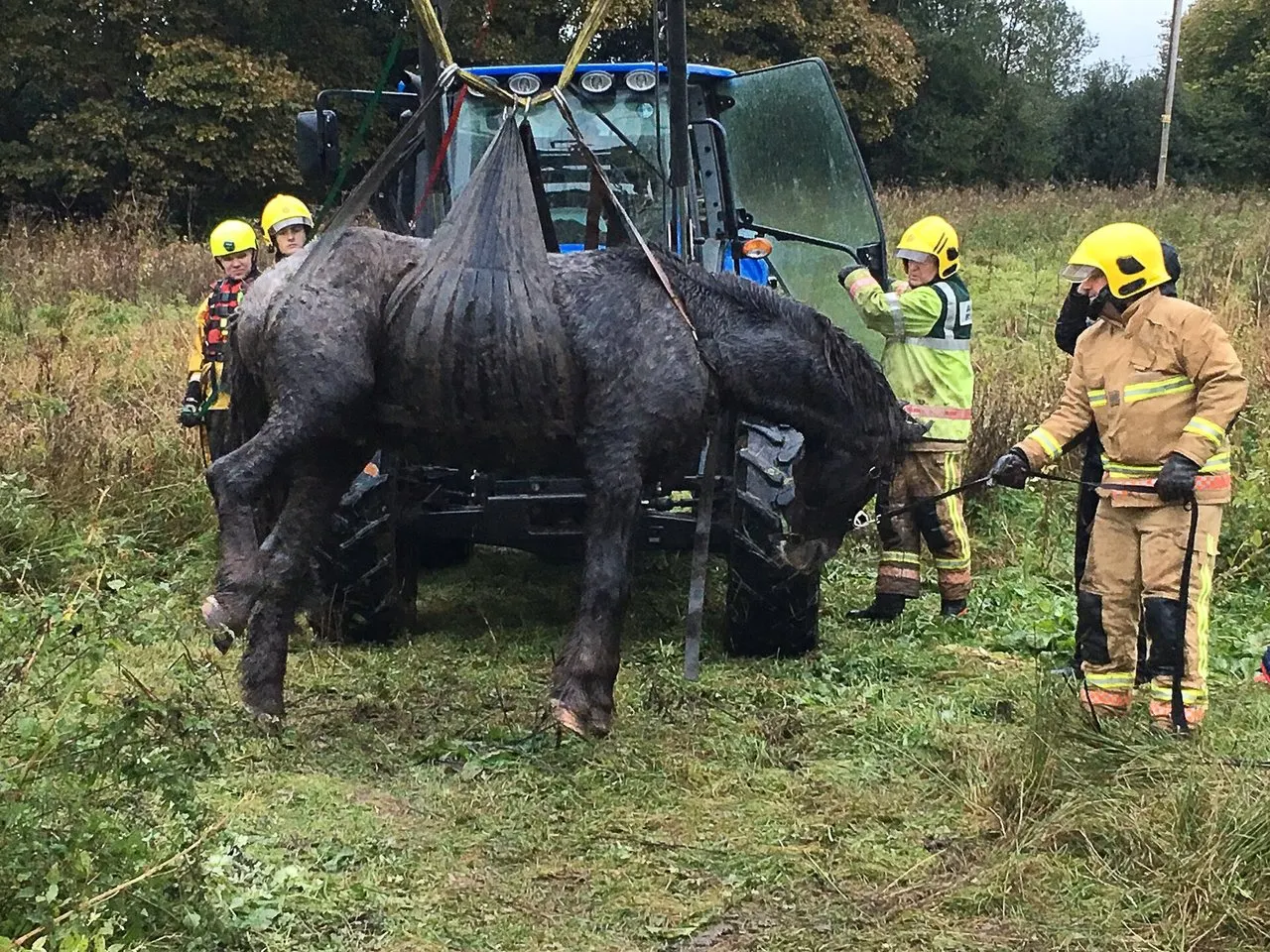
Best Friends Animal Society says pit bulls finally have a home in Maryland county, and the repeal opens doors shut for 27 years. The group has long argued that breed bans do not make communities safer, and that behavior based laws protect people better. Its support gave the repeal weight, because Best Friends works with shelters across the country. For the group, Prince George’s County is now an example other counties can follow. Read a speech that took Donald Trump apart over Ukraine.
Humane World for Animals on Prince George’s Pit Bull Ban
Humane World for Animals has reflected on the meaning of the county’s breed ban one year later, and its view is that the repeal marked a real shift for animals in the county. The group works to protect animals and to push for laws based on science and kindness. Its reflection looks at what changed for dogs and owners and at what still needs work. For the group, the end of the ban is a step toward a fairer system for dogs. See a clash over one billionaire’s midterm spending.
The County’s Own Fact Sheet Explains the New Law
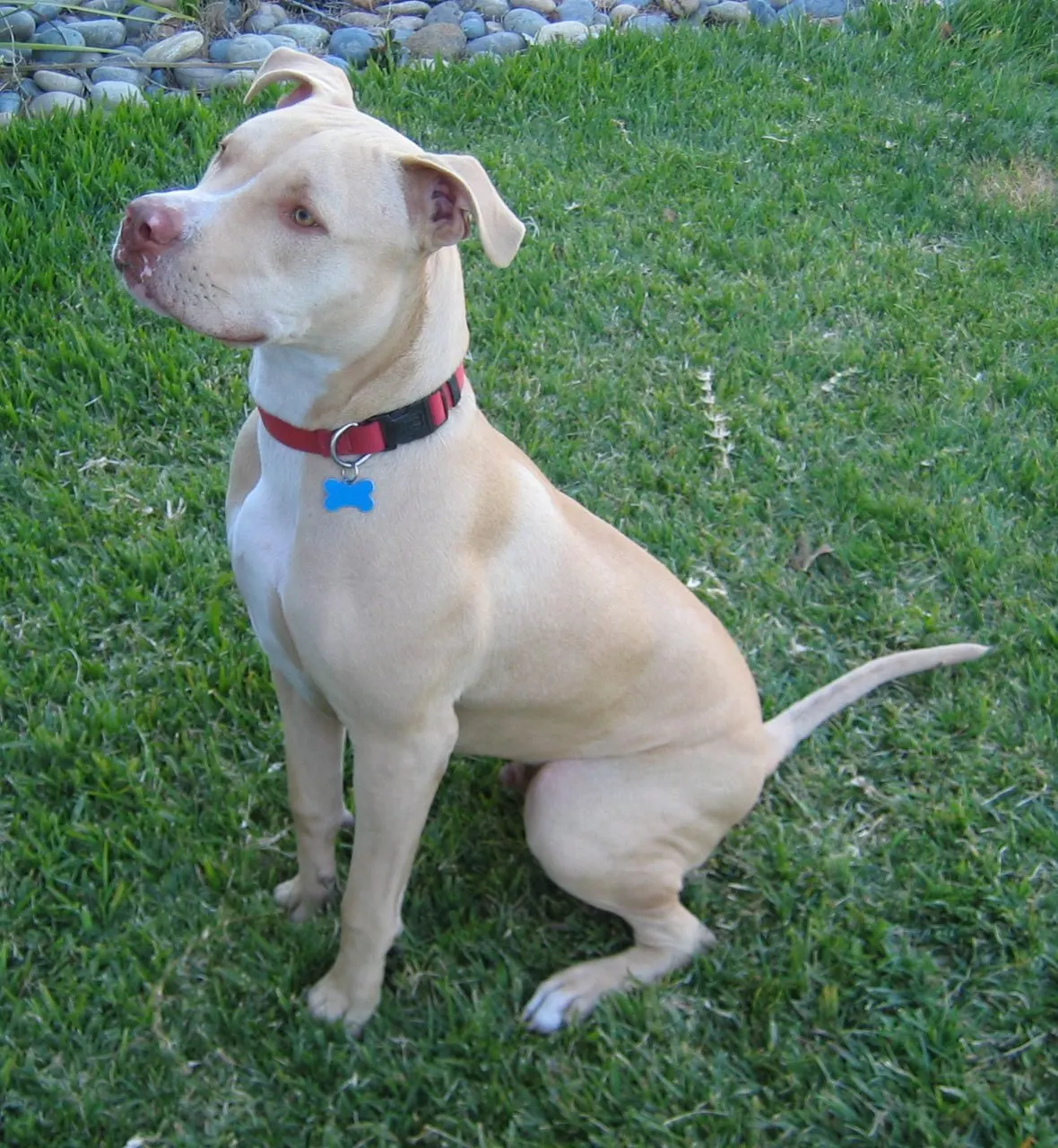
Prince George’s County published a fact sheet on the new pit bull terrier bill, and it spells out the changes in plain terms. The fact sheet explains the repeal, the new leash rules, the stronger dangerous animal provisions, and the pilot adoption program. It is the county’s own guide for residents who want to know what the law allows. Anyone with questions about owning a pit bull type dog can start with that fact sheet before calling the county. For more, read a joke about Washington spending billions every day.
How Behavior-Based Rules Work After Prince George’s Pit Bull Ban
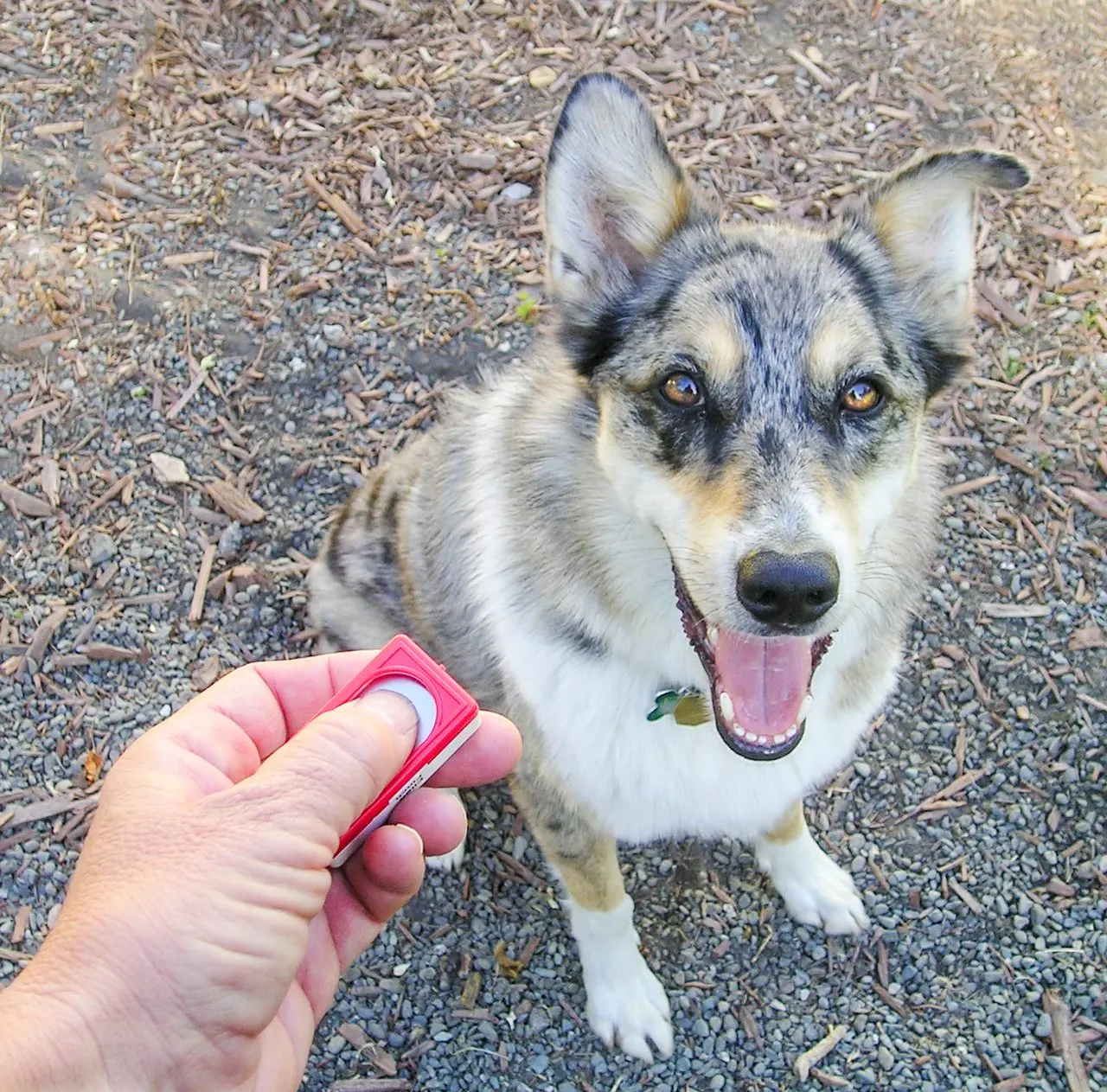
Behavior based rules start with a simple idea: watch what a dog does, not what it looks like. Officers look at a dog’s history, its training, and its acts around people and other animals. A friendly dog stays with its family, while a dangerous dog of any breed faces limits. Training, leashes, and quick action keep the system working. The county bets this approach protects people better than a list of banned breeds ever did. You may also like a change that rewards players who treat Jason and Lucia like a real couple.
What Comes Next for the County’s Dogs
With the ban gone, the county’s next job is to make the new system work. Shelters must keep placing dogs, officers must enforce the leash and dangerous dog rules fairly, and the pilot adoption program must show results. If the program works, more families will adopt pit bull type dogs, and fewer will wait in kennels. The county will watch the numbers, listen to residents, and adjust the rules if needed in the years ahead. Read a seabed auction held days after a judge ruled it unlawful.
Prince George’s Pit Bull Ban Is Over. Would You Adopt a Pit Bull?
Prince George’s Pit Bull Ban is over, and pit bull type dogs can now be owned, walked, and adopted in the county. After 27 years, about 3 million dollars a year in enforcement, and a vote that changed the law, shelter dogs finally get judged as individuals. The new rules ask owners to be responsible and ask the county to judge dogs by behavior. Would you welcome a pit bull type dog into your home? Tell us in the comments below. See a meeting where Putin shared intelligence with Iran.