Brexit Russia Ukraine: Burnham Says Leaving the EU Played Into Moscow’s Hands
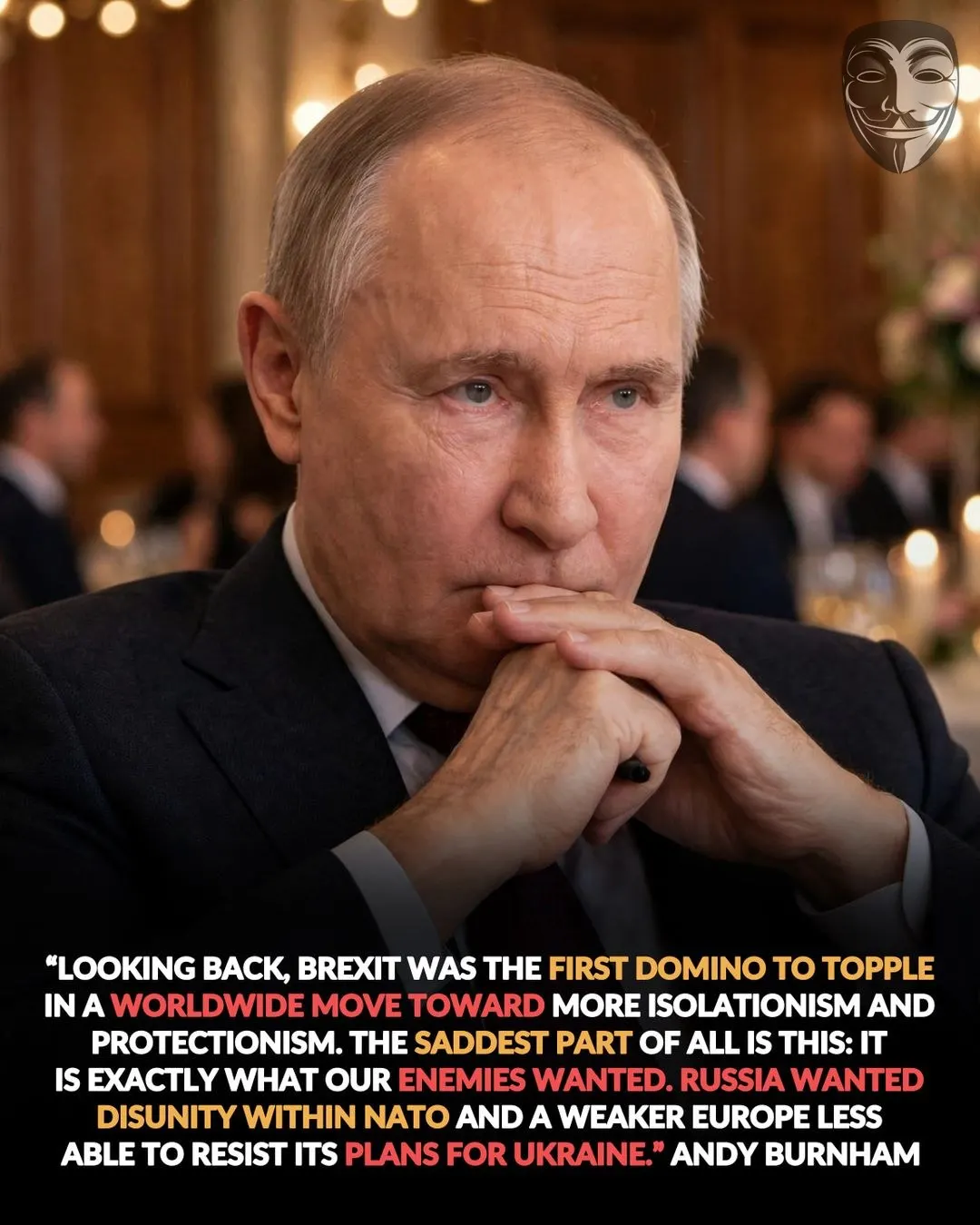
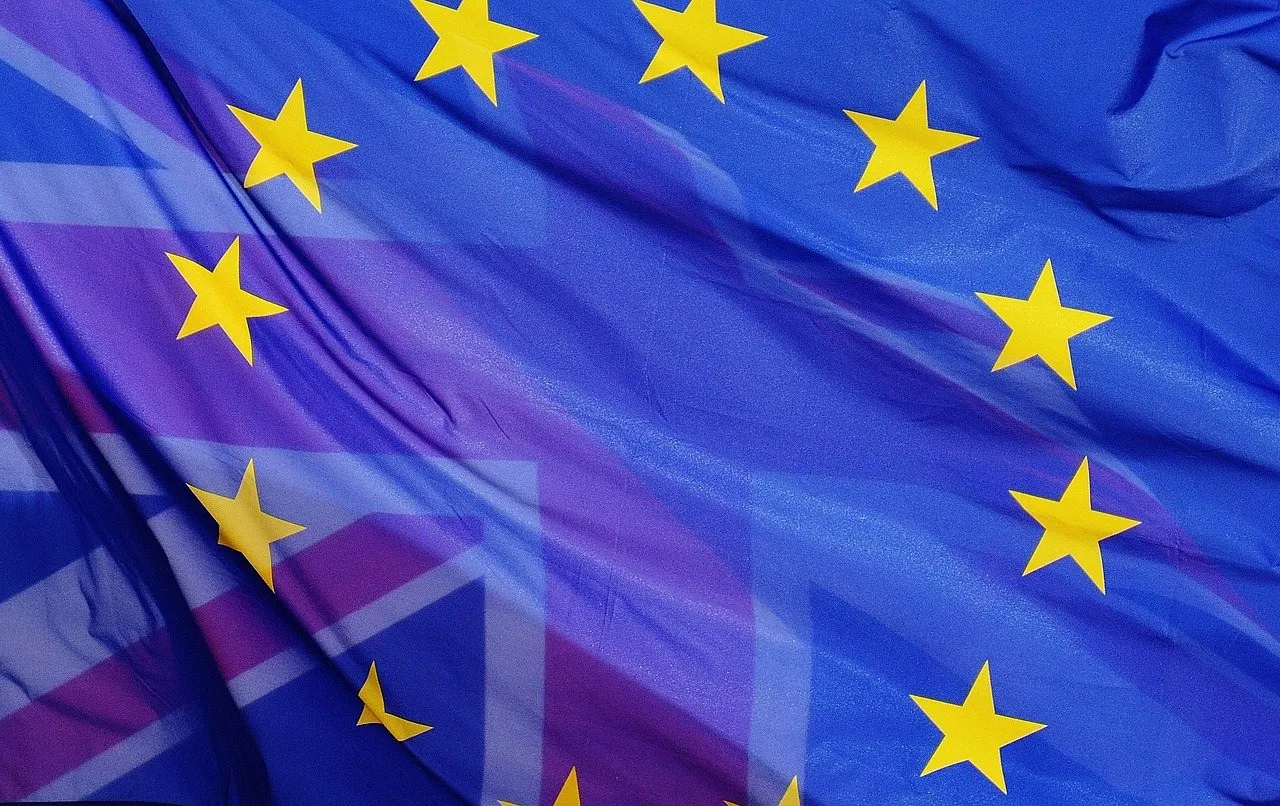
Brexit Russia Ukraine is the warning at the heart of Andy Burnham’s speech at the Lord Mayor’s Banquet in London on Monday, November 16, when the prime minister said that leaving the European Union was the first domino to fall in a worldwide move toward more isolationism and protectionism. He said the saddest part of all is that it is exactly what Britain’s enemies wanted, because Russia wanted disunity within NATO and a weaker Europe less able to stand up to its plans for Ukraine, a claim that set the tone for a major week in British politics.
Burnham told the banquet that Britain has lost more than it has gained in the last 10 years, and that the hard Brexit the country was given is not good enough for Britain. His speech came days before a UK-EU summit in Brussels on Friday, where he hopes to agree practical changes on trade and energy that could add up to 0.4 percent to GDP. We look at the speech and the reaction in the slides ahead, and you can read how a pub boss threatened to bar Burnham over Europe.
References:
The Poke: Andy Burnham finally dropped some Brexit truth bombs and even had people who don’t like Burnham cheering
Al Jazeera: UK seeks closer ties with EU after Brexit fail
BBC News: UK lost more than it gained from Brexit, Burnham says ahead of EU summit
L’Express: “To draw a line under a decade of drift”: Andy Burnham’s full speech reopens the debate over Britain’s return to the EU
The Lord Mayor’s Banquet Speech in London
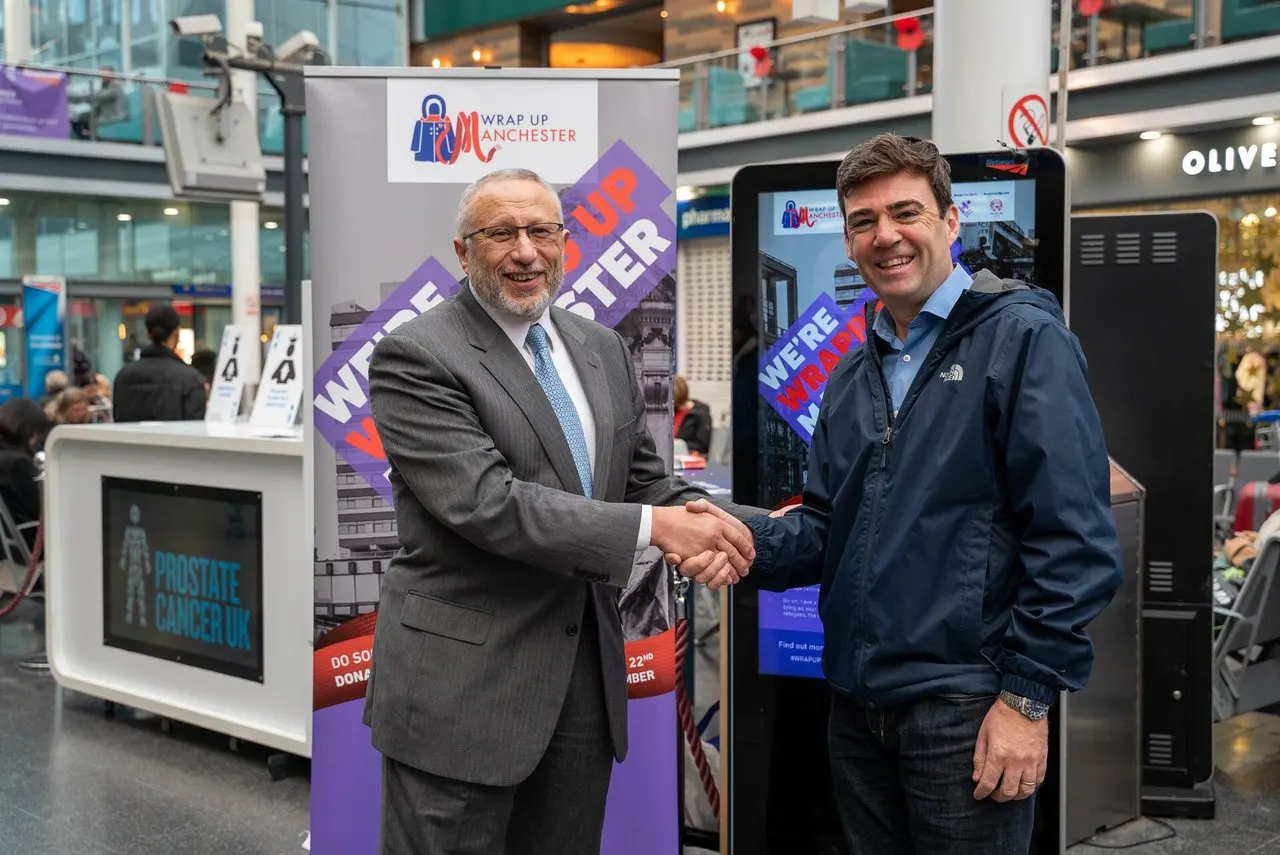
Andy Burnham chose one of the grandest stages in British public life to deliver his message, the Lord Mayor’s Banquet at Mansion House in the City of London, where prime ministers traditionally set out their view of the world. Speaking on Monday, November 16, he used the formal dinner to argue that Brexit had damaged Britain’s place in the world. The setting gave his words extra weight, and the speech was reported widely the next morning. Read about nine airports set to be privatized overseas in our other coverage.
Brexit Russia Ukraine: The First Domino to Fall
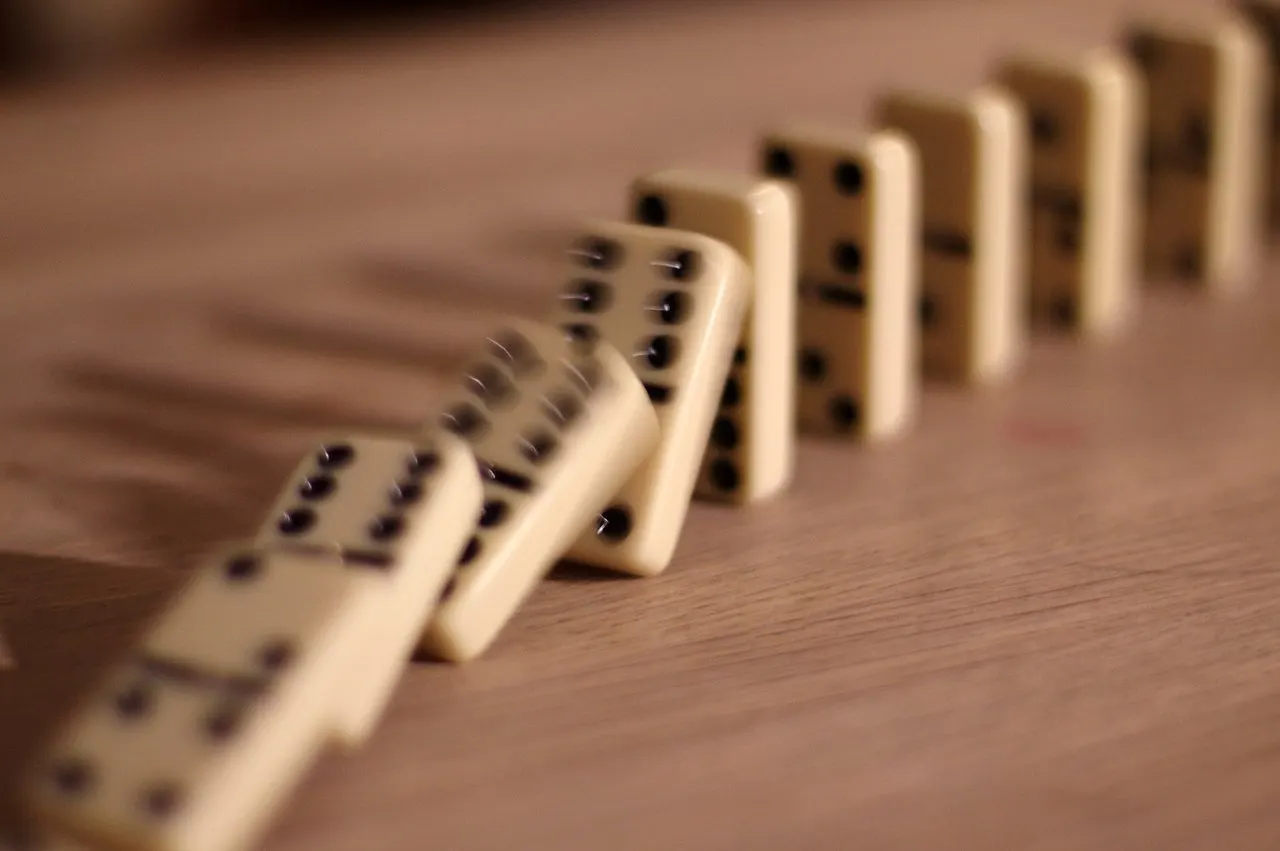
Burnham’s central image was simple and striking, a row of dominoes in which Brexit was the first to topple, setting off a worldwide move toward more isolationism and protectionism. He argued that Britain’s decision to leave the European Union did not happen in isolation, but encouraged other countries to turn inward and put up barriers. Once the first domino falls, he suggested, the rest follow faster than anyone expects. See the claim that Putin holds material on Trump in our other stories.
A Worldwide Move Toward Isolationism

The prime minister described a world in which more countries are choosing to look inward, raising trade barriers, questioning alliances and putting national interest ahead of shared work with neighbours. He said this drift toward isolationism is not a British story alone, but a global pattern that has gathered speed over the last decade. When big countries step back from cooperation, he warned, smaller problems can grow into larger ones. Read the warning that one man owns more than half of America in our other reports.
What Russia Wanted From a Divided Europe
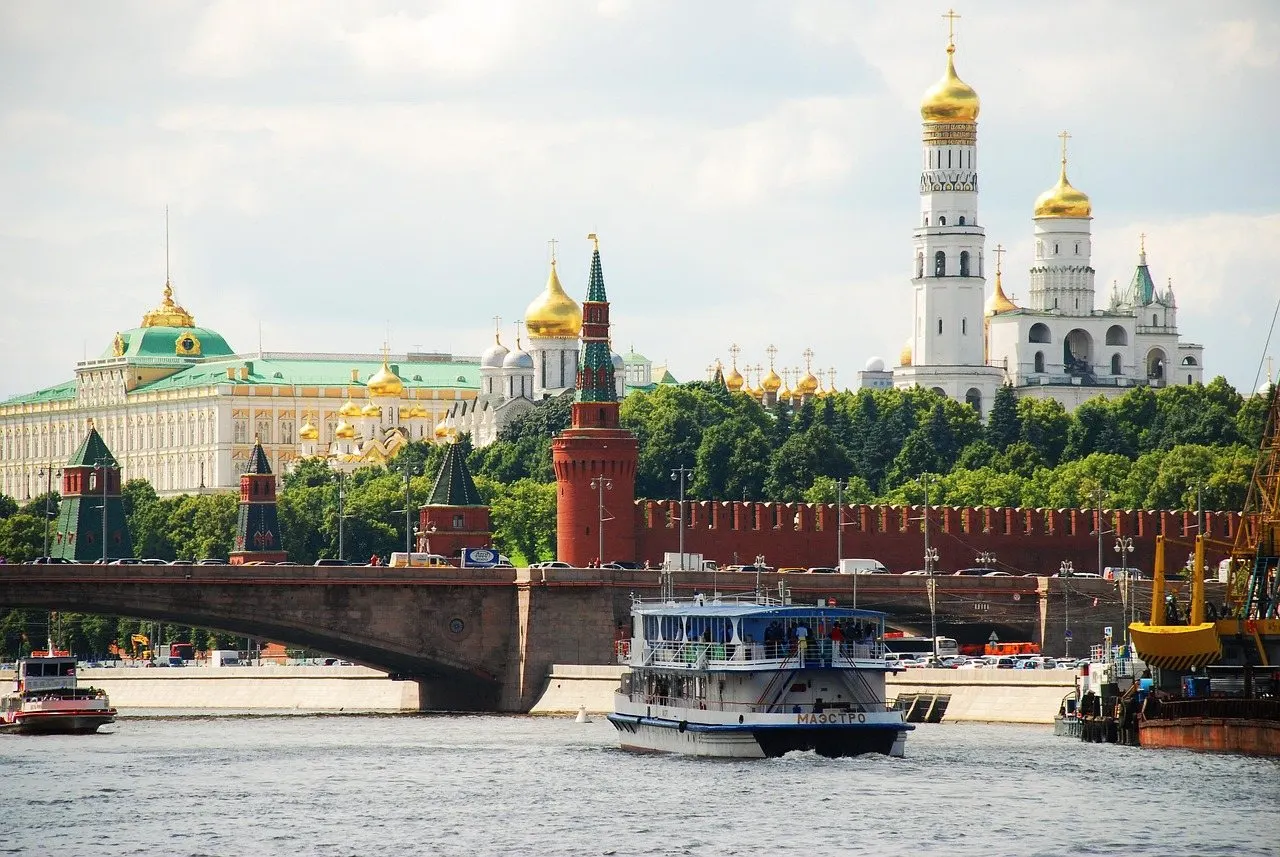
Burnham was blunt about who benefits when Europe splits apart, saying Russia wanted disunity within NATO and a weaker Europe less able to counter its plans for Ukraine. A divided alliance, he argued, is easier to pressure and harder to unite behind a single response. His point was that the costs of Brexit were not only felt in Britain, but in the strength of the Western alliance as a whole. Read why a silent shrug in Berlin spoke volumes in our other coverage.
Brexit Russia Ukraine: A Weaker Europe on Moscow’s Doorstep
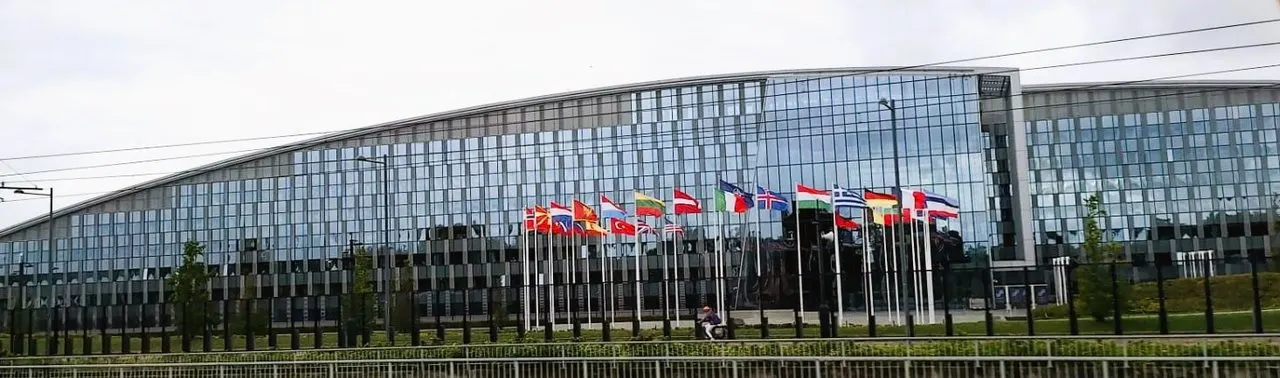
The prime minister warned that a weaker Europe sits closer to danger, because Moscow watches closely when its neighbours disagree and fail to act together. He said Russia’s plans for Ukraine depend on Western countries losing their nerve and turning on each other instead of standing firm. A strong and united Europe, he argued, is the best answer to that pressure. See the claim that Putin holds material on Trump in our other stories.
Britain Has Lost More Than It Has Gained
Burnham said Britain has lost more than it has gained in the last 10 years, a blunt verdict on a decade that began with the referendum and ended with a country still arguing about the result. He said the promise of a better life outside the European Union has not matched the reality for ordinary families and businesses. His words echoed the feeling of many voters who now question what the change delivered. Read a former first lady on the president who made the country proud in our other coverage.
Ten Years After the Vote
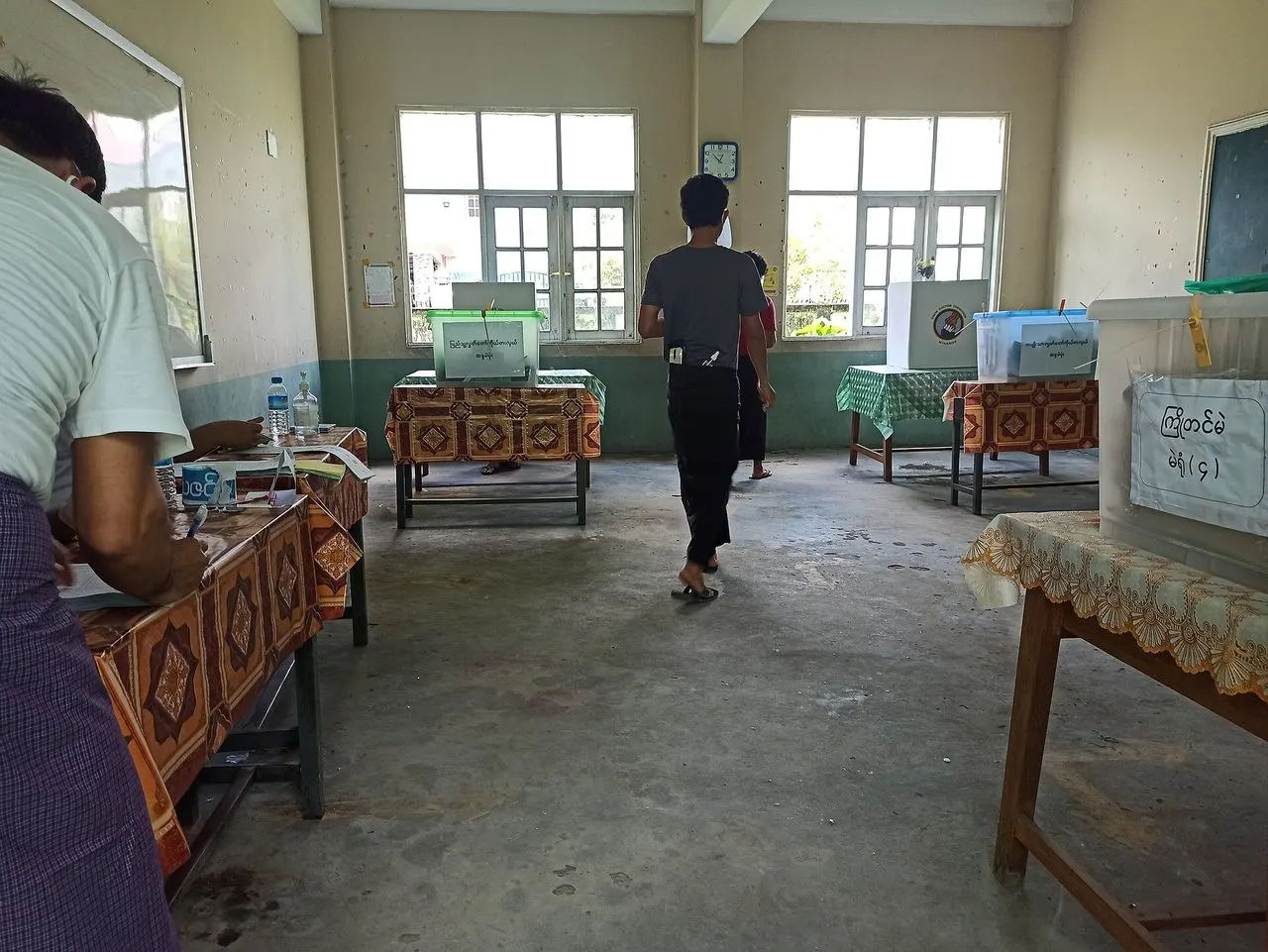
A decade has passed since Britain voted to leave the European Union in 2016, and the country is still measuring what changed. Trade rules, travel, farming, fishing and research all look different now, and many of the effects took years to show up in full. Burnham’s speech asked the country to look honestly at that record instead of repeating old slogans. Read a senator who refuses to back another shutdown in our other stories.
Brexit Russia Ukraine: The Hard Brexit Problem
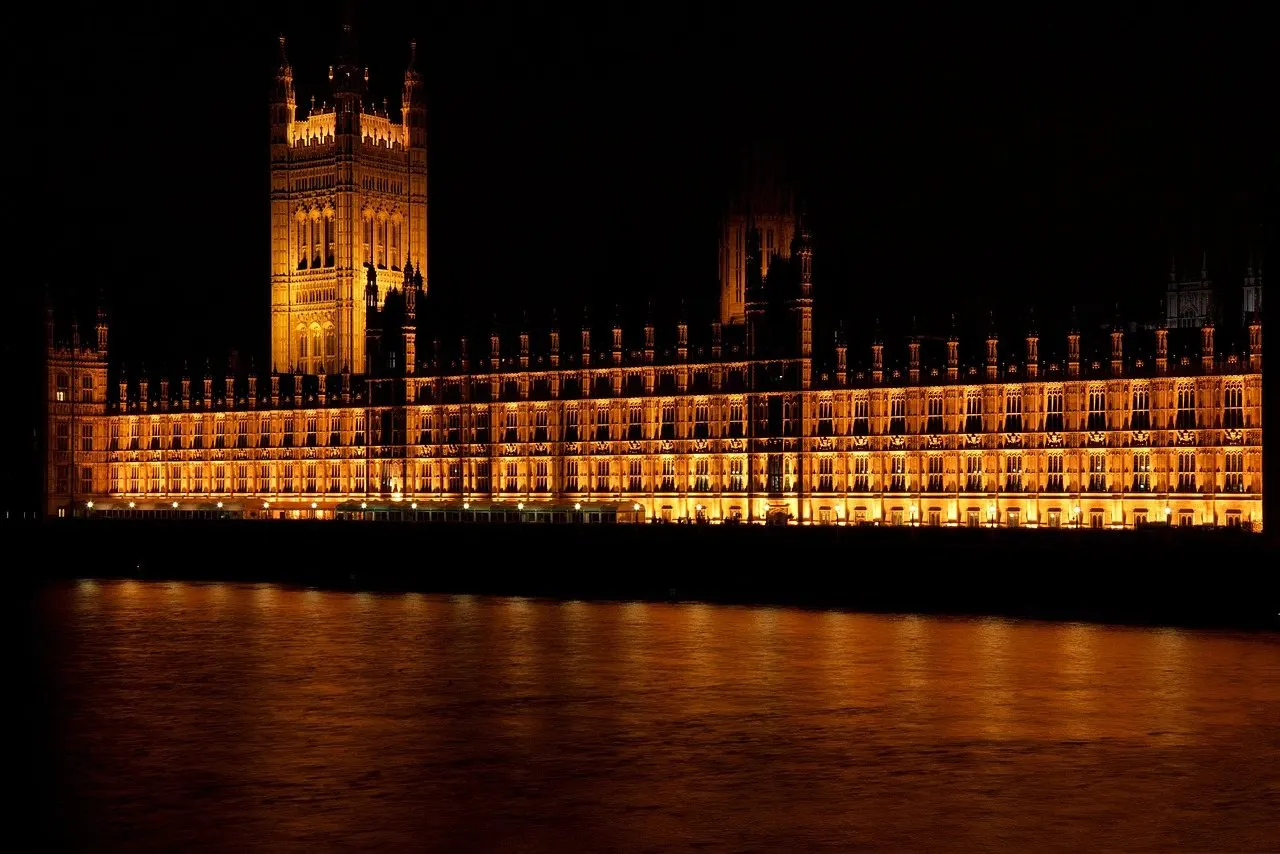
Burnham said the hard Brexit the country was given is not good enough for Britain, pointing to the strictest form of departure, outside the single market and the customs union, with new checks and paperwork on trade. He argued that this version of Brexit made everyday business harder and left Britain with less say over the rules it still has to follow. A softer landing, he suggested, would have served the country better. Read a fierce debate over remarks on Gaza in our other reports.
The UK-EU Summit in Brussels
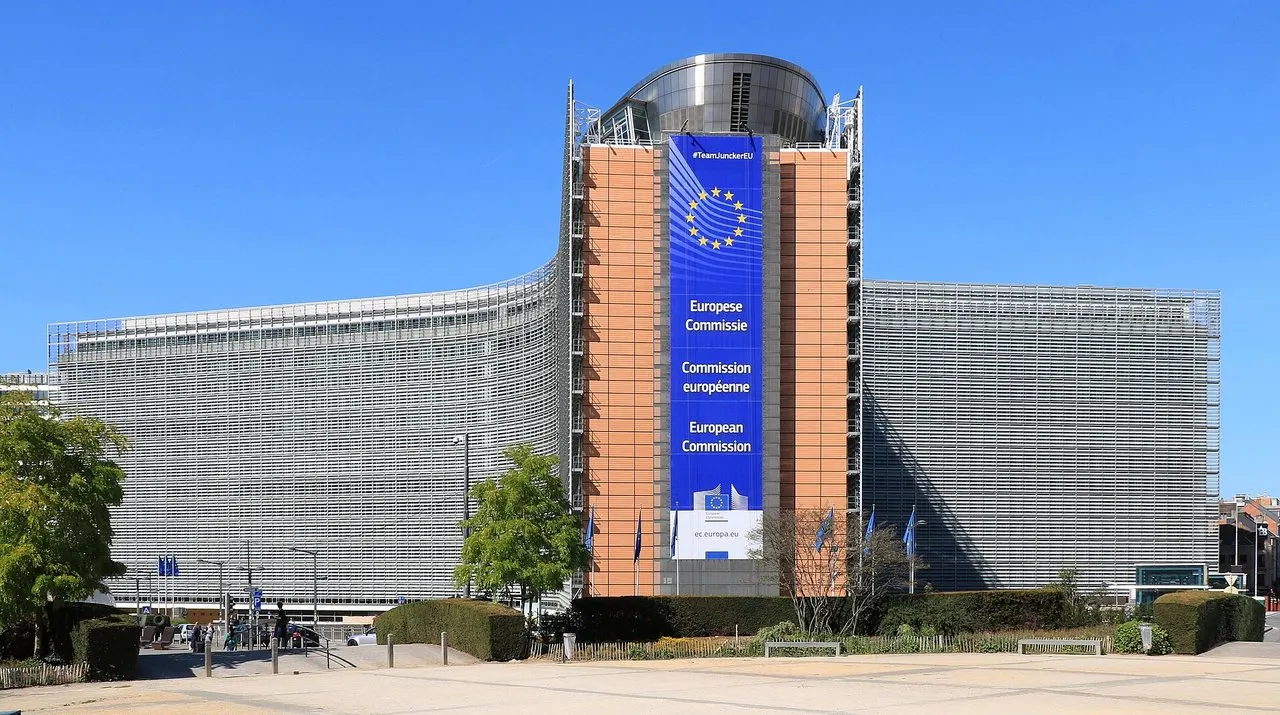
Burnham’s speech came days before a UK-EU summit in Brussels on Friday, a meeting he hopes will agree practical changes on trade and energy. Summits like this one bring leaders together to fix small problems that add up, from border checks to power cables. The prime minister wants steps that make daily life easier for businesses and families on both sides. Read a warning over unstable barrels of blast material in our other stories.
Trade and Energy Changes Worth 0.4 Percent of GDP
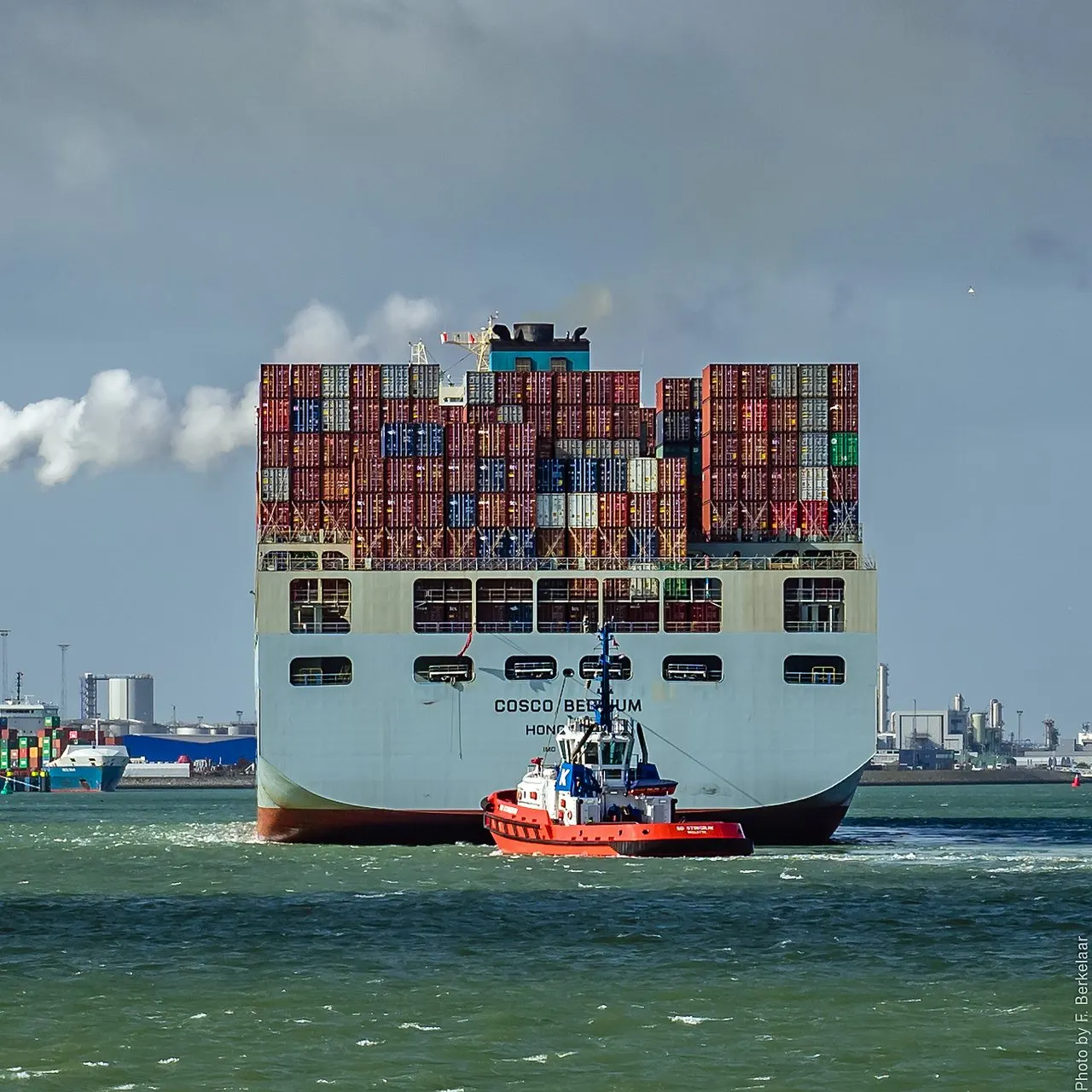
The changes Burnham hopes to agree could add up to 0.4 percent to GDP, a small sounding number that means billions of pounds across the whole economy. Easier trade would help firms that sell into Europe, while closer work on energy could steady prices and keep the lights on. For a government looking for growth, even a fraction of a percent matters. Read the warning that one man owns more than half of America in our other coverage.
Brexit Russia Ukraine: Why NATO Unity Matters

NATO has held together for more than 75 years because its members agreed that an attack on one is an attack on all, a promise that only works when allies trust each other. Burnham argued that Brexit weakened that trust by pulling Britain away from its closest neighbours at the very moment Russia was testing the alliance. Unity, he said, is not a slogan but a shield. Read why a silent shrug in Berlin spoke volumes in our other stories.
What the Papers Said the Next Morning
The morning after the speech, newspapers and websites picked up Burnham’s words and argued over them. The Poke said Burnham finally dropped some Brexit truth bombs and even had people who do not like Burnham cheering, a sign of how far his message travelled. Other outlets focused on the summit ahead and what it could deliver. Read why your worst days do not define you in our other coverage.
The Poke: Even Burnham’s Critics Cheered
The Poke, a British comedy and news site, said Burnham finally dropped some Brexit truth bombs and even had people who do not like Burnham cheering. That kind of reaction is rare in politics, where speeches usually please one side and anger the other. When critics and supporters nod at the same line, it often means the speaker has touched something widely felt. Read how a pub boss threatened to bar Burnham over Europe in our other reports.
Brexit Russia Ukraine: A Decade of Drift
L’Express quoted a line from the speech about drawing a line under a decade of drift, and said Burnham’s full speech reopens the debate over Britain’s return to the EU. Drift is a gentle word for ten years in which Britain’s direction was unclear, with leaders changing course and promises going unmet. Burnham now wants a clear line drawn and a new direction set. Read the lesson of a forced removal the world watched happen in our other stories.
Al Jazeera: Britain Seeks Closer Ties With the EU
Al Jazeera reported that the UK seeks closer ties with the EU after the Brexit fail, a headline that sums up the new mood in London. Closer ties do not mean rejoining overnight, but they could mean smoother trade, shared work on energy and easier travel for students and workers. For many in Brussels, any step toward cooperation is welcome after years of rows. Read a call for Muslim unity with no divisions in our other coverage.
The BBC Verdict: Lost More Than Gained
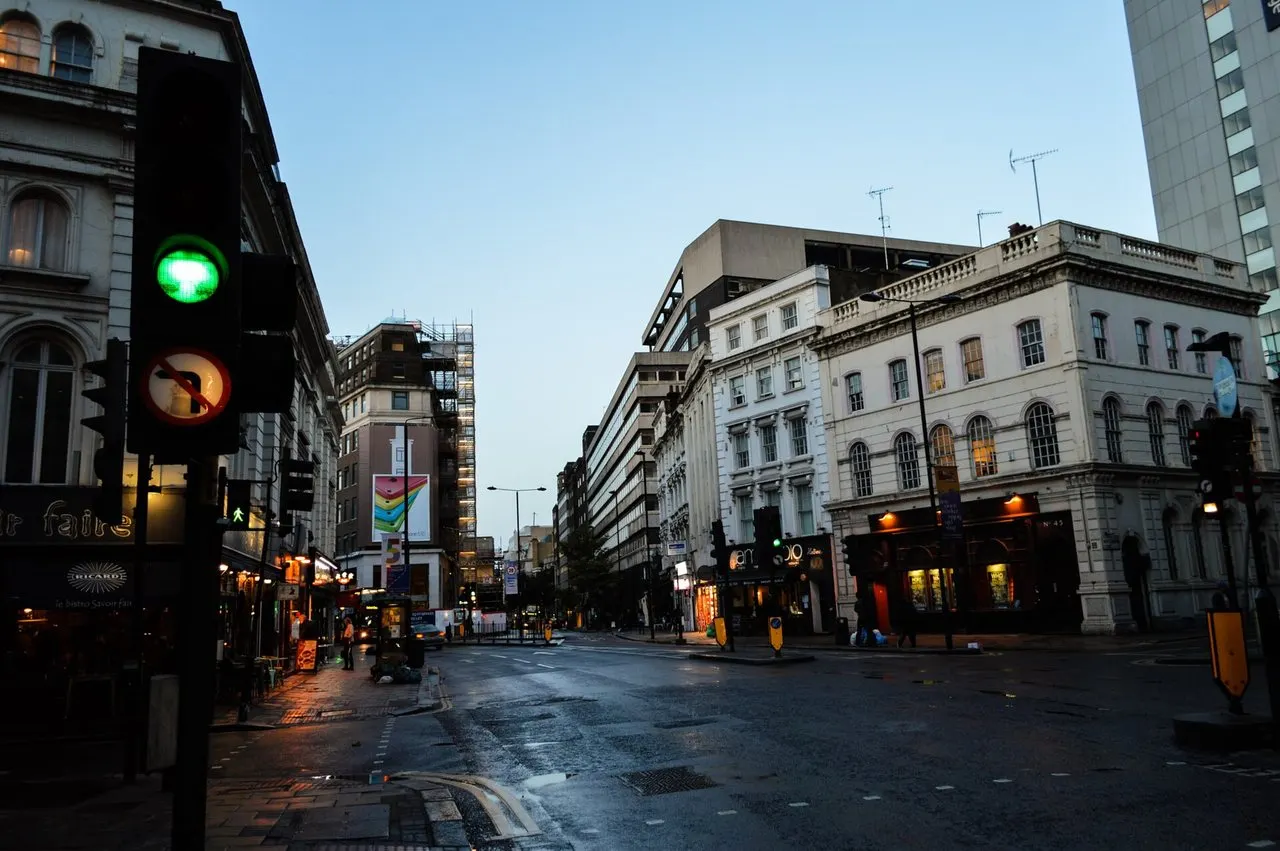
BBC News reported that the UK lost more than it gained from Brexit, in a story published ahead of the EU summit. The BBC is the country’s biggest news organisation, and its plain verdict carried weight with readers who had waited years for a clear answer. Burnham’s own words in the story were direct, and they set the tone for the week. Read a doctor’s call to surrender your life to Christ in our other reports.
Brexit Russia Ukraine: Reopening the Debate on Return
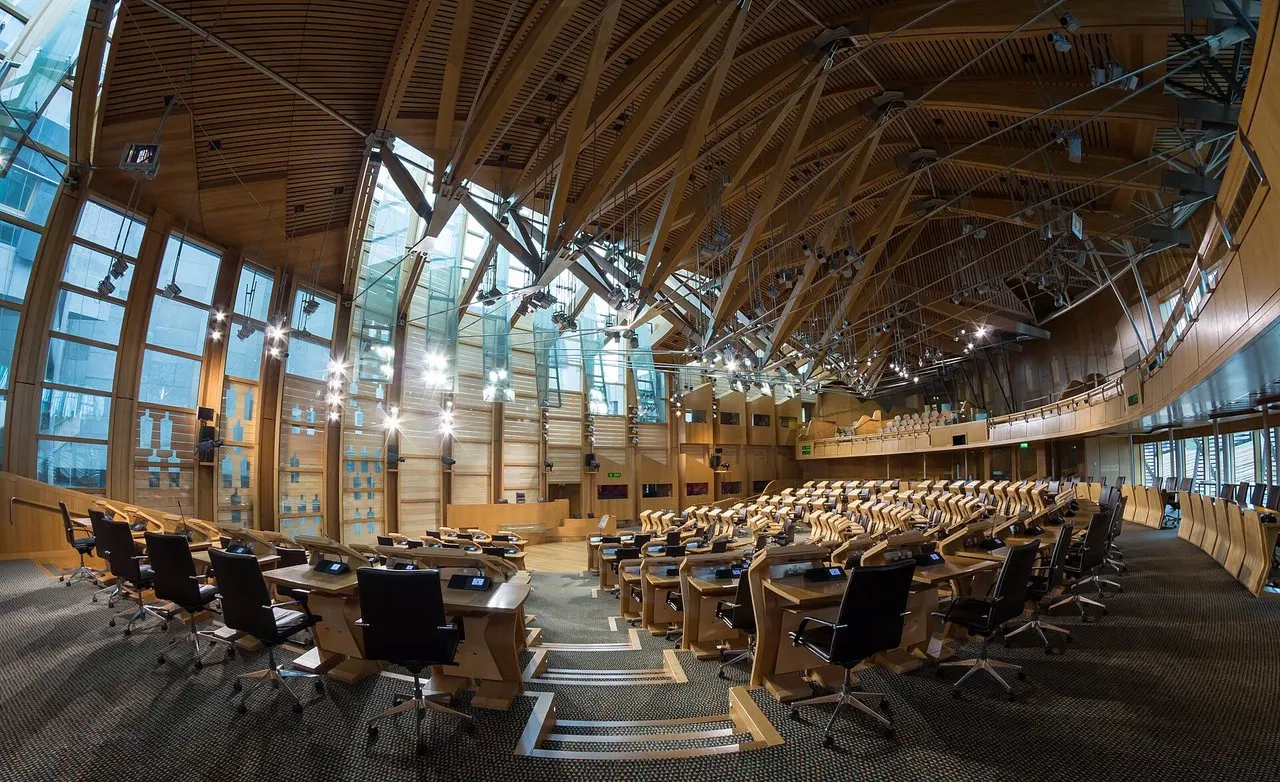
Burnham’s speech has reopened the debate over whether Britain should one day return to the European Union, a question many leaders had avoided for years. Returning would mean long talks, hard choices and a public that would need convincing, but the fact that a prime minister is even raising it shows how much the mood has moved. For now, the talk is of practical steps, not a new referendum. Read the claim that Putin holds material on Trump in our other stories.
How Brexit Changed Trade With Europe
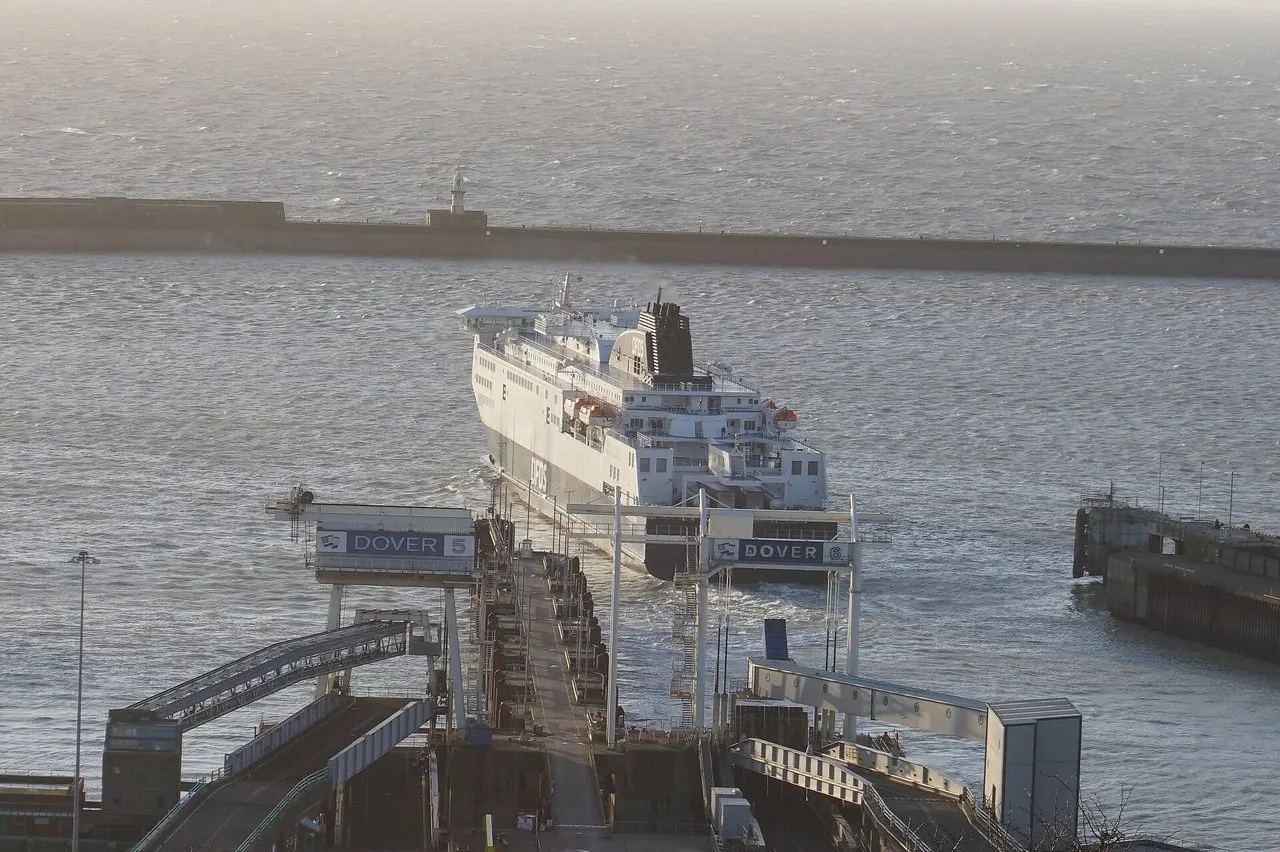
Since leaving the EU, British firms that sell to Europe face customs forms, checks at ports and new rules for food and goods, all of which cost time and money. Small businesses felt it most, because they have fewer staff to handle the paperwork. Burnham’s hope is that practical changes at the summit can cut some of that burden. Read a senator who refuses to back another shutdown in our other coverage.
Energy Cooperation Across the Channel
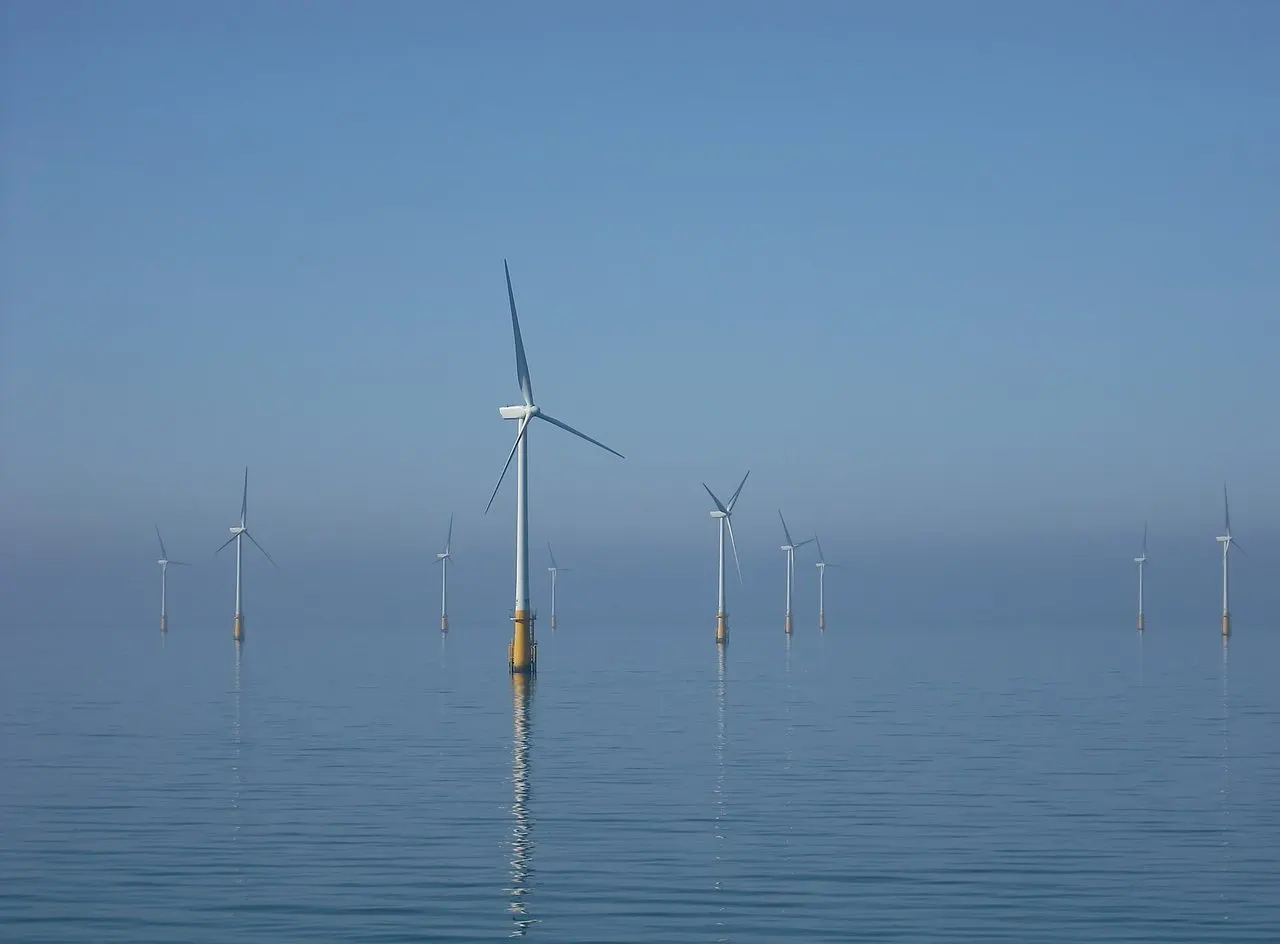
Energy is one of the areas where Britain and the EU still need each other, with power cables running under the Channel and shared work on wind farms at sea. When prices spike or supplies tighten, neighbours who share power can keep homes warm and factories running. Closer cooperation on energy is one of the practical changes Burnham hopes to agree in Brussels. Read a warning over unstable barrels of blast material in our other stories.
Brexit Russia Ukraine: What the Summit Could Deliver
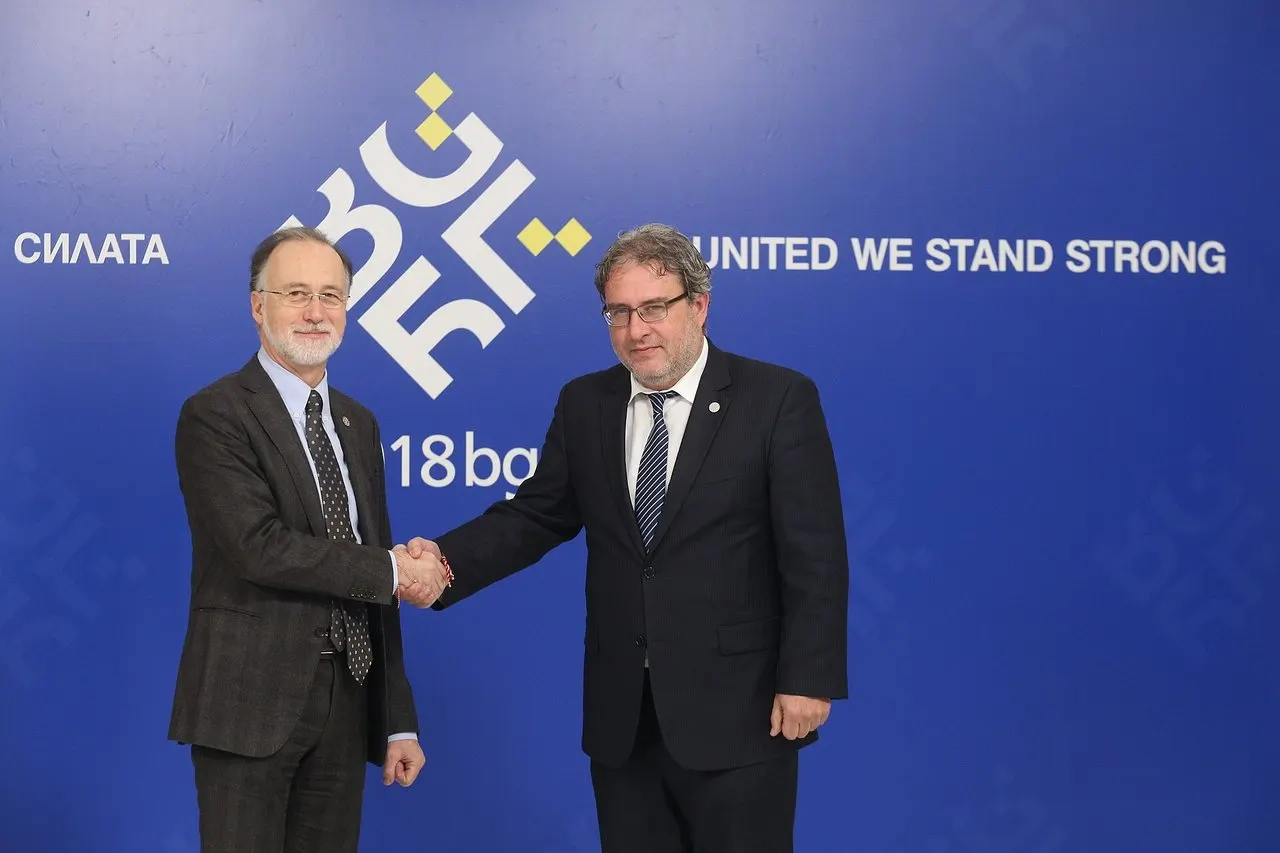
Friday’s summit in Brussels could bring small but real wins, from smoother checks on food and goods to closer work on energy and security. Leaders rarely announce big breakthroughs at such meetings, but a string of practical fixes can add up to something voters notice. Burnham will judge the summit by whether life gets easier for firms and families. Read the facts behind the Kerch Bridge strikes in our other coverage.
The Lord Mayor’s Banquet: A Stage for Big Speeches
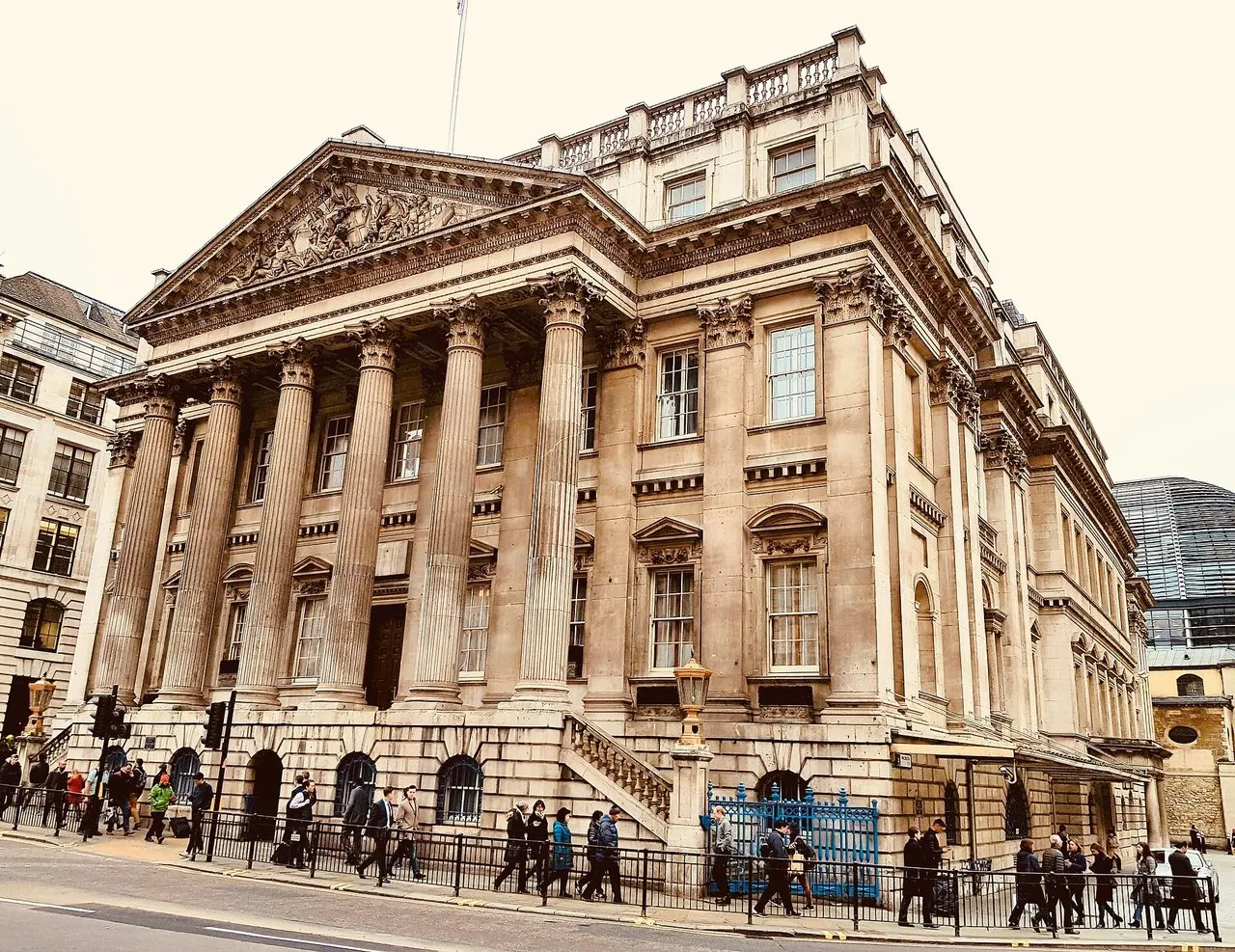
The Lord Mayor’s Banquet is one of the oldest set pieces in British politics, a grand dinner at Mansion House where the prime minister speaks to the City of London about the state of the world. Past speeches at the banquet have launched new policies and warned of dangers ahead. Burnham used that tradition to say something he hopes the country will remember. Read a former first lady on the president who made the country proud in our other stories.
Why Allies Watch Britain’s Next Move
Allies in Europe and across the Atlantic watch Britain closely, because what London decides about trade and defence affects the whole Western alliance. When Britain and the EU cooperate, the alliance looks strong, and when they quarrel, rivals take note. Burnham’s push for practical change is also a message to allies that Britain wants to be a reliable partner again. Read the warning that one man owns more than half of America in our other coverage.
What Happens After Friday in Brussels
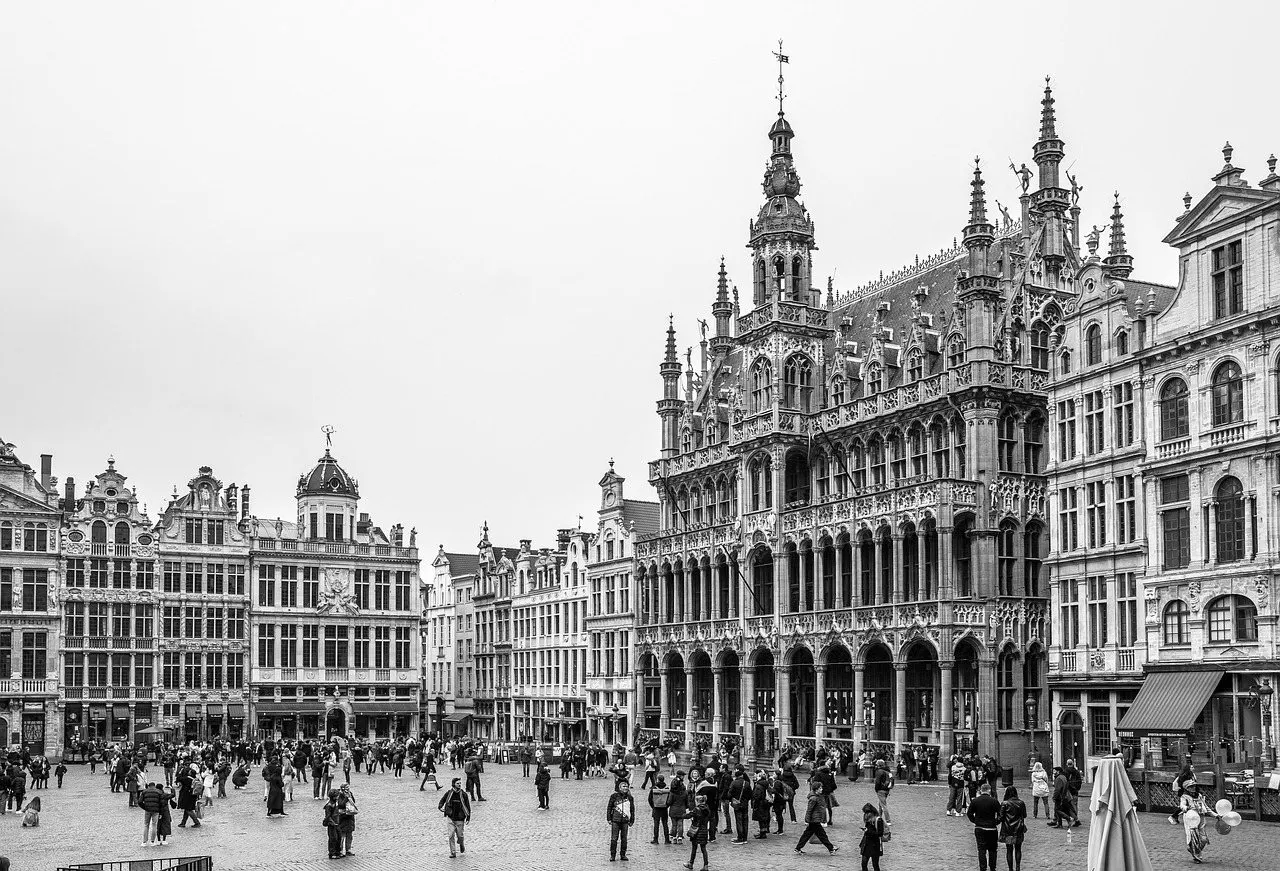
After the summit, the real work begins, turning any agreement into new rules, new forms and new habits for firms and officials. Leaders often promise much in Brussels and deliver slowly at home, so voters will watch what changes in the months that follow. Burnham’s test will be whether the summit brings results people can feel. Read the robot that could outnumber people in our other stories.
A Prime Minister Betting on Practical Change
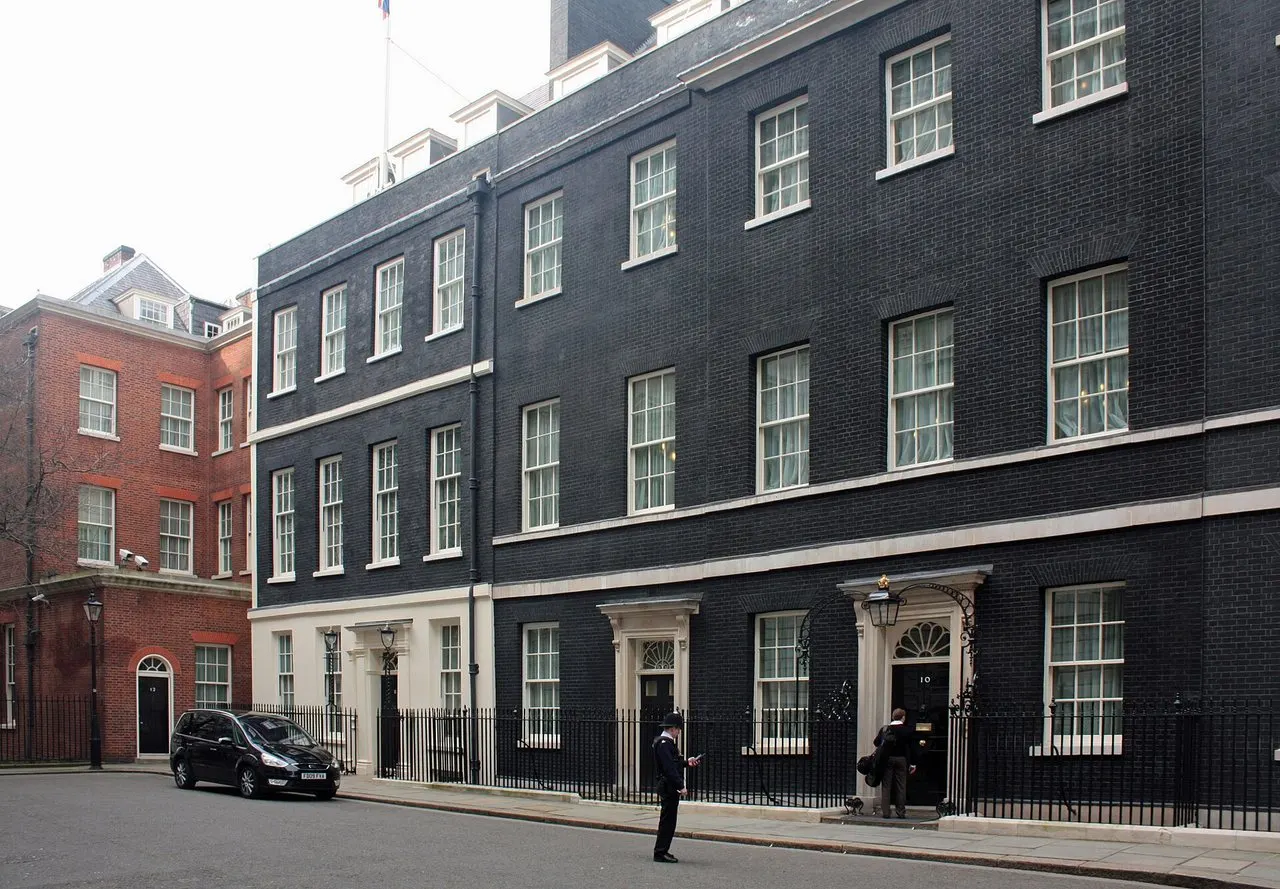
Burnham is betting that practical change, not grand promises, will win back voters who have grown tired of rows over Europe. Small fixes on trade and energy may not make headlines, but they can make life easier for firms, farmers and families. If the summit delivers, he can point to real results, and if it does not, his critics will say the drift continues. Read how a pub boss threatened to bar Burnham over Europe in our other reports.
What Do You Think Britain Should Do Next?
Burnham has said his piece, and now the question passes to the public, because Britain’s future with Europe will shape jobs, prices and security for years to come. Should the country move closer to the EU, keep its distance, or one day talk about returning? There is no easy answer, and every choice has a cost. Share your view in the comments below, and read a doctor’s call to surrender your life to Christ while you are here.