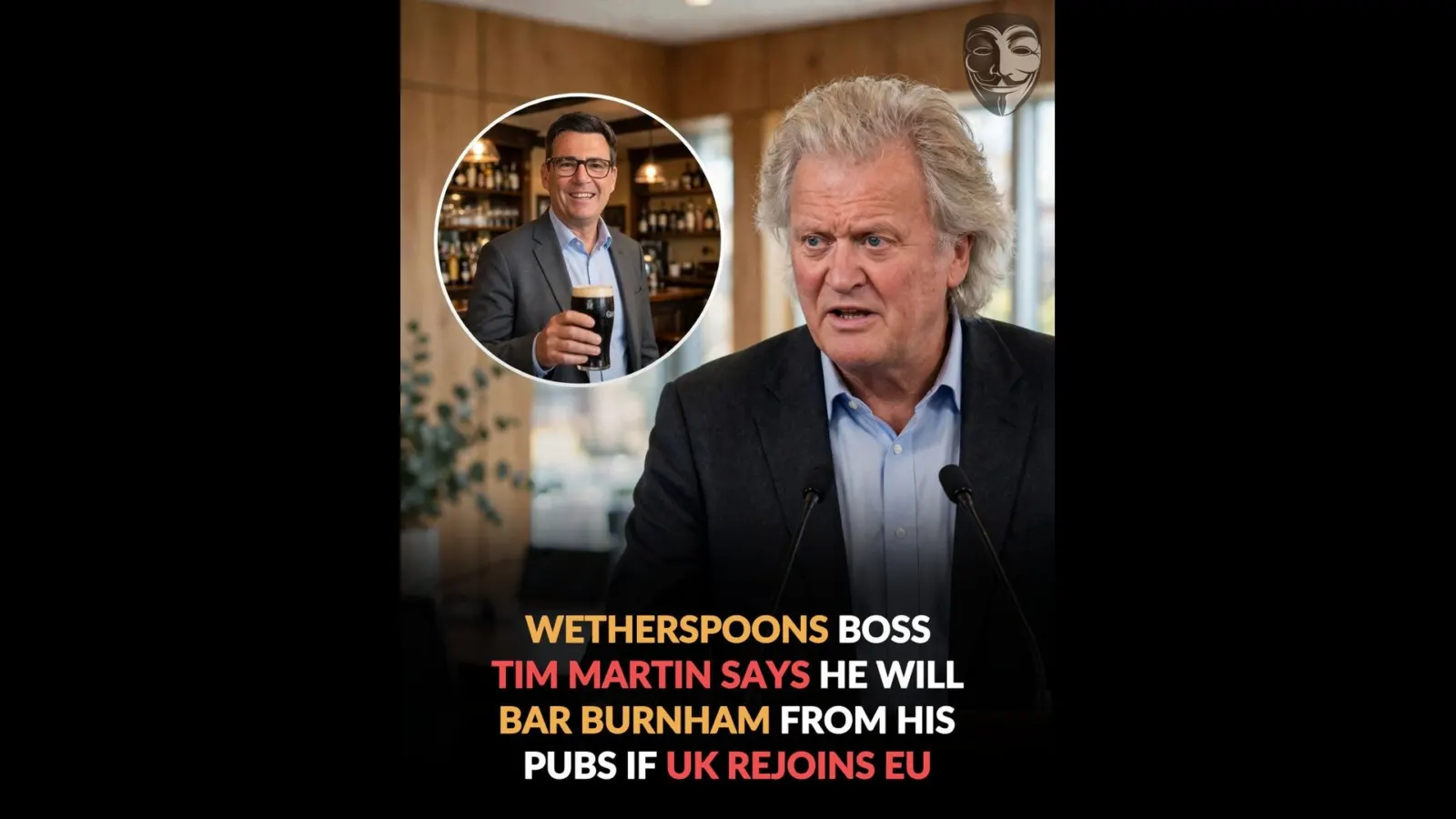
The Wetherspoons Pub Ban Threat That Started a Big Row
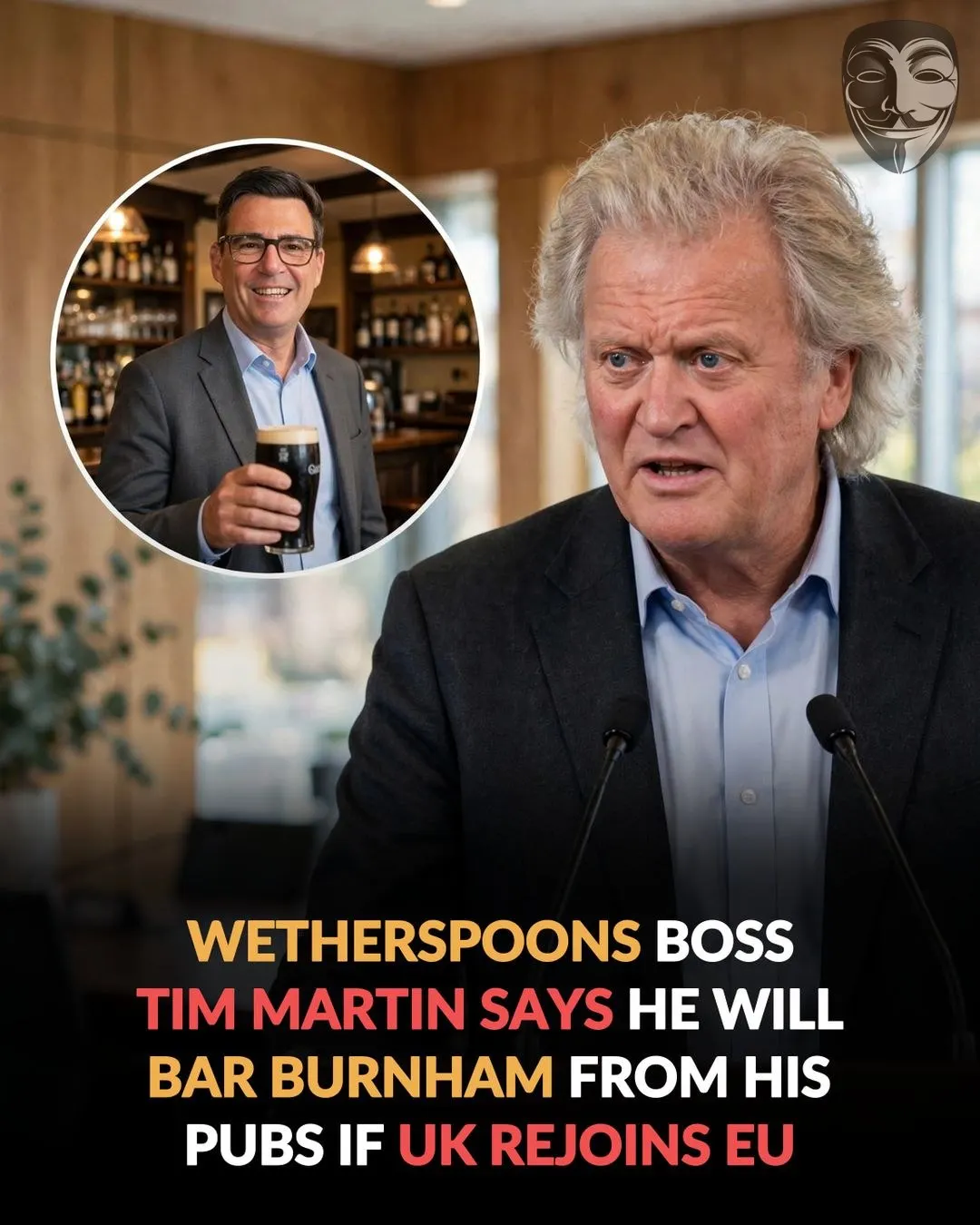
The Wetherspoons pub ban threat began on LBC radio when Wetherspoons founder Tim Martin told host Andrew Marr what he would do if Prime Minister Andy Burnham tried to sign Britain back into the European Union. Martin said he would have a word with his colleagues about it, and when Marr suggested Burnham would be banned from nearly 800 pubs around the country, Martin laughed and replied, Or a few more, yeah. The exchange quickly spread online and set off a fresh debate about Brexit, pubs and politics.
Burnham has put Britain’s relationship with Europe back at the centre of politics since becoming prime minister, and he met European leaders at a Brussels summit where a reset package on food trade, youth mobility and emissions trading was announced. He has said he will stick to Labour’s 2024 manifesto red lines, ruling out a return to the customs union, the single market or free movement, while staying open to all options beyond this parliament. We also look at a summit that brought world leaders together.
References:
The London Economic: Wetherspoons boss Tim Martin says he’ll ban Burnham from his pubs if UK rejoins EU
Brit Brief: Wetherspoons boss Tim Martin proposes new ban for all of his 800 pubs
The Poke: Tim Martin mocked over vow to ban Andy Burnham from Wetherspoons if he reverses Brexit
Talk Fuse: Wetherspoons boss Tim Martin proposes new ban for all of his 800 pubs
Tim Martin Spoke on LBC With Andrew Marr

The story began in a radio studio when Tim Martin sat down with LBC host Andrew Marr for a chat. Marr pressed him on what would happen if Andy Burnham tried to take Britain back into the European Union, and Martin gave an answer that nobody expected. The founder of Wetherspoons did not dodge the question or laugh it off at first, and his reply soon became famous. Radio interviews often pass without notice, but this one travelled fast, helped by a briefing room moment that also made headlines.
Or a Few More, Yeah
When Marr suggested Burnham would be banned from nearly 800 pubs around the country, Martin did not argue or correct him. He laughed and replied, Or a few more, yeah, a short line that turned the interview into a news story. The laugh mattered as much as the words, because it made the threat sound light and serious at the same time. Listeners shared the clip within hours, and the line was soon quoted in headlines across the country, much like a joke about government spending.
Who Is Tim Martin

Tim Martin is the founder of Wetherspoons, the pub chain he built from a single pub into a big name on the British high street. He is known for speaking his mind, and he was one of the most vocal business voices in favour of leaving the European Union. His pubs are famous for low prices, long opening hours and no music, and his views often make headlines of their own. He has never hidden his opinions, as readers can see in a chief executive asked to return.
Nearly 800 Pubs in the Wetherspoons Pub Ban
Wetherspoons runs nearly 800 pubs across Britain, from city centres to market towns, and the scale is what made the threat so striking. A ban from one pub would be a small story, but a ban from nearly 800 pubs at once sounds like a national event. The chain serves millions every year, and many of its pubs sit at the heart of their towns. That is the scale behind the Wetherspoons pub ban, and it is why the line travelled so far, along with a joke about grocery stores.
Who Is Andy Burnham
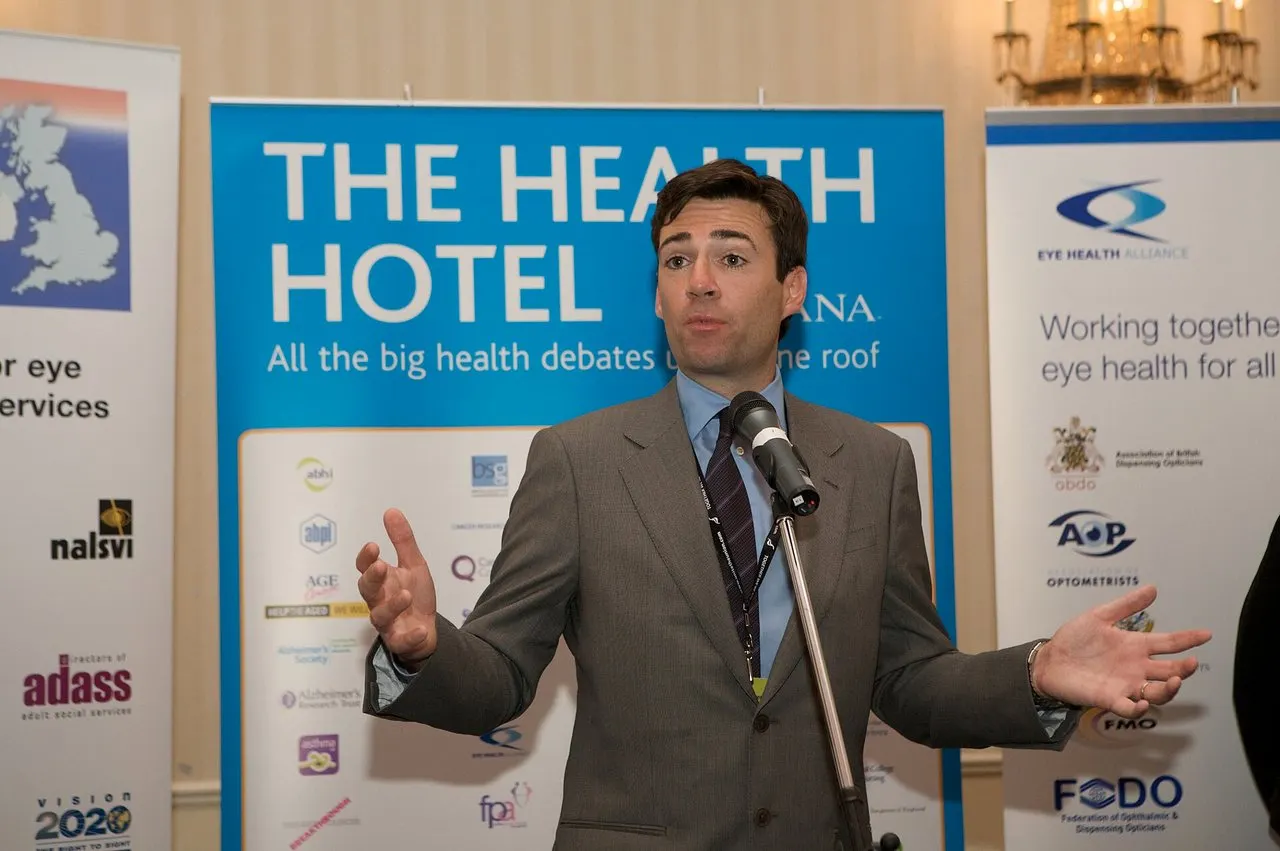
Andy Burnham is the prime minister, and he has put Britain’s relationship with Europe back at the centre of politics since taking office. He met European leaders at a Brussels summit, where a reset package on food trade, youth mobility and emissions trading was announced. He has said he will stick to Labour’s 2024 manifesto red lines, ruling out a return to the customs union, the single market or free movement. His next steps are watched closely, as were an interview about a former president.
The Brussels Summit Where Leaders Met
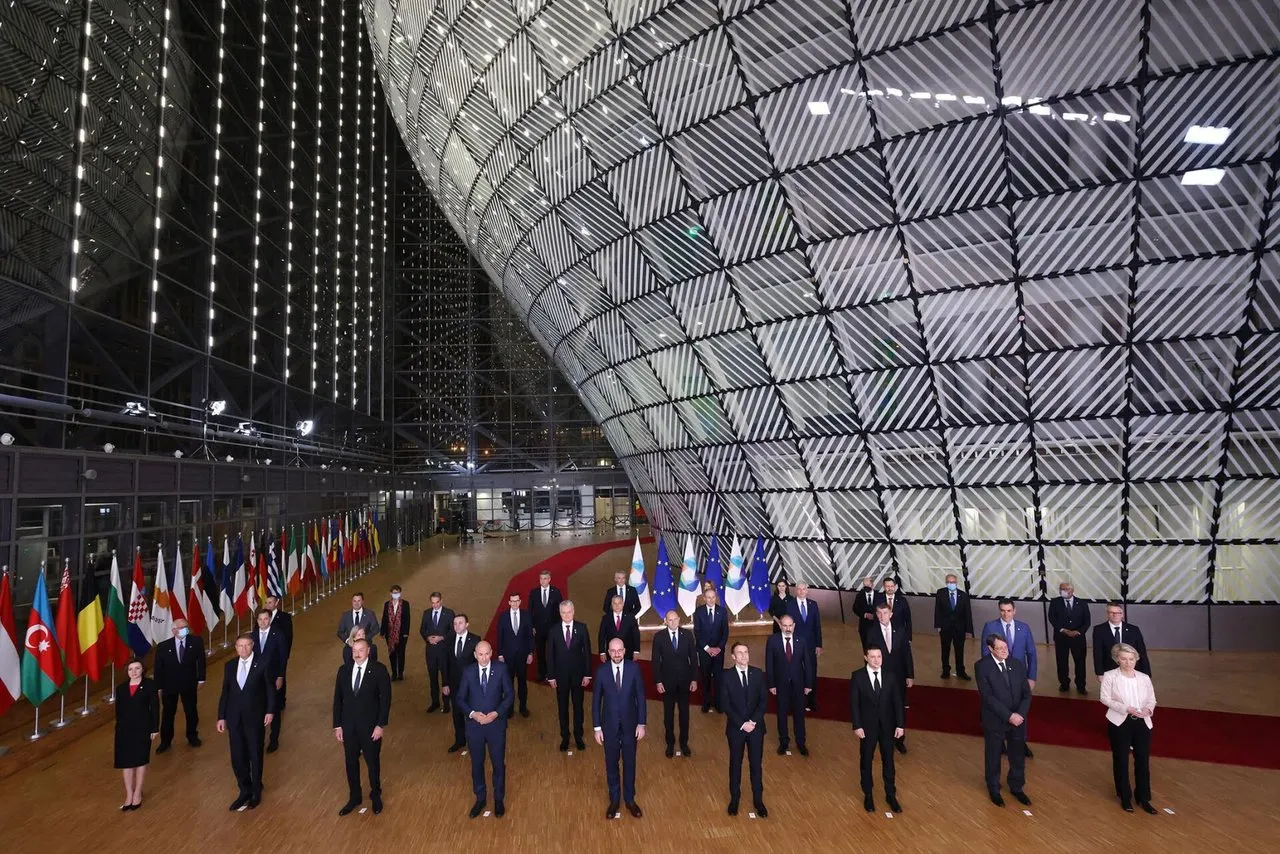
Burnham travelled to Brussels for a summit with European leaders, the kind of meeting that once seemed unlikely so soon after Brexit. The talks produced a reset package covering food trade, youth mobility and emissions trading, three areas where closer ties could change daily life for people and firms. Supporters called it a sensible step, while critics asked how far the reset would go. The summit set the scene for the pub row that followed, much like a summit greeting that made news.
Labour’s 2024 Manifesto Red Lines
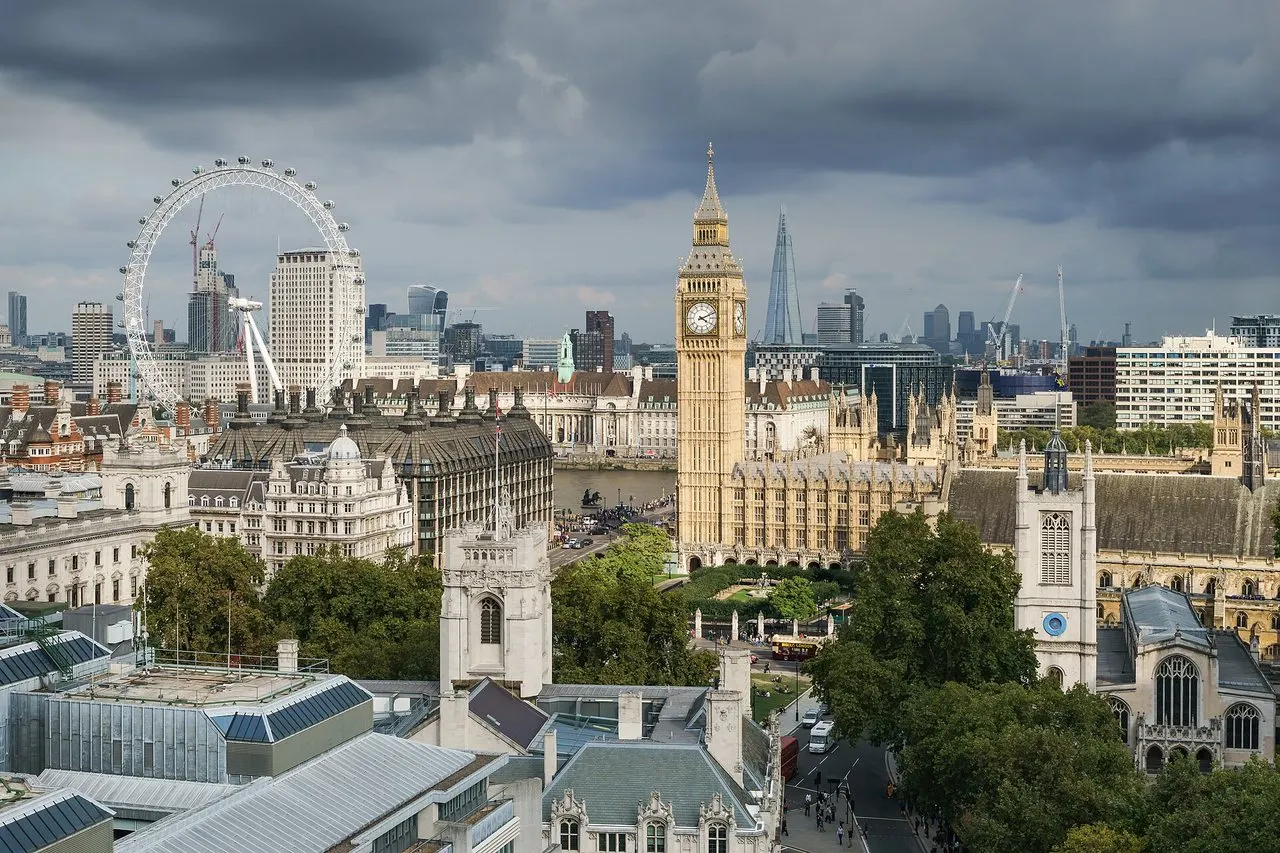
Burnham has said he will stick to Labour’s 2024 manifesto red lines, and those lines are clear. They rule out a return to the customs union, the single market and free movement, three of the biggest parts of EU membership. At the same time, he has stayed open to all options beyond this parliament, a phrase that leaves room for a bigger change later. The balance is careful, and it is why every word he says on Europe is studied, as in a stalled vote in Ohio.
What the Wetherspoons Pub Ban Would Mean for Europe
The Wetherspoons pub ban is not a law or a policy, and it would not stop Burnham from doing his job. It is a pub owner saying a customer is not welcome, a choice any landlord can make about who drinks in their house. Yet the line landed because it mixed a very British setting, the local pub, with a very large question, the future of Britain and Europe. That mix is why a joke became a headline, along with a look at two very different maps.
The Customs Union and the Wetherspoons Pub Ban Row

The customs union is an agreement where countries charge the same tariffs on goods from outside and trade freely with each other. Leaving it meant new checks and forms for British firms selling into Europe, and rejoining it would remove many of those barriers. It is one of the red lines Burnham has said he will not cross in this parliament, though he stays open to options later. The debate is technical but real, as is a fight over health care costs.
The Single Market Explained in Plain Words
The single market lets goods, services, capital and people move freely between member states, almost as if borders did not exist for trade. Britain left it when it left the European Union, and firms have dealt with new rules ever since. Returning would mean following many EU rules again, which is why it is such a sensitive subject in British politics. The idea sounds simple, but the detail is huge, much like a breakthrough for diabetes care.
Free Movement and Why It Divides Opinion
Free movement gave EU citizens the right to live and work in any member state, and it gave British citizens the same right across Europe. Ending it was one of the clearest changes after Brexit, and it remains one of the most argued over. Supporters say it opened doors for young people and workers, while critics say it put pressure on jobs and services. The argument is far from over, as shown by a workplace where leave felt easy.
Youth Mobility in the Wetherspoons Pub Ban Debate
Youth mobility was part of the reset package announced at the Brussels summit, and it could let young people from Britain and Europe live, work and travel more easily in each other’s countries. For many families it is the most human part of the deal, because it is about young lives and first jobs, not trade figures. Details are still to be settled, but the idea has wide support among young voters. It is a hopeful note in a loud debate, like a father talking about time with his kids.
Food Trade on the Table at Brussels

Food trade was another part of the reset package, and it matters to shoppers, farmers and small firms alike. Closer rules on food could mean fewer checks at borders, fresher produce on shelves and lower costs for businesses that sell across the Channel. Farmers have watched the talks closely, because their goods are among the first to feel new rules. The detail will take time to settle, as will a plan for city grocery stores.
Emissions Trading and the Climate Link
Emissions trading was the third part of the reset package, and it links Britain and Europe on climate policy. The system puts a price on carbon, so firms that pollute more pay more, and it pushes them toward cleaner ways of working. Linking the two systems could make trade smoother and help both sides cut carbon faster. It is the quietest part of the package, but it may matter most in the long run, like a robot that may soon do the dishes.
Brexit and the Roots of the Wetherspoons Pub Ban
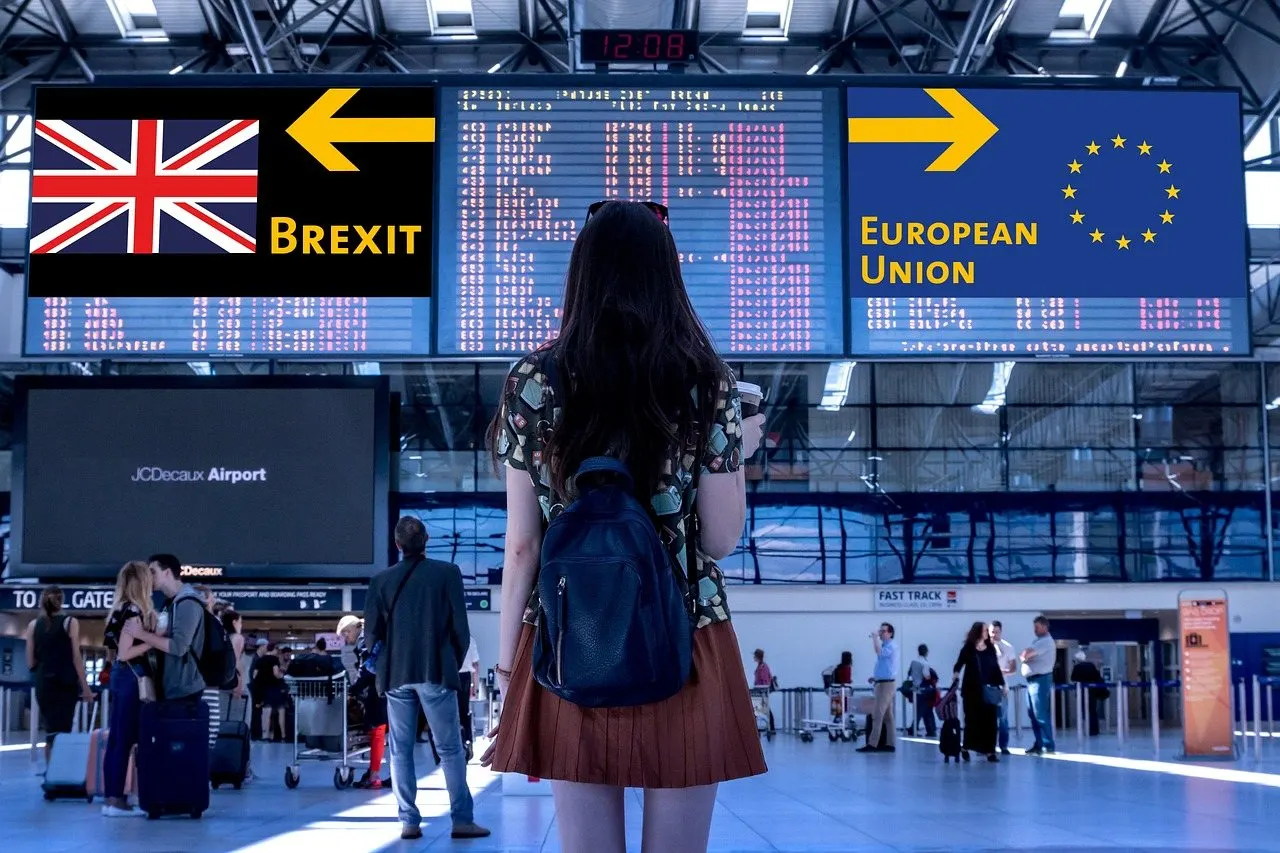
The Wetherspoons pub ban row has its roots in Brexit, the vote in 2016 when Britain chose to leave the European Union. Tim Martin was one of the loudest business voices for Leave, and his pubs even carried beer mats arguing the case. Since then, the question of how close Britain should stay to Europe has never gone away. Every new deal or summit brings it back, and this pub row is the latest chapter, along with a plan to close a famous jail.
Wetherspoons Pubs and the Brexit Years
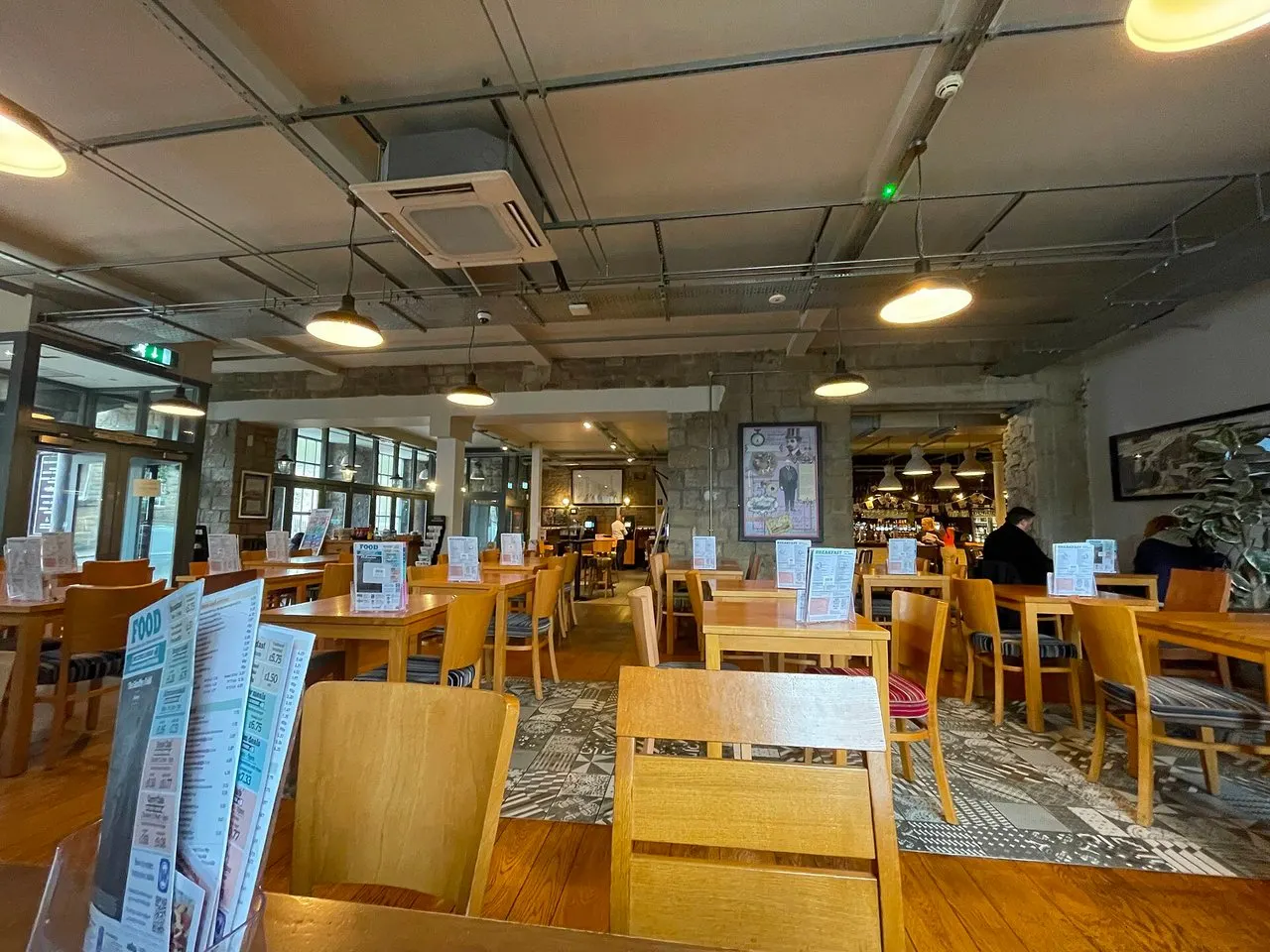
During the Brexit years, Wetherspoons pubs became known as places where the debate was never far away. Martin used his pubs to share his views, and customers often found his case for leaving printed on the tables. Some loved the plain speaking, while others wished their pint came without politics. The chain kept growing all the same, and its founder stayed in the headlines. That history shapes this story, as does a story about faith and family.
Pubs Where Politics Is Always on the Menu
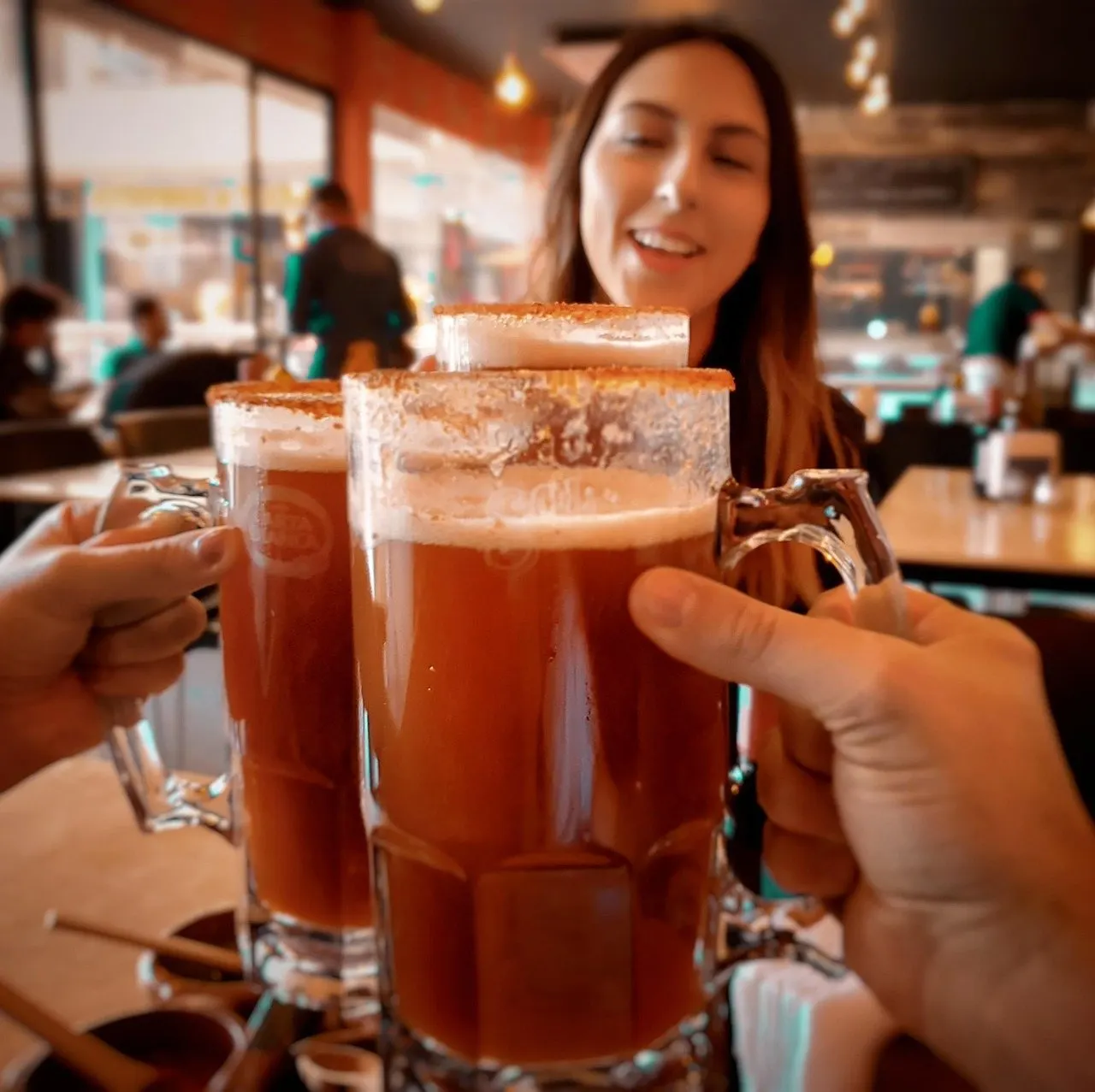
British pubs have long been places where people talk politics, from the corner table to the bar. They are where neighbours meet, news is shared and opinions are tested over a pint. A pub landlord has always had the right to ask someone to leave, and regulars know the house rules by heart. That is why a threat to bar a prime minister felt both funny and familiar, like a pup that knew what Sunday meant.
How the Wetherspoons Pub Ban Story Was Reported
The London Economic reported that Wetherspoons boss Tim Martin says he will ban Burnham from his pubs if the UK rejoins the EU, and the headline spread quickly across social media. Other outlets picked it up within hours, each with its own angle on the interview. The speed showed how a short radio exchange can become a national talking point before lunch. Readers shared it with jokes and strong views, much like an Asia tour full of meetings.
Brit Brief and Talk Fuse Pick Up the Story
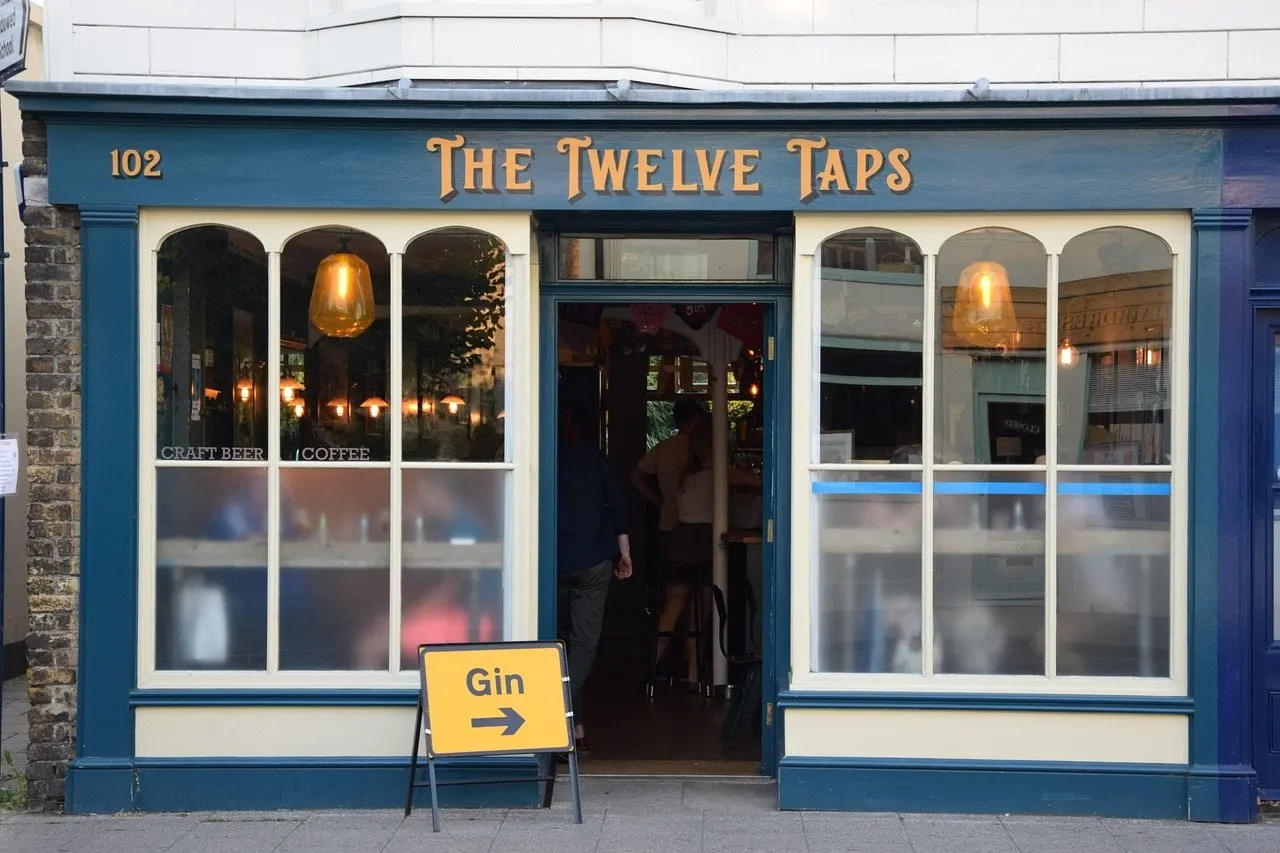
Brit Brief and Talk Fuse both reported that Wetherspoons boss Tim Martin proposes a new ban for all of his 800 pubs, and their matching headlines showed how fast the story travelled. When two outlets use the same line, it often means the quote itself did the work. The figure of 800 pubs gave the story its size, and the word ban gave it its bite. The coverage kept the row alive for days, as did a lorry that looked like it had crashed through a wall.
The Poke and the Jokes That Followed

The Poke reported that Tim Martin was mocked over his vow to ban Andy Burnham from Wetherspoons if he reverses Brexit, and the jokes wrote themselves. Readers pointed out that a prime minister has many places to eat and drink, and that a pub ban is hardly the end of a career. Others said the joke showed how Brexit still splits the country years later. Humour is often how Britain deals with big rows, like a movie going back to puppets.
Could the Wetherspoons Pub Ban Really Happen
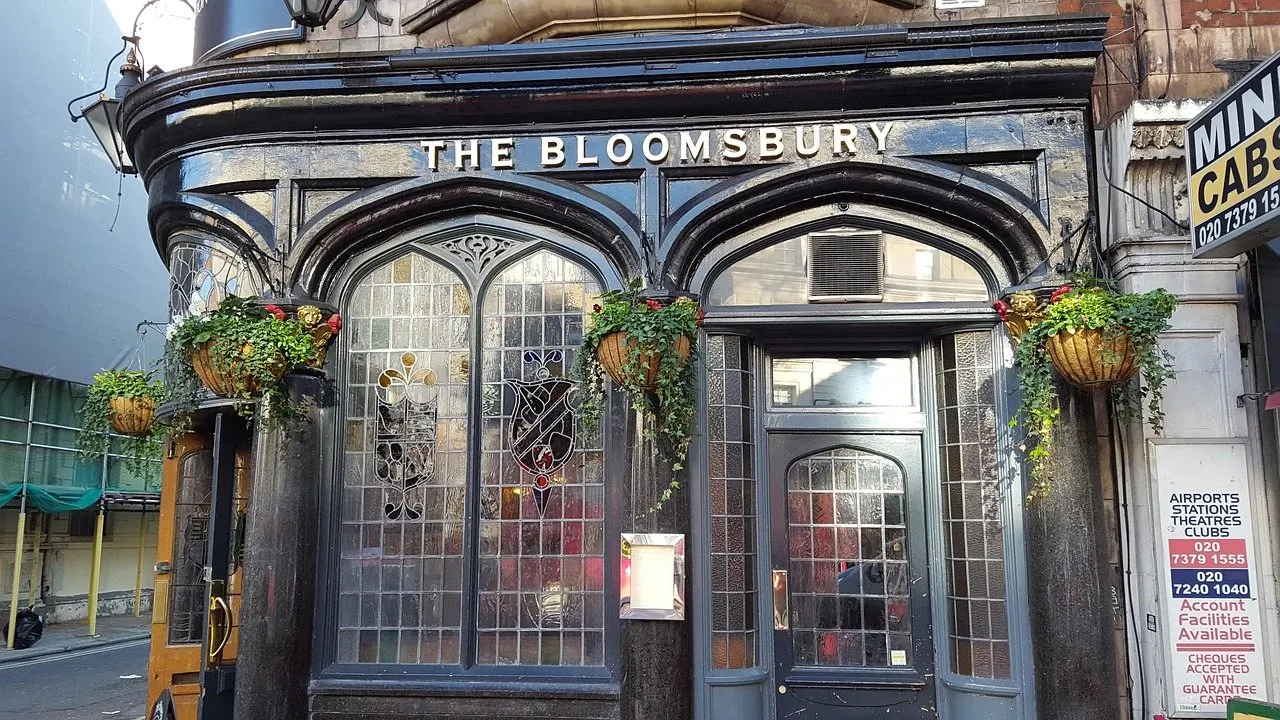
Could the Wetherspoons pub ban really happen? In practice, a landlord can refuse entry to anyone, as long as the reason is lawful, so Martin could ask his pubs not to serve Burnham. In reality, a prime minister rarely walks into a pub unannounced, and his team would plan any visit well ahead. The threat works better as a headline than as a plan, which is part of its charm, along with a message about peace.
What Burnham Says About the Years Ahead
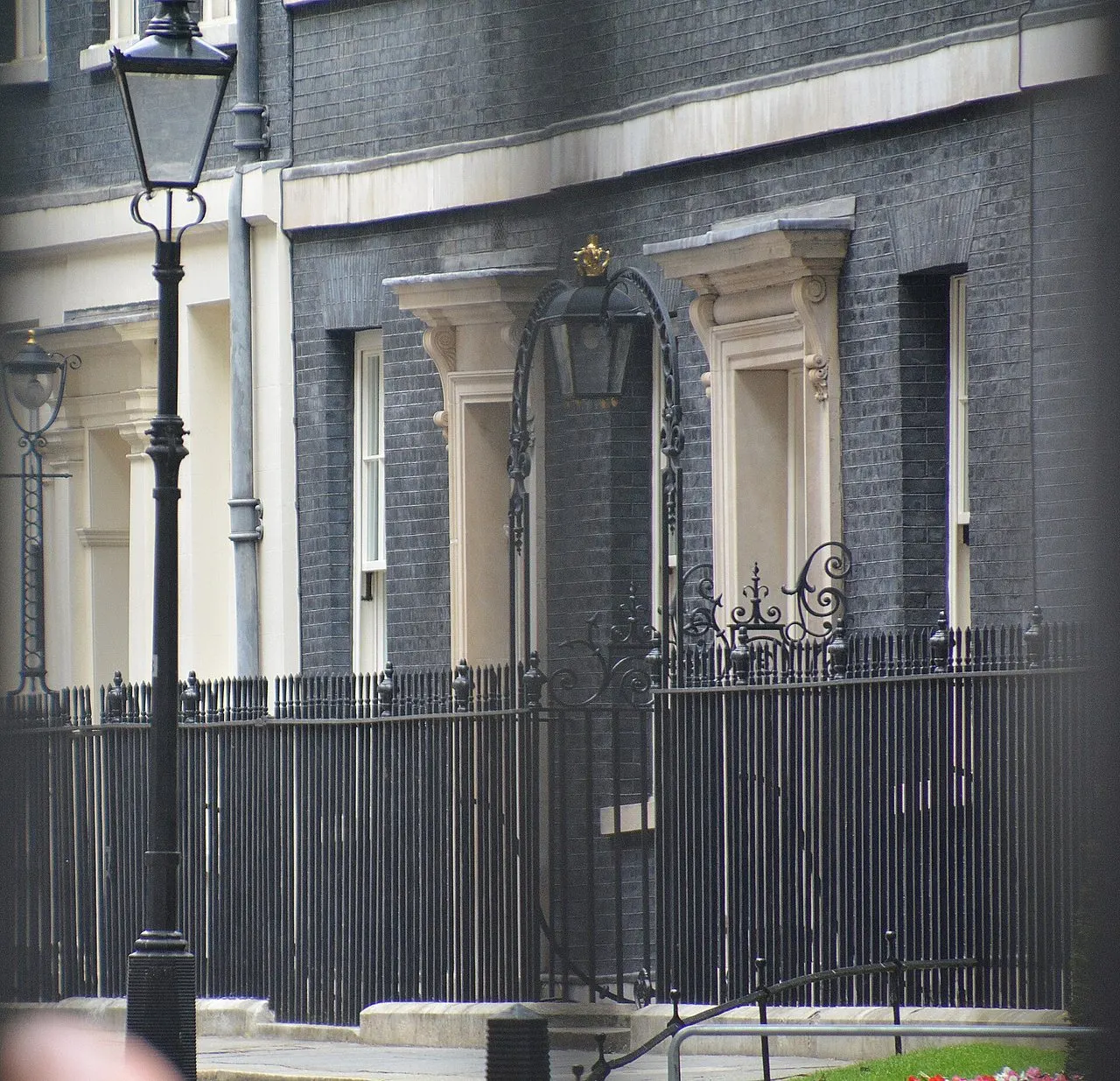
Burnham has said he is open to all options beyond this parliament, a line that keeps the door open without promising a return to the EU. It lets him talk about closer ties now, while leaving the biggest choices for a later election. Critics say it is vague, while supporters call it honest about a long road. Either way, his words will be tested at every summit, as were a blunt moment at a world summit.
Why This Row Struck a Chord
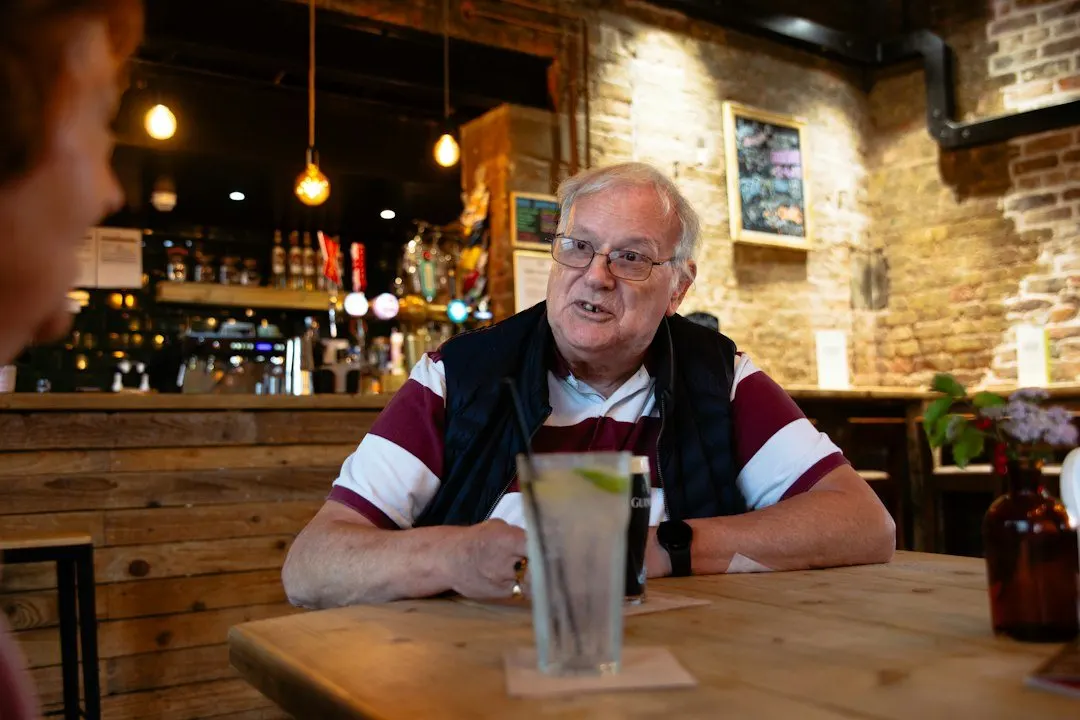
The row struck a chord because it joined two things Britain cares about, the local pub and the European question. Pubs feel personal in a way that trade deals do not, and everyone has an opinion about their local. Add a plain speaking pub boss and a prime minister, and the story tells itself. It is light on the surface and serious underneath, like a life remembered with warmth.
What Happens Next in the Wetherspoons Pub Ban Row
What happens next depends on Burnham, on Europe and on the talks that follow the Brussels summit. The reset package will take shape in the months ahead, and each step will bring fresh questions about how far Britain should go. Martin will no doubt have more to say, and his pubs will stay in the conversation. For now the ban is a threat, not a fact, like a row about money in politics.
Would You Back the Wetherspoons Pub Ban
If you were in charge of a pub chain, would you bar a prime minister over Europe, or would you welcome everyone through the door? The Wetherspoons pub ban threat has split opinion, with some cheering the plain speaking and others calling it a stunt. Pubs belong to their communities, and the question of who is welcome matters to us all. Tell us what you think in the comments, and keep reading a boss brought back to lead again.