Largest Belief Group Set to Pass Christianity by 2035
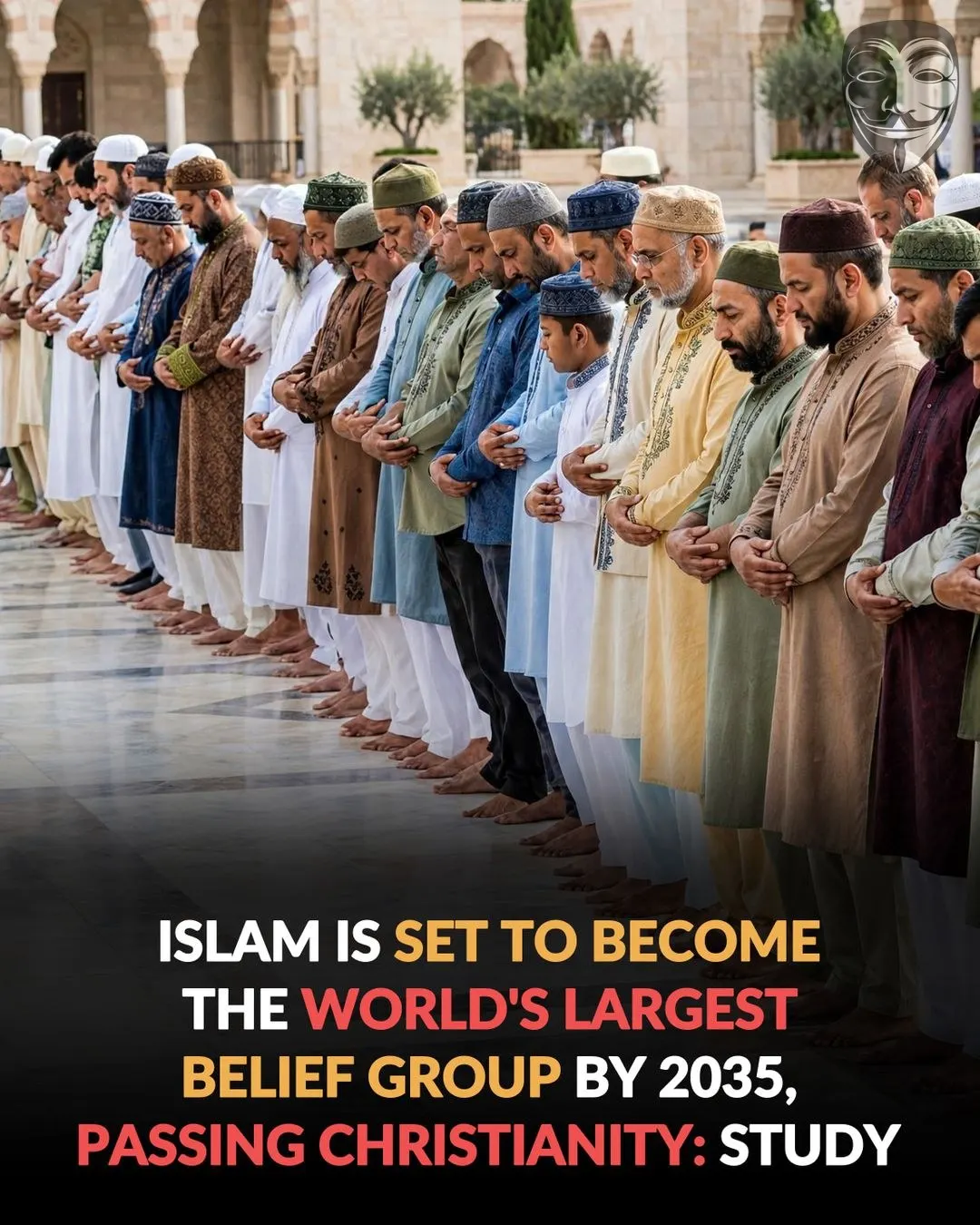
Largest belief group is the title Islam is set to take by 2035, when Pew Research Center projects 2.57 billion Muslims around the world. Christians will number 2.52 billion that year, so the lead will change hands for the first time in modern history. The shift is not sudden. Both faiths are still growing, yet Islam is growing much faster, and the gap keeps widening year by year. In 2020, Muslims numbered 2.02 billion and Christians numbered 2.27 billion, and the steady rise since then has brought the two faiths close together.
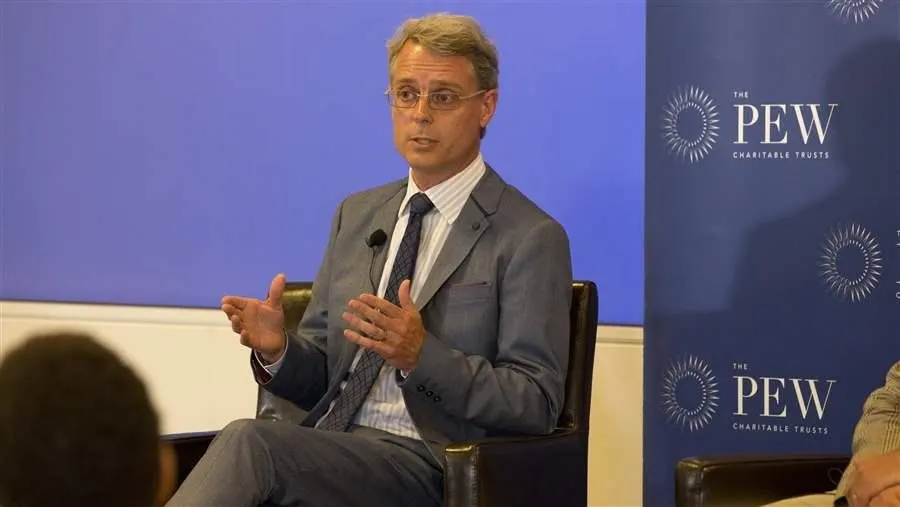
Pew senior demographer Conrad Hackett summed up the reason in three short words, saying it is the babies, because birth rates matter far more than conversion. Muslim women averaged 3.1 children between 2020 and 2025, compared with 2.5 for Christians, and that difference adds up across millions of families. In the slides ahead, we look at the numbers, the countries where the change will be felt most, and what it means for mosques, churches and everyday life. For more on faith in America, read our story on the faith of Pierce Brosnan.
References:
Pew Research Center: Why Muslims will soon become the world’s largest belief-based group and Christians will be the second largest
National Catholic Reporter: Islam is expected to surpass Christianity as the world’s largest belief group by 2035
Angelus News: Pew study Islam on track to be largest belief group by 2035
Washington Times: Islam to surpass Christianity as world’s top faith by 2035
The Numbers Behind the 2035 Projection
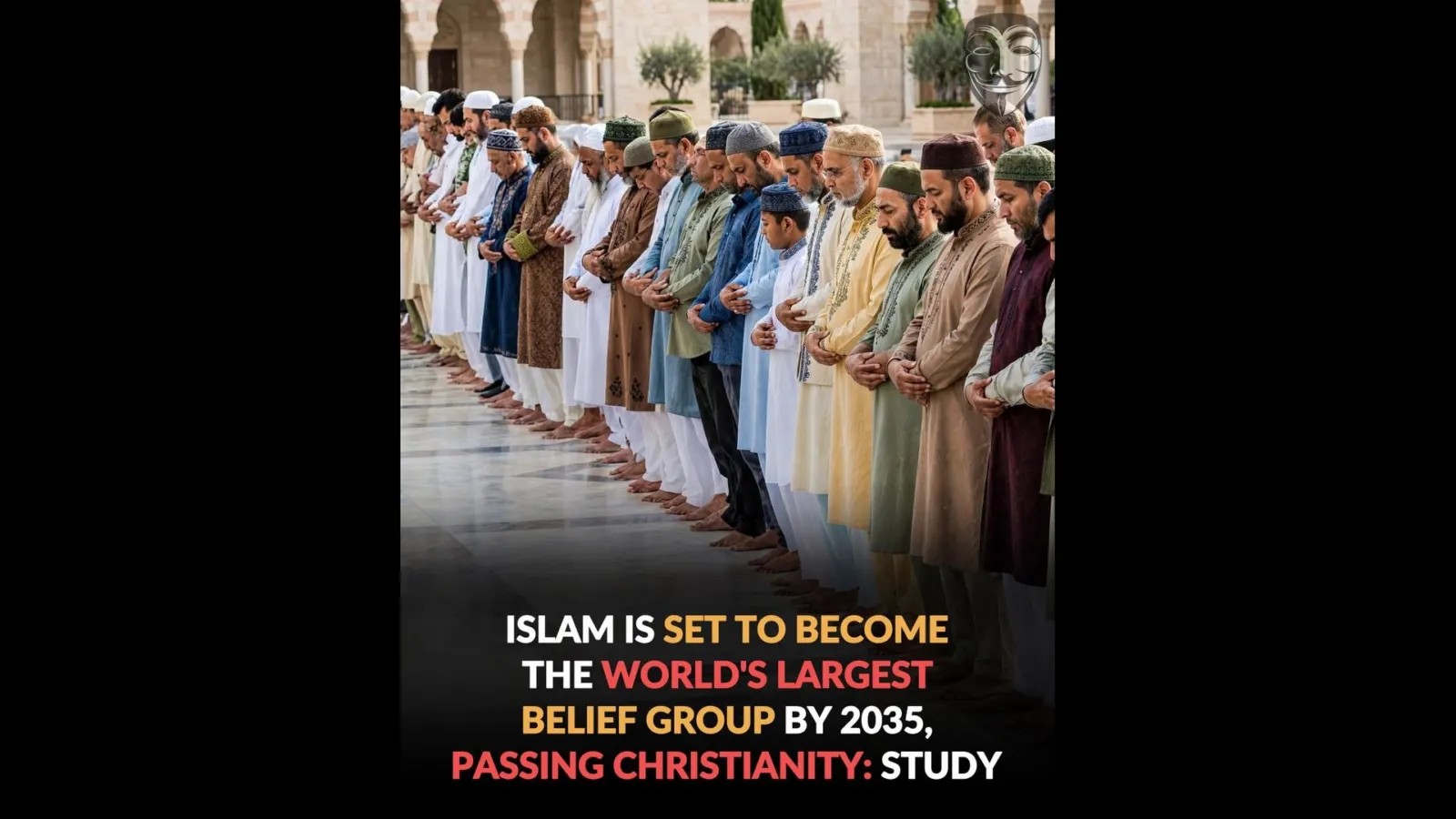
Pew Research Center projects that Islam will reach 2.57 billion people by 2035, passing Christianity at 2.52 billion. The numbers come from careful study of birth rates, death rates and migration around the world. In 2020, the count stood at 2.02 billion Muslims and 2.27 billion Christians, so the change has been building for years. Both faiths are still growing, which makes the story one of speed rather than decline. Read our earlier report on the 2035 shift.
How the Largest Belief Group Worships Together
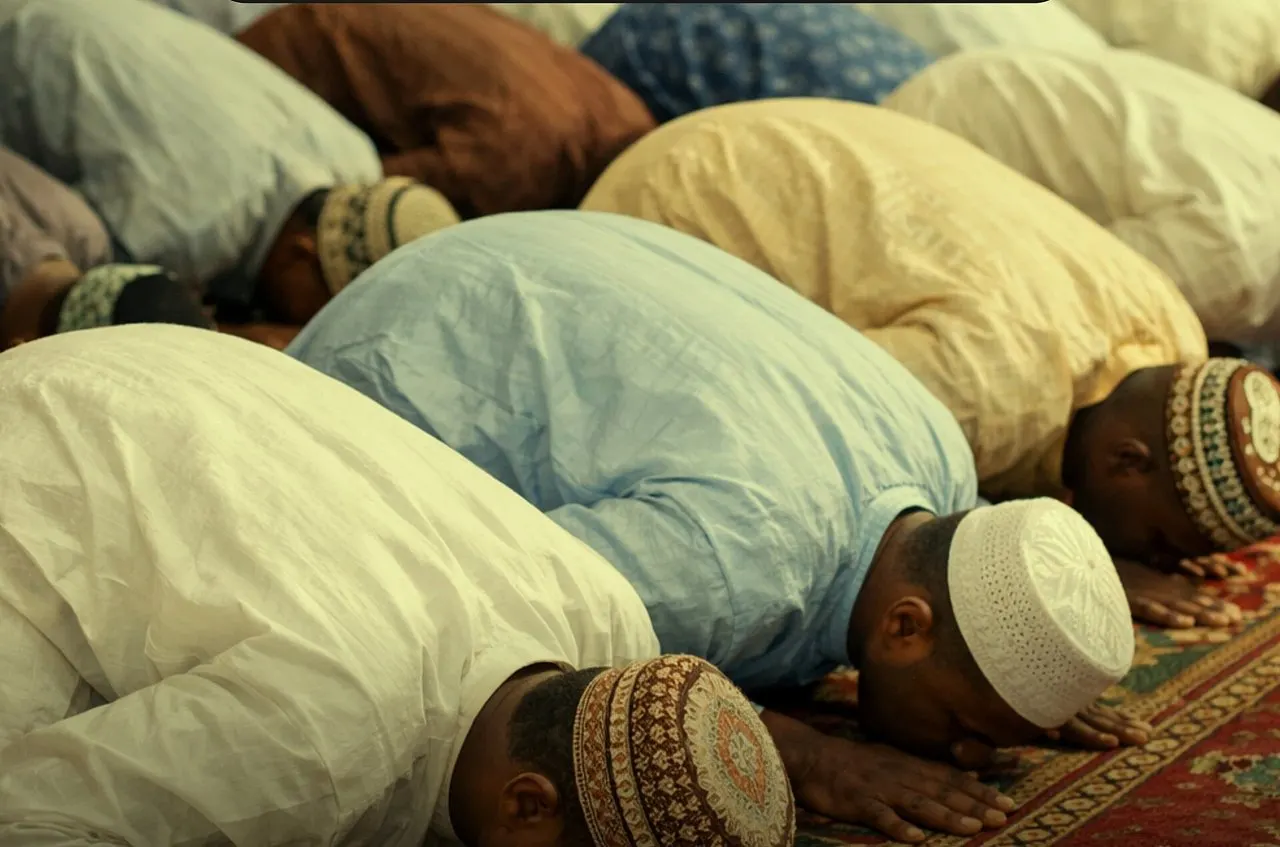
The largest belief group gathers in mosques for daily prayer, and Friday prayers bring whole neighborhoods together in one hall. Worshippers stand shoulder to shoulder, bow and kneel in unison, and listen to a sermon that ties faith to daily life. Ramadan nights fill mosques late into the evening, and Eid mornings bring families in new clothes to celebrate together. The rhythm of prayer shapes the week, and the mosque stands at the center of it all. See our report on faith and community in America.
Christians Are Still Growing Too

Christianity remains a growing faith, even as Islam grows faster, and Christians will number 2.52 billion people by 2035. Churches still fill on Sunday mornings in towns and cities around the world, and choirs, sermons and shared meals keep congregations close. The faith is strongest in the Americas, Europe and Africa, and new churches keep opening where people move. Growth may be slower, yet the Christian story is far from over. Read our story on the faith of Pierce Brosnan.
Families Are at the Heart of the Change
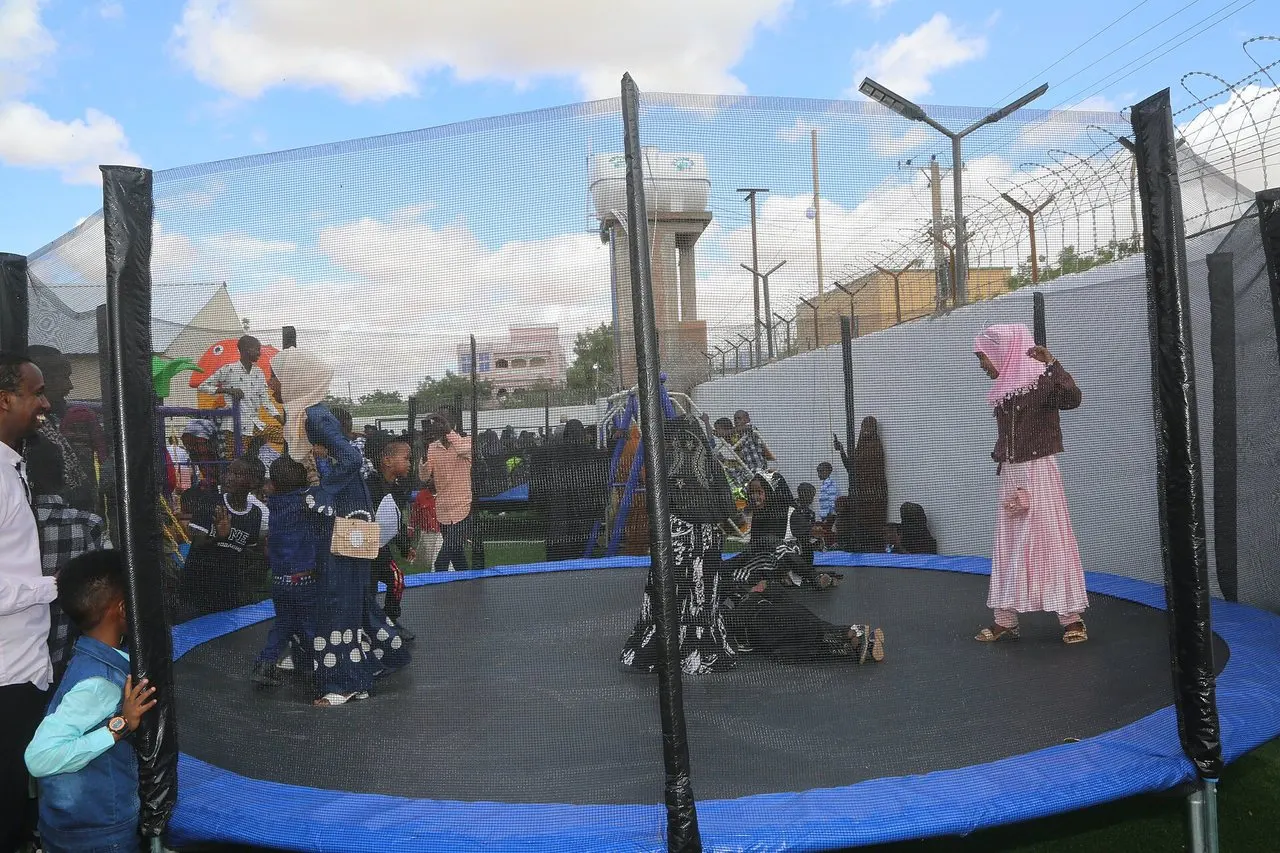
Families are at the heart of this story, because the change is driven by births rather than by people switching faiths. Muslim women averaged 3.1 children between 2020 and 2025, compared with 2.5 for Christians, and that small gap grows large across millions of homes. A new baby means a new member of the faith, a new pupil at the mosque school, and a new voice in the community. Family life, not debate, is doing the work. Read our story on fatherhood and family time.
Why the Largest Belief Group Keeps Growing
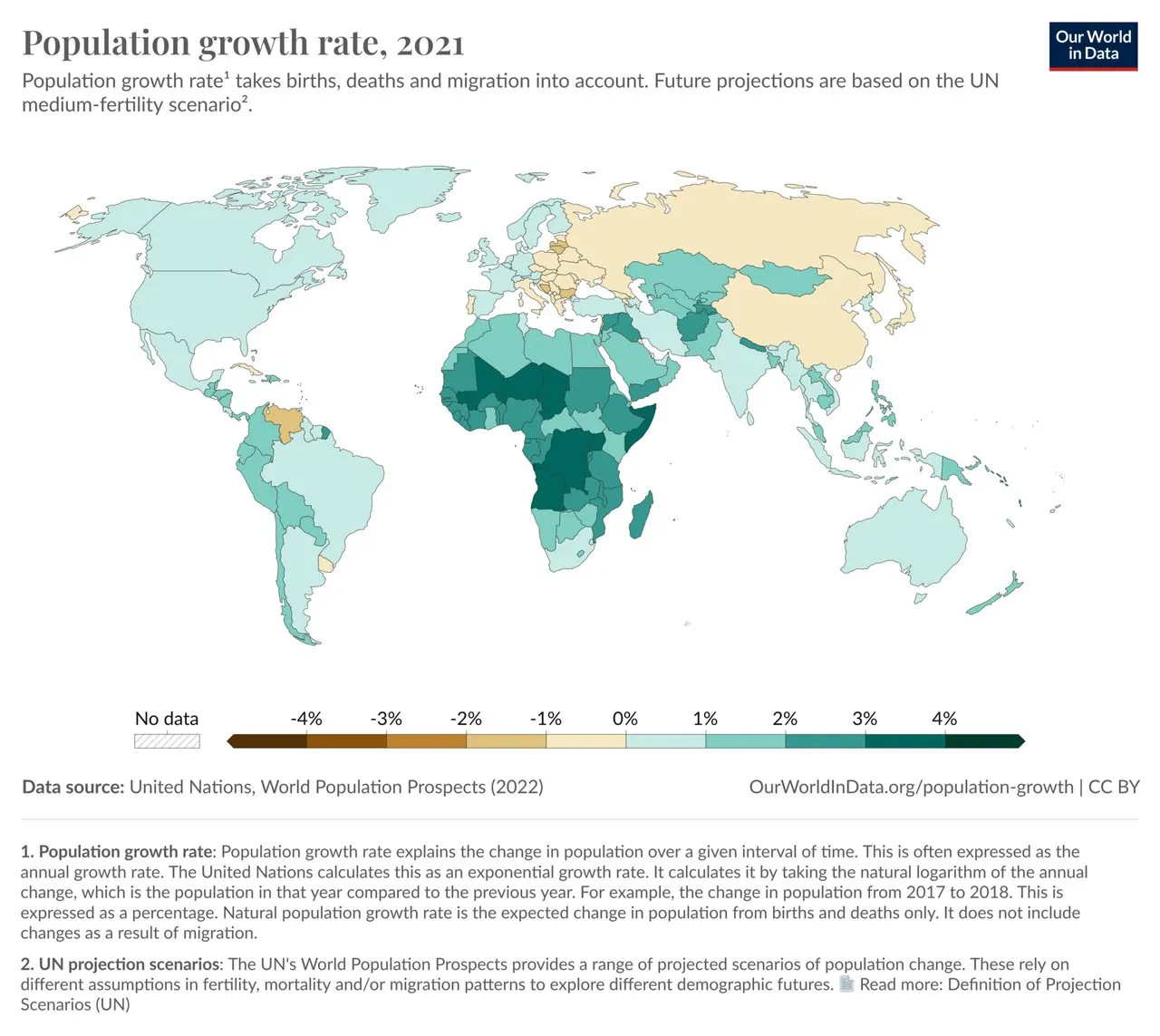
Why does the largest belief group keep growing faster than any other faith? The answer is simple, and Pew senior demographer Conrad Hackett gave it in three words. Birth rates decide the future of a faith far more than conversion, because babies born into a family usually grow up in that faith. Muslim families have more children on average, and younger populations mean more parents in the years ahead. The pattern is steady and easy to follow. Read our earlier report on the population shift.
Inside a Mosque at Prayer Time
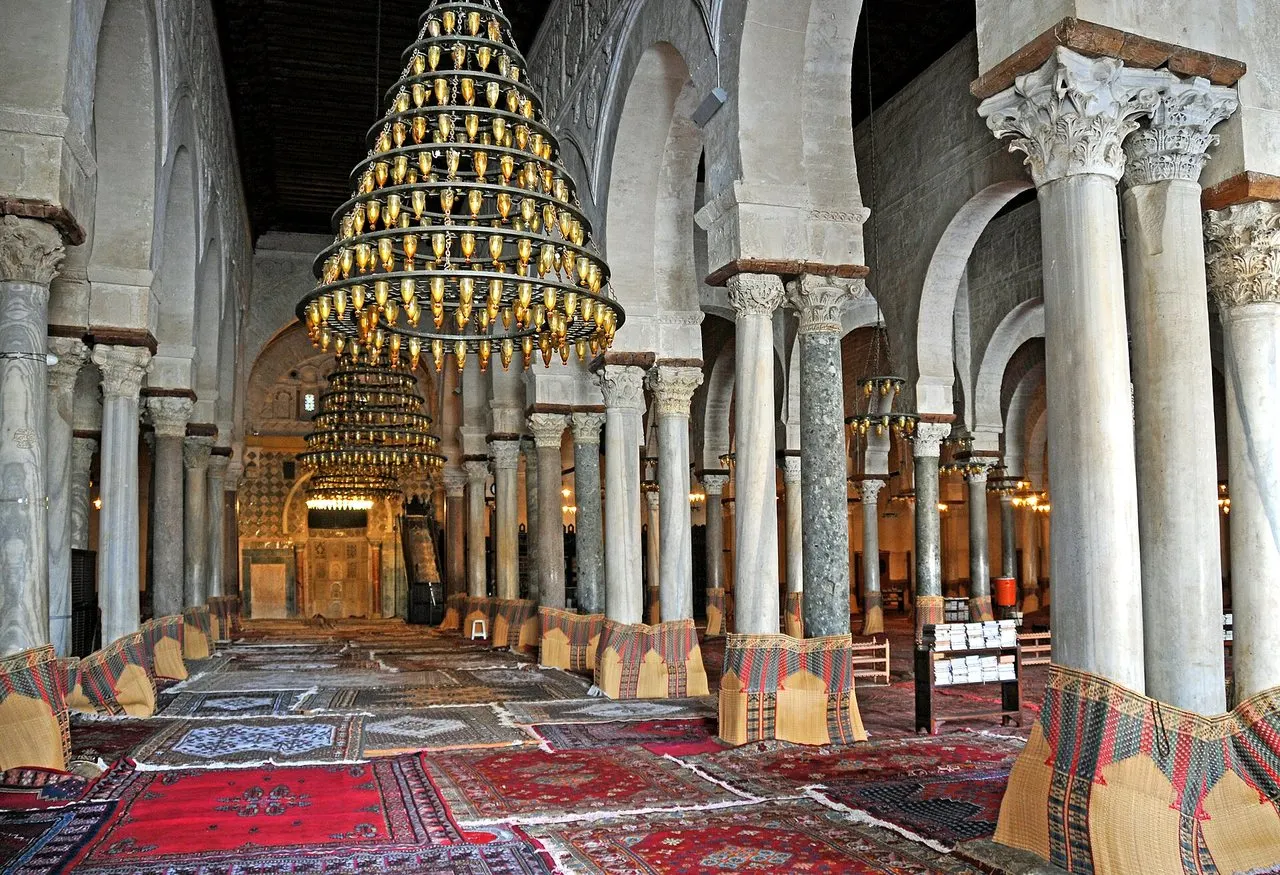
Inside a mosque, the prayer hall is a calm and open space, with carpets, arches and soft light guiding the eye toward the front. Shoes are left at the door, and worshippers line up in neat rows to pray together. The call to prayer marks the hours of the day, and the hall fills and empties with the rhythm of work and rest. For many families, the mosque is a school, a meeting place and a second home. See our report on Muslim life in America.
Inside a Church on a Sunday Morning
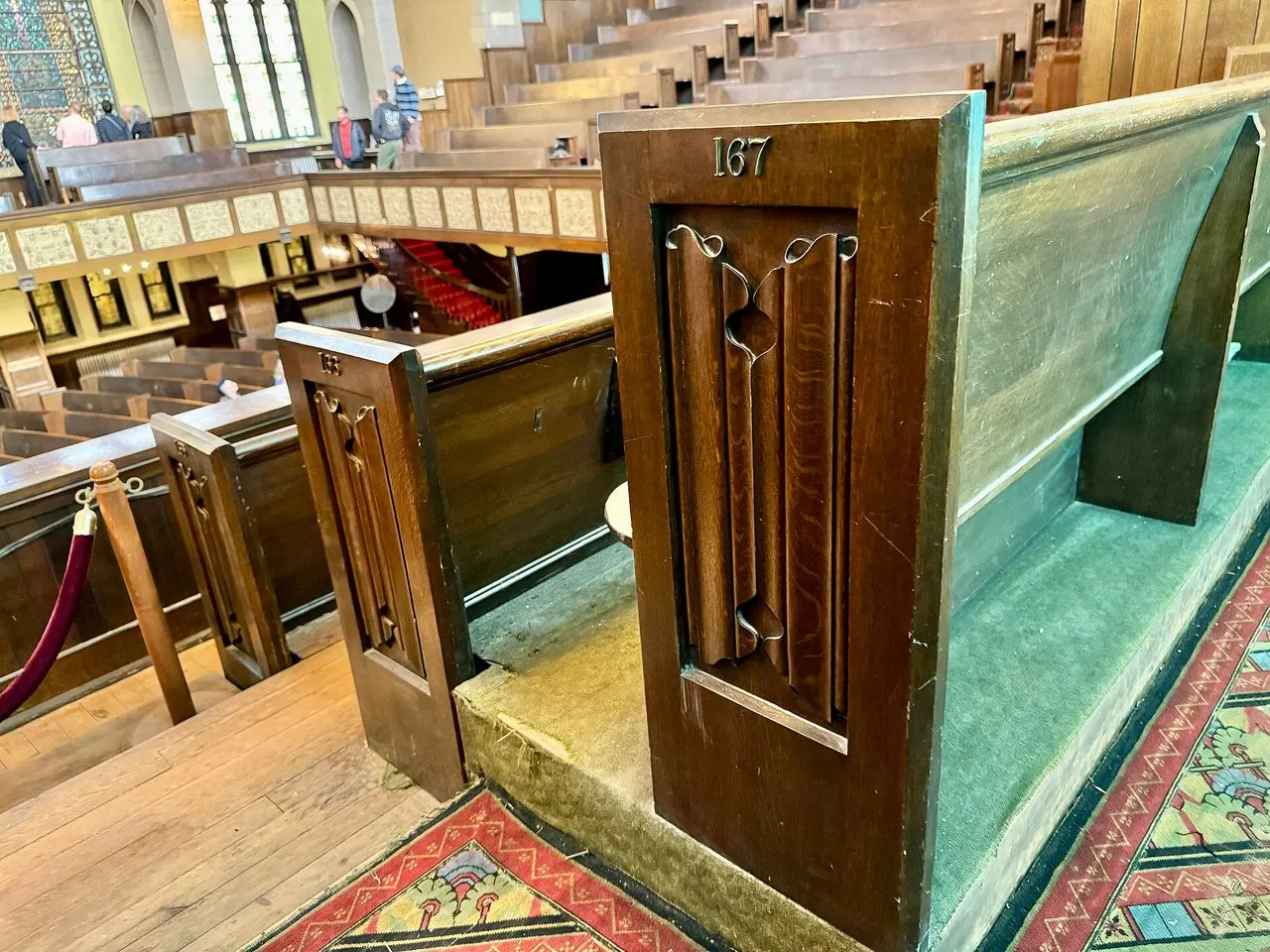
Inside a church, pews face the altar, light falls through tall windows, and music fills the room before the sermon begins. Families sit together, children fidget through the readings, and neighbors greet each other after the service ends. The church is a place of worship, yet it is also a hall for weddings, funerals and community meals. The weekly gathering keeps the faith close and personal. Read our story on the faith of Pierce Brosnan.
Pakistan Could Lead the World by 2070
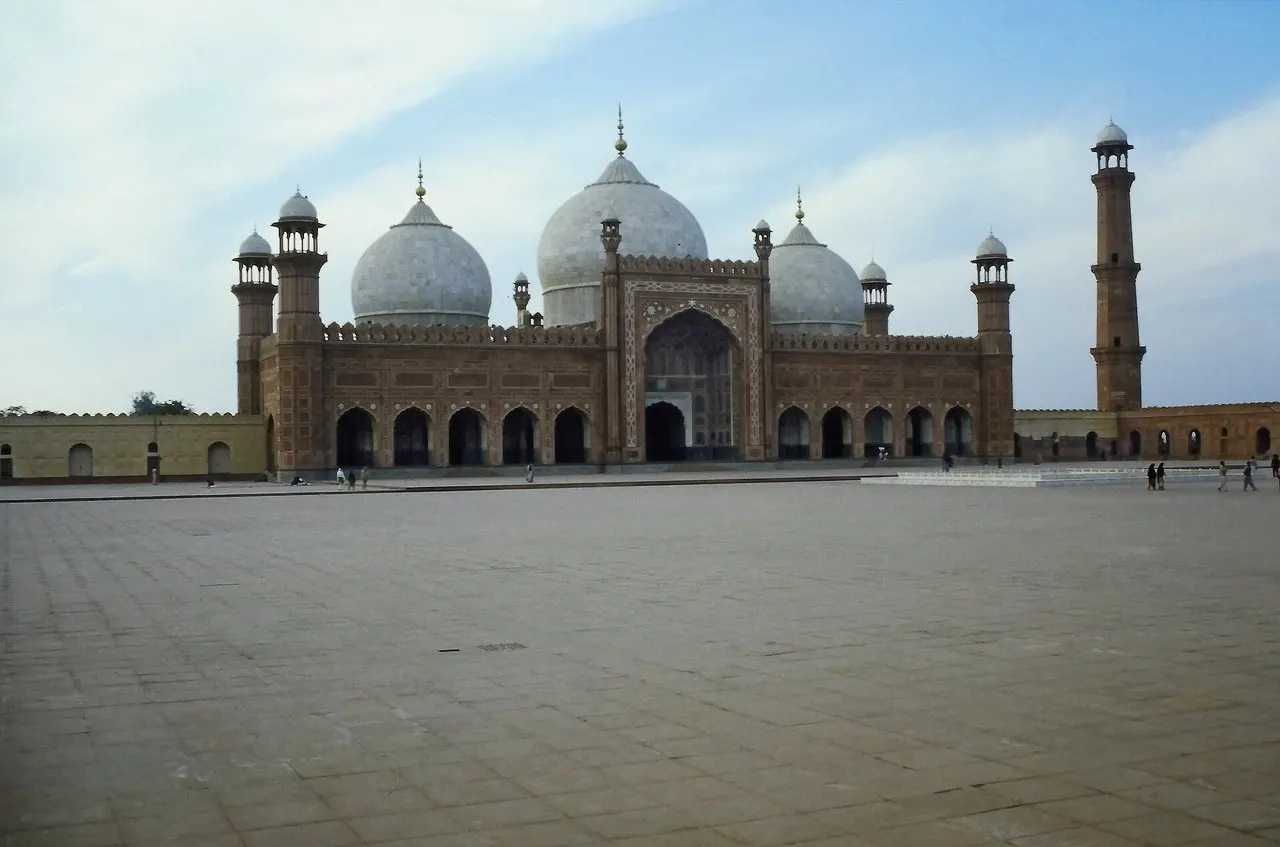
By 2070, Pakistan could have the largest Muslim population of any country in the world, according to Pew Research Center. The Badshahi Mosque in Lahore already stands as a symbol of that deep history, and mosques across the country fill for daily prayer. Pakistan is a young country, with many families and many children, and that youth helps explain the long rise ahead. The change will shape the region for decades. See our report on the global Muslim shift.
India and the Largest Belief Group
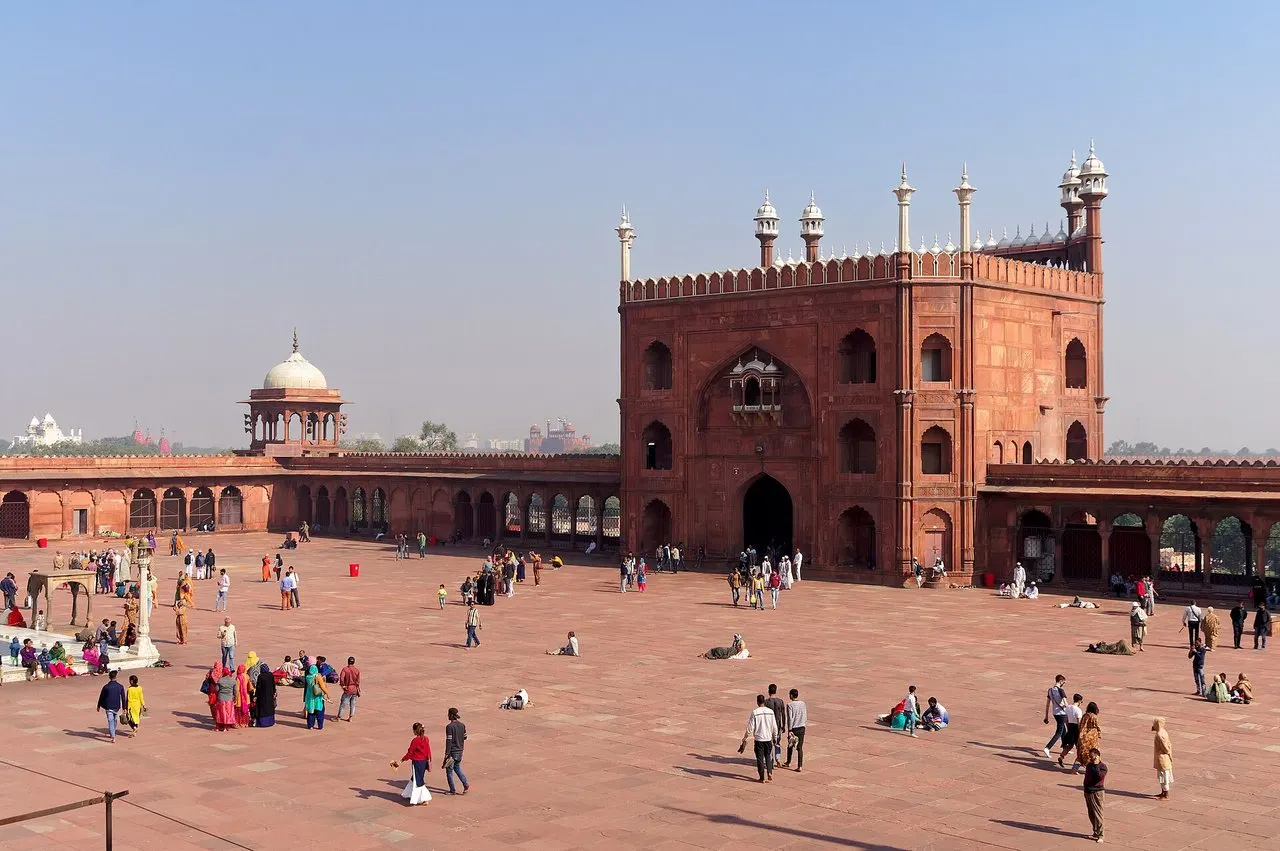
India follows Pakistan in the 2070 ranking, and its Muslim community is one of the largest in the world. The Jama Masjid in Delhi, built centuries ago, still draws crowds for Friday prayer, and its wide courtyard holds thousands of worshippers. India is home to many faiths living side by side, and its cities mix temples, mosques and churches on the same streets. The future of faith in India will shape the world. Read our story on the 2035 shift.
Nigeria Rising on the World Faith Map
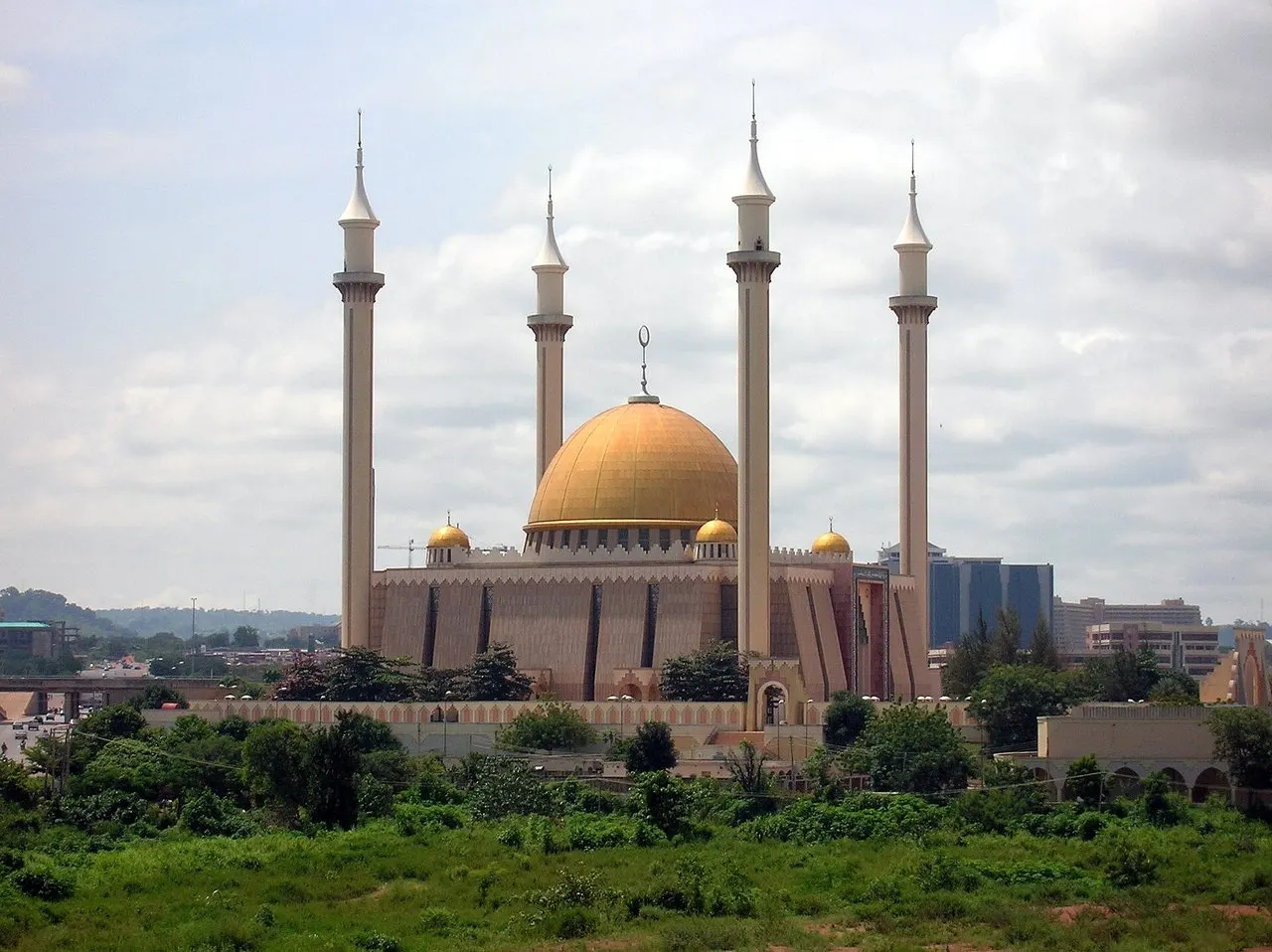
Nigeria comes next in the ranking, and its Muslim population keeps growing along with its cities. The National Mosque in Abuja stands at the heart of the capital, and its golden dome is known across the country. Nigeria is one of the youngest and fastest growing nations on earth, and its families are large and full of children. Faith and family life grow together there, year after year. See our story on tribes and traditions around the world.
Indonesia and Its Great Mosques
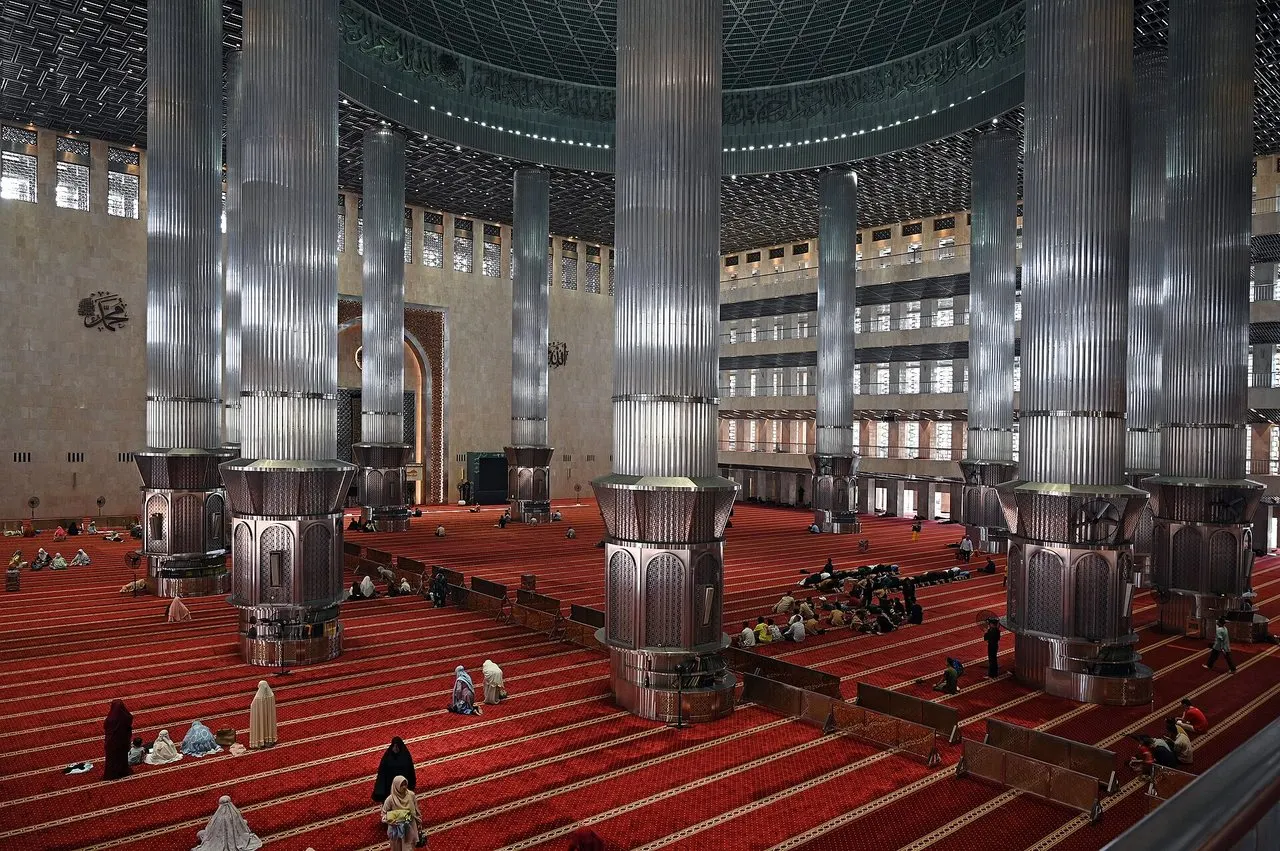
Indonesia has long been home to one of the largest Muslim populations anywhere, and the Istiqlal Mosque in Jakarta is the biggest mosque in Southeast Asia. Its vast hall can hold a huge crowd of worshippers, and its dome rises high over the city center. Indonesian Islam is known for its warmth and for the way local custom and faith live side by side. The country will stay near the top of the list for years to come. Read our story on healing with sound waves.
America and the Largest Belief Group by 2065

Pew also projects that Christians will fall below half of adults in the United States by 2065, a turning point for a country long shaped by churches. The change comes from the same forces at work around the world, with younger generations, smaller families and new arrivals reshaping the map. Churches will still matter deeply, yet the balance of faith in America is shifting. The 2065 marker shows how fast the change is moving. See our story on babies born in America.
Minarets Rising Over Growing Cities
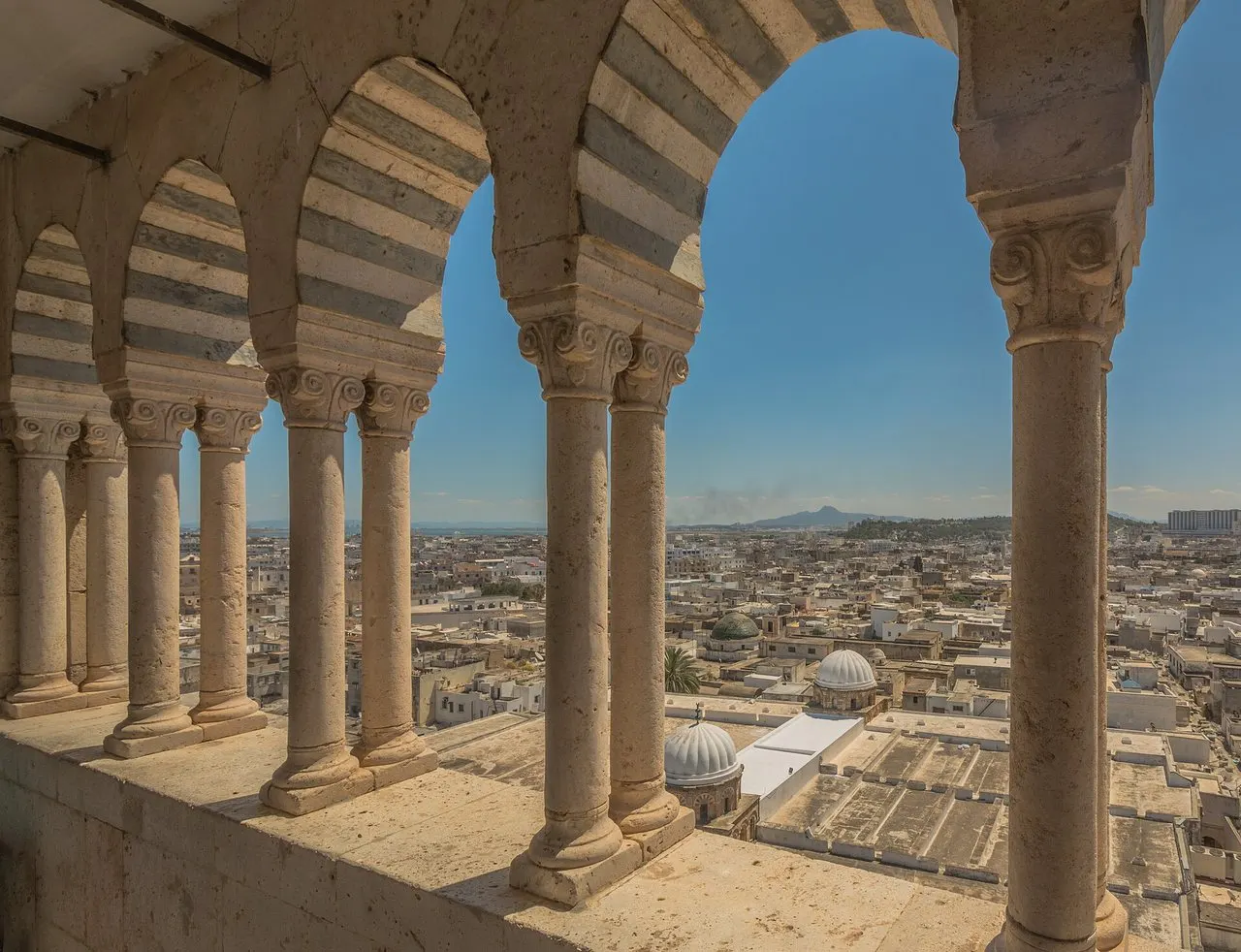
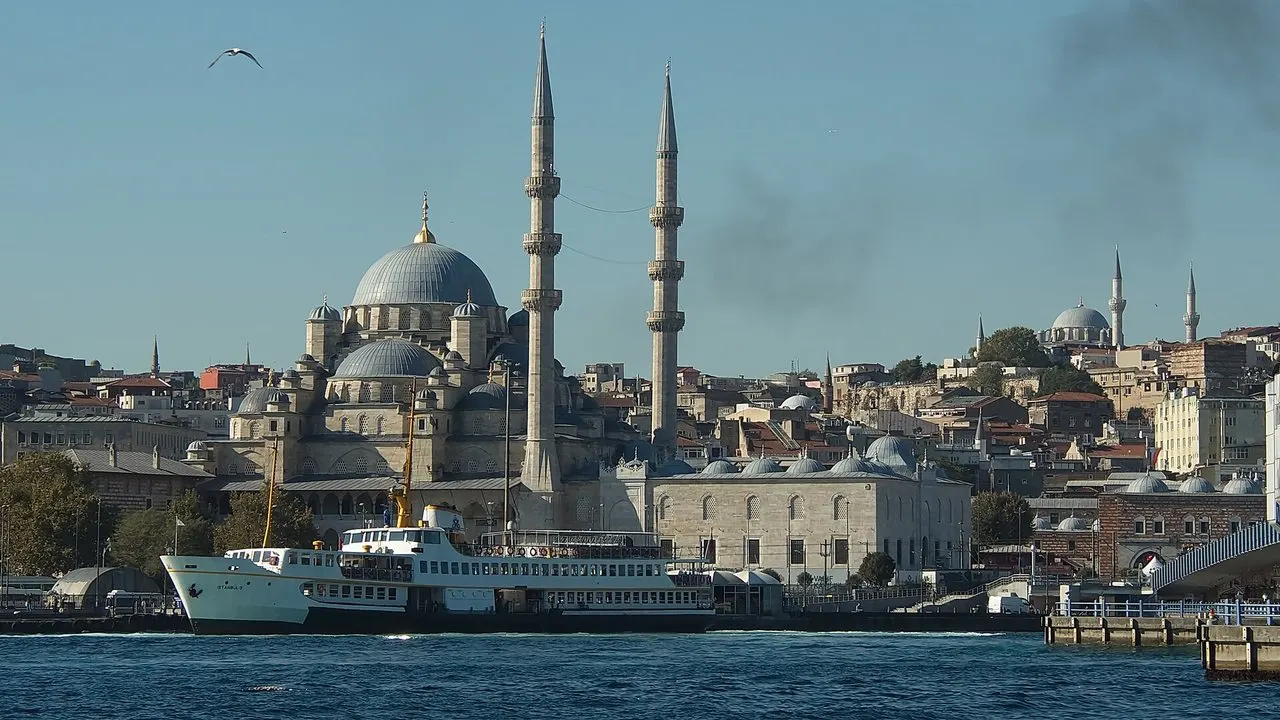
Minarets rise over growing cities, and their slender towers call the faithful to prayer five times a day. The towers are a mark of the mosque, and they shape the skyline of cities from Istanbul to Jakarta. New mosques keep rising where Muslim families settle, and each one brings a school, a hall and a gathering place. The skyline itself tells the story of a growing faith. Read our story on a mystery from 1959.
The Largest Belief Group in Everyday Life
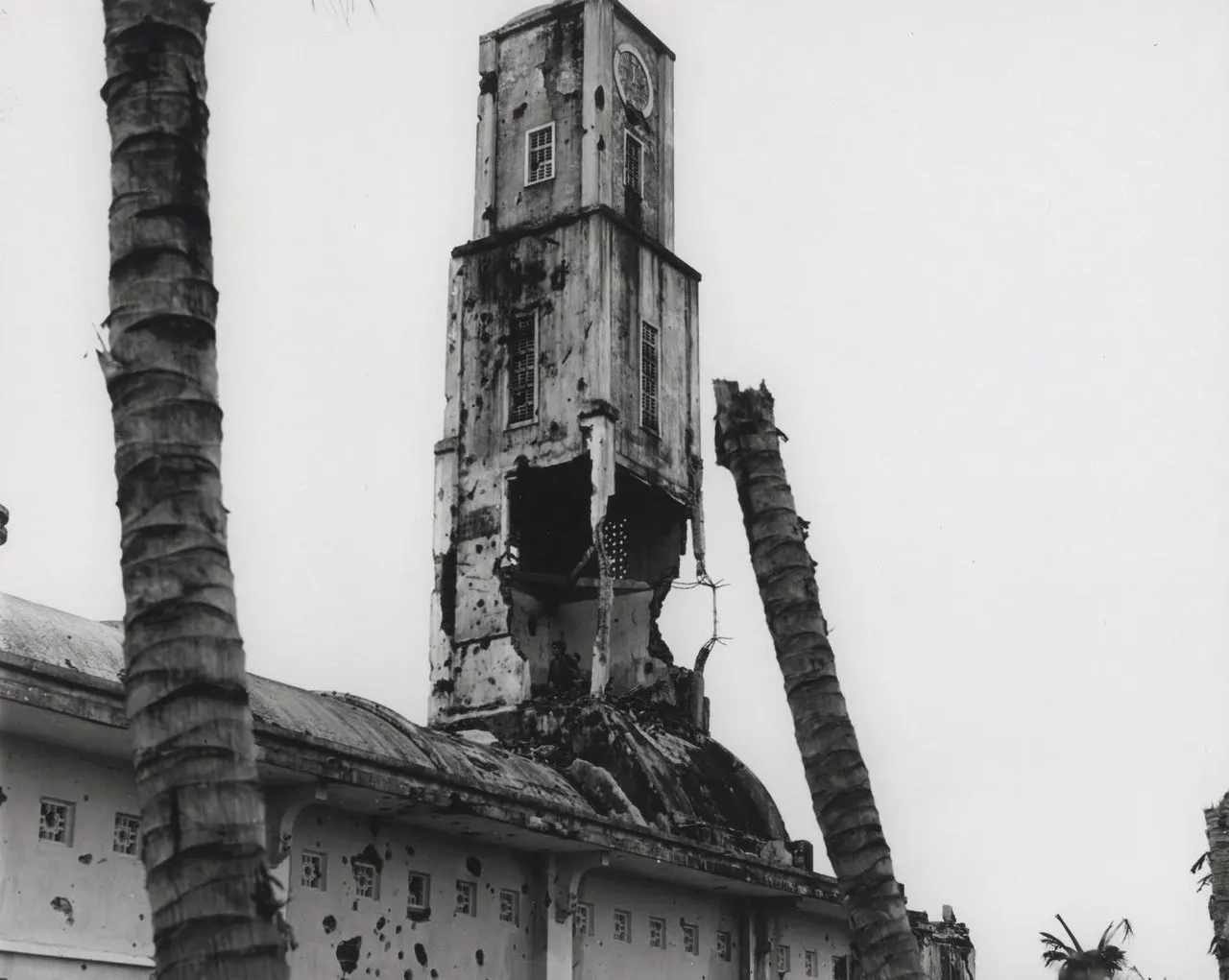
The largest belief group shows up in everyday life in quiet ways, from halal food on the table to modest dress on the street. Friday prayers set the rhythm of the week, and mosque schools teach children after the school day ends. Neighbors share meals during Ramadan, and families gather for Eid with gifts and new clothes. Faith is not only a Sunday matter, and it shapes the small choices of each day. See our story on fatherhood and family time.
Learning and Faith Side by Side
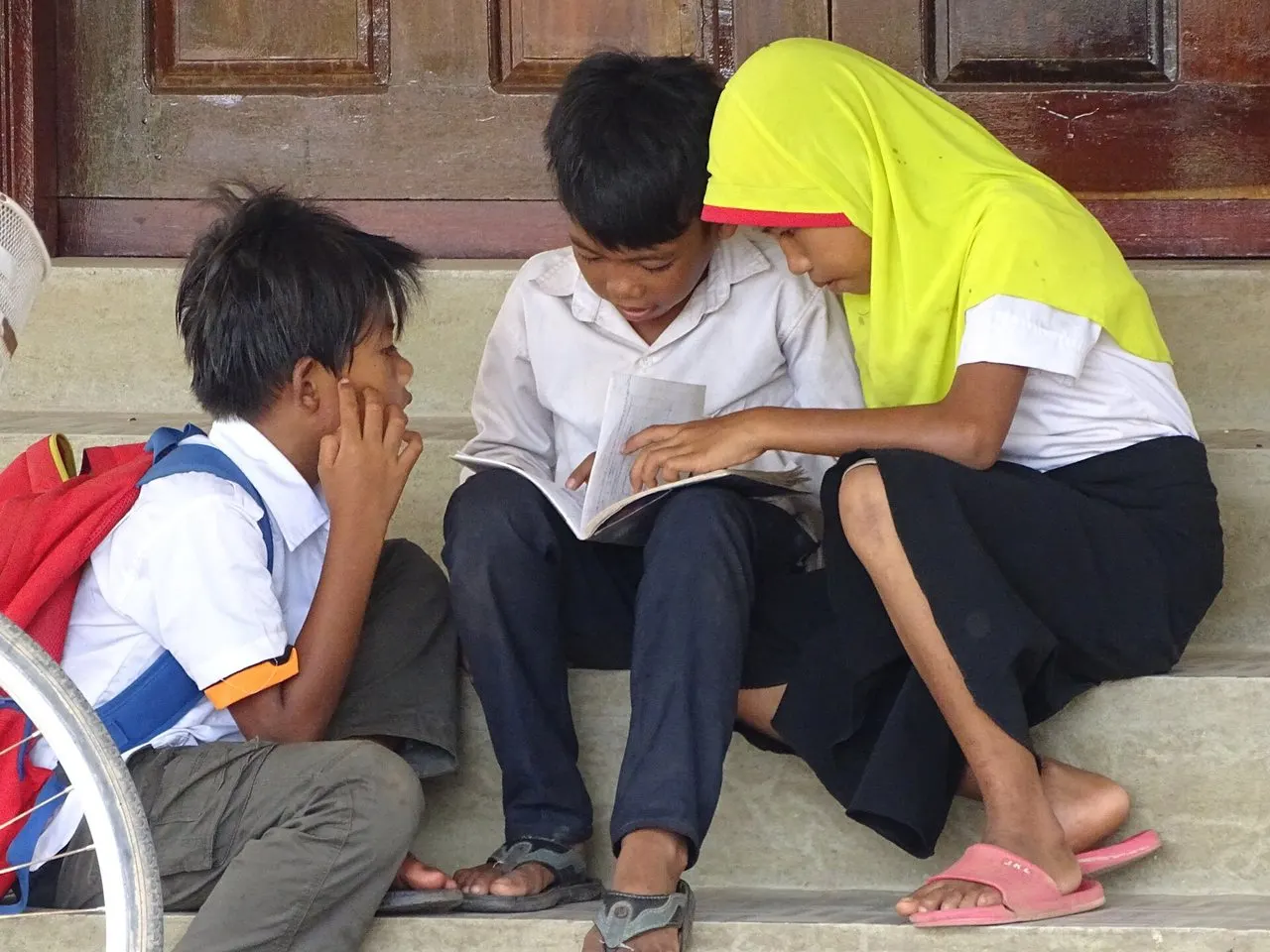
Learning and faith sit side by side in Muslim life, and students gather to study the Quran with teachers after school. Mosque schools teach reading, prayer and good manners, and older students help the younger ones along. Women study in groups of their own, and many go on to teach the next generation. Education keeps the faith alive in the home and in the wider community. Read our story on a newborn who was already unimpressed.
Young People and the Largest Belief Group
Young people are the engine of this change, because younger populations have more parents in the years ahead. Muslim communities around the world have a younger age profile than Christian ones, and that gap will matter for decades. A young mother today may raise children who raise children of their own before 2070 arrives. The future of faith is being shaped in nurseries and classrooms right now. See our report on a family business that stayed in family hands.
What the Study Says About Conversion
What does the study say about conversion, and does switching faiths move the numbers at all? Pew found that conversion plays a small part next to births, and Hackett said the babies explain the change. People do change faiths, and some leave the faith they were born into, yet the flow in both directions stays modest. Births, not conversions, will decide which faith leads in 2035. Read our report on sound wave cancer research.
The Largest Belief Group in a Crowded World
The largest belief group will soon lead a crowded world of many faiths, and the top two will stand far ahead of the rest. Muslims will number 2.57 billion and Christians 2.52 billion, while other faiths and people with no faith fill the world around them. The picture is not a contest between winners and losers, and both leading faiths keep growing. The world of 2035 will be more Muslim, and still deeply Christian too. See our story on tribes and traditions.
How the World Looked Back in 2020
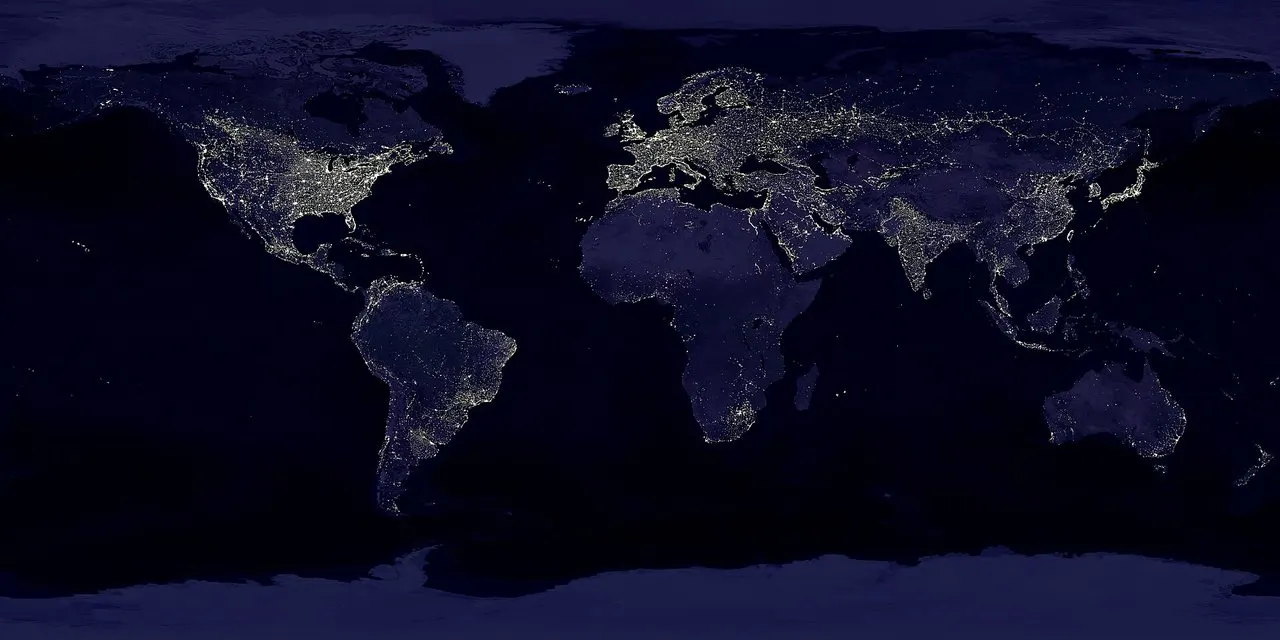
Back in 2020, the world looked different, with 2.27 billion Christians and 2.02 billion Muslims lighting up the map. Christians held a clear lead, and few people talked about a change at the top. Yet the seeds of the shift were already there, in birth rates that had been higher among Muslim families for years. Fifteen years is a short time in history, and the lead has nearly closed already. Read our report on news from Asia.
Ramadan Nights and the Largest Belief Group

Ramadan nights bring the largest belief group together in prayer, food and family, and lanterns glow in windows and streets. Families fast through the day, break the fast together at sunset, and fill the mosques for late night prayers. Children wait for Eid with gifts and new clothes, and neighbors share sweets across the street. The holy month turns faith into a shared celebration for millions. See our story on a warning to colleagues.
Reading, Study and Quiet Faith
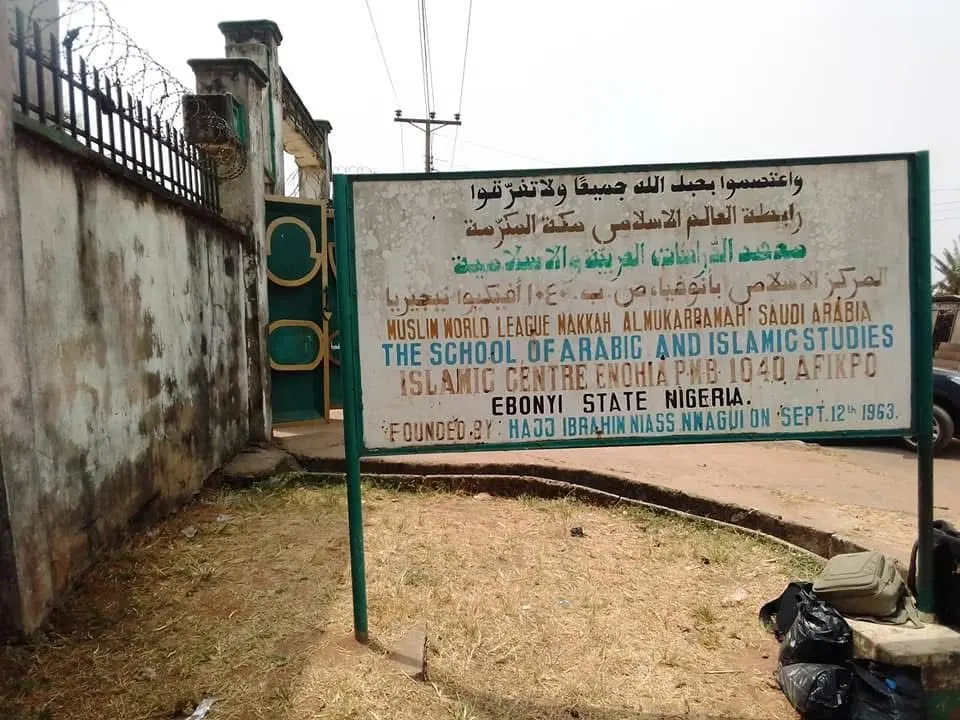
Reading and study keep the faith close, and the Quran is read aloud in homes, schools and mosques around the world. Students sit in circles with a teacher, learn the verses by heart, and talk about what they mean for daily life. The book guides prayer, charity and family life, and its words are memorized by millions of children. Quiet study is a steady part of Muslim life, far from the headlines. Read our report on Muslim life in America.
What Do You Think About the 2035 Projection?
What do you think about the 2035 projection, and does the coming change surprise you? Would you like to see more stories about how faith is changing around the world, or do you think birth rates will slow down before 2035 arrives? Share your thoughts in the comments below, and tell us which part of this story stayed with you. Keep reading our report on a historic trip to China.