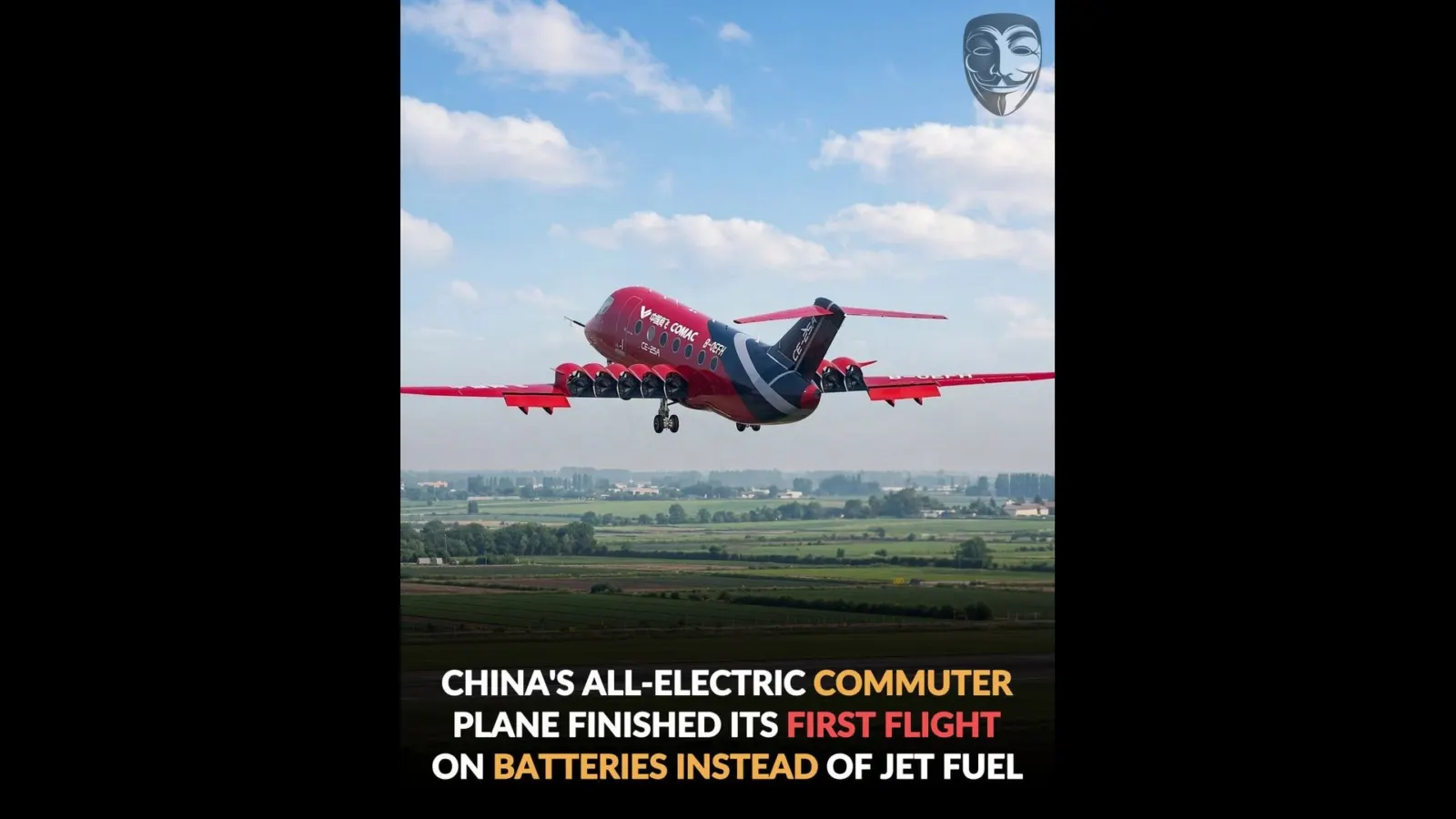
CE-25A Electric Plane Flies Its First Crewed Flight
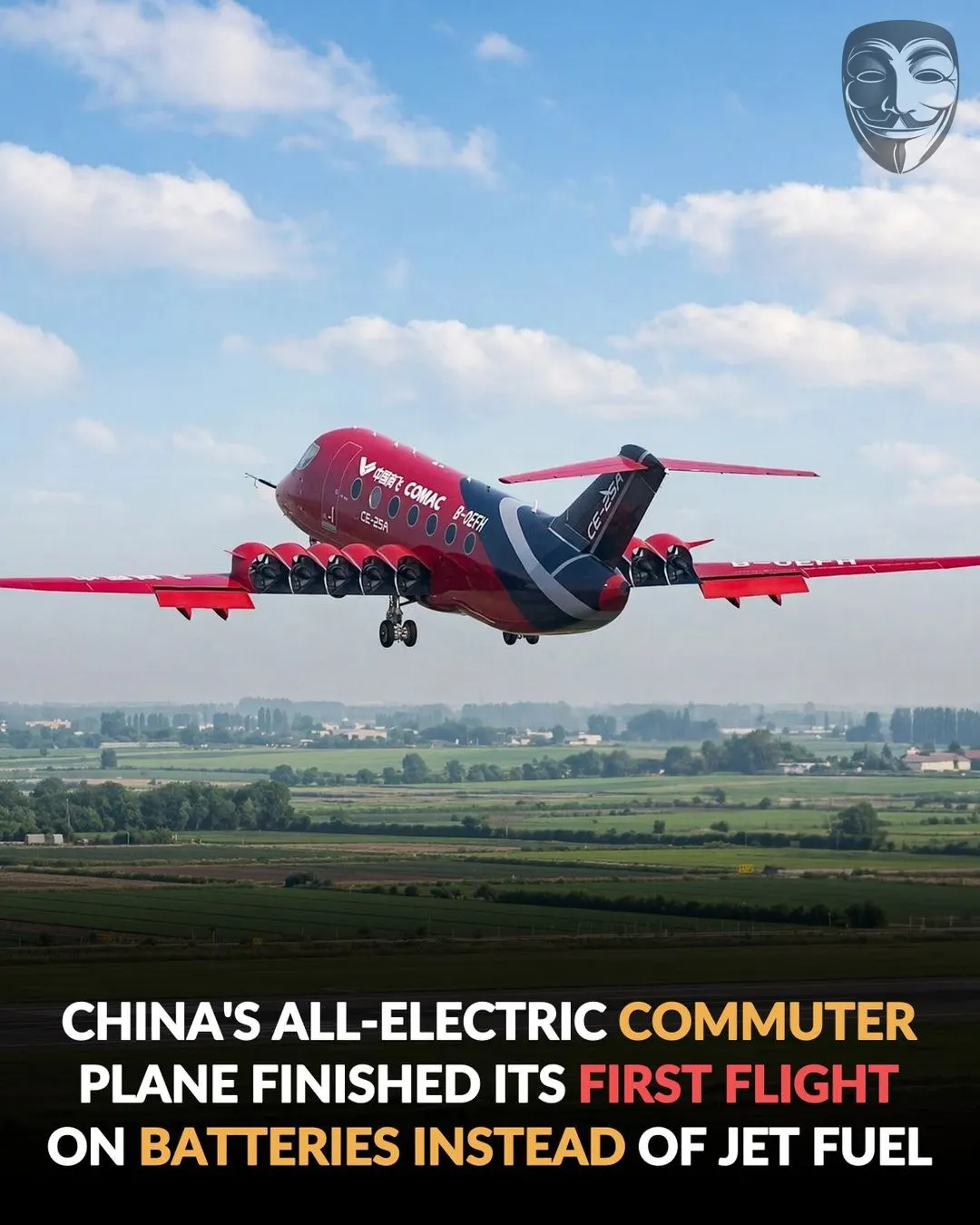
CE-25A electric plane made history on November 14, 2026, when it carried three people on its first crewed flight. The battery powered aircraft took off from Binzhou in Shandong province with two pilots and a flight test engineer on board. It flew about 37 miles in just under 17 minutes, and COMAC said every system worked normally and met its performance targets. The short hop was a big step for battery powered flight, and it showed that a 19 seat commuter plane can fly with people on board using only stored electric power.
In the slides ahead we look at the plane, the people on board, the ten electric ducted fans above its wings, and the road to certification. The 19 seat aircraft is built for short trips between cities, with a cruising speed of about 186 mph and a range of around 250 miles. It had already completed 19 uncrewed test flights since February, and each one helped the team prepare for this day. For more on the flight, read our report on the first crewed flight of the CE-25A and our story about a leader who flew economy to a summit.
References:
AVweb: China’s 19-Seat Electric Aircraft Completes First Piloted Flight
Business Traveller: Chinese Electric Commercial Aircraft Completes First Crewed Flight
New Atlas: COMAC CE-25A Electric Plane Completes First Crewed Flight
Electrek: China’s Electric Airliner Era Starts With A 19-Seat Plane And 400 Km Of Range
A Short Hop for the CE-25A Electric Plane

Binzhou is a city in Shandong province, and it was the starting point for this short but historic flight. The plane left the ground there on November 14, 2026, with two pilots and a flight test engineer on board. It stayed in the air for just under 17 minutes and covered about 37 miles before landing safely. For a first crewed flight, a short route close to home makes sense, because the team can watch every system closely. Read about a long flight from China.
Three People Aboard on a November Morning
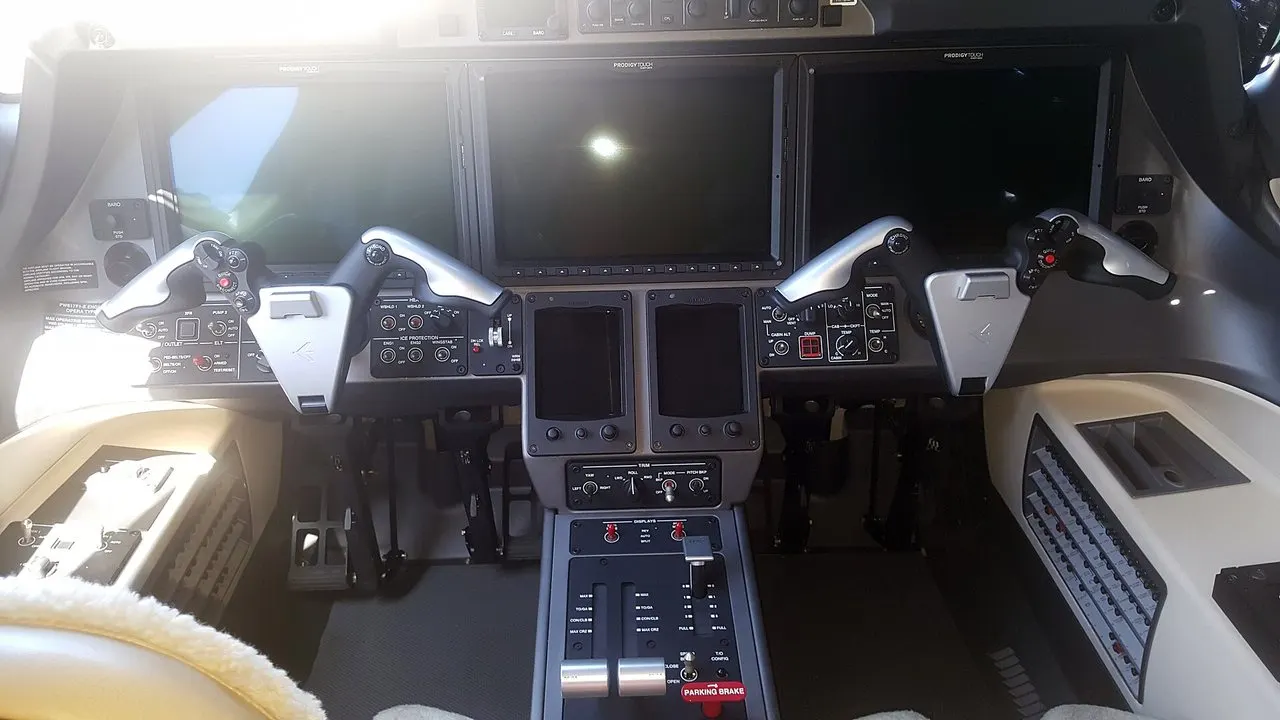
Three people were on board for the first crewed flight, and each one had a job to do. Two pilots flew the plane while a flight test engineer watched the instruments and checked that every system behaved as planned. A crewed test flight is a big step up from flying with no one on board, because the team must be sure the aircraft is safe for people. The crew trusted months of ground tests and 19 uncrewed flights. See how a drone rescue in Ukraine worked, and read about planes that vanished from trackers.
Ten Fans Above the Wings of the CE-25A Electric Plane
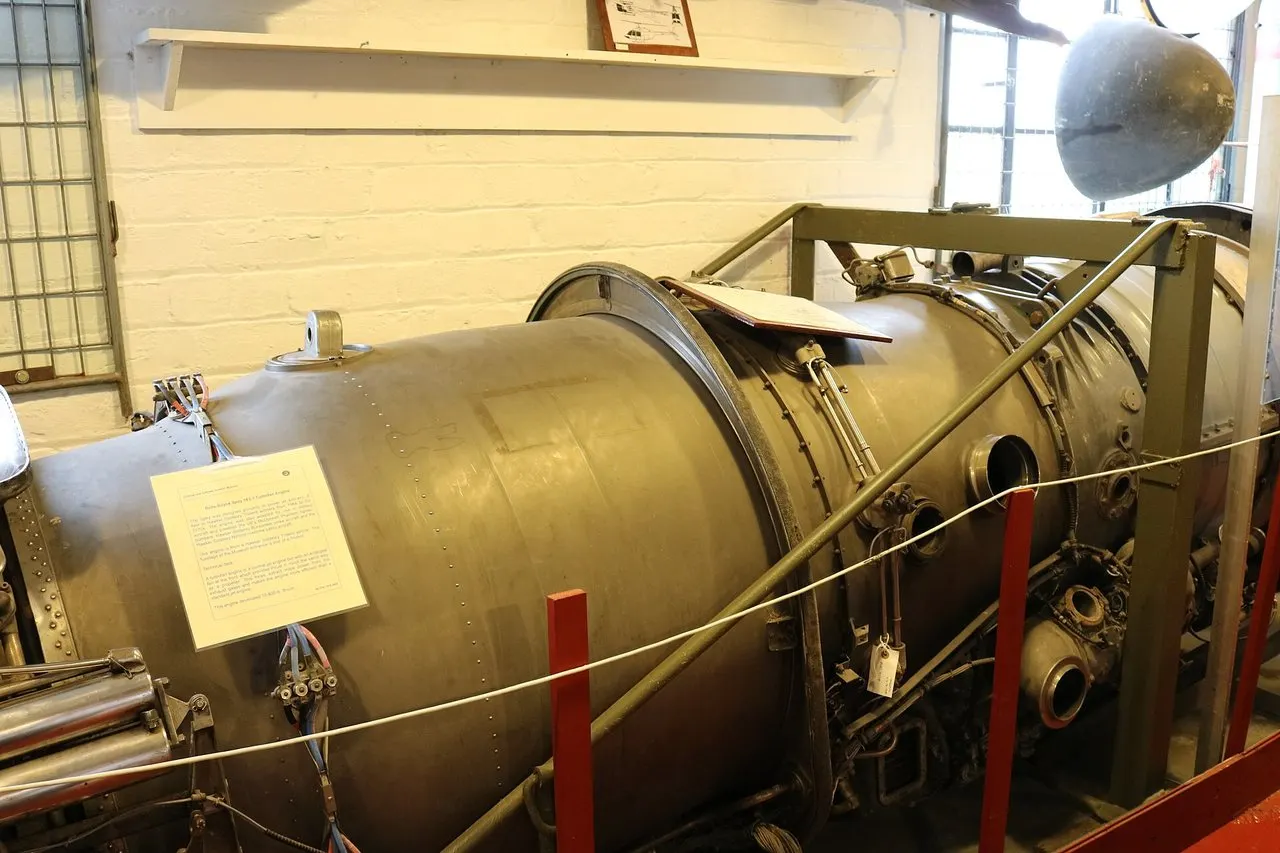
The plane has ten electric ducted fans mounted above its wings, and they do the work that jet engines do on a normal plane. Each fan is a set of blades inside a ring, and electric motors spin them to push air backward and lift the plane forward. Ten smaller fans can spread the work across the wing instead of relying on two big engines. The design is part of what makes this aircraft different from anything most travelers have flown on. Learn about a first ever meeting of three nations.
Built for Short Trips Between Cities

The CE-25A is built for short trips between cities, the kind of hop that is too far to drive but too short for a big jet. With 19 seats, it fits the size of a small regional plane, and its range of around 250 miles covers many nearby city pairs. Its cruising speed of about 186 mph keeps those trips quick. Small planes like this can serve smaller airports and connect places that big jets skip. Read about a handshake in China.
How Fast and How Far the CE-25A Electric Plane Can Fly

On its first crewed flight, the plane flew about 37 miles in just under 17 minutes, which was a careful first step rather than a full test of its range. COMAC says the aircraft can cruise at about 186 mph and fly around 250 miles on a charge. That range is enough for many short regional routes, and the short first flight was about proving the systems, not setting records. More test flights will stretch the distance step by step. See the CE-25A story.
Nineteen Seats for Regional Travel
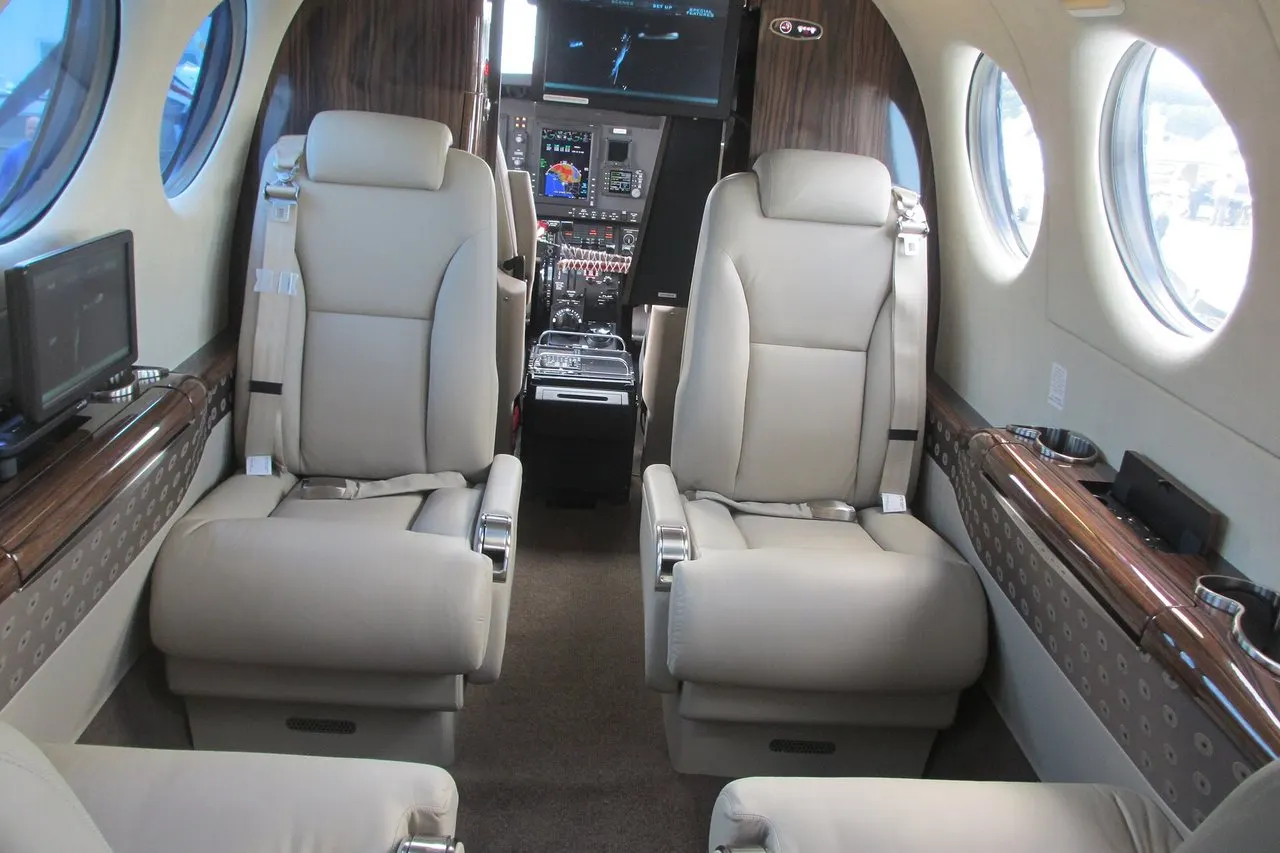
Nineteen seats may sound small next to a big airliner, but it is a common size for regional travel. Small planes carry fewer people, yet they can fly routes that would never fill a large jet. They can also use smaller airports closer to where people live and work. For towns and cities that sit a few hundred miles apart, a 19 seat plane can turn a long drive into a short flight. Read about a 21 hour flight in economy class.
Nineteen Uncrewed Flights Paved the Way for the CE-25A Electric Plane
Before anyone climbed on board, the plane had already completed 19 uncrewed test flights since February. Flying without a crew lets engineers test the aircraft, the batteries and the fans while keeping people safe on the ground. Each flight gave the team data about how the plane handles in the air. Only after those flights went well did COMAC put two pilots and a flight test engineer on board. Learn about a summit that brought three nations together.
What Certification Still Has to Happen
This was a crewed test flight, not a commercial passenger service, and the plane still needs regulatory certification before it can carry paying passengers. Certification means aviation safety officials check the design, the test results and the way the plane is built and flown. It is a slow and careful process, and it exists to protect the people who will one day sit in those 19 seats. The flight was a milestone, not a finish line. Read about a warm greeting in China.
Why Batteries Instead of Jet Fuel for the CE-25A Electric Plane
Jet fuel has powered planes for decades, but batteries offer a different path for short flights. A battery stores electric power and sends it to motors, so the plane can fly without burning fuel in the air. That means no exhaust from the engines during the flight itself. Batteries are heavy, and that is why electric planes start with short routes, where the distance is modest and the power needed is lower. See deportation flights that disappeared.
Cleaner Air Over Short Routes

Short flights add up, and many of them link cities that sit close together. An electric plane produces no engine exhaust while it flies, which is good news for the air around airports and the towns below the flight path. The power still has to come from somewhere, and cleaner power grids make the benefit bigger. For now, the promise is simple: quieter, cleaner hops between nearby cities. Read about a billionaire giving billions away.
The Team Behind the CE-25A Electric Plane
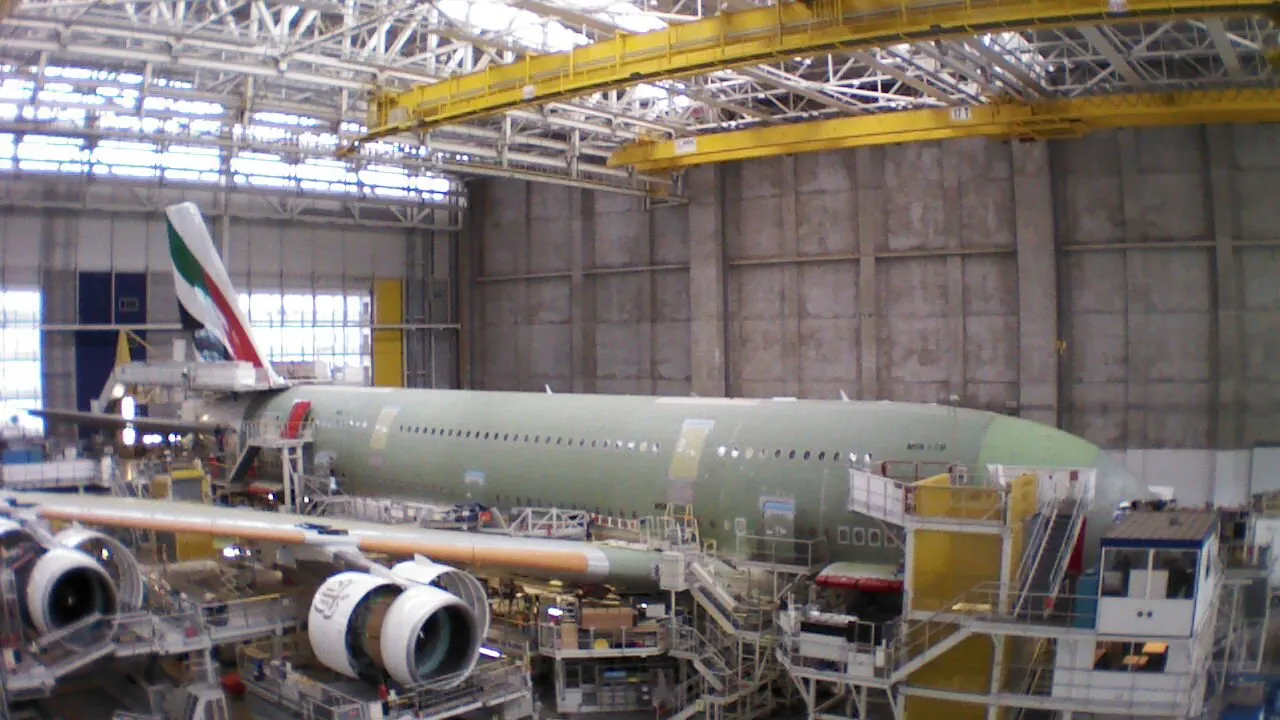
COMAC, the maker of the plane, built the CE-25A and ran the test program that led to this flight. Behind a first flight sits a large team of engineers, builders, test pilots and ground crew, and each group checks the work of the others. The two pilots and the flight test engineer on board trusted that team with their safety. A first crewed flight is a shared achievement, not a solo act. Learn about a story about gratitude.
Binzhou, the City Where It Took Off

Binzhou sits in Shandong province, a coastal region in eastern China known for its cities, farms and industry. The city was the starting point for the flight on November 14, 2026, and the plane flew a short route nearby before landing. Test flights often begin close to home, where the team knows the airfield and the weather. For Binzhou, the day put the city on the map of electric aviation. Read about a four year health plan.
How a Battery Powers the CE-25A Electric Plane
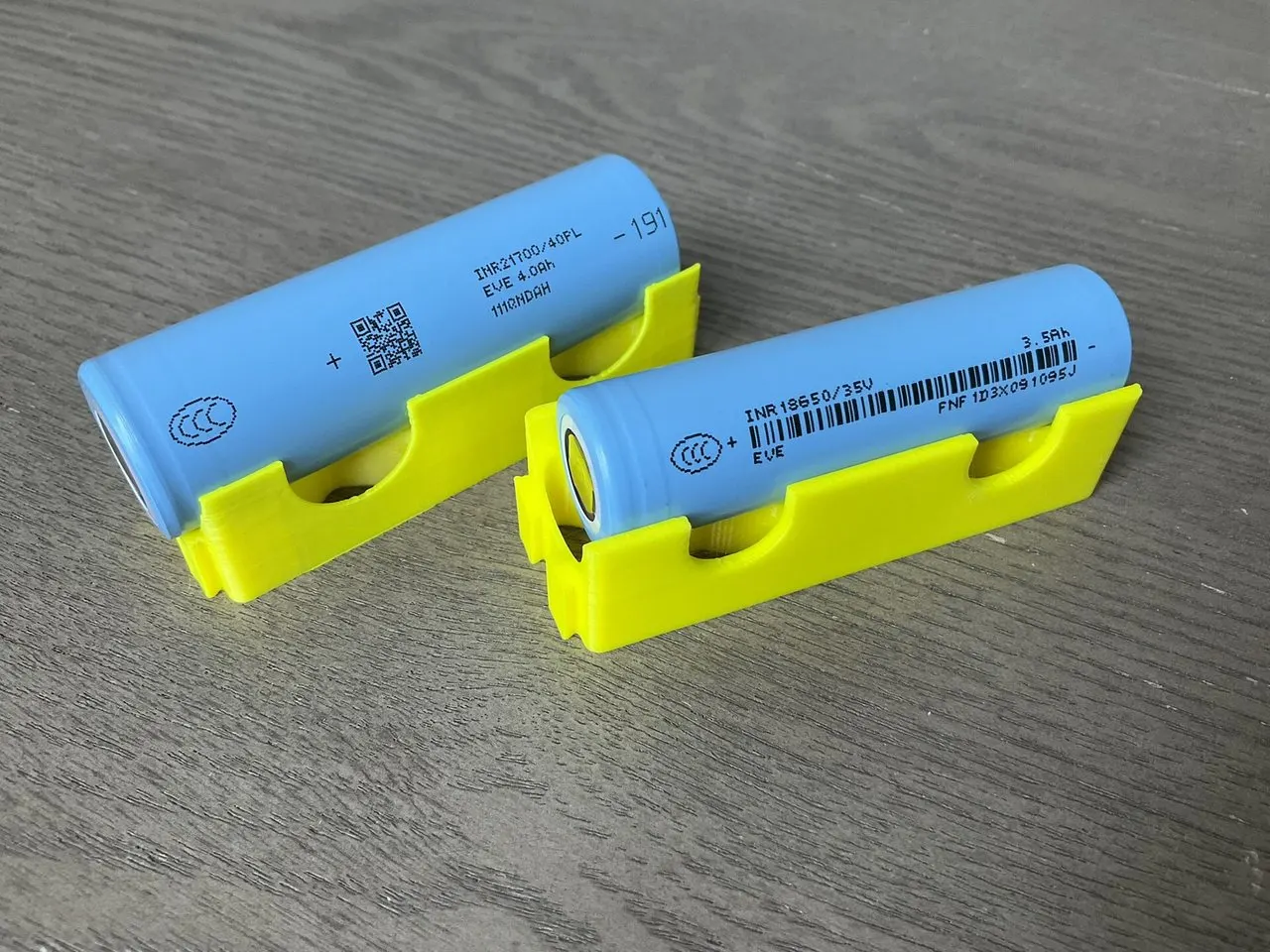
A battery is a box that stores electric power, and on this plane that power flows to electric motors. The motors spin the ten ducted fans, and the fans push air to move the plane forward and keep it in the sky. There is no burning fuel inside the engines, only electric current doing the work. The challenge is carrying enough power for the whole trip, which is why the plane starts with short routes. See fatherhood moments with Kevin Hart.
Electric Ducted Fans, Explained Simply
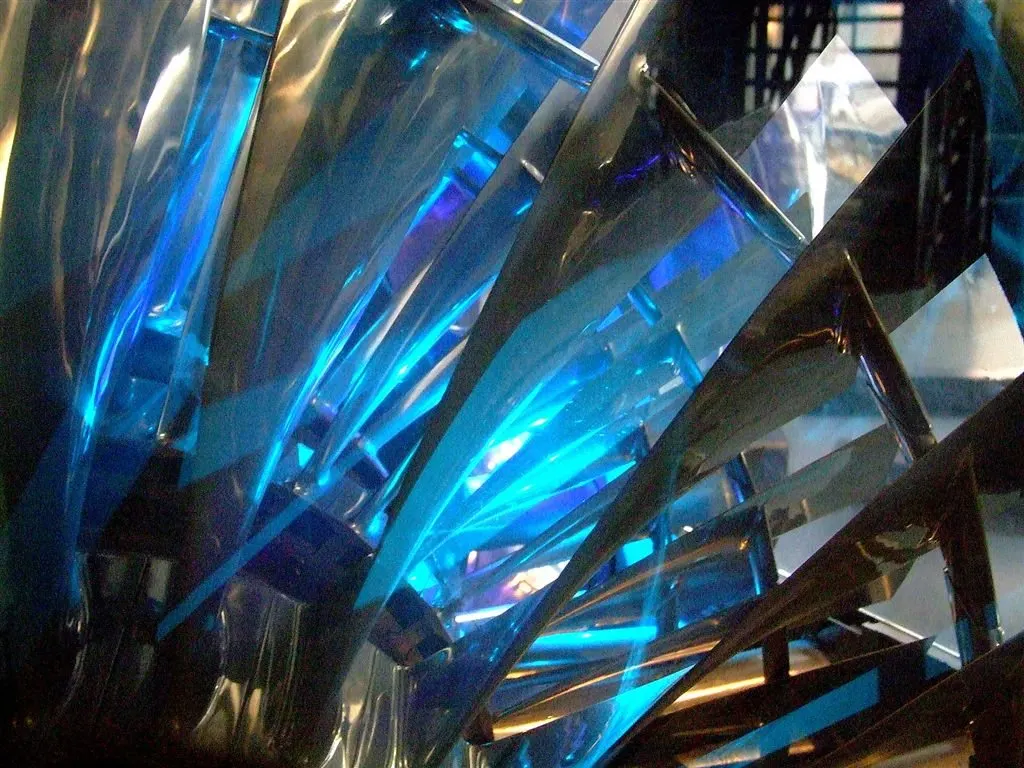
A ducted fan is a fan inside a ring, and the ring guides the air in a smooth flow. On the CE-25A, ten of these fans sit above the wings, and electric motors spin them fast. Fans like these can be quieter than open propellers, and spreading them across the wing helps lift the plane evenly. It is a clever way to use electric power in the air, and it is one of the most interesting parts of the design. Learn about a joke about daily spending.
A Quieter Cabin on the CE-25A Electric Plane

Jet engines are loud, and anyone who has sat near the wing knows the steady roar. Electric motors are often much quieter, so a battery powered plane could offer a calmer ride with less engine noise in the cabin. Passengers might notice the difference most on takeoff, when a normal jet is at its loudest. A quieter plane also means less noise for the towns near the airport. Read about a historic vote for speaker.
Short Routes Could Change Regional Travel

Many trips between nearby cities are too long to drive comfortably and too short for a big jet to bother with. A small electric plane fits right into that gap. It can link regional airports, cut travel time, and give smaller cities a direct air link they never had. If the CE-25A earns certification, routes like these are where it would likely fly first. See two very different maps.
What Passengers Might Notice on the CE-25A Electric Plane
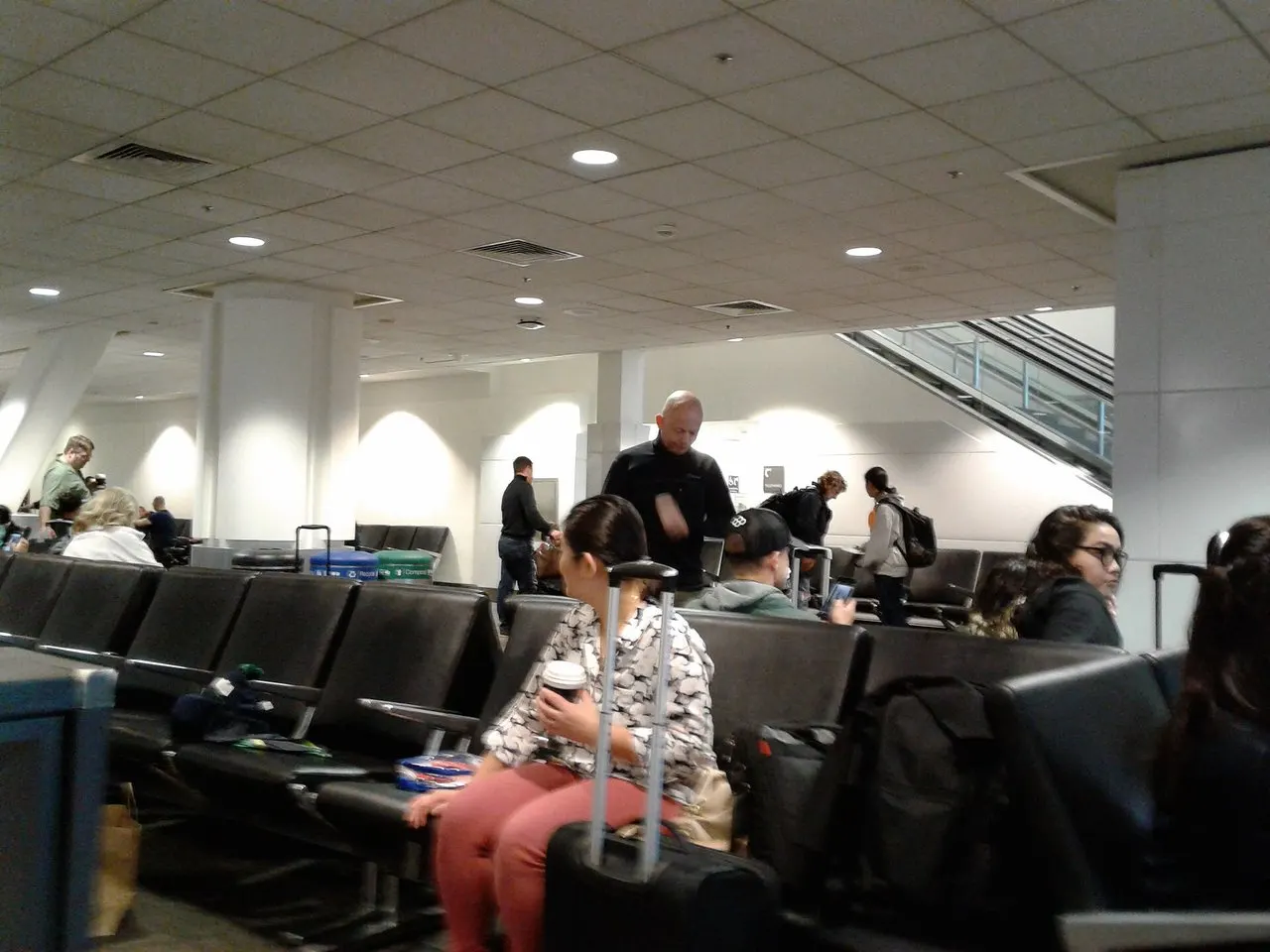
One day, passengers may board a plane like this for a short hop between cities. They might notice how quiet the cabin feels, how smooth the takeoff is, and how quickly the trip passes. The flight itself would last well under an hour on many routes, so the journey would feel more like a quick ride than a long haul. For now, though, the seats are still waiting for certification. Read about a race lost by 330 votes.
Charging a Plane Between Flights
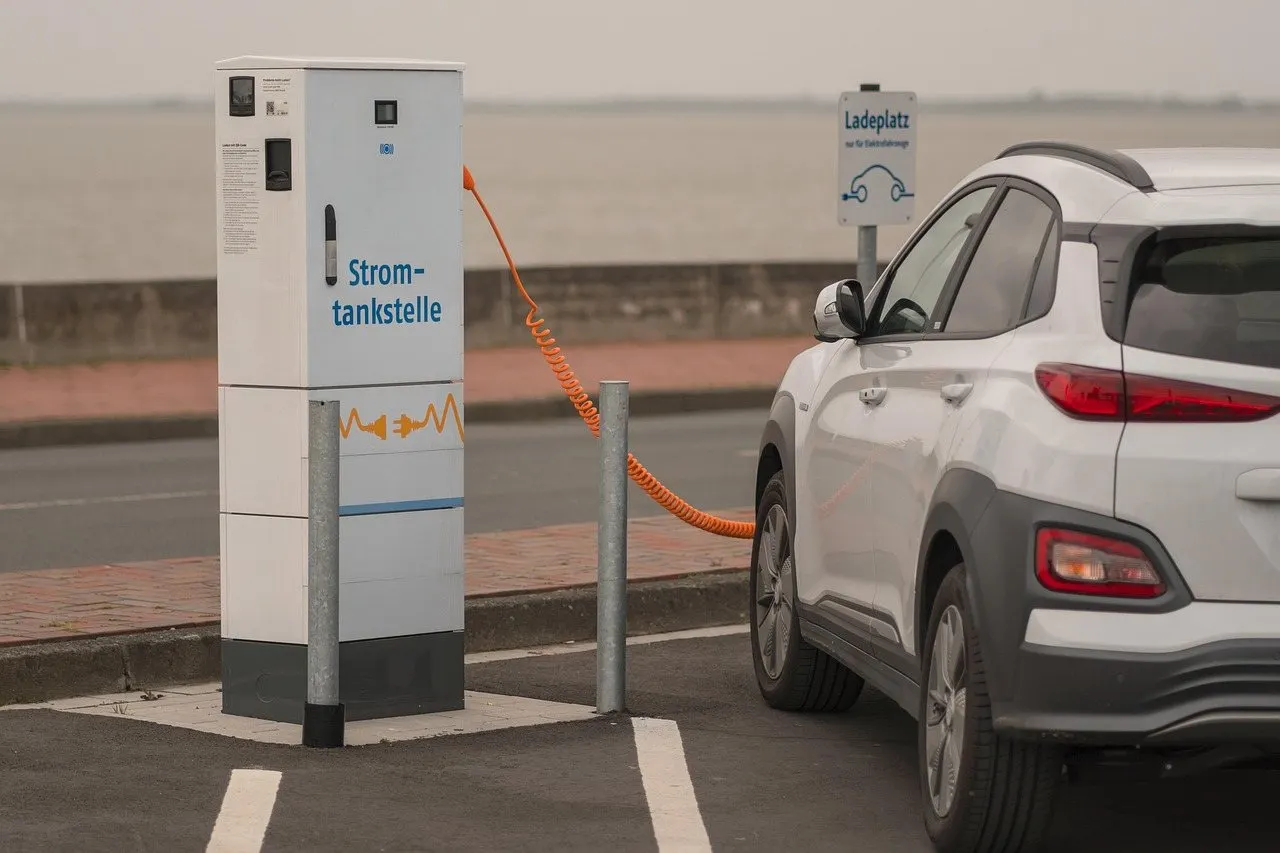
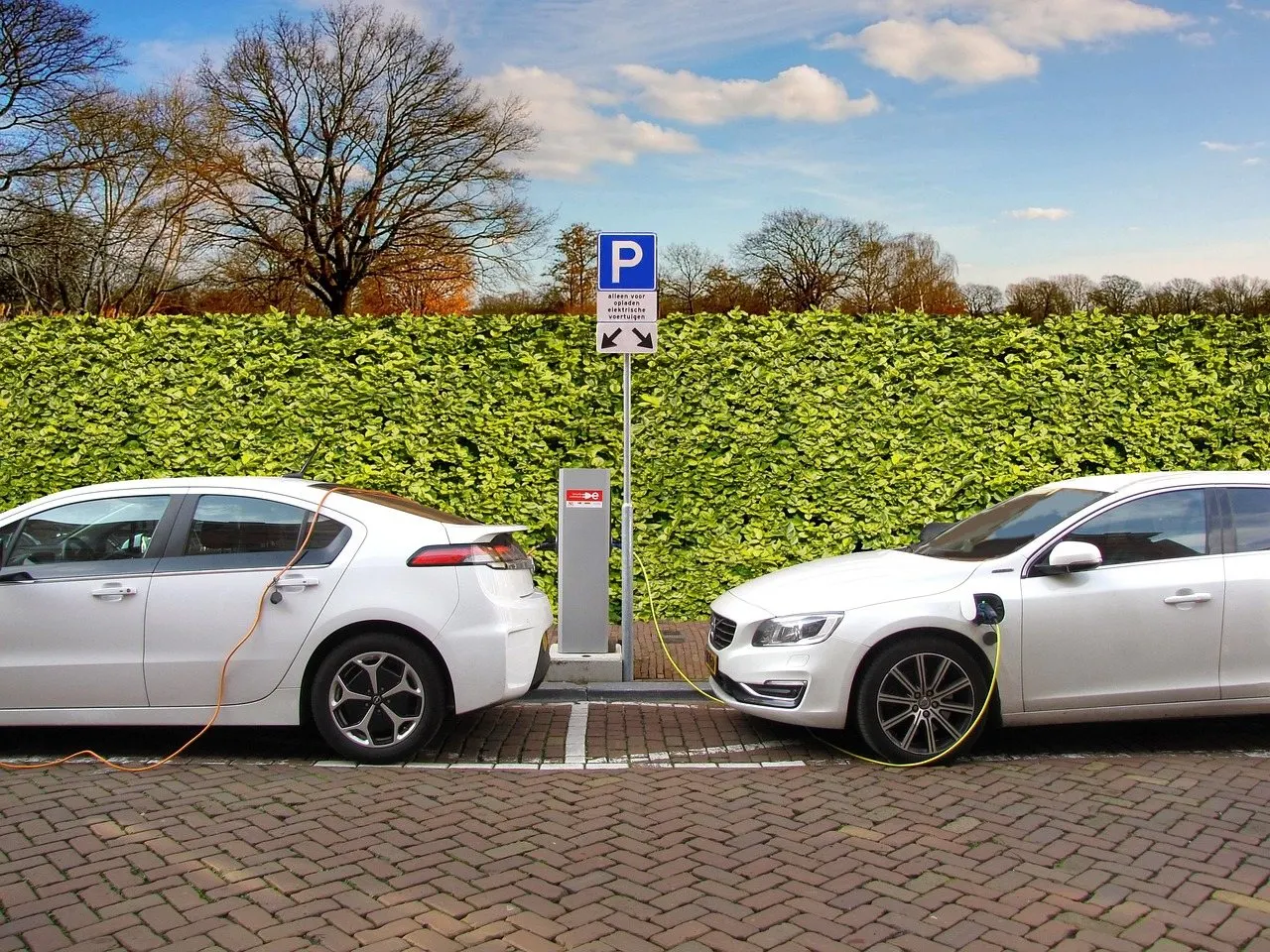
A battery powered plane needs to recharge on the ground, just like an electric car. After landing, ground crews would plug the plane in and top up its batteries before the next flight. Fast and safe charging is part of making electric flying work day after day, and airports would need the right equipment in place. It is a new kind of turnaround for a new kind of plane. Learn about a new nameplate in Mississippi.
How Test Flights Keep the CE-25A Electric Plane Safe
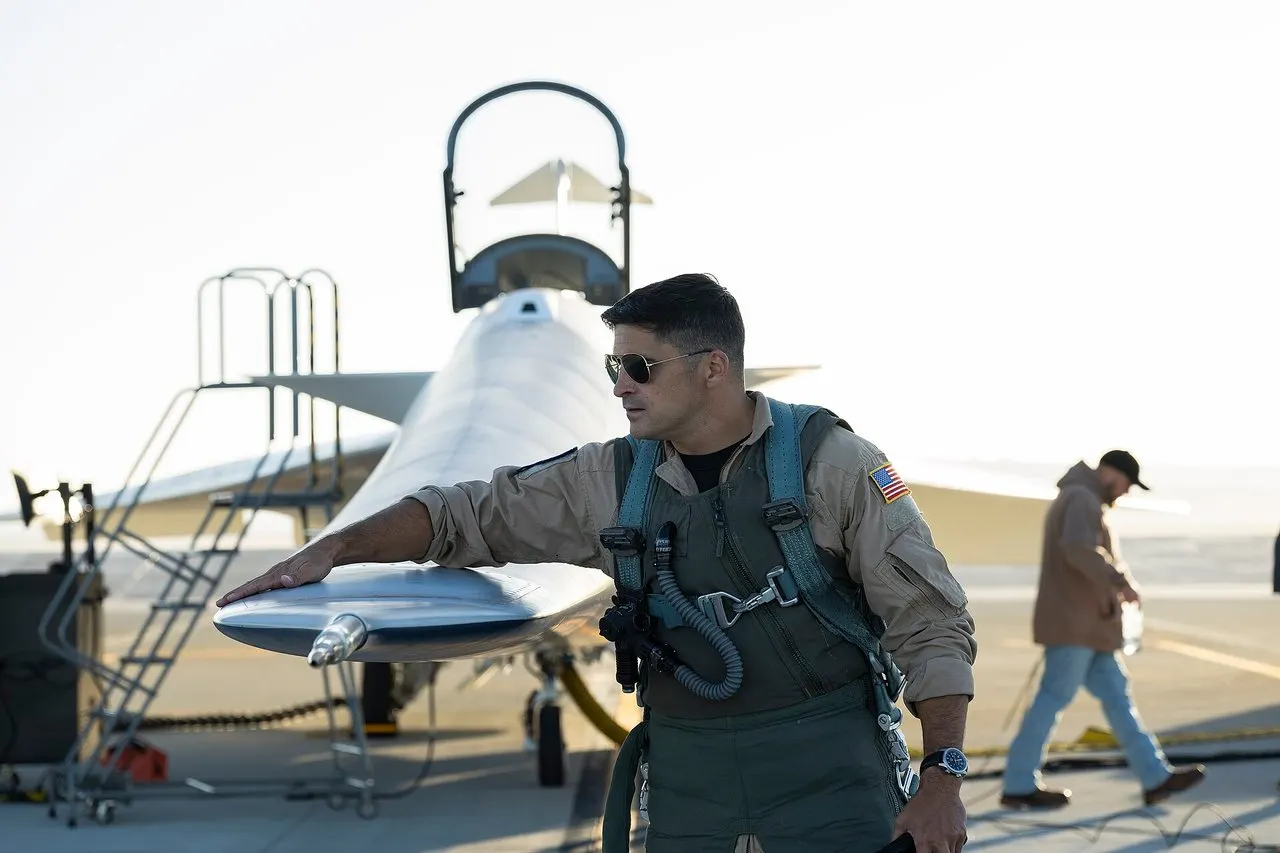
Test flights follow a careful ladder, and each step builds trust in the plane. First come ground tests, then uncrewed flights, then a short crewed flight with test pilots and an engineer. At every step, the team checks the data and fixes anything that looks wrong before moving on. That slow pace is the point, because it keeps surprises away from passengers. See a vote at the UN.
Other Electric Planes Around the World
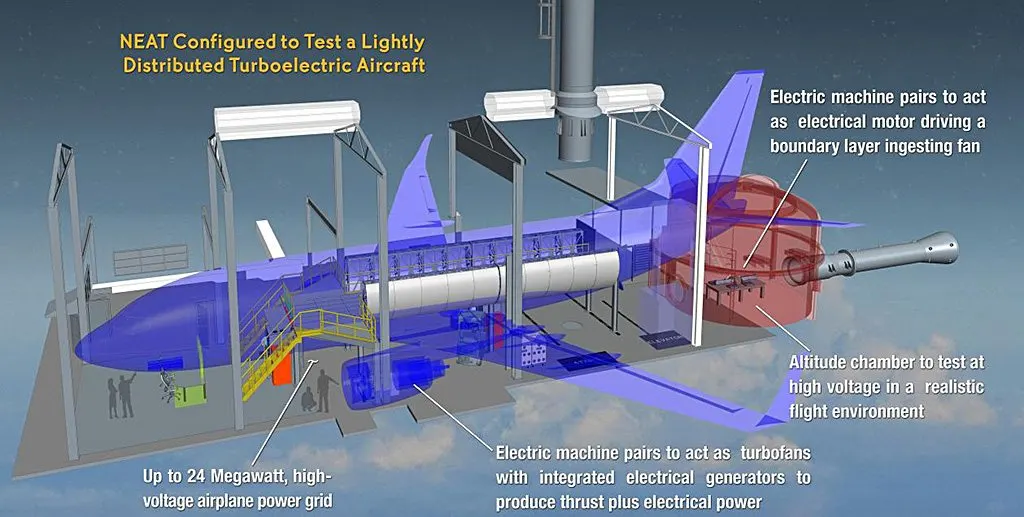
China is not the only place working on electric flight, and teams in other countries are testing their own battery powered aircraft. Some are small planes for a few passengers, while others are testbeds that try out new motors and batteries. Each project adds lessons about what works in the air. The CE-25A stands out because it is a 19 seat commuter plane that has now flown with people on board. Read the CE-25A flight itself.
Why 250 Miles Matters for the CE-25A Electric Plane
A range of around 250 miles may not sound far, but it covers a lot of real travel. Many city pairs sit within that distance, and a short hop can replace hours on the road. Batteries limit how far the plane can go, so designers picked a range that fits the trips people actually take between nearby cities. Longer ranges may come later as batteries improve. Learn about a summit trip to China.
The Road From Test Flight to Ticket Sales
A first crewed flight is exciting, but tickets are still some way off. The plane must finish certification, and then airlines must buy it, train crews and plan routes. Airports must add charging equipment, and safety officials must sign off at each step. None of that happens overnight, yet every test flight moves the project closer to the day when anyone can book a seat. See a first ever meeting of three nations.
What Comes Next for the CE-25A Electric Plane
More test flights will follow, and each one will test the plane a little further. The team will check longer flights, different weather and full loads, and they will share the results with safety officials. If those tests go well, certification moves closer, and the plane moves closer to carrying passengers. For now, the first crewed flight is the news, and the next chapter is already being written. Read about a handshake in China.
How to Follow Electric Aviation News
Stories like this one move fast, and the best way to keep up is to follow aviation news from trusted sources. Look for reports from the plane maker, from aviation safety officials, and from reporters who cover flight. Big claims deserve a second source, and test flights are best judged by data rather than hype. We will keep covering this story as it grows. Learn about planes that vanished from trackers.
Why This Flight Caught So Much Attention
A battery powered plane carrying people is still rare, and that is why this short flight made headlines around the world. It joins a bigger story about clean technology, from electric cars on the road to electric planes in the sky. People love a first, and a first crewed flight is a moment that is easy to picture. The plane flew only 37 miles, yet the idea behind it could travel much further. See a shark found off Costa Rica.
Would You Fly on a Battery Powered Plane?
The CE-25A flew its first crewed flight with three people on board, and one day it could carry you on a short trip between cities. Would you book a seat on a battery powered plane, or would you wait until the technology has flown for a few more years? What would convince you: a quieter cabin, cleaner air, or a cheaper ticket? Share your thoughts in the comments below, and tell us which city pair you would like to fly first. Read a race decided by 330 votes.