Spinal Cord Regeneration Gives Paralyzed Patients New Hope
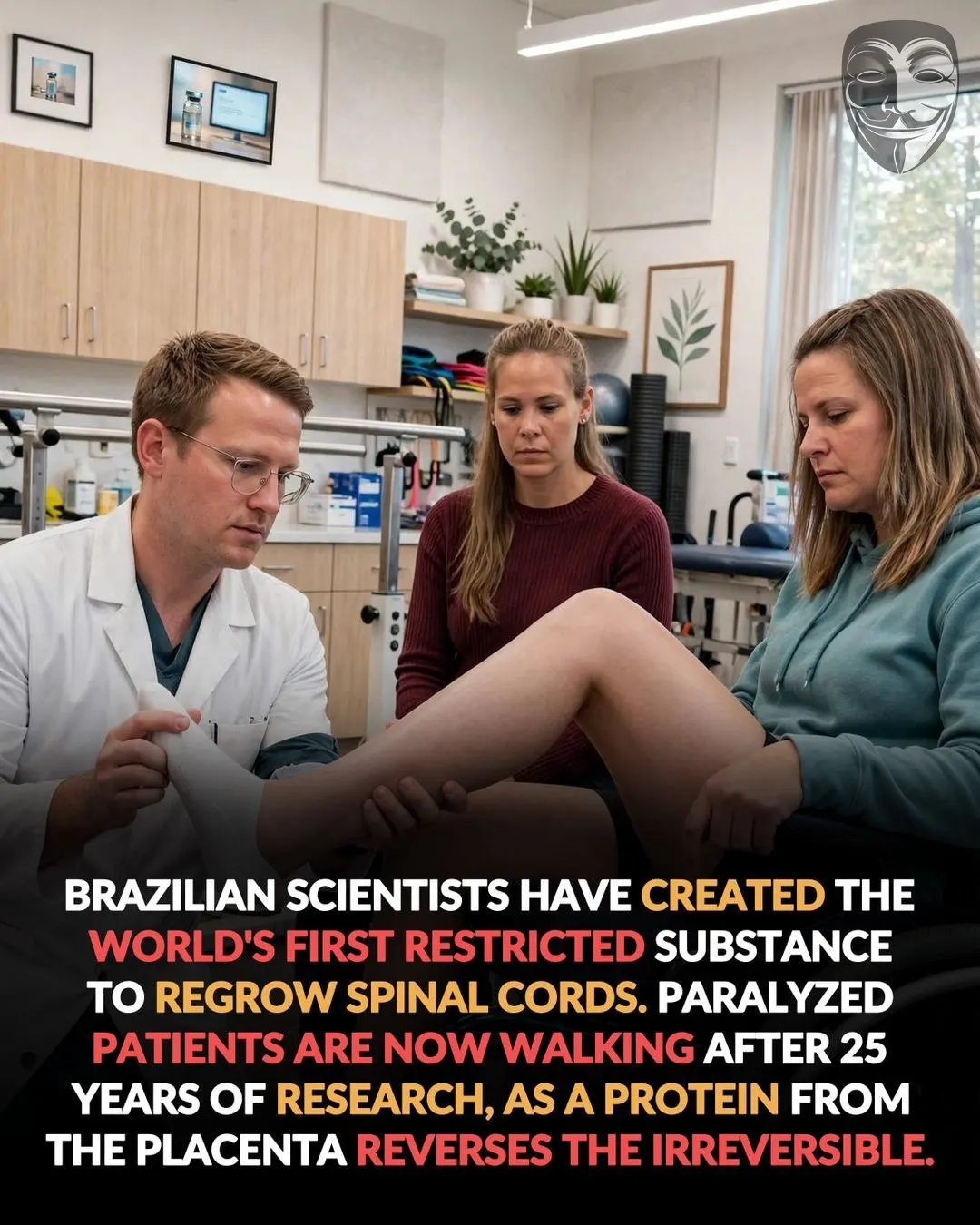
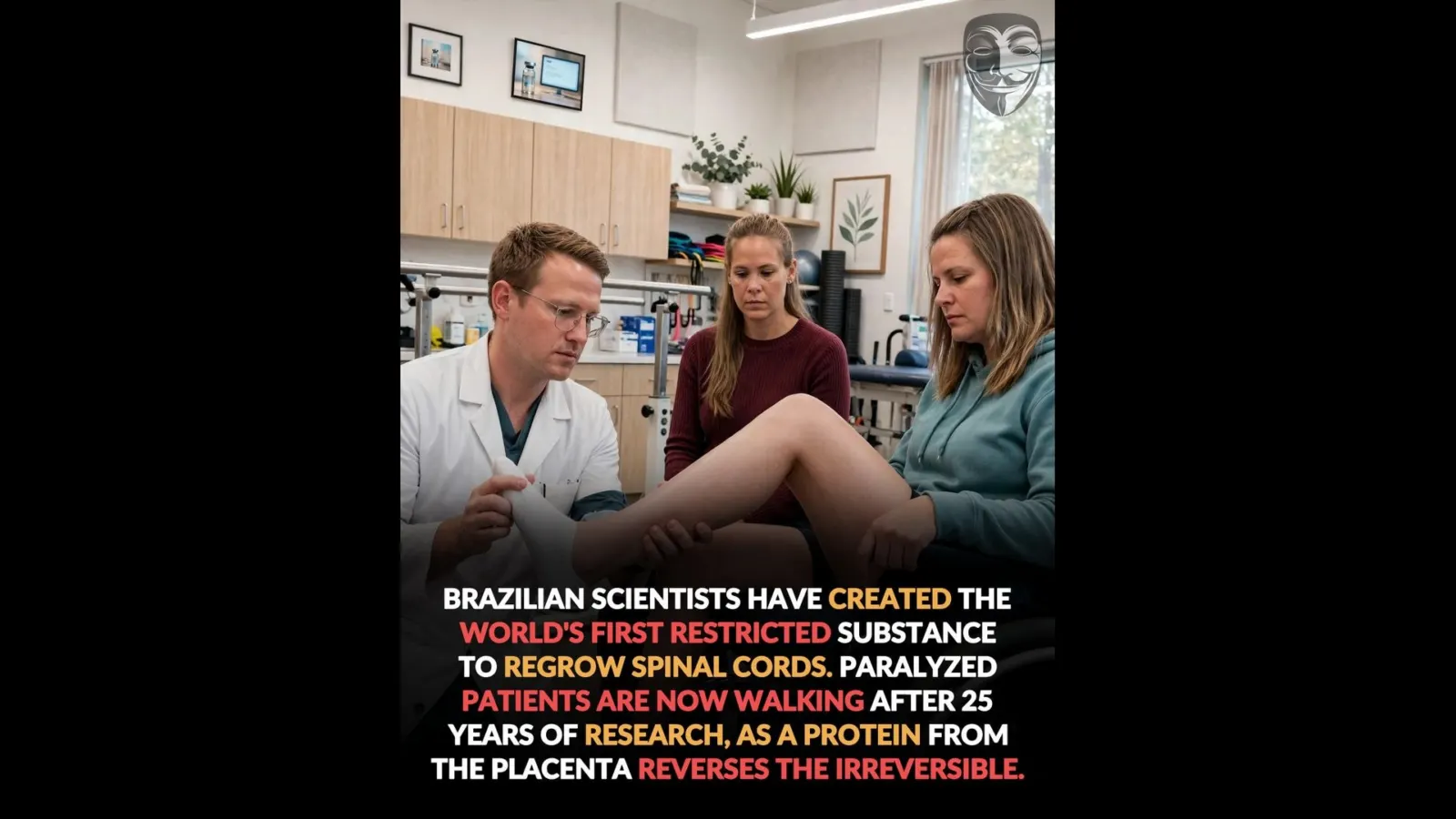
Spinal cord regeneration is no longer just a dream in a laboratory, because Brazilian scientists say a protein from donated placentas is helping paralyzed patients walk again. The treatment is called polilaminina, and researchers at the Federal University of Rio de Janeiro spent 25 years building it into a scaffold that helps damaged nerve fibres grow across a spinal cord injury. In a small early study of eight patients, six regained some voluntary movement, and one man made a full recovery. For another bold medical breakthrough, read about a miniature pancreas built from living cells.
For the families who have waited years for any sign of hope, this news feels personal, and the slides ahead explain the science, the patients and the hard questions in plain words. The work is still experimental, and a Phase 1 safety trial is now underway, so doctors urge everyone to stay hopeful but careful. You can also read about a spacecraft now farther from Earth than anything else humans built, a reminder that long journeys can end in wonders. Keep reading to meet the scientist, the patients and the protein at the heart of this story.
References:
Reuters: Little-tested spinal cord treatment triggers hope, hype and lawsuits in Brazil
Science: A Brazilian scientist’s experimental paralysis therapy is fueling hope and hype
Engineerine: Brazilian Restricted substance Regenerates Damaged Spinal Cords
Tetrus: Polylaminin, Hope for Spinal Cord Regeneration?
A 25-Year Search for a Way to Heal the Spinal Cord
The story of polilaminina began more than 25 years ago at the Federal University of Rio de Janeiro, where biologist Tatiana Sampaio chose to study laminin, a natural protein in the human body. Her team believed this protein could guide nerve fibres across the gap left by an injury. Year after year they tested the idea while most of medicine treated spinal cord damage as permanent. Their patience recalls a chief executive asked to return after being pushed out, and like a fierce debate about fairness in public jobs, they kept going when others might have quit.
Tatiana Sampaio and the Protein From the Placenta
Tatiana Sampaio is the biologist who led this work, and she has spent most of her career thinking about how nerves might heal. She focused on laminin, a protein that helps hold the tissues of the body together, and she found a way to turn it into a stable form called polilaminina. The protein comes from placentas donated after birth, which makes it a gift from one life to another. Her story brings to mind a first in Florida politics, and also a dog who found a family after years on the streets, because hope can arrive from unexpected places.
What Polilaminina Is and How It Works

Polilaminina is not a pill or a cream. It is a liquid made from laminin molecules that join into a web, and doctors inject it straight into the injured spinal cord. Once inside, it acts like a scaffold, a bridge that gives growing nerve fibres something to hold on to. The idea is simple to say and hard to build, which is why it took decades of work. It also echoes a study on children, belief and telling fact from fiction, and the lesson of a proposal in Paris after 23 years together, that good things take time.
How Spinal Cord Regeneration Works Inside the Body
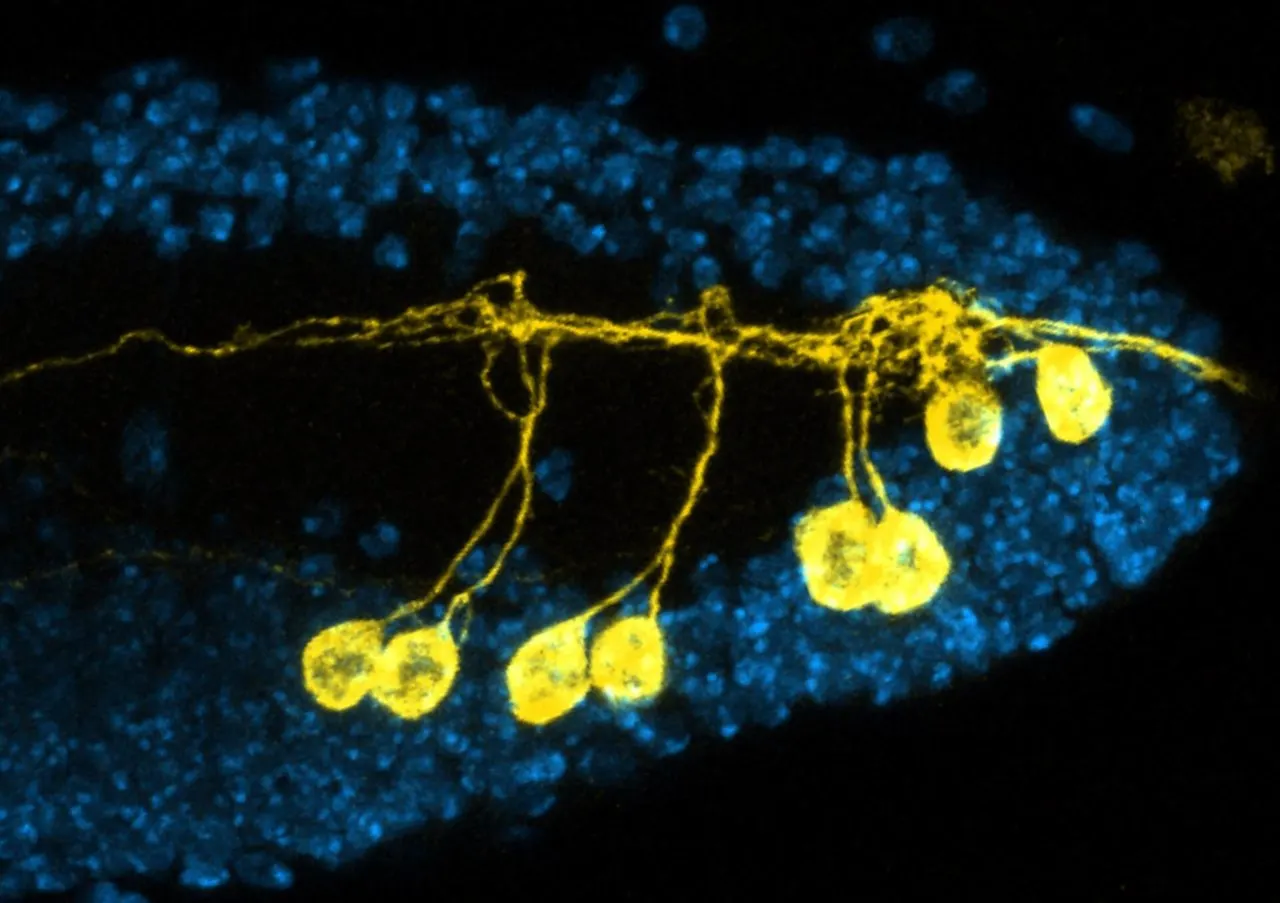
When a spinal cord is injured, the nerve fibres that carry messages between the brain and the body are cut, and scar tissue blocks the path. Polilaminina is designed to change that scene by forming a soft scaffold where the fibres can grow again. In animal studies, researchers saw damaged nerve fibres regrow and animals recover movement. Science at this scale reminds us of a birthday cake made to look like a poodle, and of a rare message from the most endangered tribe on Earth, where a warning reached the wider world.
From Rats to the First Human Patients
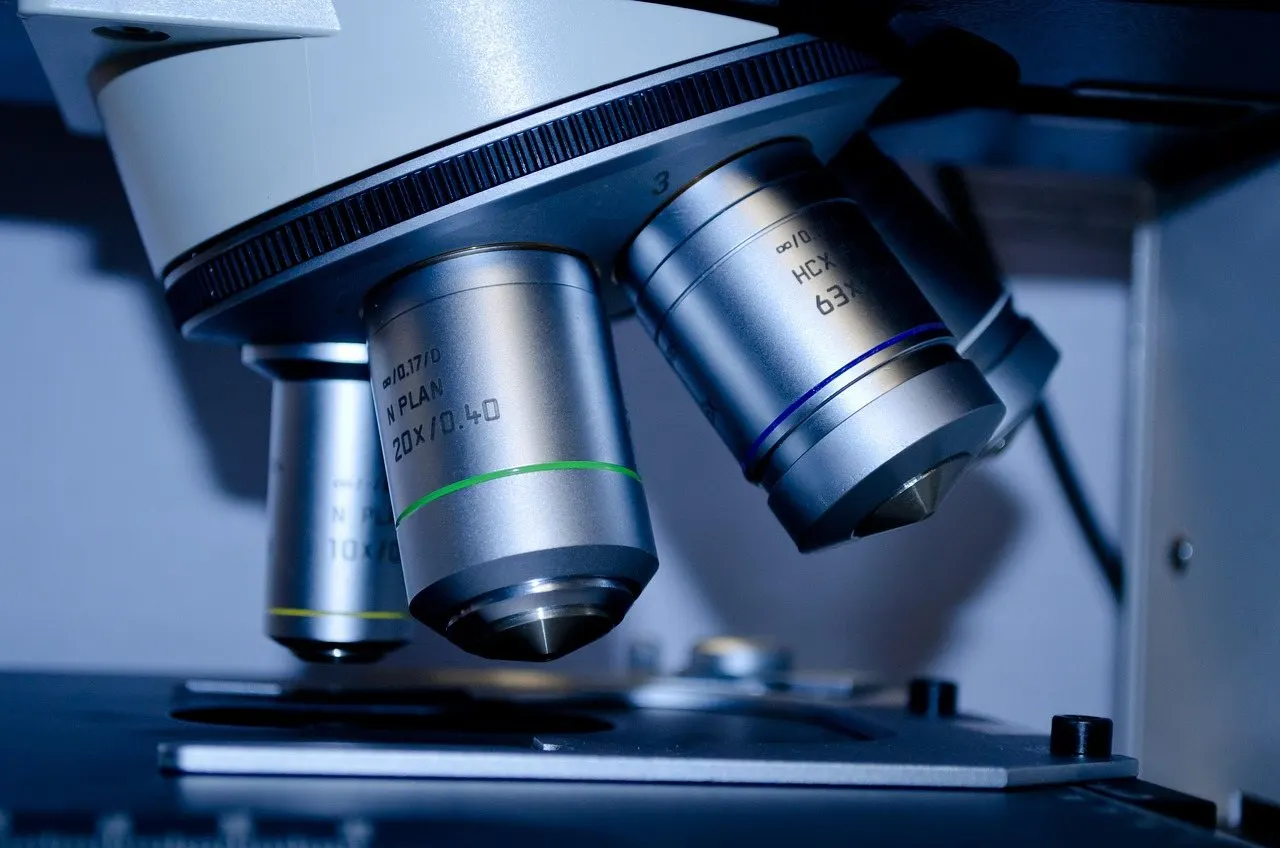
Before any person received polilaminina, the team tested it in animals for years. Rats with spinal cord injuries showed better movement after treatment, and those early results gave the researchers the courage to ask for a human study. Moving from animals to people is always a slow and careful step, because safety comes first and no one can undo an injection. The team waited until the evidence was strong enough. That careful pace is like a historic vote in the House, and like a childhood hero who became a travel dream, where a long chase finally found its path.
Eight Patients and a Small Pilot Study
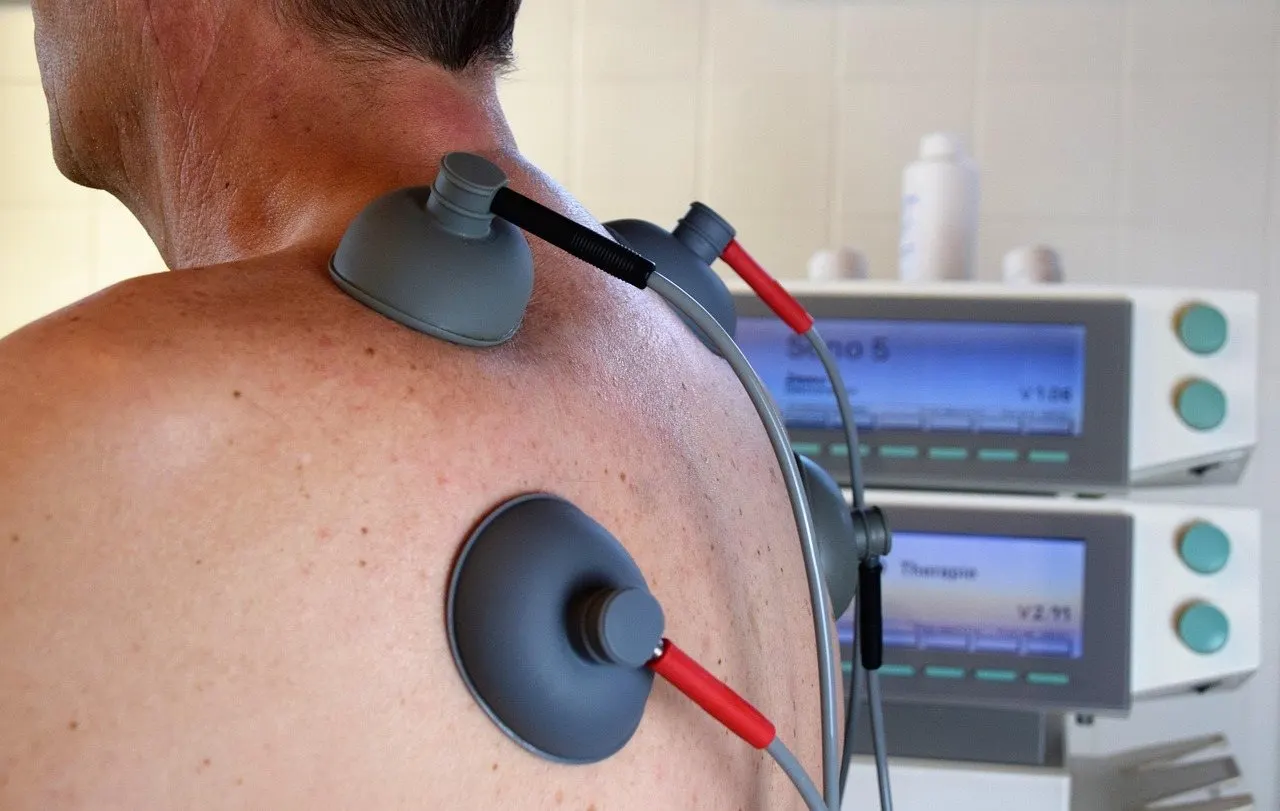
The first human study was small on purpose. Eight patients with complete spinal cord injuries took part, half living with paraplegia and half with tetraplegia, and all were treated within days of their injury. Doctors watched them closely for months and measured every small change in feeling and movement. A study this small cannot prove a treatment works, but it can show whether the idea is worth testing in a larger trial. The hope here recalls a rare golden tiger with a strawberry tinted face, where leaders met face to face.
Six of Eight Patients Regained Movement
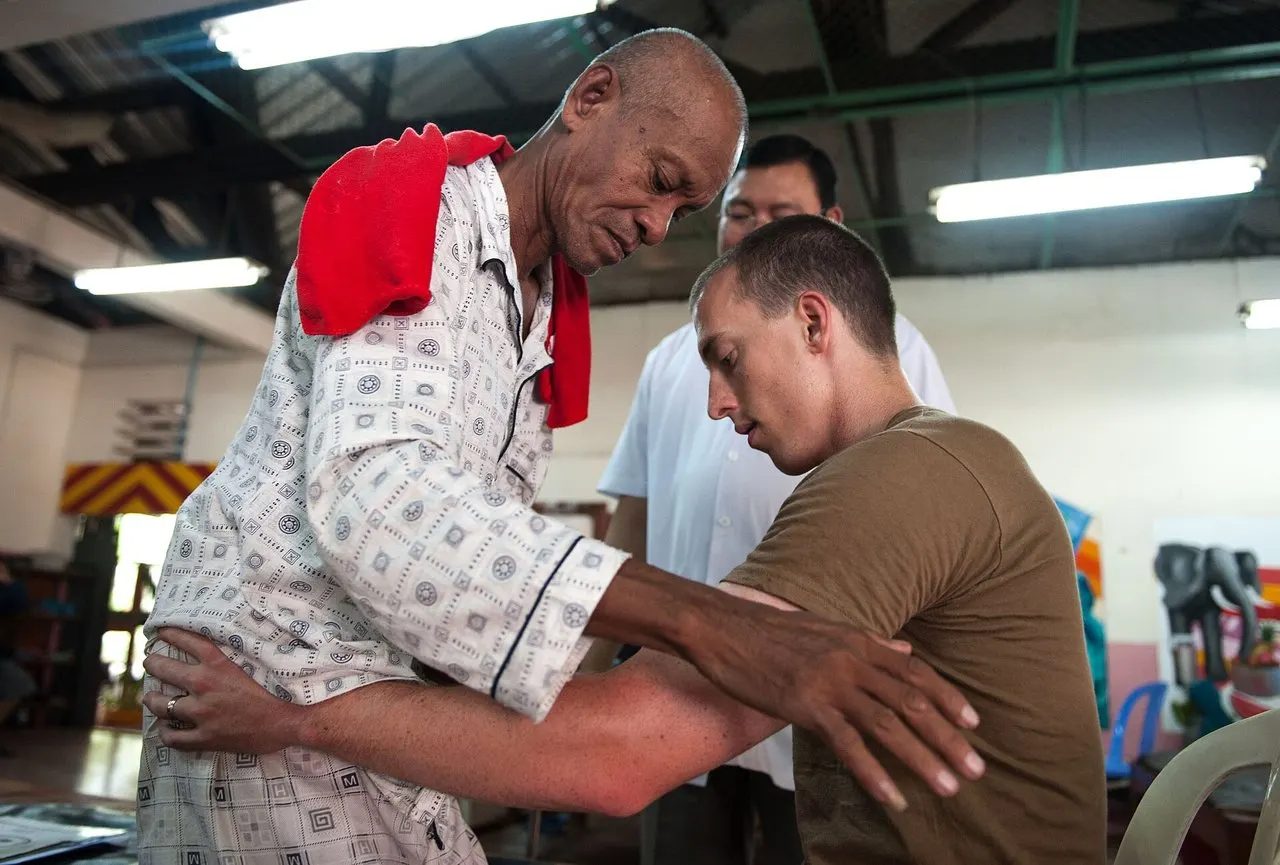
The results of that small study surprised many people. Six of the eight patients regained some voluntary movement, and their scores on the standard scale doctors use to grade spinal injuries improved by at least two grades. One patient made a full recovery and now walks without help. Two of the eight patients died from their injuries, not from the treatment, which is a sad reminder of how serious these injuries are. The numbers are small, yet they matter, as does a brave escape in 1974, and the joy of a return to the country stage after ten years.
Spinal Cord Regeneration Gave Bruno Drummond His Steps Back
Bruno Drummond was 31 when a car accident in 2018 left him with quadriplegia, a word that means losing movement in all four limbs. He received polilaminina within 24 hours, and months later he was walking, going down stairs and dancing for the cameras. His story was shared at a press conference in September 2025. His recovery recalls a teenager who crossed the world with four thousand dollars, and the long wait of an officer who spent nearly one hundred days alone in a cell, because patience can carry a person far.
A Full Recovery That Surprised Even the Doctors

A full recovery after a severe spinal cord injury is something doctors almost never see. Bruno Drummond went from a hospital bed to walking on his own, and that changed how the country talked about polilaminina. Yet one case is not proof, and researchers say it must be tested in many more people before anyone calls it a cure. His story still gives families hope. It also echoes a man who kept his arm raised for fifty two years, where a long wait ended in triumph.
Why the First 72 Hours Matter Most
Timing may be the most important part of this treatment. Sampaio told reporters that polilaminina seems to work best when it is given within 72 hours of the injury, and up to three months after. The reason is simple: fresh damage has less scar tissue, and the nerve fibres still have a path they can follow. After months or years, the scar hardens and the window closes. That urgency recalls a miniature pancreas built from living cells, where speed and distance changed everything.
A Phase 1 Trial Puts Spinal Cord Regeneration to the Safety Test
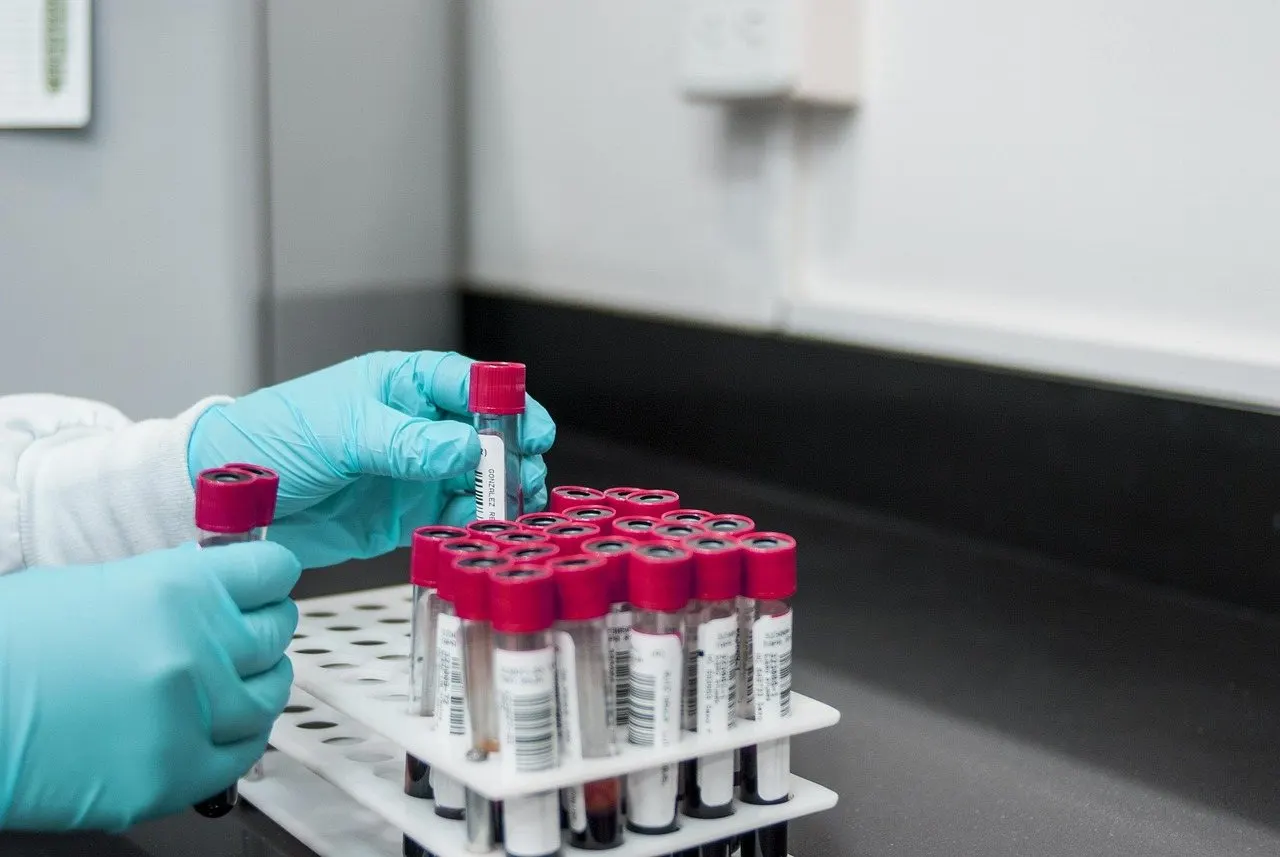
A Phase 1 trial is the first careful test of a new treatment in people, and its main job is safety, not proof that the treatment works. Brazil’s health regulator, Anvisa, has authorized such a trial, and doctors will watch a larger group for side effects and the right dose. One expert said plainly that no one yet knows the toxicity, the side effects, or the best dose. That honesty protects patients, as does a chief executive asked to return after being pushed out, and the lesson of a fierce debate about fairness in public jobs.
What the Reuters Report Found

Reuters looked closely at the story in June 2026 and found a country swept up in hope. Patients came from as far away as Mexico to reach a small town laboratory, and the government moved to speed up approval. The report also found lawsuits, because dozens of patients hired lawyers to gain access to the treatment. Its headline warned that the treatment is little tested, and experts urged caution while the science catches up. The rush for access recalls a first in Florida politics, and the surprise of a dog who found a family after years on the streets.
Science Magazine on Hope and Hype
Science magazine also told this story, and its headline put hope and hype side by side. It described how Sampaio shared the pilot study at a press conference, how the public fell in love with the story, and how more than 30 people have since received injections. It also quoted researchers who worry the study was too small to prove anything and who see flaws in how it was run. Both can be true at once, like a study on children, belief and telling fact from fiction, and the romance of a proposal in Paris after 23 years together.
Why Experts Urge Caution About Spinal Cord Regeneration

Good science moves slowly. The pilot study had only eight patients and no control group, so no one can tell how much of the recovery came from the treatment and how much from natural healing. Results were shared in a preprint and at a press conference before a full peer reviewed paper, and some experts see flaws. The Christopher and Dana Reeve Foundation called it innovative, but one of many early ideas. Caution also shaped a birthday cake made to look like a poodle, and the warning in a rare message from the most endangered tribe on Earth.
Dozens of Lawsuits Over Access to the Treatment

In Brazil, patients can go to court to ask for access to an experimental treatment, and dozens have done so since the news broke. Anvisa has received many such requests, and some patients wait up to 45 days for a ruling. Lawyers have stepped in, but experts warn some charge desperate families high fees for a treatment they may not be allowed to receive. The regulator has begun fast tracking clear cases, so court action is less necessary. The fight recalls a historic vote in the House, where a journey turned.
Anvisa and the Fast Track for Approval
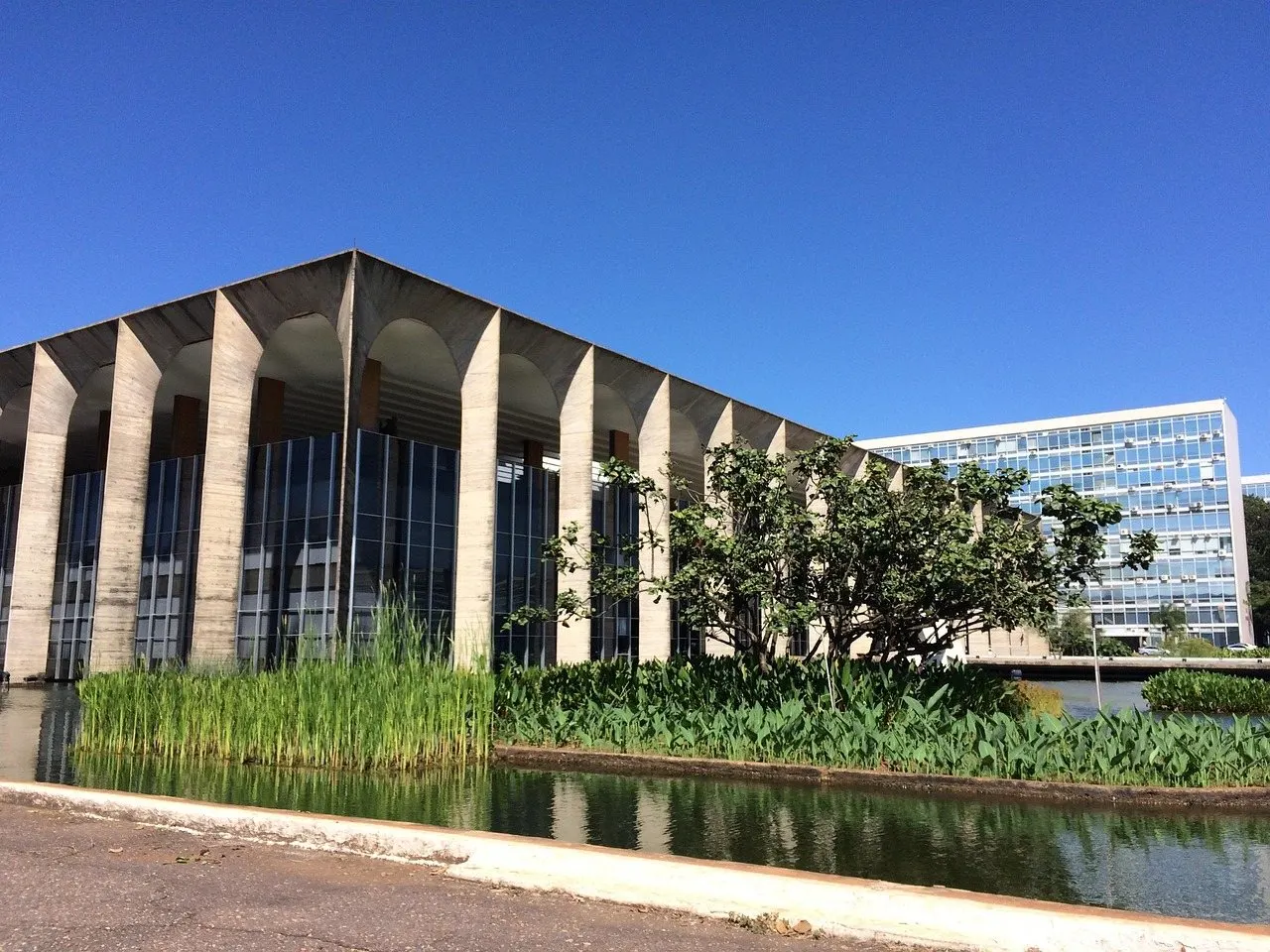
Anvisa is Brazil’s health regulator, the agency that decides which medicines are safe enough to use. Its health minister said polilaminina was the first product examined by a newly created Innovation Committee, which shows how seriously the government takes the story. The agency has begun fast tracking approvals in cases where the treatment is clearly indicated, so patients do not have to wait for a court. Speed matters when a family is waiting, and that urgency echoes a rare golden tiger with a strawberry tinted face, and the grandeur of a summit that brought three great powers together.
Cristália and the Company Behind the Treatment
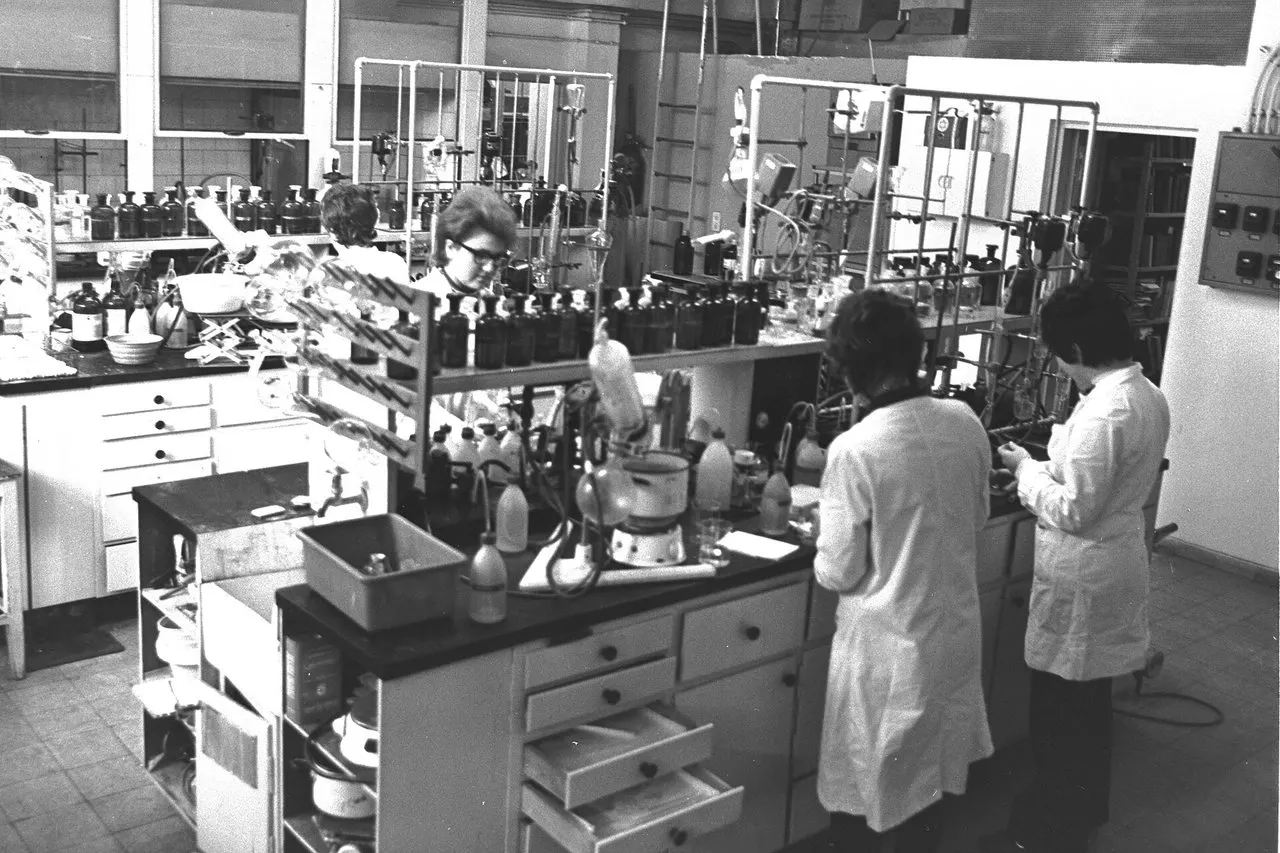
The pharmaceutical company Cristália acquired the patent for polilaminina and now produces it. The company helped promote a 2024 preprint of the study, and public interest exploded after that. Drug companies often turn a laboratory discovery into a product that hospitals can actually use, and that step needs factories, quality checks and large amounts of money. Whether the treatment reaches many patients will depend on that work as much as on the science. The business side recalls a brave escape in 1974, and the spotlight of a return to the country stage after ten years.
How Spinal Cord Regeneration Made a Scientist a Star in Brazil

Tatiana Sampaio has become a national celebrity in Brazil, which almost never happens to a scientist. She met President Luiz Inacio Lula da Silva, appeared on the cover of Forbes, and was praised on stage at Carnival by the popular musician Joao Gomes, who called her the biggest celebrity there. Online campaigns have even called for her to receive a Nobel Prize. The attention is a matter of national pride, as is a teenager who crossed the world with four thousand dollars, and the long road of an officer who spent nearly one hundred days alone in a cell.
The President Took Notice

When a discovery touches the whole country, its leaders pay attention. President Luiz Inacio Lula da Silva met Sampaio and praised the work, and his government has pushed the regulator to move faster. Brazil invests only about 1.2 percent of its economy in research, so a homegrown breakthrough carries extra meaning there. If it works, it would be a win for a country long focused on generic medicines. That pride recalls a man who kept his arm raised for fifty two years, and the triumph of a singer held back for seven years who then earned eleven Grammy nominations.
What a Spinal Cord Injury Means for a Family
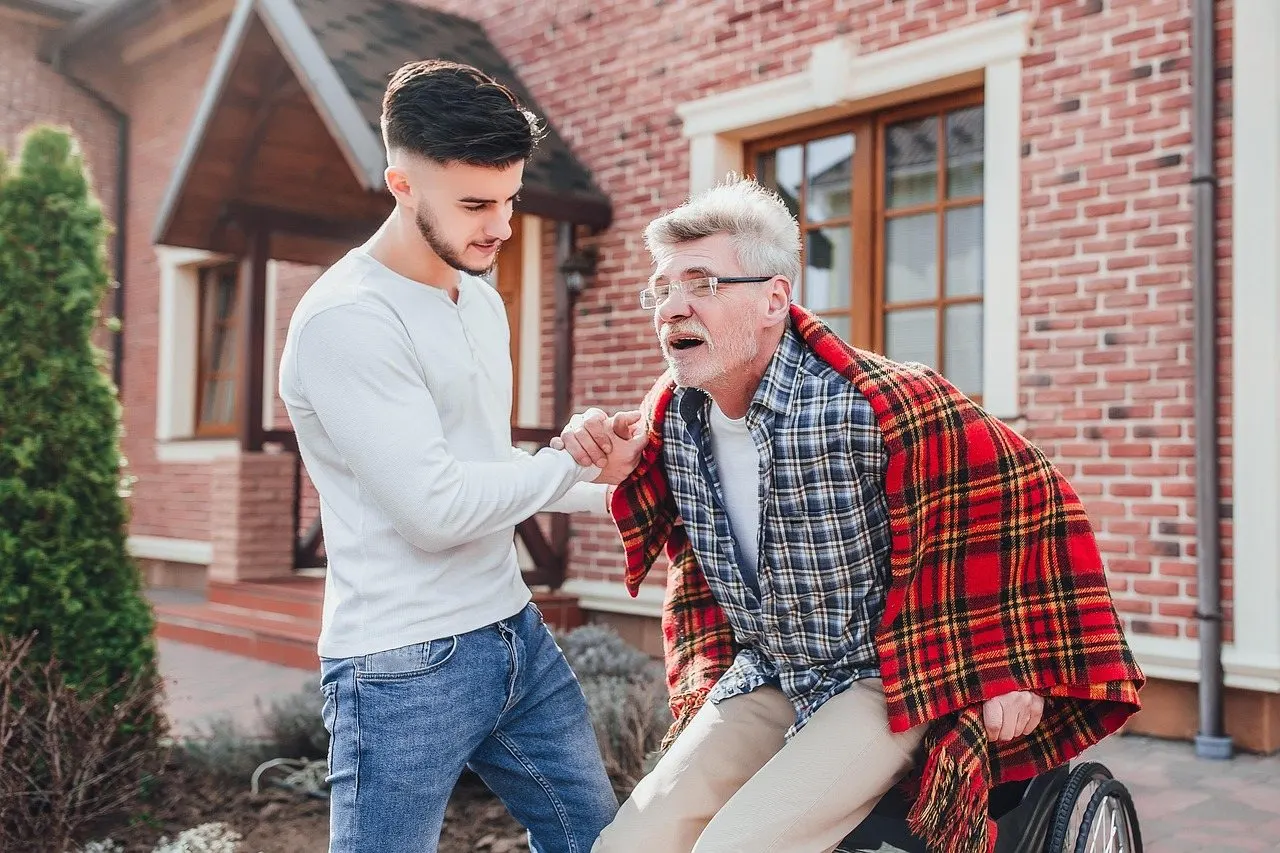
A spinal cord injury changes a whole family, not just one person. Daily life becomes a round of lifting, washing and dressing, and many families give up jobs to become full time carers. The injured person may feel anger and grief, while loved ones feel tired and afraid. Any news of a treatment lands in that world, which is why families read every headline with hope. Their daily strength recalls a miniature pancreas built from living cells, and the wonder of a spacecraft now farther from Earth than anything else humans built, which traveled farther than any human craft.
Wheelchair Users Wait for Real Answers

Millions of people around the world live with spinal cord injuries, and most of them use a wheelchair every day. They plan their lives around ramps, lifts and doorways, and they hear about miracle cures often, which makes many of them careful about new claims. What they want most is honest news: what works, what is still a guess, and when a real treatment might reach them. Their patience deserves respect, like a chief executive asked to return after being pushed out, and the debate in a fierce debate about fairness in public jobs, where fairness was the question.
How Spinal Cord Regeneration Could Reconnect Nerves
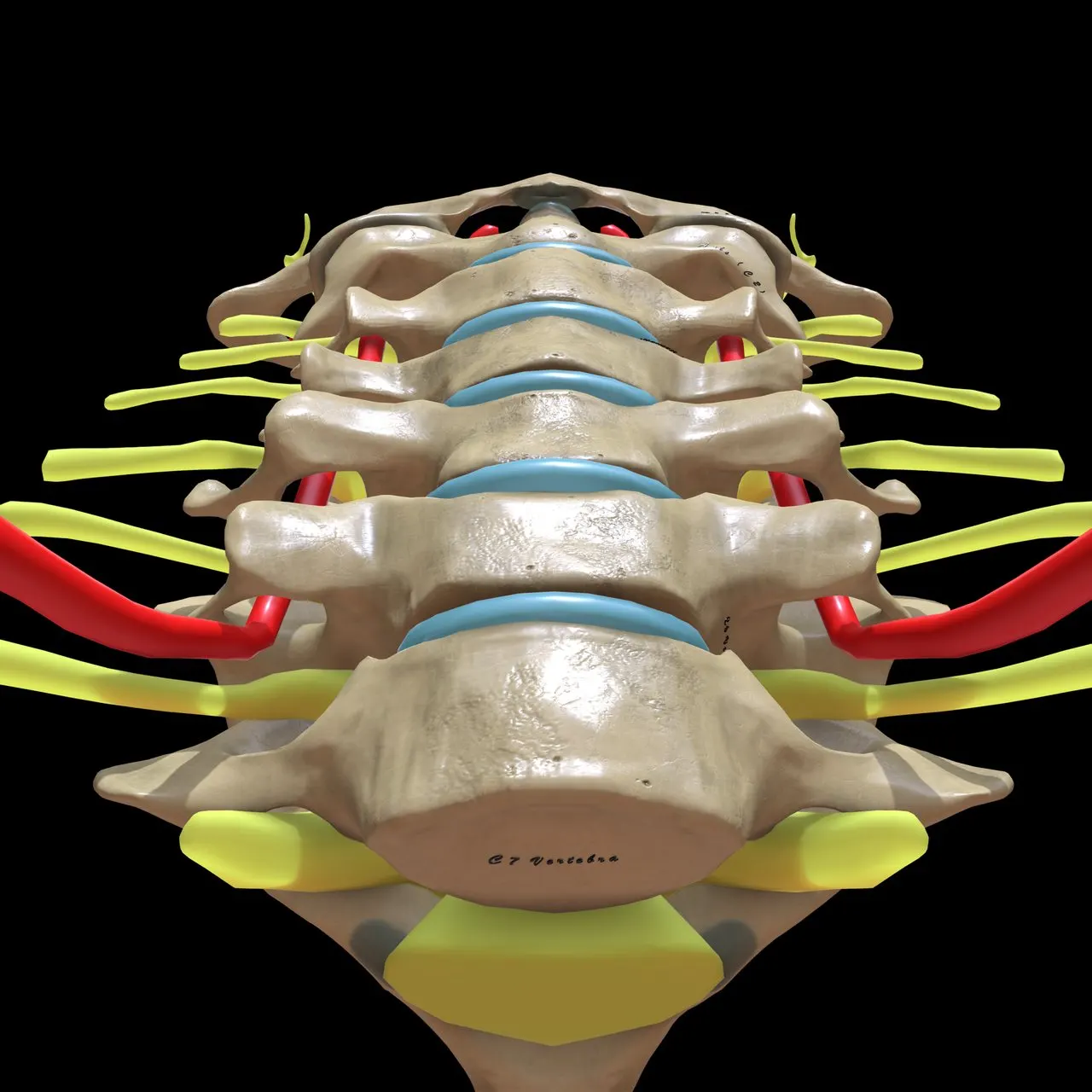
Think of the spinal cord as wires carrying messages from the brain to the body. When those wires are cut, the messages stop, and the body below the injury cannot move or feel. Polilaminina aims to give the cut wires a bridge to grow across, so the messages can flow again. If the fibres reach the right places, movement and feeling can return. The idea is simple, but the body is complex, as shown by a first in Florida politics, and the gentle loyalty of a dog who found a family after years on the streets.
What Makes Spinal Cord Regeneration So Hard to Achieve
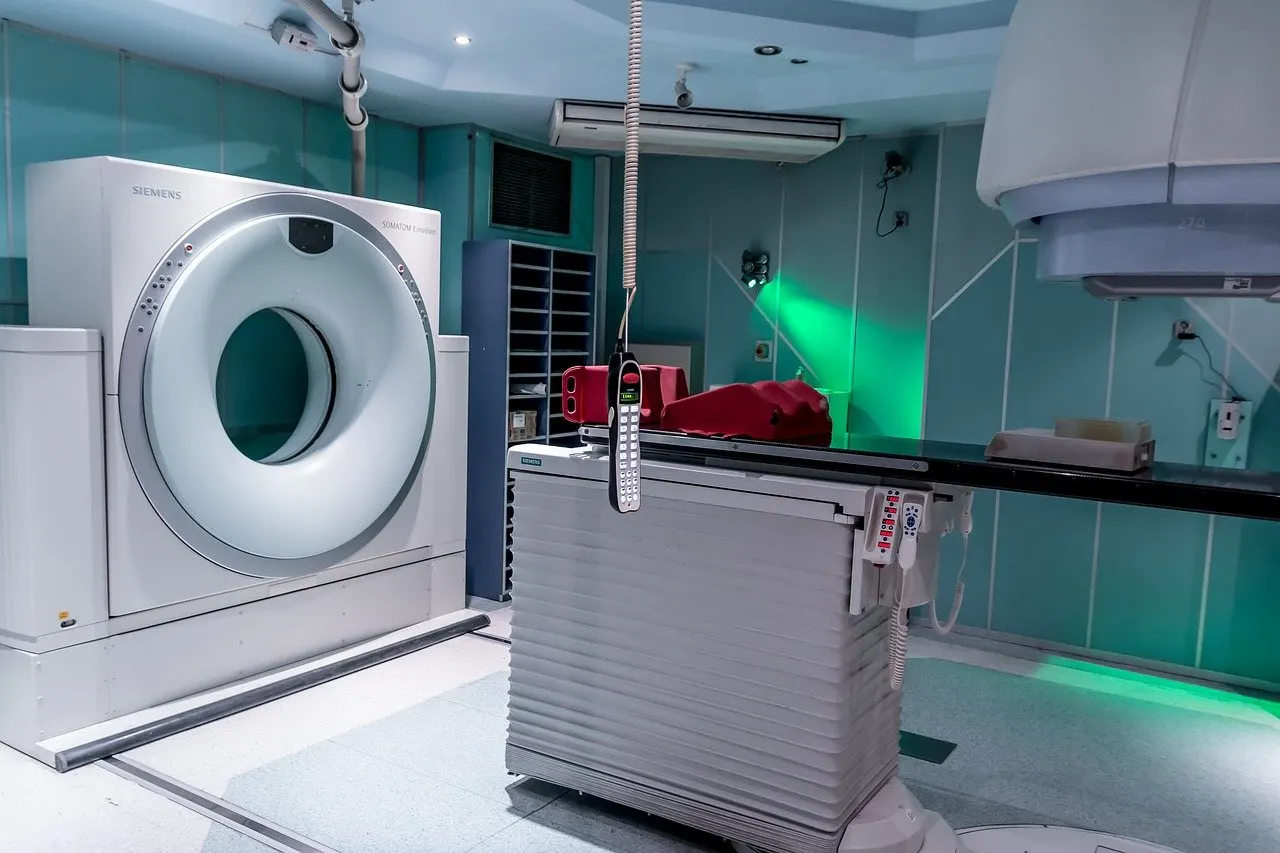
The spinal cord is one of the hardest parts of the body to heal. Nerves in the arms and legs can regrow slowly, but nerves in the cord face scar tissue, swelling and signals that tell them to stop growing. That is why doctors long called spinal cord damage permanent, and why many animal treatments failed in people. Polilaminina tries to change the scene so growth becomes possible again. The difficulty recalls a study on children, belief and telling fact from fiction, and the lesson of a proposal in Paris after 23 years together.
Hope for Paraplegia and Tetraplegia After Spinal Cord Regeneration

Paraplegia means losing movement in the legs, while tetraplegia means losing movement in all four limbs, and both change every part of a person’s day. In the pilot study, half the patients lived with paraplegia and half with tetraplegia, and six of the eight regained some movement. That result matters to both groups, because even a small return of feeling or movement can mean feeding oneself or shifting in bed. Hope for both groups recalls a birthday cake made to look like a poodle, and the warning of a rare message from the most endangered tribe on Earth.
The Long Road From Lab Bench to Hospital Bed
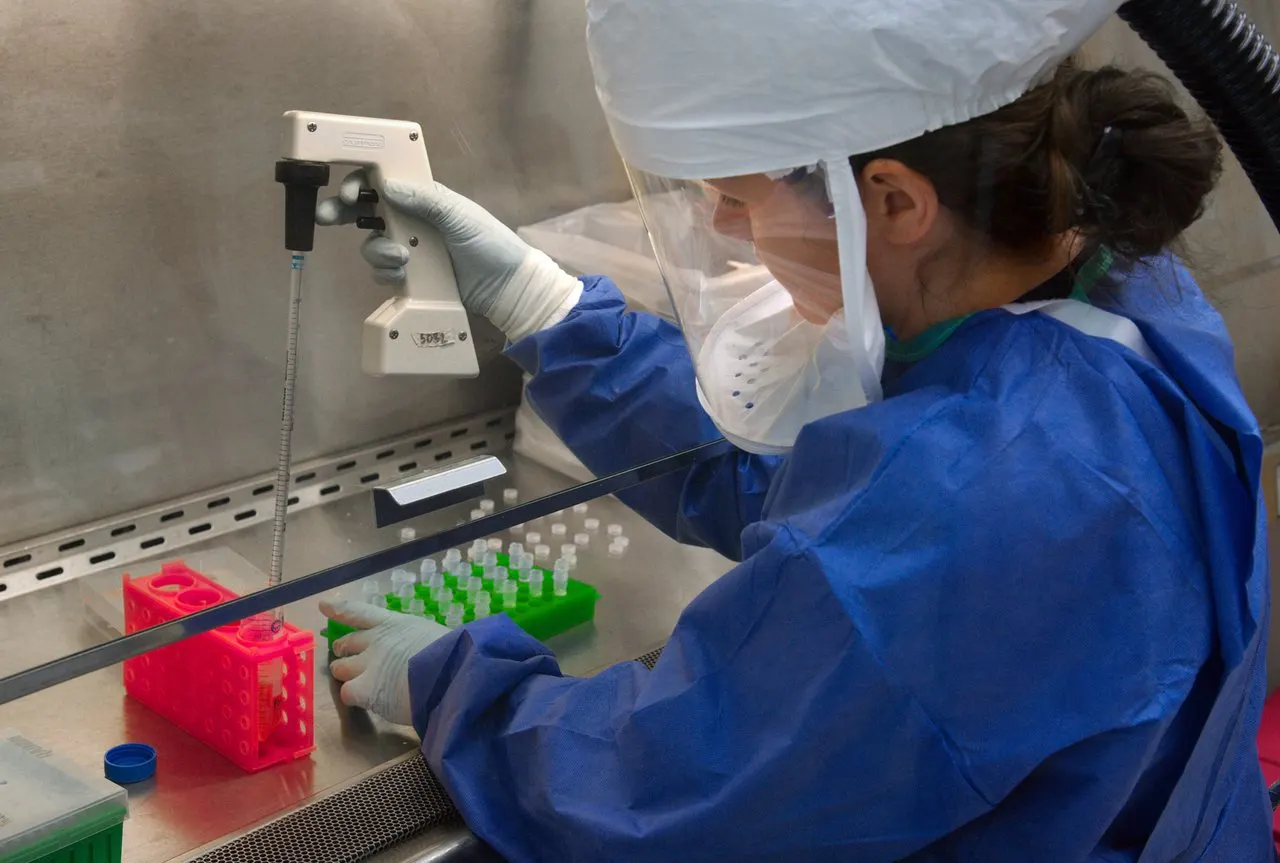
A discovery in a laboratory is only the first step on a long road. After that comes animal testing, small human studies, larger trials, regulator approval and then the hard work of making the treatment in large amounts. Each step can take years, and many promising ideas fail along the way. Polilaminina has traveled that road for 25 years and is now in the middle of it, with the hardest tests still ahead. That journey recalls a historic vote in the House, and the unexpected path of a childhood hero who became a travel dream.
What Comes Next for Spinal Cord Regeneration
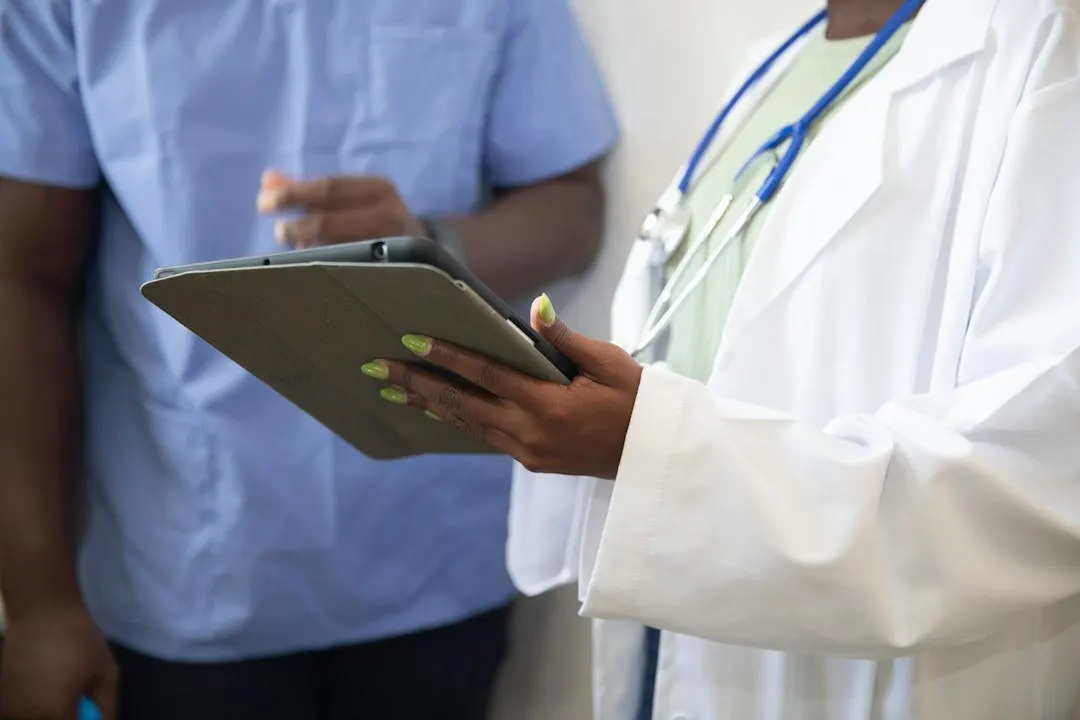
Spinal cord regeneration now faces its biggest test, the Phase 1 safety trial, where doctors will learn the right dose and watch for side effects. After that, larger trials with control groups must prove the treatment truly works. The peer reviewed paper in the journal Spinal Cord, from August 2026, gives other scientists something to check and build on. If results hold up, the next step is making the treatment available safely. The future also holds a rare golden tiger with a strawberry tinted face, and the meeting of minds in a summit that brought three great powers together.
A Word of Care for Families Reading This
If someone you love lives with a spinal cord injury, stories like this can lift your heart and then leave you afraid to hope. Talk to your own doctor before chasing any treatment, and be careful of anyone who asks for large sums of money or promises a cure. Real help moves slowly, through trials and checks, and your doctor can tell you if a trial is right for you. Hold on to hope, and to facts too, like the courage in a brave escape in 1974, and the escape of a return to the country stage after ten years.
Would You Trust Spinal Cord Regeneration If It Were Offered to You
Spinal cord regeneration has moved from a quiet laboratory in Rio de Janeiro to headlines around the world, and now it is your turn. Would you trust a new treatment after one small study, or wait for larger trials to prove it safe? Would you travel far for a chance to walk again? Share your thoughts below, and tell us what hope means to you. For more long journeys, read about a teenager who crossed the world with four thousand dollars, and the quiet strength of an officer who spent nearly one hundred days alone in a cell.