Insulin Implant From MIT Could Change Diabetes Care
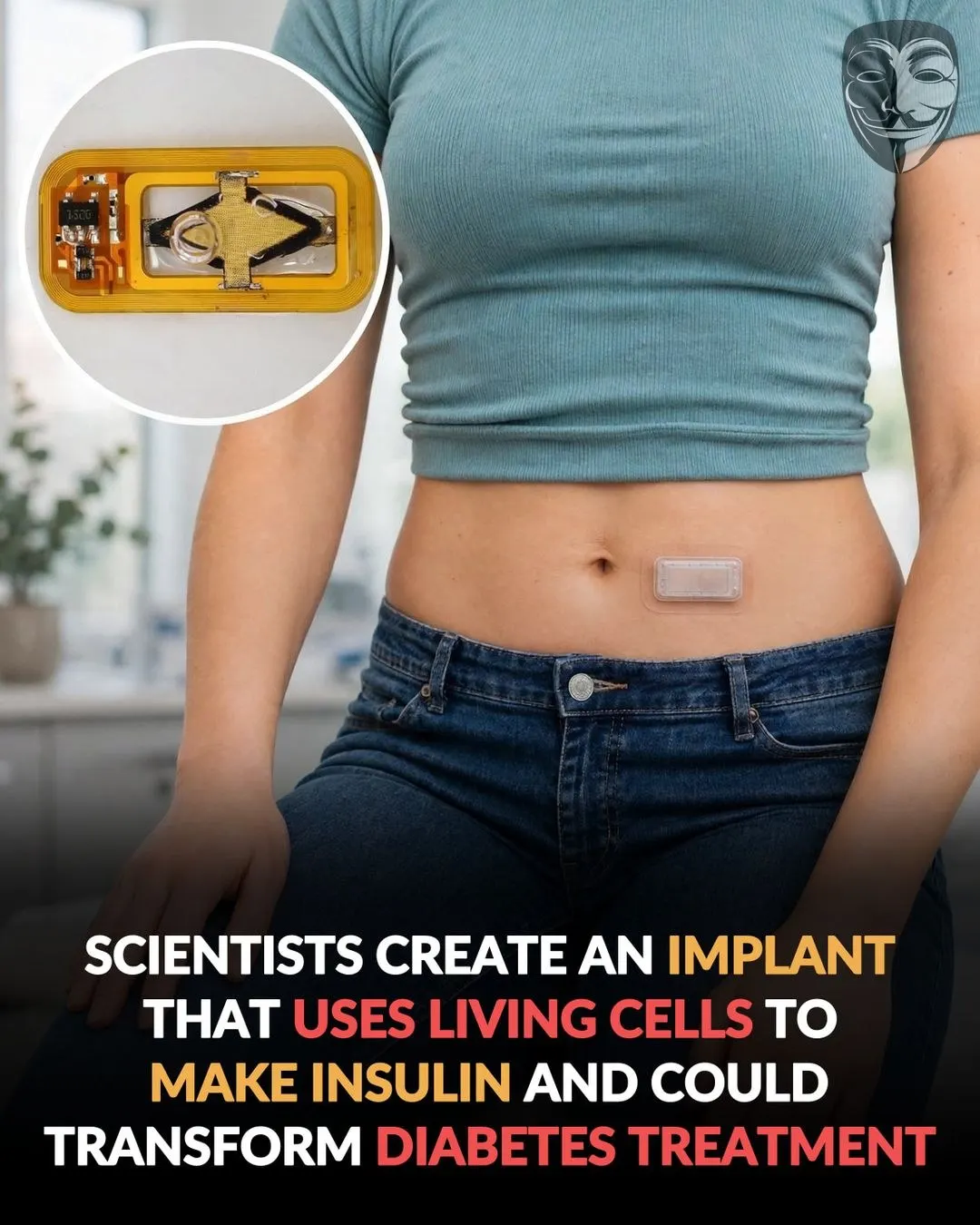
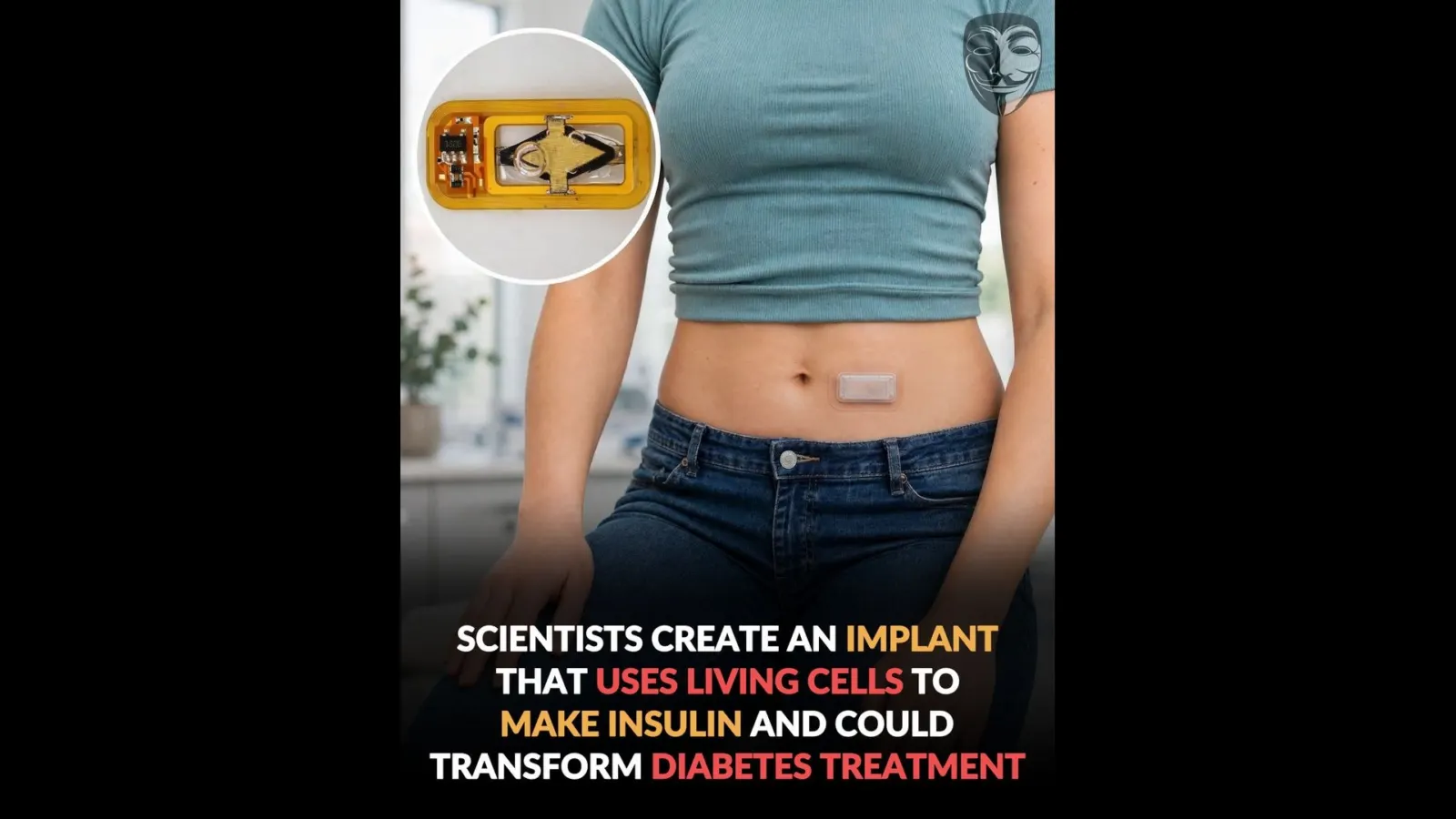
Insulin implant research at MIT has produced a small device that makes insulin inside the body, and it could change daily life for people with type 1 diabetes. Researchers filled the implant with pancreatic islet cells, the tiny clusters that release insulin when sugar rises. The device shields those living cells from the immune system so the body does not attack and destroy them. It also carries a small oxygen generator that splits water vapor inside the body, so the cells stay alive and keep working day after day.
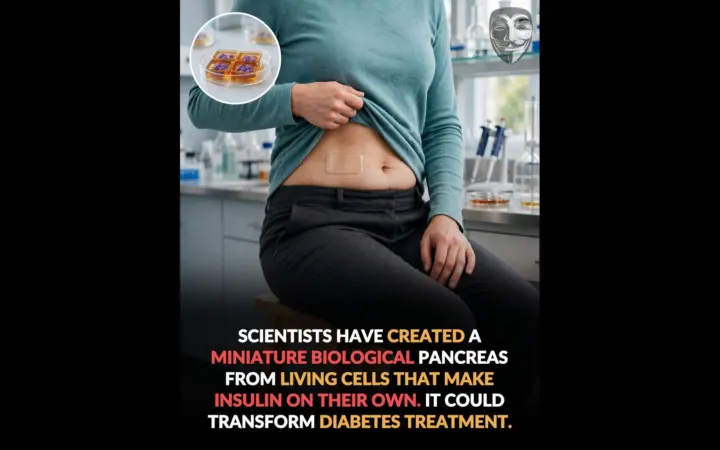
In the latest study the implanted cells stayed functional for at least 90 days in mice and rats, and they made enough insulin to keep sugar in a healthy range. The team now hopes the device will last two years or longer, and the same idea could one day deliver other medicines from inside the body. The slides ahead explain how it works and what it could mean for patients. For related science, read our report on a miniature biological pancreas built from living cells.
References:
MIT News: Implantable islet cells could control diabetes without insulin injections
EurekAlert: An implantable device could enable injection-free control of diabetes
MedicalXpress: Self-regulating living implant could end daily insulin injections
NIBIB: An implantable device could pave the way for continuous, injection-free diabetes treatment
Life With Type 1 Diabetes Means Shots Every Day
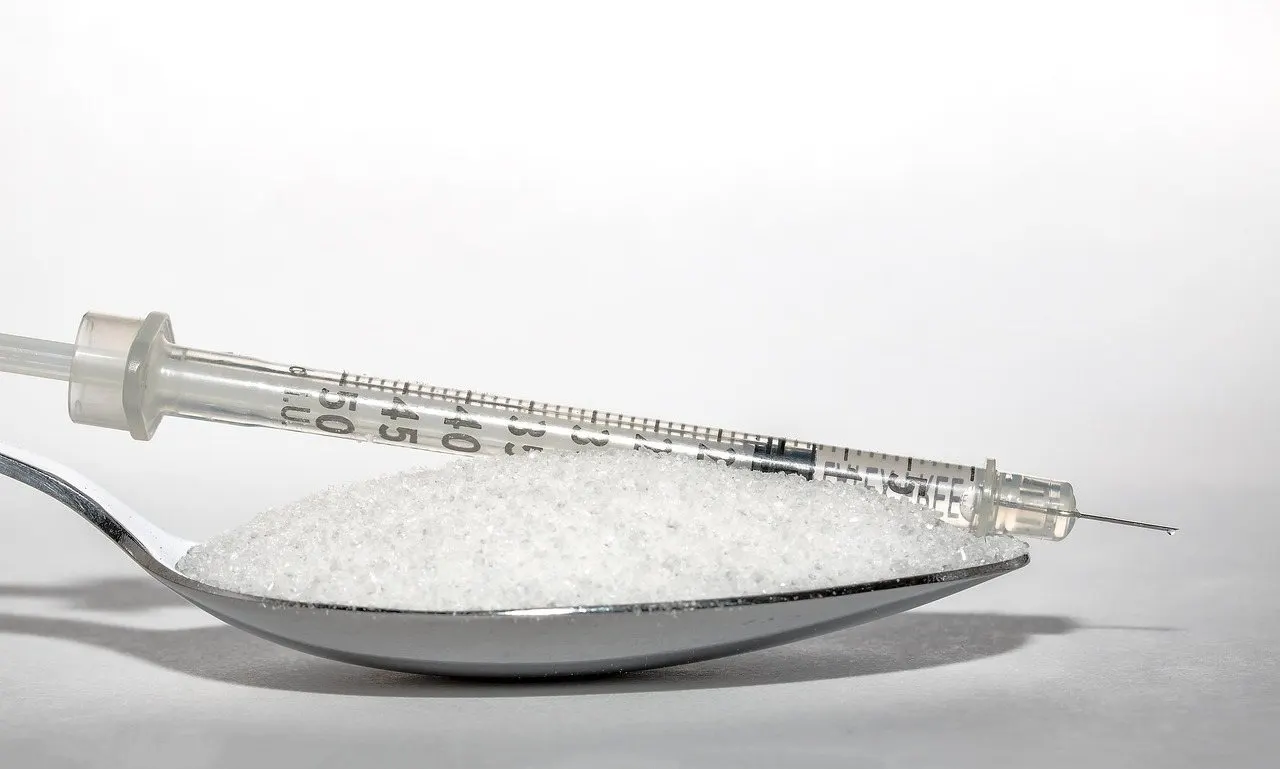
People with type 1 diabetes must take insulin every day because their own bodies do not make enough of it. Many check their sugar often and give themselves shots to stay in a safe range. The routine never really stops, and it follows them to school, to work and on holiday. A missed dose or a wrong dose can leave a person feeling shaky, tired or unwell. That daily burden is why scientists keep looking for a quieter treatment. Read about the miniature pancreas made from living cells.
Inside the Insulin Implant: Living Cells That Make Insulin

The new device is a small implant that holds living pancreatic islet cells and releases insulin from inside the body. The idea is simple to describe and hard to build. The cells must stay alive, stay safe from the immune system and get enough oxygen. MIT scientists designed the implant to solve all three problems at once. The insulin implant could free patients from daily injections if it works as well in people as in animals. See how frankincense oil blocked proteins in melanoma cells.
The Pancreas Cells That Release Insulin When Sugar Rises

Islet cells are tiny clusters in the pancreas that sense sugar in the blood and release insulin in response. In type 1 diabetes the immune system destroys these cells, so the body loses its natural way to control sugar. The MIT device carries healthy islet cells inside a protective case, and those cells do the sensing and releasing instead. It is a living treatment, not a machine that copies the job. The cells respond on their own as sugar rises and falls. Learn about living cells shaped into a tiny pancreas.
How the Insulin Implant Hides Cells From the Immune System
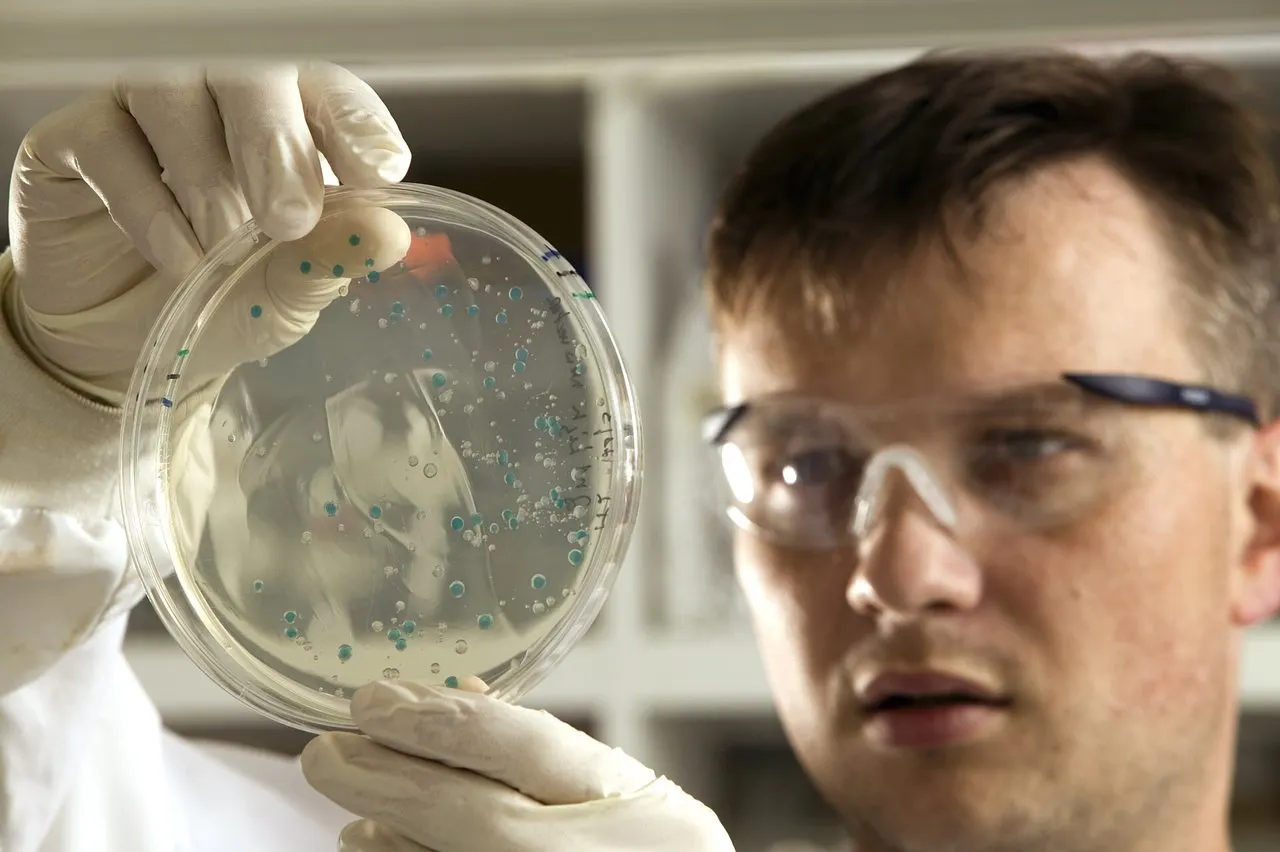
The immune system normally attacks anything it sees as foreign, and donated cells are no exception. That is why transplants often need drugs that weaken immunity. The insulin implant avoids that problem by sealing the islet cells behind a barrier that lets insulin out but keeps immune cells away. The cells stay protected while their insulin passes through to the body. It is a quiet shield, and it may let patients skip the strong drugs that transplants usually require. Read about a cancer treatment that uses targeted sound waves.
A Tiny Oxygen Generator Keeps the Cells Alive

Living cells need oxygen the way a fire needs air. Without it they weaken and die, and an implant deep in the body has no easy supply. MIT solved this with a tiny oxygen generator built into the device. It makes oxygen on the spot, right where the cells live. The generator fits inside the implant and runs without any tubes to the outside. That self contained supply is what lets the cells keep working for months. See sound waves that break down tumors.
The Insulin Implant Splits Water Vapor to Make Oxygen
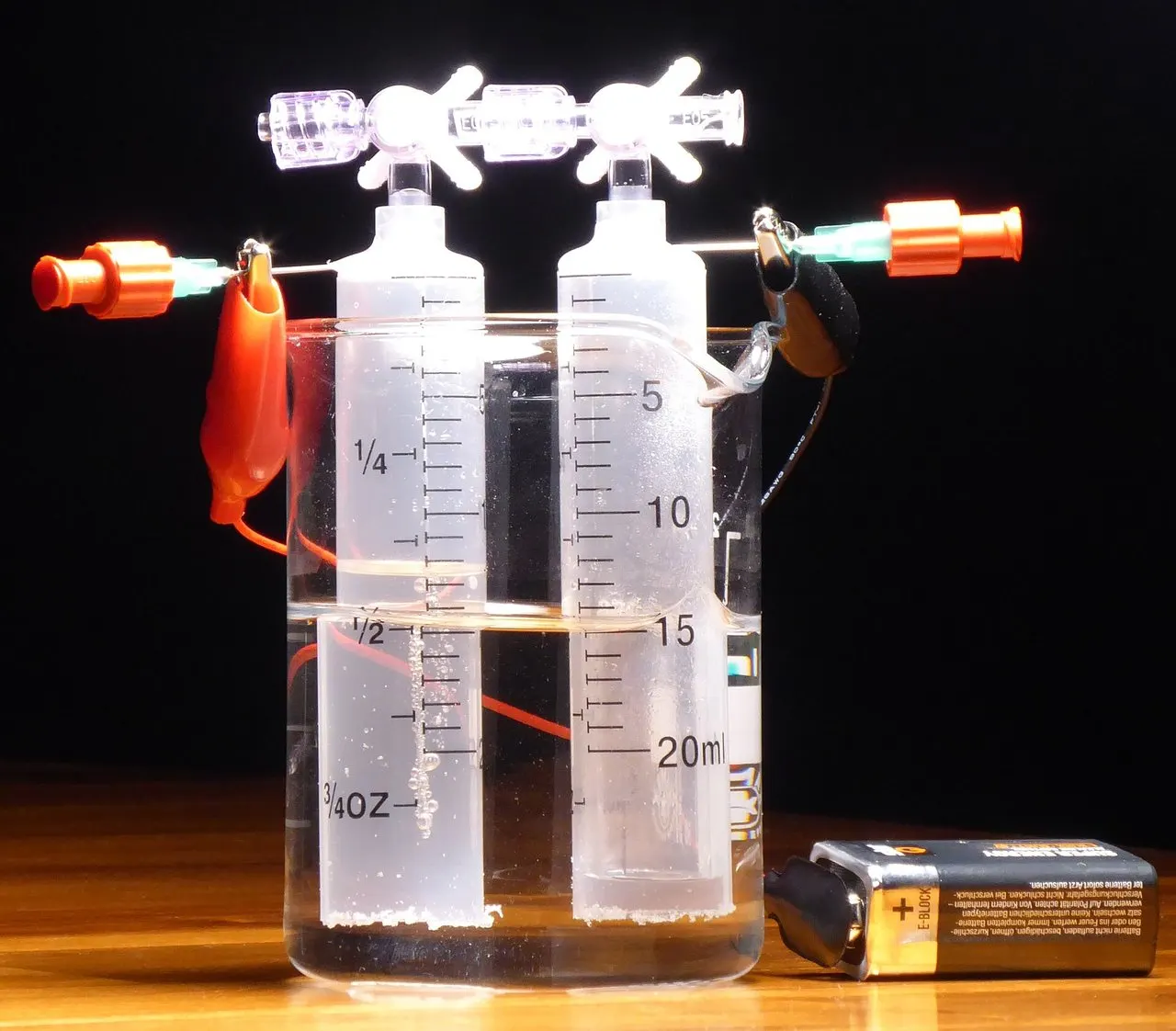
The oxygen generator uses a proton exchange membrane to split water vapor inside the body into hydrogen and oxygen. The hydrogen drifts away harmlessly while the oxygen flows to the insulin making cells. It is the same chemistry that splits water in a lab, shrunk to fit inside a medical device. The insulin implant therefore carries its own air supply wherever it goes. No refills and no outside tank are needed, which keeps the design simple. Read about the lab study on frankincense oil and cancer cells.
Wireless Power Through an Antenna on the Skin
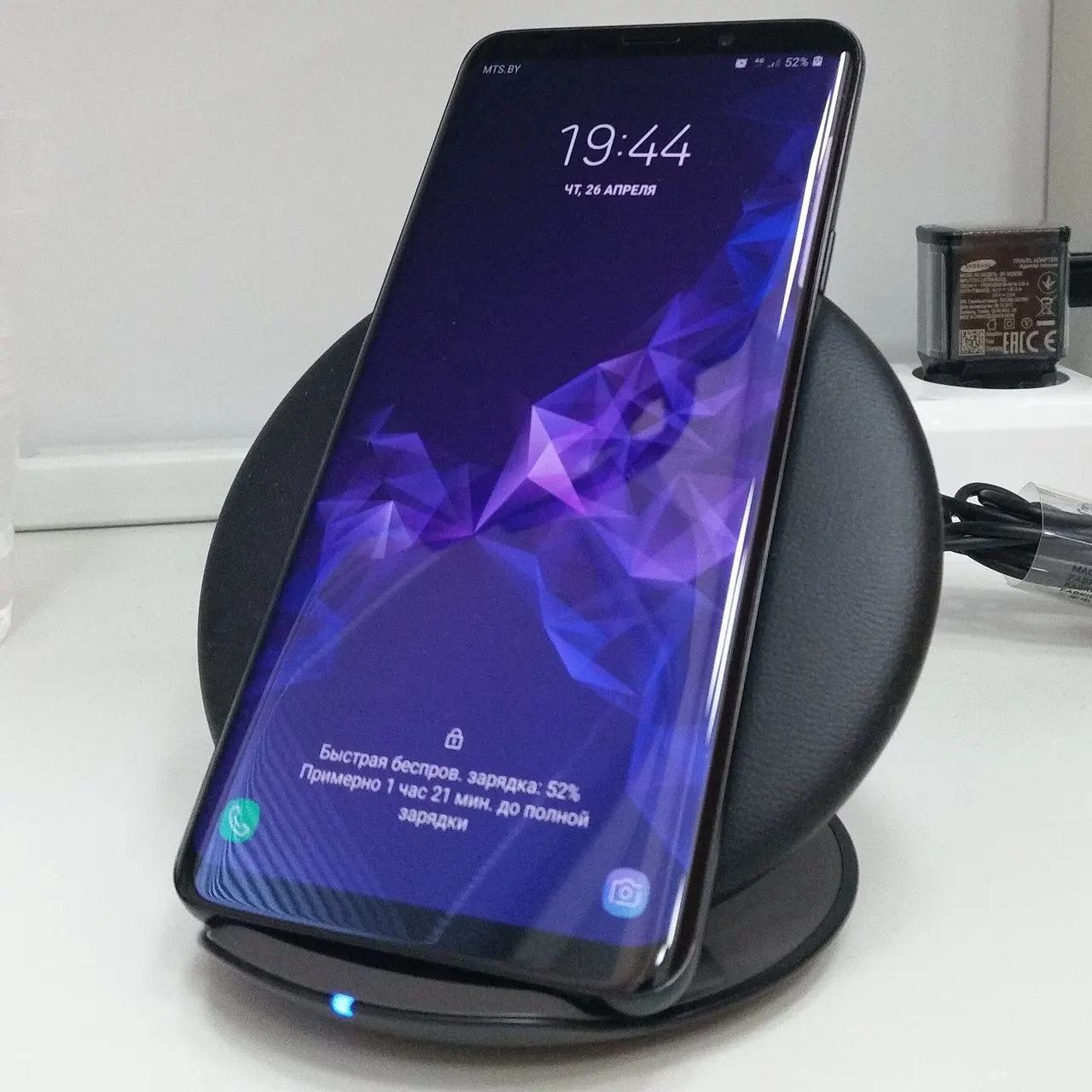
The implant also needs power, and MIT gave it a wireless supply. An external antenna sits on the skin and sends energy through to the device without any wires passing through the skin. That matters because wires can bring infection and make daily life harder. Wireless power lets the implant stay sealed and clean inside the body while still receiving what it needs. Patients would only need to keep the small antenna in place. Learn about leave approved without a single question.
The Insulin Implant Worked for 90 Days in Mice and Rats
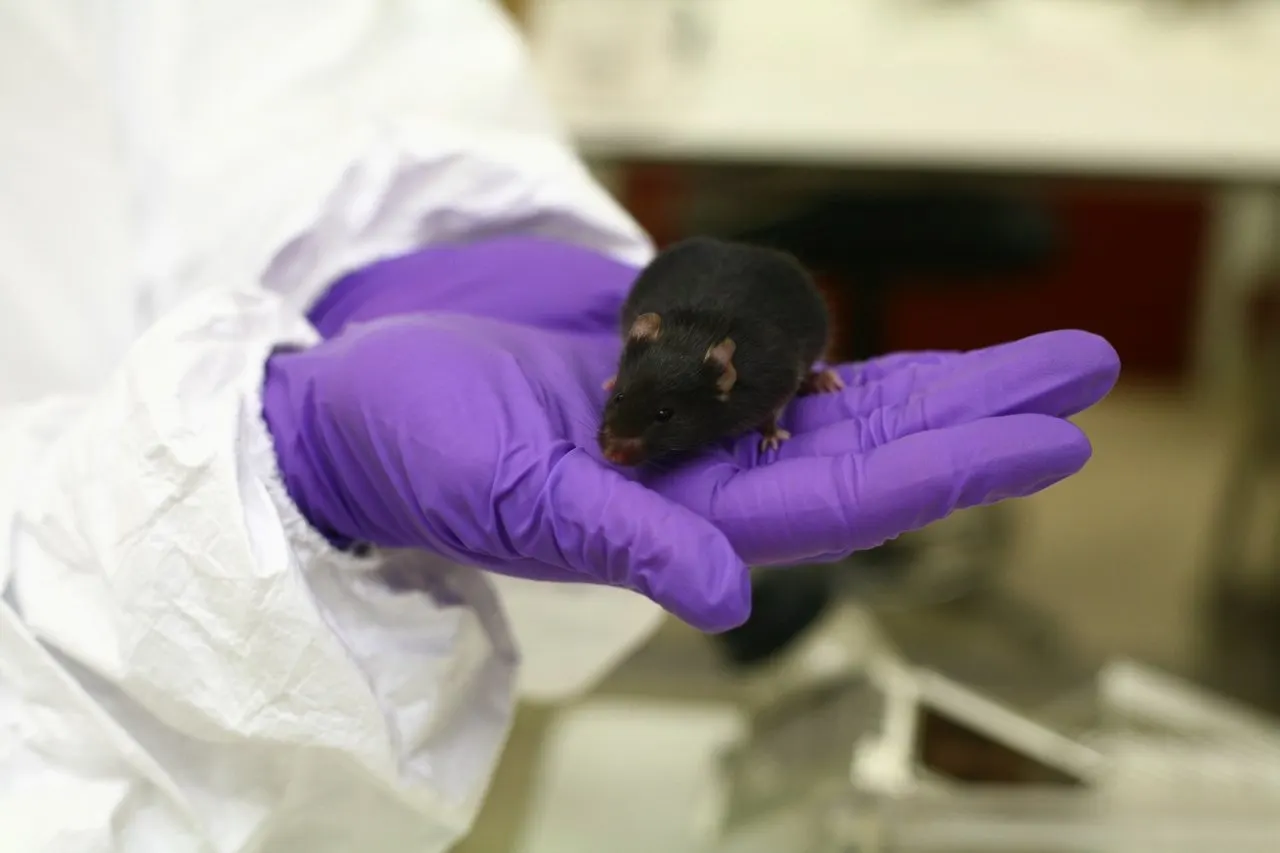
In the latest study the implanted cells stayed functional for at least 90 days in mice and rats. That is three months of steady work from cells inside a small device. The animals received enough insulin to keep their sugar in a healthy range, the result doctors want. Ninety days beats a single shot by far, and it shows the cells can survive and work in a living body. The next goal is to make that stretch much longer. Read about the Michigan sound wave treatment for tumors.
Keeping Sugar in a Healthy Range Without Daily Shots
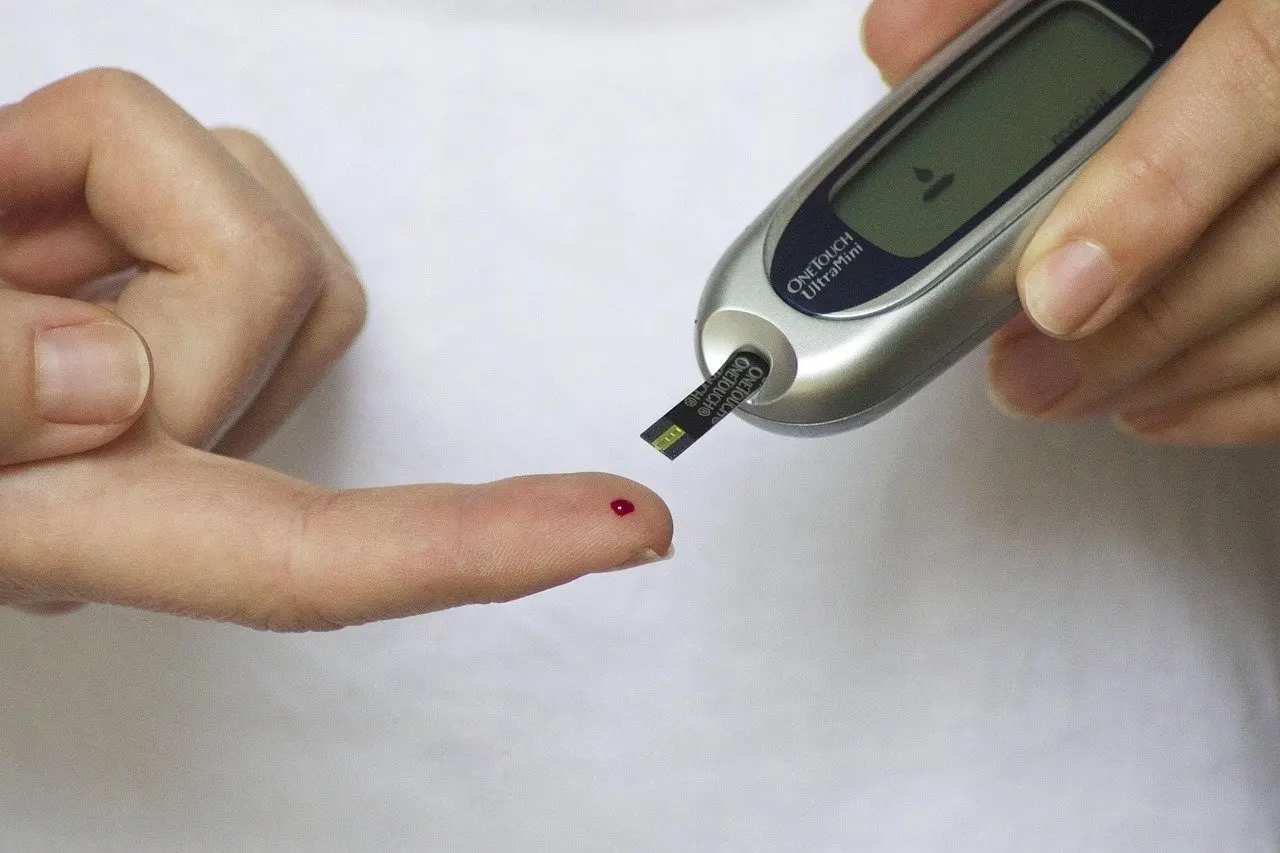
Keeping sugar in a healthy range is the heart of diabetes care. High sugar over time can damage eyes, kidneys, nerves and the heart, while low sugar can cause confusion and fainting. The implant aims to smooth out those swings by releasing insulin as the body needs it, much like a healthy pancreas would. In the animal tests the cells produced enough insulin to hold sugar steady. That steady control is what could change daily life for patients. See the gratitude story about faithful daily choices.
The Insulin Implant Builds on MIT Work From 2023
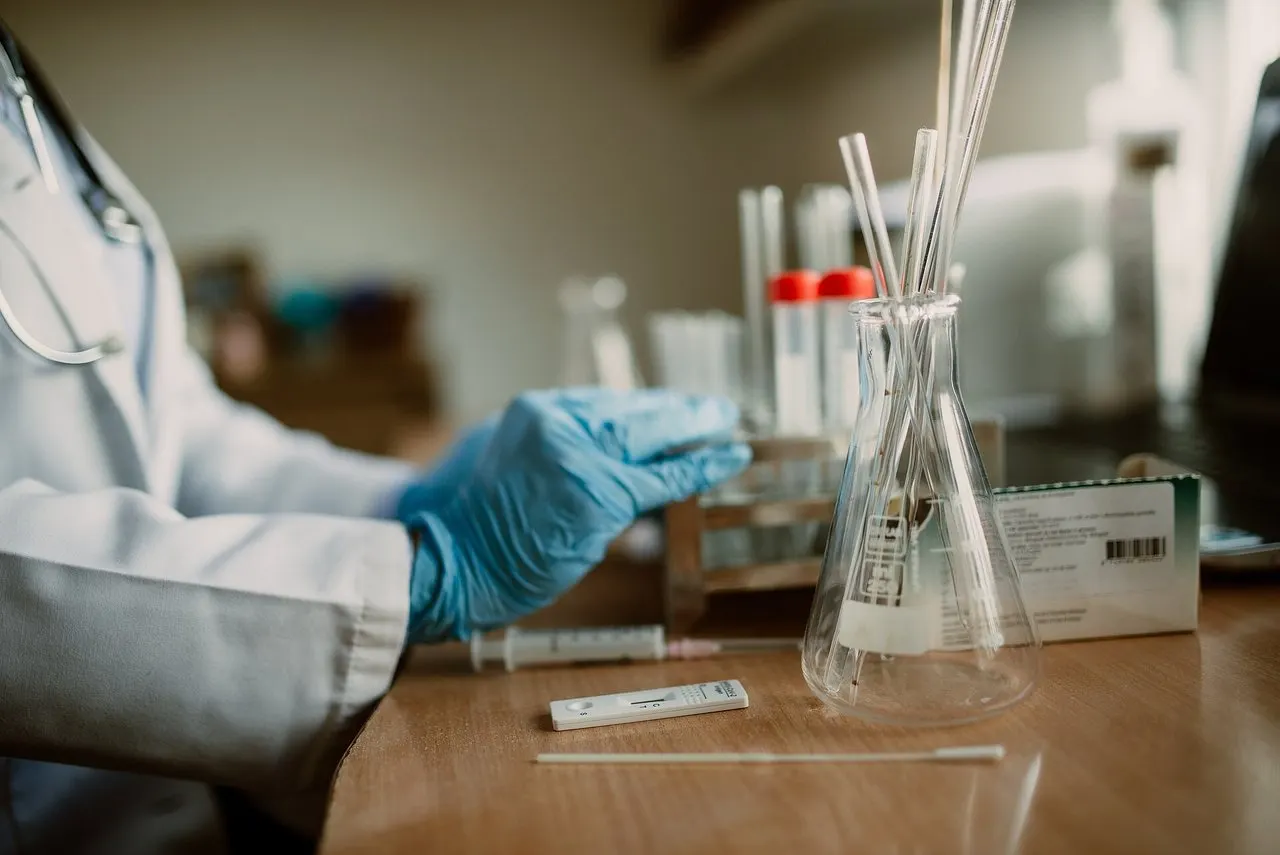
This device builds on MIT work from 2023, when the team first showed an oxygen generating implant could keep cells alive. The new version goes further, with better cells and longer animal tests. Science often moves this way, one careful step at a time, each study fixing the weak points of the last. The insulin implant is the latest step in that slow climb. It shows how years of lab work can become a device that may one day help patients. Read about the second Michigan study on sound wave therapy.
Stem Cell Islets Offer a Second Source of Cells
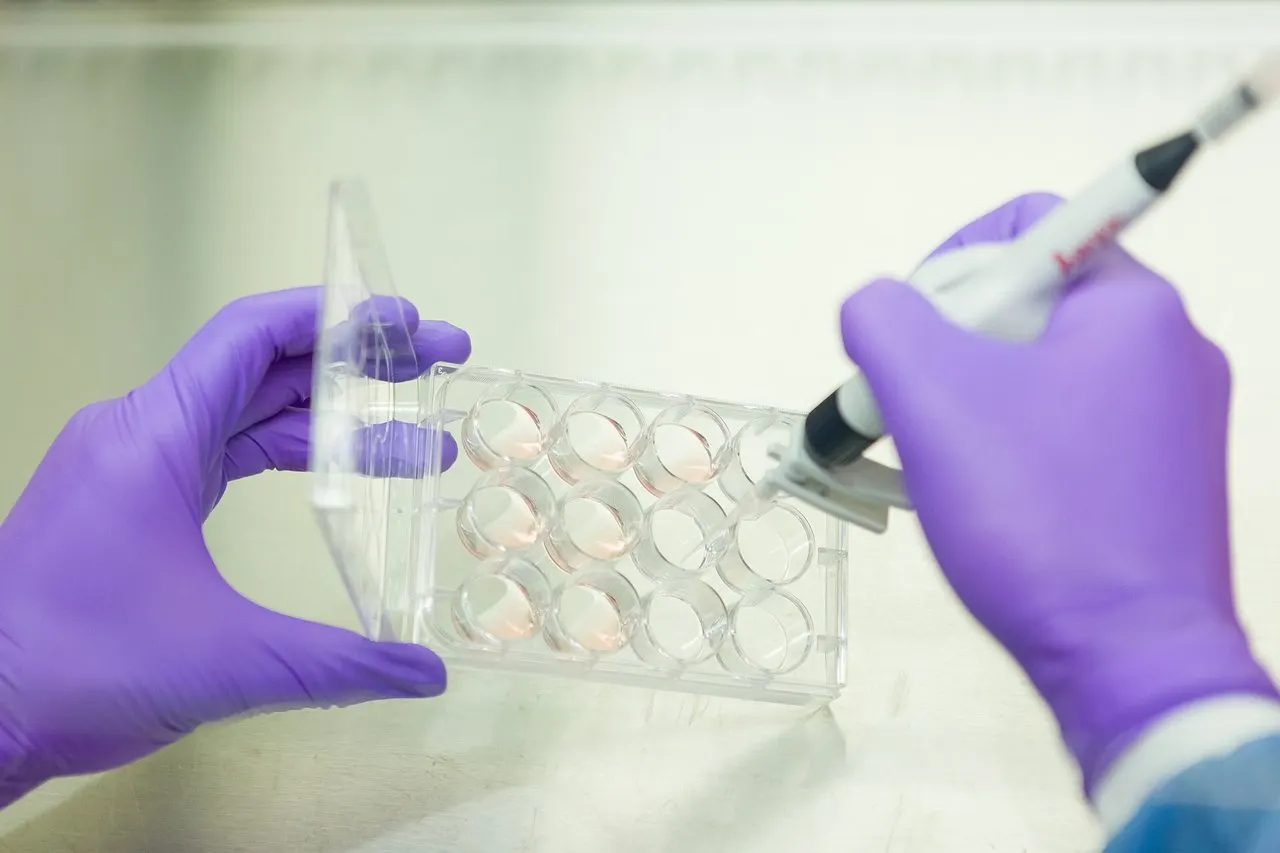
The team also tested islet cells grown from induced pluripotent stem cells. These are adult cells reprogrammed back to a flexible state, then guided to become insulin making cells. Stem cells could solve the shortage of donor cells, since they can be grown in the lab in large numbers. That would matter a lot if the treatment ever reaches many patients. A lab grown supply means no waiting for a donor pancreas. See why the best day could be weeks away.
Partial Control From Stem Cells Shows Promise and Limits
The stem cell islets achieved some control of sugar, but they did not fully reverse diabetes in the animals. That is an honest result, and it tells the team what to improve next. The cells worked, yet not strongly enough to do the whole job alone. Researchers will keep refining how the cells are grown and how many are placed in each implant. A partial success in science is still progress, and it points the way forward. Learn about what the Optimus robot could do at home.
The Goal for the Insulin Implant: Two Years or Longer

The team now hopes to extend the life of the implant to two years or longer. Two years without daily injections would be a major change for anyone with type 1 diabetes. It would mean fewer shots, fewer alarms and fewer worries about sugar swings. Reaching that goal will take more animal tests, careful safety checks and better cell supplies. The researchers are aiming high, and they know the road ahead is long. Read about the debate over data center water use.
The Long Road From Animal Tests to Human Trials

Before any person receives this device, it must pass through years of safety testing and human trials. Animal results are a strong start, but human bodies are more complex and every patient is different. Regulators will want proof that the implant is safe, that the cells stay healthy and that the device can be removed if needed. That careful process protects patients, even when it feels slow. The MIT team has said it hopes to explore human applications in time. See the story of rest at work.
The Insulin Implant Could Become a Protein Factory
The same idea could one day deliver other medicines from inside the body. Implanted cells can be taught to make useful proteins, turning the device into a small factory that works around the clock. Antibodies that fight disease are one example, and the team has named them as a future use. Instead of regular infusions at a clinic, a patient might carry the factory with them. That is a bold idea, and it grows straight out of this diabetes work. Read about why gratitude takes daily practice.
Antibodies, Enzymes and Clotting Factors From One Device
Enzymes and clotting factors are two more proteins the team mentions. Enzymes help the body run chemical reactions, and clotting factors help blood stop flowing after a cut. Some people are born without enough of these proteins and need regular treatment for life. An implant that makes them inside the body could ease that burden too. It is early to promise this, yet the science points in that direction. Learn about a hopeful look at hard days.
What Life Could Look Like With an Insulin Implant

Picture a morning without a shot, a school day without a nurse visit and a trip without packing insulin and needles. That is the life this research points toward. Patients could wake up, eat breakfast and go about their day while the implant quietly manages their sugar. Freedom from injections would not cure diabetes, but it would lift a heavy daily weight. For families who live with the routine, even a small break would feel huge. See the Tesla robot and its household chores.
Why Living Cells Need Oxygen to Keep Working
Oxygen is the quiet hero of this story. Cells without oxygen die quickly, and earlier implants failed because their cells starved. The MIT generator solves that by making oxygen from water vapor already present in the body. It is a neat trick, using what is there instead of carrying a tank. The same idea could help other cell treatments that struggle to survive inside the body. Keeping cells fed and breathing is the key to the whole approach. Read about how much water and power data centers use.
The Insulin Implant Compared With Pumps and Shots
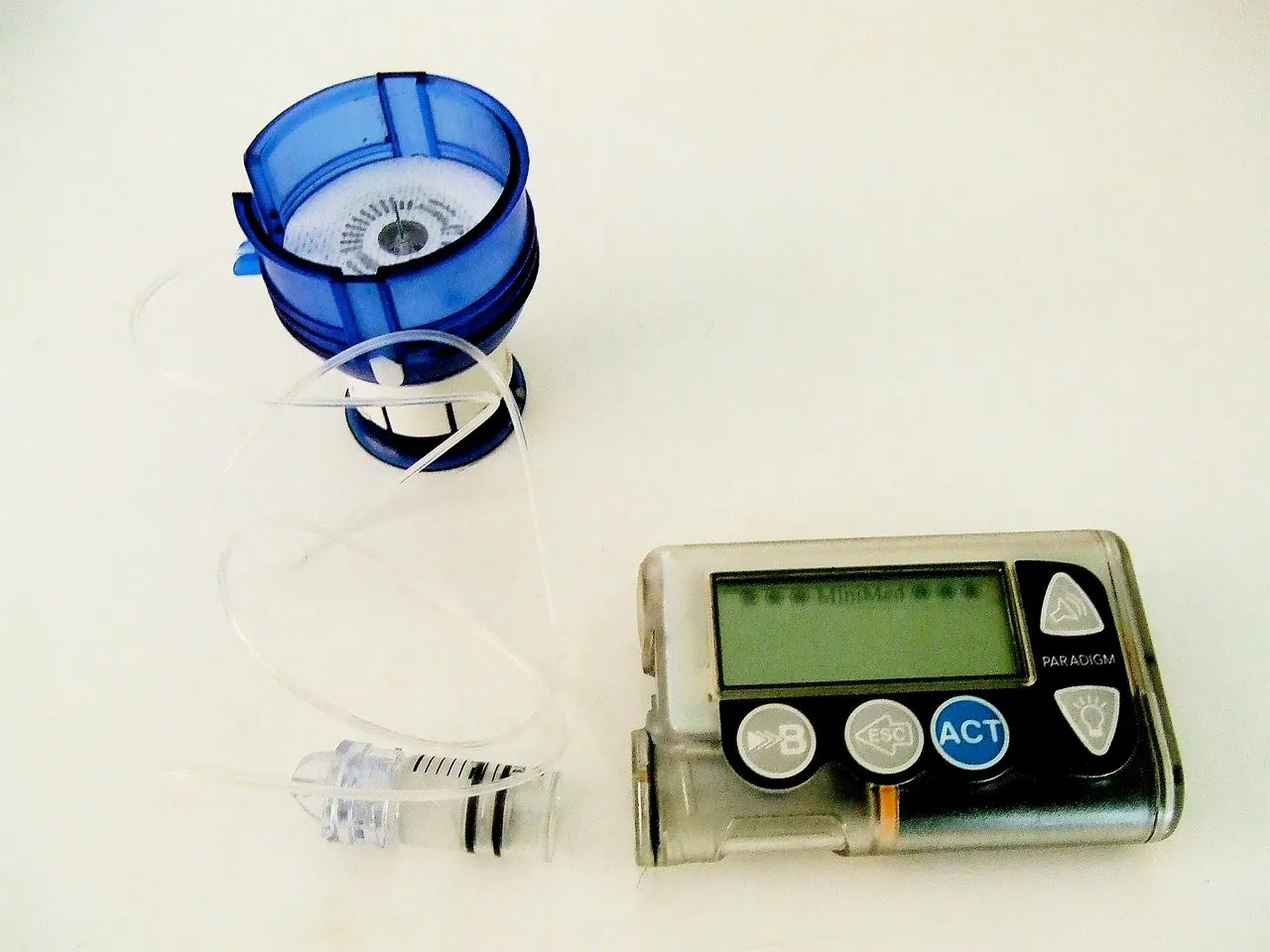
Insulin pumps already help many people, yet they still need refills, batteries and tubes on the skin. Daily shots need the same care and attention, every single day. An insulin implant would sit inside the body and work on its own, with no daily tasks for the patient. That difference is why the idea excites doctors and patients alike. It is not a better pump, it is a different kind of treatment entirely. Learn about small dairies racing to meet delivery demand.
What Researchers Still Need to Prove
Big questions remain before this device reaches patients. How long will the cells really last in a human body, and can the implant be replaced safely when they fade? Will the immune shield hold for years, and will the oxygen generator keep working without a fault? Researchers must also prove the device is safe if it leaks or moves. These are fair questions, and the team will need solid answers before trials begin. Read about Kevin Hart picking up his kids from school.
Would You Trust an Implant to Make Your Insulin?

Would you trust an implant to make your insulin for you, or would you rather keep the shots you know? The science is promising, and the animal tests give real hope, yet human trials are still ahead. If this device works in people, it could free millions from daily injections and open the door to living protein factories. What would you ask the MIT team first, and what would you want to know before trying it? Share your thoughts in the comments below. Read small blue prints for the home.