The Oligarchy Warning: One Man Owns More Than Half of America
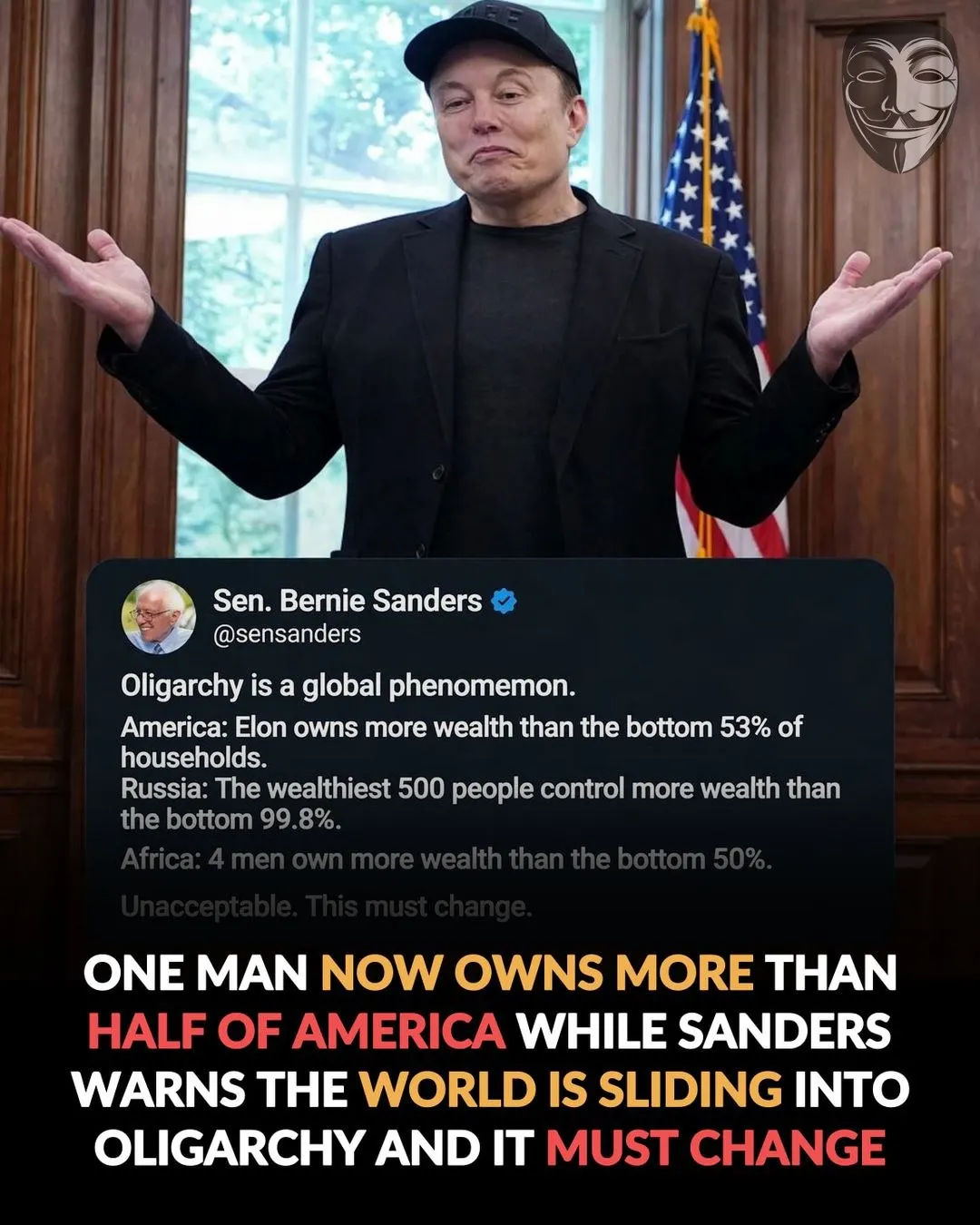
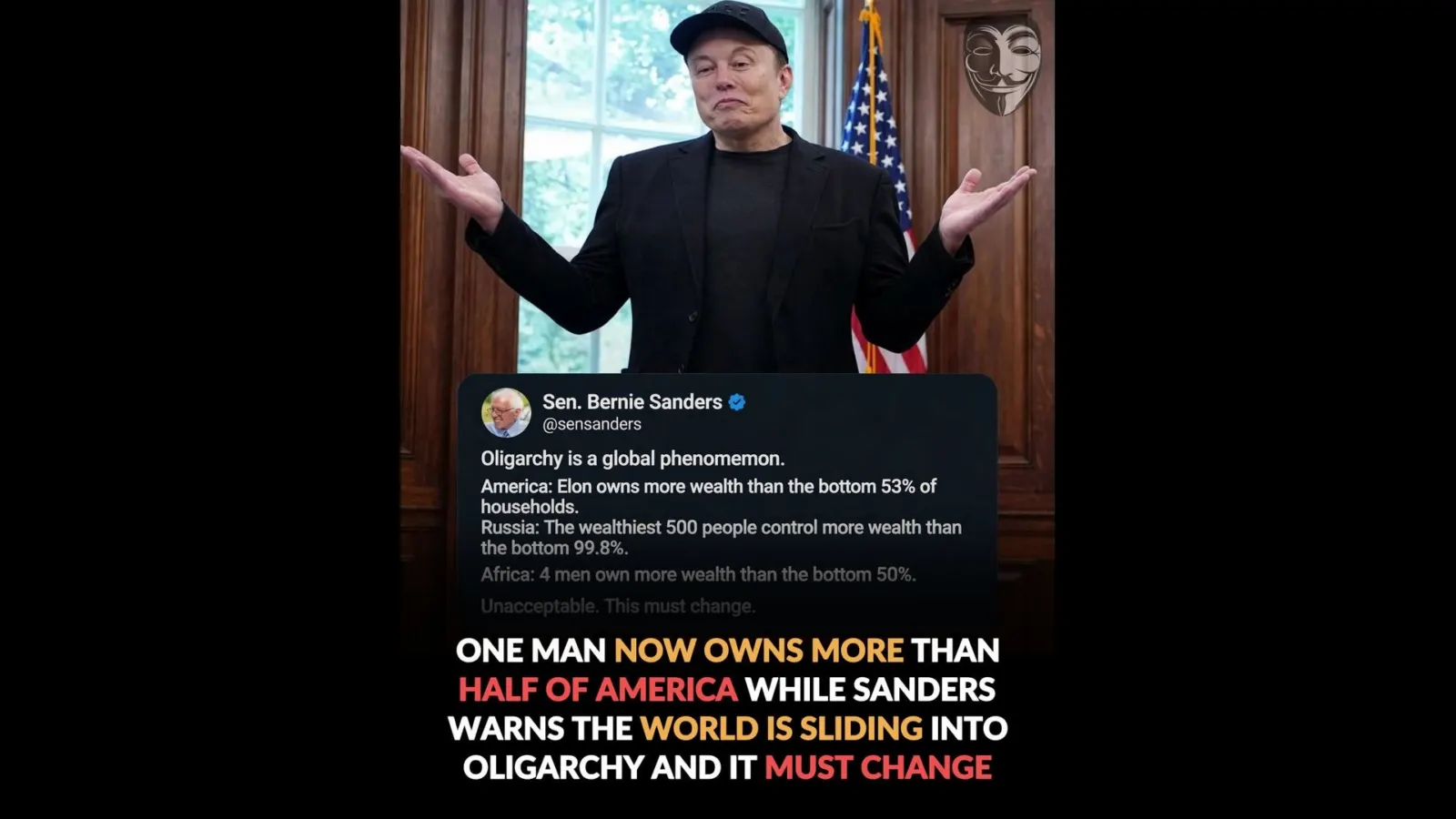
The oligarchy warning from Senator Bernie Sanders starts with a number that is hard to forget. He says Elon Musk owns more wealth than the bottom 53 percent of American households. That comparison turns a debate about billionaires into something every family can feel. When one person holds more than half the country combined, the gap stops being a chart and becomes a fact of daily life. Sanders shared the figures in a post that drew wide attention, and you can follow his earlier clash with Musk over election spending for more background.
Sanders says the same pattern shows up around the world, and the examples he gives are just as stark. In Russia, he says, the wealthiest 500 people control more wealth than the bottom 99.8 percent of their people. In Africa, just four men own more than the bottom half of the whole continent. He calls the picture unacceptable and says it must change. His answer is a wealth tax on billionaires and an economy that works for everyone, not just a few. The slides ahead walk through his numbers one by one, and they end with a question for you.
References:
Sanders Senate: No more excuses, Democrats must deliver
Black Star News: Newly Elected Democratic Majority Must Act With Bold Urgency Against Oligarchy
Finwire: The major incident of extreme wealth is the major problem of our time
United Times: Fortunes of 3,000 households expand to 17% of global GDP as inequality debate sharpens
The Oligarchy Warning in One Startling Number
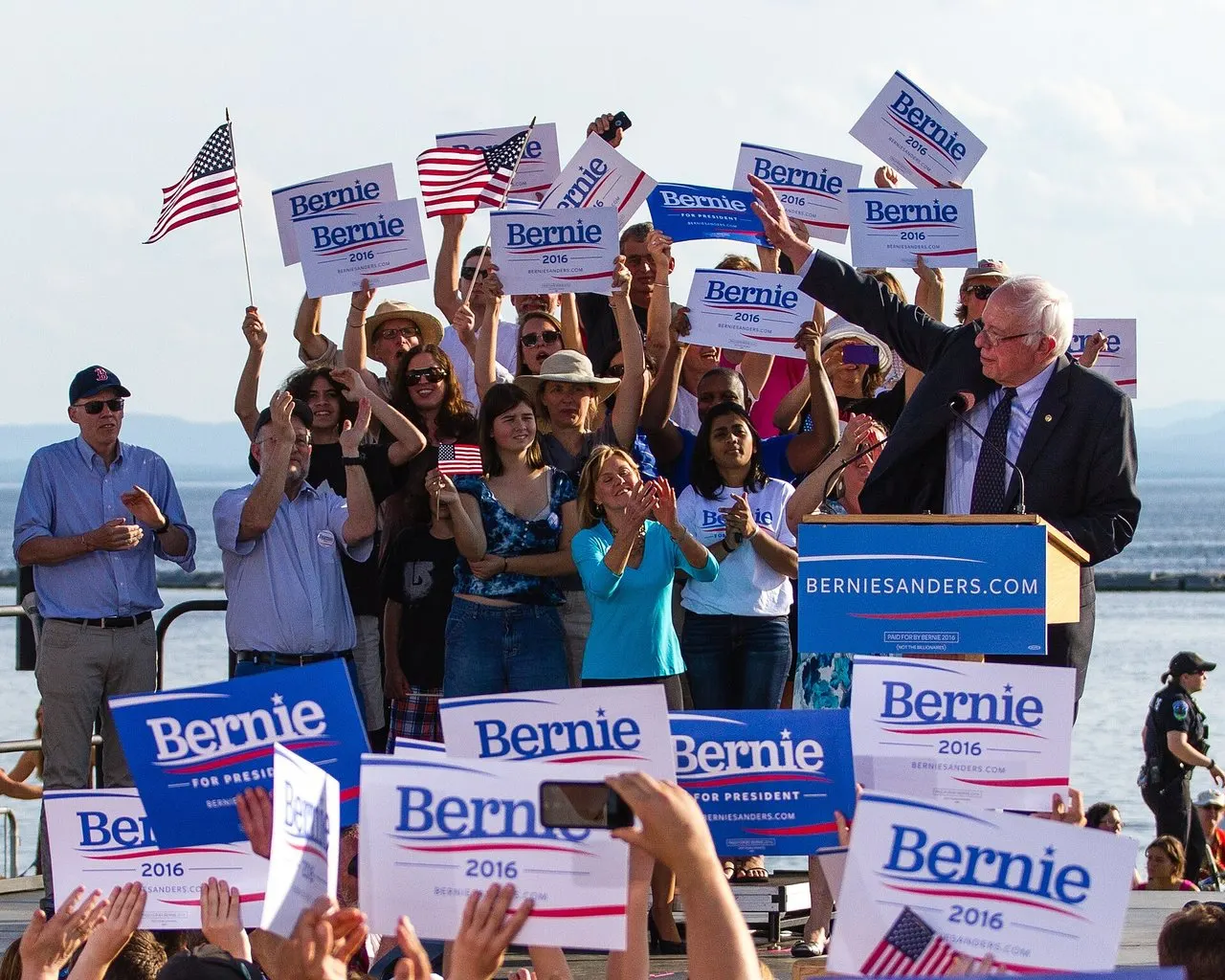
Start with the headline number, because it frames everything else Sanders says. Elon Musk, one man, owns more wealth than the bottom 53 percent of American households combined. That means if you gathered more than half of all households in the country, added up everything they own, and set it beside one fortune, the one fortune would still be larger. It is a strange picture, and it explains why the post spread so fast. For a closer look at Musk, read one critic’s case against Musk.
The Oligarchy Warning Behind the 53 Percent Figure
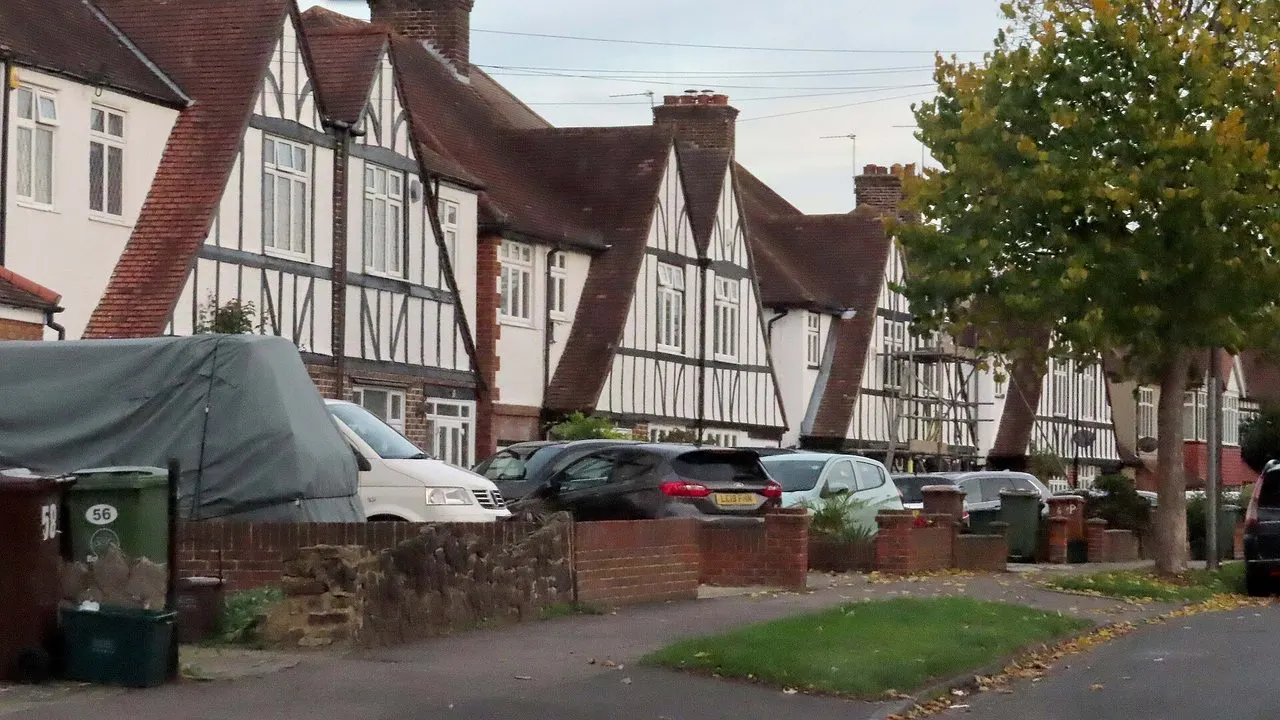
The number 53 percent covers more than half of all American homes, from small flats to family houses on quiet streets. It includes young workers saving for a first home, parents paying for school and care, and older people living on savings built over a lifetime. Together, all of them own less than one man. That is the point Sanders wants people to sit with, and it is why he keeps repeating the figure. You can see the contrast in the life of Musk’s daughter Vivian Wilson.
The Top 1 Percent Owns More Than the Bottom 93 Percent

The second number in the post is even wider. Sanders says the top 1 percent of Americans owns more wealth than the bottom 93 percent. In other words, a tiny slice at the top holds more than nearly everyone else put together. The gap is not about a single rich person. It is about a whole layer of society pulling away from the rest. Read more in Musk and the MAGA question.
The Oligarchy Warning Reaches Around the World
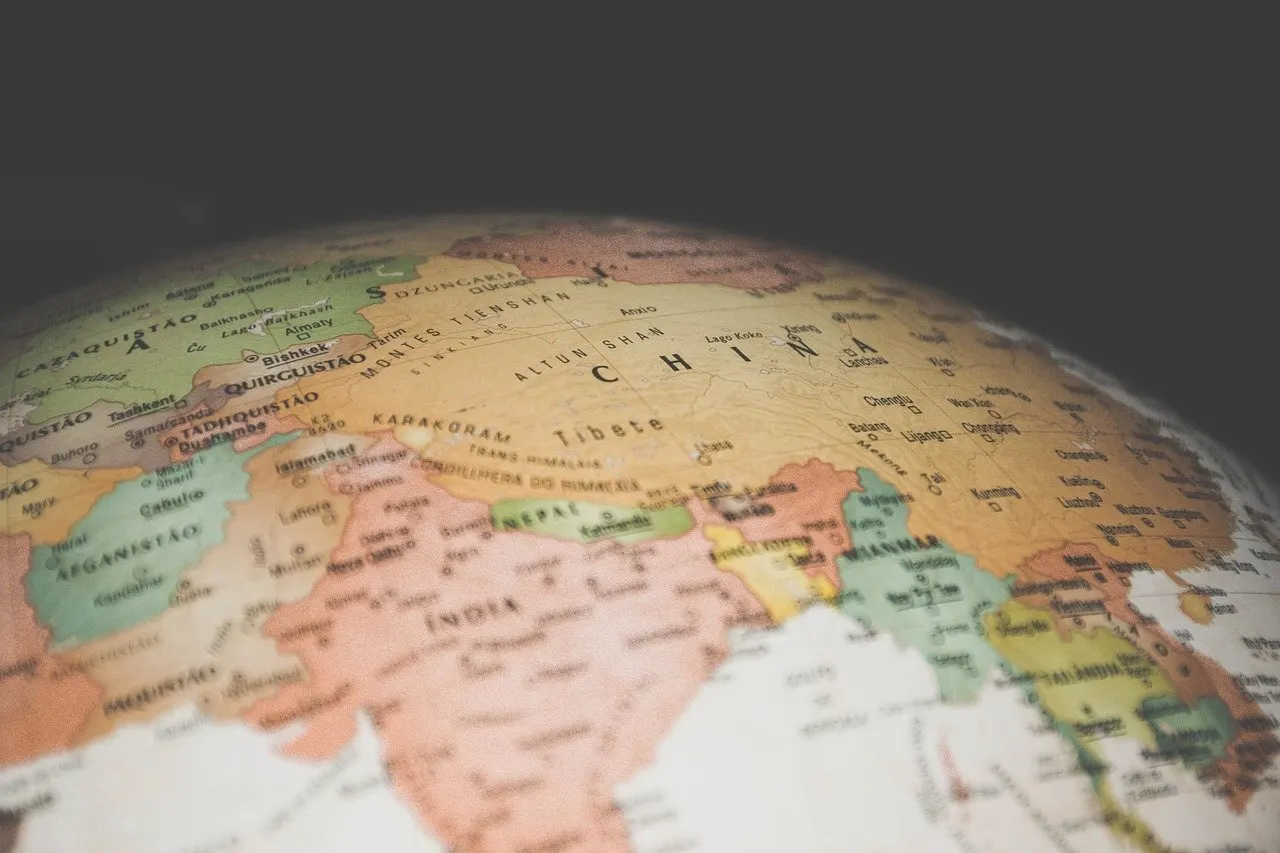
Sanders does not present this as an American problem alone. He calls oligarchy a global pattern, and he points to other countries to make the case. The same shape shows up in very different places, with different histories and different economies. That is why he says the world is sliding in the same direction, and why he believes the answer has to be bigger than one country. See a speech in Lagos about Africa rising.
In Russia, 500 People Hold More Than 99.8 Percent

In Russia, Sanders says, the wealthiest 500 people control more wealth than the bottom 99.8 percent of the population. That leaves almost everyone in the country sharing a smaller slice than a group small enough to fit in a single hall. It is a stark example of how fast wealth can pile up at the top when a few people control the levers of an economy. This oligarchy warning is about that shape, not about one country alone. Read the report on Putin and Iran.
In Africa, Four Men Own More Than Half a Continent
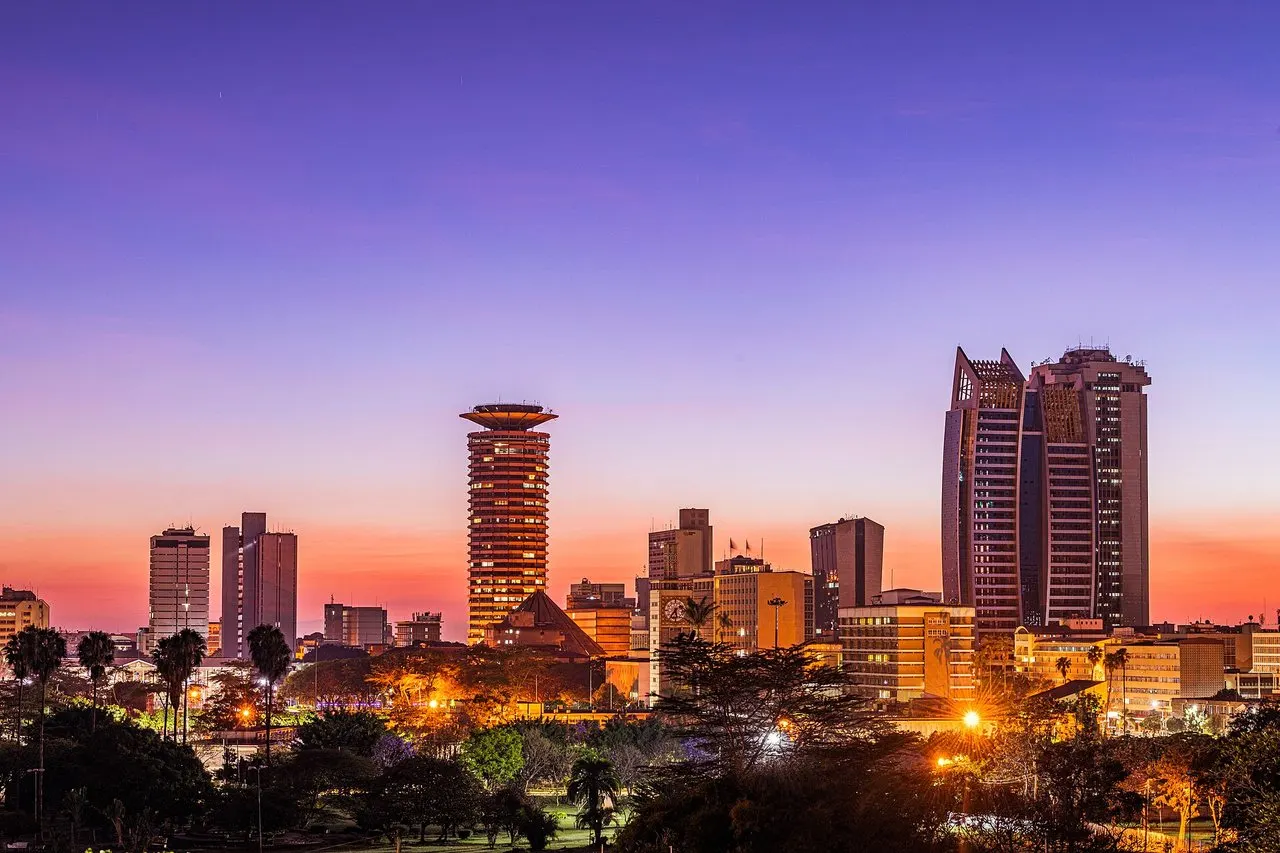
The African example is just as sharp. Sanders says four men on the continent own more wealth than the bottom half of all Africans. Four lives, set against hundreds of millions of people, and the four come out ahead. The figure lands hard because it is so simple. It needs no chart and no long speech to understand. For more on the continent, read a speech in Lagos about Africa rising.
The Oligarchy Warning Comes With a Wealth Tax Plan

Sanders does not only describe the problem. He says it must change, and he points to a wealth tax on billionaires as a first step. The idea is simple: people with very large fortunes would pay a yearly tax on that wealth, and the money would help fund services that everyone uses. Supporters say it would trim the gap at the top. Read his four year plan for Medicare.
An Economy That Works for Everyone
Alongside the tax, Sanders talks about an economy that works for everyone, not just a few. That phrase covers jobs that pay enough to live on, health care people can reach, and schools that give every child a fair start. It is a broad promise, and it is meant to answer a broad problem. When wealth piles up at the top, he argues, daily life gets harder at the bottom. See Peltola’s historic win in Alaska.
Who Is Bernie Sanders
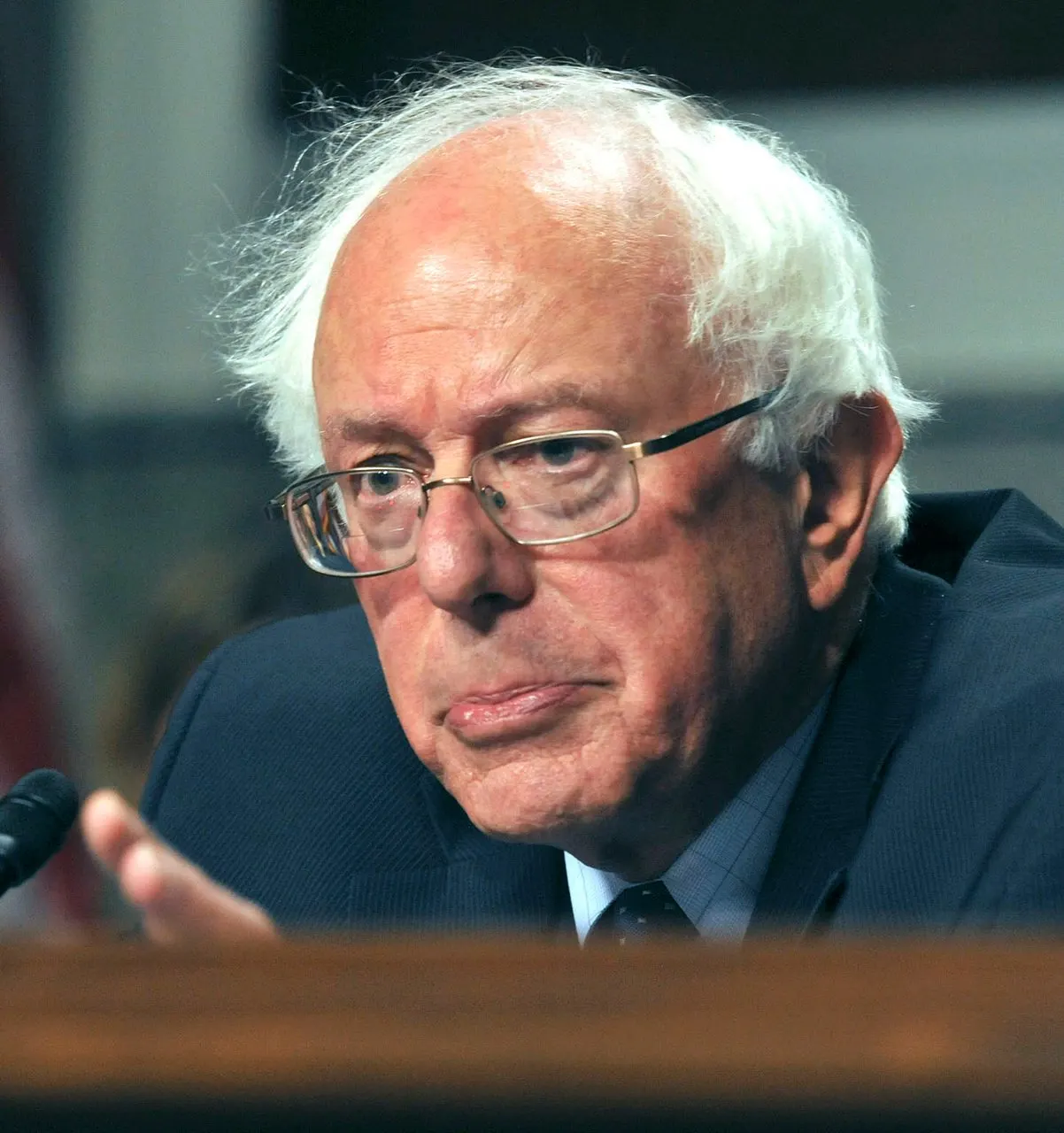
Bernie Sanders is a United States senator from Vermont, and he has spent decades in Congress speaking about inequality. He calls himself an independent, and he has built his public life around the idea that working people deserve a larger share of what the country produces. His posts often use plain numbers to make the case, and this one is no different. Read the first Alaska Native senator.
Who Is Elon Musk

Elon Musk leads the electric car maker Tesla and the rocket company SpaceX, and he is one of the richest people in the world. His fortune comes from companies that build cars, launch rockets and sell new kinds of technology. Supporters praise him as a builder who takes big risks. Critics say his wealth shows how far the system bends toward a few. See the Optimus robot and its promise.
How Wealth Gets Counted in the Oligarchy Warning
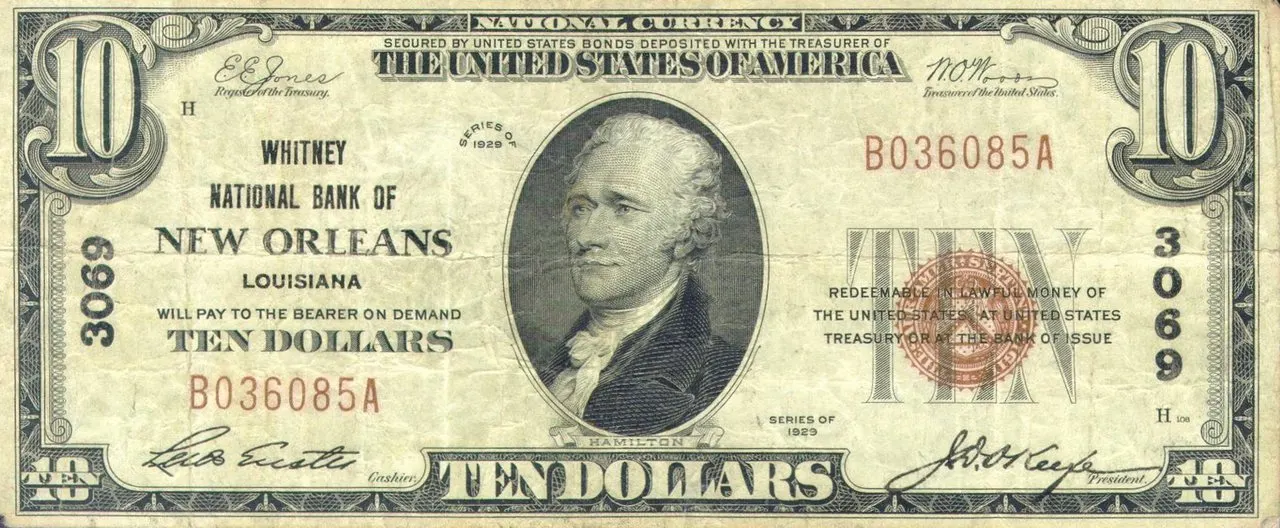
Wealth is not the same as income. Income is what a person earns in a year, while wealth is what they own after debts are taken away. It includes homes, savings, shares and businesses, minus loans and bills. That is why one fortune can pass half a country: a fortune is a lifetime of assets piled up, while many households own little beyond a home and a car. Read his daughter splits rent with three roommates.
What the Oligarchy Warning Means by Oligarchy
Oligarchy means rule by a small group, and in modern use it often means rule by the very rich. The word comes from old Greek, where it described a few people holding power over many. Sanders uses it to argue that great wealth turns into great influence, and that influence then protects the wealth. The cycle is the heart of his warning. See Poland and its border defense.
The Squeeze on the Middle Class

For most families, the gap shows up in ordinary bills. Rent, food, transport and care take a larger share of each pay packet, while savings grow slowly or not at all. A household can work hard every week and still feel further from owning a home. That squeeze is what makes a number like 53 percent feel personal. Read the life of Musk’s daughter Vivian Wilson.
Dinner Tables Feel the Gap First

The dinner table is where many families first feel the gap. Prices at the shops set the menu, and a tight budget means simpler meals and fewer treats. Parents juggle the weekly shop against bills that cannot wait, and children notice the choices even when no one explains them. It is a quiet kind of pressure, felt every evening. See a Thanksgiving message about peace.
Housing Shows the Divide Clearly

Housing is one of the clearest signs of the divide. A home is the largest thing most families will ever own, and its price decides where children grow up and which schools they attend. When prices climb faster than pay, ownership slips away from young families. That is why Sanders links wealth to daily life, not just to charts. Read his interest in island development.
Work, Wages and the Oligarchy Warning

Workers make the goods, drive the trucks, staff the shops and care for the sick, yet their share of the wealth stays small. Wages pay the bills, but they rarely build a fortune, because most of each pay packet is spent at once. Wealth grows instead through assets that rise in value while their owners sleep. This oligarchy warning is about that split between work and wealth. See the criticism of Musk and his companies.
Billionaires, Elections and Big Spending

Money also shapes elections. When a billionaire can spend huge sums on campaigns and messages, ordinary voters can feel drowned out. Sanders has argued for years that very large election spending gives the rich an outsized voice, and he has called for an end to super PACs. The debate is about who gets heard when the voting starts. Read his fight over Musk and election spending.
A Closer Look at Russia in the Oligarchy Warning

Russia offers the sharpest foreign example in the post. Five hundred people there hold more than the bottom 99.8 percent of the population, a gap that leaves almost a whole nation behind a tiny group. The figure fits Sanders’s global point: the pattern does not depend on one system or one history. Wherever wealth gathers at the top, the same shape appears. See questions about Trump and Putin.
A Closer Look at Africa and Its Four Men
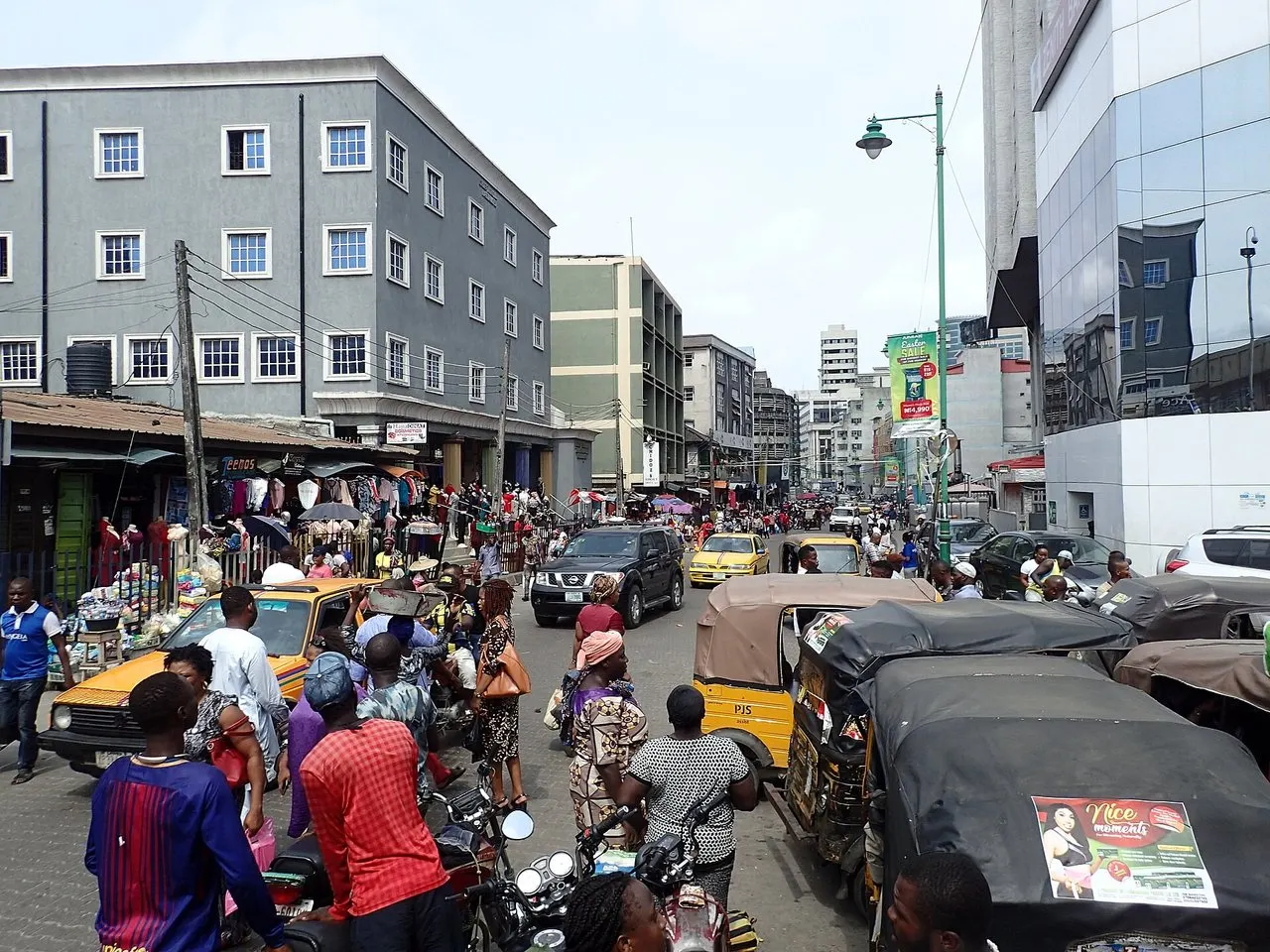
Africa’s example is built on the same shape. Four men own more than the bottom half of the continent, a comparison that spans hundreds of millions of lives. The number is simple, and that is why it travels so well in a short post. It asks readers to picture four fortunes beside half a continent and to decide what that means. For more, read the call for Africa to rise.
What a Wealth Tax Would Actually Do
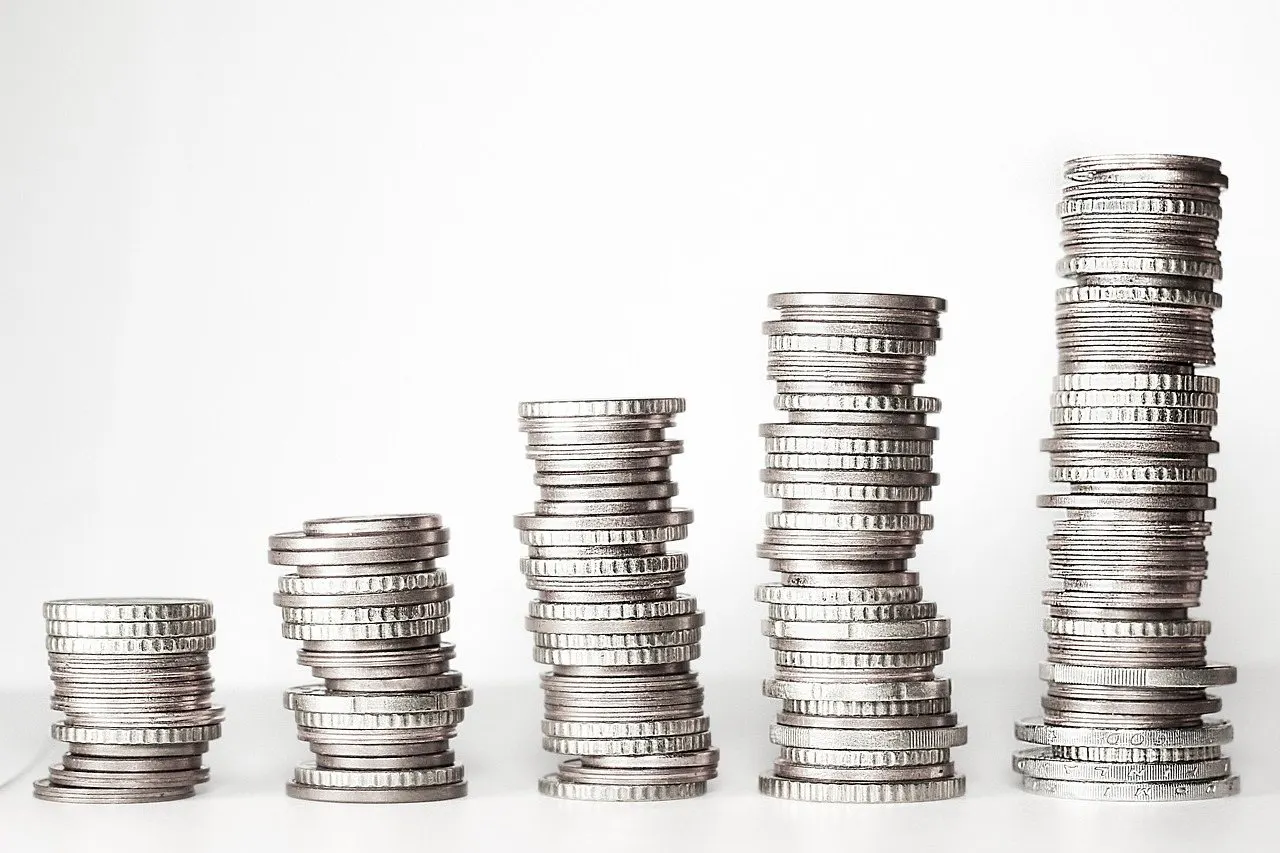
A wealth tax would ask people with very large fortunes to pay a share of that wealth each year. The money raised could help pay for health care, schools and other services that reach everyone. Supporters say the tax would slow the growth of giant fortunes without touching ordinary savers. Critics say it would be hard to value some assets fairly. See what America spends on schools.
Other Countries Have Tried Taxing Great Wealth
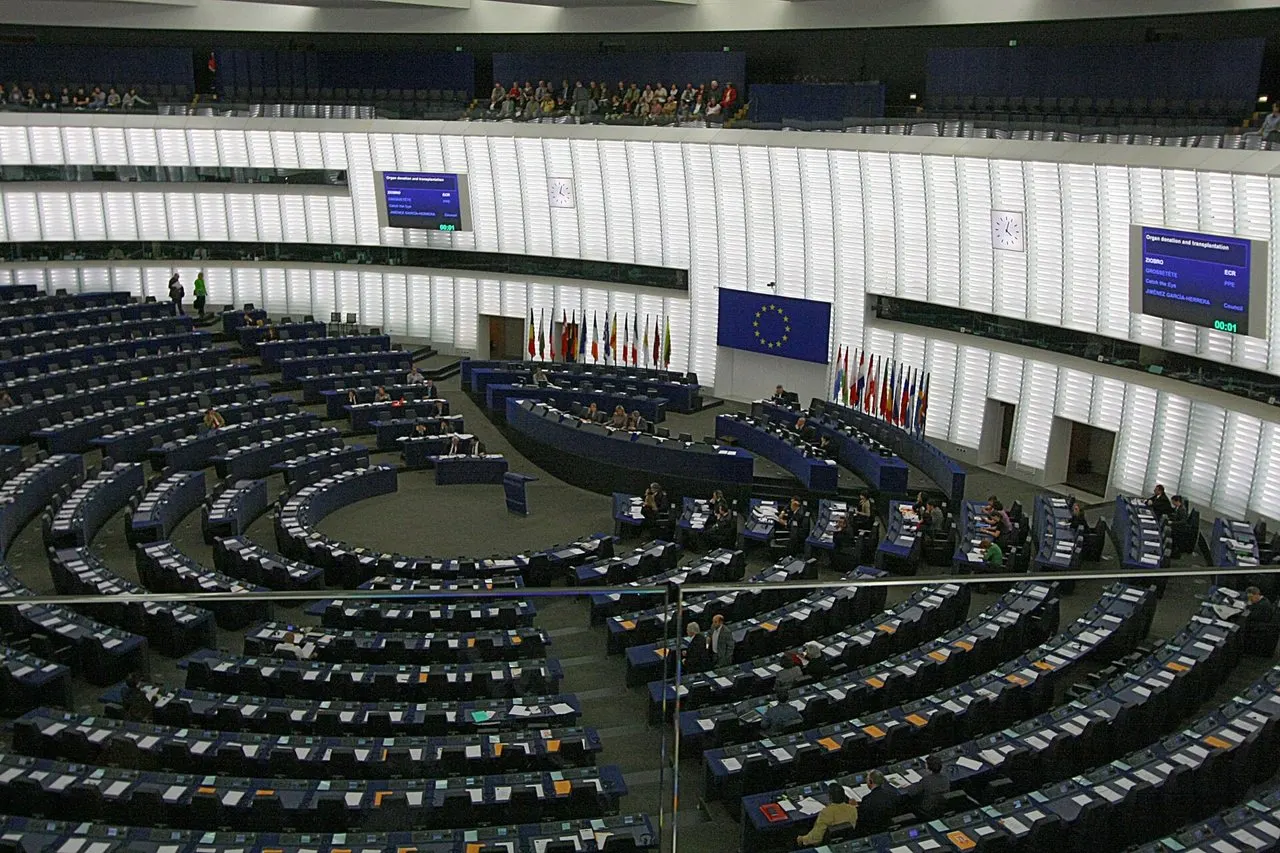
Other countries have tried versions of a wealth tax, and each version worked differently. Some taxed only the largest fortunes, while others set the bar lower and later dropped the idea. The record is mixed, and both sides of the debate point to different cases. What is clear is that the idea is not new, and it keeps returning whenever the gap grows. Read the first trilateral meeting.
Why Sanders Says the Oligarchy Warning Must Lead to Change

Sanders calls the picture unacceptable, and he says it must change. Those two short phrases carry the whole post. The first is a judgment about fairness, and the second is a call to act. He does not ask readers to admire the numbers. He asks them to decide whether a world shaped this way is one they accept. See Sanders on Musk and super PACs.
What Ordinary People Can Do Next

Ordinary people are not powerless in this story. They can vote, attend town hall meetings, ask candidates where they stand, and share the numbers with friends and family. Change in a democracy starts with people who pay attention and then act on what they learn. A single post cannot fix a gap, but it can start a talk. See the First Lady’s call for peace.
Supporters Say the Numbers Speak for Themselves
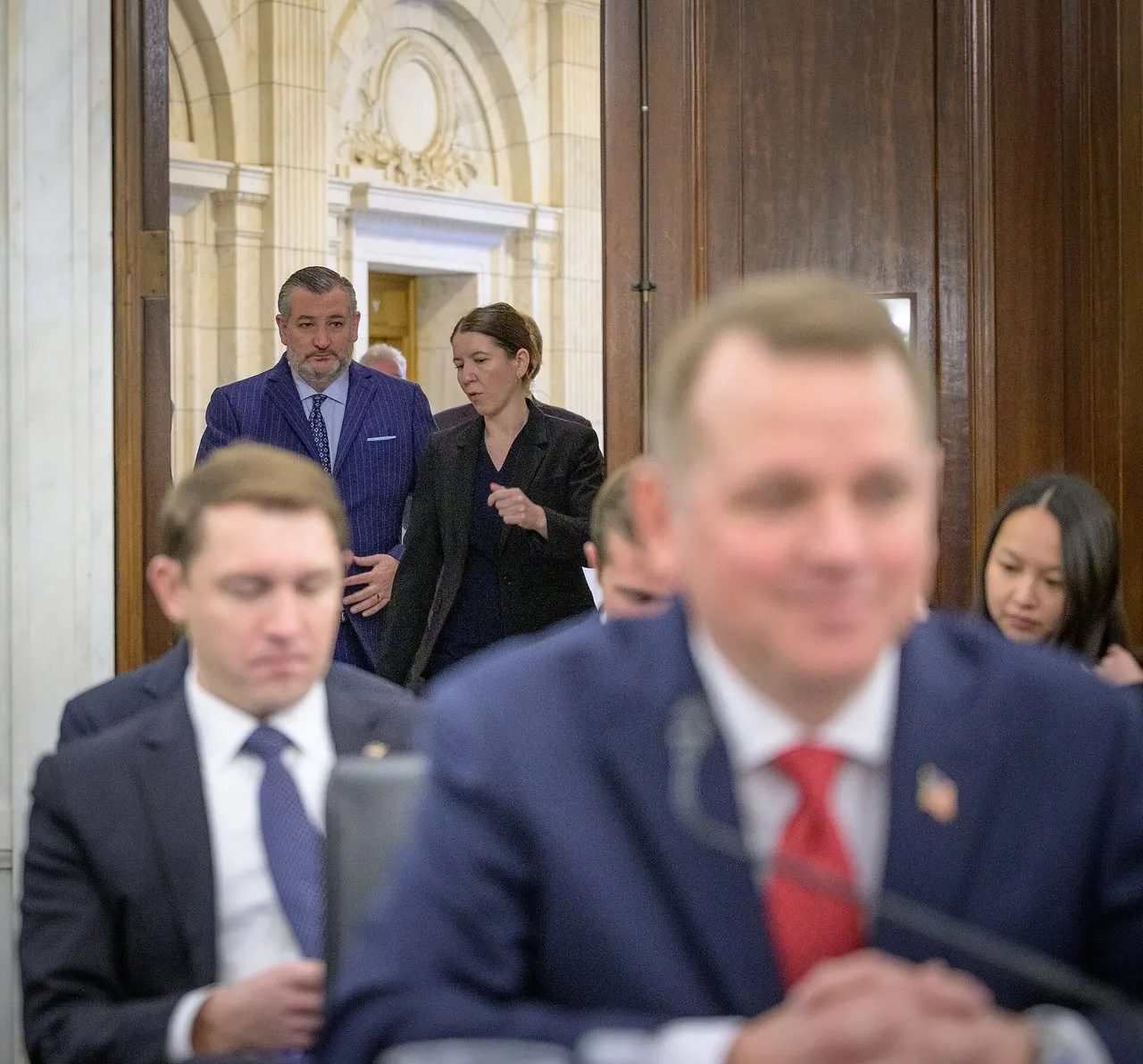
Supporters of Sanders say the numbers speak for themselves. When one man owns more than half a country, they argue, the system has tilted too far, and a wealth tax is a fair way to tilt it back. They point to the Russia and Africa figures as proof that the pattern is global, not local, and not limited to one country. Read Sanders answers Musk on election money.
Critics Push Back on the Oligarchy Warning
Critics push back in several ways. Some say a wealth tax would drive investment away and slow the growth that creates jobs. Others say it would be hard to put a fair price on private companies and art. A third group argues that the answer is faster growth, not new taxes. The debate is real, and it will not end soon. See a sharp look at Musk’s record.
What Happens Next for Sanders and His Plan
Sanders keeps pushing his plan in the Senate, and the debate will follow him into the next round of votes and speeches. The numbers in this post will likely return in future posts, because they are simple, they stick, and they are easy to repeat. Whether a wealth tax ever becomes law is still an open question. Read the split over midterm spending for more on the fight.
What Do You Think About the Wealth Gap
Now it is your turn. Does one person owning more than half a country sound fair to you, or does it sound like a warning worth heeding? Do the figures from Russia and Africa change how you see the problem? Share your view in the comments, and tell us what you would change first. Read Musk describes his views as moderate while you think it over.