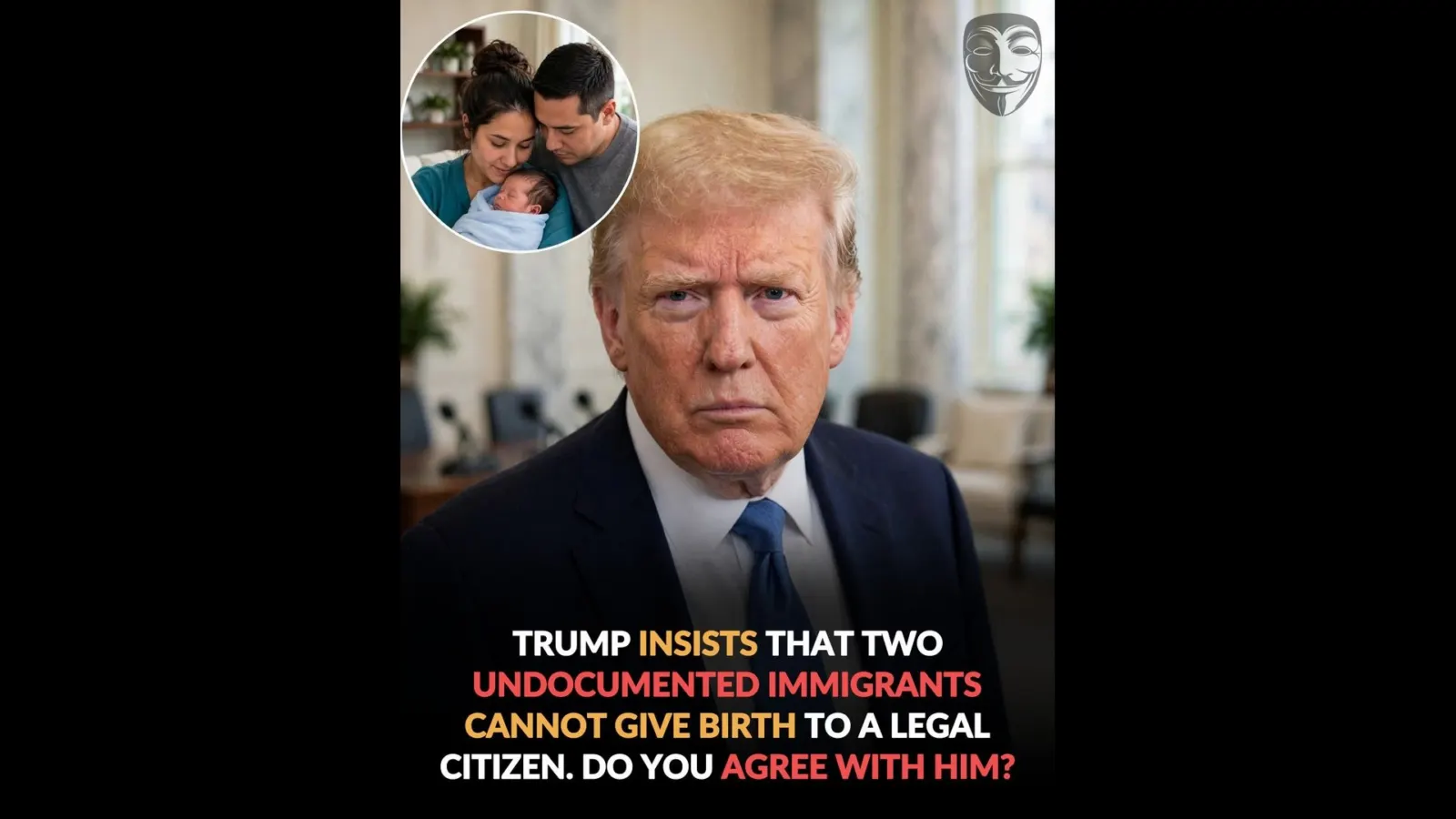
Birthright Citizenship Stays the Law After the Court Ruling
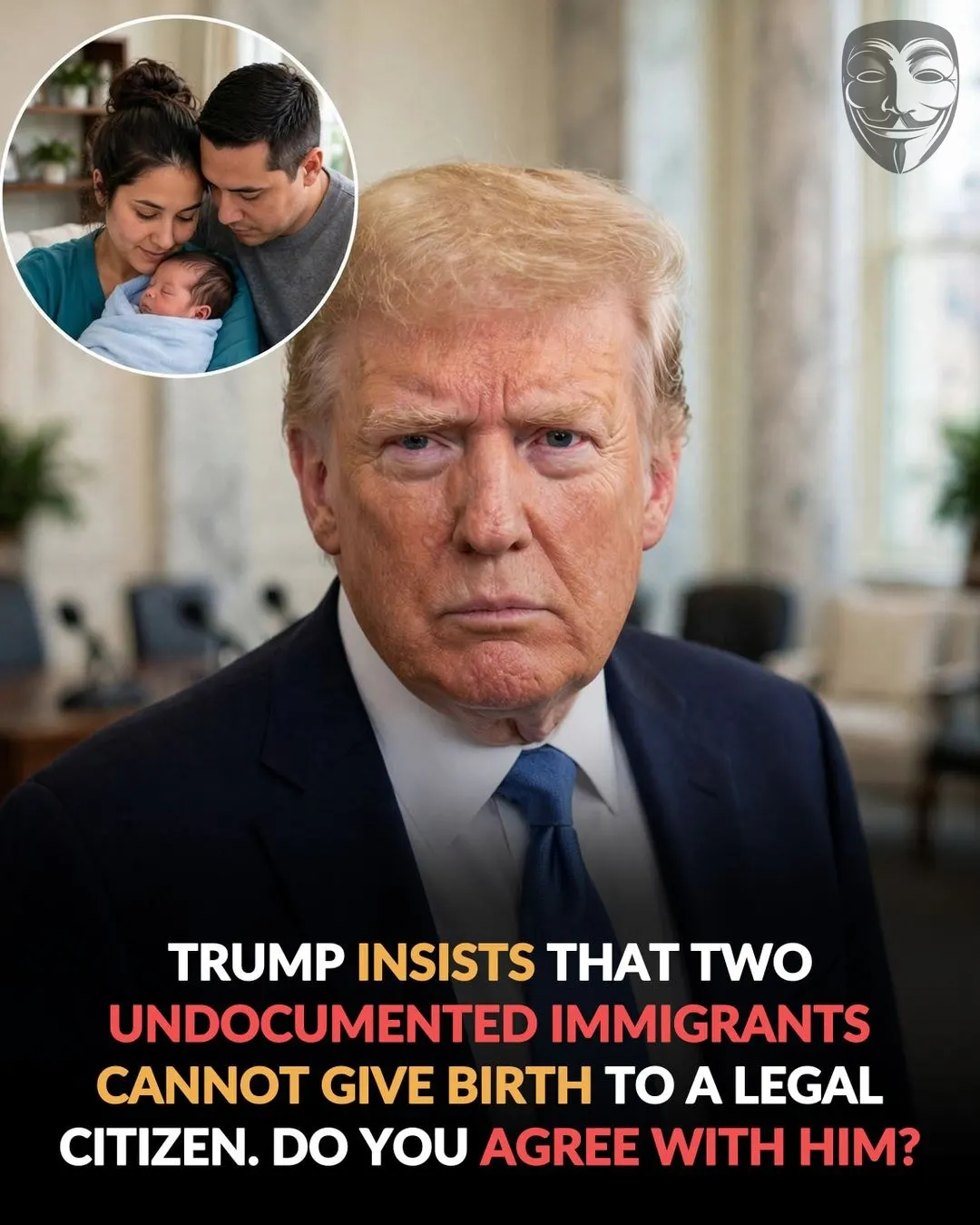
Birthright citizenship remains the law of the land after the Supreme Court struck down President Donald Trump’s first executive order on June 30, 2026. In Trump v. Barbara, the justices ruled by a 6 to 3 vote that children born on American soil are citizens under the 14th Amendment, no matter their parents immigration status. The decision leaned on the 1898 ruling in Wong Kim Ark, which held the same protection for children born in the United States to noncitizen parents. It was a clear answer to a question that had divided the country for years.
Undeterred, Trump signed two new executive actions on August 6, 2026, again seeking to limit citizenship for children born to parents without legal status, along with a separate order aimed at so called birth tourism. The new orders are already facing fresh legal challenges, and judges have begun blocking them. In the slides ahead we look at the ruling, the history behind it, and what comes next. For more on court fights shaping the country, read about the ruling that overturned Trump HIV grant rules.
References:
National Catholic Reporter: Supreme Court finds Trump executive order on birthright citizenship unconstitutional
Ogletree Deakins: Supreme Court Upholds Birthright Citizenship, Rejecting Executive Order
Catholic Review: Supreme Court hears case on birthright citizenship executive order with Trump in attendance
LA Post: Trump’s newest order curtailing birthright citizenship is blocked by second judge
Birthright Citizenship and the June 30, 2026 Ruling
On June 30, 2026, the Supreme Court struck down Trump’s first executive order in Trump v. Barbara. The justices ruled by a 6 to 3 vote that children born on American soil are citizens under the 14th Amendment, no matter their parents immigration status. The decision ended months of waiting for families and lawyers on both sides. It also set up the next round of the fight, because the president did not accept the result. Read about the judge who could not explain the 22nd Amendment.
Inside the Courtroom Where the Case Was Argued
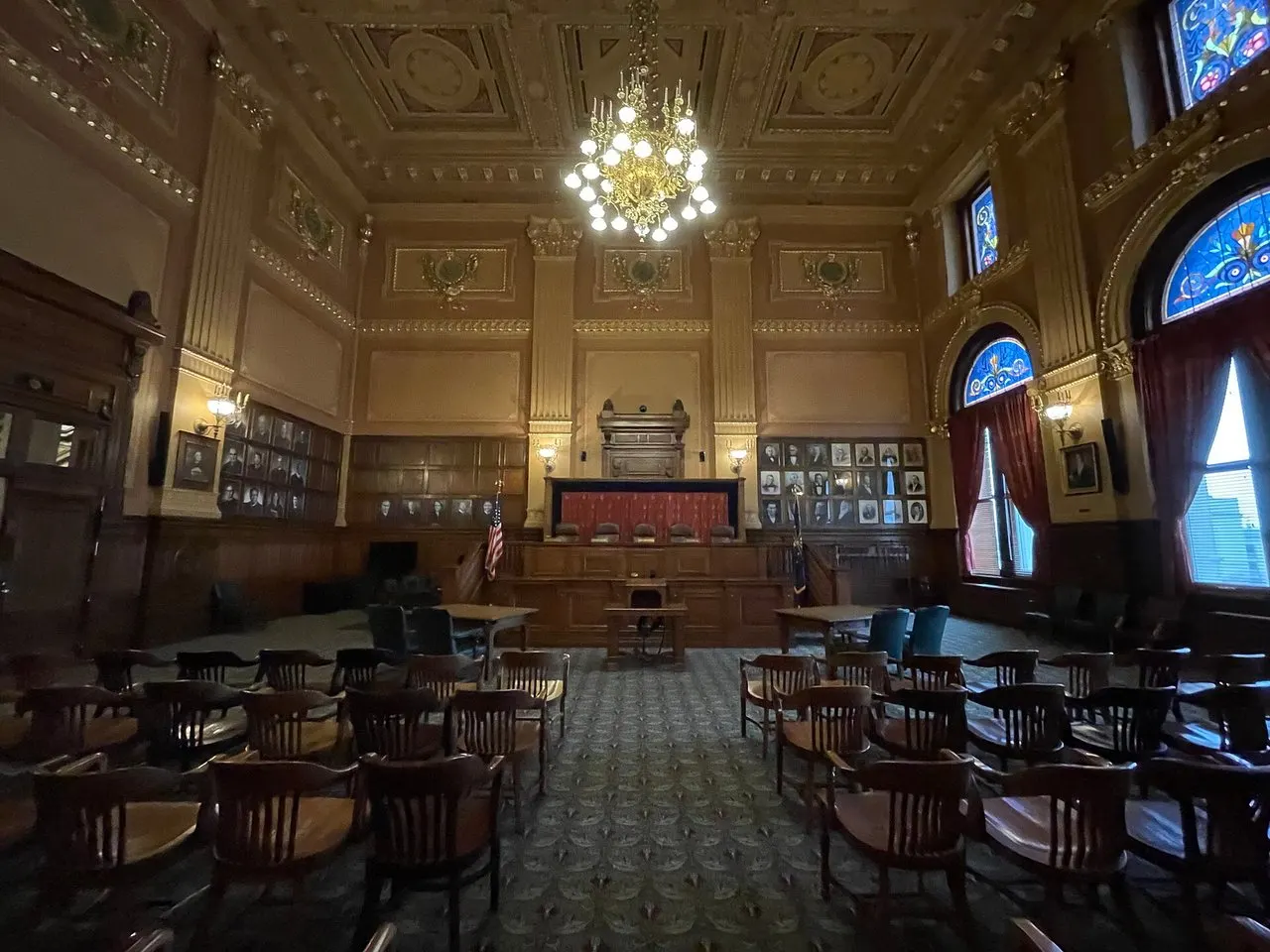
The case reached the Supreme Court after months of argument in lower courts. Lawyers for the families said the words of the 14th Amendment were plain, and that every child born in the United States is a citizen. Lawyers for the government said the amendment was never meant to cover children of parents without legal status. Trump attended oral arguments earlier this year, a rare move for a sitting president. Read about the judge who ordered ICE to justify an arrest.
Birthright Citizenship and What the 14th Amendment Says
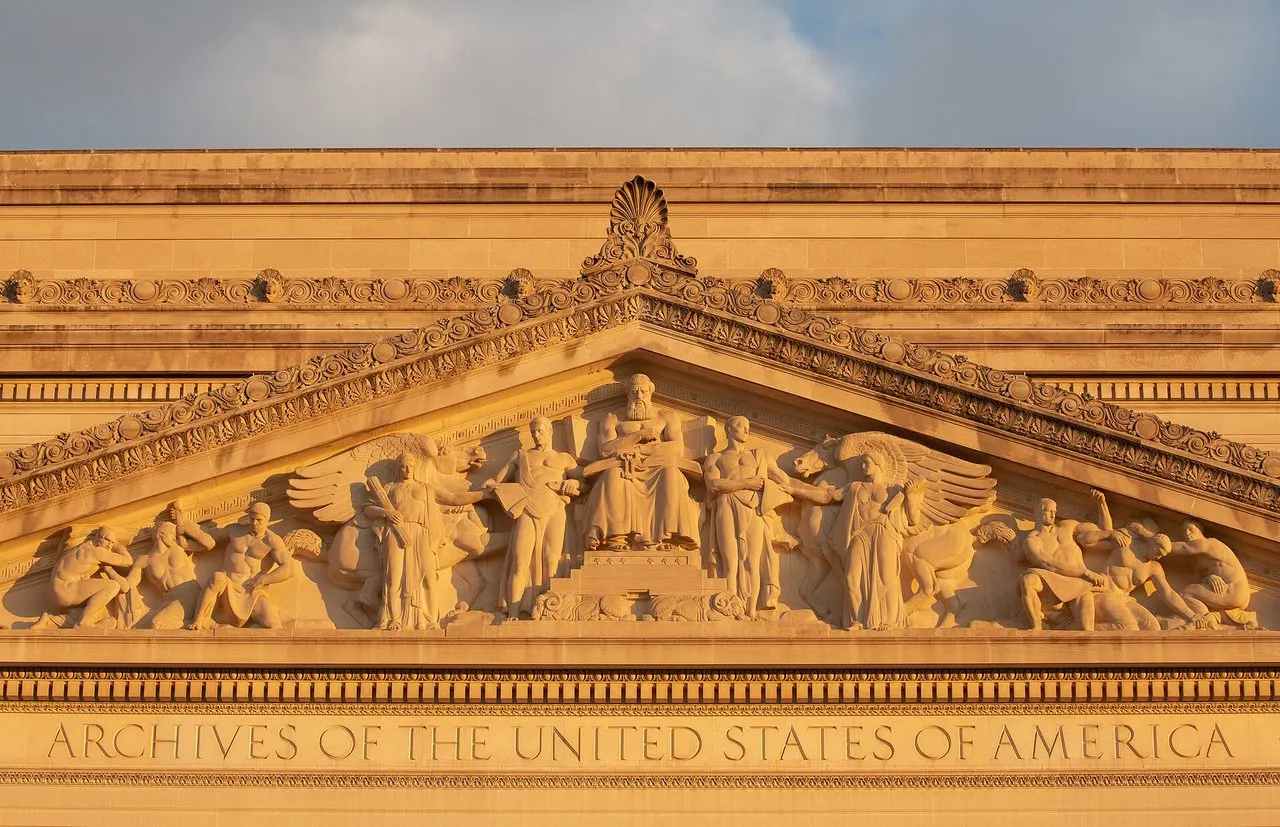
The 14th Amendment was added to the Constitution in 1868, after the Civil War. Its first sentence says that all persons born or naturalized in the United States, and subject to the jurisdiction thereof, are citizens of the United States. For more than 150 years, that sentence has been read to mean that nearly every child born in this country is a citizen. The fight now is over what those words leave out, if anything. Read about the call for an amendment to overturn Citizens United.
Wong Kim Ark and the 1898 Ruling
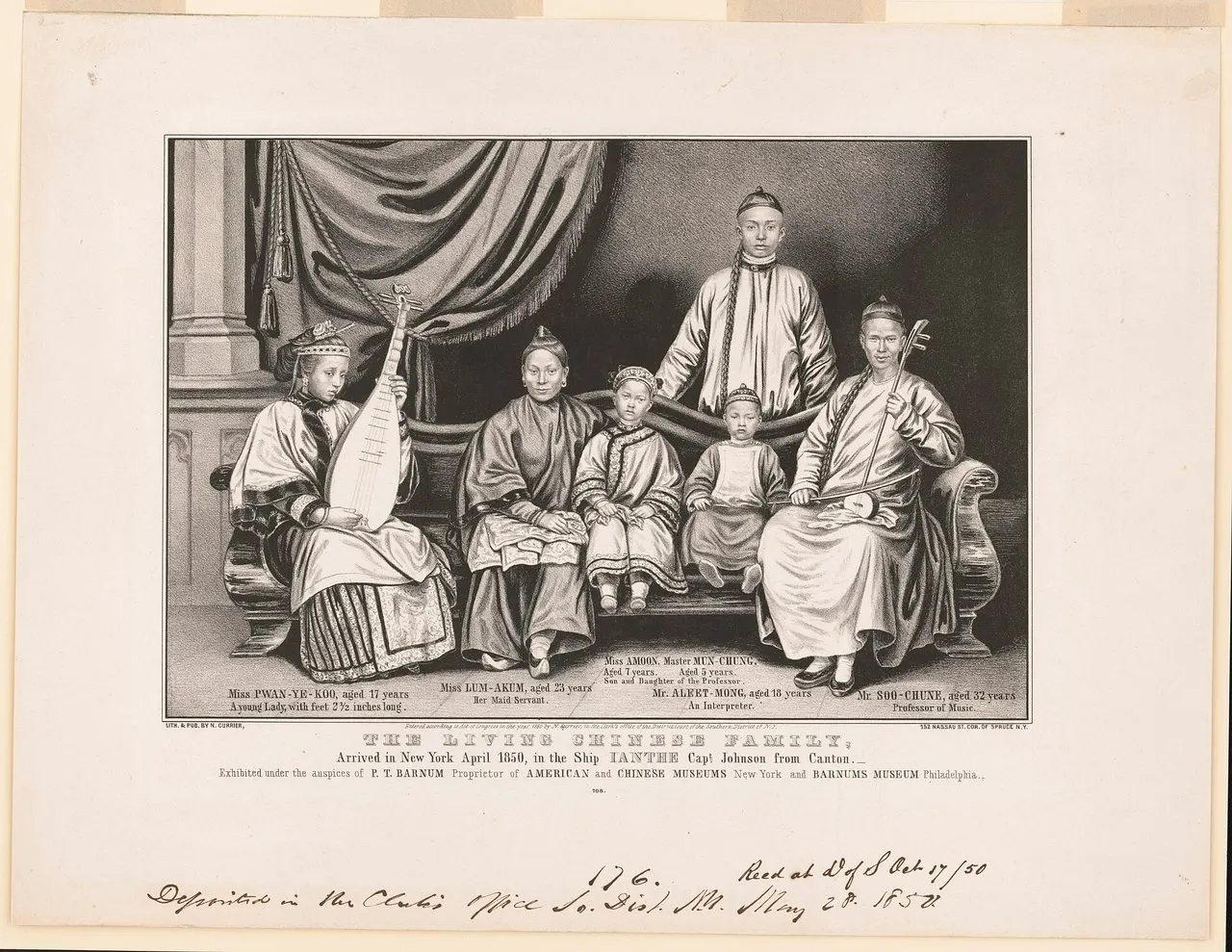
Wong Kim Ark was born in San Francisco in 1873 to parents who had come from China. When he returned from a trip abroad, officials refused to let him back in, saying he was not a citizen because his parents were not citizens. The Supreme Court disagreed in 1898 and ruled that a child born in the United States to noncitizen parents is a citizen. The June ruling leaned on that old case. Read about the warning on the Rohingya forced removal.
Birthright Citizenship and the 6 to 3 Vote
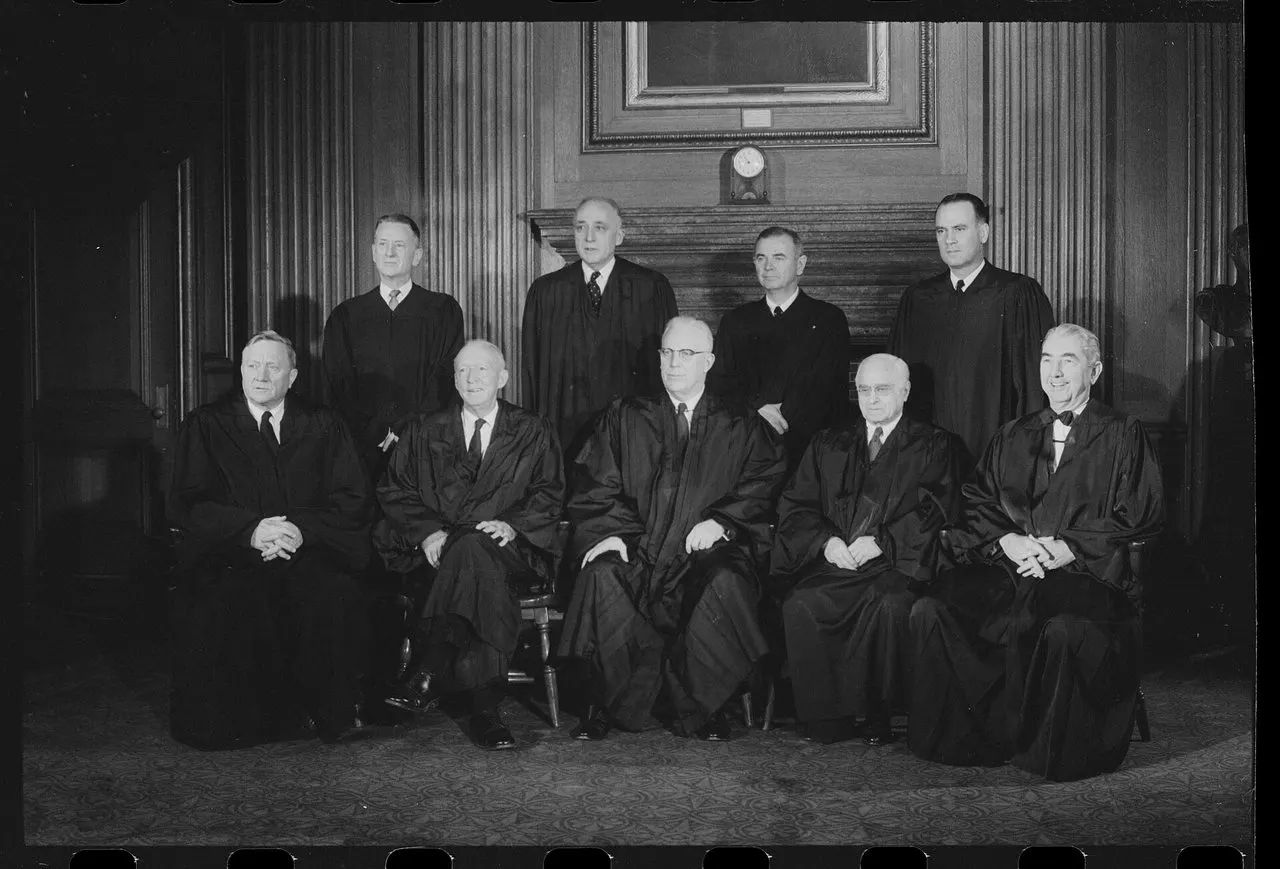
Six justices voted to strike down the first order, and three voted to let it stand. The majority said the text of the 14th Amendment and the long line of cases behind it left little room for doubt. The dissent said the Court should have given the president more room to set immigration policy. A 6 to 3 split is not close, but it still shows a Court with sharp disagreements on the biggest questions. Read about the fight over Fani Willis legal fees.
Birthright Citizenship and the Two New August Orders
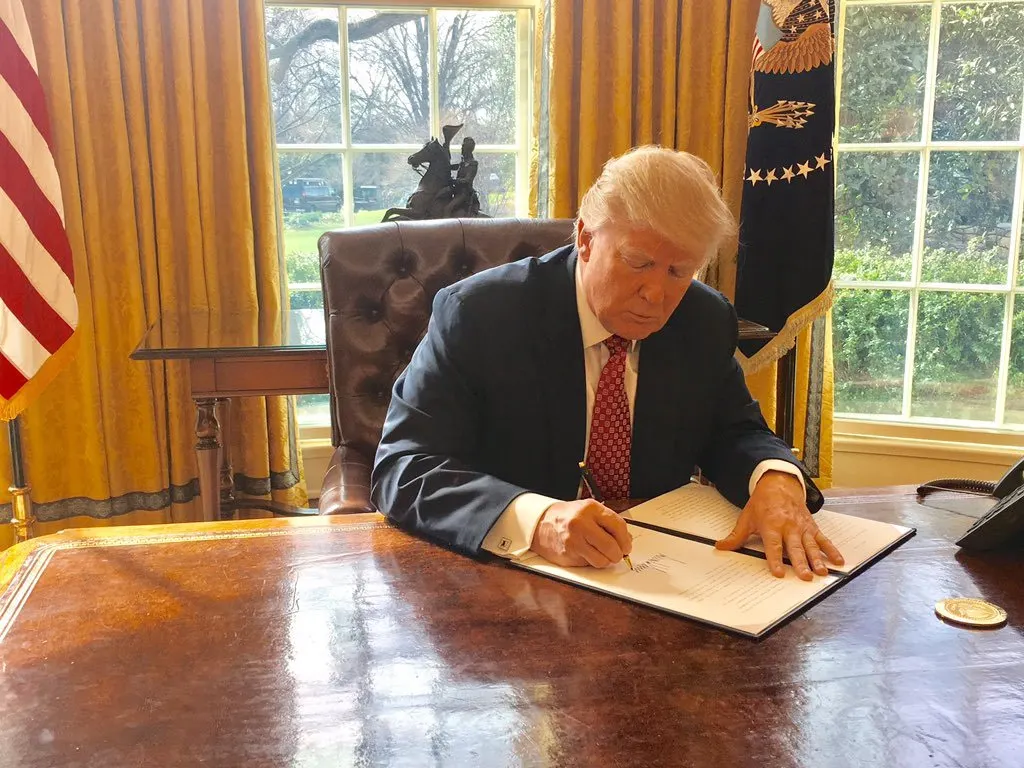
Undeterred by the loss in court, Trump signed two new executive actions on August 6, 2026. The orders again seek to limit citizenship for children born to parents without legal status. The White House said the new orders were written to answer the Court’s concerns. Critics said they were the same policy in new words. Either way, the orders put the question back before the courts within weeks of the ruling. Read about Trump’s historic trip to China.
The Separate Order on Birth Tourism
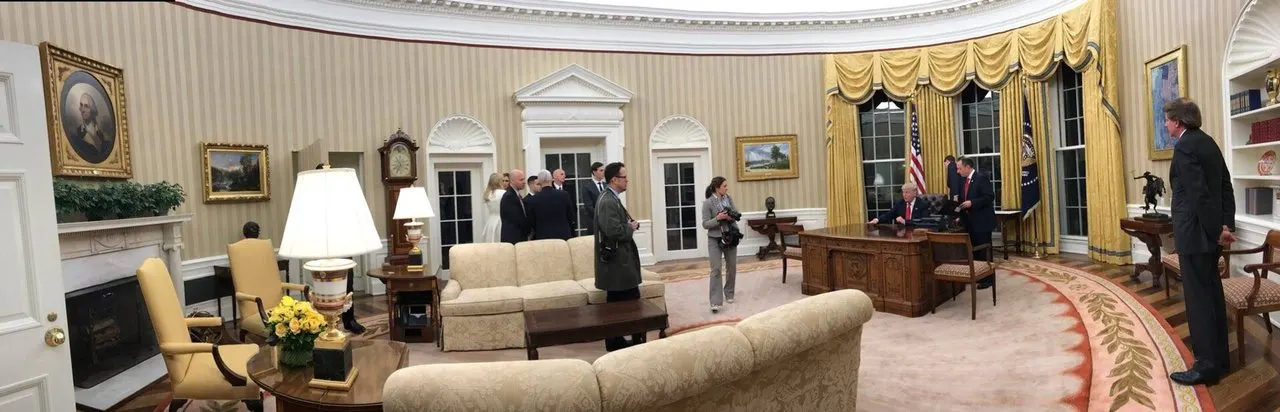
Alongside the two orders on citizenship, Trump signed a separate order aimed at so called birth tourism. The order targets people who travel to the United States to give birth so their child will be a citizen. Supporters say the practice takes advantage of American law. Critics say the number of such cases is small, and that the order punishes families more than it protects the border. Read about Trump’s return home from Asia.
What Birthright Citizenship Means for Newborns
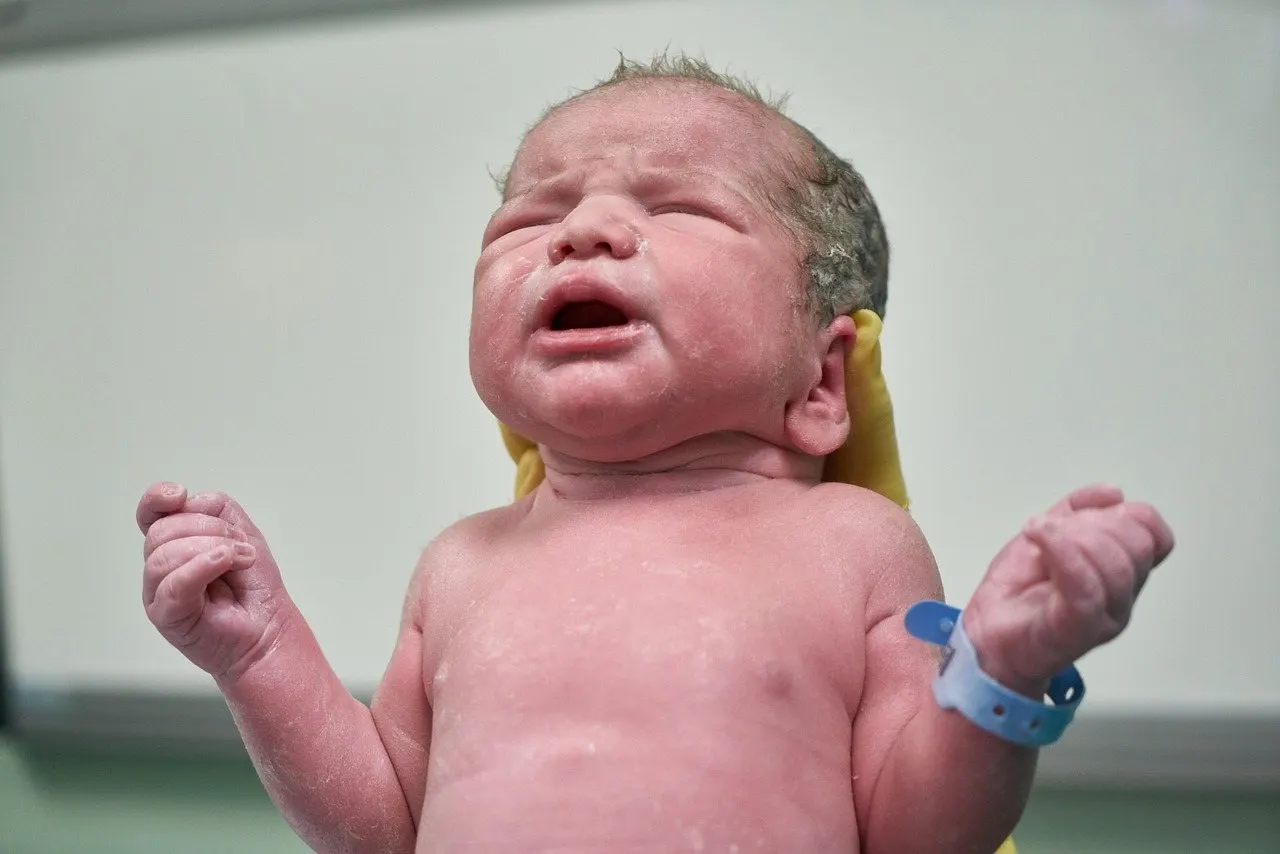
For a newborn, birthright citizenship means a birth certificate, a Social Security number, and a clear place in American life from the first day. Hospitals record the birth, and the child grows up with the same rights as any other citizen. That simple fact is why the fight matters so much to parents. A change in the rule would leave many newborns in legal limbo. Read about babies born with measles as vaccination rates fall.
Federal Judges Begin to Block the New Orders
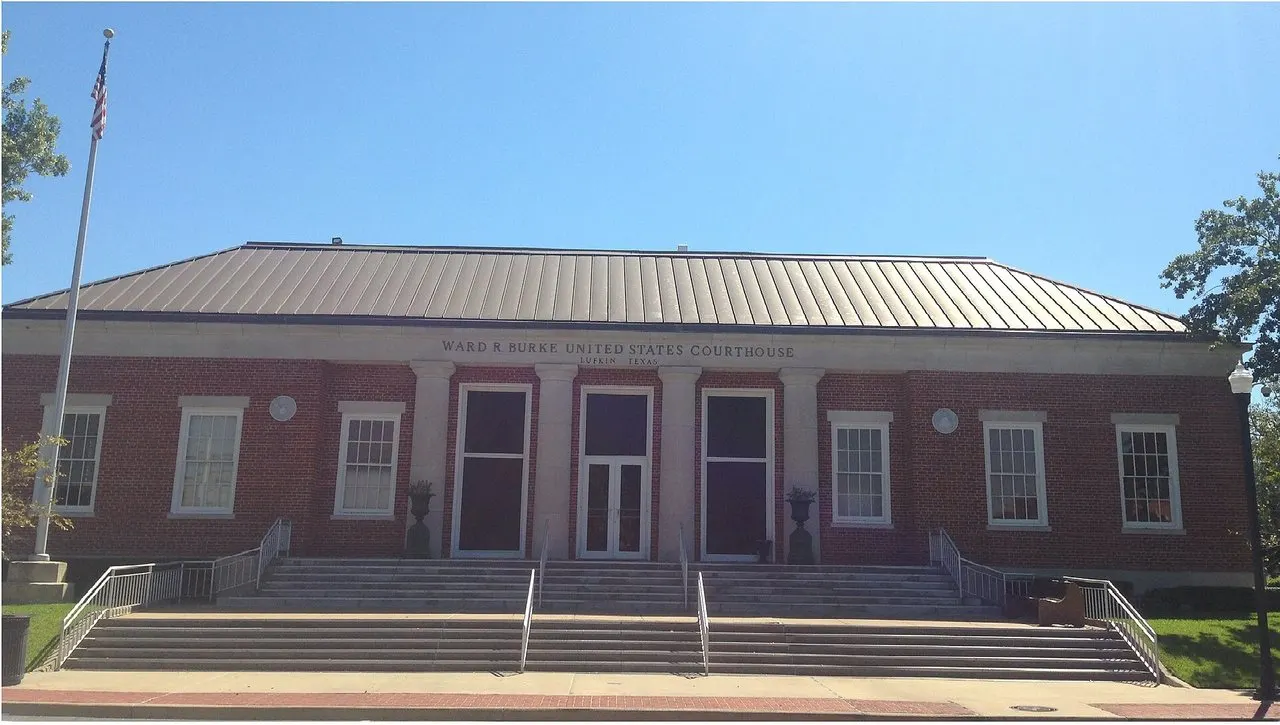
The new orders did not last long before judges stepped in. Federal courts around the country began blocking them, just as they had blocked the first order. A block from a judge does not end a case, but it stops the government from enforcing the order while the case moves ahead. For families, each block means the old rule stays in place a little longer. Read about the judge who ordered ICE to justify an arrest.
Birthright Citizenship Faces Fresh Legal Challenges
Lawyers for immigrant families and civil rights groups moved fast to challenge the August orders. They filed cases in several courts, arguing that the Supreme Court had already settled the question in June. The government answered that the new orders were written differently and deserved a fresh look. With judges already blocking the orders, the cases now move toward appeals. Read about the bill to stop ICE from using children as bait.
Trump Speaks Out After the Ruling

After attending Supreme Court oral arguments earlier this year, Trump took to Truth Social to press his case. He wrote that the United States is the only country in the world that would allow birthright citizenship, and he called the policy foolish in blunt terms. His supporters cheered the post, and his critics said it missed the history of the 14th Amendment. The message has now become a rallying cry in the debate. Read about Trump meeting dictators to get ready for Congress.
What Scholars Say About Birthright Citizenship
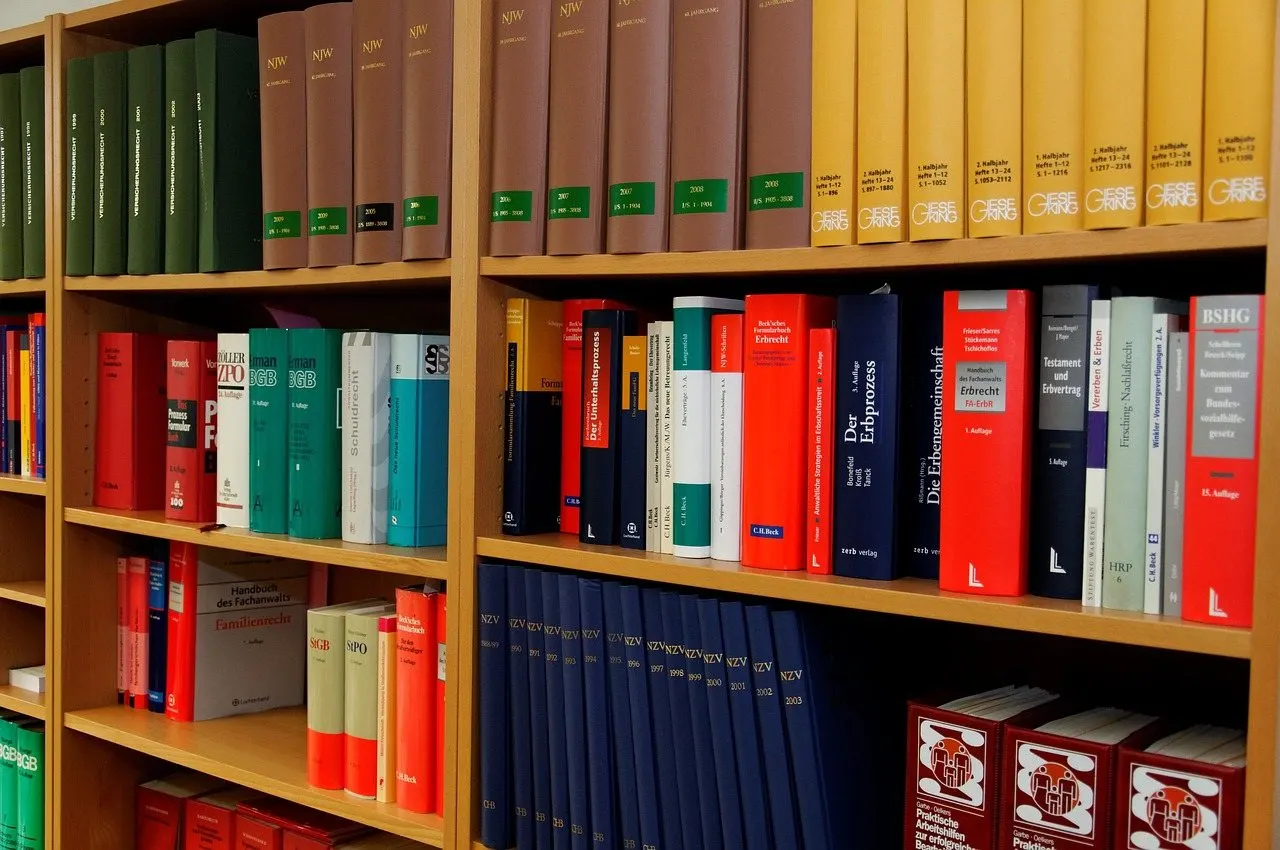
Legal scholars note the June ruling leaned on the 1898 decision in Wong Kim Ark, which held that children born in the United States to noncitizen parents are citizens. Most scholars say the text of the amendment and more than a century of practice point the same way. A few argue the Court should read the words more narrowly. The debate among experts will shape the next round of cases. Read about the call for an amendment to overturn Citizens United.
A New Baby and the First Days of Life
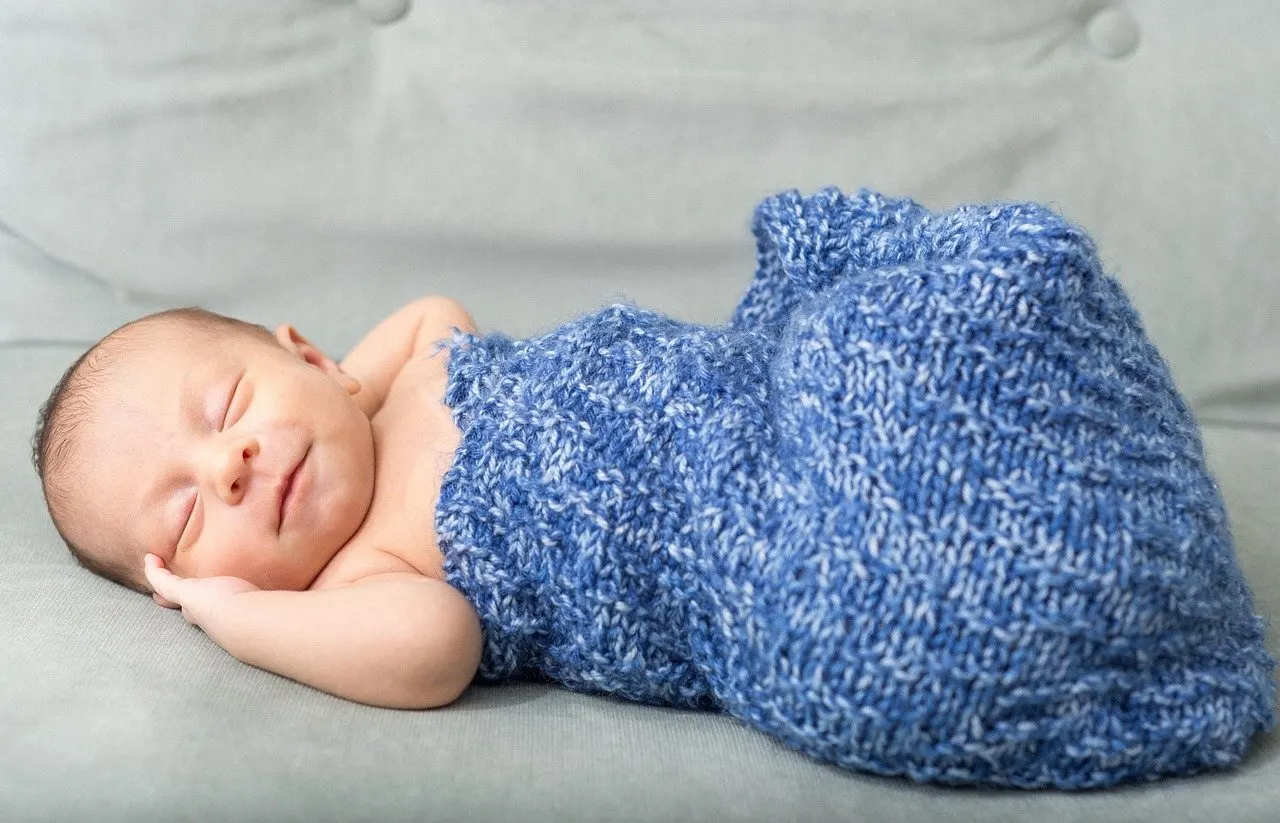
A baby’s first days are spent in a hospital room with parents learning to feed, hold, and soothe a tiny new person. Nurses check the baby’s health, and the family fills out the first forms of a new life. For most parents, the paperwork is routine and quickly forgotten. For families touched by the citizenship fight, those same forms now carry a weight they never expected. Read about babies born with measles as vaccination rates fall.
Birthright Citizenship and the Families Waiting for Answers
Across the country, parents without legal status are waiting to learn what the new orders mean for their children. Some have lived in the United States for years and have children who were born here. Lawyers tell them the law is still on their side, for now, but that the fight is far from over. The waiting itself has become a heavy burden for many families. Read about Kevin Hart on what rich really means for kids.
The Amendment Born After the Civil War
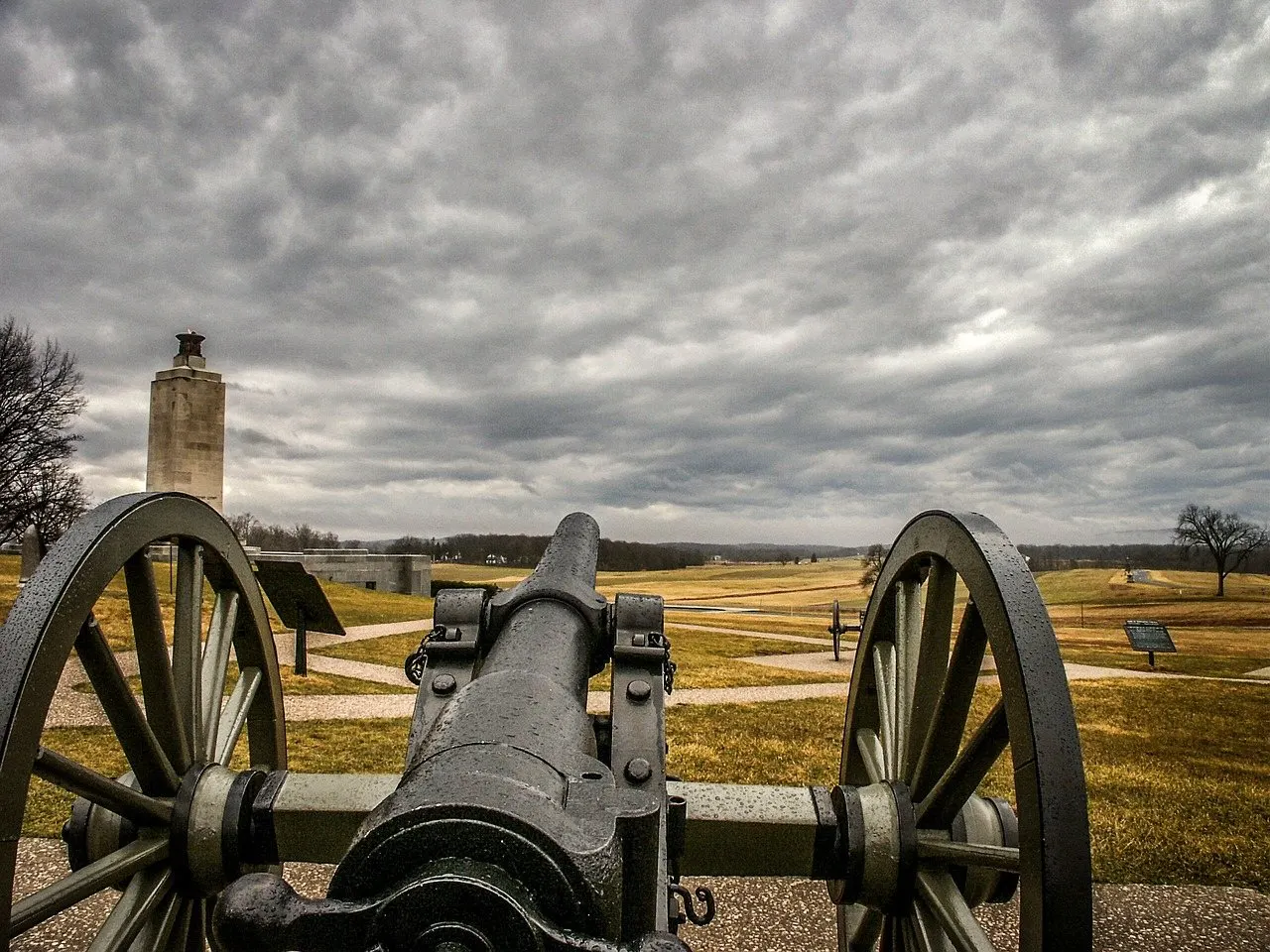
The 14th Amendment was written after the Civil War, when the country had to decide who counted as a citizen. Its authors wanted to make sure that people born in the United States, including formerly enslaved people, could not be denied citizenship. That history is why the amendment’s words are so broad. The Court’s June ruling treated that history as part of the answer. Read about what Barack Obama gave this country.
Birthright Citizenship and the American Flag
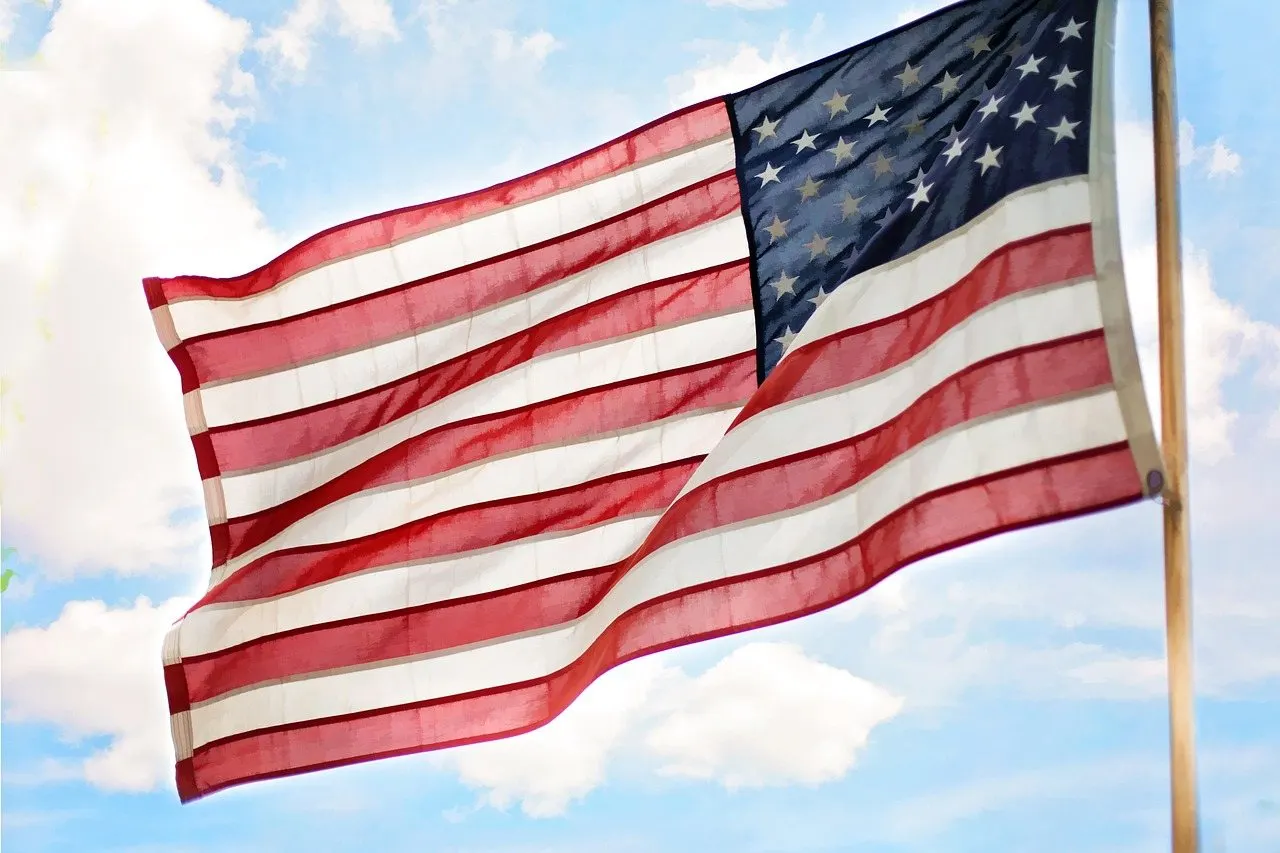
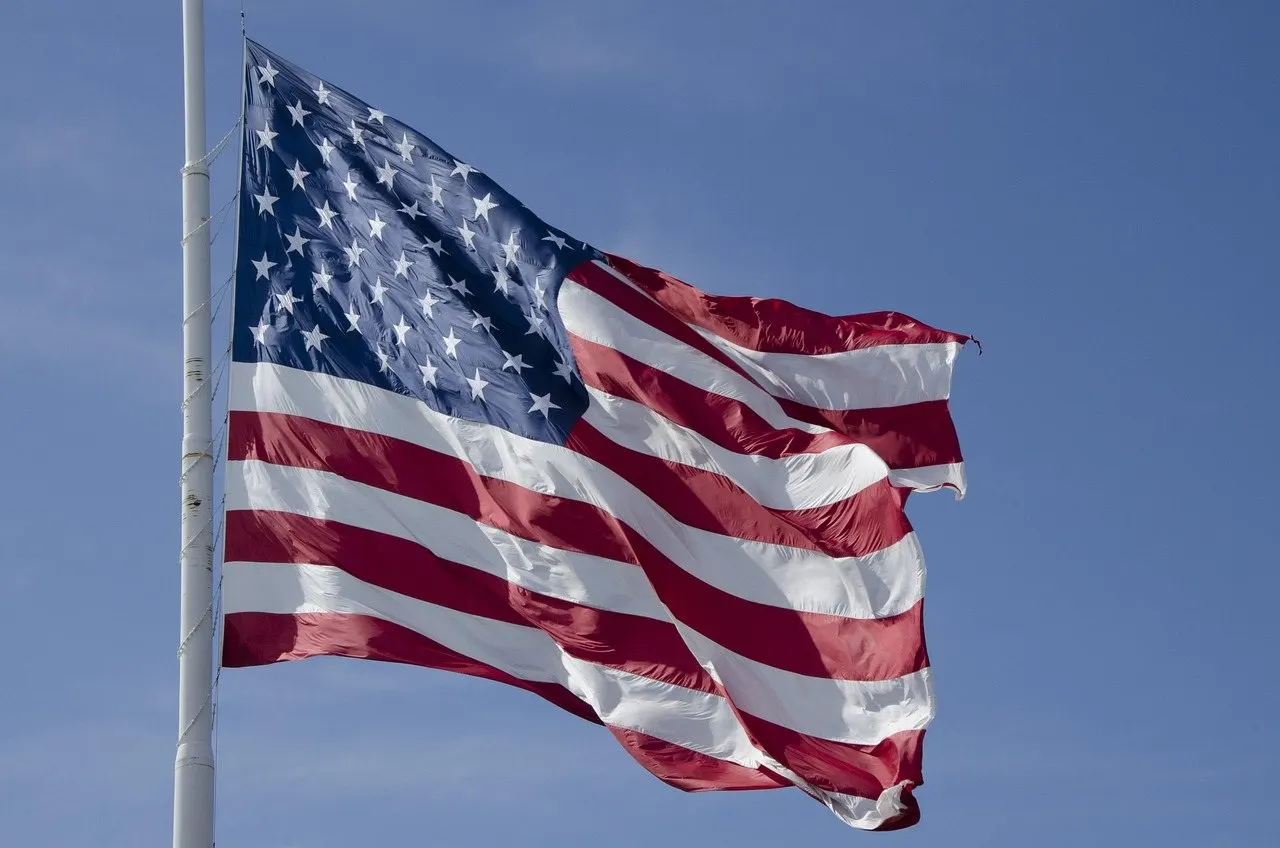
The flag stands for a country that has long promised citizenship to nearly every child born on its soil. That promise is part of what makes the American idea different from many other nations. Supporters of the ruling say the flag’s promise is the point. Critics of the old rule say the promise was never meant to stretch this far. The flag itself stays out of the fight, but it flies over all of it. Read about the outrage after Marco Rubio’s remarks.
Inside a Hospital Nursery
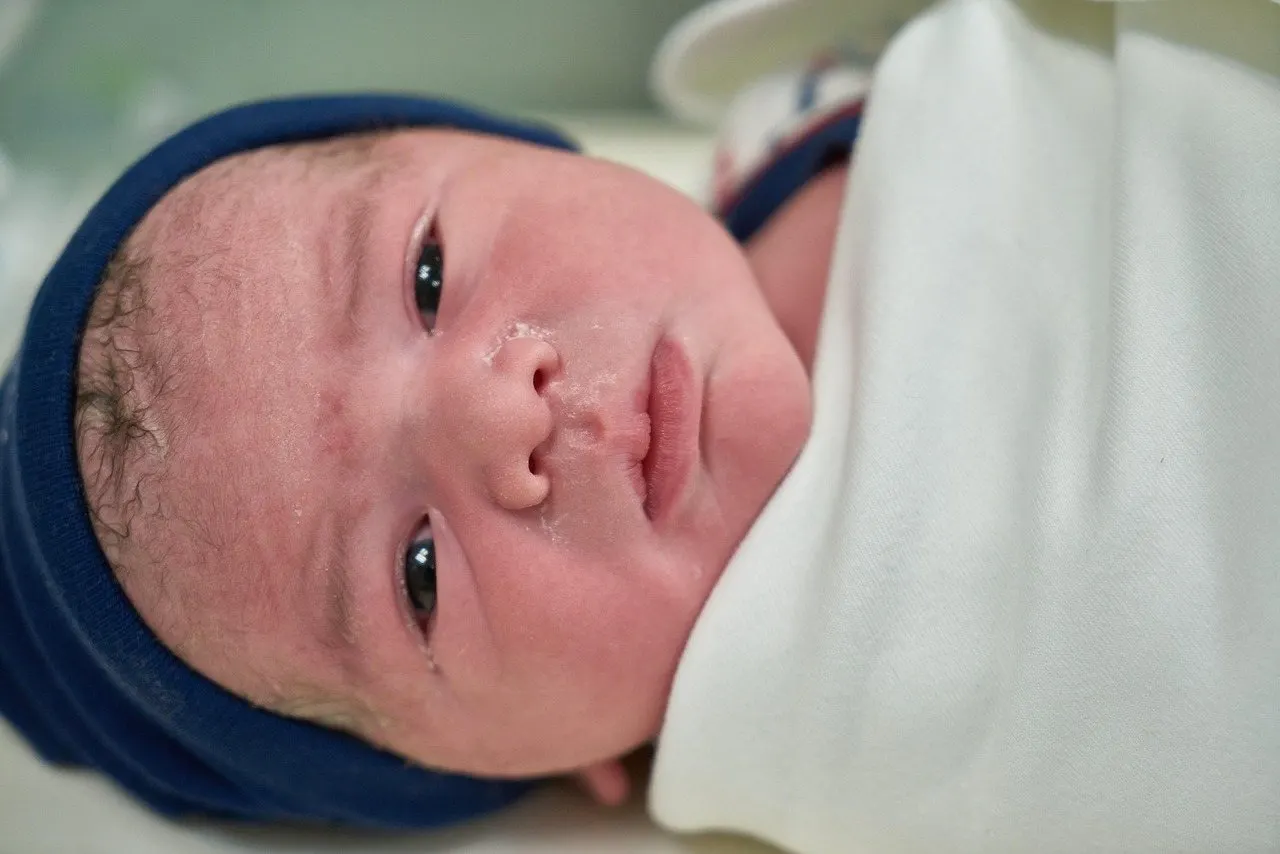
In a hospital nursery, newborns sleep in rows of small bassinets while nurses move quietly between them. Parents press close to the glass, pointing out their child to grandparents on a phone screen. It is one of the most hopeful rooms in any hospital. The citizenship fight feels far away from this room, but its outcome will reach every family that passes through it. Read about the bill to stop ICE from using children as bait.
Birthright Citizenship in the Lower Courts

The Supreme Court is not the only court in this fight. Lower federal courts hear the first challenges, and their rulings shape what happens while a case climbs upward. Judges in different states have now blocked the new orders, and appeals courts will weigh in next. The path back to the Supreme Court could take months. Each step gives families and lawyers a new hearing. Read about the intelligence Putin shared with Iran.
Trump and the Justices He Appointed
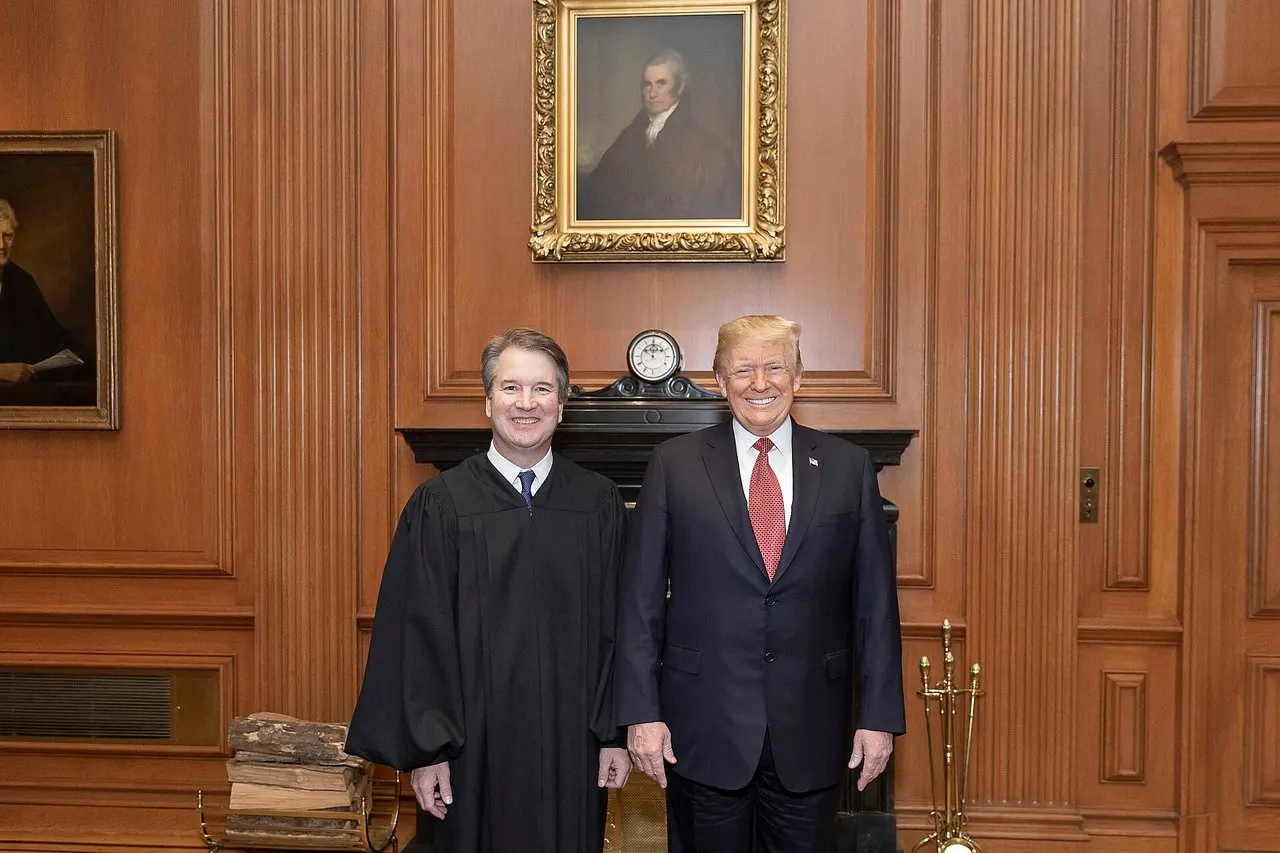
Trump appointed three justices during his first term, and they now sit on a Court with a strong conservative majority. The June ruling showed that even a Court he helped shape would not accept the first order. That is how the system is meant to work, with judges ruling on the law rather than loyalty. The next round will test that idea again. Read about Trump’s historic trip to China.
Birthright Citizenship in the News

The story has stayed in the news since June, with each new court order bringing a fresh round of headlines. Newsrooms track every filing, every hearing, and every ruling, because the question touches so many families. The coverage also shows how fast the fight moves, from a ruling one week to a new order the next. Readers who follow it closely see the law change in real time. Read about the petition forcing a vote on the Epstein files.
The Legal Fight Still Ahead
The August orders are only the start of the next round. Appeals courts will hear arguments, and the losing side will ask the Supreme Court to step in again. The justices could take the case quickly, or they could let the lower court rulings stand for a while. Either way, the question will not go quiet. It is now one of the defining legal fights of the year. Read about the push to ban Sharia law across the country.
How Other Countries Handle Citizenship at Birth

Most countries in the world do not grant citizenship to every child born on their soil. The United States and Canada are among the few that still follow that rule without broad limits. Other nations tie citizenship to the parents, or ask for years of residence first. Trump has pointed to that difference in his argument. Supporters of the current rule say America chose its own path long ago, and should keep it. Read about the outrage after Marco Rubio’s remarks.
The Birth Certificate Question

A birth certificate is the first official record of a child’s life, and it is also the document that proves citizenship. If the new orders take effect, hospitals and state offices would have to decide which newborns get a certificate that shows citizenship. That is a heavy job for clerks and nurses who never signed up to judge immigration status. The question will be argued in court before it reaches a hospital desk. Read about the detention center that earned over 250 million dollars.
Do You Agree With Trump?
Trump insists that two undocumented immigrants cannot give birth to a legal citizen, and he has now lost that argument in court once and signed new orders to try again. The Supreme Court has spoken, judges are blocking the new orders, and the fight is heading back to court. Now we want to hear from you. Do you agree with Trump, or do you think every child born in this country should be a citizen? Share your thoughts in the comments. Read about Trump meeting dictators to get ready for Congress.